
Where is the nearest mushroom?
Verified mushroom records across Turkey; share your location to find the nearest.
- 3,822
- records
- 706
- species
- 65
- provinces
Your location is only used on this device to work out distances; it is never sent to us or stored.
Edibility is only shown for species in our guide; everything else is "unknown". No marker means "safe to pick and eat".
Loading map…
Most recorded
The most often recorded mushrooms in Turkey
-
 Splitgill mushroomSchizophyllum commune
167
-
 Shaggy maneCoprinus comatus
147
-
 Red-cage fungusClathrus ruber
128
-
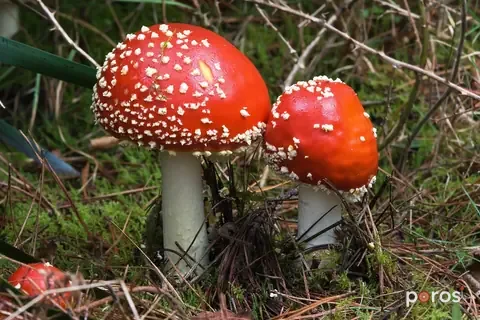 Fly agaricAmanita muscaria
66
-
 Jelly earAuricularia auricula-judae
65
-
 Turkey-tailTrametes versicolor
64
-
 BlewitCollybia nuda
59
-
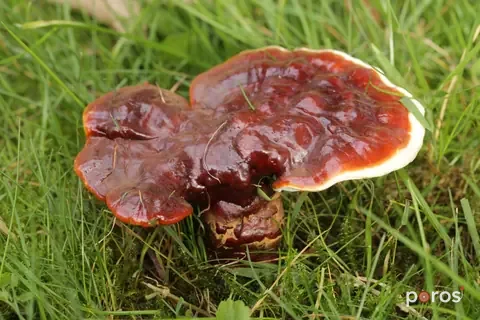 ReishiGanoderma lucidum
57
-
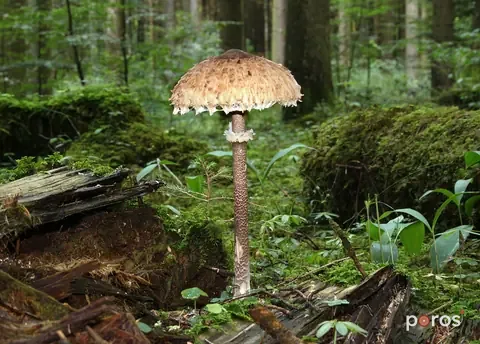 Parasol mushroomMacrolepiota procera
51
-
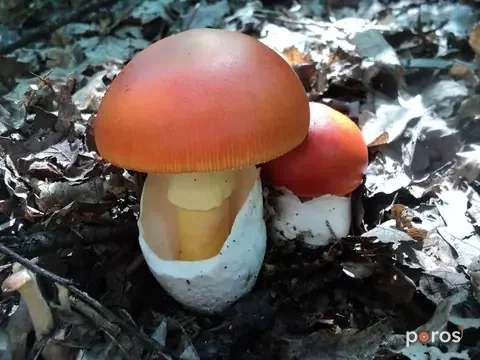 Caesar’s mushroomAmanita caesarea
48
-
 Honey mushroomArmillaria mellea
47
-
 Stubble rosegillVolvopluteus gloiocephalus
47
Data sources and licences
Observations from GBIF.org (human observations and herbarium specimens; records flagged with geospatial issues excluded) and iNaturalist research-grade records, retrieved 26 October 2026. Macrofungi only (Agaricomycetes, Pezizomycetes), named to species. Every point links to its own record, with the recorder and licence (CC0, CC BY, CC BY-NC).
Map: © OpenStreetMap contributors. Province centres: Wikidata. Region comes from the record's GADM province, or the nearest province centre when missing. For protected species (iNaturalist "threatened" or IUCN VU/EN/CR) locations are rounded to ~10 km; locations obscured by iNaturalist are marked "approximate".
An observation shows that a mushroom was seen there on that day, not that it is there now or that it may be picked. Counts reflect how many people record fungi in an area more than how common a species is.