
Morel
Morchella esculenta · Morchellaceae
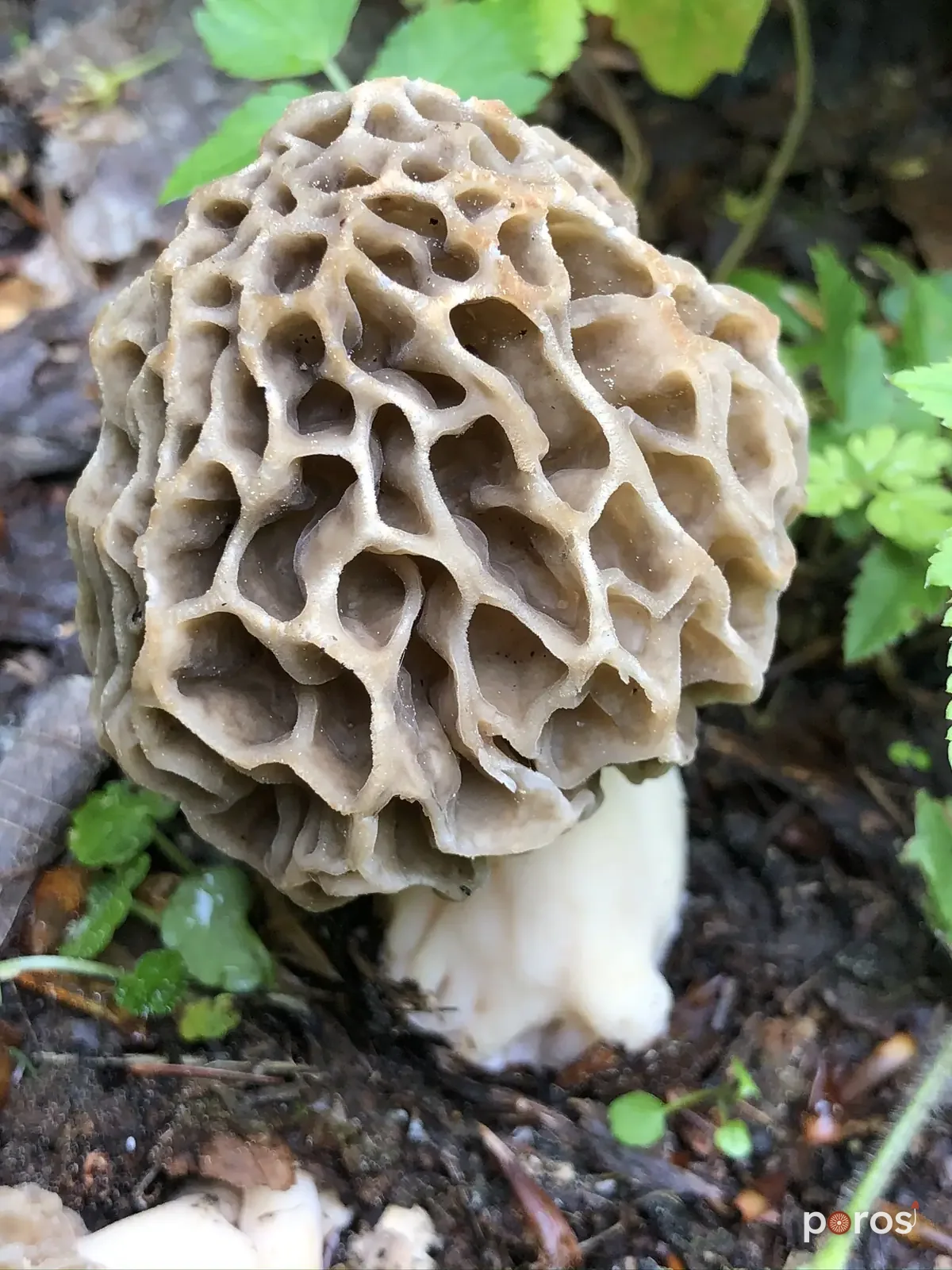
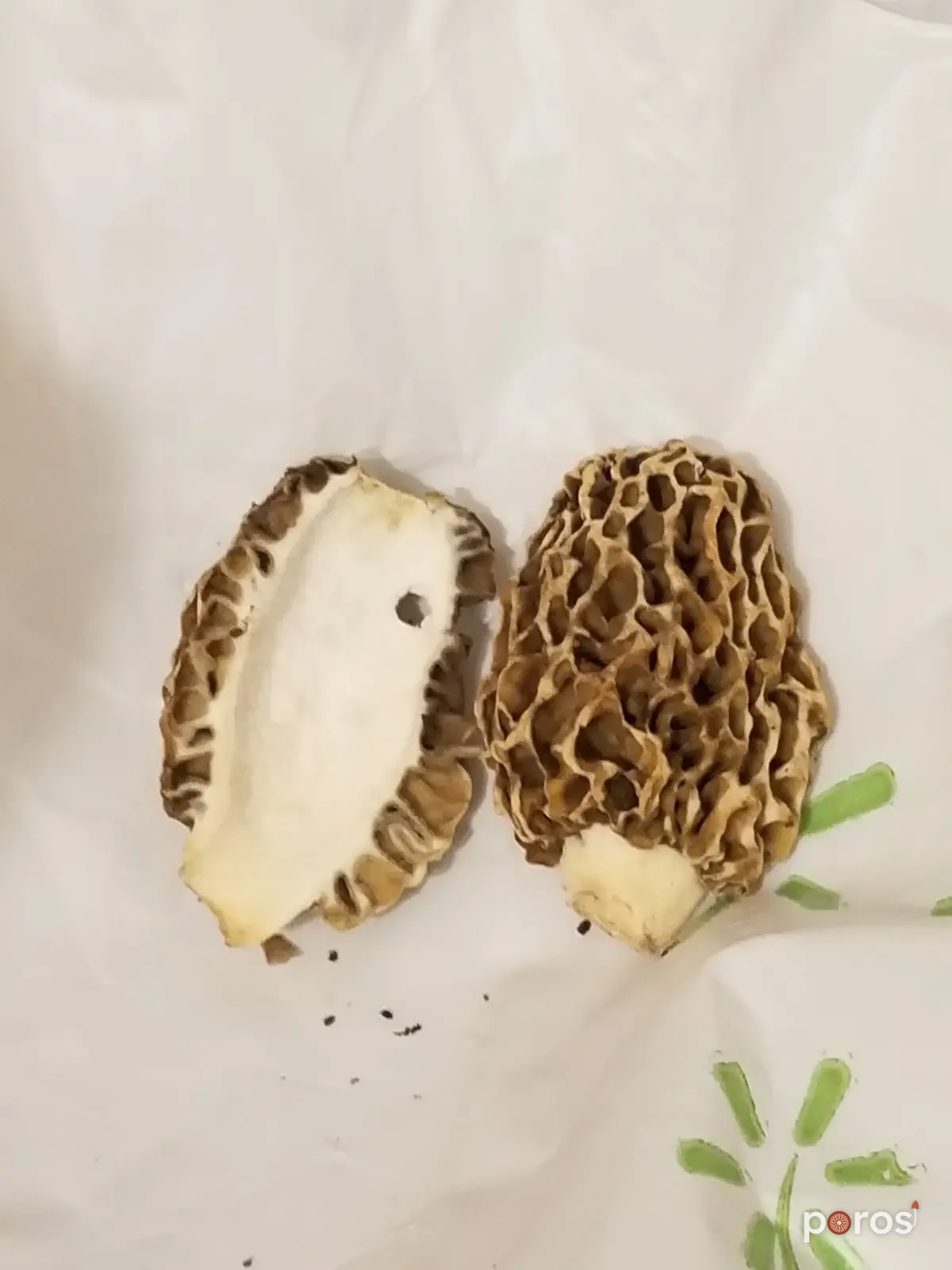
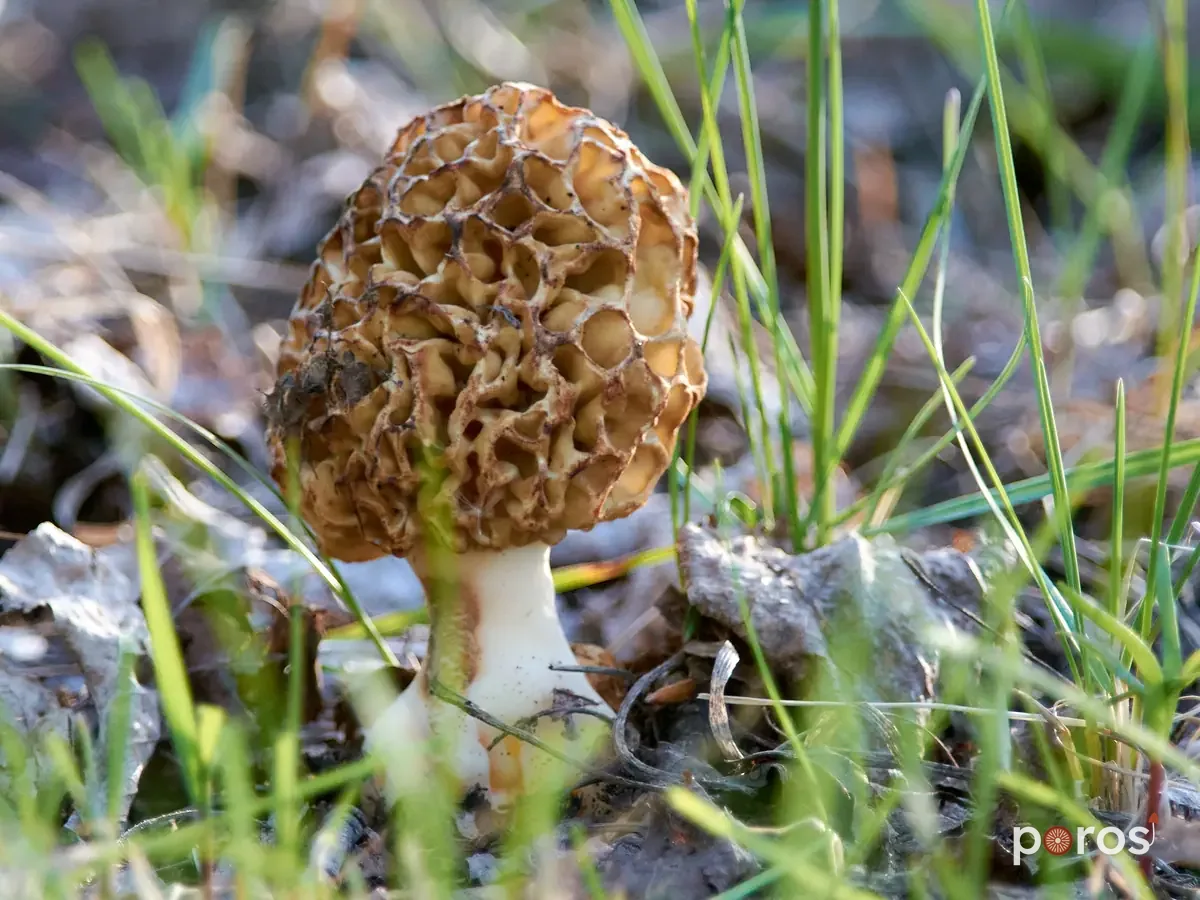
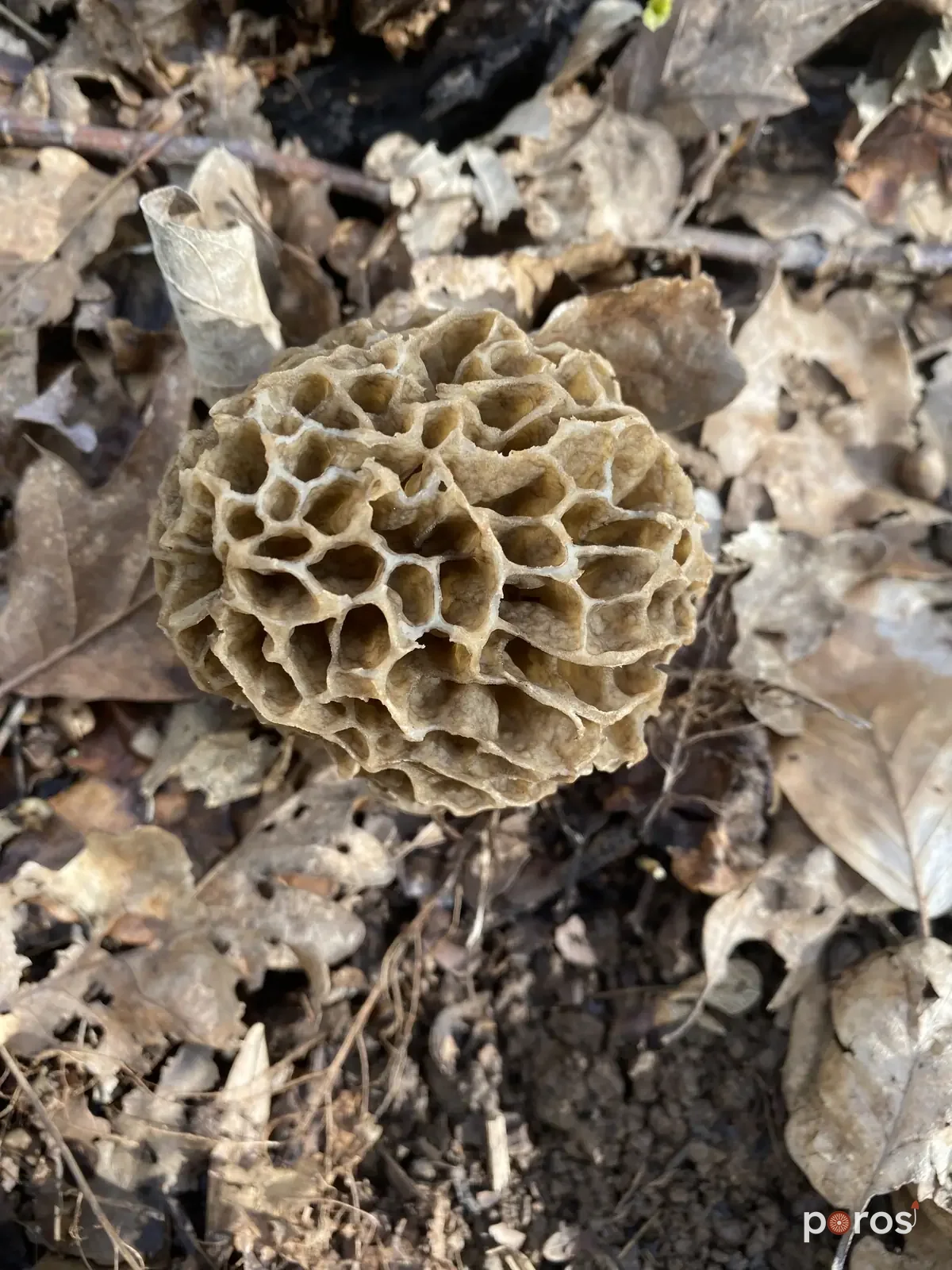
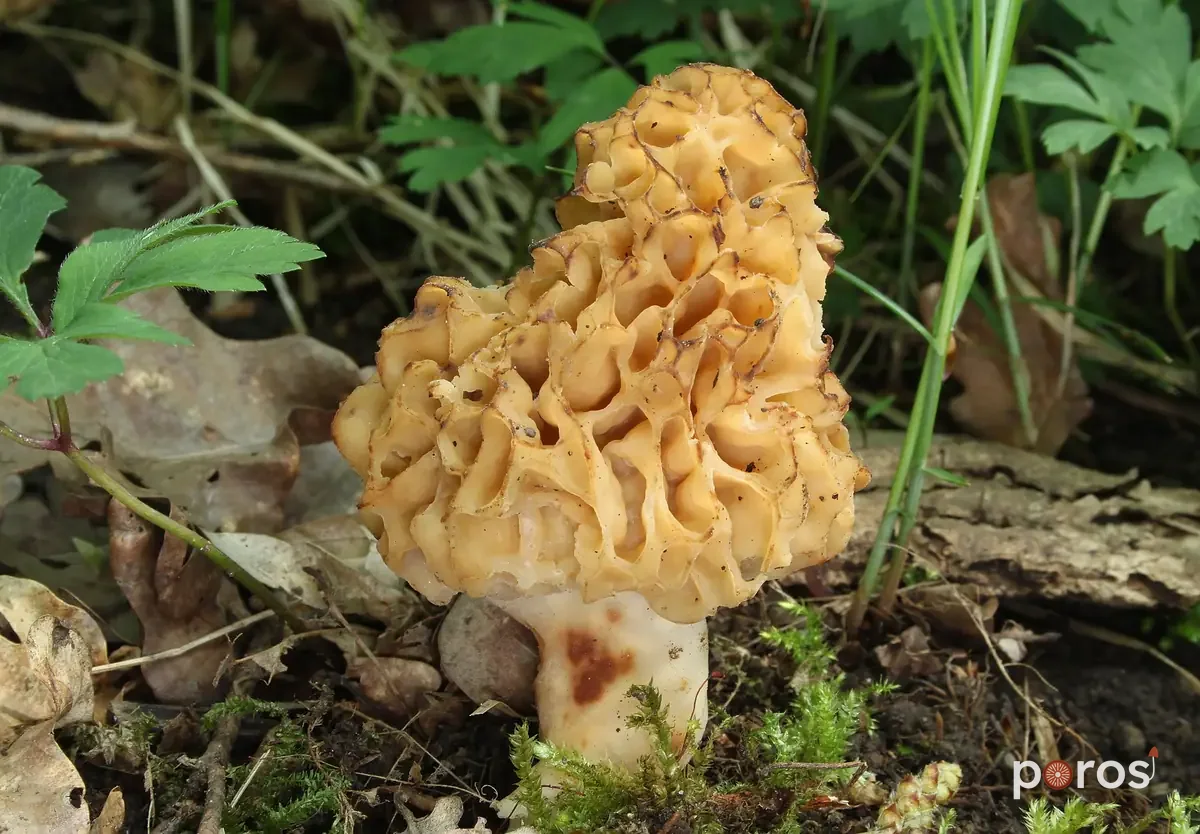
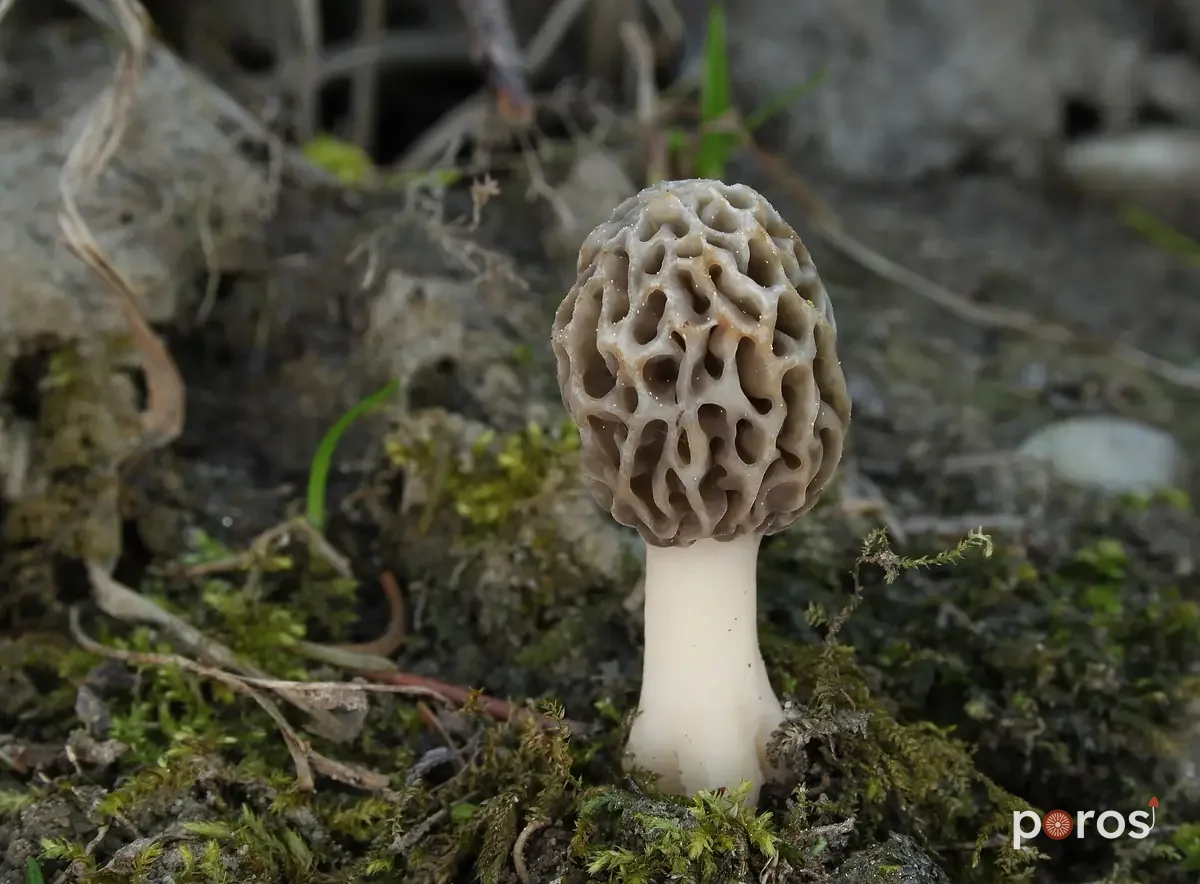
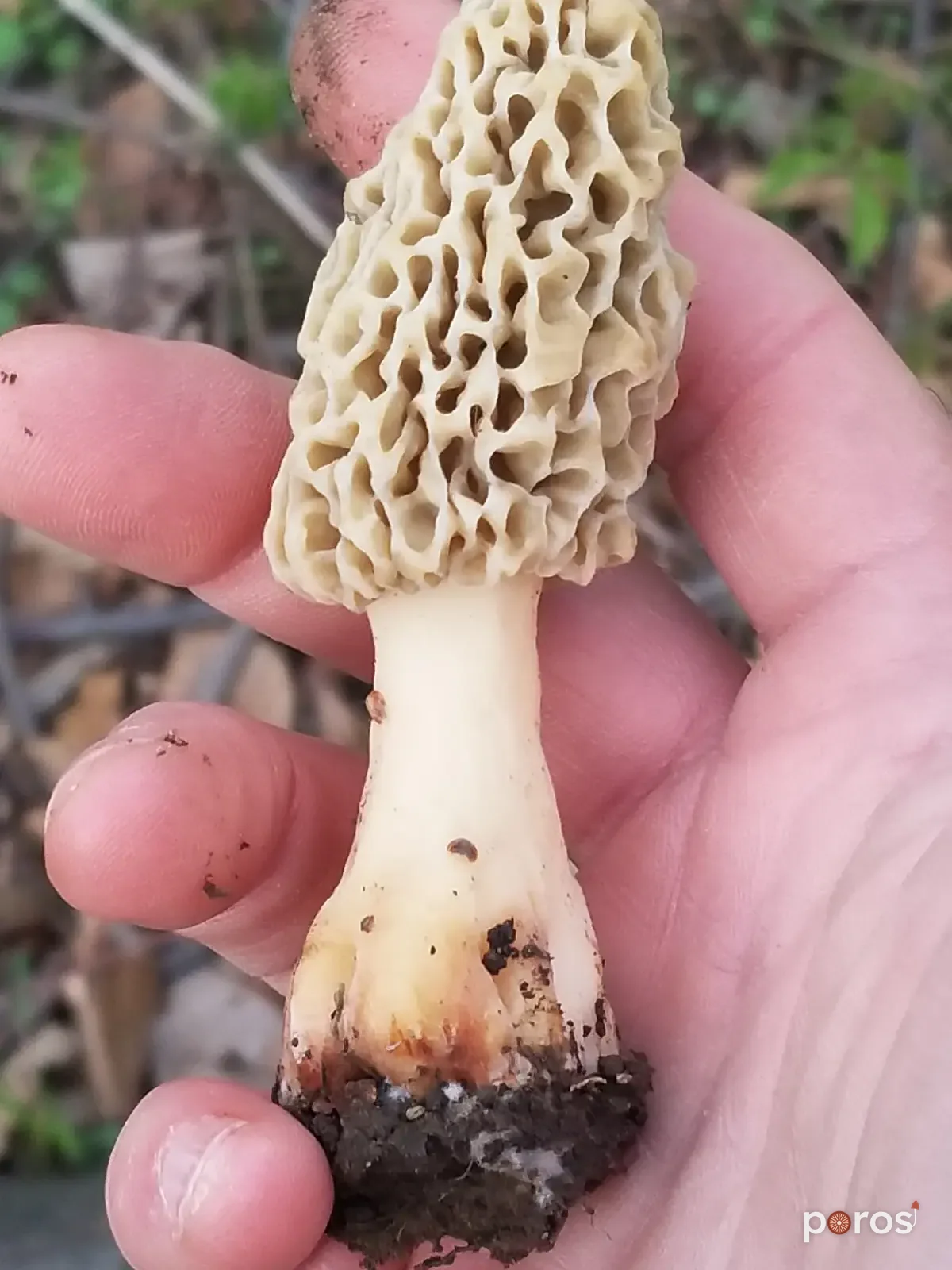
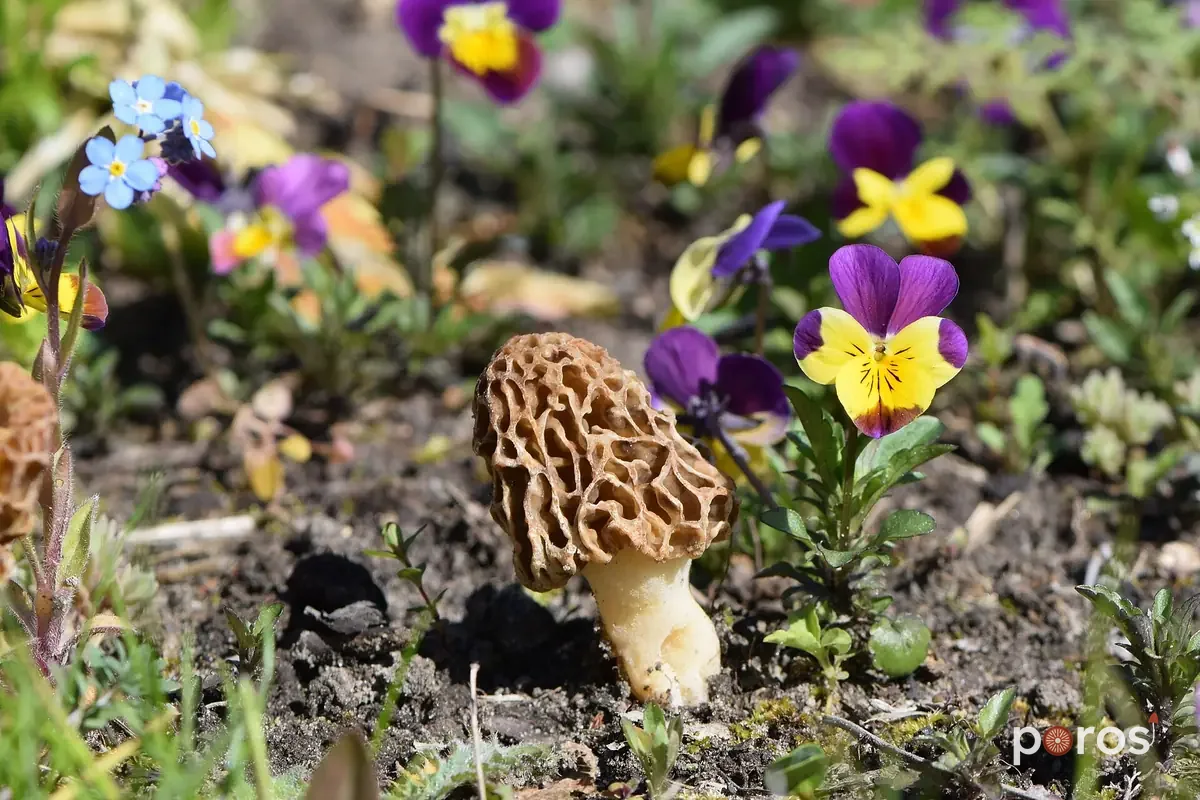
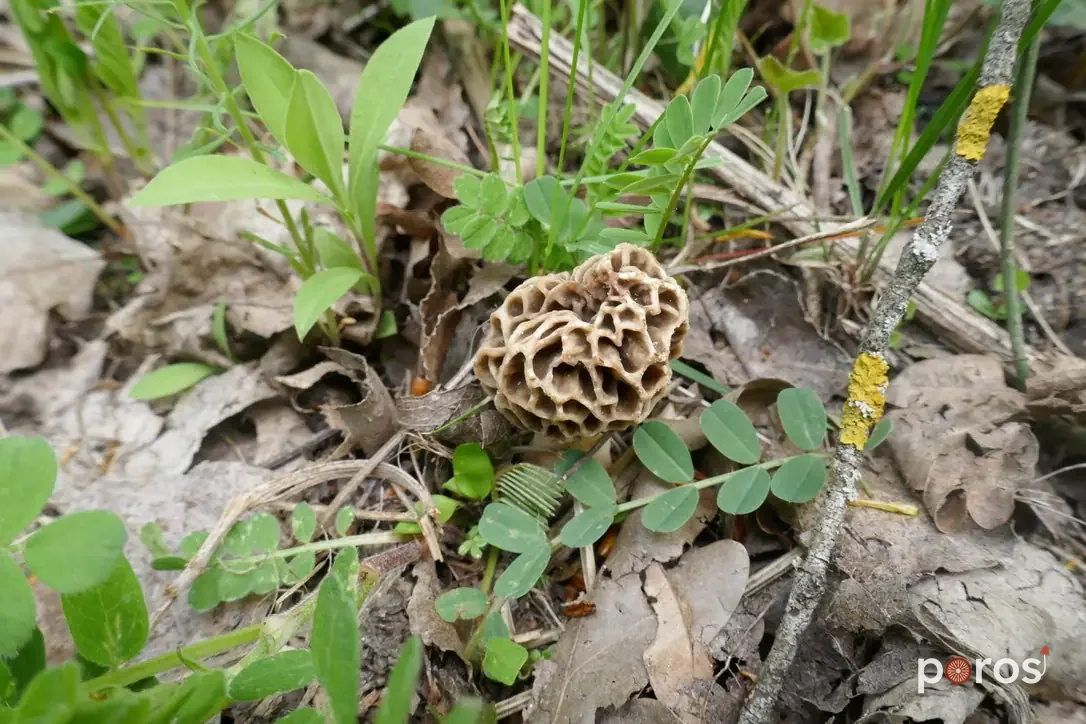
The morel is a spring mushroom with a honeycomb-pitted yellow-brown cap and a completely hollow inside.
The morel is a spring mushroom with a honeycomb-pitted yellow-brown cap and a completely hollow inside. It is one of the most prized wild mushrooms and is also exported from Turkey. Never eat it raw: it contains a gut irritant and must be cooked thoroughly.
Also called: common morel, yellow morel, true morel, sponge morel Turkish: Kuzugöbeği, kuzu göbeği, göbek mantarı
How to recognise it
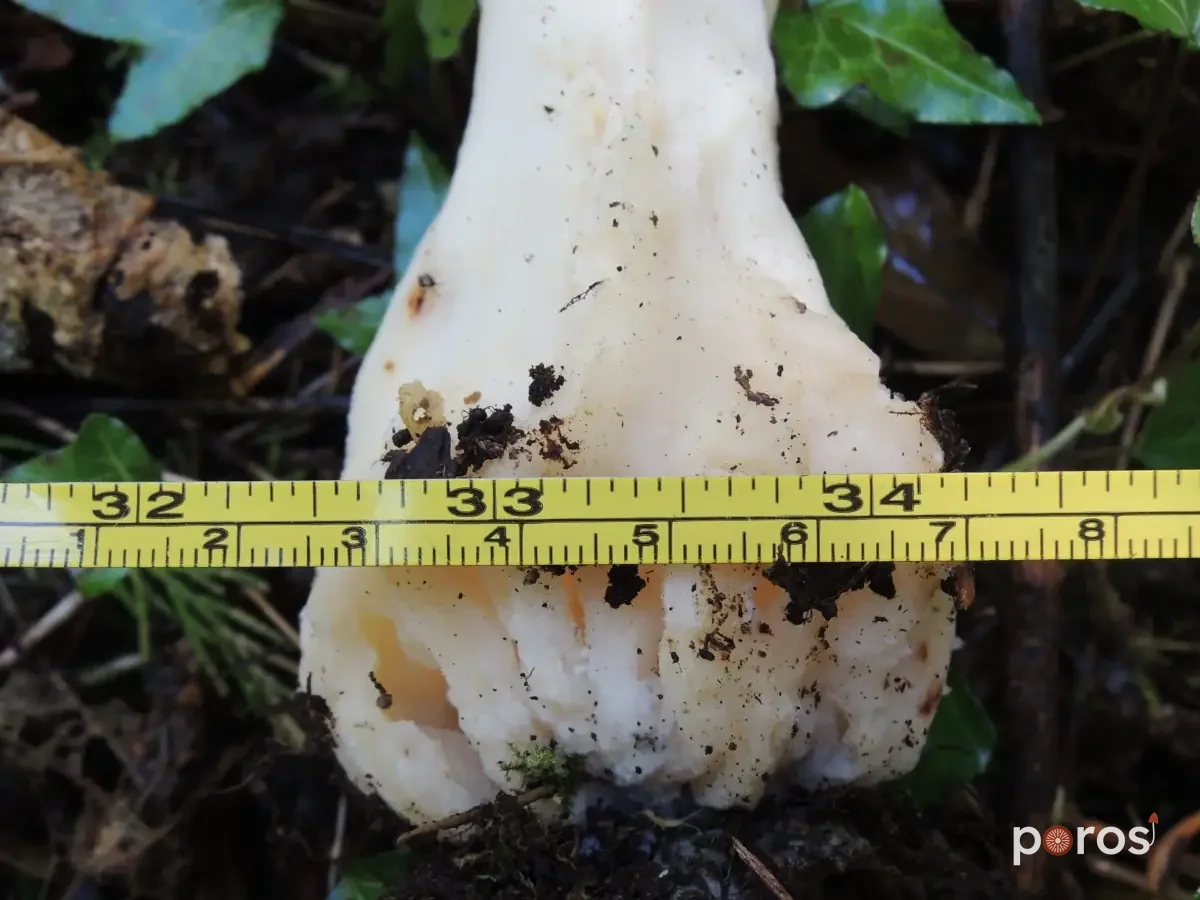
Morel, part by part
No ring or volva Spore print: Creamy white to pale ochre (hard to obtain) Not distinctive.
When and where
Mar–May
- Jan
- Feb
- Marin season
- Aprin season
- Mayin season
- Jun
- Jul
- Aug
- Sep
- Oct
- Nov
- Dec
The morel has a short spring season (March to early June in Britain). In Turkey, GBIF records run from March to June, and a dry spring means a poor crop.
Where do morels grow?
The morel grows under broadleaf and conifer trees, in old orchards and on disturbed ground, and prefers chalky soil. It is often abundant the spring after a forest fire.
In Turkey
The morel is foraged in many parts of Turkey. After the 2025 wildfires, morels fruited abundantly in burnt black-pine forests around Osmaneli and Geyve.
- Muğla2
- Ordu1
- Mersin1
- Denizli1
- Ankara1
- Nevşehir1
7 observations on our map (GBIF, iNaturalist). Record density also reflects where observers work.
Latest morel observations
Look-alikes
What could it be confused with?
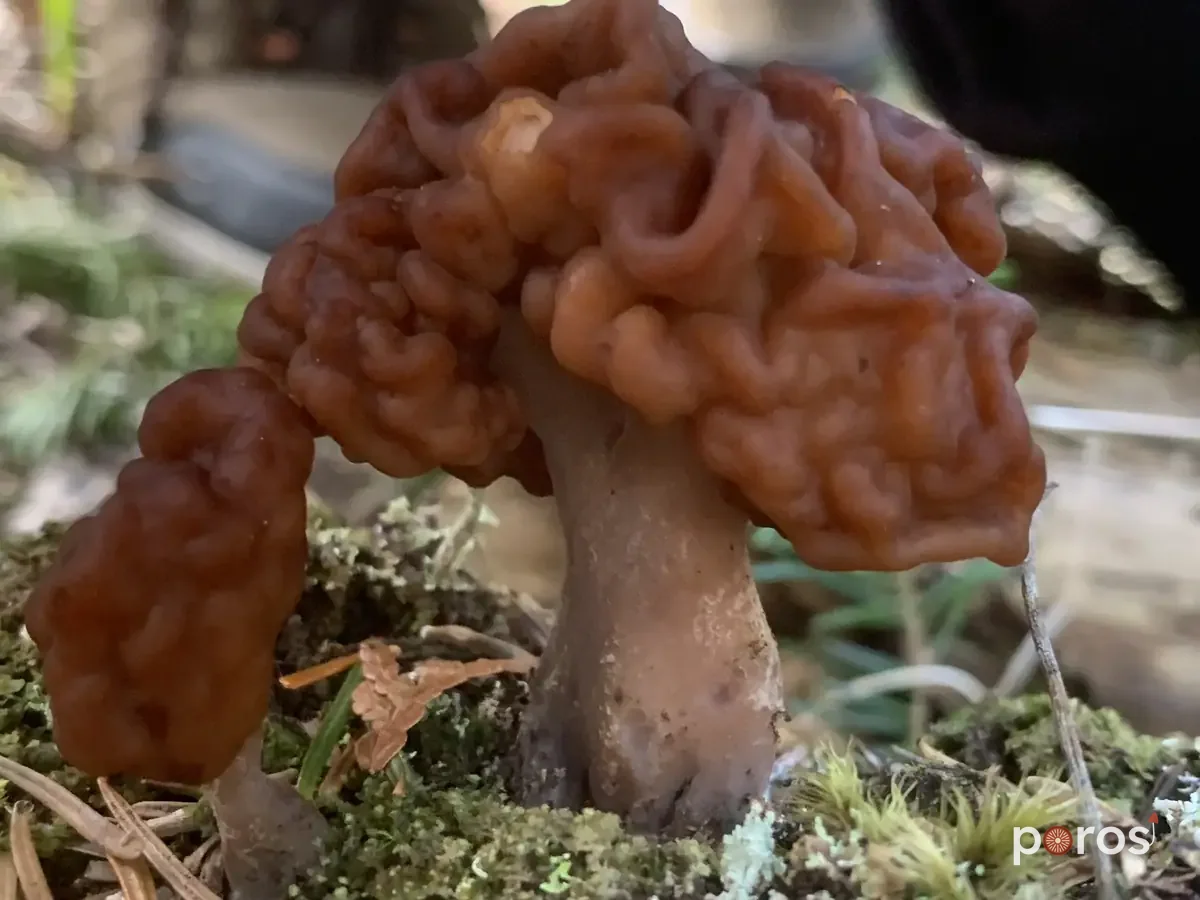
False morel Gyromitra esculenta
Cap brain-like and folded, red-brown, not pitted; inside chambered, not one hollow. Deadly poisonous.
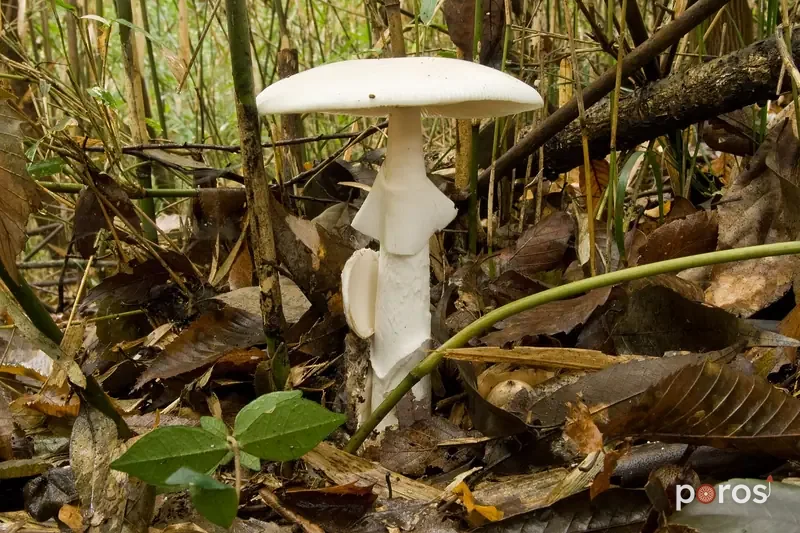
Common stinkhorn Phallus impudicus
Has a volva at the base, and the cap is covered in a slimy, foul-smelling spore mass.
Black morel Morchella elata
Darker, more pointed cap with pits lined up in vertical rows.
In the kitchen
Cooking with morels
On the blog
 SafetyMushroom poisoning symptoms: when they start and what to do5 min read
 In the wildTrue morels vs false morels: one cut tells them apart4 min read
 KitchenWhich mushrooms can you eat raw, and which must be cooked?4 min read
What goes well with morels
- butter
- shallot
- garlic
- thyme
- flat-leaf parsley
- toasted sourdough
The ingredients in our recipe with morels.
Storing morels
What it contains
One study found 32.7% protein, 2% fat and 17.6% fibre in morels on a dry-weight basis (Wikipedia, with references). Source
General information, not a health claim.
Raw morels contain a gut irritant; blanch or cook them thoroughly. Old specimens that have started to rot can be poisonous.
Grow it, buy it
Morel price list
| Product | Us | Market (sourced, dated) |
|---|---|---|
| Fresh morels | In preparation · notify me | — |
| Dried morels | In preparation · notify me | — |
Our prices for morels are published when the product is ready; for now we take waiting-list sign-ups. The market column shows prices seen on other sellers' pages on the date given; they are not our prices and may have changed.
Frequently asked questions
Are morels edible?
Yes, the morel is an edible species. Eat a wild one only after an expert has identified it with certainty: it can be confused with false morel (Gyromitra esculenta). Raw morels contain a gut irritant; blanch or cook them thoroughly. Old specimens that have started to rot can be poisonous.
When is morel season in Turkey?
In our calendar, morel season runs Mar–May. The morel has a short spring season (March to early June in Britain). In Turkey, GBIF records run from March to June, and a dry spring means a poor crop.
Where do morels grow?
The morel grows under broadleaf and conifer trees, in old orchards and on disturbed ground, and prefers chalky soil. It is often abundant the spring after a forest fire.
Where are morels found in Turkey?
The morel is foraged in many parts of Turkey. After the 2025 wildfires, morels fruited abundantly in burnt black-pine forests around Osmaneli and Geyve.
What can the morel be confused with?
The morel can be confused with false morel (Gyromitra esculenta, deadly), common stinkhorn (Phallus impudicus, inedible) and black morel (Morchella elata, edible species). Look-alikes are compared on this page.
What is the morel called in Turkish?
In Turkish, the morel (Morchella esculenta) is called Kuzugöbeği; other local names include kuzu göbeği and göbek mantarı.
Related species
-
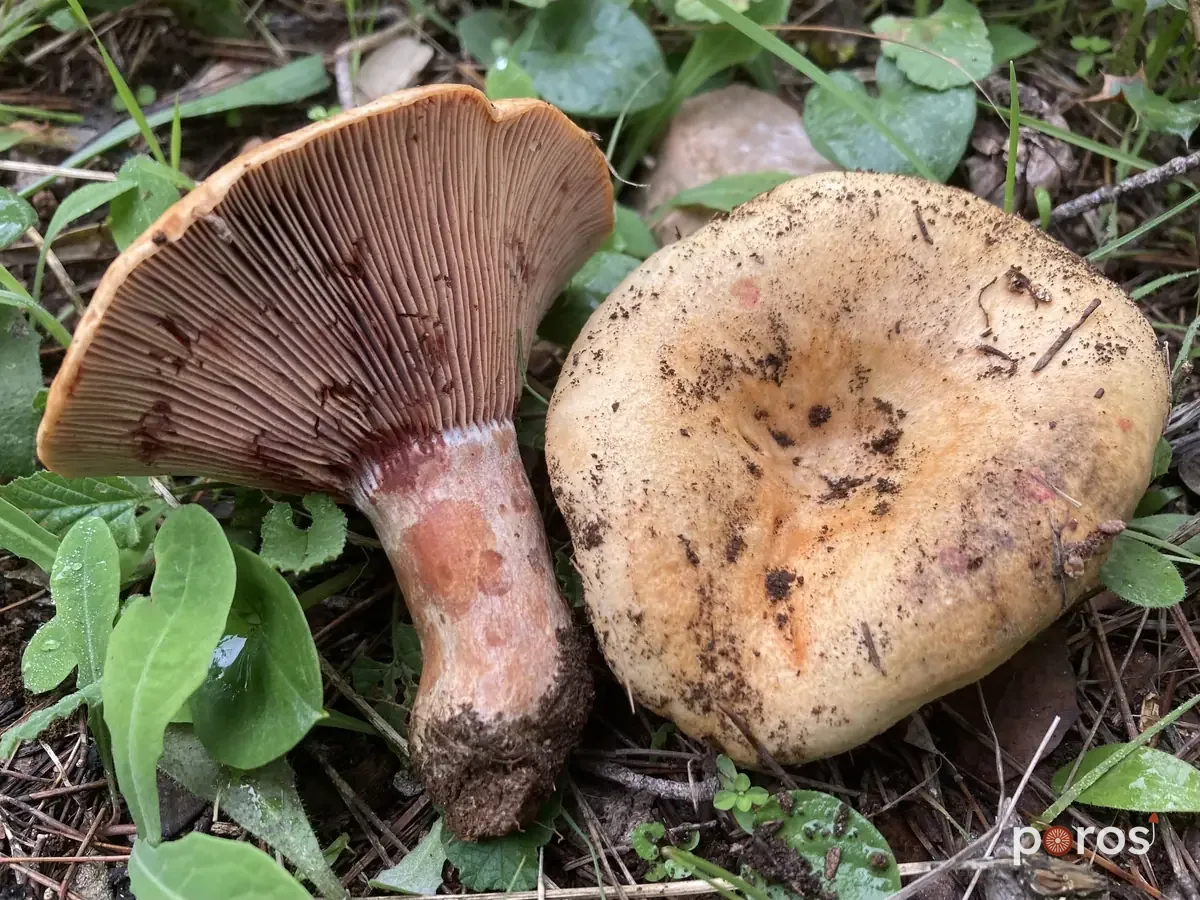 Bloody milk capLactarius sanguifluusEdible species
-
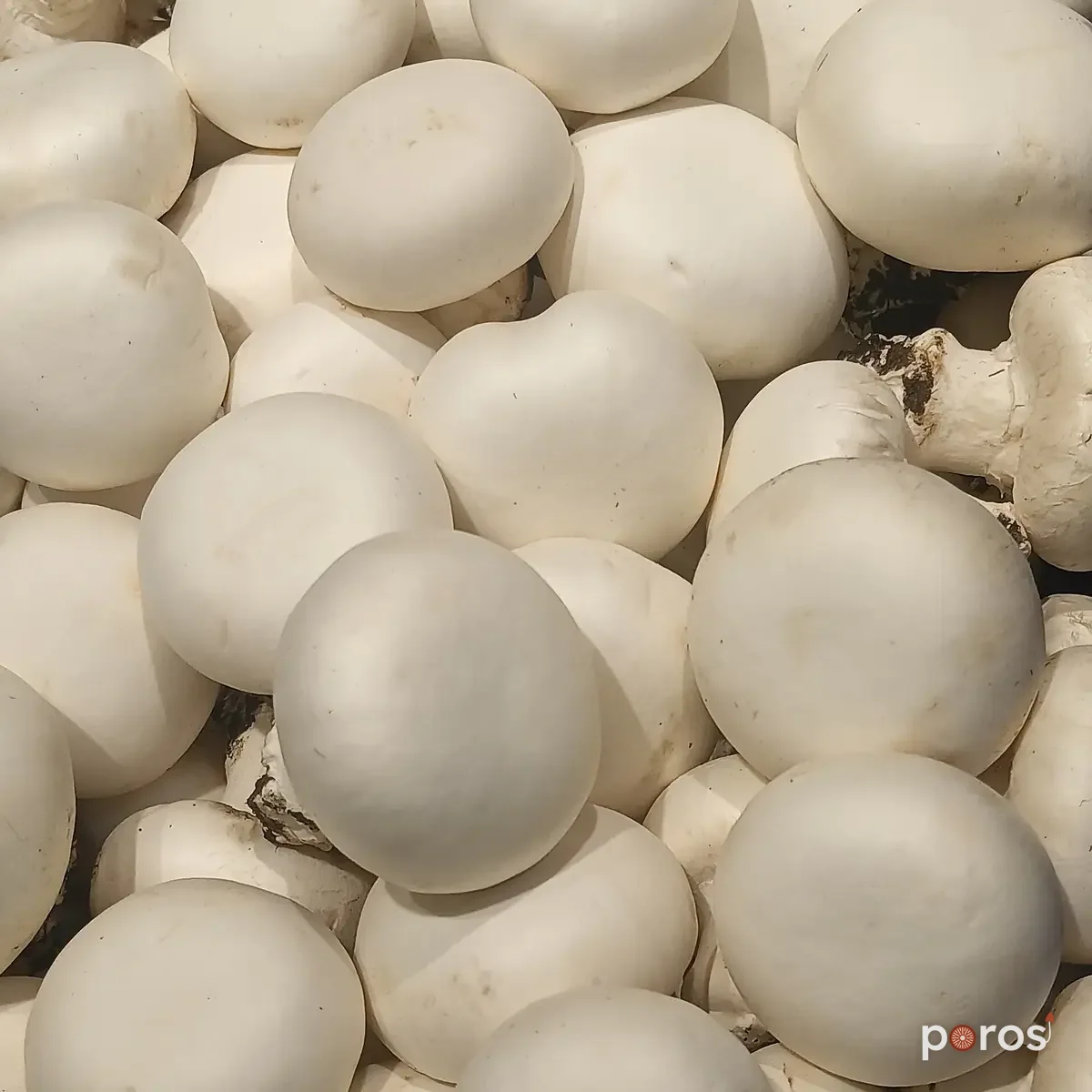 Button mushroomAgaricus bisporusEdible species
-
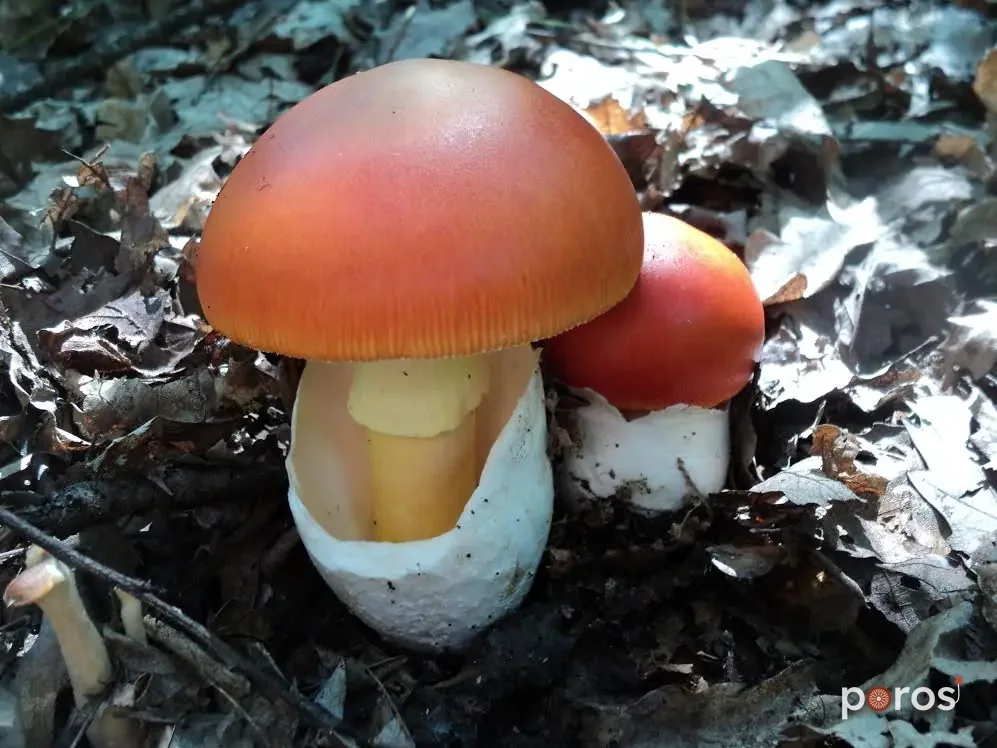 Caesar’s mushroomAmanita caesareaEdible species
-
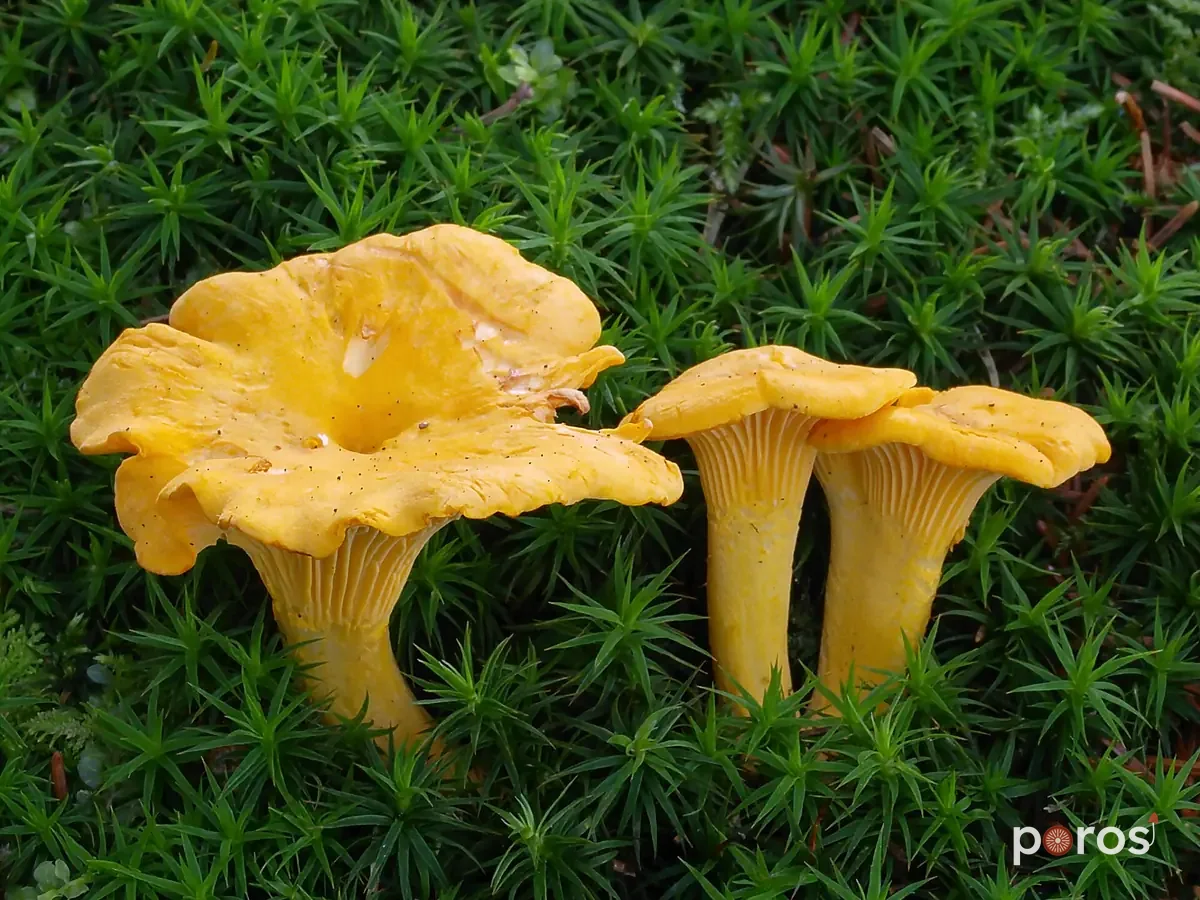 ChanterelleCantharellus cibariusEdible species
-
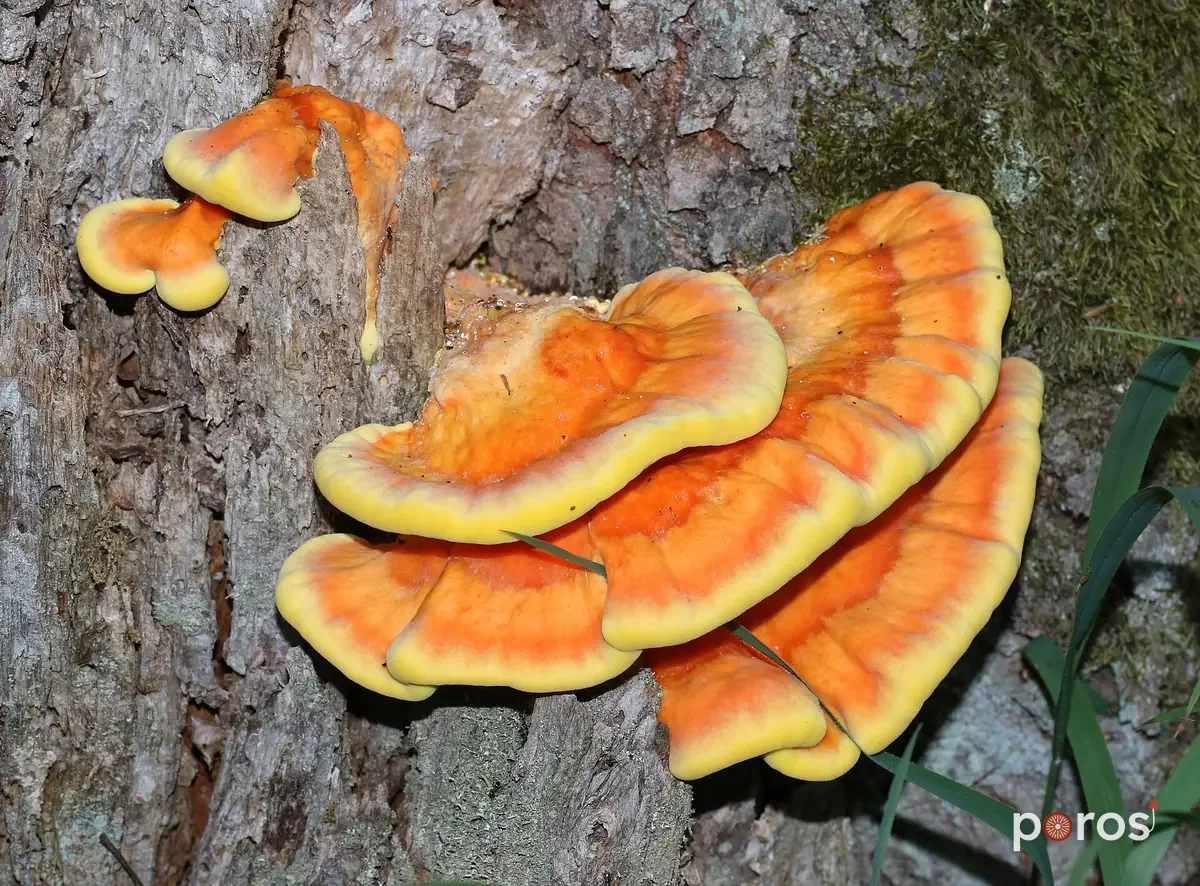 Chicken of the woodsLaetiporus sulphureusEdible species
-
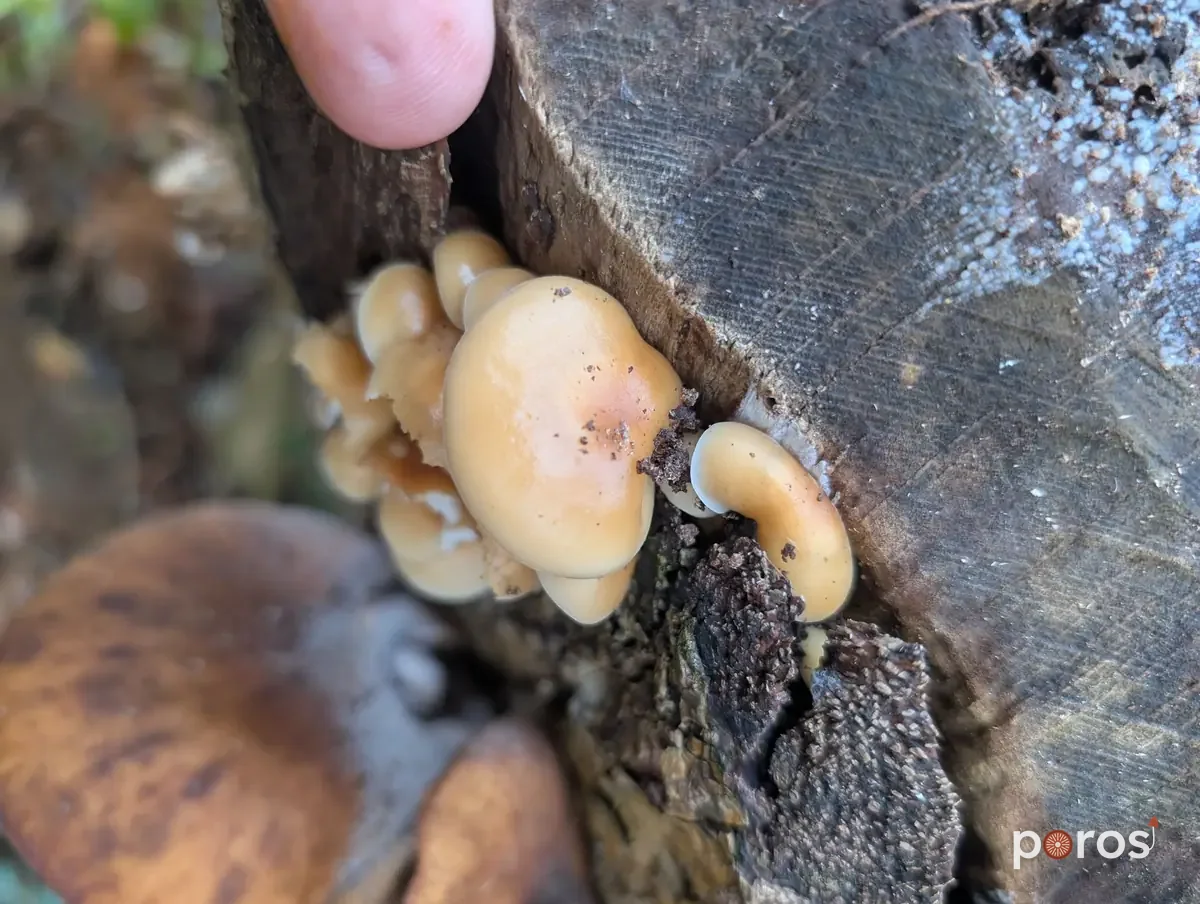 EnokiFlammulina filiformisEdible species
-
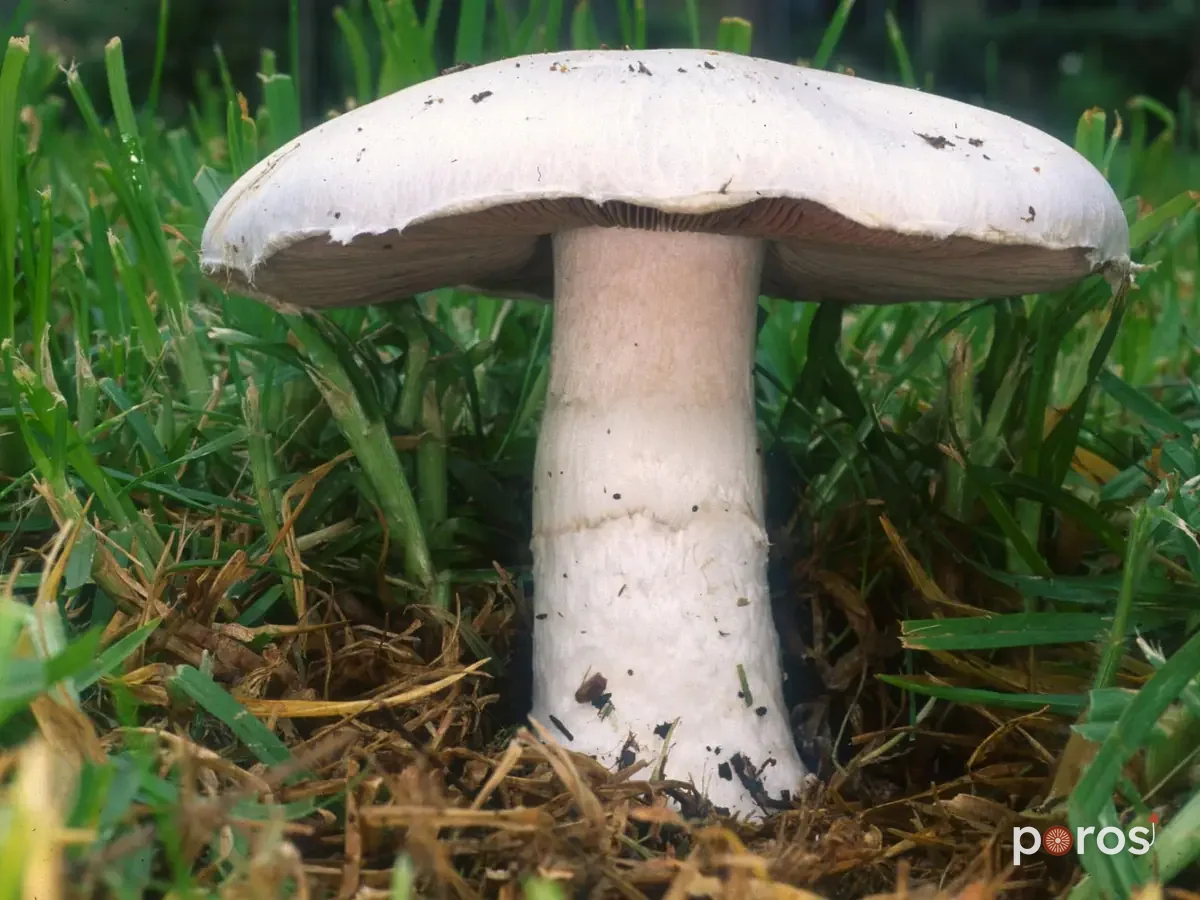 Field mushroomAgaricus campestrisEdible species
-
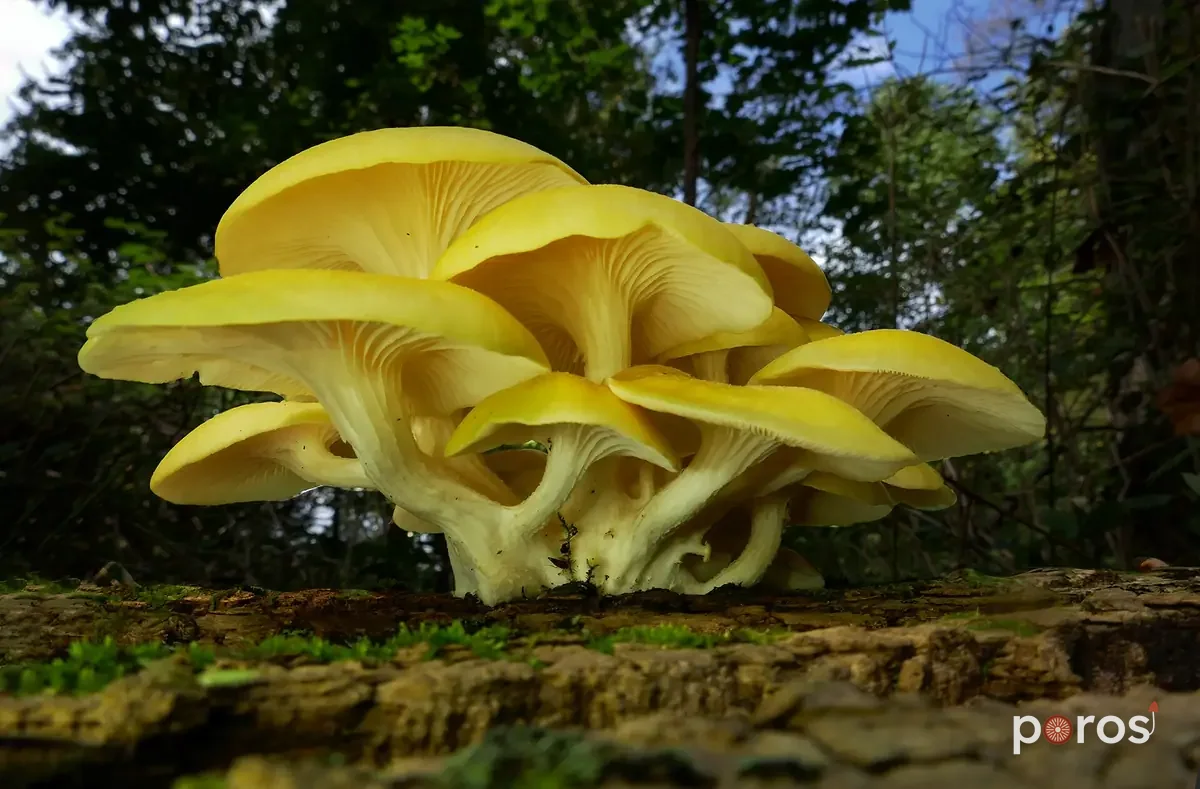 Golden oyster mushroomPleurotus citrinopileatusEdible species
Sources (5)
- Wikipedia (EN): Morchella esculenta · checked 26 Oct 2026
- Vikipedi (TR): Kuzugöbeği · checked 26 Oct 2026
- First Nature: Morchella esculenta · checked 26 Oct 2026
- First Nature: Gyromitra esculenta · checked 26 Oct 2026
- GBIF: Türkiye kayıtları · checked 26 Oct 2026
Photo credits (10)
- Morchella esculenta · iNaturalist #44492457 · Thomas Ebner · CC BY 4.0
- File:Speise Morchel Morchella esculenta.jpg · Holger Krisp · CC BY 3.0
- File:Morchella esculenta 36795275.jpg · Tom Zucker-Scharff · CC BY 4.0
- Morchella esculenta · iNaturalist #144069801 · Jamie O'Neill · CC BY 4.0
- Morchella esculenta · iNaturalist #101750576 · Сергей Неклюдов · CC BY 4.0
- File:Morchella esculenta kz02.jpg · Krzysztof Ziarnek, Kenraiz · CC BY-SA 4.0
- File:Morchella esculenta 36771717.jpg · Tom Zucker-Scharff · CC BY 4.0
- Morchella esculenta · iNaturalist #204929848 · migallel · CC BY-SA 4.0
- Morchella esculenta · iNaturalist #77047645 · Barnaby Walters · CC BY 4.0
- File:Speise-Morchel Morchella esculenta.jpg · Holger Krisp · CC BY 3.0


