
Button mushroom
Agaricus bisporus · Agaricaceae
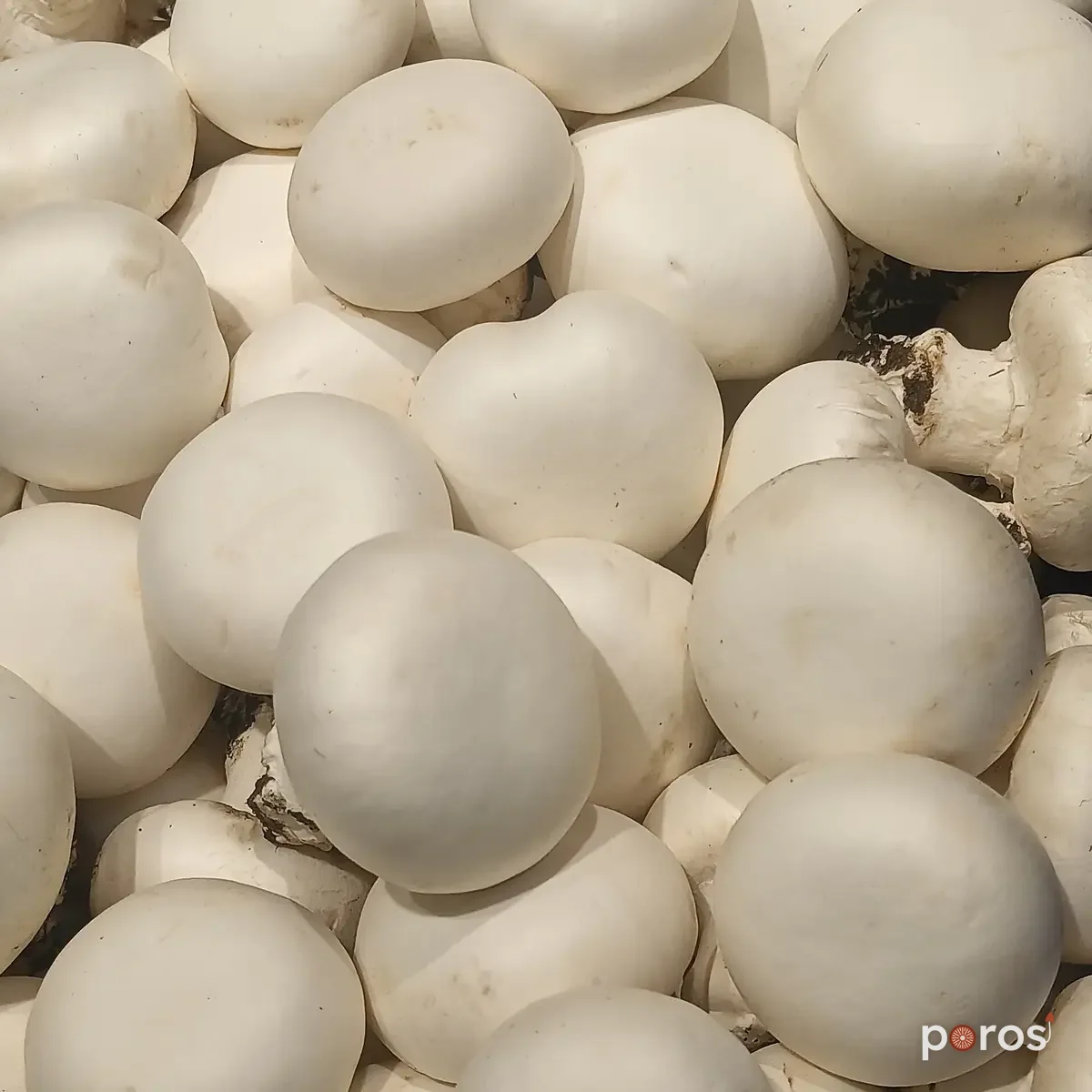
The button mushroom is the most widely eaten mushroom in the world, grown in more than 70 countries.
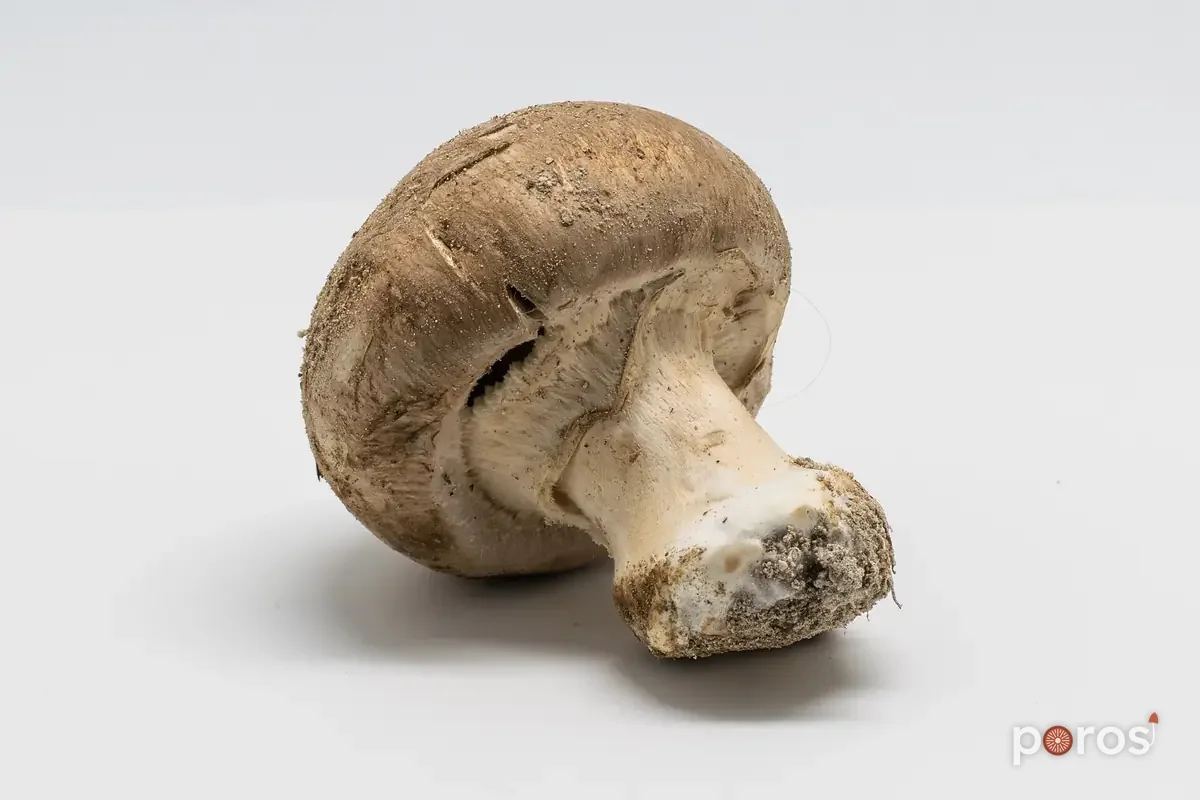
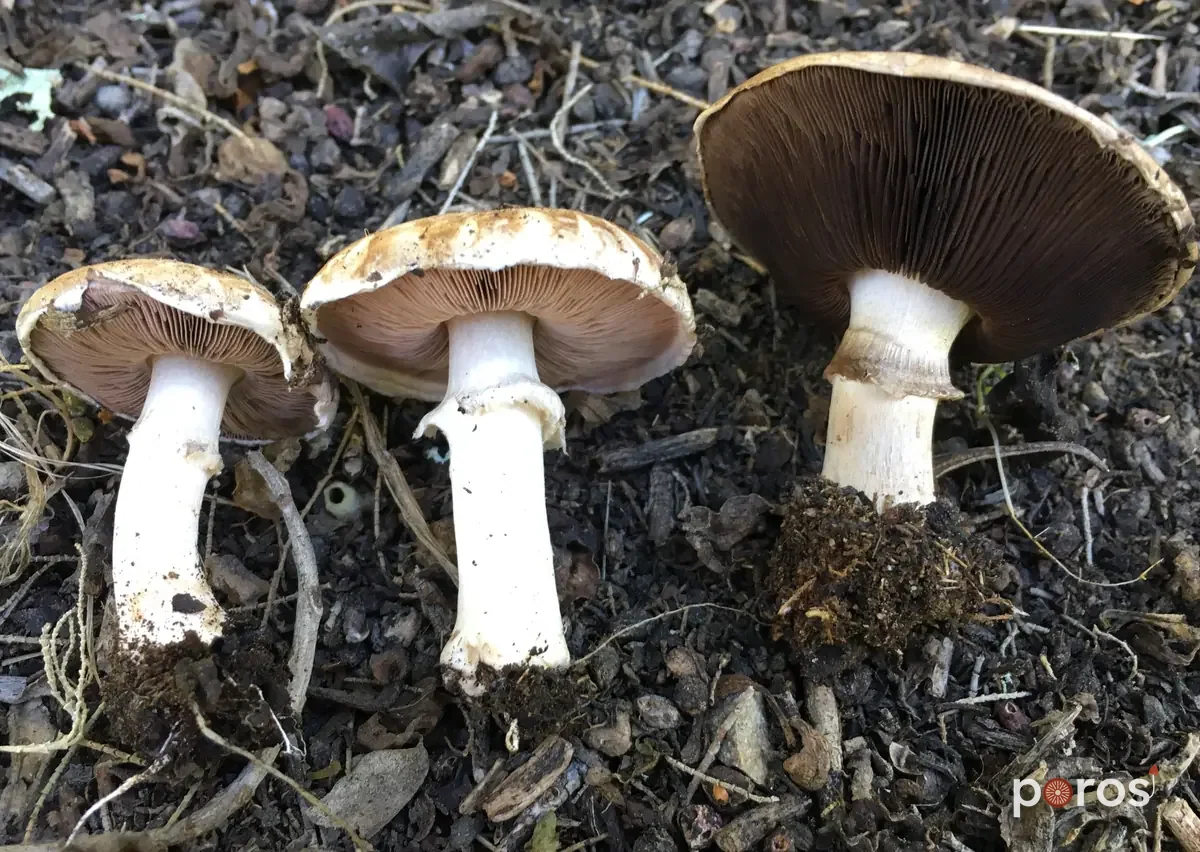
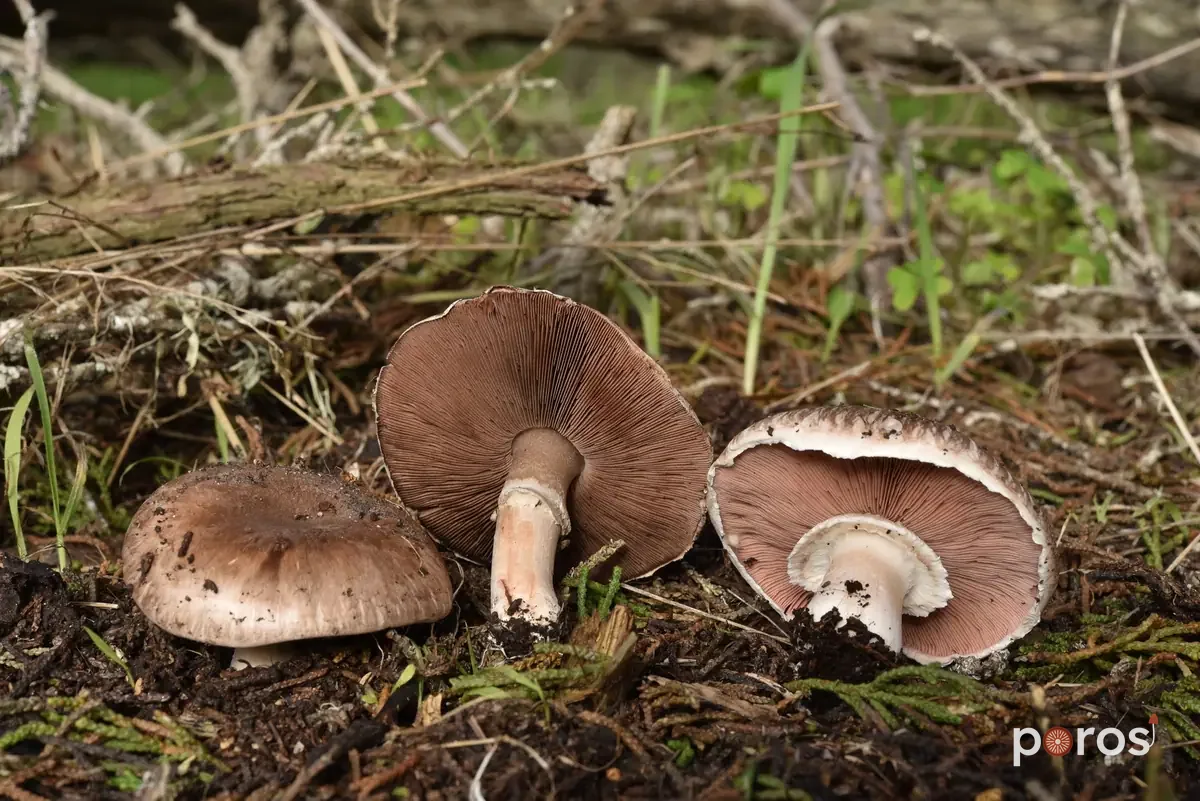
The button mushroom is the most widely eaten mushroom in the world, grown in more than 70 countries. White and brown (chestnut, cremini) types are the same species; the mature, open brown form is sold as portobello.
Also called: white mushroom, cremini, chestnut mushroom, portobello, champignon de Paris Turkish: Kültür mantarı, şapkalı mantar, beyaz mantar, portobello
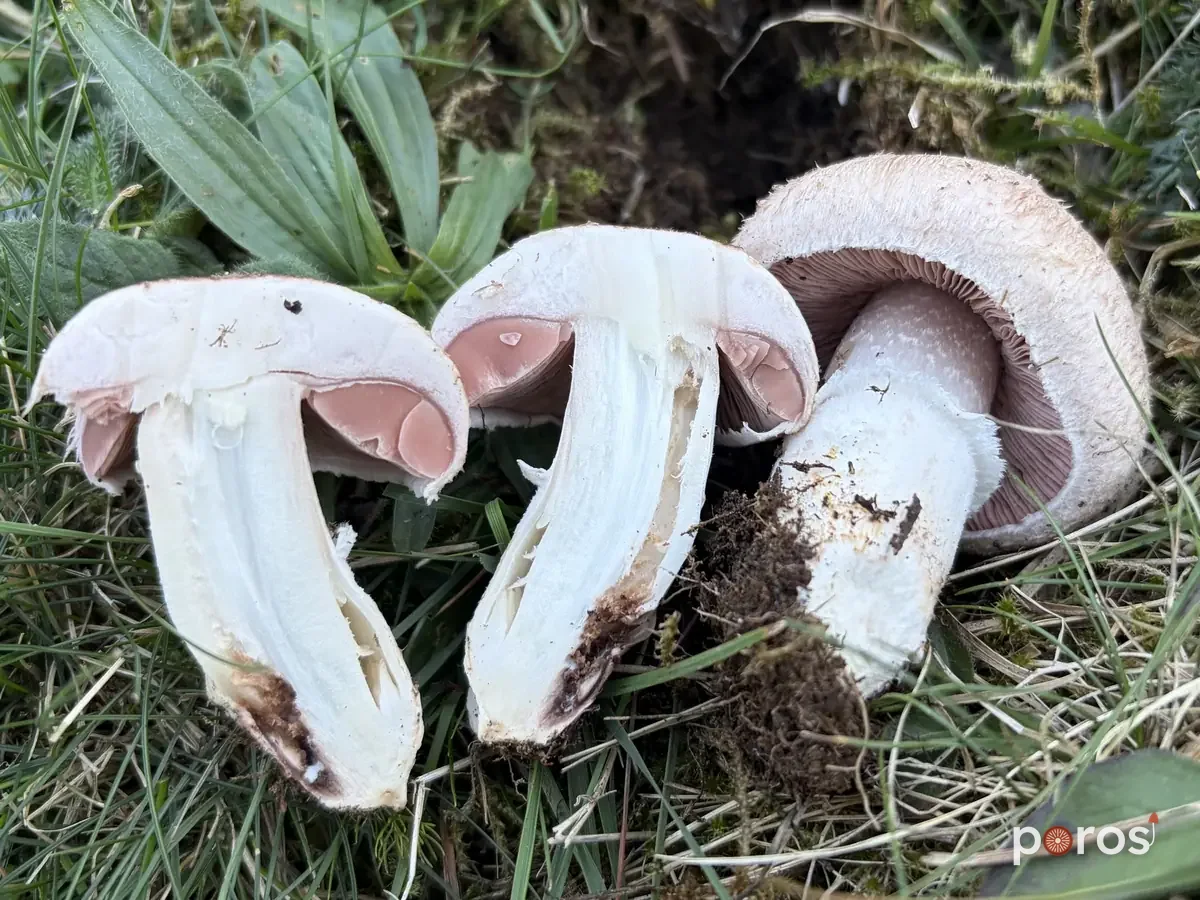
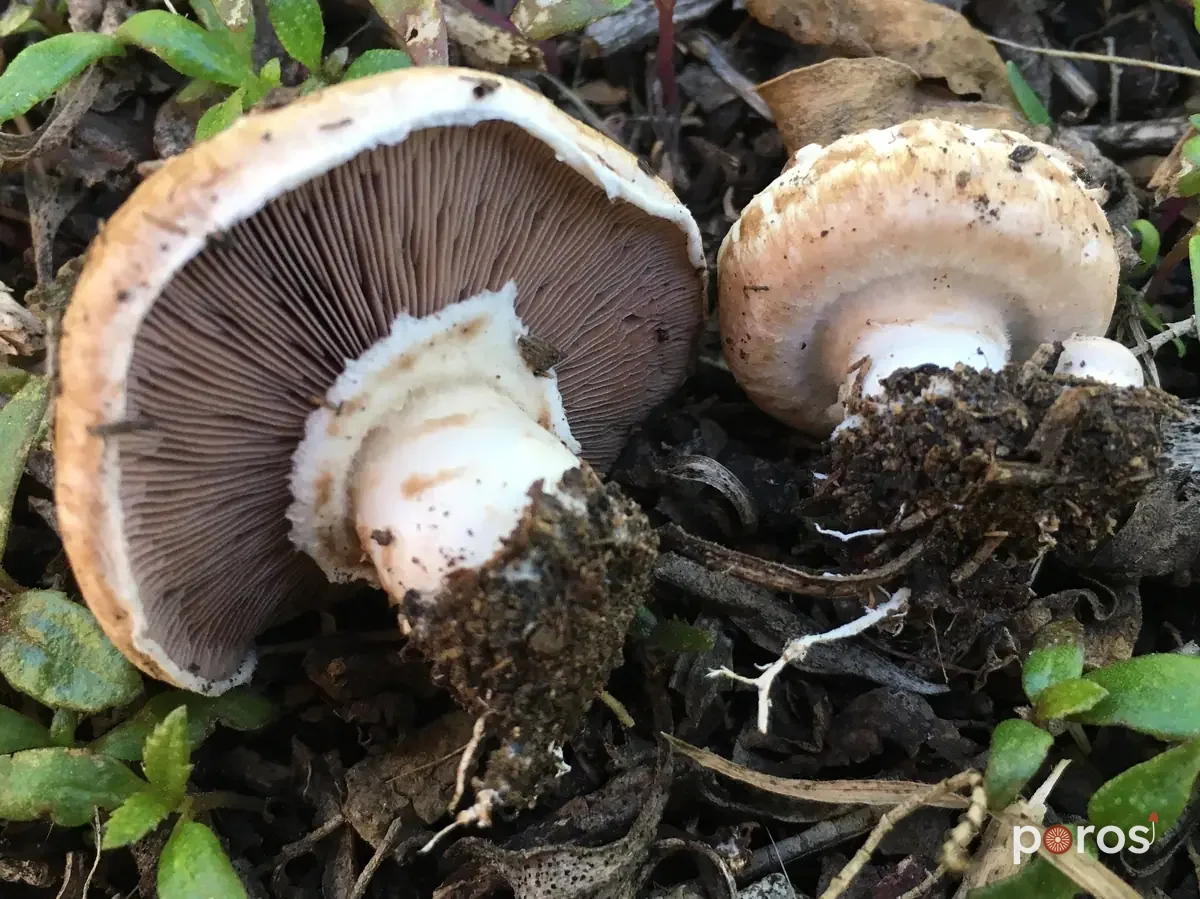
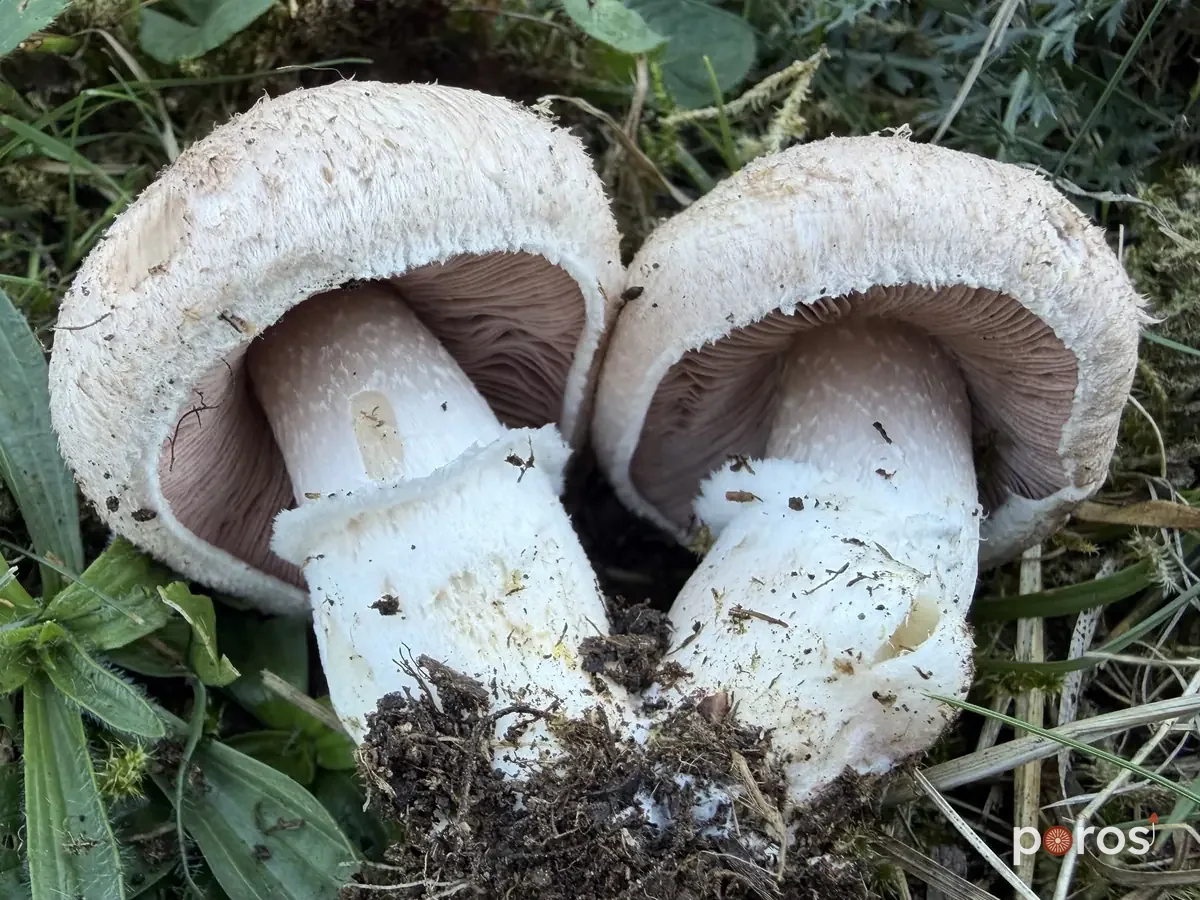
How to recognise it
Button mushroom, part by part
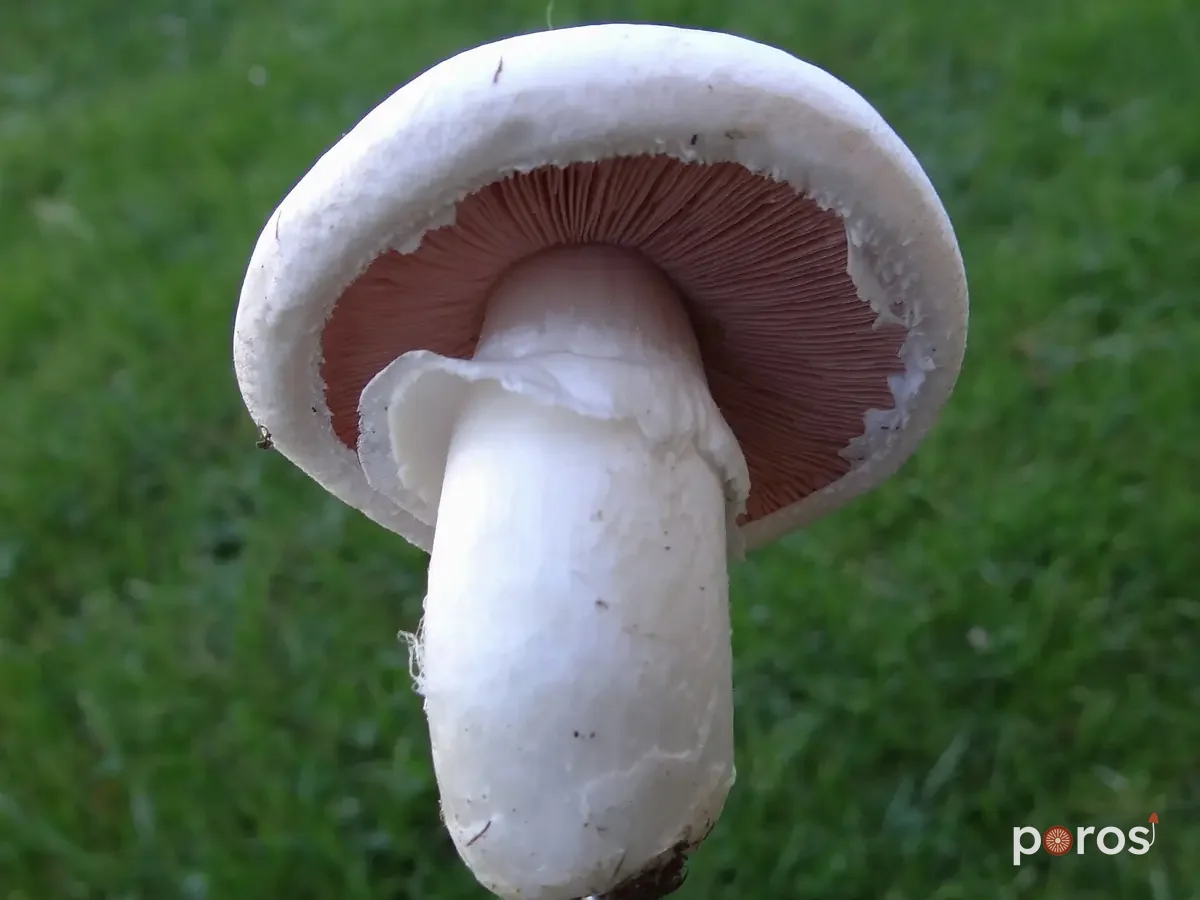
No volva Spore print: Dark (chocolate) brown Pleasant, typical "mushroomy" smell. A phenol (ink) smell and yellowing flesh point to the toxic A. xanthodermus.
When and where
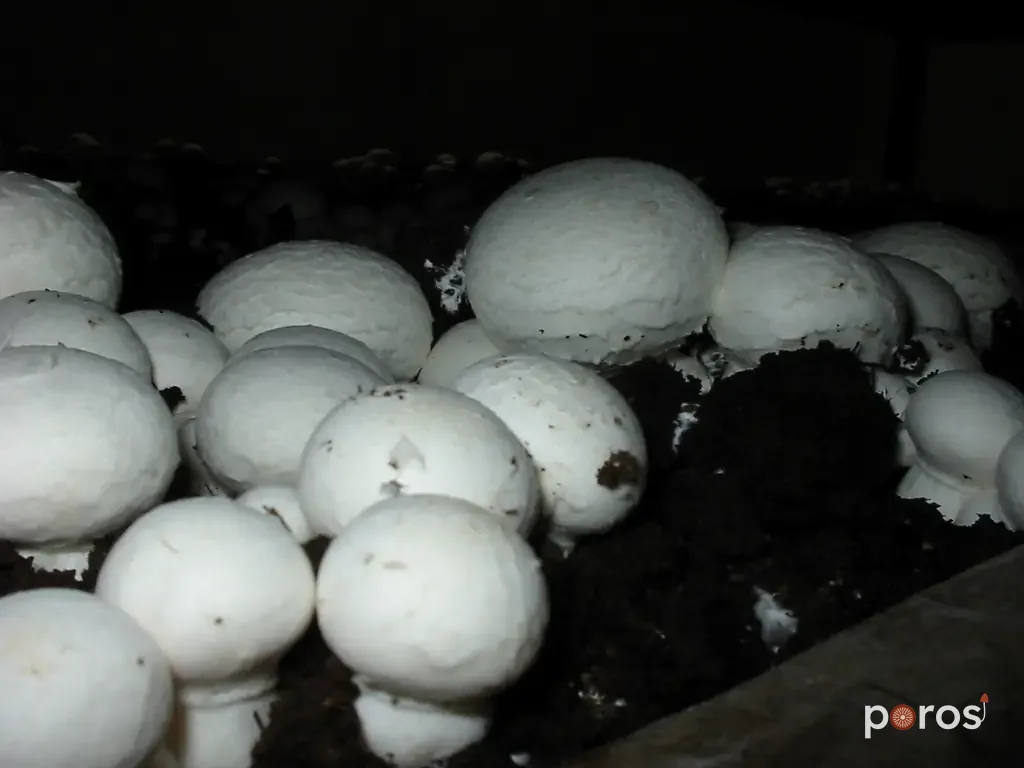
Cultivated all year
- Jan
- Feb
- Mar
- Apr
- May
- Jun
- Jul
- Aug
- Sep
- Oct
- Nov
- Dec
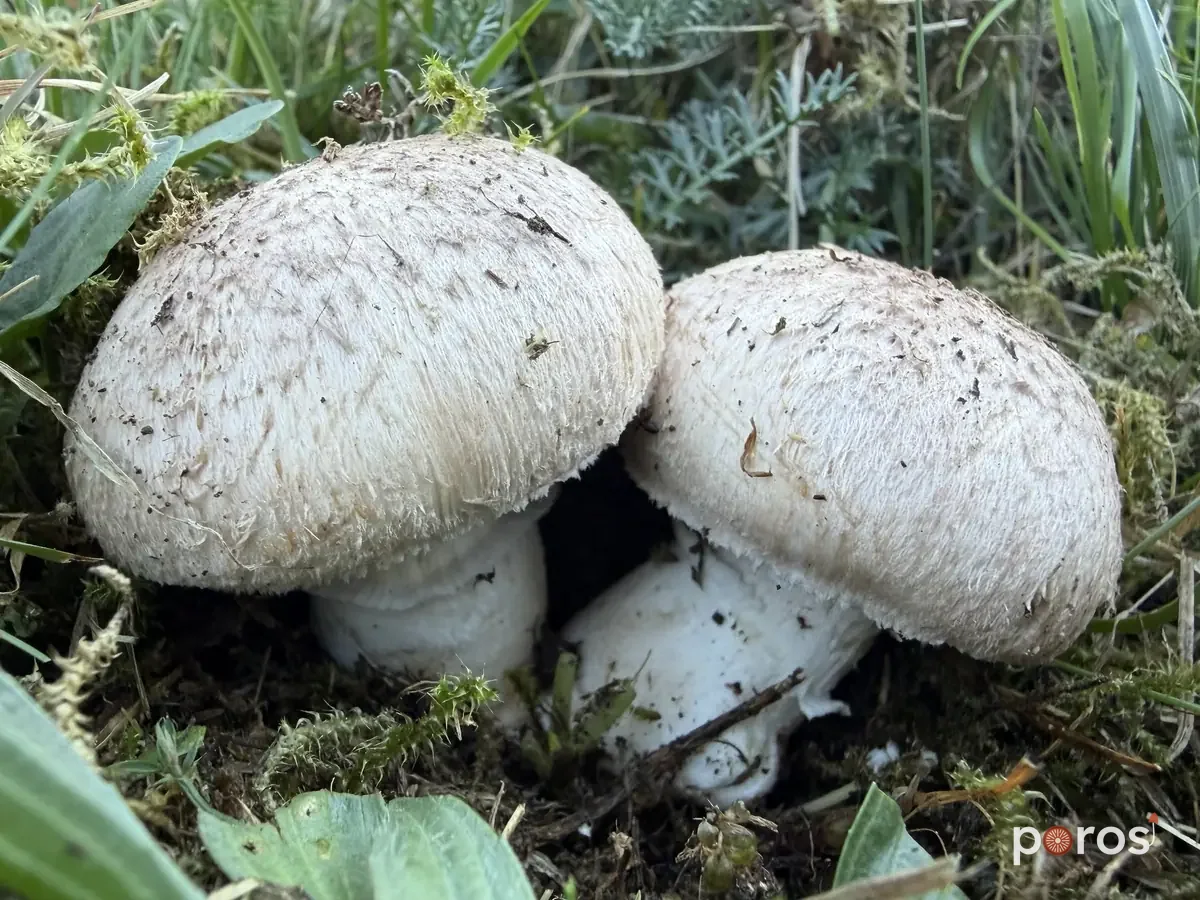
The button mushroom is grown on compost all year round. Its wild form appears in pasture and on manured soil, and sources give different wild seasons (late spring to autumn, or autumn to winter).
Where do button mushrooms grow?
The wild form of the button mushroom grows in grassland, rich soil, compost and manure. Commercially, it is grown on pasteurised compost (straw, horse manure, wheat stalks).
In Turkey
The button mushroom is the most widely cultivated mushroom in Turkey; GBIF holds no wild records of it from Turkey.
Our map has no observations of button mushrooms from Turkey yet.
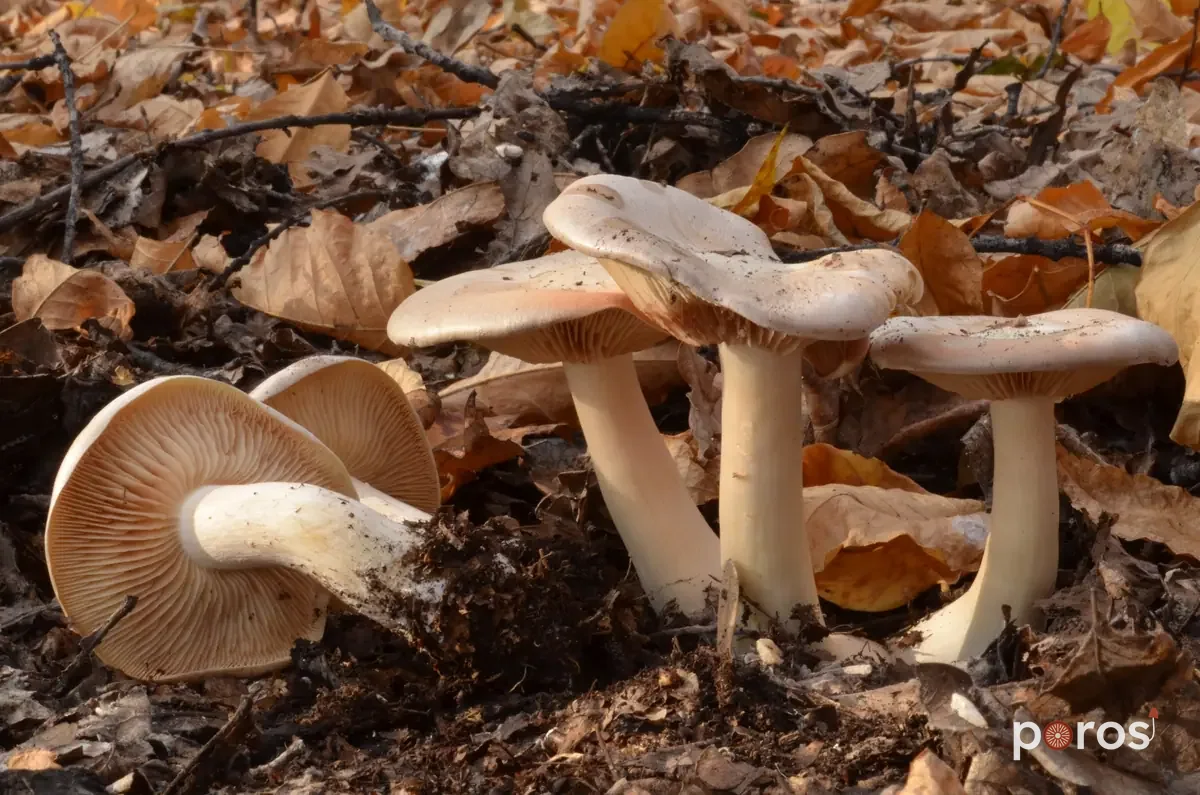
Look-alikes
What could it be confused with?
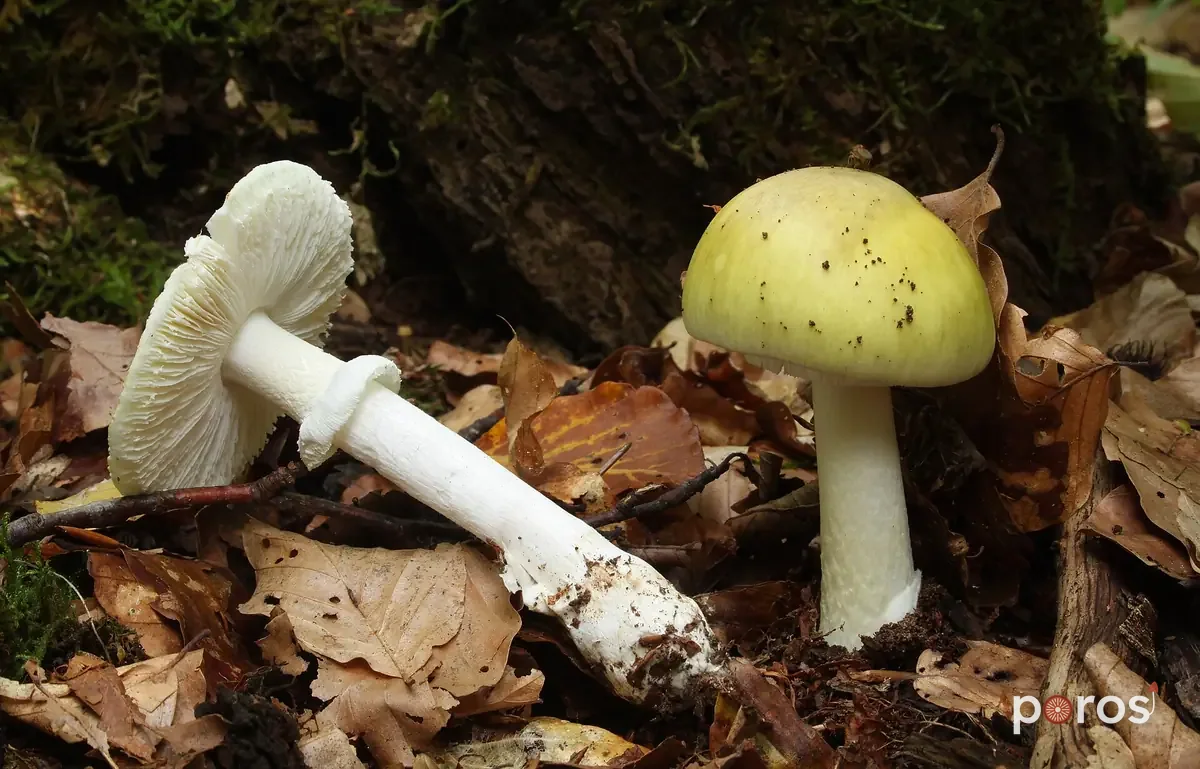
Death cap Amanita phalloides
Gills stay white at every age and there is a sac (volva) at the stem base. The white form and unopened young caps are especially dangerous.
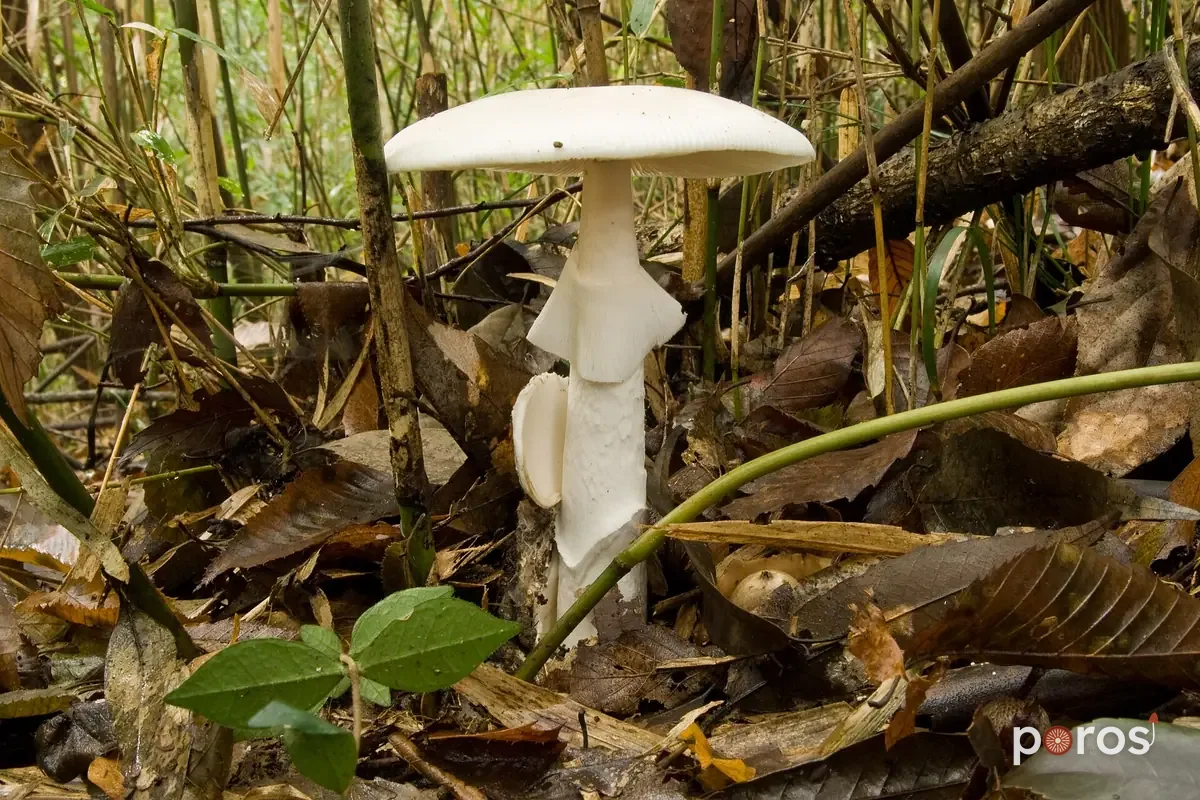
Destroying angel Amanita virosa
Pure white cap, white gills, hanging ring and a bag-like volva. Its young "button" stage can pass for an edible Agaricus.
Yellow stainer Agaricus xanthodermus
Bruises yellow and smells of phenol; can cause serious stomach upsets.
In the kitchen
Cooking with button mushrooms
 Soups
Cream of mushroom soup
A silky, deeply savoury mushroom soup made with well-browned button mushrooms, ready in 35 minutes.
35 min
Button mushroom
Mains
Turkish mushroom sauté
A classic Turkish sauté of button mushrooms, peppers, tomatoes and tomato paste – perfect with rice and ready in 35 minutes.
35 min
Button mushroom
 Meze & olive-oil dishes
Stuffed mushrooms with kaşar cheese
Big mushroom caps filled with their own stalks fried in garlic butter, topped with kaşar (a mild Turkish cow's-milk cheese) and baked until bubbling – a favourite hot meze.
35 min
Large button mushroom
 Mains
Mushroom pilaf (mantarlı pilav)
Buttery Turkish rice pilaf with browned mushrooms, cooked so every grain stays separate and fluffy.
1 hr 10 min
Button mushroom
Pasta & risotto
Creamy mushroom pasta
Button and oyster mushrooms in a silky cream and parmesan sauce, brought together with starchy pasta water – on the table in 30 minutes.
30 min
Button mushroom
 Pasta & risotto
Mushroom risotto
A creamy Italian risotto made with dried porcini and fresh button mushrooms, built up with hot stock one ladle at a time.
57 min
Dried porcini
On the blog

What goes well with button mushrooms
- butter ×16
- olive oil ×16
- onion ×13
- garlic ×13
- Turkish chilli flakes (pul biber) ×12
- flat-leaf parsley ×12
- thyme ×8
- Turkish green peppers (sivri biber) ×6
- tomato paste ×5
- kaşar cheese ×5
The ingredients that come up most in our 21 recipes with button mushrooms.
Storing button mushrooms
Per 100 g of raw button mushrooms
Source: Wikipedia (USDA). General information, not a health claim.
Grow it, buy it
Button mushroom price list

Waiting list
Fresh button mushrooms
Agaricus bisporus
Firm white button mushrooms, picked before the veil opens.

Waiting list openDifficulty 2/3
Button mushroom grow kit
Agaricus bisporus
The kitchen classic: white button mushrooms, with compost and casing soil.
| Product | Us | Market (sourced, dated) |
|---|---|---|
| Button mushroom grow kit · Small | Coming soon · waiting list | — |
| Button mushroom grow kit · Large | Coming soon · waiting list | — |
| Button mushroom grow kit · Mega | Coming soon · waiting list | — |
| Fresh button mushrooms | Coming soon · waiting list | — |
| Dried button mushrooms | In preparation · notify me | — |
| Button mushroom spawn | — | 749,00 ₺ Tohumlar Fidana · Button mushroom spawn, 1 kg · 26 Oct 2026 |
Our prices for button mushrooms are published when the product is ready; for now we take waiting-list sign-ups. The market column shows prices seen on other sellers' pages on the date given; they are not our prices and may have changed.
Frequently asked questions
Are button mushrooms edible?
Yes, the button mushroom is an edible species. Eat a wild one only after an expert has identified it with certainty: it can be confused with death cap (Amanita phalloides), destroying angel (Amanita virosa), yellow stainer (Agaricus xanthodermus) and livid pinkgill (Entoloma sinuatum).
When is button mushroom season in Turkey?
The button mushroom is grown on compost all year round. Its wild form appears in pasture and on manured soil, and sources give different wild seasons (late spring to autumn, or autumn to winter).
Where do button mushrooms grow?
The wild form of the button mushroom grows in grassland, rich soil, compost and manure. Commercially, it is grown on pasteurised compost (straw, horse manure, wheat stalks).
Where are button mushrooms found in Turkey?
The button mushroom is the most widely cultivated mushroom in Turkey; GBIF holds no wild records of it from Turkey.
What can the button mushroom be confused with?
The button mushroom can be confused with death cap (Amanita phalloides, deadly), destroying angel (Amanita virosa, deadly), yellow stainer (Agaricus xanthodermus, poisonous) and livid pinkgill (Entoloma sinuatum, poisonous). Look-alikes are compared on this page.
What is the button mushroom called in Turkish?
In Turkish, the button mushroom (Agaricus bisporus) is called Kültür mantarı; other local names include şapkalı mantar, beyaz mantar and portobello.
Related species
-
 Field mushroomAgaricus campestrisEdible species
-
 Parasol mushroomMacrolepiota proceraEdible species
-
 Bloody milk capLactarius sanguifluusEdible species
-
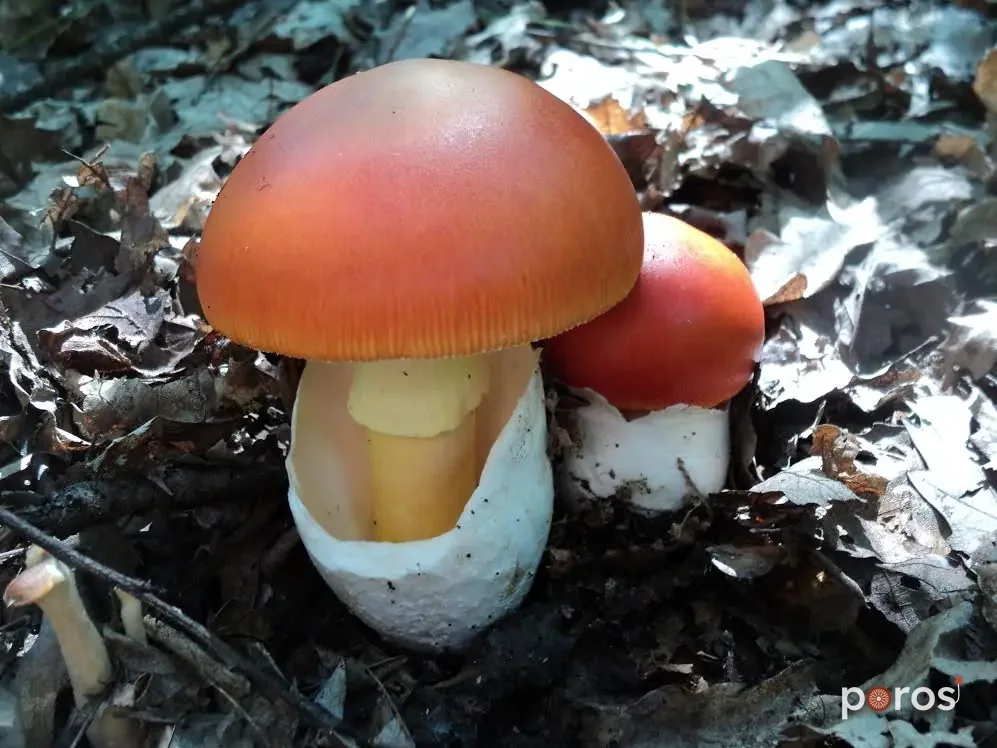 Caesar’s mushroomAmanita caesareaEdible species
-
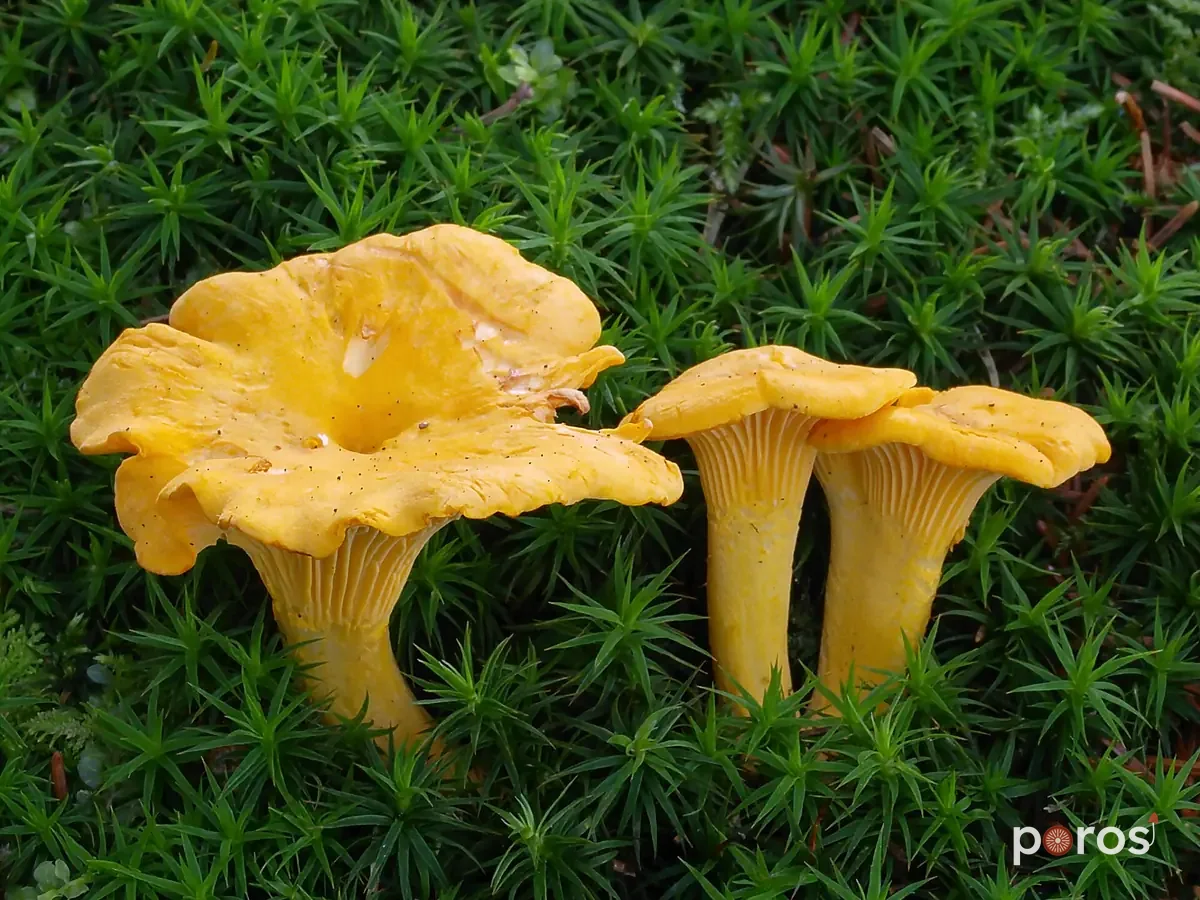 ChanterelleCantharellus cibariusEdible species
-
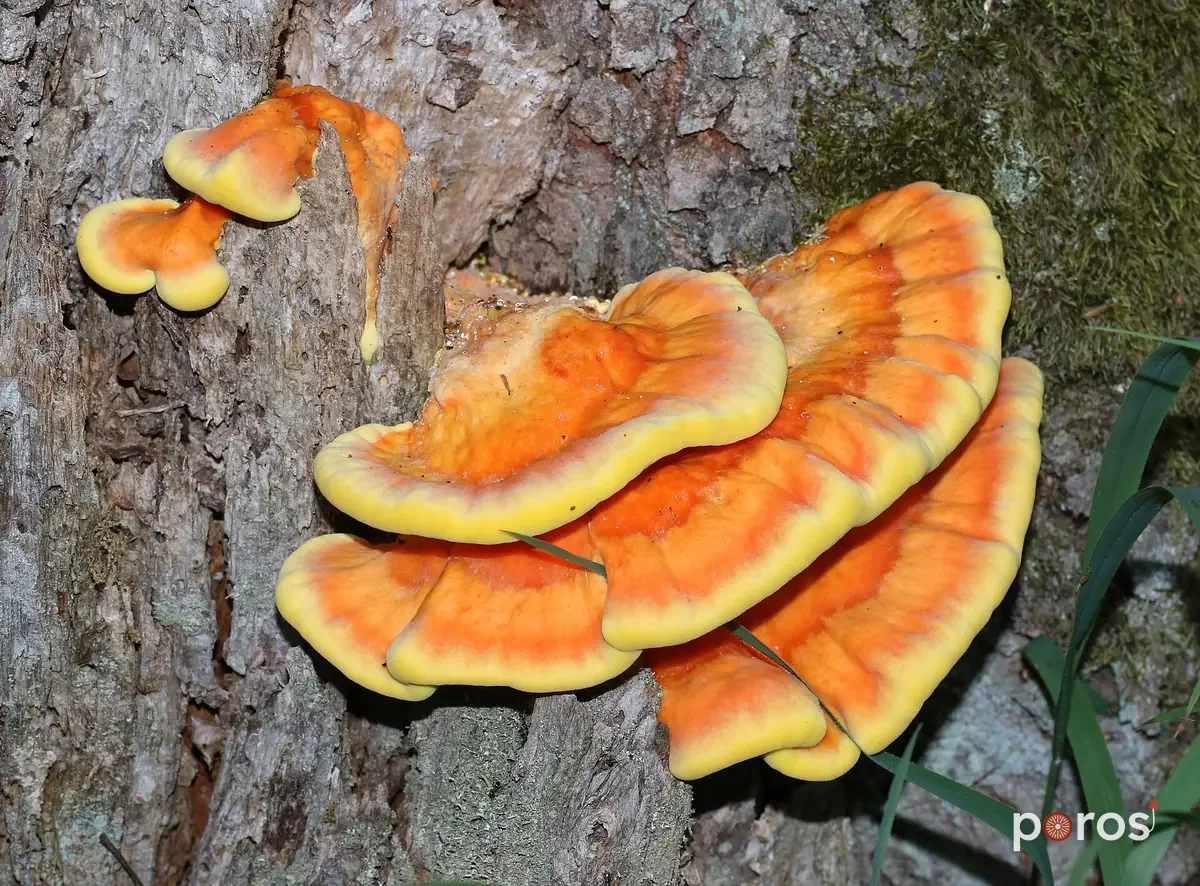 Chicken of the woodsLaetiporus sulphureusEdible species
-
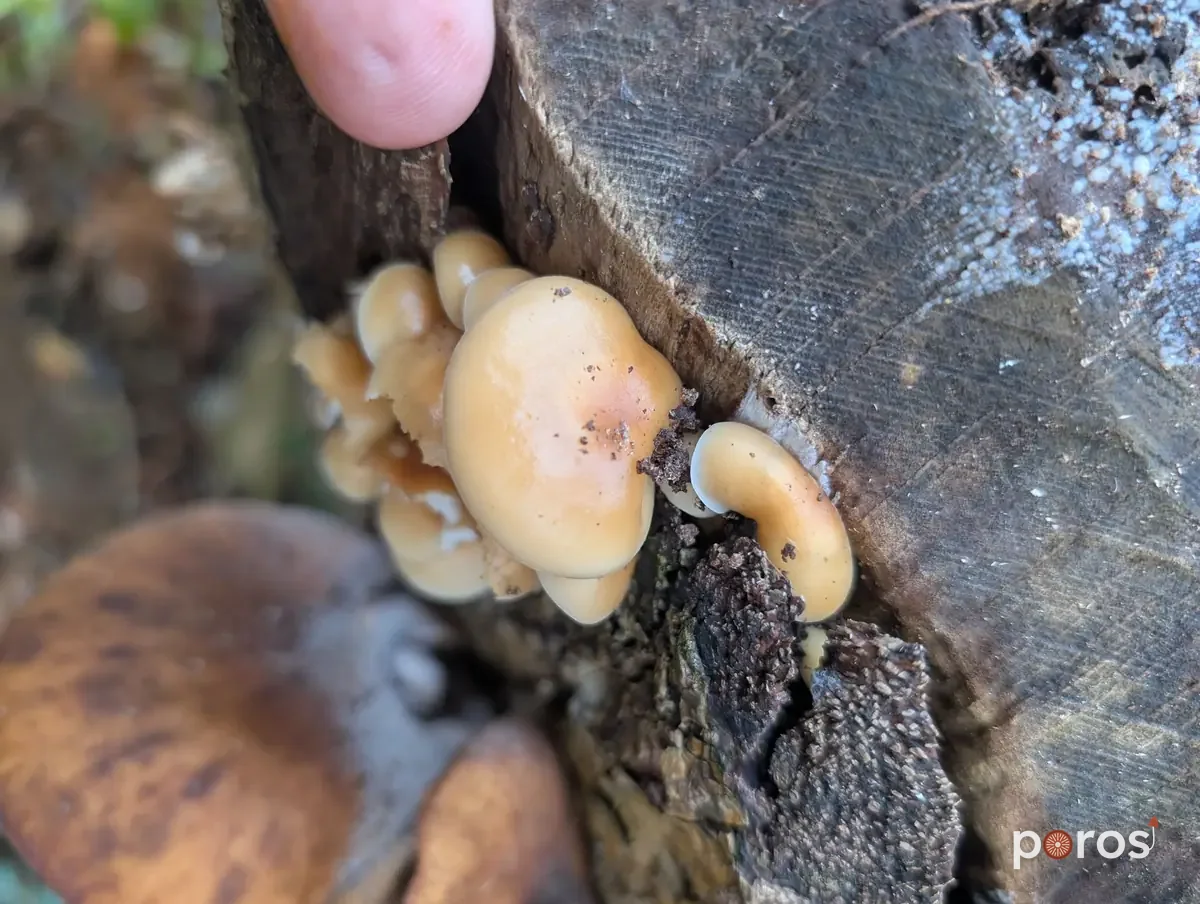 EnokiFlammulina filiformisEdible species
-
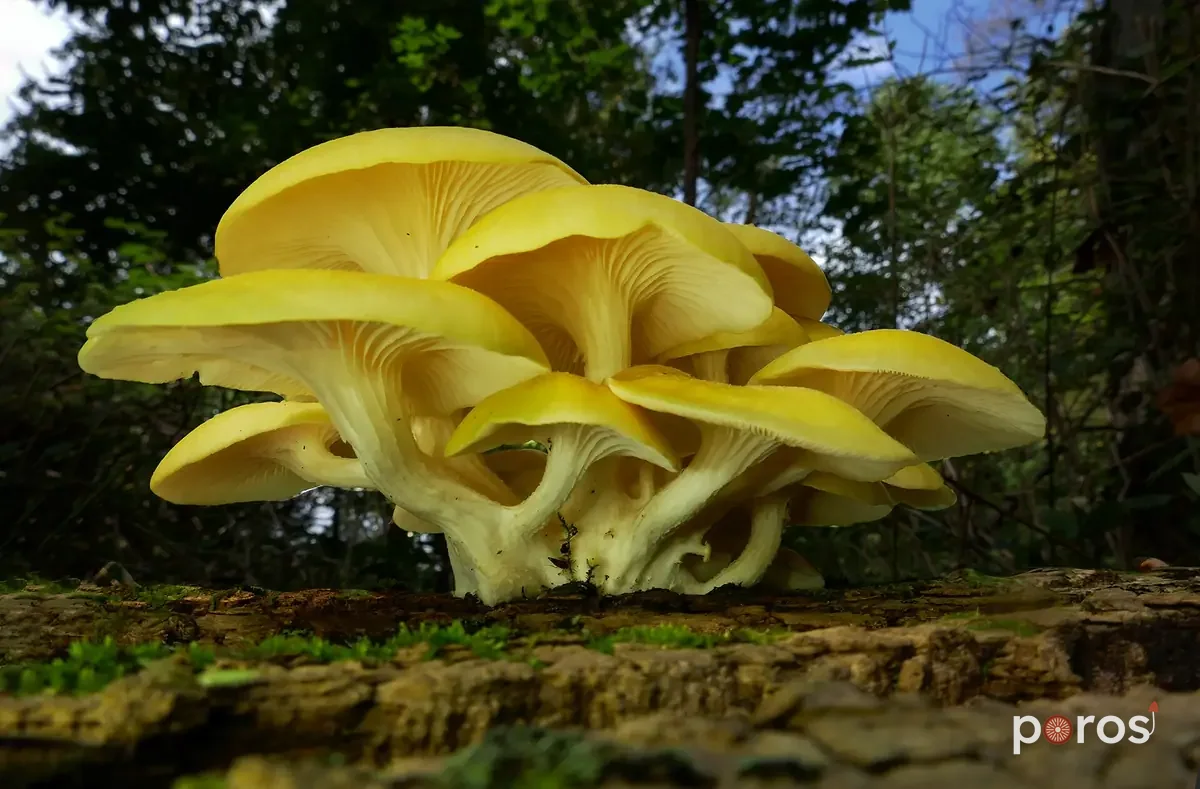 Golden oyster mushroomPleurotus citrinopileatusEdible species
Sources (5)
- Wikipedia (EN): Agaricus bisporus · checked 26 Oct 2026
- Vikipedi (TR): Agaricus bisporus · checked 26 Oct 2026
- First Nature: Agaricus bisporus · checked 26 Oct 2026
- First Nature: Agaricus xanthodermus · checked 26 Oct 2026
- First Nature: Entoloma sinuatum · checked 26 Oct 2026
Photo credits (10)
- File:Agaricus bisporus (1).jpg · Fumikas Sagisavas · CC0
- File:Agaricus bisporus mushroom.jpg · Мыць Денис · Public domain
- File:Agaricus bisporus G4.JPG · Jerzy Opioła · CC BY-SA 3.0
- Agaricus bisporus · iNaturalist #406107181 · Lucian Clanet · CC BY 4.0
- Agaricus bisporus · iNaturalist #20773199 · Adam J. Searcy · CC BY 4.0
- Agaricus bisporus · iNaturalist #406107181 · Lucian Clanet · CC BY 4.0
- Agaricus bisporus · iNaturalist #406107181 · Lucian Clanet · CC BY 4.0
- Agaricus bisporus · iNaturalist #5229697 · Alan Rockefeller · CC BY 4.0
- File:2016-01 Agaricus bisporus 07.jpg · 0x010C · CC BY-SA 4.0
- Agaricus bisporus · iNaturalist #20773220 · Adam J. Searcy · CC BY 4.0


