
Reishi
Ganoderma lucidum · Polyporaceae
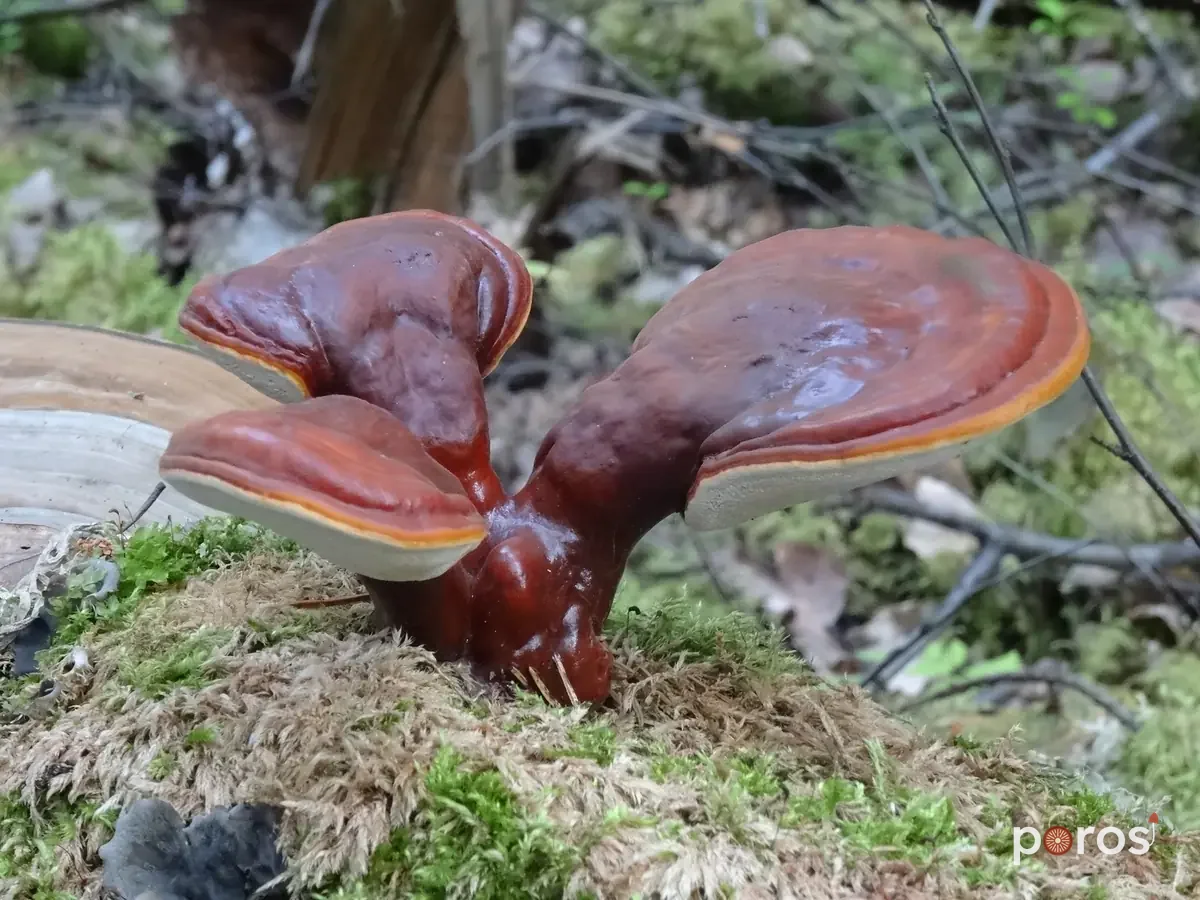
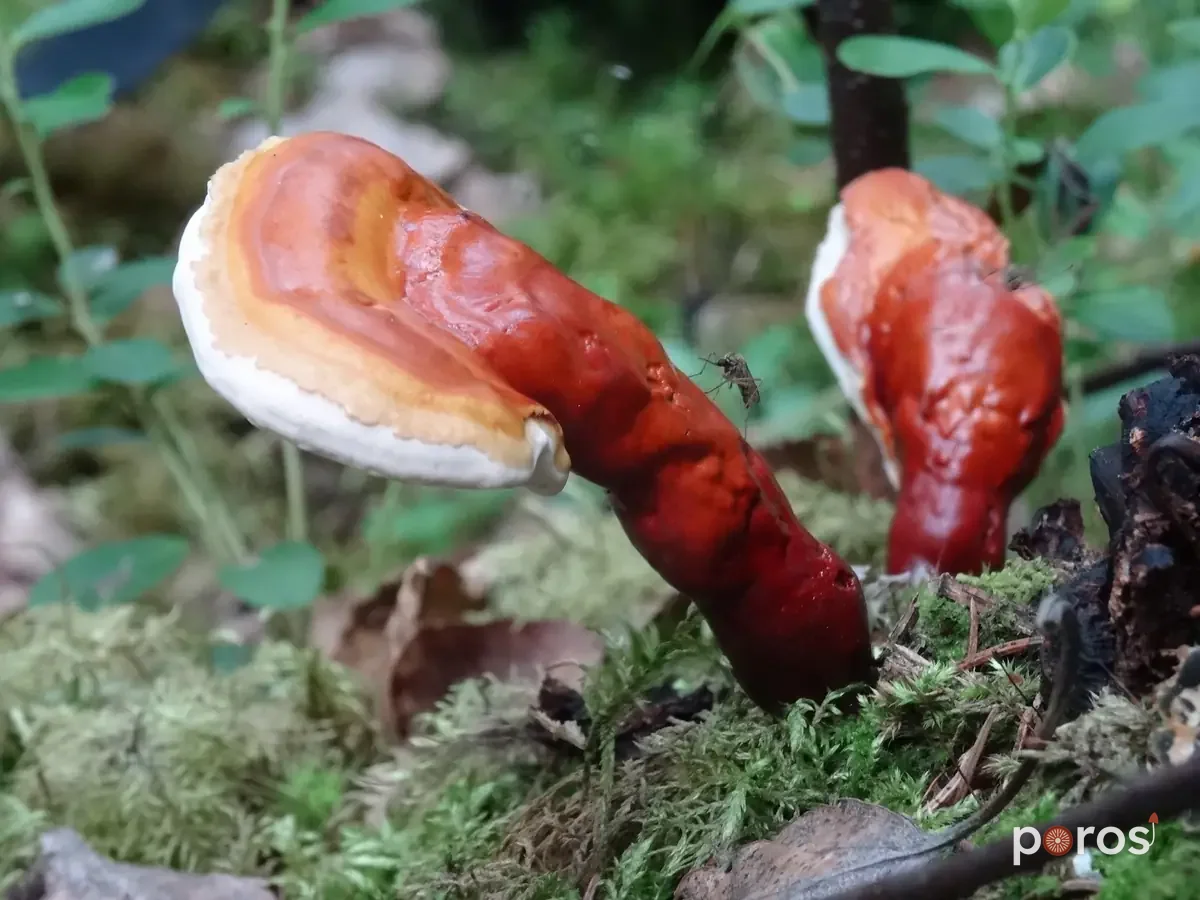
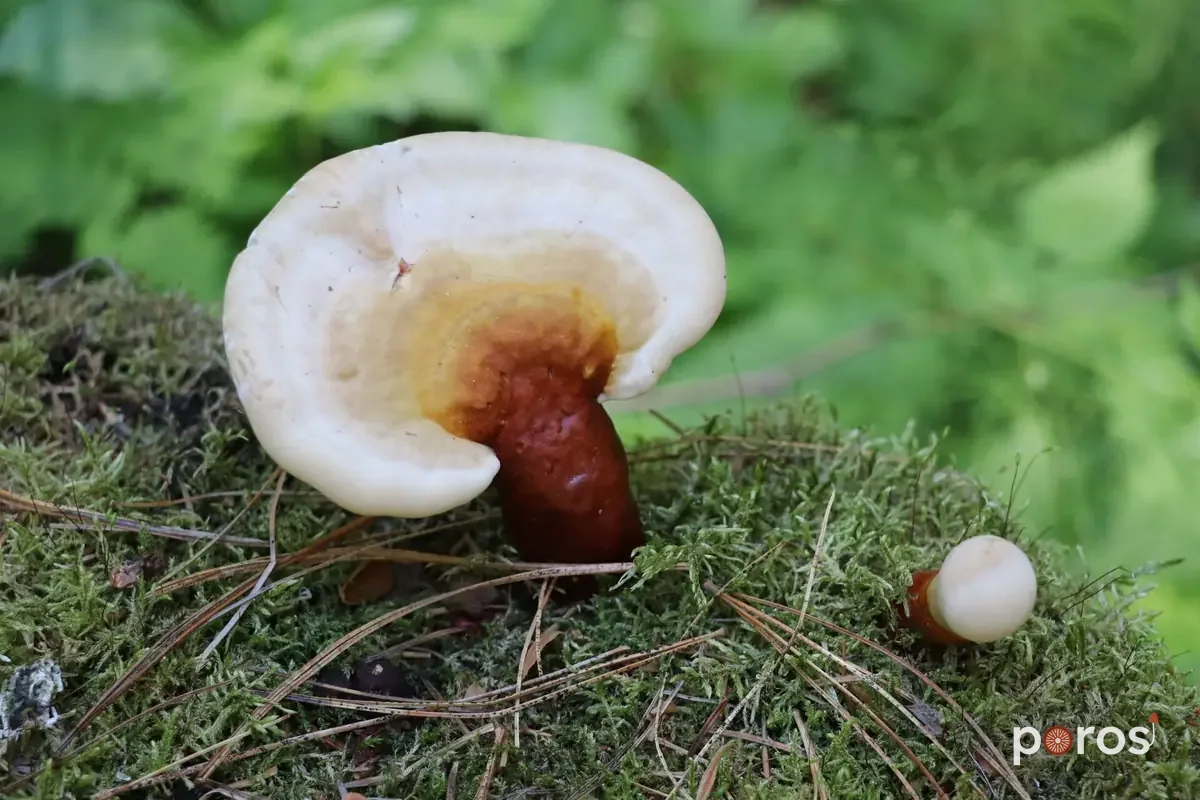
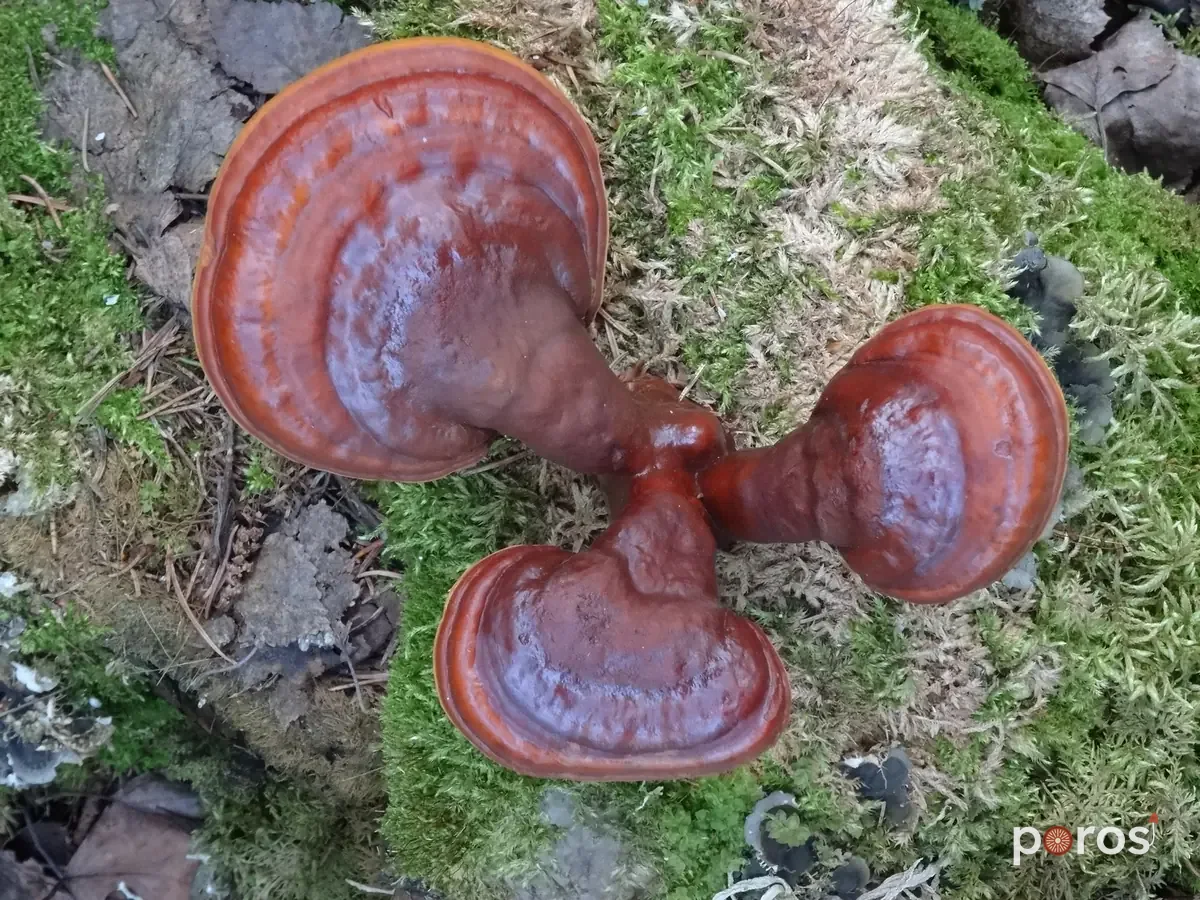
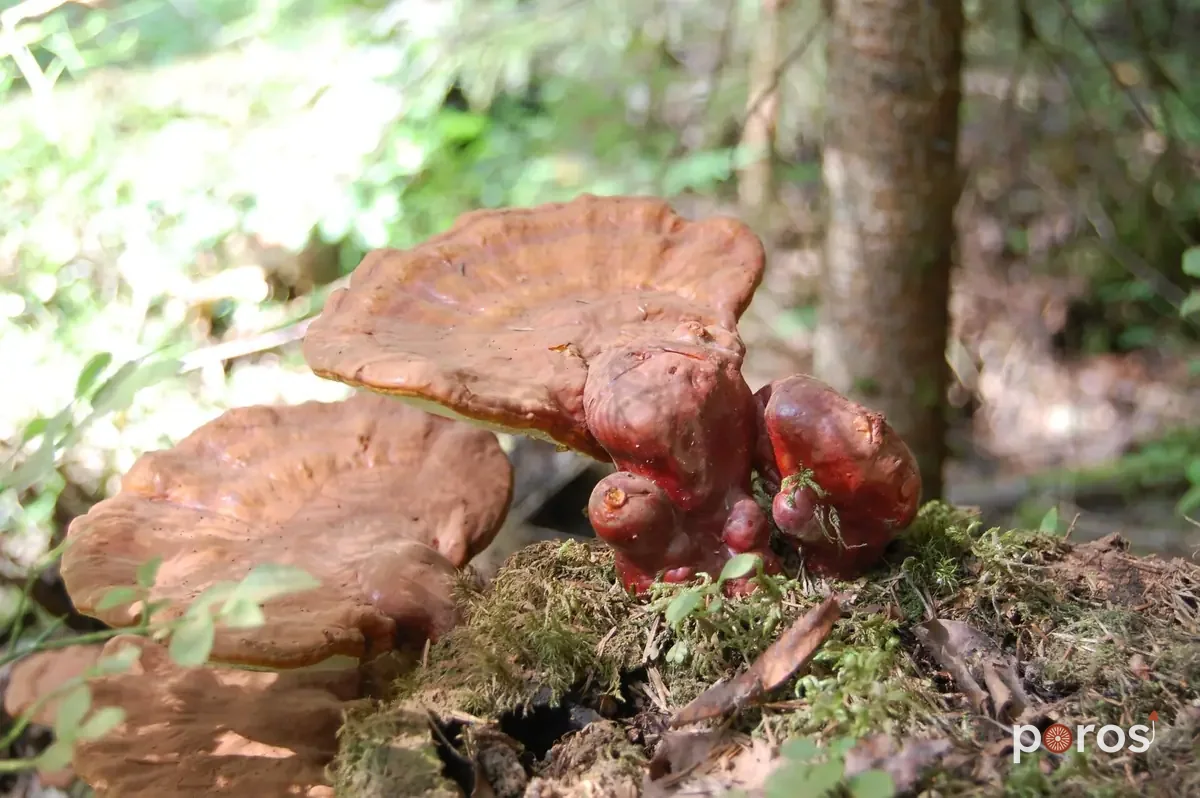
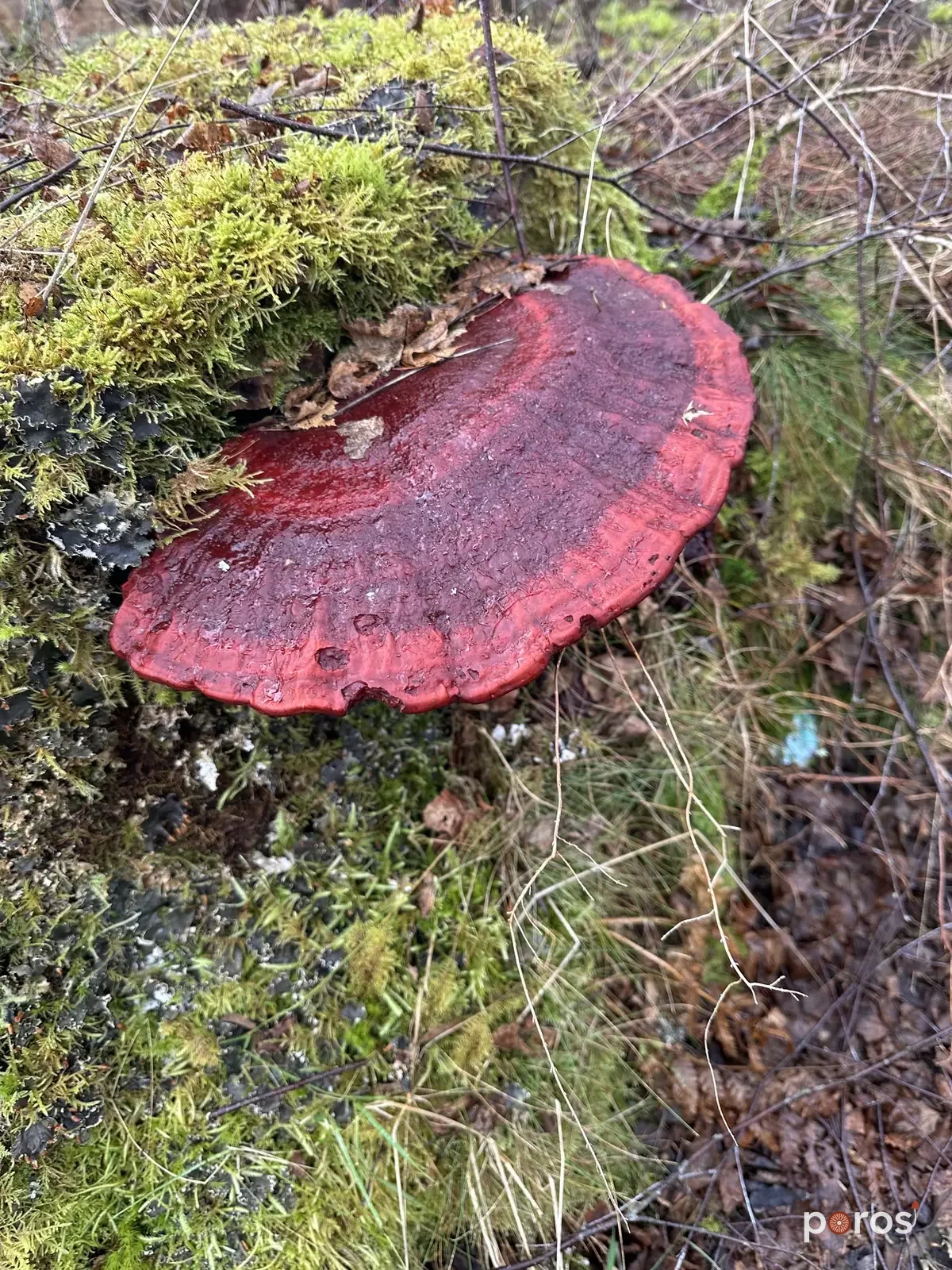
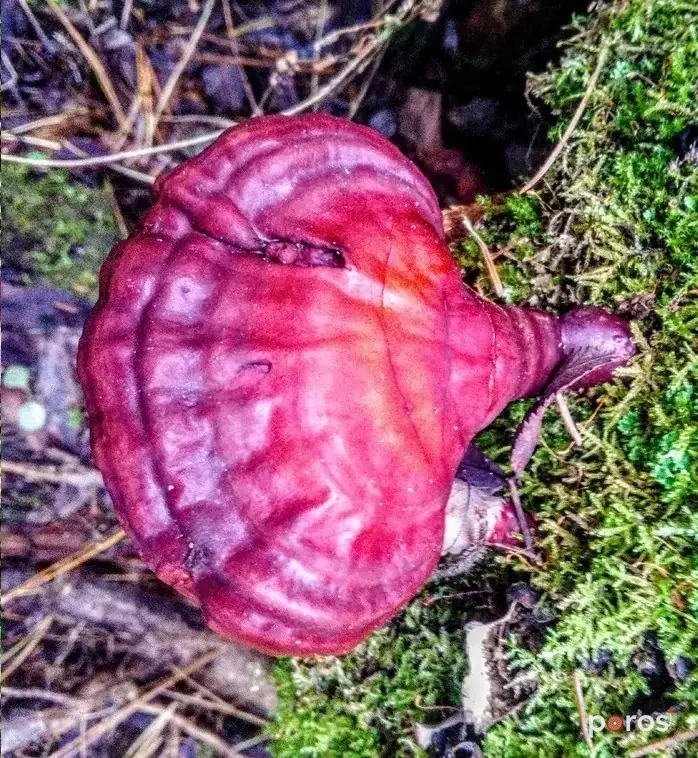
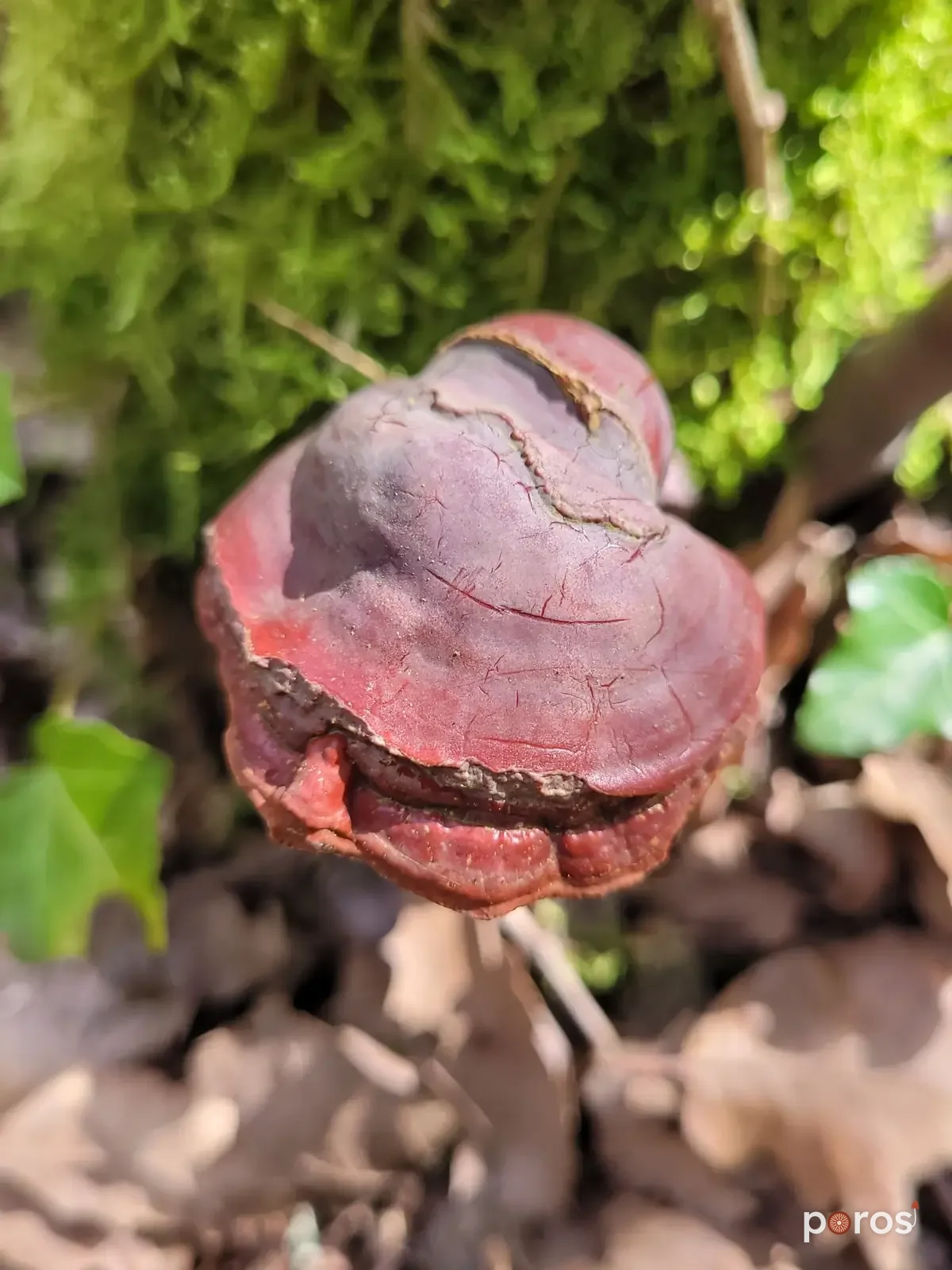
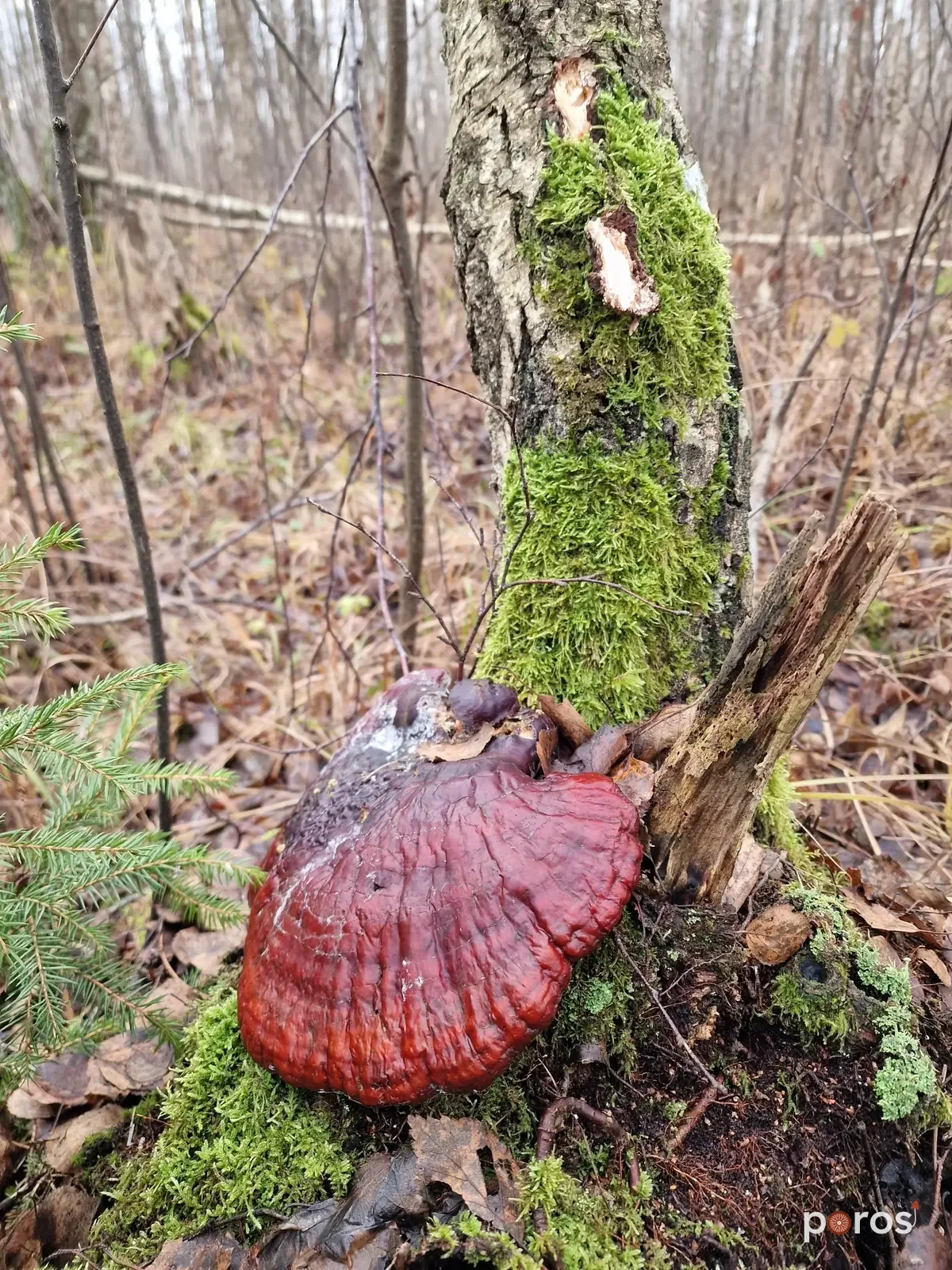
Reishi is a woody bracket fungus with a red-brown, lacquered-looking, fan-shaped cap.
Reishi is a woody bracket fungus with a red-brown, lacquered-looking, fan-shaped cap. It is not a food: it dries rock-hard and tastes bitter, and is traditionally made into a bitter tea. Clinical research is poor, so there is no good evidence for its use in any medical condition, and it can interact with some medicines.
Also called: lingzhi, varnished conk, lacquered bracket Turkish: Reishi, lingzhi
How to recognise it
Reishi, part by part
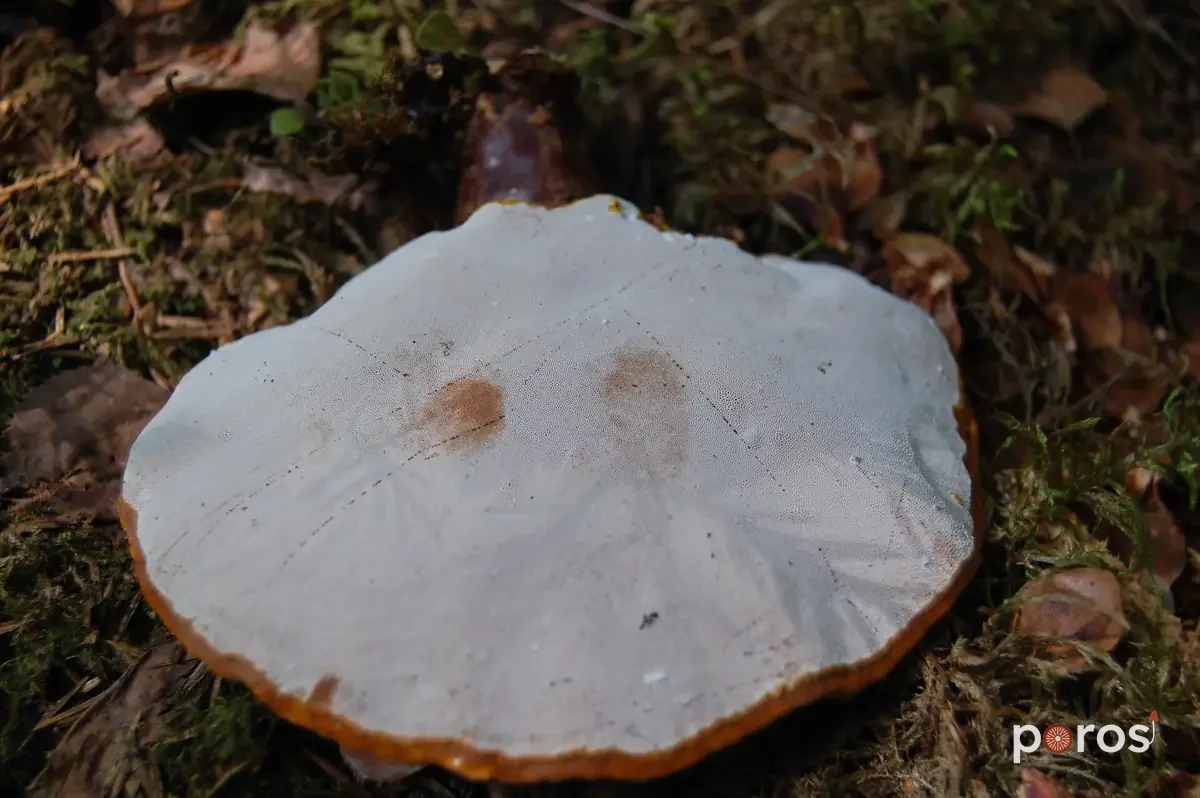
No ring or volva Spore print: Reddish brown Not distinctive; bitter taste and a tough, corky texture.
When and where
Jun–Nov
- Jan
- Feb
- Mar
- Apr
- May
- Junin season
- Julin season
- Augin season
- Sepin season
- Octin season
- Novin season
- Dec
Reishi is an annual bracket that releases its spores in summer and autumn, and its tough fruit body persists for months. In Turkey, GBIF records are spread across almost every month.
Where does reishi grow?
Reishi lives as a parasite at the base of old oaks and maples, or as a decomposer on their stumps. In cultivation it is grown on hardwood sawdust and logs.
In Turkey
Reishi has been recorded in Turkey, especially around the Marmara and the Black Sea. Note: DNA testing found that many products and kits sold as "reishi" actually contain other Ganoderma species (mostly G. sichuanense).
- İstanbul37
- Tekirdağ6
- Bolu4
- Manisa2
- Ankara2
- Sakarya1
- Bursa1
- Samsun1
57 observations on our map (GBIF, iNaturalist). Record density also reflects where observers work.
Latest reishi observations
Look-alikes
What could it be confused with?
Resinous bracket Ganoderma resinaceum
Stemless, with a rounder margin and smaller pores.
Asian lingzhi Ganoderma sichuanense
Often the species actually used in traditional Asian practice; hard to tell apart by eye and separated only by DNA.
What it contains
Reishi contains polysaccharides, triterpenes, ganoderic acids, alkaloids, flavonoids and saponins. These compounds are being researched; no therapeutic effect has been proven. Source
General information, not a health claim.
Grow it, buy it
Reishi price list

Waiting list
Reishi tea
Ganoderma lucidum
A sliced reishi blend; a dark, woody and distinctly bitter brew.
Waiting list
Reishi capsules
Ganoderma lucidum
Reishi extract under our own label, once approval is through.

Waiting list openDifficulty 3/3
Reishi grow kit
Ganoderma lucidum
A glossy, lacquered-looking woody mushroom; slow to grow, dried for tea.
| Product | Us | Market (sourced, dated) |
|---|---|---|
| Reishi grow kit · Small | Coming soon · waiting list | 999,00 ₺ Tohumlar Fidana · Reishi home grow kit · 26 Oct 2026 |
| Reishi grow kit · Large | Coming soon · waiting list | — |
| Reishi grow kit · Mega | Coming soon · waiting list | — |
| Reishi tea | Coming soon · waiting list | — |
| Reishi capsules (food supplement) | Coming soon · waiting list | 1.250 ₺ Erkel Gıda · Red reishi liquid extract, 300 ml (30 × 10 ml) · 26 Oct 2026 |
| Reishi powder | In preparation · notify me | 900 ₺ Erkel Gıda · Reishi powder, 90 g · 26 Oct 2026 |
Our prices for reishi are published when the product is ready; for now we take waiting-list sign-ups. The market column shows prices seen on other sellers' pages on the date given; they are not our prices and may have changed.
Frequently asked questions
When is reishi season in Turkey?
In our calendar, reishi season runs Jun–Nov. Reishi is an annual bracket that releases its spores in summer and autumn, and its tough fruit body persists for months. In Turkey, GBIF records are spread across almost every month.
Where does reishi grow?
Reishi lives as a parasite at the base of old oaks and maples, or as a decomposer on their stumps. In cultivation it is grown on hardwood sawdust and logs.
Where is reishi found in Turkey?
Reishi has been recorded in Turkey, especially around the Marmara and the Black Sea. Note: DNA testing found that many products and kits sold as "reishi" actually contain other Ganoderma species (mostly G. sichuanense).
What can reishi be confused with?
Reishi can be confused with resinous bracket (Ganoderma resinaceum, inedible) and asian lingzhi (Ganoderma sichuanense, inedible). Look-alikes are compared on this page.
What is reishi called in Turkish?
In Turkish, reishi (Ganoderma lucidum) is called Reishi; other local names include lingzhi.
Related species
-
 CordycepsCordyceps militarisTraditional use
-
 Bloody milk capLactarius sanguifluusEdible species
-
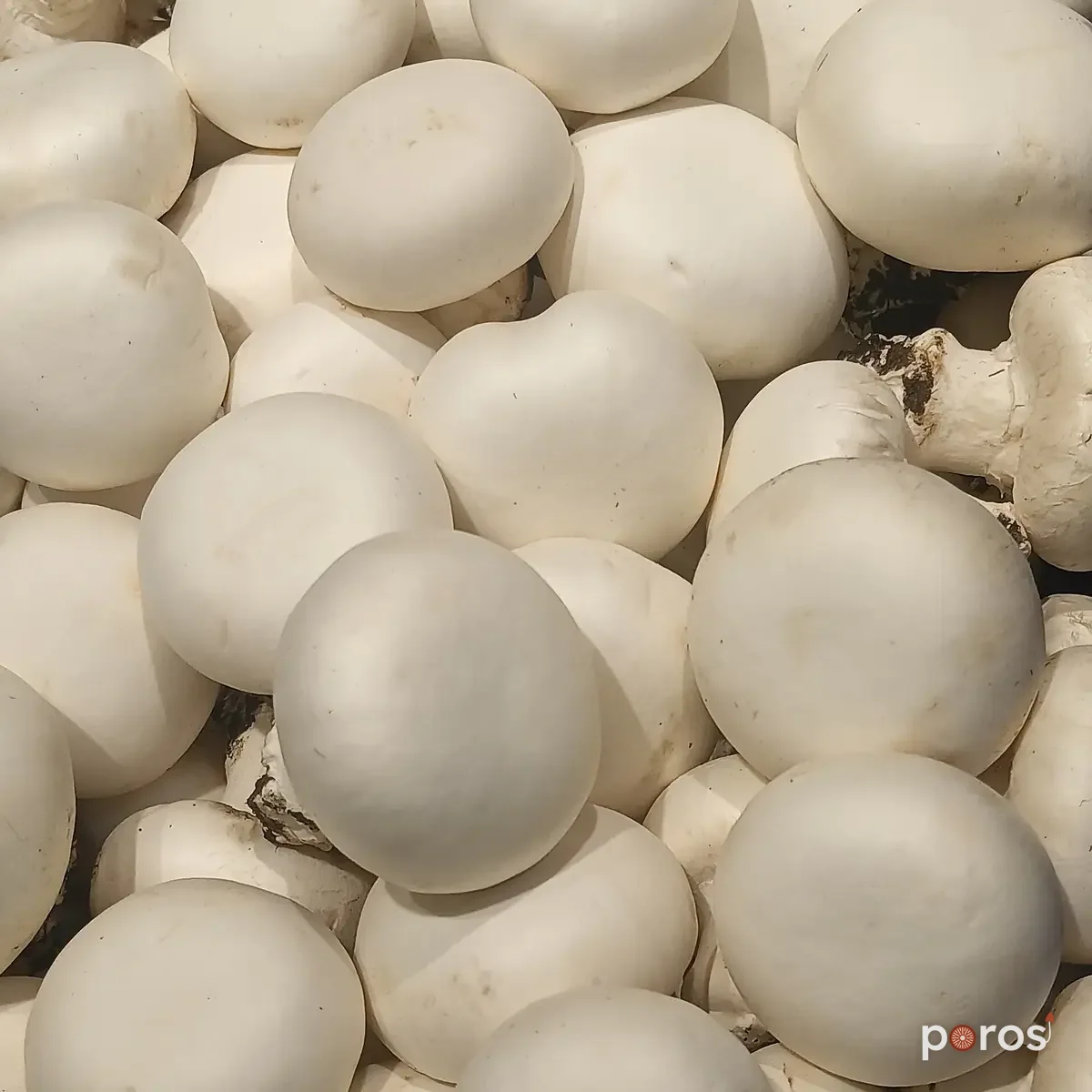 Button mushroomAgaricus bisporusEdible species
-
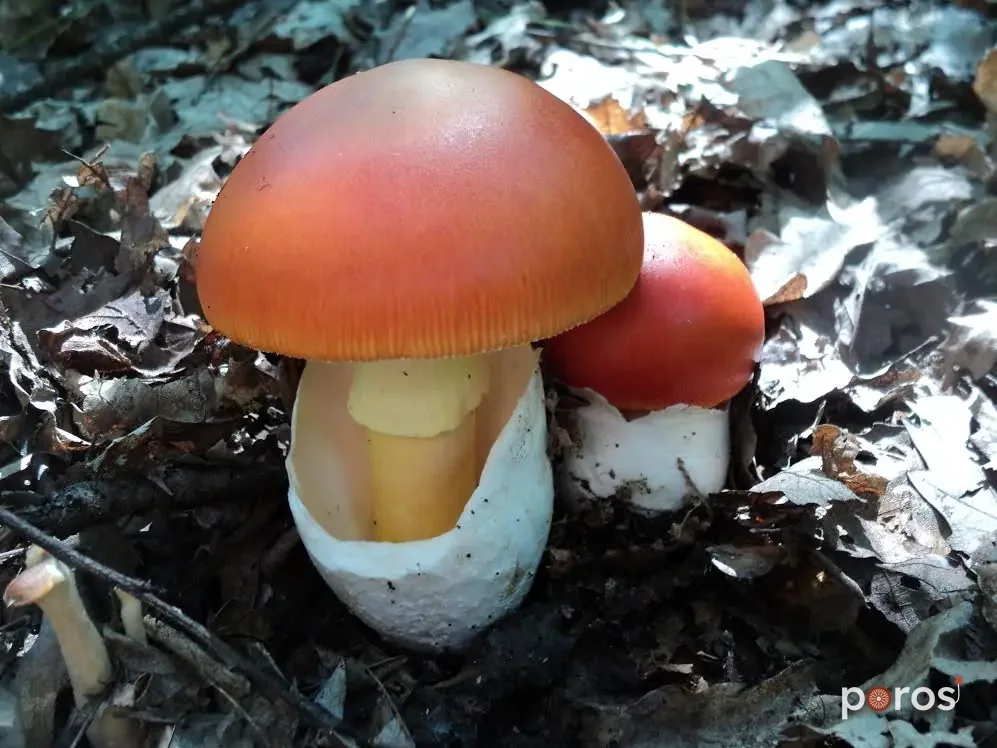 Caesar’s mushroomAmanita caesareaEdible species
-
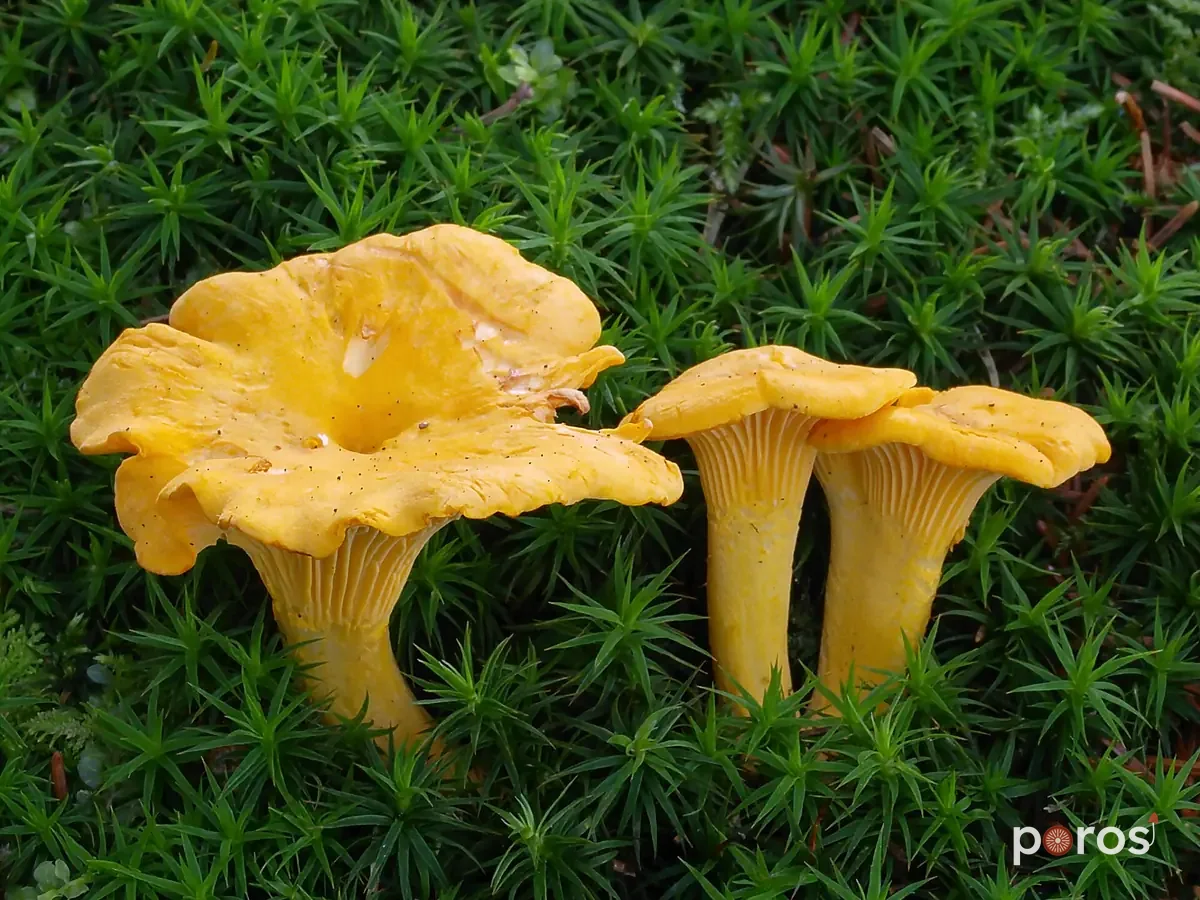 ChanterelleCantharellus cibariusEdible species
-
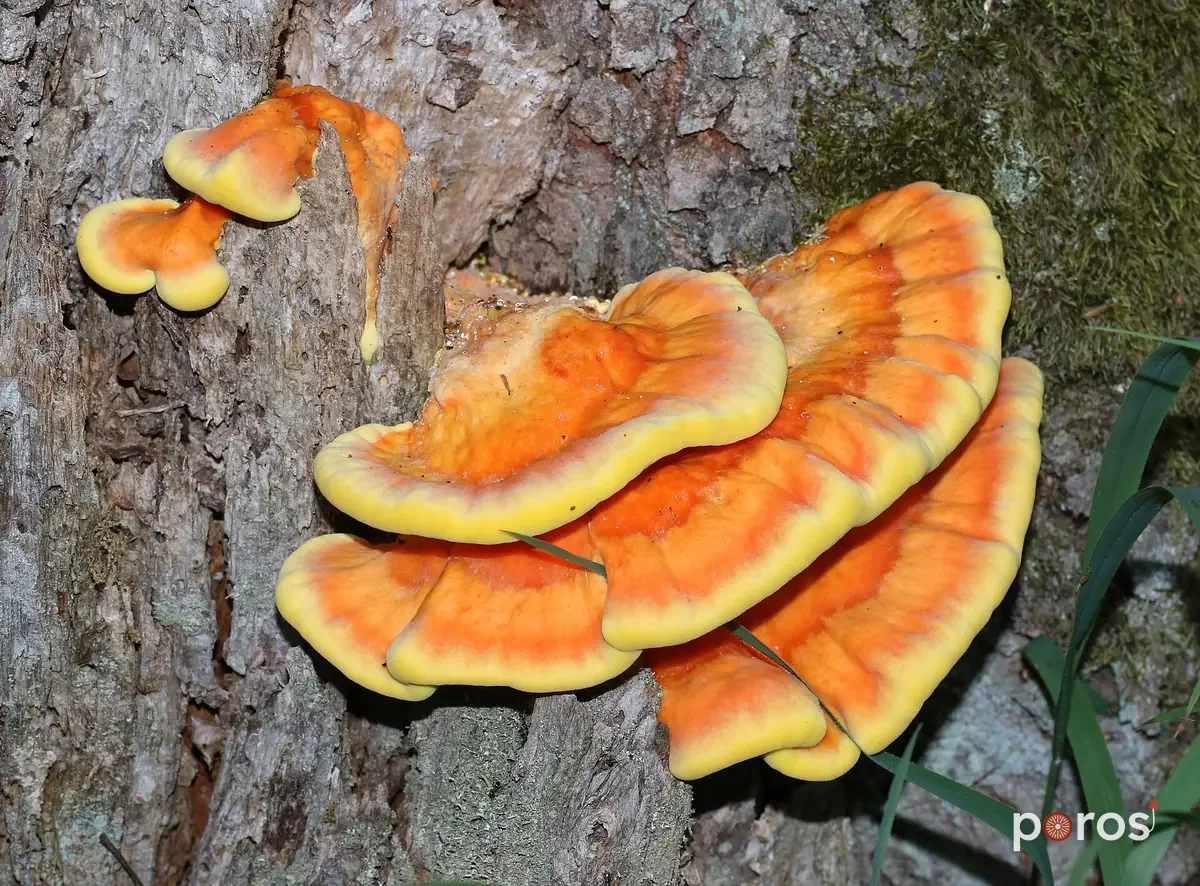 Chicken of the woodsLaetiporus sulphureusEdible species
-
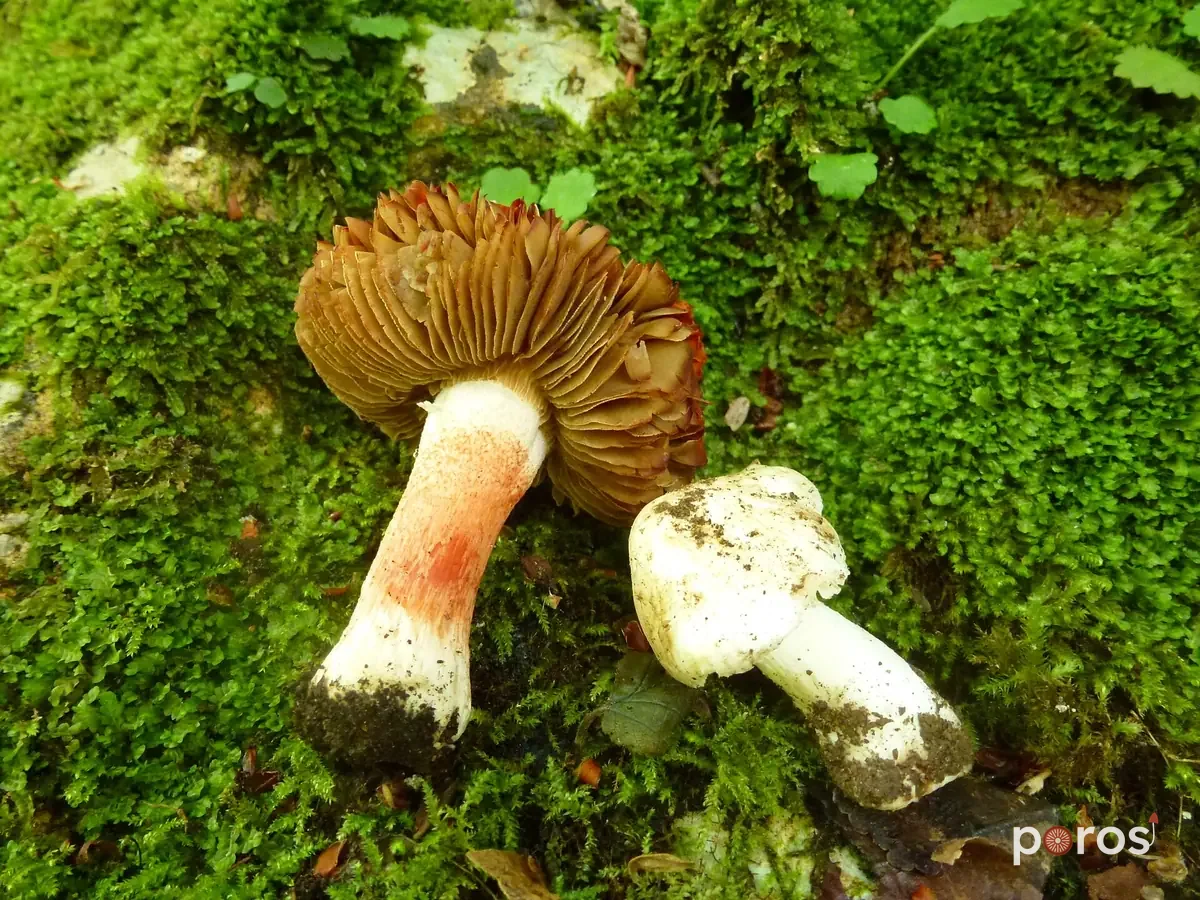 Deadly fibrecapInosperma erubescensDeadly poisonous
-
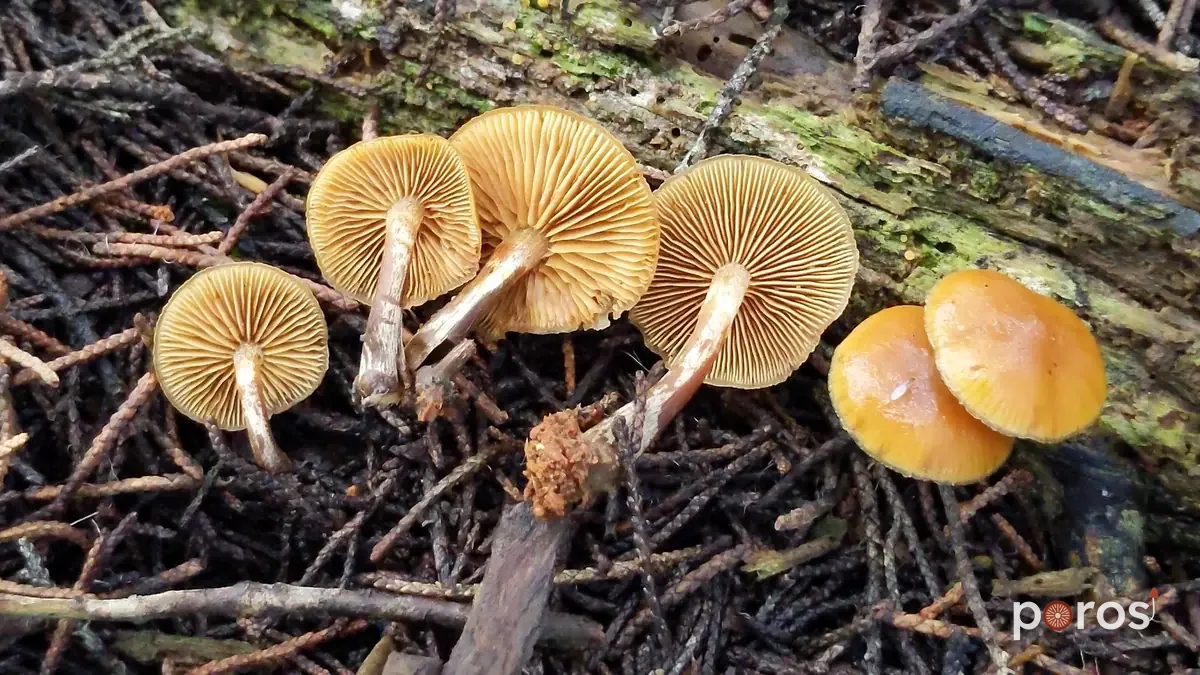 Deadly galerinaGalerina marginataDeadly poisonous
Sources (4)
- Wikipedia (EN): Ganoderma lucidum · checked 26 Oct 2026
- Vikipedi (TR): Ganoderma lucidum · checked 26 Oct 2026
- First Nature: Ganoderma lucidum · checked 26 Oct 2026
- GBIF: Türkiye kayıtları · checked 26 Oct 2026
Photo credits (10)
- Ganoderma lucidum · iNaturalist #21665546 · Ilya Filippov · CC BY 4.0
- File:Ganoderma lucidum 8690055.jpg · Natalya · CC BY 4.0
- Ganoderma lucidum · iNaturalist #261255684 · Scott Shanks · CC BY 4.0
- Ganoderma lucidum · iNaturalist #62791404 · Виктория Билоус · CC BY 4.0
- Ganoderma lucidum · iNaturalist #21665546 · Ilya Filippov · CC BY 4.0
- File:Ganoderma lucidum 77028570.jpg · Nina Filippova · CC BY 4.0
- Ganoderma lucidum · iNaturalist #253730935 · Aurelijus Narbutas · CC BY 4.0
- Ganoderma lucidum · iNaturalist #21665546 · Ilya Filippov · CC BY 4.0
- File:Ganoderma lucidum 8689965.jpg · Natalya · CC BY 4.0
- Ganoderma lucidum · iNaturalist #267521638 · Roland Godon · CC BY 4.0


