
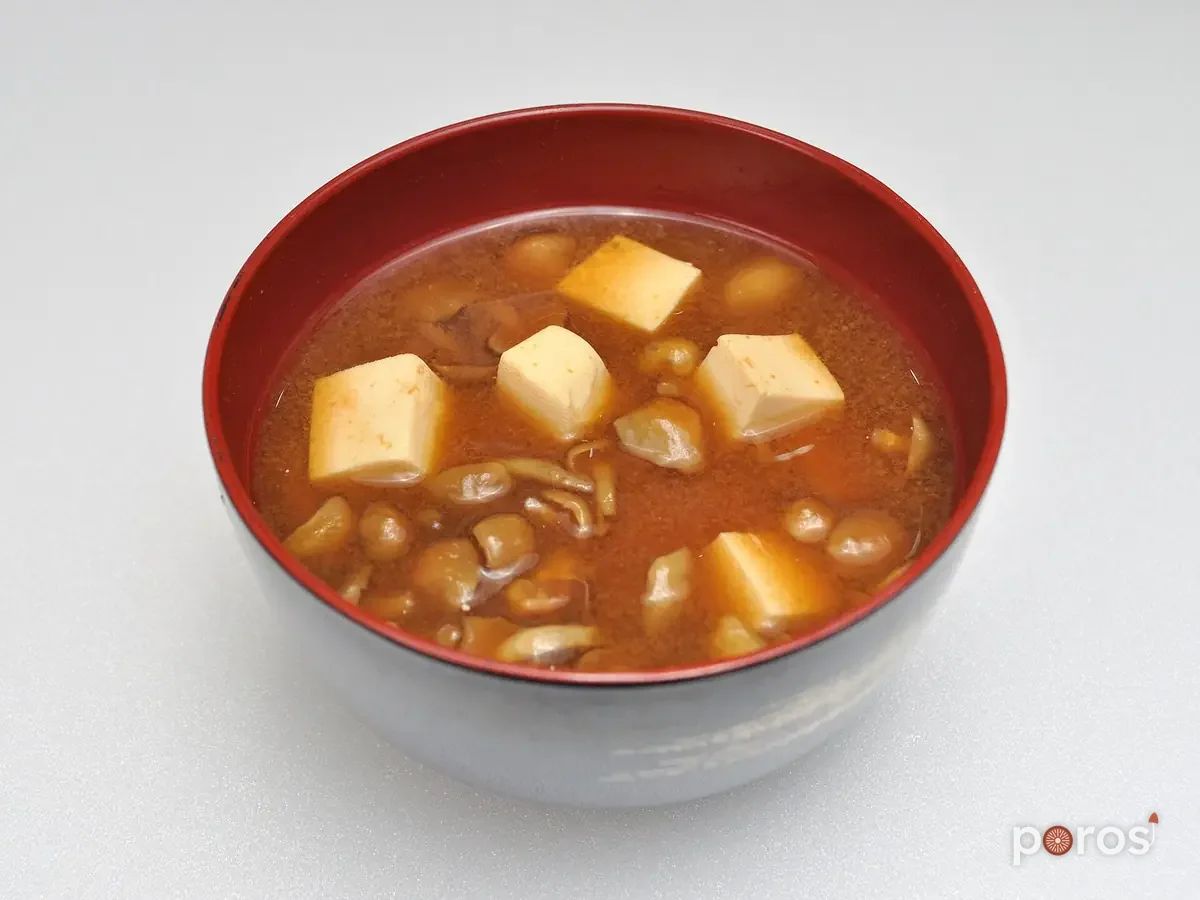
Nameko
Pholiota microspora · Strophariaceae
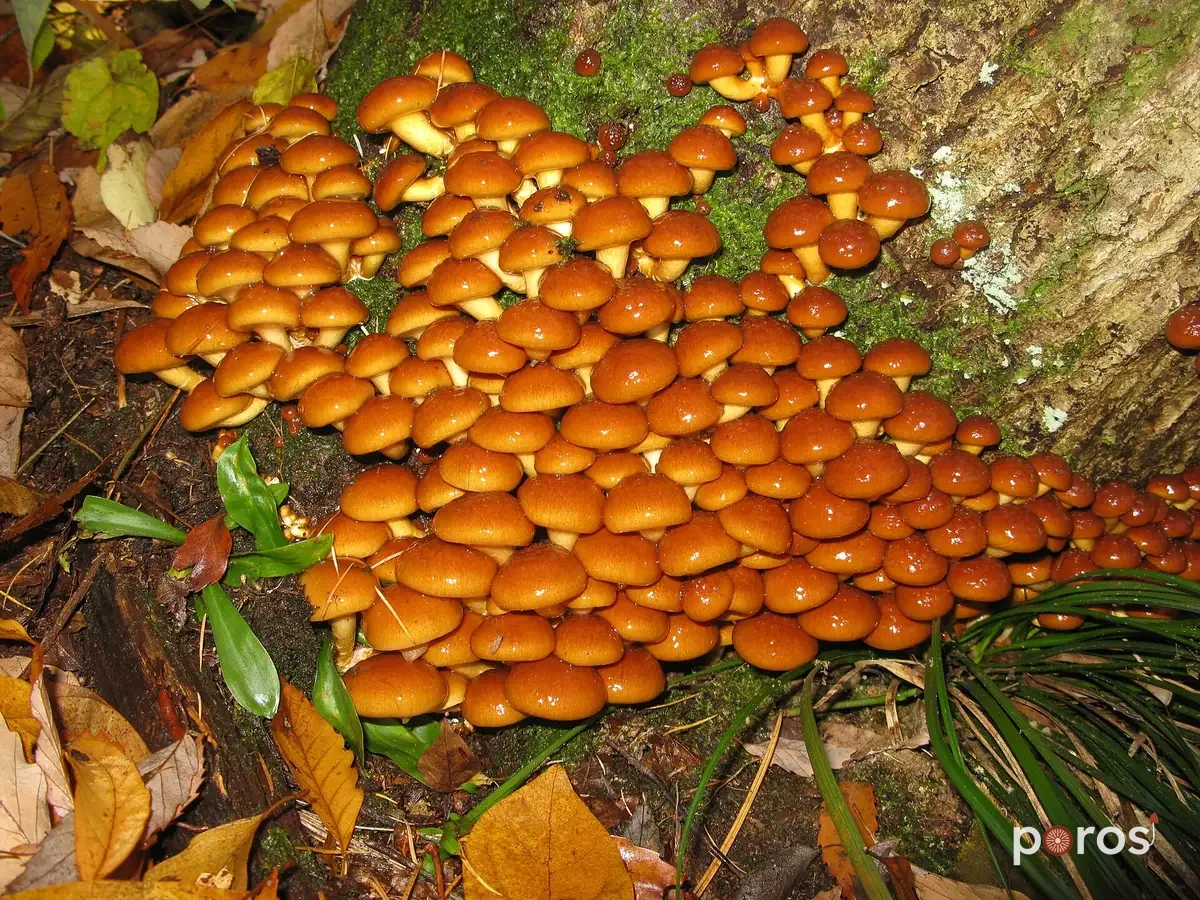
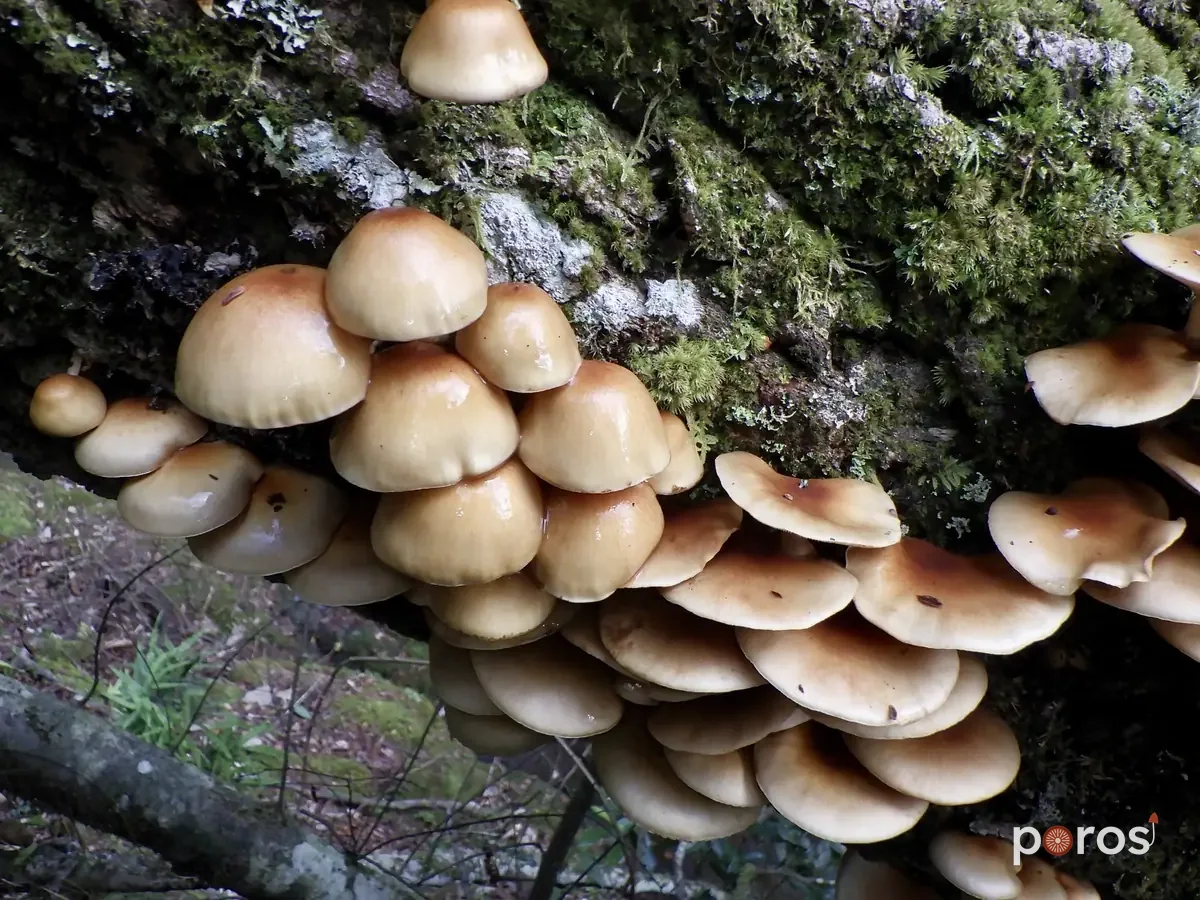
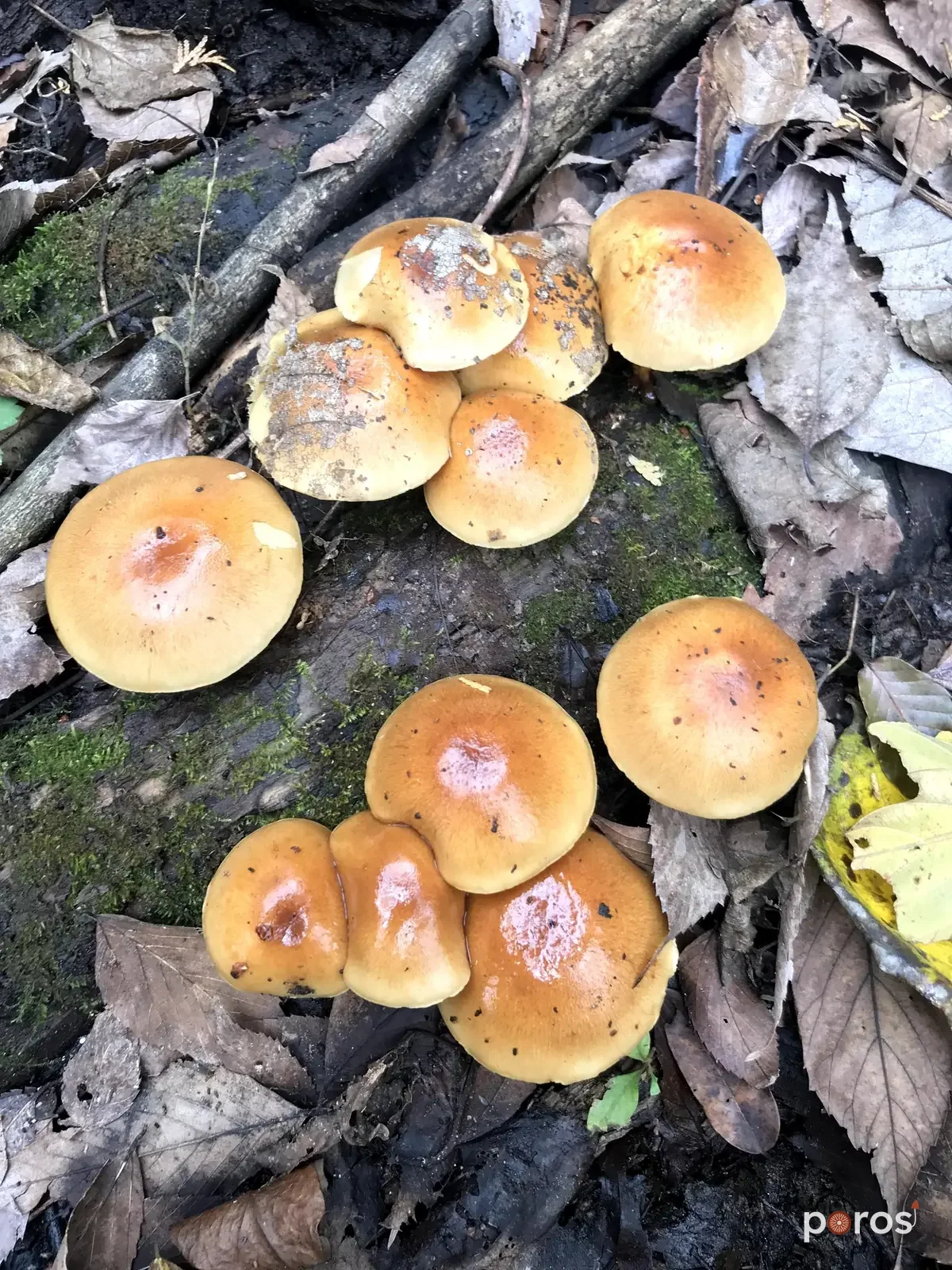
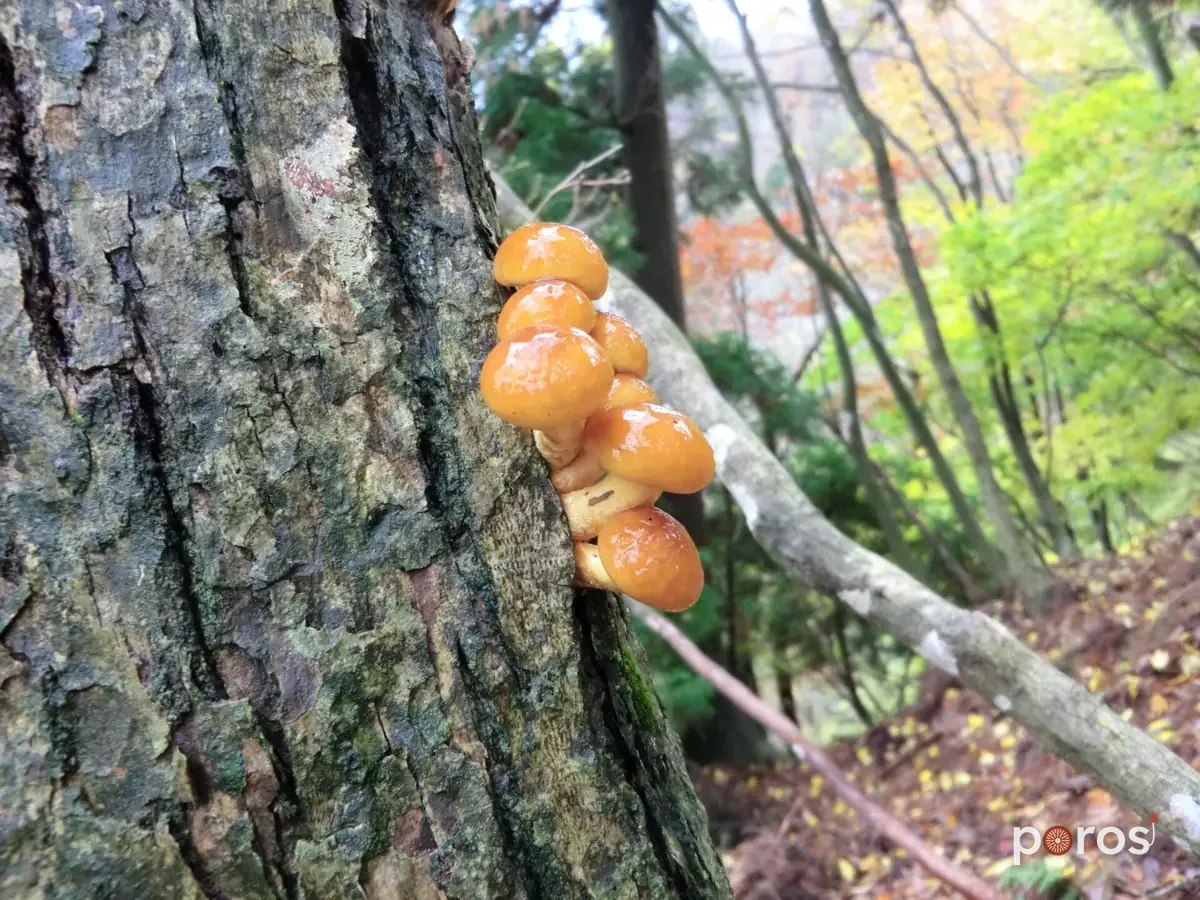
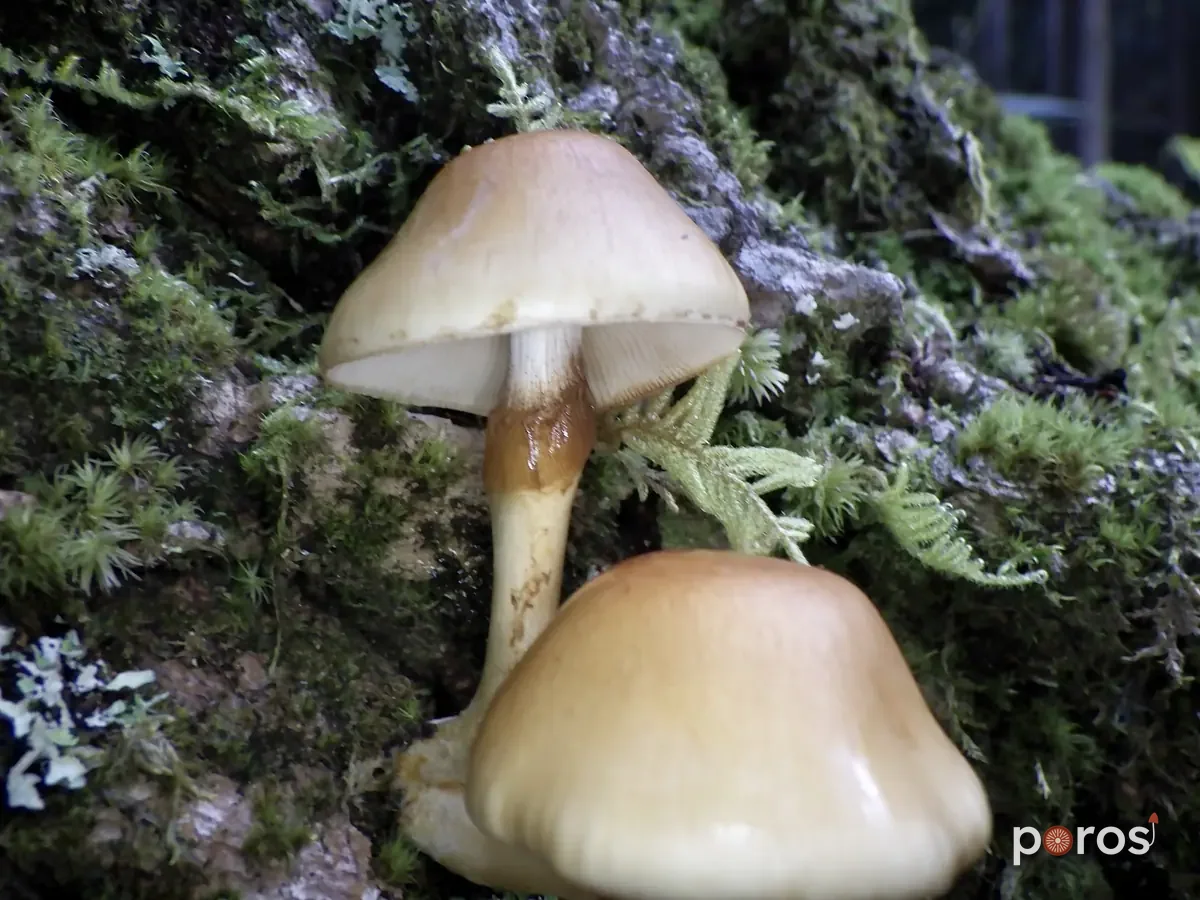
Nameko is a small, amber-brown mushroom with a slightly gelatinous coat, used in miso soup and nabemono hotpots.
Nameko is a small, amber-brown mushroom with a slightly gelatinous coat, used in miso soup and nabemono hotpots. With its mildly nutty taste it is one of Japan's most popular cultivated mushrooms, and is sold as a home grow kit in some countries.
Also called: butterscotch mushroom Turkish: Nameko Synonyms: Pholiota nameko
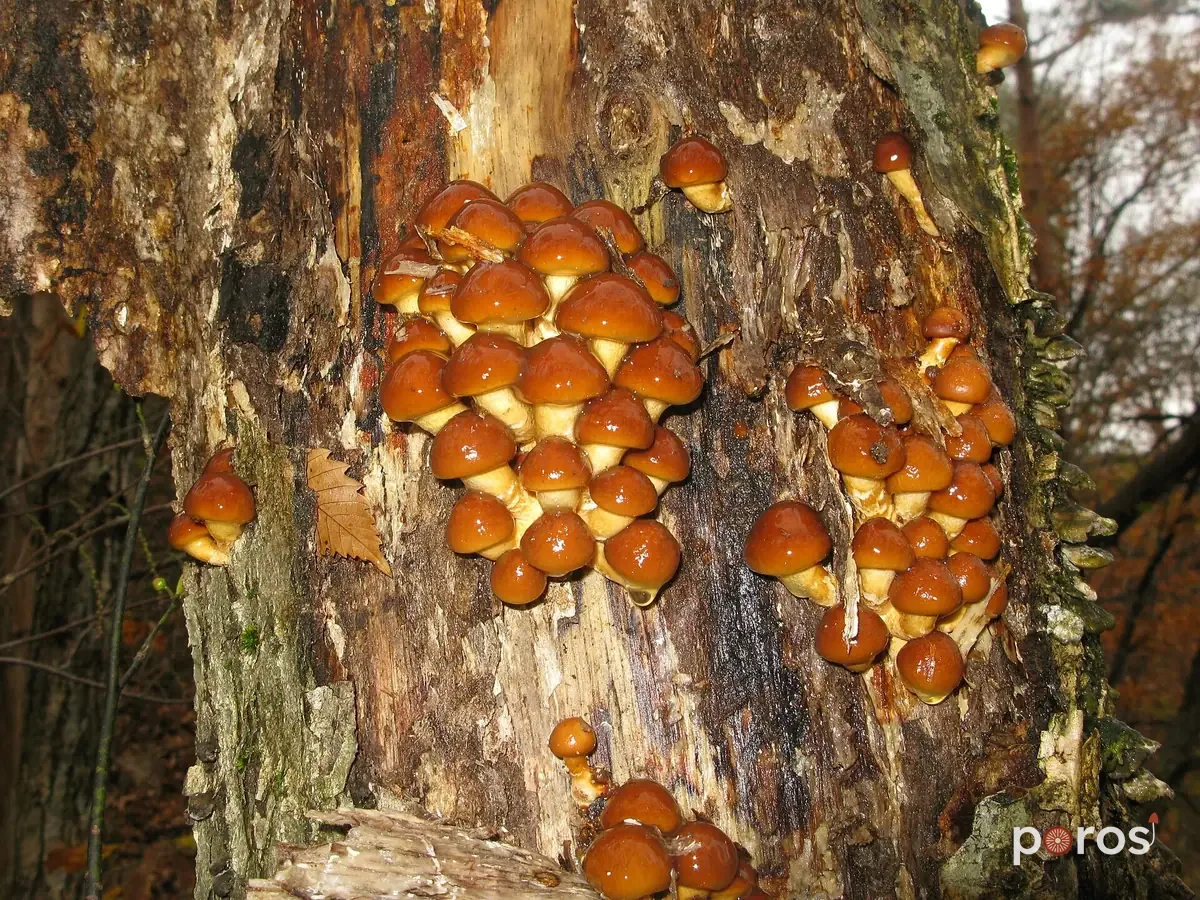
How to recognise it
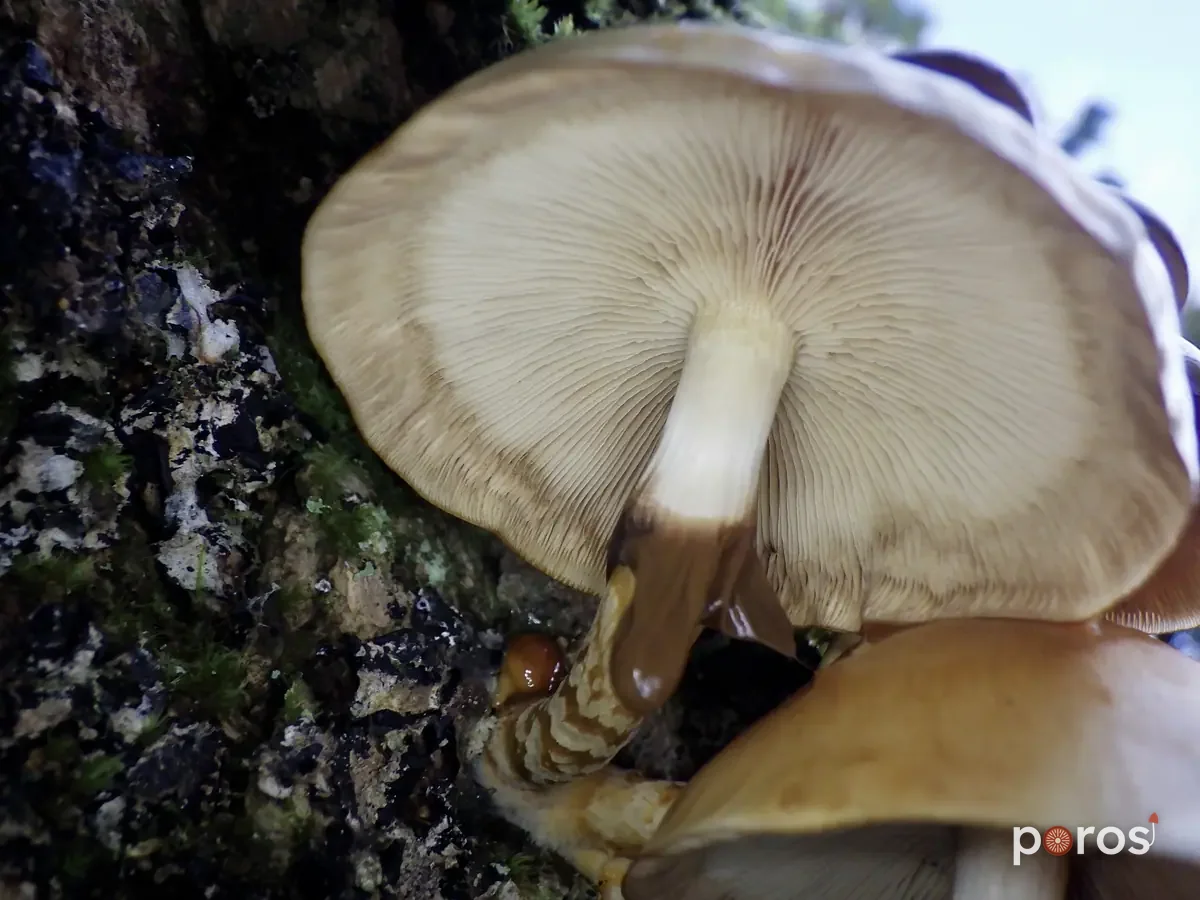
Nameko, part by part
No ring or volva Spore print: Brown Mildly nutty.
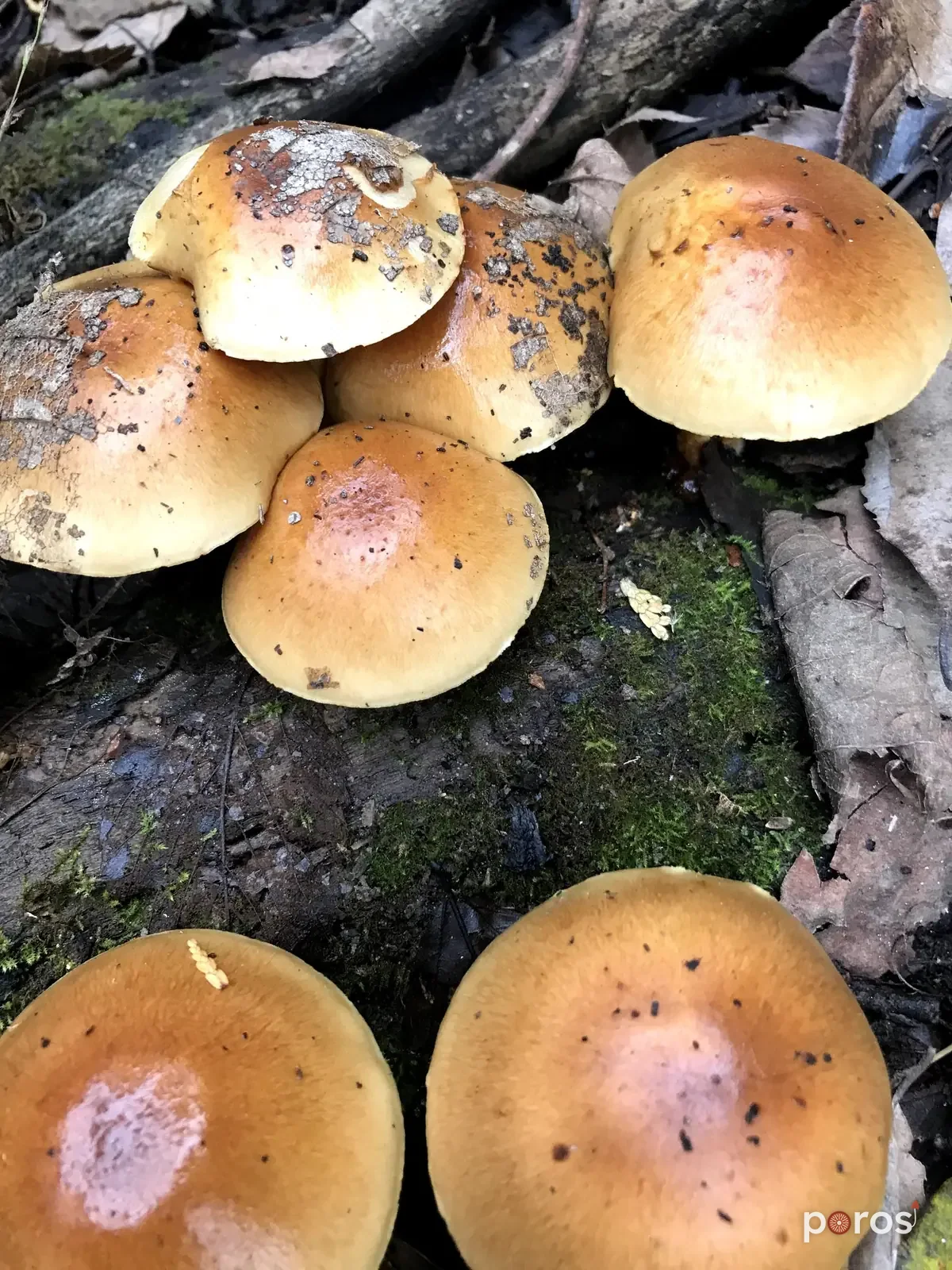
When and where
Cultivated all year
- Jan
- Feb
- Mar
- Apr
- May
- Jun
- Jul
- Aug
- Sep
- Oct
- Nov
- Dec
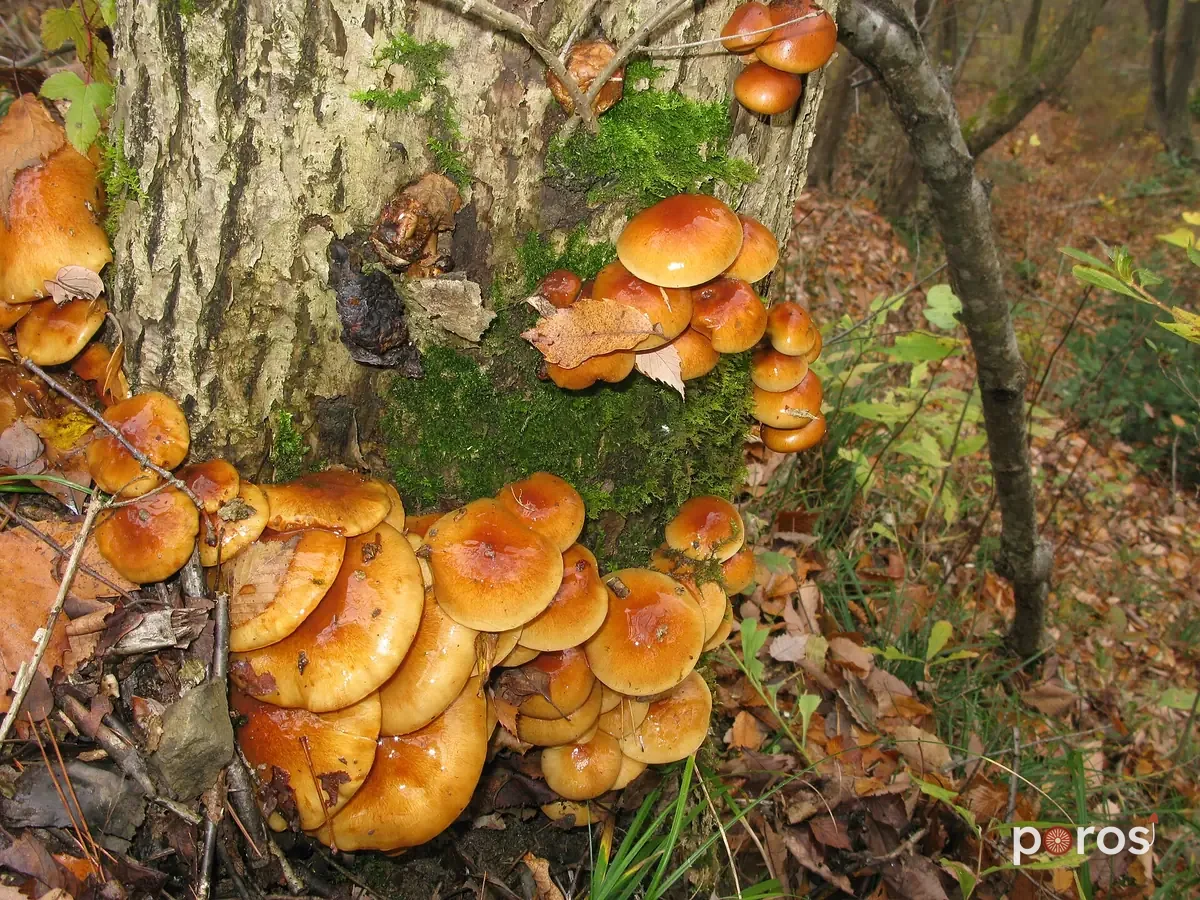
Nameko is a popular cultivated mushroom in Japan, with no wild records in Turkey. Fruiting is triggered by cold: it fruits in autumn when temperatures first drop below 10 °C.
Where does nameko grow?
Nameko grows in the wild on dead hardwood; cultivated nameko is grown on logs and sawdust blocks.
In Turkey
Nameko does not grow wild in Turkey and is found only in cultivation.
Our map has no observations of nameko from Turkey yet.
Look-alikes
What could it be confused with?
Deadly galerina Galerina marginata
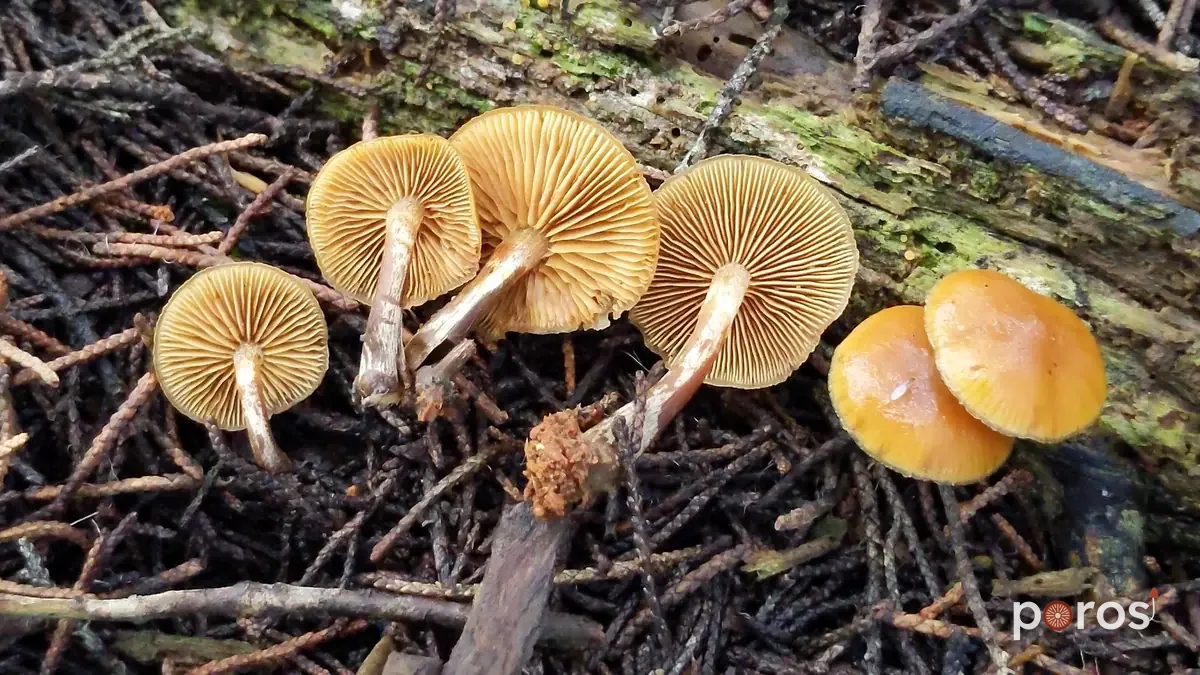
Small brown mushrooms clustering on wood resemble Pholiota; Galerina has a membranous ring and a rusty spore print. Never pick little brown mushrooms in the wild.
In the kitchen
Cooking with nameko
Storing nameko
Grow it, buy it
Nameko price list
| Product | Us | Market (sourced, dated) |
|---|---|---|
| Fresh nameko | In preparation · notify me | — |
| Dried nameko | In preparation · notify me | — |
Our prices for nameko are published when the product is ready; for now we take waiting-list sign-ups. The market column shows prices seen on other sellers' pages on the date given; they are not our prices and may have changed.
Frequently asked questions
Is nameko edible?
Yes, nameko is an edible species. Eat a wild one only after an expert has identified it with certainty: it can be confused with deadly galerina (Galerina marginata).
When is nameko season in Turkey?
Nameko is a popular cultivated mushroom in Japan, with no wild records in Turkey. Fruiting is triggered by cold: it fruits in autumn when temperatures first drop below 10 °C.
Where does nameko grow?
Nameko grows in the wild on dead hardwood; cultivated nameko is grown on logs and sawdust blocks.
Where is nameko found in Turkey?
Nameko does not grow wild in Turkey and is found only in cultivation.
What can nameko be confused with?
Nameko can be confused with deadly galerina (Galerina marginata, deadly). Look-alikes are compared on this page.
What is nameko called in Turkish?
In Turkish, nameko (Pholiota microspora) is called Nameko.
Related species
-
 Bloody milk capLactarius sanguifluusEdible species
-
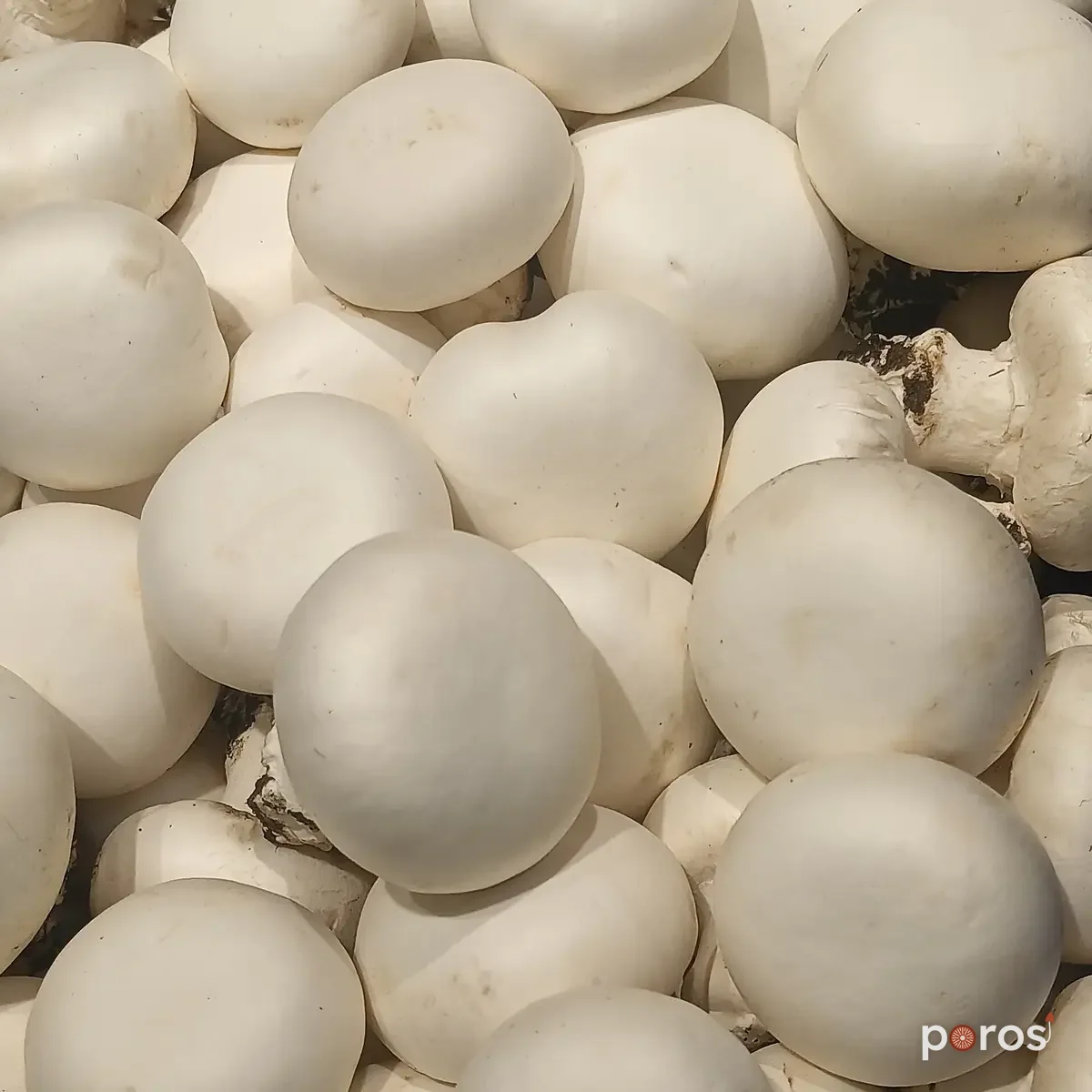 Button mushroomAgaricus bisporusEdible species
-
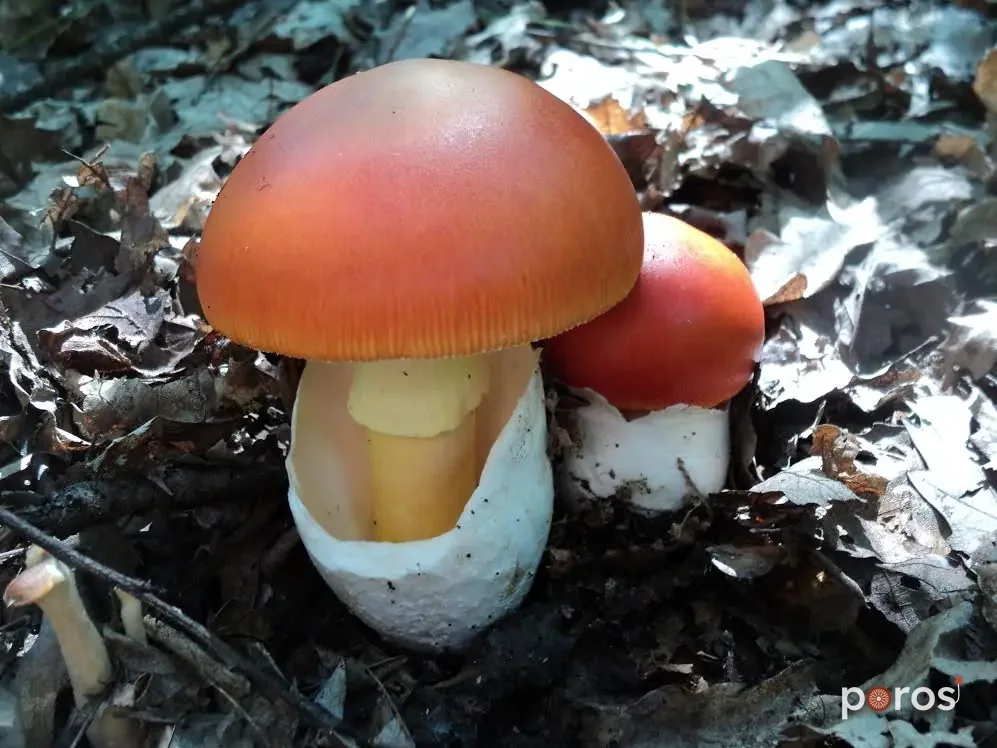 Caesar’s mushroomAmanita caesareaEdible species
-
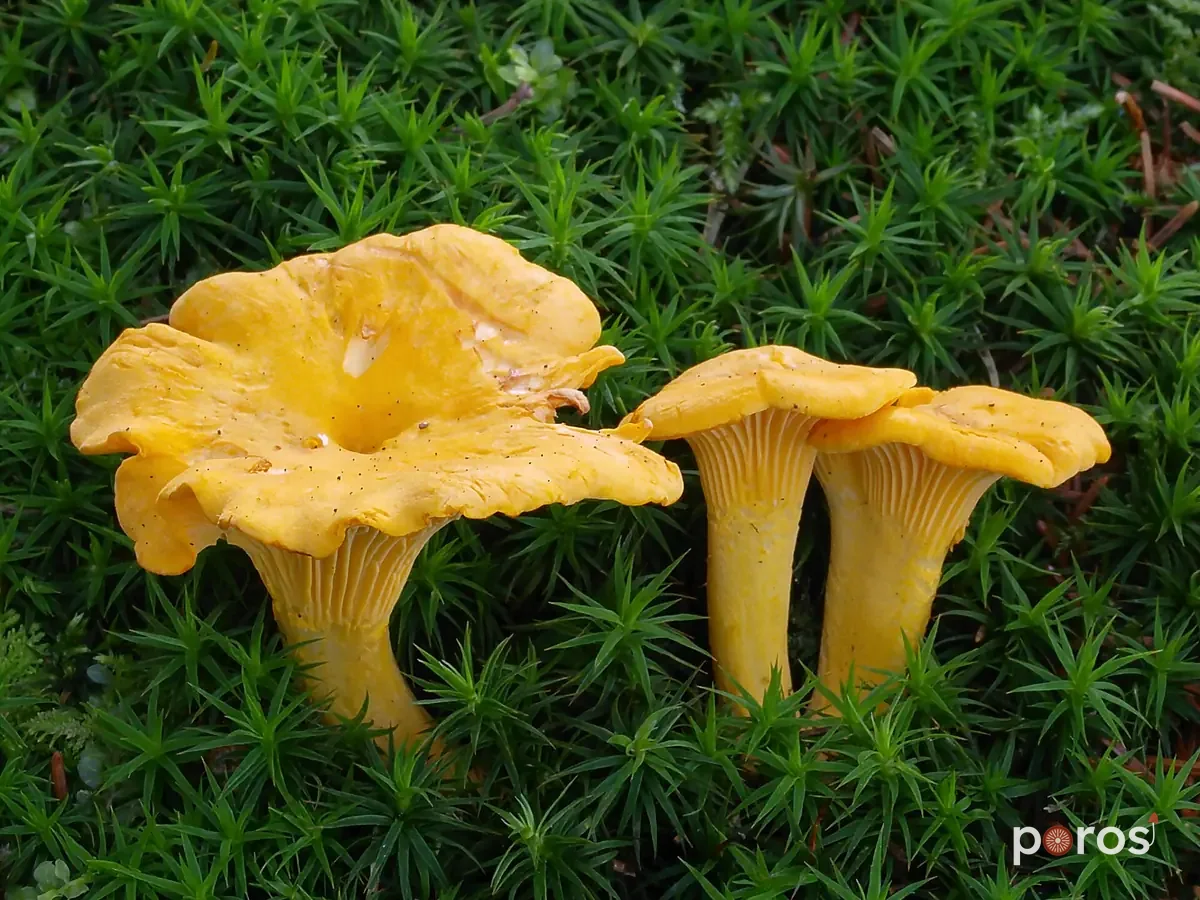 ChanterelleCantharellus cibariusEdible species
-
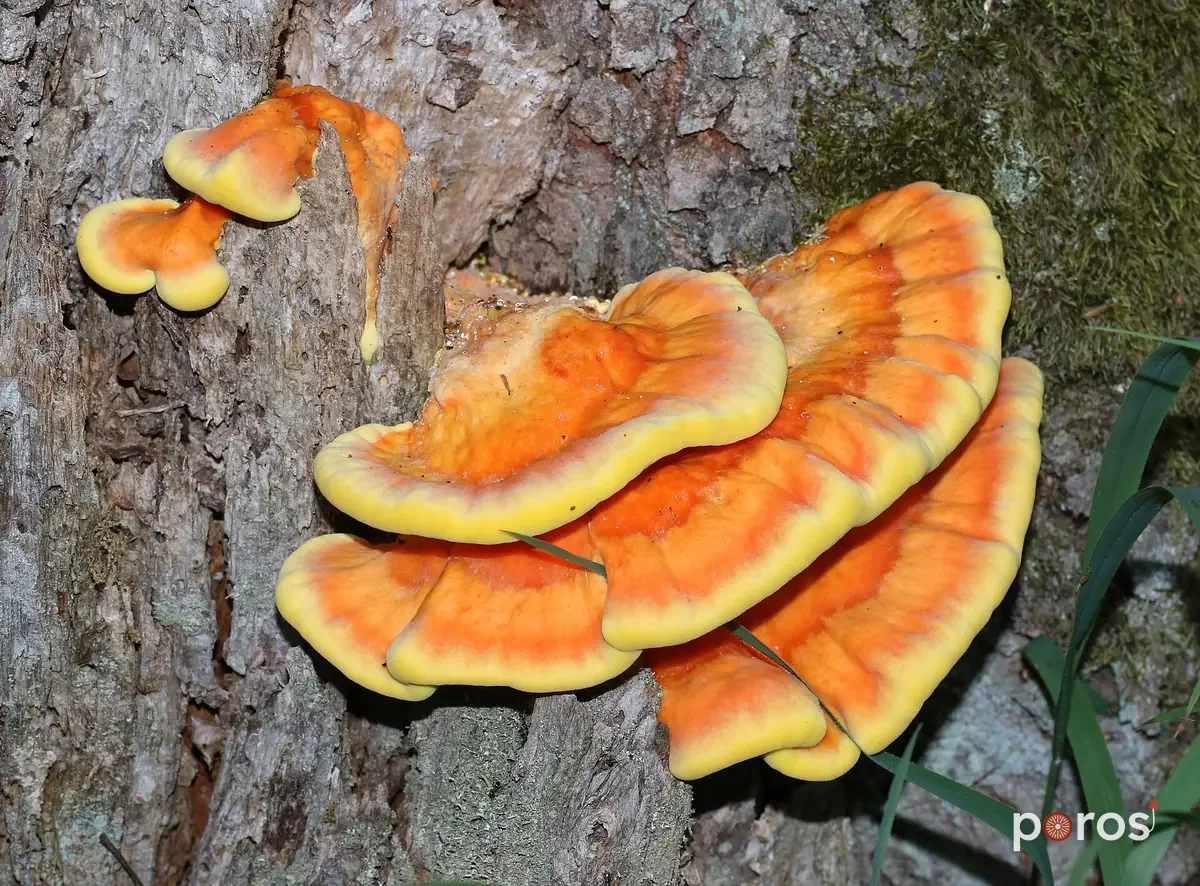 Chicken of the woodsLaetiporus sulphureusEdible species
-
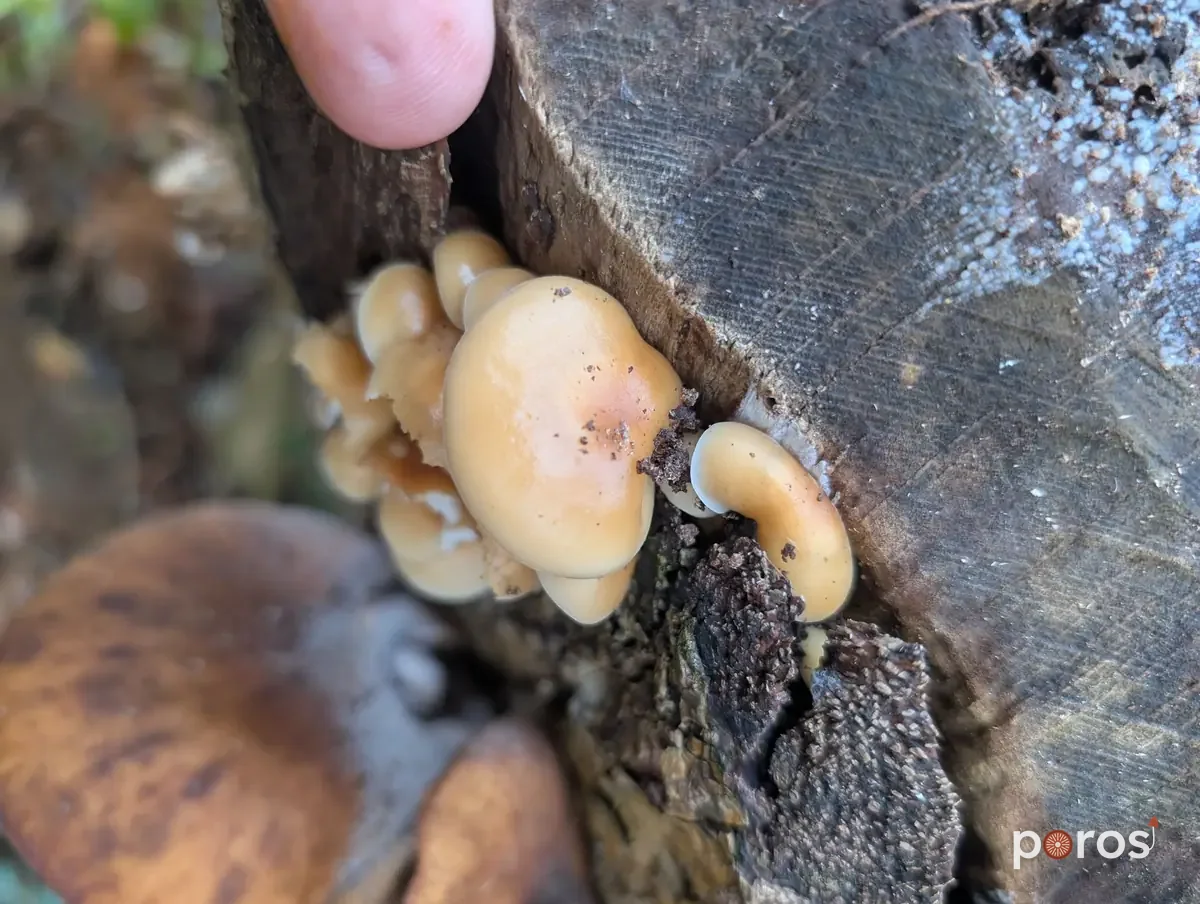 EnokiFlammulina filiformisEdible species
-
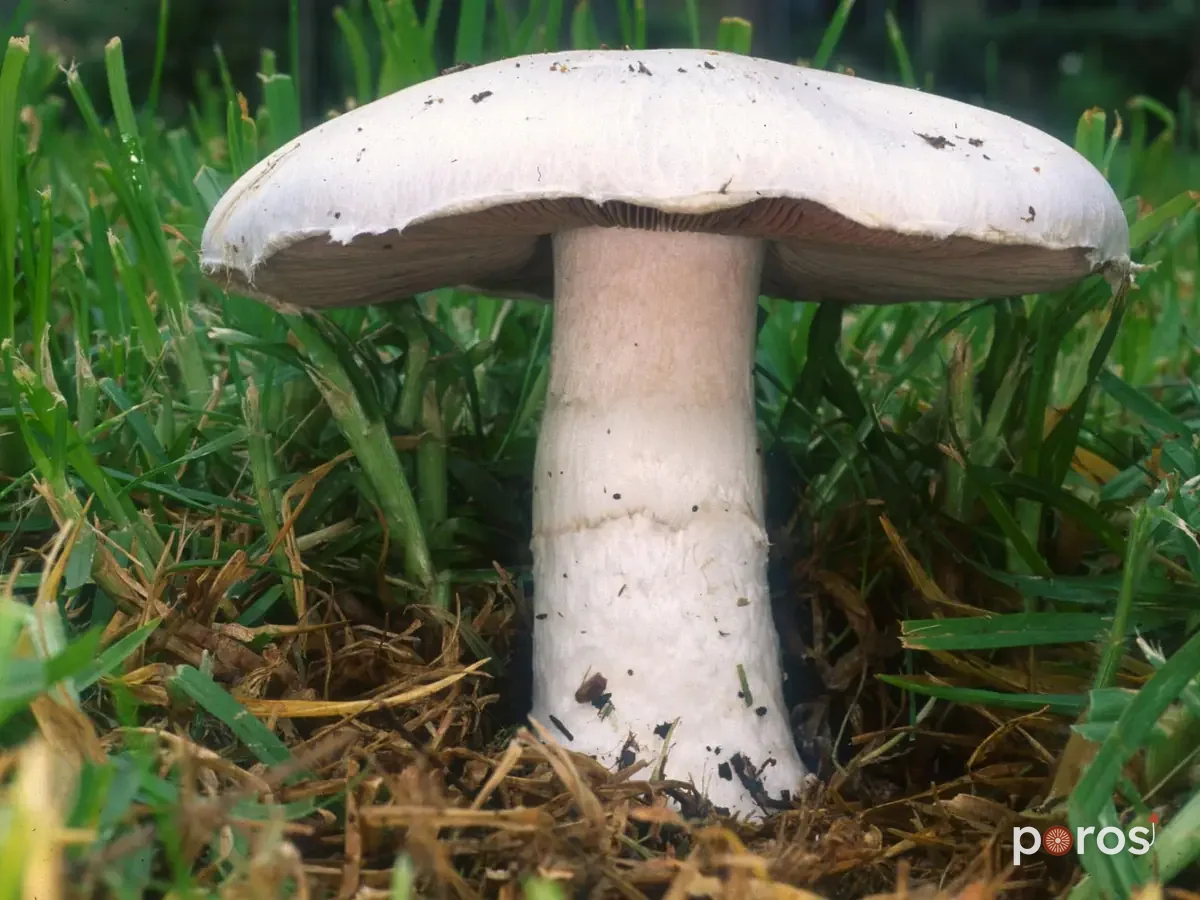 Field mushroomAgaricus campestrisEdible species
-
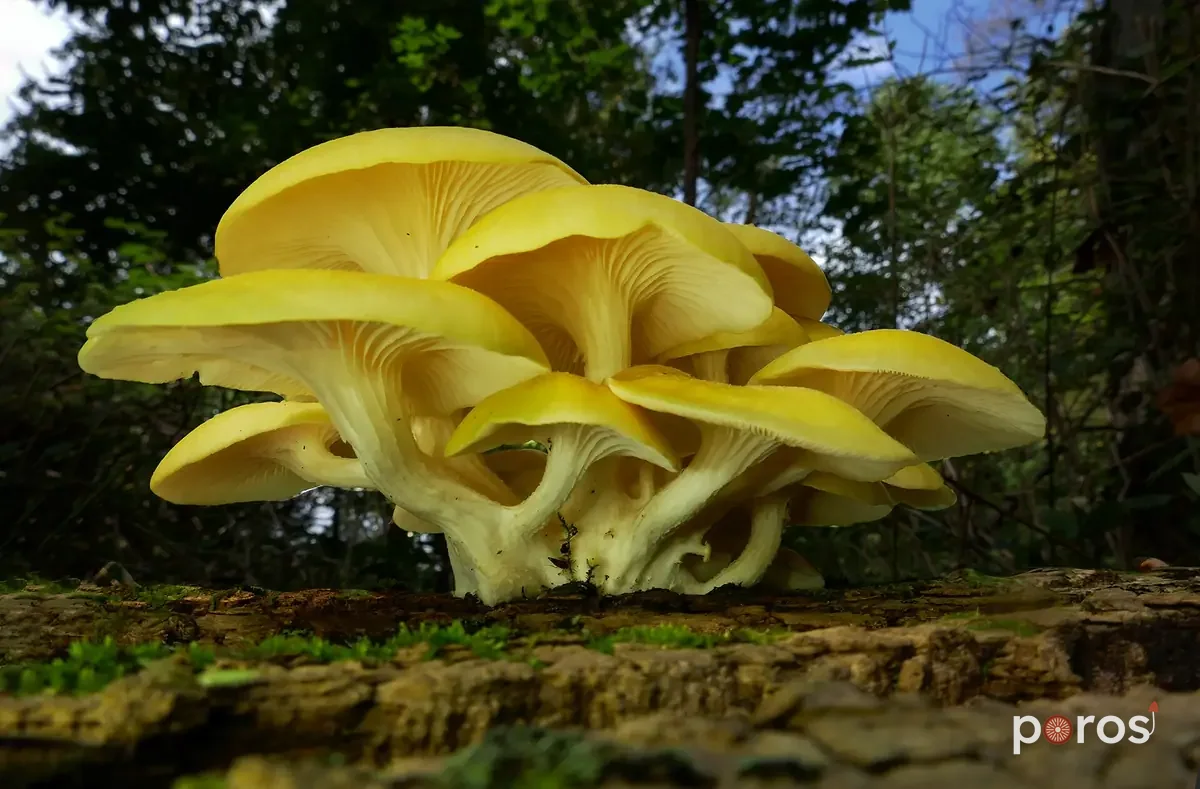 Golden oyster mushroomPleurotus citrinopileatusEdible species
Sources (3)
- Wikipedia (EN): Pholiota microspora · checked 26 Oct 2026
- Wikipedia (EN): Galerina marginata · checked 26 Oct 2026
- GBIF: Türkiye kayıtları · checked 26 Oct 2026
Photo credits (10)
- File:Pholiota microspora 4.JPG · Qwert1234 · CC BY-SA 3.0
- Pholiota microspora · iNaturalist #194231631 · りなべる · CC BY 4.0
- Pholiota microspora · iNaturalist #194231631 · りなべる · CC BY 4.0
- File:Pholiota microspora 1.JPG · Qwert1234 · CC0
- Pholiota microspora · iNaturalist #194231631 · りなべる · CC BY 4.0
- File:Pholiota microspora 2.JPG · Qwert1234 · CC0
- Pholiota microspora · iNaturalist #107941017 · Atsushi Nakajima · CC BY 4.0
- Pholiota microspora · iNaturalist #107941017 · Atsushi Nakajima · CC BY 4.0
- File:Pholiota microspora 5.jpg · Motokoka · CC BY-SA 4.0
- File:Pholiota microspora miso soup 001.jpg · Ocdp · CC0


