
Caesar’s mushroom
Amanita caesarea · Amanitaceae
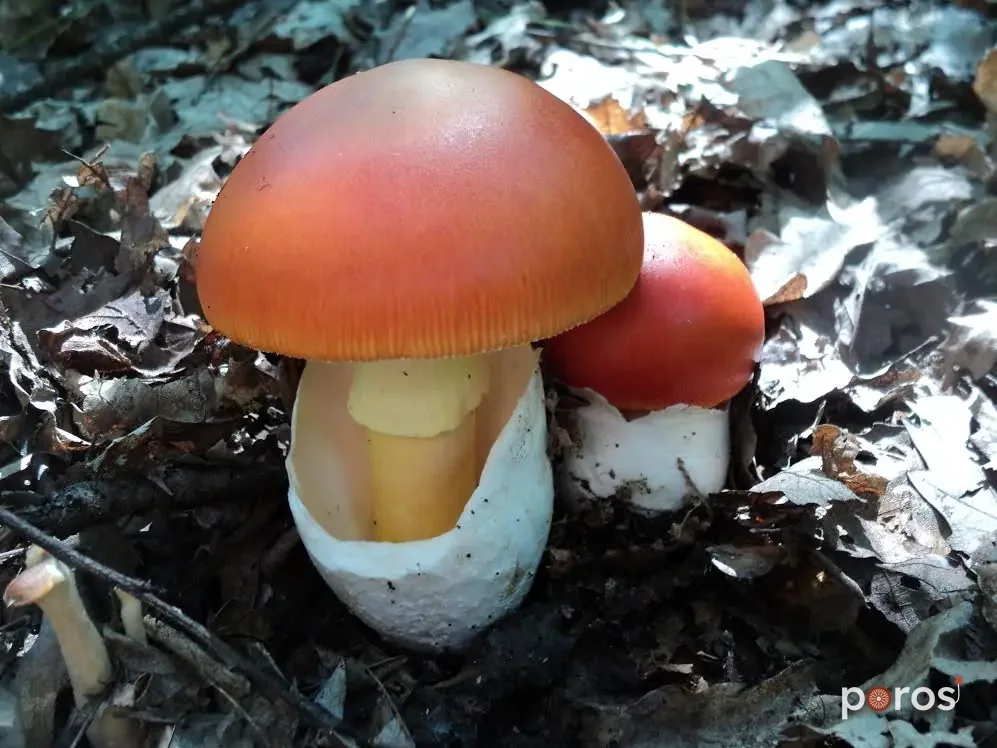
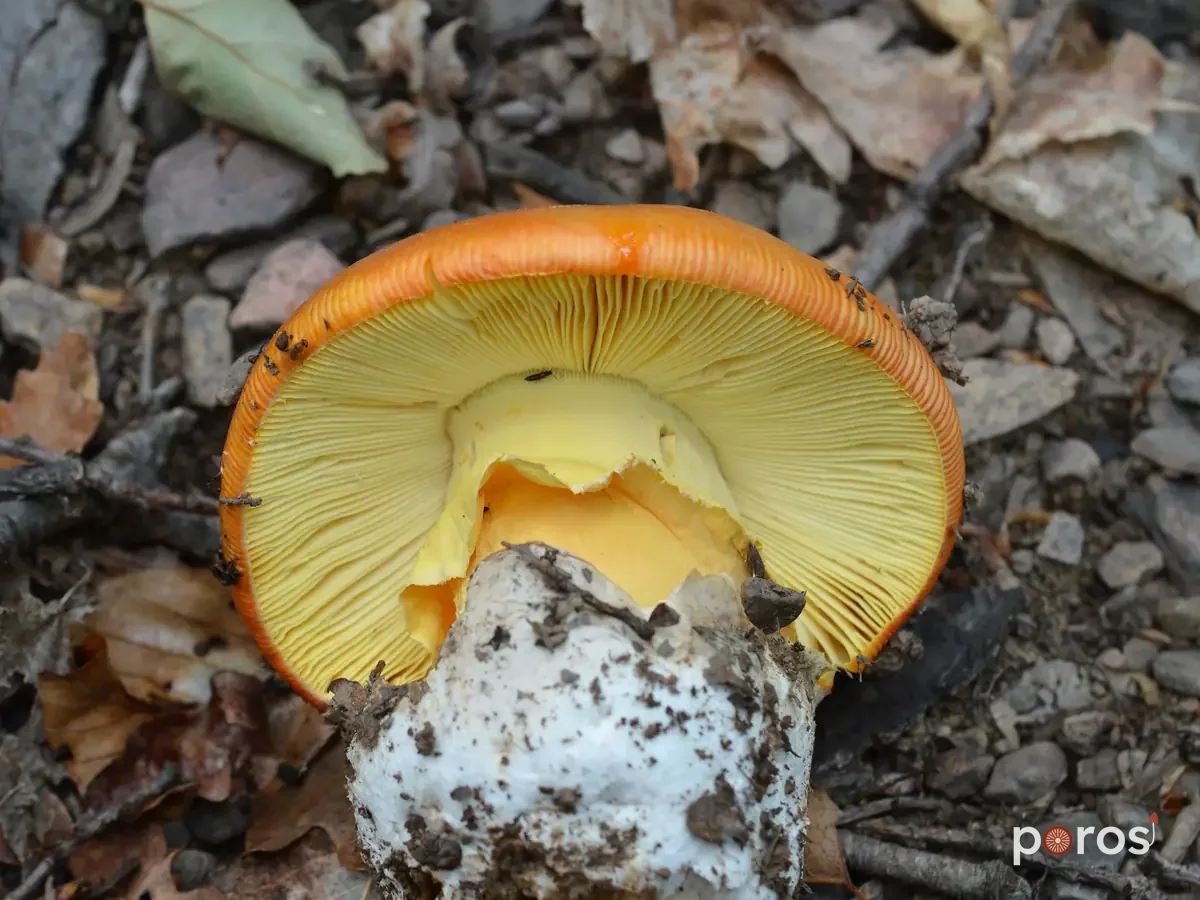
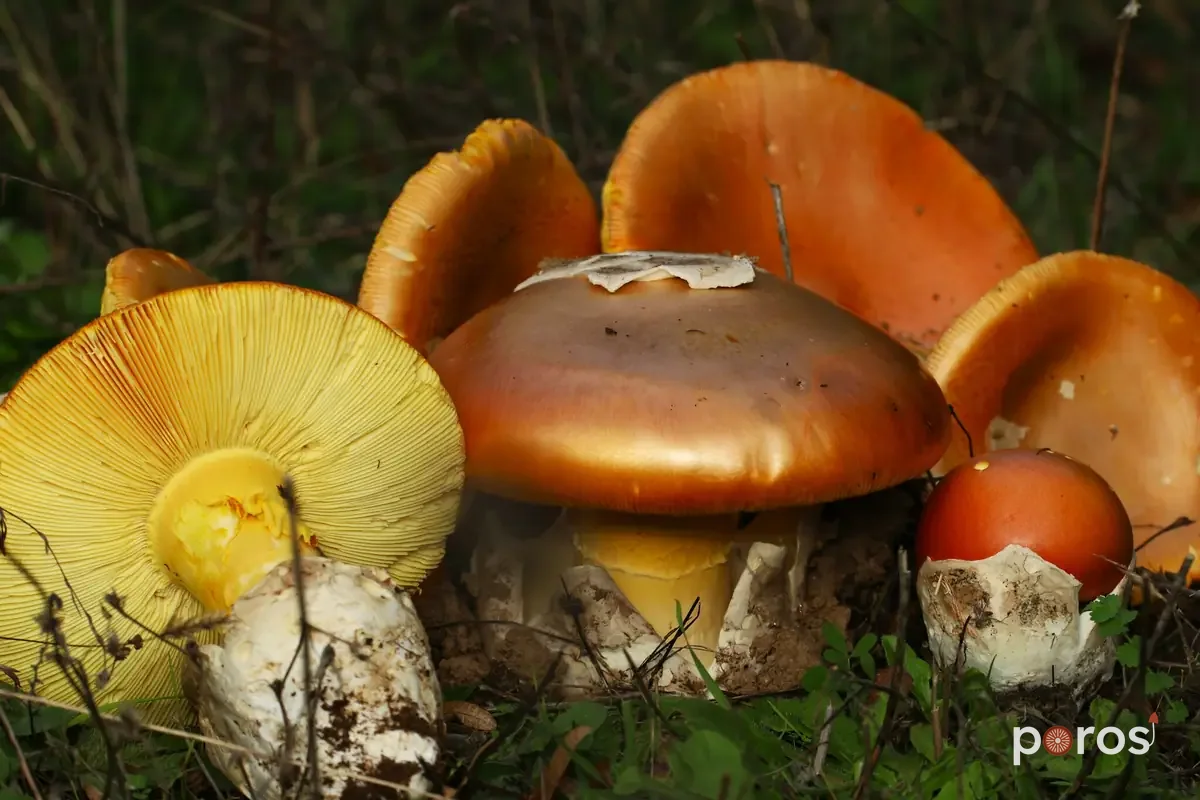
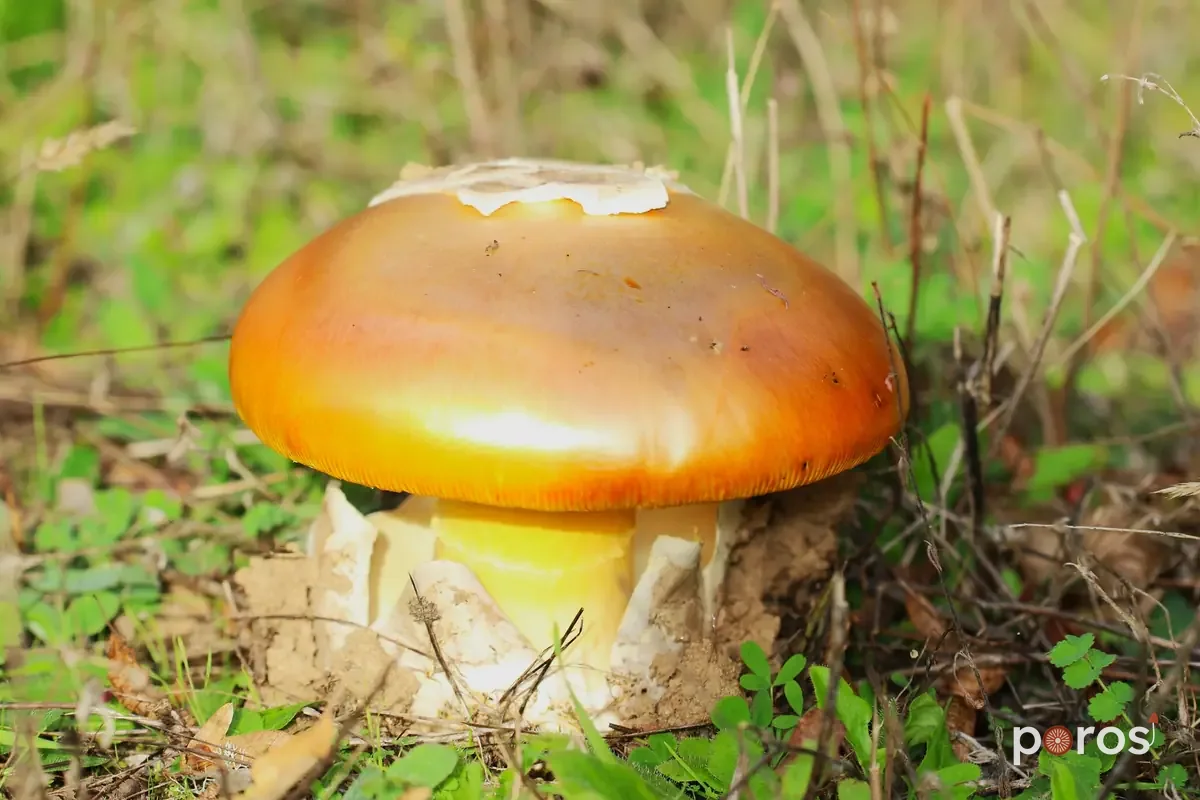
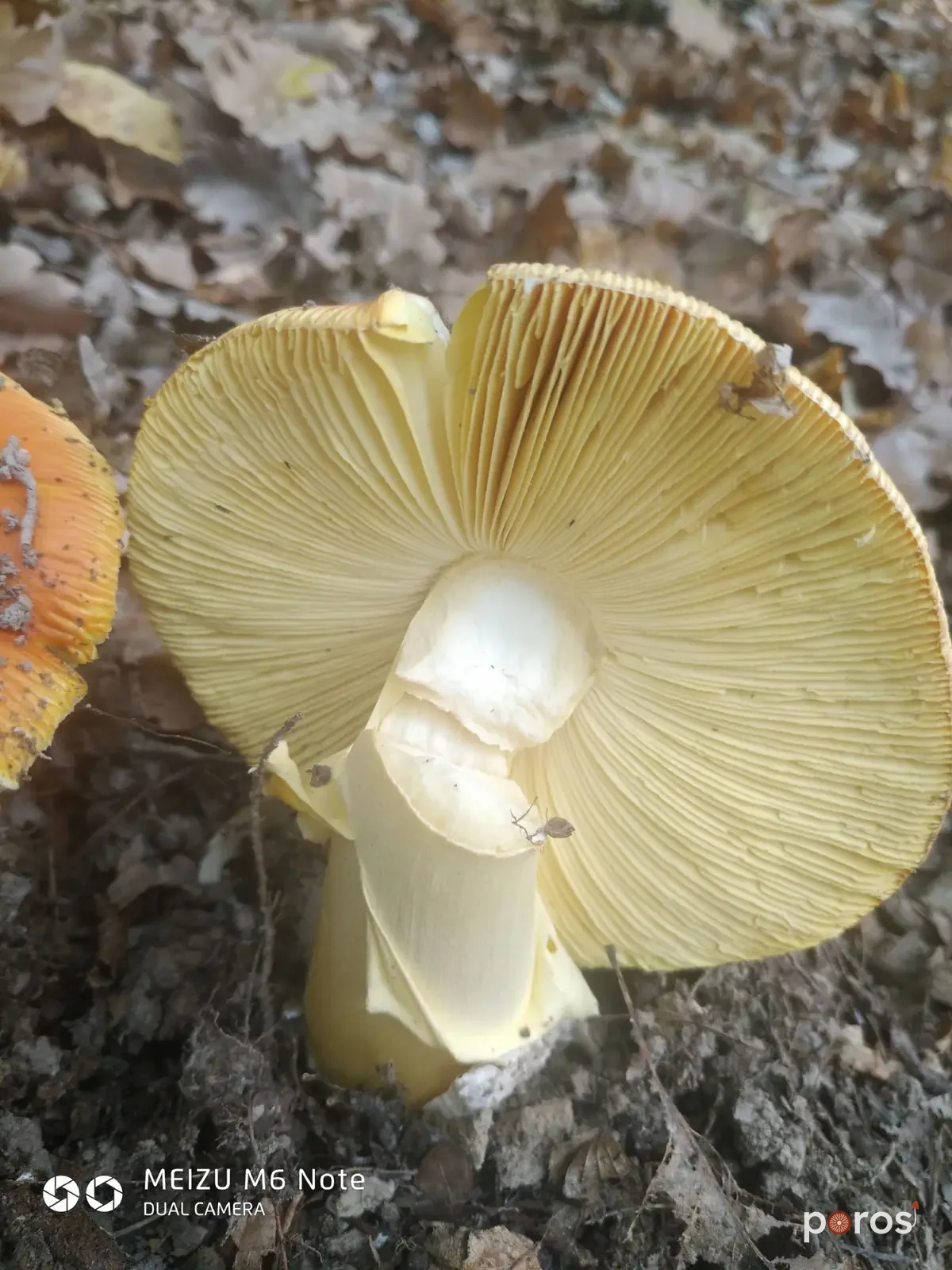
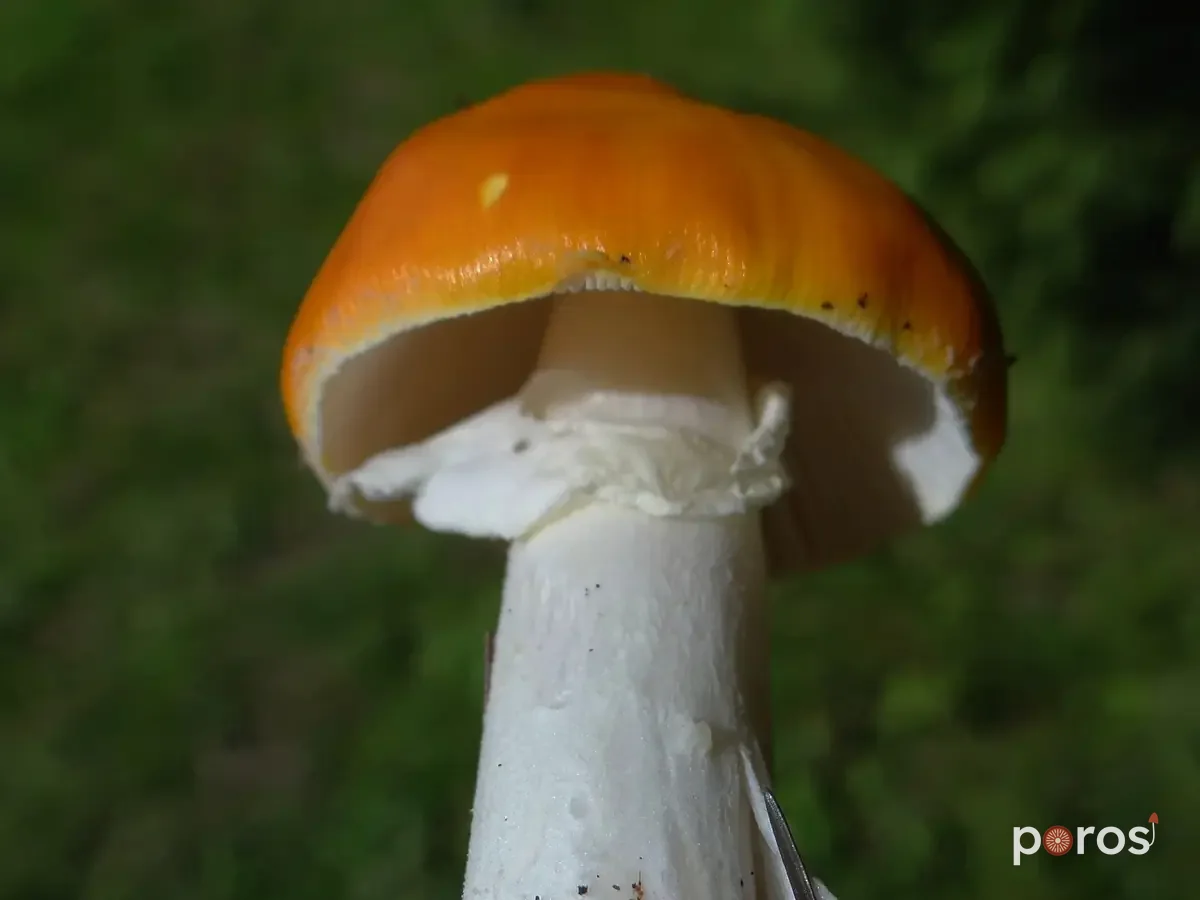
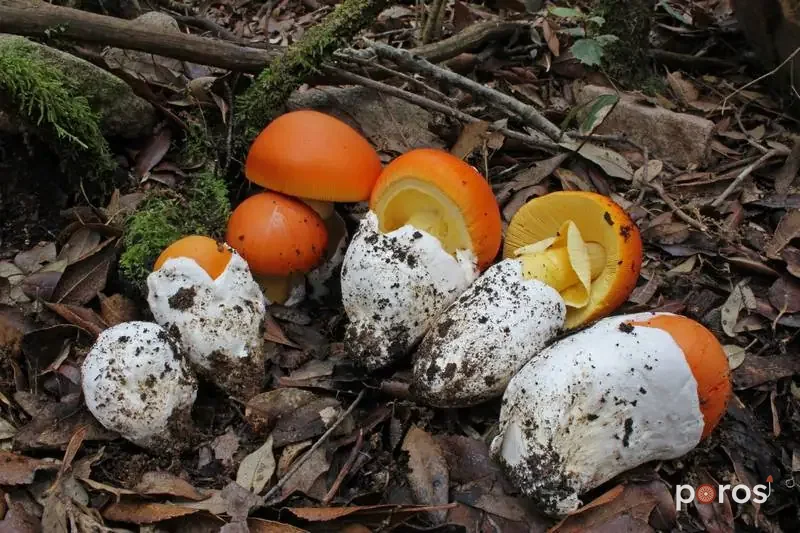
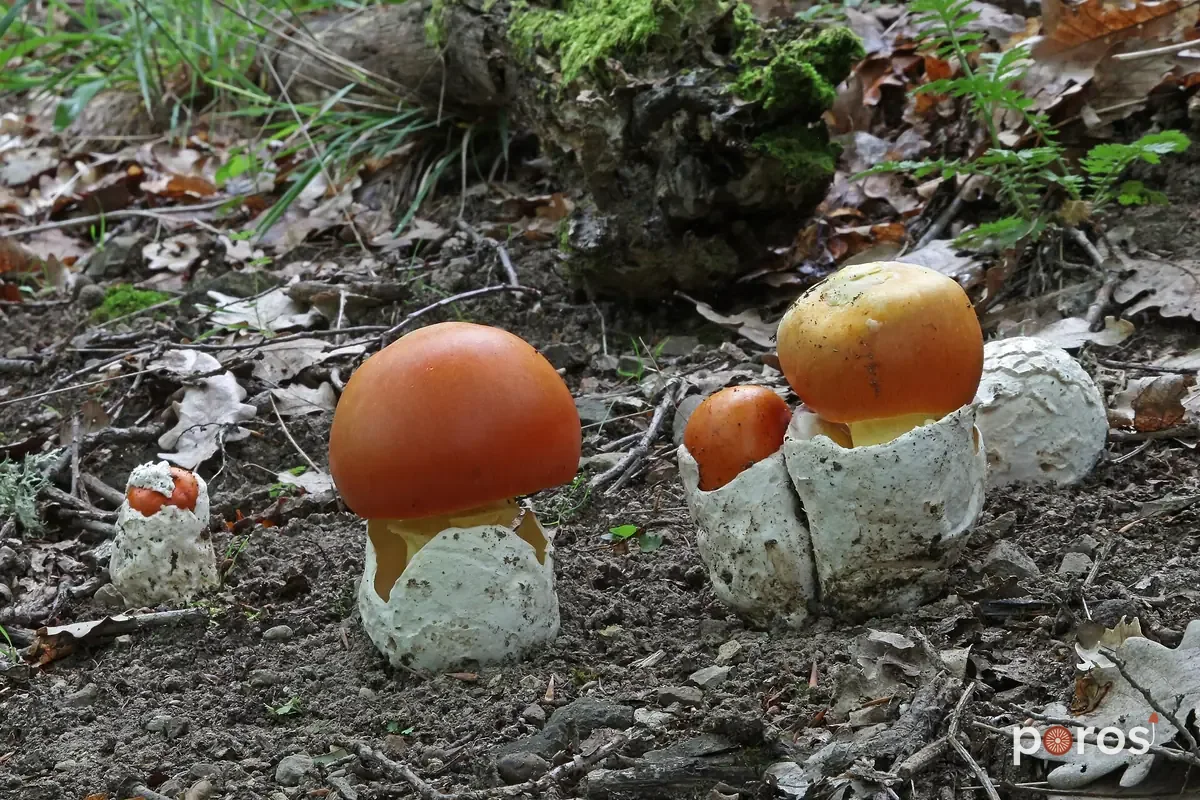
Caesar's mushroom is a prized edible Amanita, said to have been a favourite of the Roman emperors, with a smooth orange-red cap, yellow gills and stem, and a white sac at the base.
Caesar's mushroom is a prized edible Amanita, said to have been a favourite of the Roman emperors, with a smooth orange-red cap, yellow gills and stem, and a white sac at the base. But the same genus includes the death cap and the destroying angel, and this species can also be confused with the fly agaric. Never eat it without a certain identification.
Also called: ovolo, royal amanita Turkish: İmparator mantarı, Sezar mantarı, padişah mantarı
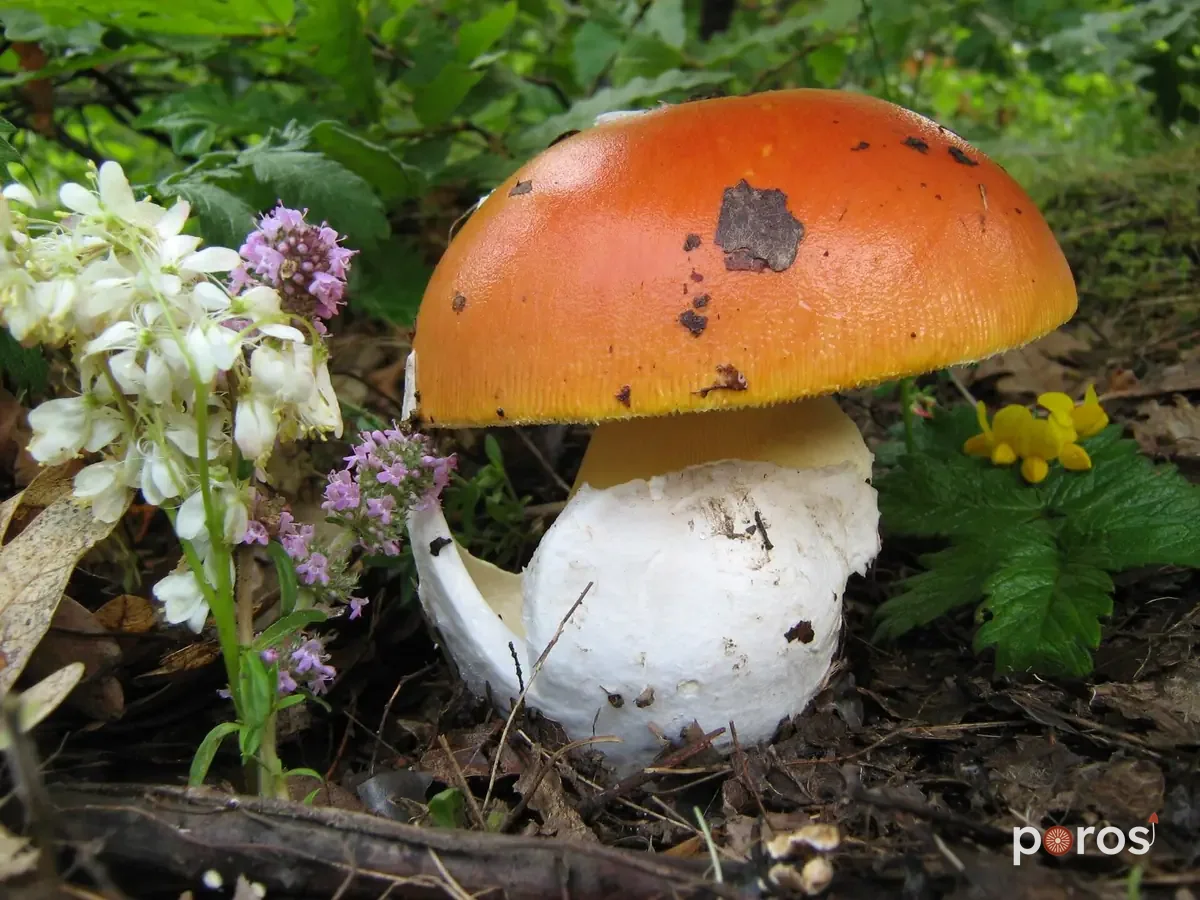
How to recognise it
Caesar’s mushroom, part by part
Spore print: White Not distinctive.
When and where
Jul–Nov
- Jan
- Feb
- Mar
- Apr
- May
- Jun
- Julin season
- Augin season
- Sepin season
- Octin season
- Novin season
- Dec
Caesar's mushroom fruits from early summer to mid-autumn in Europe (August–December according to one British source); in Turkey, GBIF records peak in September–October.
Where do Caesar's mushrooms grow?
Caesar's mushroom grows in the oak and pine woods of southern Europe and North Africa, singly or in groups, in partnership with tree roots (ectomycorrhizal).
In Turkey
In Turkey, records of Caesar's mushroom come mostly from the forests of Istanbul and Thrace.
- İstanbul26
- Kırklareli6
- Osmaniye3
- Çanakkale2
- Kocaeli2
- Tekirdağ2
- Trabzon1
- Sinop1
48 observations on our map (GBIF, iNaturalist). Record density also reflects where observers work.
Latest Caesar's mushroom observations
Look-alikes
What could it be confused with?
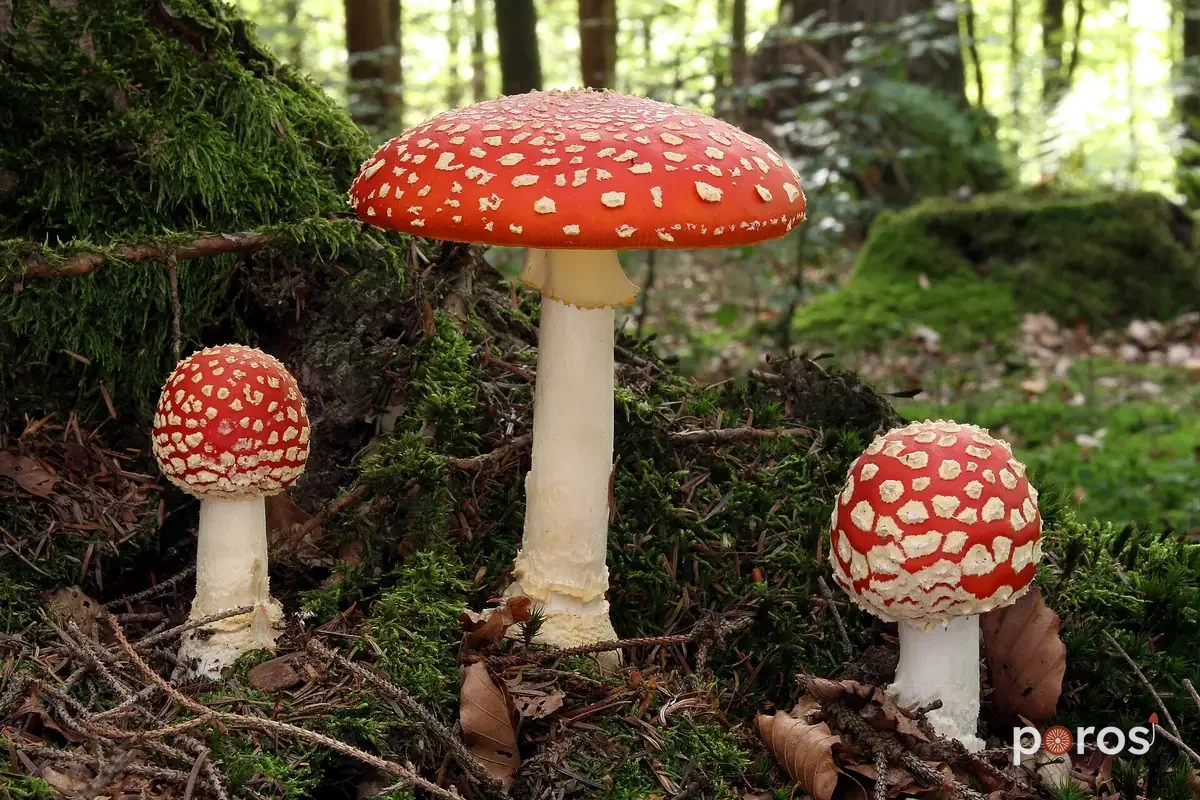
Fly agaric Amanita muscaria
White flakes on a red cap (rain can wash them off); gills and stem are WHITE, with a ringed bulb at the base.
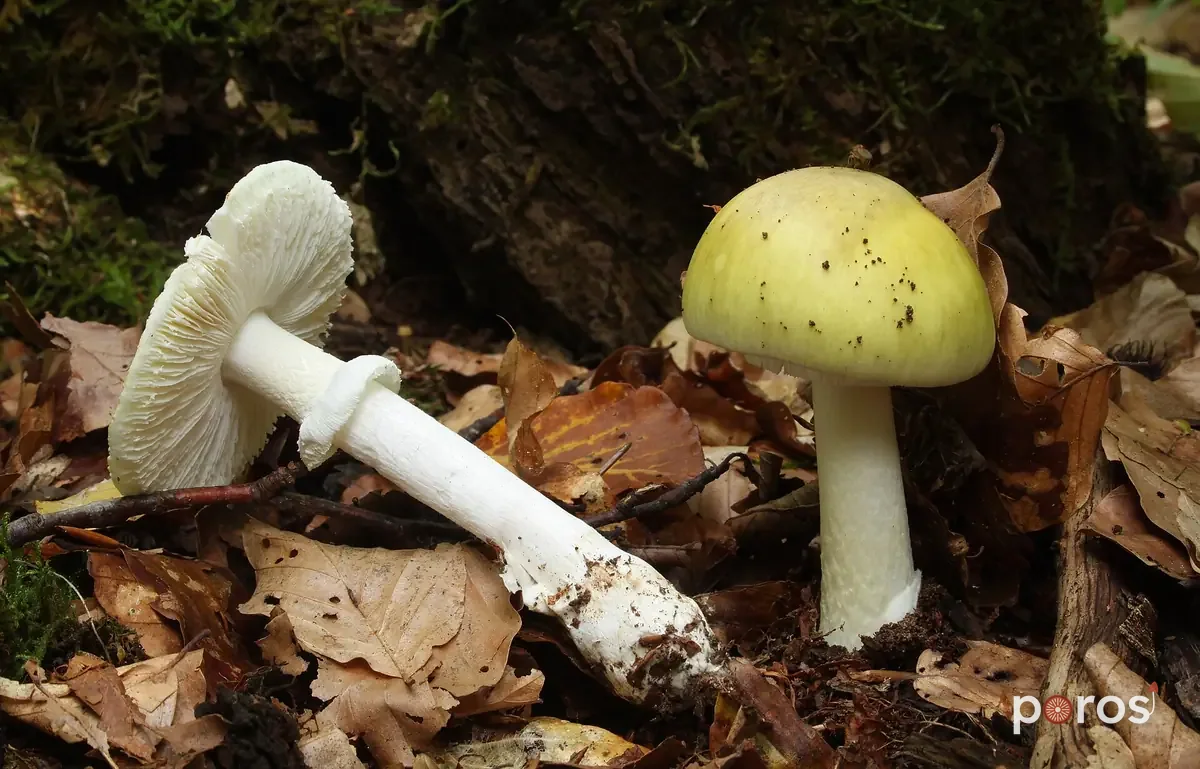
Death cap Amanita phalloides
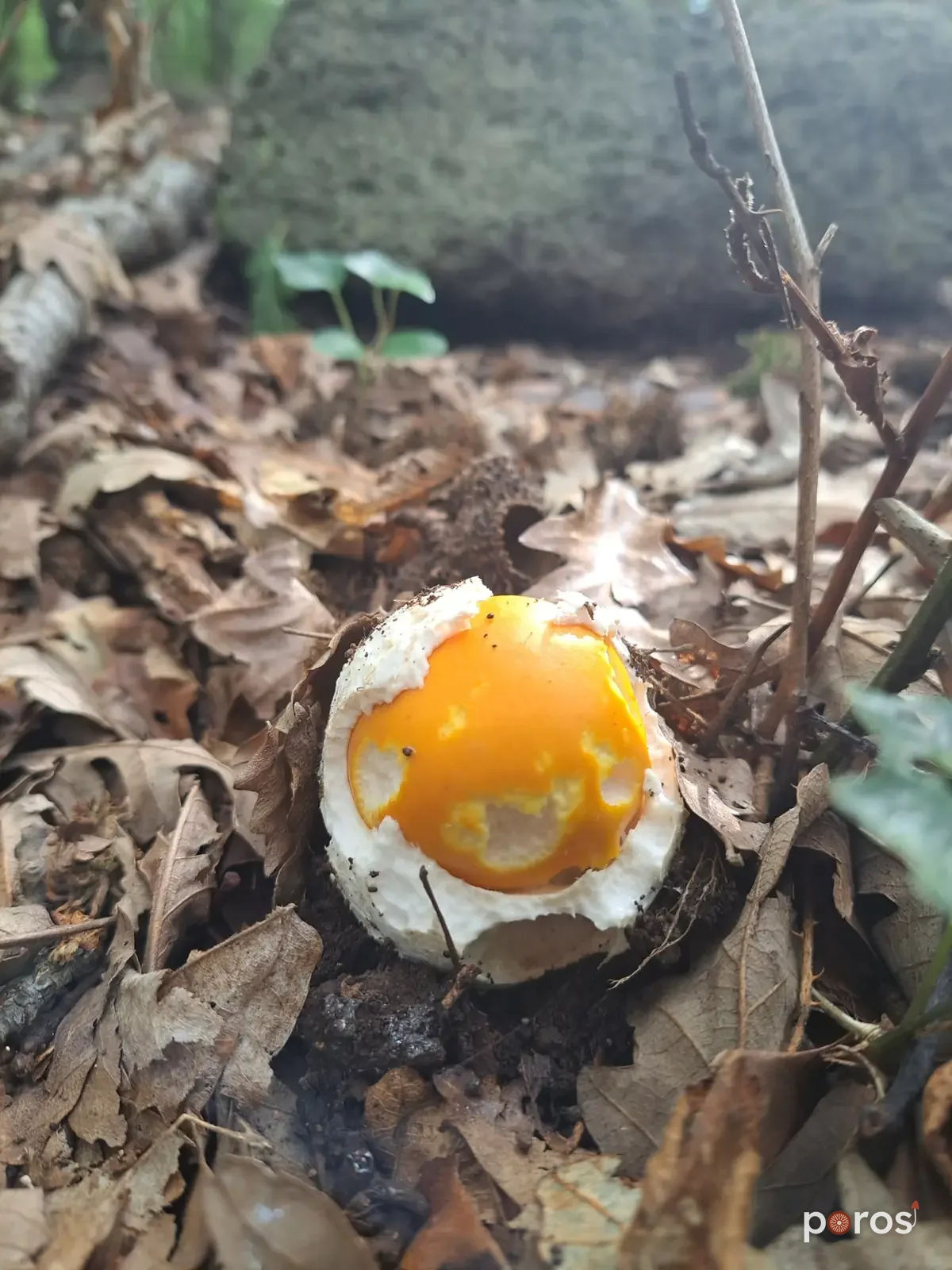
Greenish cap, white gills and stem. In the closed egg stage both sit inside a white sac.
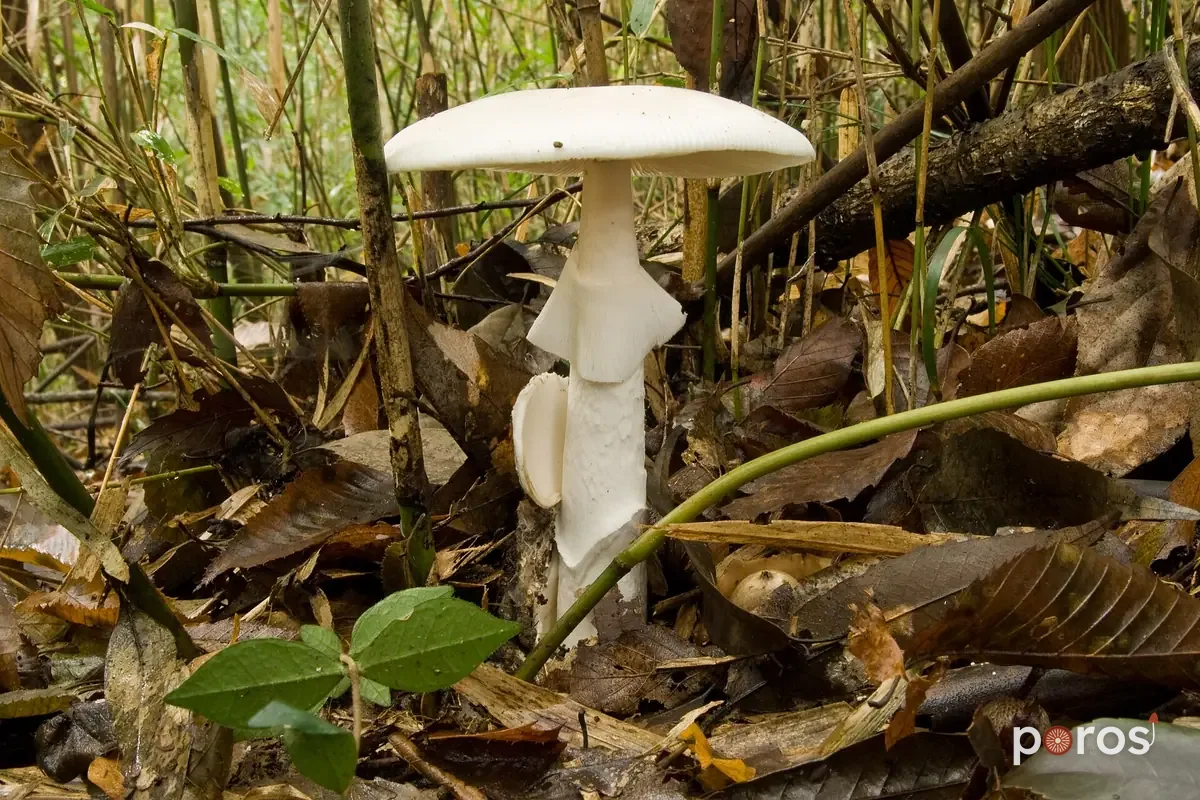
Destroying angel Amanita virosa
All white with white gills. The egg stage looks very similar.
In the kitchen
Cooking with Caesar's mushrooms
Storing Caesar's mushrooms
Only fully opened specimens with an orange cap and yellow gills should be considered; never pick closed "eggs". One study found cadmium and lead above EU limits, so do not eat it often.
Grow it, buy it
Caesar's mushroom price list
| Product | Us | Market (sourced, dated) |
|---|---|---|
| Fresh Caesar's mushrooms | In preparation · notify me | — |
| Dried Caesar's mushrooms | In preparation · notify me | — |
Our prices for Caesar's mushrooms are published when the product is ready; for now we take waiting-list sign-ups. The market column shows prices seen on other sellers' pages on the date given; they are not our prices and may have changed.
Frequently asked questions
Are Caesar's mushrooms edible?
Yes, the Caesar's mushroom is an edible species. Eat a wild one only after an expert has identified it with certainty: it can be confused with fly agaric (Amanita muscaria), death cap (Amanita phalloides) and destroying angel (Amanita virosa). Only fully opened specimens with an orange cap and yellow gills should be considered; never pick closed "eggs". One study found cadmium and lead above EU limits, so do not eat it often.
When is Caesar's mushroom season in Turkey?
In our calendar, Caesar's mushroom season runs Jul–Nov. Caesar's mushroom fruits from early summer to mid-autumn in Europe (August–December according to one British source); in Turkey, GBIF records peak in September–October.
Where do Caesar's mushrooms grow?
Caesar's mushroom grows in the oak and pine woods of southern Europe and North Africa, singly or in groups, in partnership with tree roots (ectomycorrhizal).
Where are Caesar's mushrooms found in Turkey?
In Turkey, records of Caesar's mushroom come mostly from the forests of Istanbul and Thrace.
What can the Caesar's mushroom be confused with?
The Caesar's mushroom can be confused with fly agaric (Amanita muscaria, poisonous), death cap (Amanita phalloides, deadly) and destroying angel (Amanita virosa, deadly). Look-alikes are compared on this page.
What is the Caesar's mushroom called in Turkish?
In Turkish, the Caesar's mushroom (Amanita caesarea) is called İmparator mantarı; other local names include Sezar mantarı and padişah mantarı.
Related species
-
Death capAmanita phalloidesDeadly poisonous
-
Destroying angelAmanita virosaDeadly poisonous
-
Fly agaricAmanita muscariaPoisonous
-
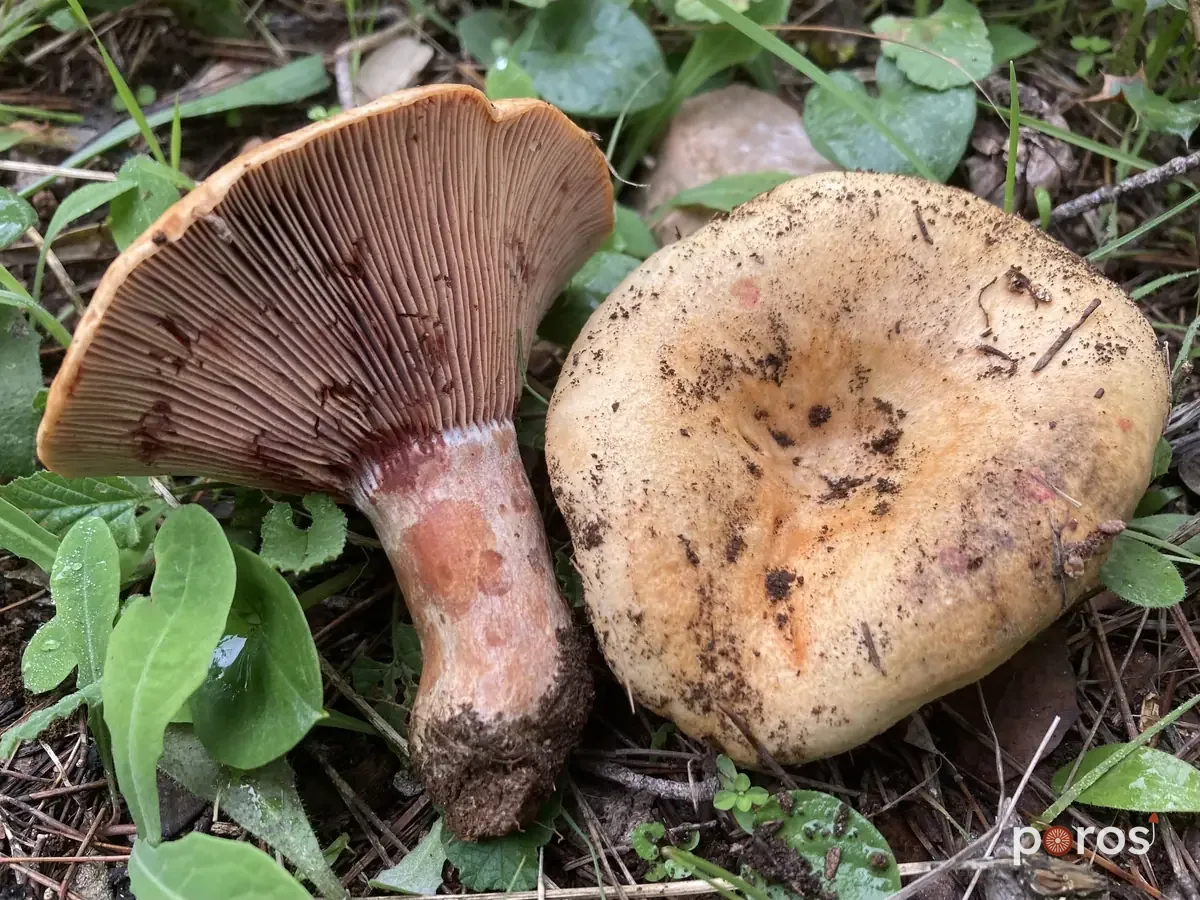 Bloody milk capLactarius sanguifluusEdible species
-
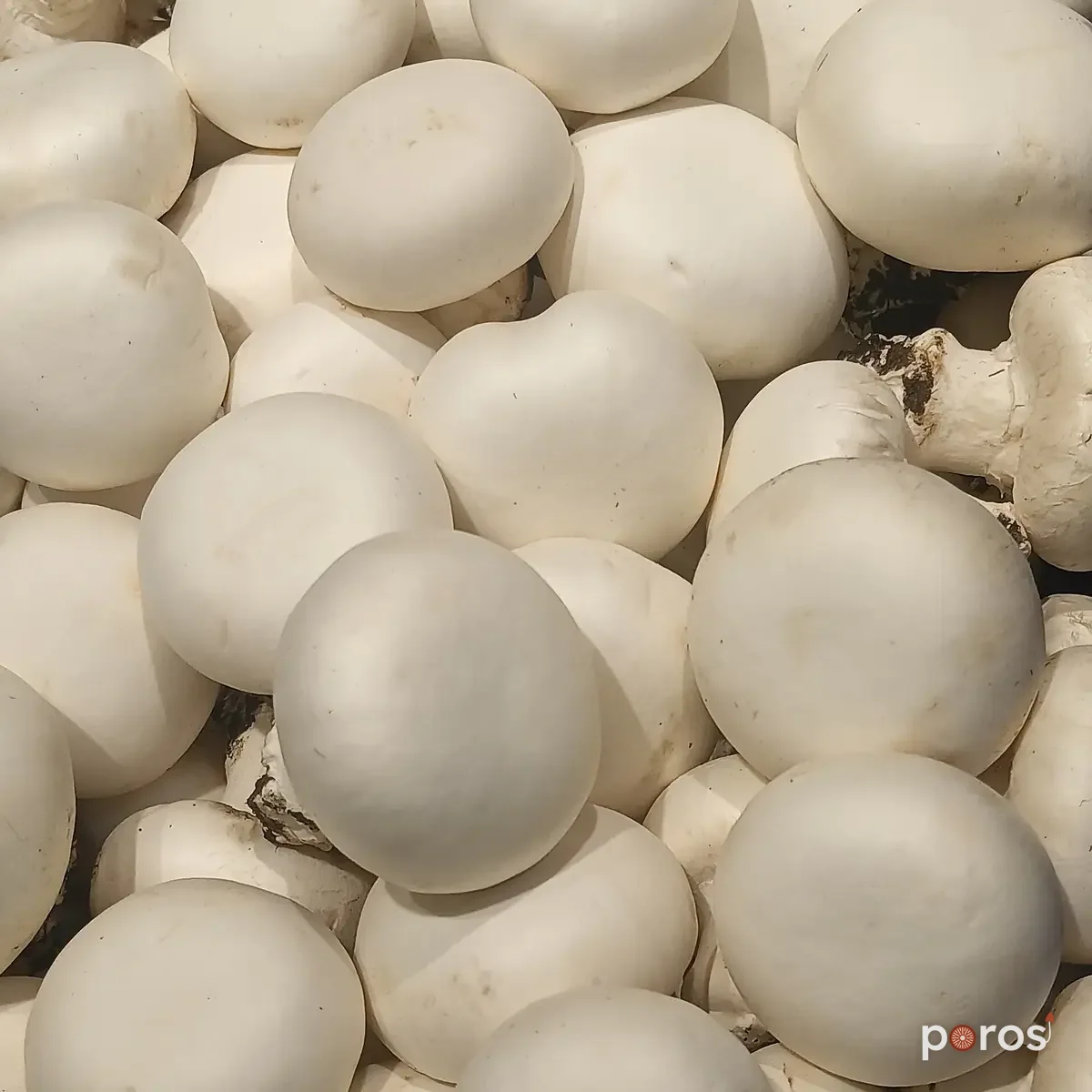 Button mushroomAgaricus bisporusEdible species
-
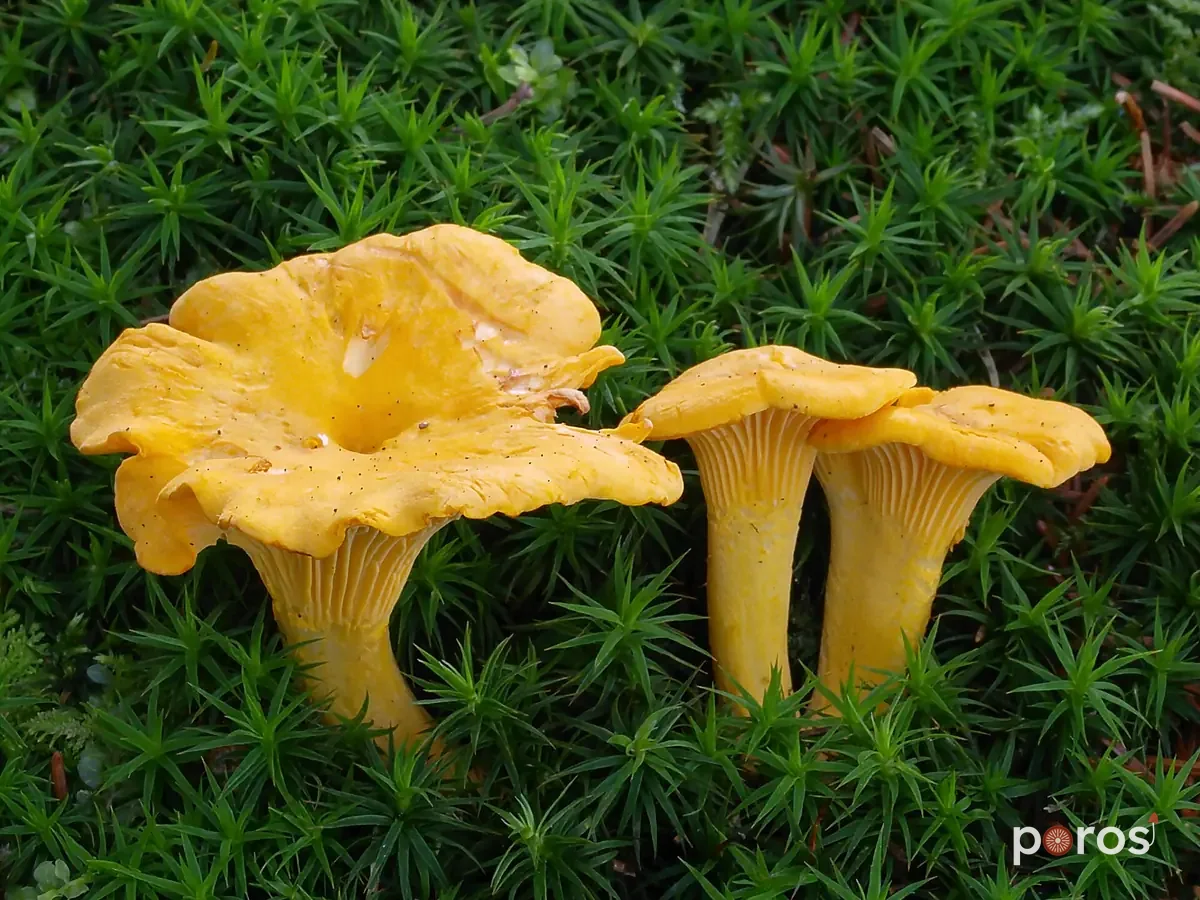 ChanterelleCantharellus cibariusEdible species
-
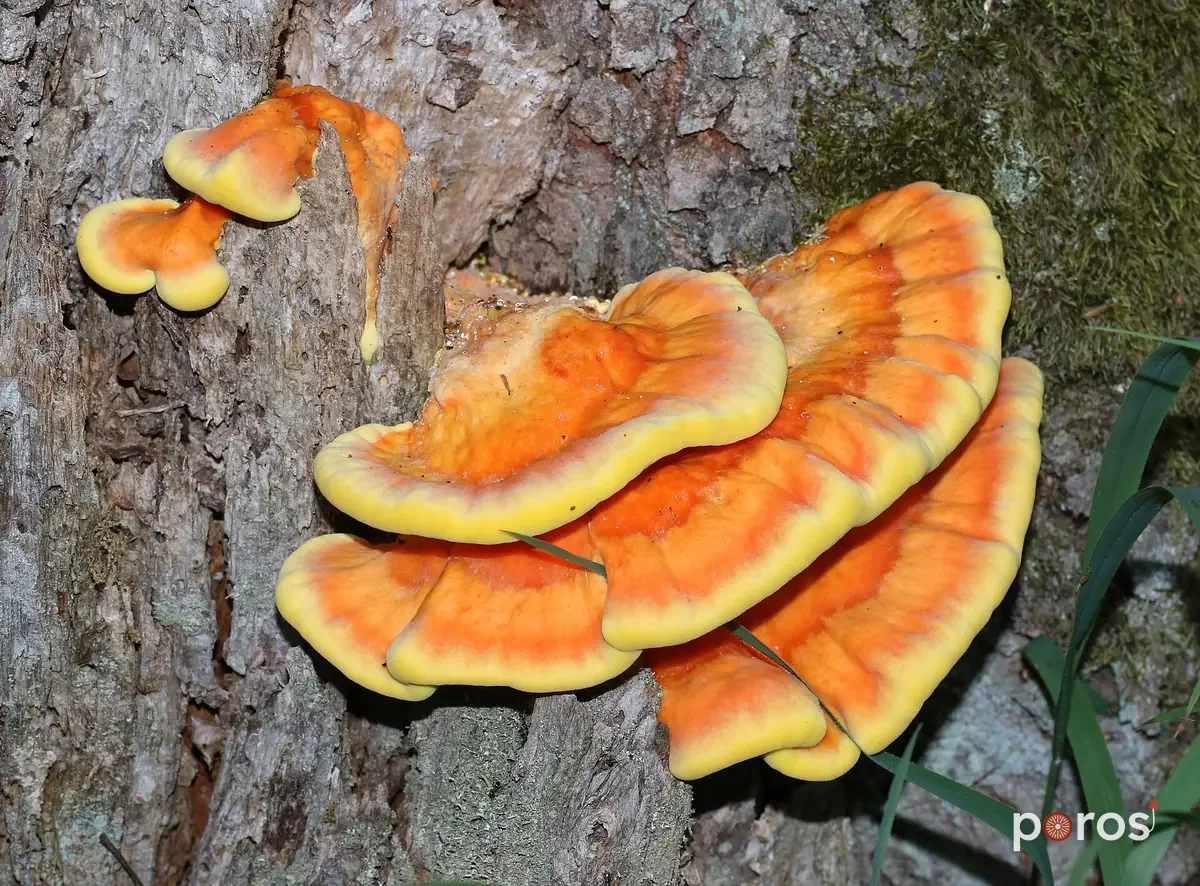 Chicken of the woodsLaetiporus sulphureusEdible species
-
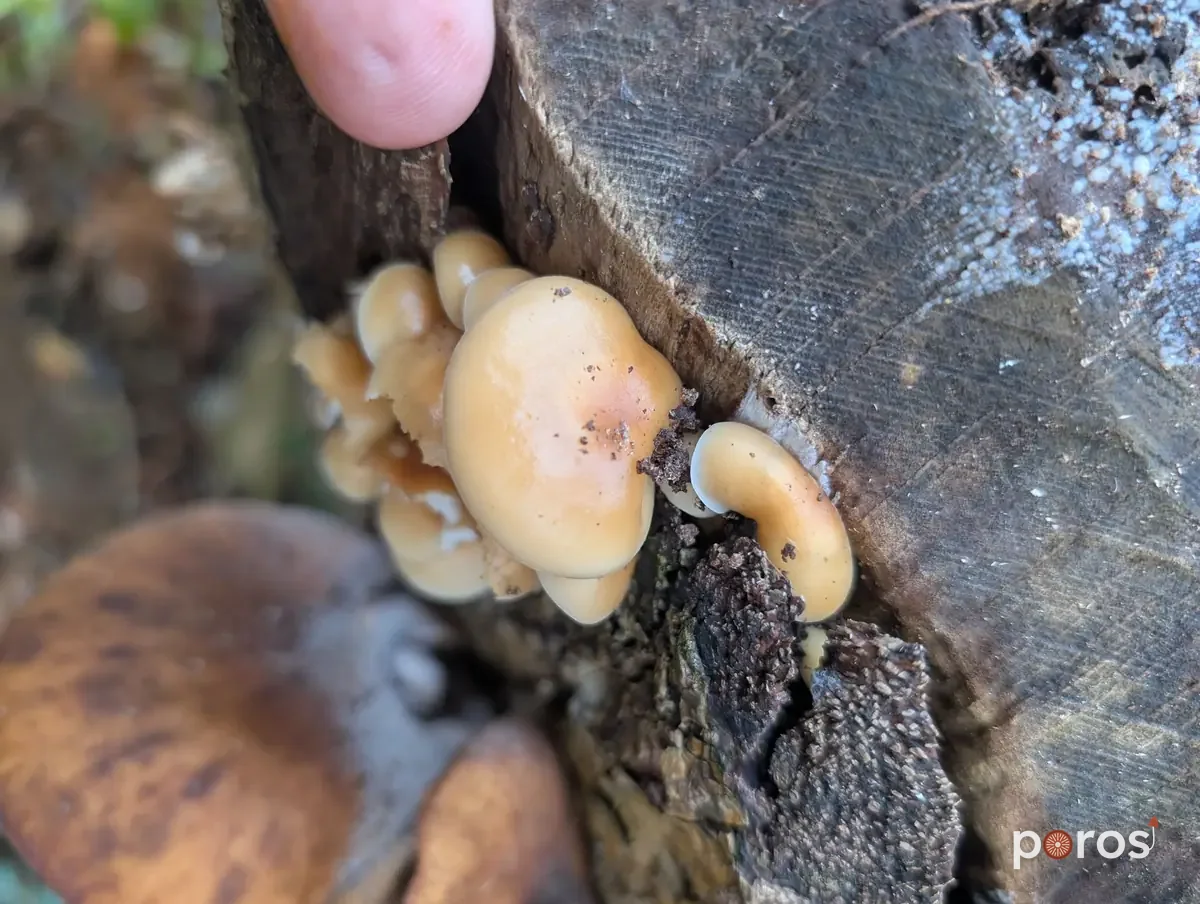 EnokiFlammulina filiformisEdible species
Sources (5)
- Wikipedia (EN): Amanita caesarea · checked 26 Oct 2026
- Vikipedi (TR): İmparator mantarı · checked 26 Oct 2026
- First Nature: Amanita caesarea · checked 26 Oct 2026
- Yemek.com: İmparator mantarı nedir? · checked 26 Oct 2026
- GBIF: Türkiye kayıtları · checked 26 Oct 2026
Photo credits (10)
- File:Amanita caesarea (16489941652).jpg · GLJIVARSKO DRUSTVO NIS from Serbia · CC BY 2.0
- Amanita caesarea · iNaturalist #5668752 · Davide Puddu · CC BY 4.0
- File:AMANITA CAESAREA (Scop.) Pers. (9146543780).jpg · GLJIVARSKO DRUSTVO NIS from Serbia · CC BY 2.0
- Amanita caesarea · iNaturalist #138815145 · Ferenc Molnár · CC0
- Amanita caesarea · iNaturalist #149829026 · Dimitǎr Boevski · CC BY 4.0
- Amanita caesarea · iNaturalist #245758383 · Asrın Akıncıoğlu · CC BY 4.0
- File:Amanita caesarea.Mushrooms of Russia.jpg · Nikolay Kashpor · CC BY 4.0
- File:Amanita caesarea MS7 (4).jpg · Jerzy Opioła · CC BY-SA 4.0
- Amanita caesarea · iNaturalist #245758383 · Asrın Akıncıoğlu · CC BY 4.0
- Amanita caesarea · iNaturalist #316707903 · Leonardo Ancillotto · CC BY 4.0


