
Deadly fibrecap
Inosperma erubescens · Inocybaceae
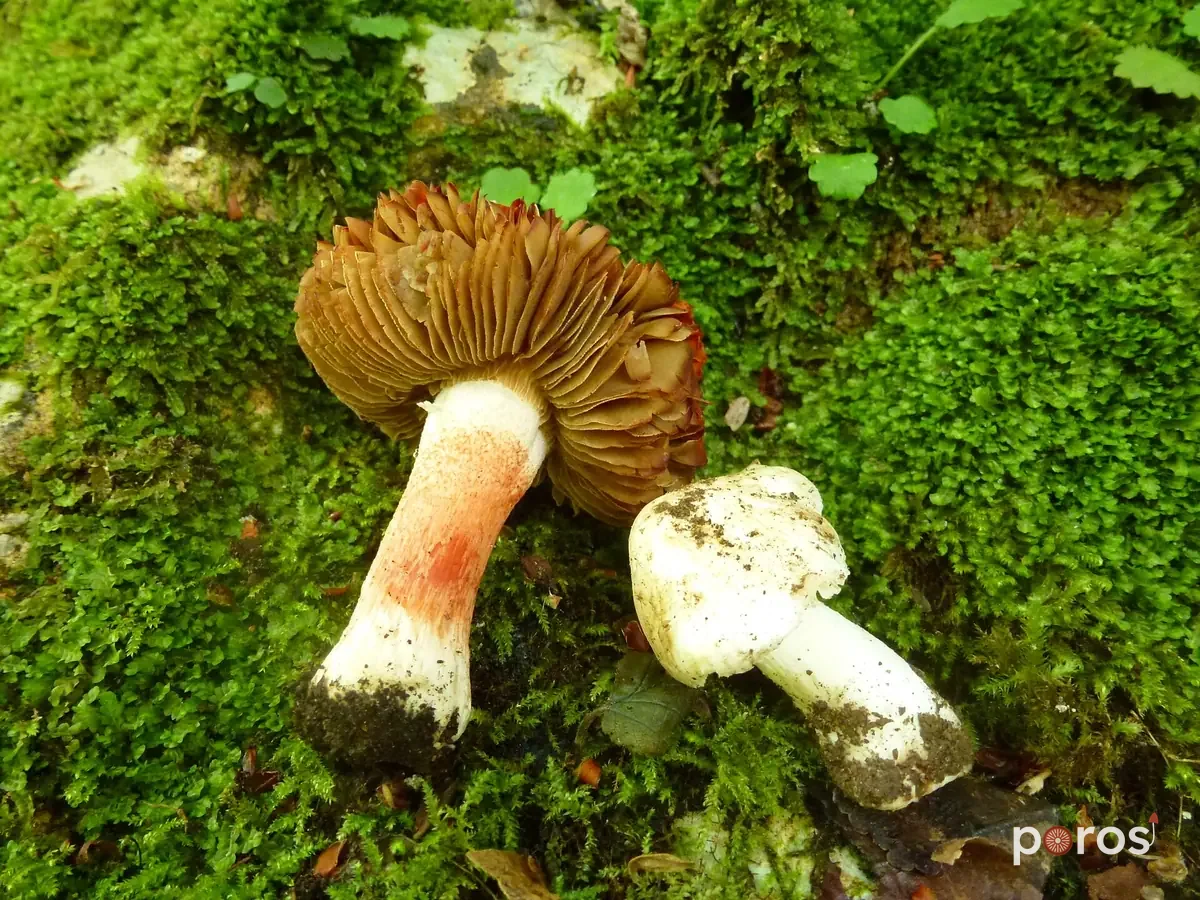
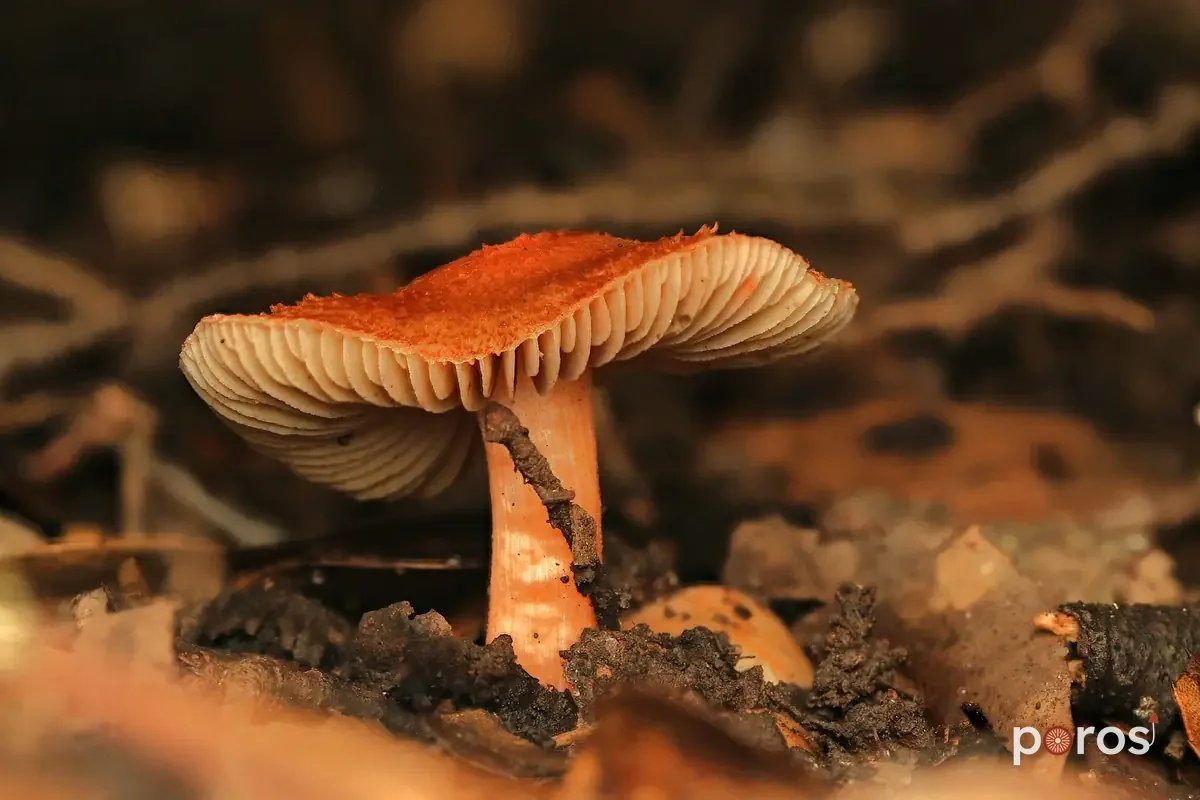
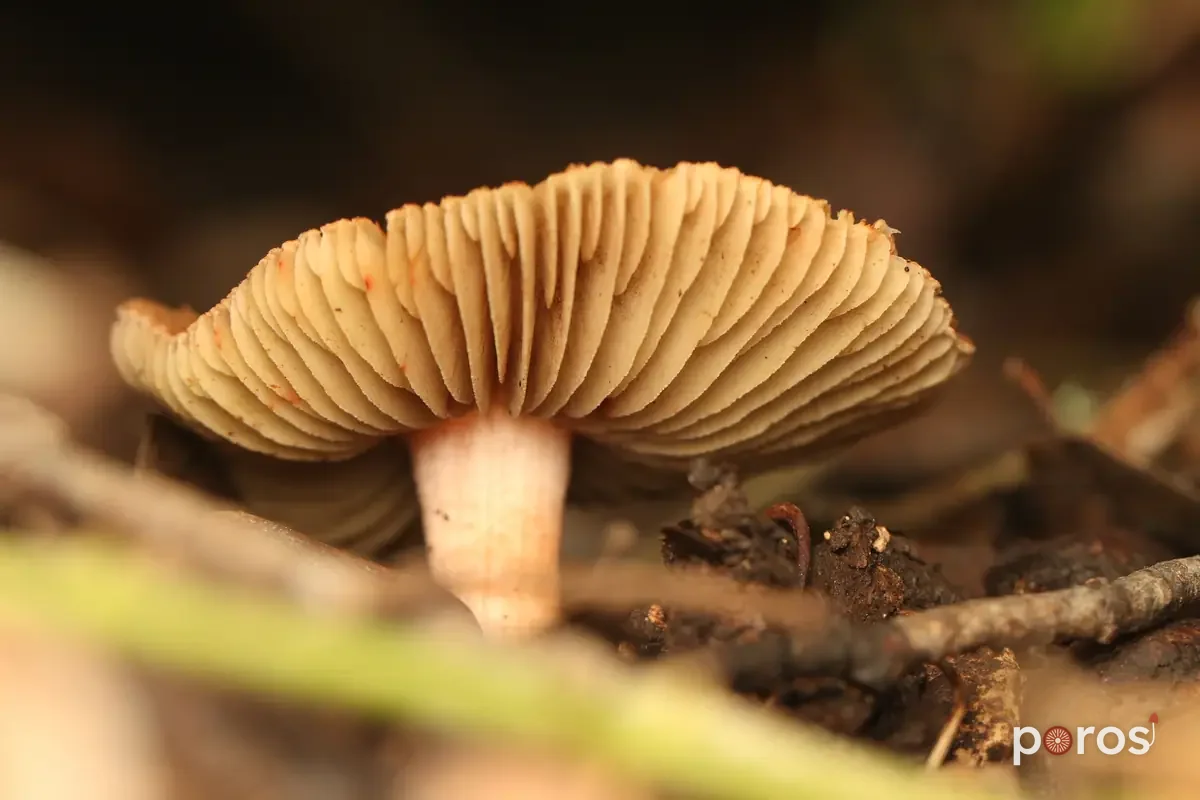
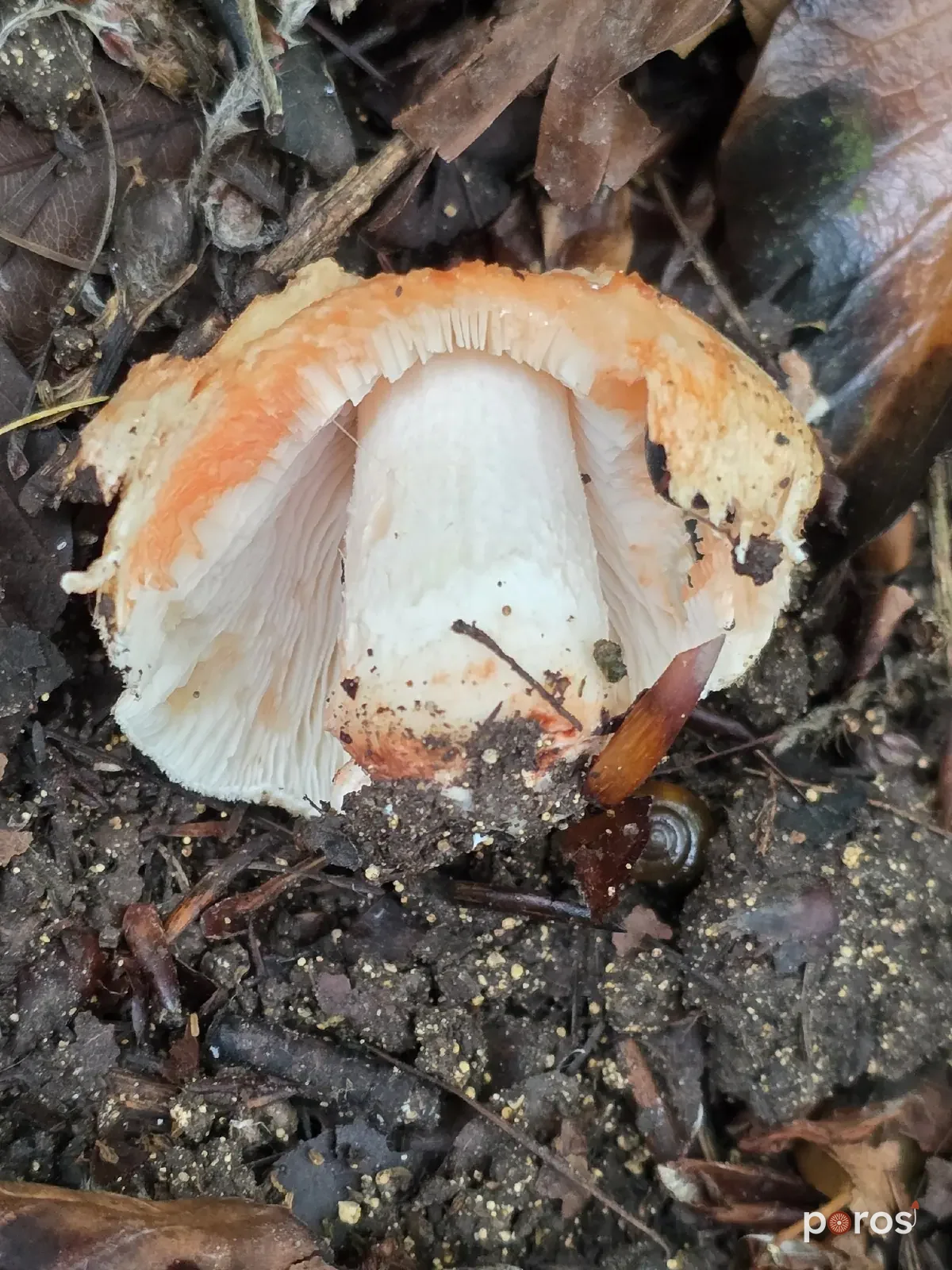
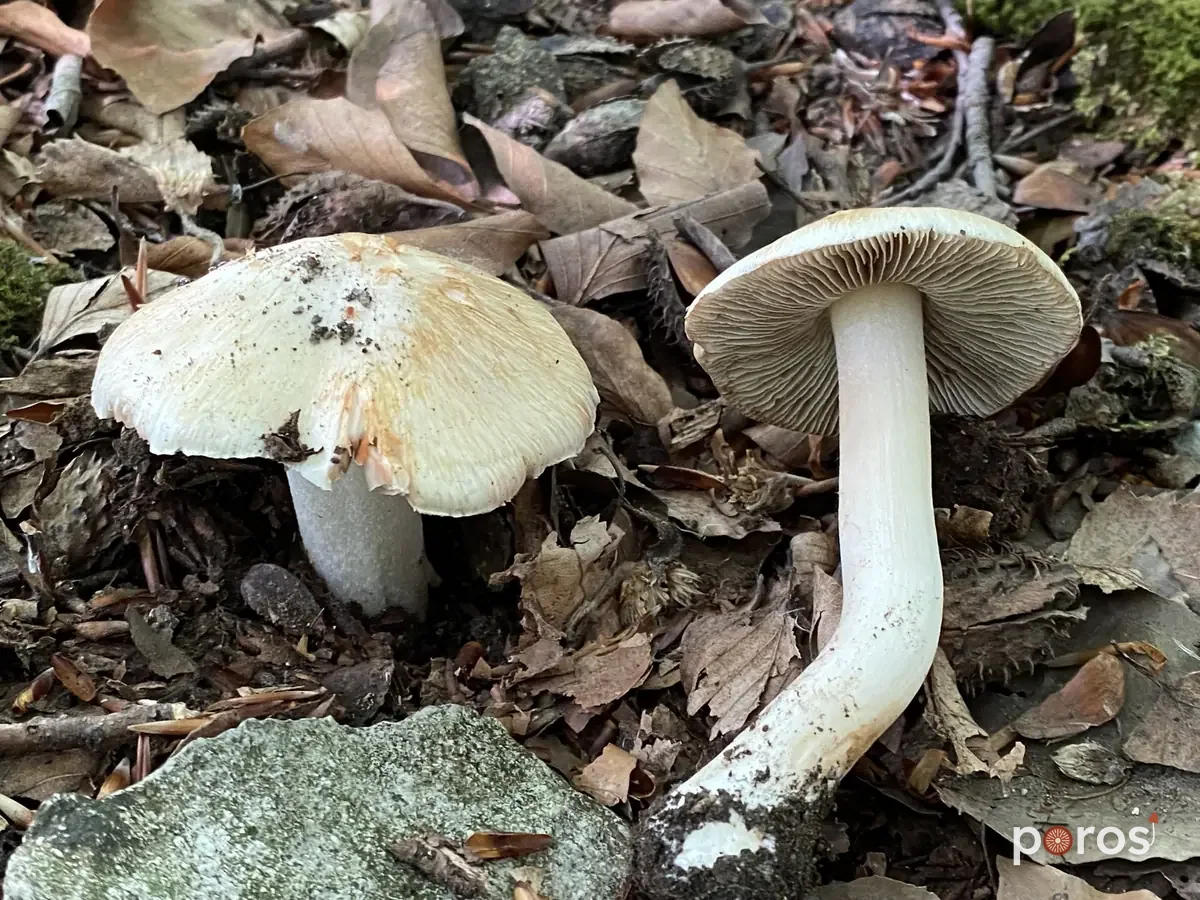
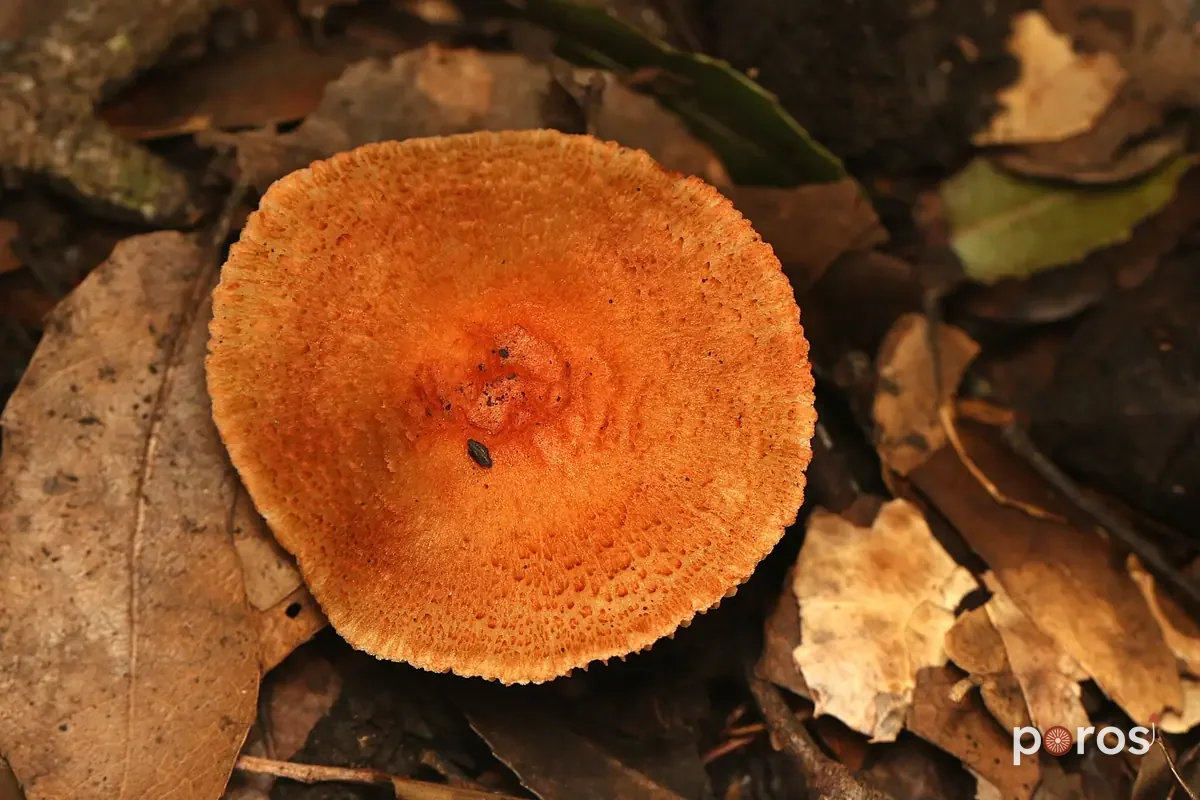
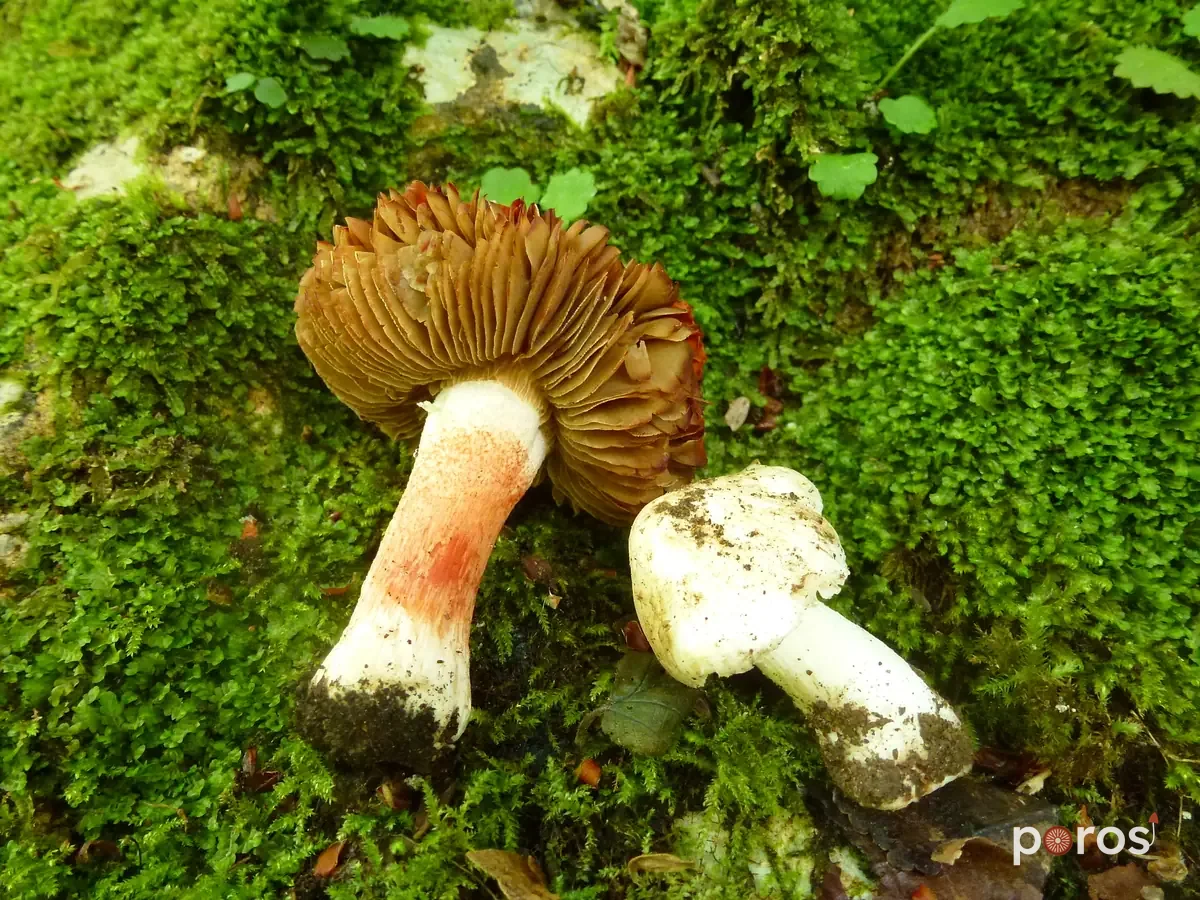
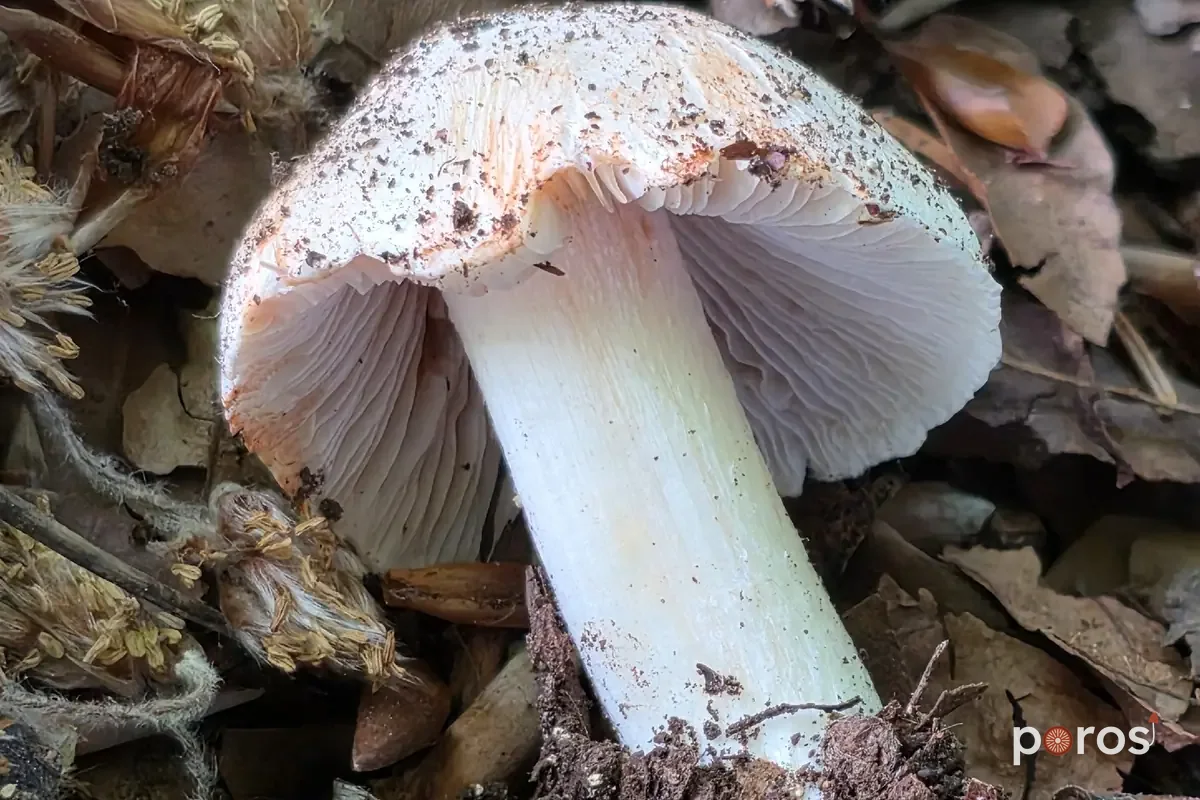
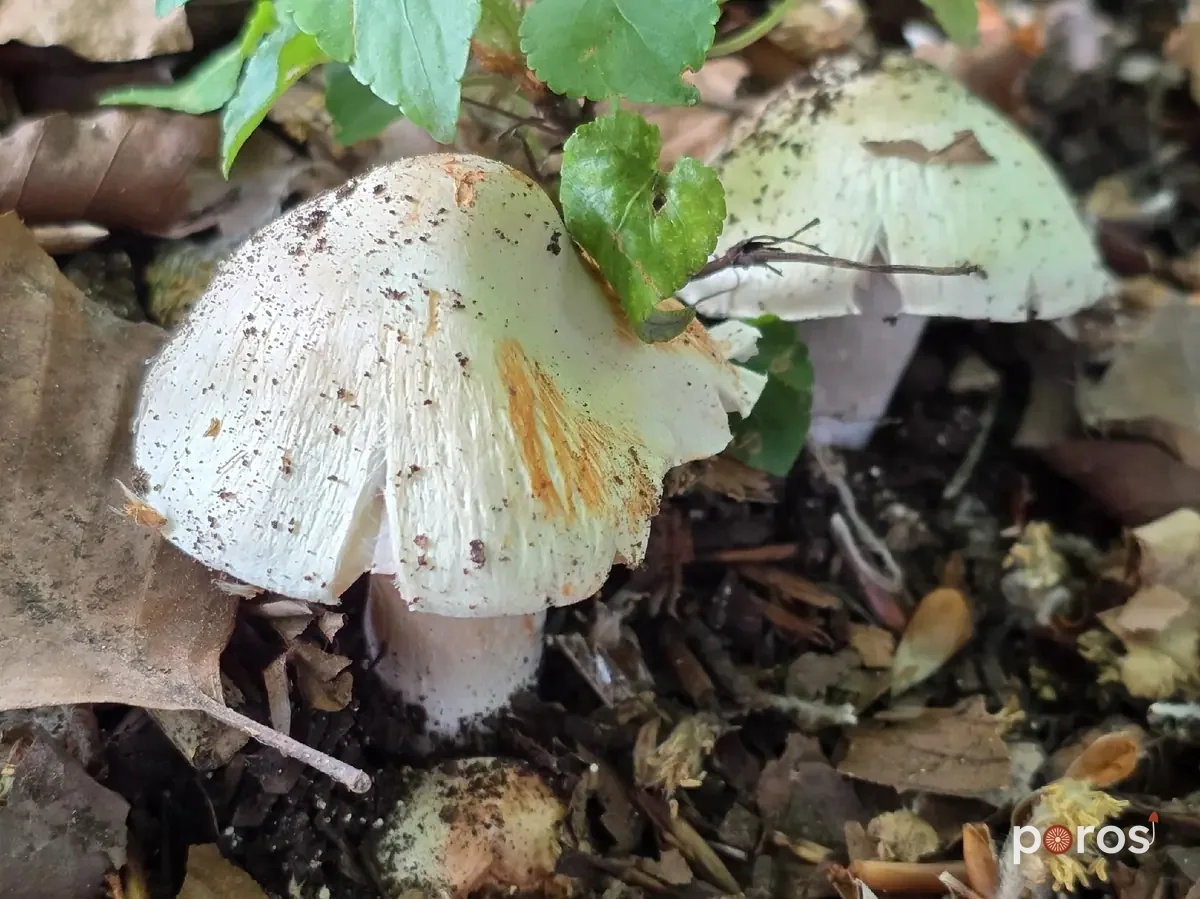
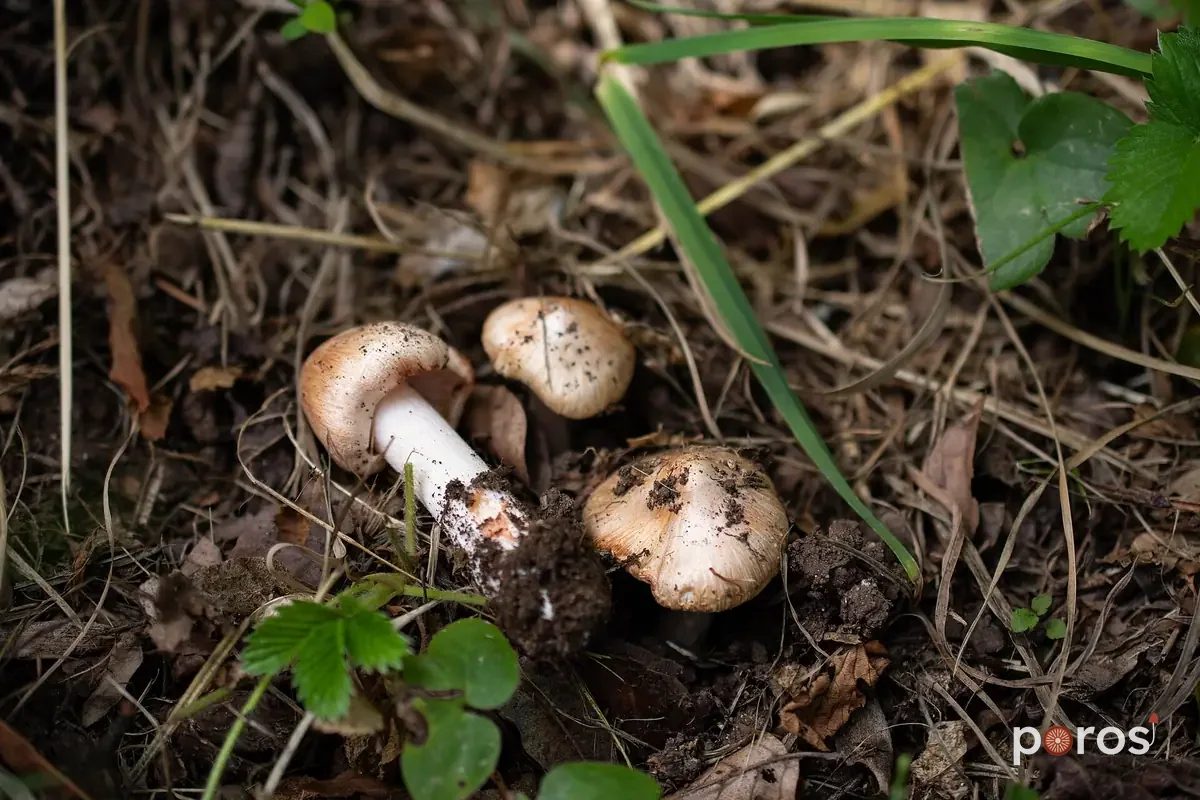
The deadly fibrecap has a cap that turns from white to yellow-brown and is streaked and spotted with red.
DEADLY POISONOUS — keep it out of any basket of mushrooms to eat.
Muscarine poisoning can be severe; hospitals treat it with antidotes such as atropine. Call 112 at once (Turkish poison centre: 114).
The deadly fibrecap has a cap that turns from white to yellow-brown and is streaked and spotted with red. It contains a potentially fatal dose of muscarine; one death was recorded in England in 1937. In Israel it is confused with edible Tricholoma species. Formerly called Inocybe erubescens.
Also called: red-staining Inocybe, brick-red tear mushroom Turkish: Ölümcül lifli şapka Synonyms: Inocybe erubescens, Inocybe patouillardii
How to recognise it
Deadly fibrecap, part by part
No ring or volva Spore print: Brown Flesh yellowish at first. Never taste it.
When and where
Apr–Jul
- Jan
- Feb
- Mar
- Aprin season
- Mayin season
- Junin season
- Julin season
- Aug
- Sep
- Oct
- Nov
- Dec
The deadly fibrecap fruits in spring and summer, appearing earlier than most mushrooms, which come up in autumn.
Where do deadly fibrecaps grow?
The deadly fibrecap grows mostly in beech woods on chalky soil, in small groups on leaf litter, and also turns up in other broadleaf woods.
In Turkey
The deadly fibrecap has been recorded from eastern Anatolia, but GBIF has no geo-referenced record of it from Turkey.
Our map has no observations of deadly fibrecaps from Turkey yet.
Look-alikes
What is it mistaken for?
Grey knight Tricholoma terreum
A grey, felty-capped species of the same habitat; this confusion has caused poisonings in Israel.
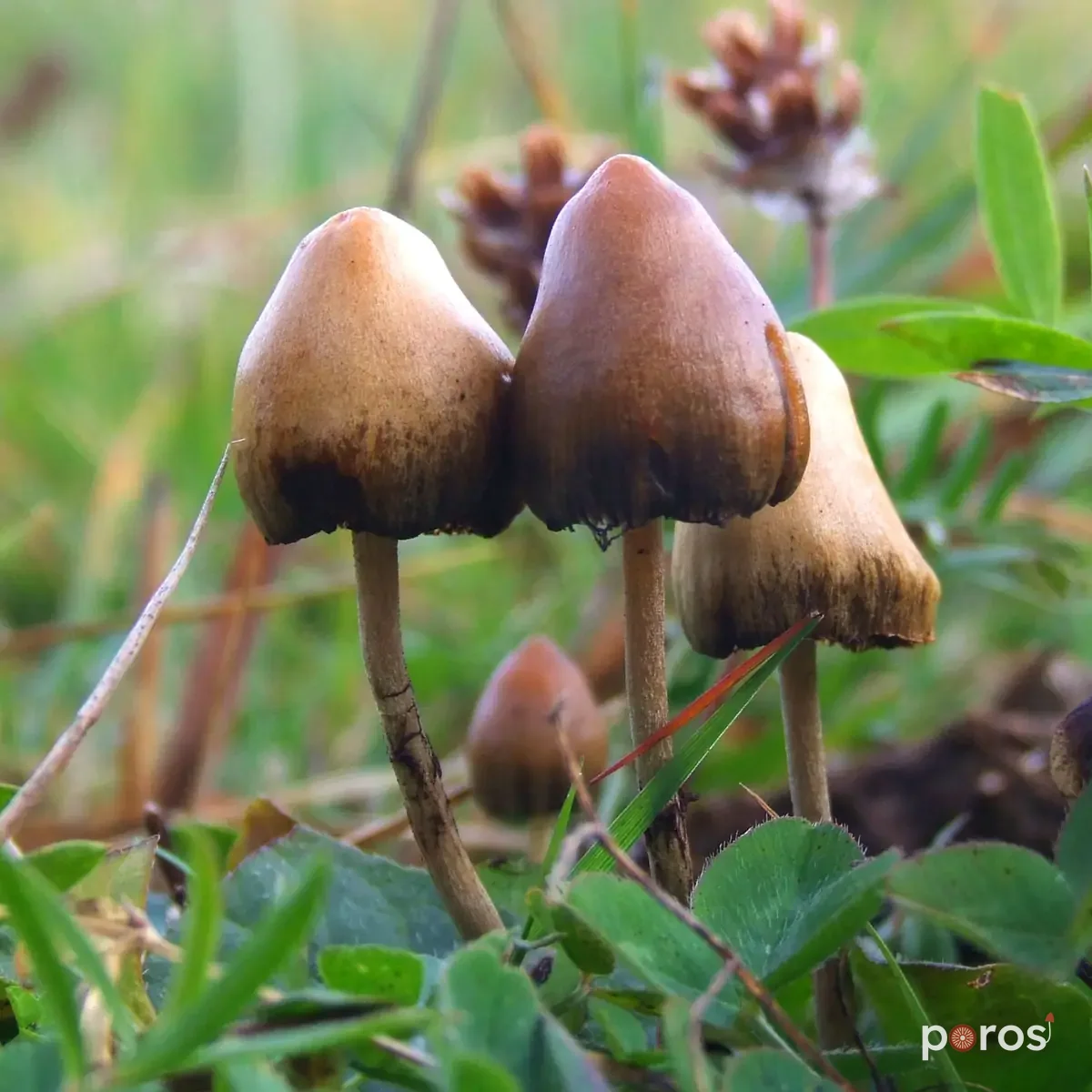
Liberty cap Psilocybe semilanceata
Little brown grassland mushrooms; P. semilanceata is reported to be confused with muscarine-containing Inocybe species.
Toxins
The deadly fibrecap's active toxin is muscarine. Source
Frequently asked questions
Are deadly fibrecaps poisonous?
Yes, the deadly fibrecap is deadly poisonous and must never be eaten. Muscarine poisoning can be severe; hospitals treat it with antidotes such as atropine. Call 112 at once (Turkish poison centre: 114).
When is deadly fibrecap season in Turkey?
In our calendar, deadly fibrecap season runs Apr–Jul. The deadly fibrecap fruits in spring and summer, appearing earlier than most mushrooms, which come up in autumn.
Where do deadly fibrecaps grow?
The deadly fibrecap grows mostly in beech woods on chalky soil, in small groups on leaf litter, and also turns up in other broadleaf woods.
Where are deadly fibrecaps found in Turkey?
The deadly fibrecap has been recorded from eastern Anatolia, but GBIF has no geo-referenced record of it from Turkey.
What can the deadly fibrecap be confused with?
The deadly fibrecap can be confused with grey knight (Tricholoma terreum, edible species) and liberty cap (Psilocybe semilanceata, psilocybin). Look-alikes are compared on this page.
What is the deadly fibrecap called in Turkish?
In Turkish, the deadly fibrecap (Inosperma erubescens) is called Ölümcül lifli şapka.
Related species
-
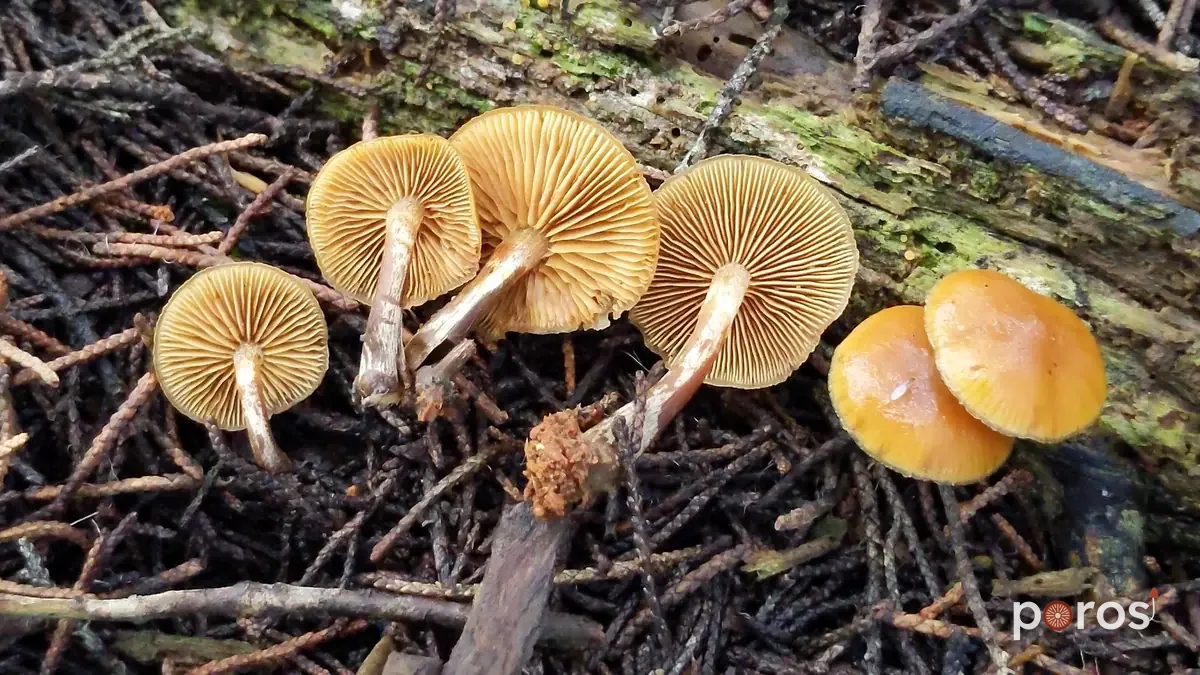 Deadly galerinaGalerina marginataDeadly poisonous
-
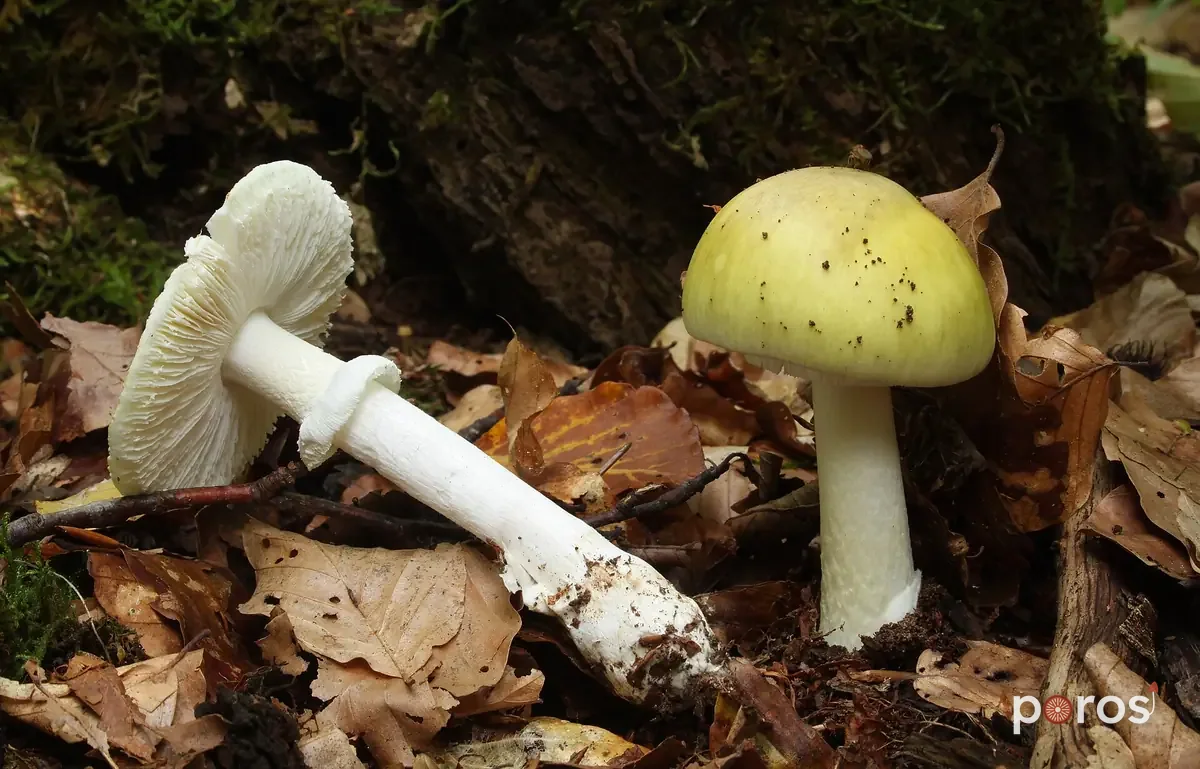 Death capAmanita phalloidesDeadly poisonous
-
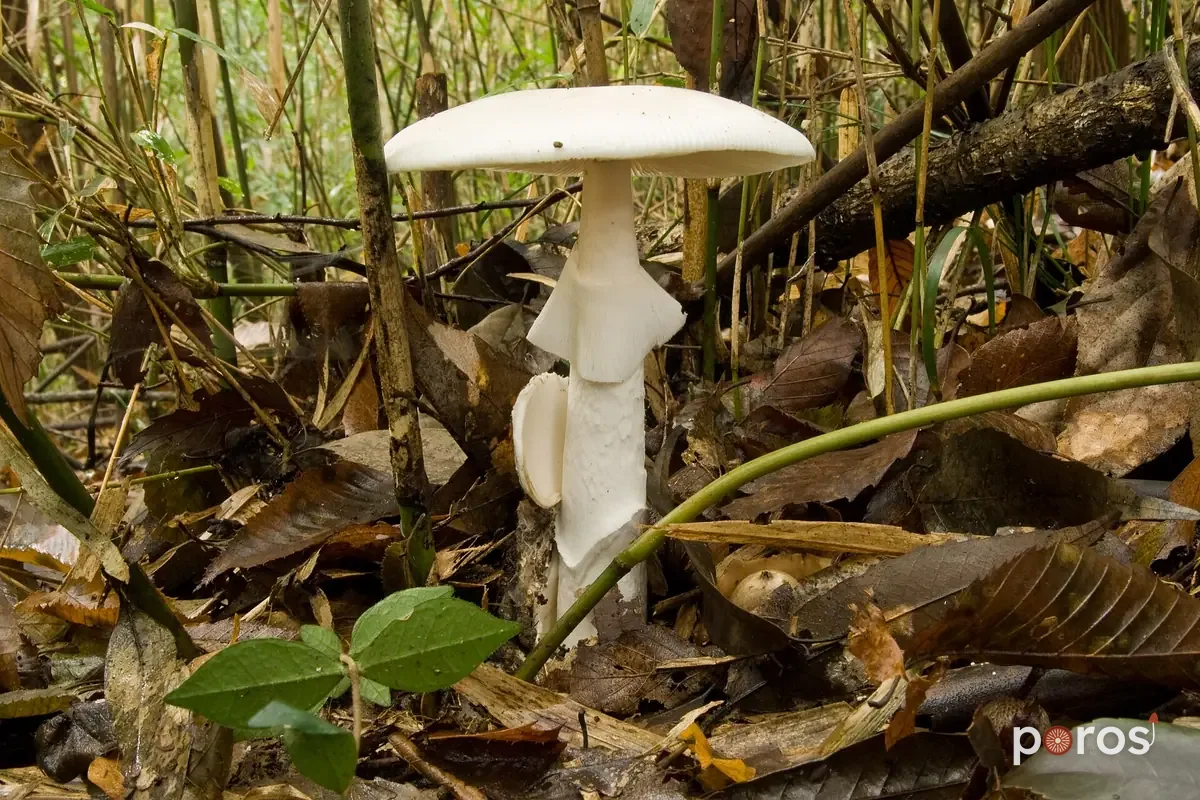 Destroying angelAmanita virosaDeadly poisonous
-
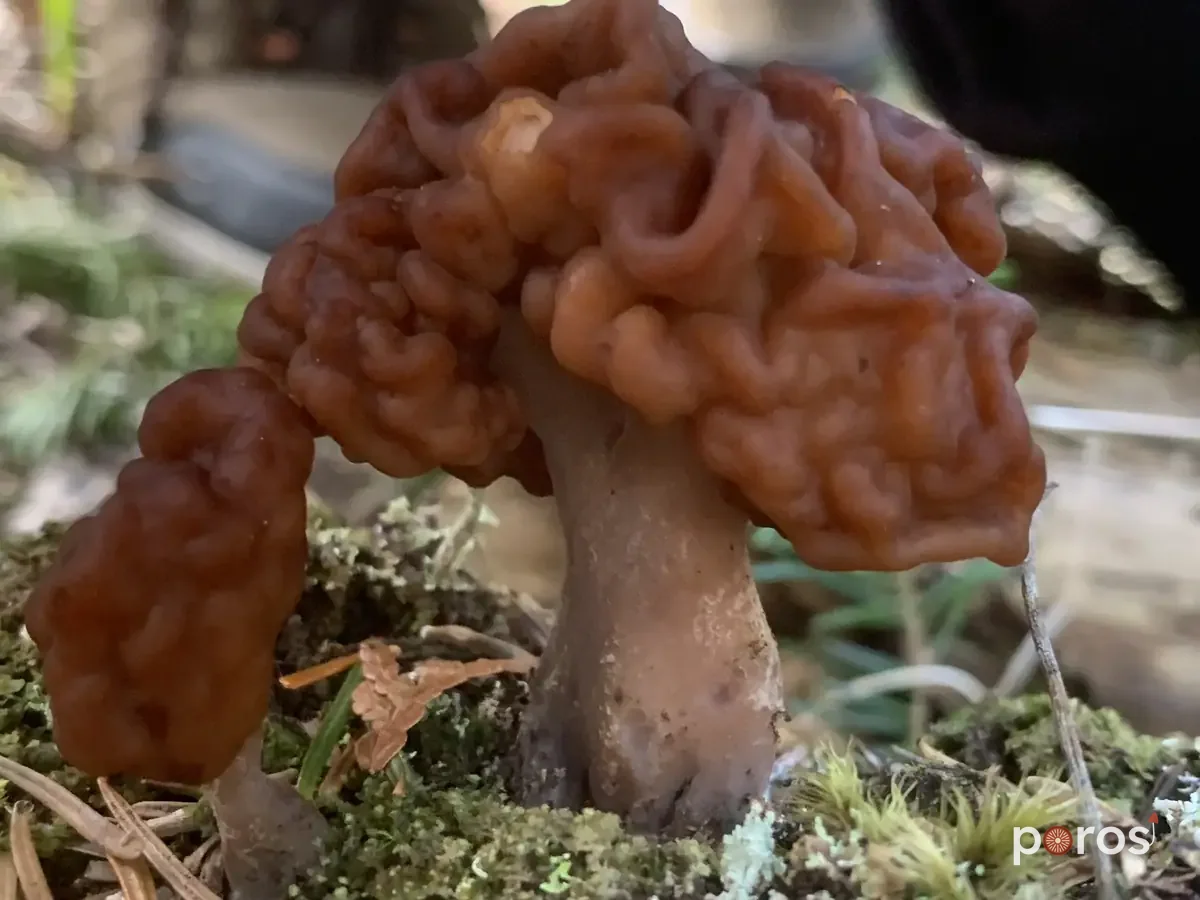 False morelGyromitra esculentaDeadly poisonous
-
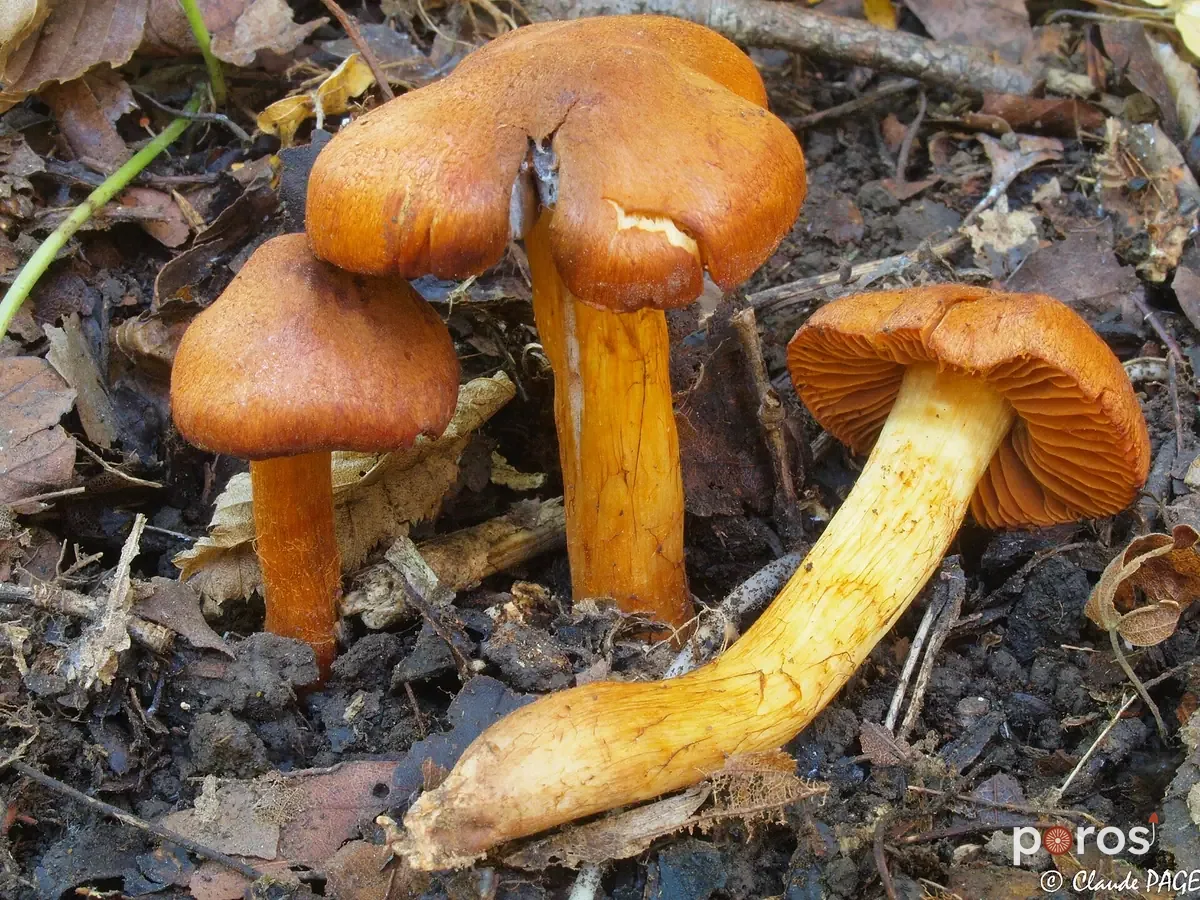 Fool’s webcapCortinarius orellanusDeadly poisonous
-
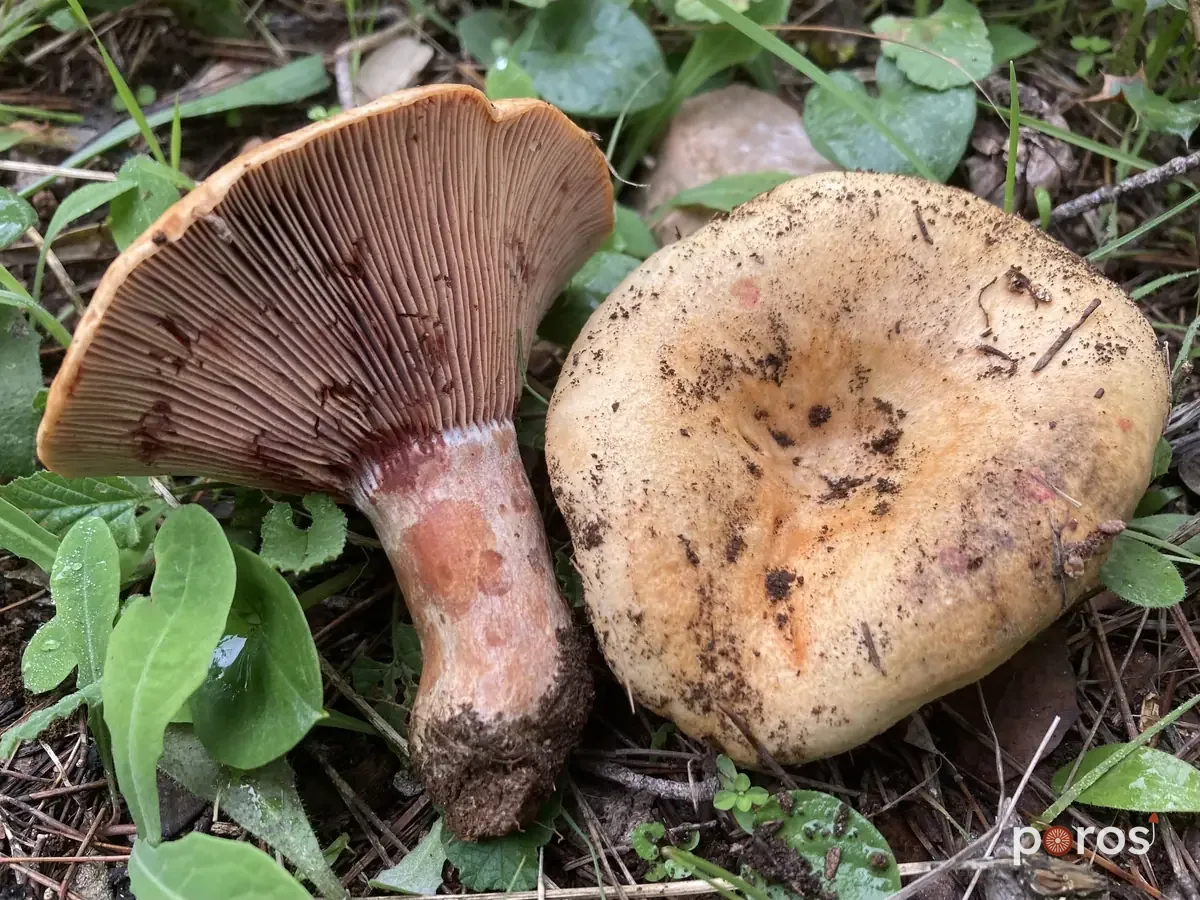 Bloody milk capLactarius sanguifluusEdible species
-
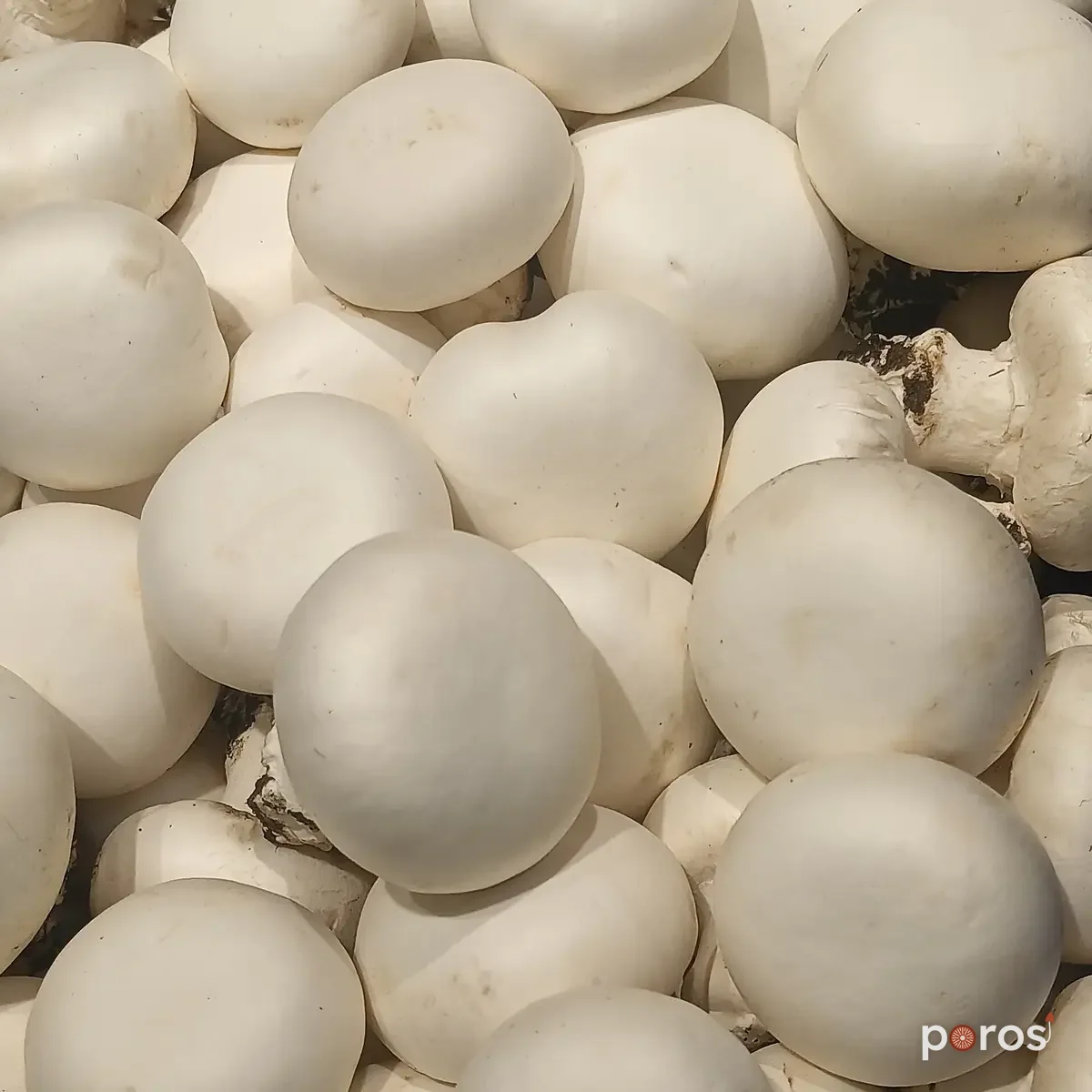 Button mushroomAgaricus bisporusEdible species
-
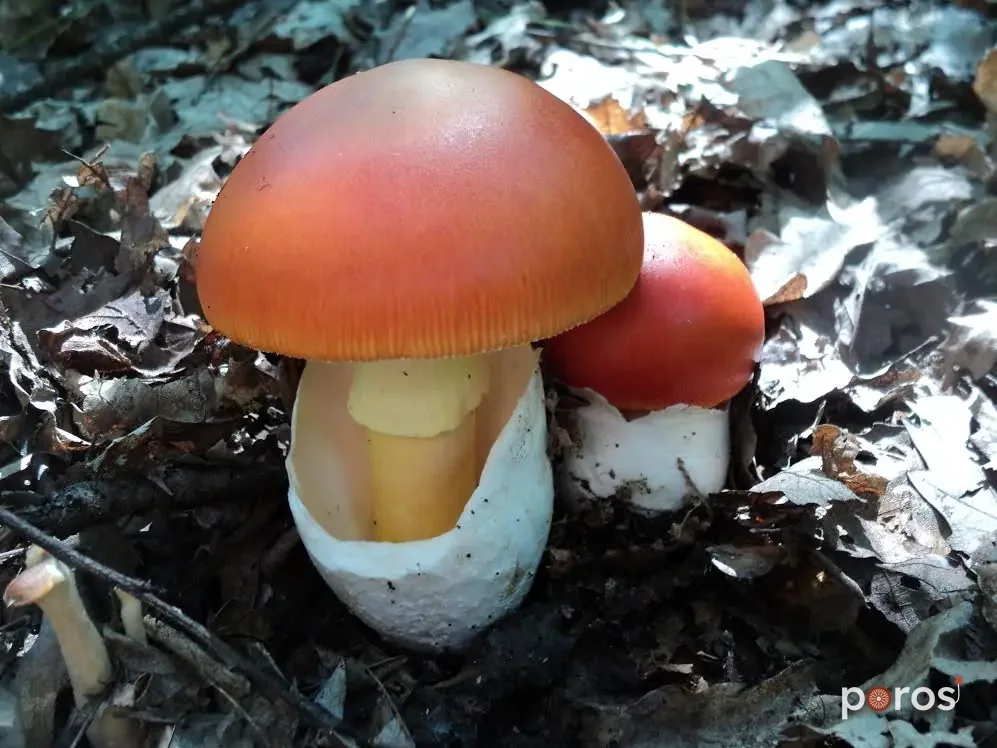 Caesar’s mushroomAmanita caesareaEdible species
Sources (3)
- Wikipedia (EN): Inosperma erubescens · checked 26 Oct 2026
- GBIF: Inosperma erubescens · checked 26 Oct 2026
- Wikipedia (EN): Psilocybe semilanceata · checked 26 Oct 2026
Photo credits (10)
- File:Inosperma erubescens 702228227.jpg · Jose Castro · CC BY 4.0
- Inosperma erubescens · iNaturalist #383668563 · Jose Castro · CC BY 4.0
- Inosperma erubescens · iNaturalist #49429443 · Enrico Tomschke · CC BY 4.0
- Inosperma erubescens · iNaturalist #365686049 · Sara Scorey · CC0
- Inosperma erubescens · iNaturalist #339649616 · Chaym Turak · CC BY-SA 4.0
- Inosperma erubescens · iNaturalist #339649616 · Chaym Turak · CC BY-SA 4.0
- Inosperma erubescens · iNaturalist #340271202 · Chaym Turak · CC BY-SA 4.0
- Inosperma erubescens · iNaturalist #365686049 · Sara Scorey · CC0
- File:Inosperma erubescens.jpg · The Brook · CC BY-SA 4.0
- Inosperma erubescens · iNaturalist #370374285 · Sara Scorey · CC0

