
Porcini
Boletus edulis · Boletaceae
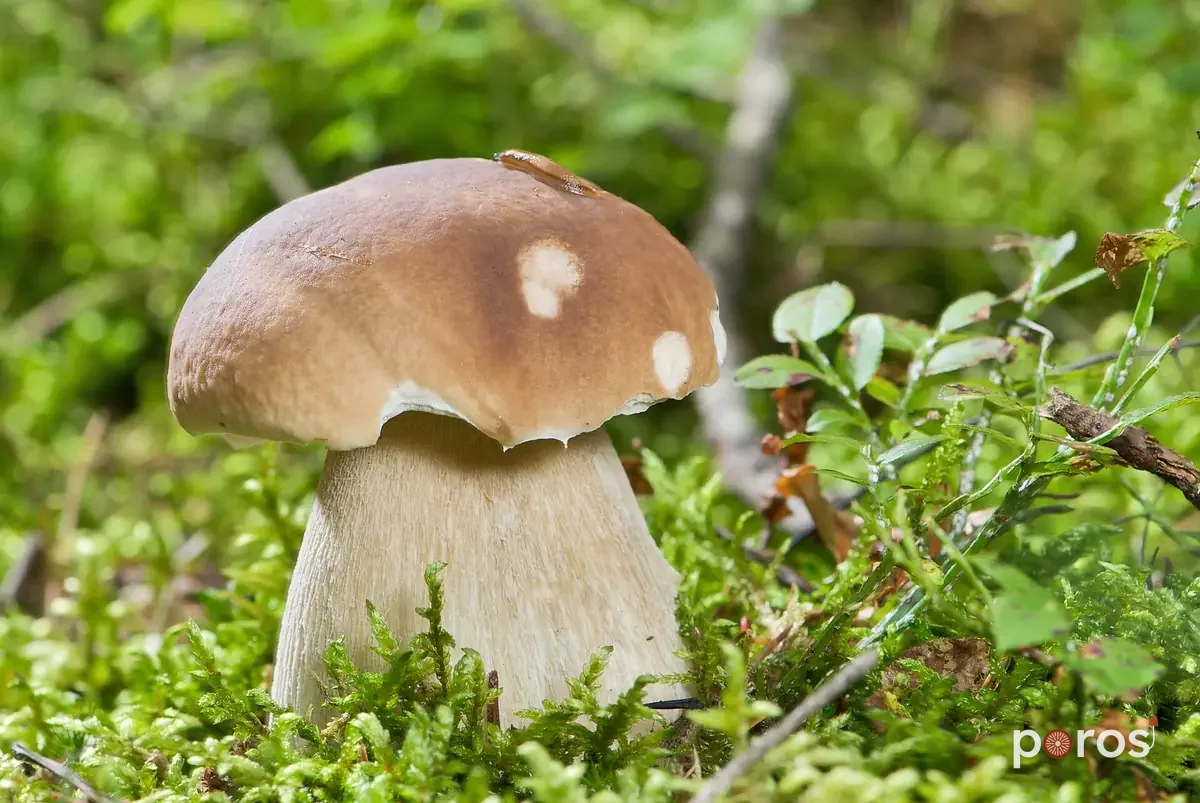
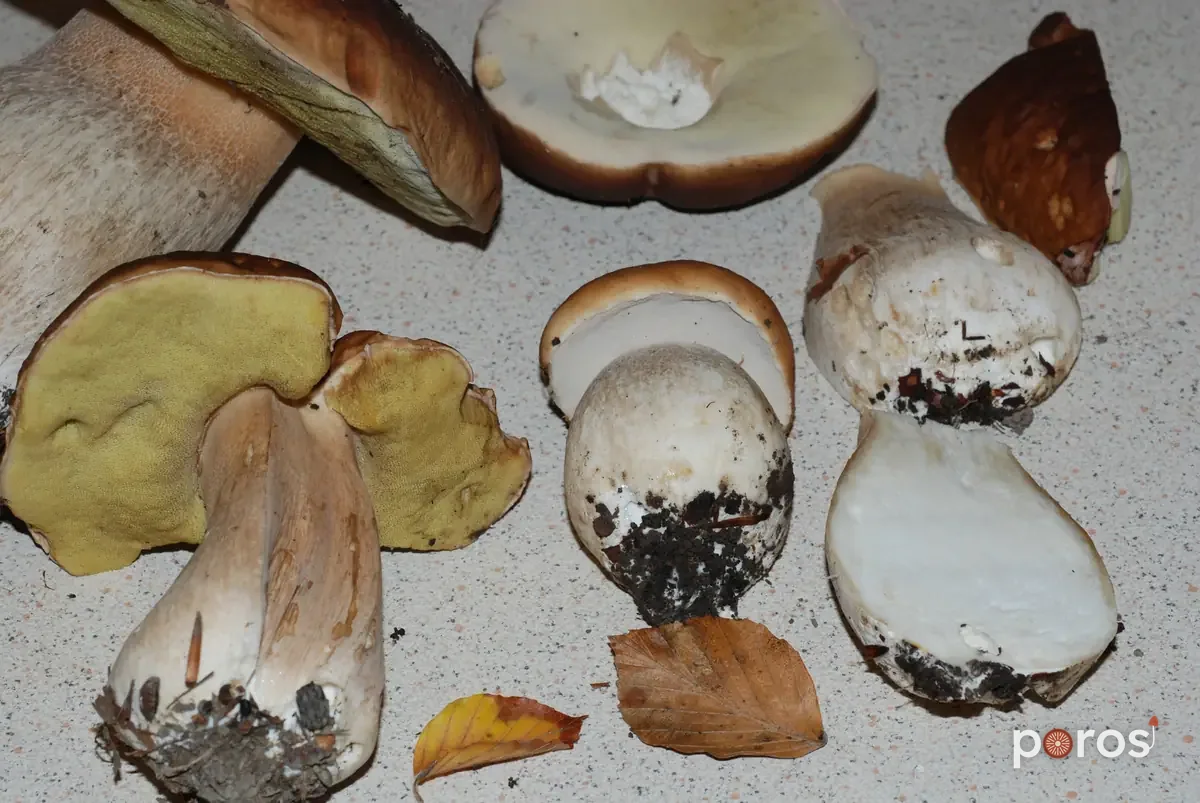
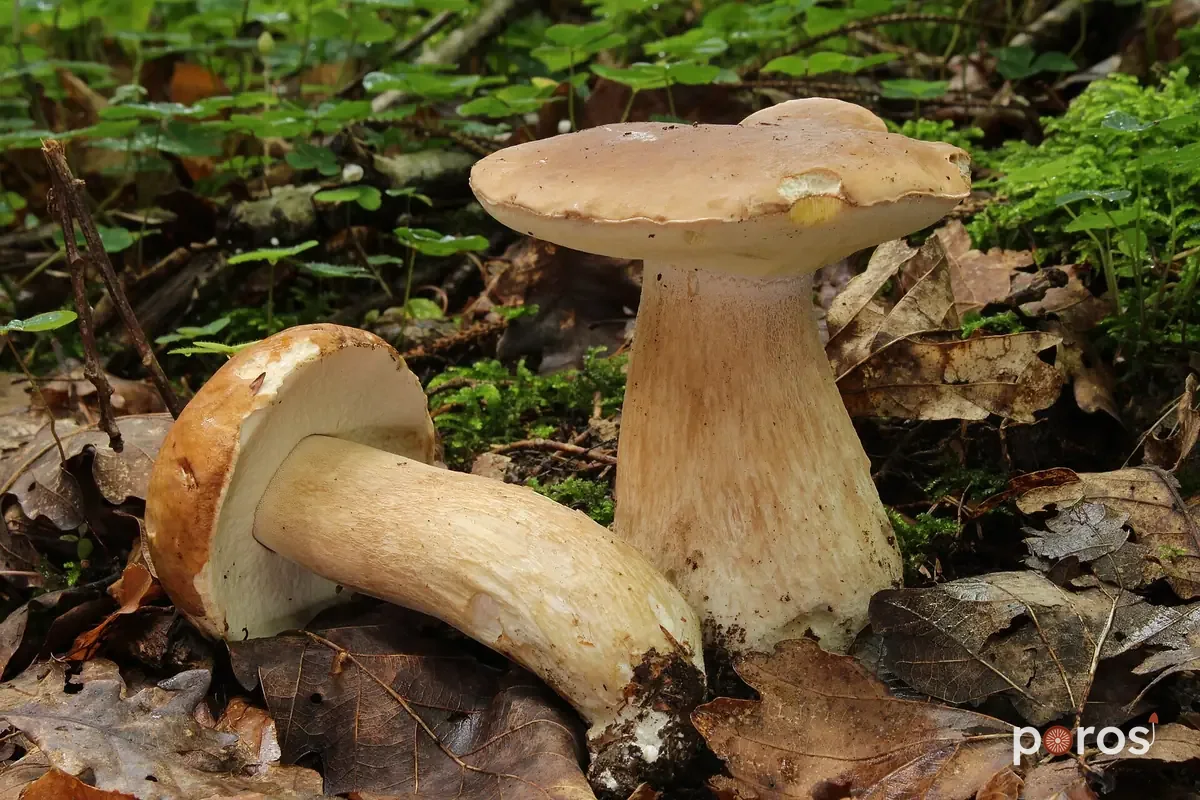
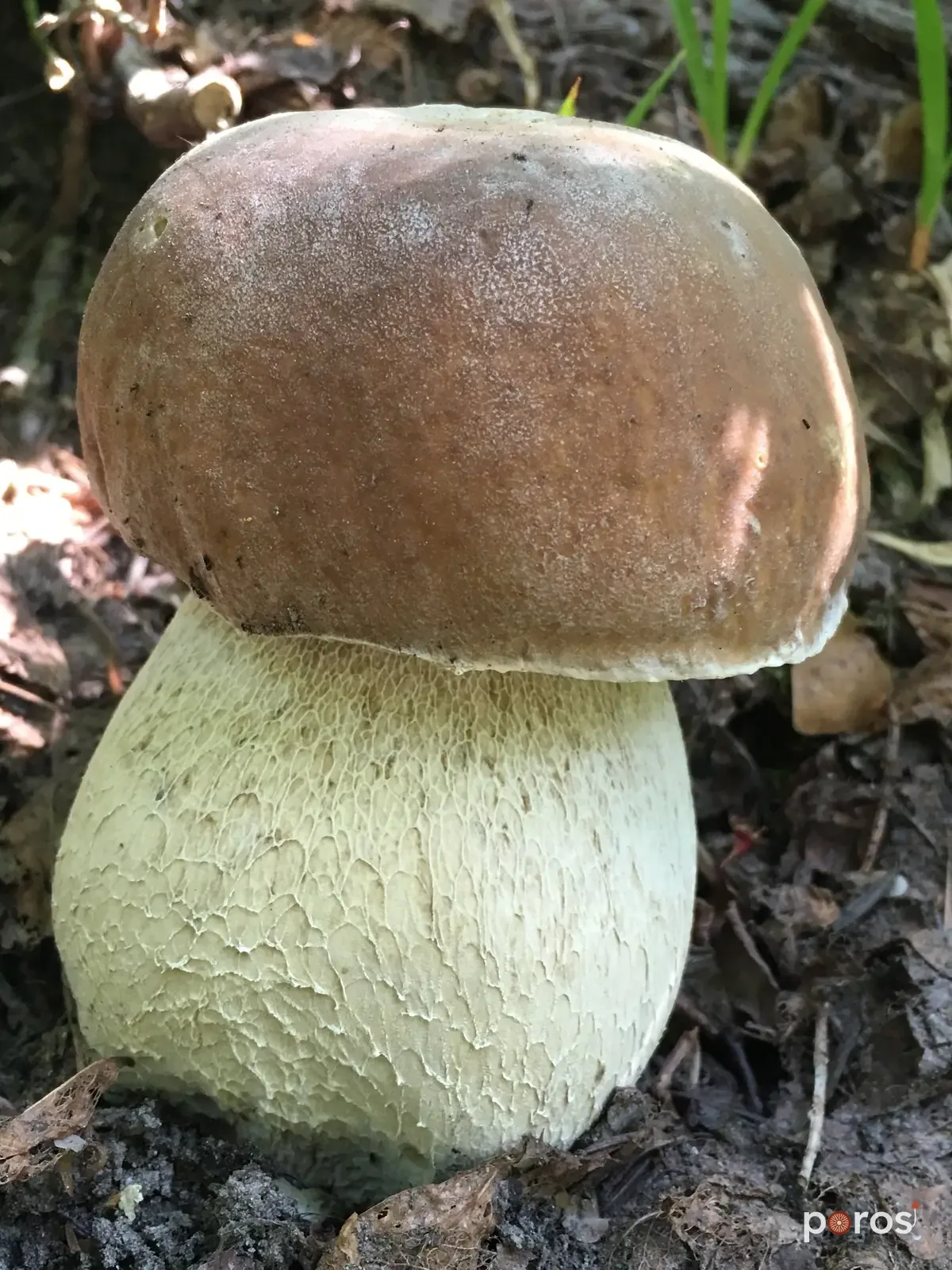
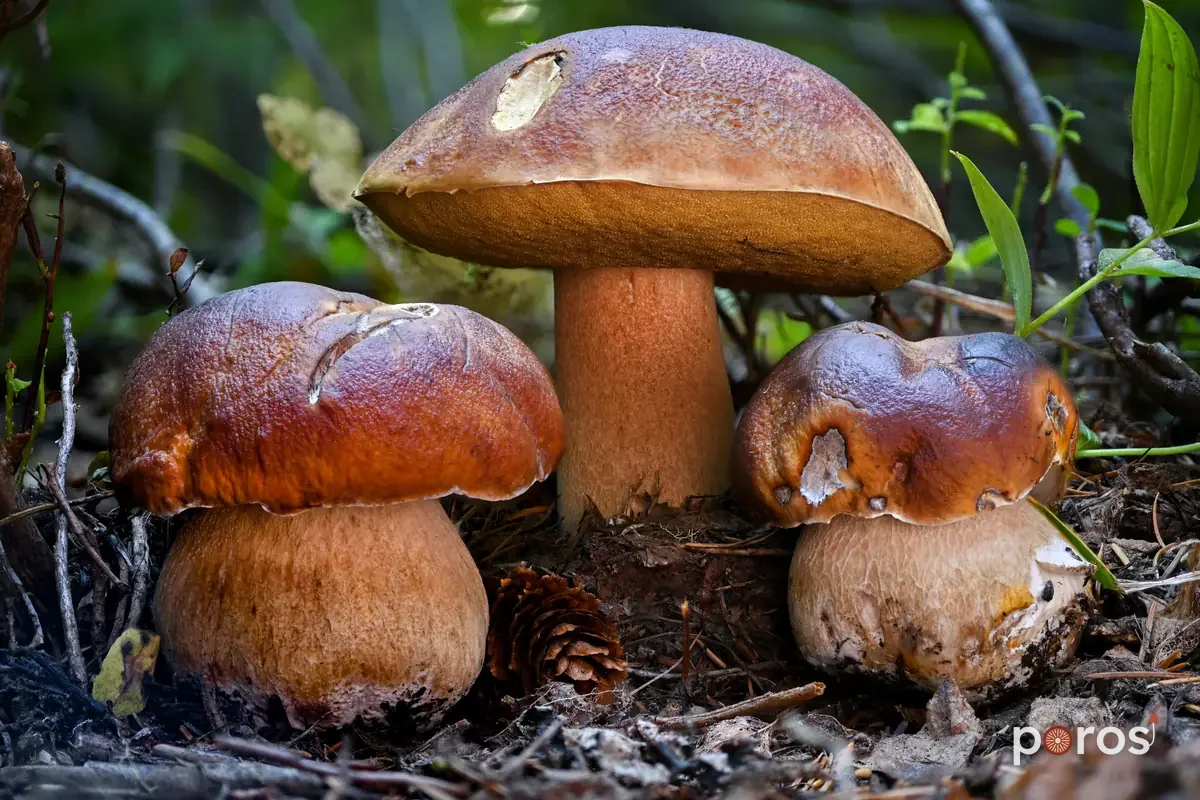
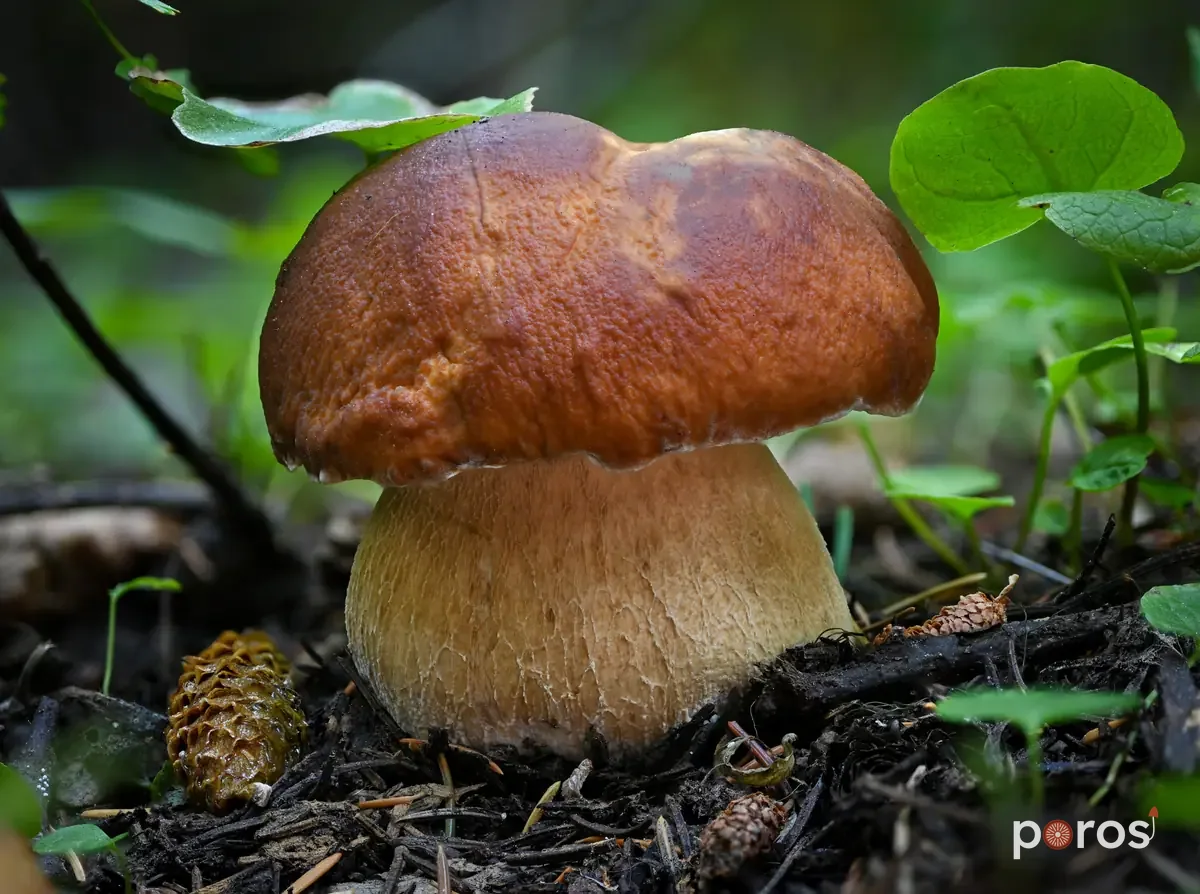
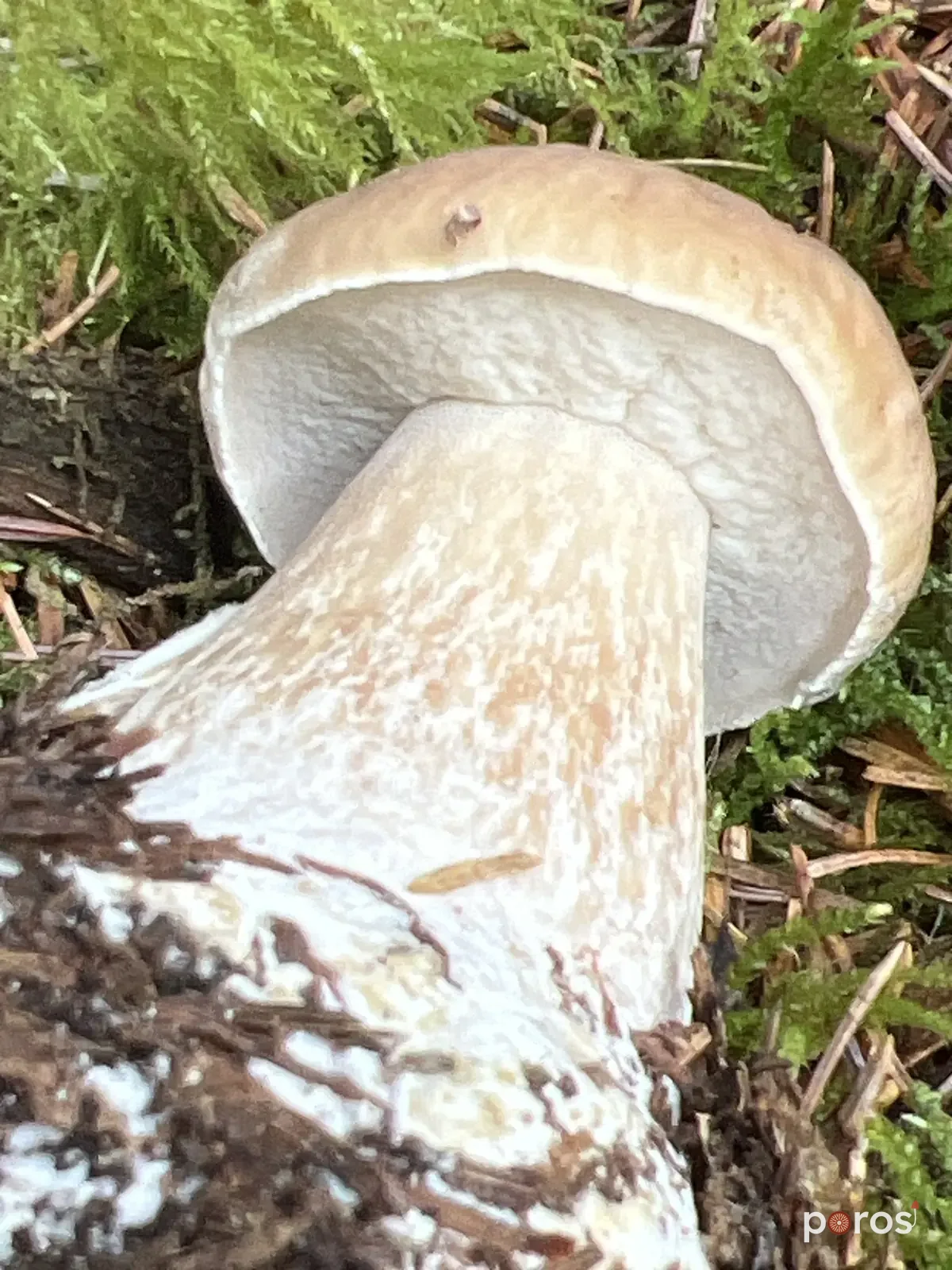
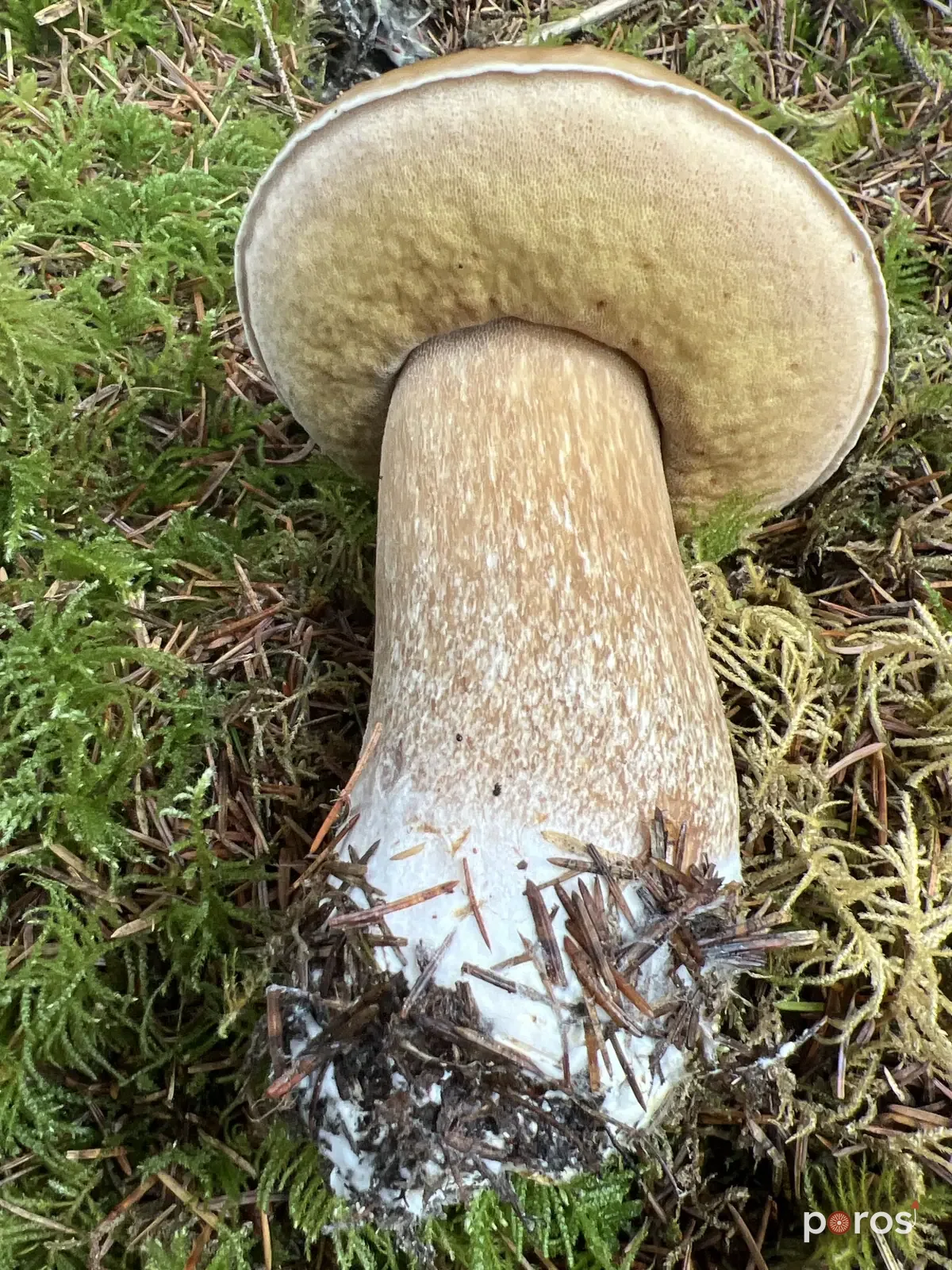
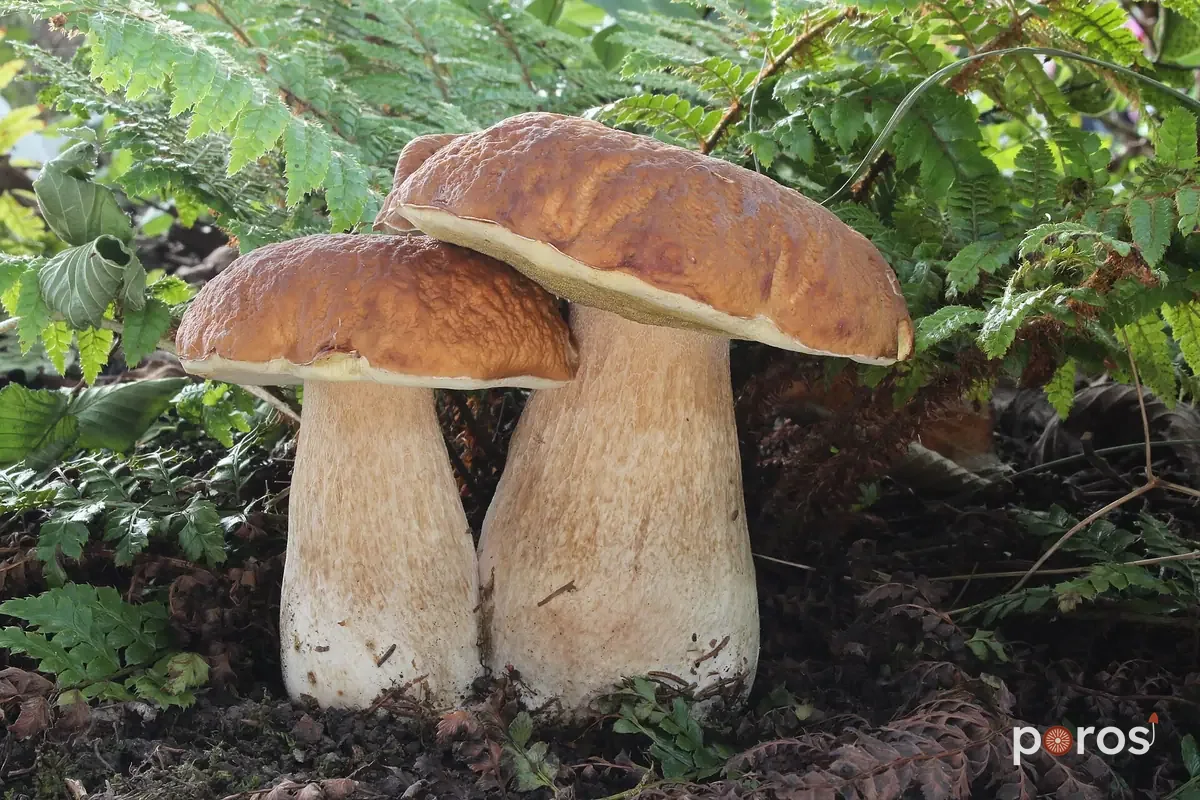
Porcini are among Europe's most prized wild mushrooms, with a brown cap like a well-baked bun, a sponge of pores instead of gills underneath, and a stout, net-patterned stem.
Porcini are among Europe's most prized wild mushrooms, with a brown cap like a well-baked bun, a sponge of pores instead of gills underneath, and a stout, net-patterned stem. They are used in soups, pasta and risotto, and keep their flavour when dried.
Also called: cep, penny bun, king bolete Turkish: Çörek mantarı, porçini, ayı mantarı
How to recognise it
Porcini, part by part
No ring or volva Spore print: Olive brown Faint and pleasant with a mild nutty taste. White flesh that does not change colour when cut.
When and where
Jun–Nov
- Jan
- Feb
- Mar
- Apr
- May
- Junin season
- Julin season
- Augin season
- Sepin season
- Octin season
- Novin season
- Dec
Porcini fruit from June to August and from September to November, flushing after rain in warm weather and again in autumn as the soil cools.
Where do porcini grow?
Porcini grow in broadleaf and conifer forests, in partnership with the roots of beech, birch, oak, chestnut, pine, spruce and fir (ectomycorrhizal). They come up on acidic soils and along forest tracks.
In Turkey
In Turkey, porcini records come mainly from the eastern Black Sea region (Trabzon, Artvin) and the Istranca (Strandzha) and Istanbul forests. They are very prone to maggots, so check every one you pick carefully.
- İstanbul4
- Kırklareli3
- Artvin2
- Sakarya1
- Samsun1
- Trabzon1
12 observations on our map (GBIF, iNaturalist). Record density also reflects where observers work.
Latest porcini observations


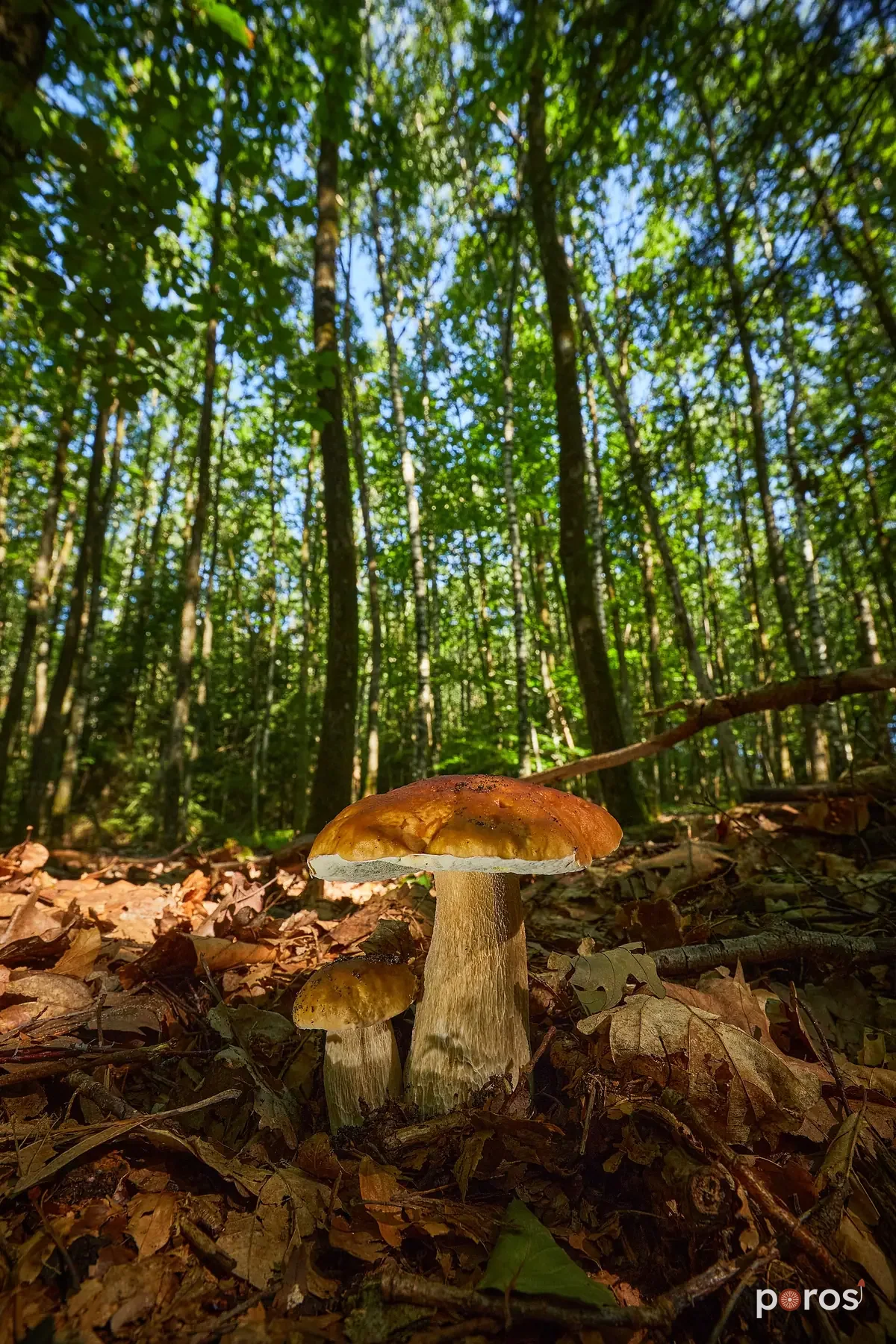
Look-alikes
What could it be confused with?
Bitter bolete Tylopilus felleus
Pinkish pores and a dark net on the stem; very bitter, and cooking makes it worse.
Devil's bolete Rubroboletus satanas
Red stem, flesh turns blue when cut; poisonous.
In the kitchen
Cooking with porcini
 Pasta & risotto
Mushroom risotto
A creamy Italian risotto made with dried porcini and fresh button mushrooms, built up with hot stock one ladle at a time.
57 min
Dried porcini
 Pickles & preserves
Homemade mushroom powder
A deeply savoury powder made from dried shiitake and porcini that lifts soups, sauces and meat rubs. Makes about 75 g, one small jar.
1 hr
Shiitake
What goes well with porcini
- hot water
- arborio rice
- hot chicken or vegetable stock
- olive oil
- butter
- onion
- garlic
- dry white wine
- parmesan
- flat-leaf parsley
The ingredients that come up most in our 2 recipes with porcini.
Storing porcini
What it contains
Porcini are reported to be low in fat and digestible carbohydrate, and high in protein, vitamins, minerals and fibre (Wikipedia, with references). Source
General information, not a health claim.
Grow it, buy it
Porcini price list
| Product | Us | Market (sourced, dated) |
|---|---|---|
| Fresh porcini | In preparation · notify me | — |
| Dried porcini | In preparation · notify me | — |
Our prices for porcini are published when the product is ready; for now we take waiting-list sign-ups. The market column shows prices seen on other sellers' pages on the date given; they are not our prices and may have changed.
Frequently asked questions
Are porcini edible?
Yes, porcini is an edible species. Eat a wild one only after an expert has identified it with certainty: it can be confused with Devil's bolete (Rubroboletus satanas).
When is porcini season in Turkey?
In our calendar, porcini season runs Jun–Nov. Porcini fruit from June to August and from September to November, flushing after rain in warm weather and again in autumn as the soil cools.
Where do porcini grow?
Porcini grow in broadleaf and conifer forests, in partnership with the roots of beech, birch, oak, chestnut, pine, spruce and fir (ectomycorrhizal). They come up on acidic soils and along forest tracks.
Where are porcini found in Turkey?
In Turkey, porcini records come mainly from the eastern Black Sea region (Trabzon, Artvin) and the Istranca (Strandzha) and Istanbul forests. They are very prone to maggots, so check every one you pick carefully.
What can porcini be confused with?
Porcini can be confused with bitter bolete (Tylopilus felleus, inedible) and Devil's bolete (Rubroboletus satanas, poisonous). Look-alikes are compared on this page.
What is porcini called in Turkish?
In Turkish, porcini (Boletus edulis) is called Çörek mantarı; other local names include porçini and ayı mantarı.
Related species
-
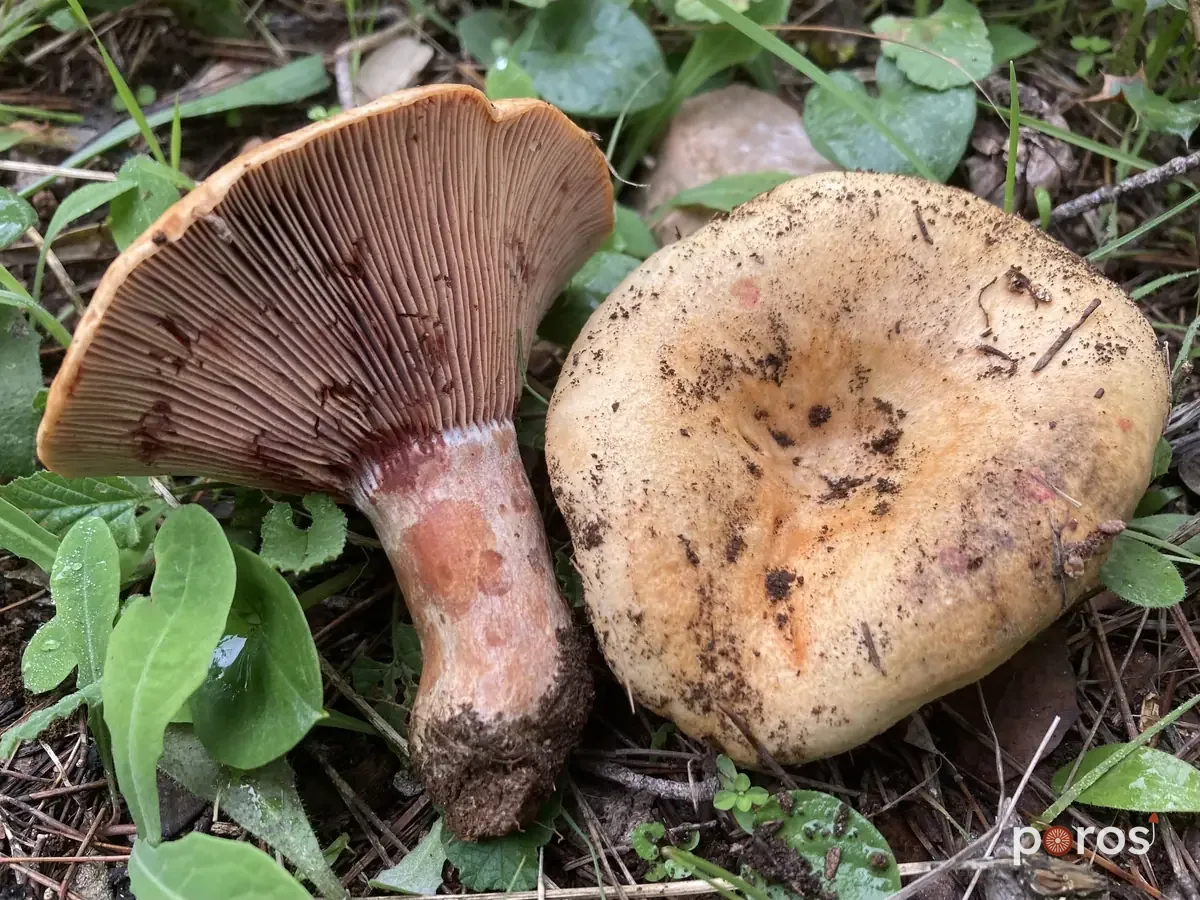 Bloody milk capLactarius sanguifluusEdible species
-
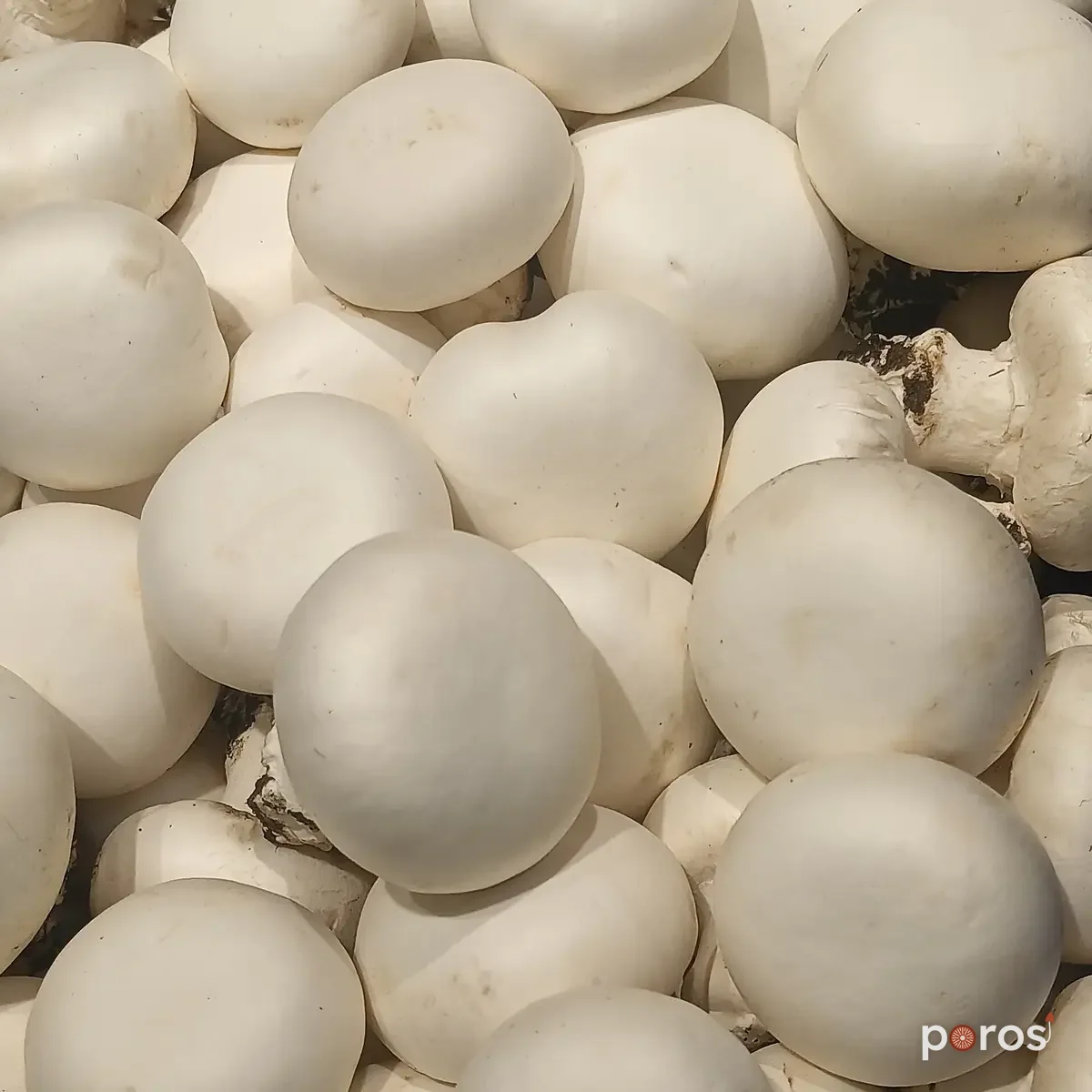 Button mushroomAgaricus bisporusEdible species
-
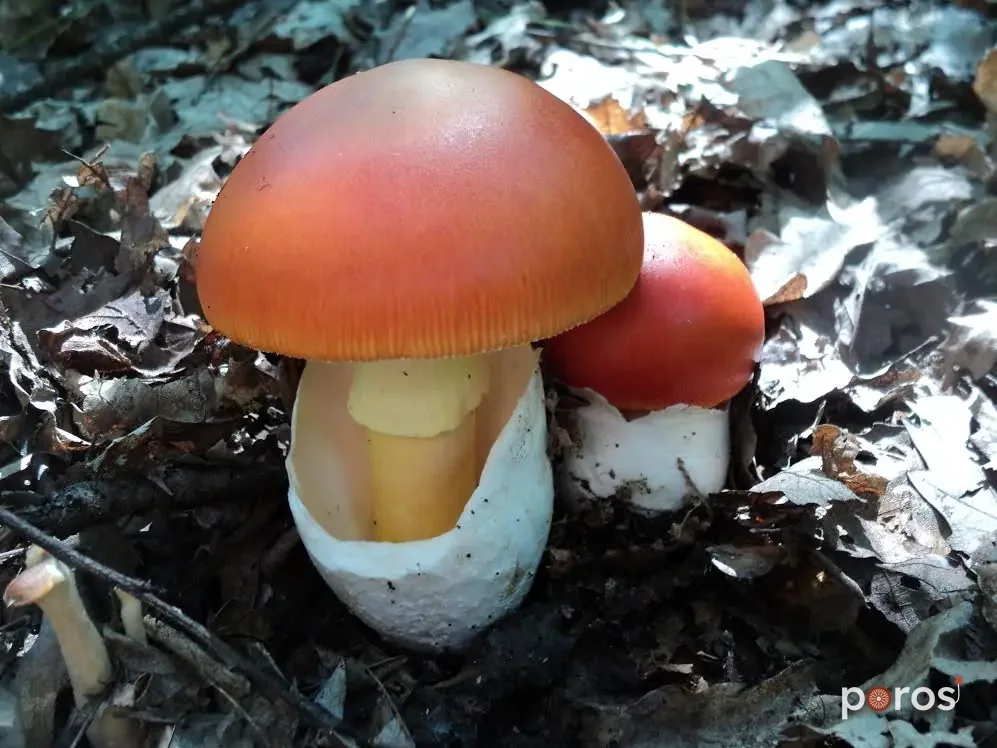 Caesar’s mushroomAmanita caesareaEdible species
-
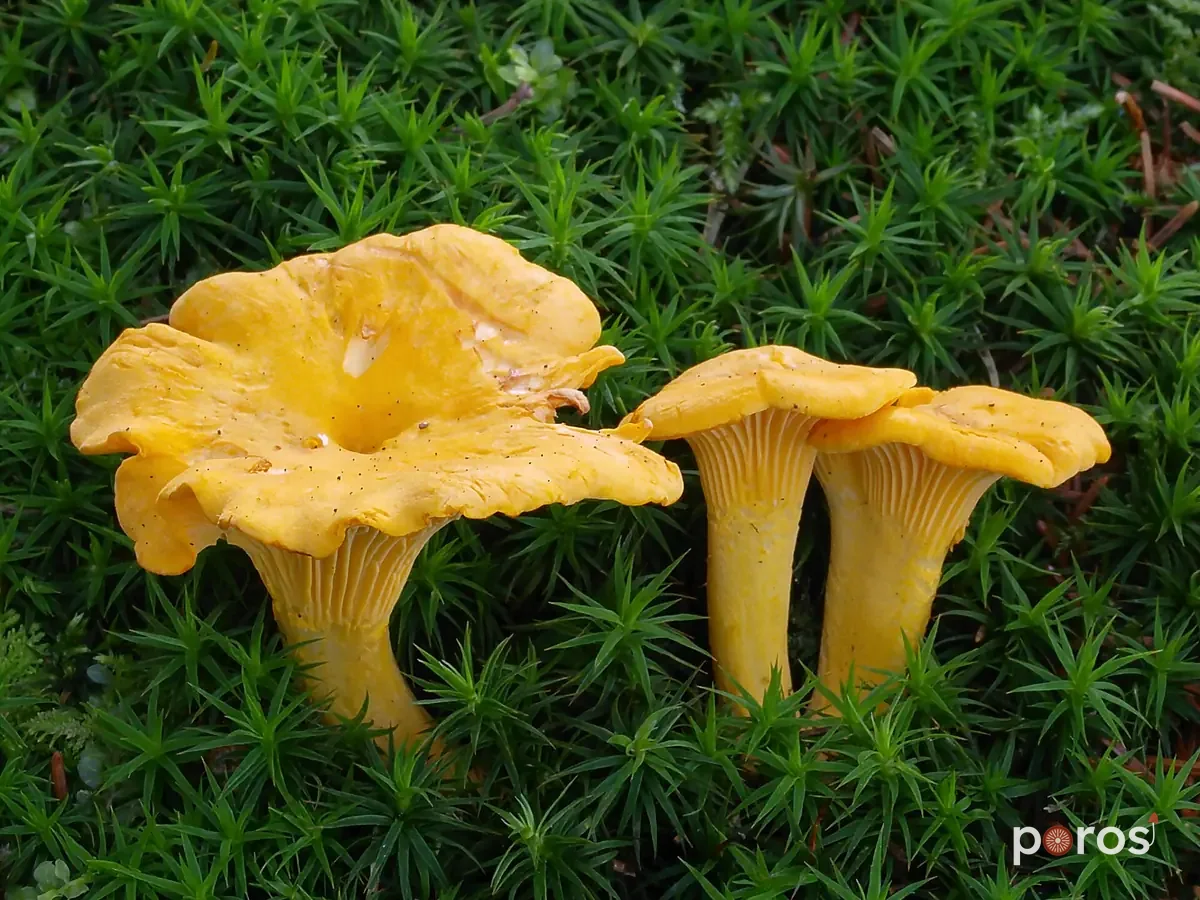 ChanterelleCantharellus cibariusEdible species
-
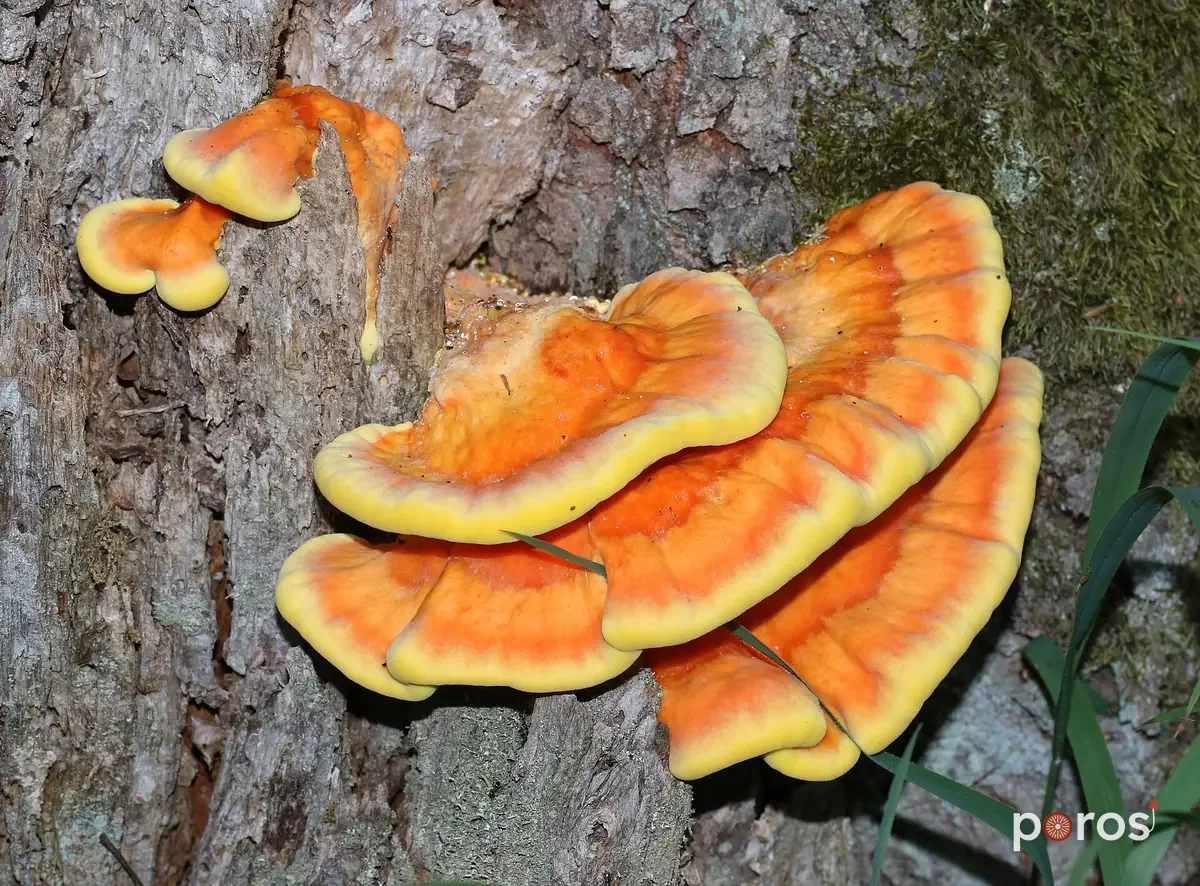 Chicken of the woodsLaetiporus sulphureusEdible species
-
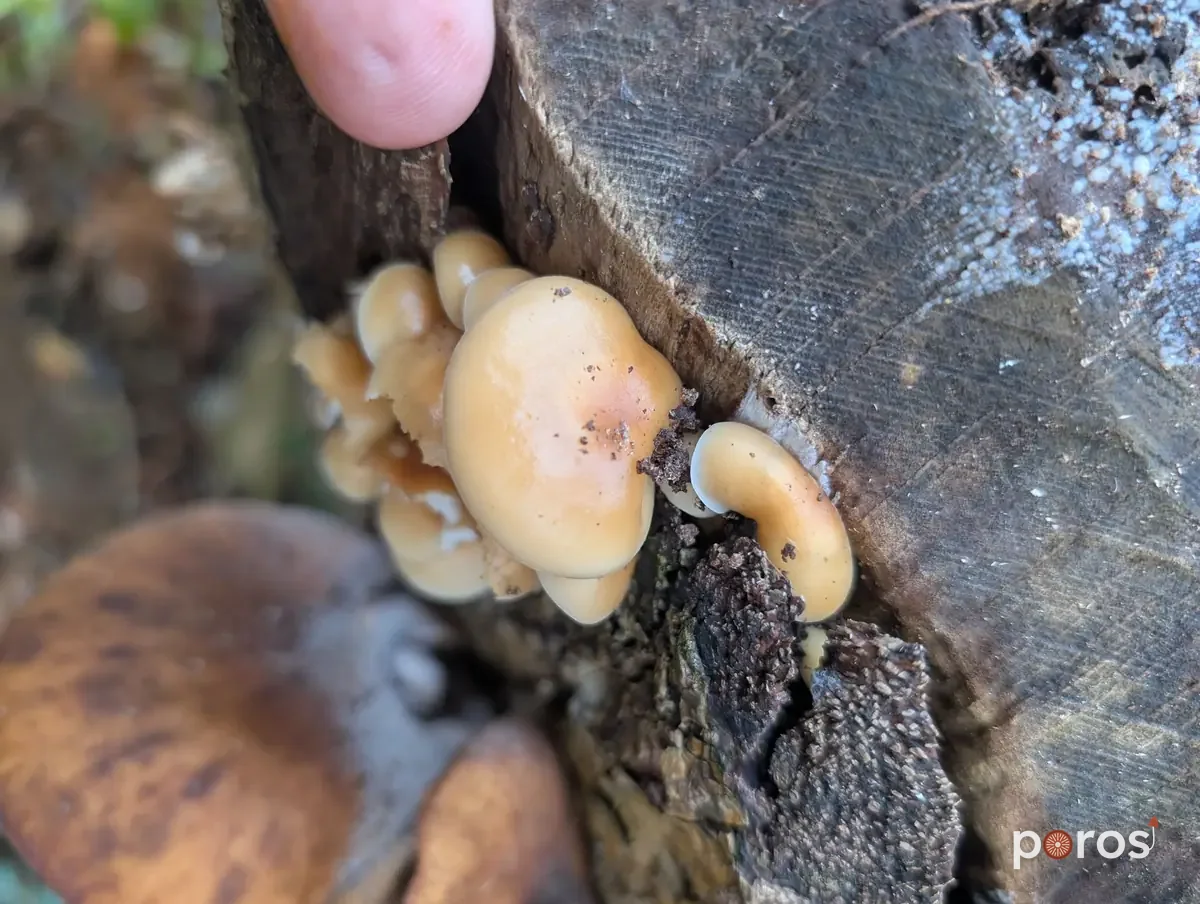 EnokiFlammulina filiformisEdible species
-
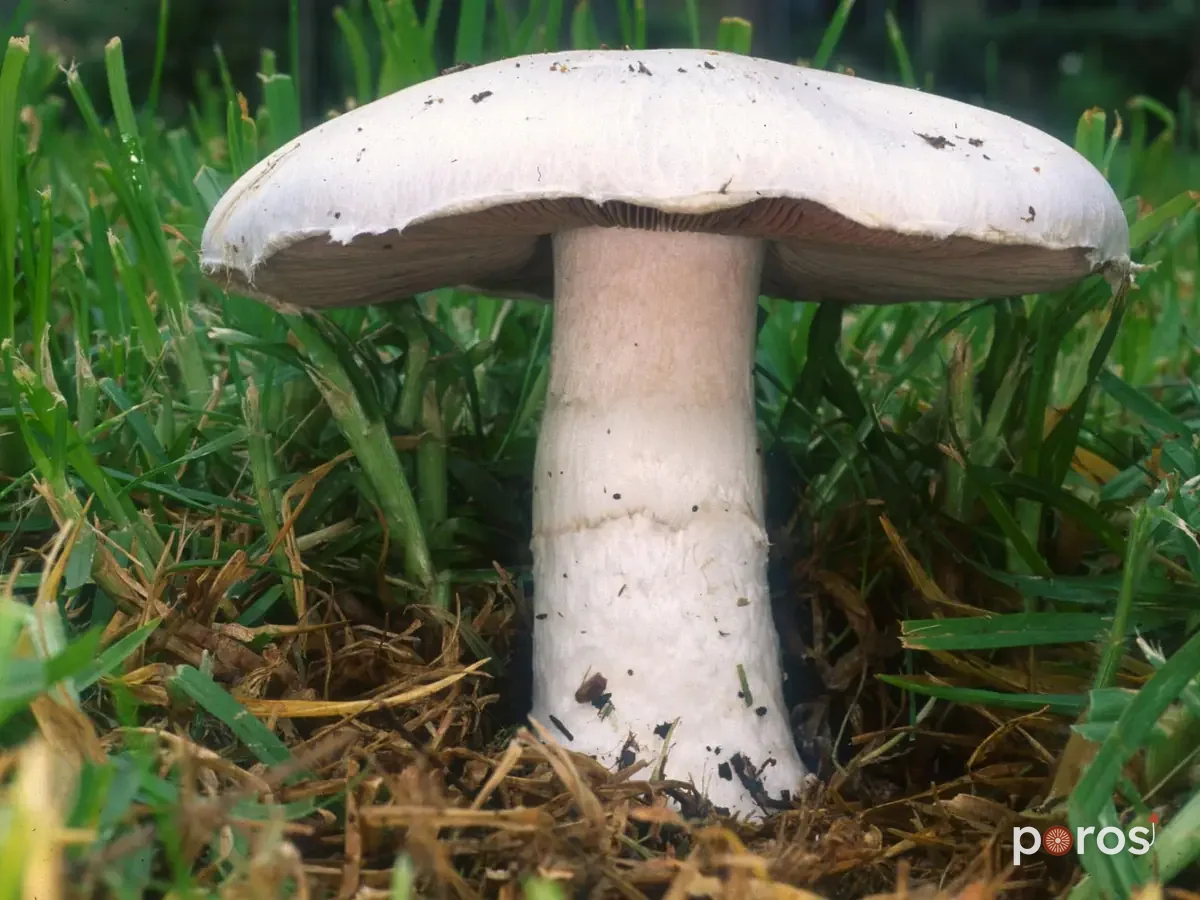 Field mushroomAgaricus campestrisEdible species
-
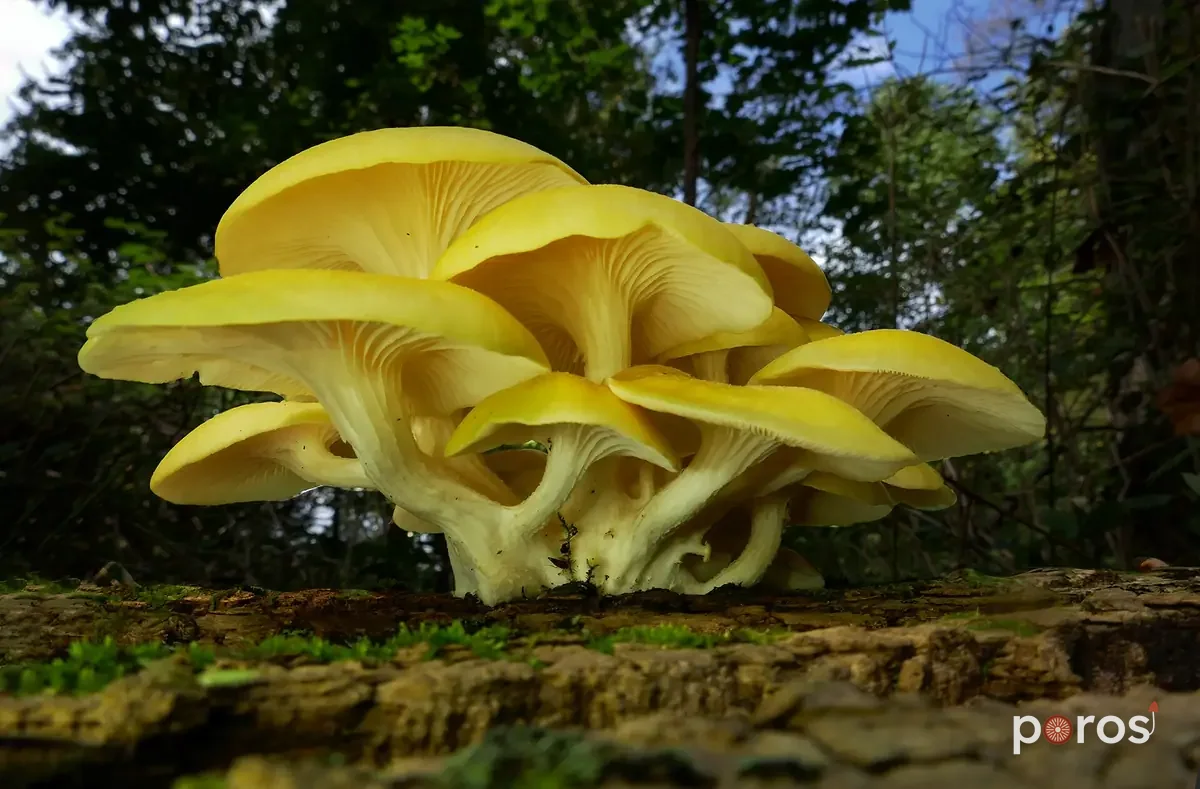 Golden oyster mushroomPleurotus citrinopileatusEdible species
Sources (6)
- Wikipedia (EN): Boletus edulis · checked 26 Oct 2026
- Vikipedi (TR): Çörek mantarı · checked 26 Oct 2026
- First Nature: Boletus edulis · checked 26 Oct 2026
- First Nature: Rubroboletus satanas · checked 26 Oct 2026
- MushroomExpert: Boletus edulis · checked 26 Oct 2026
- GBIF: Türkiye kayıtları · checked 26 Oct 2026
Photo credits (10)
- File:AD2009Sep13 Boletus edulis 01.jpg · Bernie · Public domain
- Boletus edulis grandedulis · iNaturalist #136662465 · Alan Rockefeller · CC BY 4.0
- File:(Gemeine Steinpilz) Boletus edulis.jpg · Holger Krisp · CC BY 3.0
- Boletus edulis · iNaturalist #1057225 · Jerry Cooper · CC BY 4.0
- Boletus edulis · iNaturalist #187524159 · moorebuesing · CC0
- Boletus edulis · iNaturalist #187524159 · moorebuesing · CC0
- Boletus edulis grandedulis · iNaturalist #136662465 · Alan Rockefeller · CC BY 4.0
- File:Gemeine Steinpilz (Boletus edulis).JPG · Holger Krisp · CC BY 3.0
- File:Bayerischer Spessart Naturpark, Gemeine Steinpilz (Boletus edulis).jpg · Thomas Fuhrmann · CC BY-SA 4.0
- Boletus edulis · iNaturalist #30510711 · Matt Berger · CC BY 4.0


