
Maitake
Grifola frondosa · Grifolaceae
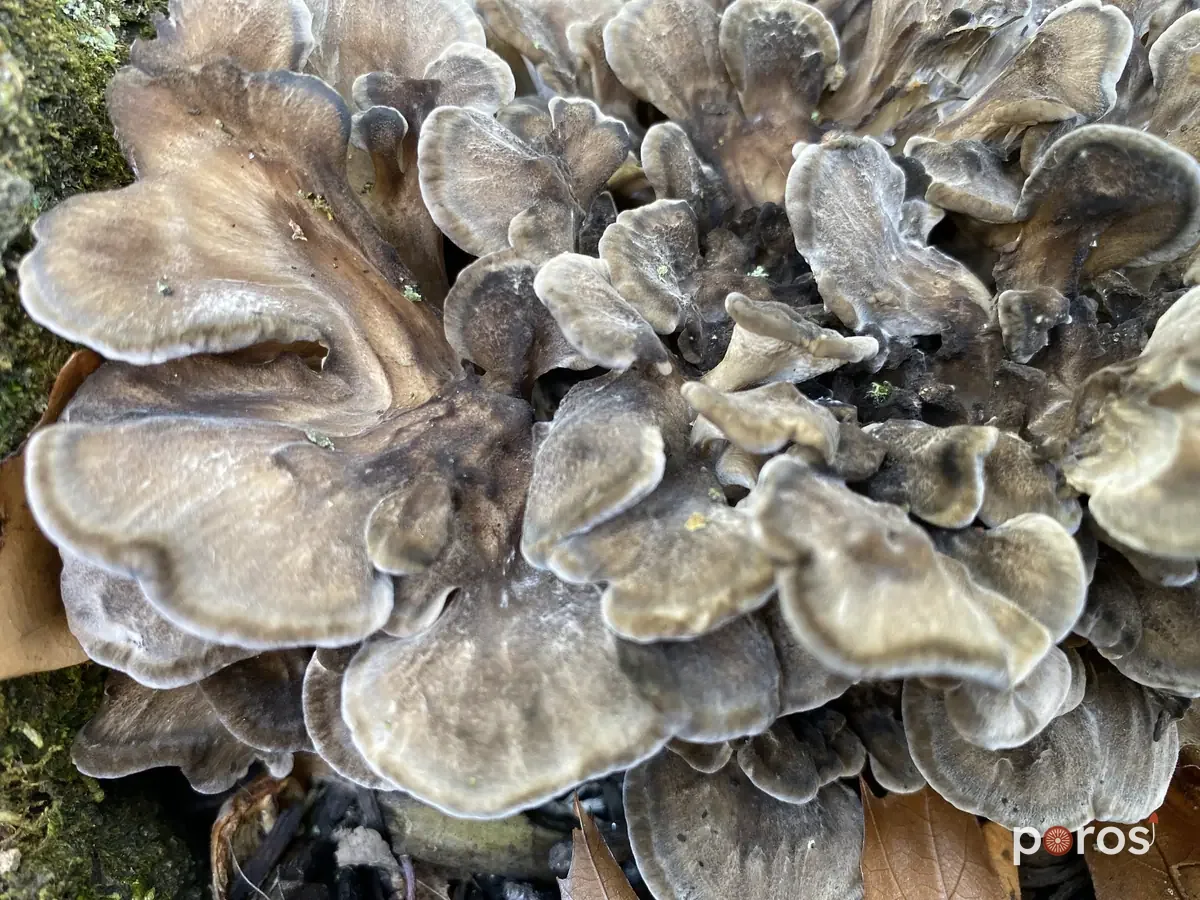
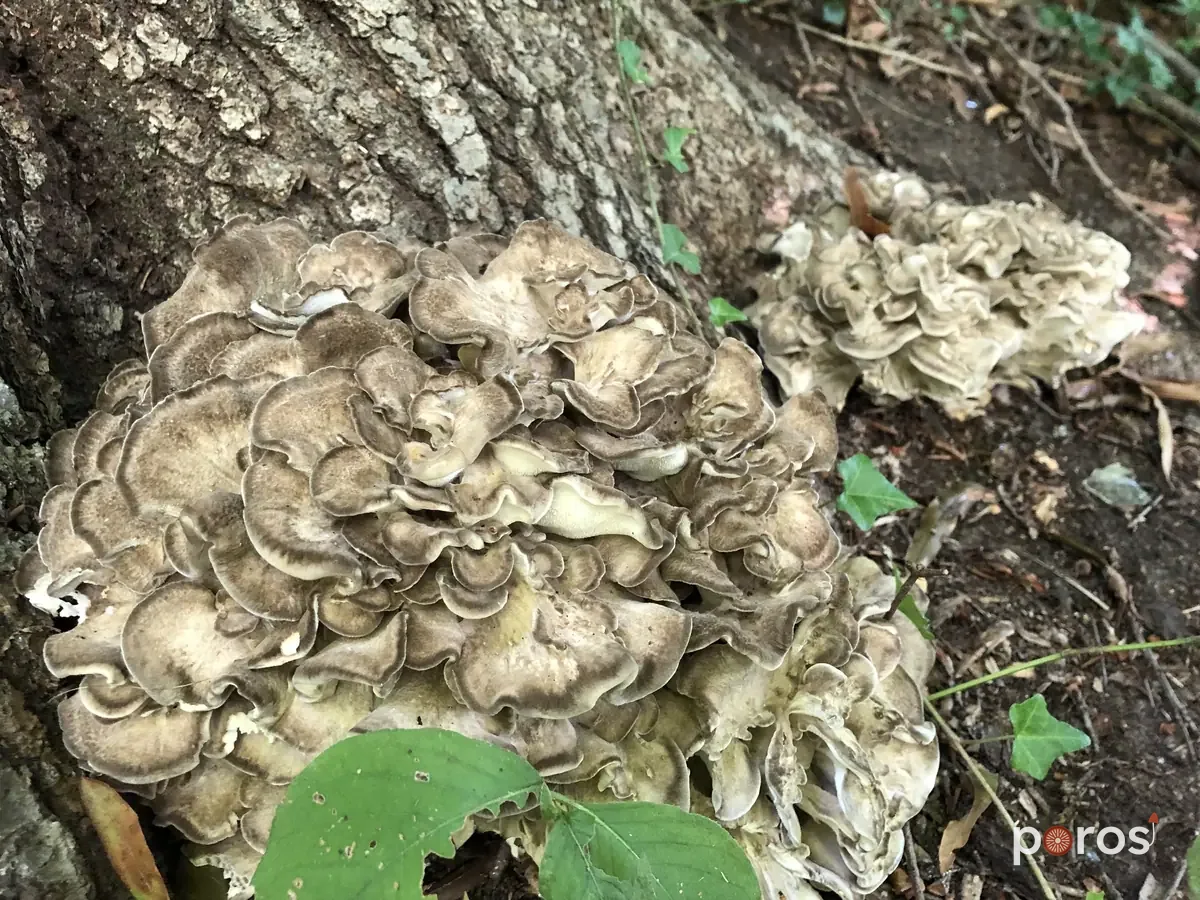
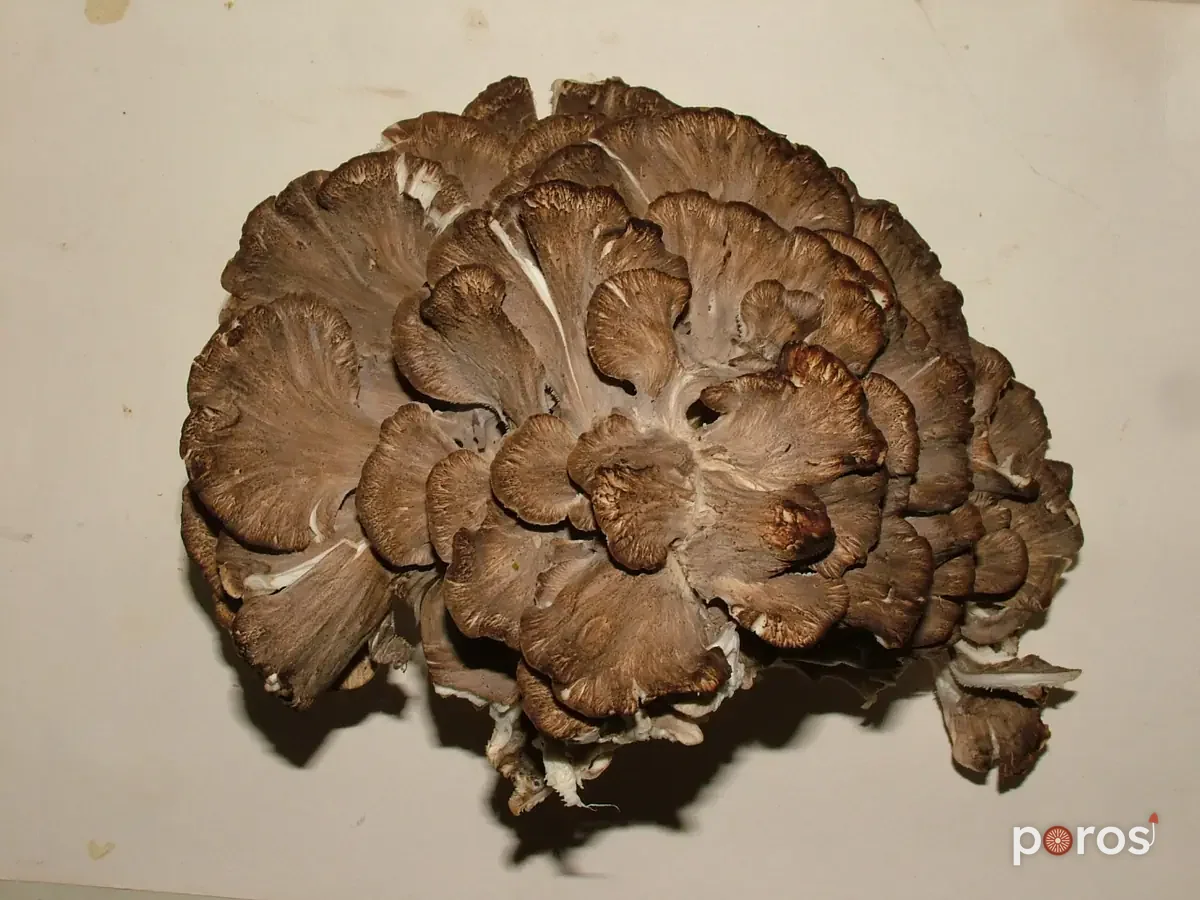
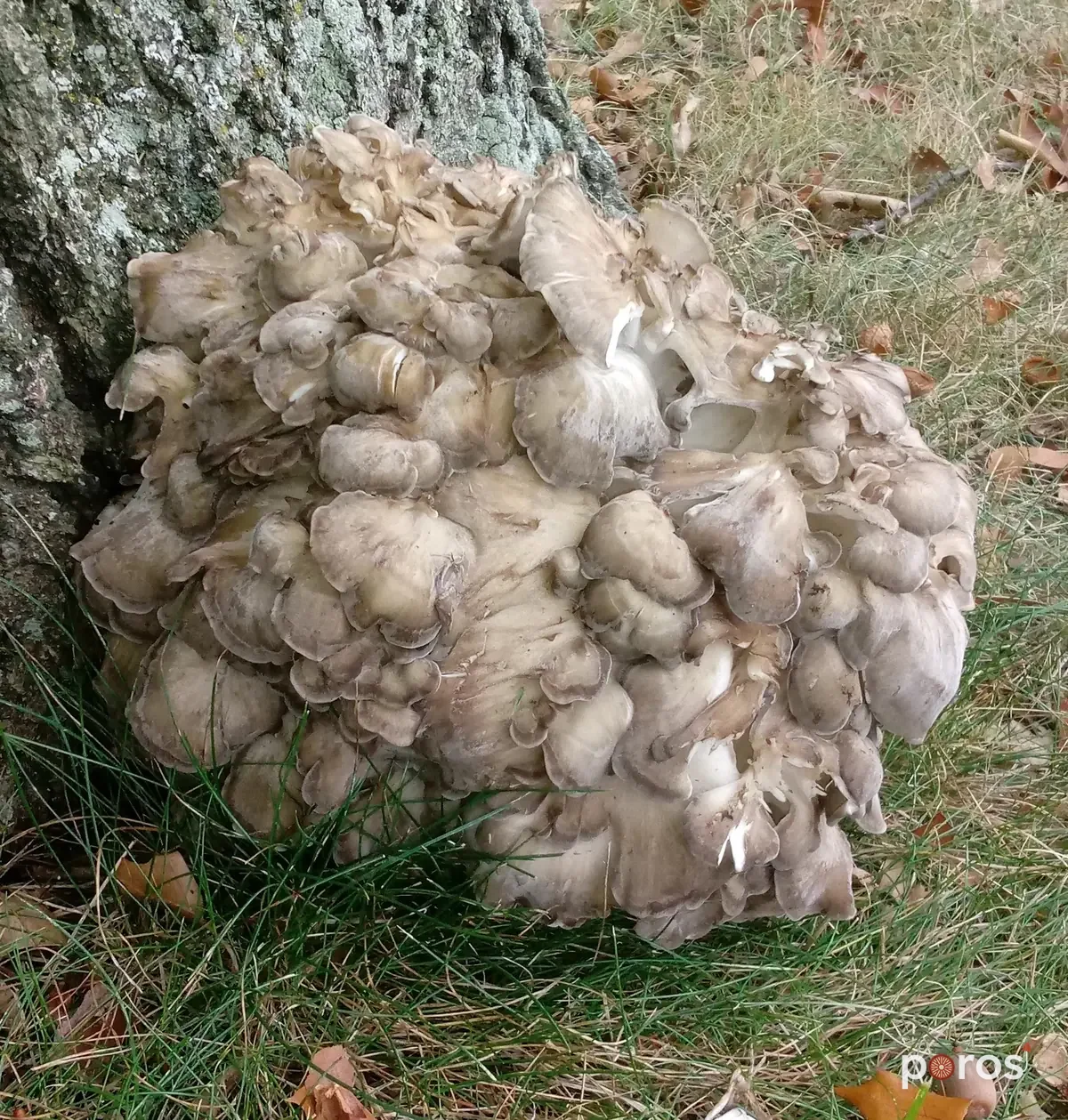
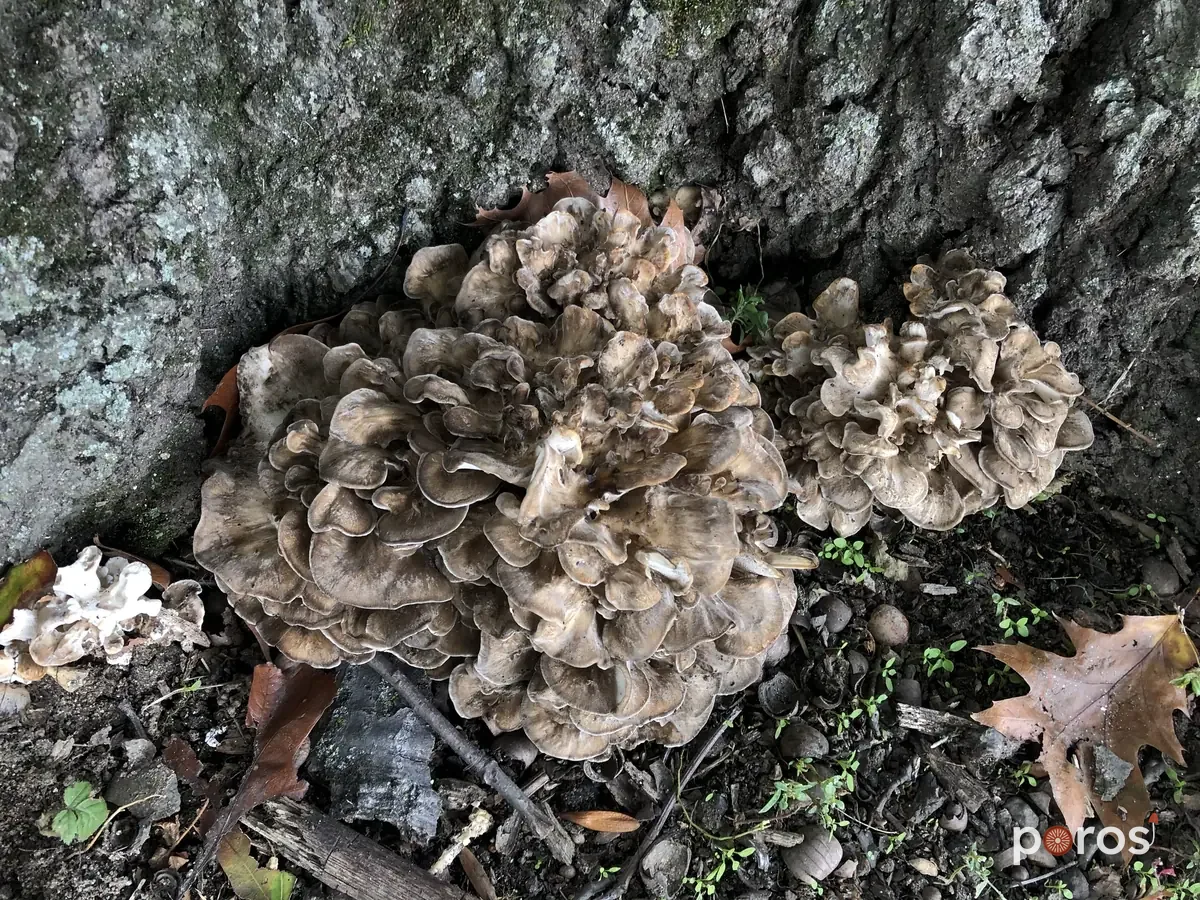
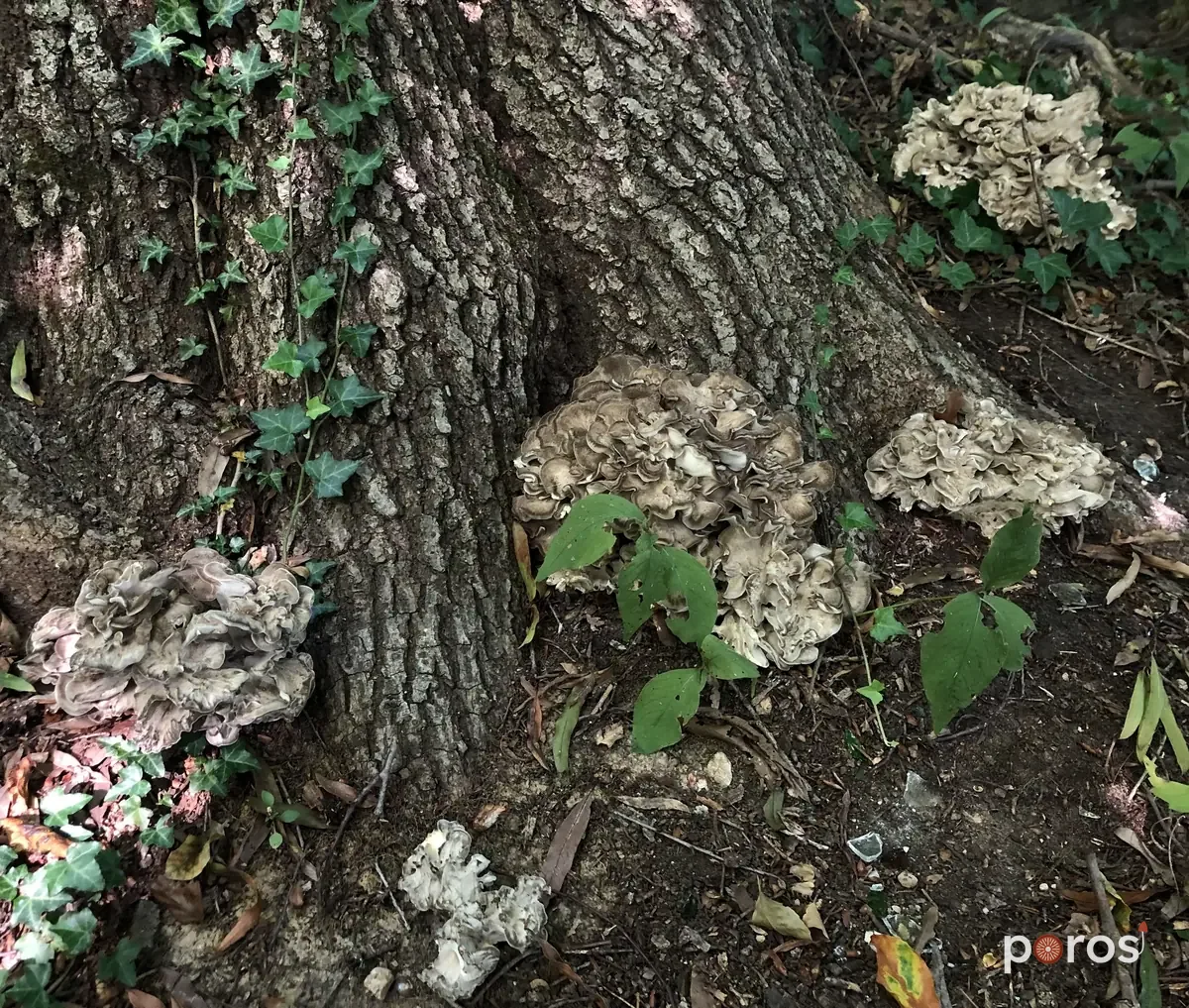
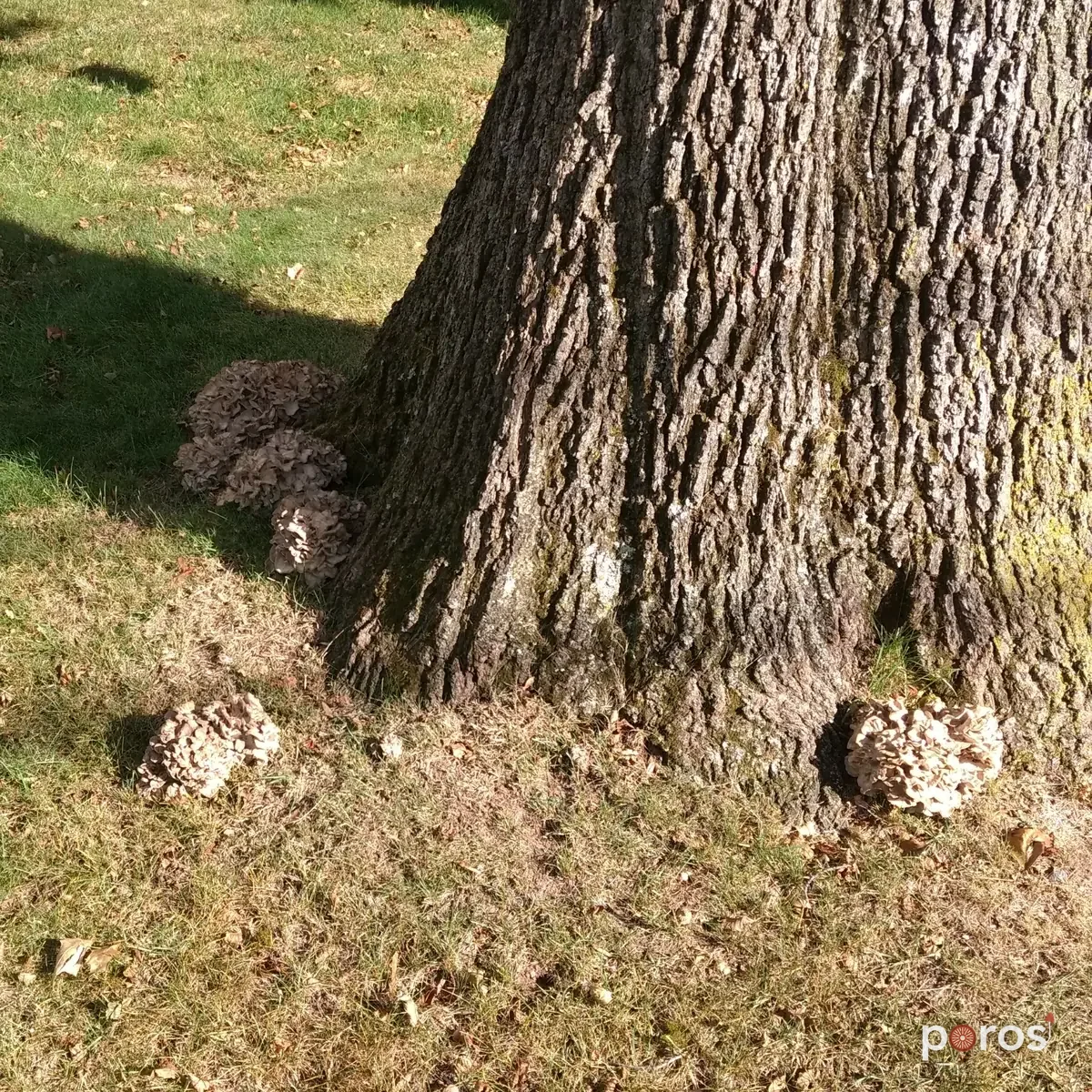
Maitake forms a large clump of grey-brown, spoon-shaped caps, up to 50 cm across, at the base of old oaks.
Maitake forms a large clump of grey-brown, spoon-shaped caps, up to 50 cm across, at the base of old oaks. Its Japanese name means "dancing mushroom"; it has been eaten in Chinese and Japanese cooking for centuries. Its polysaccharides are being studied, but no high-quality clinical evidence supports medicinal use.
Also called: hen-of-the-woods, sheep's head, ram's head Turkish: Maitake
How to recognise it
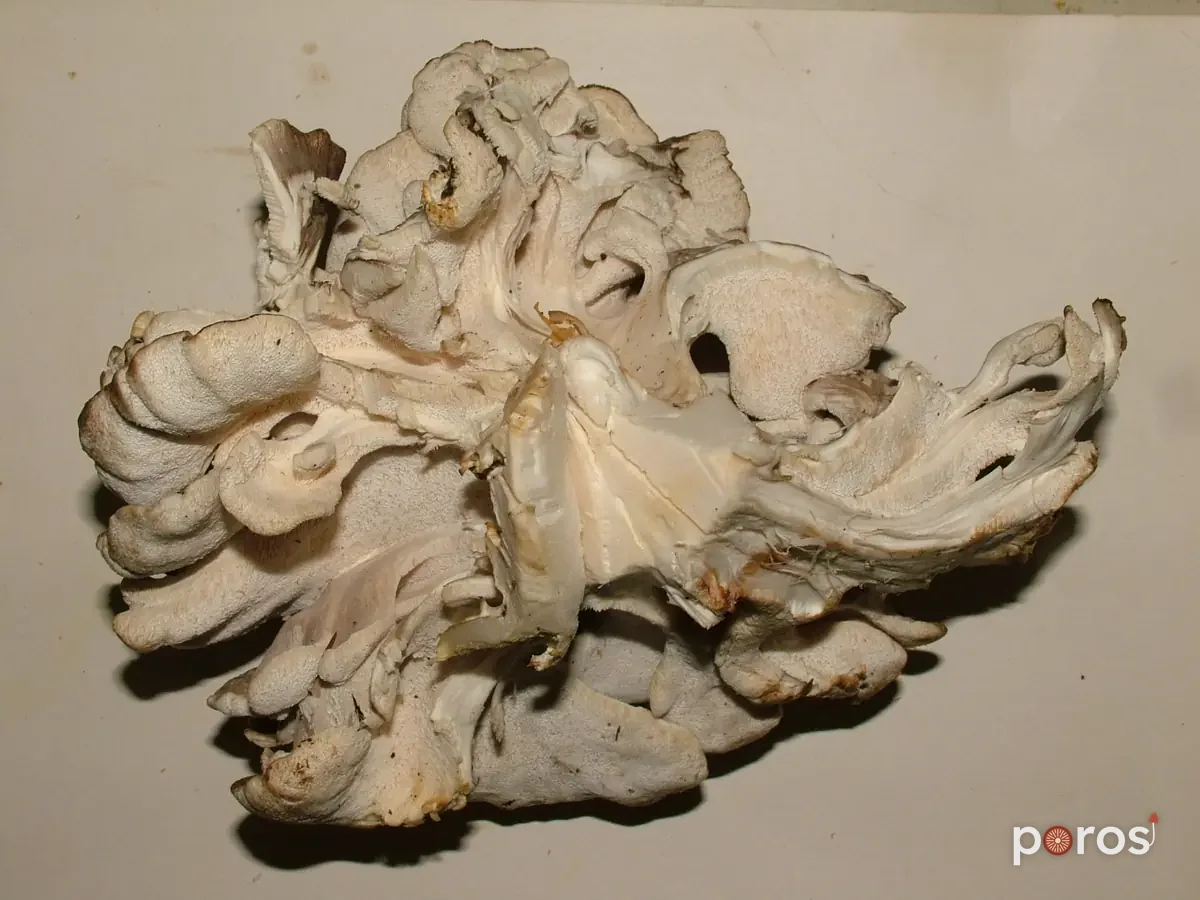
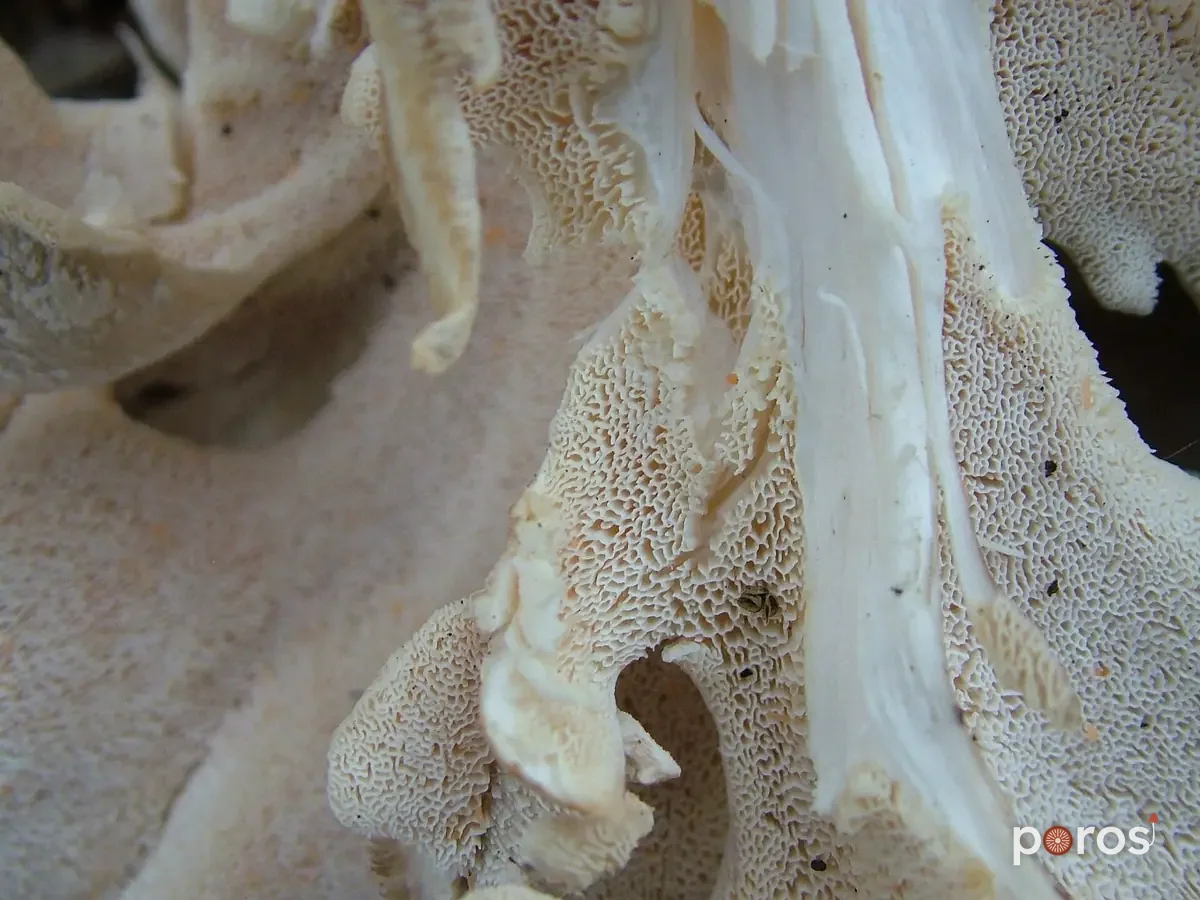
Maitake, part by part
No ring or volva Spore print: White Pleasant and sweetish when young; older ones can taste acrid.
When and where
Aug–Oct
- Jan
- Feb
- Mar
- Apr
- May
- Jun
- Jul
- Augin season
- Sepin season
- Octin season
- Nov
- Dec
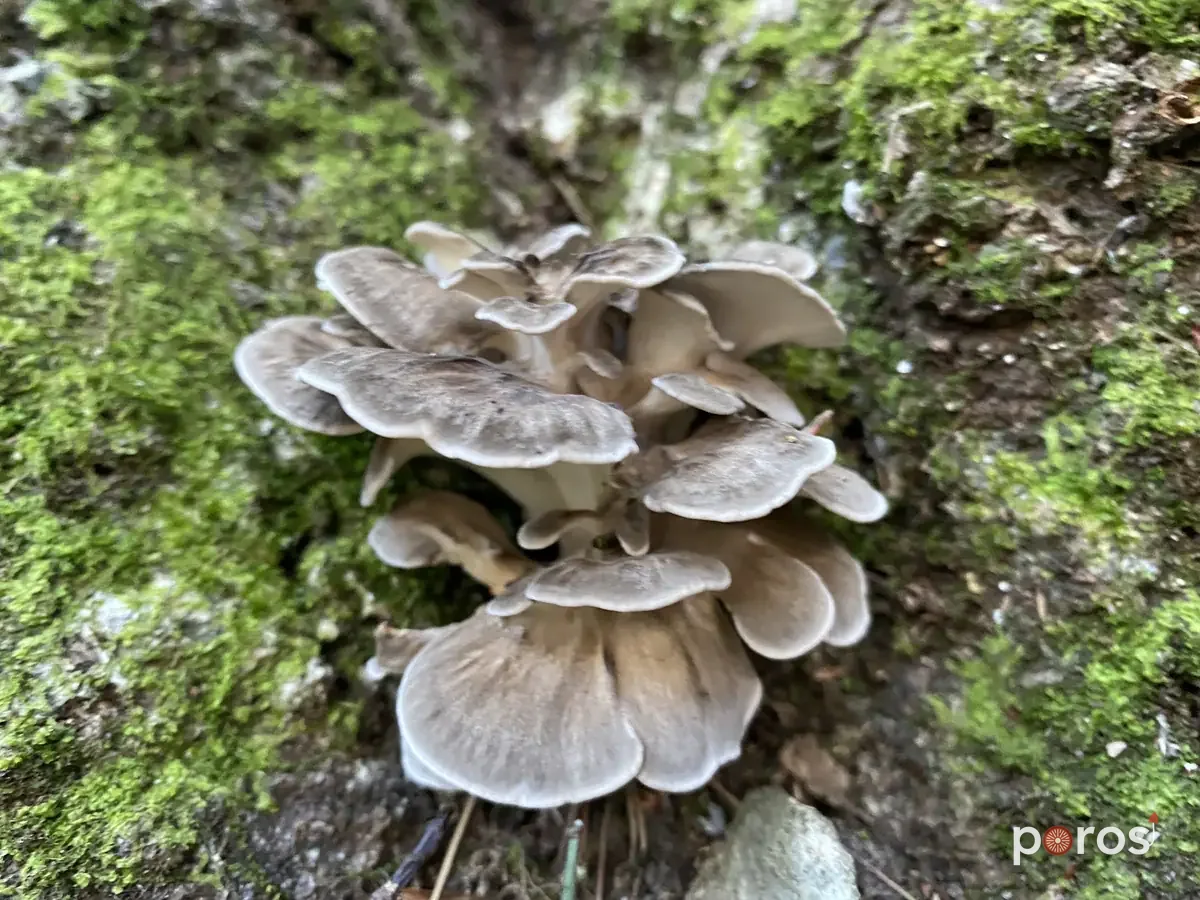
Maitake fruits from August to October in Europe; there are no GBIF records from Turkey. Cultivated maitake is produced all year round.
Where does maitake grow?
Maitake grows at the base of old oaks, sometimes maples and other hardwoods. It comes up from a potato-sized underground sclerotium and returns to the same spot for years.
In Turkey
There are no geo-referenced records of maitake in Turkey.
Our map has no observations of maitake from Turkey yet.
Look-alikes
What could it be confused with?
Black-staining polypore Meripilus sumstinei
Similar taste but rubbery; stains black when handled.
In the kitchen
Cooking with maitake
What goes well with maitake
- olive oil
- butter
- garlic
- thyme
- lemon
- flaky sea salt
- flat-leaf parsley
The ingredients in our recipe with maitake.
Storing maitake
Some people are allergic to it; the softer caps must be cooked thoroughly.
Grow it, buy it
Maitake price list
| Product | Us | Market (sourced, dated) |
|---|---|---|
| Fresh maitake | In preparation · notify me | — |
| Dried maitake | In preparation · notify me | — |
Our prices for maitake are published when the product is ready; for now we take waiting-list sign-ups. The market column shows prices seen on other sellers' pages on the date given; they are not our prices and may have changed.
Frequently asked questions
Is maitake edible?
Yes, maitake is an edible species. Eat a wild one only after an expert has identified it with certainty. Some people are allergic to it; the softer caps must be cooked thoroughly.
When is maitake season in Turkey?
In our calendar, maitake season runs Aug–Oct. Maitake fruits from August to October in Europe; there are no GBIF records from Turkey. Cultivated maitake is produced all year round.
Where does maitake grow?
Maitake grows at the base of old oaks, sometimes maples and other hardwoods. It comes up from a potato-sized underground sclerotium and returns to the same spot for years.
Where is maitake found in Turkey?
There are no geo-referenced records of maitake in Turkey.
What can maitake be confused with?
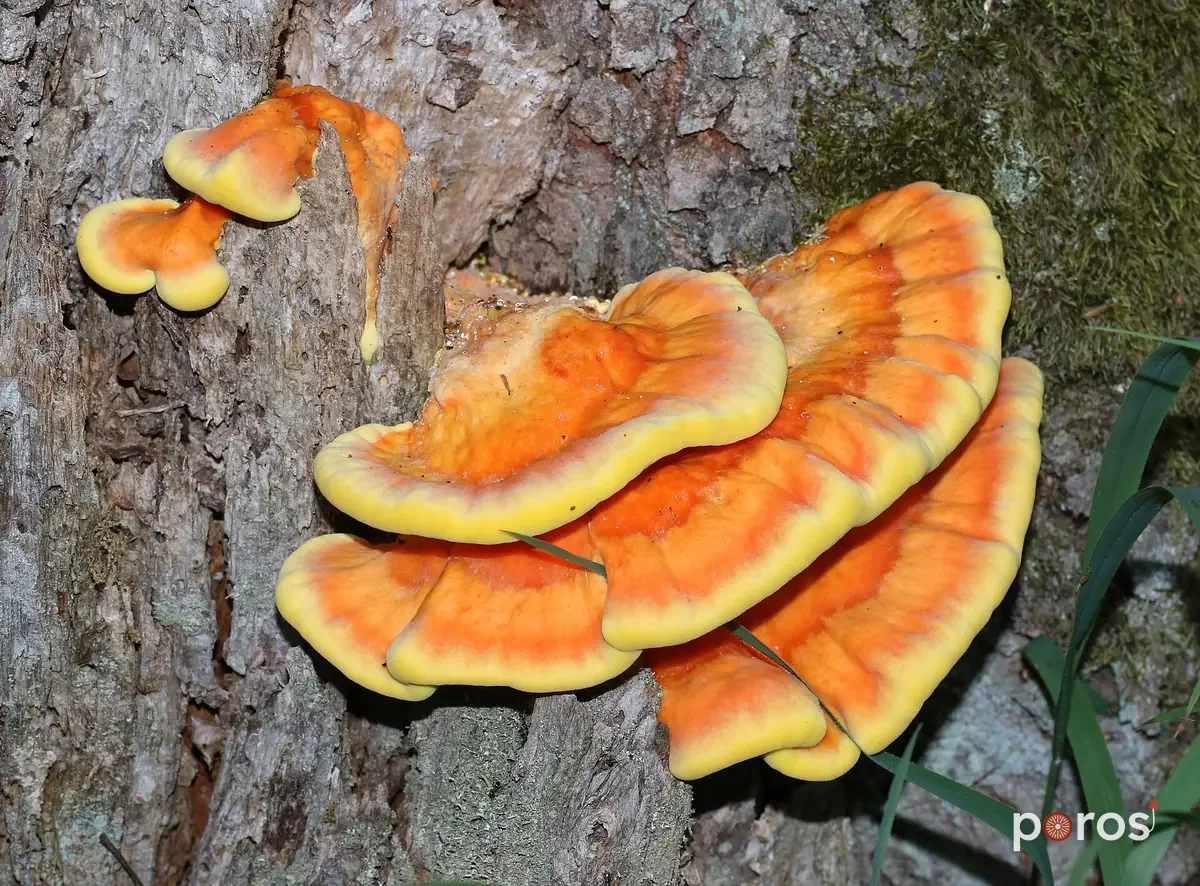
Maitake can be confused with black-staining polypore (Meripilus sumstinei, edible species) and chicken of the woods (Laetiporus sulphureus, edible species). Look-alikes are compared on this page.
What is maitake called in Turkish?
In Turkish, maitake (Grifola frondosa) is called Maitake.
Related species
-
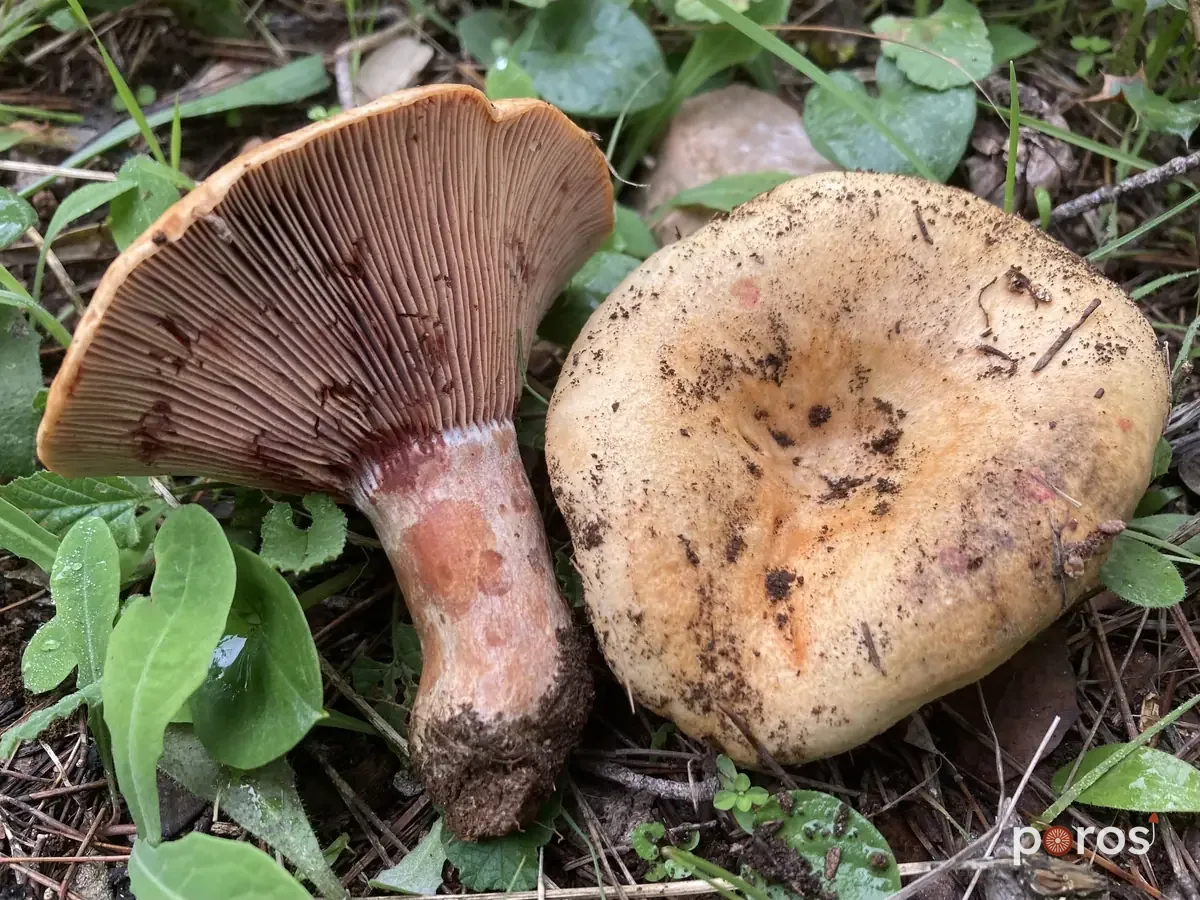 Bloody milk capLactarius sanguifluusEdible species
-
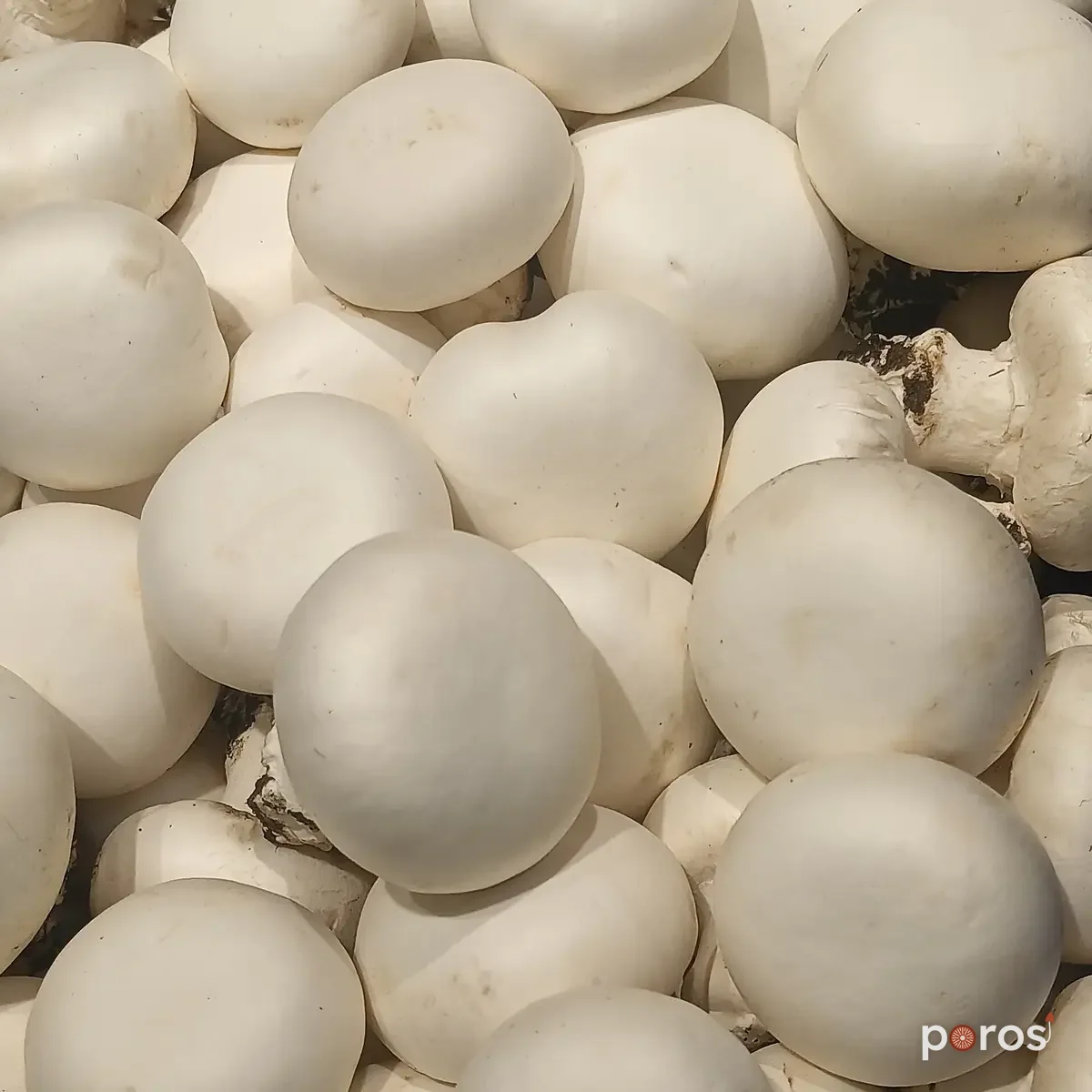 Button mushroomAgaricus bisporusEdible species
-
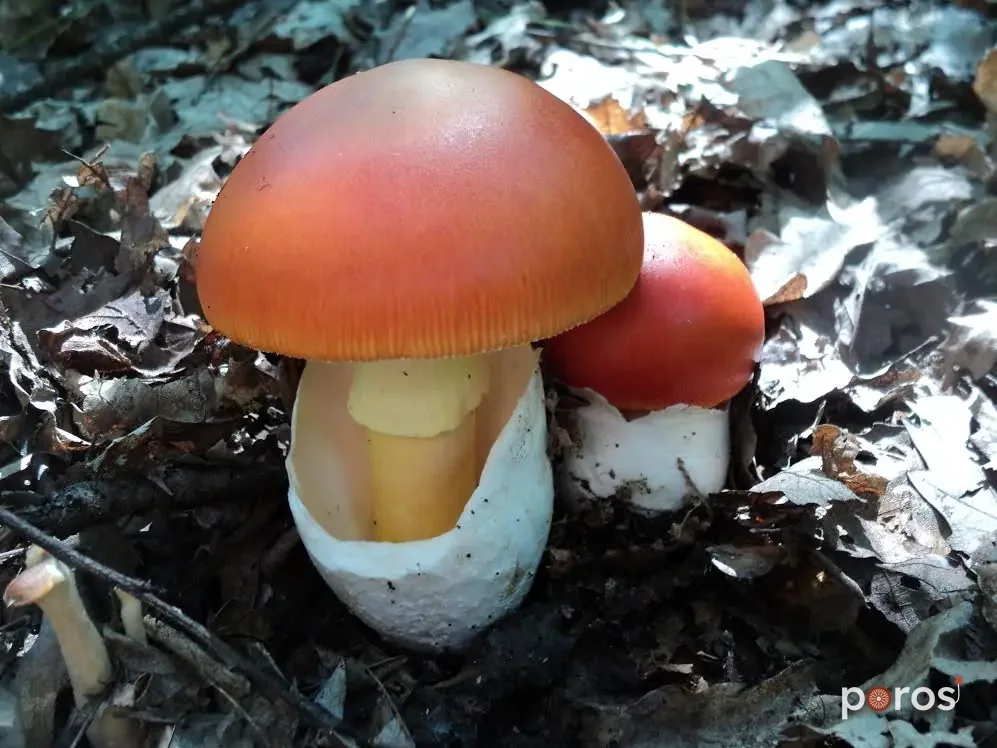 Caesar’s mushroomAmanita caesareaEdible species
-
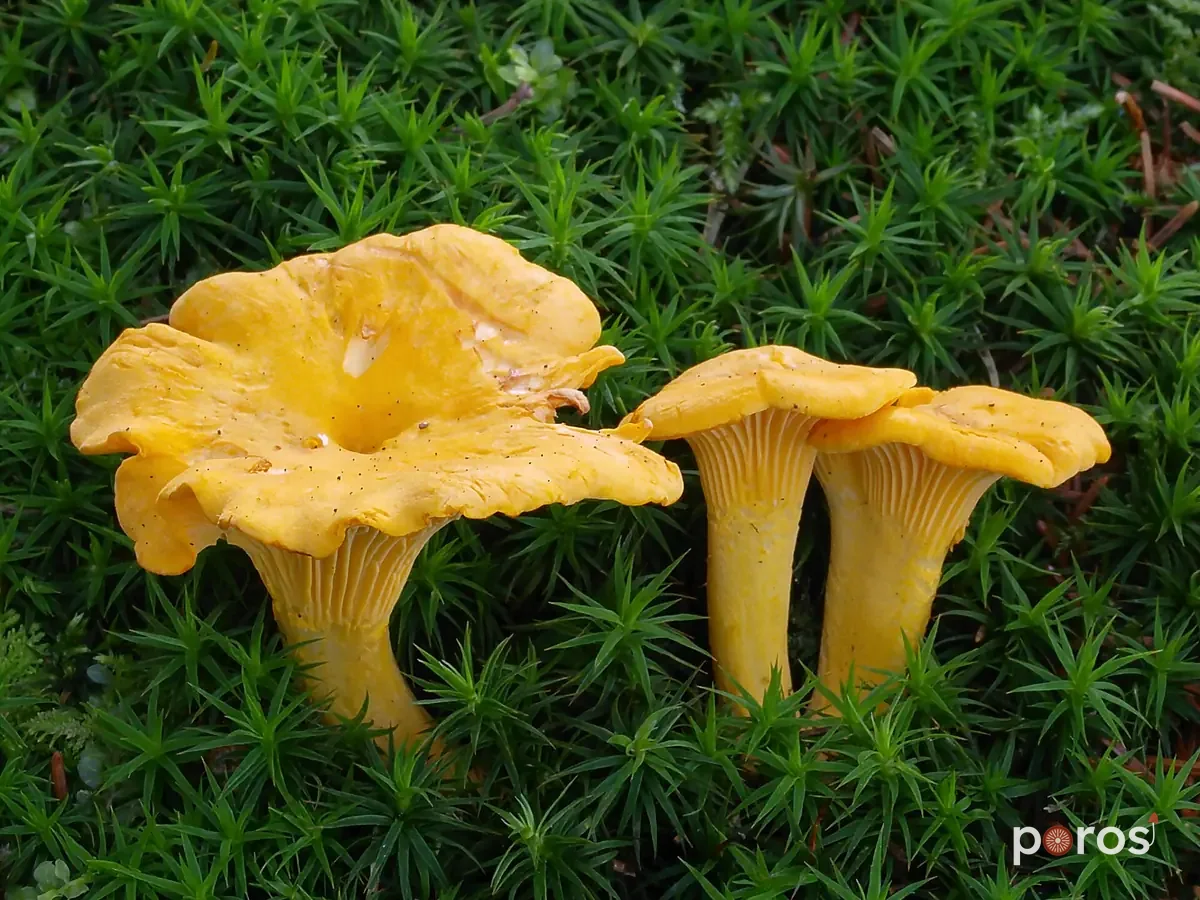 ChanterelleCantharellus cibariusEdible species
-
Chicken of the woodsLaetiporus sulphureusEdible species
-
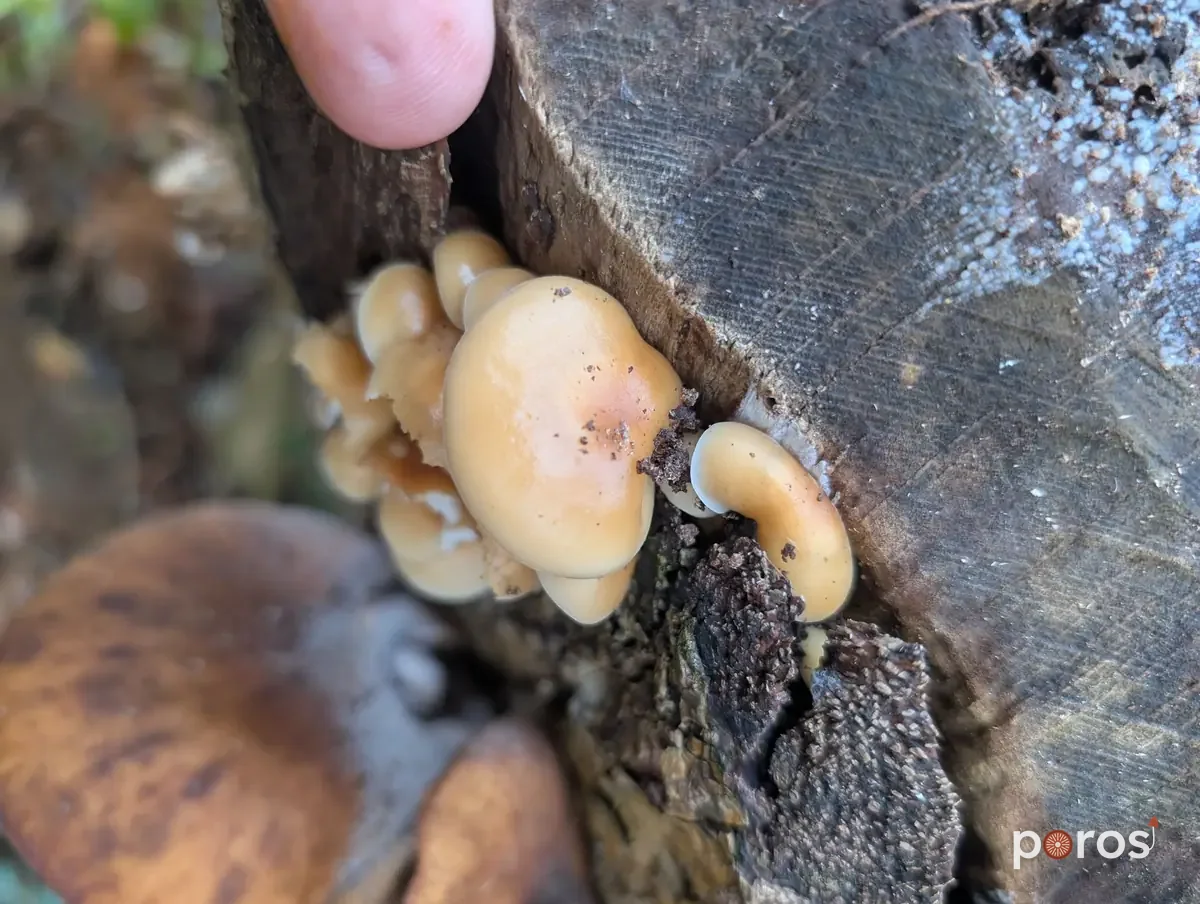 EnokiFlammulina filiformisEdible species
-
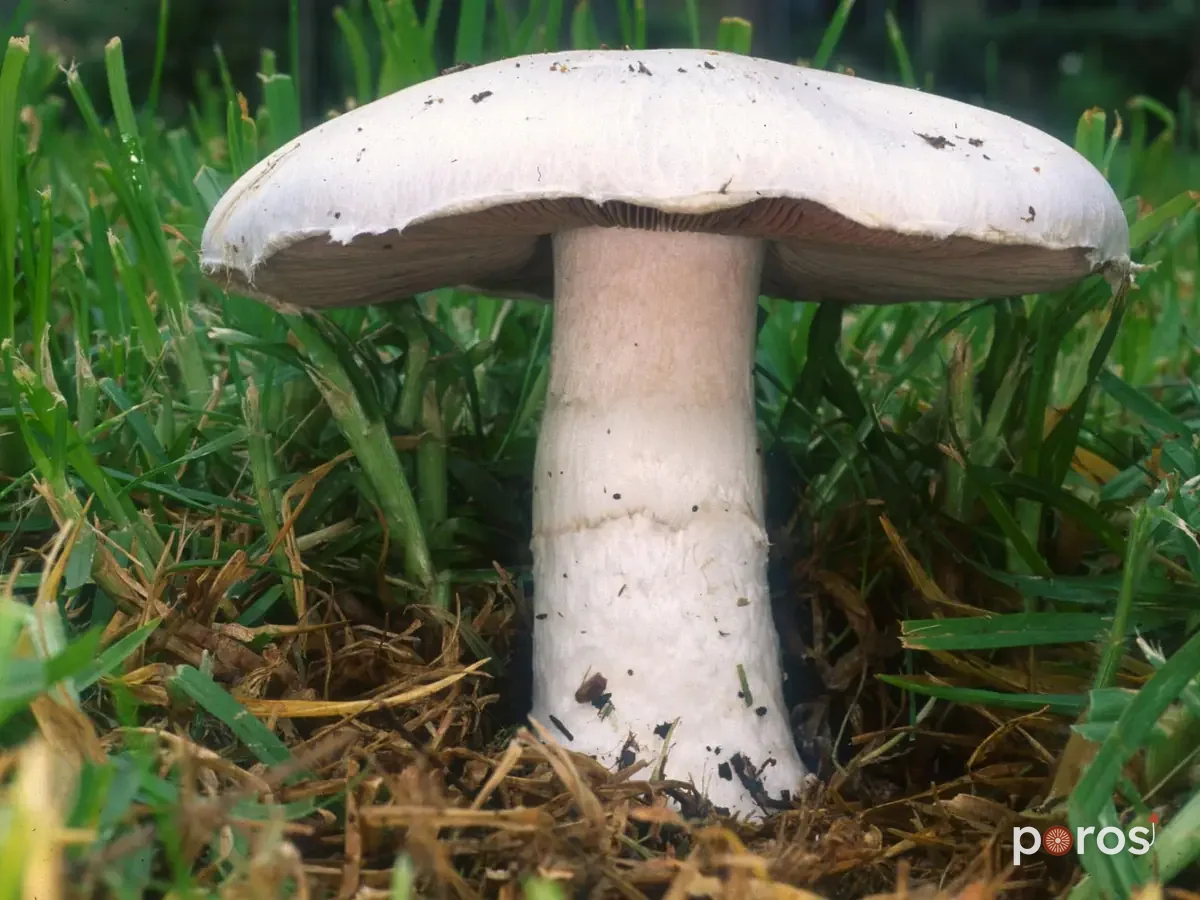 Field mushroomAgaricus campestrisEdible species
-
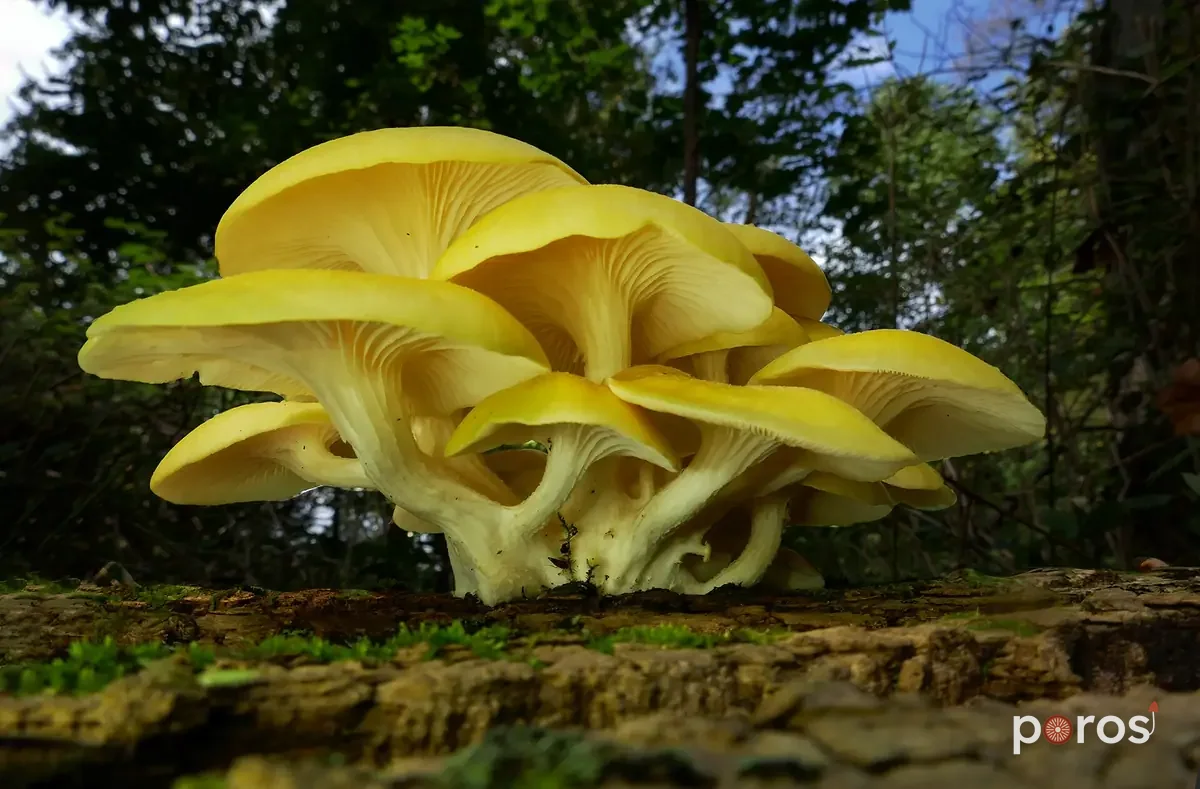 Golden oyster mushroomPleurotus citrinopileatusEdible species
Sources (3)
- Wikipedia (EN): Grifola frondosa · checked 26 Oct 2026
- First Nature: Grifola frondosa · checked 26 Oct 2026
- GBIF: Türkiye kayıtları · checked 26 Oct 2026
Photo credits (10)
- Grifola frondosa · iNaturalist #35018584 · Tamberly Conway · CC BY 4.0
- Grifola frondosa · iNaturalist #96926770 · Bethany Teigen · CC0
- File:Grifola frondosa 04.jpg · Sinisa Radic · CC BY-SA 4.0
- Grifola frondosa · iNaturalist #96926770 · Bethany Teigen · CC0
- File:Grifola frondosa 02.jpg · Sinisa Radic · CC BY-SA 4.0
- Grifola frondosa · iNaturalist #96640312 · Eli Talhouk · CC BY 4.0
- Grifola frondosa · iNaturalist #33028382 · Mark Apgar · CC BY 4.0
- File:Grifola frondosa 01.jpg · Sinisa Radic · CC BY-SA 4.0
- Grifola frondosa · iNaturalist #18110852 · Even Dankowicz · CC BY 4.0
- Grifola frondosa · iNaturalist #63034150 · Bethany Teigen · CC0


