
Fly agaric
Amanita muscaria · Amanitaceae
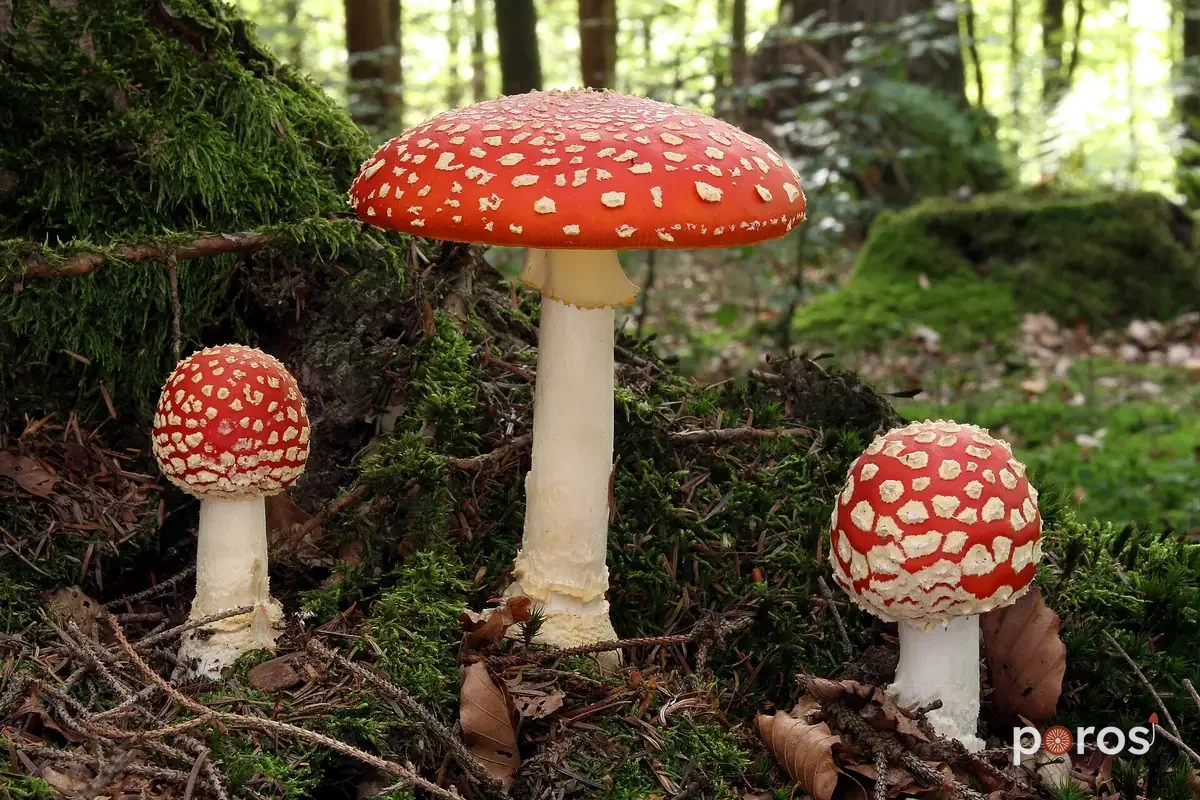
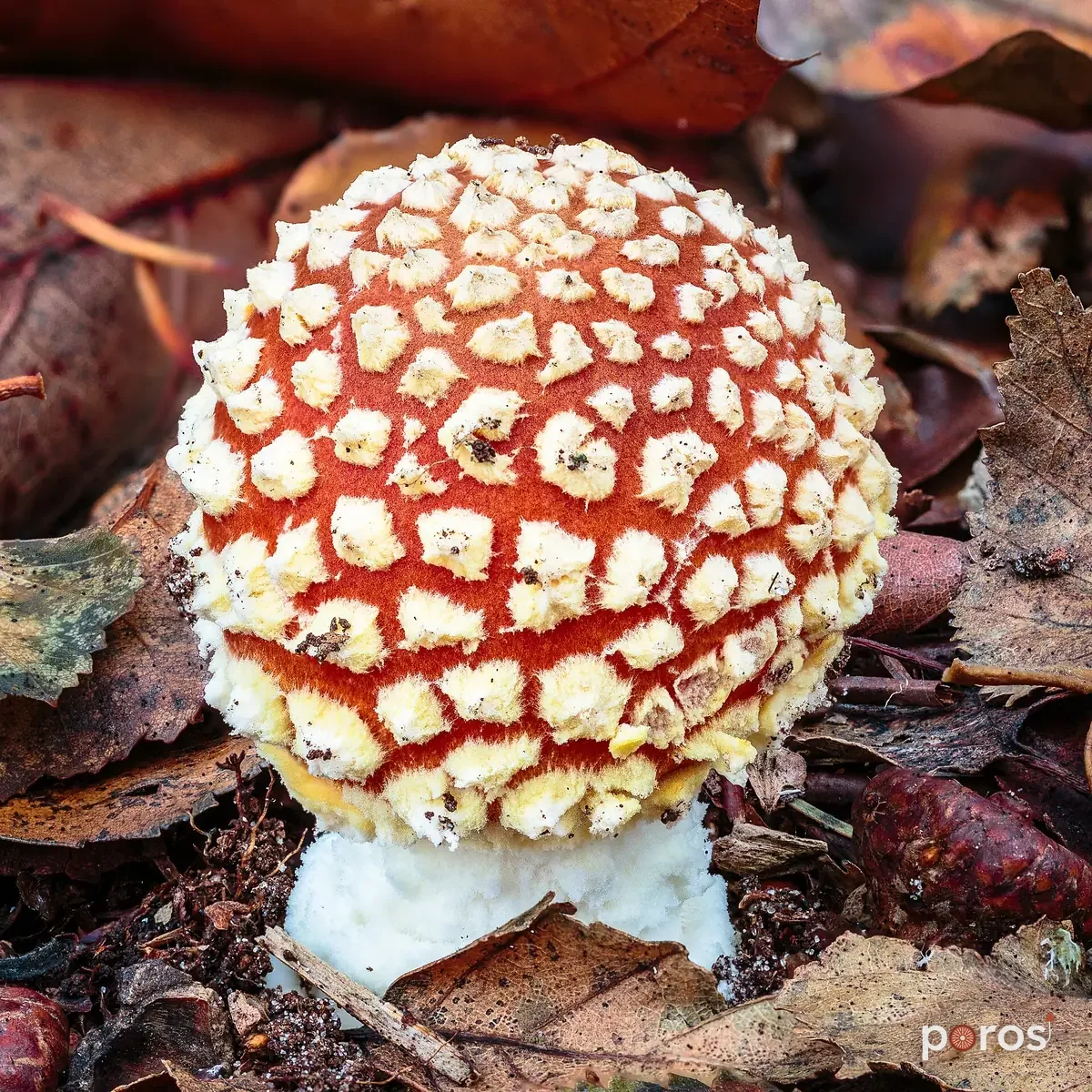
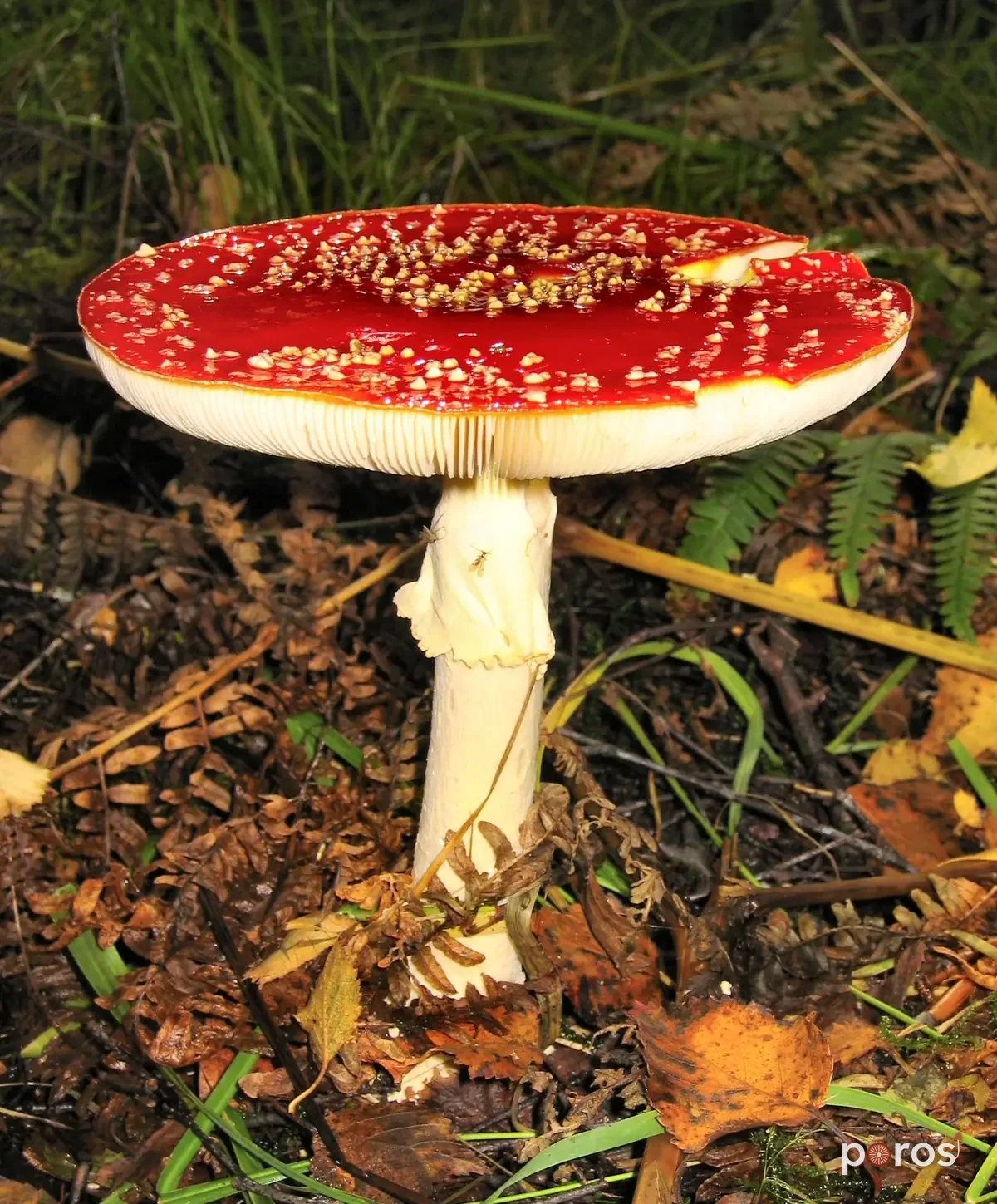
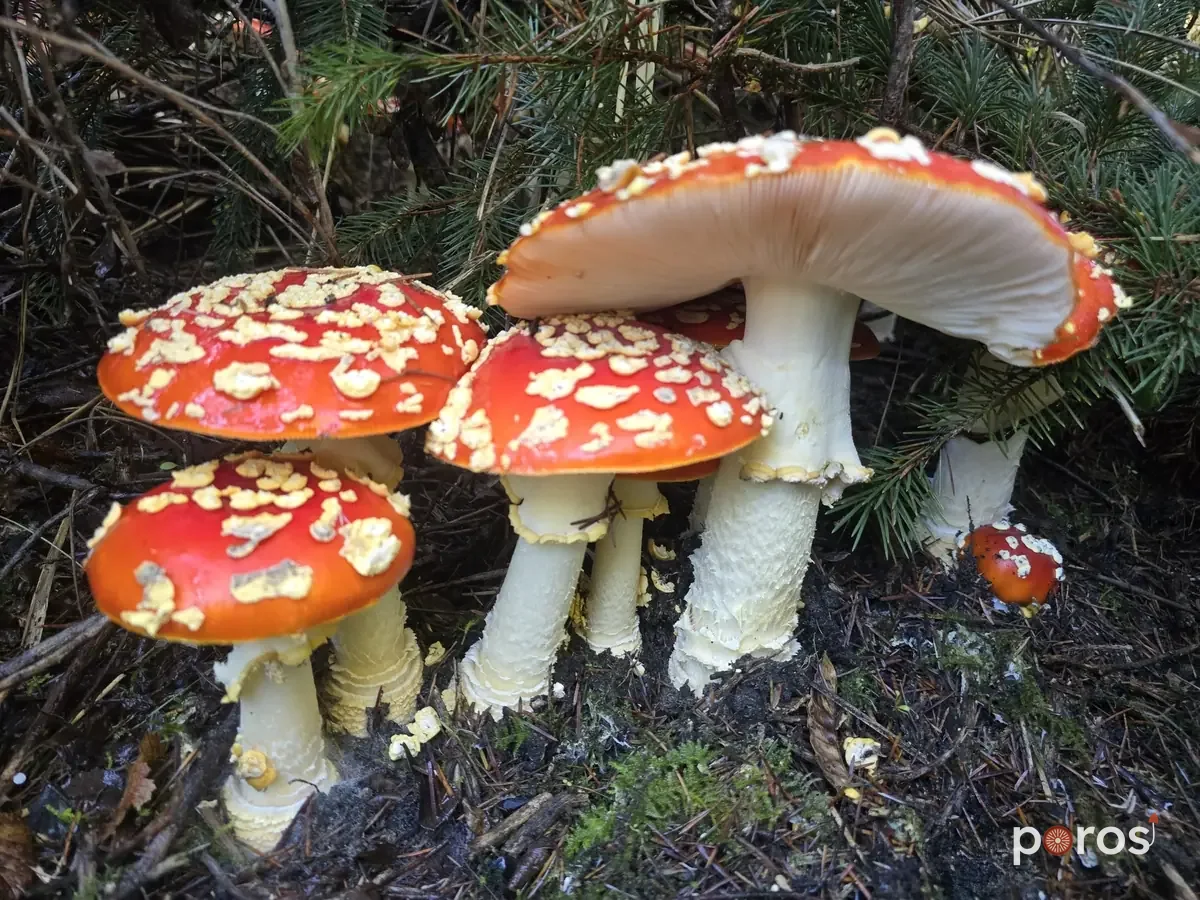
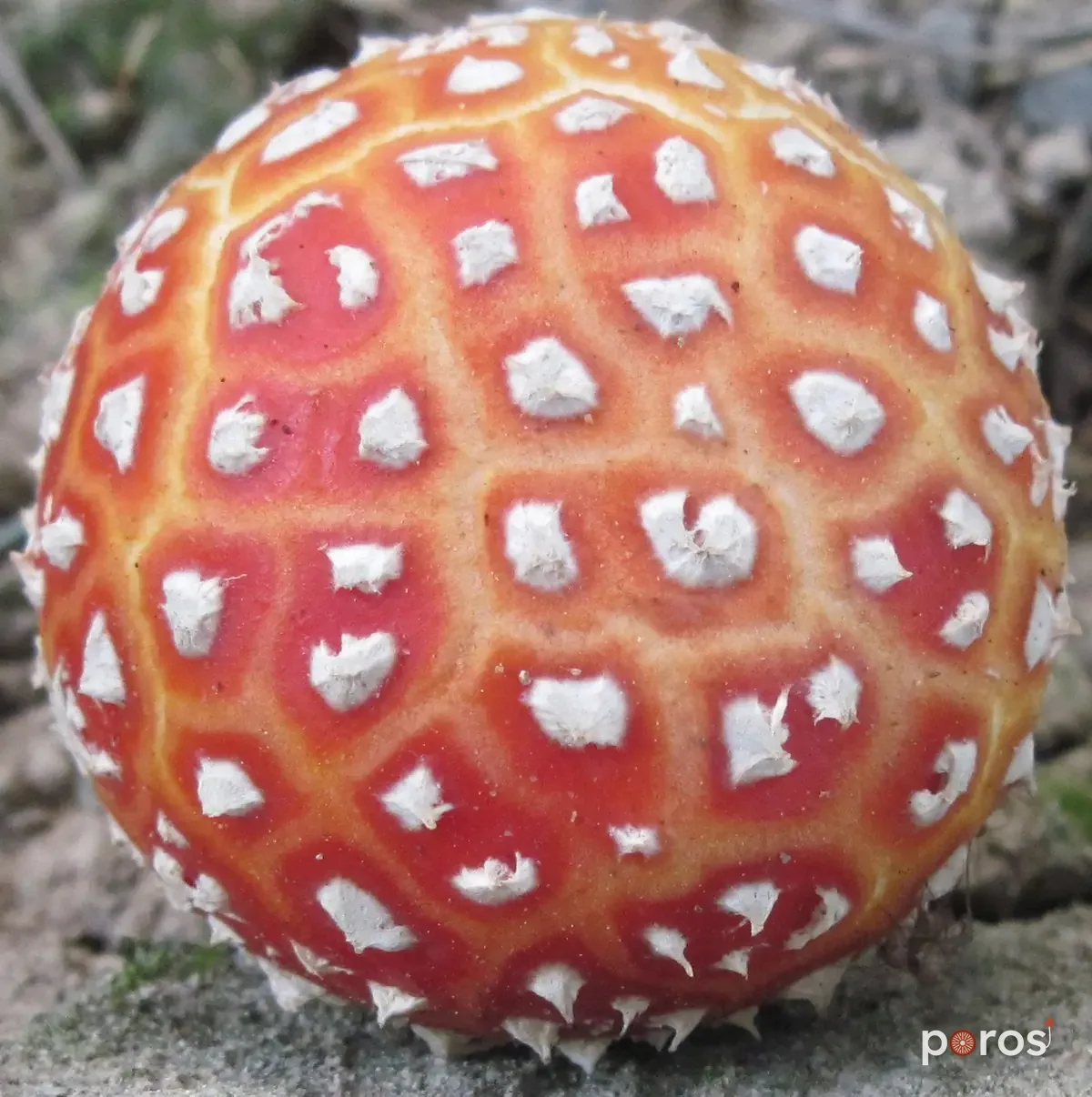
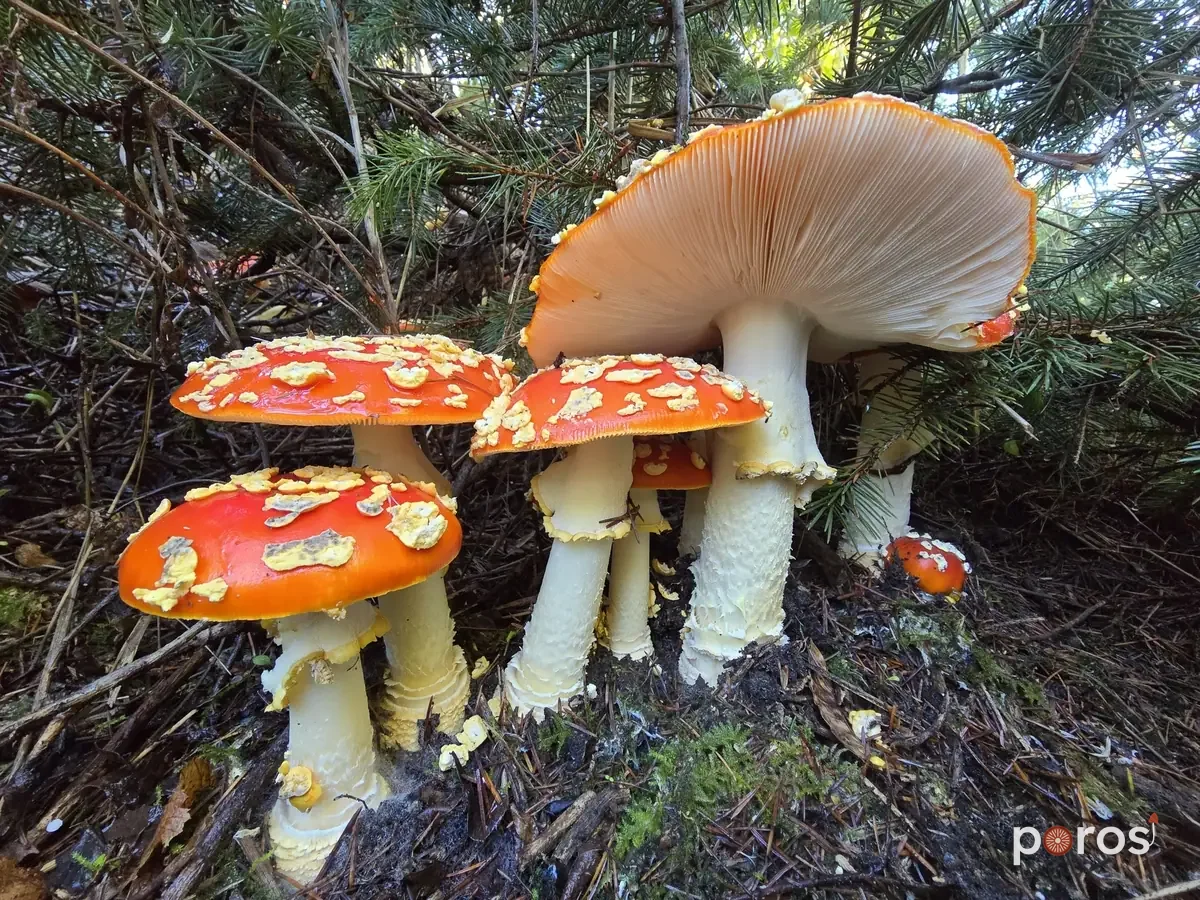
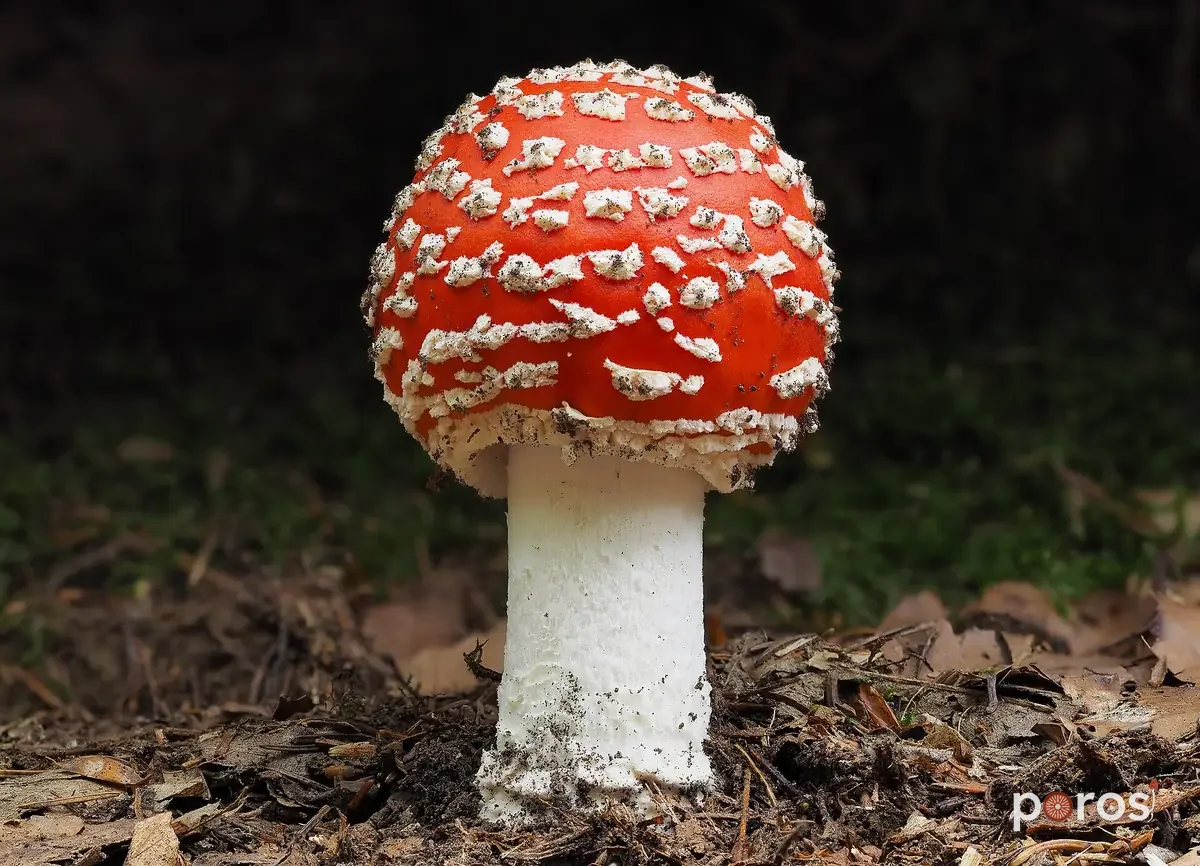
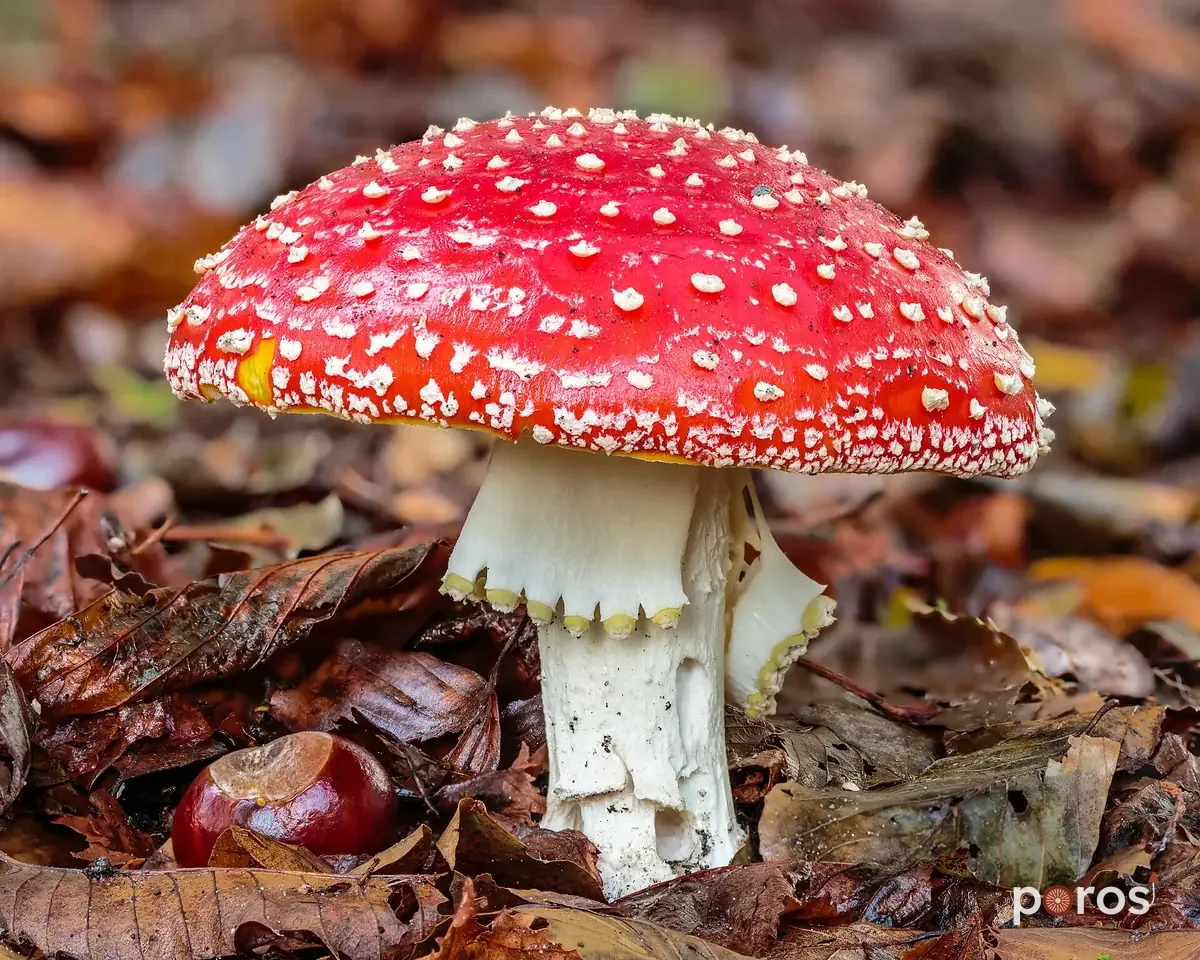
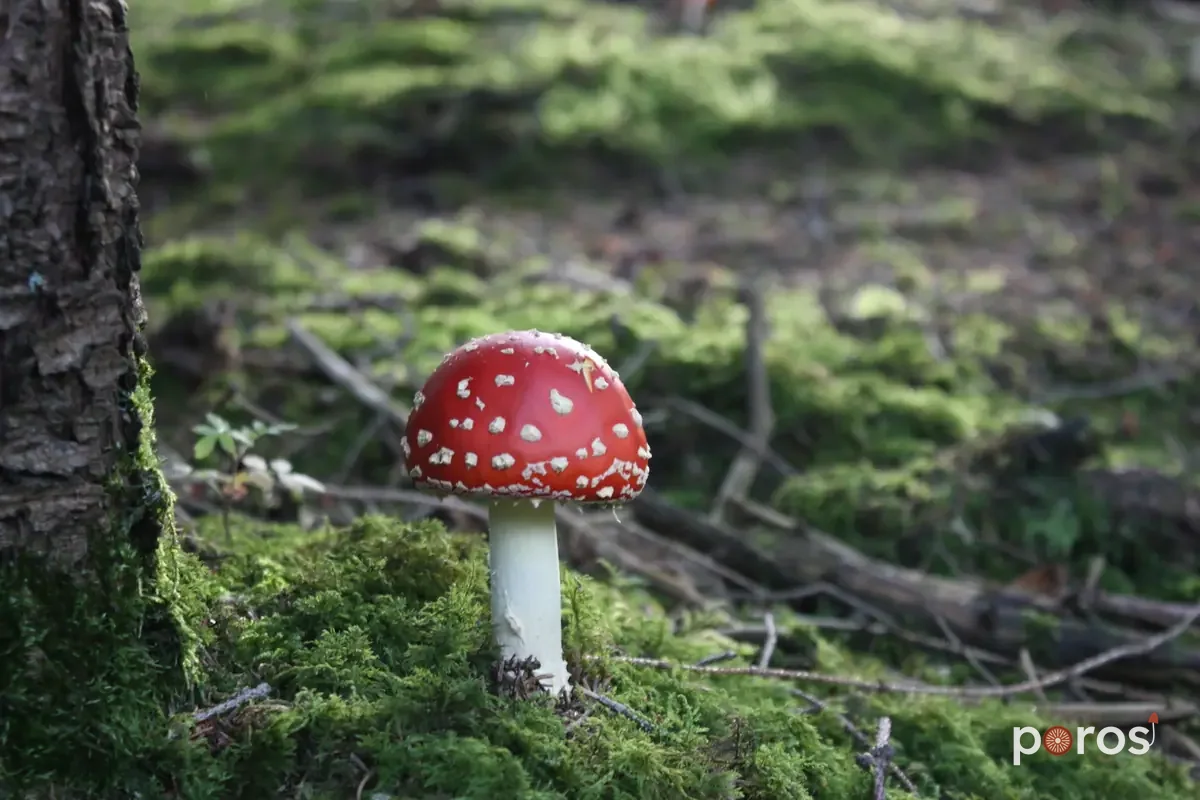
The fly agaric is the storybook toadstool, with a bright red cap dotted with white warts.
POISONOUS — do not eat.
Symptoms usually start within 30–90 minutes and peak within three hours. If poisoning is suspected call 112 (Turkish poison centre: 114).
The fly agaric is the storybook toadstool, with a bright red cap dotted with white warts. It is poisonous: it contains muscimol and ibotenic acid, which cause intoxication, delirium, hallucinations, twitching and confusion. Deaths are very rare with modern treatment, but poisonings happen in children and in people eating it to hallucinate.
Also called: fly amanita, red toadstool Turkish: Sinek mantarı, gelin mantarı
How to recognise it
Fly agaric, part by part
Spore print: White Not distinctive.
When and where
Aug–Nov
- Jan
- Feb
- Mar
- Apr
- May
- Jun
- Jul
- Augin season
- Sepin season
- Octin season
- Novin season
- Dec
The fly agaric fruits from August to November in Europe; in Turkey, GBIF records run from August to October, peaking in October.
Where do fly agarics grow?
The fly agaric grows in temperate and boreal forests across the northern hemisphere, forming mycorrhizal partnerships with pine, oak, spruce, fir, birch and cedar. In warmer regions it grows at higher altitudes.
In Turkey
In Turkey, records of the fly agaric come mostly from the forests of the Black Sea region (Rize, Artvin, Trabzon) and the Marmara.
- Rize16
- İstanbul9
- Artvin5
- Bursa5
- Kırklareli4
- Bolu4
- Trabzon4
- Gaziantep3
66 observations on our map (GBIF, iNaturalist). Record density also reflects where observers work.
Latest fly agaric observations

Look-alikes
What is it mistaken for?
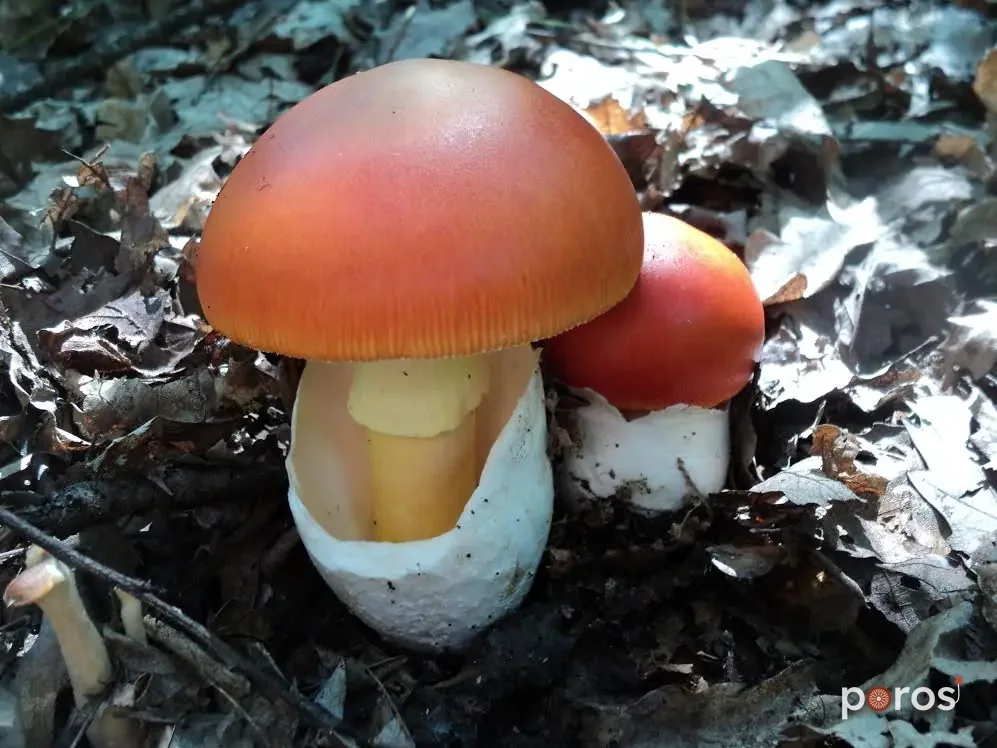
Caesar’s mushroom Amanita caesarea
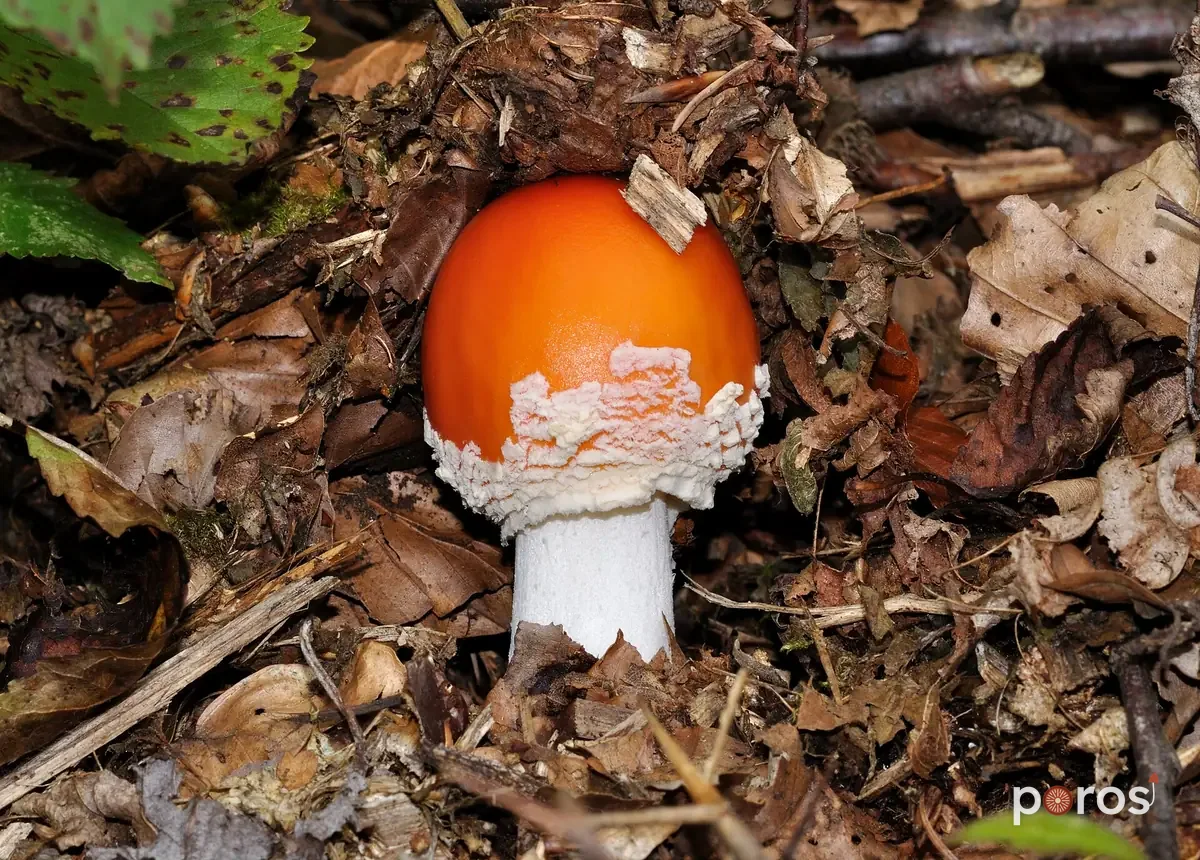
Smooth orange cap with a striated edge and no warts; yellow gills and stem, and a white, sack-like volva. A fly agaric whose warts have washed off can be mistaken for it.
Toxins
The fly agaric's active compounds are ibotenic acid and muscimol, which act on the central nervous system. It contains only very low levels of muscarine. Source
Frequently asked questions
Are fly agarics poisonous?
Yes, the fly agaric is poisonous and must not be eaten. Symptoms usually start within 30–90 minutes and peak within three hours. If poisoning is suspected call 112 (Turkish poison centre: 114).
When is fly agaric season in Turkey?
In our calendar, fly agaric season runs Aug–Nov. The fly agaric fruits from August to November in Europe; in Turkey, GBIF records run from August to October, peaking in October.
Where do fly agarics grow?
The fly agaric grows in temperate and boreal forests across the northern hemisphere, forming mycorrhizal partnerships with pine, oak, spruce, fir, birch and cedar. In warmer regions it grows at higher altitudes.
Where are fly agarics found in Turkey?
In Turkey, records of the fly agaric come mostly from the forests of the Black Sea region (Rize, Artvin, Trabzon) and the Marmara.
What can the fly agaric be confused with?
The fly agaric can be confused with Caesar's mushroom (Amanita caesarea, edible species). Look-alikes are compared on this page.
What is the fly agaric called in Turkish?
In Turkish, the fly agaric (Amanita muscaria) is called Sinek mantarı; other local names include gelin mantarı.
Related species
-
Caesar’s mushroomAmanita caesareaEdible species
-
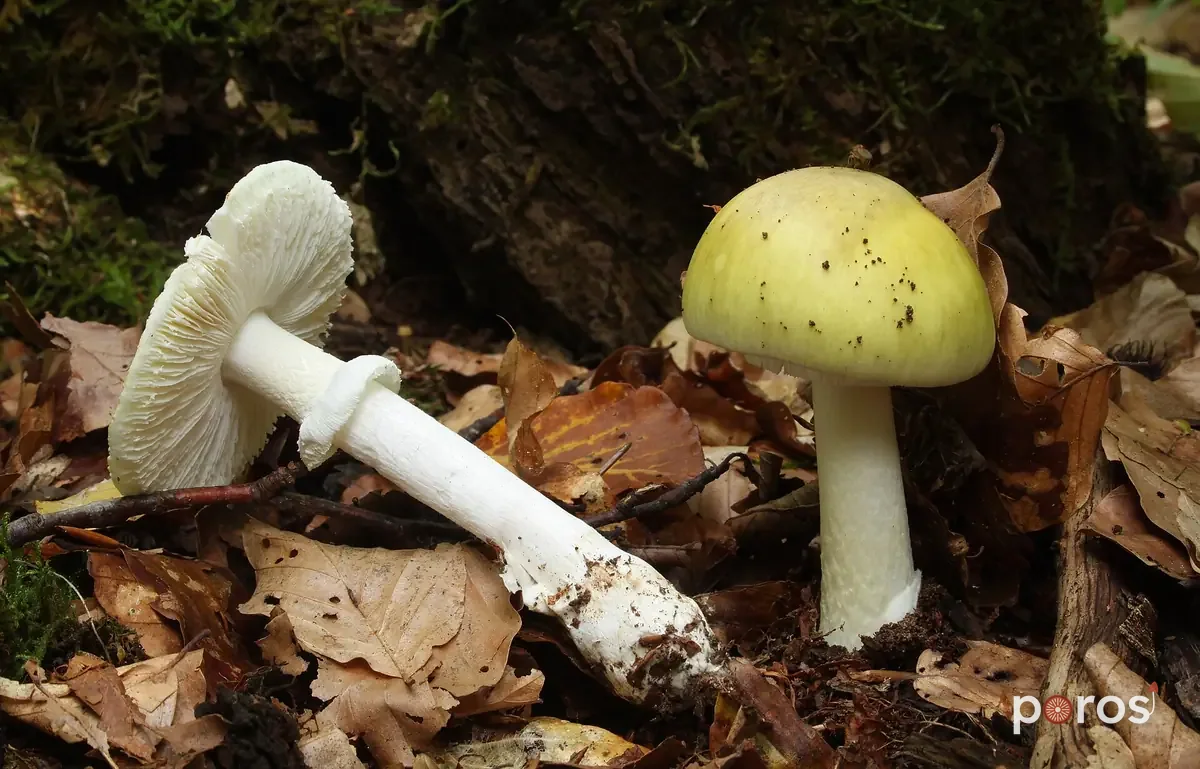 Death capAmanita phalloidesDeadly poisonous
-
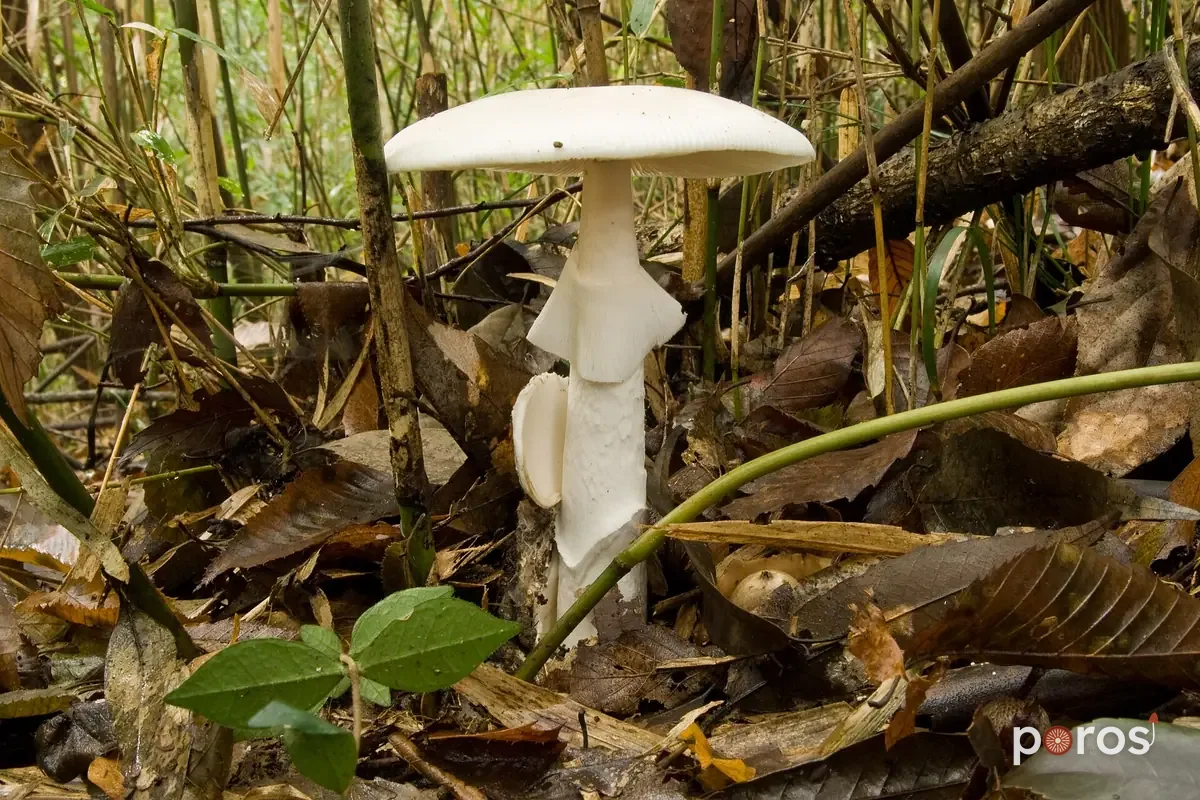 Destroying angelAmanita virosaDeadly poisonous
-
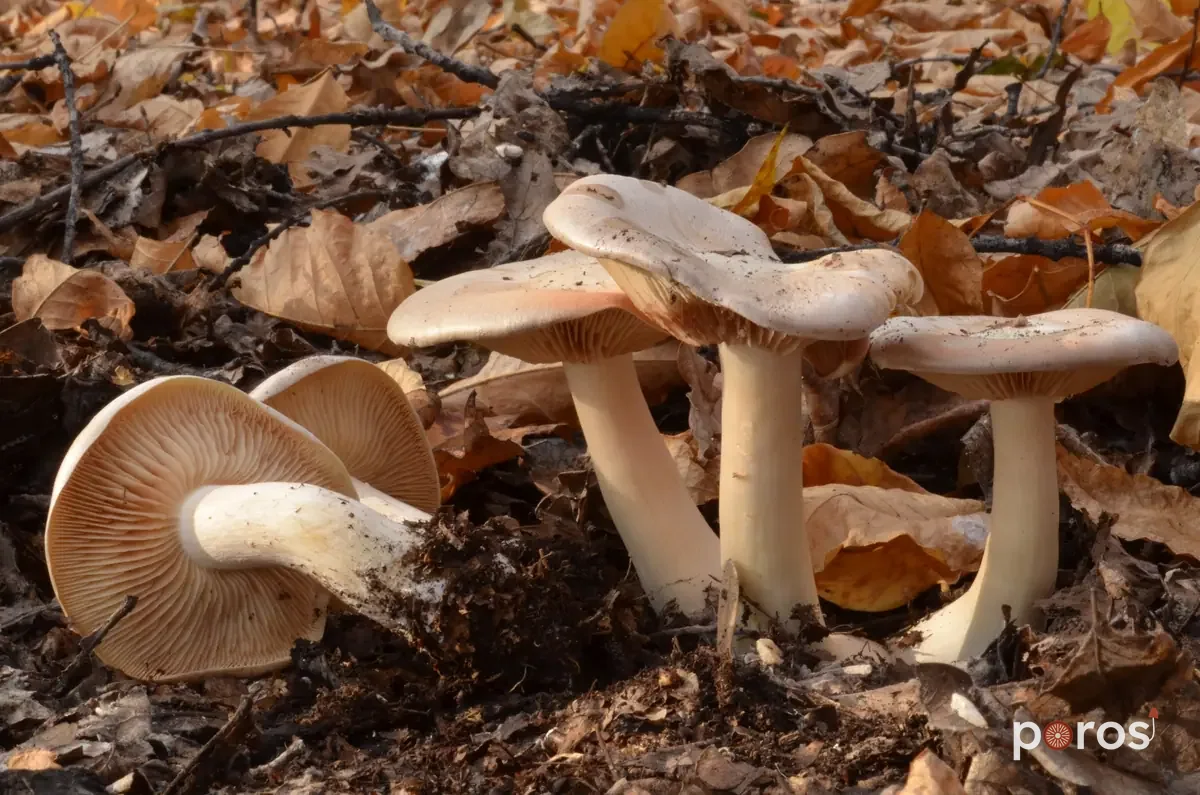 Livid pinkgillEntoloma sinuatumPoisonous
-
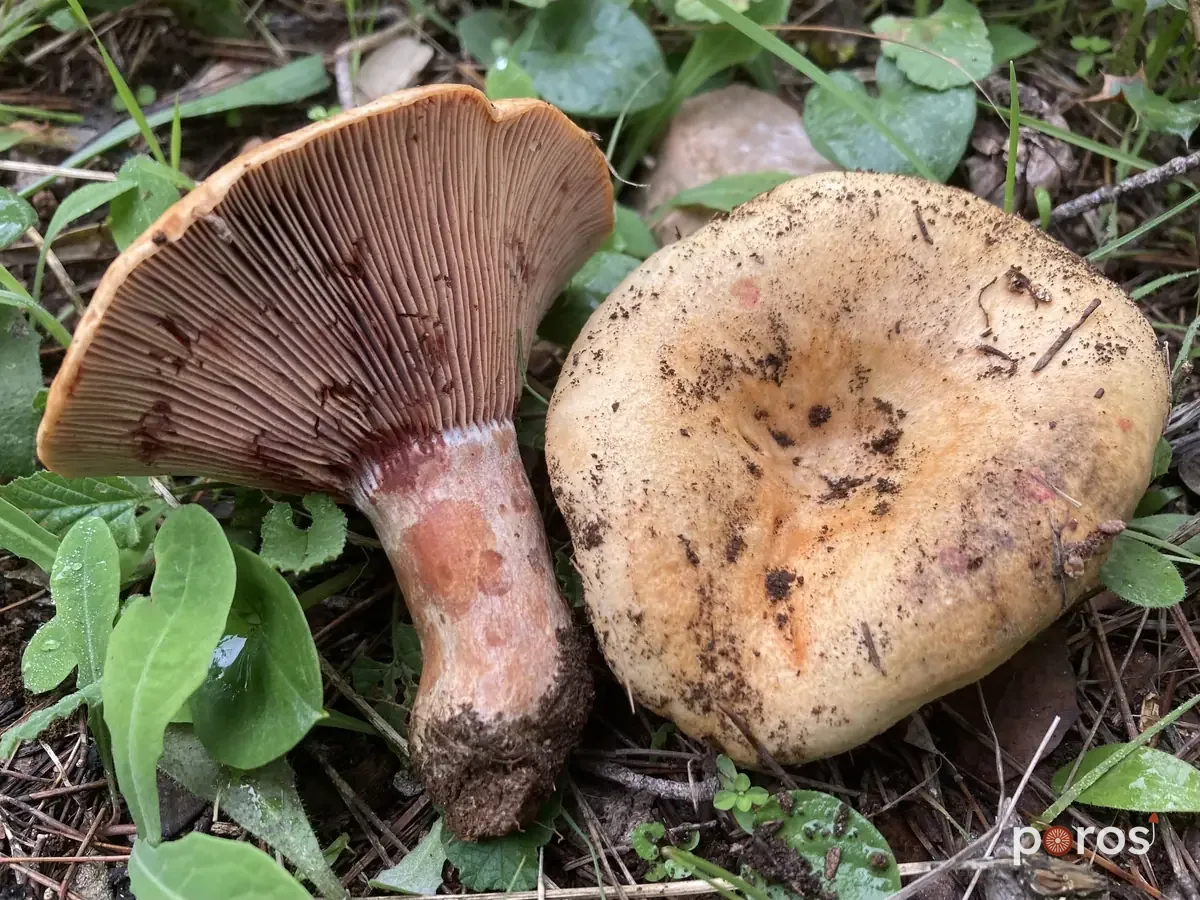 Bloody milk capLactarius sanguifluusEdible species
-
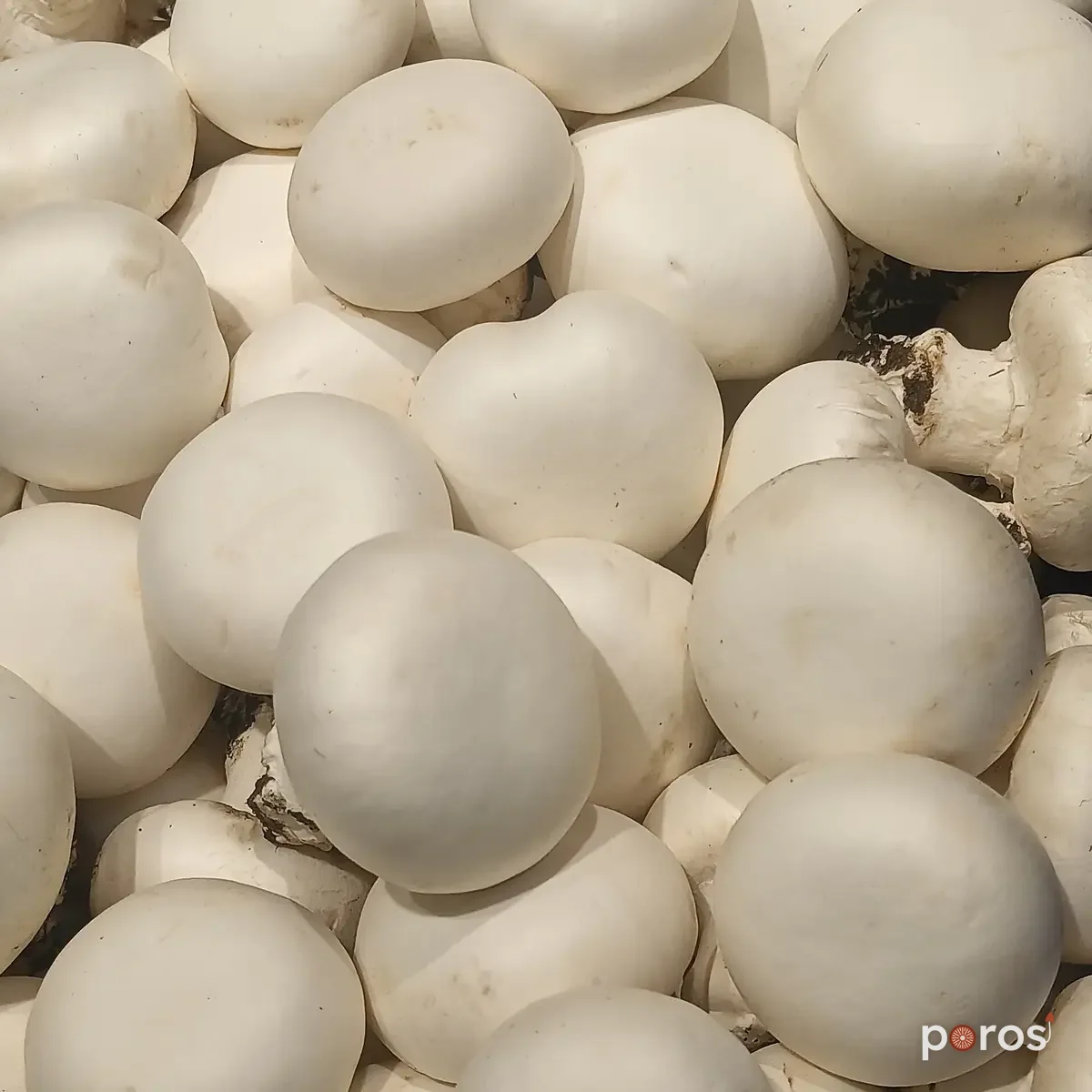 Button mushroomAgaricus bisporusEdible species
-
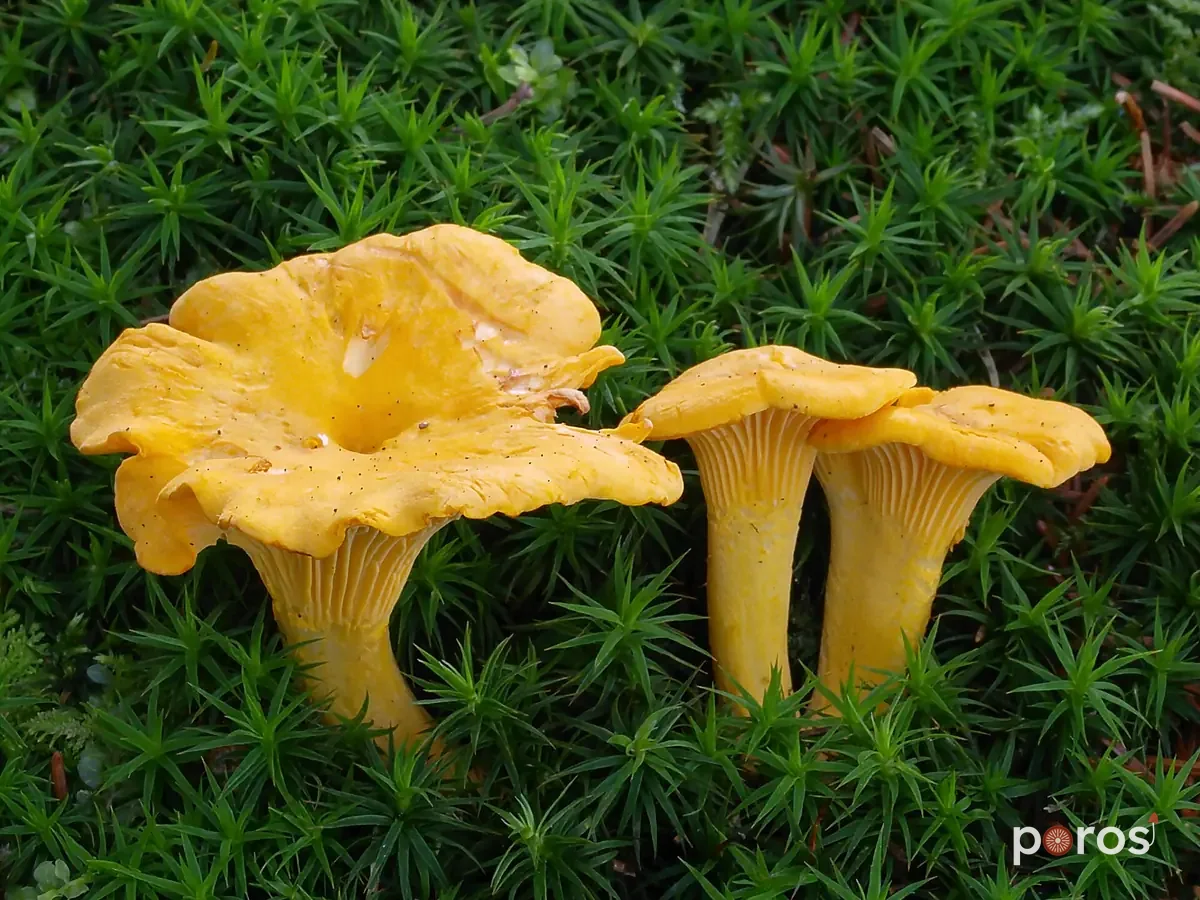 ChanterelleCantharellus cibariusEdible species
-
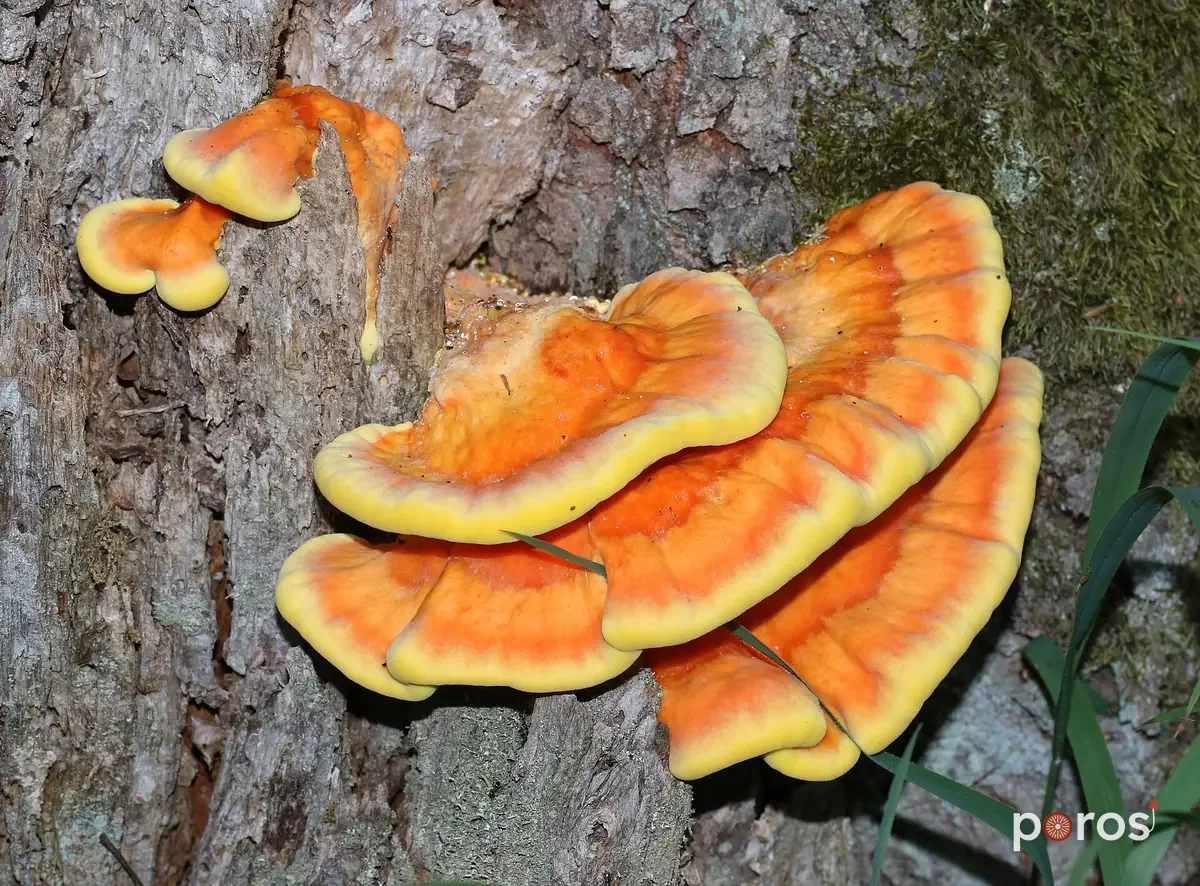 Chicken of the woodsLaetiporus sulphureusEdible species
Sources (6)
- Wikipedia (EN): Amanita muscaria · checked 26 Oct 2026
- Vikipedi (TR): Sinek mantarı · checked 26 Oct 2026
- First Nature: Amanita muscaria · checked 26 Oct 2026
- First Nature: Amanita caesarea · checked 26 Oct 2026
- MushroomExpert: Amanita muscaria · checked 26 Oct 2026
- GBIF: Türkiye kayıtları · checked 26 Oct 2026
Photo credits (10)
- File:Fliegenpilz fly agaric Amanita muscaria.JPG · Holger Krisp · CC BY 3.0
- Amanita muscaria flavivolvata · iNaturalist #253224587 · Alan Rockefeller · CC BY 4.0
- File:Vliegenzwam (Amanita muscaria). Locatie De Famberhorst. 27-09-2020 (d.j.b.).jpg · Dominicus Johannes Bergsma · CC BY-SA 4.0
- File:Vliegenzwam (Amanita muscaria). 08-11-2025. (d.j.b.).jpg · Dominicus Johannes Bergsma. · CC BY-SA 4.0
- Amanita muscaria · iNaturalist #17371114 · wild_wind · CC BY 4.0
- Amanita muscaria flavivolvata · iNaturalist #253224587 · Alan Rockefeller · CC BY 4.0
- File:Rdeča mušnica (Amanita muscaria).jpg · Petar Milošević · CC BY-SA 4.0
- Amanita muscaria · iNaturalist #16535658 · Marc Hermann · CC BY 4.0
- File:Amanita muscaria tyndrum.jpg · Tim Bekaert · Public domain
- File:Amanita muscaria qtl4.jpg · Quartl · CC BY-SA 3.0


