
Wavy cap
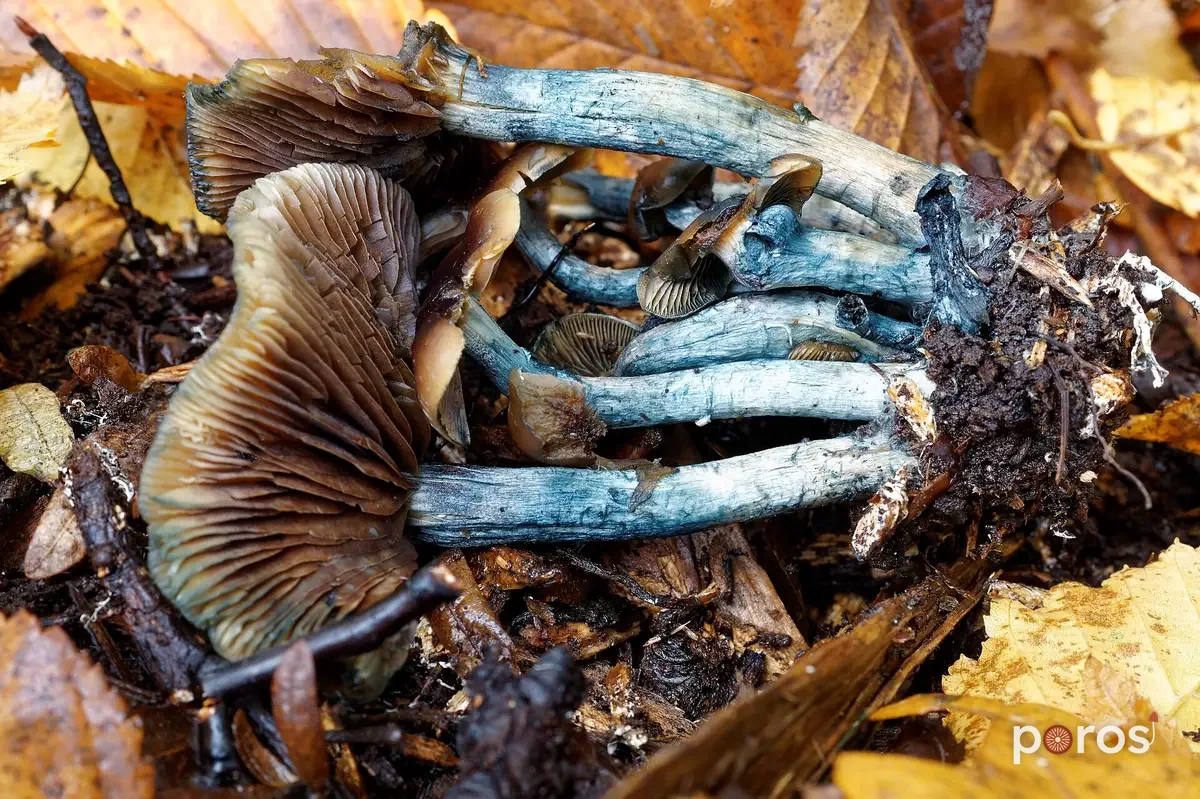
Psilocybe cyanescens · Hymenogastraceae
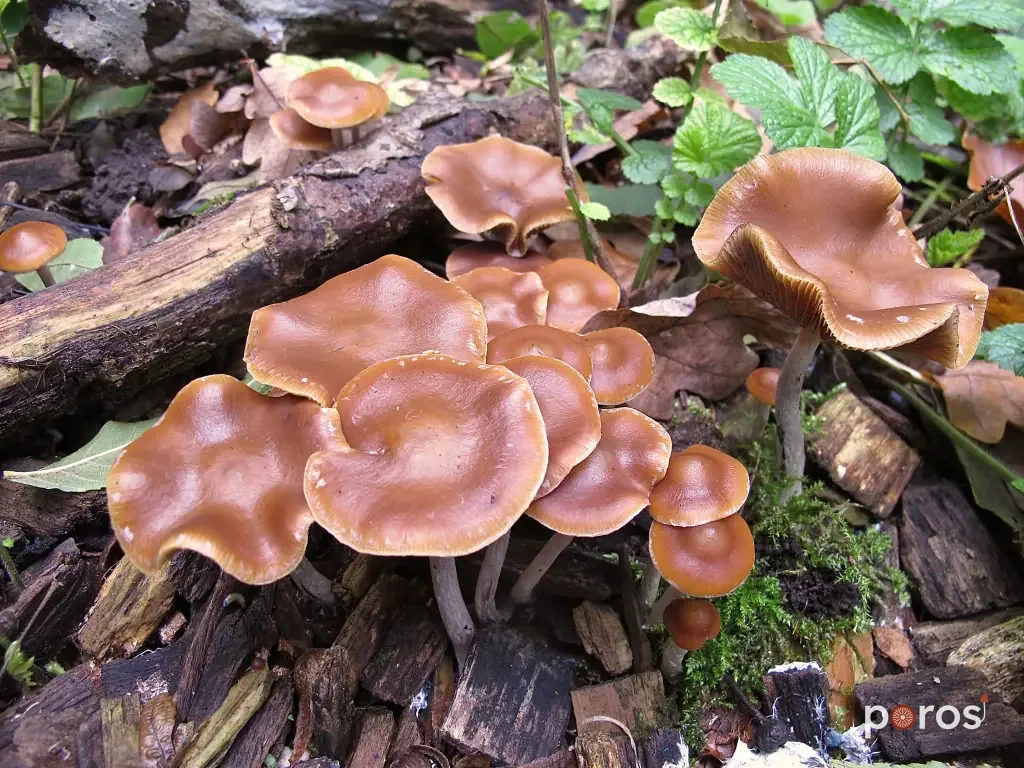
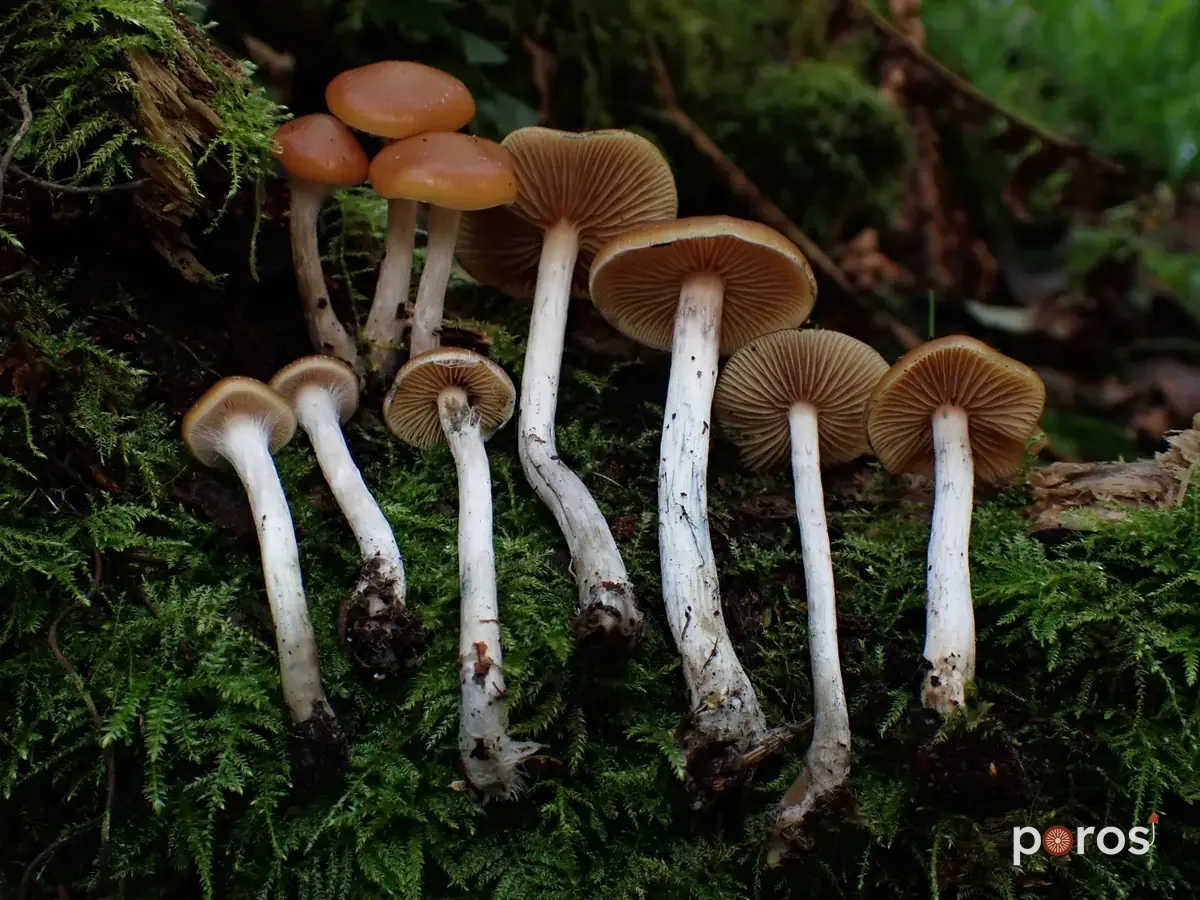
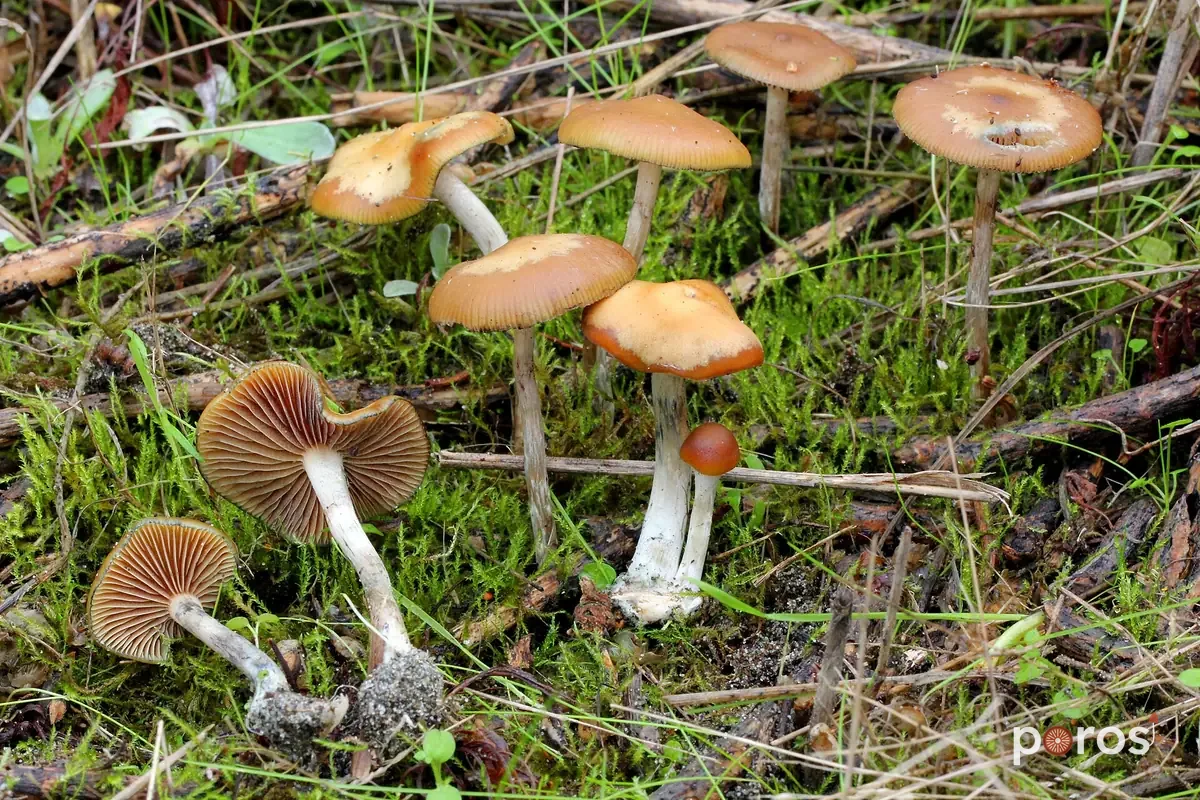
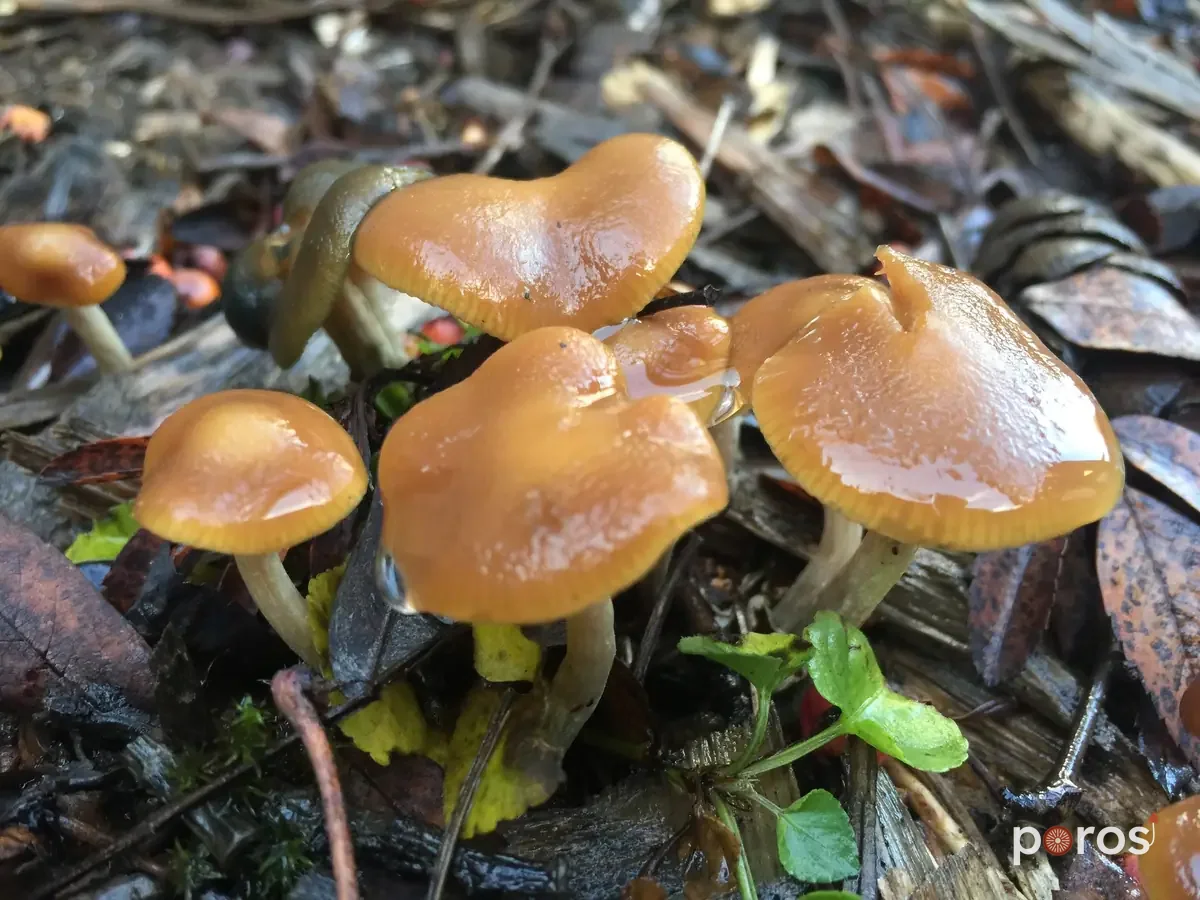
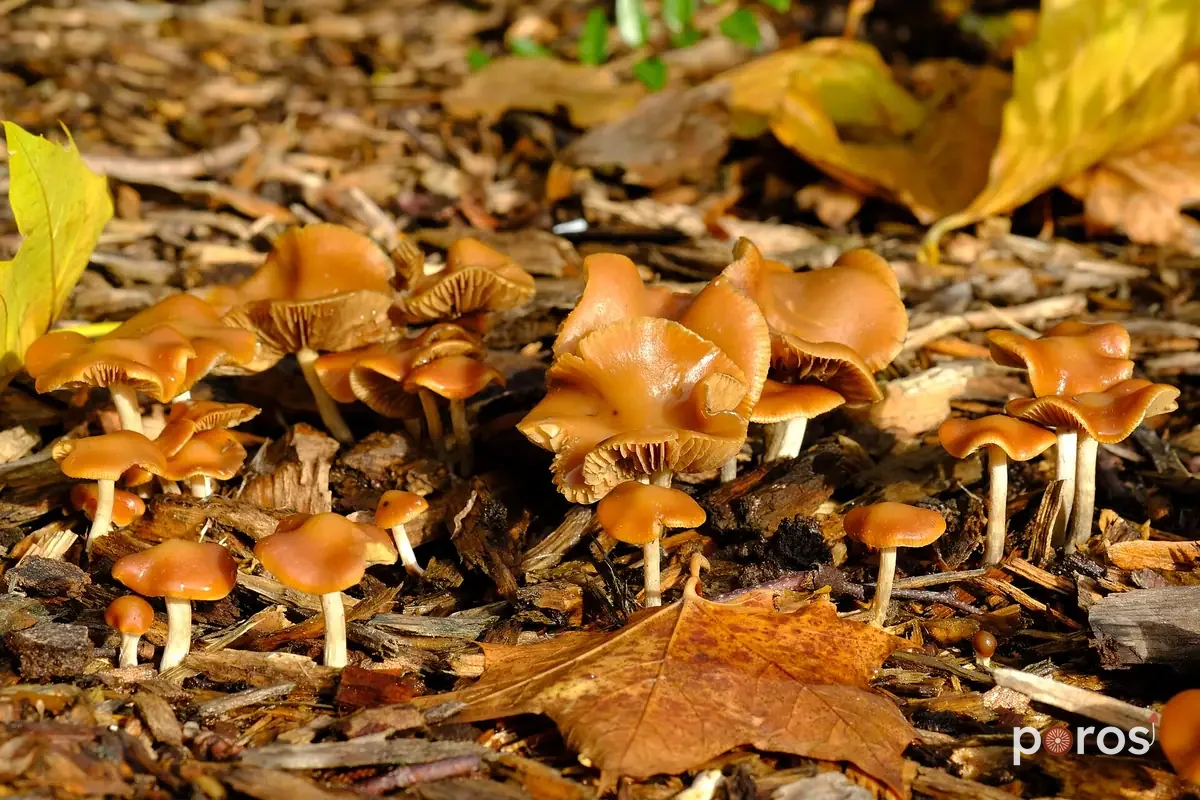
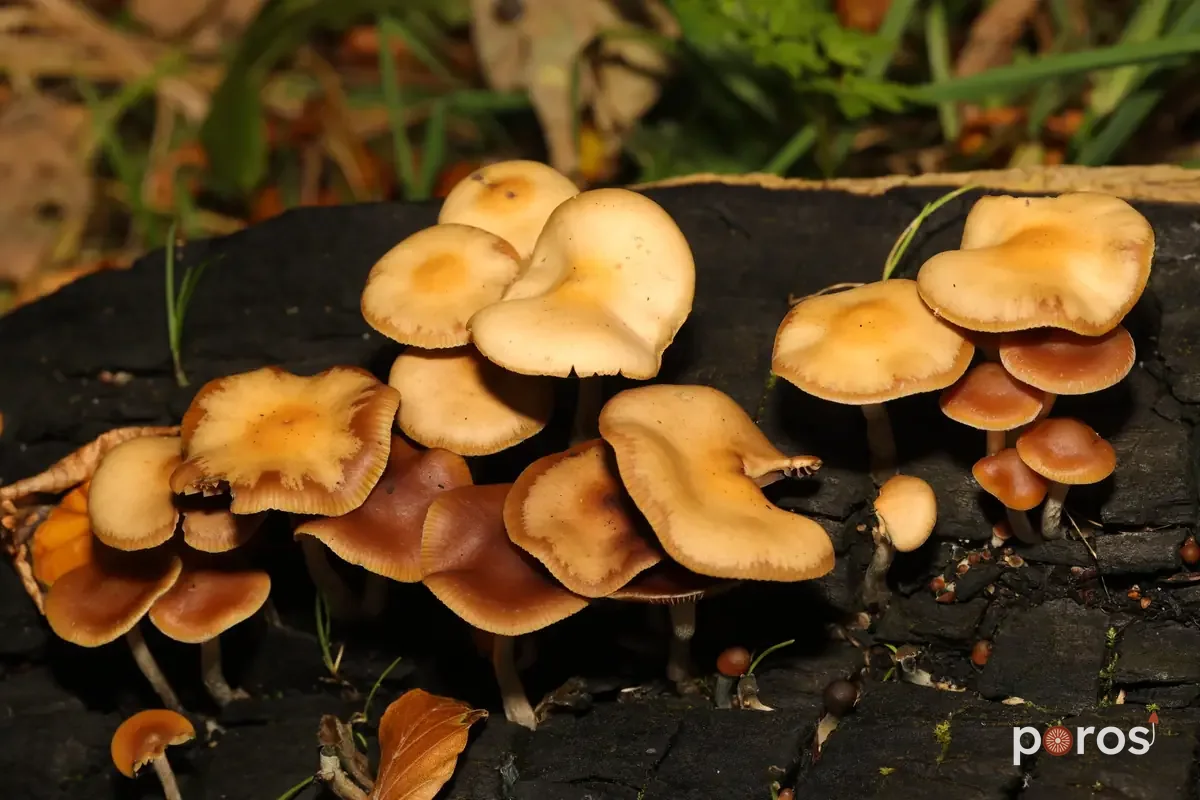
The wavy cap has a wavy-edged, caramel to chestnut cap and grows in clusters, mostly in wood-chip mulch in parks and gardens.
The wavy cap has a wavy-edged, caramel to chestnut cap and grows in clusters, mostly in wood-chip mulch in parks and gardens. It contains psilocybin and psilocin. Confusion with the deadly Galerina marginata has had fatal results. This page is for identification and warning only.
Turkish: Psilocybe cyanescens
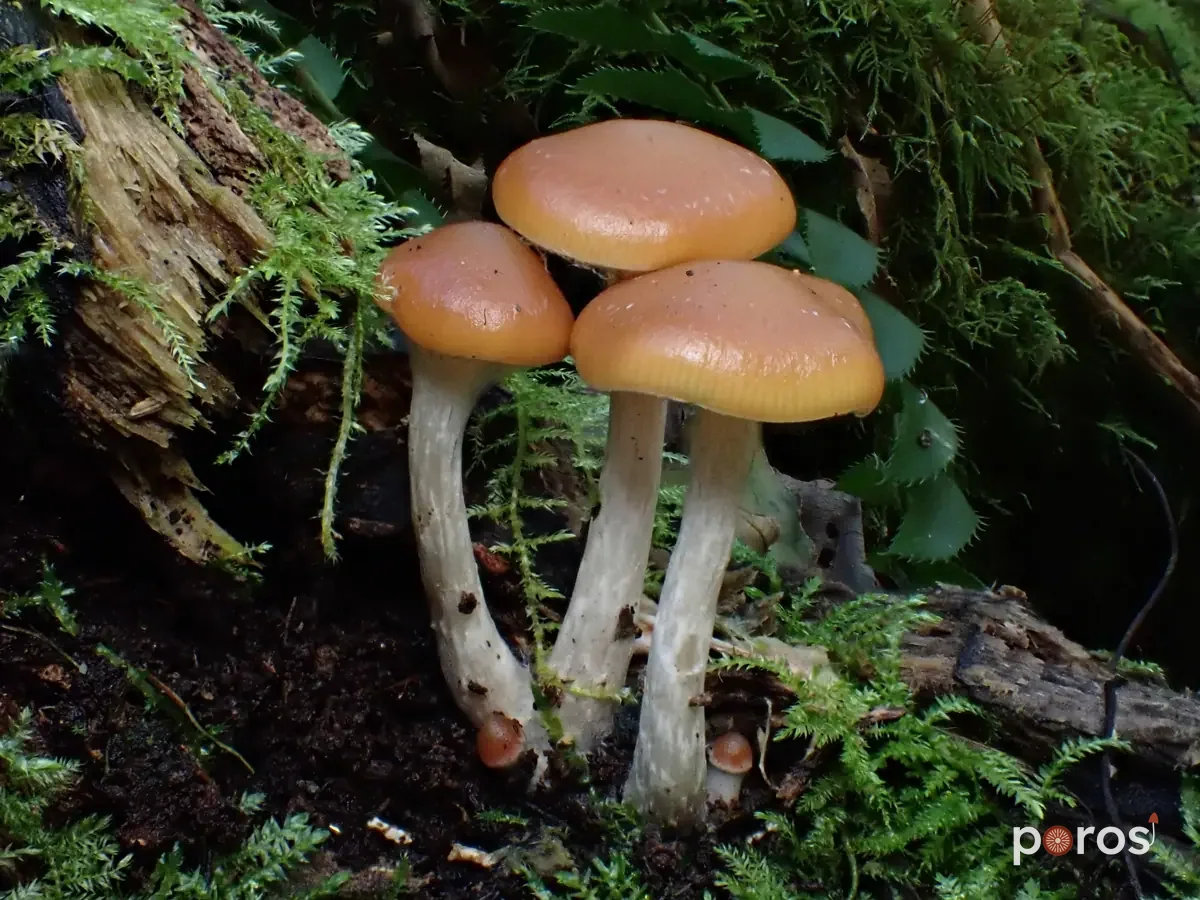
How to recognise it
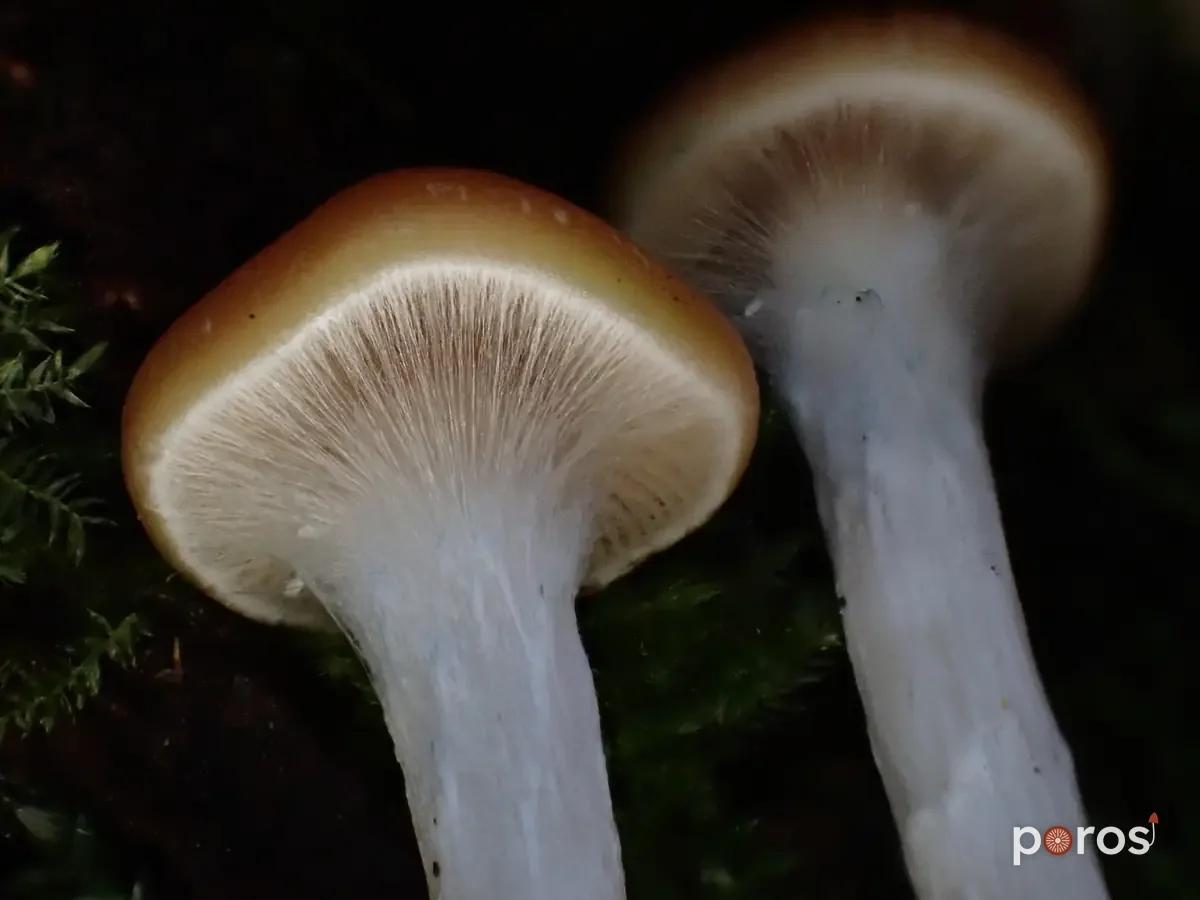
Wavy cap, part by part
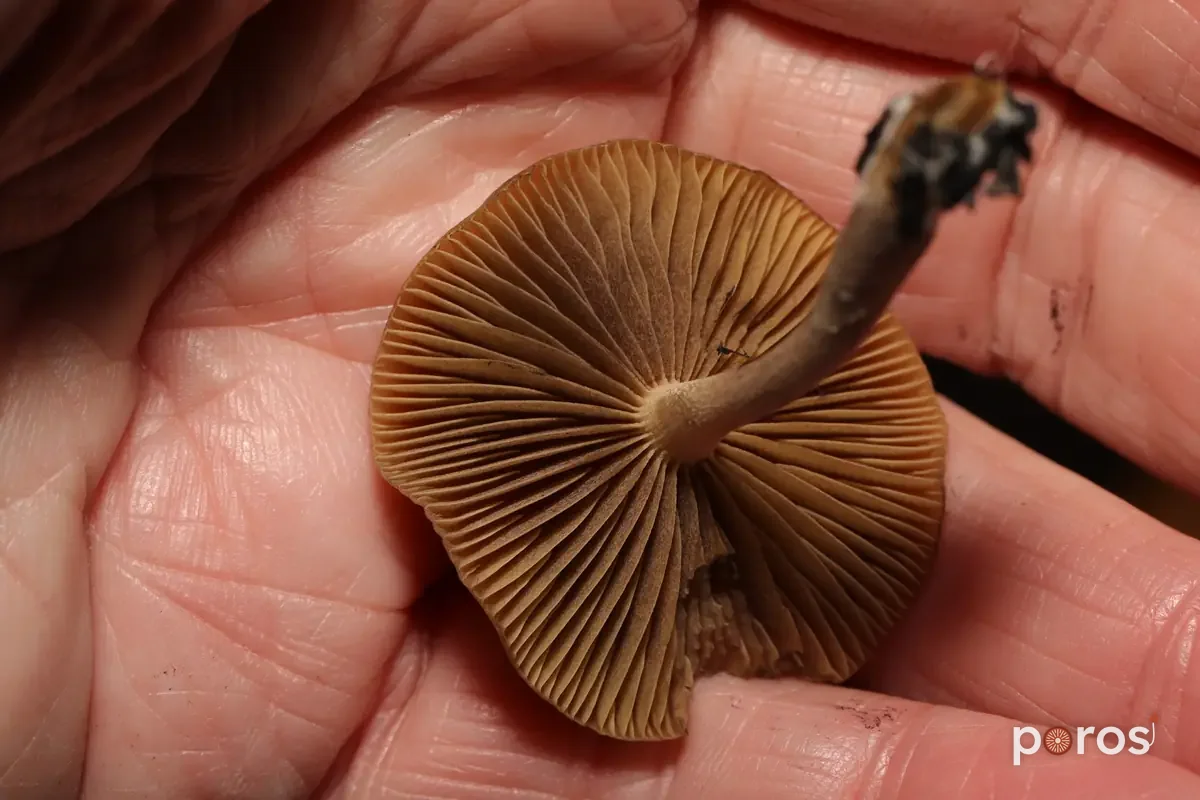
No ring or volva Spore print: Dark purple-brown Never taste it.
When and where
Oct–Dec
- Jan
- Feb
- Mar
- Apr
- May
- Jun
- Jul
- Aug
- Sep
- Octin season
- Novin season
- Decin season
The wavy cap fruits in autumn and into early winter; there are no GBIF records of it in Turkey.
Where do wavy caps grow?
The wavy cap grows on lignin-rich material such as wood chips and mulch in urban plant beds. It is found in western and central Europe, North America and western Asia (Iran).
In Turkey
There are no GBIF records of the wavy cap in Turkey, but it has been reported from neighbouring Iran.
Our map has no observations of wavy caps from Turkey yet.
Look-alikes
What is it mistaken for?
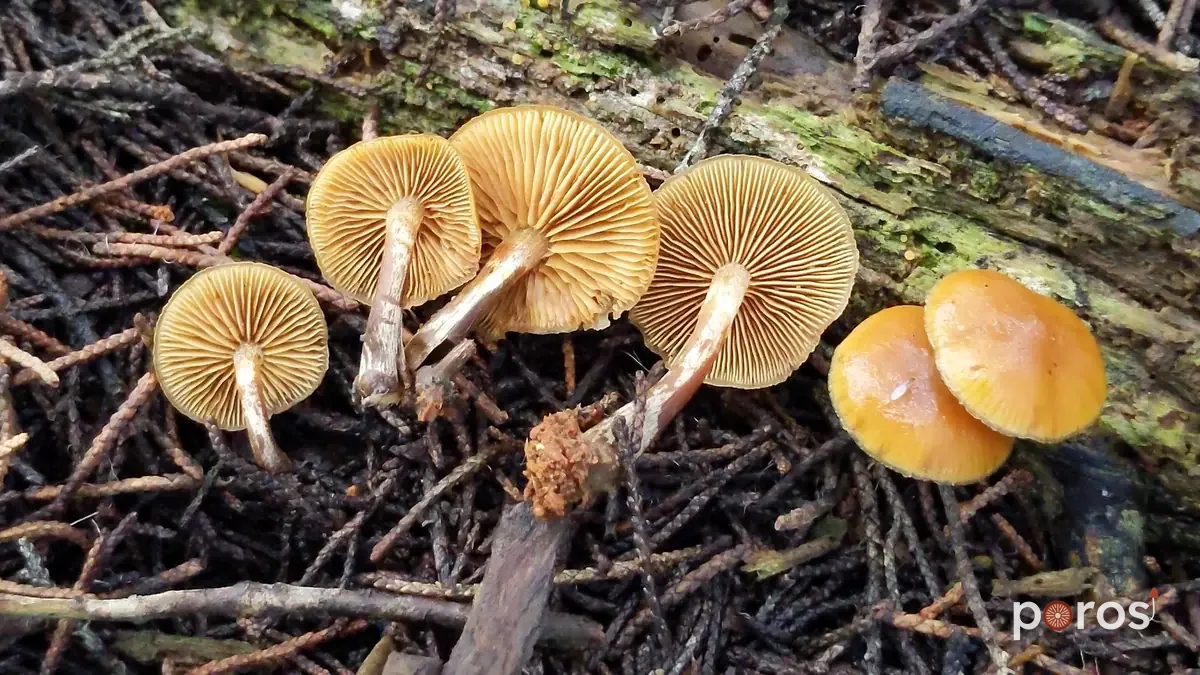
Deadly galerina Galerina marginata
The two can grow side by side, and confusions with fatal results have been reported. Galerina has a rusty brown spore print and a membranous ring.
Related species
-
Deadly galerinaGalerina marginataDeadly poisonous
-
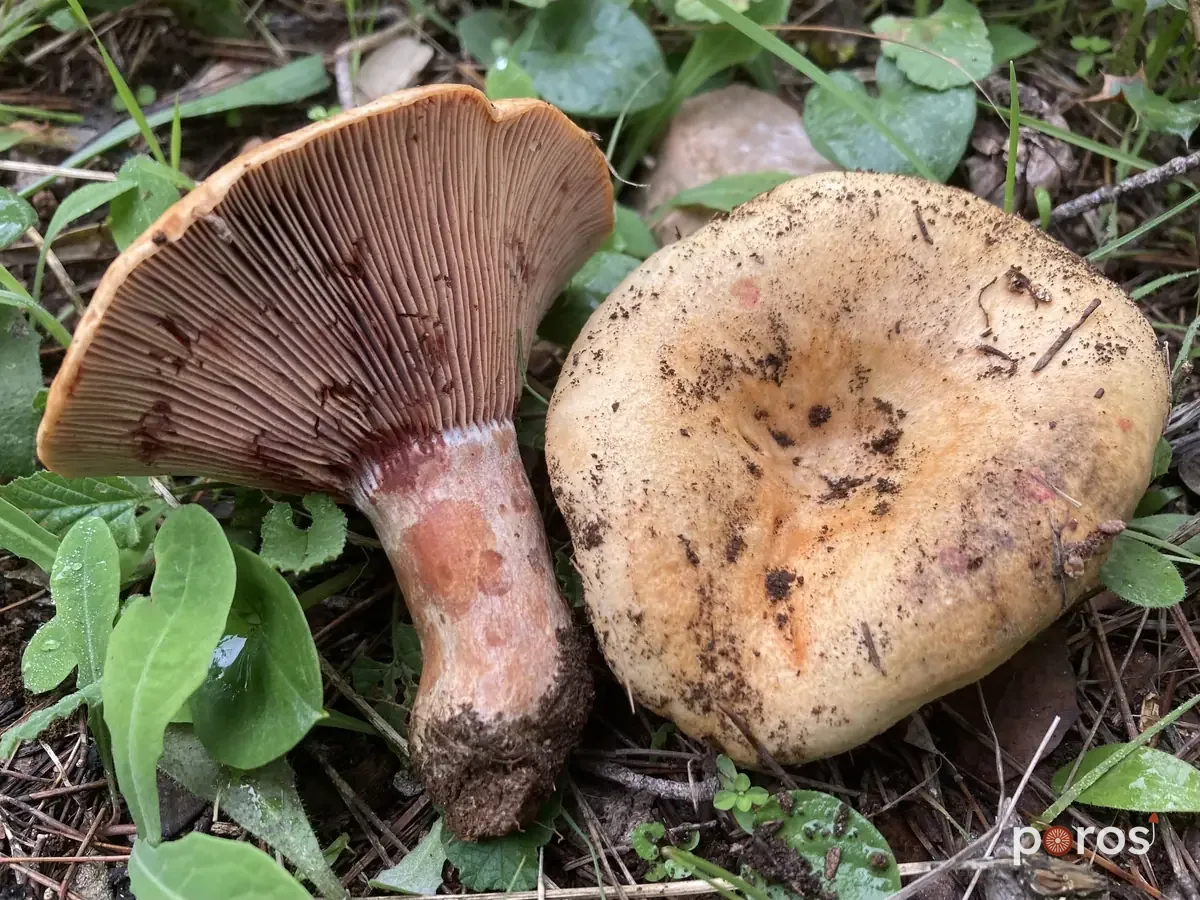 Bloody milk capLactarius sanguifluusEdible species
-
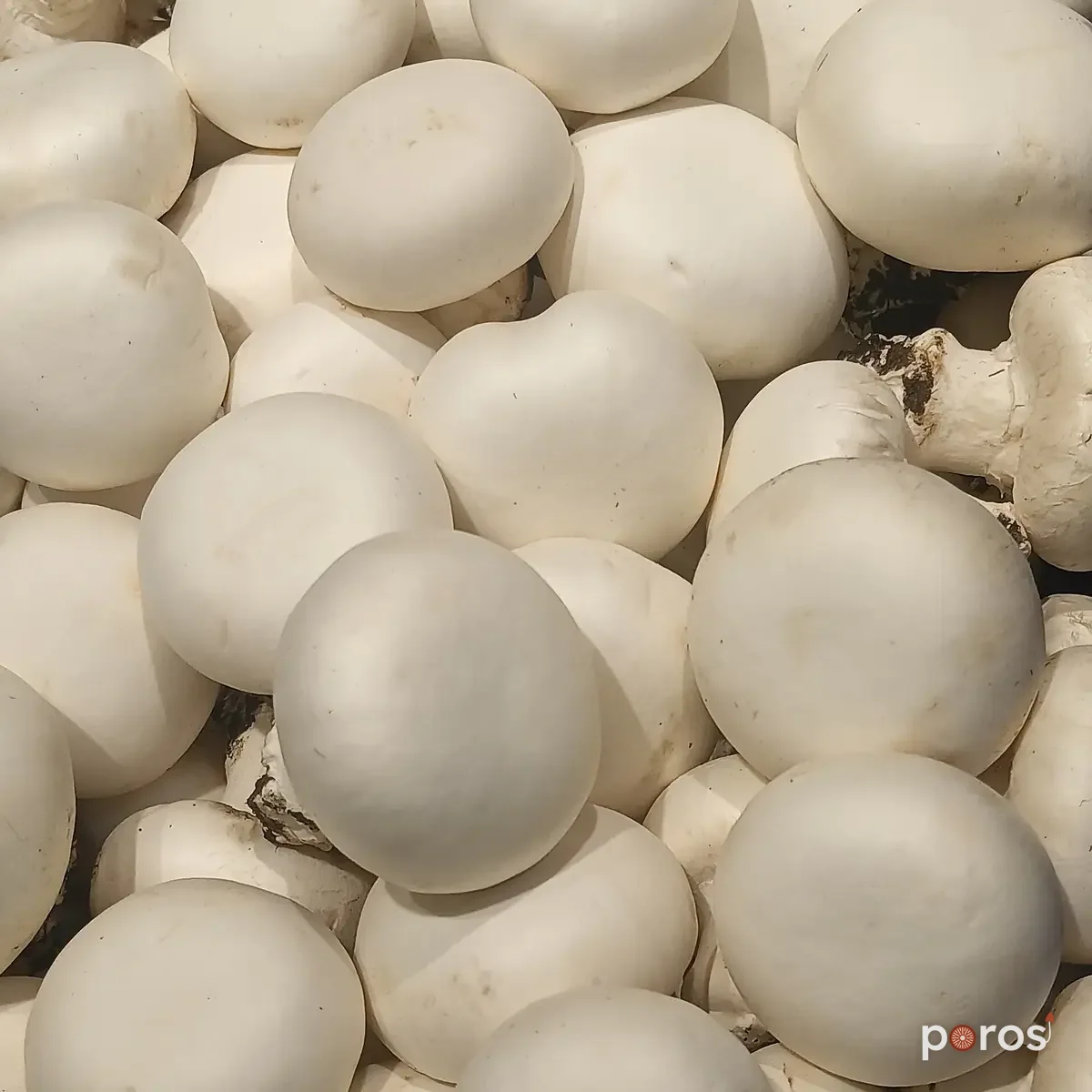 Button mushroomAgaricus bisporusEdible species
-
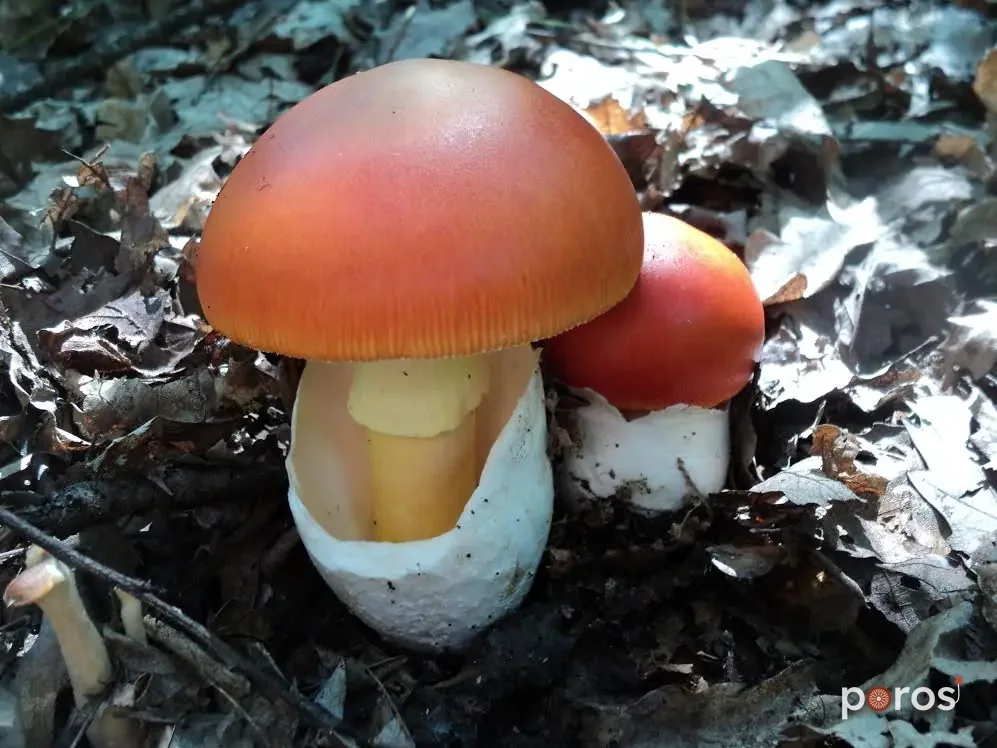 Caesar’s mushroomAmanita caesareaEdible species
-
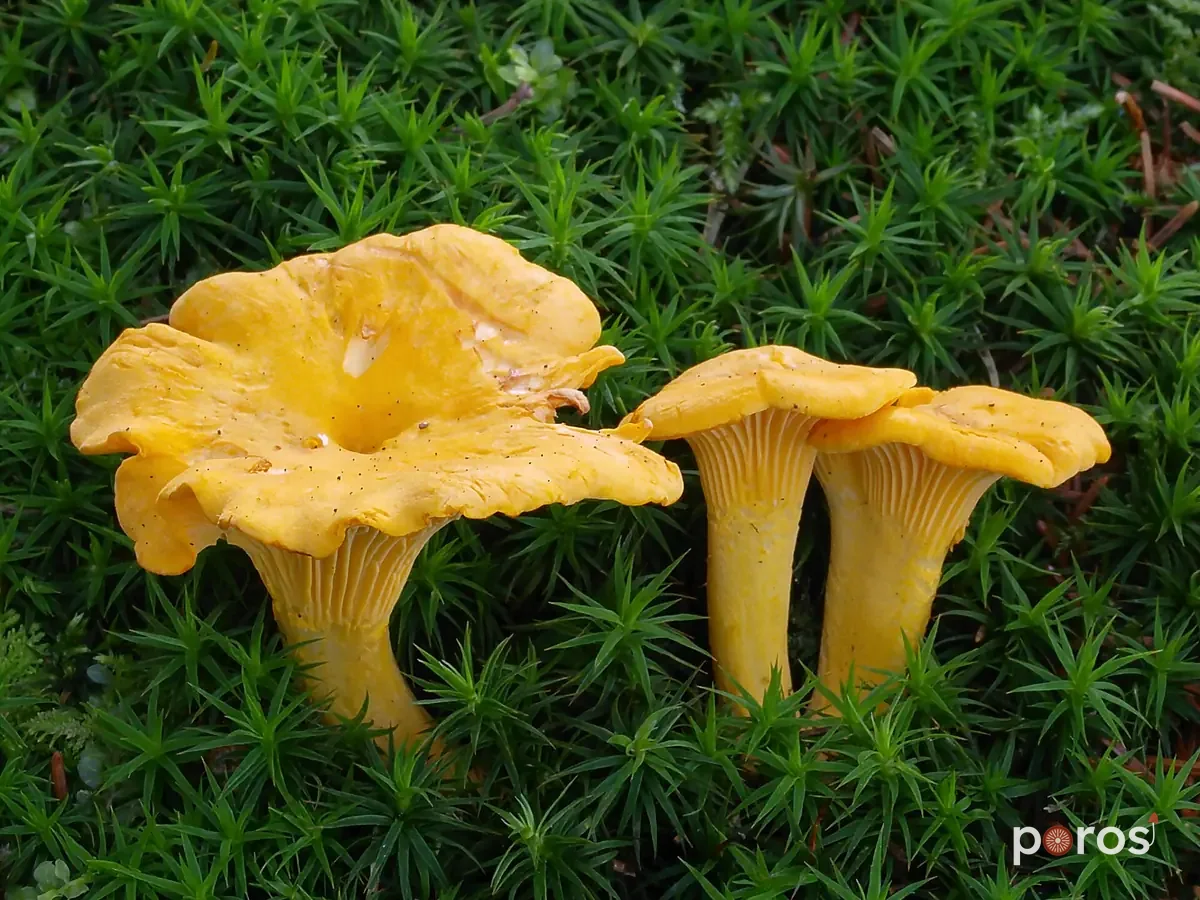 ChanterelleCantharellus cibariusEdible species
-
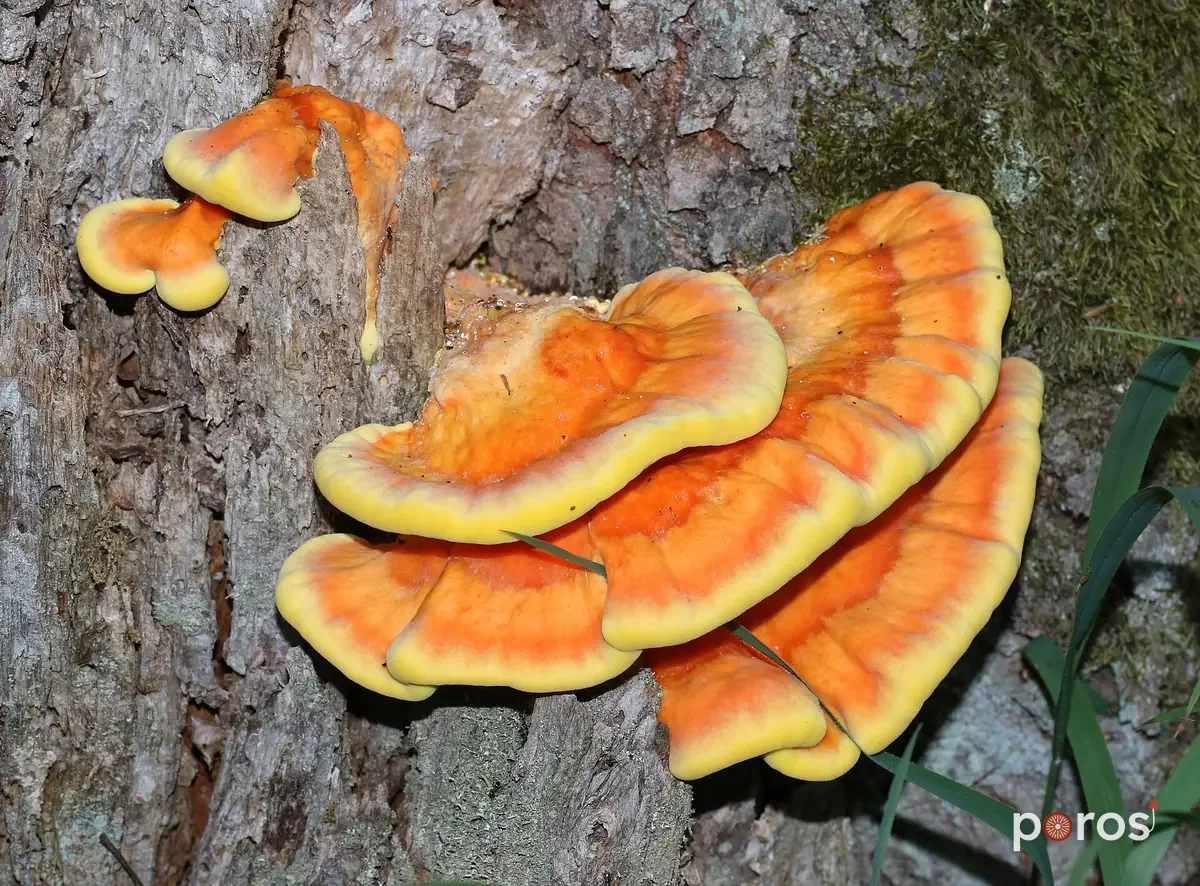 Chicken of the woodsLaetiporus sulphureusEdible species
-
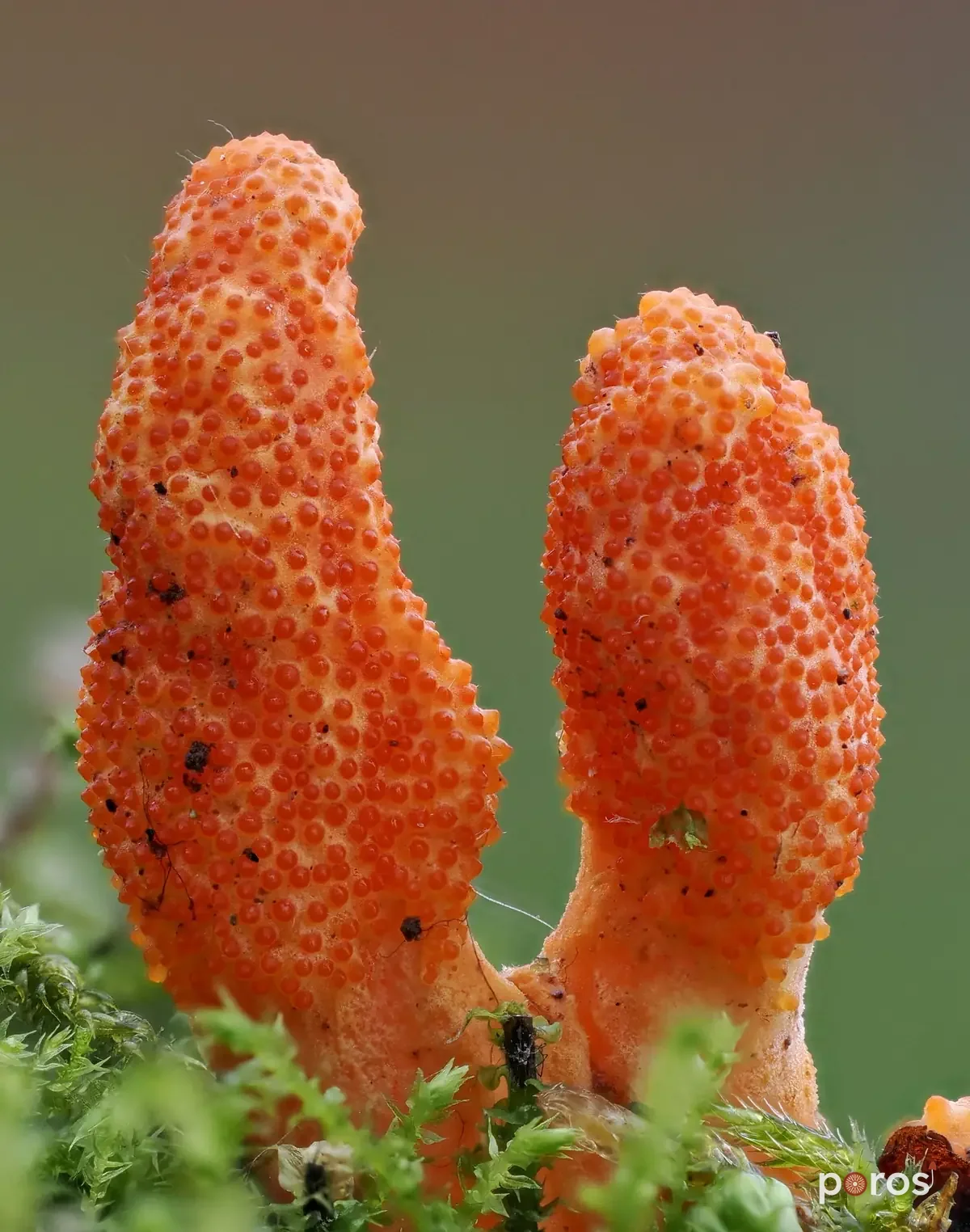 CordycepsCordyceps militarisTraditional use
-
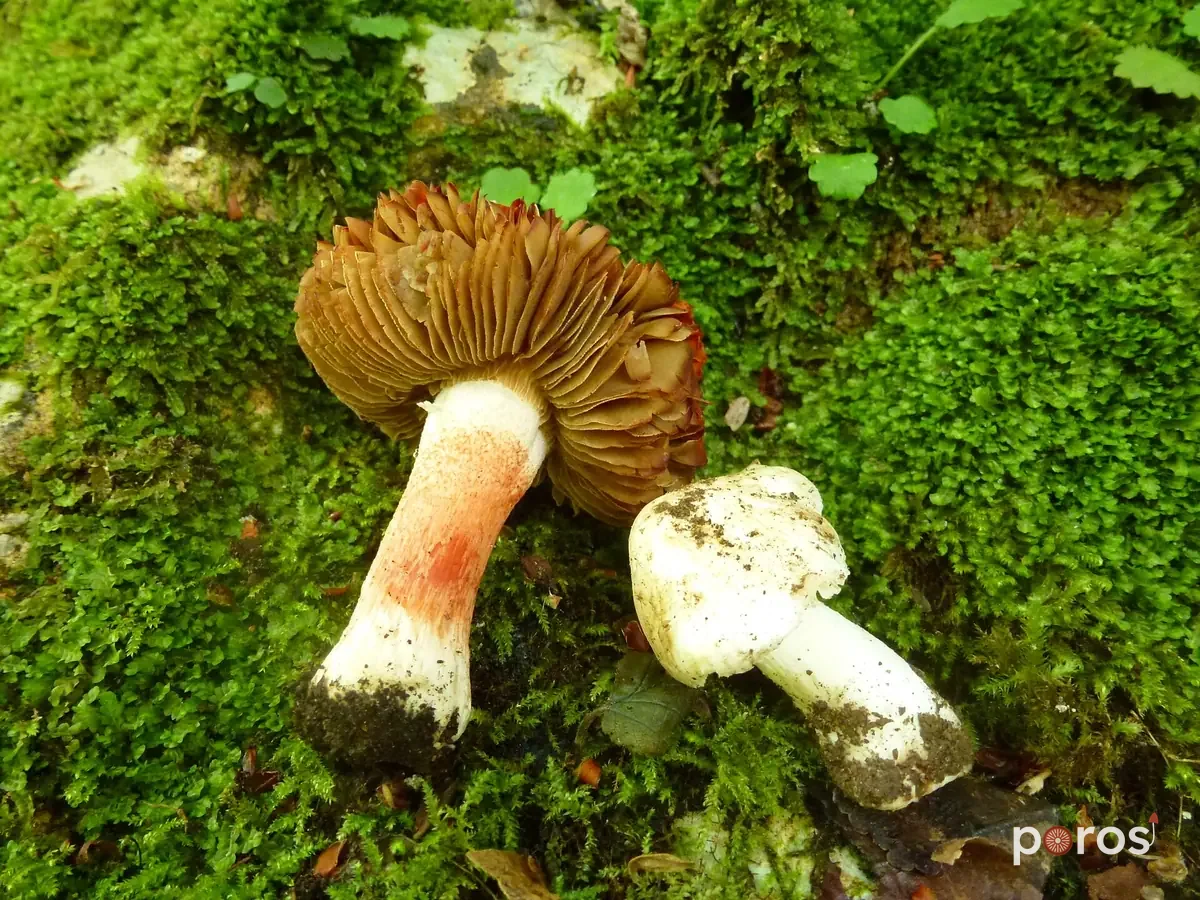 Deadly fibrecapInosperma erubescensDeadly poisonous
Sources (6)
- Wikipedia (EN): Psilocybe cyanescens · checked 26 Oct 2026
- Vikipedi (TR): Psilocybe cyanescens · checked 26 Oct 2026
- GBIF: Psilocybe cyanescens · checked 26 Oct 2026
- UNODC: 1971 Psikotrop Maddeler Sözleşmesi çizelgeleri (Çizelge I: psilosibin, psilosin) · checked 26 Oct 2026
- BM Antlaşmalar Derlemesi: 1971 Sözleşmesi tarafları (Türkiye, onay 1 Nisan 1981) · checked 26 Oct 2026
- Mevzuat: 5237 sayılı Türk Ceza Kanunu (md. 188, 191) · checked 26 Oct 2026
Photo credits (10)
- File:Psilocybe cyanescens (Switzerland).jpg · Sporulator · CC BY-SA 3.0
- File:Psilocybe cyanescens (31351544434).jpg · Lukas from London, England · CC BY-SA 2.0
- Psilocybe cyanescens · iNaturalist #191233589 · Mandy Hackney · CC BY 4.0
- Psilocybe cyanescens · iNaturalist #191233589 · Mandy Hackney · CC BY 4.0
- File:Psilocybe cyanescens (49053071791).jpg · Lukas from London, England · CC BY-SA 2.0
- Psilocybe cyanescens · iNaturalist #18682117 · moorebuesing · CC0
- Psilocybe cyanescens · iNaturalist #191233589 · Mandy Hackney · CC BY 4.0
- Psilocybe cyanescens · iNaturalist #63047340 · Stephen James McWilliam · CC0
- Psilocybe cyanescens · iNaturalist #63047340 · Stephen James McWilliam · CC0
- File:2012-12-05 Psilocybe cyanescens Wakef 290262.jpg · Alan Rockefeller (Alan Rockefeller) at Mushroom Observer, a source fo · CC BY-SA 3.0


