
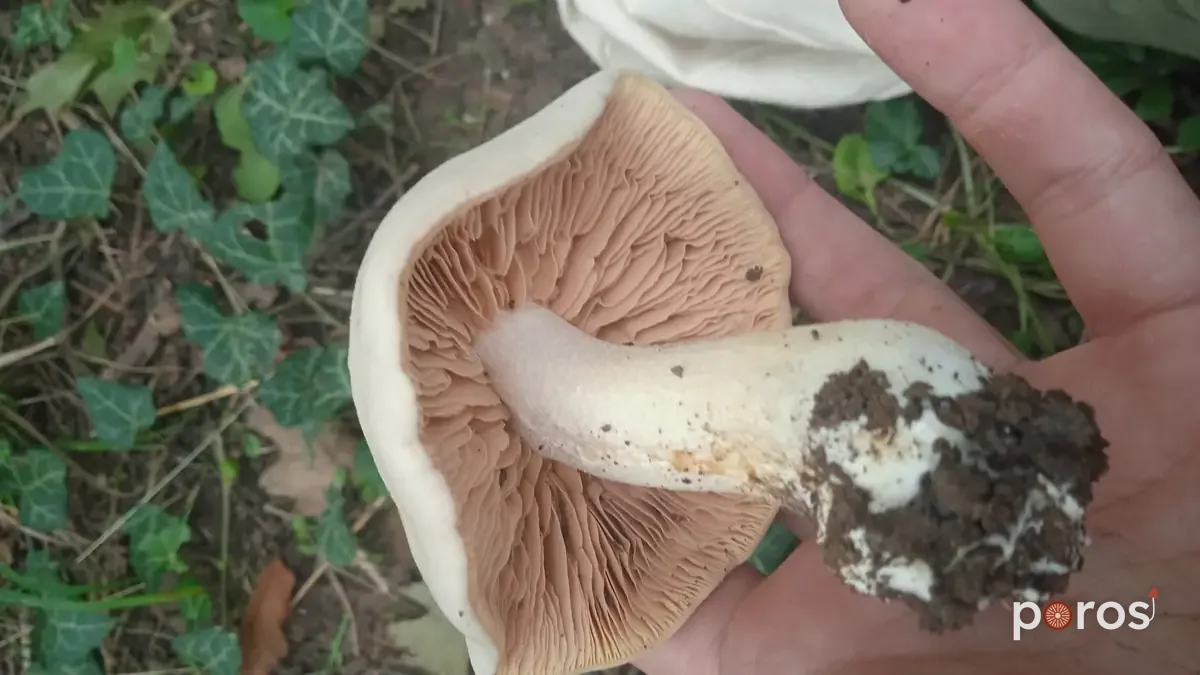
Livid pinkgill
Entoloma sinuatum · Entolomataceae
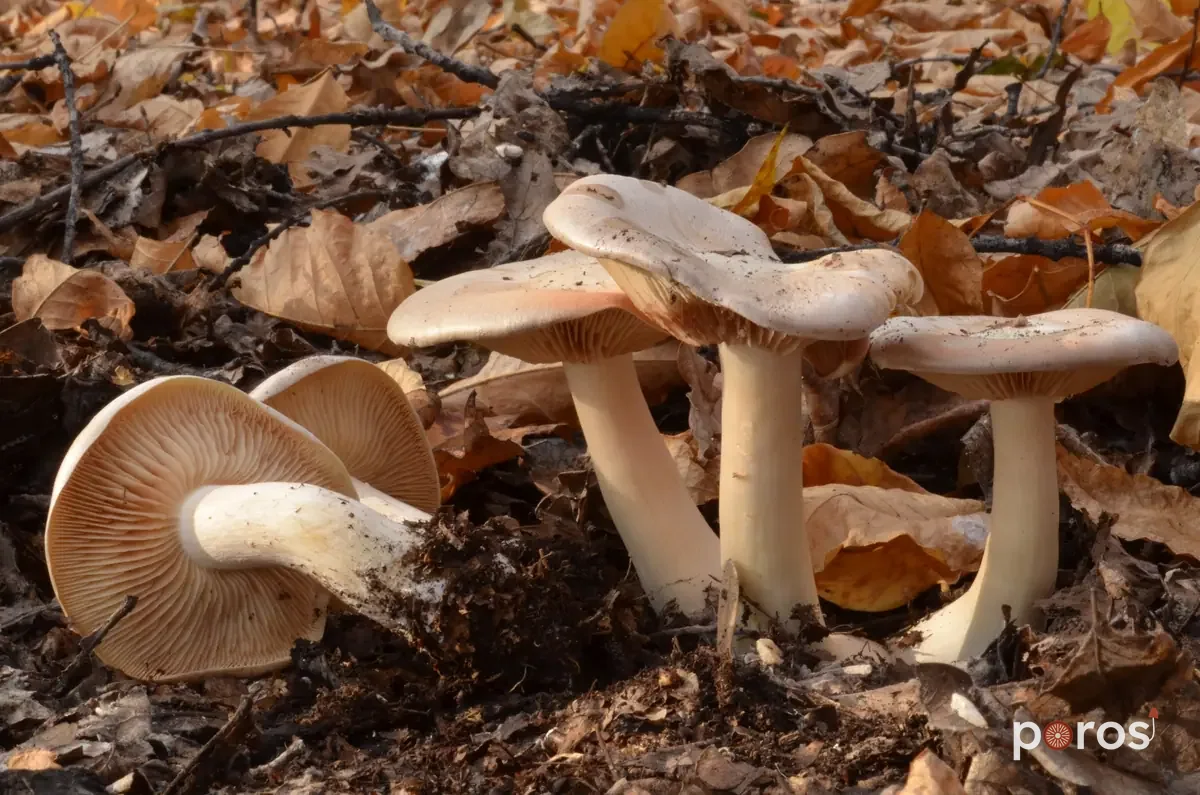
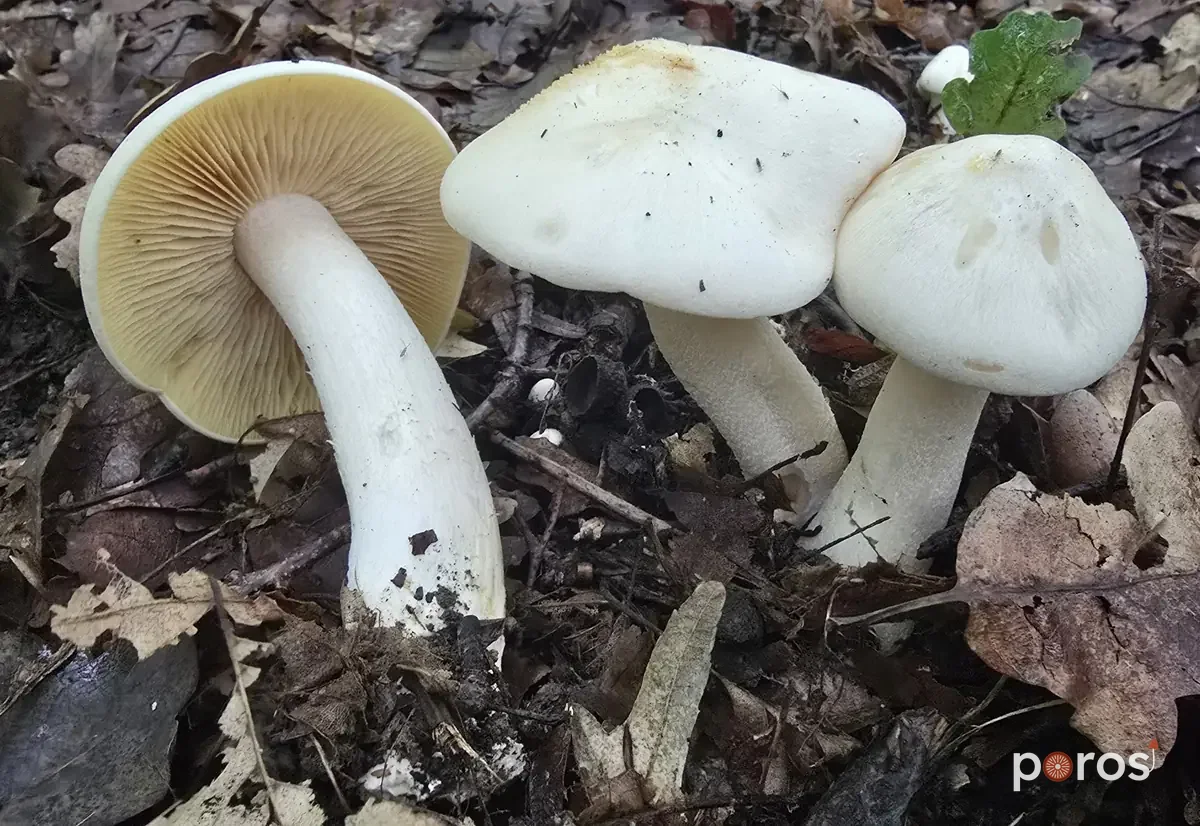
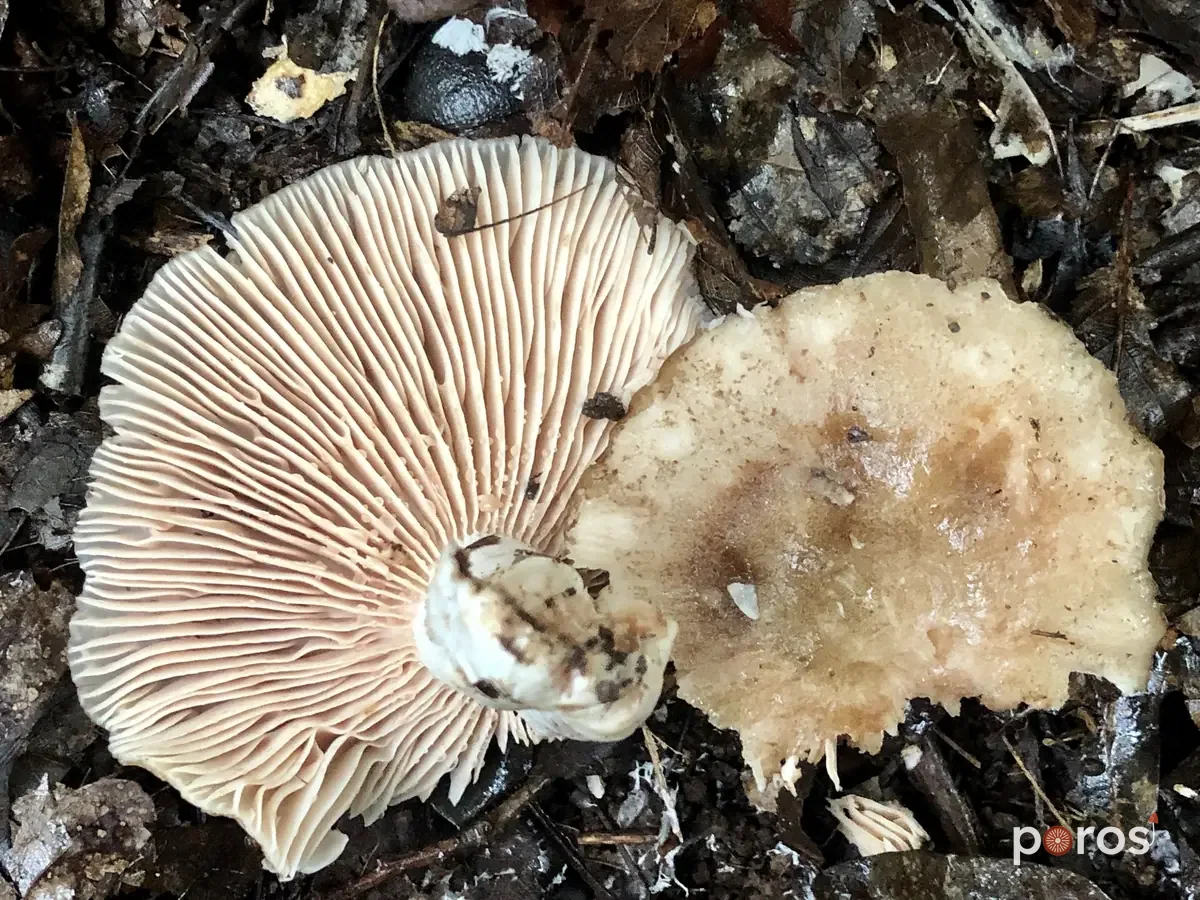
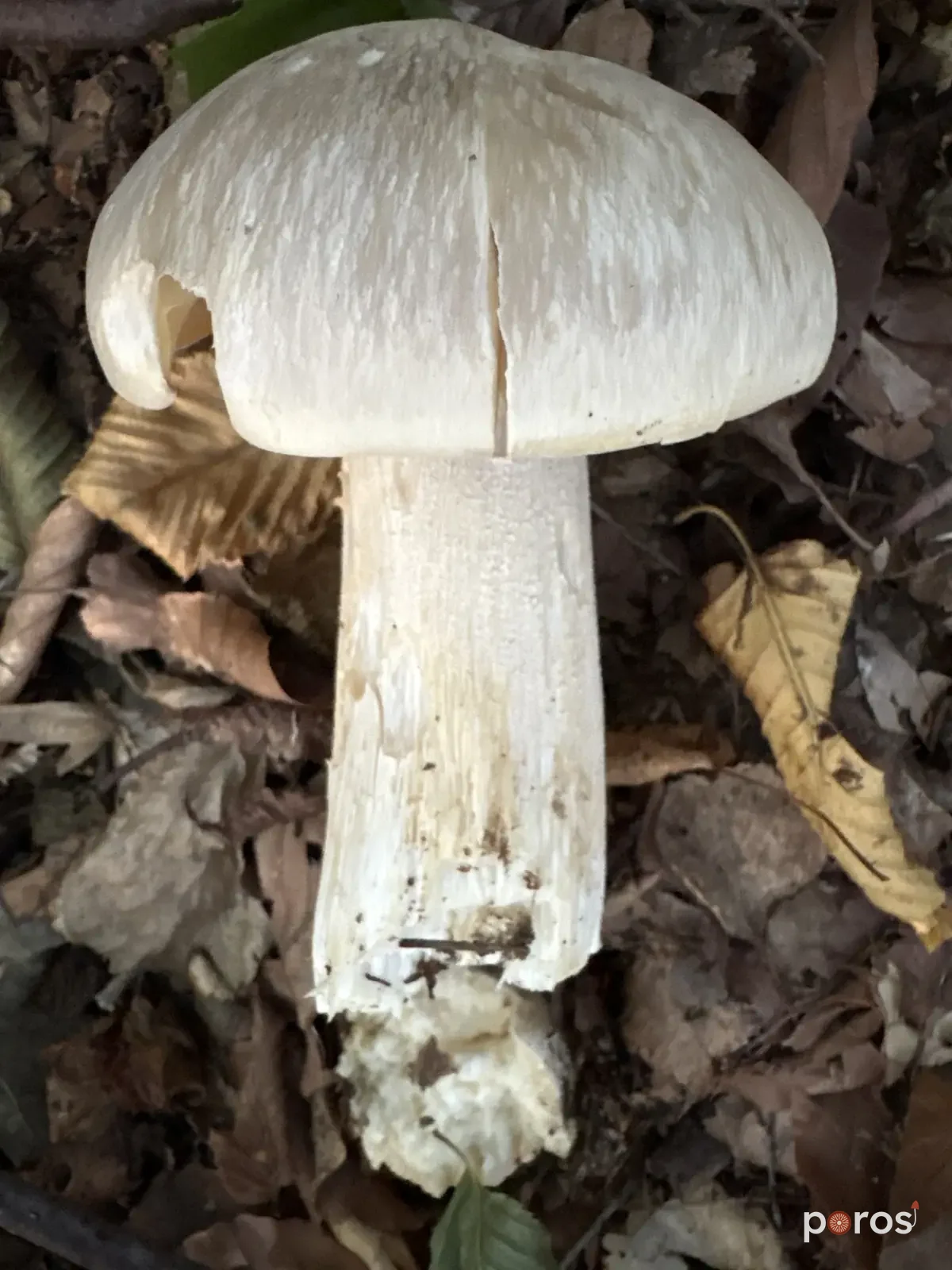
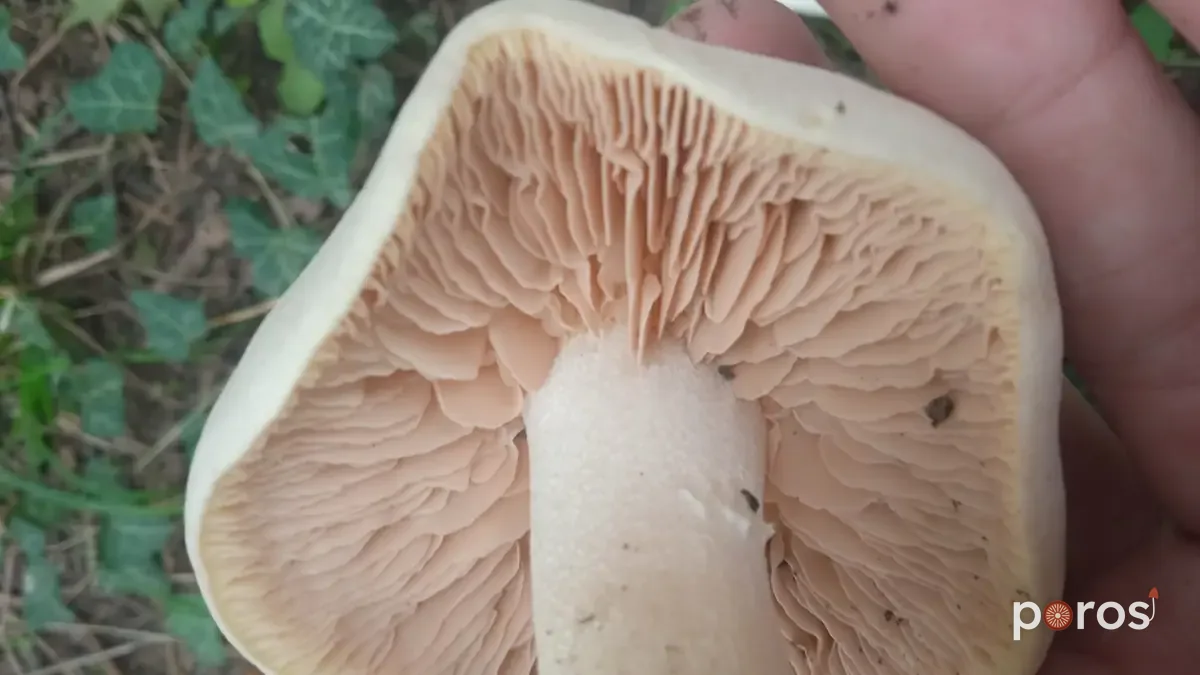
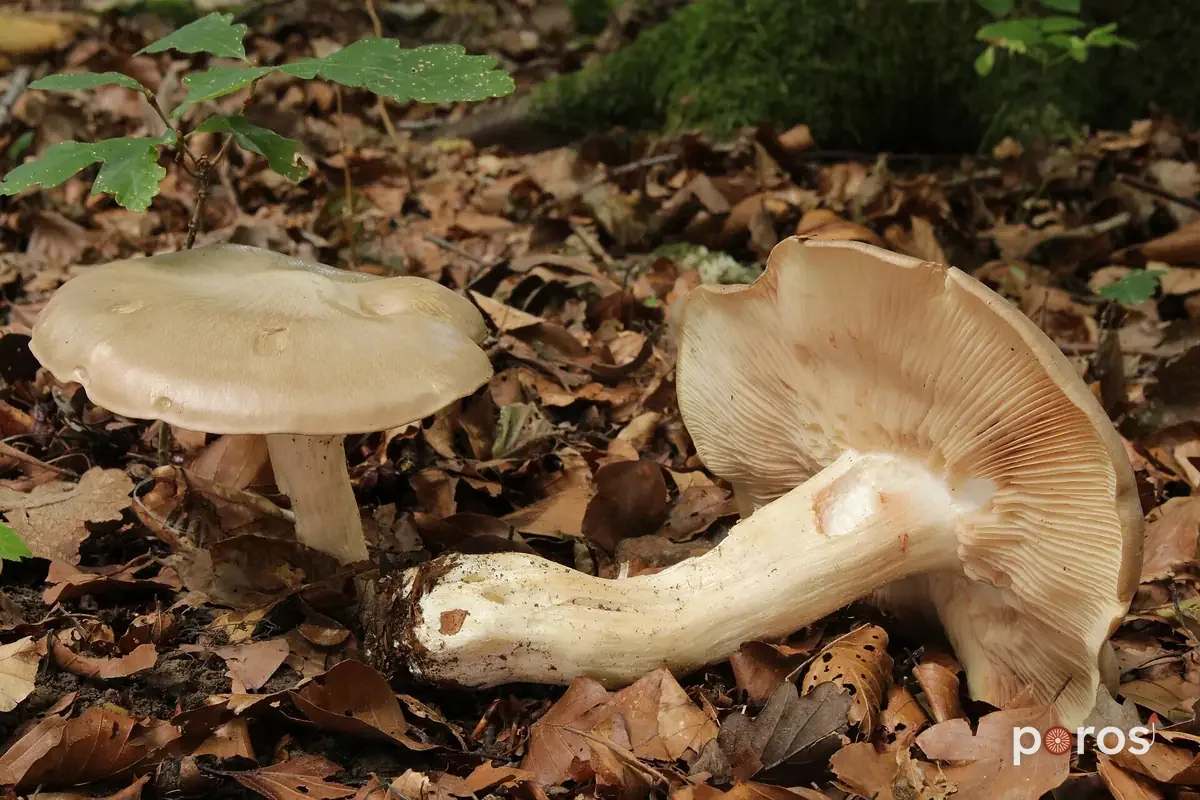
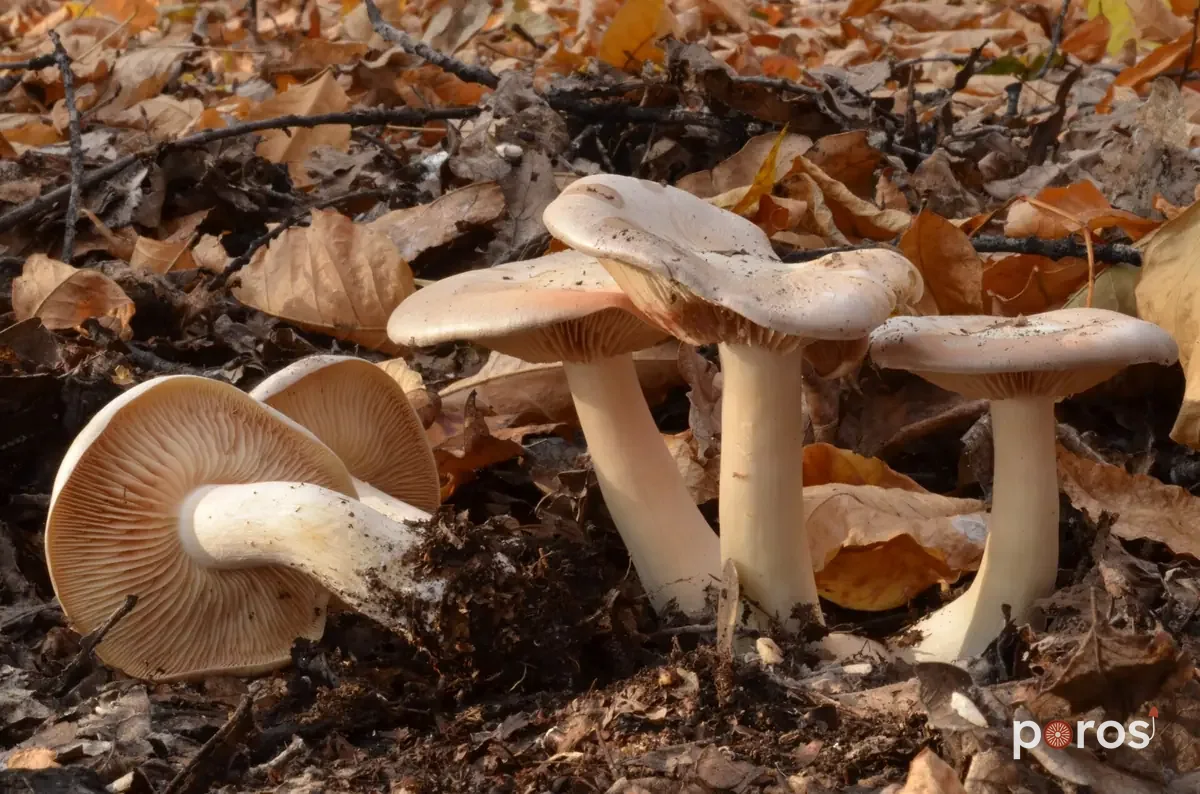
The livid pinkgill is the largest member of the pink-spored genus Entoloma, with a big ivory to grey cap, a wavy edge and gills that turn from yellowish to pink.
POISONOUS — do not eat.
Symptoms start within 30 minutes to 2 hours with diarrhoea, vomiting and headache. Usually not life-threatening, but seek medical help: 112 / 114.
The livid pinkgill is the largest member of the pink-spored genus Entoloma, with a big ivory to grey cap, a wavy edge and gills that turn from yellowish to pink. It has been blamed for 10% of mushroom poisonings in Europe, causing severe gastrointestinal illness. Young specimens are mistaken for edible white mushrooms.
Also called: livid entoloma, lead poisoner Turkish: Kurşuni pembe lamelli
How to recognise it
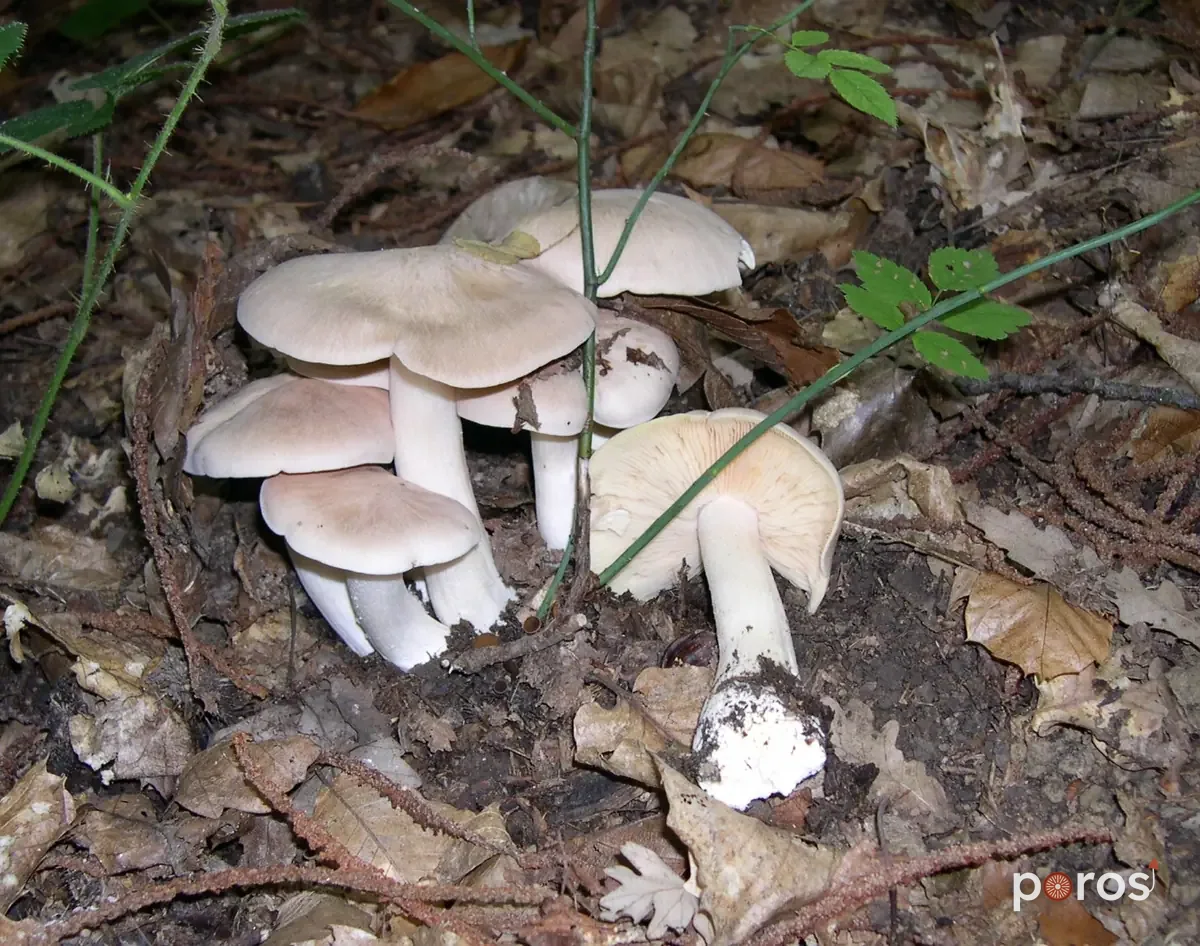
Livid pinkgill, part by part
No ring or volva Spore print: Pink (reddish brown) Mealy, often unpleasant or rancid smell.
When and where
Aug–Dec
- Jan
- Feb
- Mar
- Apr
- May
- Jun
- Jul
- Augin season
- Sepin season
- Octin season
- Novin season
- Decin season
The livid pinkgill fruits in late summer and autumn in Europe, continuing into the New Year in Mediterranean countries. In Turkey, GBIF records fall in November and January.
Where do livid pinkgills grow?
The livid pinkgill grows in broadleaf woods under oak, beech and less often birch, often on clay or chalky soil, and can spread into parks and grassland.
In Turkey
The livid pinkgill has been recorded in the Black Sea region and Adıyaman; a study in the eastern Black Sea region found the highest copper and zinc levels in this species.
- İstanbul3
- Kocaeli1
4 observations on our map (GBIF, iNaturalist). Record density also reflects where observers work.
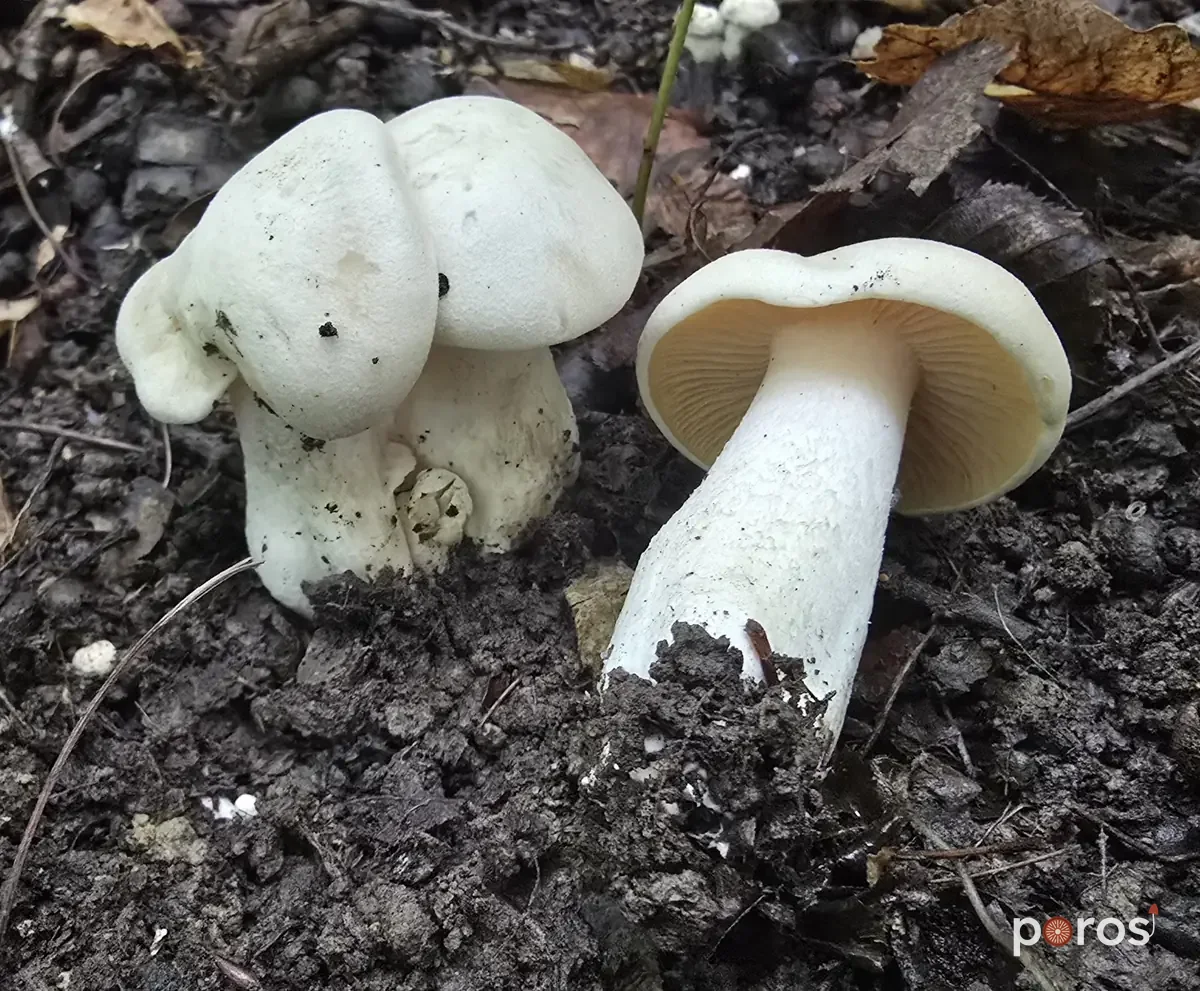
Latest livid pinkgill observations

Look-alikes
What is it mistaken for?
The miller Clitopilus prunulus
Grey-white downy cap with decurrent white gills; this confusion is a common cause of poisoning in France.
St George's mushroom Calocybe gambosa
Fruits in spring, with crowded cream gills and a strong mealy smell.
Button mushroom Agaricus bisporus
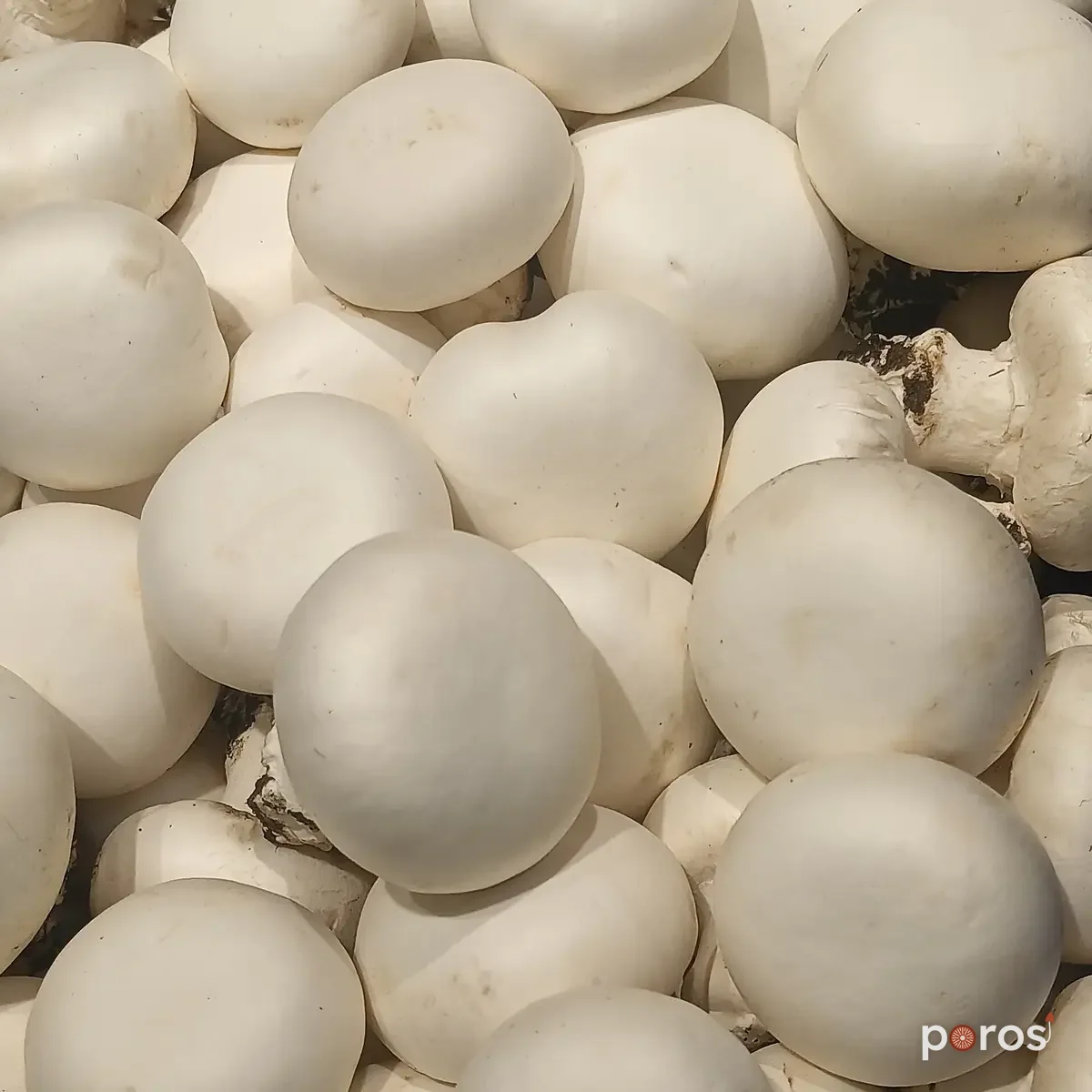
Gills darken from pink to chocolate brown and there is a ring; the livid pinkgill has none.
Frequently asked questions
Are livid pinkgills poisonous?
Yes, the livid pinkgill is poisonous and must not be eaten. Symptoms start within 30 minutes to 2 hours with diarrhoea, vomiting and headache. Usually not life-threatening, but seek medical help: 112 / 114.
When is livid pinkgill season in Turkey?
In our calendar, livid pinkgill season runs Aug–Dec. The livid pinkgill fruits in late summer and autumn in Europe, continuing into the New Year in Mediterranean countries. In Turkey, GBIF records fall in November and January.
Where do livid pinkgills grow?
The livid pinkgill grows in broadleaf woods under oak, beech and less often birch, often on clay or chalky soil, and can spread into parks and grassland.
Where are livid pinkgills found in Turkey?
The livid pinkgill has been recorded in the Black Sea region and Adıyaman; a study in the eastern Black Sea region found the highest copper and zinc levels in this species.
What can the livid pinkgill be confused with?
The livid pinkgill can be confused with the miller (Clitopilus prunulus, edible species), st George's mushroom (Calocybe gambosa, edible species) and button mushroom (Agaricus bisporus, edible species). Look-alikes are compared on this page.
What is the livid pinkgill called in Turkish?
In Turkish, the livid pinkgill (Entoloma sinuatum) is called Kurşuni pembe lamelli.
Related species
-
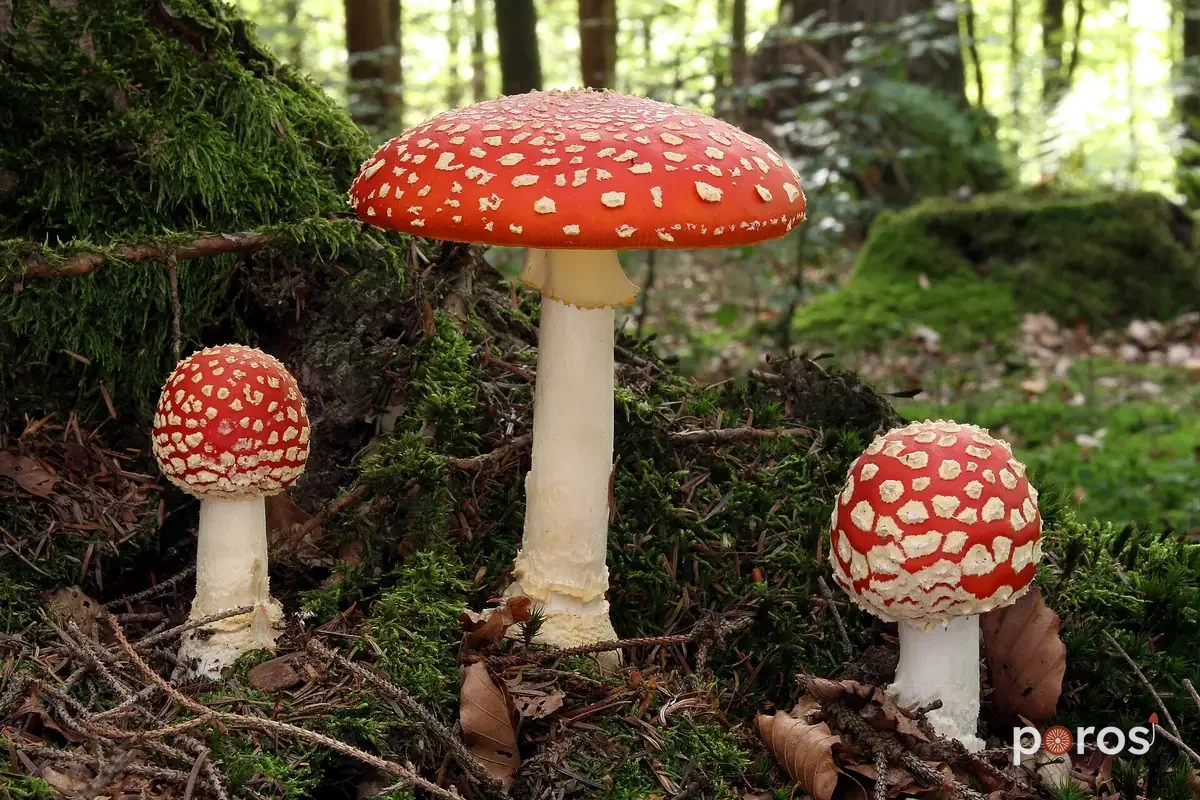 Fly agaricAmanita muscariaPoisonous
-
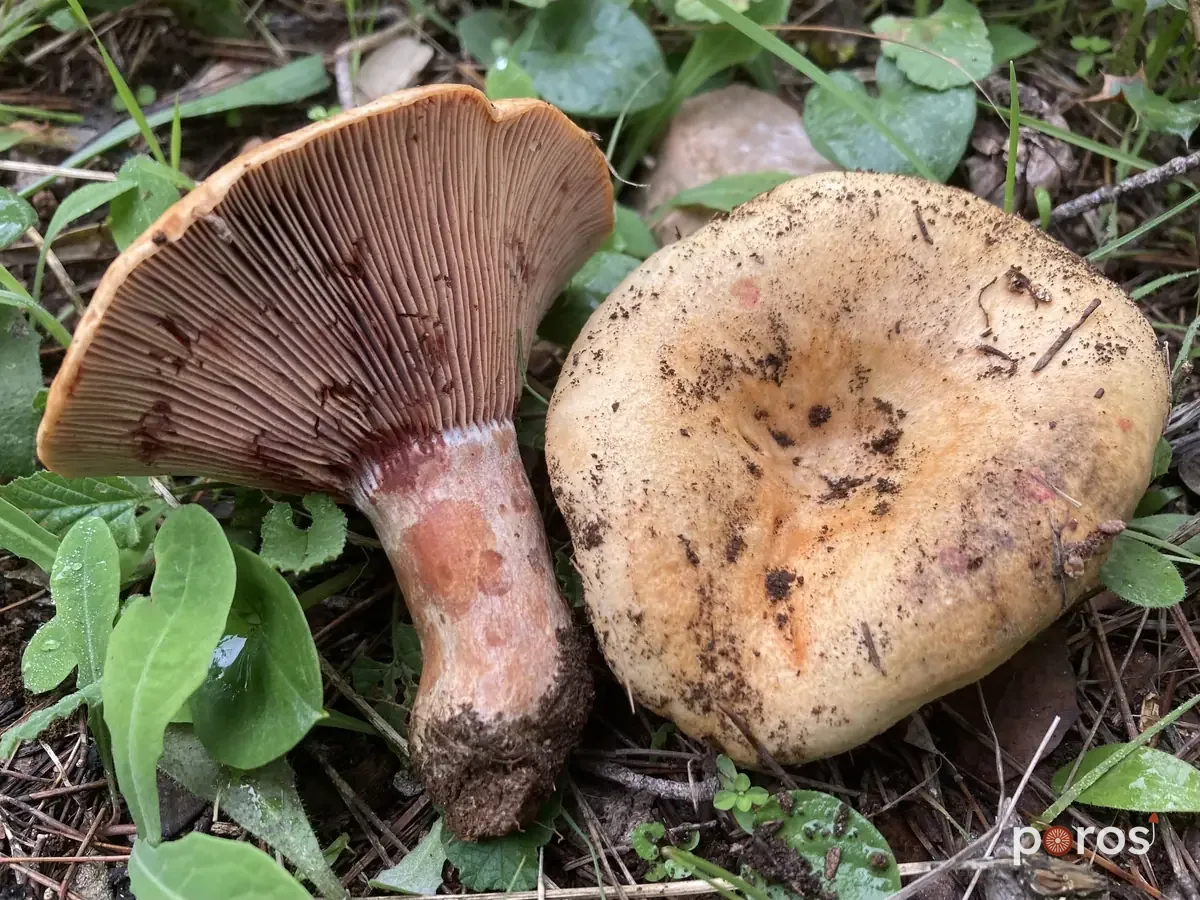 Bloody milk capLactarius sanguifluusEdible species
-
Button mushroomAgaricus bisporusEdible species
-
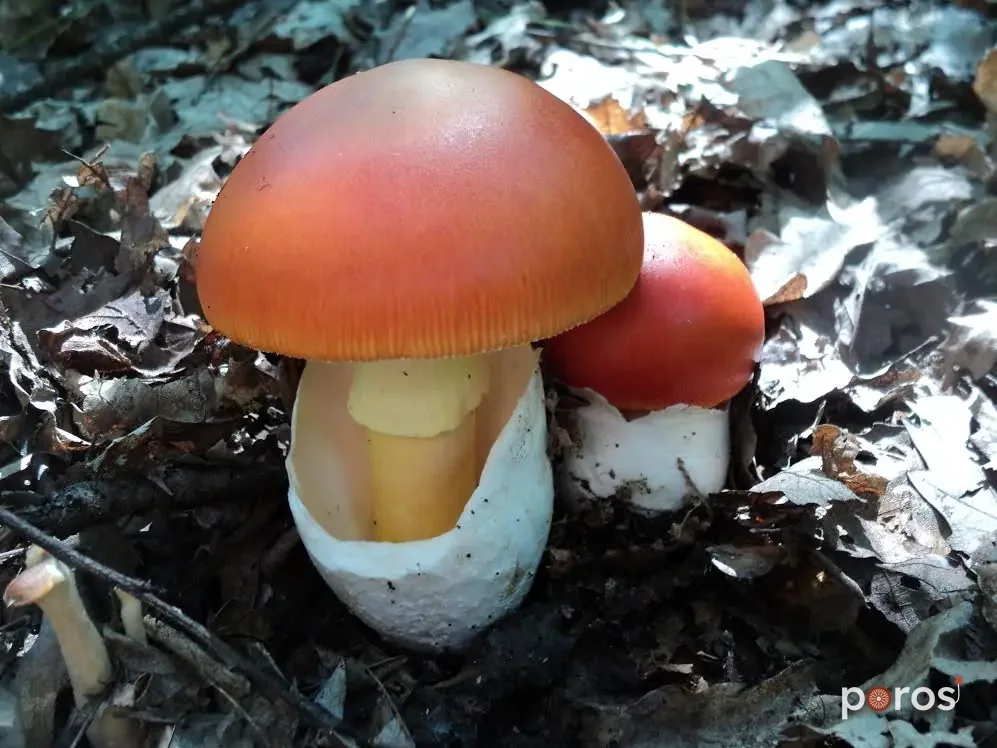 Caesar’s mushroomAmanita caesareaEdible species
-
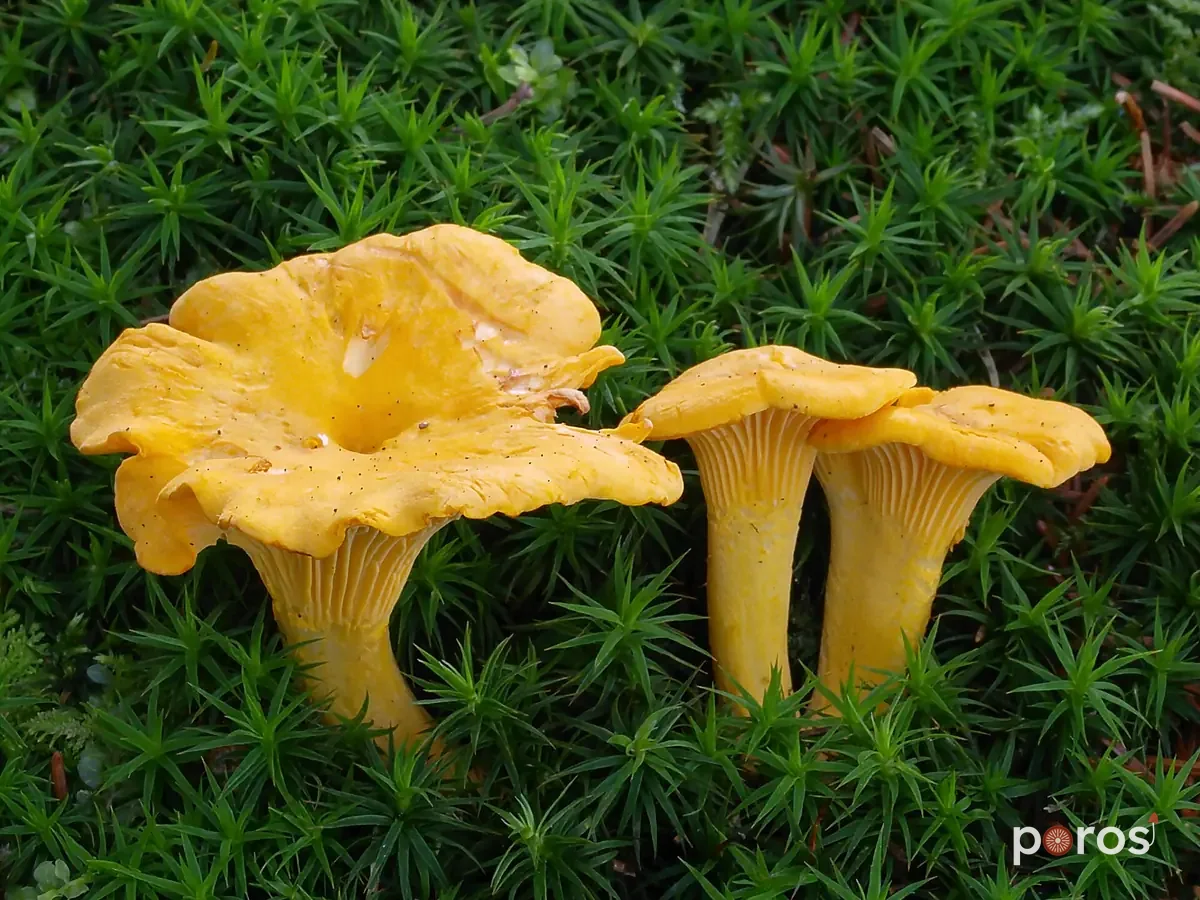 ChanterelleCantharellus cibariusEdible species
-
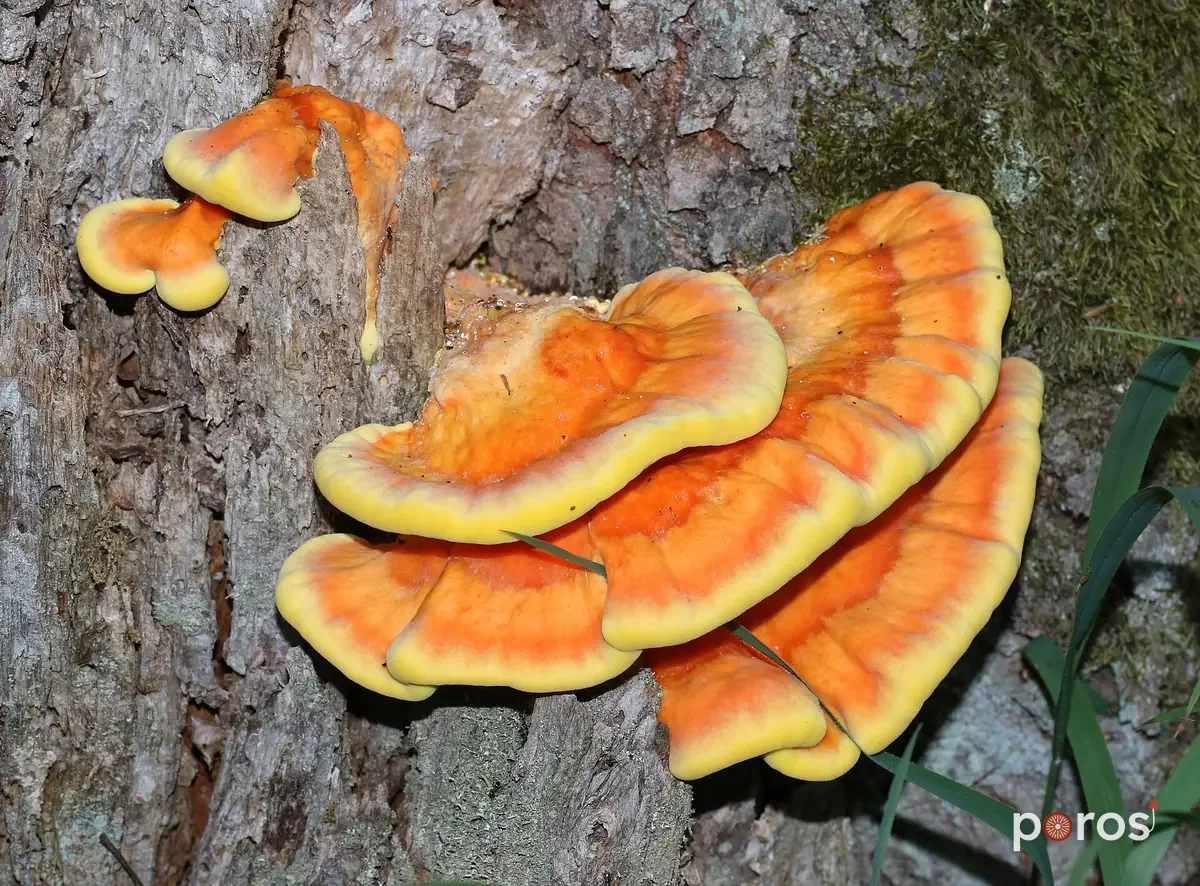 Chicken of the woodsLaetiporus sulphureusEdible species
-
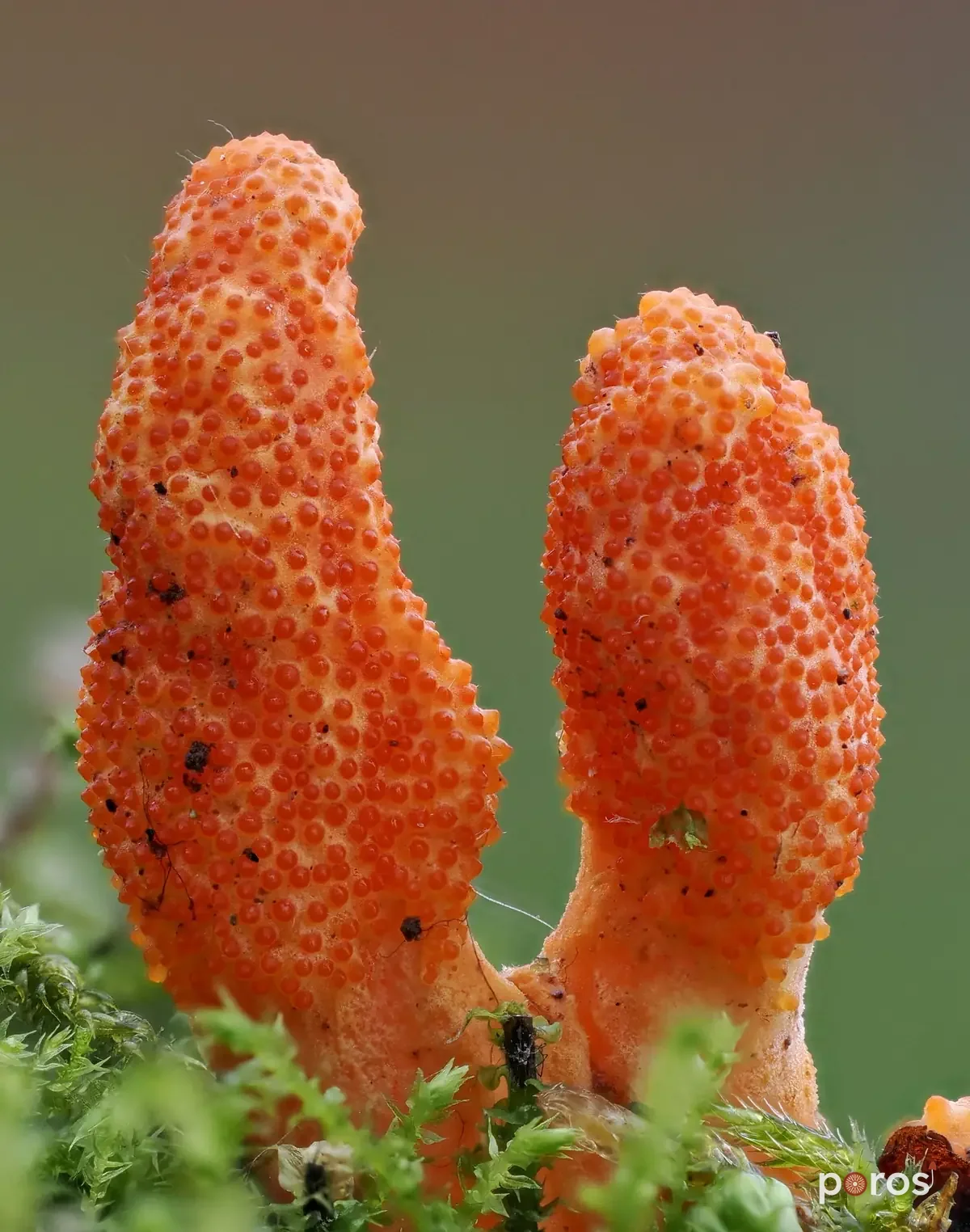 CordycepsCordyceps militarisTraditional use
-
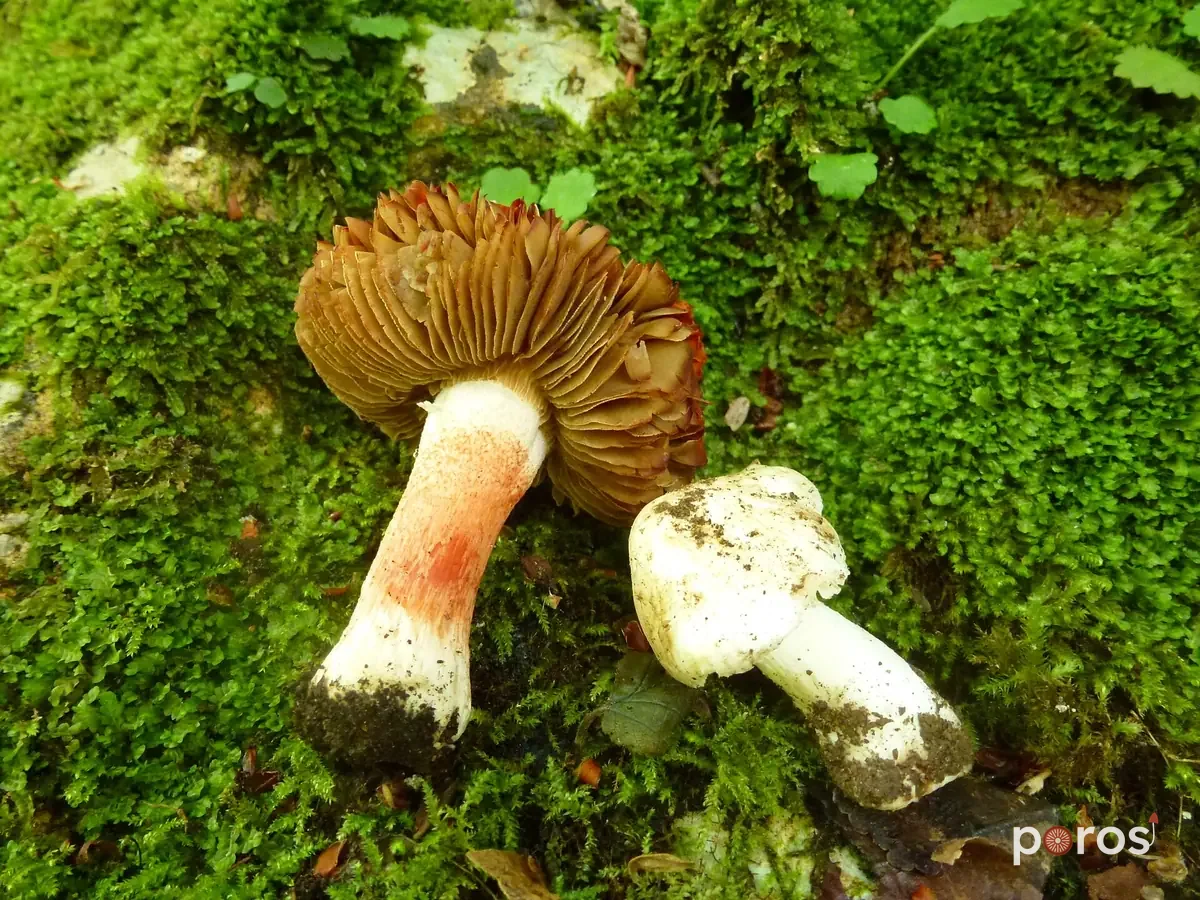 Deadly fibrecapInosperma erubescensDeadly poisonous
Sources (3)
- Wikipedia (EN): Entoloma sinuatum · checked 26 Oct 2026
- First Nature: Entoloma sinuatum · checked 26 Oct 2026
- GBIF: Türkiye kayıtları · checked 26 Oct 2026
Photo credits (10)
- Entoloma sinuatum · iNaturalist #34492154 · Eugene Popov · CC BY 4.0
- Entoloma sinuatum · iNaturalist #138431069 · Lazar Popović · CC BY 4.0
- File:Entoloma sinuatum group.JPG · No machine-readable author provided. Archenzo assumed (based on copyright claims). · CC BY-SA 3.0
- Entoloma sinuatum · iNaturalist #306078831 · Paula Nimigean · CC BY 4.0
- Entoloma sinuatum · iNaturalist #306078831 · Paula Nimigean · CC BY 4.0
- File:Riesen-Rötling Entoloma sinuatum.JPG · Holger Krisp · CC BY 3.0
- Entoloma sinuatum · iNaturalist #57610187 · Bill Sheehan · CC BY-SA 4.0
- File:Entoloma sinuatum 54291818.jpg · Eugene Popov · CC BY 4.0
- Entoloma sinuatum · iNaturalist #315032736 · Todd Patterson · CC BY 4.0
- Entoloma sinuatum · iNaturalist #138431069 · Lazar Popović · CC BY 4.0


