
Saffron milk cap
Lactarius deliciosus · Russulaceae
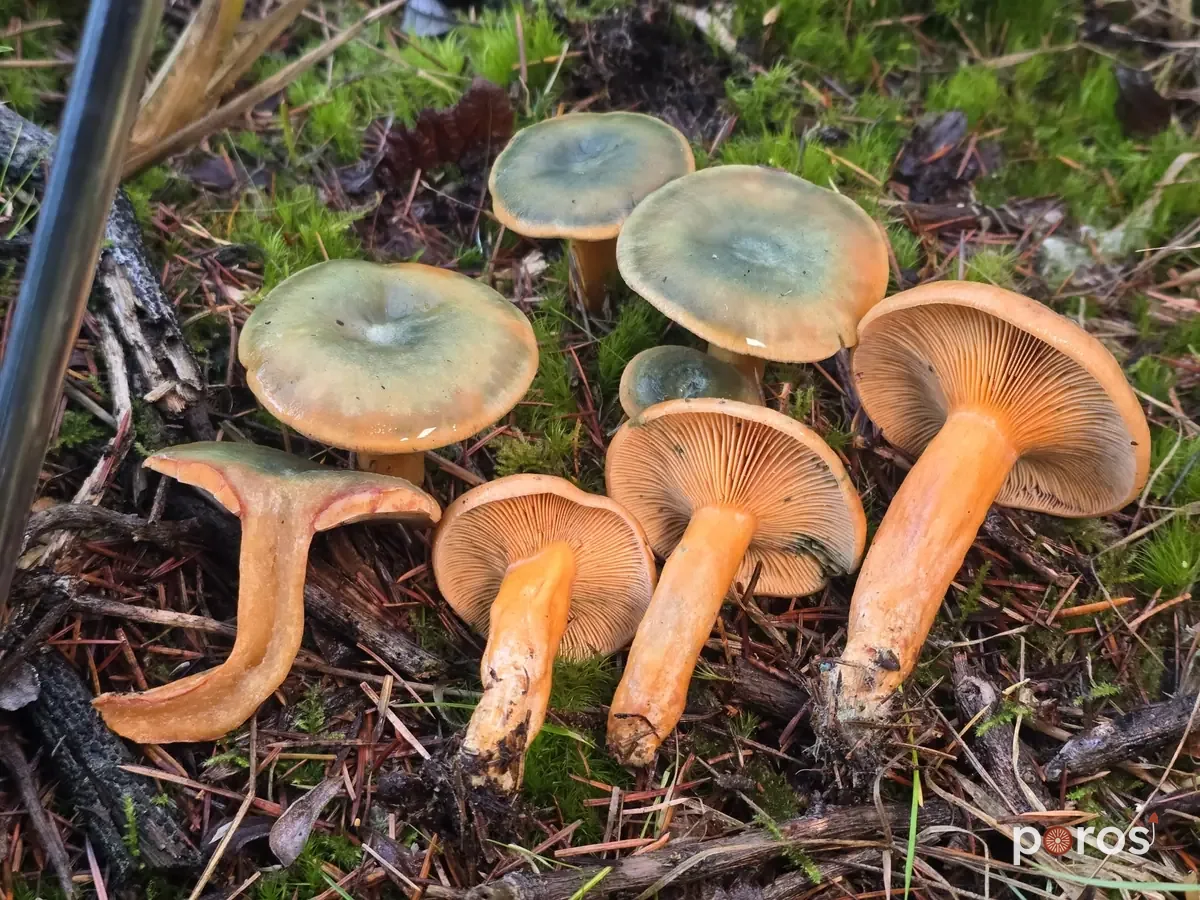
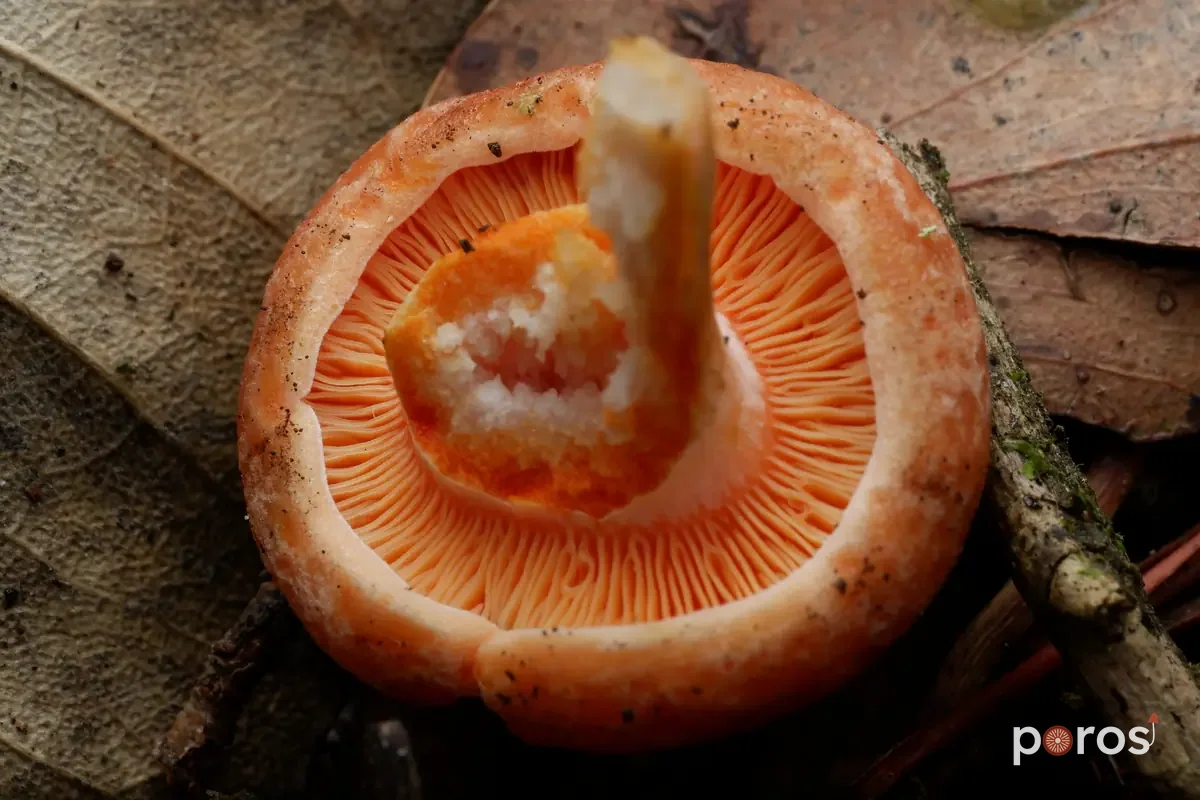
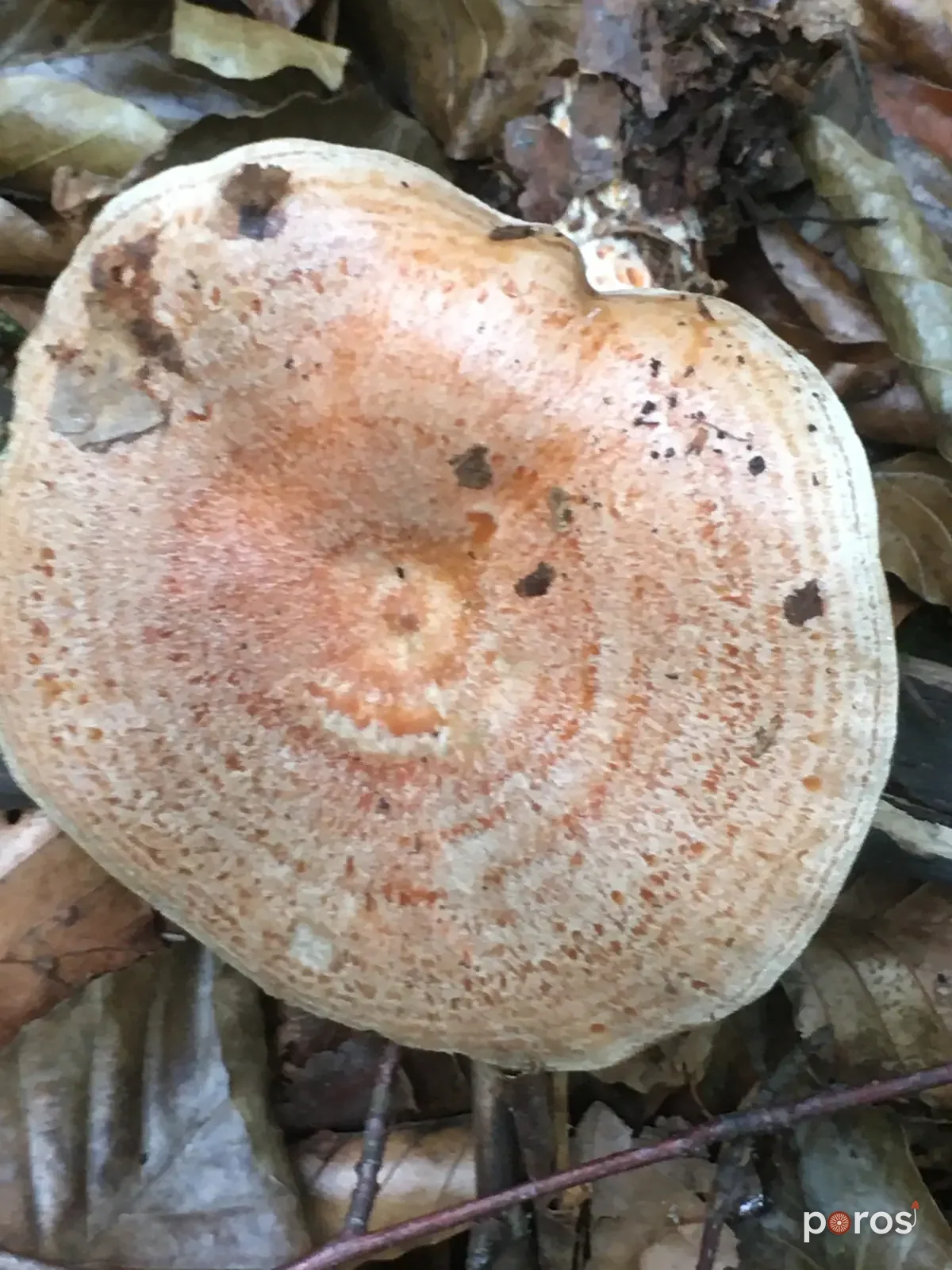
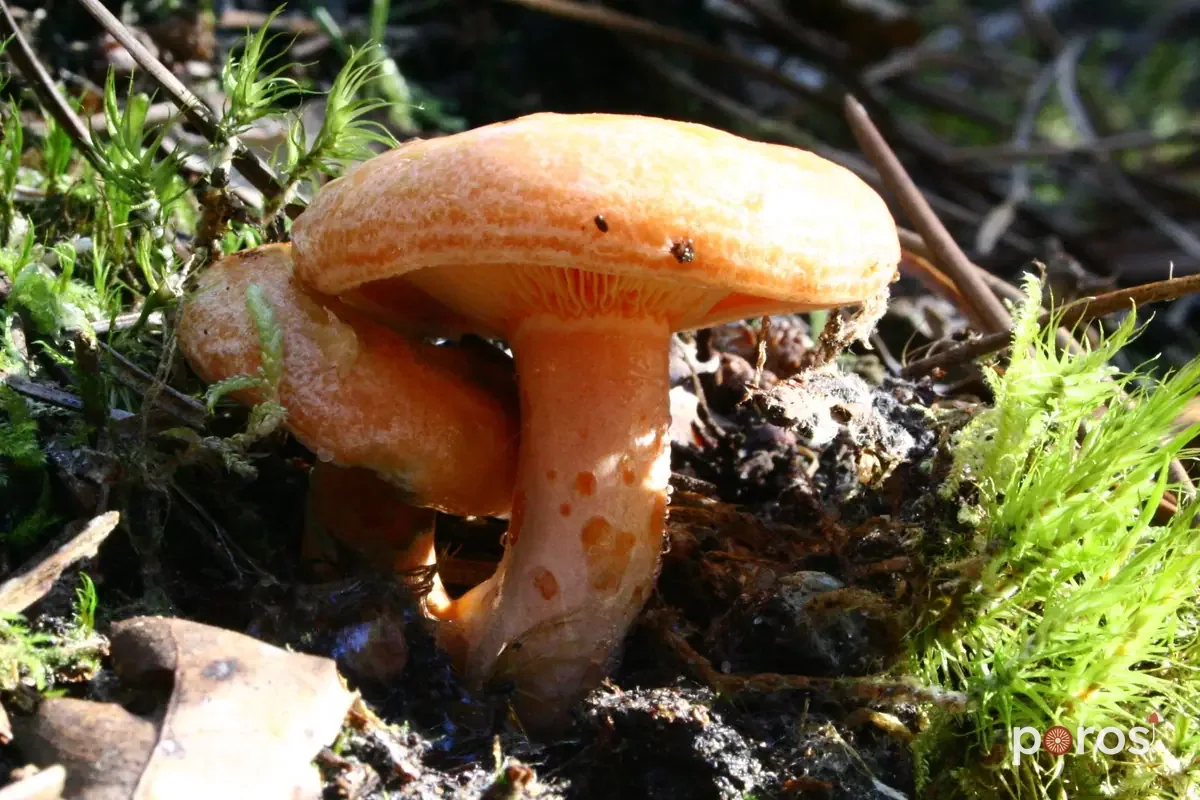
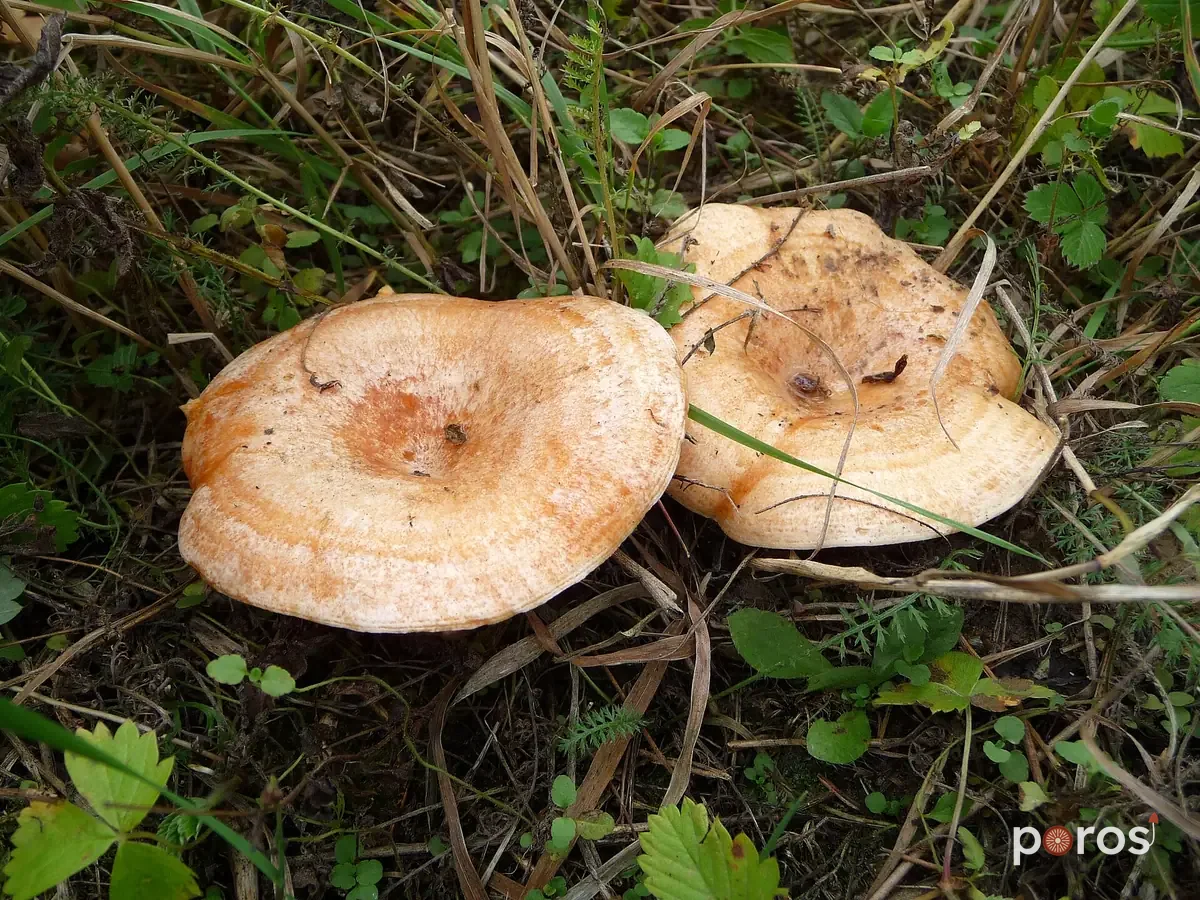
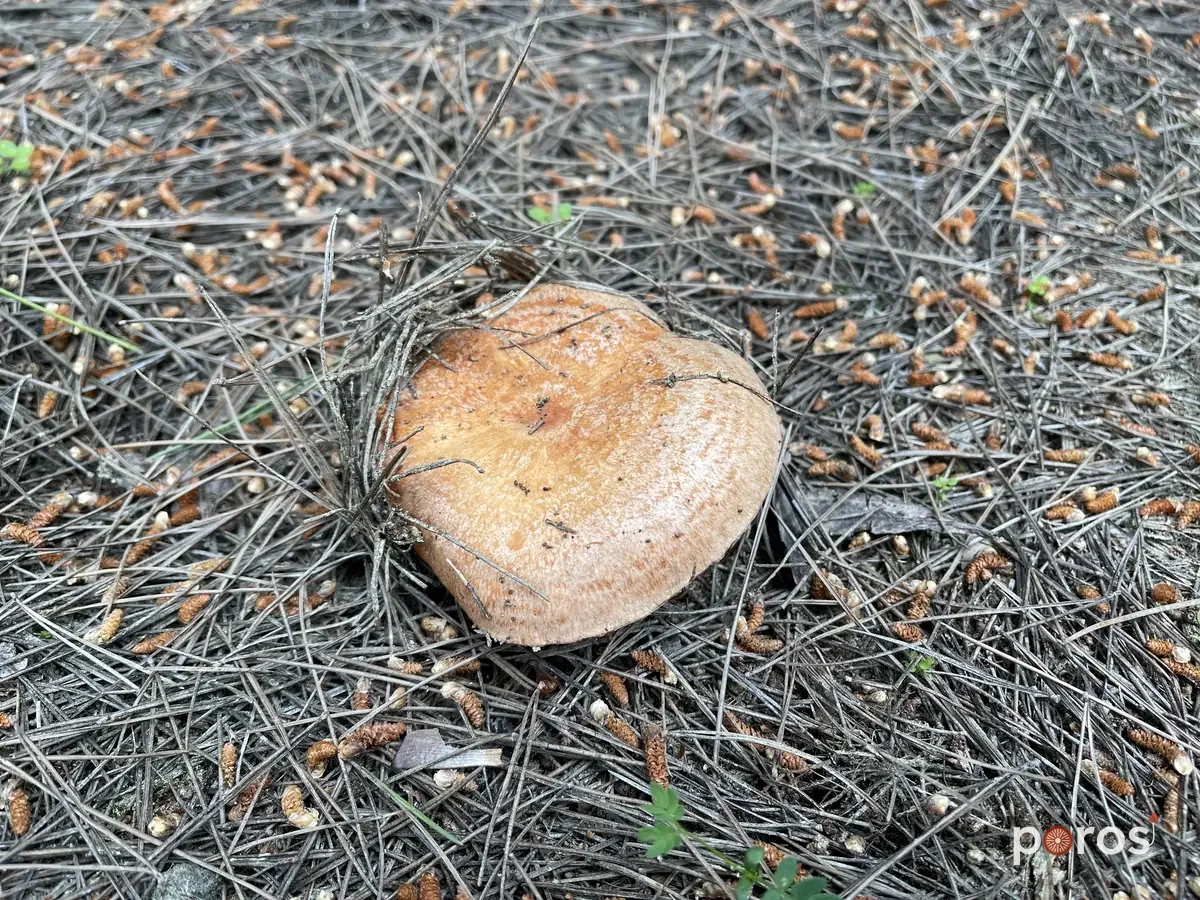
The saffron milk cap is the autumn mushroom of pine woods, with a carrot-orange cap marked in rings and orange milk that oozes when it is broken.
The saffron milk cap is the autumn mushroom of pine woods, with a carrot-orange cap marked in rings and orange milk that oozes when it is broken. Spots that are handled or cut turn green. In Turkey the folk names kanlıca, çıntar and çam melkisi cover both this species and its close relative L. deterrimus.
Also called: delicious milk cap, red pine mushroom, orange latex milky Turkish: Kanlıca, çıntar, çam melkisi, kanlıca mantarı
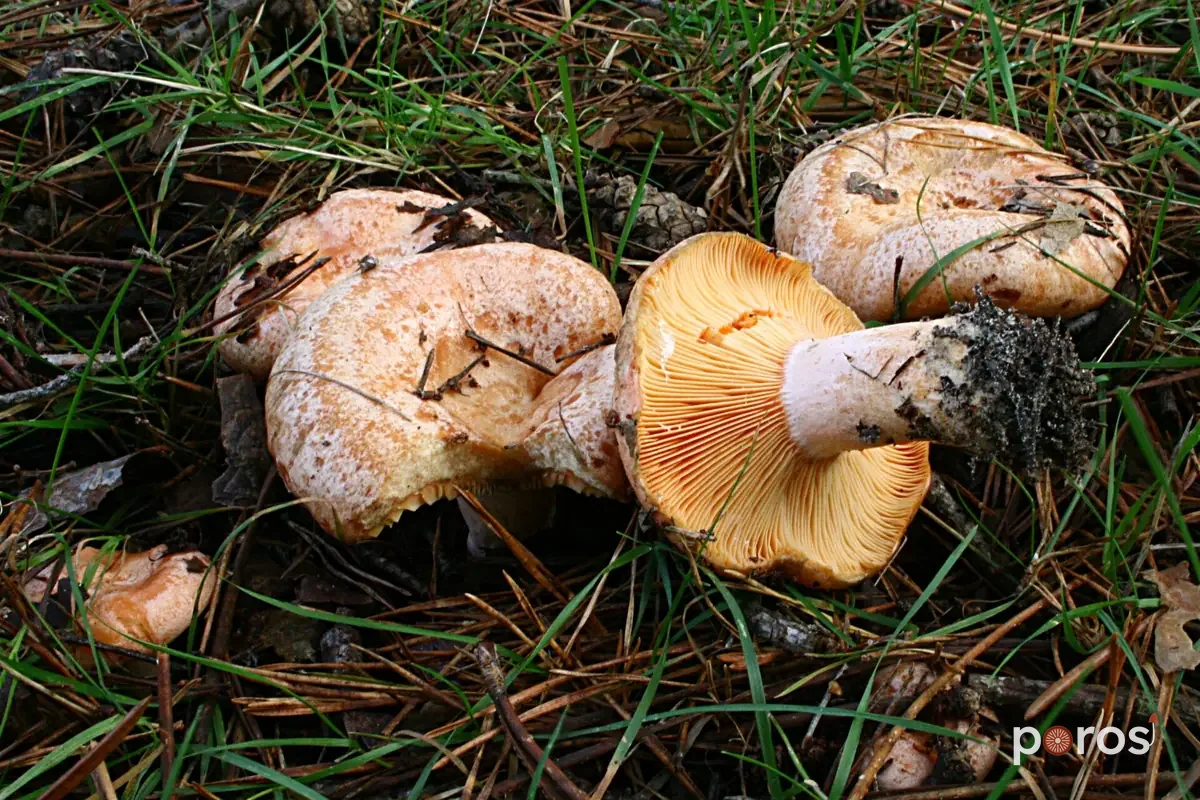
How to recognise it
Saffron milk cap, part by part
No ring or volva Spore print: Cream to pale pinkish buff Fruity; the milk is mild, turning slightly bitter. The orange-red milk does not change colour.
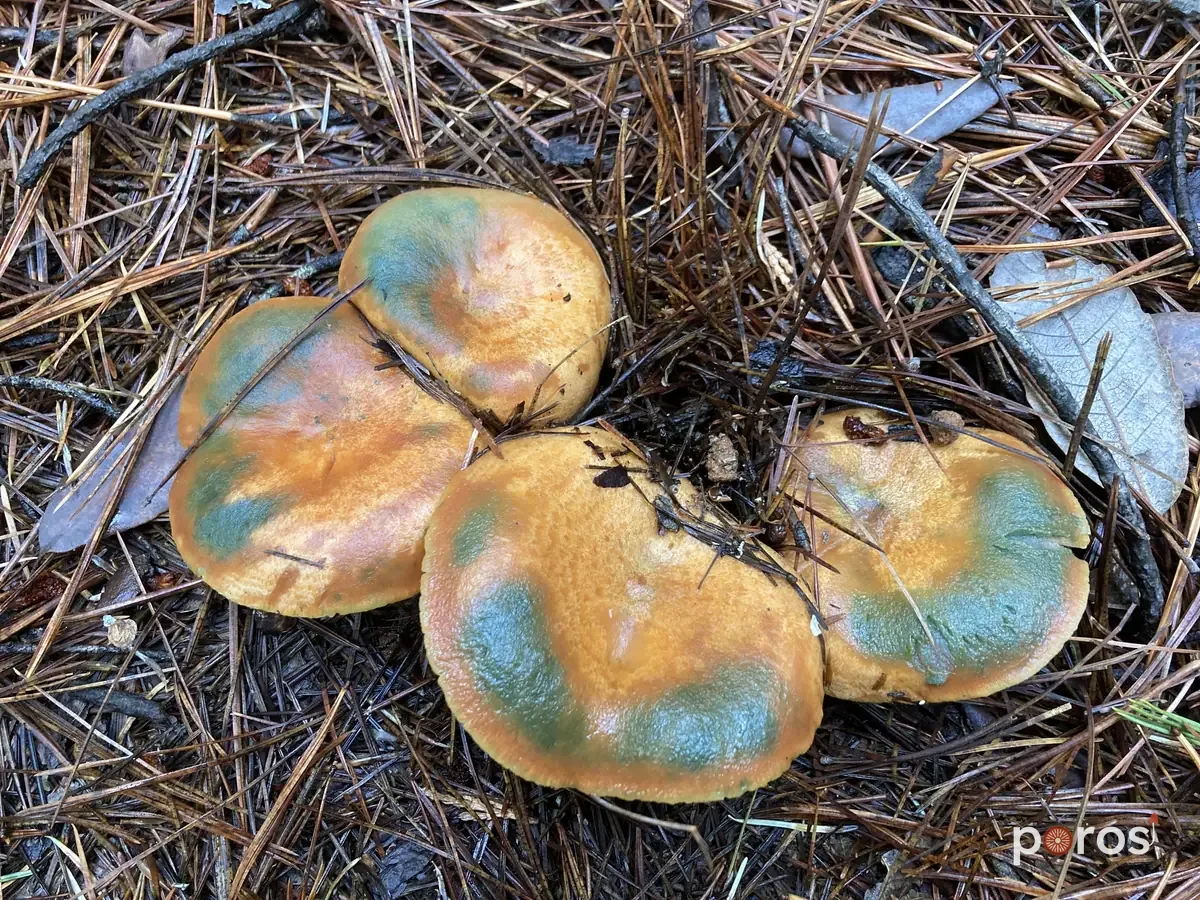
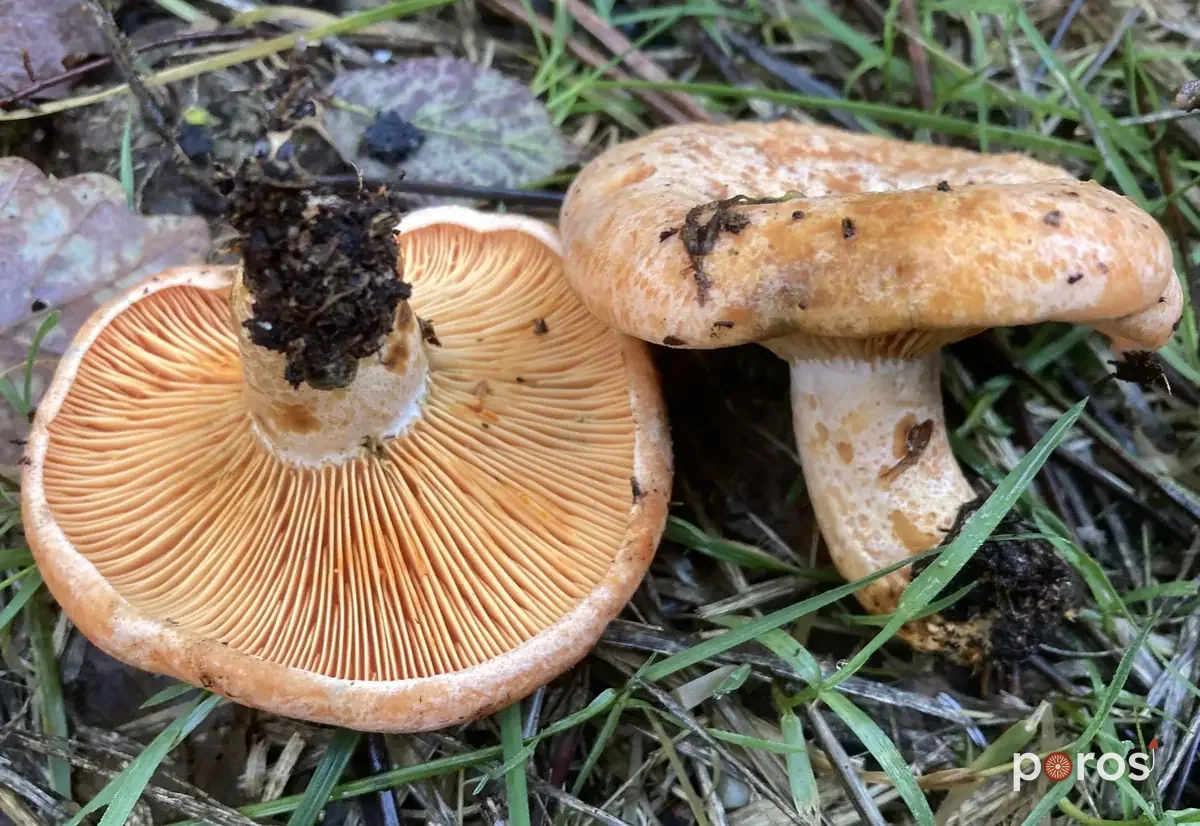
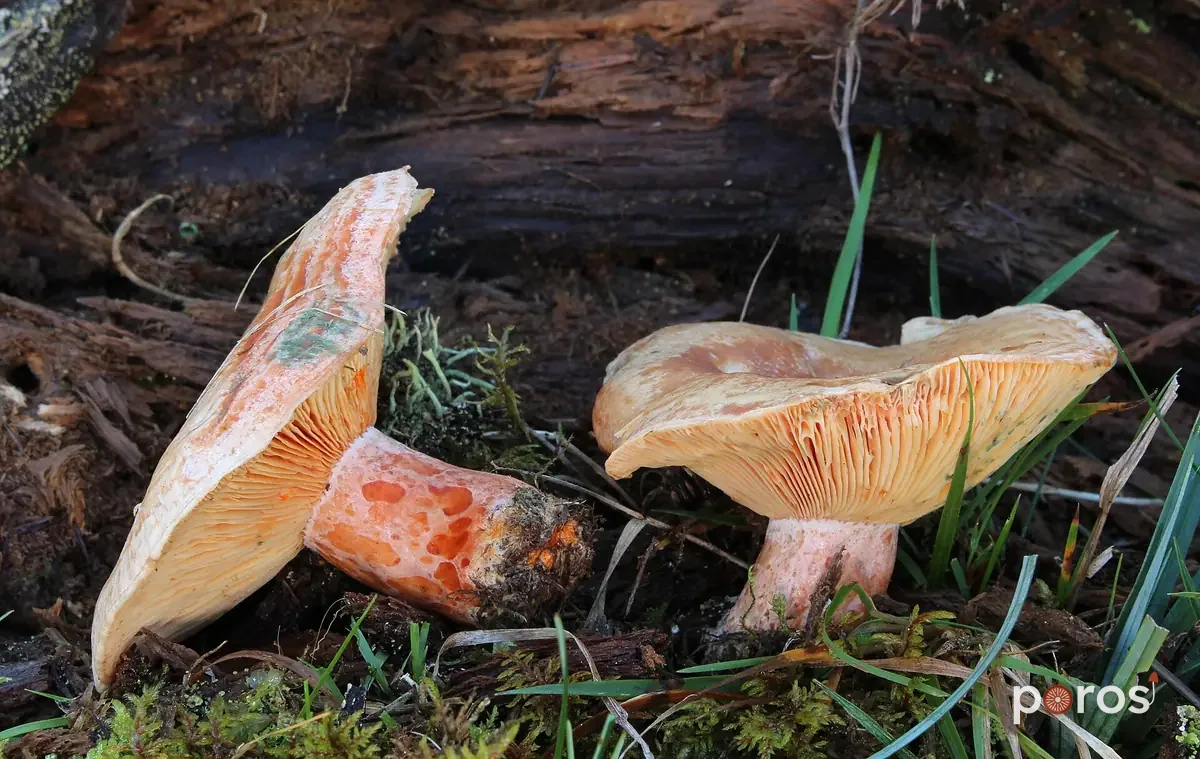
When and where
Sep–Dec
- Jan
- Feb
- Mar
- Apr
- May
- Jun
- Jul
- Aug
- Sepin season
- Octin season
- Novin season
- Decin season
The saffron milk cap is picked from August to early October in the northern hemisphere; in Turkey, GBIF records cluster between October and January, and the season shifts with the rains.
Where do saffron milk caps grow?
The saffron milk cap grows under conifers, especially pines, on acidic soil, where it forms a mycorrhizal partnership with the trees.
In Turkey
The saffron milk cap is reported to be collected and sold in İzmir and Antalya provinces, and it is widely recorded in the pine woods of the Marmara, western Black Sea and Aegean regions. In Turkey 4–5 Lactarius species go by the name kanlıca, and toxic look-alikes picked by mistake have caused poisonings.
- İstanbul12
- Manisa6
- Bolu6
- Samsun4
- Bursa2
- Muğla2
- Burdur1
- Ankara1
41 observations on our map (GBIF, iNaturalist). Record density also reflects where observers work.
Latest saffron milk cap observations


Look-alikes
What could it be confused with?
Woolly milkcap Lactarius torminosus
Pinker, with a woolly cap margin, always near birch; white milk. Causes stomach upsets and should be treated as poisonous.
False saffron milkcap Lactarius deterrimus
Smooth stem and pinkish-orange milk; also picked as kanlıca in Turkey.
Bleeding milk cap Lactarius rubrilacteus
Exudes dark red milk and stains blue.
In the kitchen
Cooking with saffron milk caps
On the blog

What goes well with saffron milk caps
- butter
- olive oil
- onion
- garlic
- Turkish chilli flakes (pul biber)
- flat-leaf parsley
- rustic bread or cornbread
The ingredients in our recipe with saffron milk caps.
Storing saffron milk caps
Eating a lot of it can turn urine orange-red; this is a known effect of the species.
Grow it, buy it
Saffron milk cap price list
| Product | Us | Market (sourced, dated) |
|---|---|---|
| Fresh saffron milk caps | In preparation · notify me | — |
| Dried saffron milk caps | In preparation · notify me | — |
Our prices for saffron milk caps are published when the product is ready; for now we take waiting-list sign-ups. The market column shows prices seen on other sellers' pages on the date given; they are not our prices and may have changed.
Frequently asked questions
Are saffron milk caps edible?
Yes, the saffron milk cap is an edible species. Eat a wild one only after an expert has identified it with certainty: it can be confused with woolly milkcap (Lactarius torminosus). Eating a lot of it can turn urine orange-red; this is a known effect of the species.
When is saffron milk cap season in Turkey?
In our calendar, saffron milk cap season runs Sep–Dec. The saffron milk cap is picked from August to early October in the northern hemisphere; in Turkey, GBIF records cluster between October and January, and the season shifts with the rains.
Where do saffron milk caps grow?
The saffron milk cap grows under conifers, especially pines, on acidic soil, where it forms a mycorrhizal partnership with the trees.
Where are saffron milk caps found in Turkey?
The saffron milk cap is reported to be collected and sold in İzmir and Antalya provinces, and it is widely recorded in the pine woods of the Marmara, western Black Sea and Aegean regions. In Turkey 4–5 Lactarius species go by the name kanlıca, and toxic look-alikes picked by mistake have caused poisonings.
What can the saffron milk cap be confused with?
The saffron milk cap can be confused with woolly milkcap (Lactarius torminosus, poisonous), false saffron milkcap (Lactarius deterrimus, edible species) and bleeding milk cap (Lactarius rubrilacteus, edible species). Look-alikes are compared on this page.
What is the saffron milk cap called in Turkish?
In Turkish, the saffron milk cap (Lactarius deliciosus) is called Kanlıca; other local names include çıntar, çam melkisi and kanlıca mantarı.
Related species
-
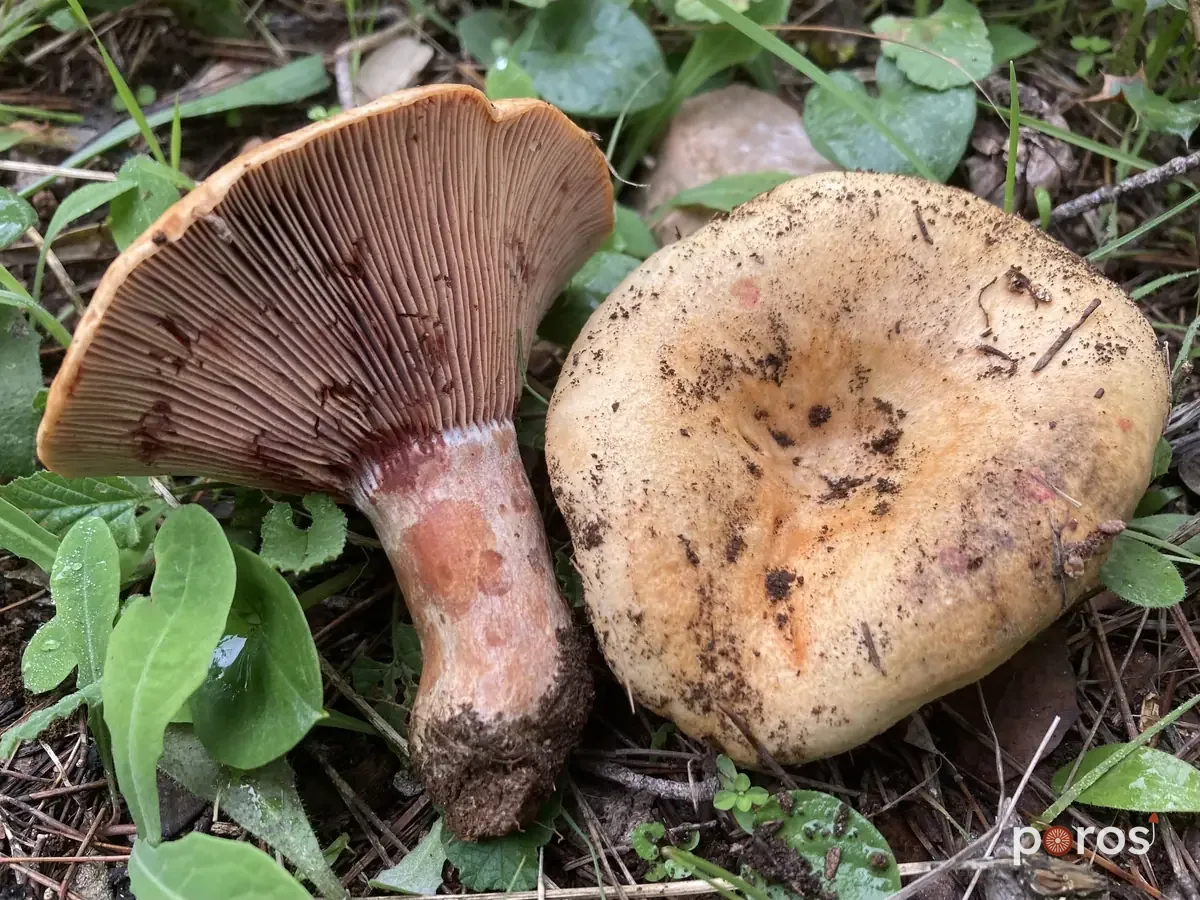 Bloody milk capLactarius sanguifluusEdible species
-
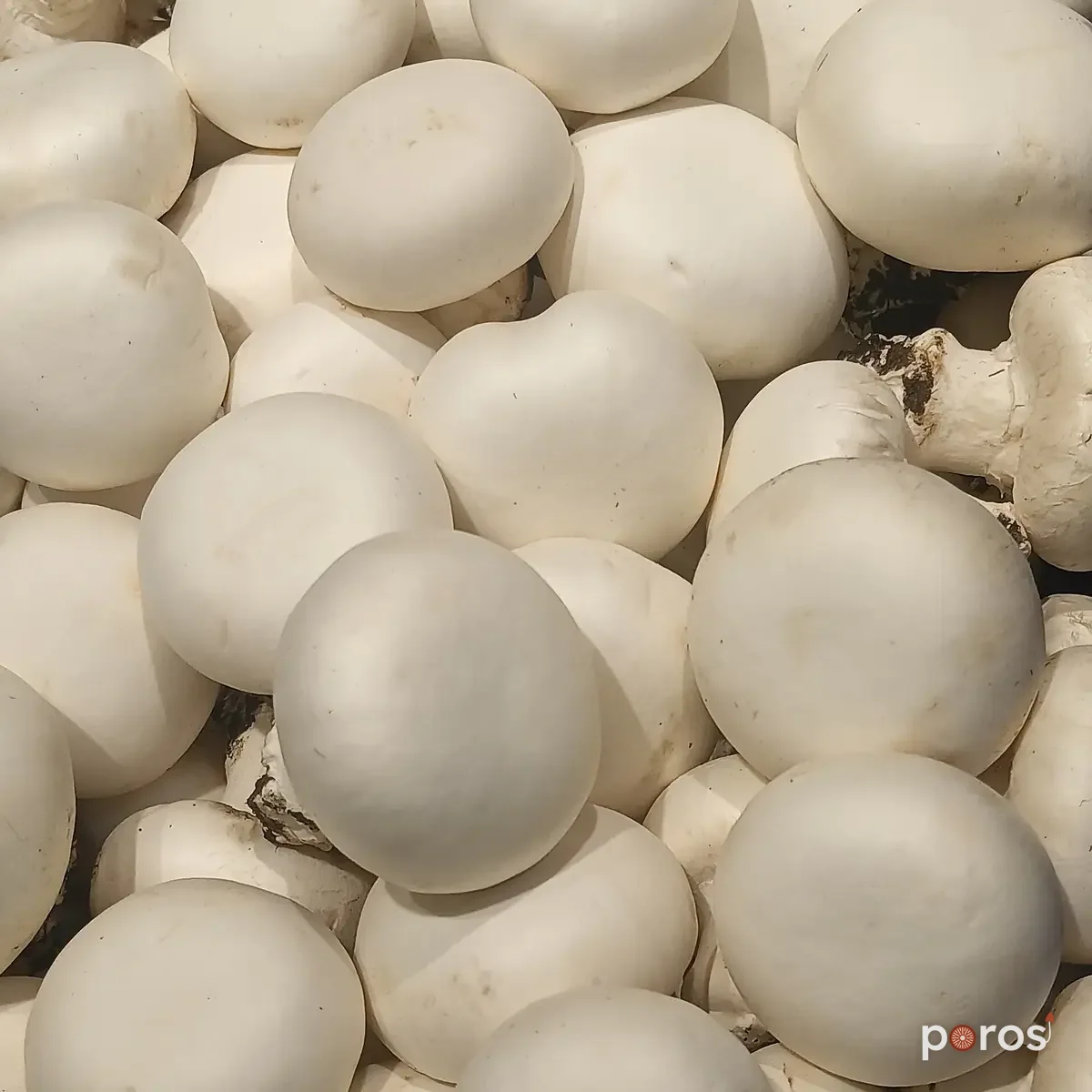 Button mushroomAgaricus bisporusEdible species
-
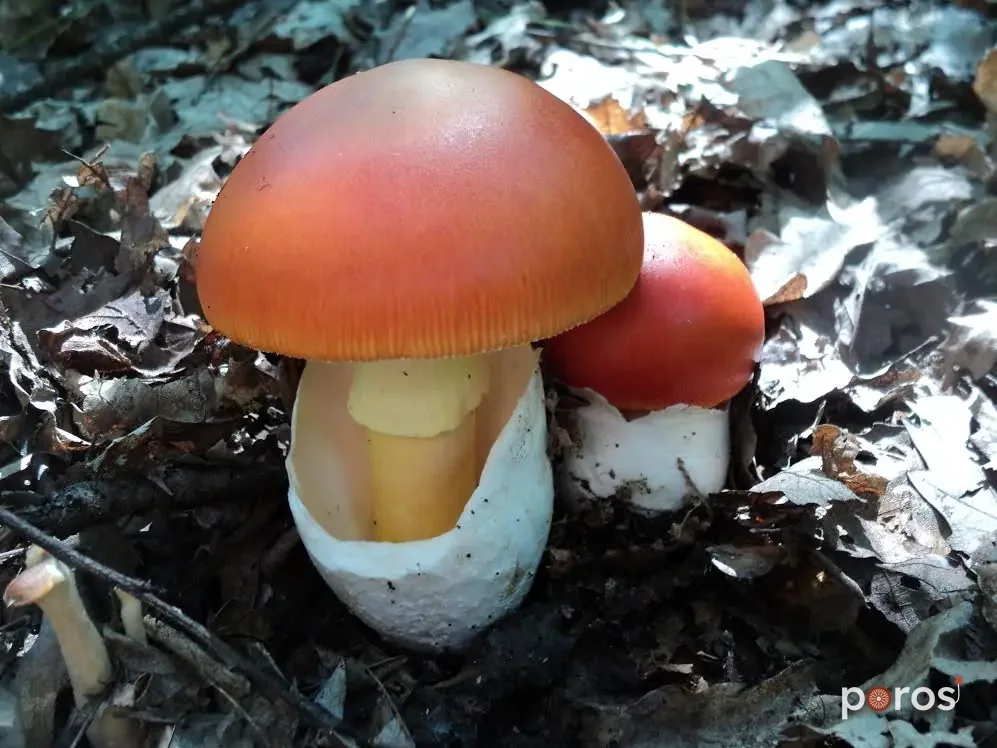 Caesar’s mushroomAmanita caesareaEdible species
-
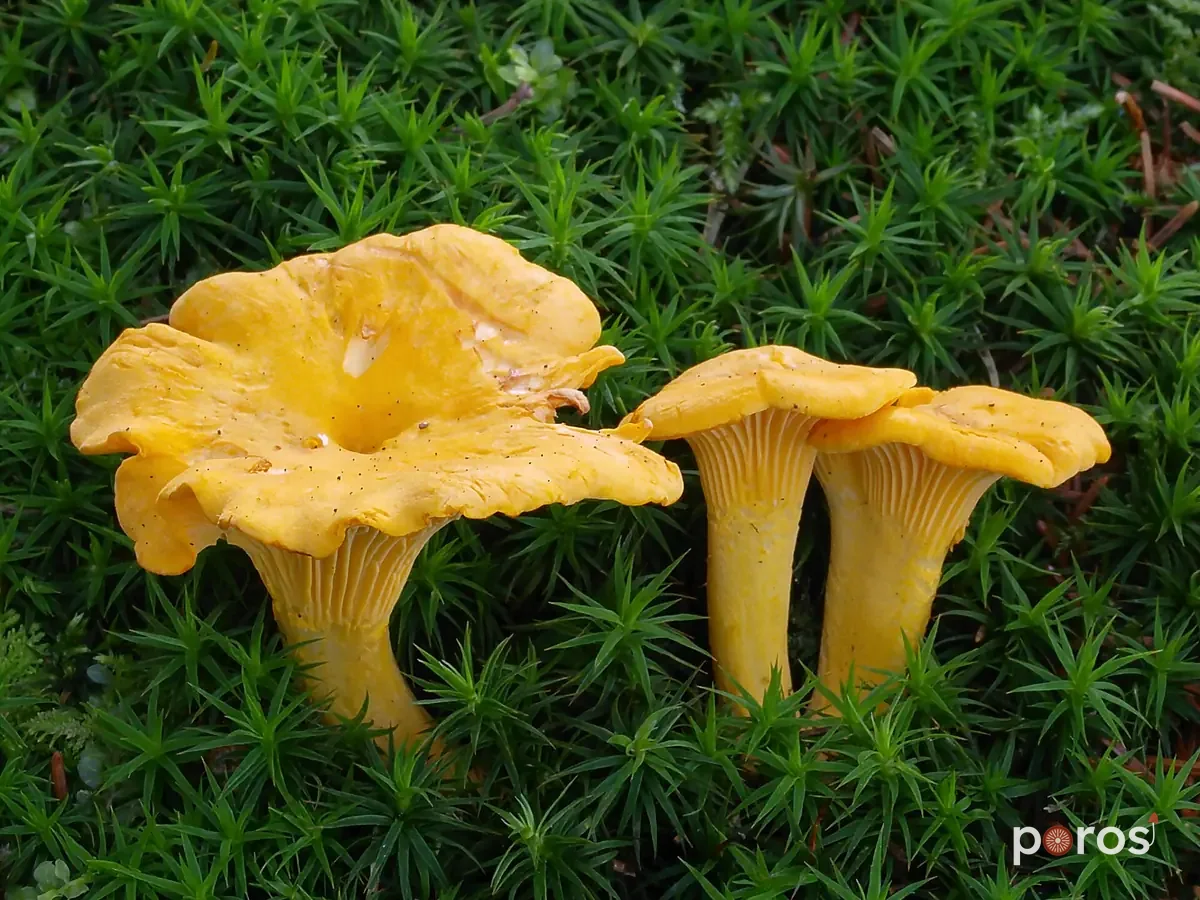 ChanterelleCantharellus cibariusEdible species
-
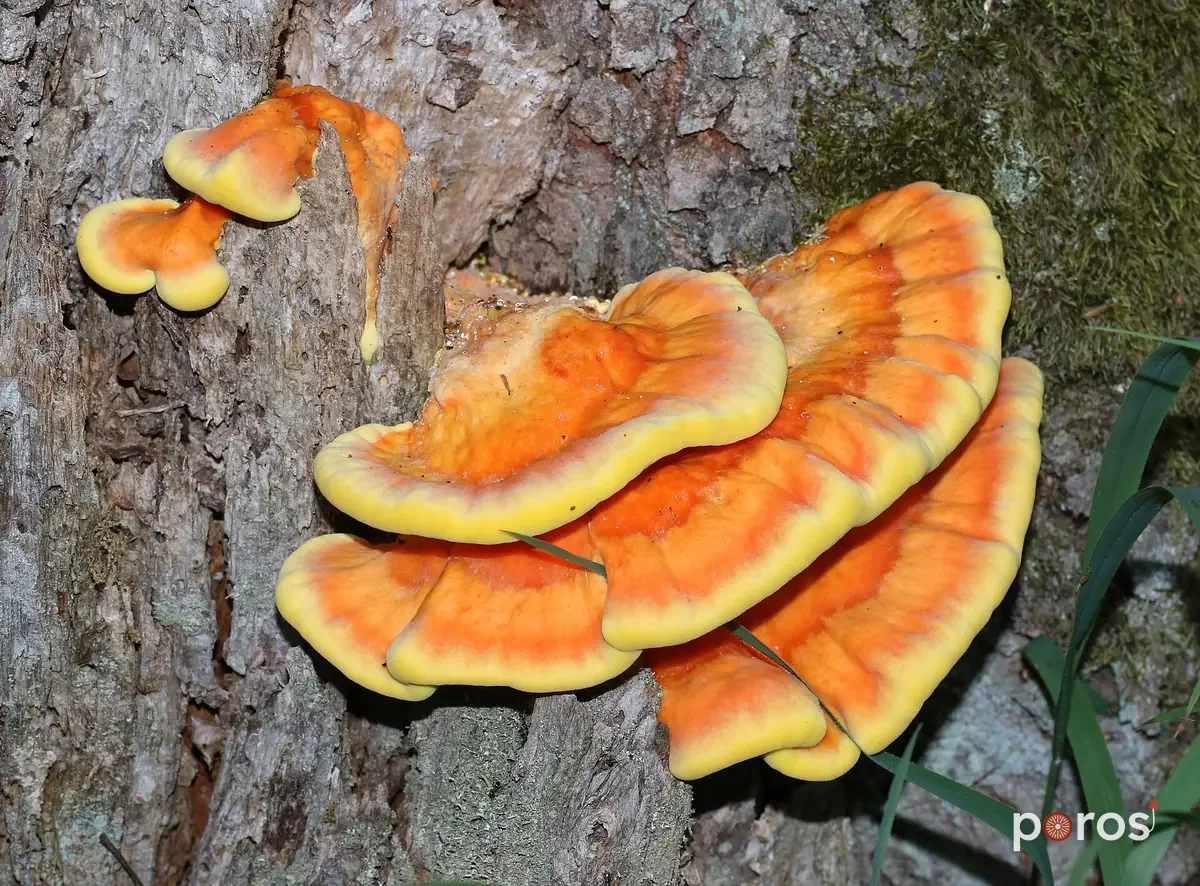 Chicken of the woodsLaetiporus sulphureusEdible species
-
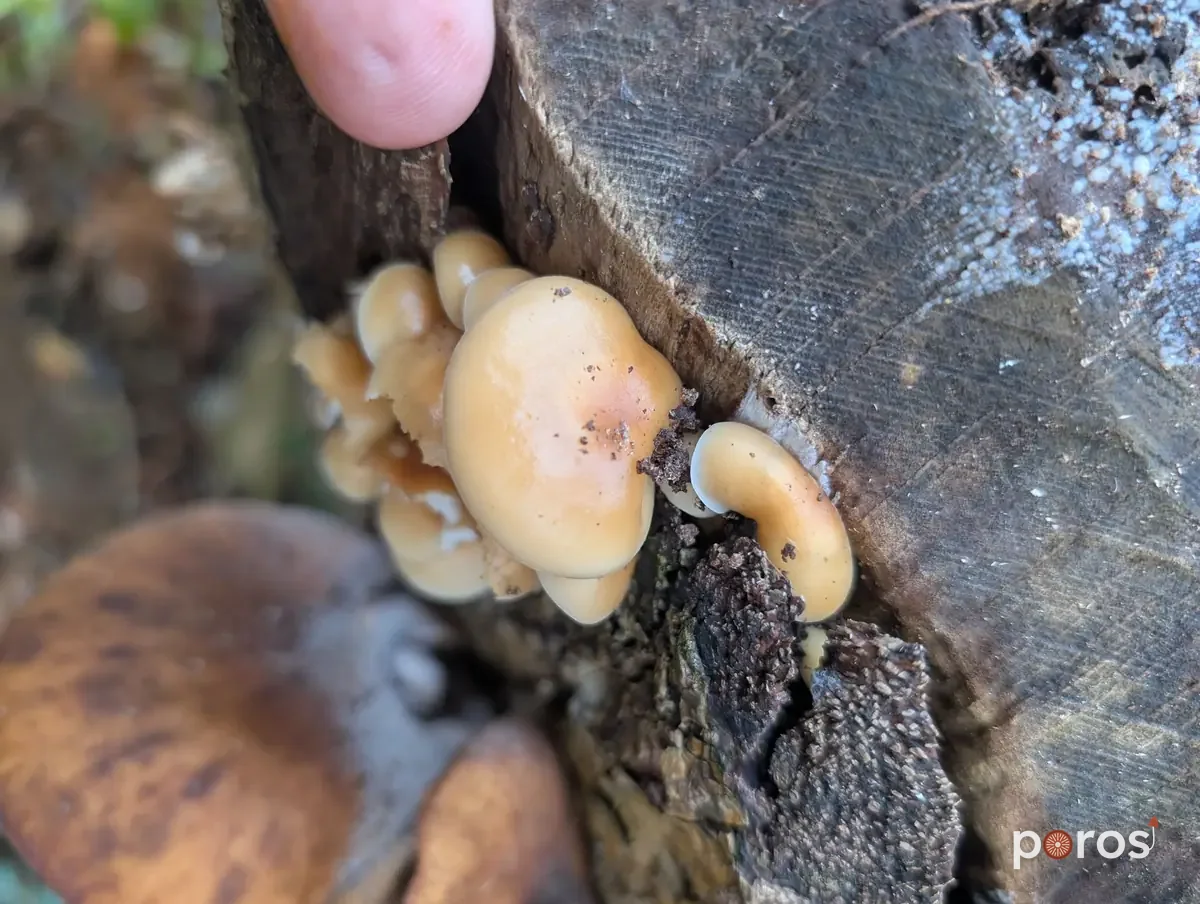 EnokiFlammulina filiformisEdible species
-
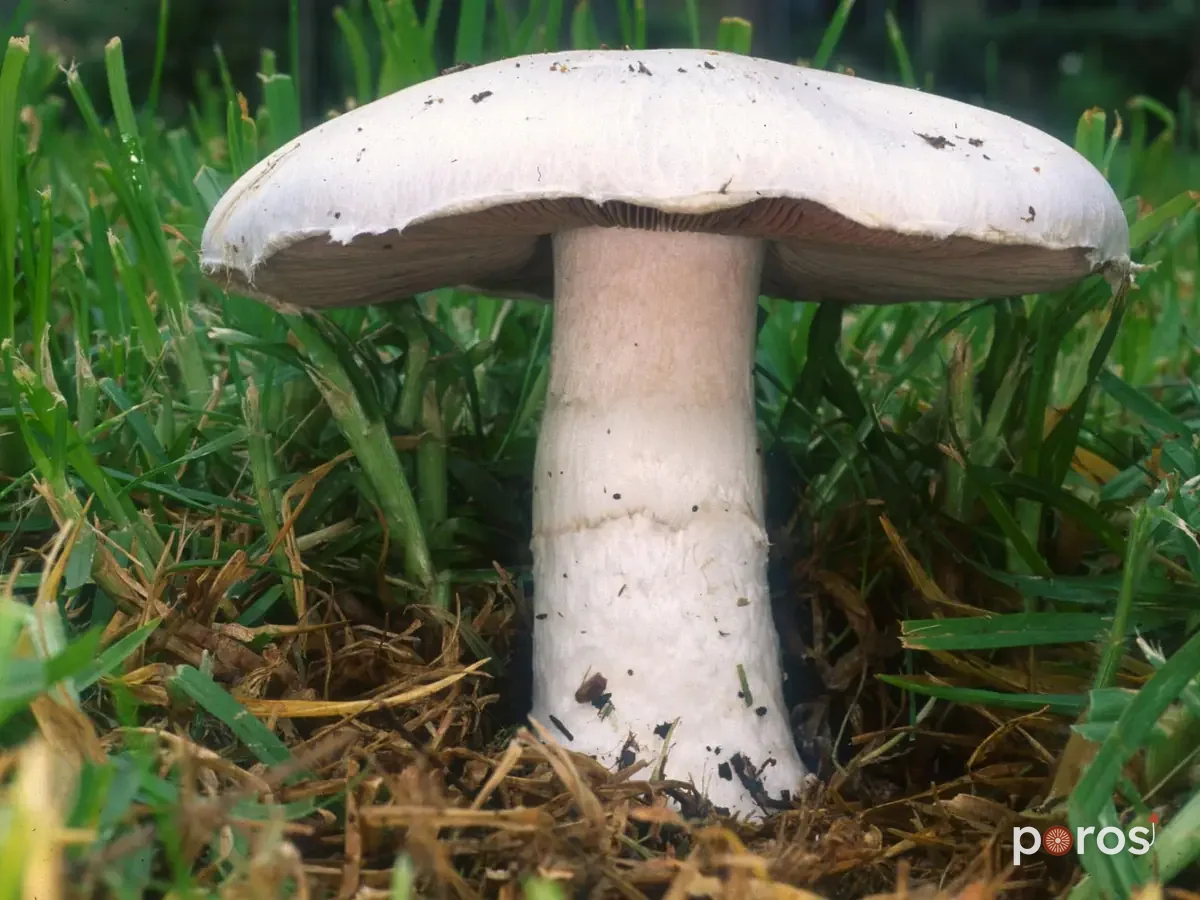 Field mushroomAgaricus campestrisEdible species
-
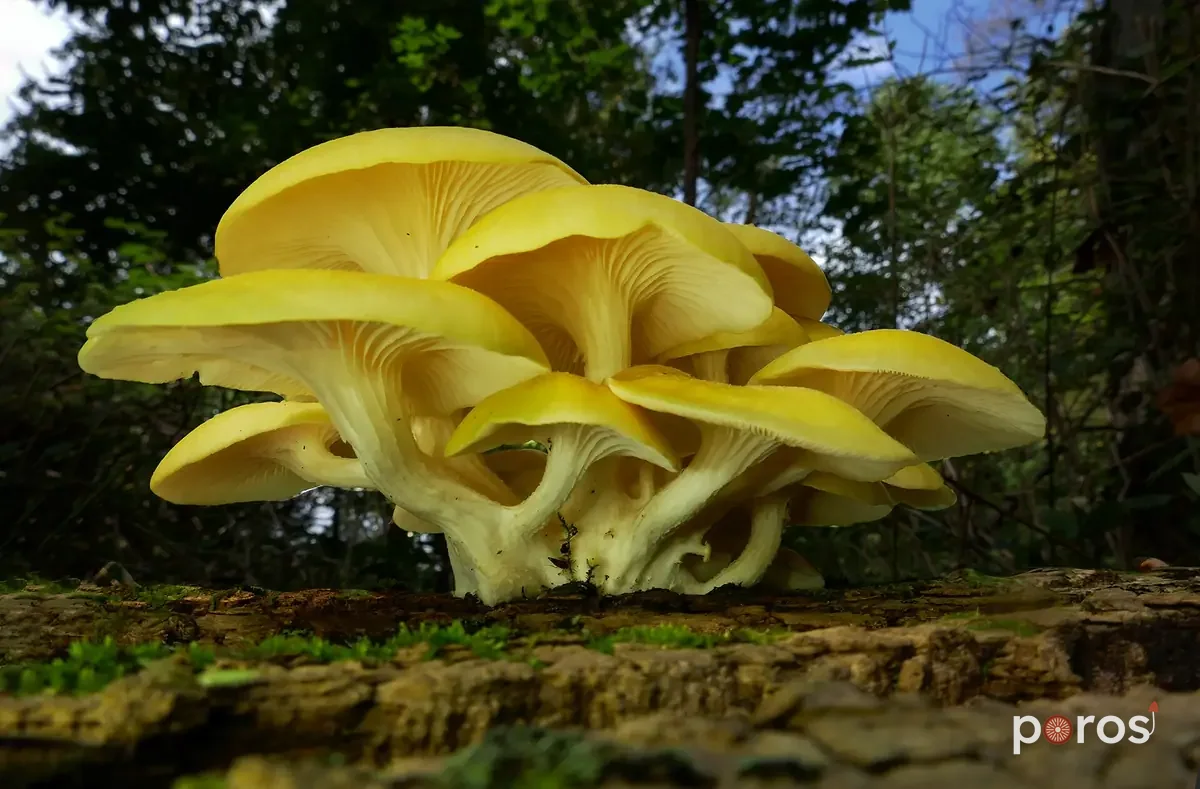 Golden oyster mushroomPleurotus citrinopileatusEdible species
Sources (6)
- Wikipedia (EN): Lactarius deliciosus · checked 26 Oct 2026
- Vikipedi (TR): Lactarius deliciosus · checked 26 Oct 2026
- First Nature: Lactarius deliciosus · checked 26 Oct 2026
- First Nature: Lactarius torminosus · checked 26 Oct 2026
- Hürriyet: Mikolog Jilber Barutçuyan ile kanlıca · checked 26 Oct 2026
- GBIF: Türkiye kayıtları · checked 26 Oct 2026
Photo credits (10)
- Lactarius deliciosus piceus · iNaturalist #253233776 · Alan Rockefeller · CC BY 4.0
- File:Lactarius deliciosus 1293087.jpg · Richard Daniel (RichardDaniel) at Mushroom Observer, a source for myc · CC BY-SA 3.0
- File:Lactarius deliciosus 1.jpg · Lucian Clanet · CC BY 4.0
- Lactarius deliciosus · iNaturalist #268889824 · Heather Merrylees · CC BY 4.0
- File:Echte Reizker Lactarius deliciosus.JPG · Holger Krisp · CC BY 3.0
- Lactarius deliciosus · iNaturalist #103507901 · Andrew W. Wilson · CC0
- File:Lactarius deliciosus 97094671.jpg · mangoblatt · CC0
- File:Lactarius deliciosus 2010 G1.jpg · George Chernilevsky · Public domain
- Lactarius deliciosus · iNaturalist #136900297 · Dylan Wishart · CC BY 4.0
- File:Lactarius deliciosus 20100928w.JPG · Strobilomyces · CC BY-SA 3.0


