
Fool’s webcap
Cortinarius orellanus · Cortinariaceae
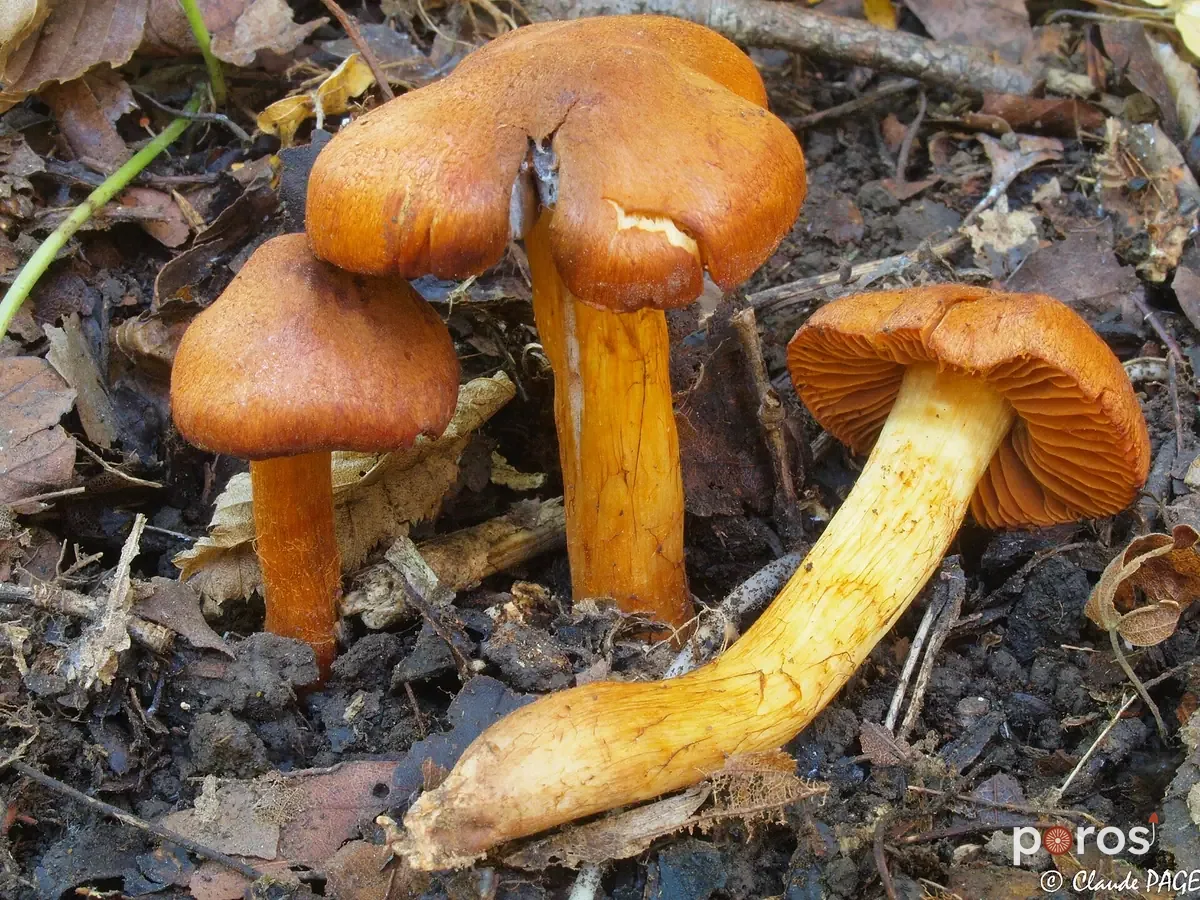
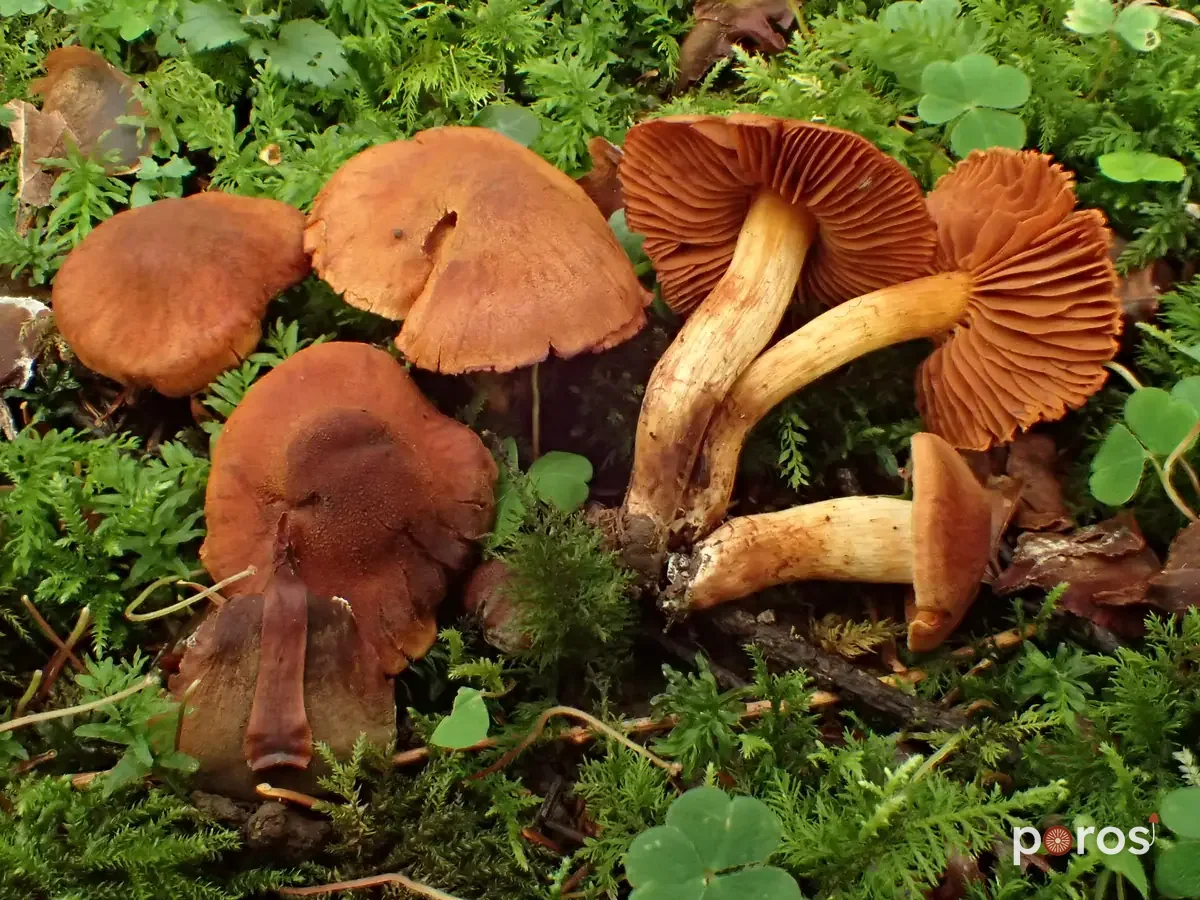
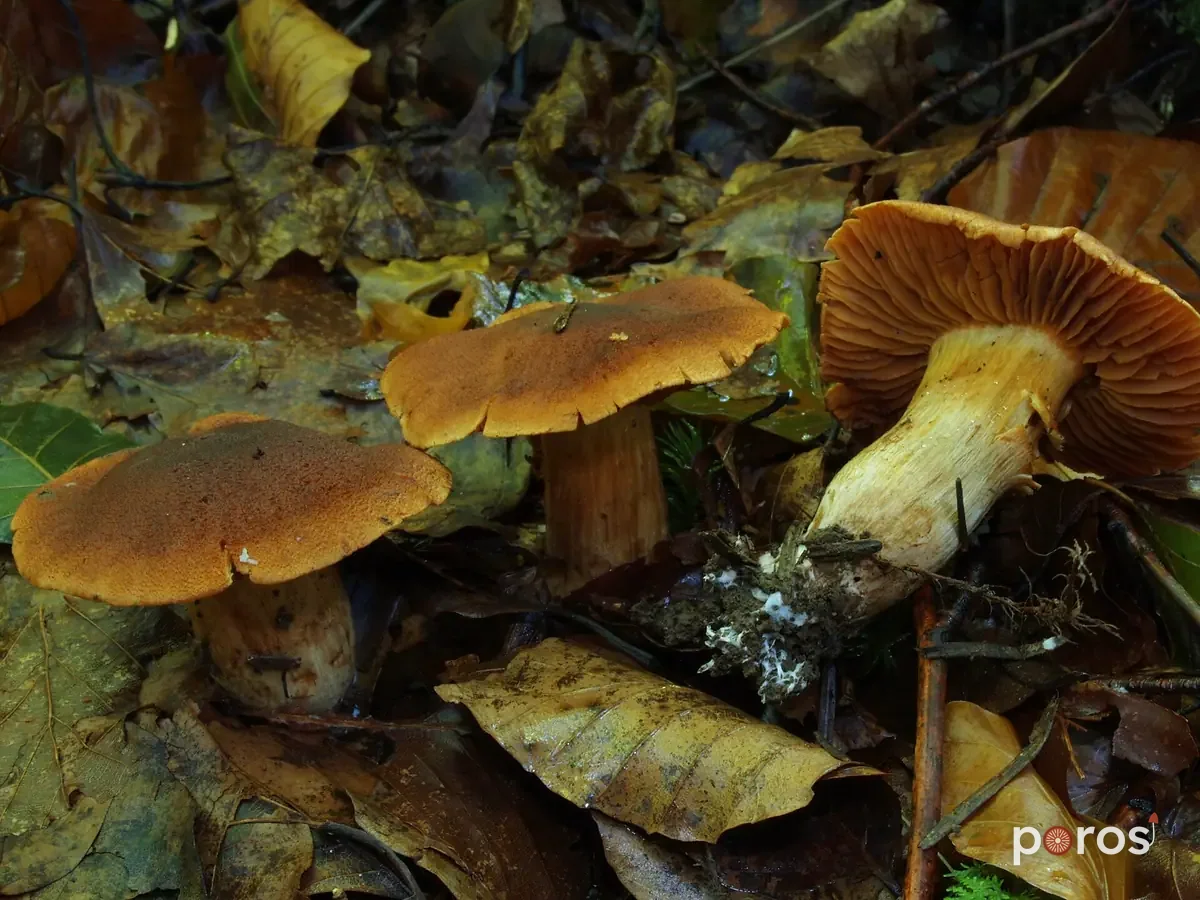
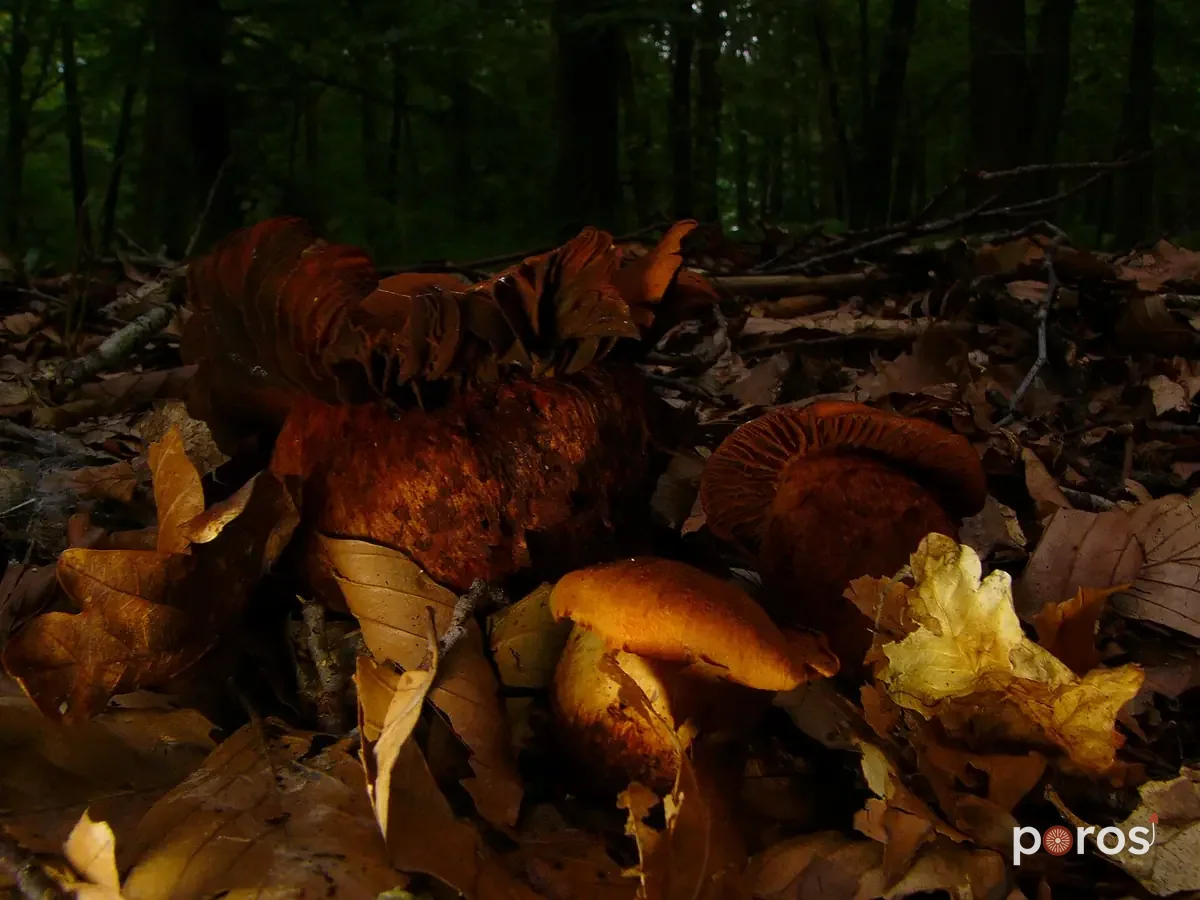
The fool's webcap is an unremarkable-looking orange-brown forest mushroom, but the orellanine it contains causes kidney failure and often irreversible kidney damage.
DEADLY POISONOUS — keep it out of any basket of mushrooms to eat.
Orellanine targets the kidneys and the damage is often permanent. If you think it has been eaten, call 112 (Turkish poison centre: 114) without waiting for symptoms.
The fool's webcap is an unremarkable-looking orange-brown forest mushroom, but the orellanine it contains causes kidney failure and often irreversible kidney damage. In 1952, 102 people were poisoned in Poland and 11 died. In Austria it was eaten by people who took it for chanterelles.
Also called: fools webcap Turkish: Ölümcül perdeli mantar
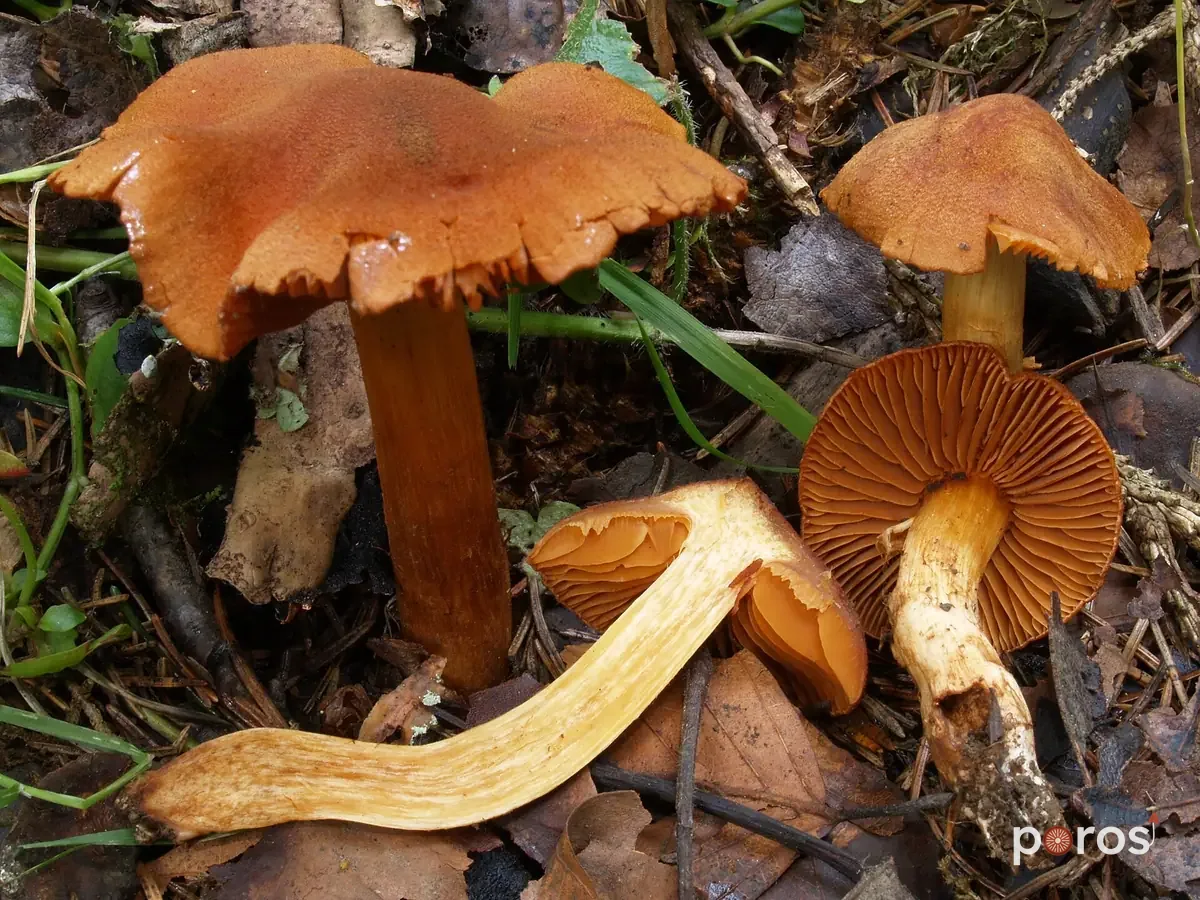
How to recognise it
Fool’s webcap, part by part
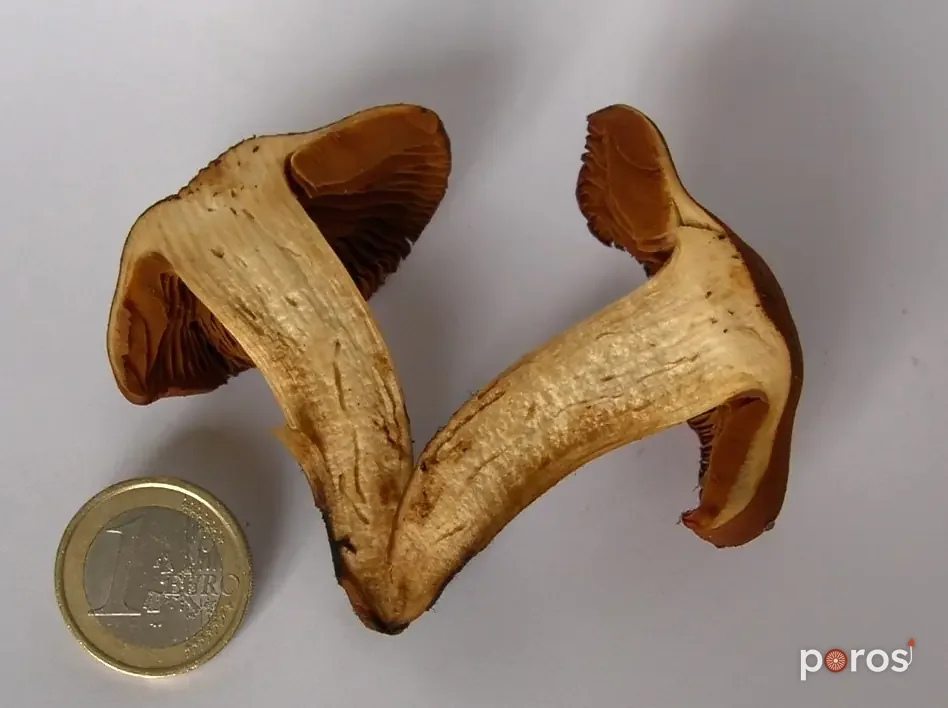
No volva Spore print: Rusty reddish-brown Slight smell of radish. Do not taste even a small piece.
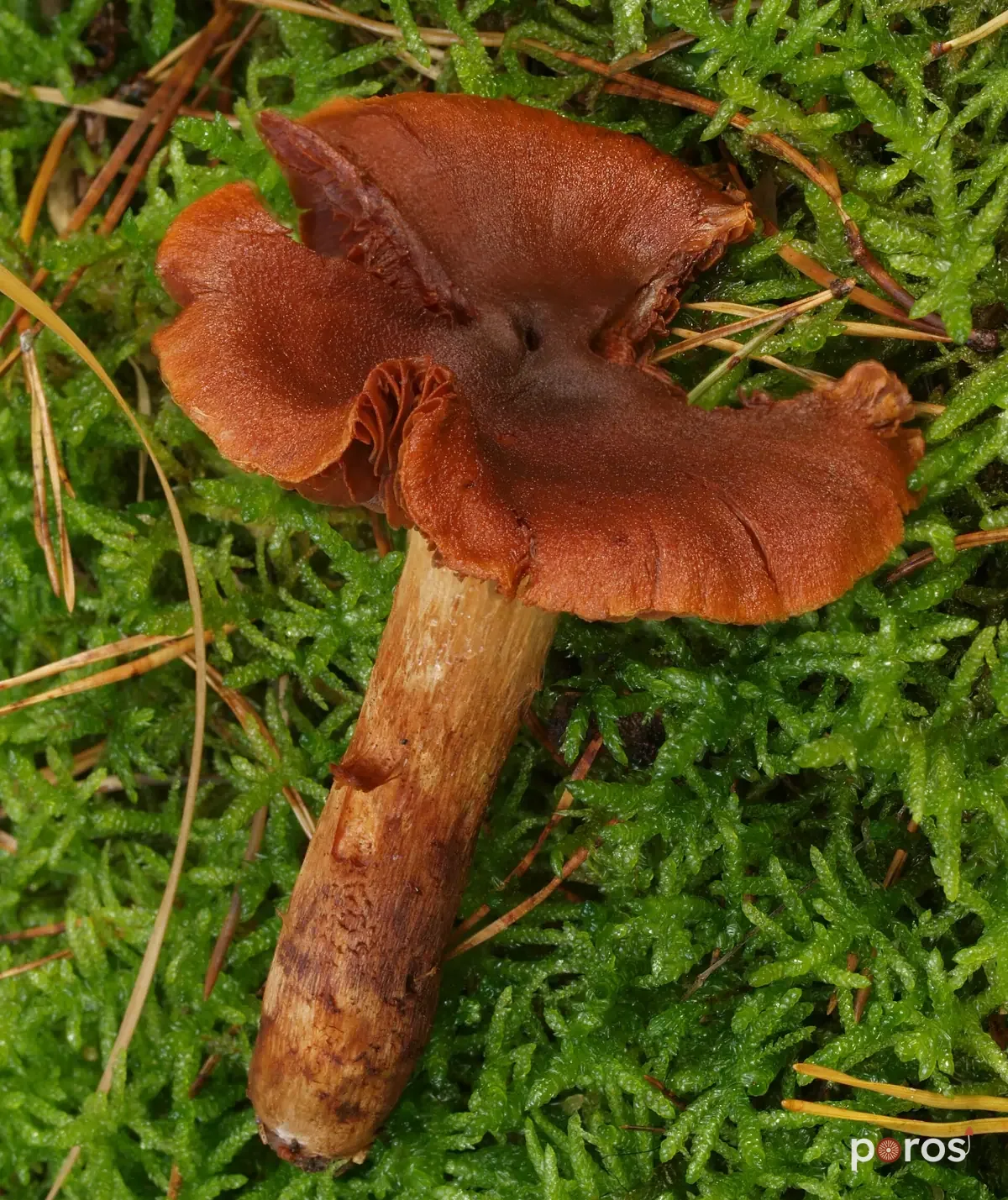
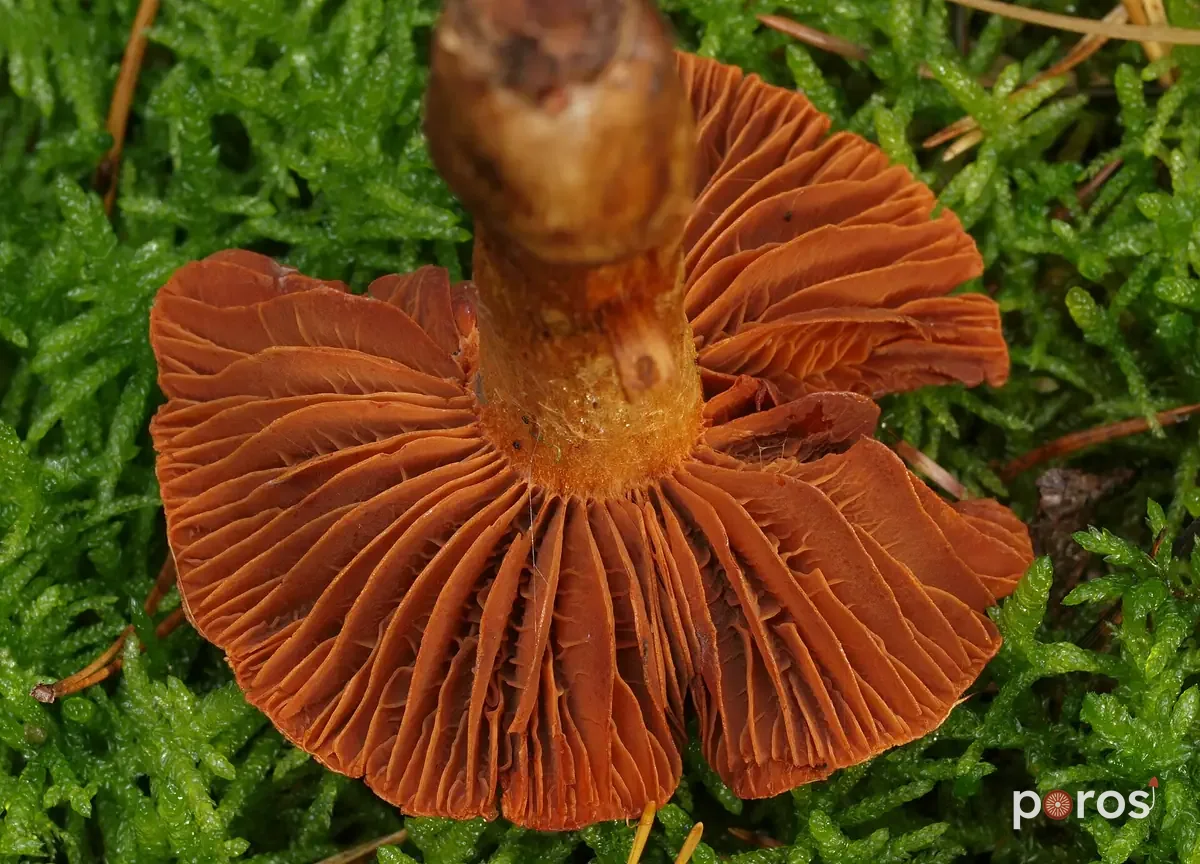
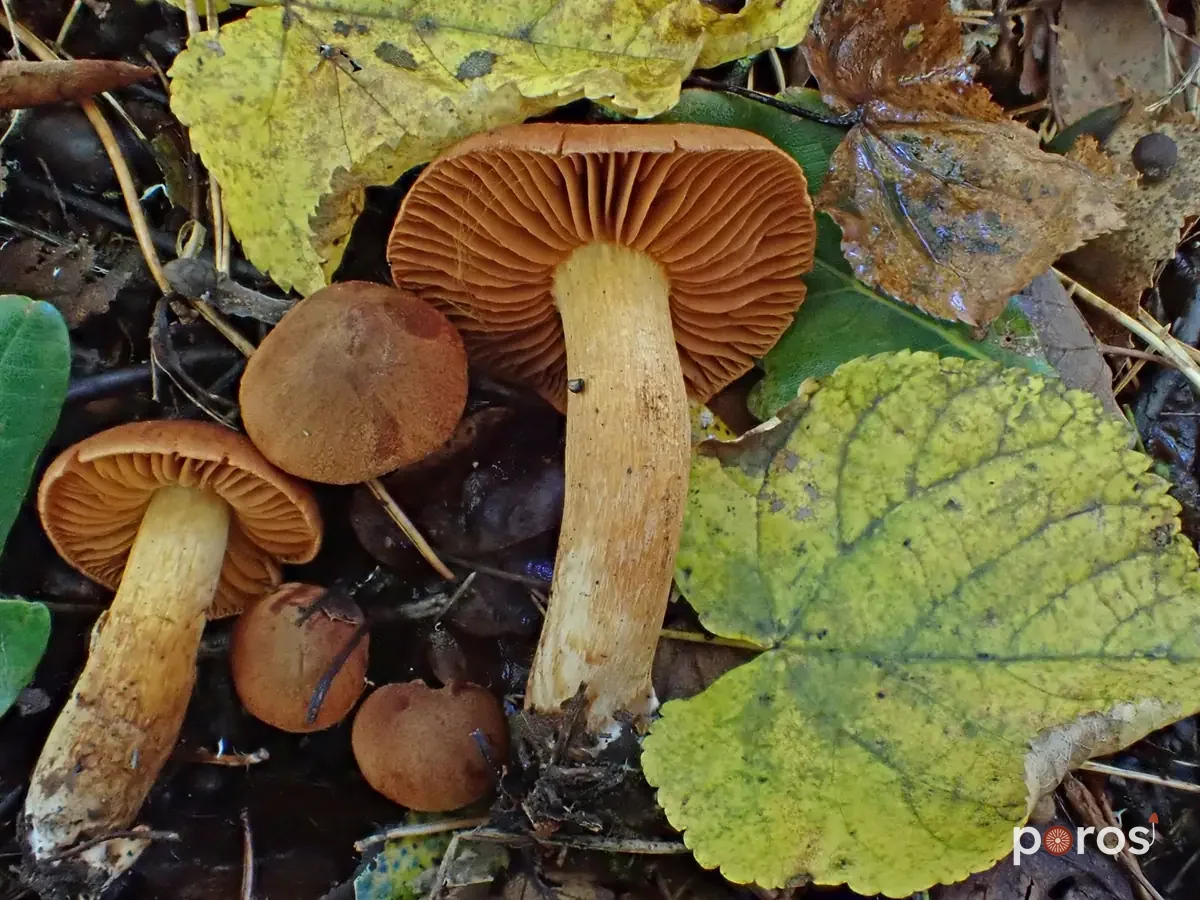
When and where
Aug–Nov
- Jan
- Feb
- Mar
- Apr
- May
- Jun
- Jul
- Augin season
- Sepin season
- Octin season
- Novin season
- Dec
The fool's webcap fruits from late summer to early winter (August–November in Britain). There are no GBIF records of it from Turkey.
Where do fool's webcaps grow?
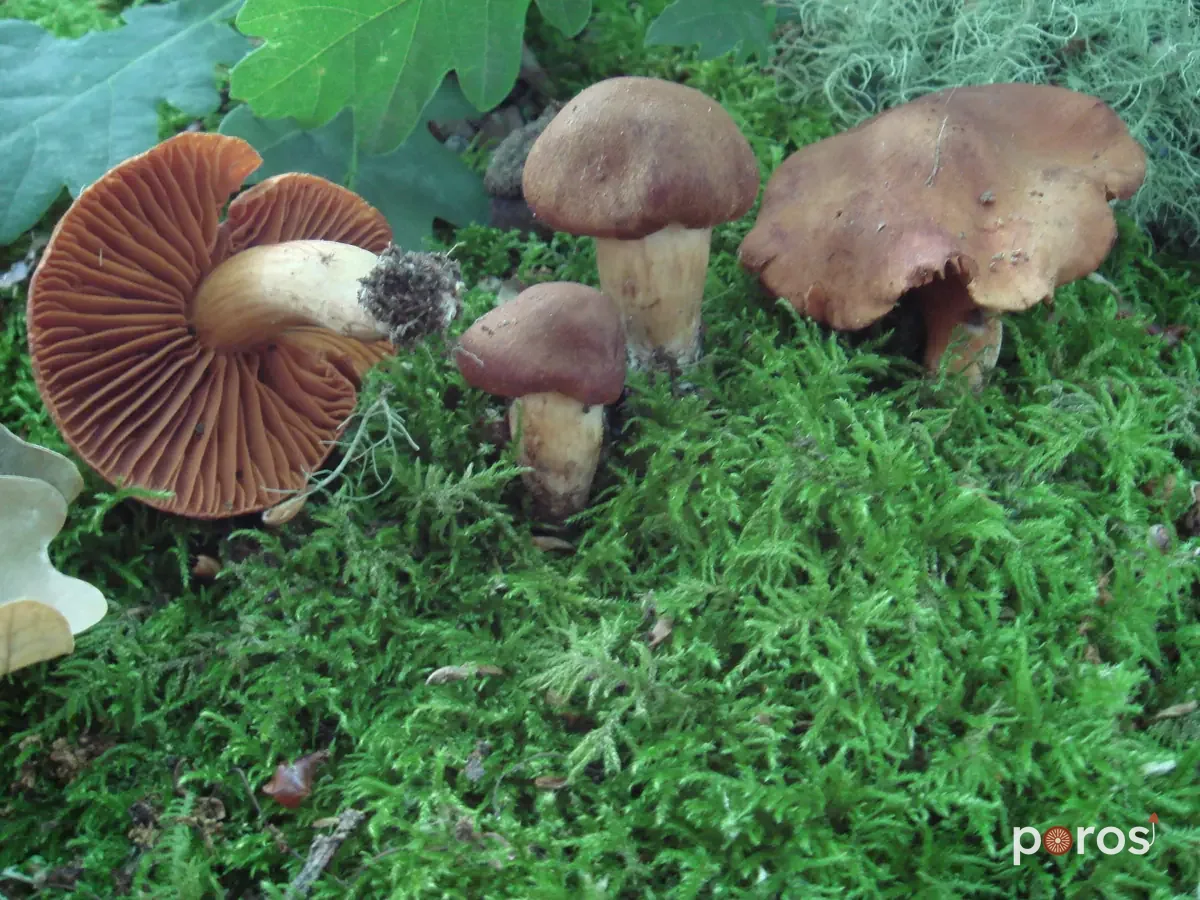
The fool's webcap grows in broadleaf woods under beech, hornbeam and oak, often near pines, on both alkaline and acidic soils.
In Turkey
There are no geo-referenced records of the fool's webcap in Turkey; it is known from central and eastern Europe. The lack of records does not mean the species is absent from Turkey.
Our map has no observations of fool's webcaps from Turkey yet.
Look-alikes
What is it mistaken for?
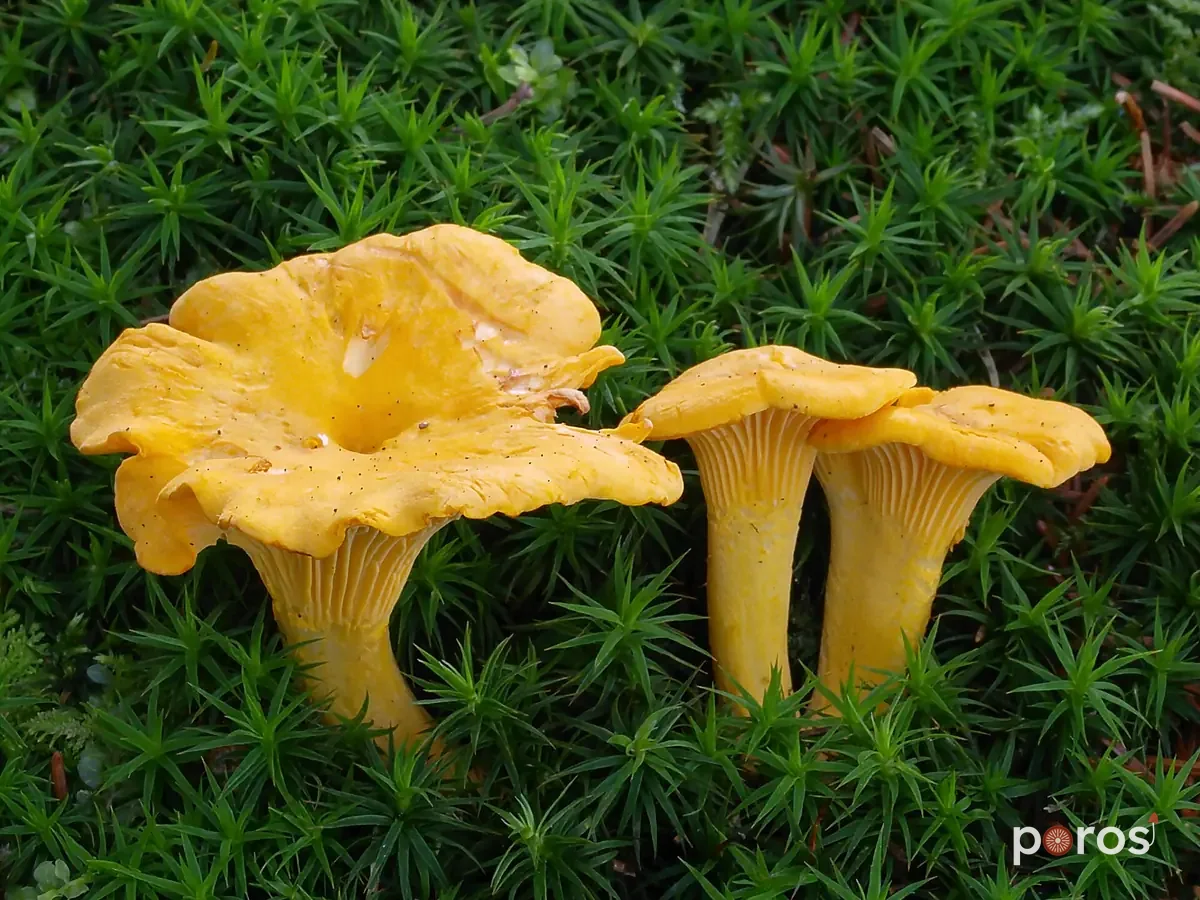
Chanterelle Cantharellus cibarius
The chanterelle has thick ridges running down the stem instead of true gills, a pale yellow print and an apricot scent; the webcap has true gills and a rusty brown print.
Toxins
The active toxin of the fool's webcap is orellanine, a potent kidney toxin. Source
Frequently asked questions
Are fool's webcaps poisonous?
Yes, the fool's webcap is deadly poisonous and must never be eaten. Orellanine targets the kidneys and the damage is often permanent. If you think it has been eaten, call 112 (Turkish poison centre: 114) without waiting for symptoms.
When is fool's webcap season in Turkey?
In our calendar, fool's webcap season runs Aug–Nov. The fool's webcap fruits from late summer to early winter (August–November in Britain). There are no GBIF records of it from Turkey.
Where do fool's webcaps grow?
The fool's webcap grows in broadleaf woods under beech, hornbeam and oak, often near pines, on both alkaline and acidic soils.
Where are fool's webcaps found in Turkey?
There are no geo-referenced records of the fool's webcap in Turkey; it is known from central and eastern Europe. The lack of records does not mean the species is absent from Turkey.
What can the fool's webcap be confused with?
The fool's webcap can be confused with chanterelle (Cantharellus cibarius, edible species). Look-alikes are compared on this page.
What is the fool's webcap called in Turkish?
In Turkish, the fool's webcap (Cortinarius orellanus) is called Ölümcül perdeli mantar.
Related species
-
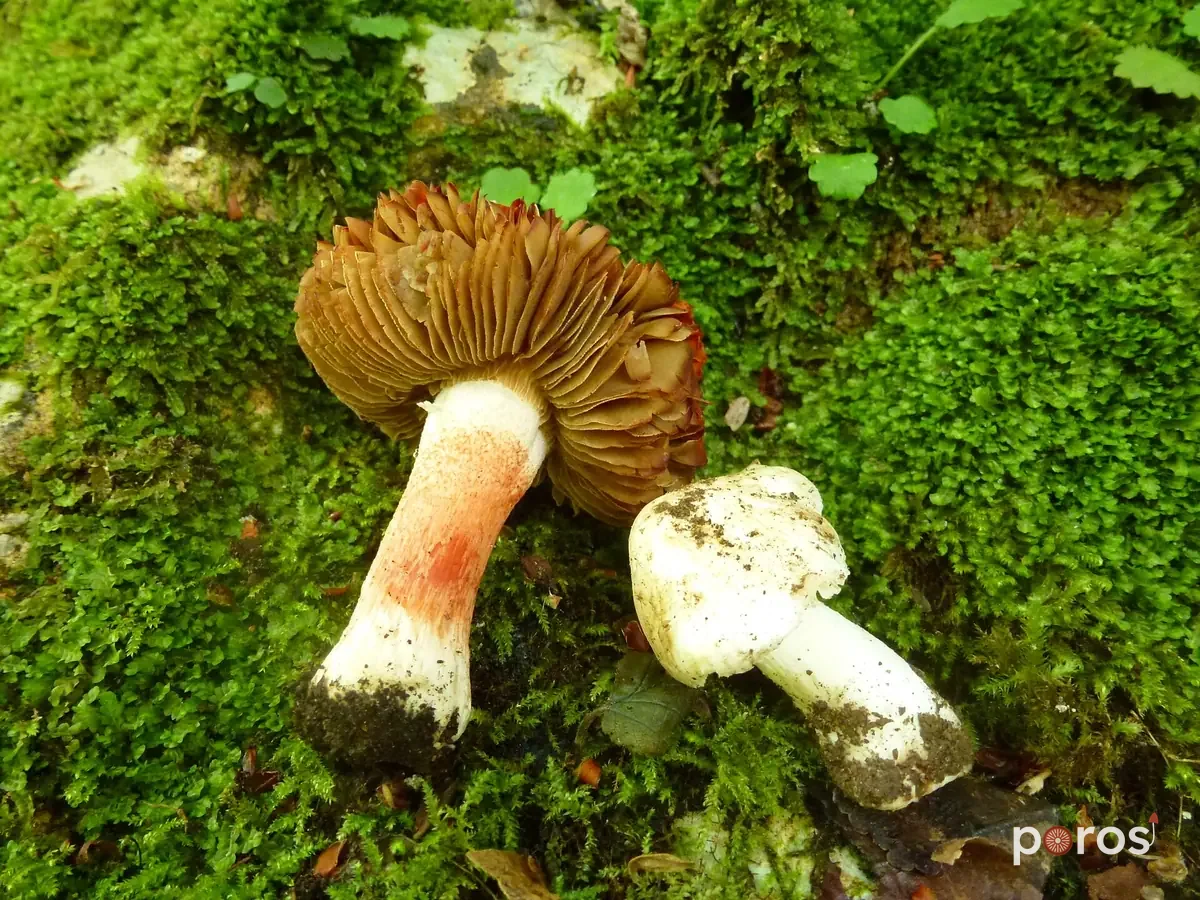 Deadly fibrecapInosperma erubescensDeadly poisonous
-
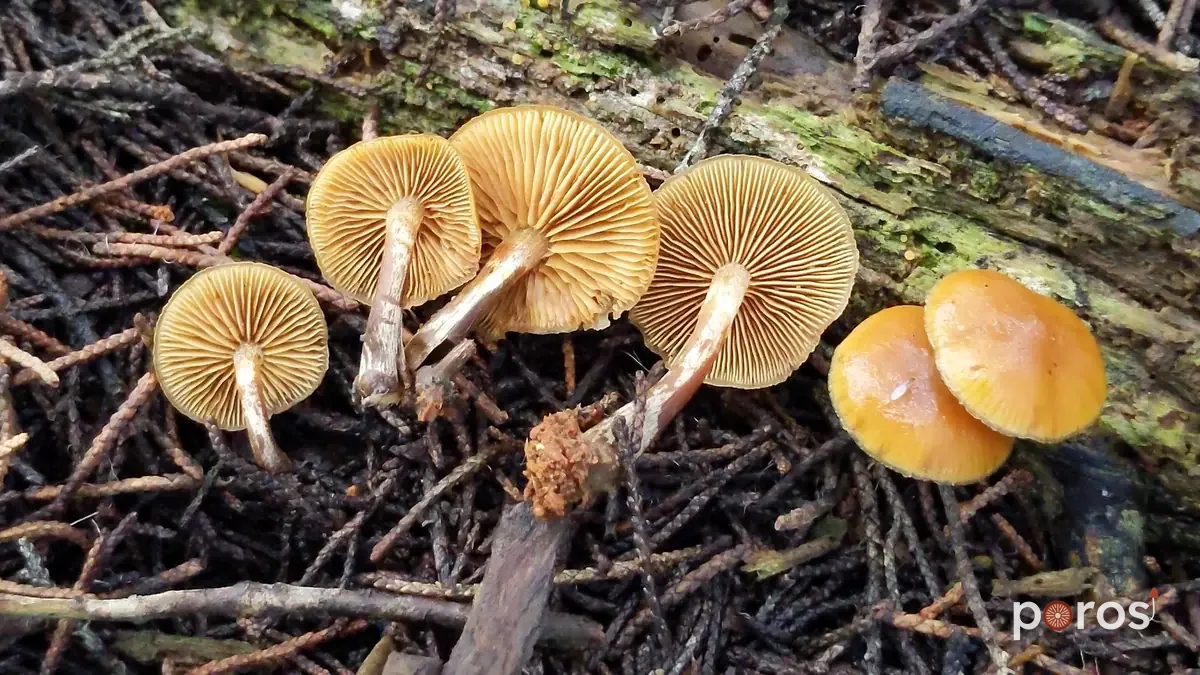 Deadly galerinaGalerina marginataDeadly poisonous
-
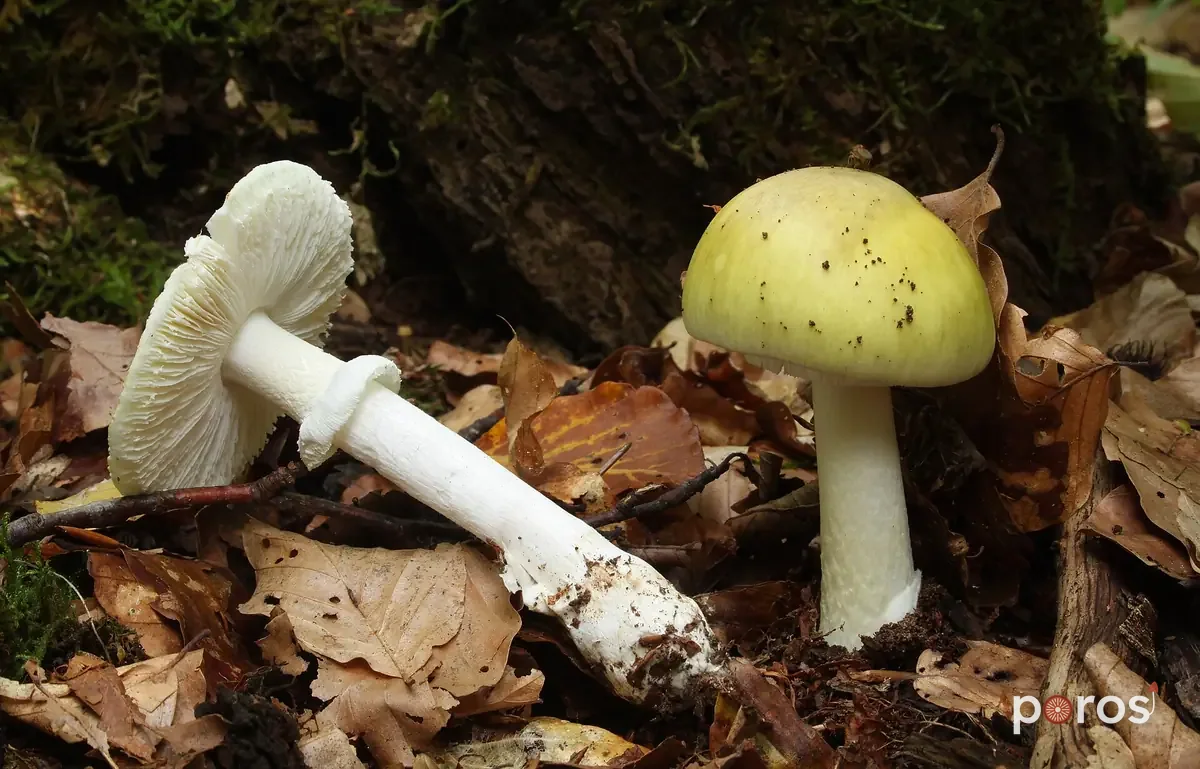 Death capAmanita phalloidesDeadly poisonous
-
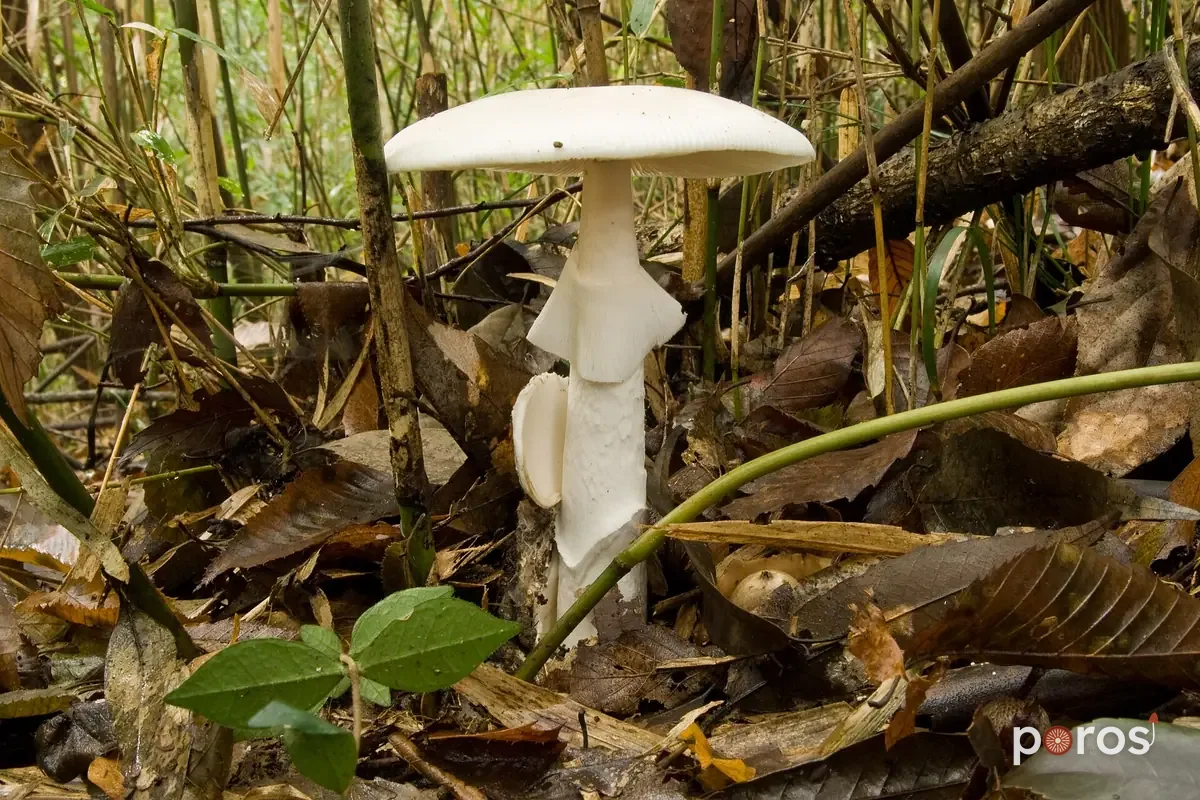 Destroying angelAmanita virosaDeadly poisonous
-
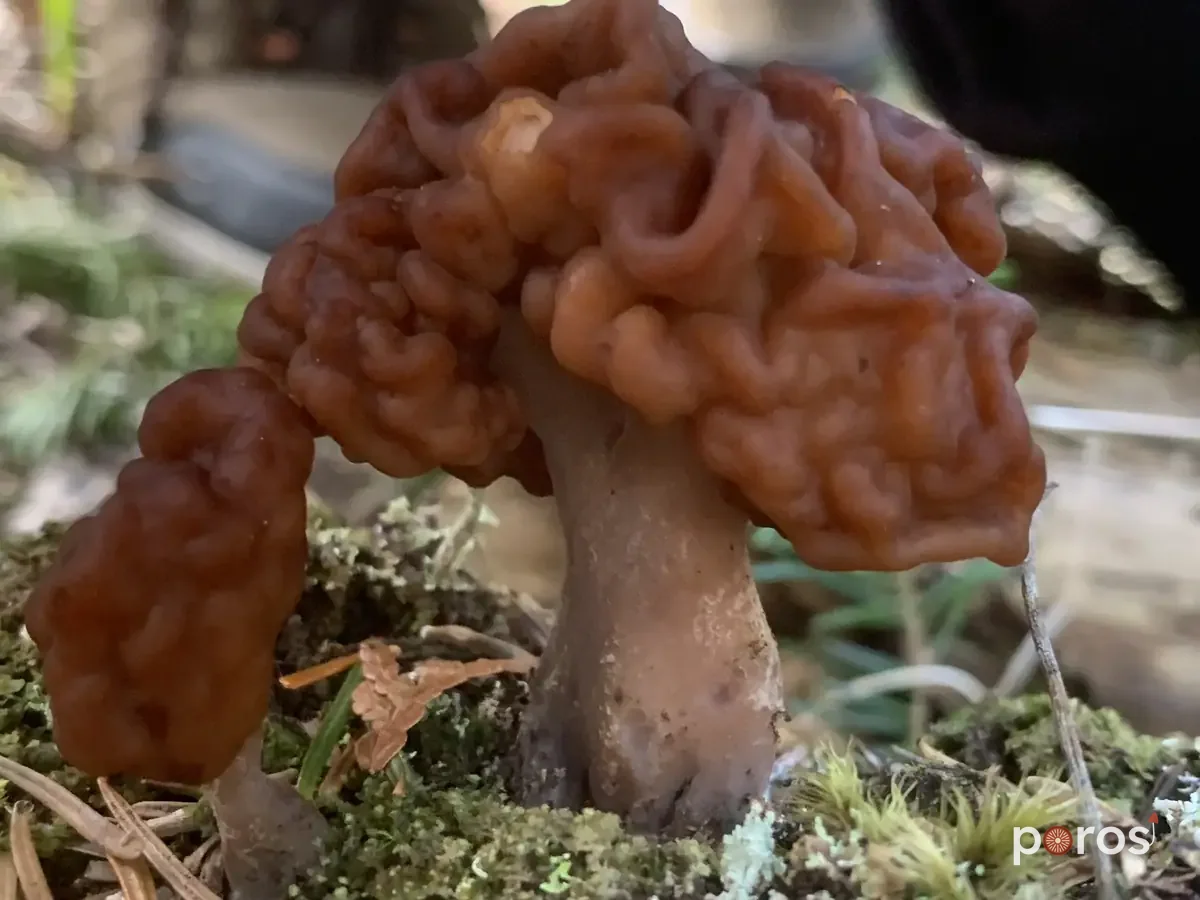 False morelGyromitra esculentaDeadly poisonous
-
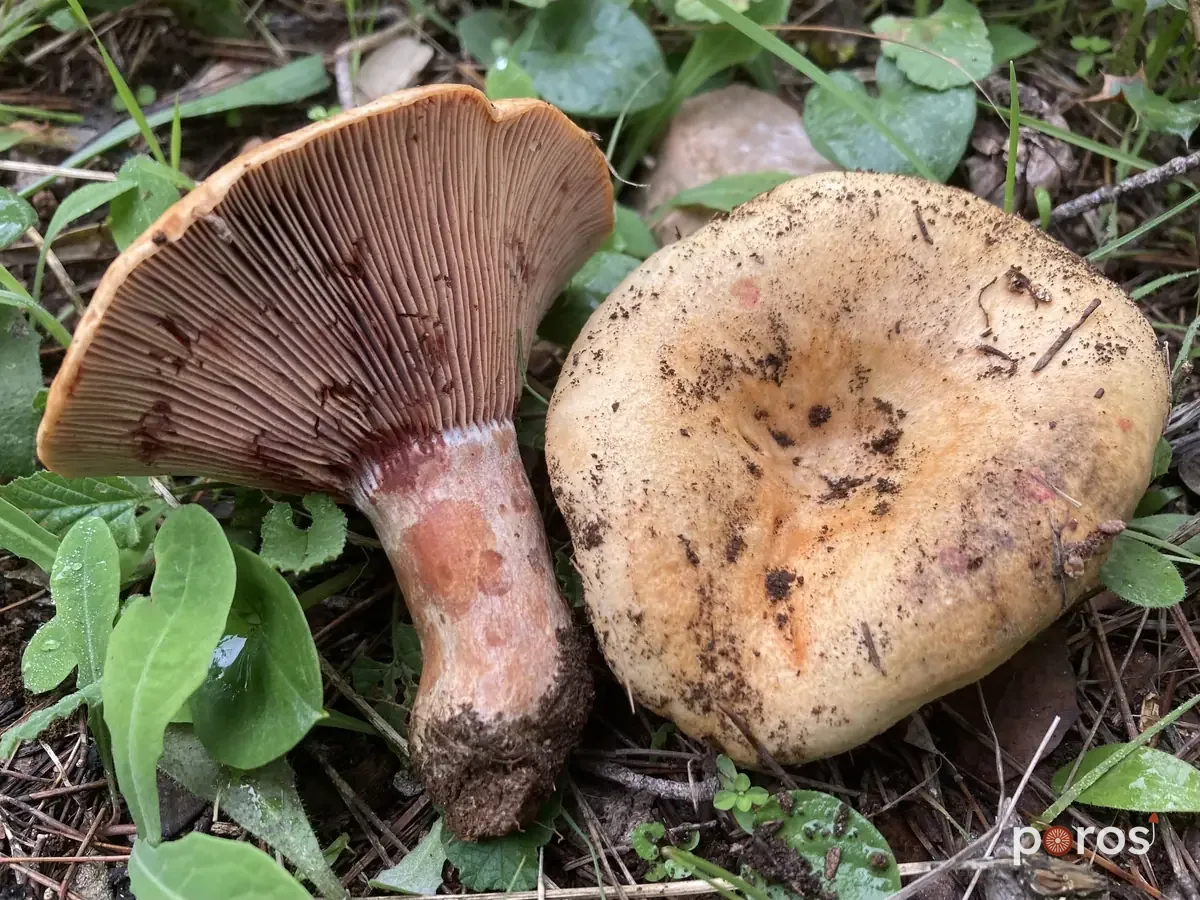 Bloody milk capLactarius sanguifluusEdible species
-
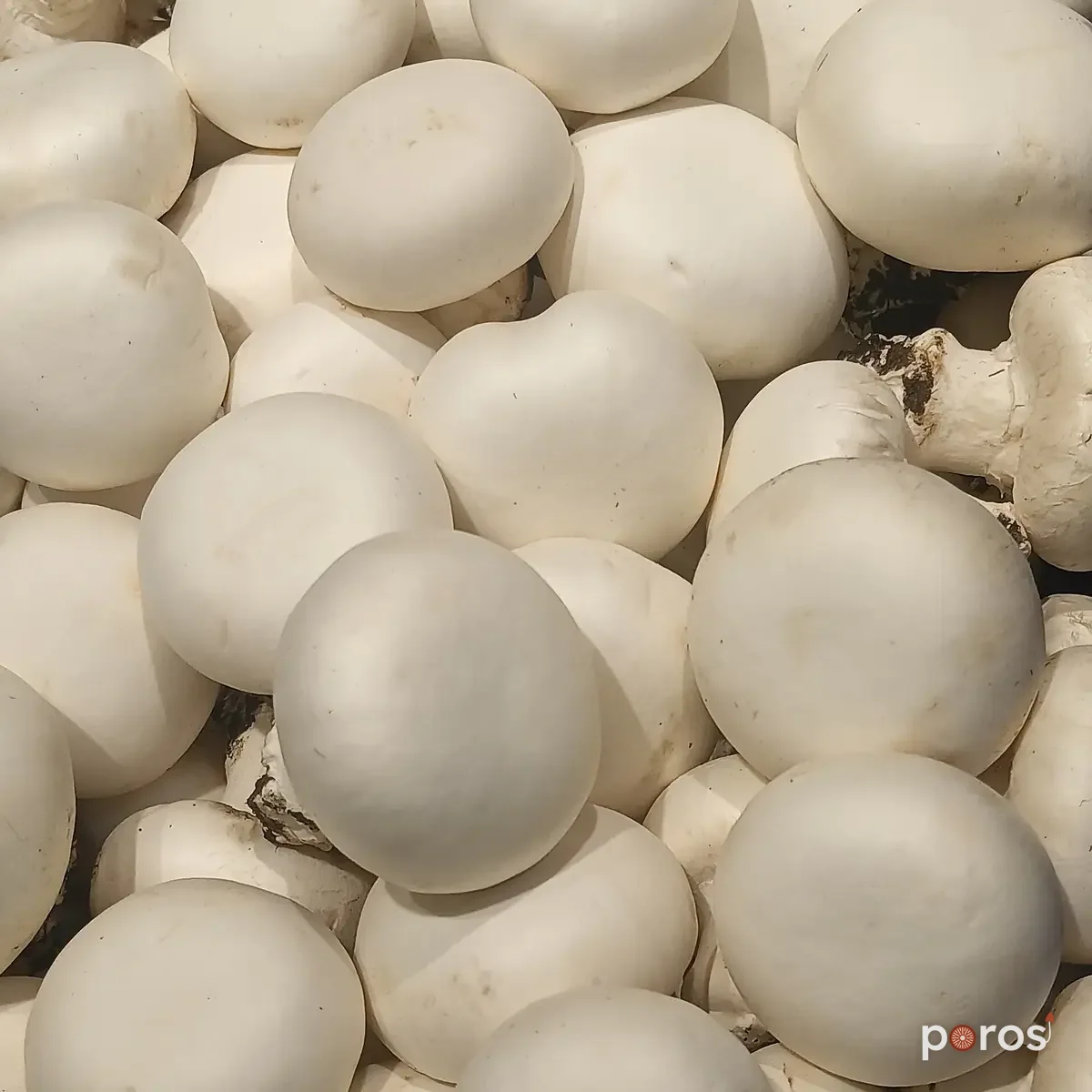 Button mushroomAgaricus bisporusEdible species
-
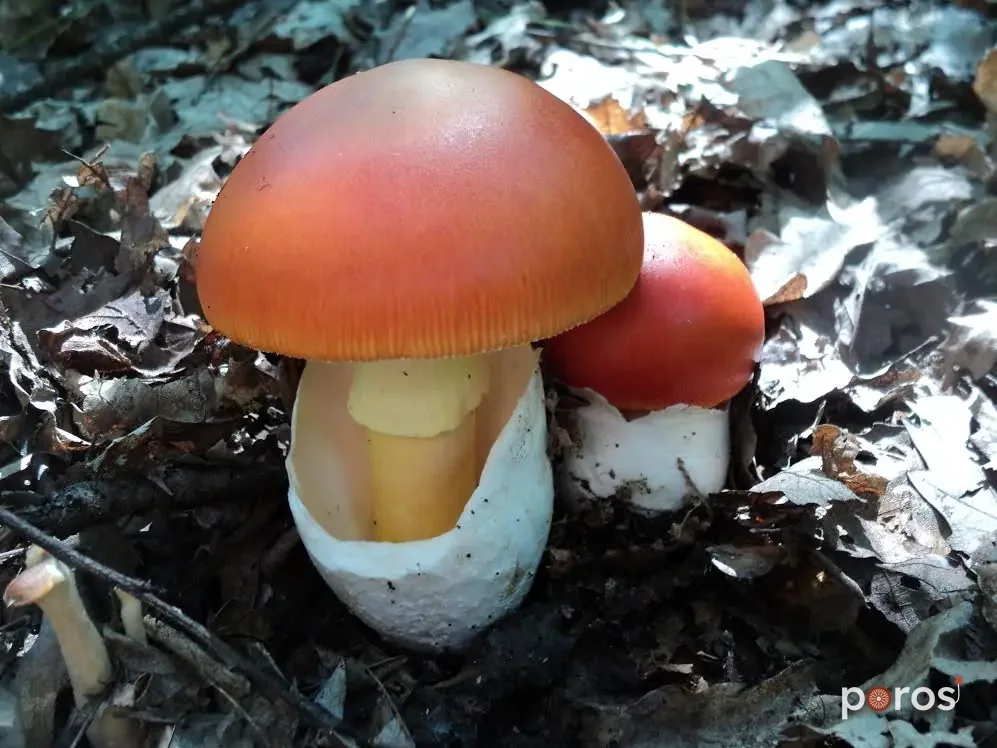 Caesar’s mushroomAmanita caesareaEdible species
Sources (3)
- Wikipedia (EN): Cortinarius orellanus · checked 26 Oct 2026
- First Nature: Cortinarius orellanus · checked 26 Oct 2026
- GBIF: Türkiye kayıtları · checked 26 Oct 2026
Photo credits (10)
- File:Cortinarius orellanus (37534772370).jpg · Claude PAGE · CC BY-SA 4.0
- File:2013-10-16 Cortinarius orellanus 1b.jpg · Andreas Kunze · CC BY-SA 3.0
- File:Cortinarius orellanus (15238213493).jpg · Claude PAGE · CC BY-SA 4.0
- File:Cortinarius orellanus.jpg · Inger-Lise Fonneland · CC BY 4.0
- File:2013-10-16 Cortinarius orellanus 1a.jpg · Andreas Kunze · CC BY-SA 3.0
- File:Cortinarius orellanus (54841816679).jpg · Claude PAGE · CC BY-SA 4.0
- File:Cortinarius orellanus sezione.jpg · · CC BY-SA 3.0
- File:Cortinarius orellanus (15853881675).jpg · Claude PAGE · CC BY-SA 4.0
- Cortinarius orellanus · iNaturalist #84954351 · Jose Castro · CC BY 4.0
- File:Cortinarius orellanus (3).JPG · Thomas Pruß · CC BY-SA 3.0


