
Parasol mushroom
Macrolepiota procera · Agaricaceae
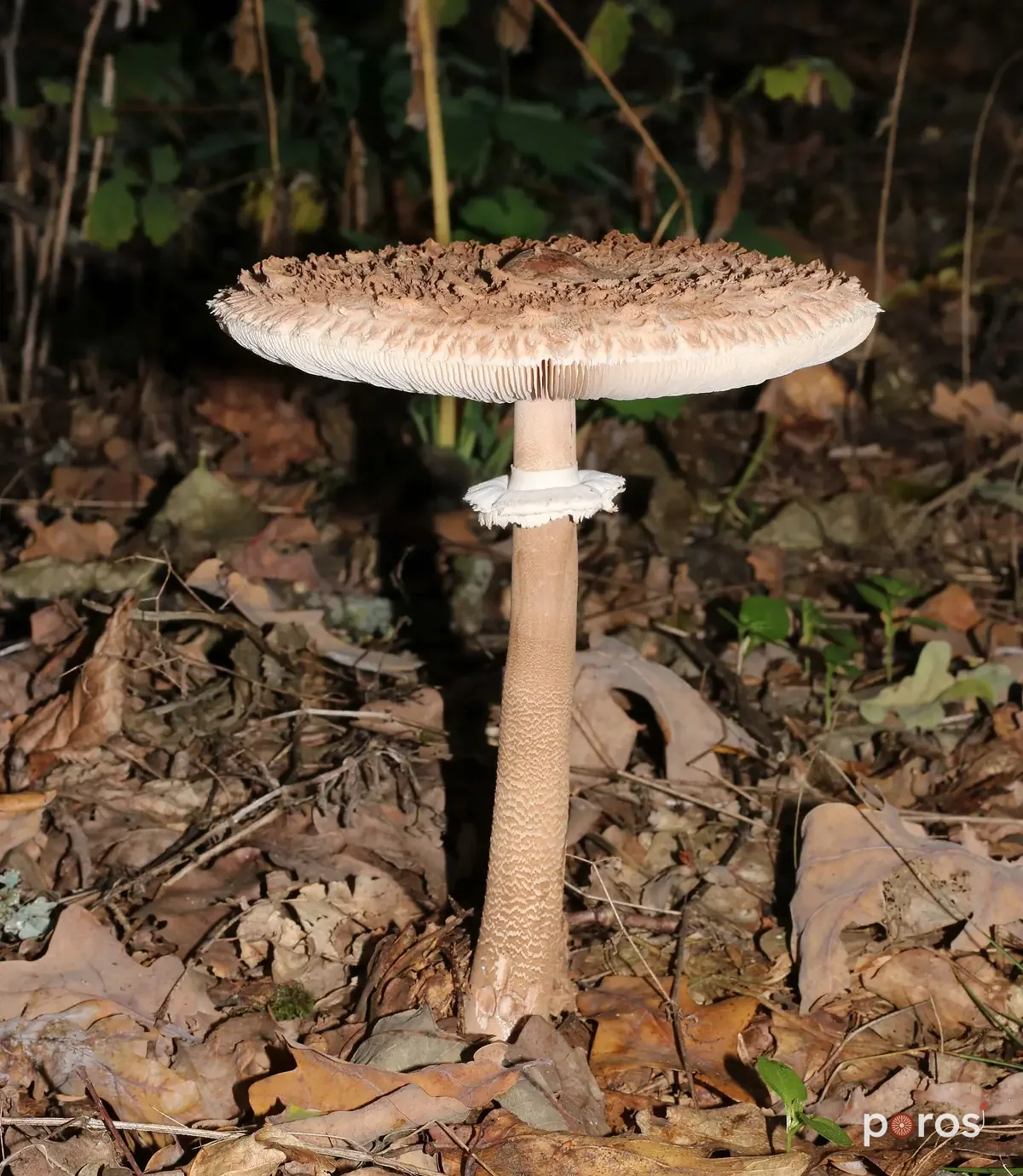
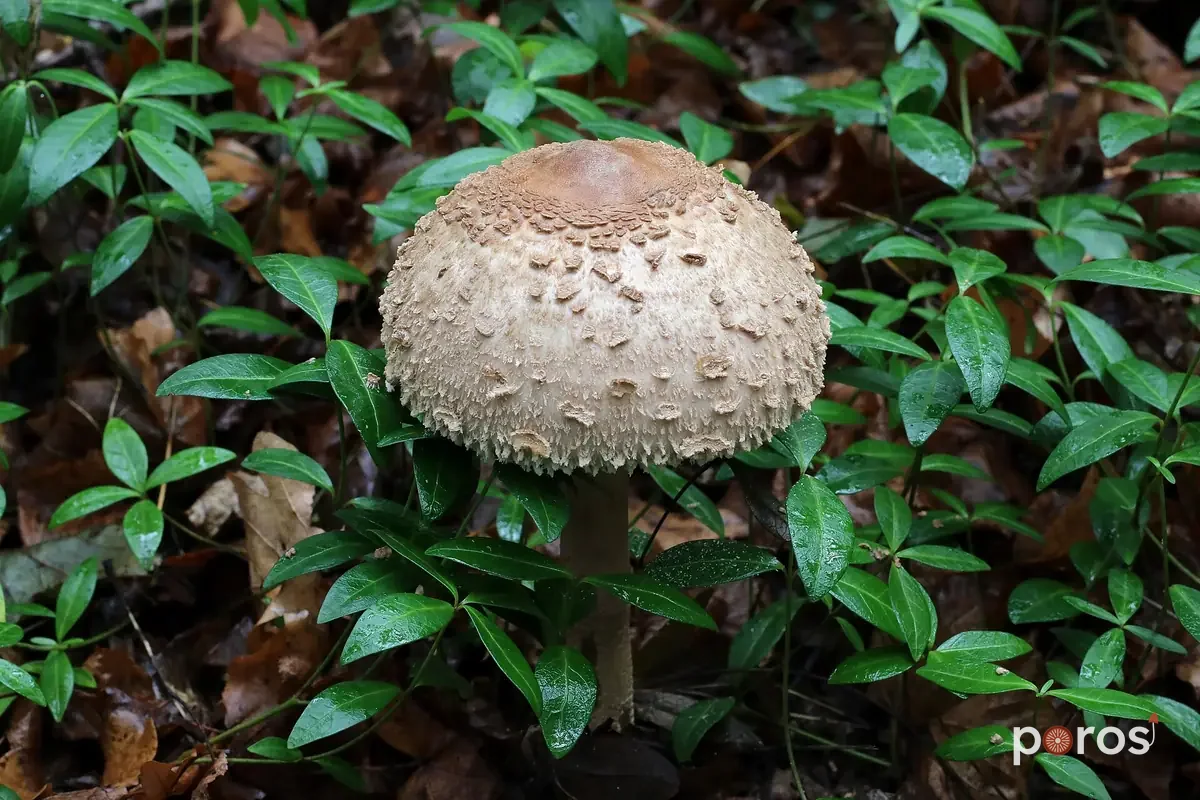
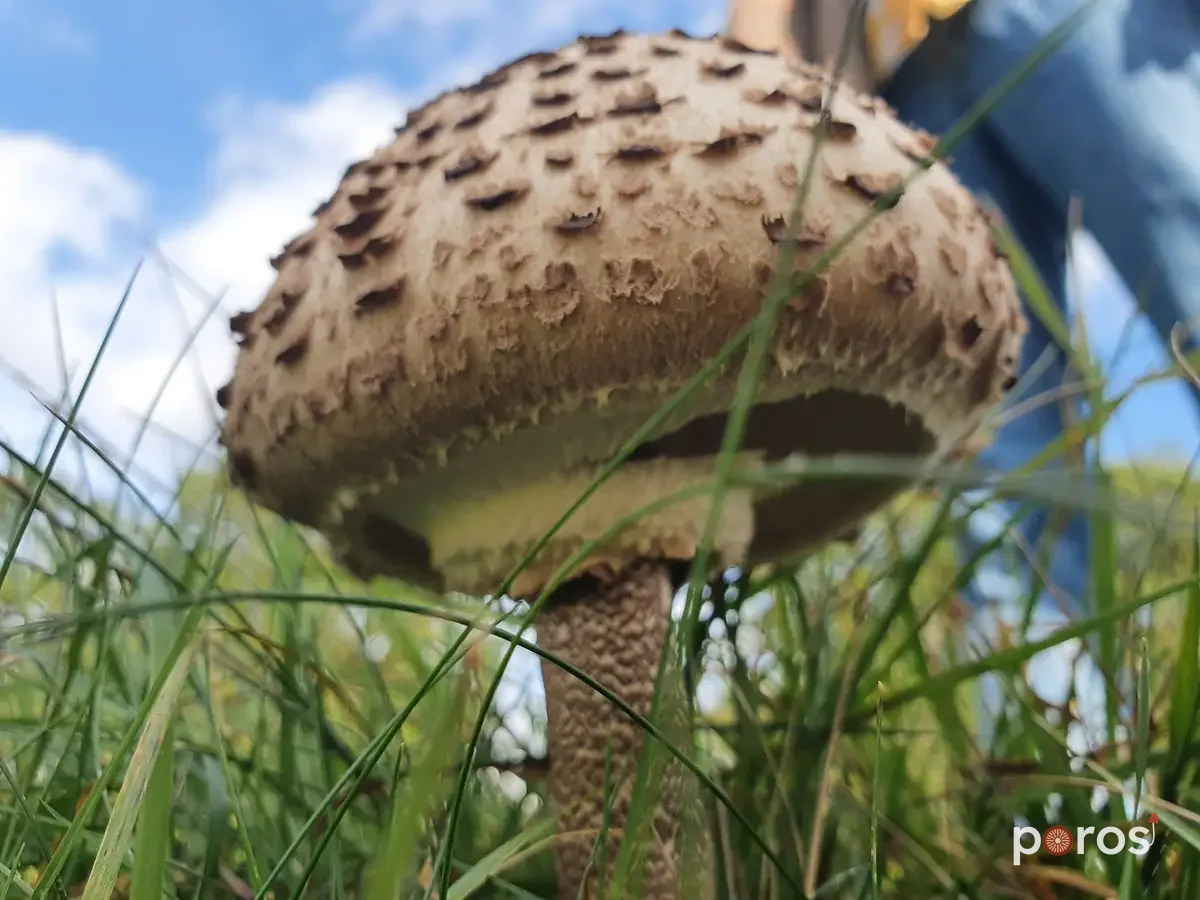
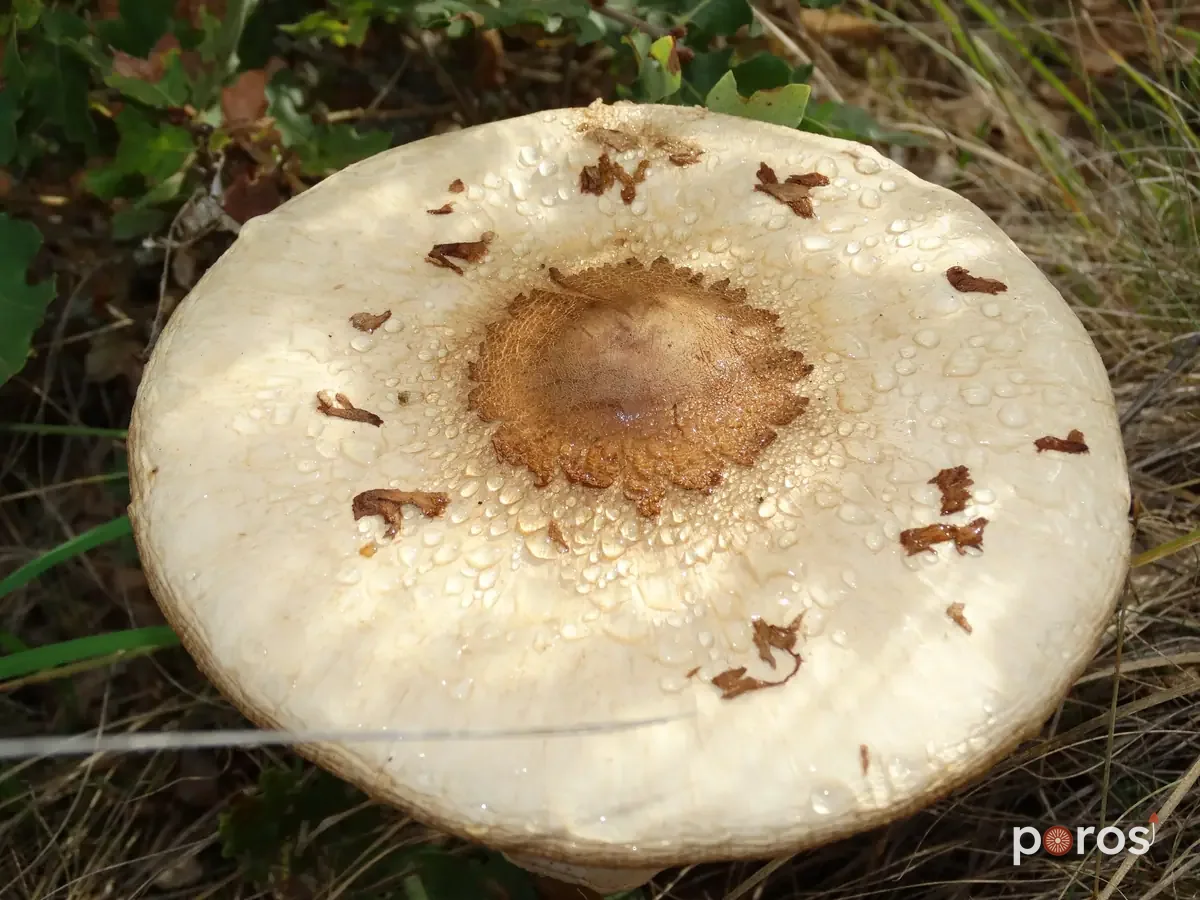
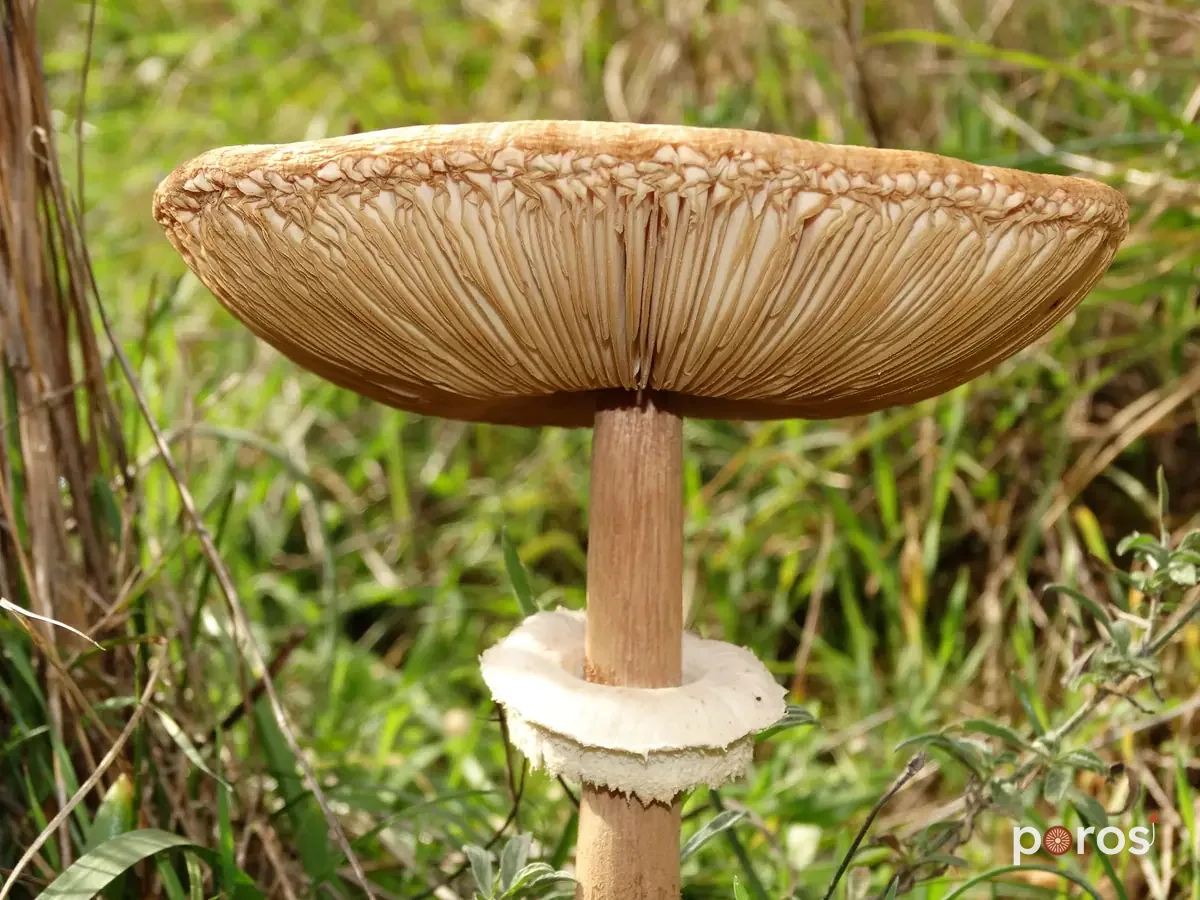
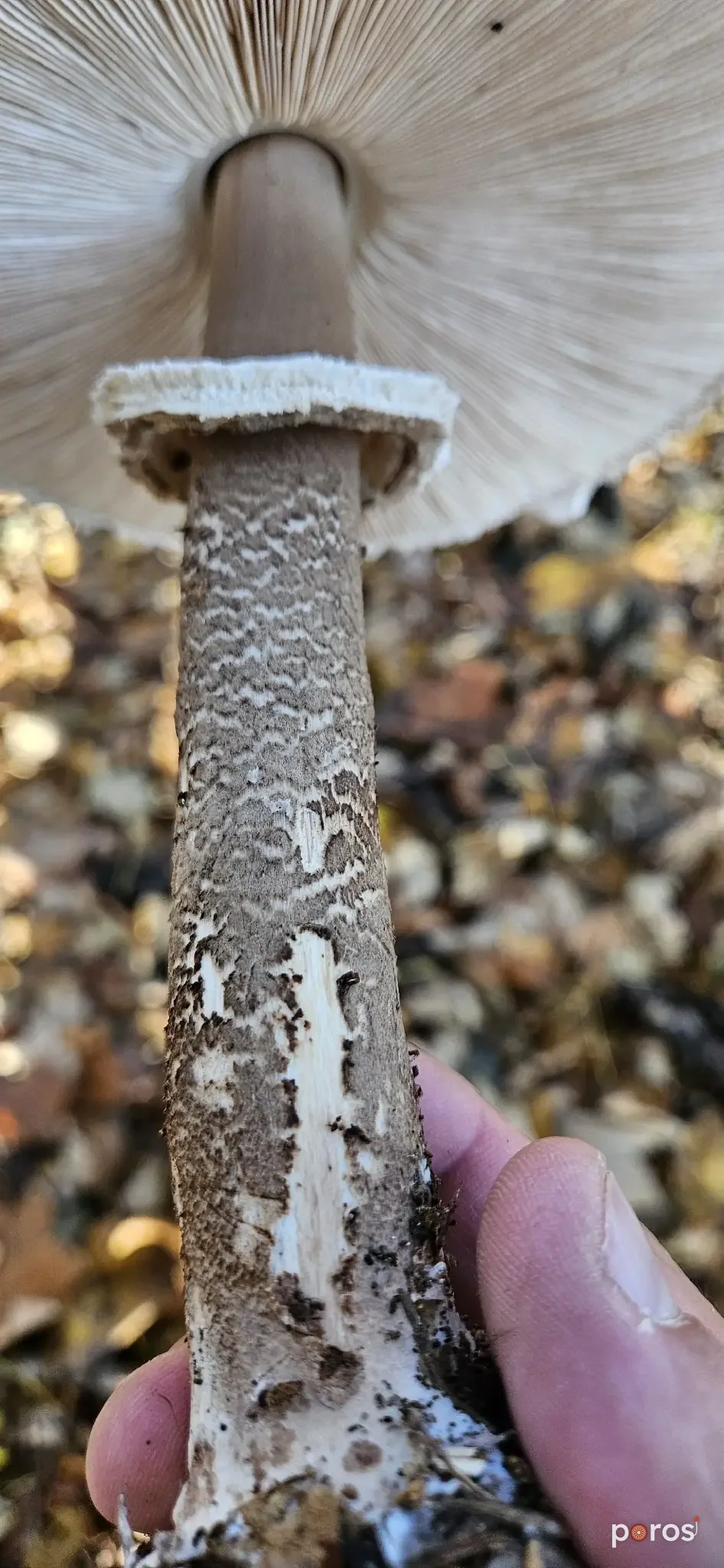
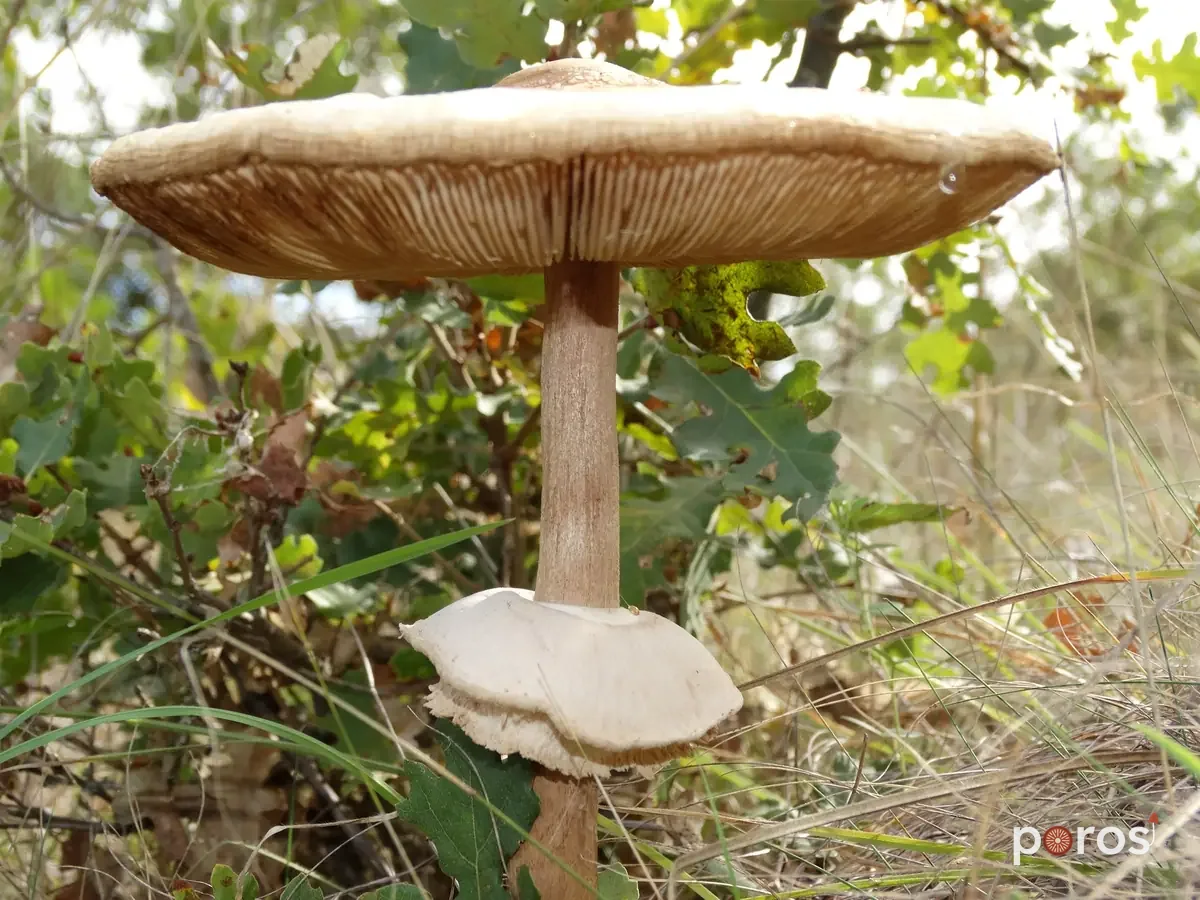
The parasol mushroom is one of the most striking edible mushrooms, with an umbrella-like cap up to 25 cm across, a snakeskin-patterned stem up to 40 cm tall and a movable ring.
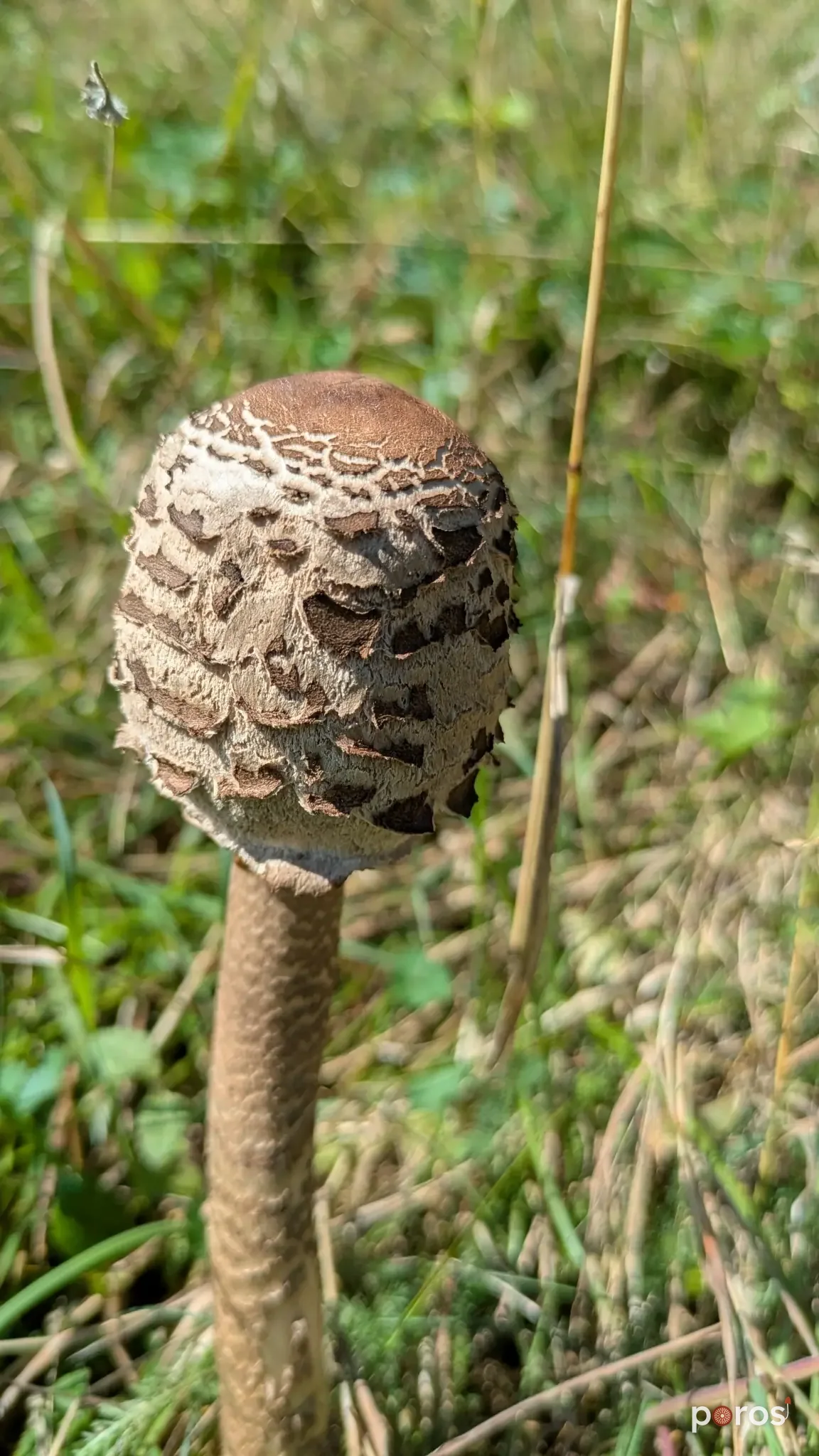
The parasol mushroom is one of the most striking edible mushrooms, with an umbrella-like cap up to 25 cm across, a snakeskin-patterned stem up to 40 cm tall and a movable ring. It is widely gathered from the wild and eaten in Turkey. Because the young, closed stage can be confused with poisonous Amanita and Lepiota species, pick only fully opened specimens.
Also called: parasol Turkish: Şemsiye mantarı
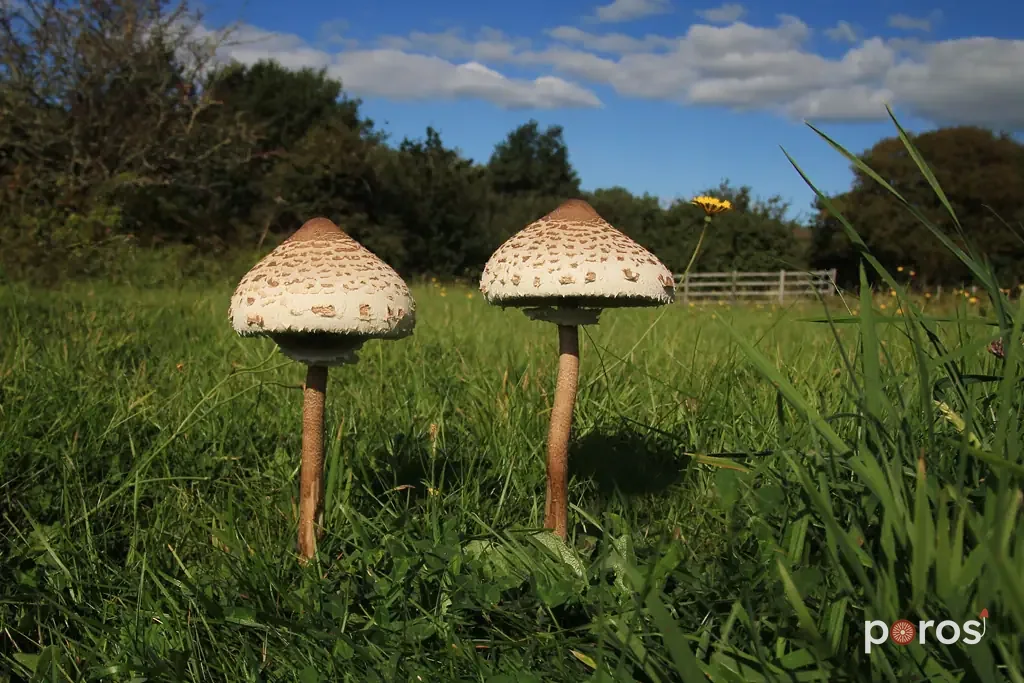
How to recognise it
Parasol mushroom, part by part
No volva Spore print: White or very pale cream Pleasant and nutty; sweetish taste. Flesh does not change colour when cut.
When and where
Jul–Nov
- Jan
- Feb
- Mar
- Apr
- May
- Jun
- Julin season
- Augin season
- Sepin season
- Octin season
- Novin season
- Dec
The parasol mushroom fruits from July to November in Europe, later in the south. In Turkey it is reported to be gathered in spring and autumn, and GBIF records peak in October.
Where do parasol mushrooms grow?
The parasol mushroom grows in woodland clearings, grassy places next to woods, pasture and dunes, appearing singly, in small groups or sometimes in fairy rings.
In Turkey
The parasol mushroom is common in Turkey, with records from the Marmara, Aegean, western Black Sea and Mediterranean regions.
- İstanbul23
- Ankara3
- Kastamonu3
- İzmir3
- Muğla3
- Bolu3
- Kırklareli2
- Çanakkale2
51 observations on our map (GBIF, iNaturalist). Record density also reflects where observers work.
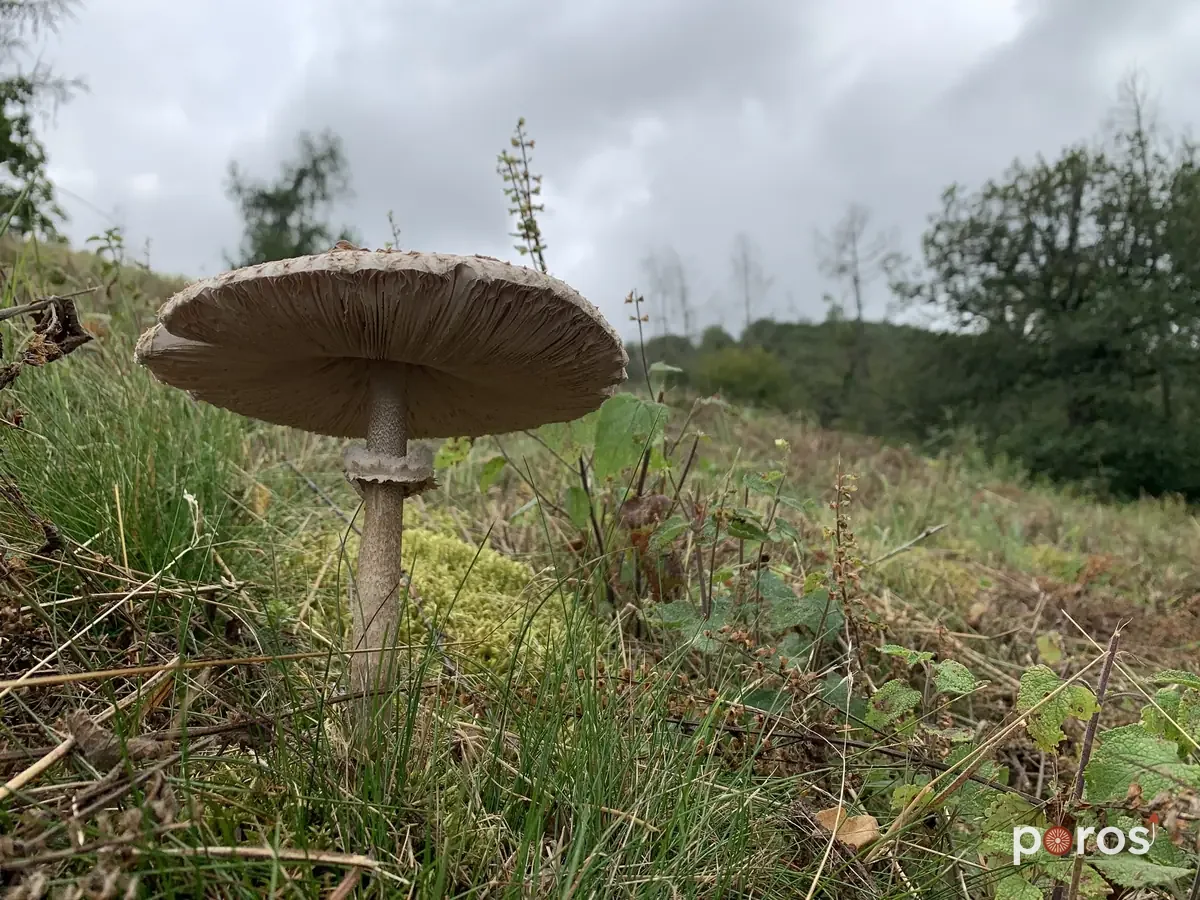
Latest parasol mushroom observations
Look-alikes
What could it be confused with?
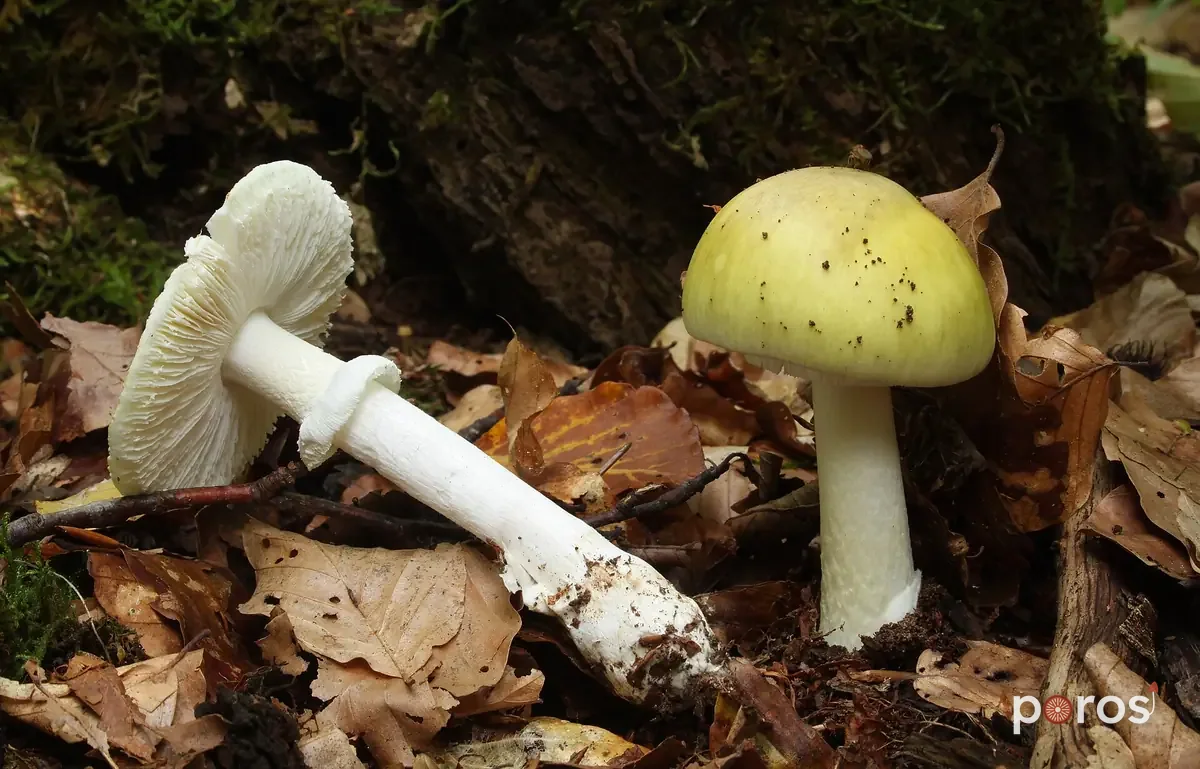
Death cap Amanita phalloides
Young, closed parasols can be confused with Amanitas, which have a sac at the base and no snakeskin stem. Only pick open caps.
Panthercap Amanita pantherina
Pale flakes on a dark cap (the parasol has the opposite: dark flakes on a pale cap).
False parasol Chlorophyllum molybdites
Faintly green gills and a green spore print; no snakeskin on the stem.
Deadly dapperling Lepiota brunneoincarnata
Much smaller; has caused fatal poisonings in Spain. Never pick small parasol-like mushrooms.
Shaggy parasol Chlorophyllum rhacodes
Smaller with large upturned scales and no snakeskin on the stem; disagrees with many people.
In the kitchen
Cooking with parasol mushrooms
Storing parasol mushrooms
Grow it, buy it
Parasol mushroom price list
| Product | Us | Market (sourced, dated) |
|---|---|---|
| Fresh parasol mushrooms | In preparation · notify me | — |
| Dried parasol mushrooms | In preparation · notify me | — |
Our prices for parasol mushrooms are published when the product is ready; for now we take waiting-list sign-ups. The market column shows prices seen on other sellers' pages on the date given; they are not our prices and may have changed.
Frequently asked questions
Are parasol mushrooms edible?
Yes, the parasol mushroom is an edible species. Eat a wild one only after an expert has identified it with certainty: it can be confused with death cap (Amanita phalloides), panthercap (Amanita pantherina), false parasol (Chlorophyllum molybdites), deadly dapperling (Lepiota brunneoincarnata) and shaggy parasol (Chlorophyllum rhacodes).
When is parasol mushroom season in Turkey?
In our calendar, parasol mushroom season runs Jul–Nov. The parasol mushroom fruits from July to November in Europe, later in the south. In Turkey it is reported to be gathered in spring and autumn, and GBIF records peak in October.
Where do parasol mushrooms grow?
The parasol mushroom grows in woodland clearings, grassy places next to woods, pasture and dunes, appearing singly, in small groups or sometimes in fairy rings.
Where are parasol mushrooms found in Turkey?
The parasol mushroom is common in Turkey, with records from the Marmara, Aegean, western Black Sea and Mediterranean regions.
What can the parasol mushroom be confused with?
The parasol mushroom can be confused with death cap (Amanita phalloides, deadly), panthercap (Amanita pantherina, poisonous), false parasol (Chlorophyllum molybdites, poisonous), deadly dapperling (Lepiota brunneoincarnata, deadly) and shaggy parasol (Chlorophyllum rhacodes, poisonous). Look-alikes are compared on this page.
What is the parasol mushroom called in Turkish?
In Turkish, the parasol mushroom (Macrolepiota procera) is called Şemsiye mantarı.
Related species
-
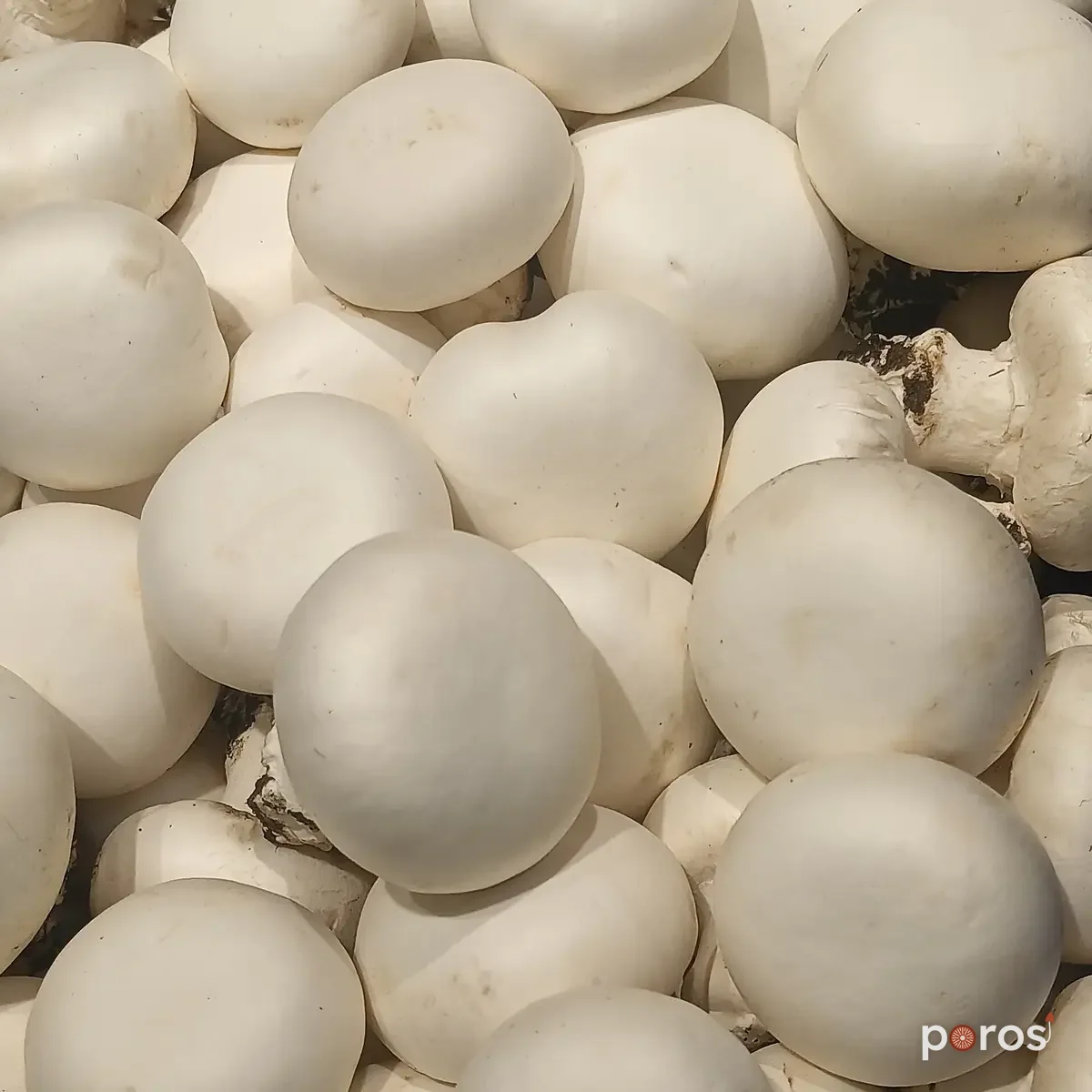 Button mushroomAgaricus bisporusEdible species
-
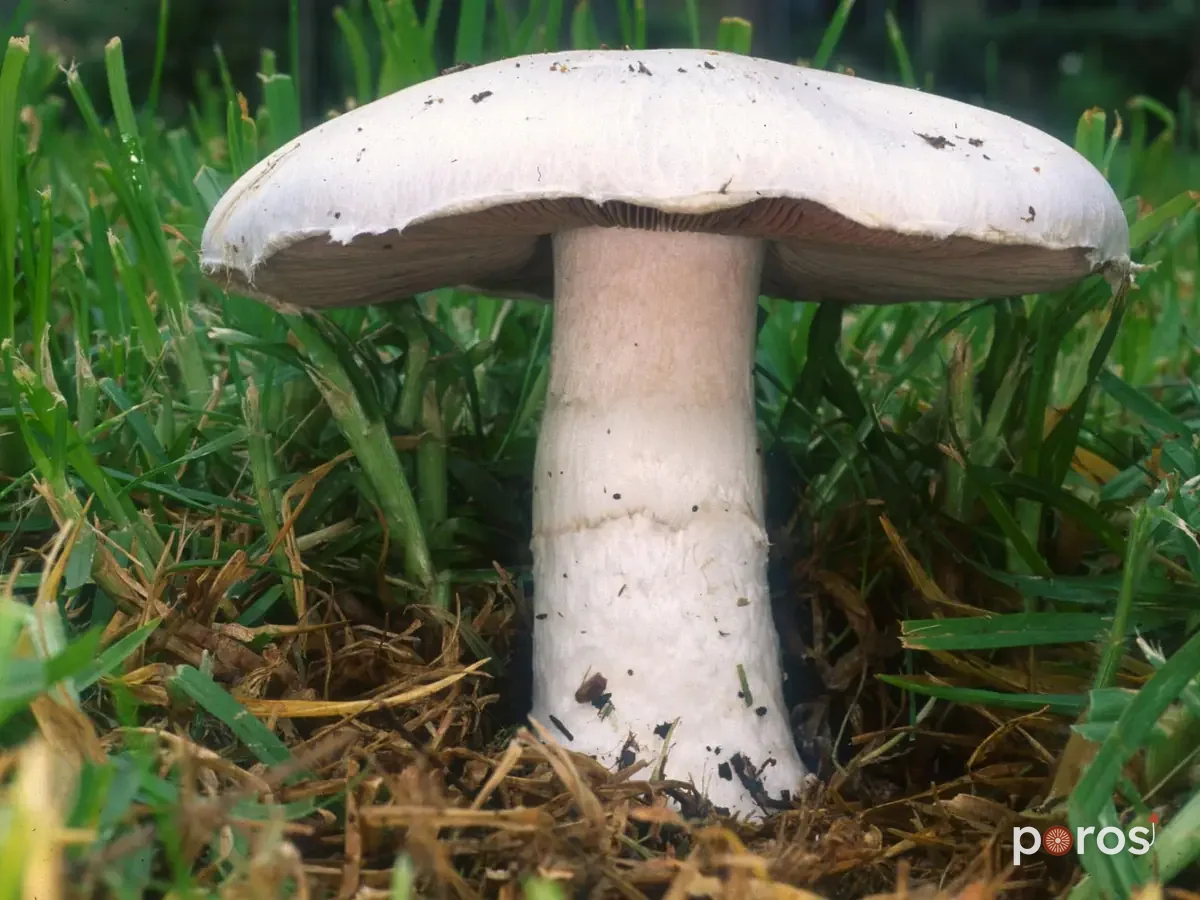 Field mushroomAgaricus campestrisEdible species
-
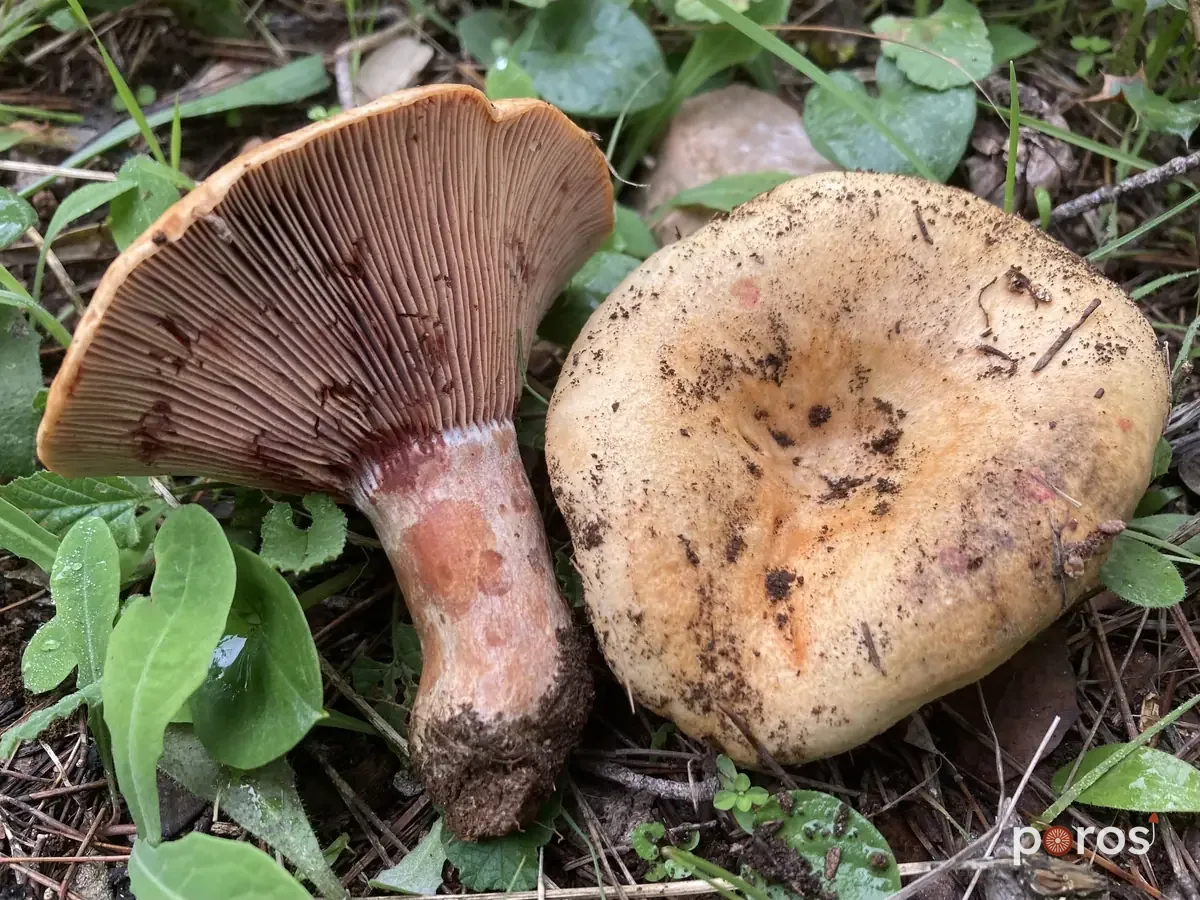 Bloody milk capLactarius sanguifluusEdible species
-
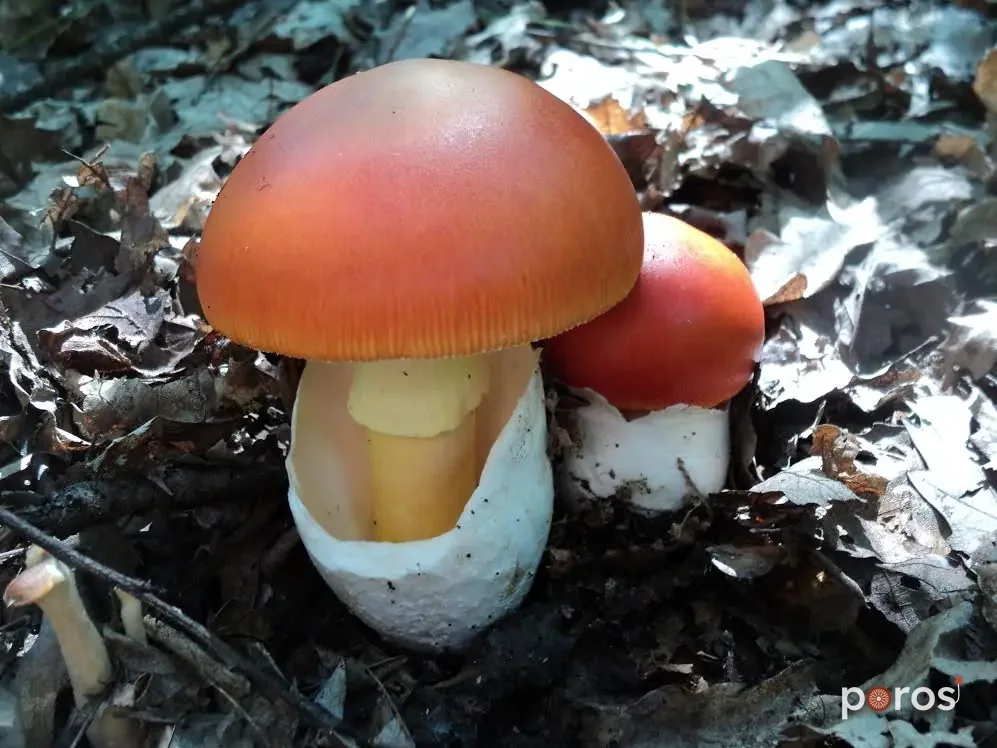 Caesar’s mushroomAmanita caesareaEdible species
-
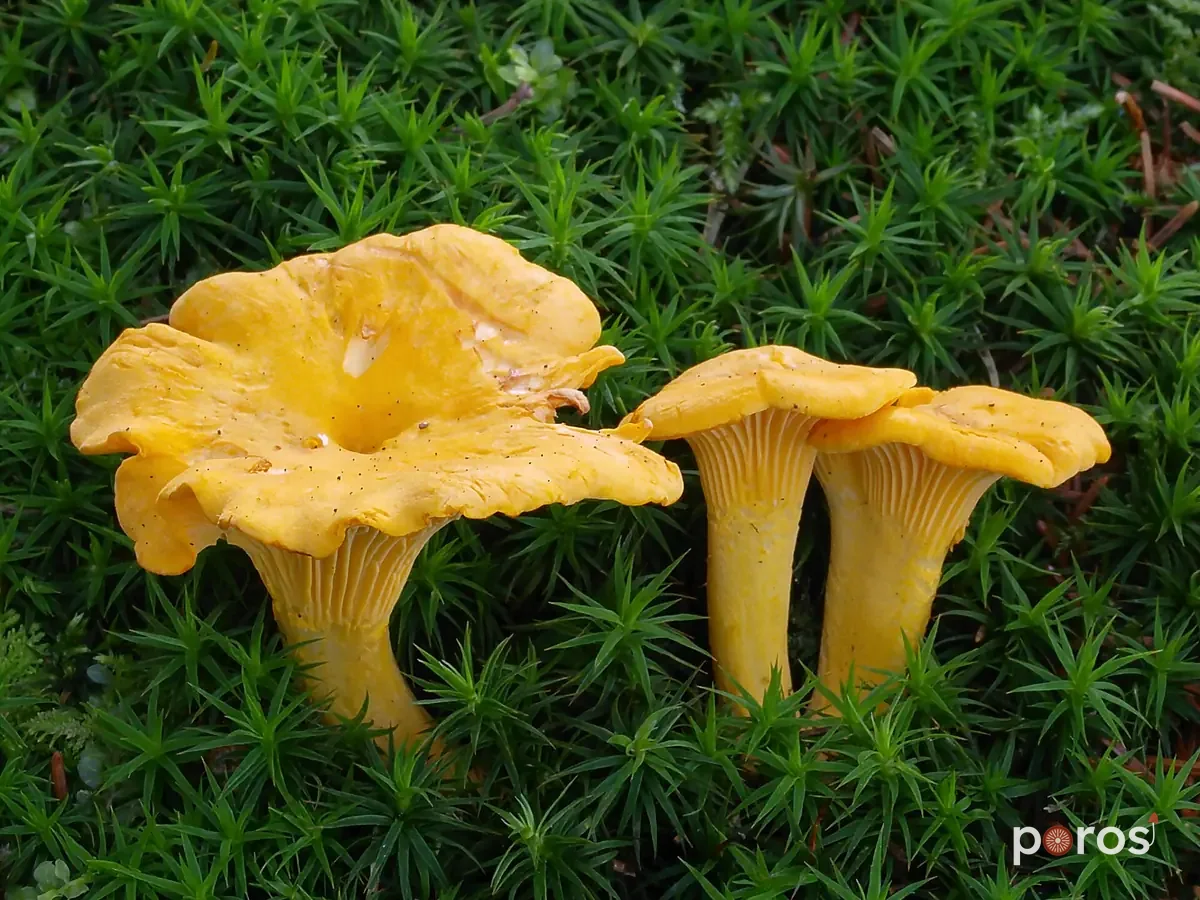 ChanterelleCantharellus cibariusEdible species
-
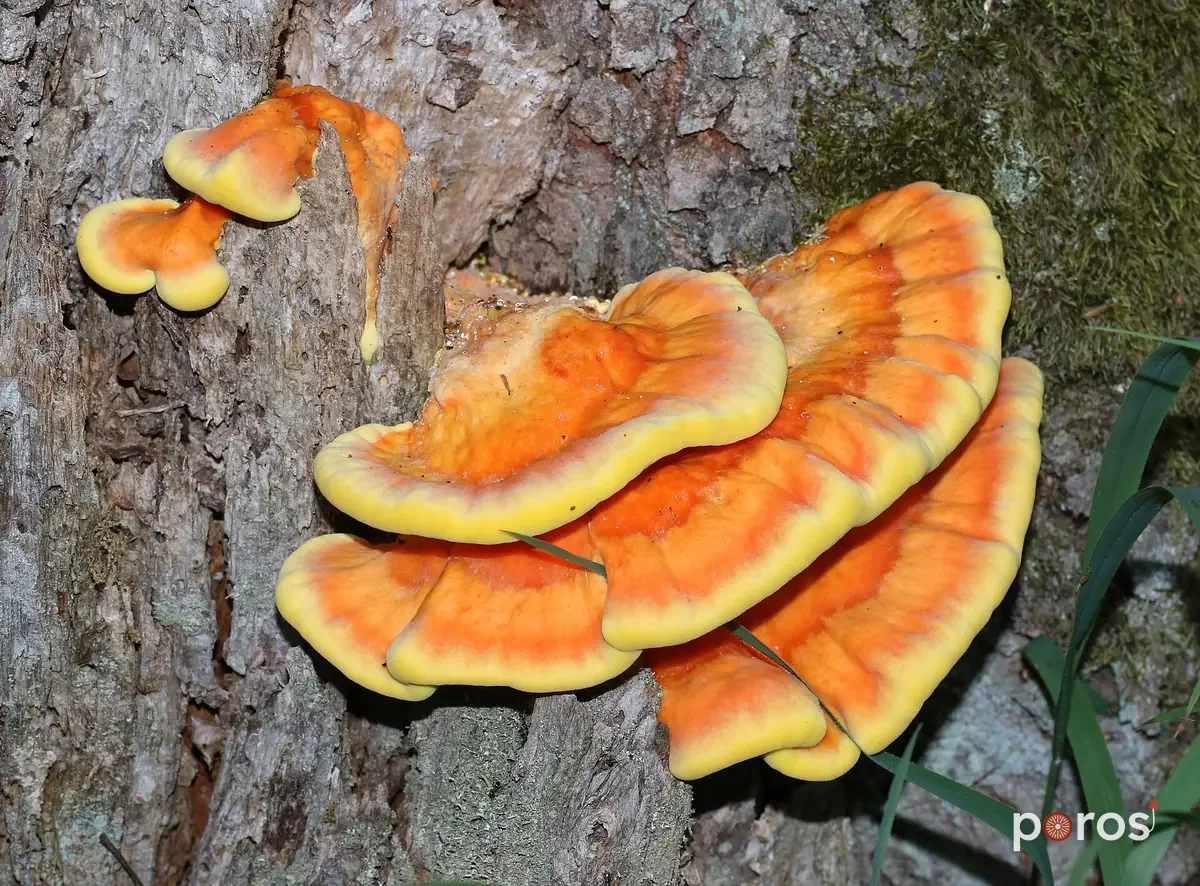 Chicken of the woodsLaetiporus sulphureusEdible species
-
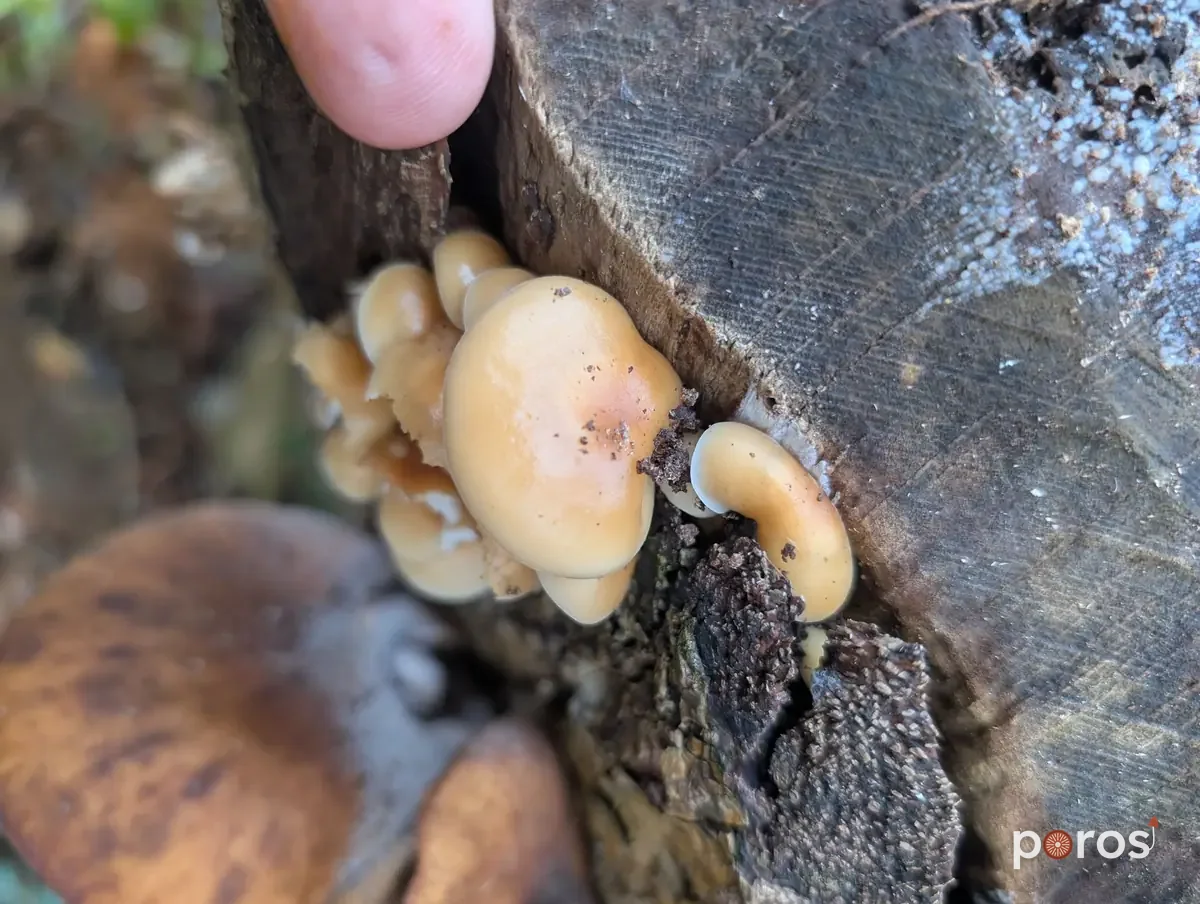 EnokiFlammulina filiformisEdible species
-
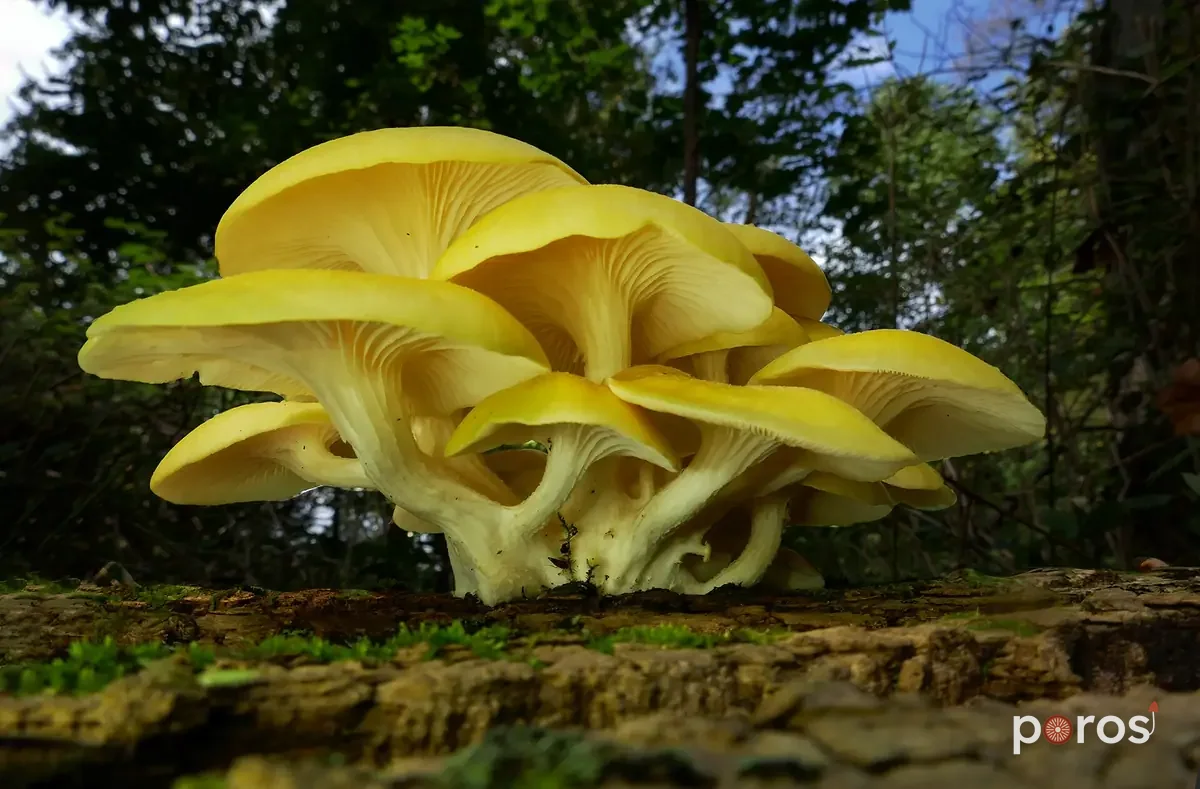 Golden oyster mushroomPleurotus citrinopileatusEdible species
Sources (5)
- Wikipedia (EN): Macrolepiota procera · checked 26 Oct 2026
- First Nature: Macrolepiota procera · checked 26 Oct 2026
- FAO AGROVOC: Macrolepiota procera (Türkçe: şemsiye mantarı) · checked 26 Oct 2026
- TR Dizin: Yabani yenebilir mantar M. procera'nın yetiştiriciliği · checked 26 Oct 2026
- GBIF: Türkiye kayıtları · checked 26 Oct 2026
Photo credits (10)
- File:Macrolepiota procera 2018 G1.jpg · George Chernilevsky · Public domain
- Macrolepiota procera · iNaturalist #8388707 · Kostas Zontanos · CC BY 4.0
- Macrolepiota procera · iNaturalist #326800707 · Heiko Weber · CC BY 4.0
- Macrolepiota procera · iNaturalist #8388707 · Kostas Zontanos · CC BY 4.0
- Macrolepiota procera · iNaturalist #386688419 · Barry Stewart · CC BY 4.0
- Macrolepiota procera · iNaturalist #312709115 · aga_l_ · CC BY 4.0
- Macrolepiota procera · iNaturalist #8388707 · Kostas Zontanos · CC BY 4.0
- File:Macrolepiota procera 2025 G1.jpg · George Chernilevsky · CC BY 4.0
- Macrolepiota procera · iNaturalist #93609935 · Nils · CC BY 4.0
- Macrolepiota procera · iNaturalist #98191067 · Jonathan Hughes · CC0

