
False morel
Gyromitra esculenta · Discinaceae
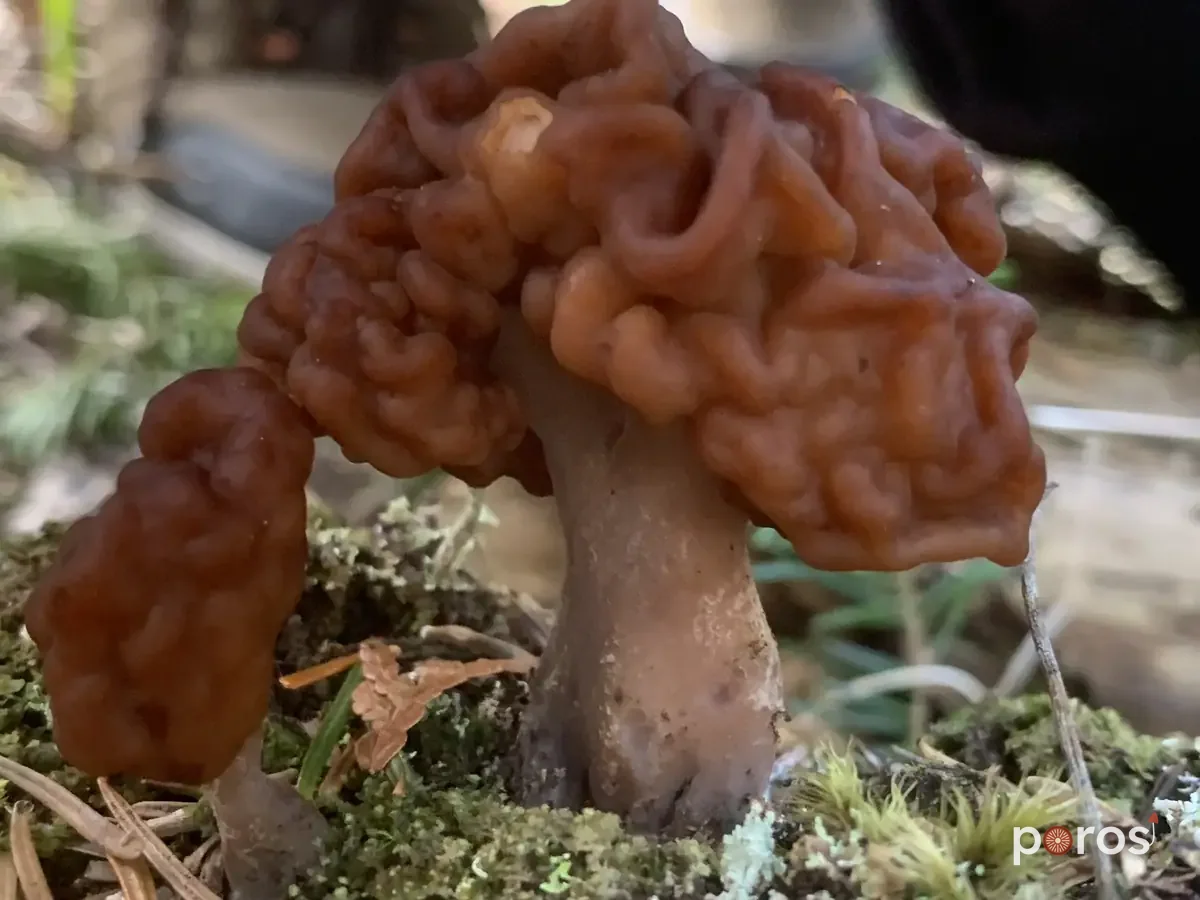
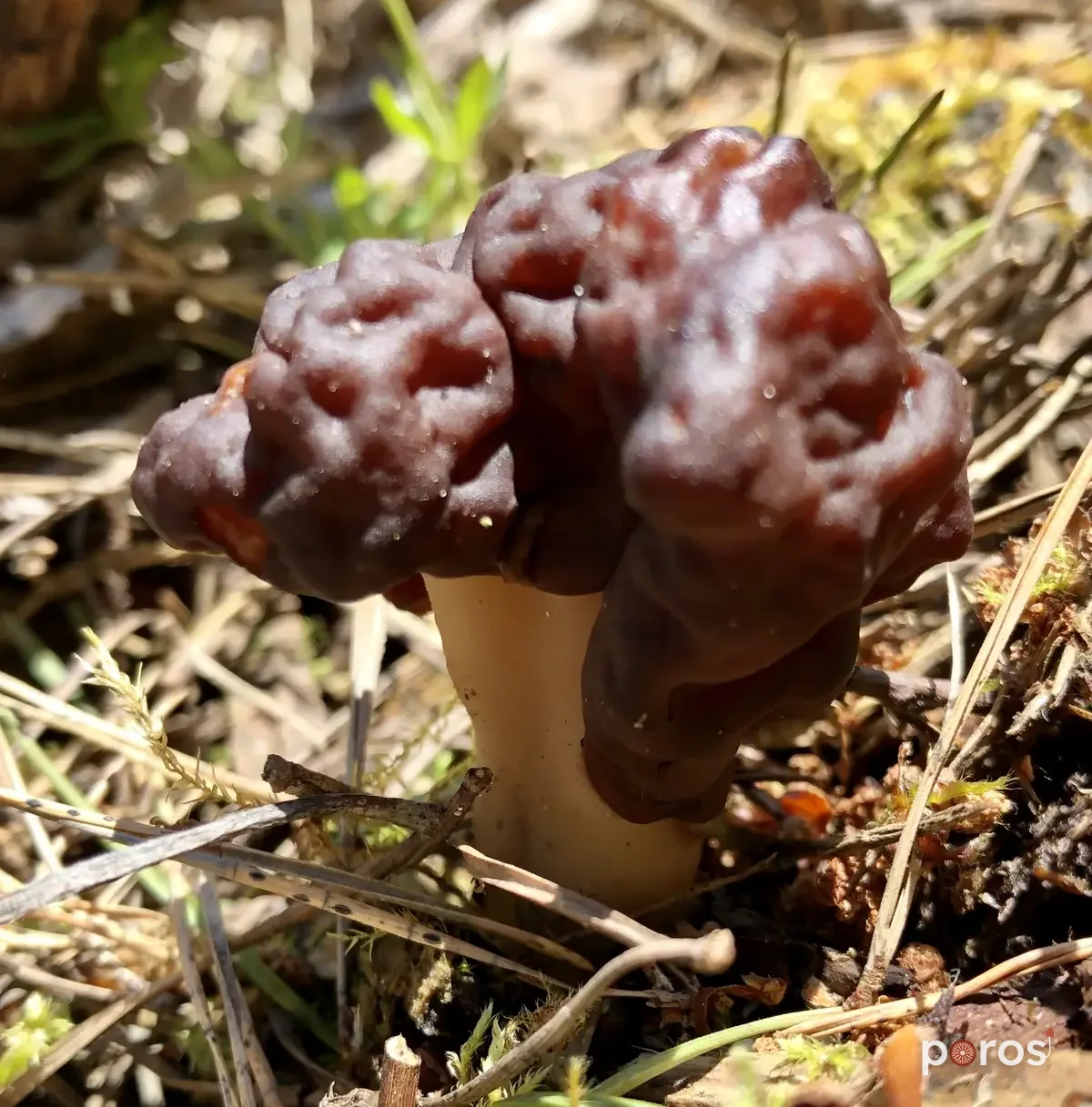
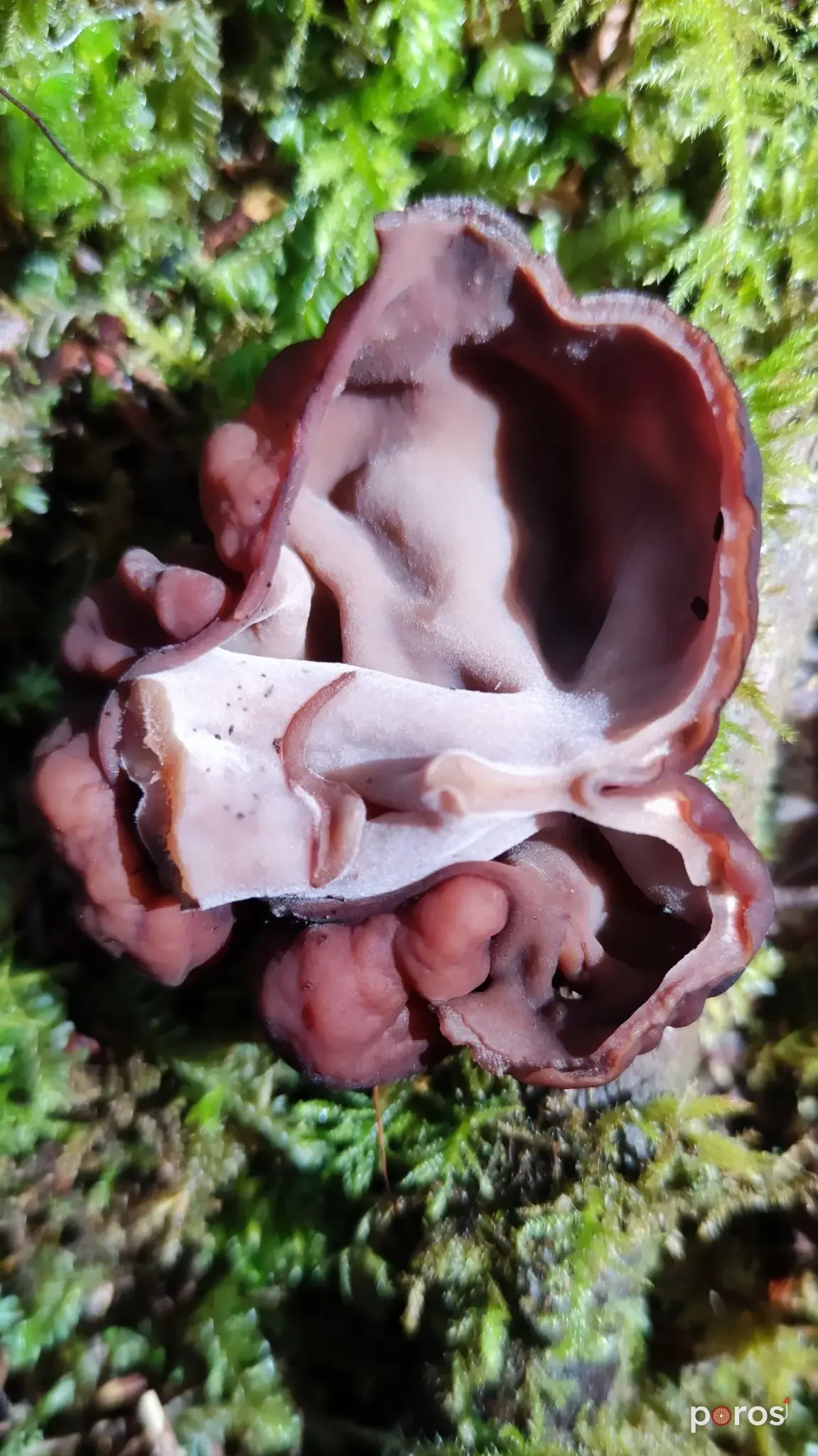
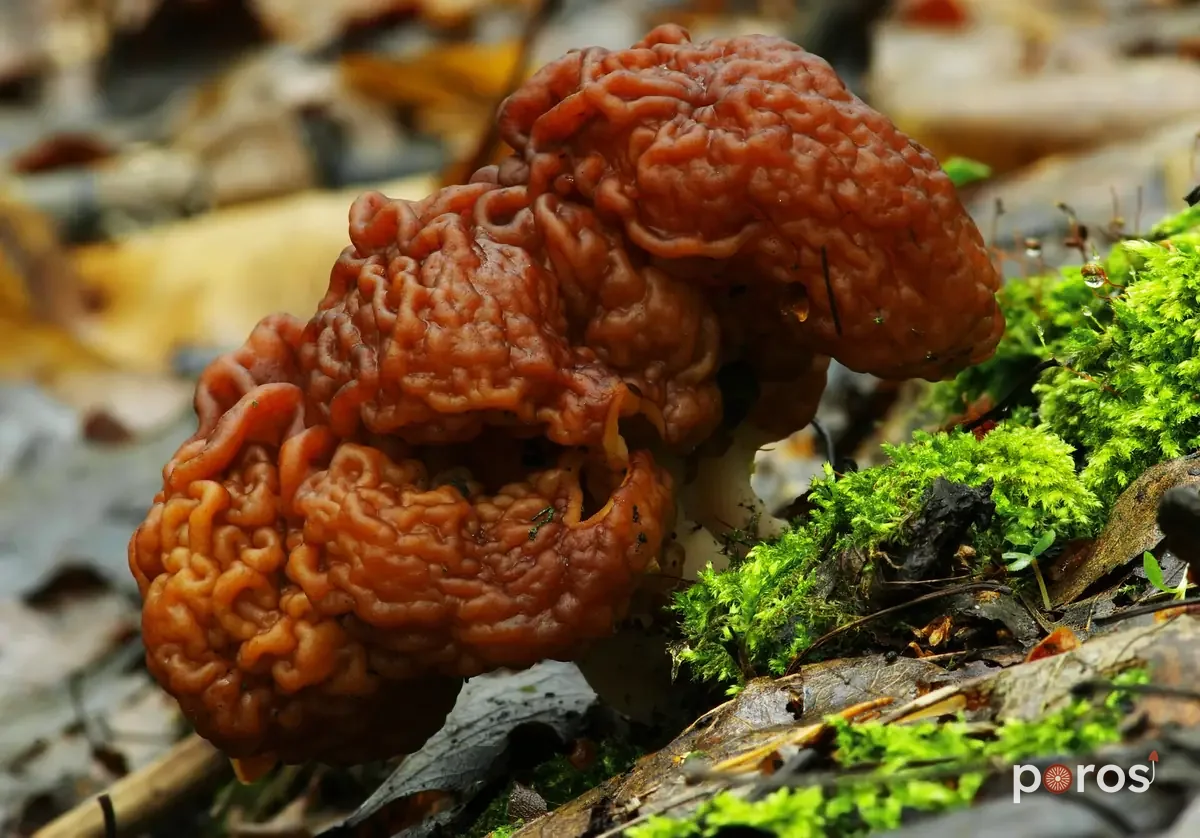
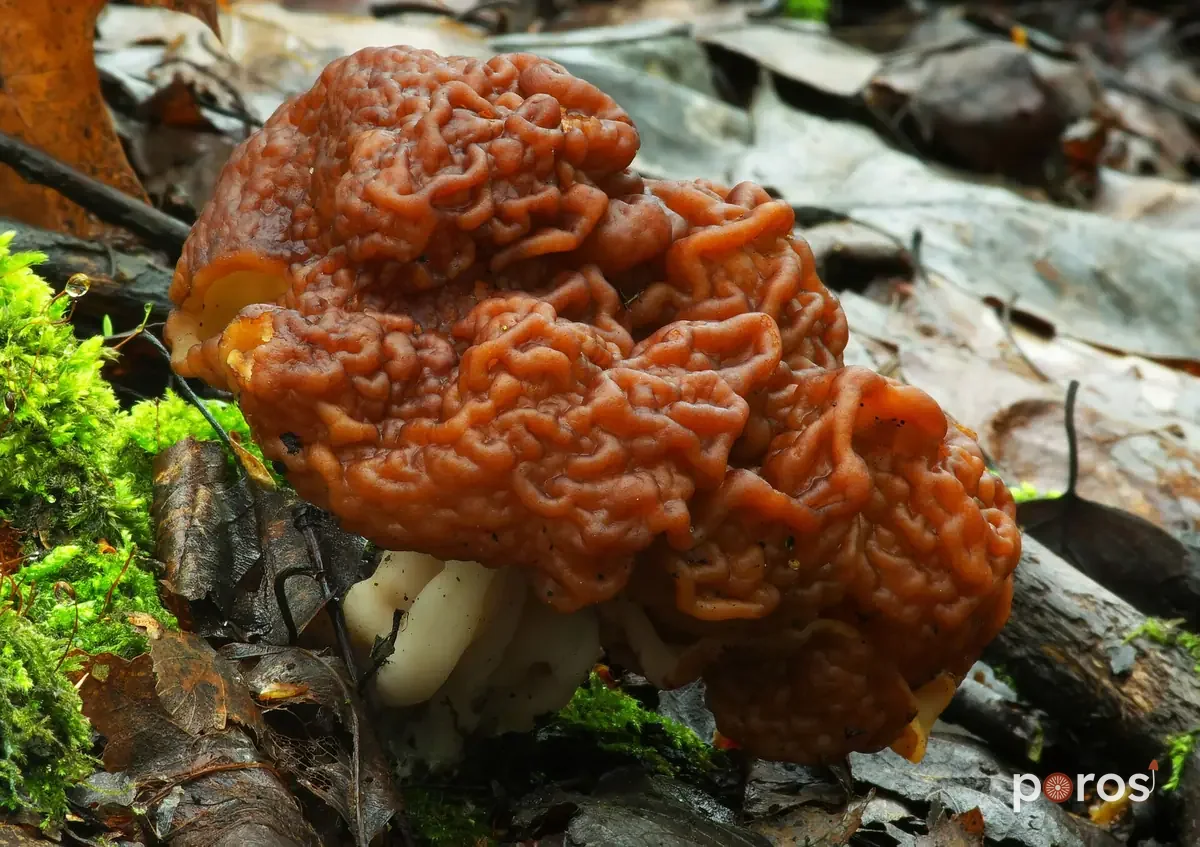
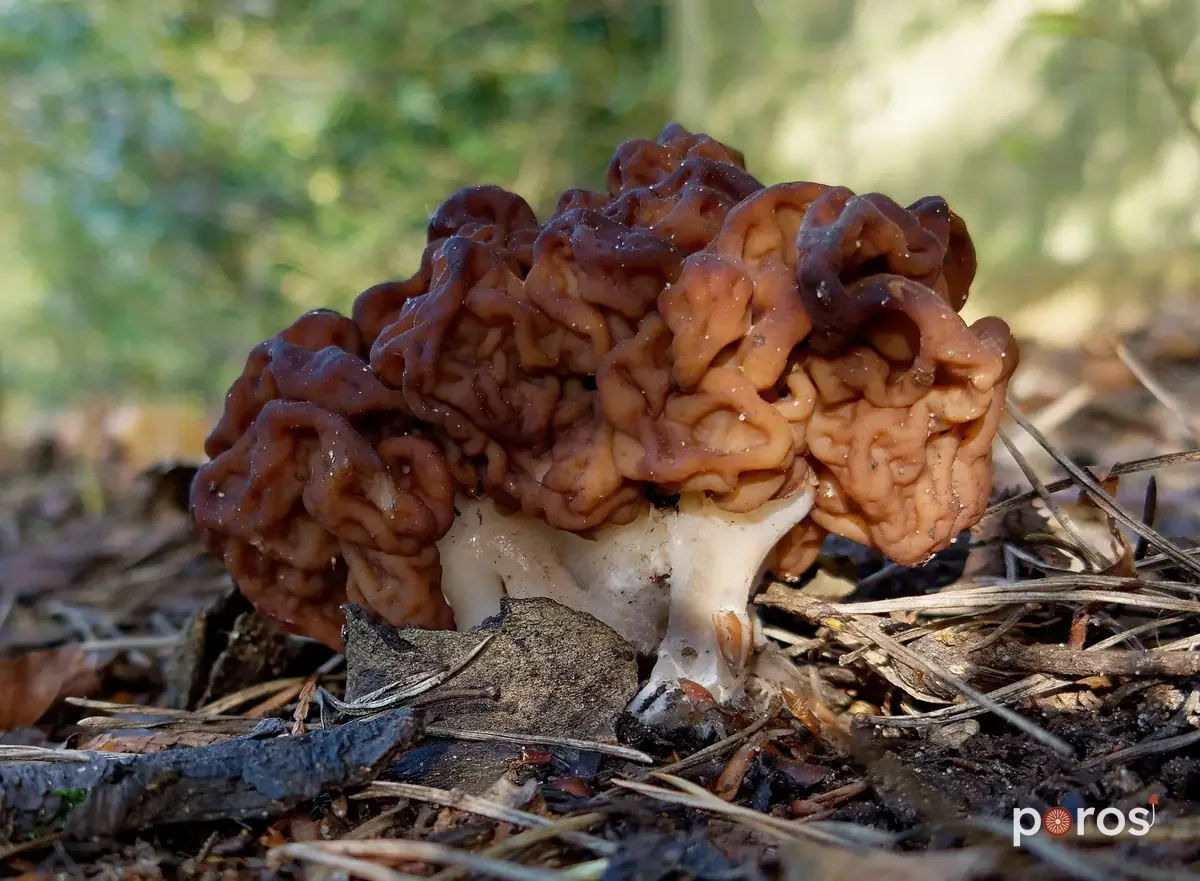
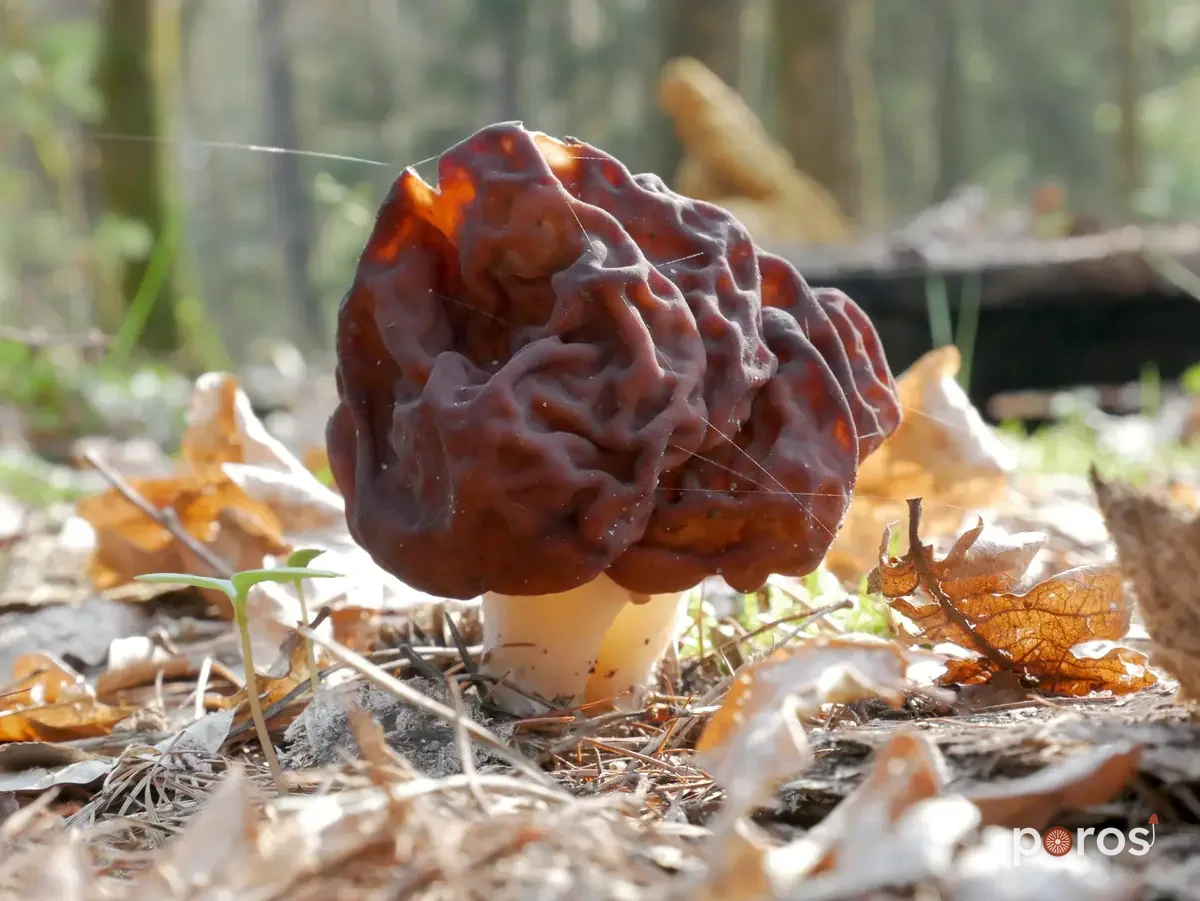
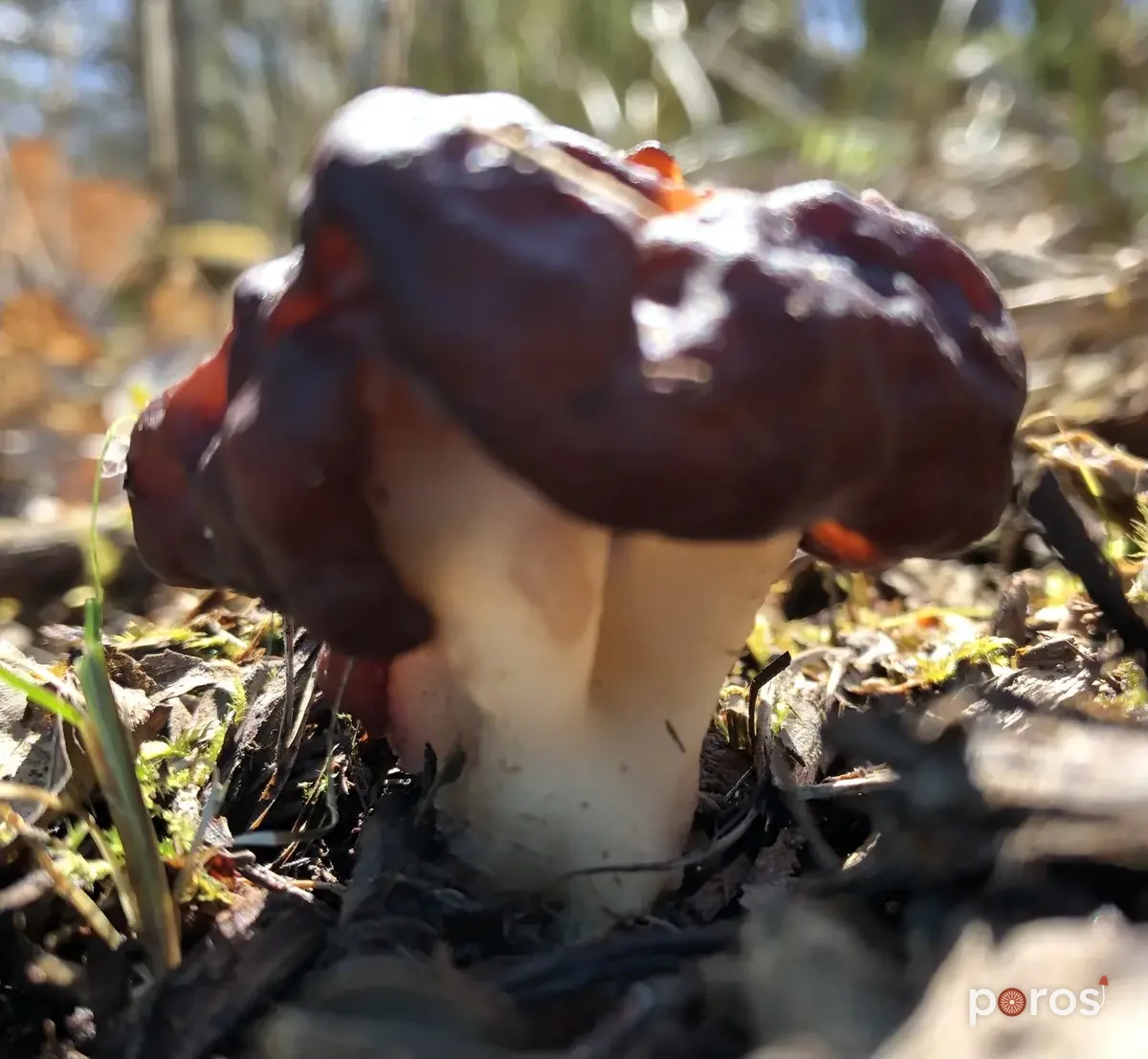
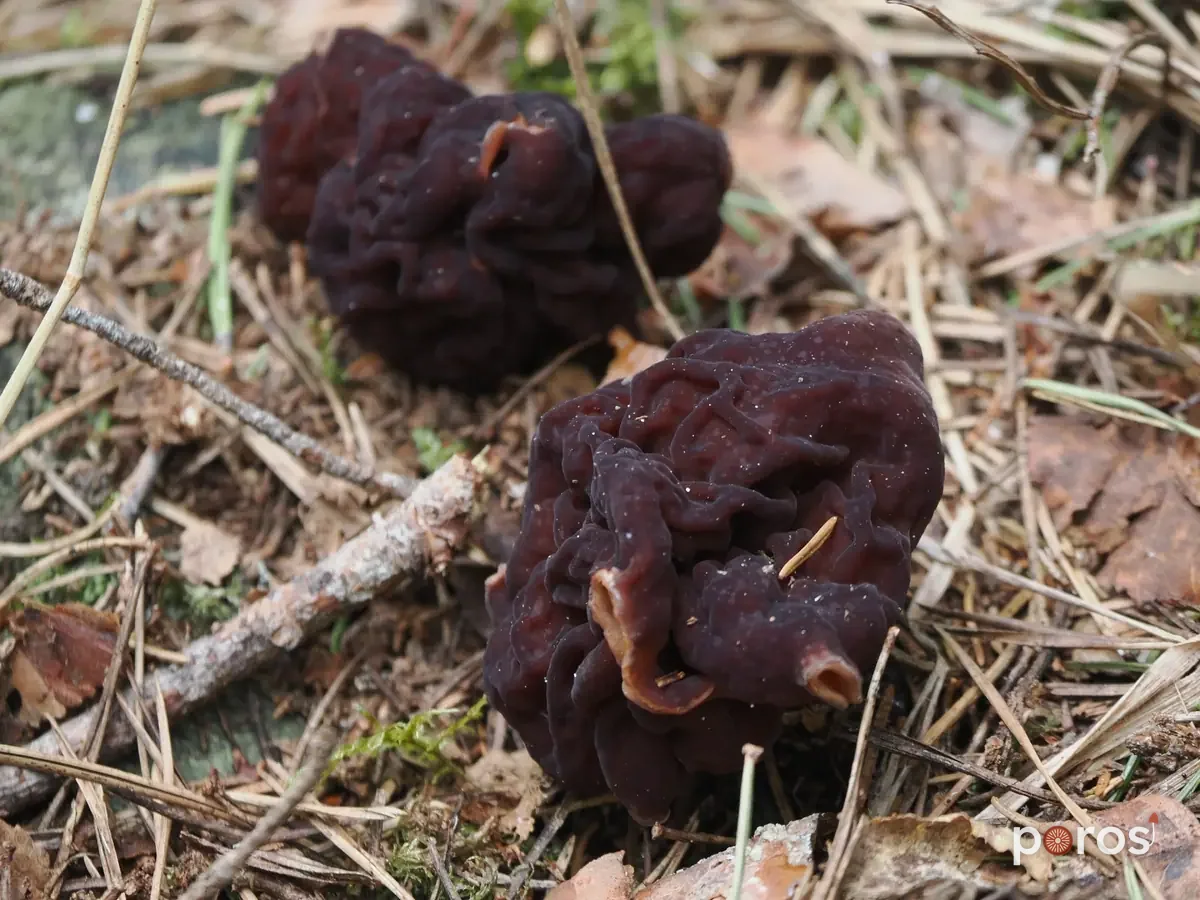
The false morel is a dark brown mushroom with a folded, brain-like cap that fruits in the same season as true morels.
DEADLY POISONOUS — keep it out of any basket of mushrooms to eat.
Cooking does not remove all the toxin. If you think it has been eaten, call 112 (Turkish poison centre: 114).
The false morel is a dark brown mushroom with a folded, brain-like cap that fruits in the same season as true morels. Its gyromitrin turns into monomethylhydrazine in the body, affecting the liver and nervous system, and can kill. Although it is parboiled and eaten in some places, thorough cooking has been shown not to remove all the toxin.
Also called: brain mushroom, turban fungus Turkish: Sahte kuzugöbeği, kuzugöbeği ebesi, yarım kafa mantarı
How to recognise it
False morel, part by part
No ring or volva Spore print: Whitish to yellowish buff Not distinctive.
When and where
Mar–May
- Jan
- Feb
- Marin season
- Aprin season
- Mayin season
- Jun
- Jul
- Aug
- Sep
- Oct
- Nov
- Dec
The false morel fruits in spring and early summer, the same season as true morels; in Turkey, GBIF records peak in April.
Where do false morels grow?
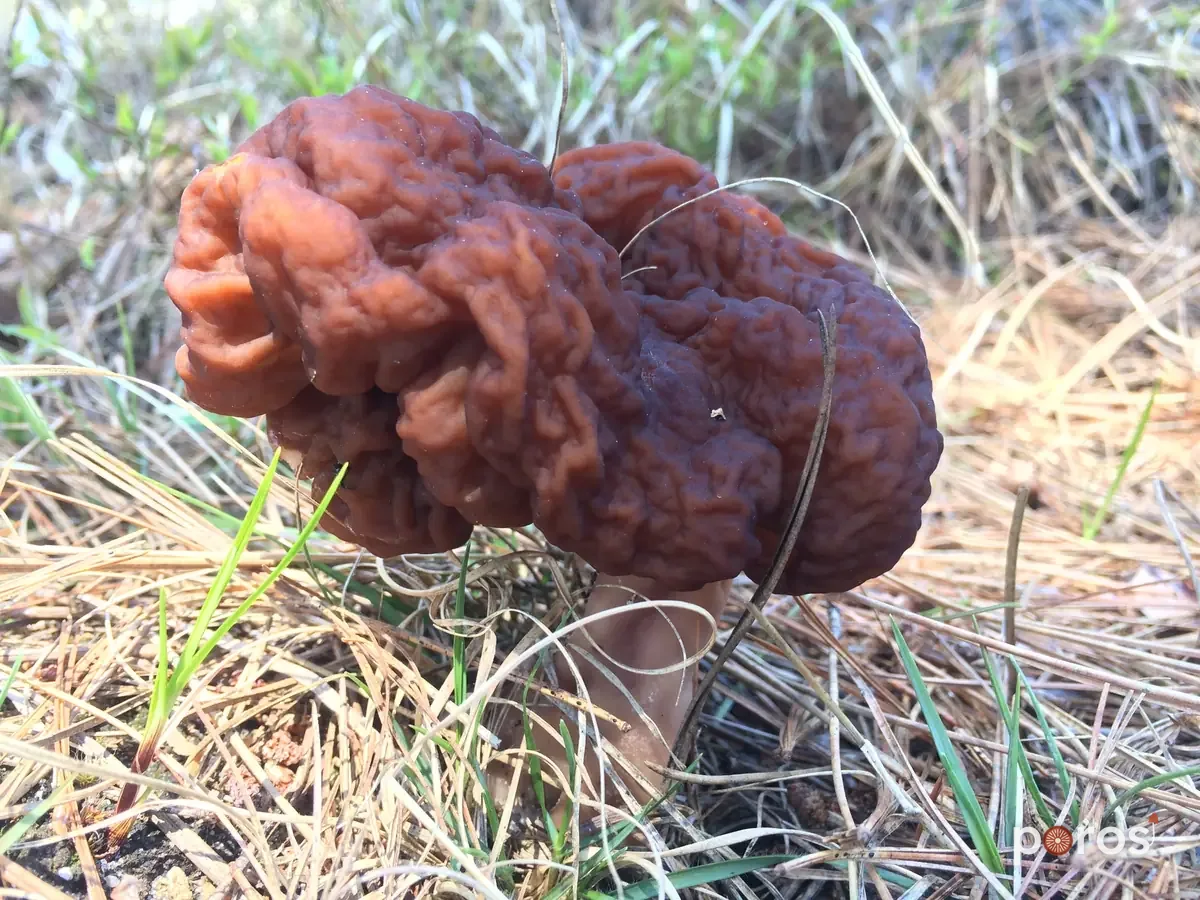
The false morel grows in coniferous woods on sandy soil, mostly under pines, and is more common in the mountains than in the lowlands.
In Turkey
The false morel has been recorded from Uşak Province in western Turkey, and GBIF holds a record from Ankara (Çamlıdere).
- Ankara2
2 observations on our map (GBIF, iNaturalist). Record density also reflects where observers work.
Latest false morel observations
Look-alikes
What is it mistaken for?
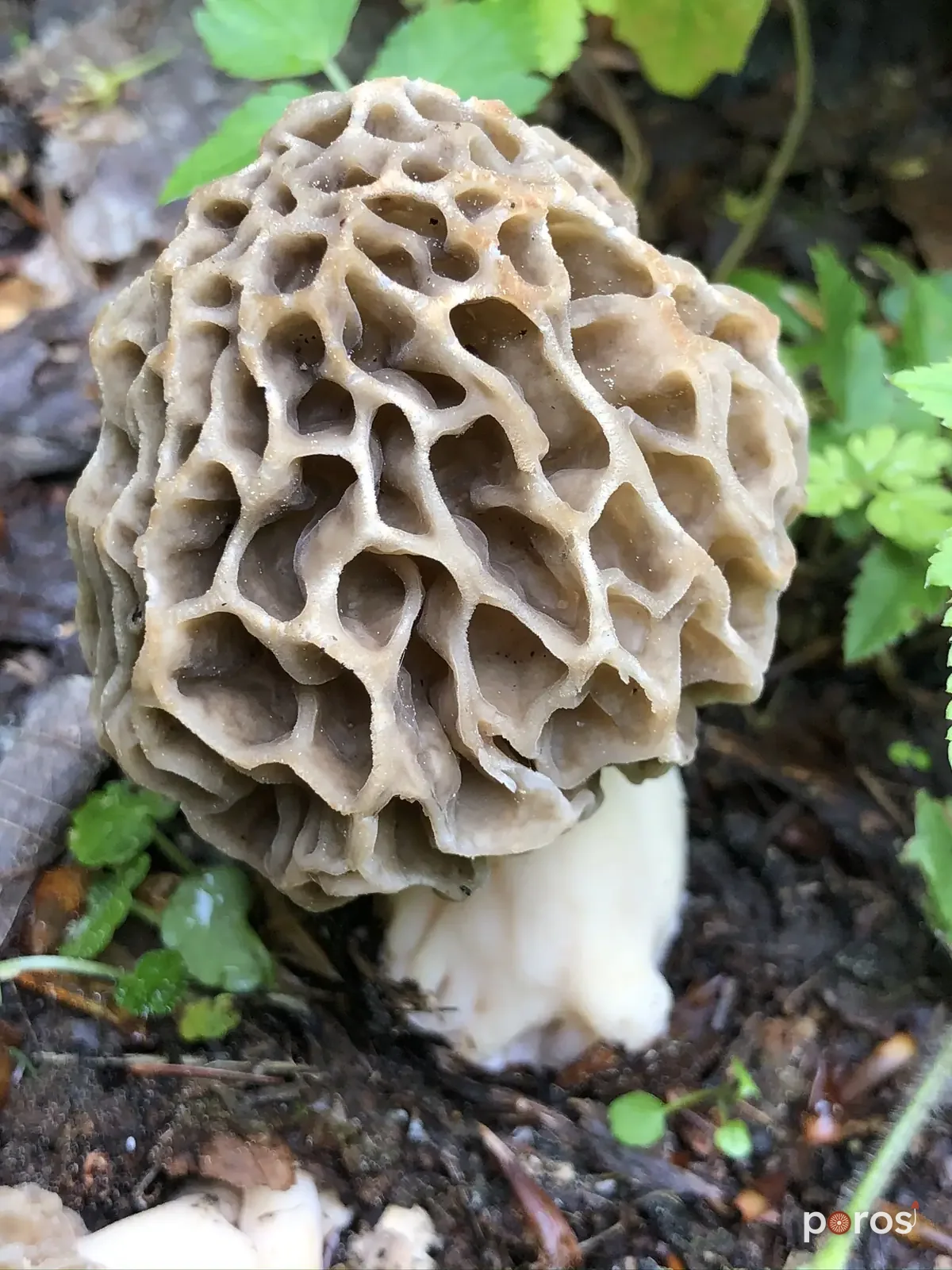
Morel Morchella esculenta
A morel has a regular, pitted honeycomb cap and one continuous hollow from cap to stem; the false morel has brain-like folds and a chambered inside. Slice it lengthwise and look.
Toxins
The false morel's active toxin is gyromitrin, which turns into monomethylhydrazine in the body. Source
Frequently asked questions
Are false morels poisonous?
Yes, the false morel is deadly poisonous and must never be eaten. Cooking does not remove all the toxin. If you think it has been eaten, call 112 (Turkish poison centre: 114).
When is false morel season in Turkey?
In our calendar, false morel season runs Mar–May. The false morel fruits in spring and early summer, the same season as true morels; in Turkey, GBIF records peak in April.
Where do false morels grow?
The false morel grows in coniferous woods on sandy soil, mostly under pines, and is more common in the mountains than in the lowlands.
Where are false morels found in Turkey?
The false morel has been recorded from Uşak Province in western Turkey, and GBIF holds a record from Ankara (Çamlıdere).
What can the false morel be confused with?
The false morel can be confused with morel (Morchella esculenta, edible species). Look-alikes are compared on this page.
What is the false morel called in Turkish?
In Turkish, the false morel (Gyromitra esculenta) is called Sahte kuzugöbeği; other local names include kuzugöbeği ebesi and yarım kafa mantarı.
Related species
-
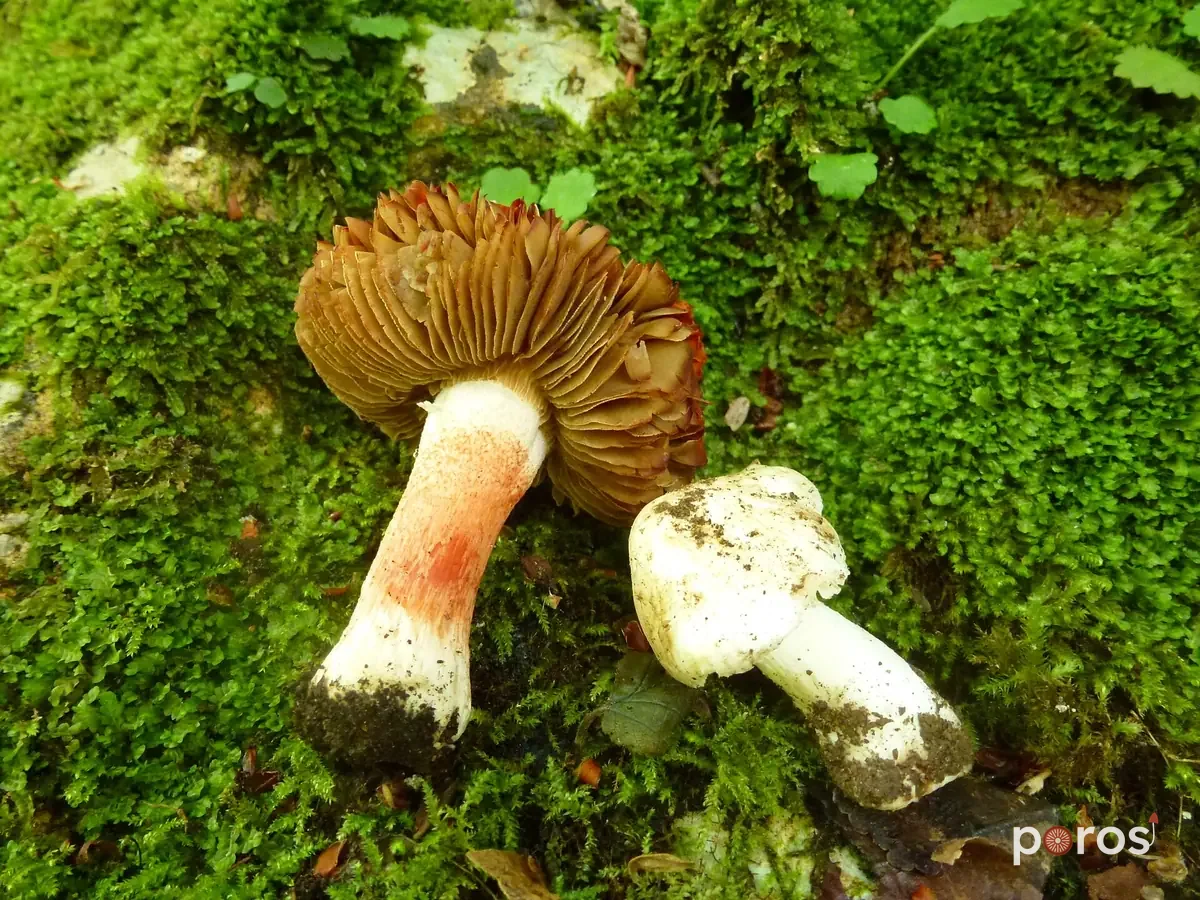 Deadly fibrecapInosperma erubescensDeadly poisonous
-
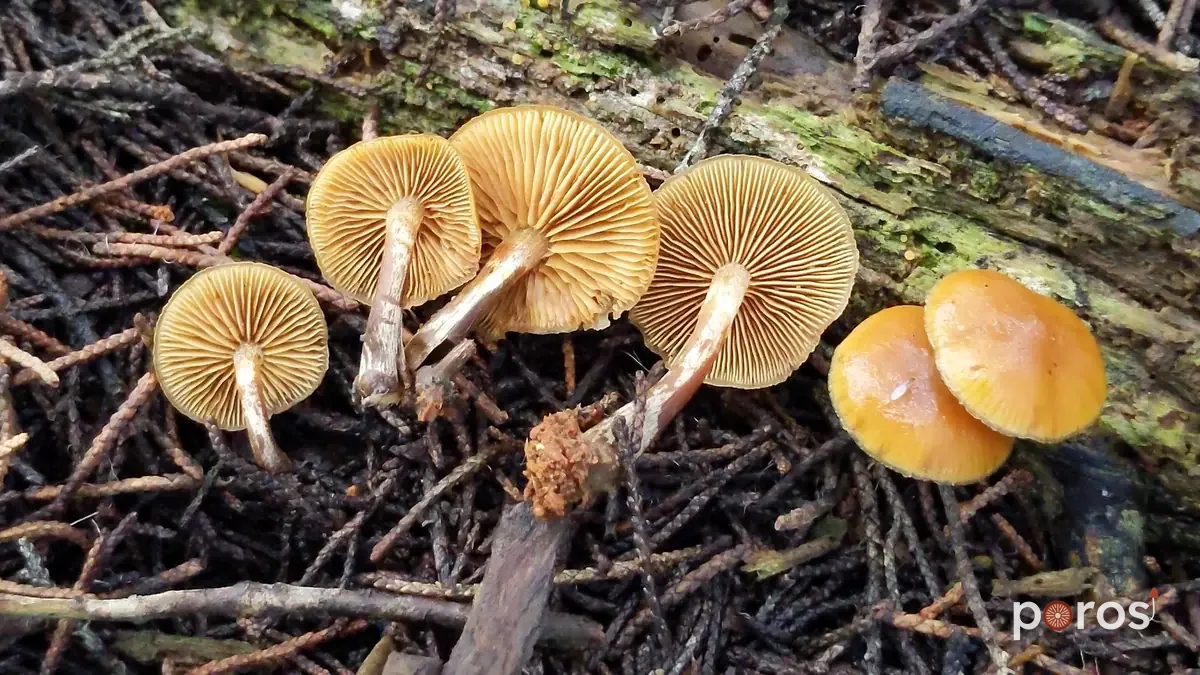 Deadly galerinaGalerina marginataDeadly poisonous
-
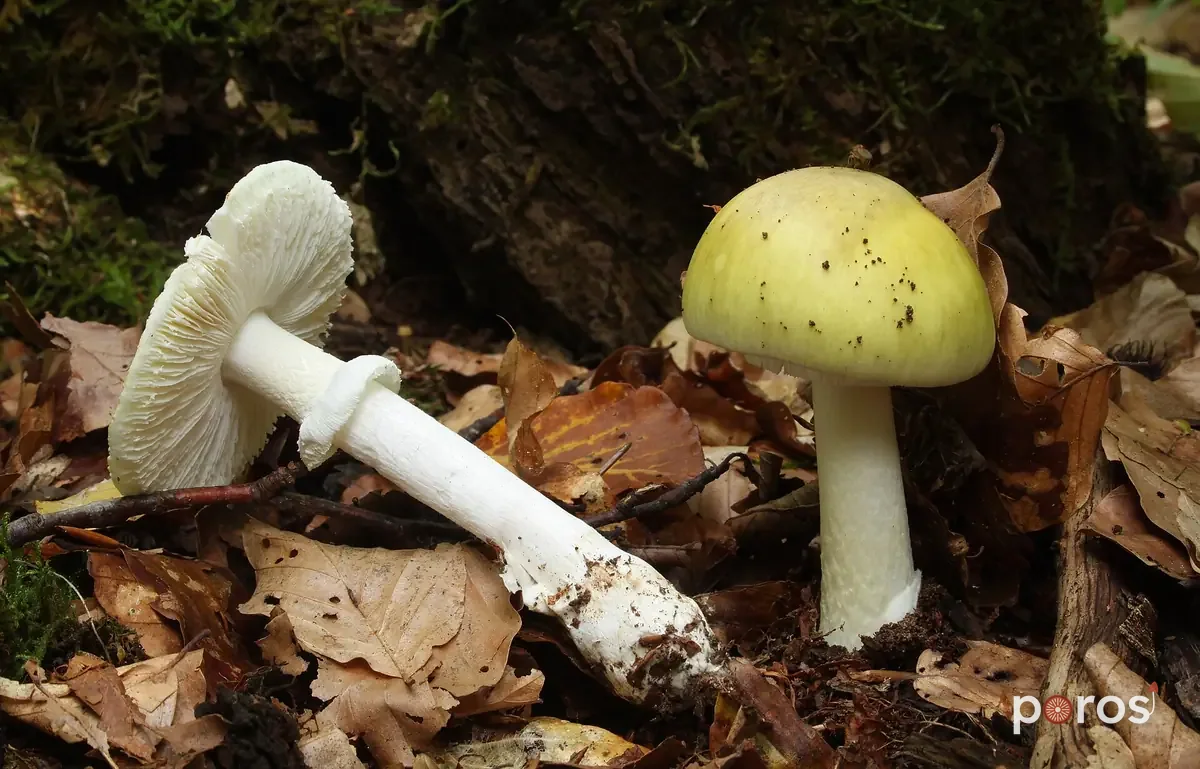 Death capAmanita phalloidesDeadly poisonous
-
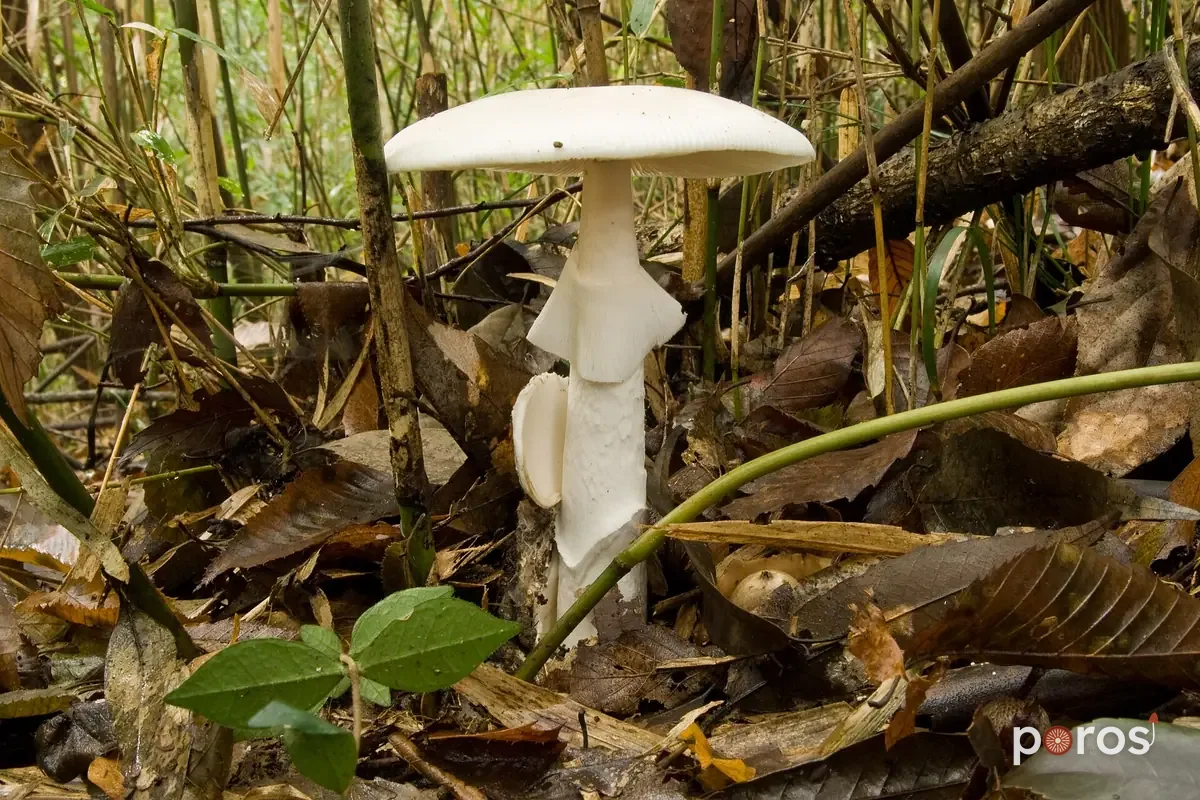 Destroying angelAmanita virosaDeadly poisonous
-
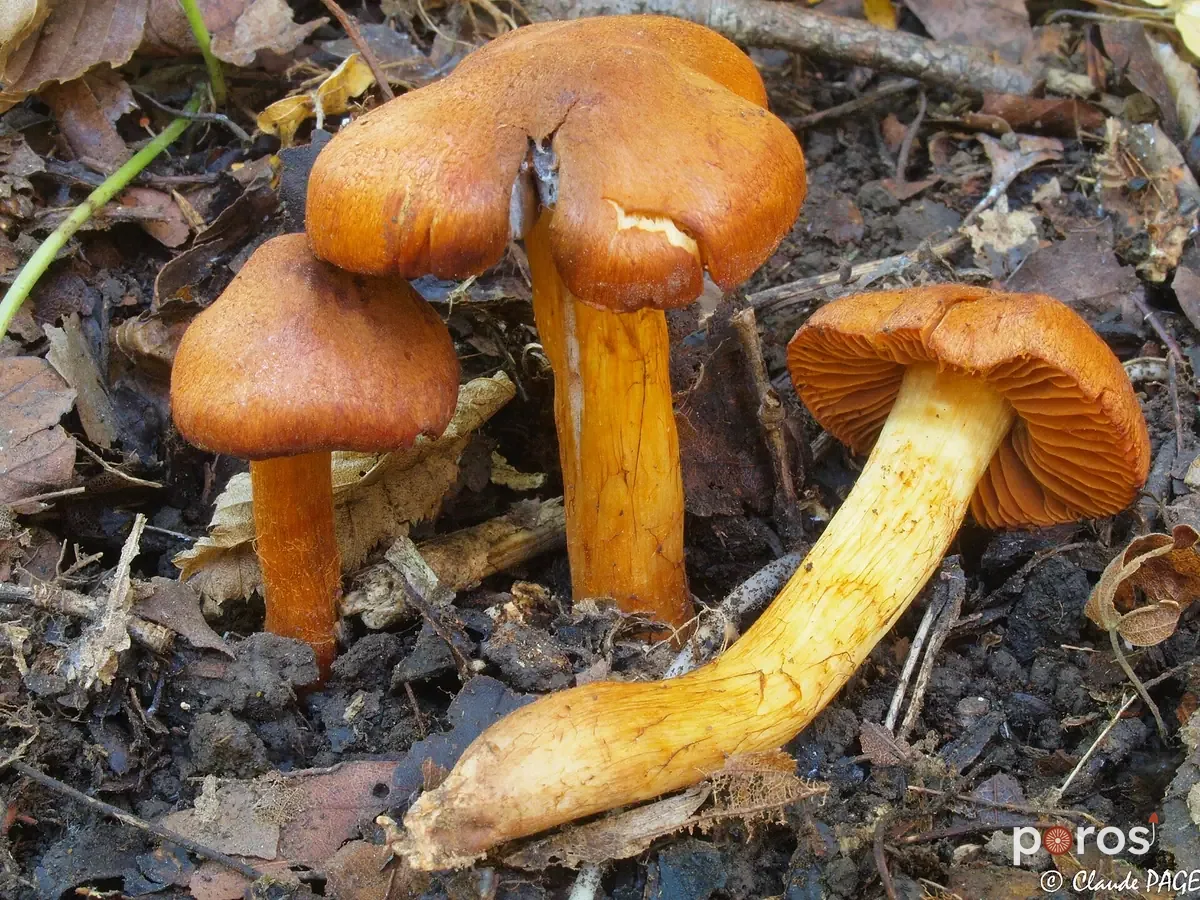 Fool’s webcapCortinarius orellanusDeadly poisonous
-
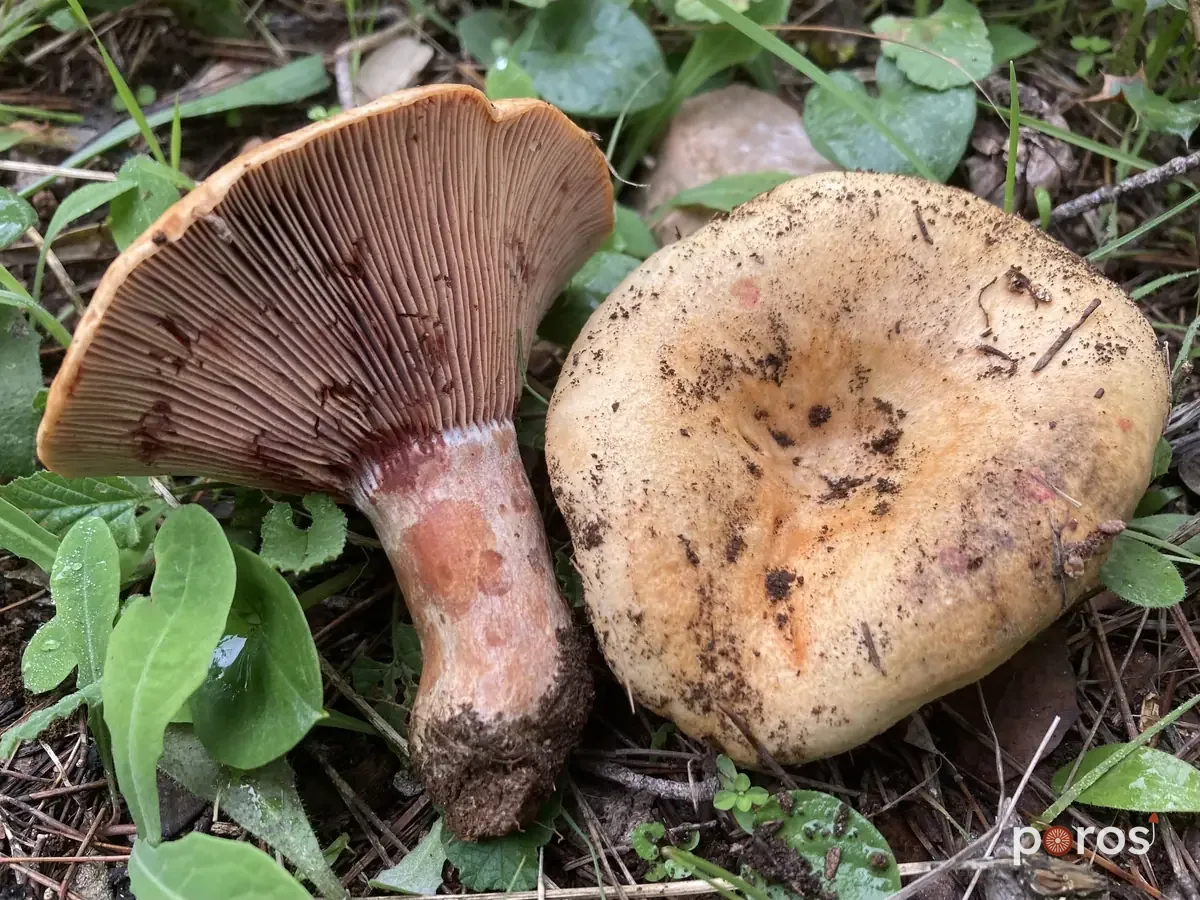 Bloody milk capLactarius sanguifluusEdible species
-
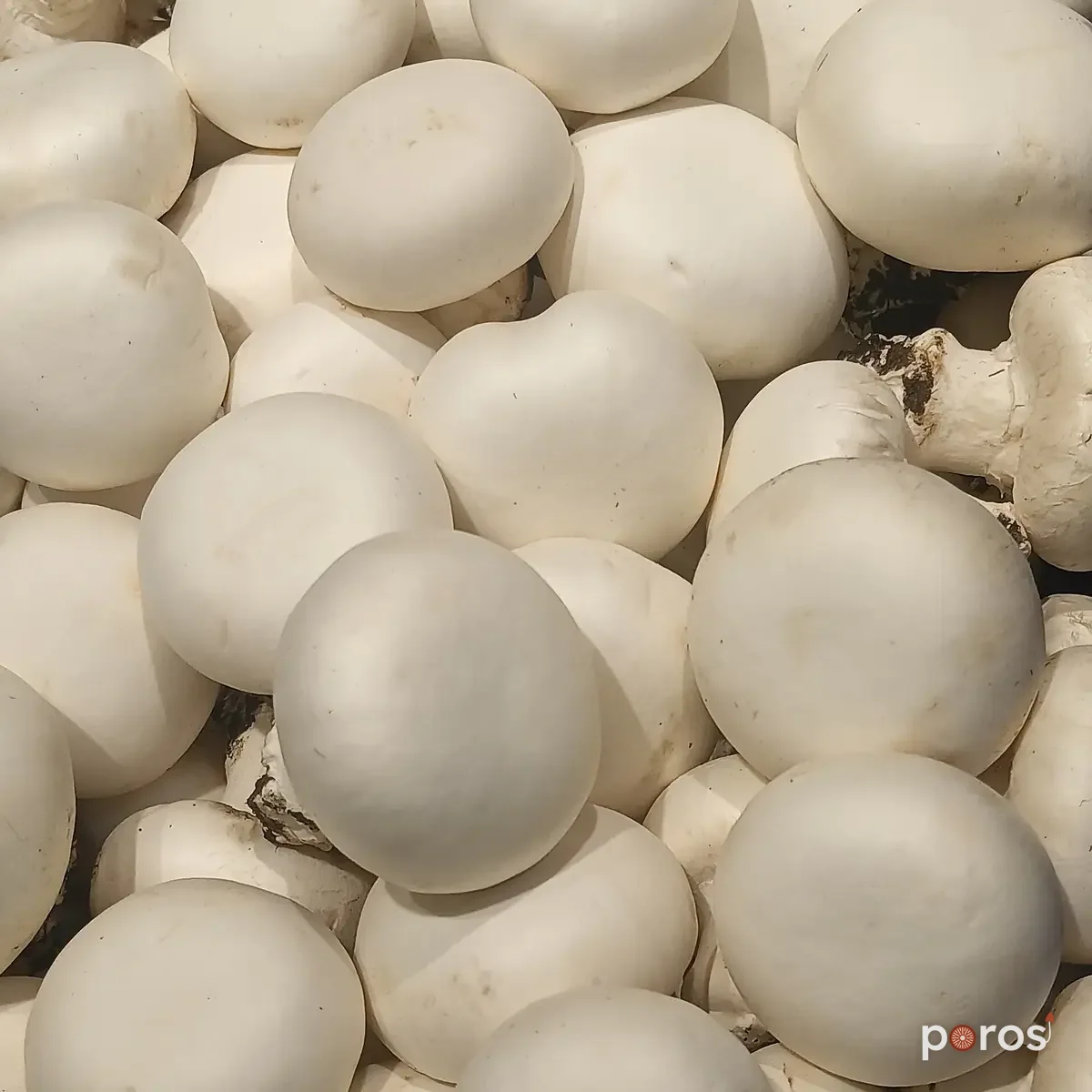 Button mushroomAgaricus bisporusEdible species
-
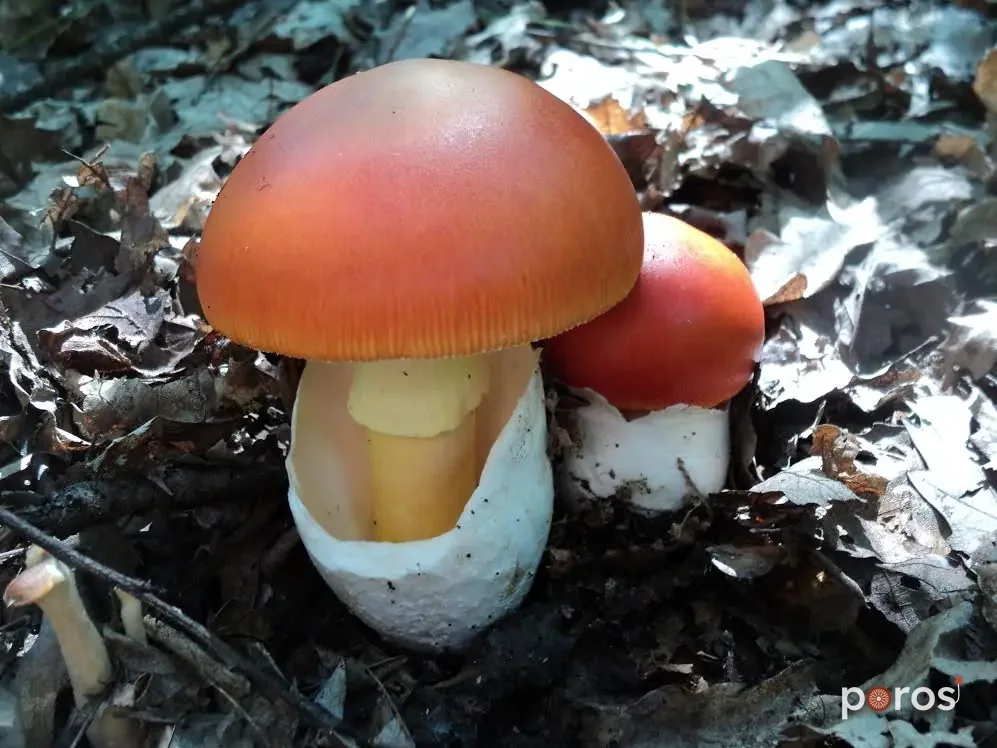 Caesar’s mushroomAmanita caesareaEdible species
Sources (4)
- Wikipedia (EN): Gyromitra esculenta · checked 26 Oct 2026
- Vikipedi (TR): Gyromitra esculenta · checked 26 Oct 2026
- First Nature: Gyromitra esculenta · checked 26 Oct 2026
- GBIF: Türkiye kayıtları · checked 26 Oct 2026
Photo credits (10)
- Gyromitra esculenta · iNaturalist #160173272 · Sophia Bowes · CC BY 4.0
- Gyromitra esculenta · iNaturalist #75162303 · Katrin Simon · CC BY 4.0
- Gyromitra esculenta · iNaturalist #22103341 · Christian Kahle · CC0
- Gyromitra esculenta · iNaturalist #75162303 · Katrin Simon · CC BY 4.0
- Gyromitra esculenta · iNaturalist #73135070 · Robin Holm · CC BY-SA 4.0
- File:Gyromitra esculenta 02.jpg · Kruczy89 · CC BY-SA 3.0
- Gyromitra esculenta · iNaturalist #6132211 · Derek · CC BY 4.0
- File:Gyromitra esculenta01.jpg · Kruczy89 · CC0
- Gyromitra esculenta · iNaturalist #357942772 · Petri Rintala · CC0
- File:Gyromitra esculenta (26718909917).jpg · Lukas from London, England · CC BY-SA 2.0


