
Chanterelle
Cantharellus cibarius · Hydnaceae
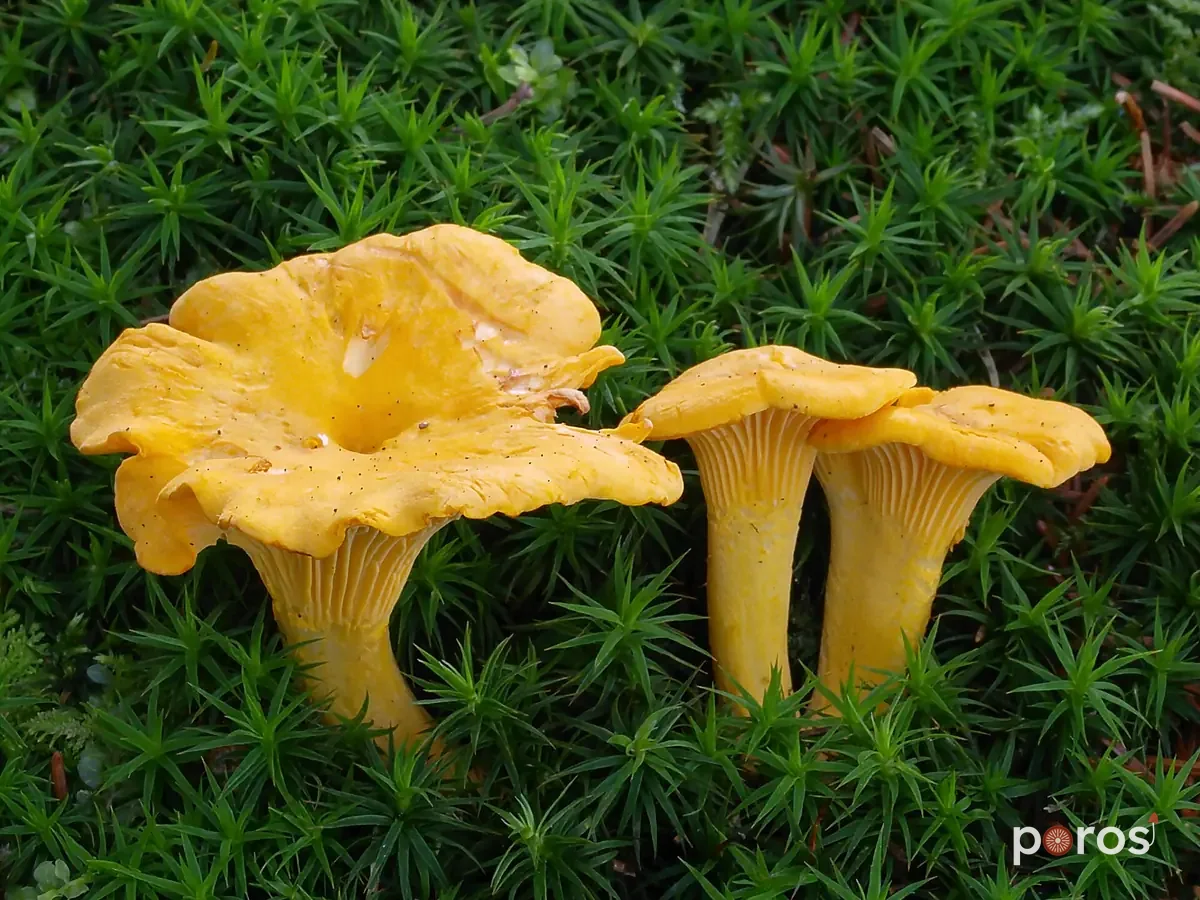
The chanterelle is a much sought-after forest mushroom, egg-yolk to deep yellow and funnel-shaped, with an apricot scent.
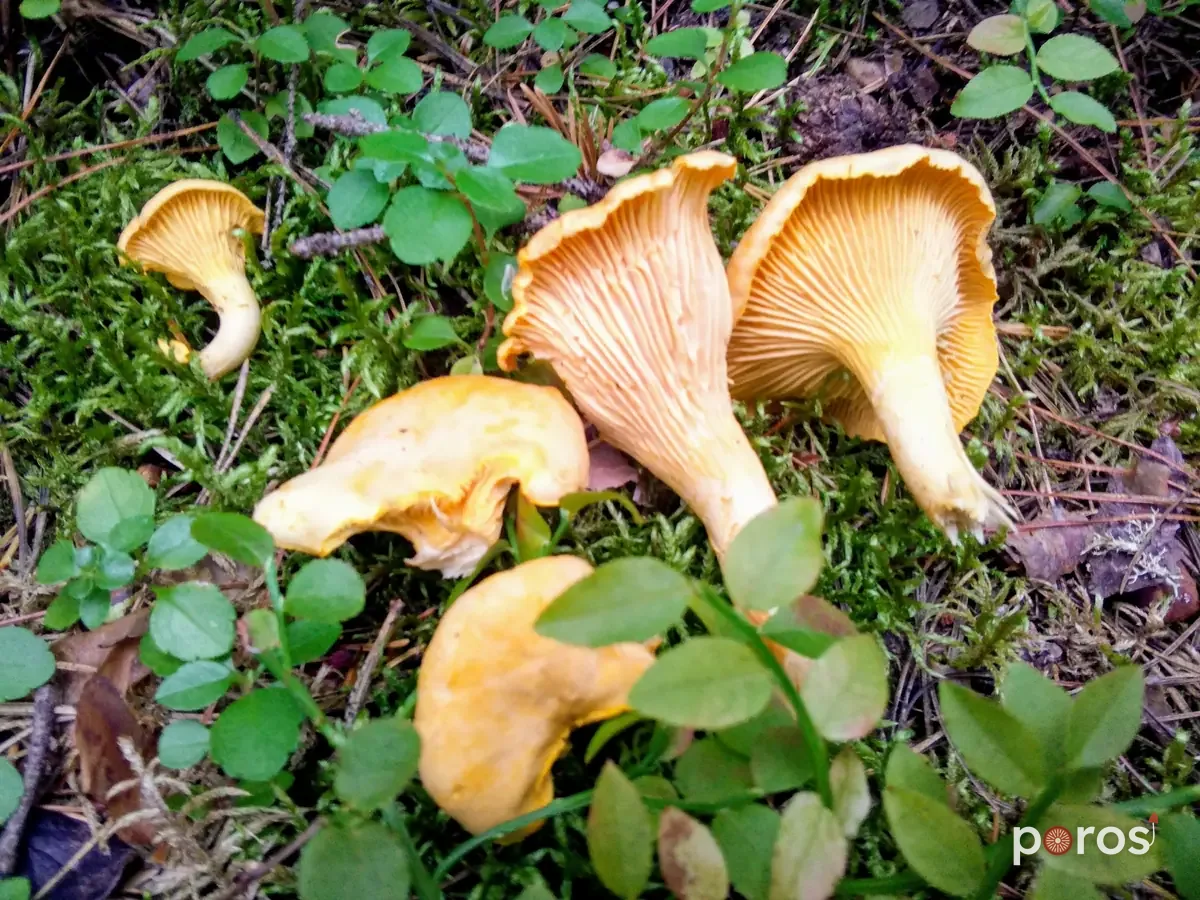
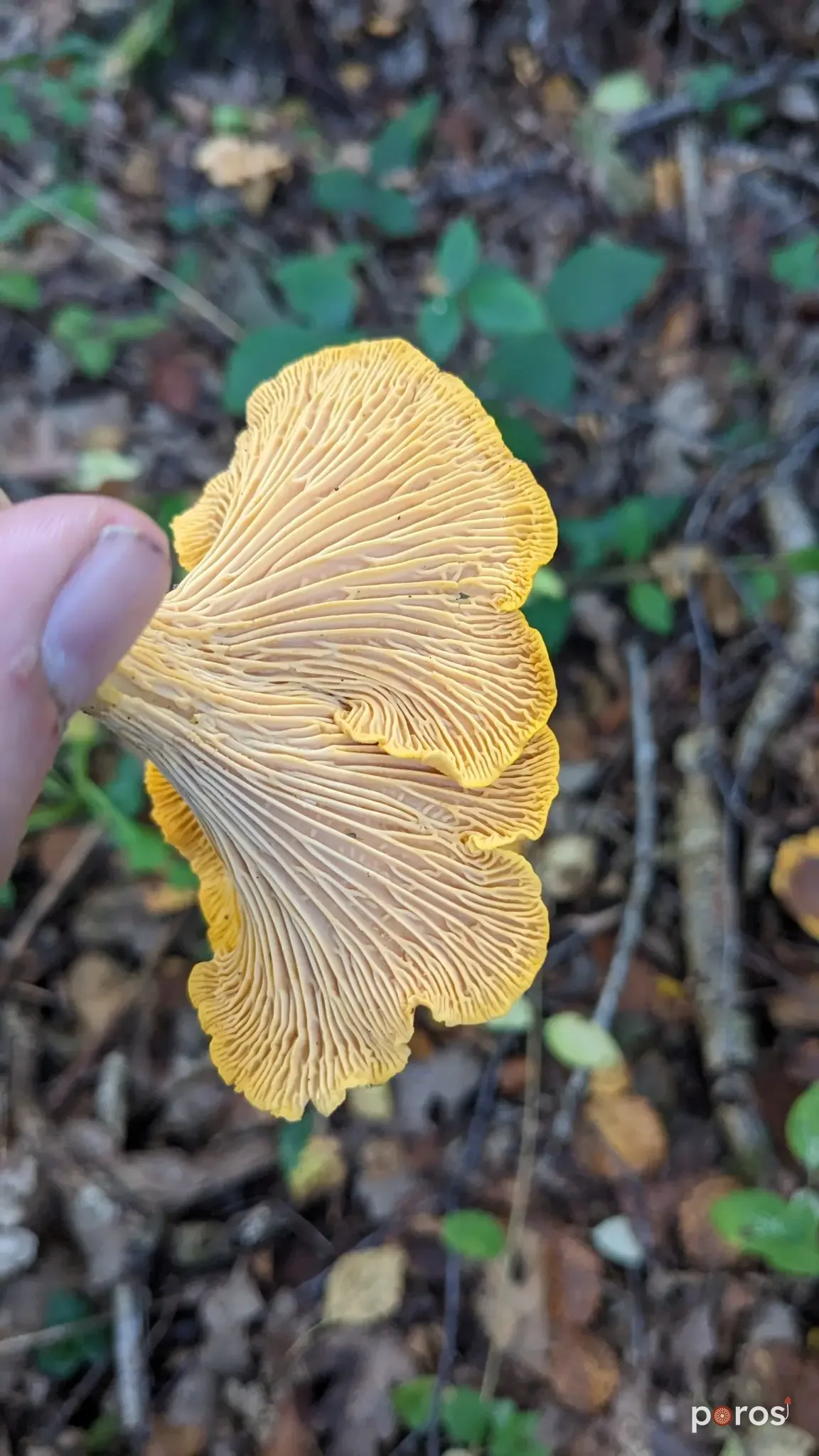
The chanterelle is a much sought-after forest mushroom, egg-yolk to deep yellow and funnel-shaped, with an apricot scent. Underneath, instead of true gills, it has blunt, forking ridges running down the stem. It is found from Scandinavia to the Mediterranean.
Also called: golden chanterelle, girolle Turkish: Sarı horozmantarı, horozmantarı, horoz mantarı
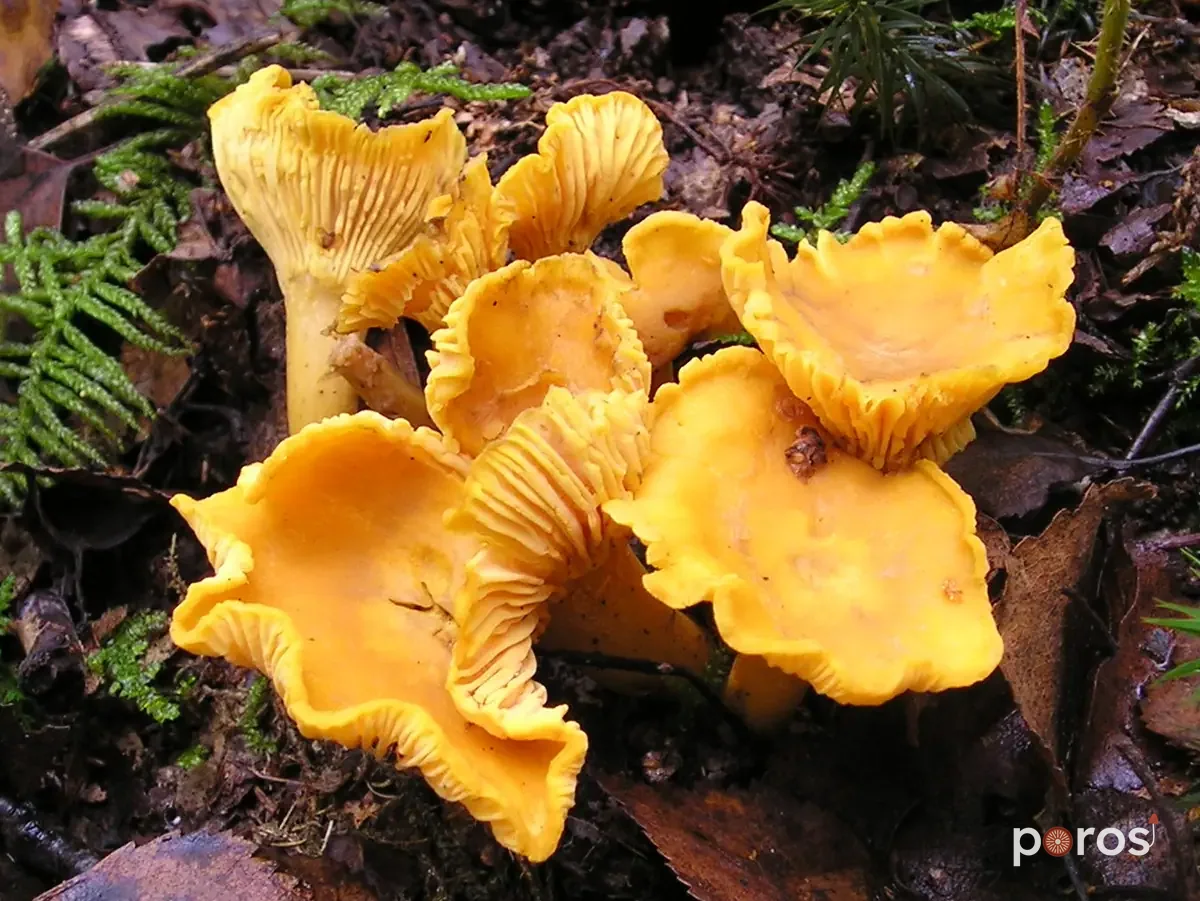
How to recognise it
Chanterelle, part by part
No ring or volva Spore print: Pale yellow to creamy white Faint scent of apricots.
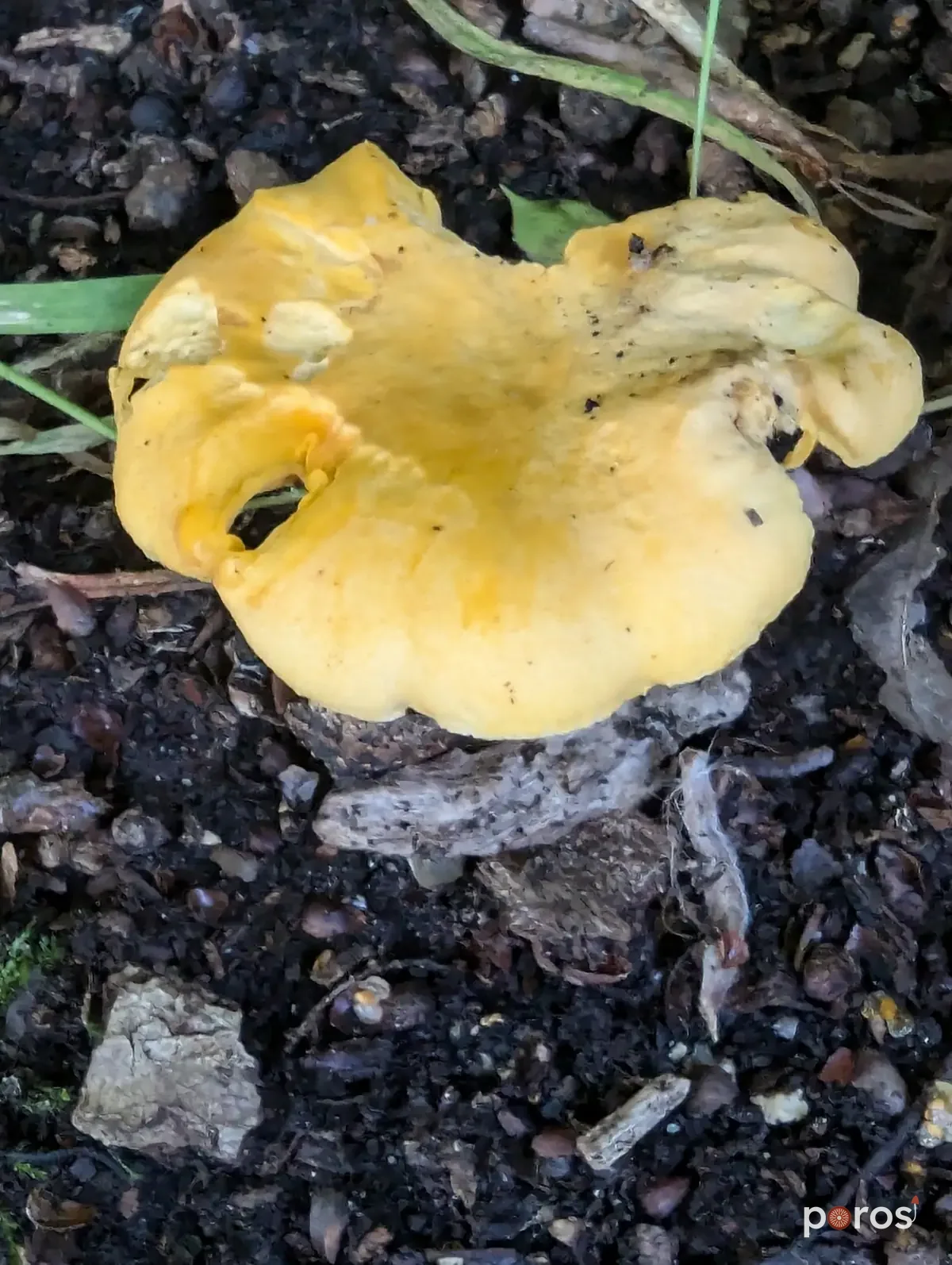
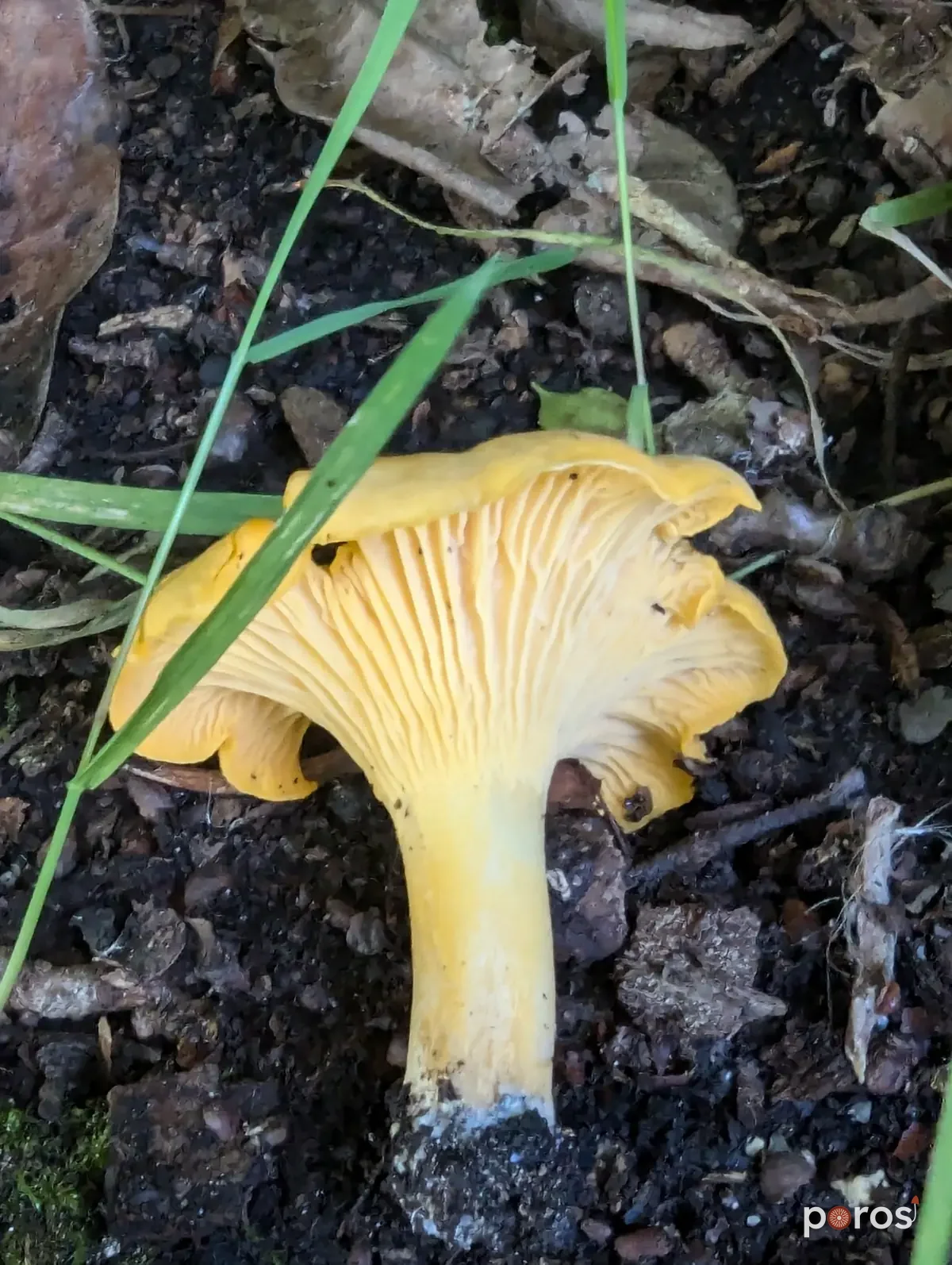
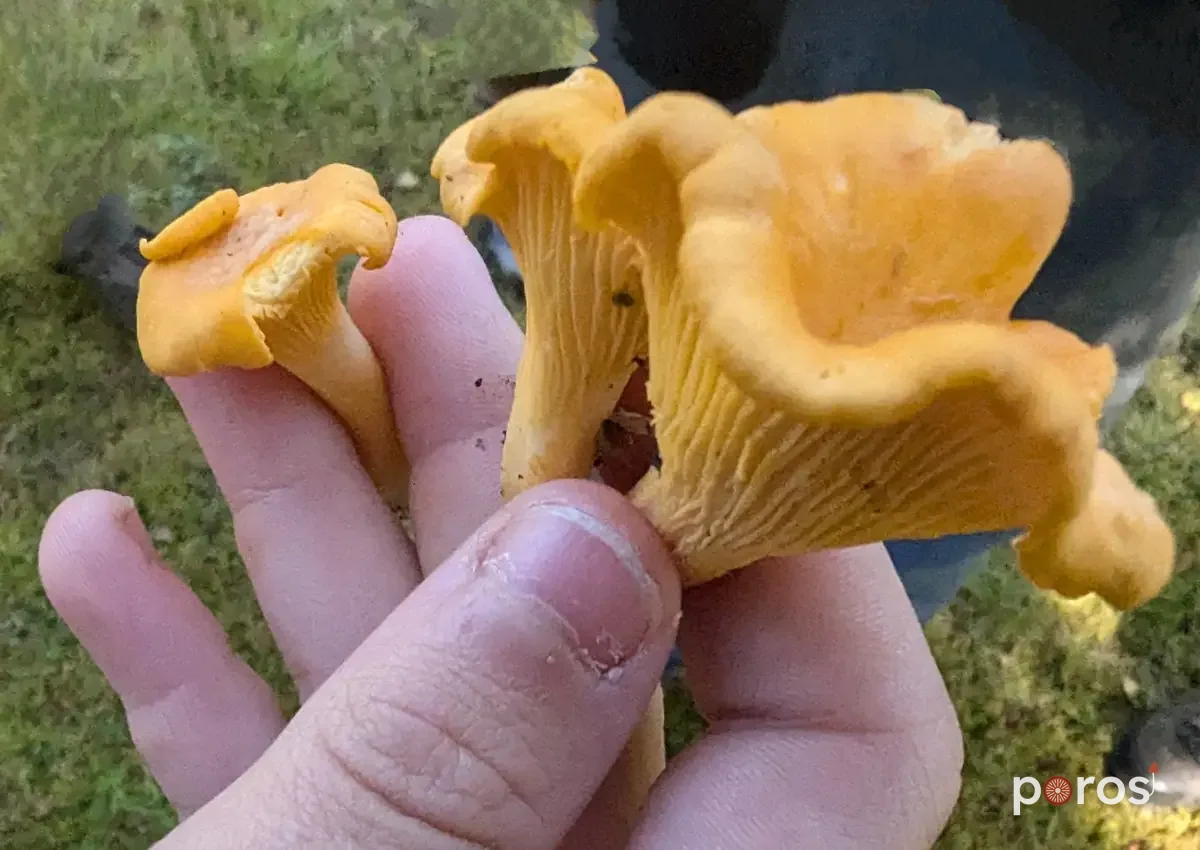
When and where
Jun–Nov
- Jan
- Feb
- Mar
- Apr
- May
- Junin season
- Julin season
- Augin season
- Sepin season
- Octin season
- Novin season
- Dec
The chanterelle fruits from June to December in Europe, and in southern Europe it can also appear from October through March. In Turkey, GBIF records peak in August–September.
Where do chanterelles grow?
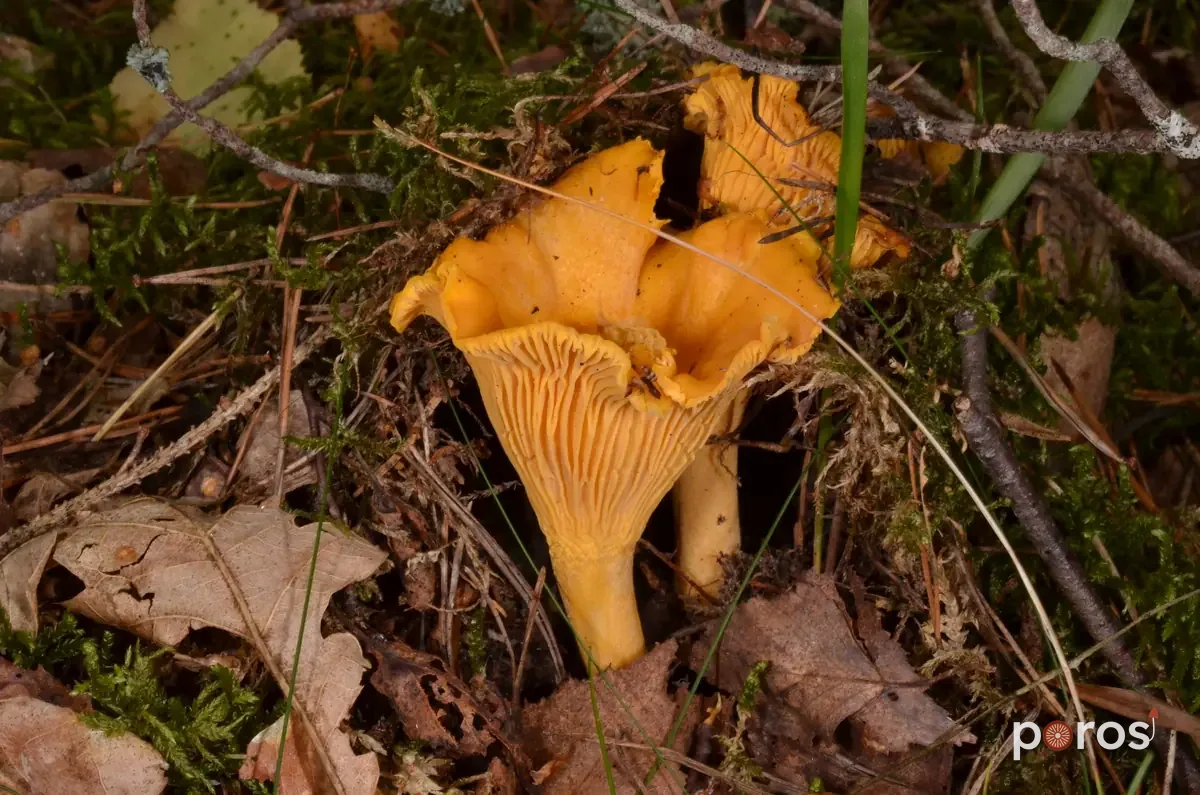
The chanterelle is ectomycorrhizal, growing mostly in broadleaf woods with oak, chestnut or hazel, and also under conifers. It likes a mossy, damp forest floor.
In Turkey
In Turkey the chanterelle has been recorded mainly in the forests of the Black Sea and Marmara regions.
- Bolu2
- Ordu1
- Osmaniye1
- Karabük1
- Kocaeli1
- Kastamonu1
- Rize1
- Artvin1
13 observations on our map (GBIF, iNaturalist). Record density also reflects where observers work.
Latest chanterelle observations
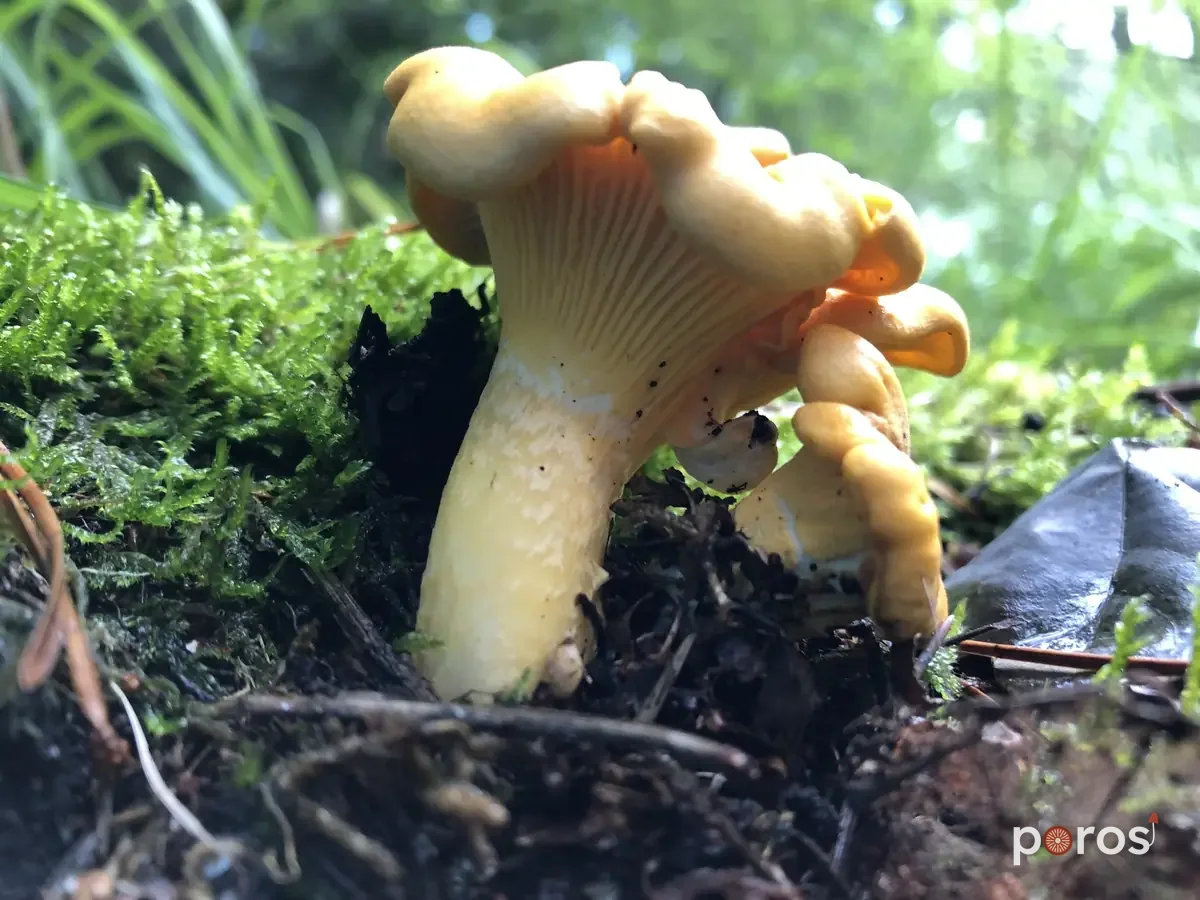
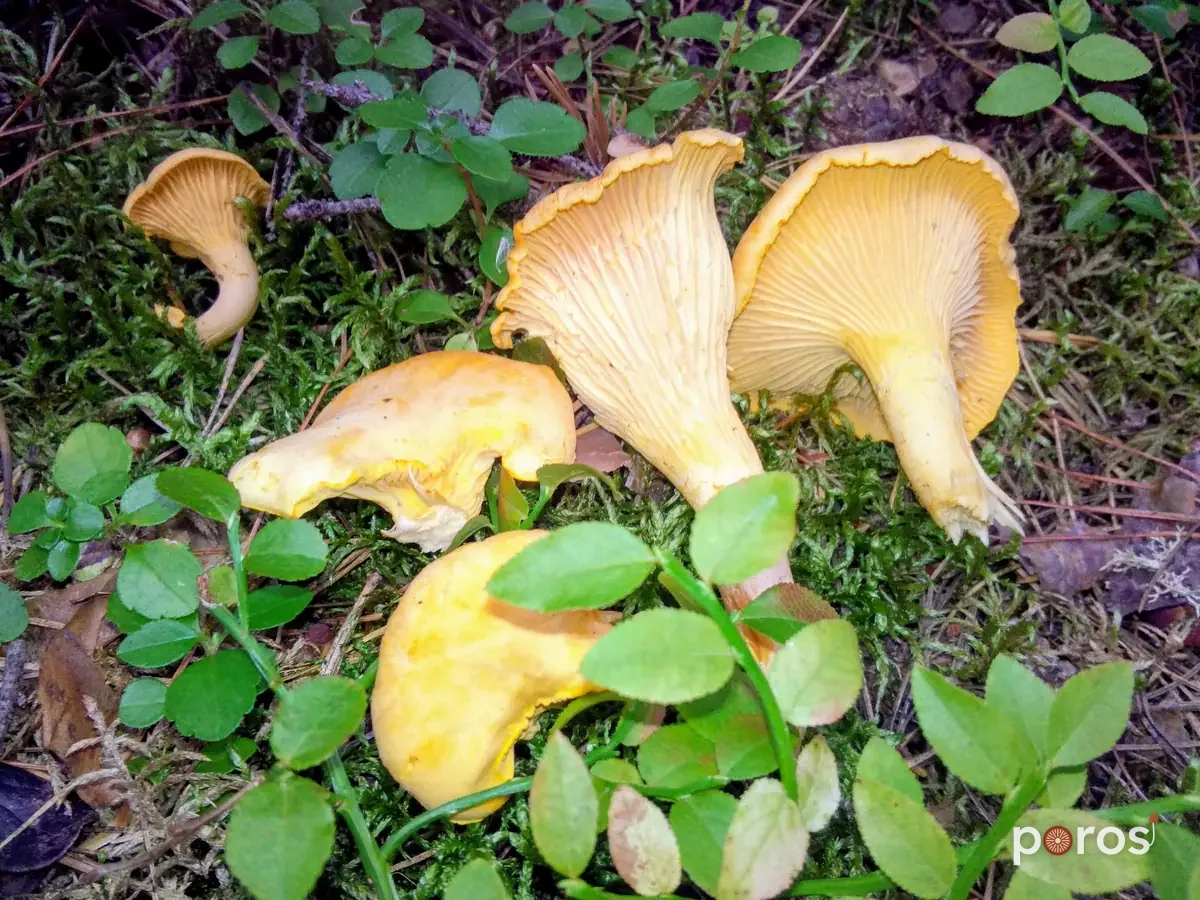
Look-alikes
What could it be confused with?
Jack-o'-lantern mushroom Omphalotus olearius
Bright orange, in dense clusters, usually from olive-tree roots; has sharp true gills. Contains muscarine and causes stomach upsets lasting days.
Eastern jack-o'-lantern Omphalotus illudens
Grows in clusters on wood with true gills; dangerously poisonous.
False chanterelle Hygrophoropsis aurantiaca
More orange, with thin, crowded, forking true gills; treat as inedible.
In the kitchen
Cooking with chanterelles
On the blog

Storing chanterelles
Grow it, buy it
Chanterelle price list
| Product | Us | Market (sourced, dated) |
|---|---|---|
| Fresh chanterelles | In preparation · notify me | — |
| Dried chanterelles | In preparation · notify me | — |
Our prices for chanterelles are published when the product is ready; for now we take waiting-list sign-ups. The market column shows prices seen on other sellers' pages on the date given; they are not our prices and may have changed.
Frequently asked questions
Are chanterelles edible?
Yes, the chanterelle is an edible species. Eat a wild one only after an expert has identified it with certainty: it can be confused with jack-o'-lantern mushroom (Omphalotus olearius) and eastern jack-o'-lantern (Omphalotus illudens).
When is chanterelle season in Turkey?
In our calendar, chanterelle season runs Jun–Nov. The chanterelle fruits from June to December in Europe, and in southern Europe it can also appear from October through March. In Turkey, GBIF records peak in August–September.
Where do chanterelles grow?
The chanterelle is ectomycorrhizal, growing mostly in broadleaf woods with oak, chestnut or hazel, and also under conifers. It likes a mossy, damp forest floor.
Where are chanterelles found in Turkey?
In Turkey the chanterelle has been recorded mainly in the forests of the Black Sea and Marmara regions.
What can the chanterelle be confused with?
The chanterelle can be confused with jack-o'-lantern mushroom (Omphalotus olearius, poisonous), eastern jack-o'-lantern (Omphalotus illudens, poisonous) and false chanterelle (Hygrophoropsis aurantiaca, inedible). Look-alikes are compared on this page.
What is the chanterelle called in Turkish?
In Turkish, the chanterelle (Cantharellus cibarius) is called Sarı horozmantarı; other local names include horozmantarı and horoz mantarı.
Related species
-
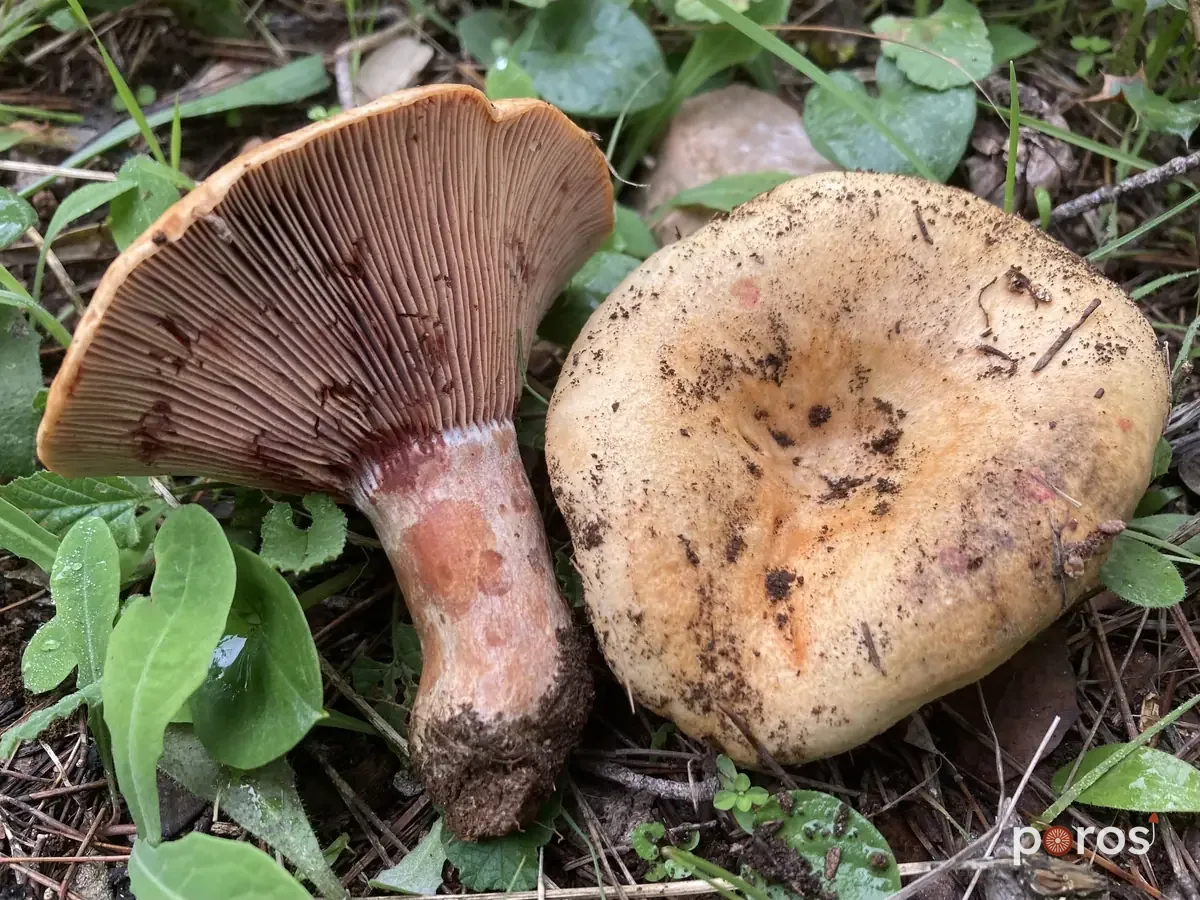 Bloody milk capLactarius sanguifluusEdible species
-
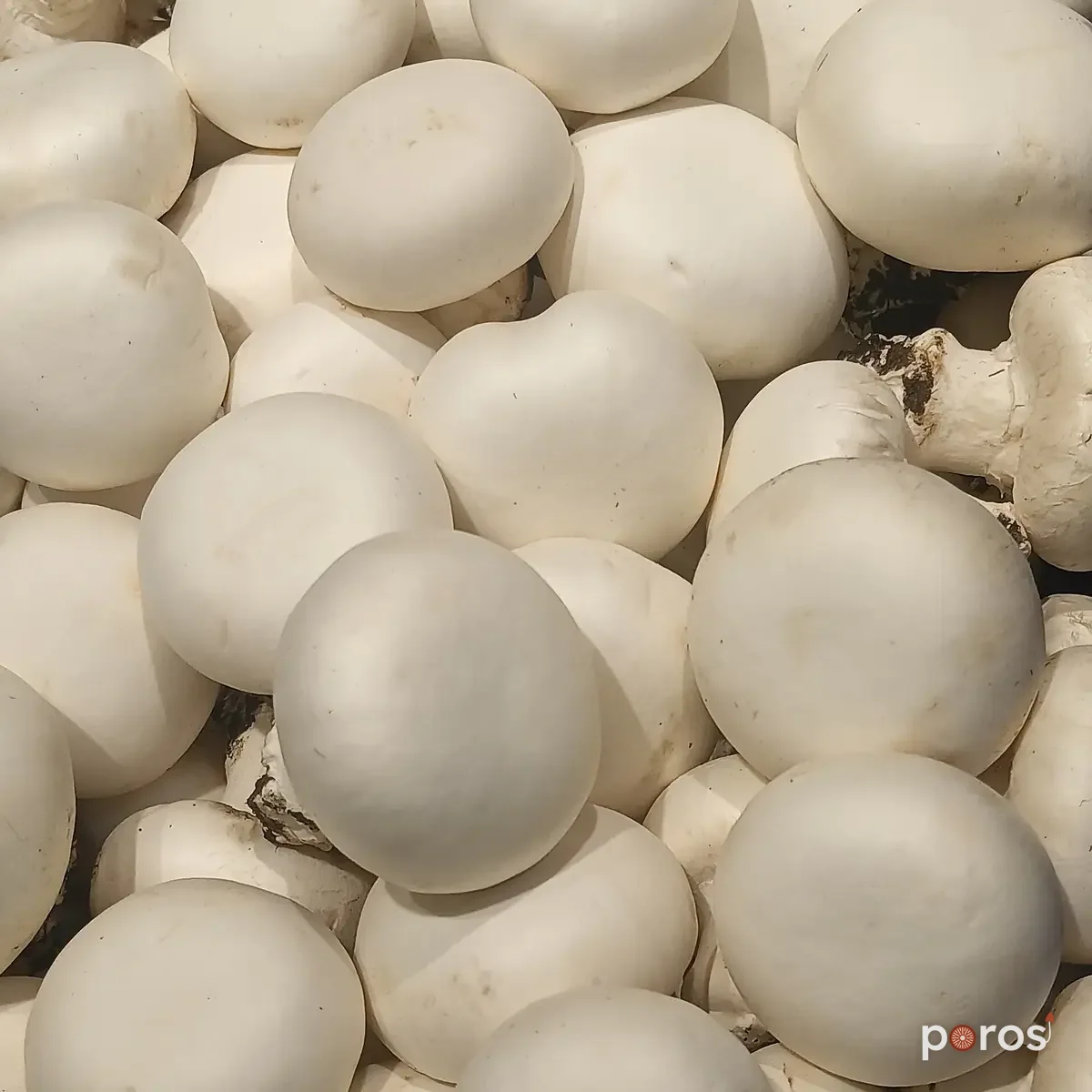 Button mushroomAgaricus bisporusEdible species
-
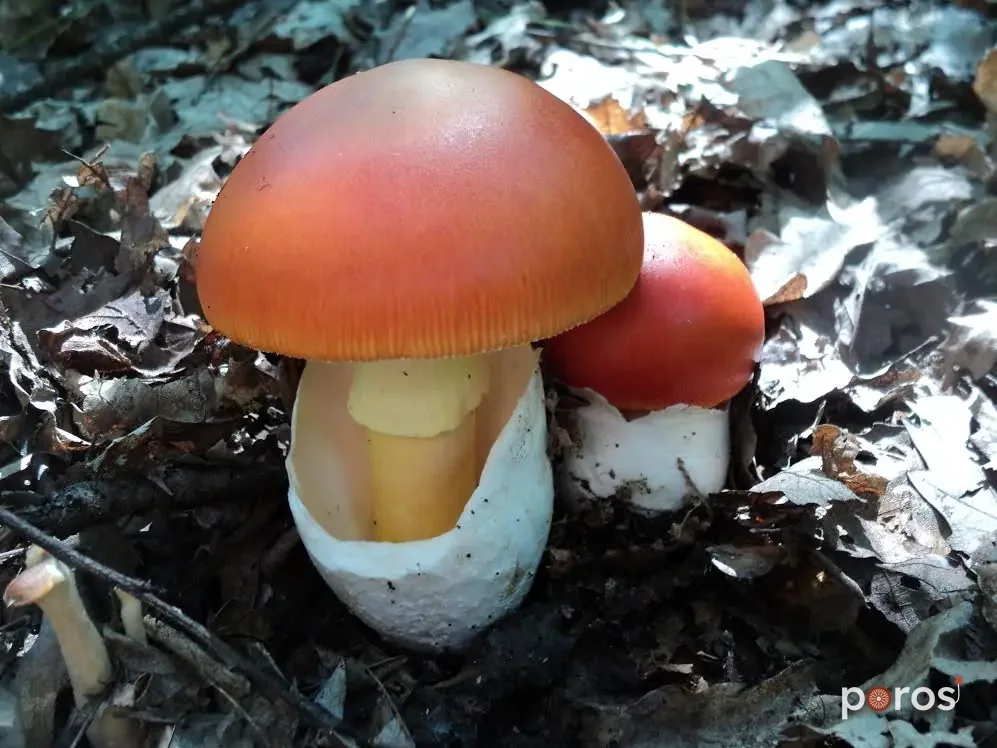 Caesar’s mushroomAmanita caesareaEdible species
-
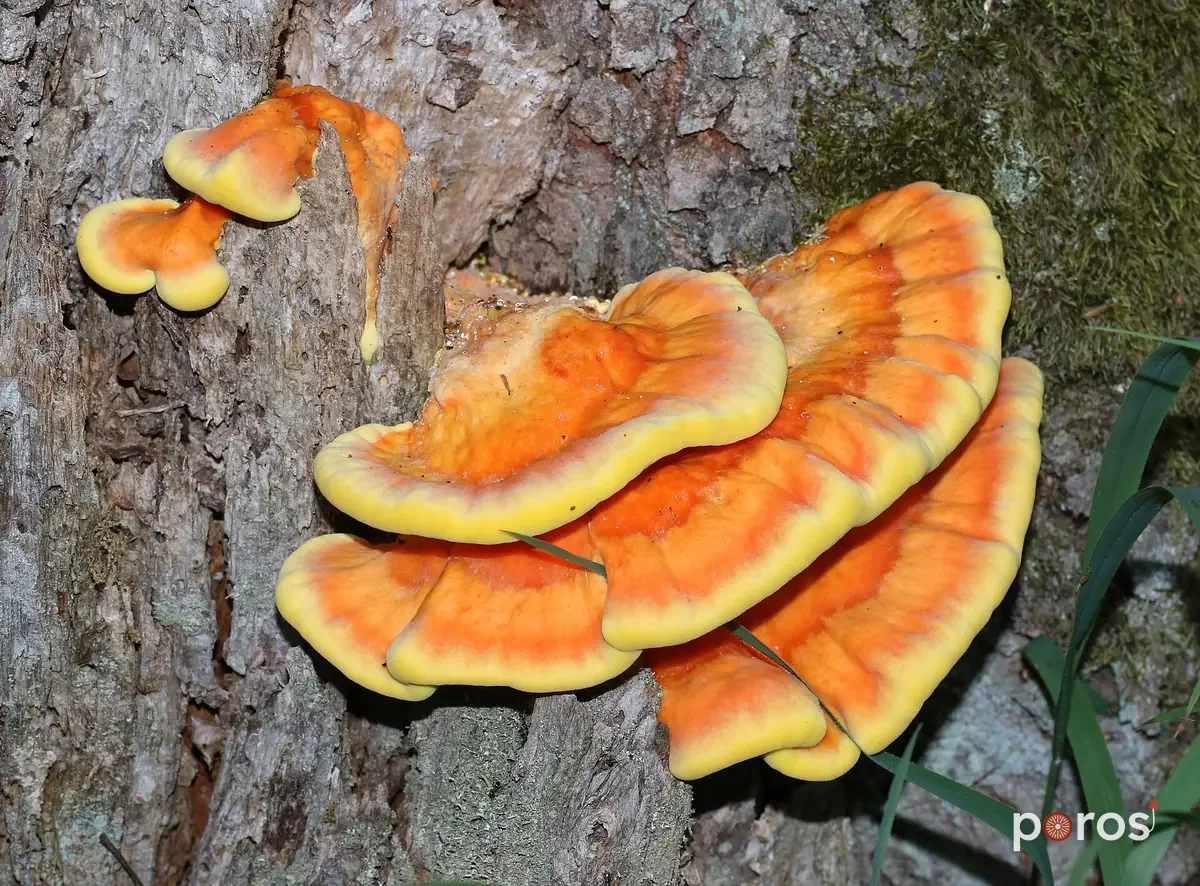 Chicken of the woodsLaetiporus sulphureusEdible species
-
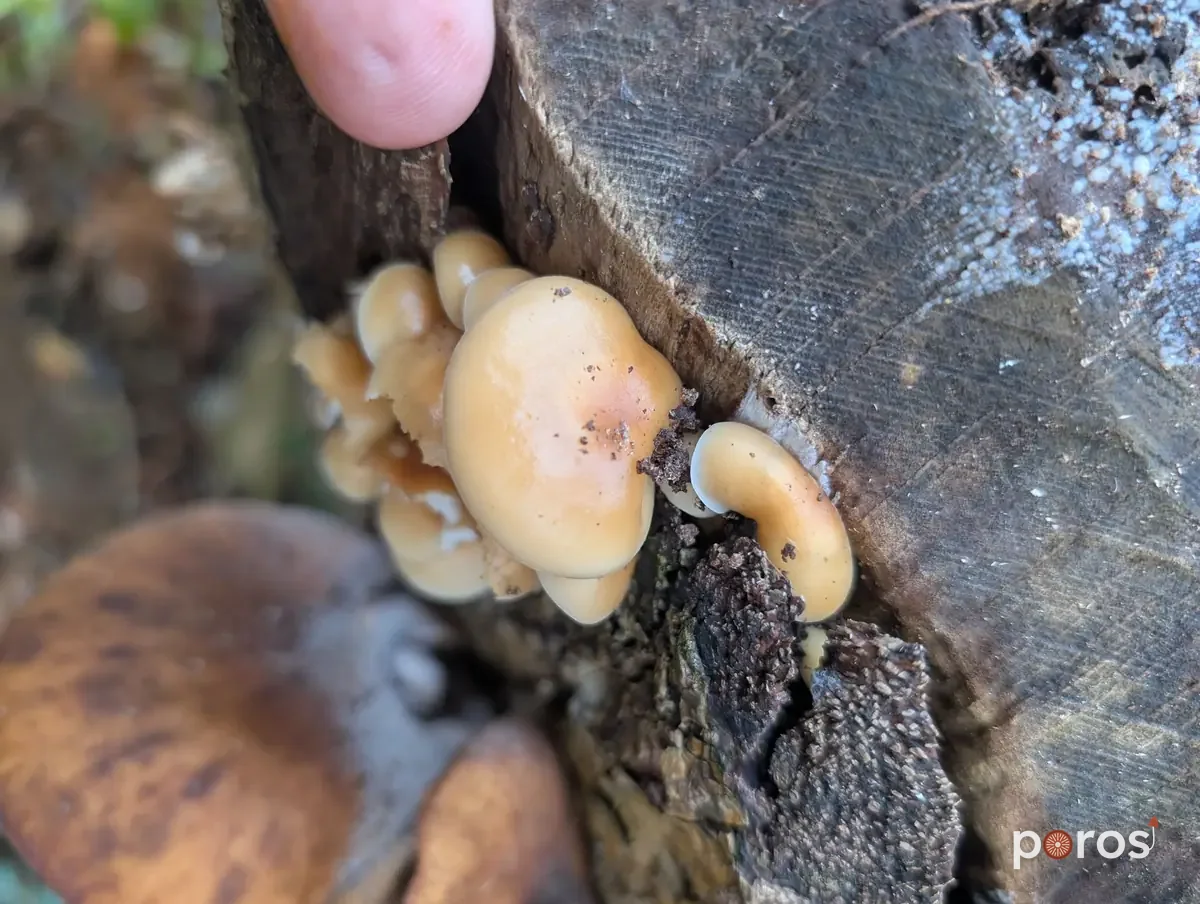 EnokiFlammulina filiformisEdible species
-
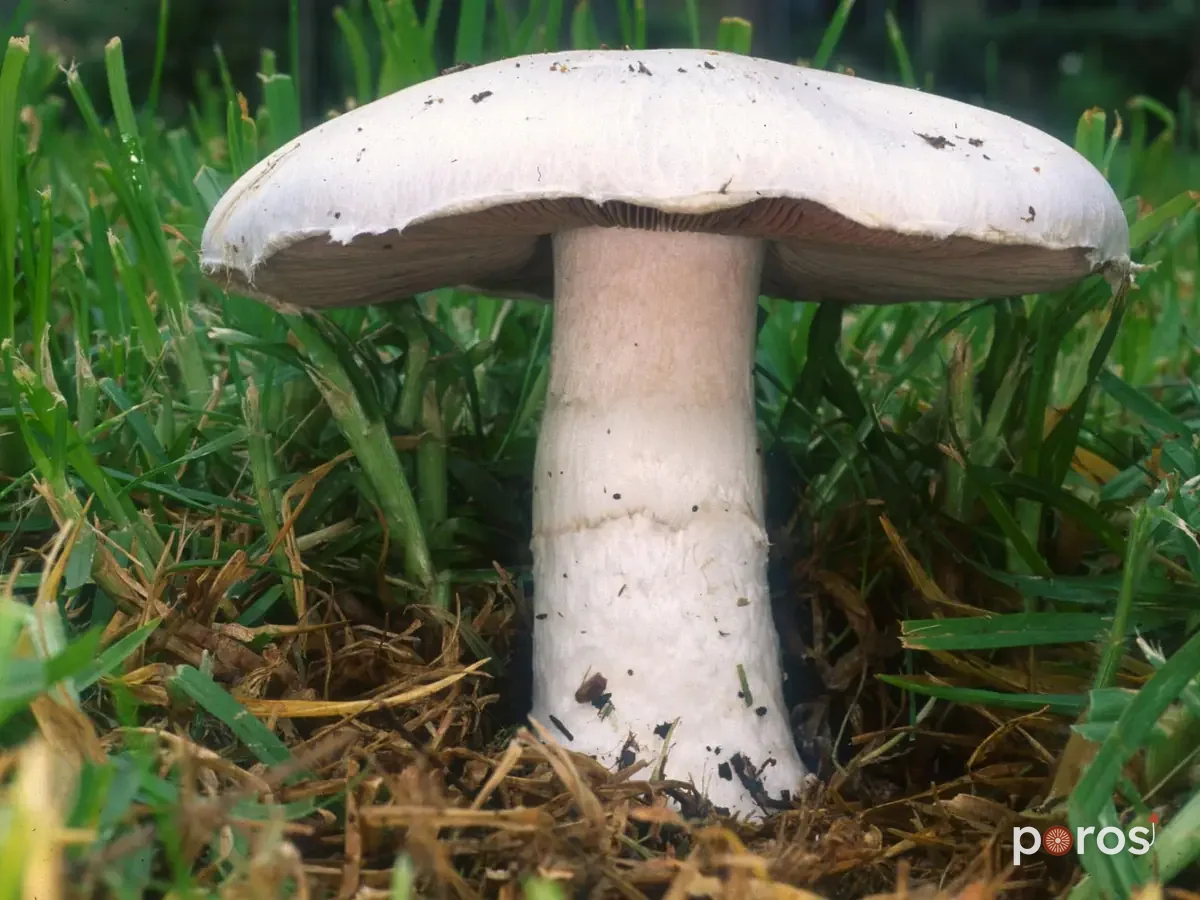 Field mushroomAgaricus campestrisEdible species
-
 Golden oyster mushroomPleurotus citrinopileatusEdible species
-
 King oyster mushroomPleurotus eryngiiEdible species
Sources (7)
- Wikipedia (EN): Cantharellus cibarius · checked 26 Oct 2026
- Vikipedi (TR): Cantharellus cibarius · checked 26 Oct 2026
- First Nature: Cantharellus cibarius · checked 26 Oct 2026
- First Nature: Omphalotus olearius · checked 26 Oct 2026
- First Nature: Hygrophoropsis aurantiaca · checked 26 Oct 2026
- MushroomExpert: Cantharellus cibarius · checked 26 Oct 2026
- GBIF: Türkiye kayıtları · checked 26 Oct 2026
Photo credits (10)
- File:2007-07-14 Cantharellus cibarius.jpg · Andreas Kunze · CC BY-SA 3.0
- Cantharellus cibarius · iNaturalist #241726630 · Piermario Maculan · CC0
- File:Chanterelle Cantharellus cibarius.jpg · · CC BY-SA 3.0
- Cantharellus cibarius · iNaturalist #58313437 · Katrin Simon · CC BY 4.0
- Cantharellus cibarius · iNaturalist #56718899 · Виктория Билоус · CC BY 4.0
- Cantharellus cibarius · iNaturalist #241726630 · Piermario Maculan · CC0
- Cantharellus cibarius · iNaturalist #183145479 · Johannes · CC0
- Cantharellus cibarius · iNaturalist #56718899 · Виктория Билоус · CC BY 4.0
- Cantharellus cibarius · iNaturalist #130291634 · Eugene Popov · CC BY 4.0
- Cantharellus cibarius · iNaturalist #241726630 · Piermario Maculan · CC0

