
Destroying angel
Amanita virosa · Amanitaceae
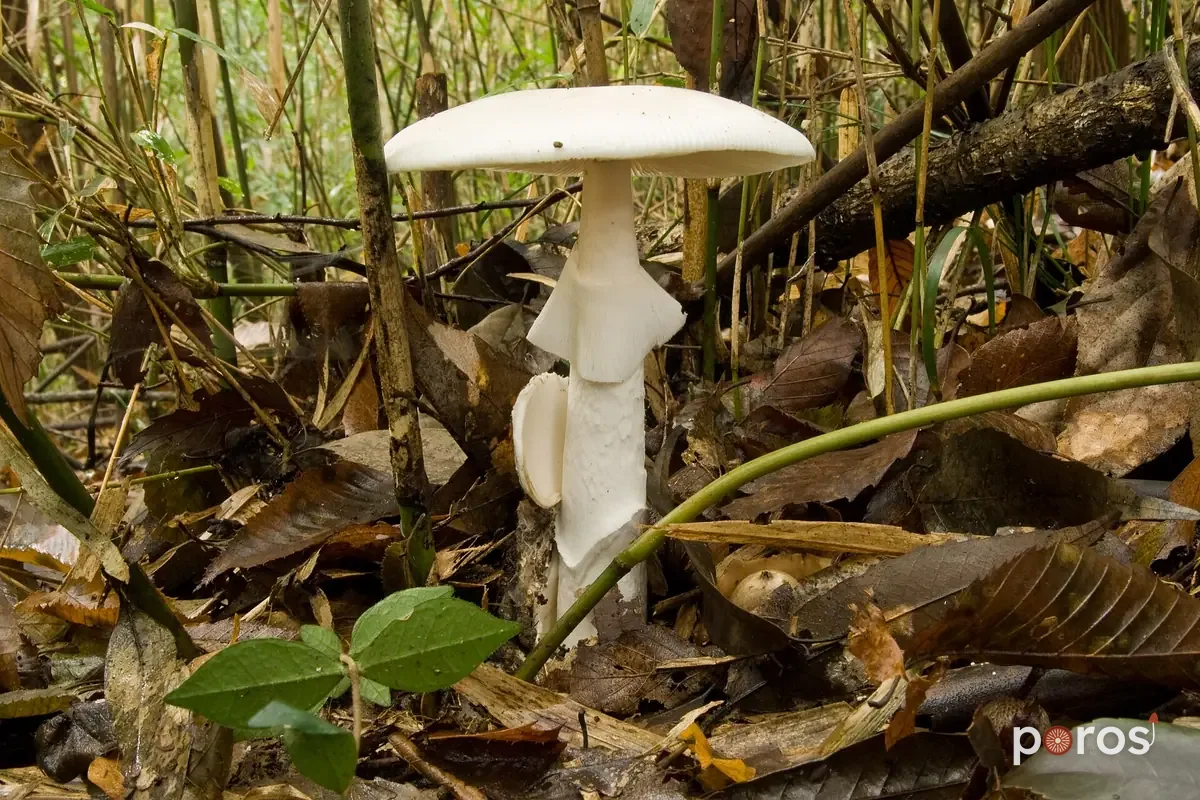
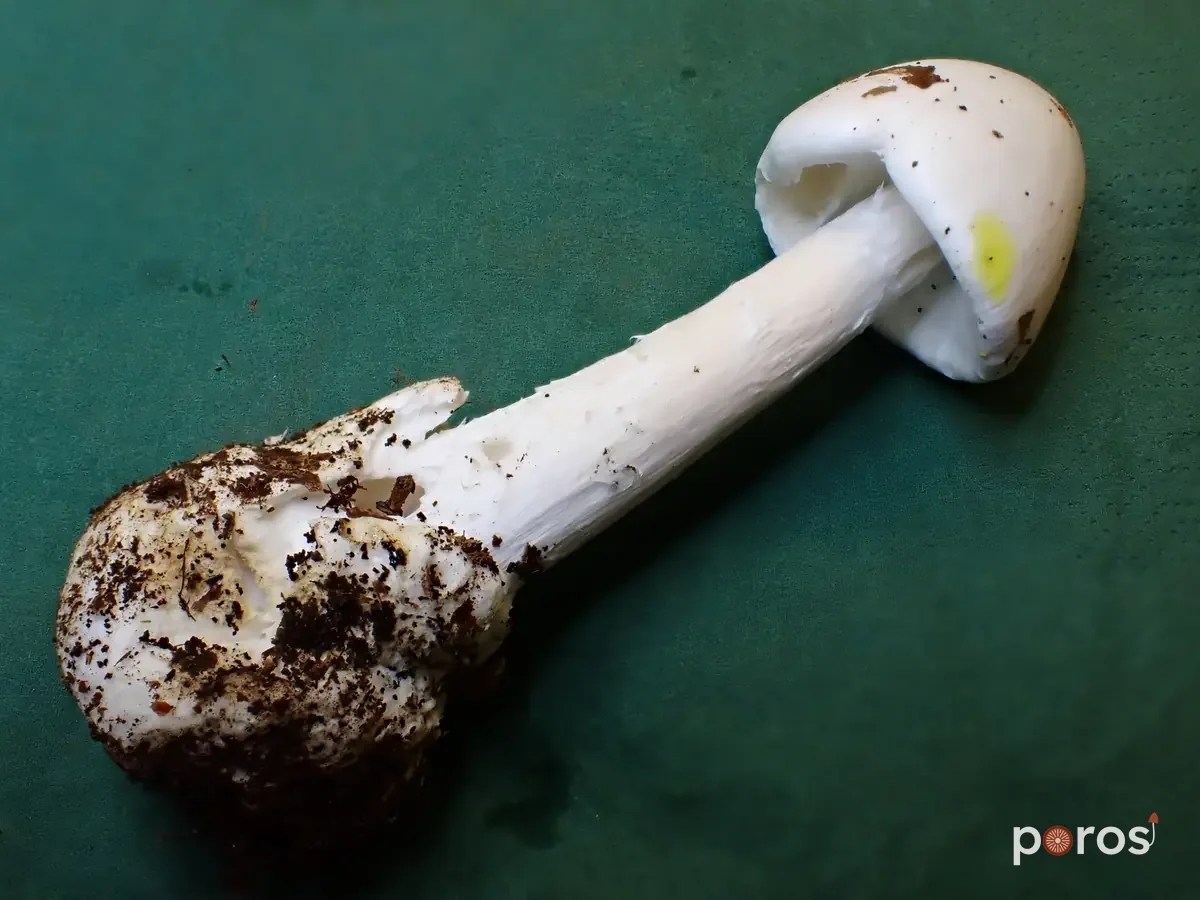
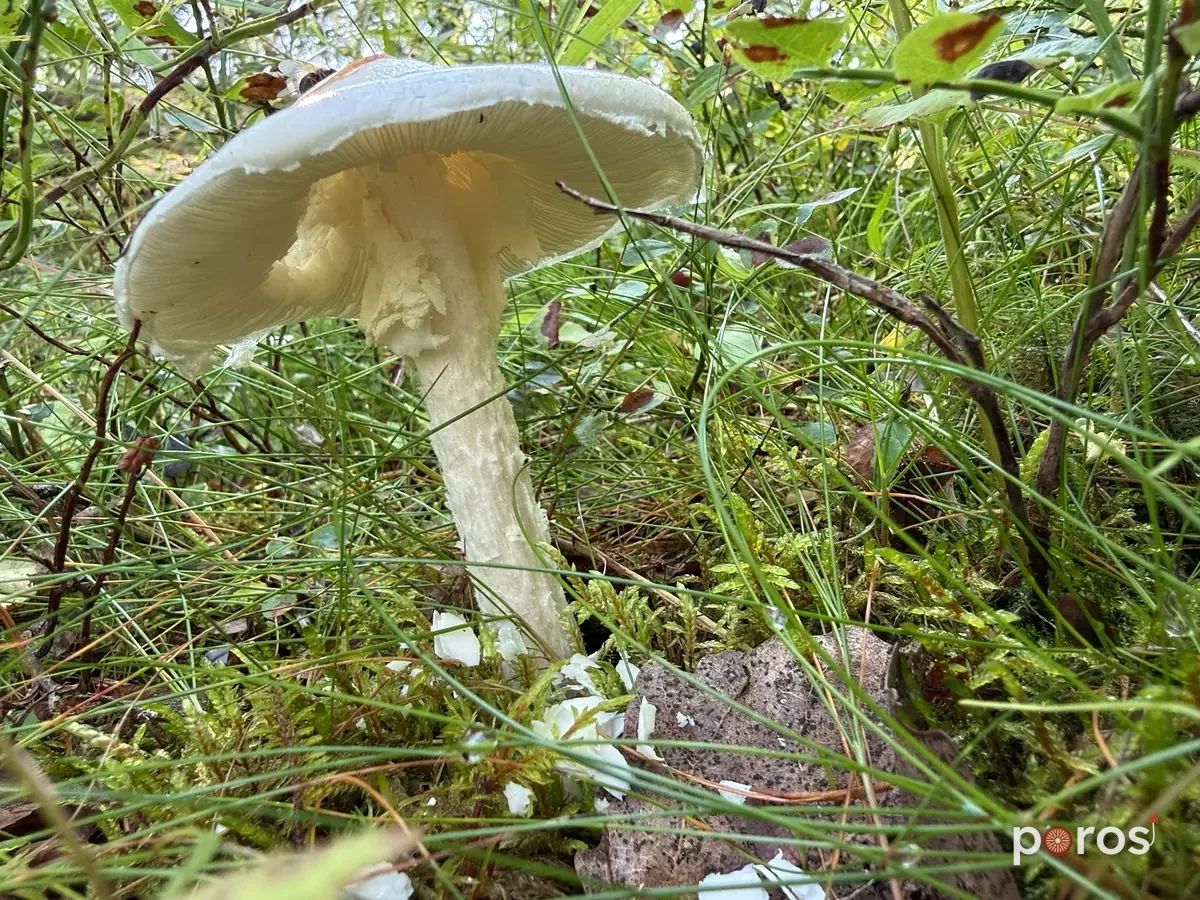
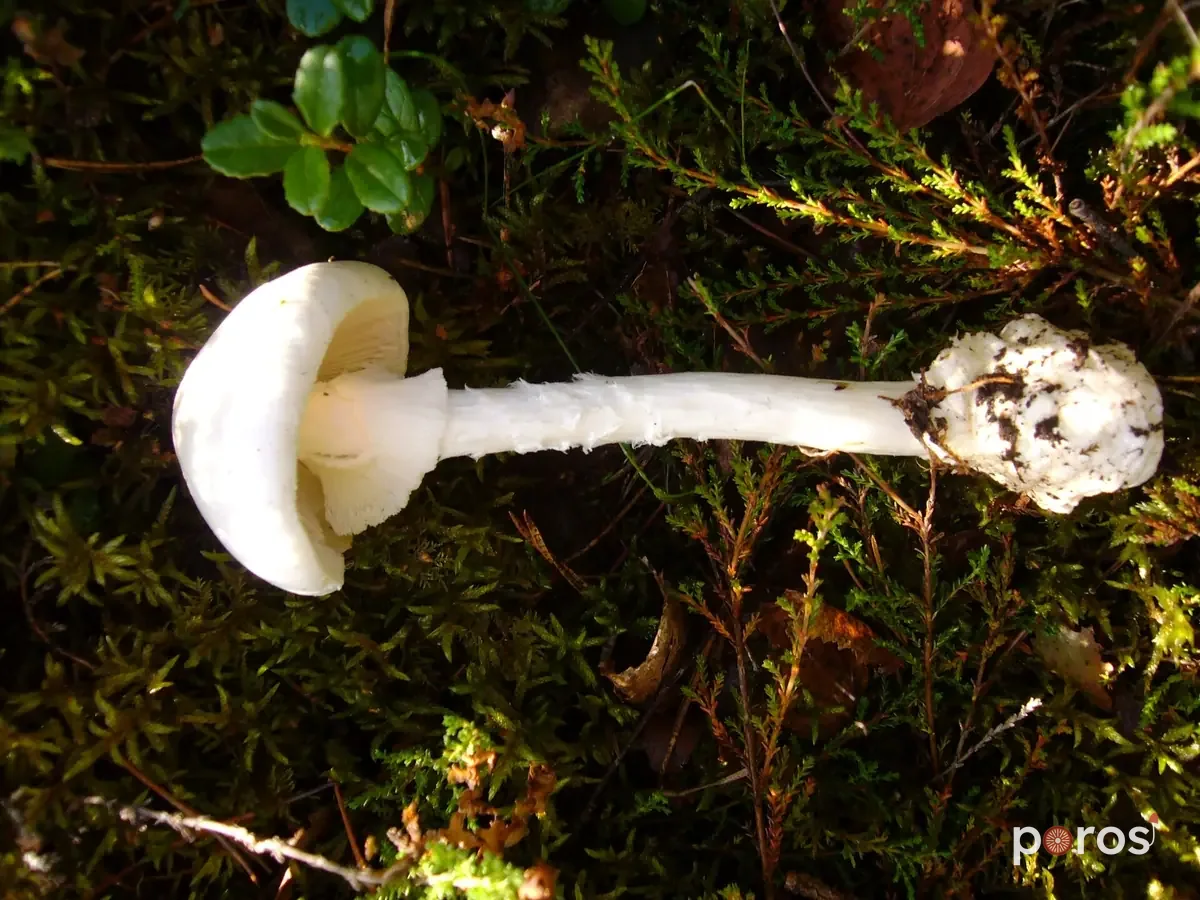
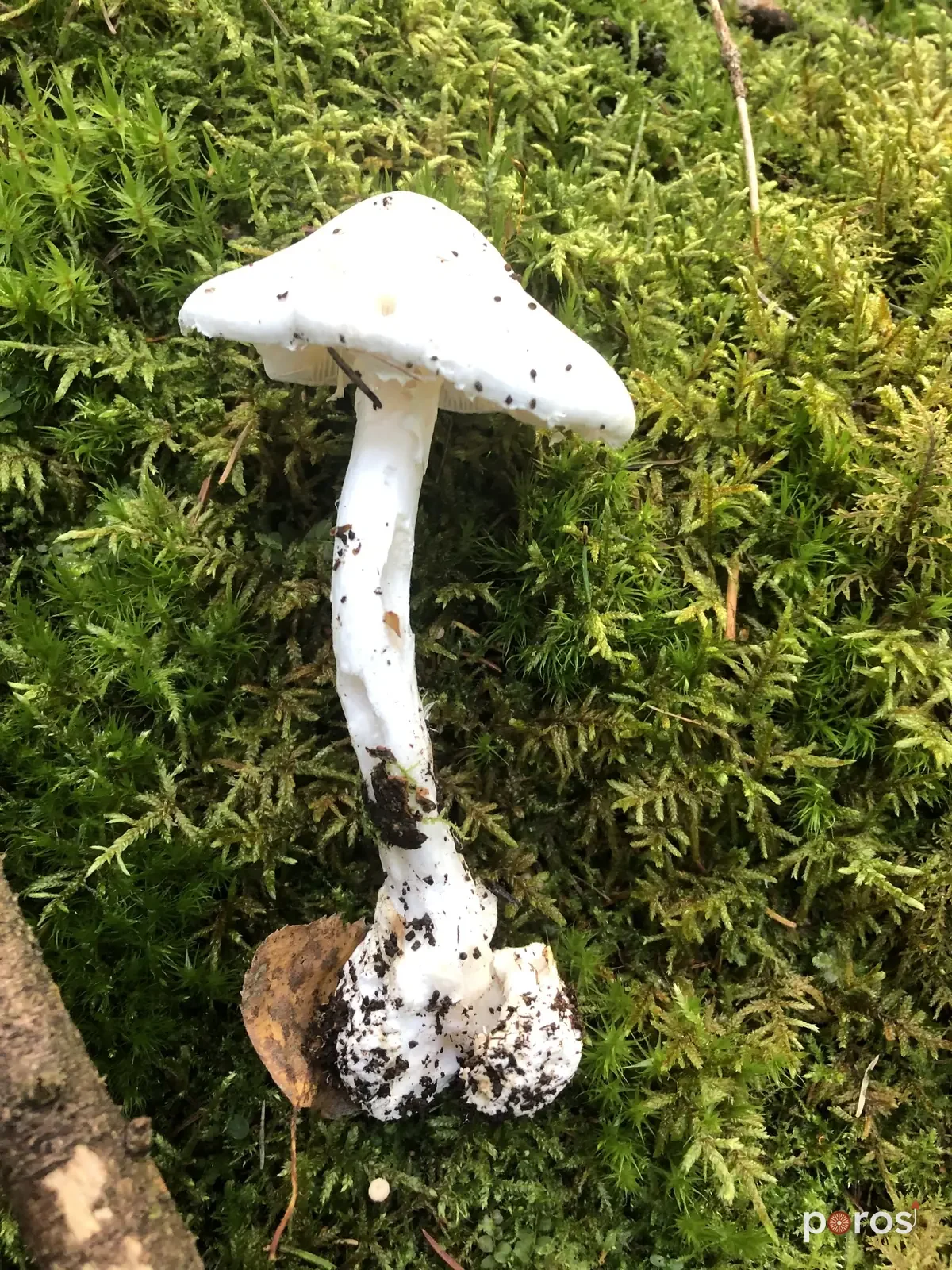
The destroying angel is an all-white Amanita with a hanging ring and a sack-like volva, and it is as poisonous as the death cap.
DEADLY POISONOUS — keep it out of any basket of mushrooms to eat.
Symptoms appear hours later, which makes treatment harder. If you think it has been eaten, call 112 at once (Turkish poison centre: 114) without waiting for symptoms. Never put it in the same basket as mushrooms picked to eat.
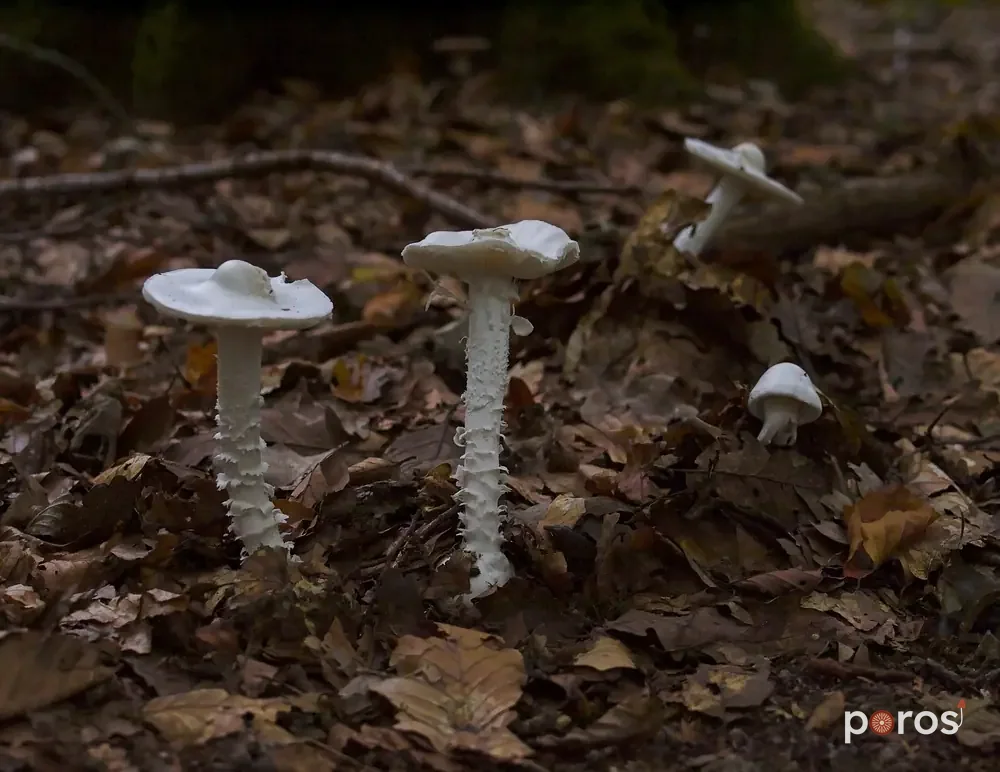
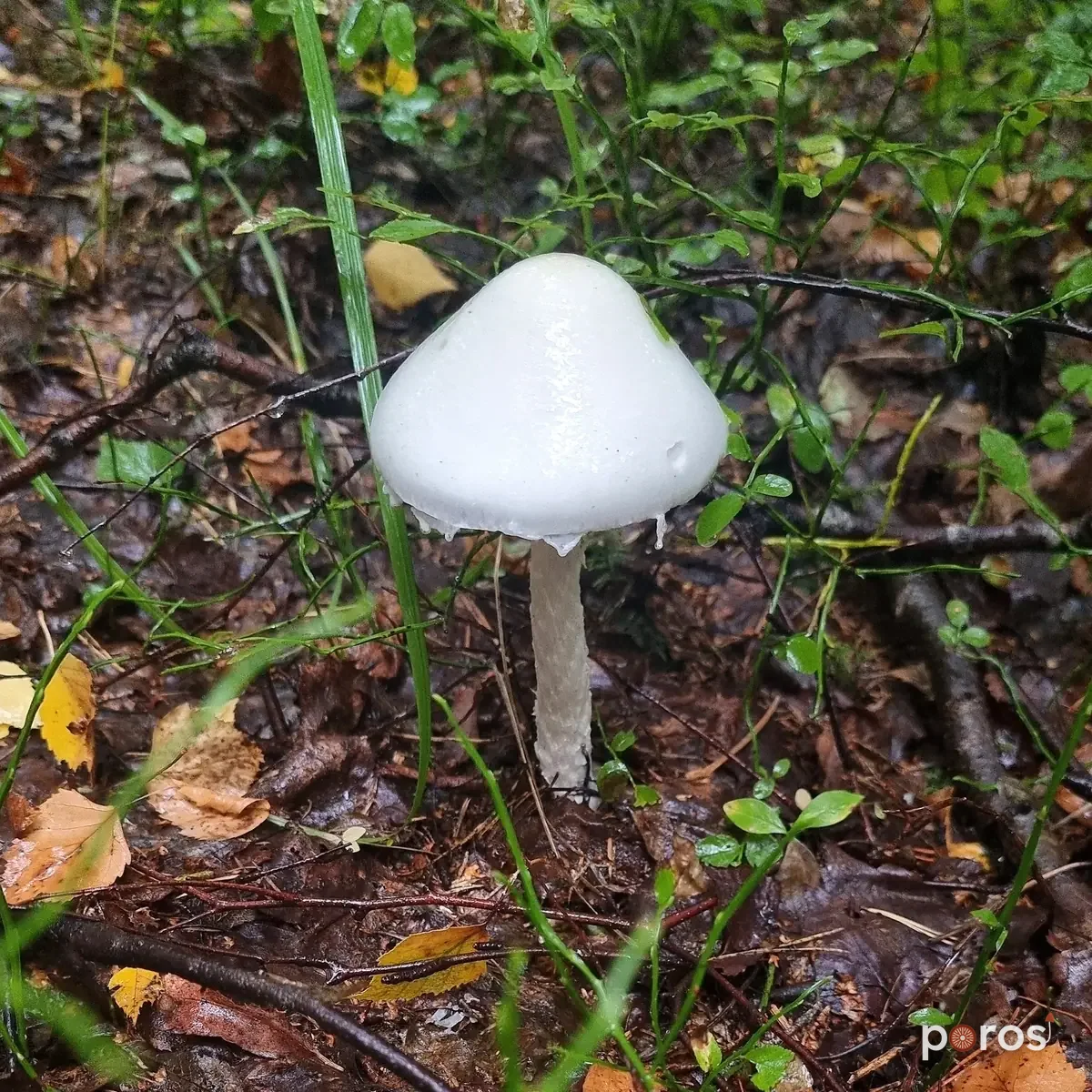
The destroying angel is an all-white Amanita with a hanging ring and a sack-like volva, and it is as poisonous as the death cap. A single cap can kill an adult. Young, unopened specimens are easily mistaken for edible white mushrooms.
Also called: European destroying angel Turkish: Ak ölüm meleği, ölüm meleği
How to recognise it
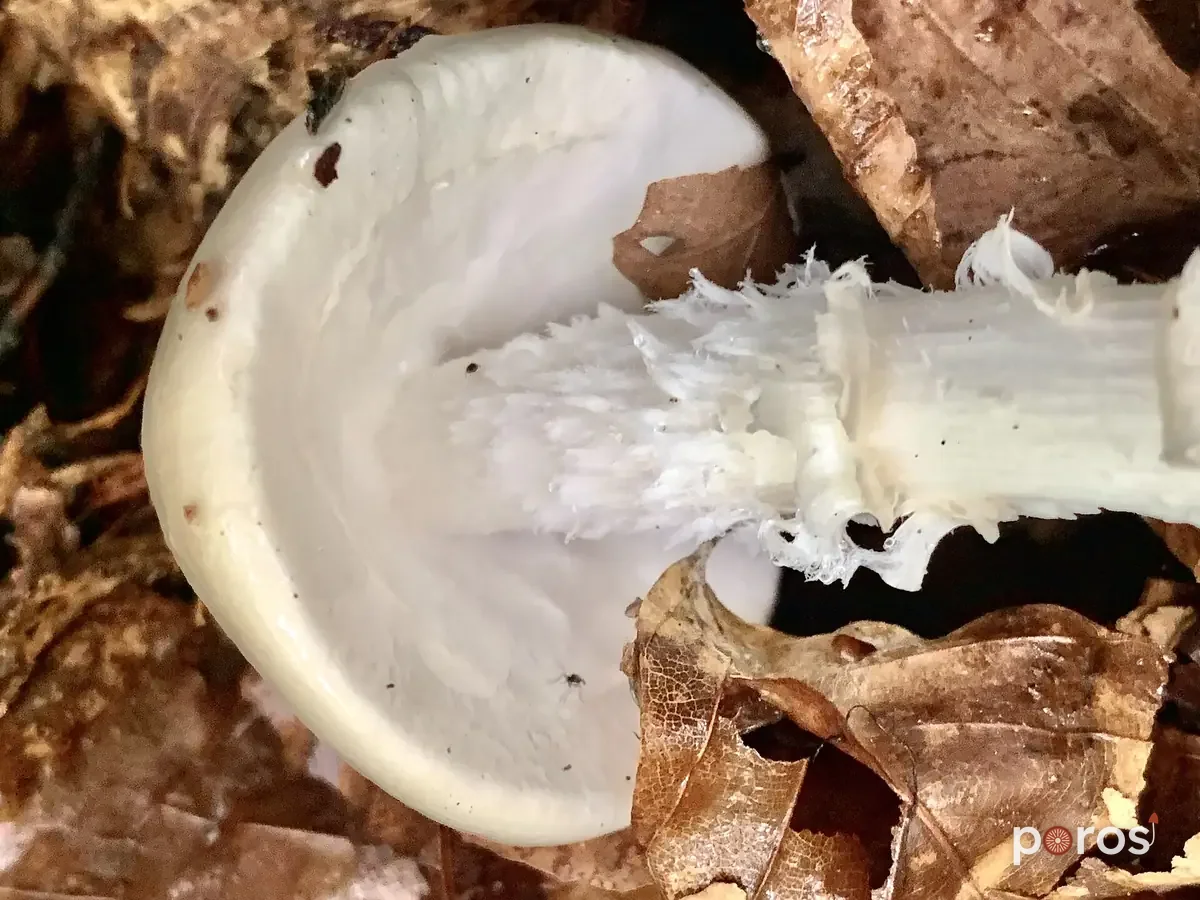
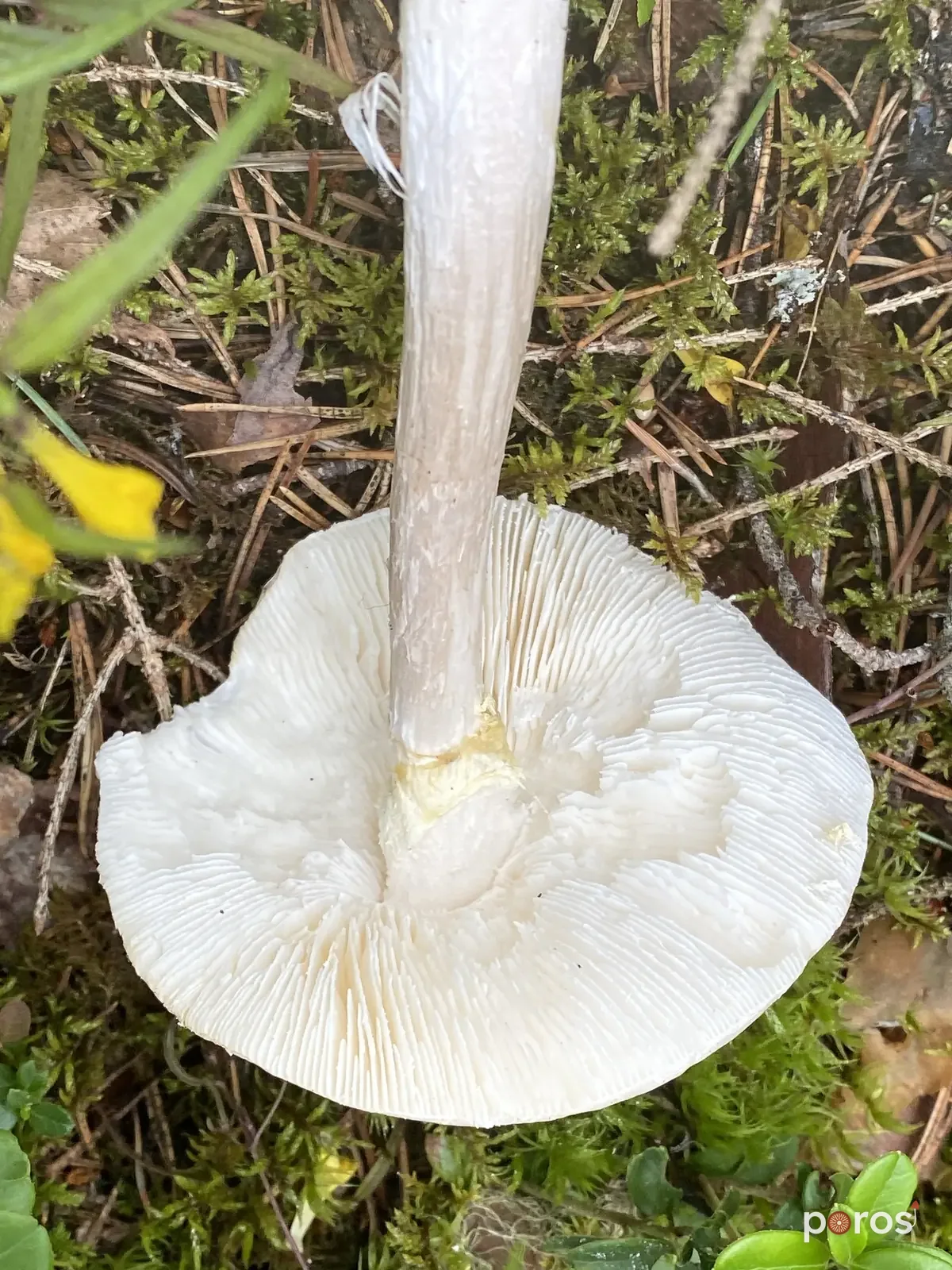
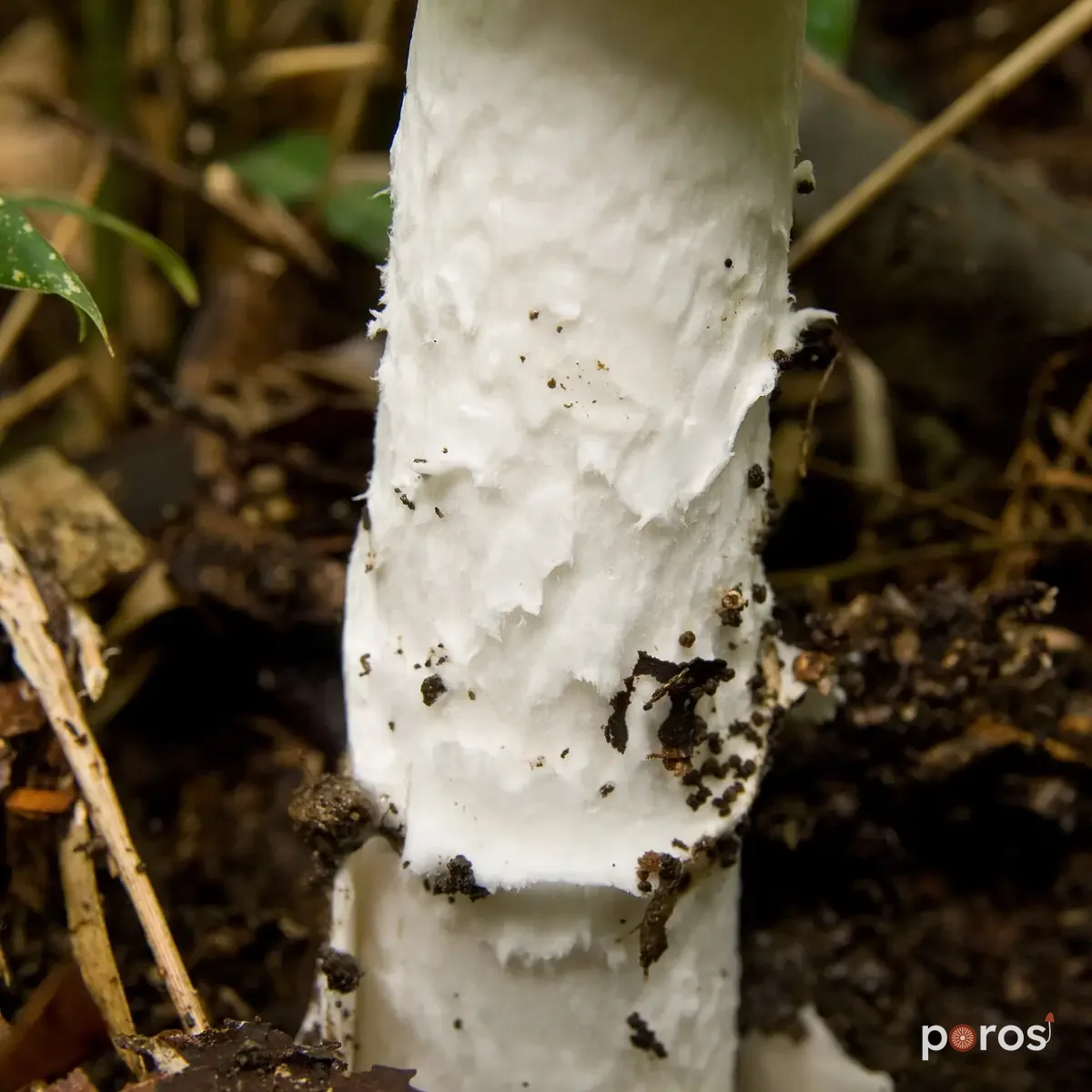
Destroying angel, part by part
Spore print: White Mature specimens have a faint, sickly-sweet smell (easy to miss outdoors). Never taste it.
When and where
Aug–Nov
- Jan
- Feb
- Mar
- Apr
- May
- Jun
- Jul
- Augin season
- Sepin season
- Octin season
- Novin season
- Dec
The destroying angel fruits in late summer and autumn, usually August to November.
Where do destroying angels grow?
The destroying angel grows at the edges of deciduous or mixed woodland, especially with beech and chestnut, but also with pine, spruce and fir. It is more common at higher altitudes.
In Turkey
Turkish sources describe the destroying angel in forests from August to November, but GBIF has no geo-referenced record of it from Turkey yet. That points to a gap in recording, not to the species being absent.
Our map has no observations of destroying angels from Turkey yet.
Look-alikes
What is it mistaken for?
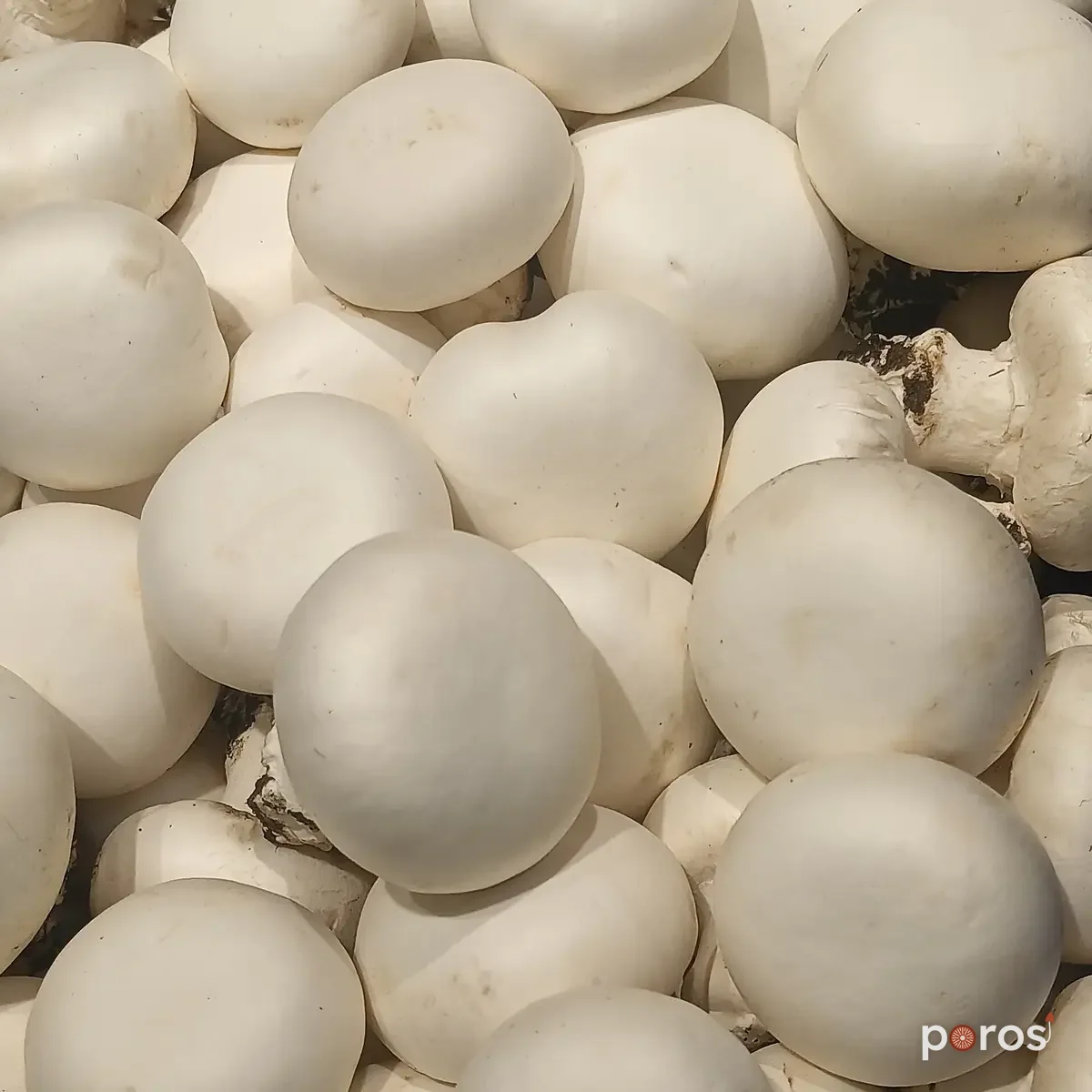
Button mushroom Agaricus bisporus
Agaricus has pink-brown gills and no volva; the destroying angel has white gills and a sack at the base.
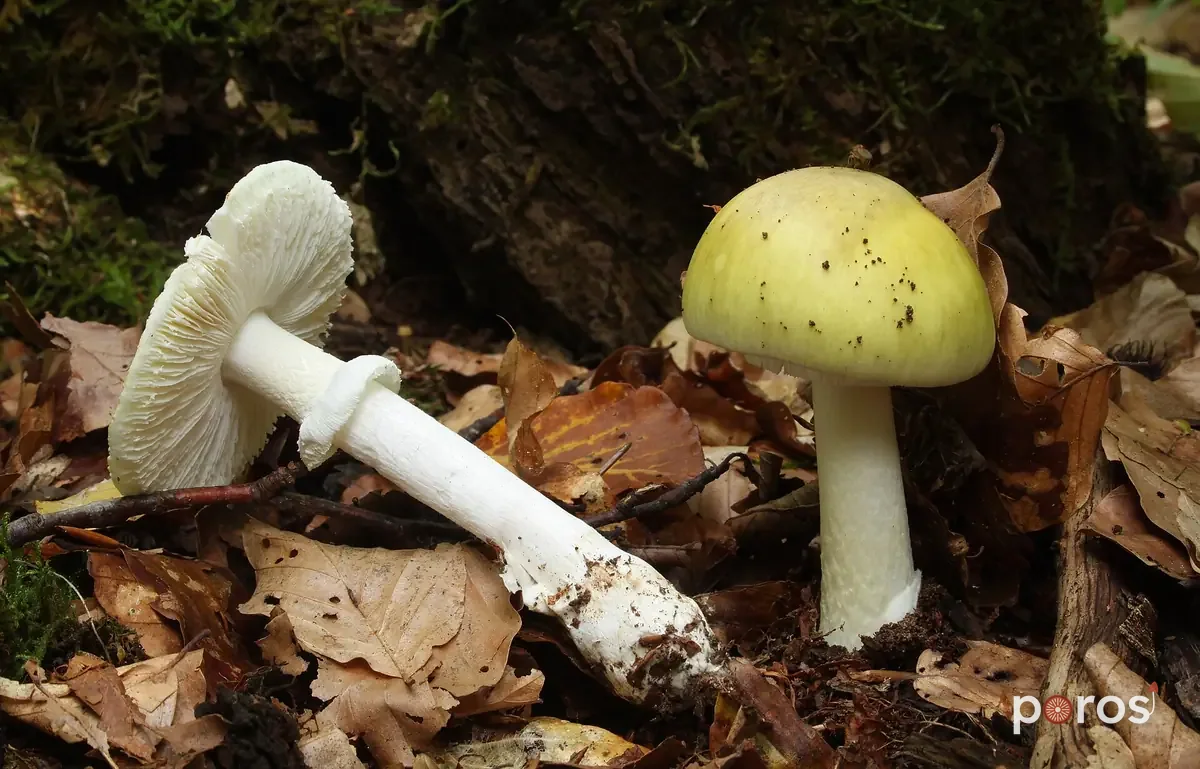
Death cap Amanita phalloides
Its white autumn form is equally deadly. There is no need to tell them apart: never pick any white mushroom with a ring and a volva.
Fool's mushroom Amanita verna
A spring-fruiting, equally poisonous white Amanita.
White false deathcap Amanita citrina var. alba
Veil patches on the cap and a smell of raw potato.
Toxins
The destroying angel contains amatoxins (α-amanitin), phallotoxins and virotoxins. Source
Frequently asked questions
Are destroying angels poisonous?
Yes, the destroying angel is deadly poisonous and must never be eaten. Symptoms appear hours later, which makes treatment harder. If you think it has been eaten, call 112 at once (Turkish poison centre: 114) without waiting for symptoms. Never put it in the same basket as mushrooms picked to eat.
When is destroying angel season in Turkey?
In our calendar, destroying angel season runs Aug–Nov. The destroying angel fruits in late summer and autumn, usually August to November.
Where do destroying angels grow?
The destroying angel grows at the edges of deciduous or mixed woodland, especially with beech and chestnut, but also with pine, spruce and fir. It is more common at higher altitudes.
Where are destroying angels found in Turkey?
Turkish sources describe the destroying angel in forests from August to November, but GBIF has no geo-referenced record of it from Turkey yet. That points to a gap in recording, not to the species being absent.
What can the destroying angel be confused with?
The destroying angel can be confused with button and field mushrooms (Agaricus bisporus, edible species), death cap (white form) (Amanita phalloides, deadly), Fool's mushroom (Amanita verna, deadly) and white false deathcap (Amanita citrina var. alba, inedible). Look-alikes are compared on this page.
What is the destroying angel called in Turkish?
In Turkish, the destroying angel (Amanita virosa) is called Ak ölüm meleği; other local names include ölüm meleği.
Related species
-
Death capAmanita phalloidesDeadly poisonous
-
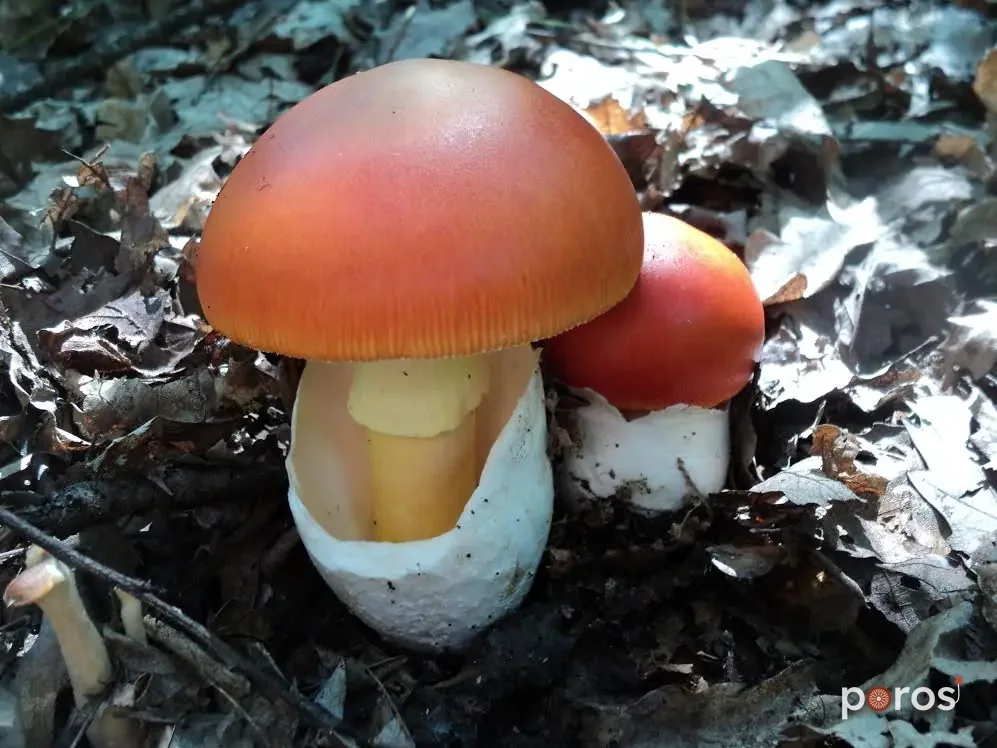 Caesar’s mushroomAmanita caesareaEdible species
-
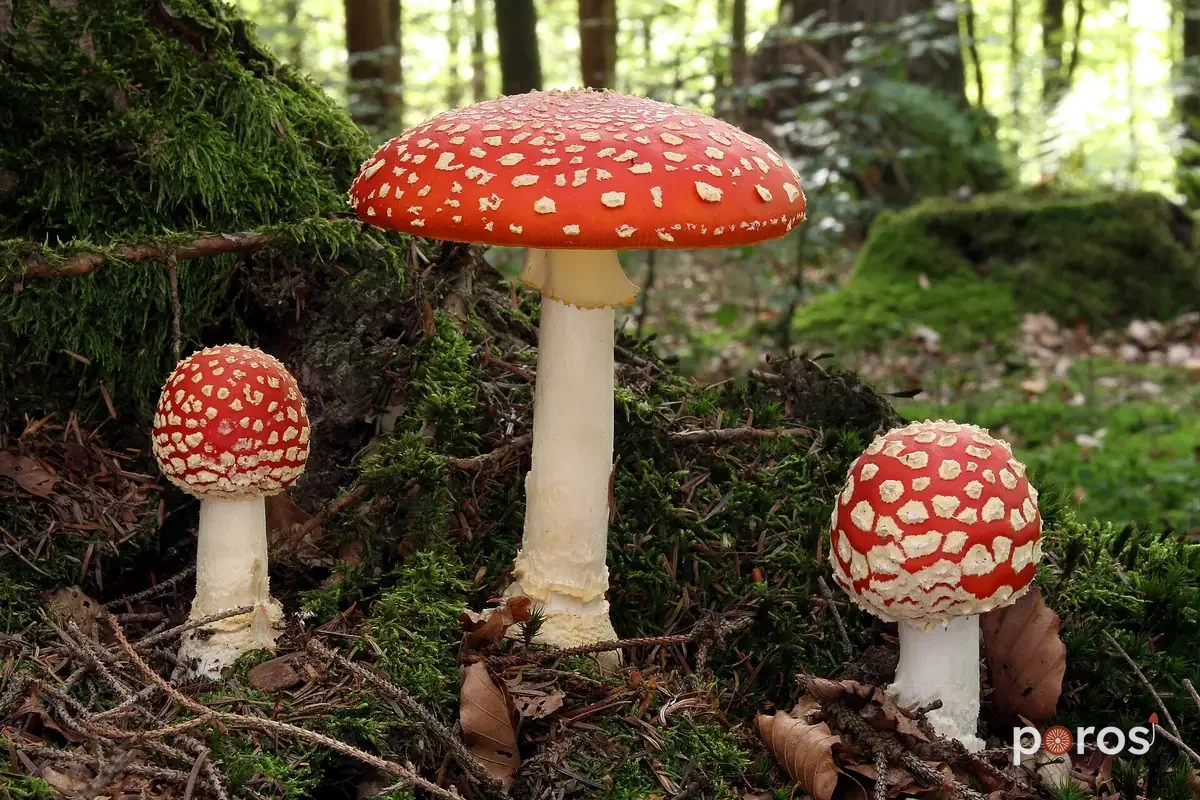 Fly agaricAmanita muscariaPoisonous
-
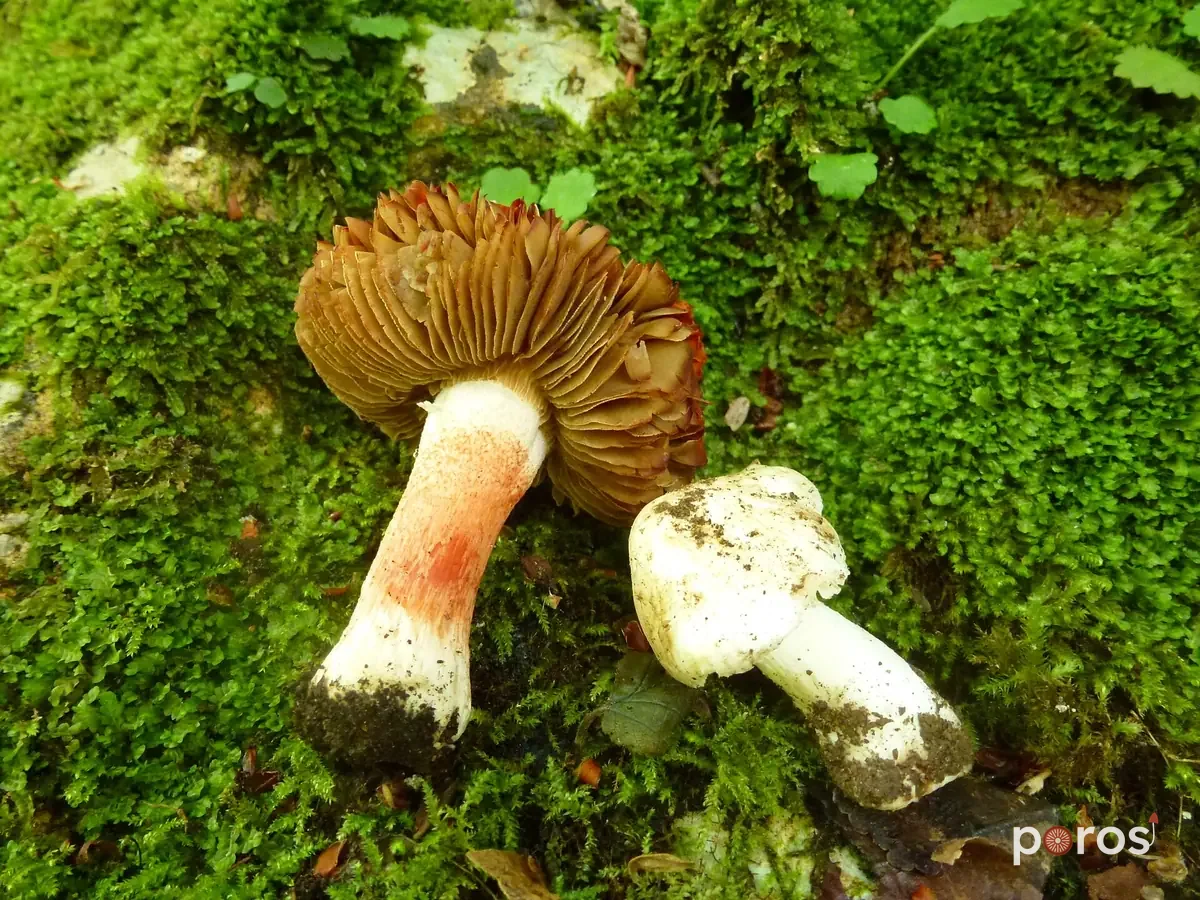 Deadly fibrecapInosperma erubescensDeadly poisonous
-
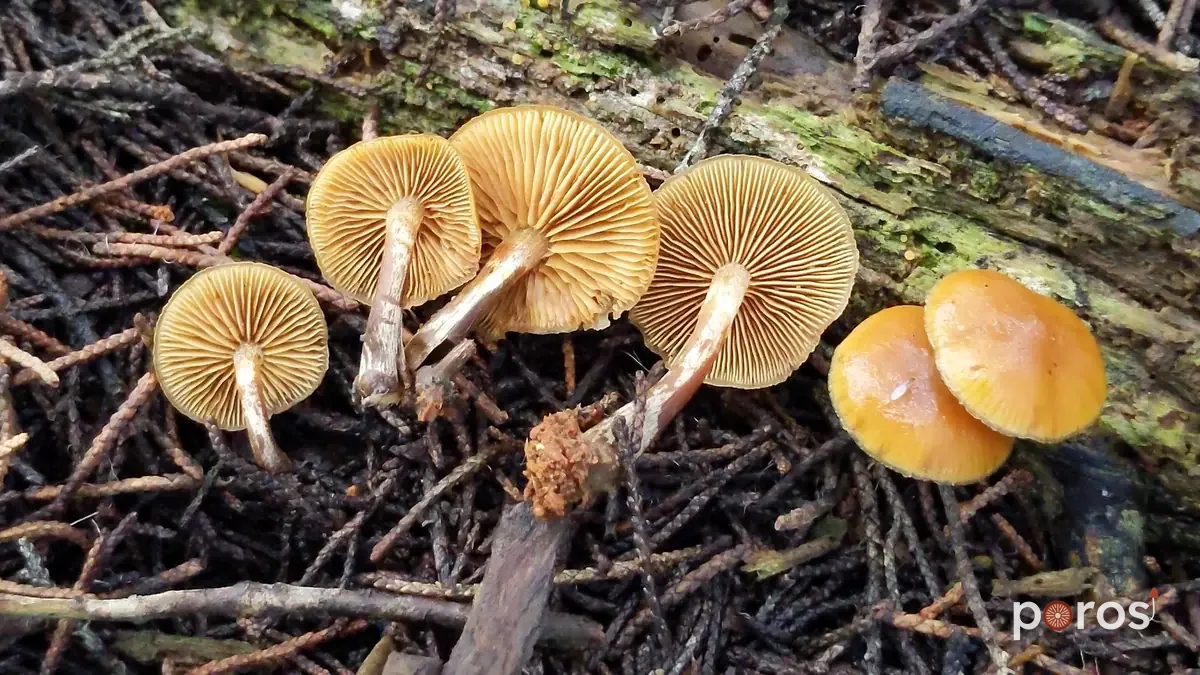 Deadly galerinaGalerina marginataDeadly poisonous
-
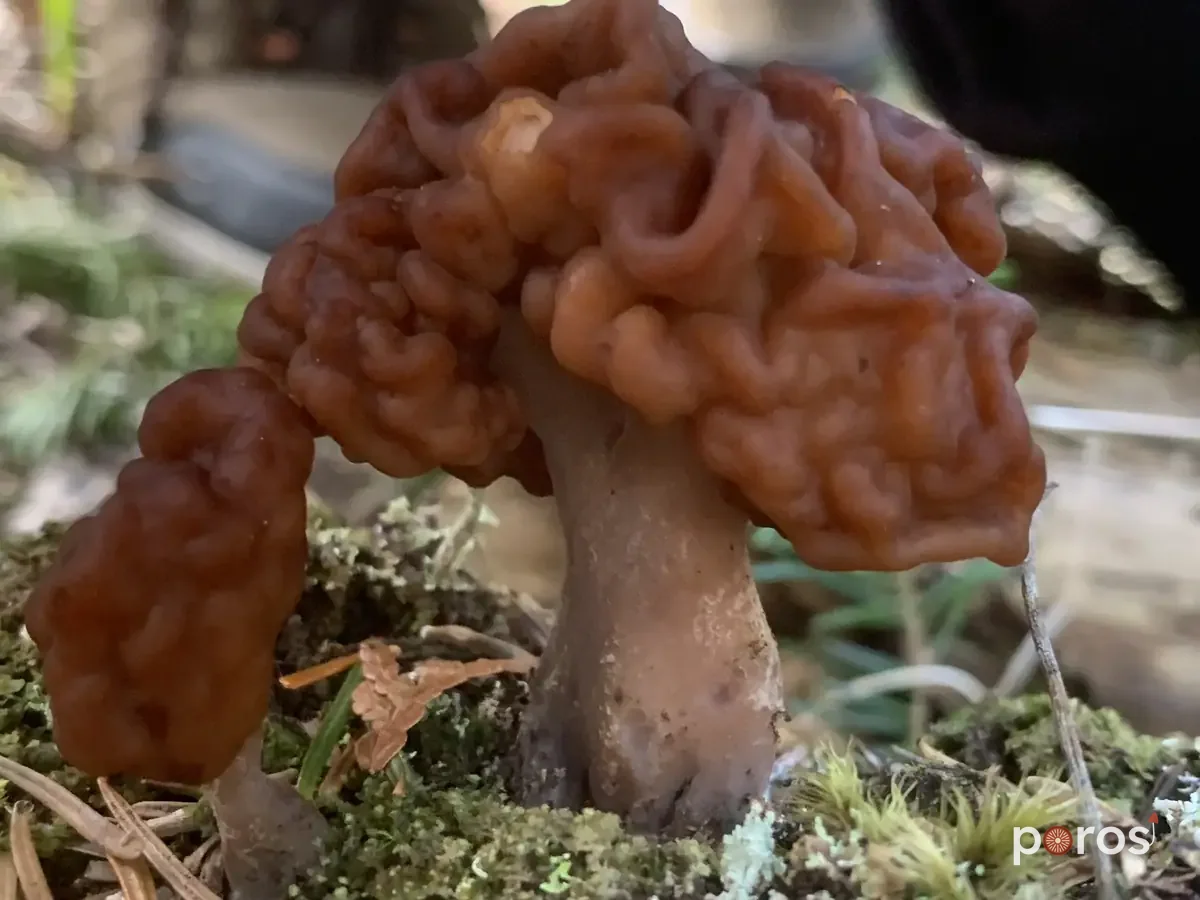 False morelGyromitra esculentaDeadly poisonous
-
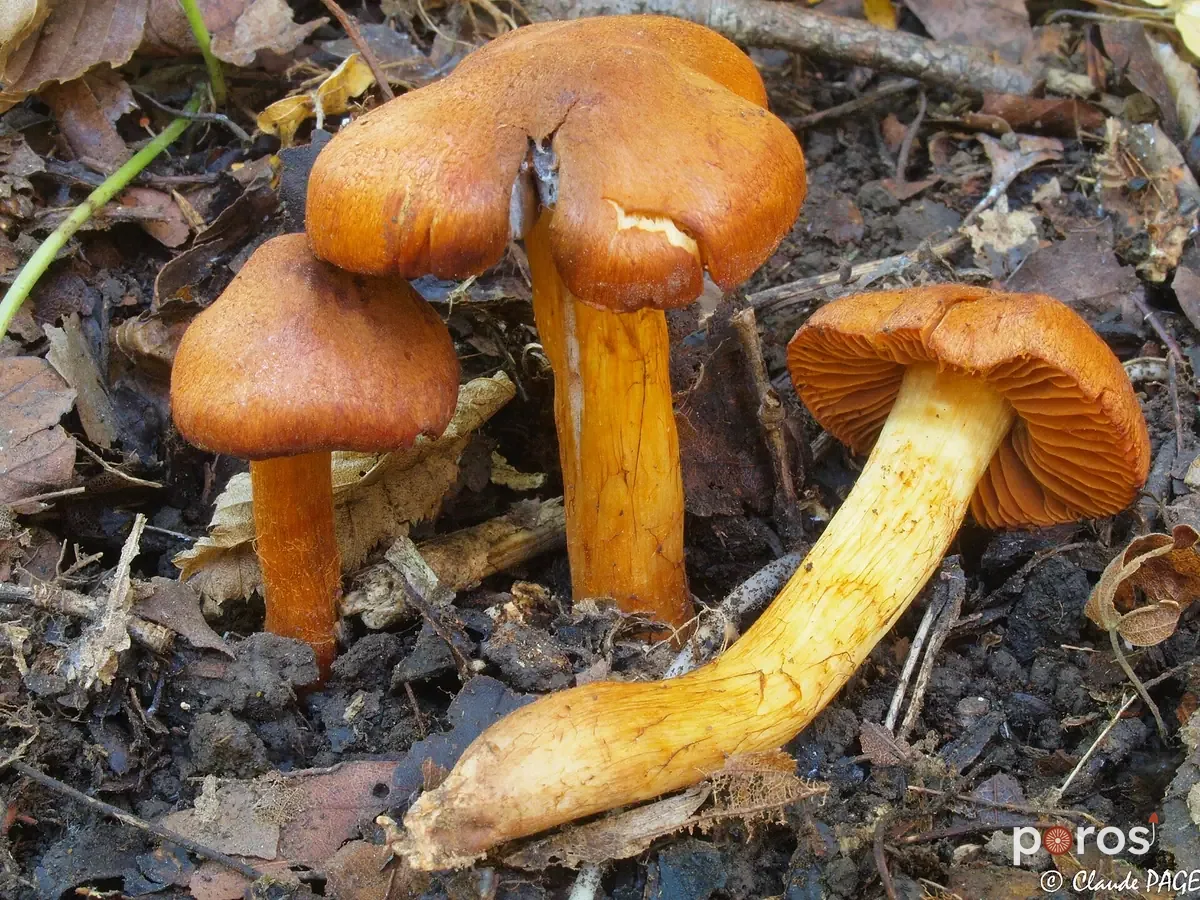 Fool’s webcapCortinarius orellanusDeadly poisonous
-
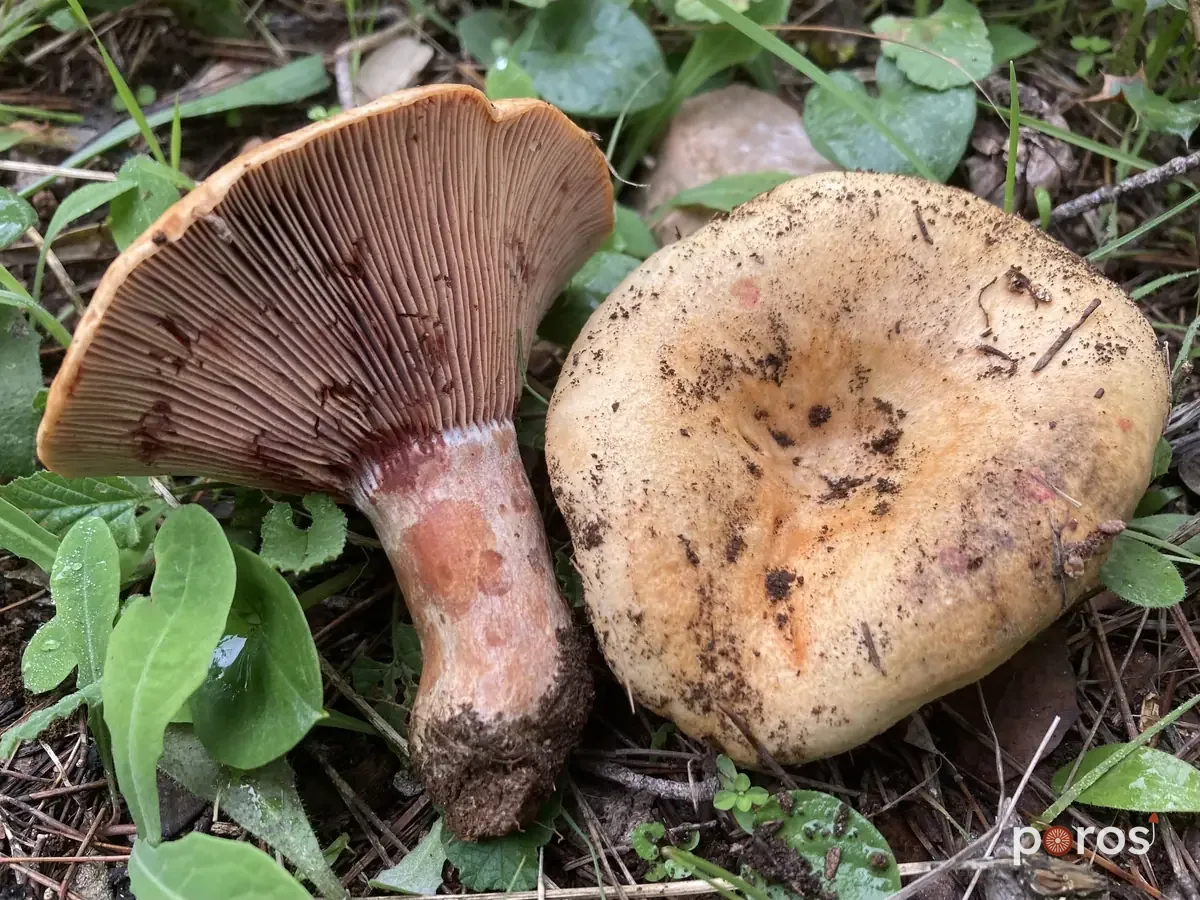 Bloody milk capLactarius sanguifluusEdible species
Sources (4)
- Wikipedia (EN): Amanita virosa · checked 26 Oct 2026
- Vikipedi (TR): Amanita virosa · checked 26 Oct 2026
- First Nature: Amanita virosa · checked 26 Oct 2026
- GBIF: Amanita virosa · checked 26 Oct 2026
Photo credits (10)
- File:Amanita virosa 12.jpg · Σ64 · CC BY 3.0
- Amanita virosa · iNaturalist #192714228 · Thierry Arbault · CC BY 4.0
- Amanita virosa · iNaturalist #186298129 · wkee4ager · CC BY 4.0
- Amanita virosa · iNaturalist #401084131 · Anita Engler · CC BY 4.0
- Amanita virosa · iNaturalist #232221144 · tdec · CC BY 4.0
- File:Amanita virosa azpitik.jpg · Jose Angel Urquia Goitia · CC BY-SA 4.0
- File:Amanita virosa 07.jpg · Σ64 · CC BY 3.0
- Amanita virosa · iNaturalist #239060768 · Ilkka Tuunainen · CC BY-SA 4.0
- Amanita virosa · iNaturalist #387159111 · kaapelisonni · CC0
- File:Amanita virosa 13767279.jpg · theachesney · CC BY-SA 4.0


