
Wood blewit
Lepista nuda · Tricholomataceae
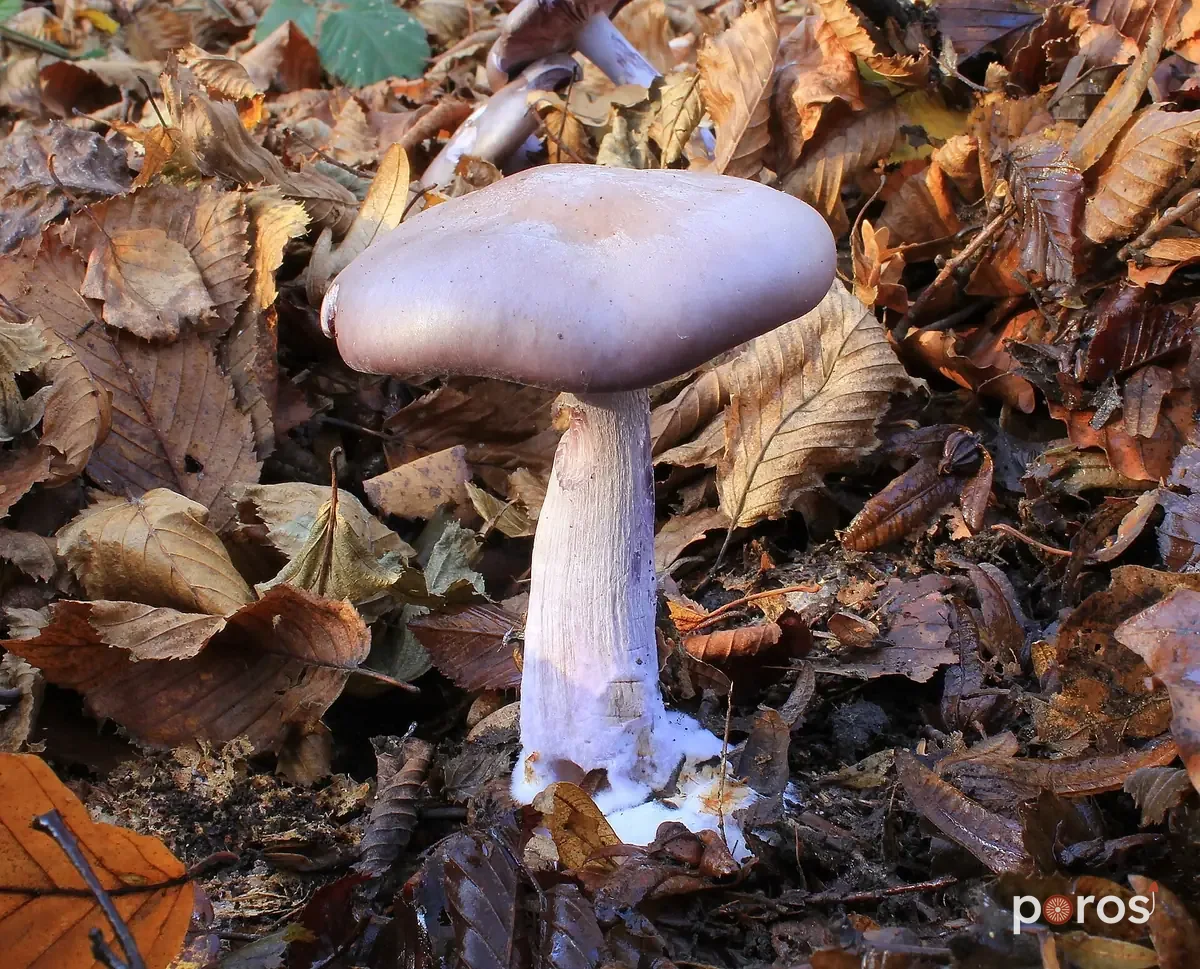
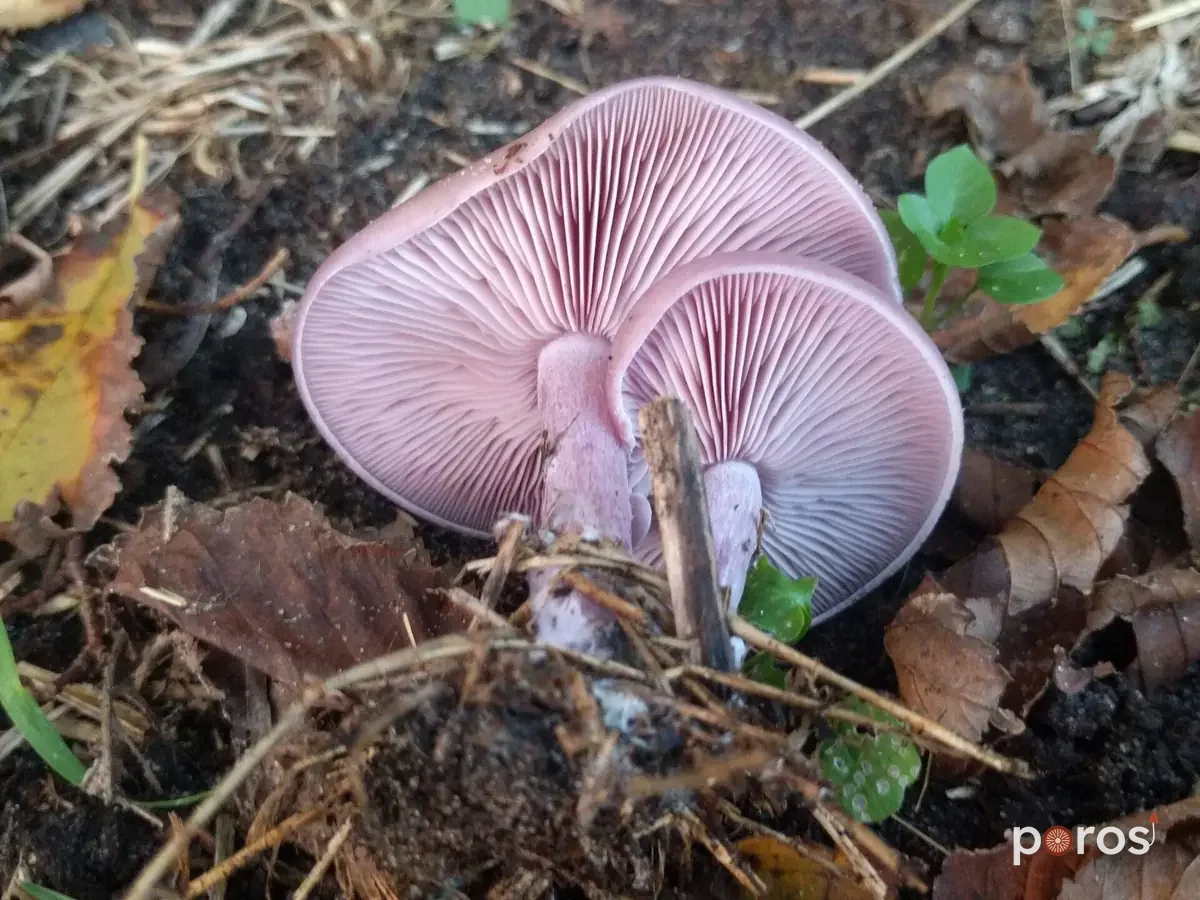
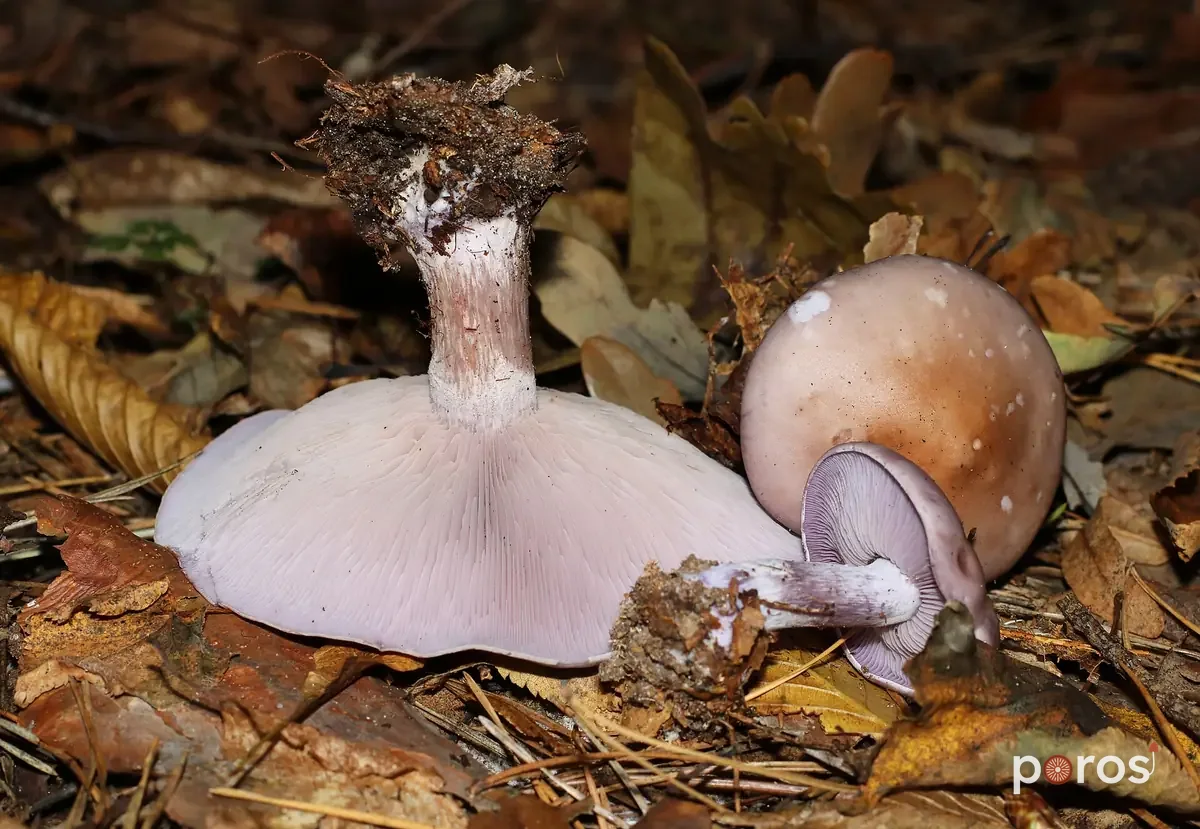
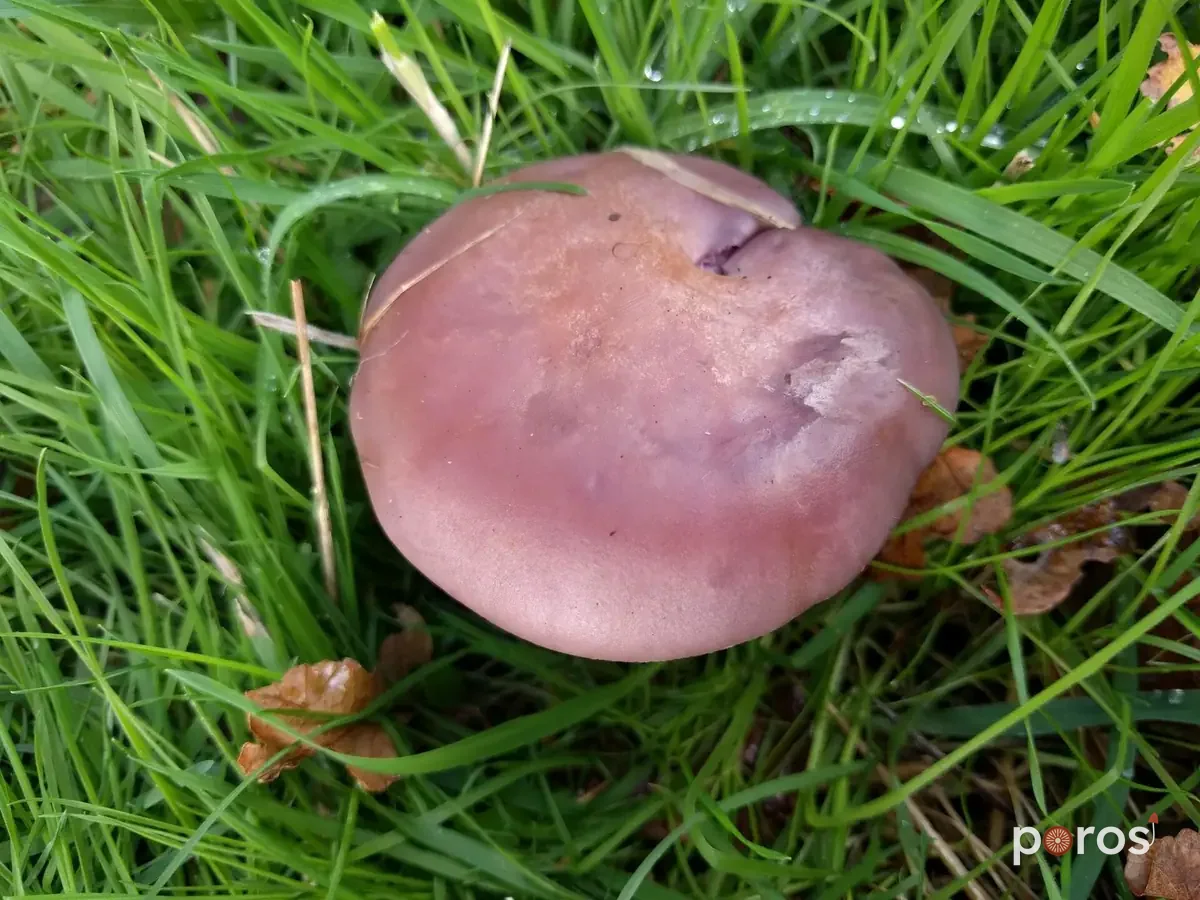
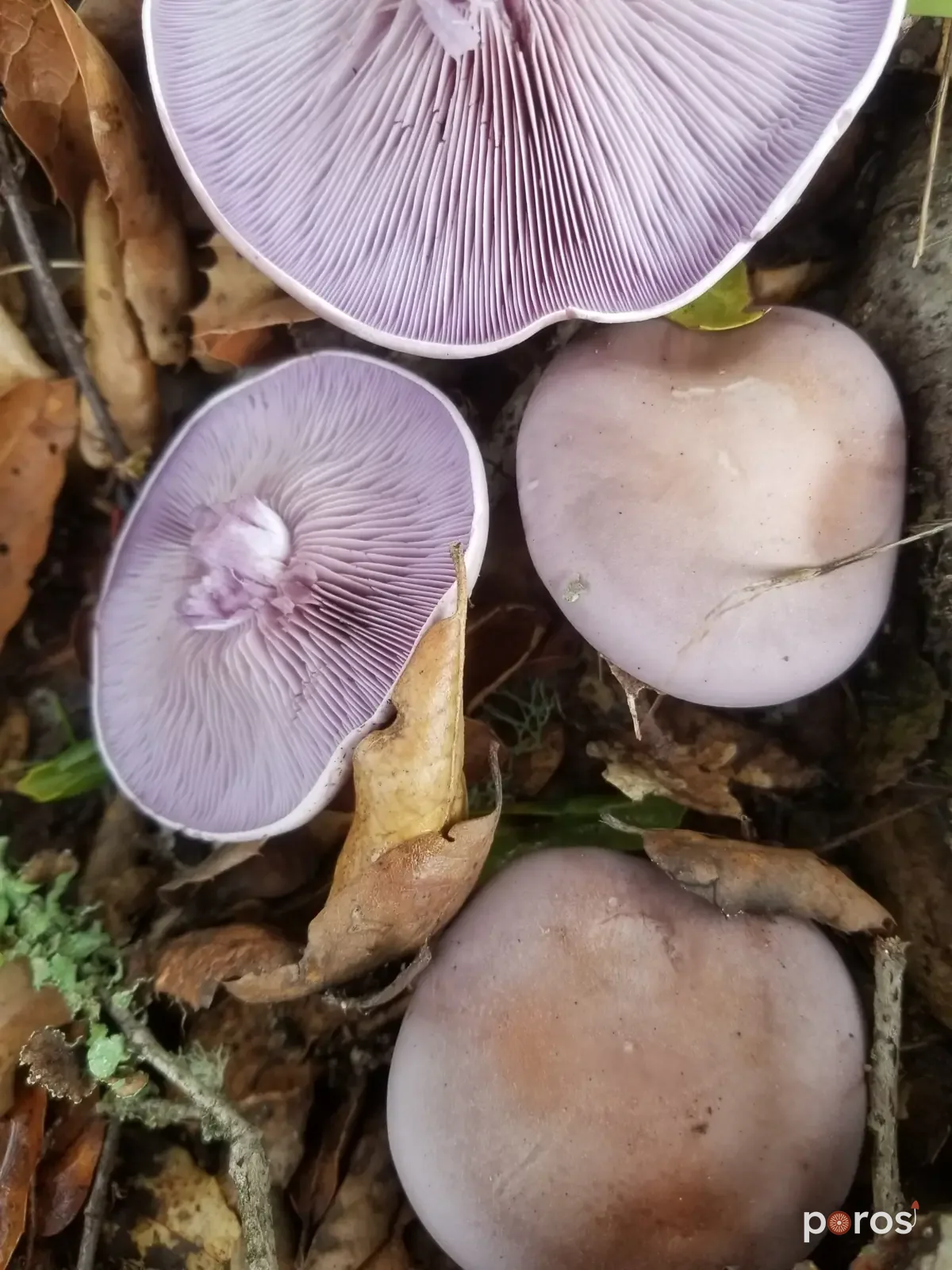
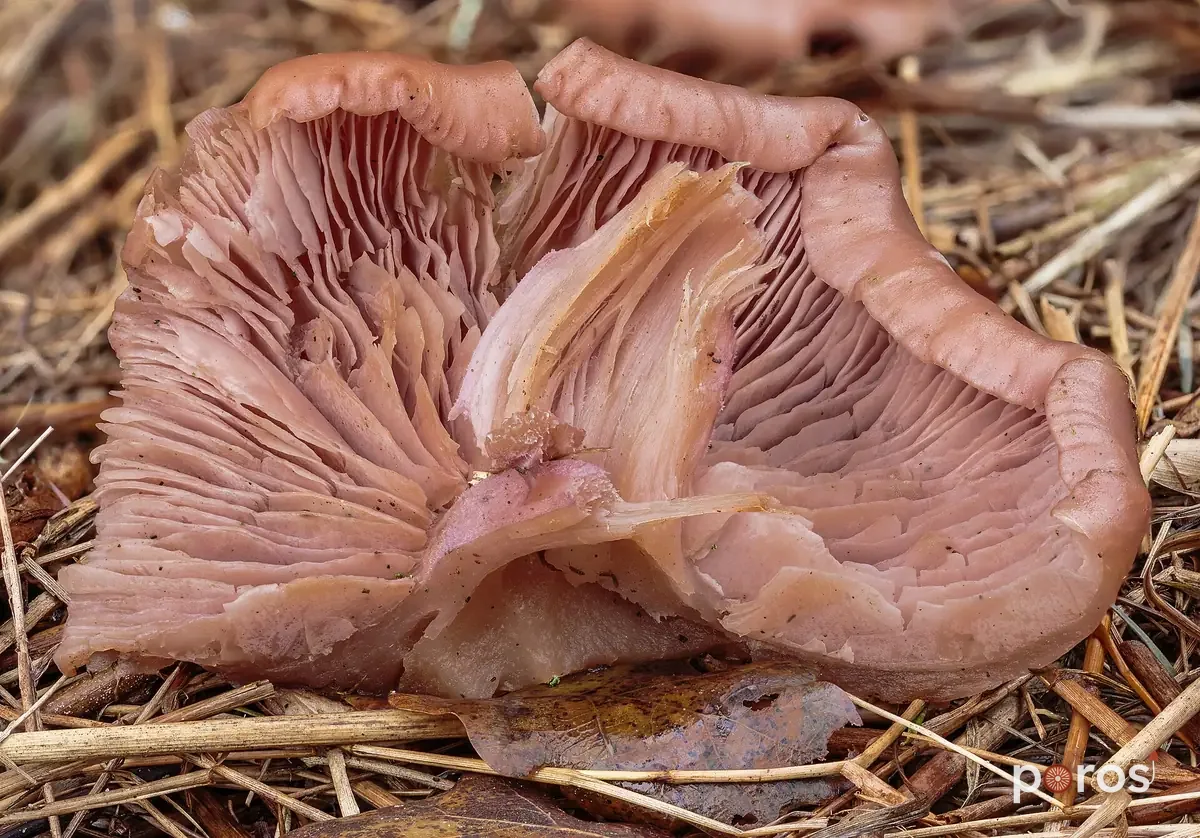
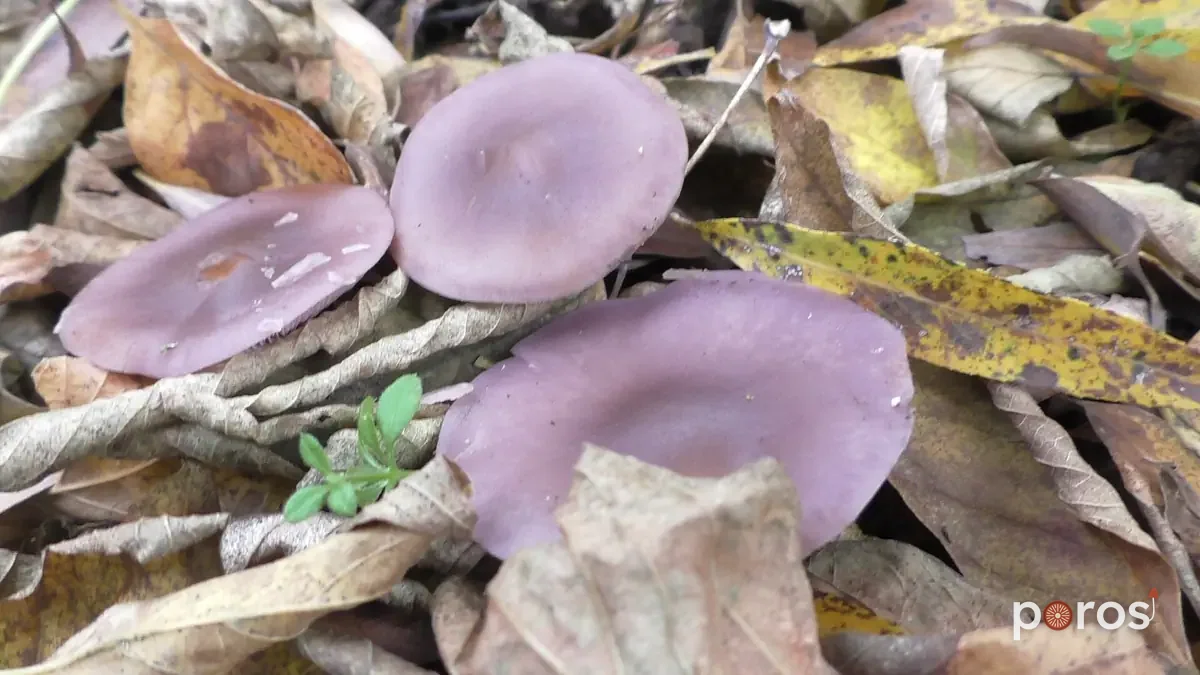
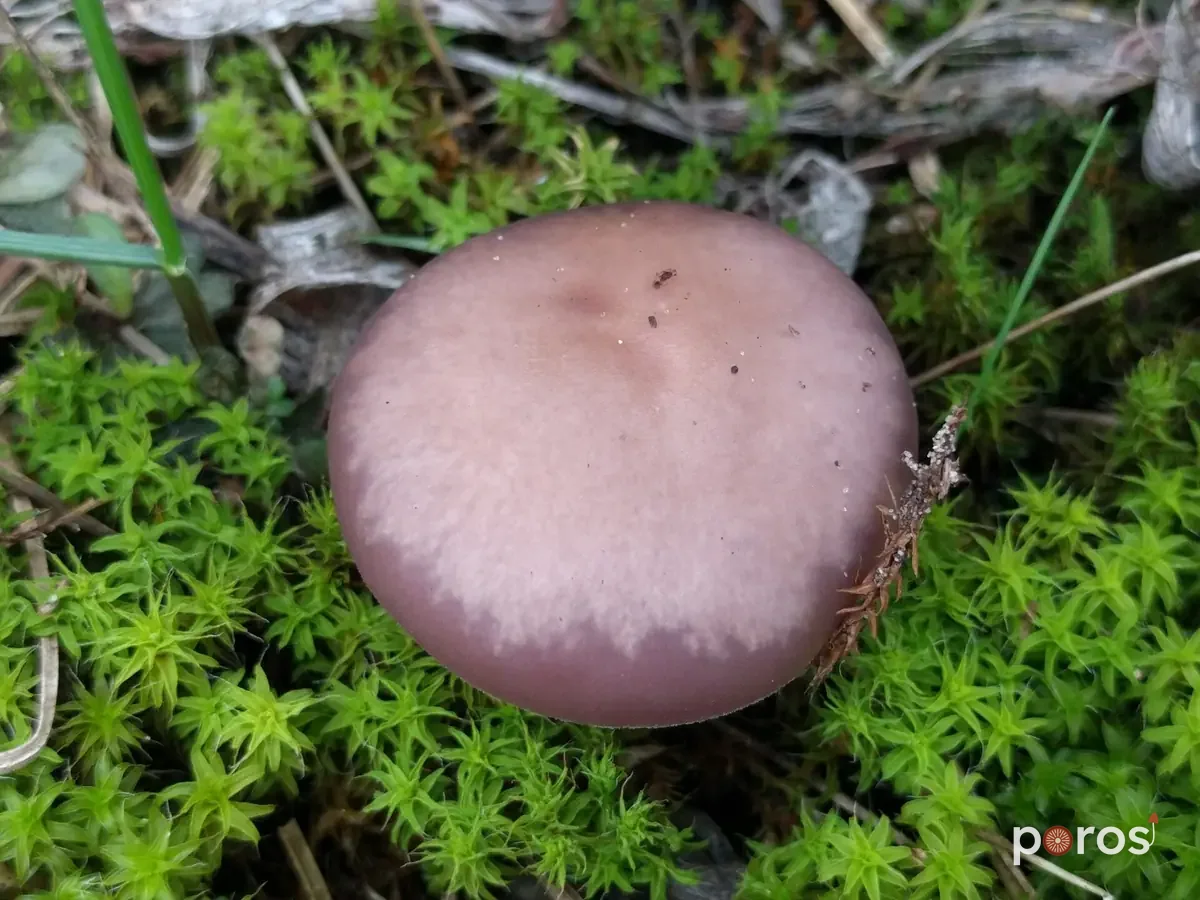
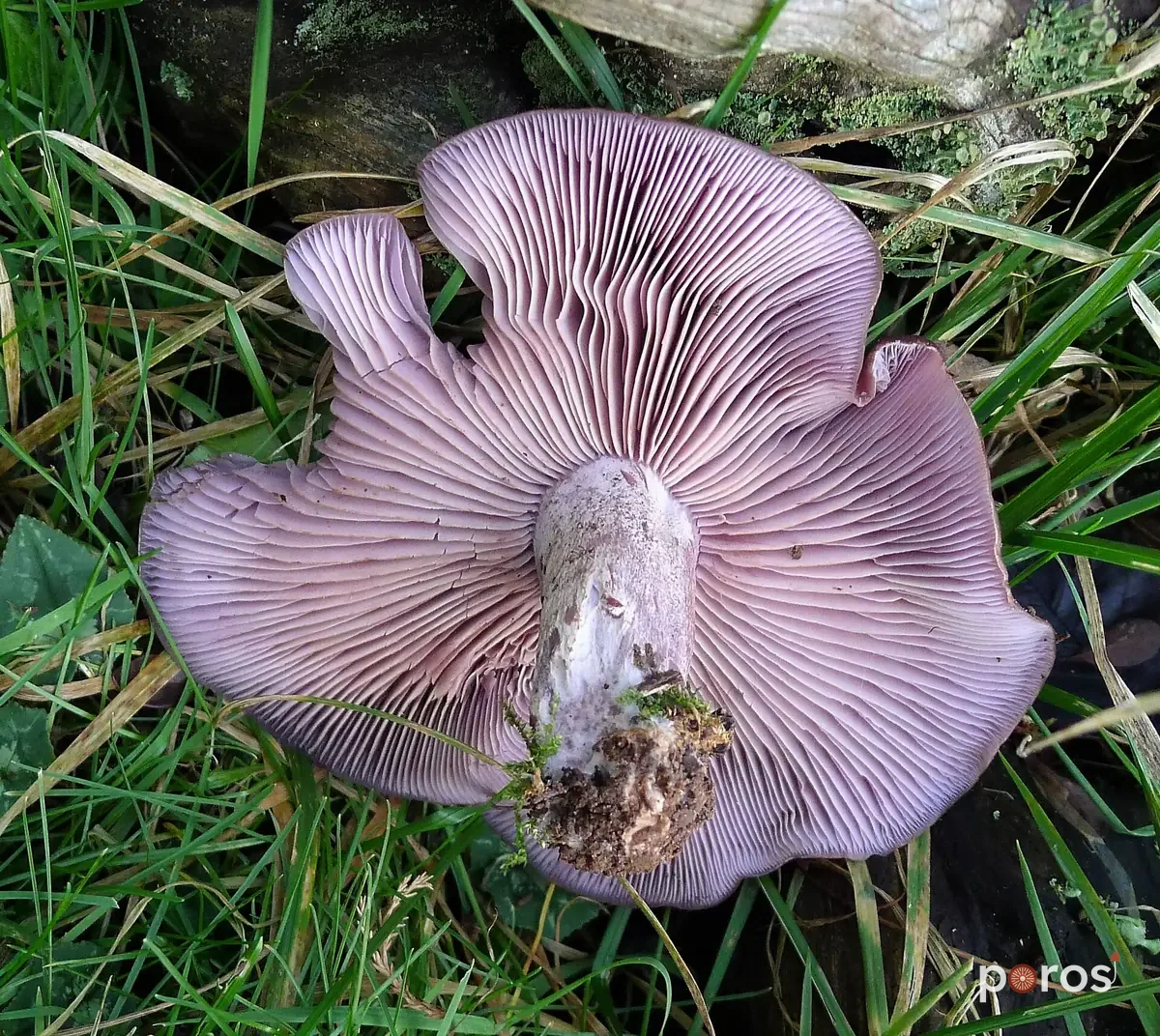
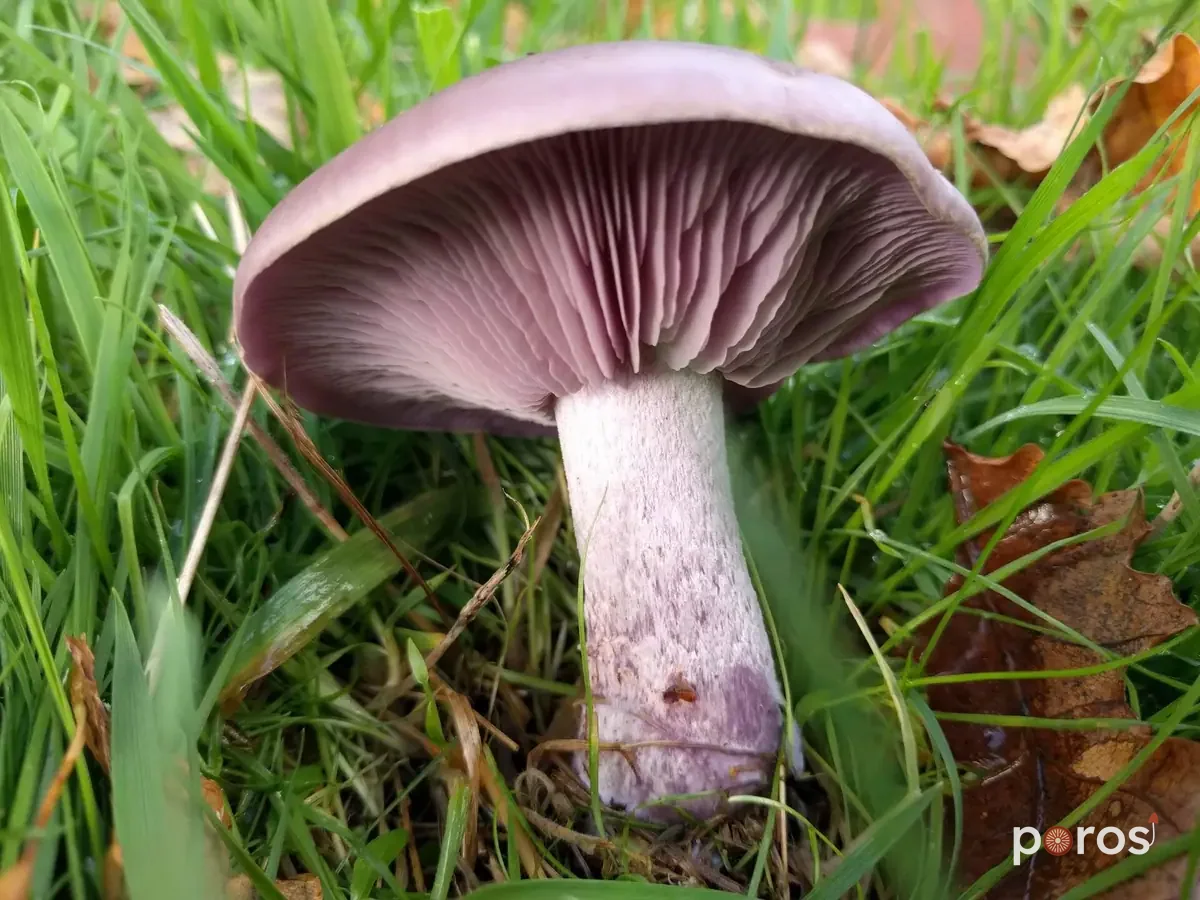
The wood blewit is one of the last mushrooms of autumn, with a lilac to purple cap, gills and stem.
The wood blewit is one of the last mushrooms of autumn, with a lilac to purple cap, gills and stem. It is known locally as mavi cincile around Bolu and as mor mantar around Karaman (Turkish folk names), and it goes into pastries (börek) and soups. Never eat it raw: it can upset the stomach. Do not confuse it with purple Cortinarius species.
Also called: blewit, blue foot Turkish: Mor mantar, mavi cincile Synonyms: Collybia nuda, Clitocybe nuda
How to recognise it
Wood blewit, part by part
No ring or volva Spore print: White to pale pink Faint aniseed smell; pleasant taste.
When and where
Sep–Dec
- Jan
- Feb
- Mar
- Apr
- May
- Jun
- Jul
- Aug
- Sepin season
- Octin season
- Novin season
- Decin season
The wood blewit fruits mostly from August to December in Europe, later in mild winters, and occasionally in any month. In Turkey, GBIF records fall in November–December.
Where do wood blewits grow?
The wood blewit grows in leaf litter of mixed woodland, under hedges, even on garden compost heaps, in both coniferous and broadleaf woods.
In Turkey
The wood blewit is known by local names and eaten around Bolu and Karaman.
- İstanbul19
- Ankara9
- Diyarbakır7
- Manisa4
- Kırklareli3
- Bolu3
- Yozgat2
- Elazığ2
63 observations on our map (GBIF, iNaturalist). Record density also reflects where observers work.
Latest wood blewit observations


Look-alikes
What could it be confused with?
Purple webcaps Cortinarius spp.
Many may be poisonous: cobweb-like veil remains under the cap, a ring zone on the stem and a rusty brown spore print. The blewit's print is white to pale pink.
Field blewit Lepista saeva
Very similar but lacks the violet tint on the cap.
In the kitchen
Cooking with wood blewits
Storing wood blewits
Never eat it raw; it can cause mild poisoning or stomach trouble. Always cook it.
Grow it, buy it
Wood blewit price list
| Product | Us | Market (sourced, dated) |
|---|---|---|
| Fresh wood blewits | In preparation · notify me | — |
| Dried wood blewits | In preparation · notify me | — |
Our prices for wood blewits are published when the product is ready; for now we take waiting-list sign-ups. The market column shows prices seen on other sellers' pages on the date given; they are not our prices and may have changed.
Frequently asked questions
Are wood blewits edible?
Yes, the wood blewit is an edible species. Eat a wild one only after an expert has identified it with certainty: it can be confused with purple webcaps (Cortinarius spp.). Never eat it raw; it can cause mild poisoning or stomach trouble. Always cook it.
When is wood blewit season in Turkey?
In our calendar, wood blewit season runs Sep–Dec. The wood blewit fruits mostly from August to December in Europe, later in mild winters, and occasionally in any month. In Turkey, GBIF records fall in November–December.
Where do wood blewits grow?
The wood blewit grows in leaf litter of mixed woodland, under hedges, even on garden compost heaps, in both coniferous and broadleaf woods.
Where are wood blewits found in Turkey?
The wood blewit is known by local names and eaten around Bolu and Karaman.
What can the wood blewit be confused with?
The wood blewit can be confused with purple webcaps (Cortinarius spp., poisonous) and field blewit (Lepista saeva, edible species). Look-alikes are compared on this page.
What is the wood blewit called in Turkish?
In Turkish, the wood blewit (Lepista nuda) is called Mor mantar; other local names include mavi cincile.
Related species
-
 Bloody milk capLactarius sanguifluusEdible species
-
 Button mushroomAgaricus bisporusEdible species
-
 Caesar’s mushroomAmanita caesareaEdible species
-
 ChanterelleCantharellus cibariusEdible species
-
 Chicken of the woodsLaetiporus sulphureusEdible species
-
 EnokiFlammulina filiformisEdible species
-
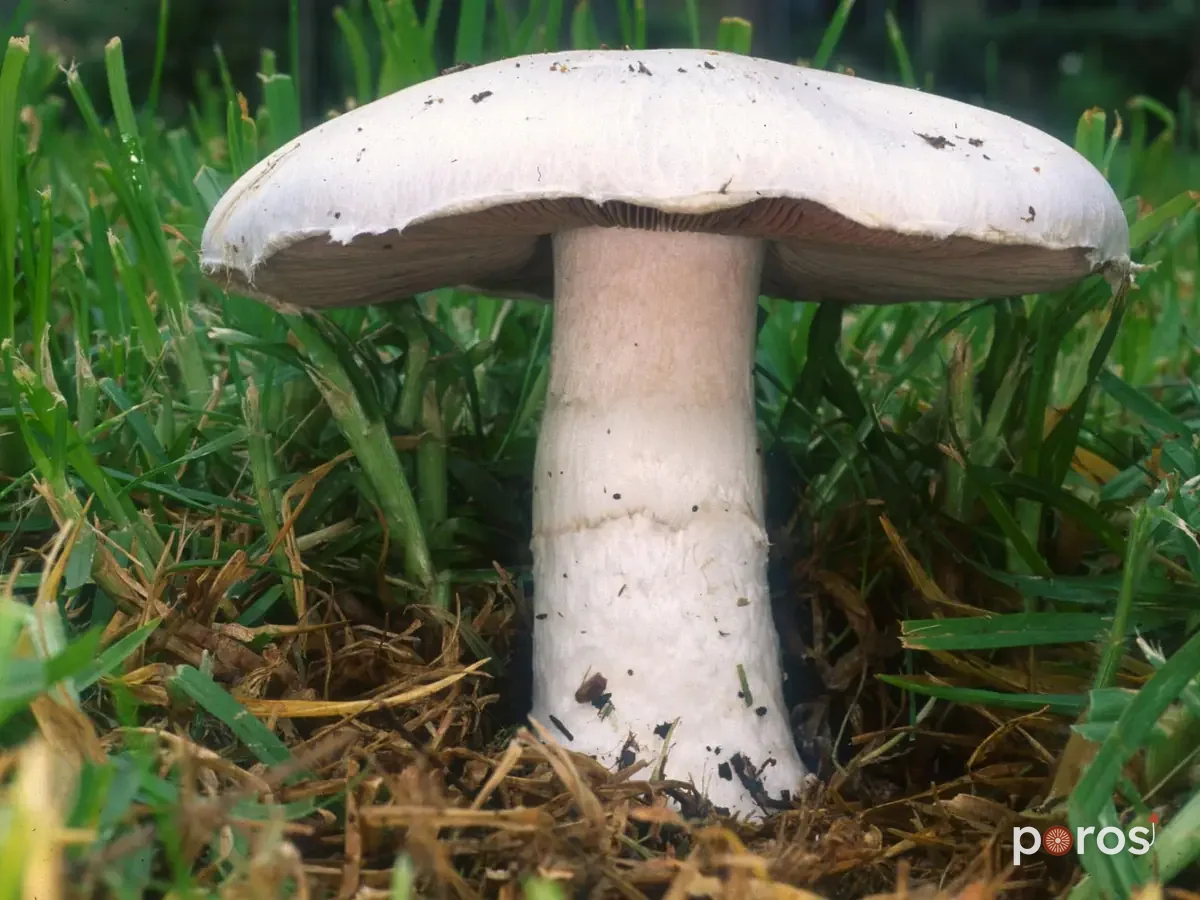 Field mushroomAgaricus campestrisEdible species
-
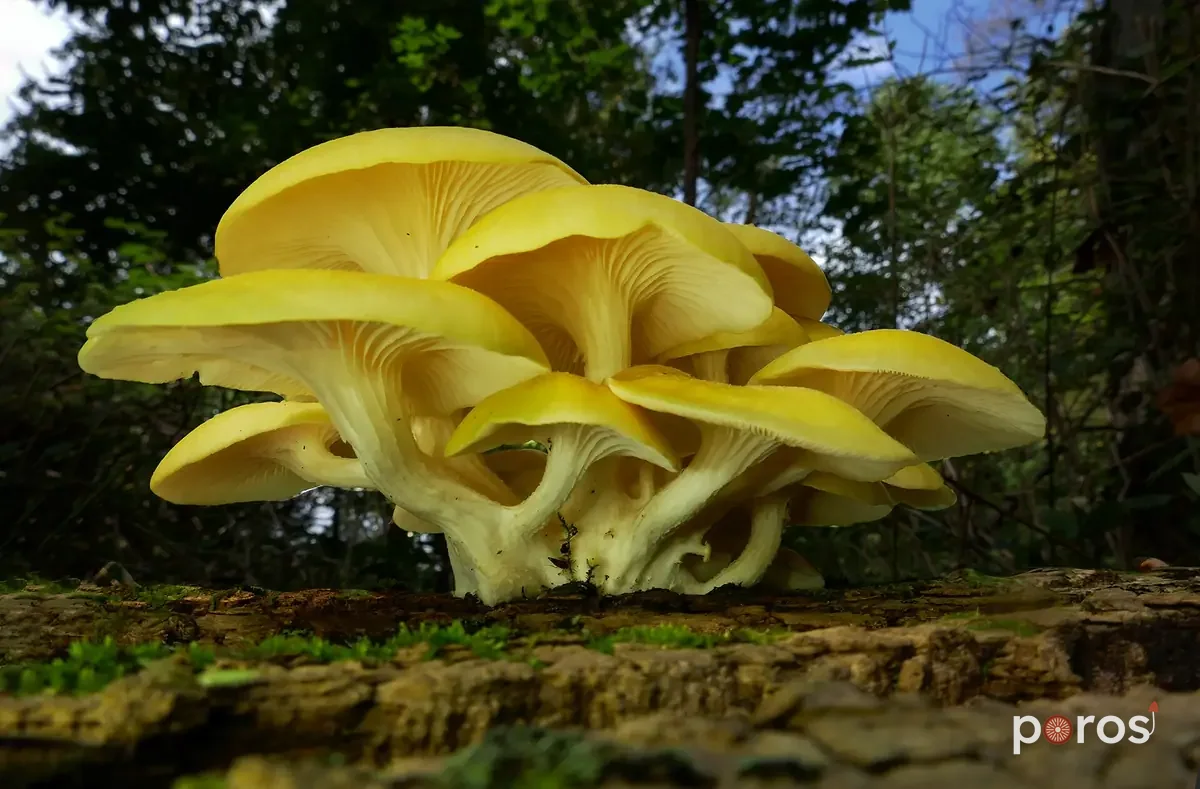 Golden oyster mushroomPleurotus citrinopileatusEdible species
Sources (4)
- Wikipedia (EN): Collybia nuda · checked 26 Oct 2026
- Vikipedi (TR): Lepista nuda · checked 26 Oct 2026
- First Nature: Lepista nuda · checked 26 Oct 2026
- GBIF: Türkiye kayıtları · checked 26 Oct 2026
Photo credits (10)
- File:Lepista nuda, Wood Blewit, UK.jpg · Stu's Images · CC BY-SA 3.0
- File:Wood Blewit. Lepista nuda. (39584060812).jpg · gailhampshire from Cradley, Malvern, U.K · CC BY 2.0
- File:Lepista nuda 167767613.jpg · Michel Langeveld · CC BY-SA 4.0
- File:Lepista nuda 176771263.jpg · Michel Langeveld · CC BY-SA 4.0
- File:Lepista nuda 167462660.jpg · Michel Langeveld · CC BY-SA 4.0
- File:Lepista nuda 109950721.jpg · Елена Патерикина · CC BY 4.0
- File:Lepista nuda 2022 G1.jpg · George Chernilevsky · CC BY-SA 4.0
- File:Lepista nuda 167767592.jpg · Michel Langeveld · CC BY-SA 4.0
- File:Lepista nuda 172200684.jpg · Jonathan Curley · CC BY 4.0
- File:Paarse schijnridderzwam (Lepista nuda). 14-12-2023. (d.j.b).jpg · Dominicus Johannes Bergsma · CC BY-SA 4.0


