
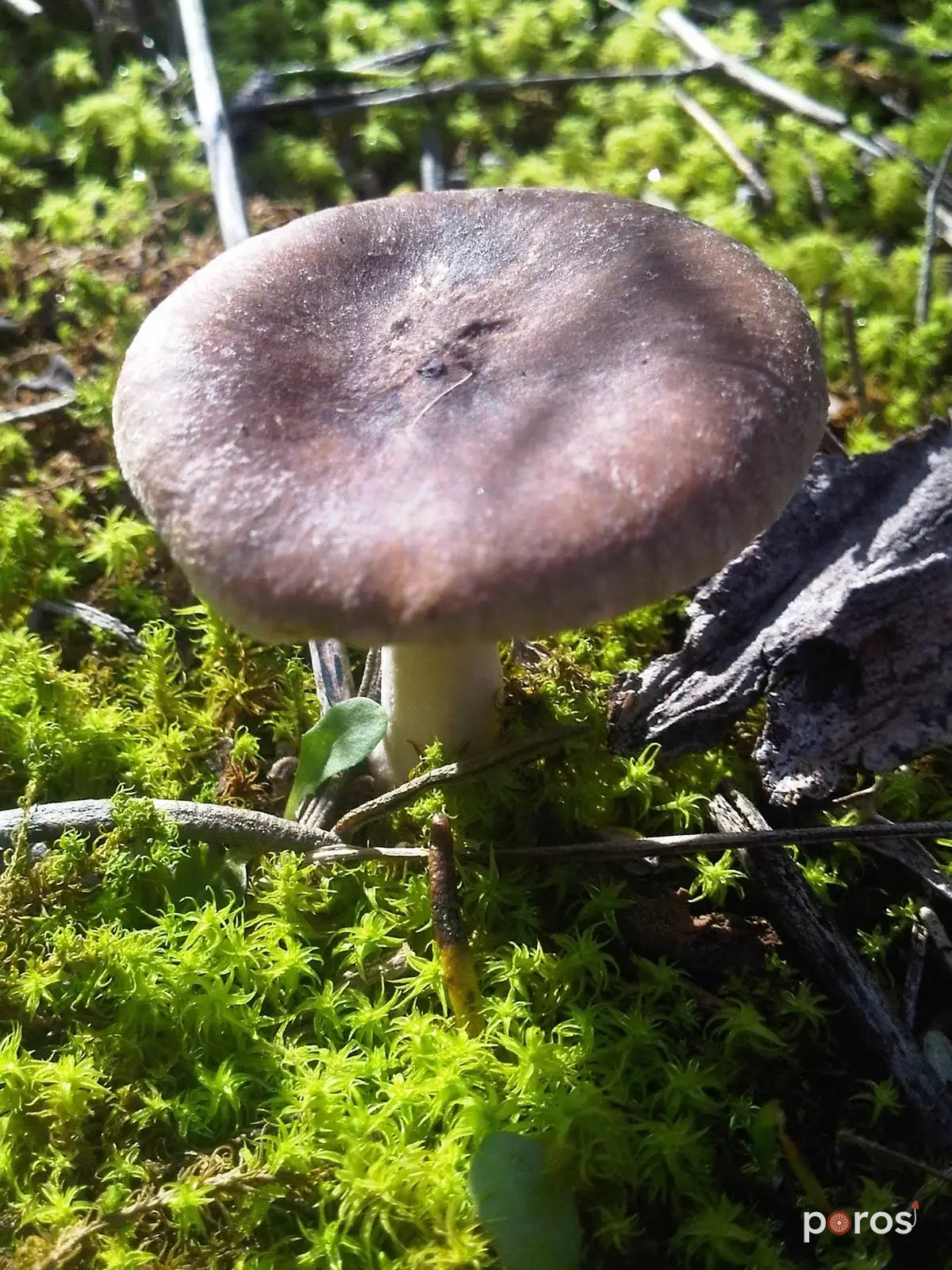
King oyster mushroom
Pleurotus eryngii · Pleurotaceae
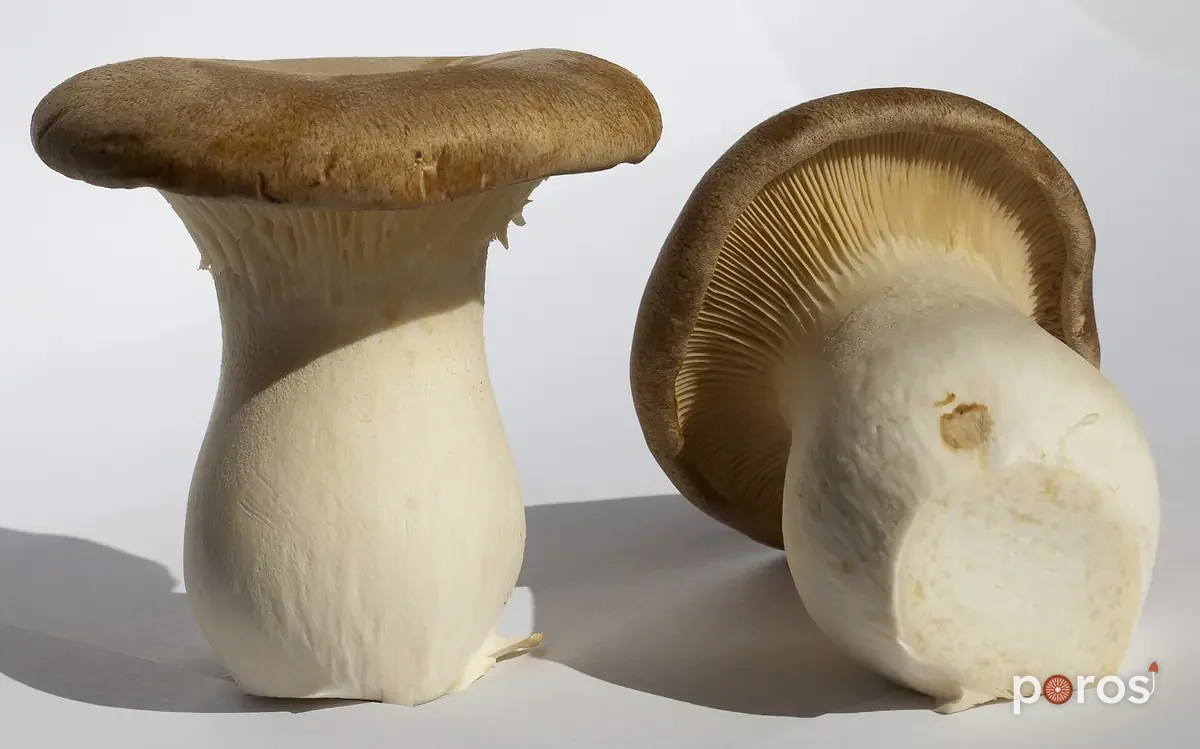
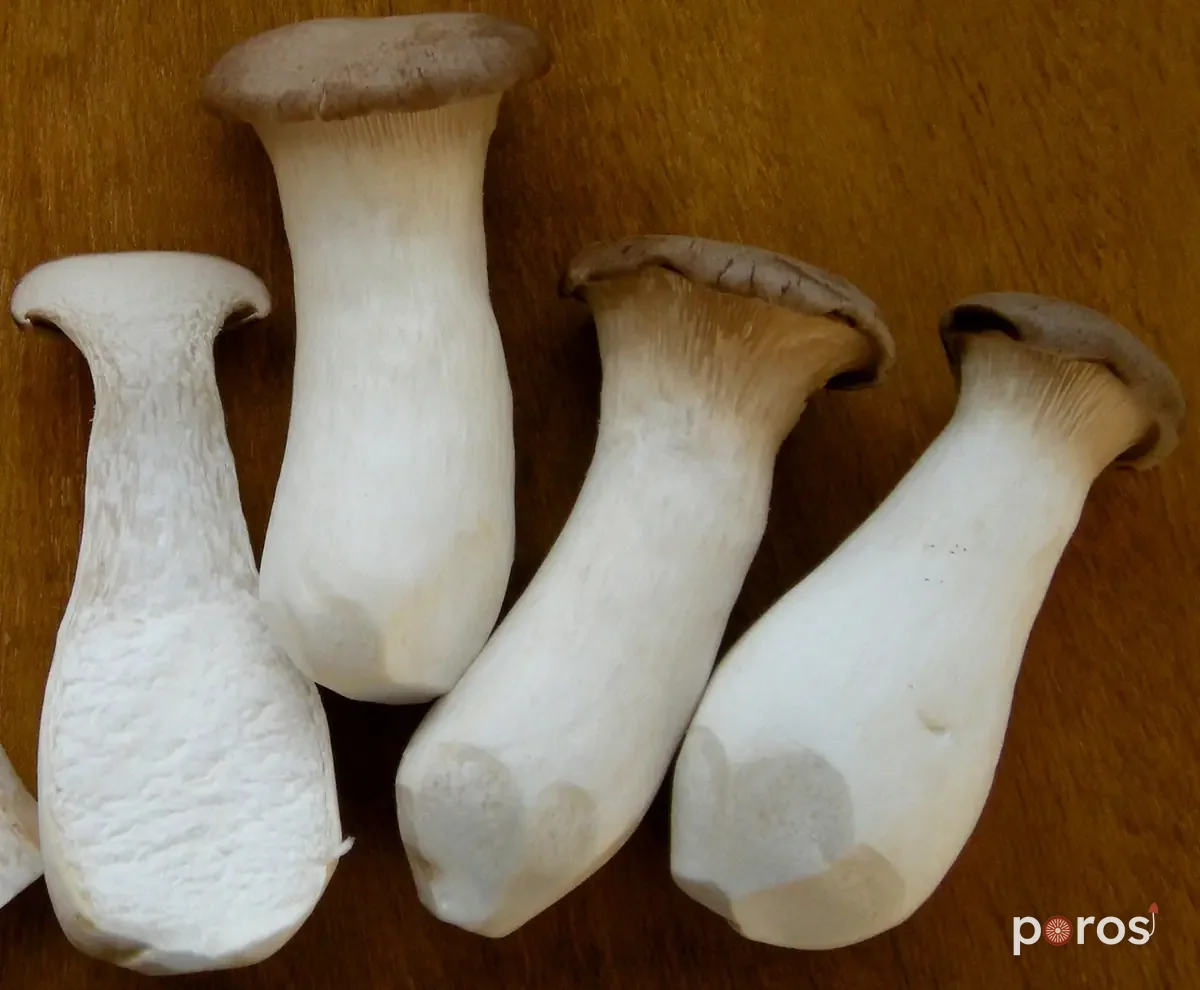
The king oyster mushroom is sold for its thick, meaty white stem and small brown cap; in the wild in Turkey it is known as çaşır mantarı.
The king oyster mushroom is sold for its thick, meaty white stem and small brown cap; in the wild in Turkey it is known as çaşır mantarı. Unlike other oyster mushrooms, it does not grow on wood but lives as a weak parasite on the roots of carrot-family plants such as Ferula and Eryngium.
Also called: king trumpet, eryngi, French horn mushroom Turkish: Çaşır mantarı (kral istiridye), kral istiridye, caşur, heliz, kırkor, körek, göbelek, mendik mantarı
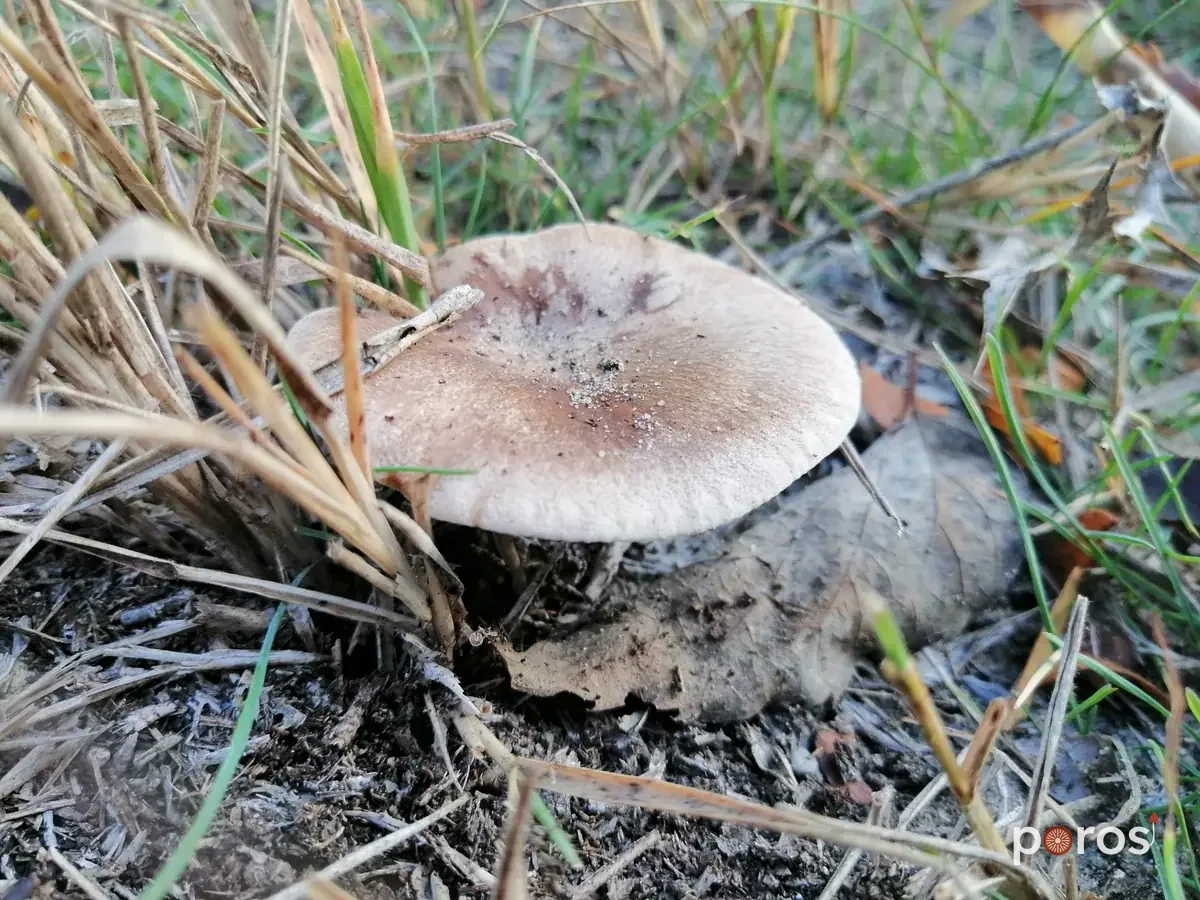
How to recognise it
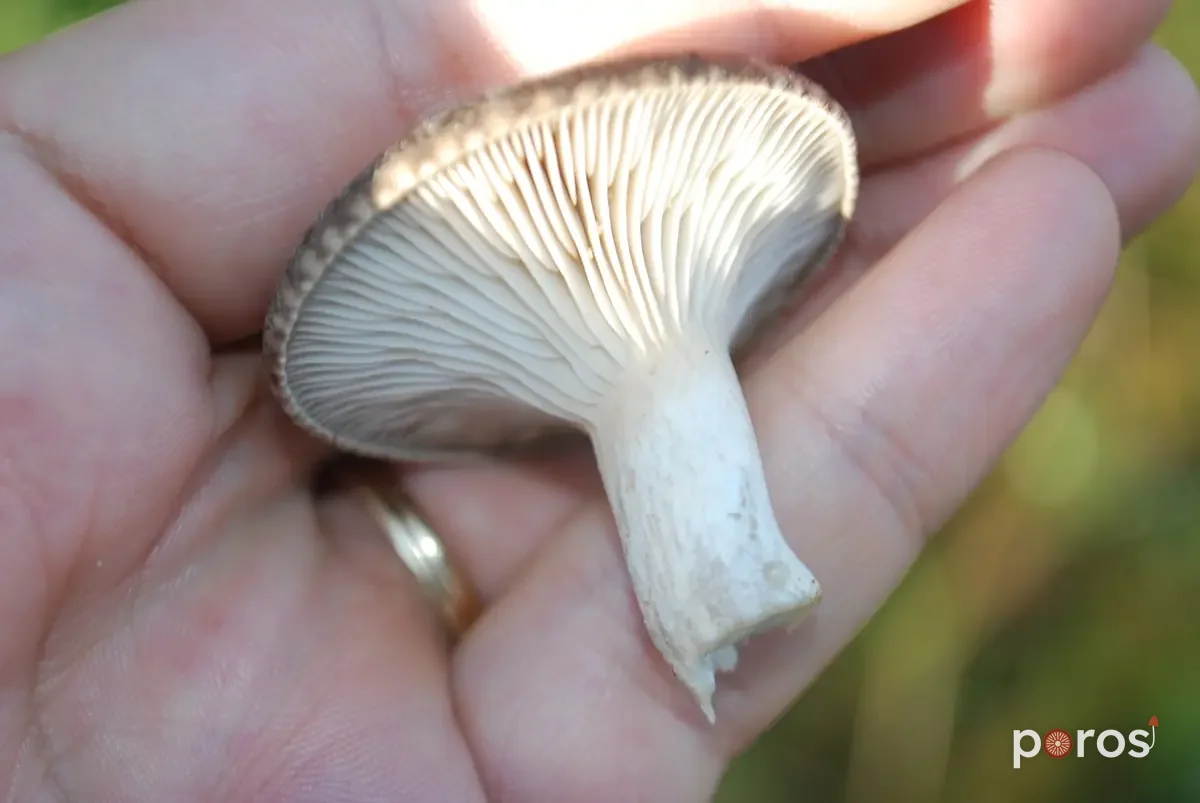
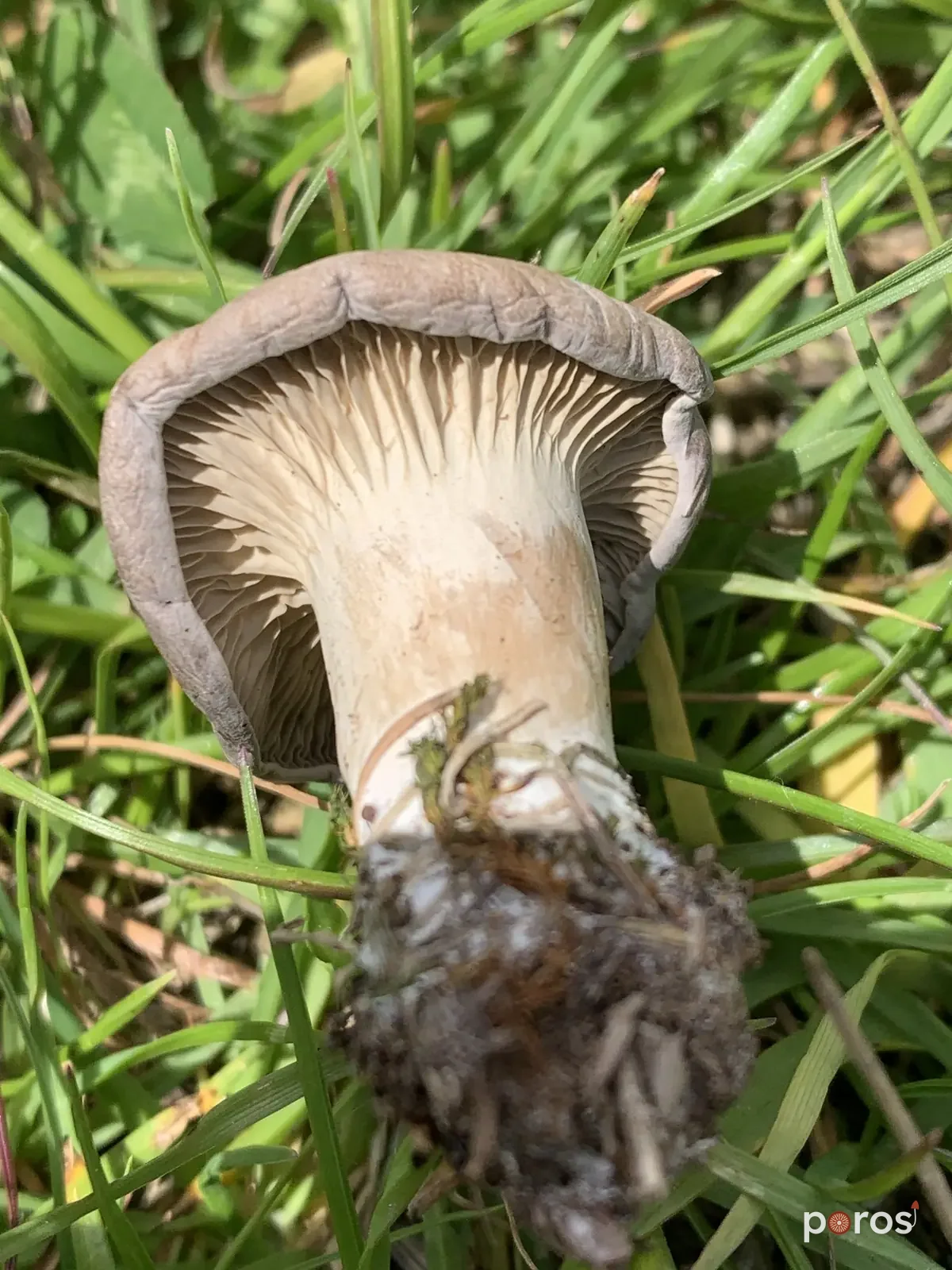
King oyster mushroom, part by part
No ring or volva Spore print: White Mild.
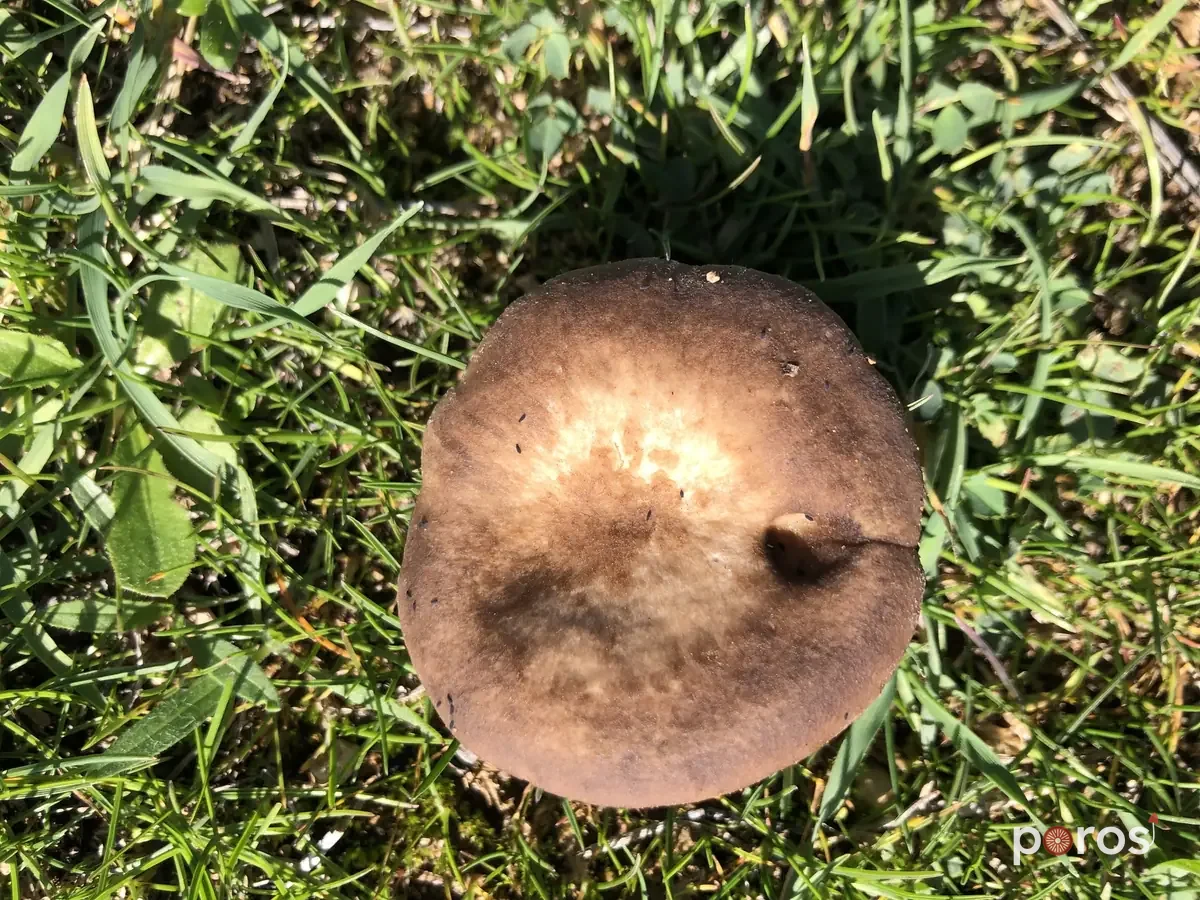
When and where
Mar–Jun
- Jan
- Feb
- Marin season
- Aprin season
- Mayin season
- Junin season
- Jul
- Aug
- Sep
- Oct
- Nov
- Dec
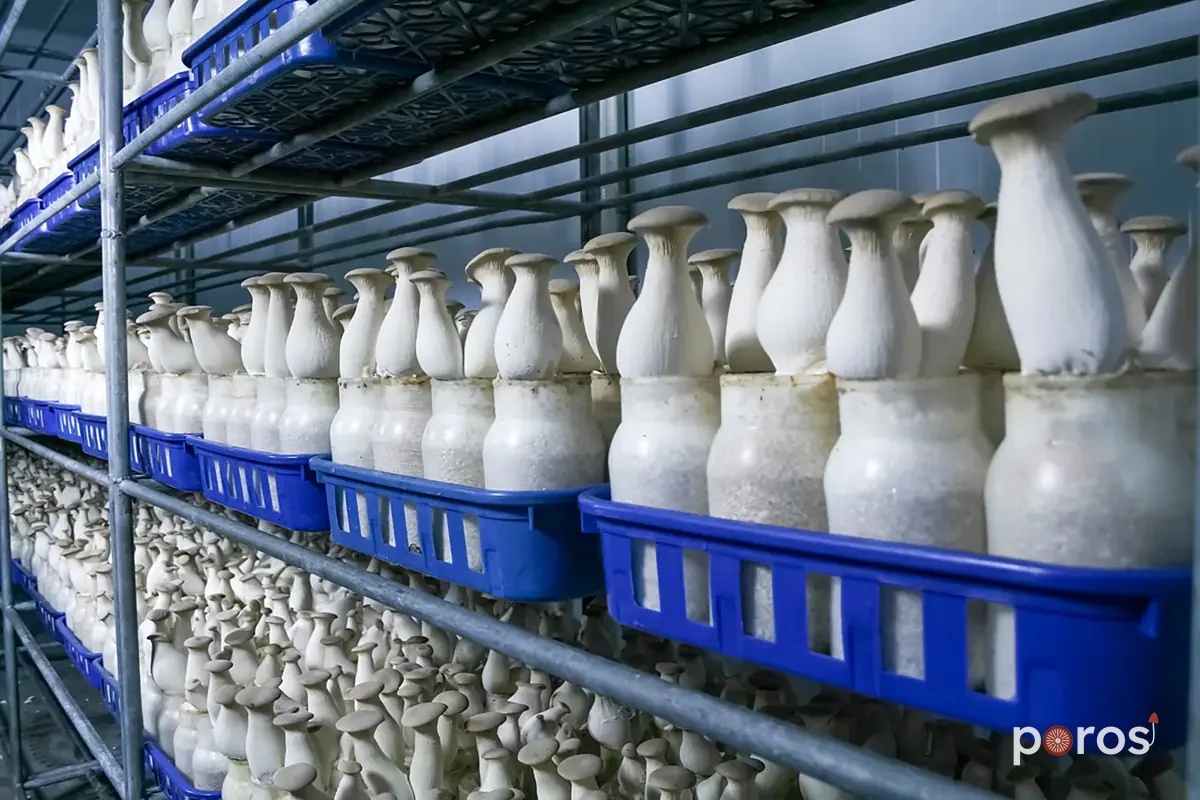
The king oyster mushroom has a short spring season in the mountains of eastern Anatolia, and GBIF records from Turkey fall in March, April and June. Cultivated king oysters are produced all year round.
Where do king oyster mushrooms grow?
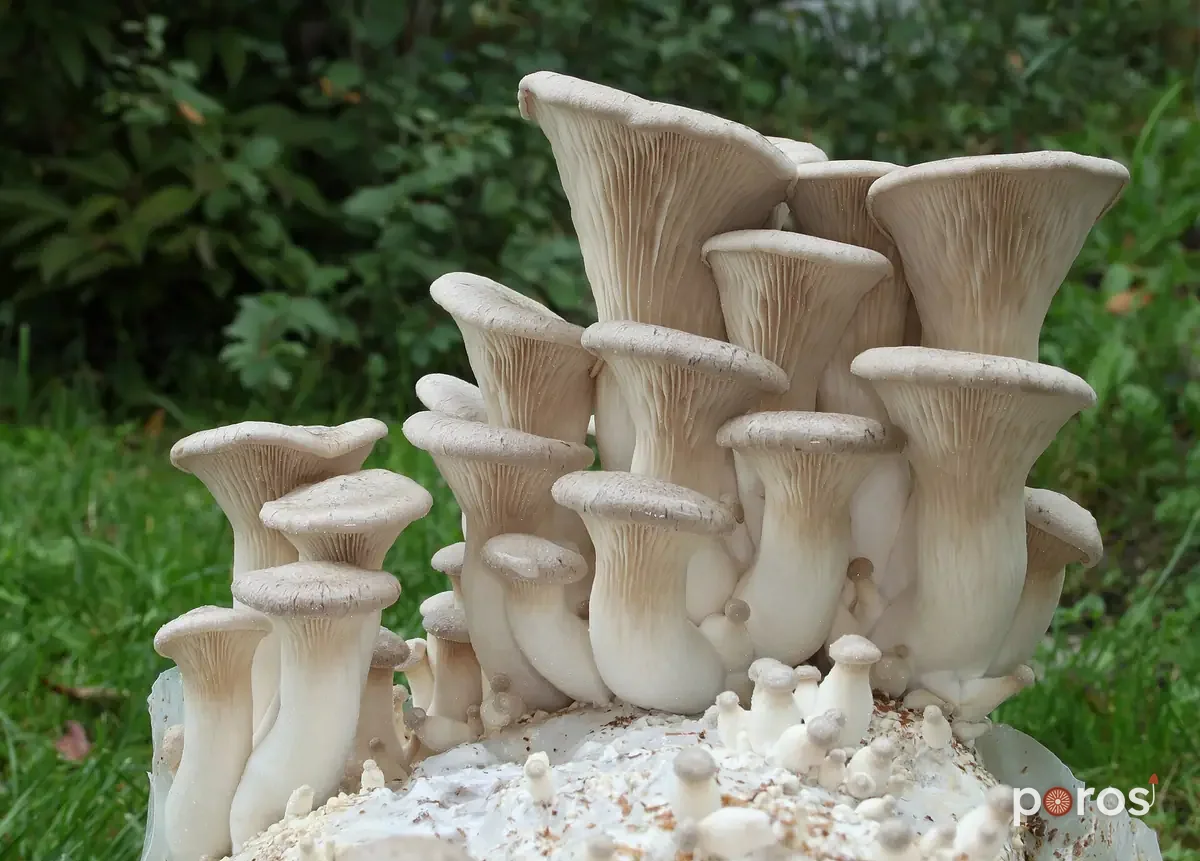
The king oyster mushroom ranges from the Atlantic through the Mediterranean basin and Central Europe to Western Asia and India, on root residues of carrot-family plants such as Eryngium and Ferula. In cultivation it is grown on wheat straw, corn stalks and poplar sawdust.
In Turkey
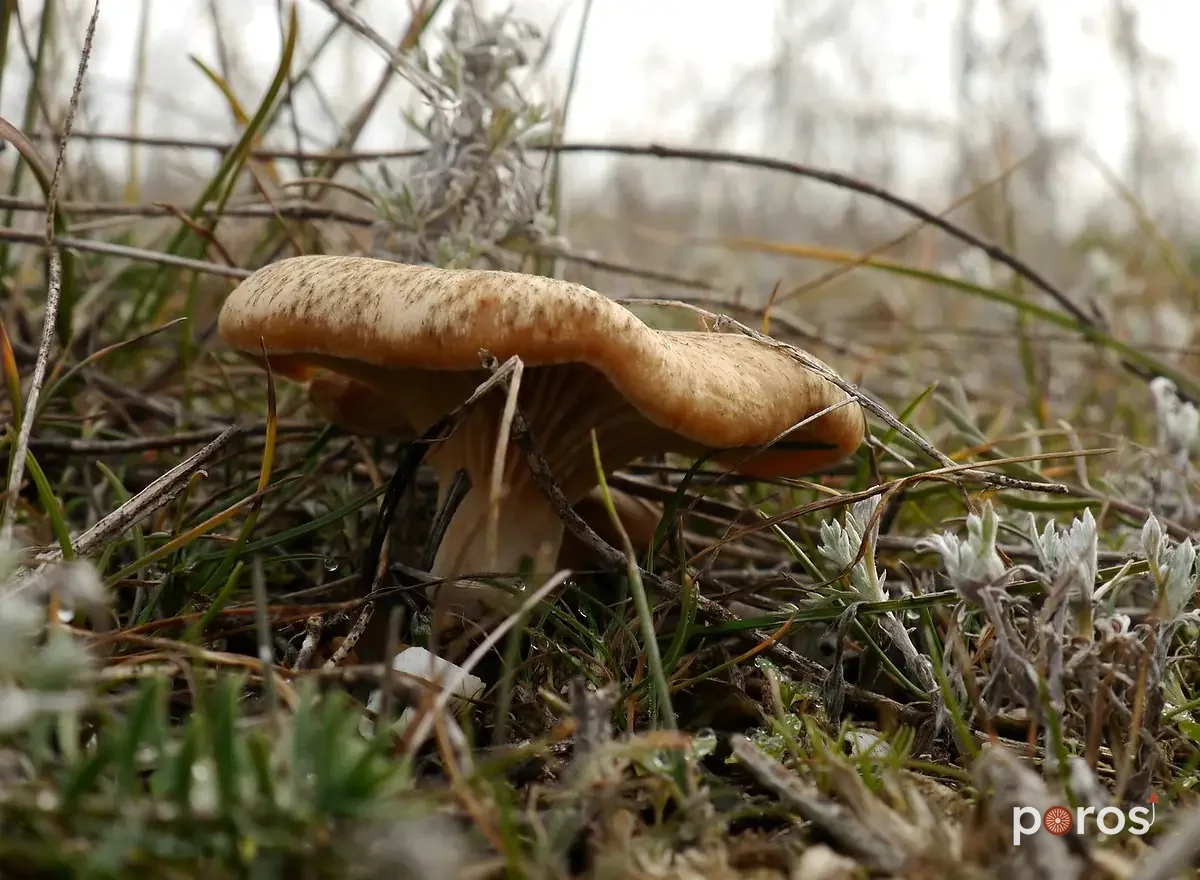
The king oyster mushroom grows wild in the mountains of eastern Anatolia, especially around Arguvan (Malatya), Tunceli, Erzincan and Adıyaman. Its Turkish populations fall into six genetic groups.
- Hakkari2
- Ankara2
- Konya1
- Tunceli1
- İstanbul1
7 observations on our map (GBIF, iNaturalist). Record density also reflects where observers work.
Latest king oyster mushroom observations
Look-alikes
What could it be confused with?
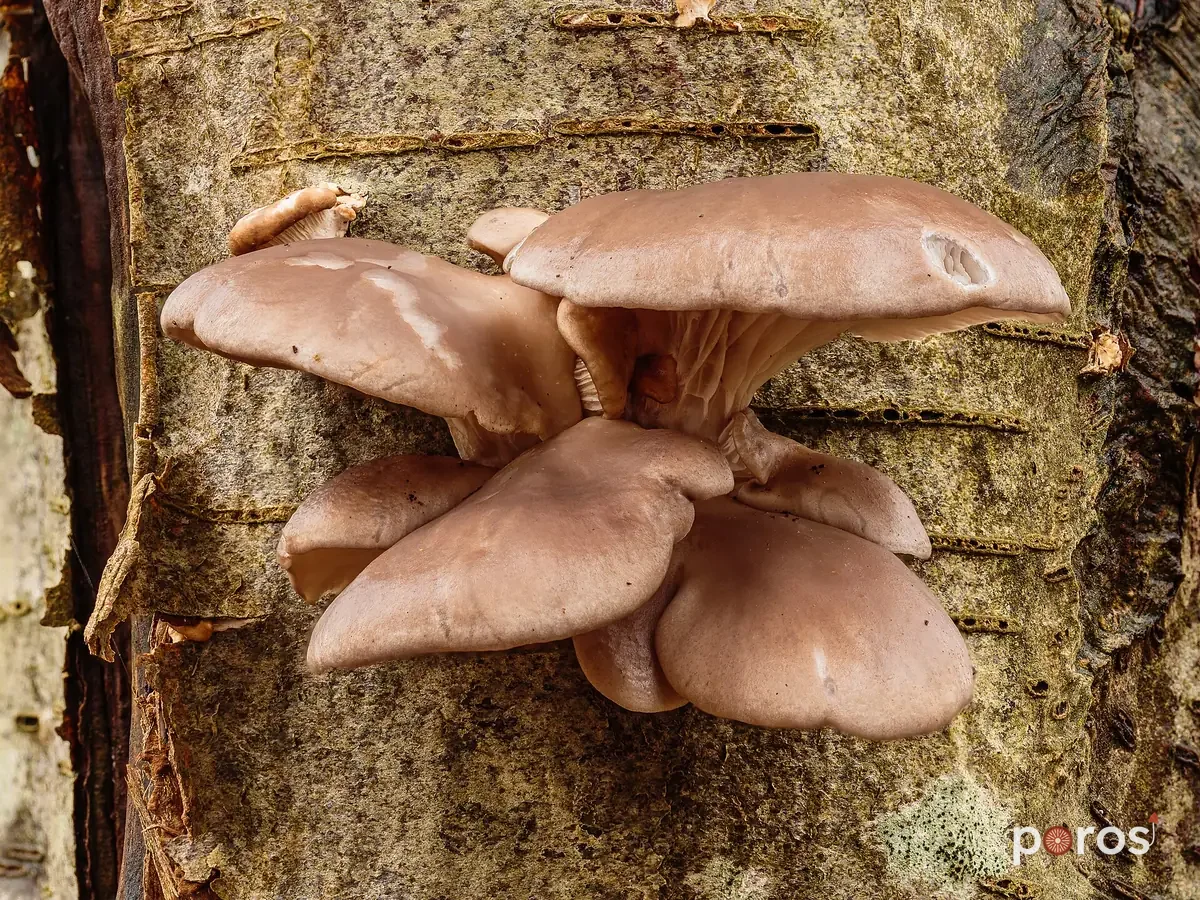
Oyster mushroom Pleurotus ostreatus
Grows in tiers on wood with a short or absent stem.
Nebrodi oyster Pleurotus nebrodensis
A close relative shown by molecular studies to be a distinct species.
In the kitchen
Cooking with king oyster mushrooms
Storing king oyster mushrooms
What it contains
A study of 15 Turkish isolates of the king oyster mushroom found phosphorus, magnesium, iron, manganese and zinc were higher in the cap, and potassium, calcium and sodium higher in the stem. Source
General information, not a health claim.
Grow it, buy it
King oyster mushroom price list
| Product | Us | Market (sourced, dated) |
|---|---|---|
| King oyster mushroom grow kit · Small | In preparation · notify me | — |
| King oyster mushroom grow kit · Large | In preparation · notify me | — |
| King oyster mushroom grow kit · Mega | In preparation · notify me | — |
| Fresh king oyster mushrooms | In preparation · notify me | — |
| Dried king oyster mushrooms | In preparation · notify me | — |
Our prices for king oyster mushrooms are published when the product is ready; for now we take waiting-list sign-ups. The market column shows prices seen on other sellers' pages on the date given; they are not our prices and may have changed.
Frequently asked questions
Are king oyster mushrooms edible?
Yes, the king oyster mushroom is an edible species. Eat a wild one only after an expert has identified it with certainty.
When is king oyster mushroom season in Turkey?
In our calendar, king oyster mushroom season runs Mar–Jun. The king oyster mushroom has a short spring season in the mountains of eastern Anatolia, and GBIF records from Turkey fall in March, April and June. Cultivated king oysters are produced all year round.
Where do king oyster mushrooms grow?
The king oyster mushroom ranges from the Atlantic through the Mediterranean basin and Central Europe to Western Asia and India, on root residues of carrot-family plants such as Eryngium and Ferula. In cultivation it is grown on wheat straw, corn stalks and poplar sawdust.
Where are king oyster mushrooms found in Turkey?
The king oyster mushroom grows wild in the mountains of eastern Anatolia, especially around Arguvan (Malatya), Tunceli, Erzincan and Adıyaman. Its Turkish populations fall into six genetic groups.
What can the king oyster mushroom be confused with?
The king oyster mushroom can be confused with oyster mushroom (Pleurotus ostreatus, edible species) and nebrodi oyster (Pleurotus nebrodensis, edible species). Look-alikes are compared on this page.
What is the king oyster mushroom called in Turkish?
In Turkish, the king oyster mushroom (Pleurotus eryngii) is called Çaşır mantarı (kral istiridye); other local names include kral istiridye, caşur, heliz, kırkor, körek, göbelek and mendik mantarı.
Related species
-
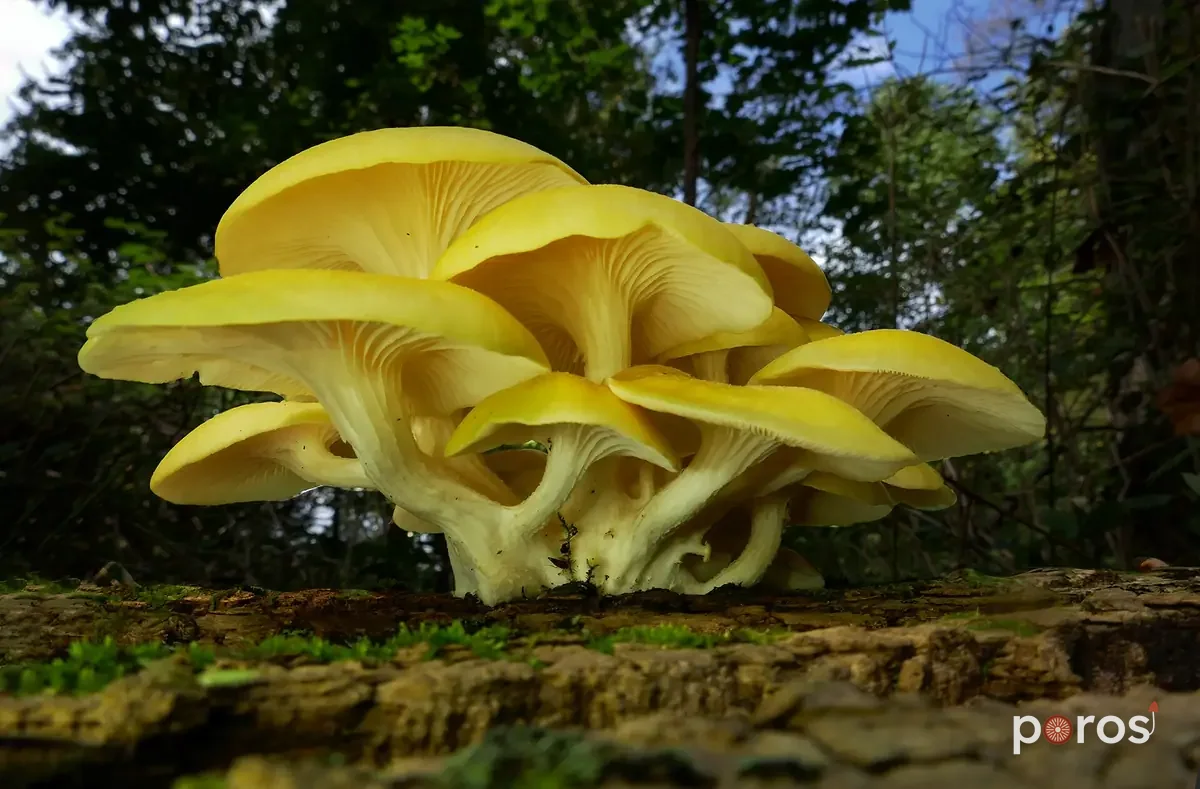 Golden oyster mushroomPleurotus citrinopileatusEdible species
-
Oyster mushroomPleurotus ostreatusEdible species
-
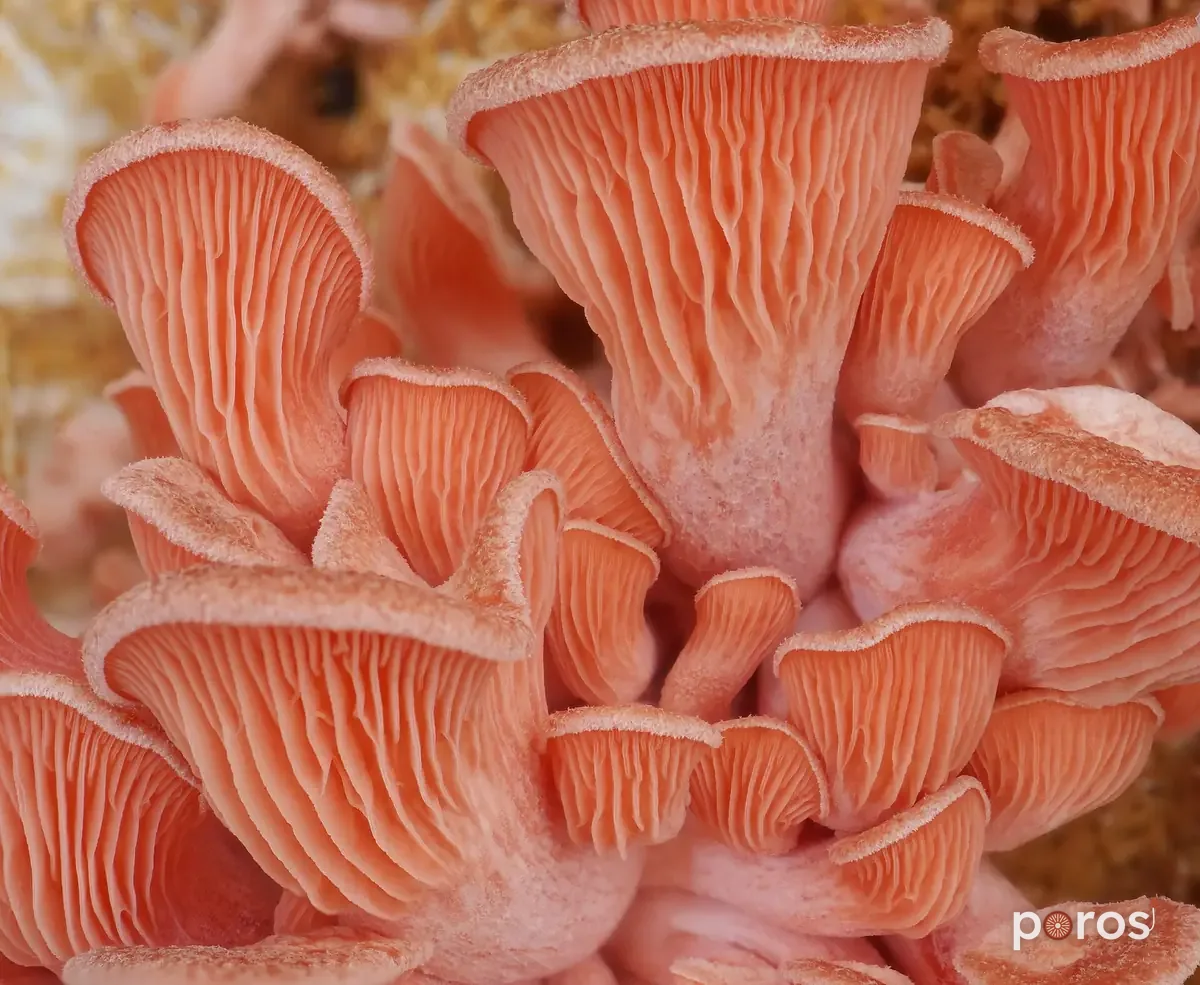 Pink oyster mushroomPleurotus djamorEdible species
-
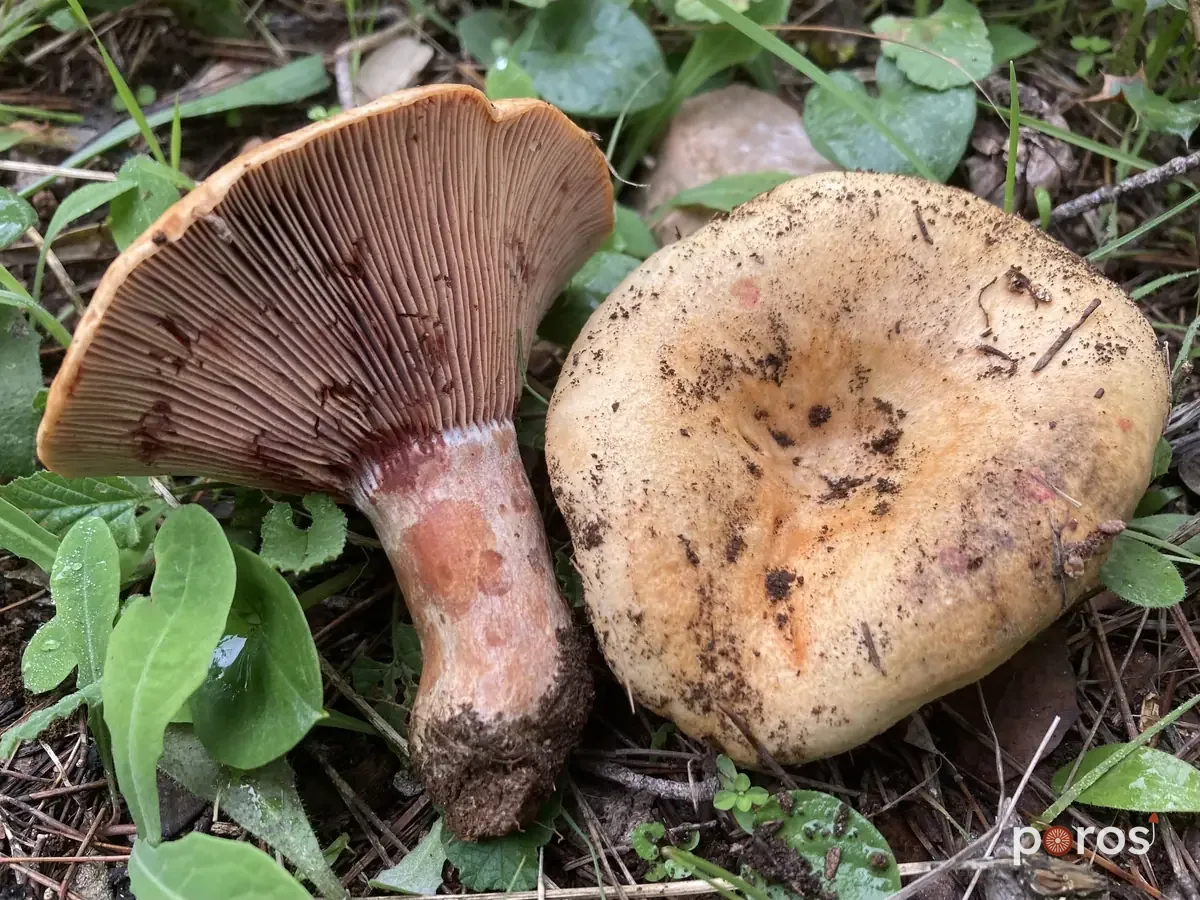 Bloody milk capLactarius sanguifluusEdible species
-
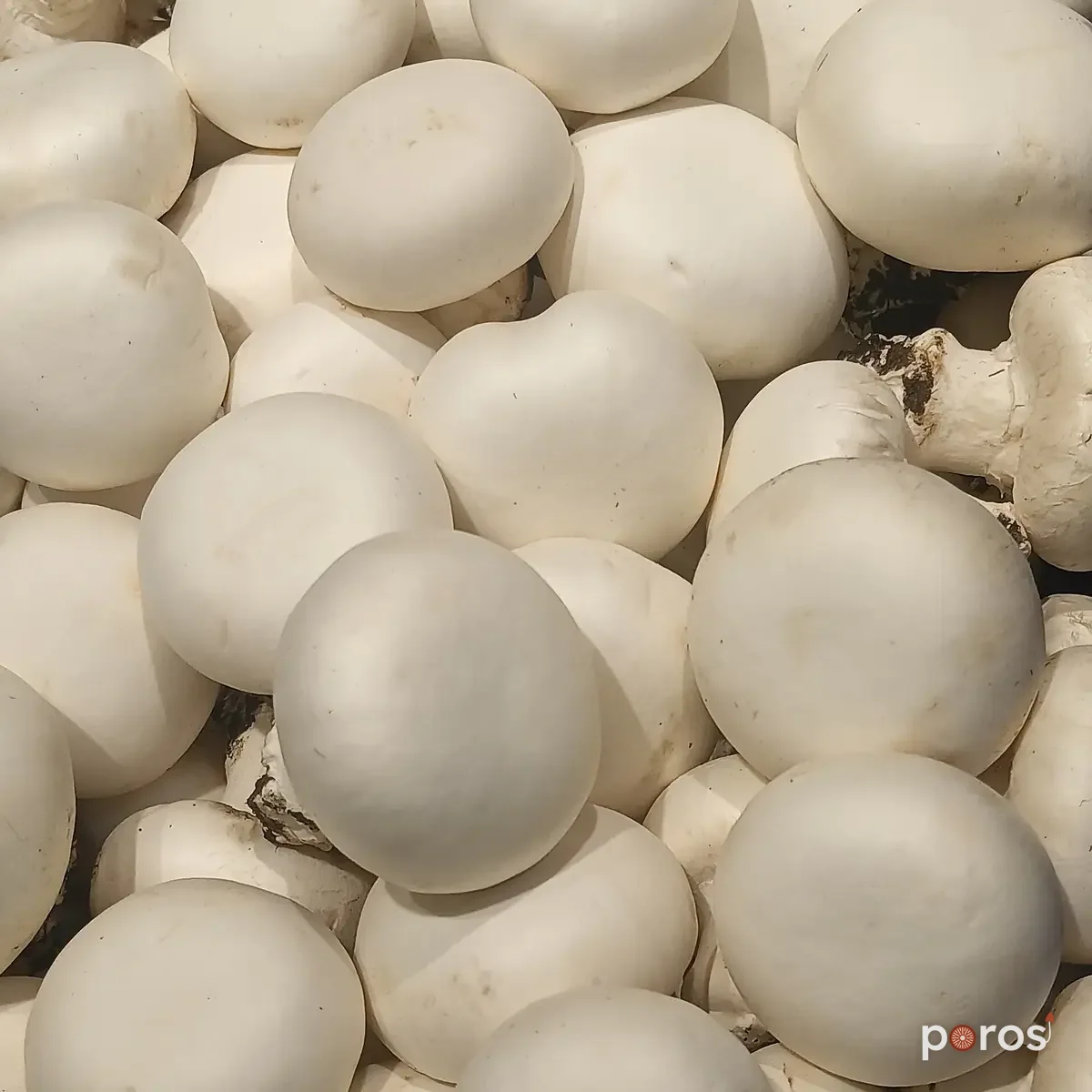 Button mushroomAgaricus bisporusEdible species
-
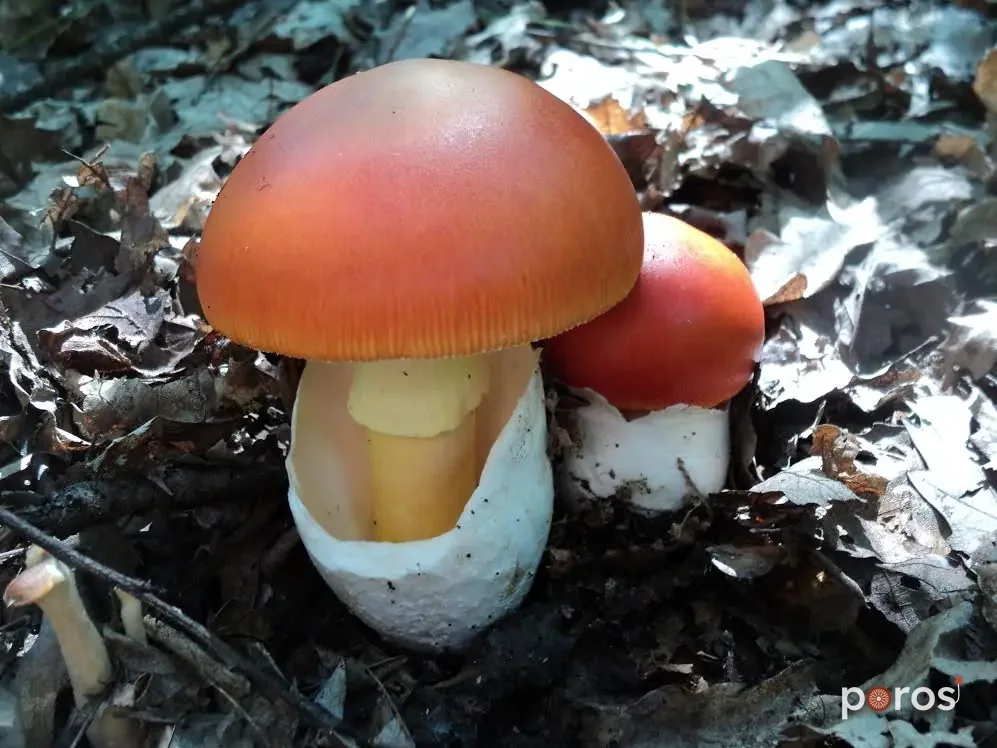 Caesar’s mushroomAmanita caesareaEdible species
-
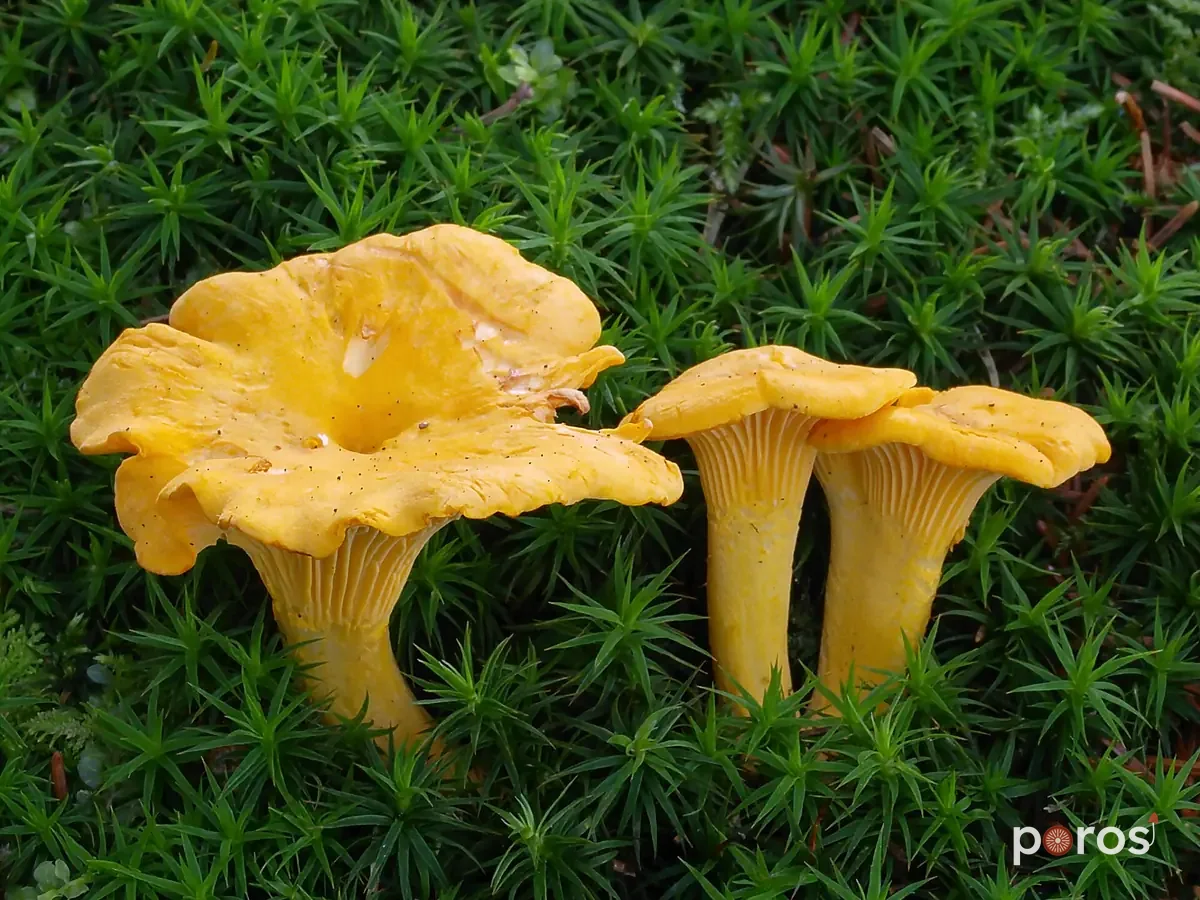 ChanterelleCantharellus cibariusEdible species
-
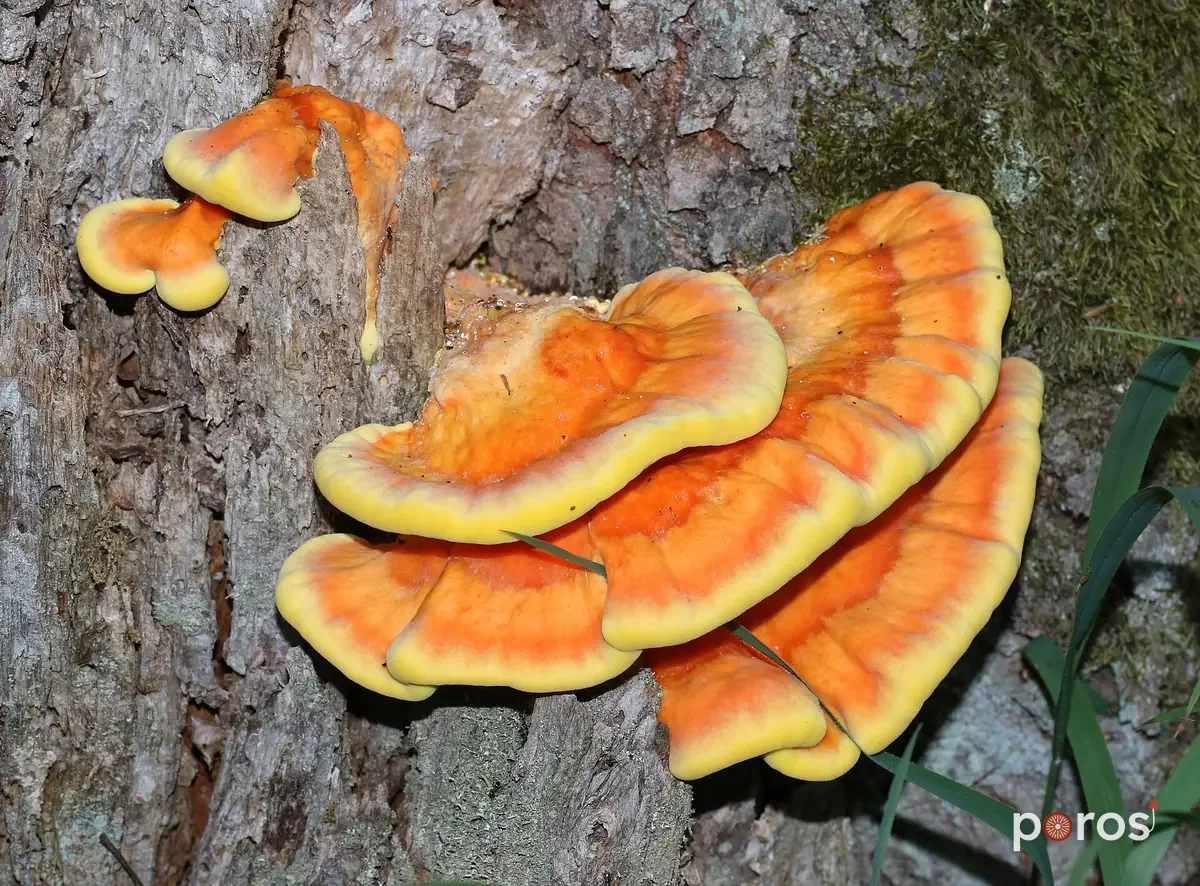 Chicken of the woodsLaetiporus sulphureusEdible species
Sources (6)
- Wikipedia (EN): Pleurotus eryngii · checked 26 Oct 2026
- OGM Doğu Akdeniz: Çaşır mantarının yetişme ortamı istekleri (2018) · checked 26 Oct 2026
- Atatürk Üniv.: Doğu Anadolu'nun lezzeti çaşır mantarı (P. eryngii var. ferulae) · checked 26 Oct 2026
- TR Dizin: Farklı yetiştirme ortamlarının P. eryngii verimine etkisi · checked 26 Oct 2026
- AGRIS: P. eryngii izolatlarının mineral içeriği · checked 26 Oct 2026
- GBIF: Türkiye kayıtları · checked 26 Oct 2026
Photo credits (10)
- File:Seta de cardo (Pleurotus eryngii), 2012-10-03, DD 01.JPG · Diego Delso · CC BY-SA 3.0
- Pleurotus eryngii · iNaturalist #189118284 · szegedigombasz · CC0
- Pleurotus eryngii · iNaturalist #67307840 · Roman · CC BY 4.0
- Pleurotus eryngii · iNaturalist #364441702 · Manuela Fiorini · CC BY 4.0
- Pleurotus eryngii · iNaturalist #54143764 · Nico Hernandez · CC BY 4.0
- File:Pleurotus eryngii (de Kräuterseitling) cultivated in Korea, sold in Austria.crop.jpg · Wolfgang H. Wögerer · CC BY-SA 3.0
- File:Kräuter-Seitling Pleurotus eryngii.jpg · Holger Krisp · CC BY 3.0
- File:Cultivo de Pleurotus eryngii de tipo coreano en Pradejón.jpg · Pradejoniensis · CC BY-SA 3.0
- Pleurotus eryngii · iNaturalist #247912226 · Cenaida · CC BY 4.0
- Pleurotus eryngii · iNaturalist #326034686 · Nico Hernandez · CC BY 4.0


