
Lion’s mane
Hericium erinaceus · Hericiaceae
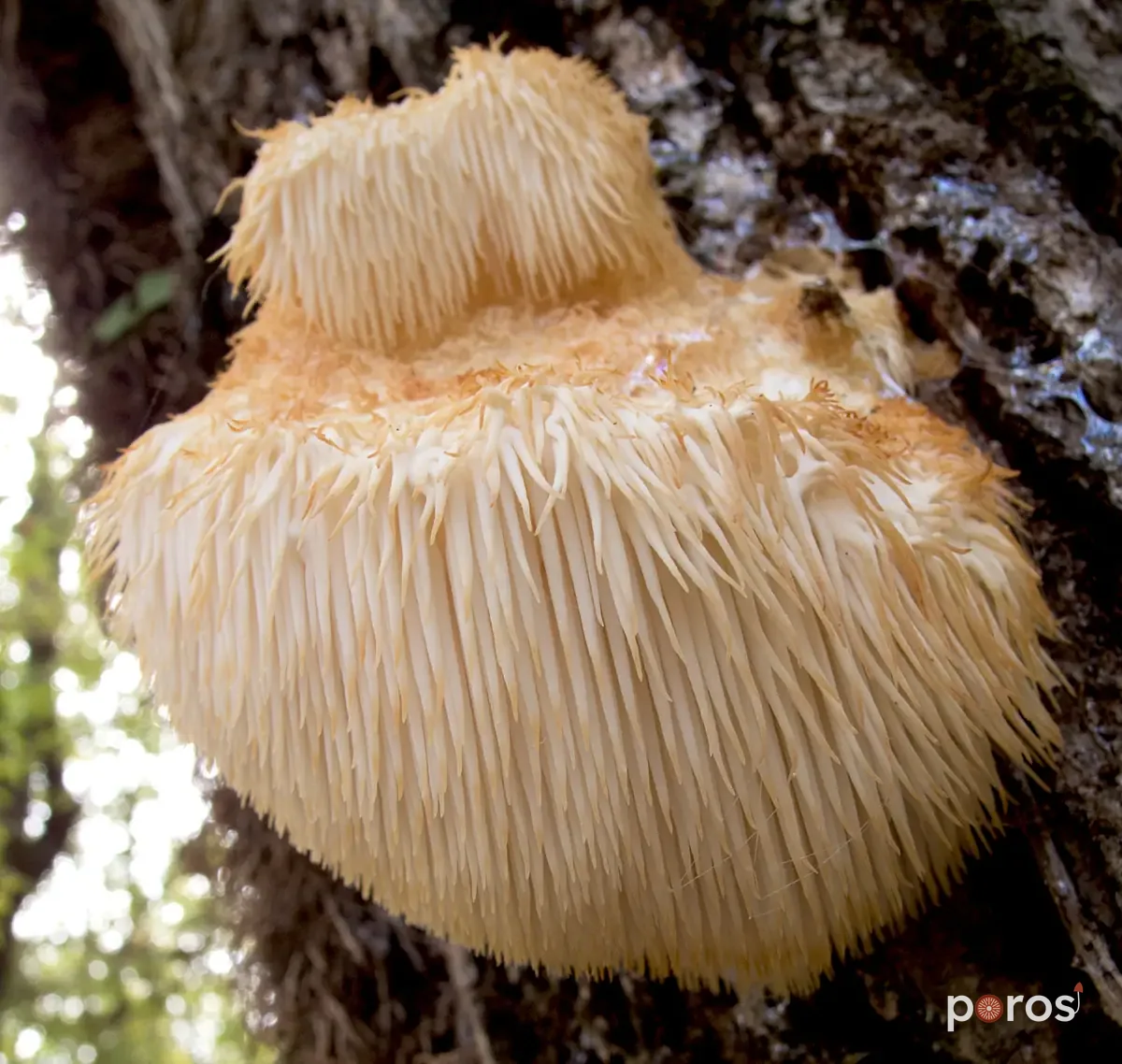
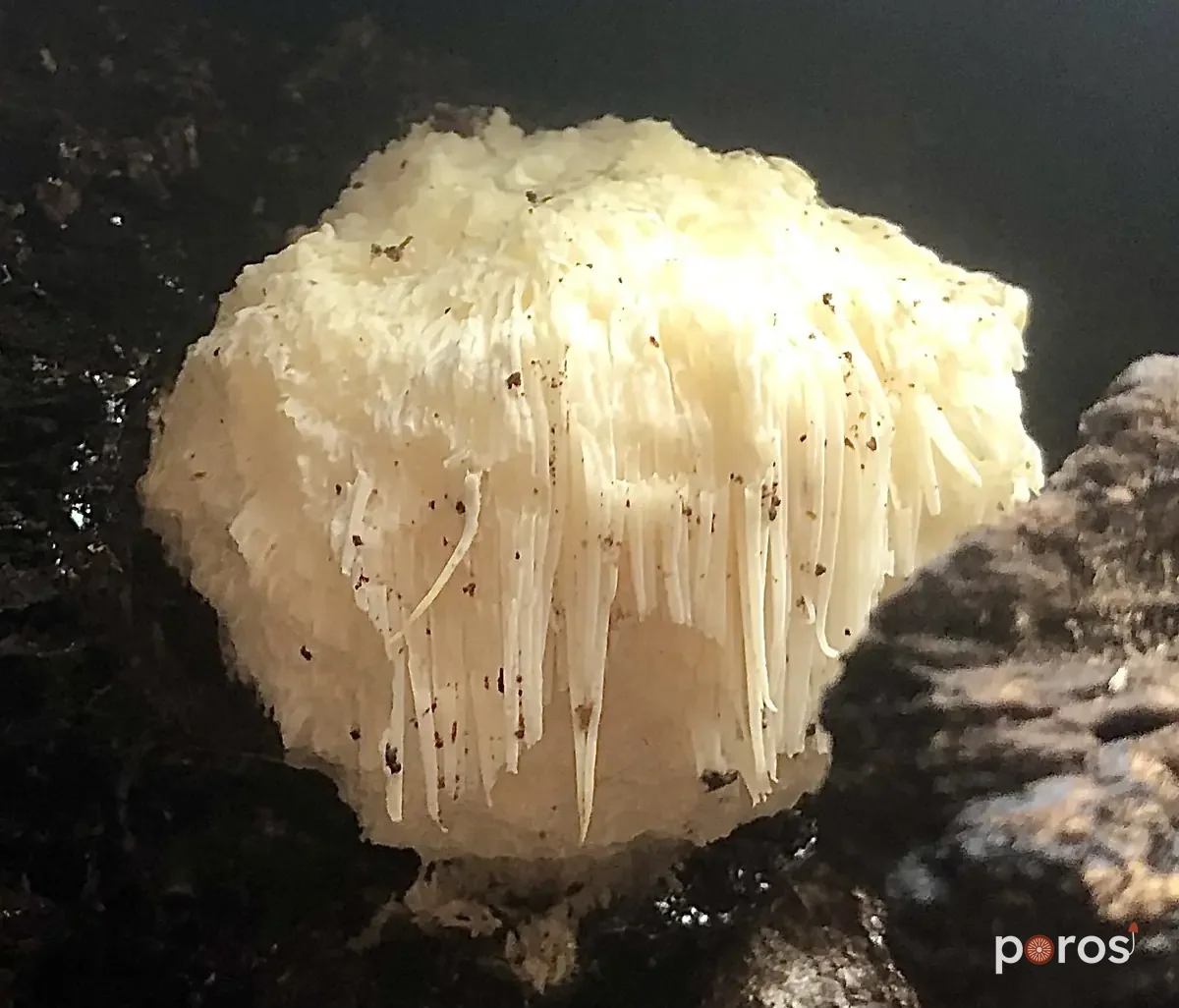
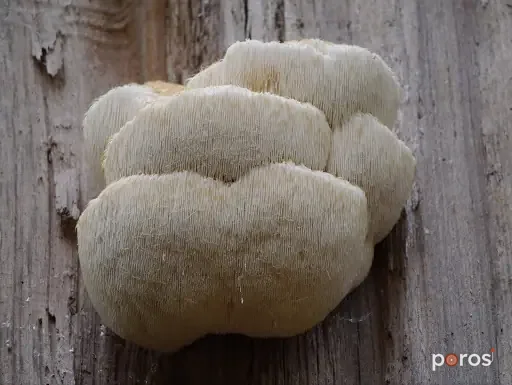
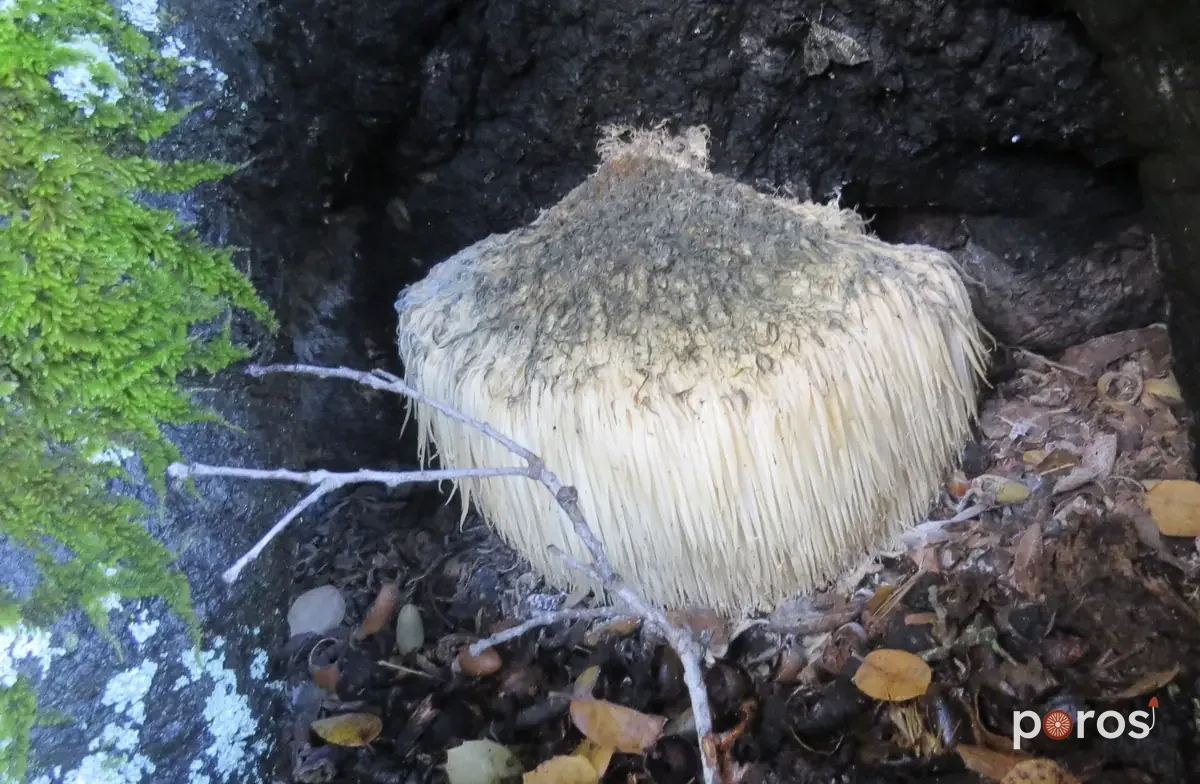
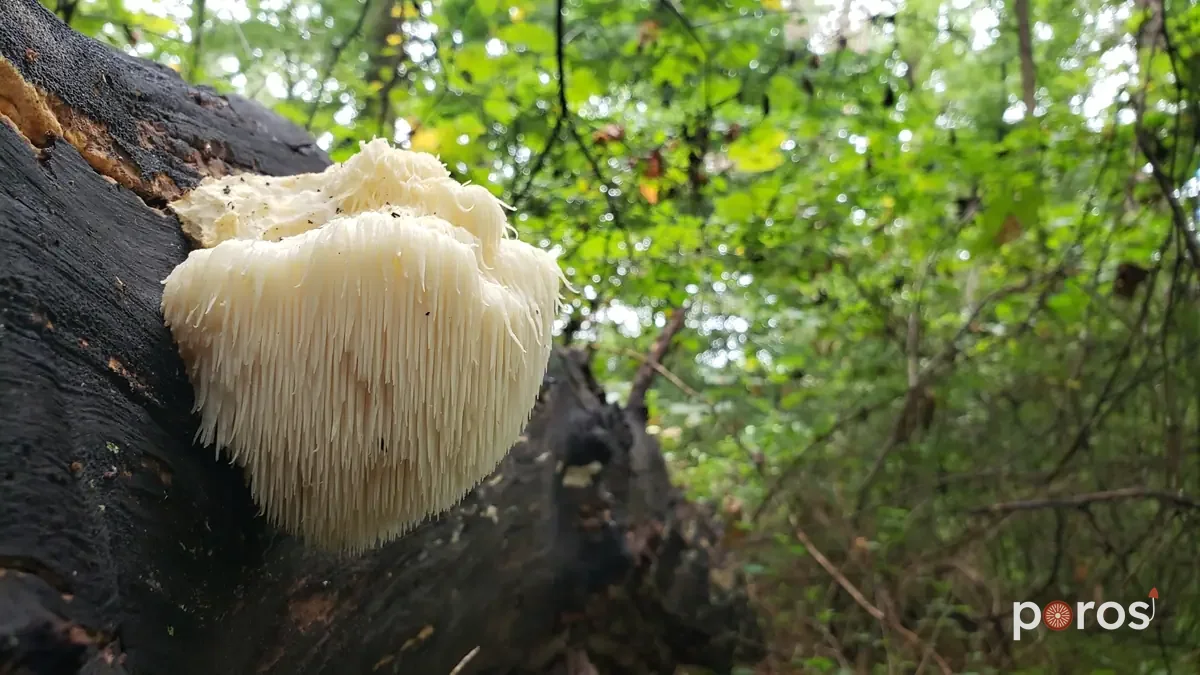
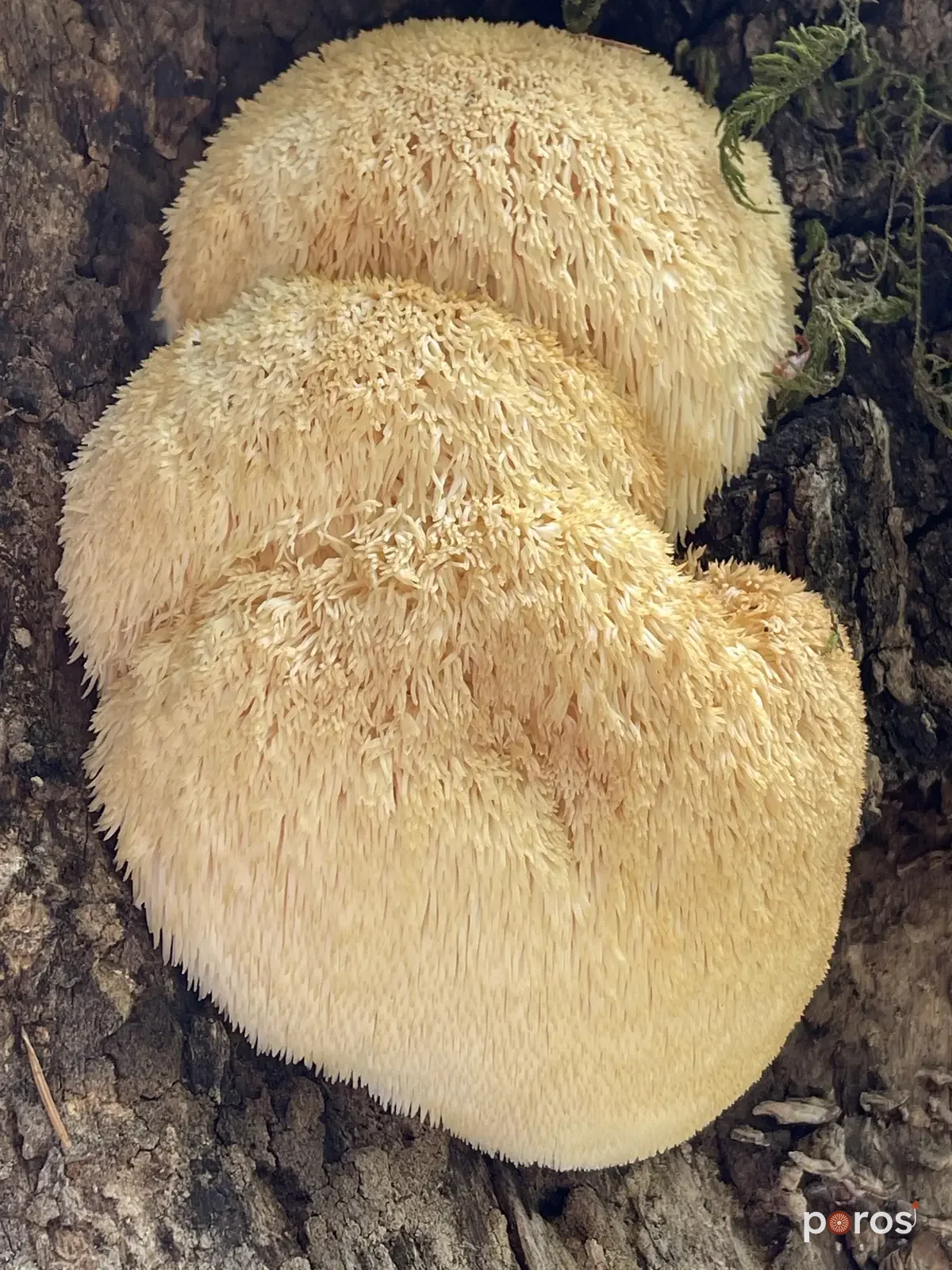
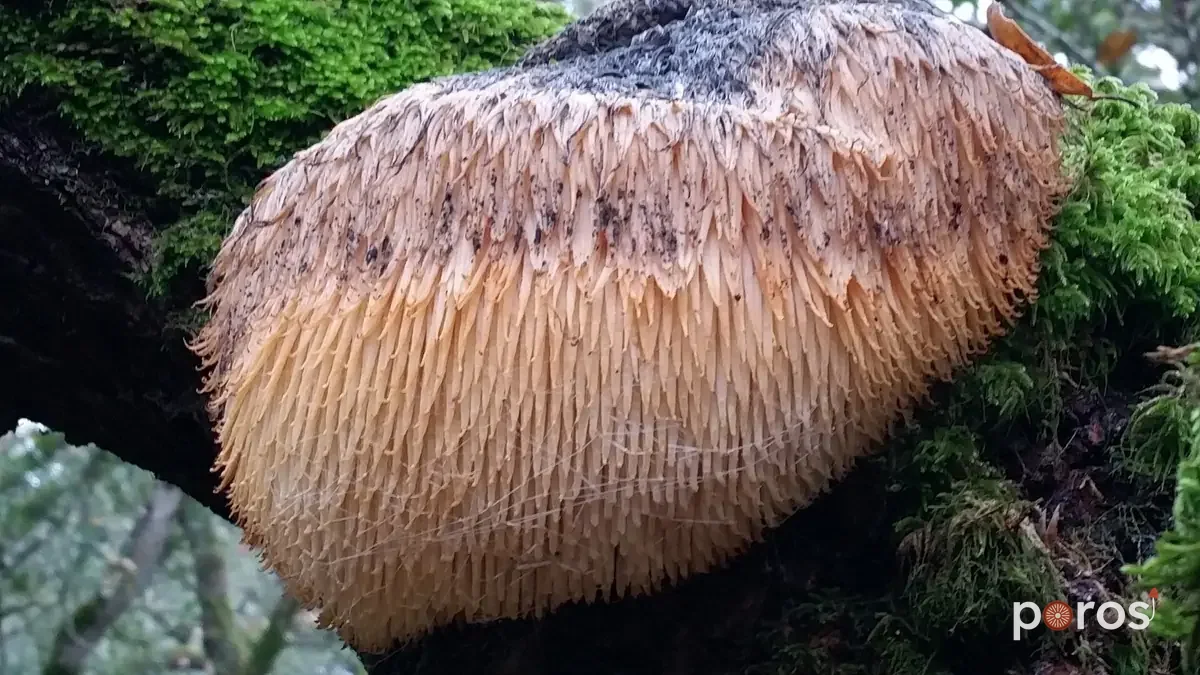
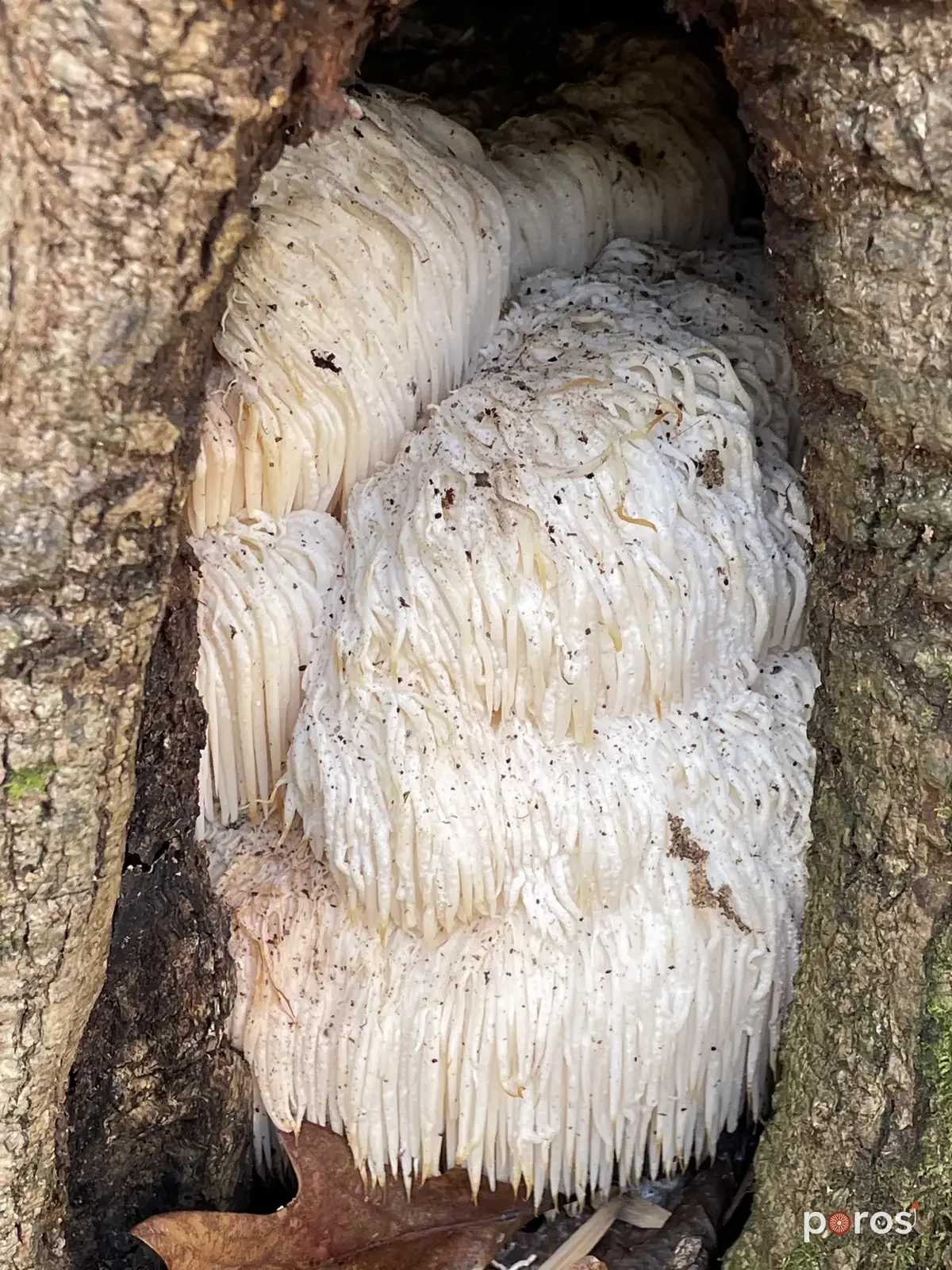
Lion's mane is a tooth fungus with no cap or gills: a single white clump of dangling spines more than 1 cm long.
Lion's mane is a tooth fungus with no cap or gills: a single white clump of dangling spines more than 1 cm long. Cooked, its texture is often compared to lobster, which makes it a favourite with chefs. It is used in traditional Chinese medicine, but its effectiveness and its safety as a supplement are unproven.
Also called: bearded tooth fungus, bearded hedgehog, yamabushitake, monkey head mushroom Turkish: Aslan yelesi, aslan yelesi mantarı
How to recognise it
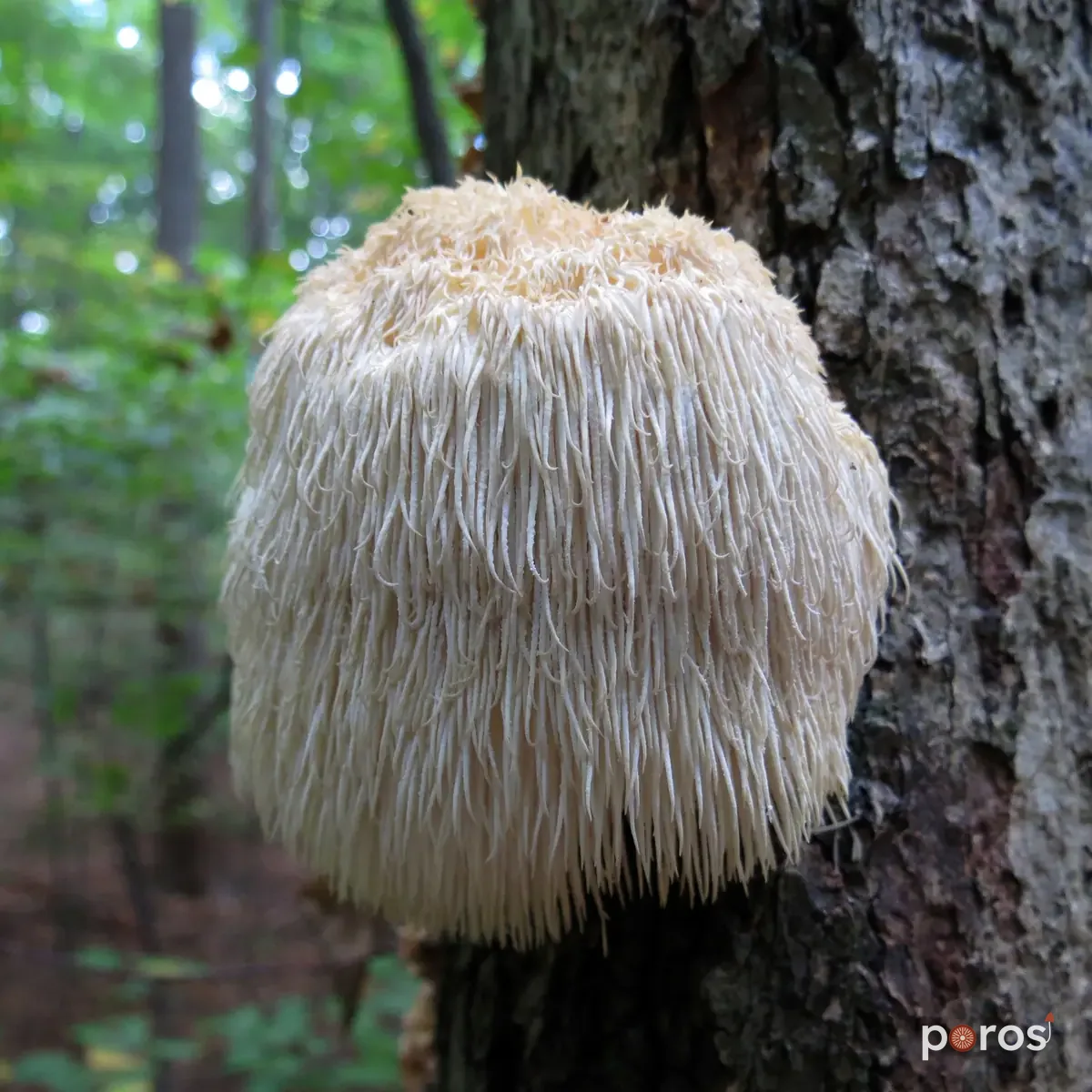
Lion’s mane, part by part
No ring or volva Spore print: White Not distinctive.
When and where
Aug–Nov
- Jan
- Feb
- Mar
- Apr
- May
- Jun
- Jul
- Augin season
- Sepin season
- Octin season
- Novin season
- Dec
Lion's mane fruits from August to November in Europe (from July in Britain). In Turkey, GBIF records fall in June, September and October.
Where does lion's mane grow?
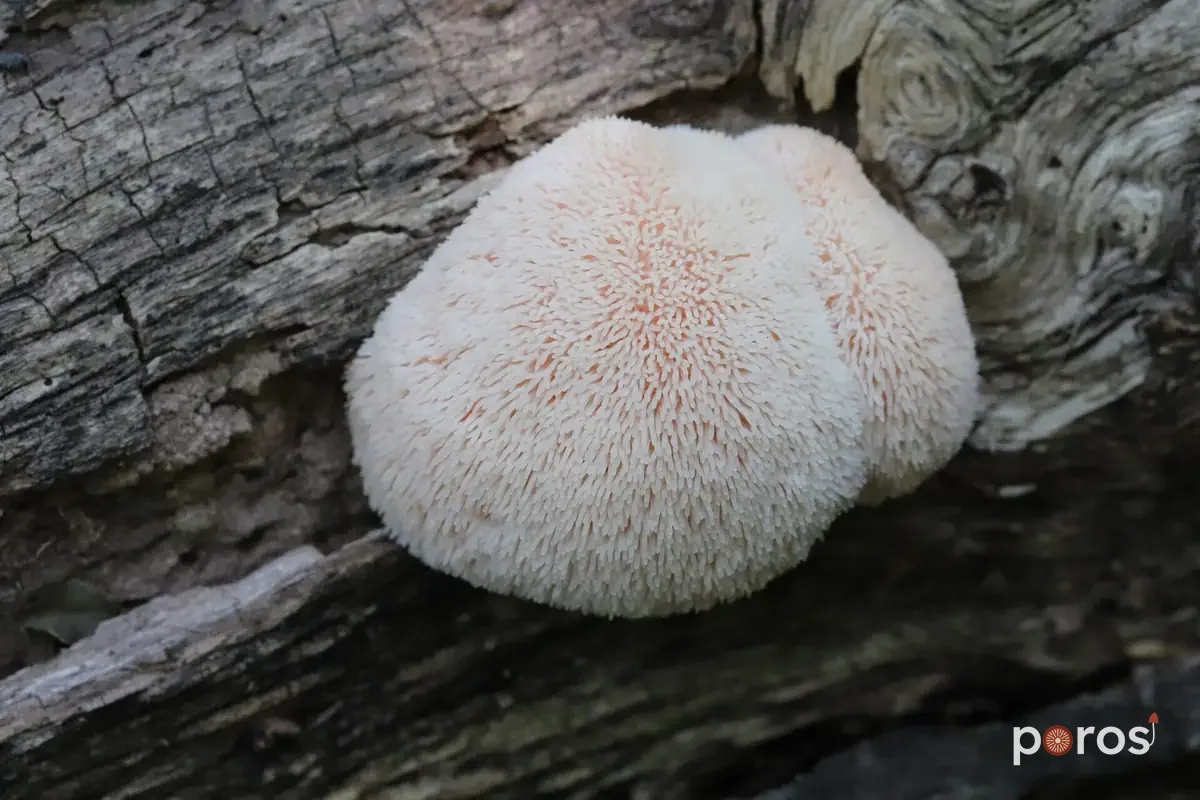
Lion's mane grows in wounds on old broadleaf trees (especially beech and oak, also maple) and on stumps and fallen trunks. It has been seen fruiting on and off on the same dead tree for 20 years.
In Turkey
Lion's mane is rarely recorded in Turkey. It is red-listed in several European countries, so if you find one in the wild, photograph it rather than pick it.
- İstanbul5
- Muğla1
- Kastamonu1
7 observations on our map (GBIF, iNaturalist). Record density also reflects where observers work.
Latest lion's mane observations

Look-alikes
What could it be confused with?
Coral tooth fungus Hericium coralloides
Same genus; branches like coral instead of forming one clump, with shorter spines.
Bear's head tooth Hericium americanum
Spines hang from several branches; a North American species.
In the kitchen
Cooking with lion's mane
What goes well with lion's mane
- olive oil
- butter
- garlic
- thyme
- lemon
- chilli flakes or flaky sea salt
The ingredients in our recipe with lion's mane.
Storing lion's mane
What it contains
Lion's mane contains polysaccharides such as beta-glucan, plus hericenones and erinacines. These compounds are being researched; no effect on human health has been proven. Source
General information, not a health claim.
Grow it, buy it
Lion's mane price list

Waiting list
Lion’s mane tea
Hericium erinaceus
A dried lion's mane blend; a soft, faintly sweet brew.
Waiting list
Lion’s mane capsules
Hericium erinaceus
Lion's mane extract under our own label, once approval is through.

Waiting list openDifficulty 2/3
Lion’s mane grow kit
Hericium erinaceus
A snow-white pompom of spines; a chef favourite with a lobster-like bite.
| Product | Us | Market (sourced, dated) |
|---|---|---|
| Lion's mane grow kit · Small | Coming soon · waiting list | — |
| Lion's mane grow kit · Large | Coming soon · waiting list | — |
| Lion's mane grow kit · Mega | Coming soon · waiting list | — |
| Fresh lion's mane | In preparation · notify me | — |
| Dried lion's mane | In preparation · notify me | — |
| Lion's mane tea | Coming soon · waiting list | — |
| Lion's mane capsules (food supplement) | Coming soon · waiting list | 1.950,00 ₺ Vitallin (narecza.com) · 60 tablets containing lion's mane (food supplement) · 26 Oct 2026 |
Our prices for lion's mane are published when the product is ready; for now we take waiting-list sign-ups. The market column shows prices seen on other sellers' pages on the date given; they are not our prices and may have changed.
Frequently asked questions
Is lion's mane edible?
Yes, lion's mane is an edible species. Eat a wild one only after an expert has identified it with certainty.
When is lion's mane season in Turkey?
In our calendar, lion's mane season runs Aug–Nov. Lion's mane fruits from August to November in Europe (from July in Britain). In Turkey, GBIF records fall in June, September and October.
Where does lion's mane grow?
Lion's mane grows in wounds on old broadleaf trees (especially beech and oak, also maple) and on stumps and fallen trunks. It has been seen fruiting on and off on the same dead tree for 20 years.
Where is lion's mane found in Turkey?
Lion's mane is rarely recorded in Turkey. It is red-listed in several European countries, so if you find one in the wild, photograph it rather than pick it.
What can lion's mane be confused with?
Lion's mane can be confused with coral tooth fungus (Hericium coralloides, edible species) and Bear's head tooth (Hericium americanum, edible species). Look-alikes are compared on this page.
What is lion's mane called in Turkish?
In Turkish, lion's mane (Hericium erinaceus) is called Aslan yelesi; other local names include aslan yelesi mantarı.
Related species
-
 Bloody milk capLactarius sanguifluusEdible species
-
 Button mushroomAgaricus bisporusEdible species
-
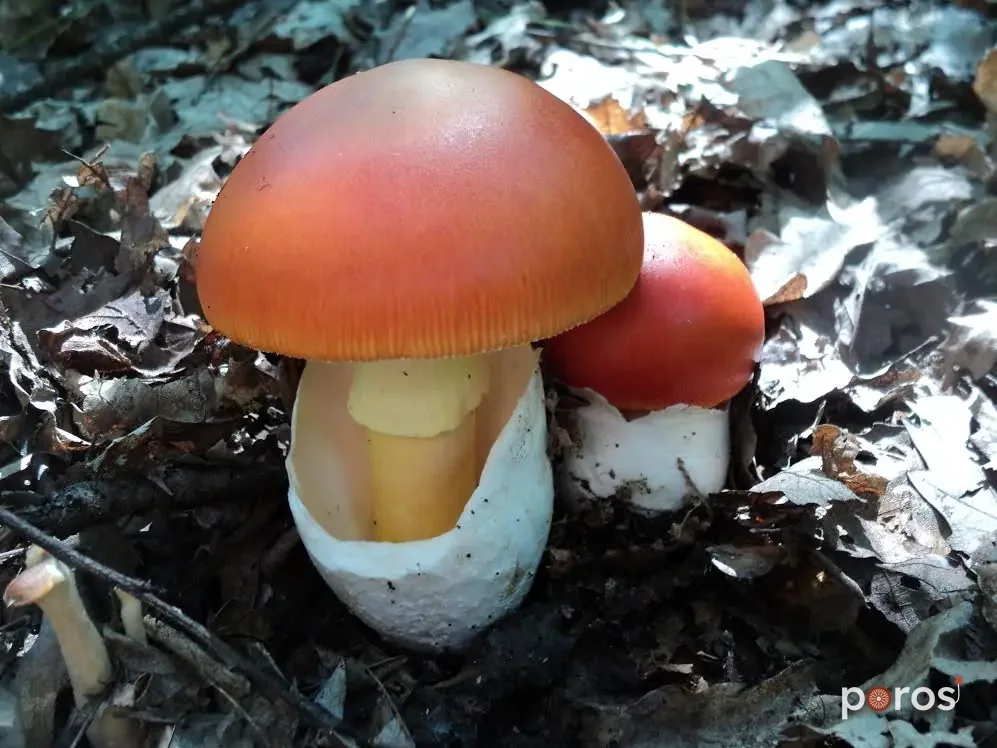 Caesar’s mushroomAmanita caesareaEdible species
-
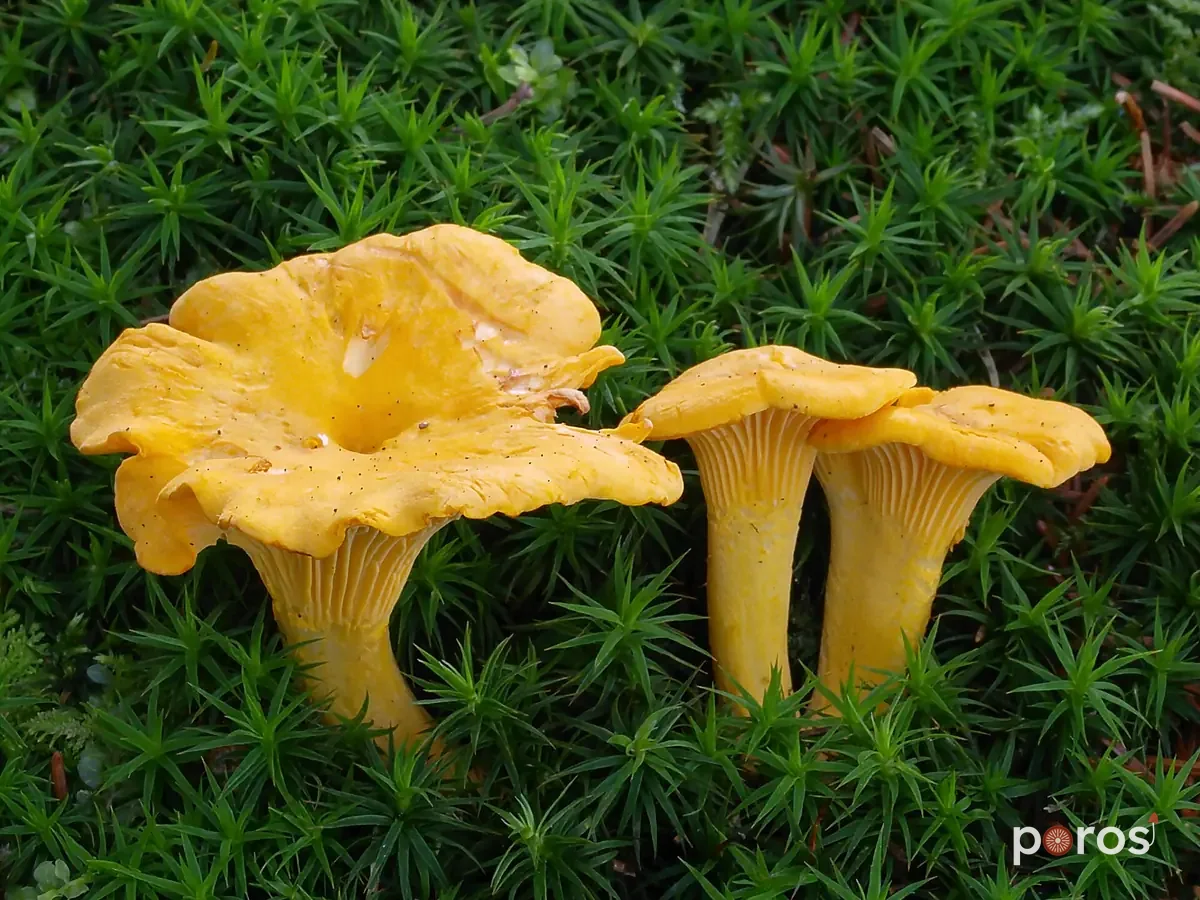 ChanterelleCantharellus cibariusEdible species
-
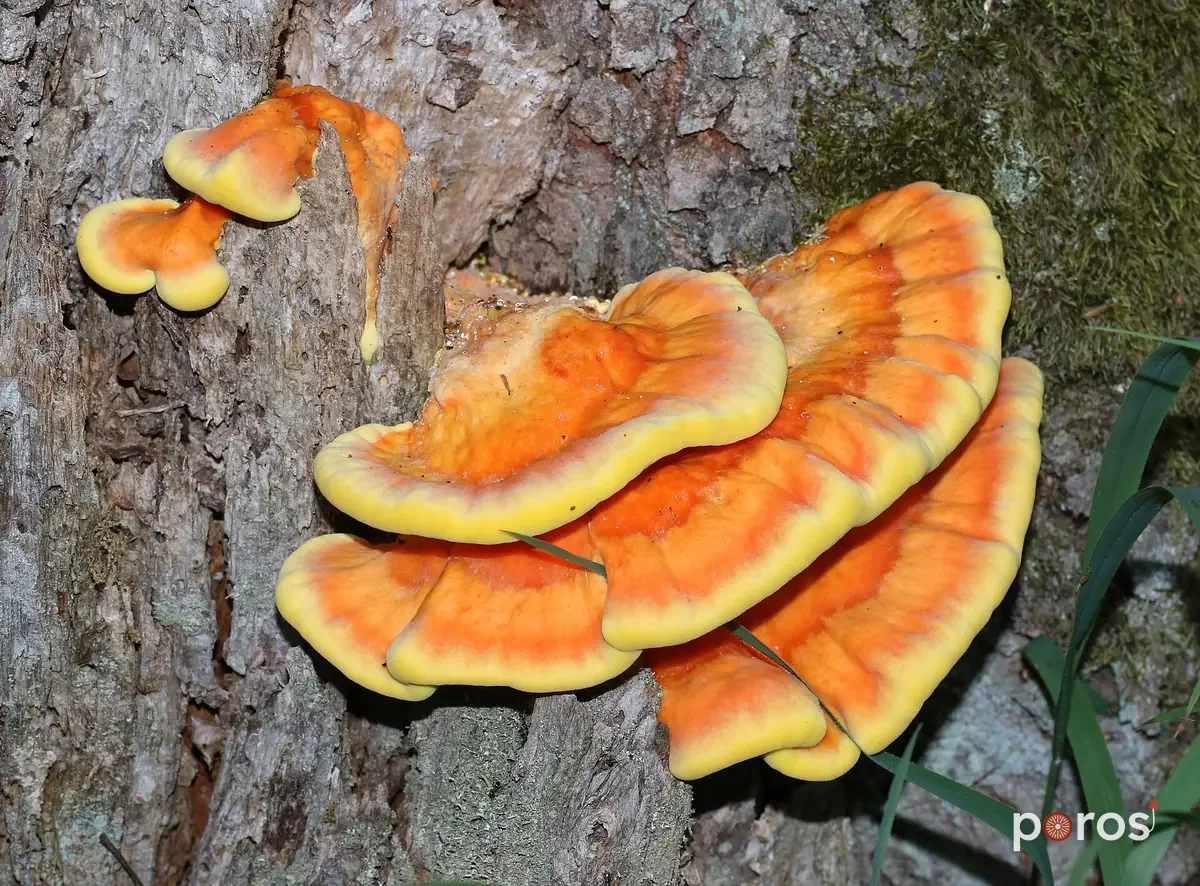 Chicken of the woodsLaetiporus sulphureusEdible species
-
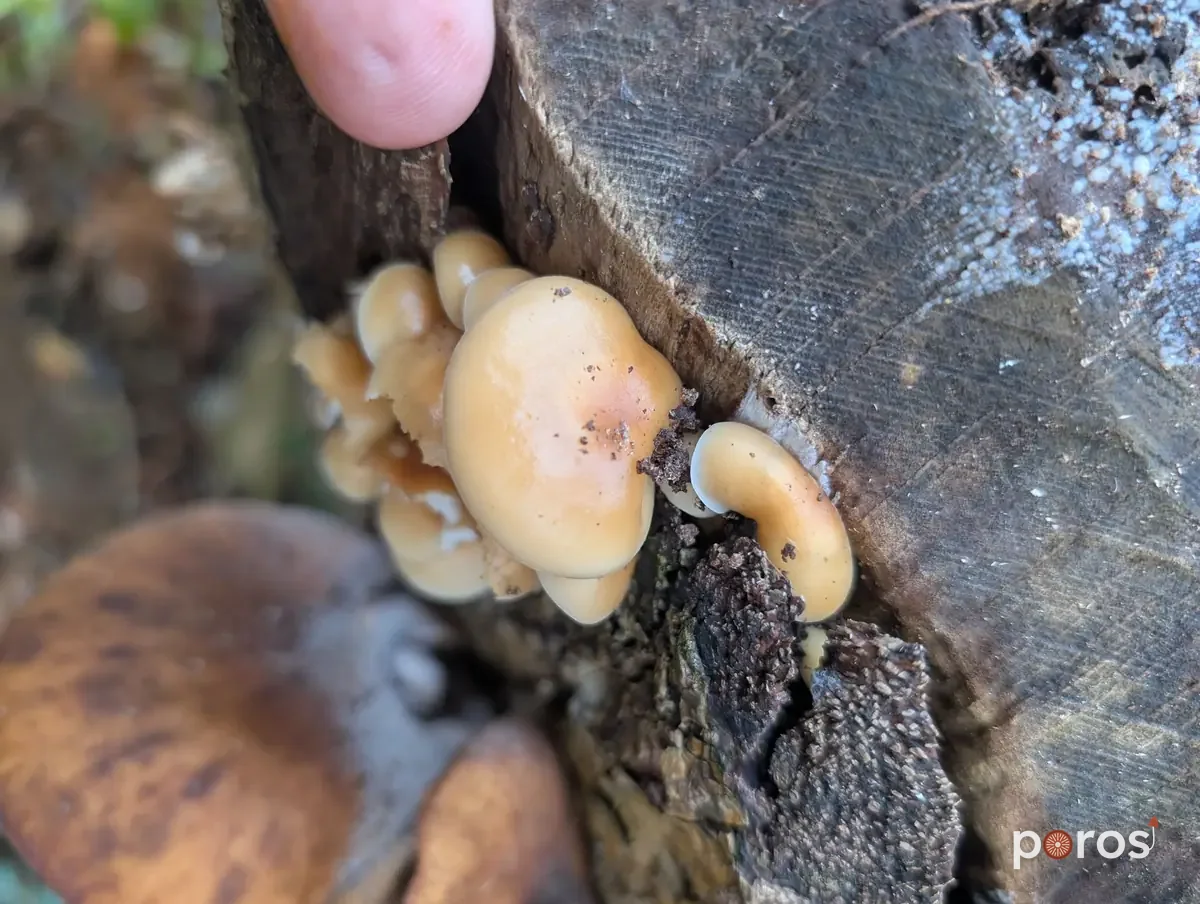 EnokiFlammulina filiformisEdible species
-
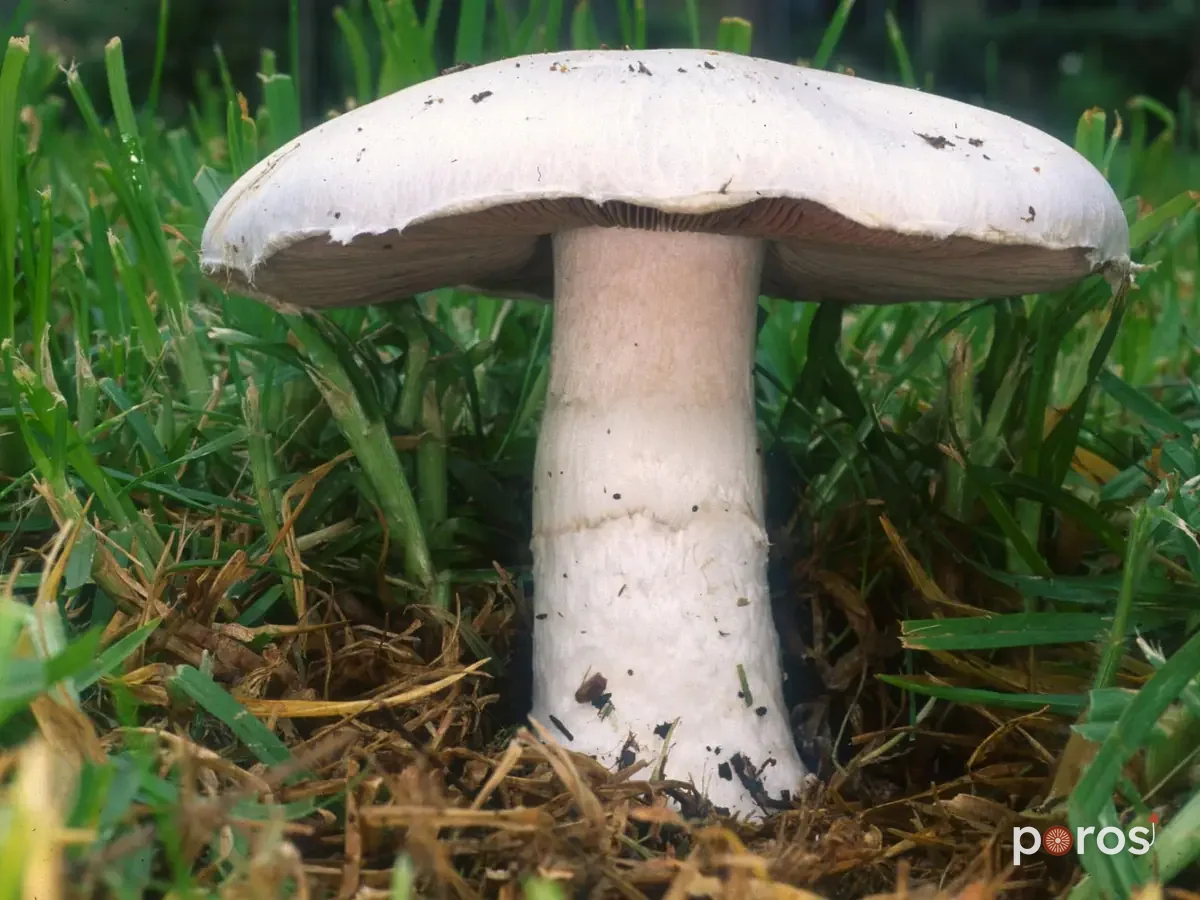 Field mushroomAgaricus campestrisEdible species
-
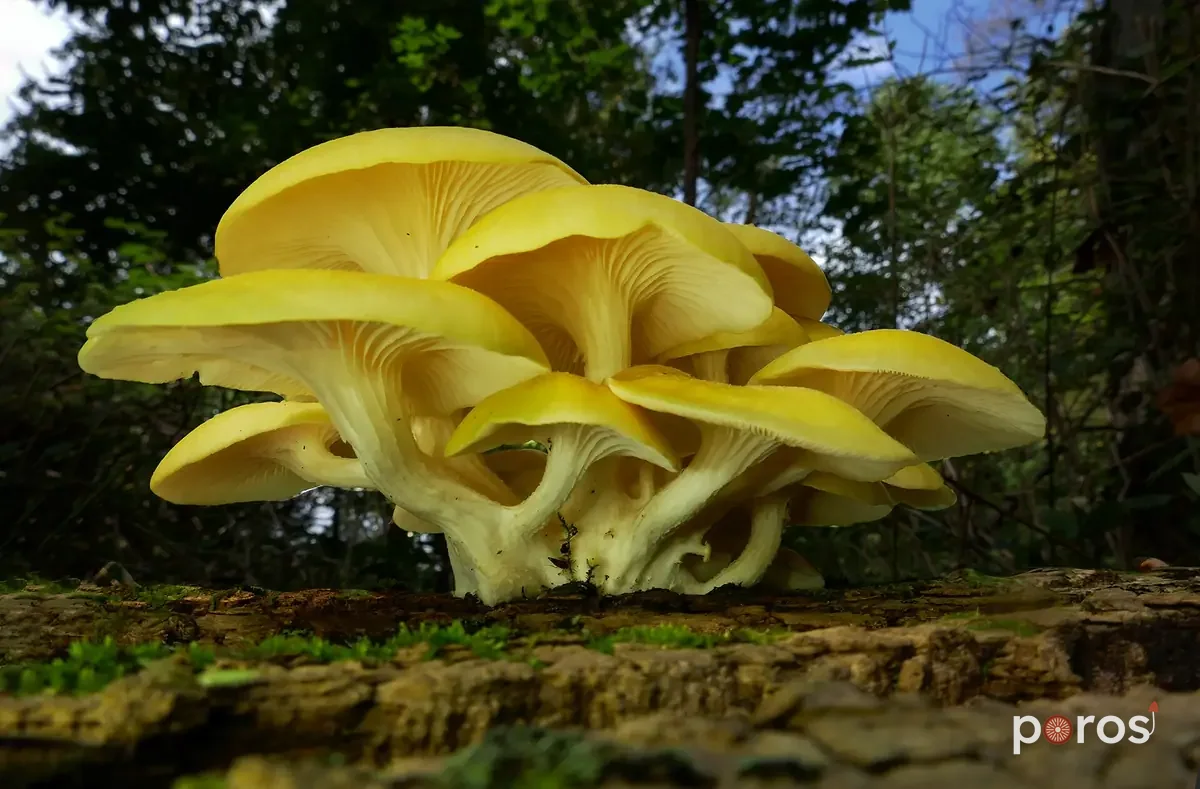 Golden oyster mushroomPleurotus citrinopileatusEdible species
Sources (4)
- Wikipedia (EN): Hericium erinaceus · checked 26 Oct 2026
- First Nature: Hericium erinaceus · checked 26 Oct 2026
- MushroomExpert: Hericium erinaceus · checked 26 Oct 2026
- GBIF: Türkiye kayıtları · checked 26 Oct 2026
Photo credits (10)
- Hericium erinaceus · iNaturalist #4516268 · katunchik · CC BY 4.0
- File:Hericium erinaceus 102127376.jpg · Alex · CC0
- Hericium erinaceus · iNaturalist #9807255 · Katja Schulz · CC BY 4.0
- File:Hericium erinaceus 108828888.jpg · Ken Kneidel · CC0
- Hericium erinaceus · iNaturalist #101119967 · Annie Weissman · CC BY 4.0
- Hericium erinaceus · iNaturalist #140023 · Matt Muir · CC BY 4.0
- File:Hericium erinaceus 157746043.jpg · Nina Filippova · CC BY 4.0
- File:Hericium erinaceus 111475715.jpg · Garth Harwood · CC BY 4.0
- Hericium erinaceus · iNaturalist #59167771 · George Pushkal · CC BY 4.0
- File:Hericium erinaceus 116231078.jpg · rappman · CC BY 4.0


