
Field mushroom
Agaricus campestris · Agaricaceae
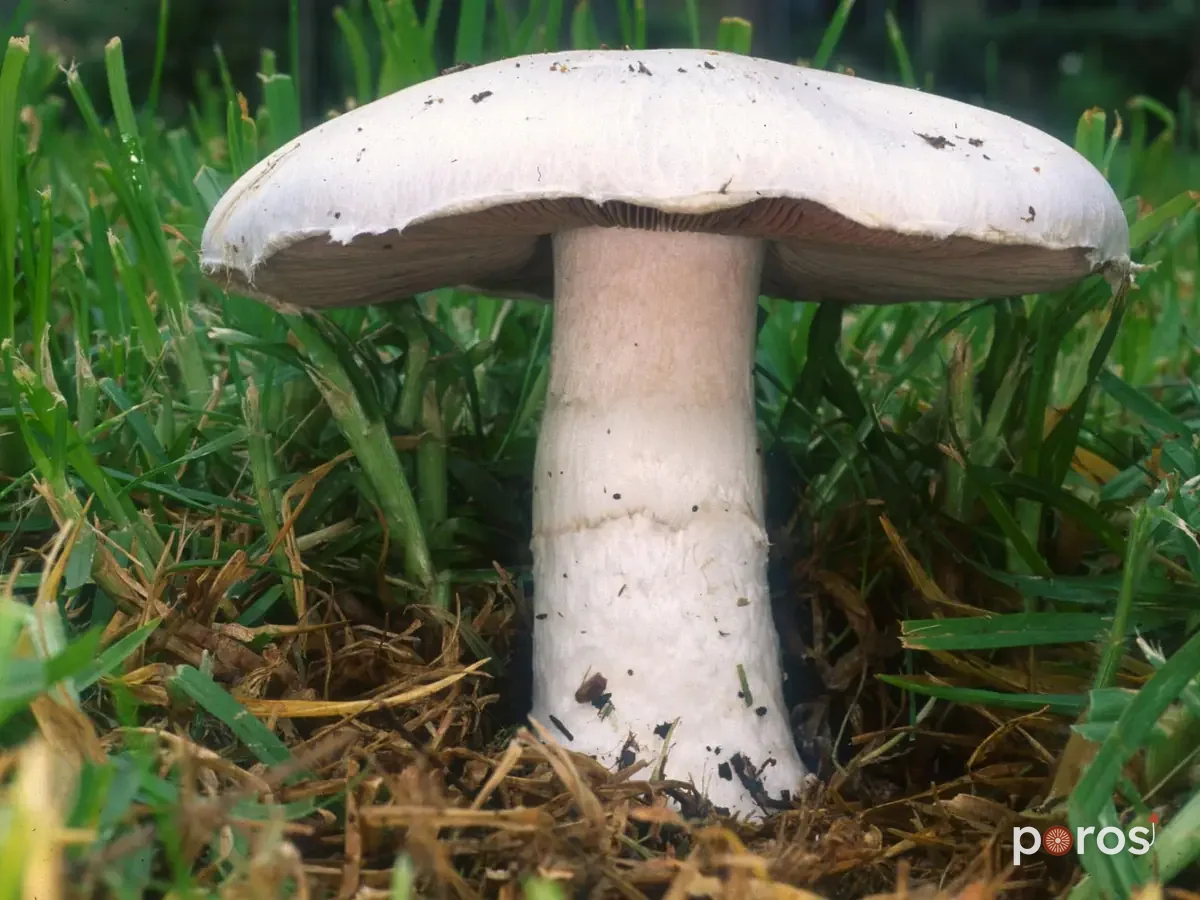
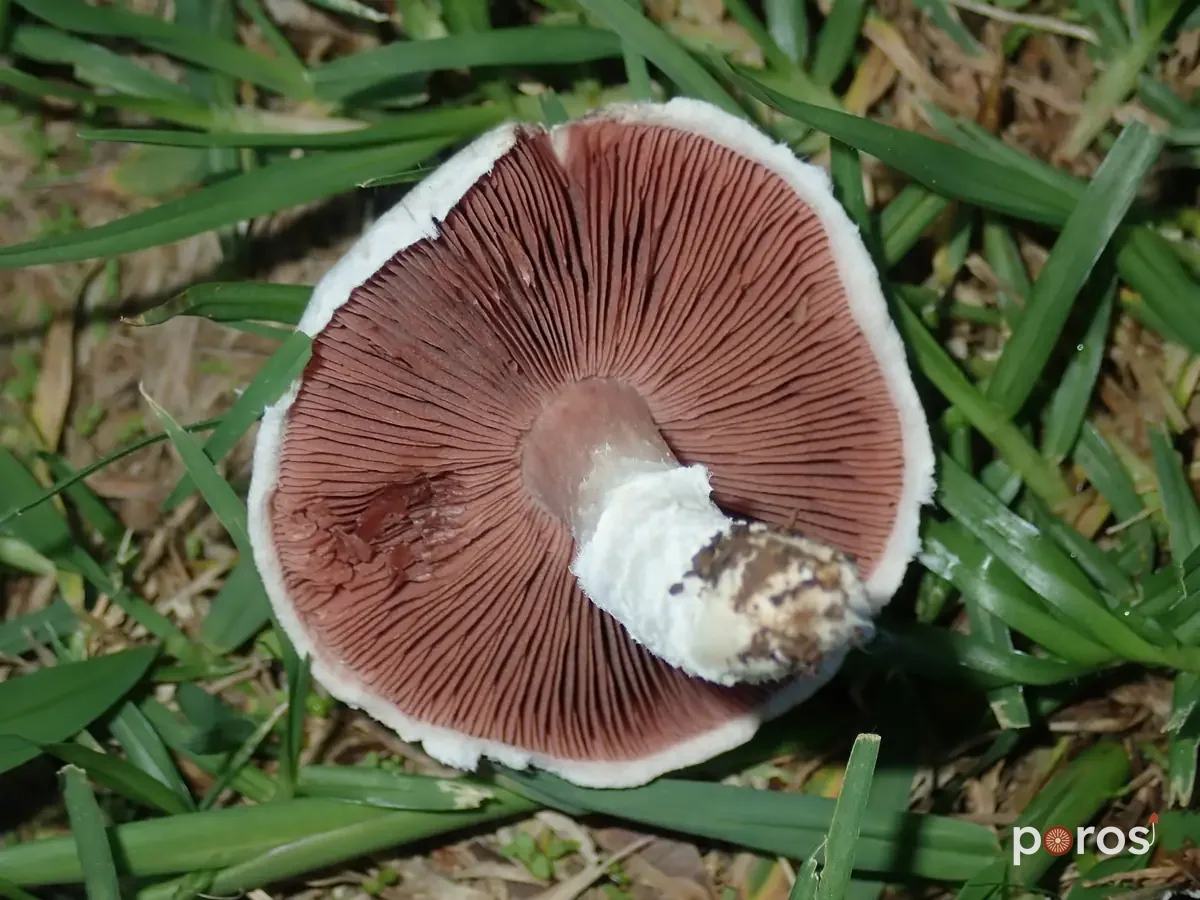
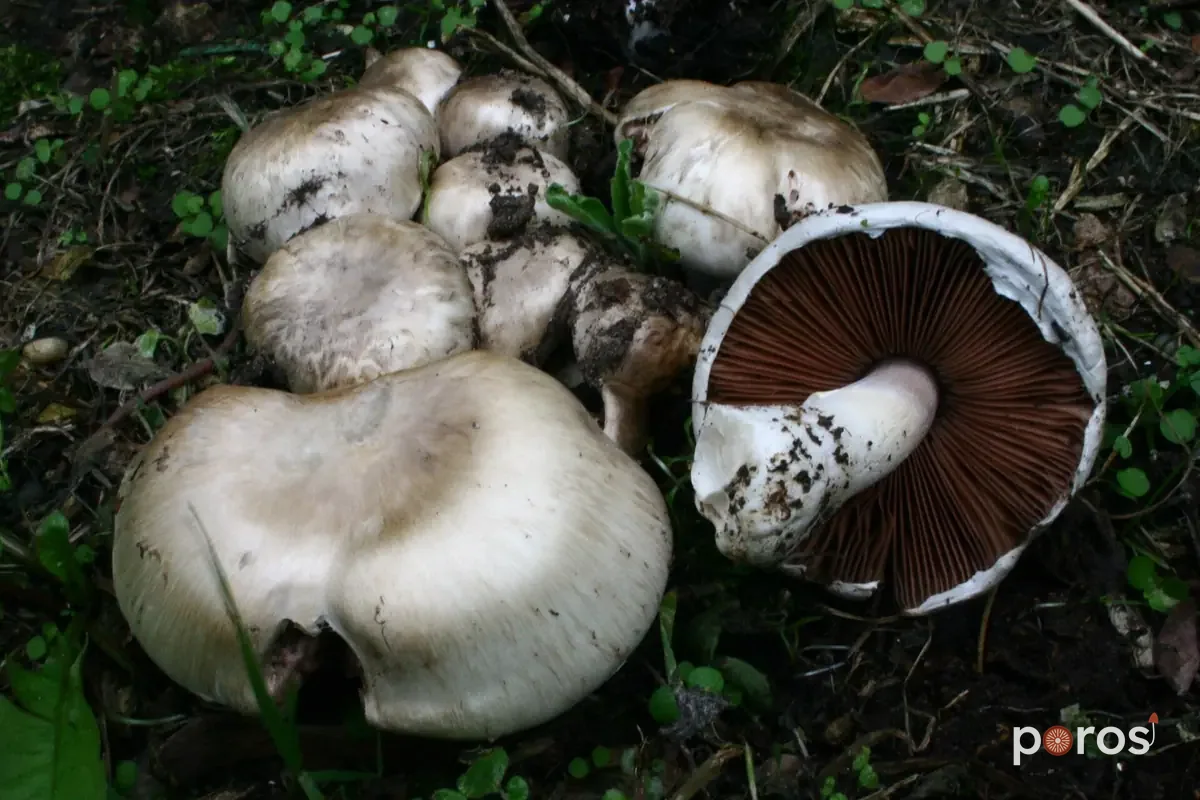
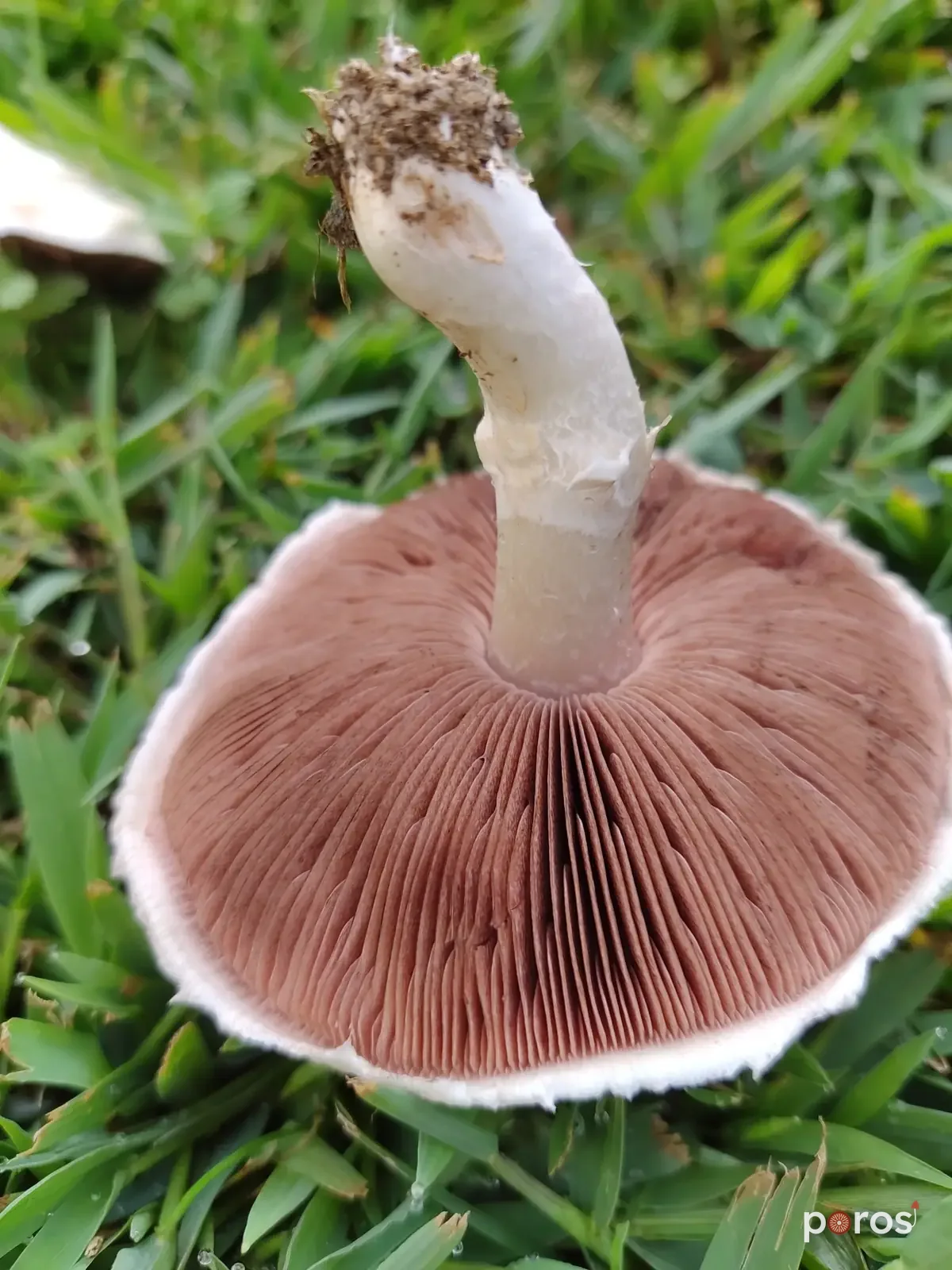
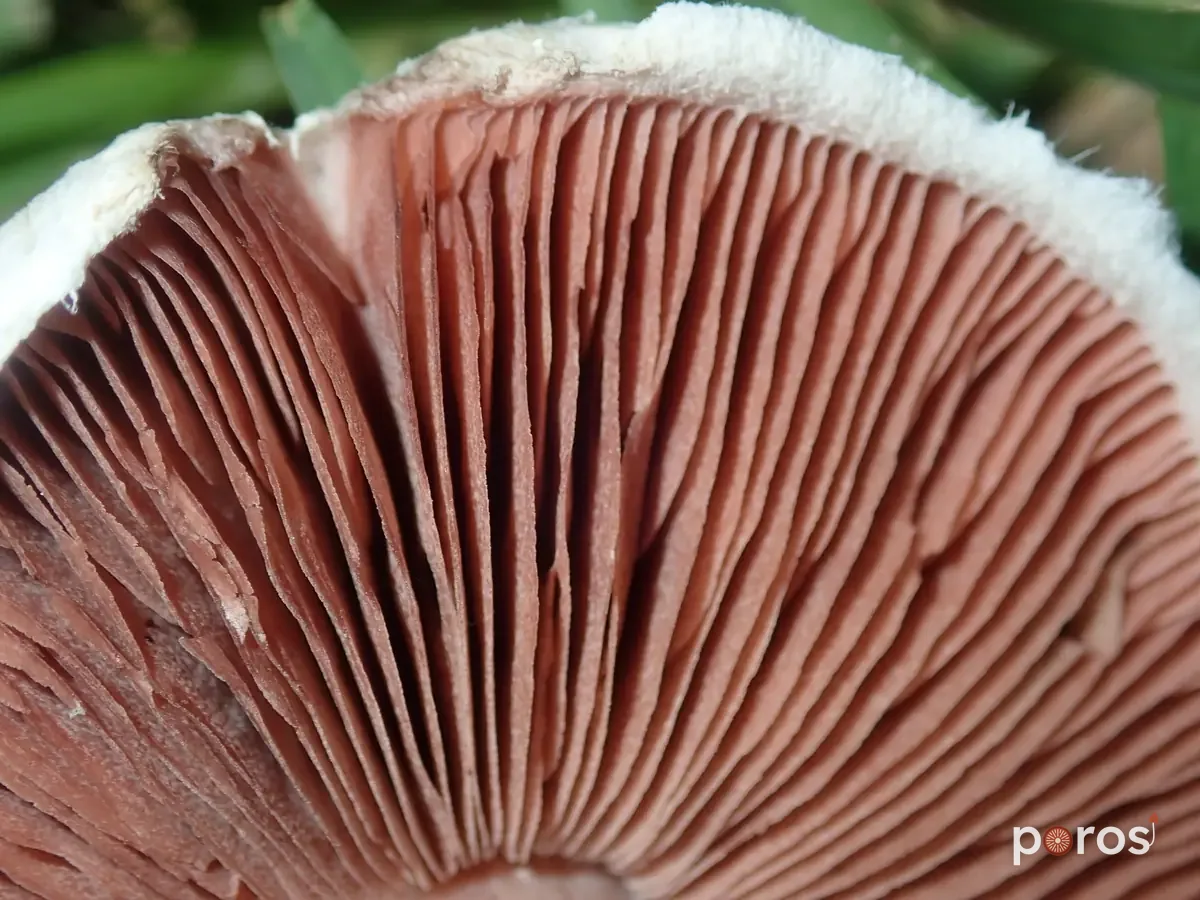
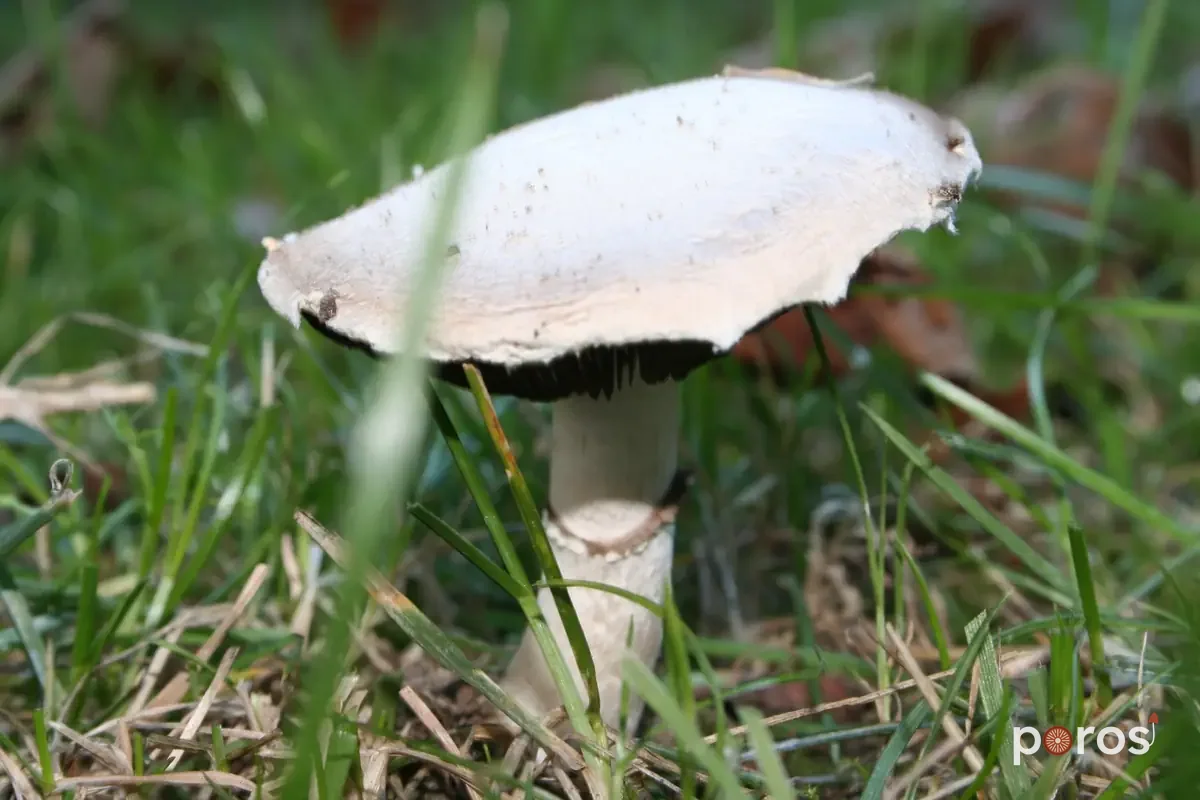
The field mushroom is the button mushroom's close wild relative, with a white cap and pink gills, appearing after rain in meadows, pastures and parks.
The field mushroom is the button mushroom's close wild relative, with a white cap and pink gills, appearing after rain in meadows, pastures and parks. It is a choice edible, but confusion with deadly white Amanitas has caused deaths in France.
Also called: meadow mushroom Turkish: Çayır mantarı, akmantar, çayıt mantarı, katran köpüğü, garikun, keçi mantarı
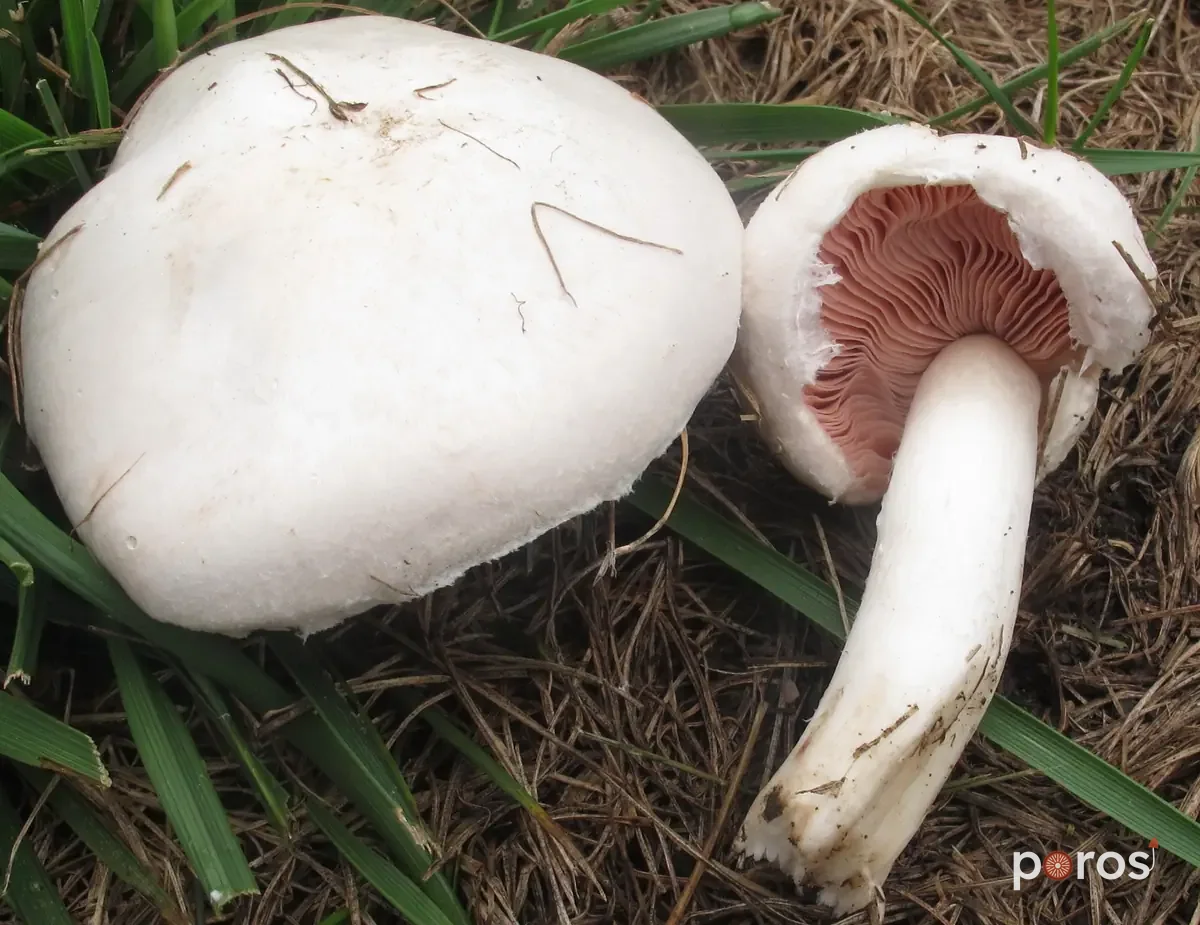
How to recognise it
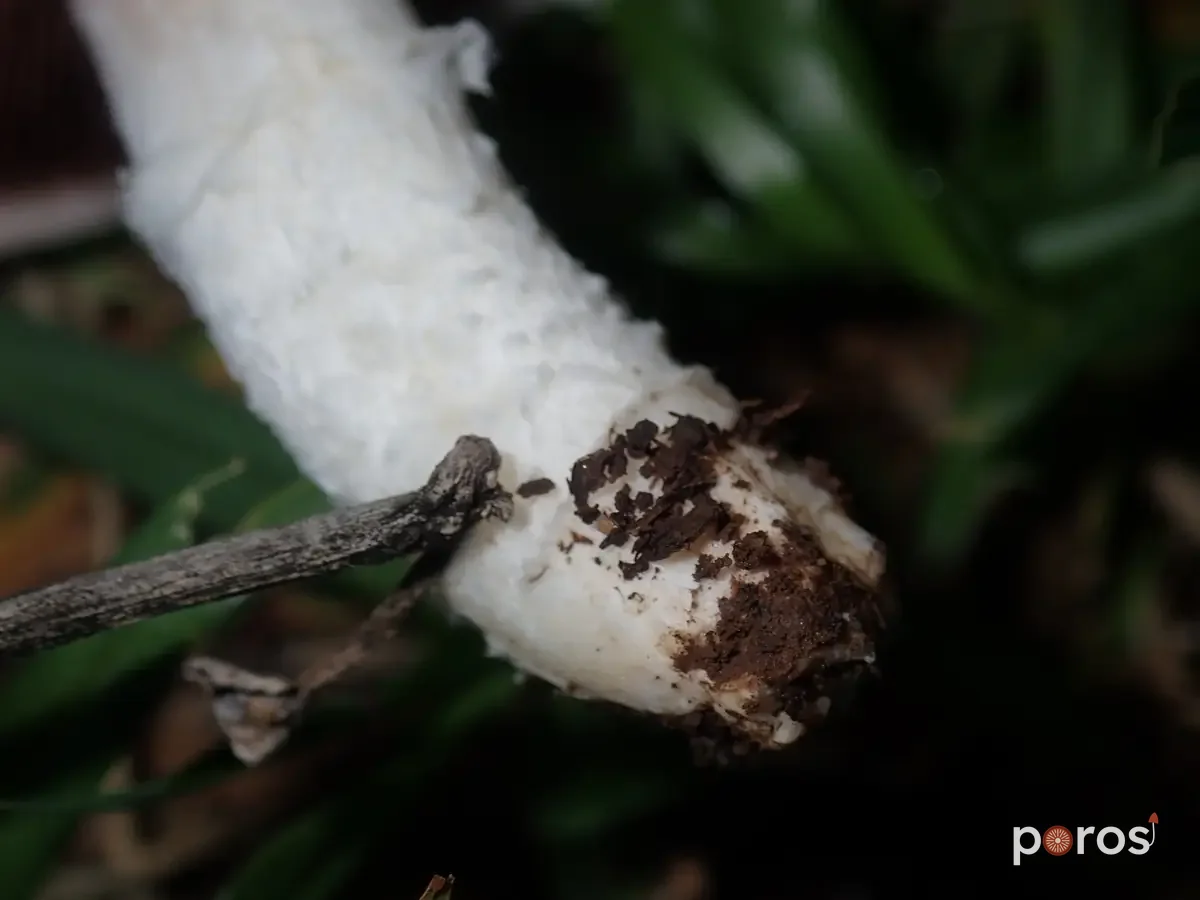
Field mushroom, part by part
No volva Spore print: Deep chocolate brown Not distinctive; mild taste.
When and where
Jun–Oct
- Jan
- Feb
- Mar
- Apr
- May
- Junin season
- Julin season
- Augin season
- Sepin season
- Octin season
- Nov
- Dec
The field mushroom fruits from June to October in Europe, after rain; in Turkey, GBIF records also extend into October–December.
Where do field mushrooms grow?
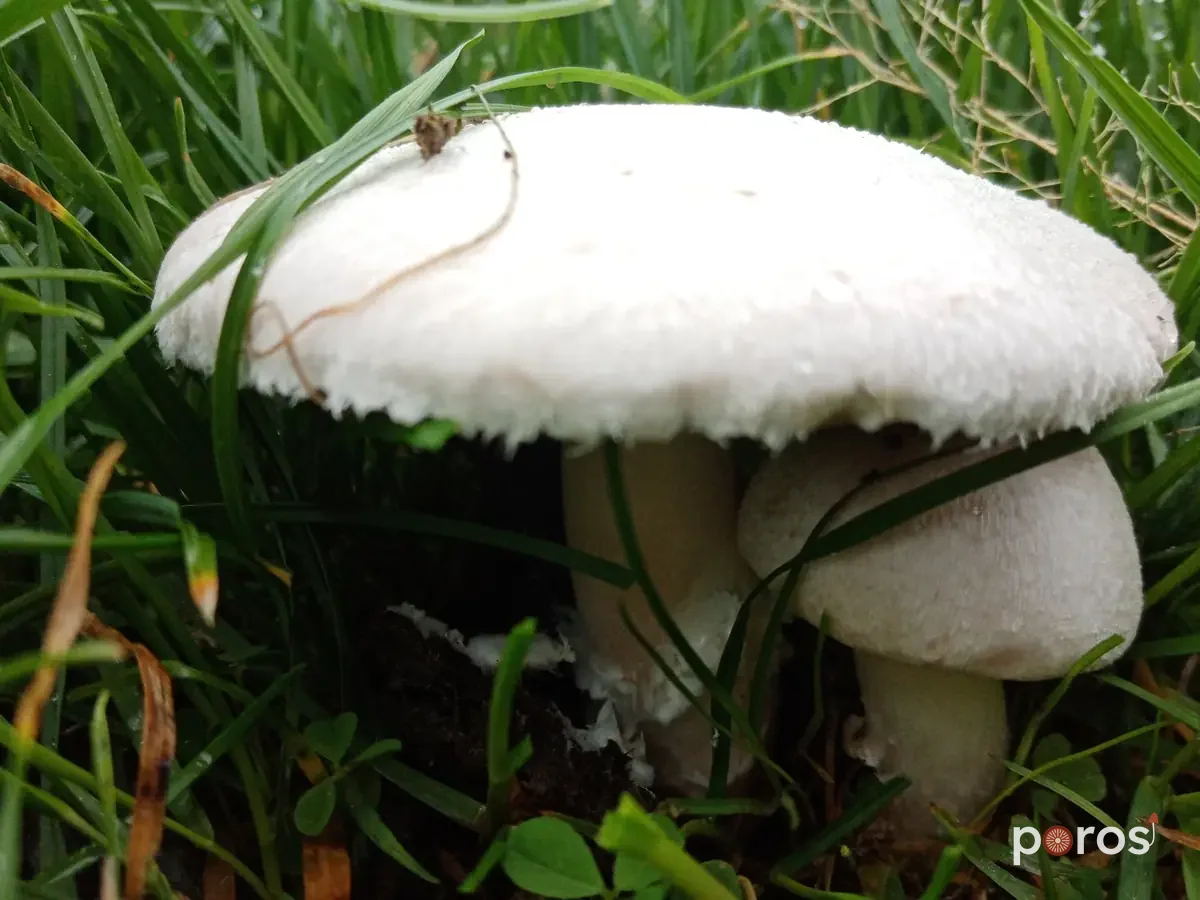
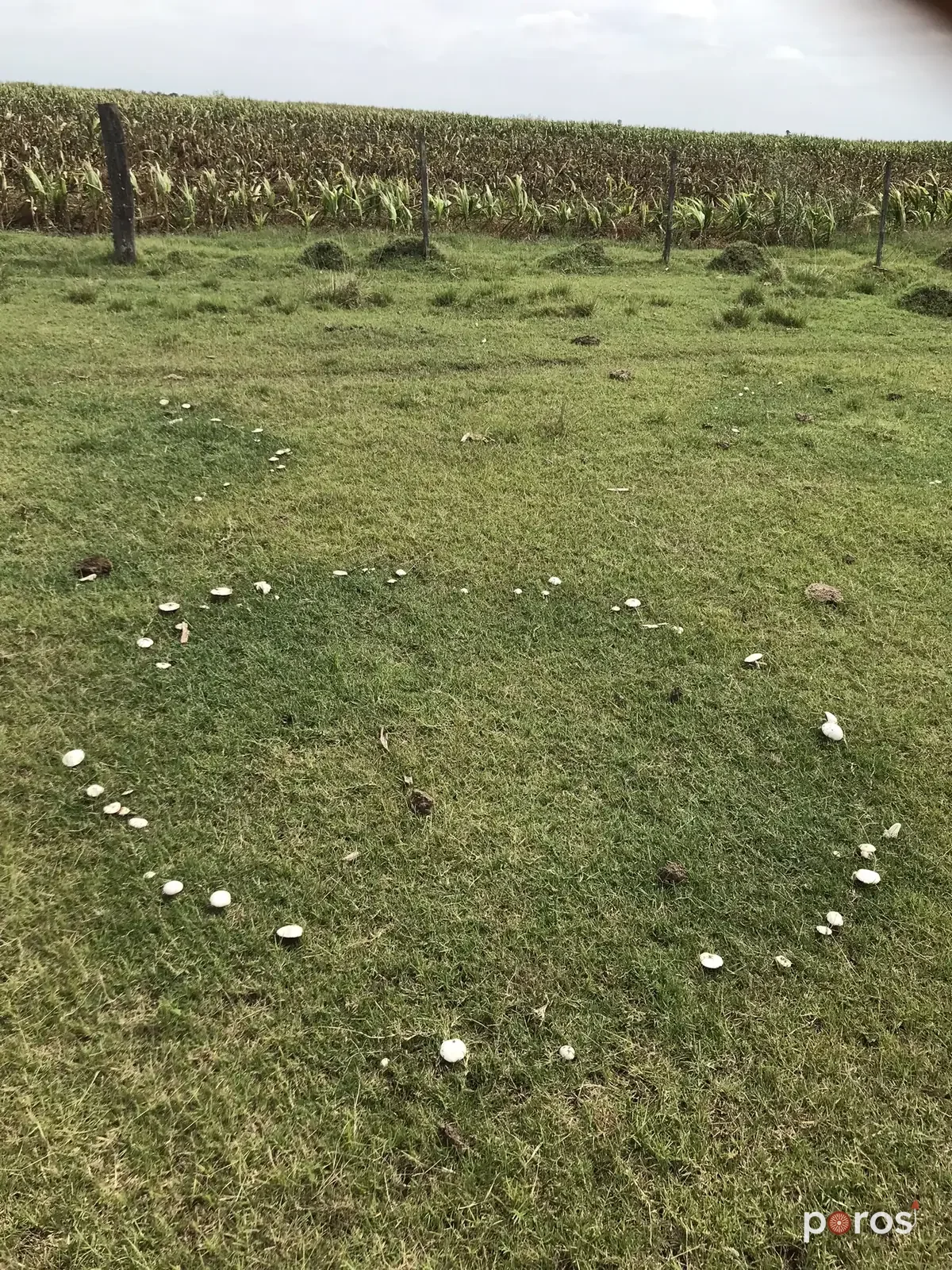
The field mushroom grows on soil among grass in meadows, pastures, playing fields and parks, and is rarely found in woodland. It appears singly, in small groups or in fairy rings.
In Turkey
The field mushroom is common in Turkey, but specimens picked from lawns may carry pesticides or other pollutants.
- İstanbul3
- Manisa2
- Bolu1
- İzmir1
- Artvin1
- Çanakkale1
- Çankırı1
10 observations on our map (GBIF, iNaturalist). Record density also reflects where observers work.
Latest field mushroom observations

Look-alikes
What could it be confused with?
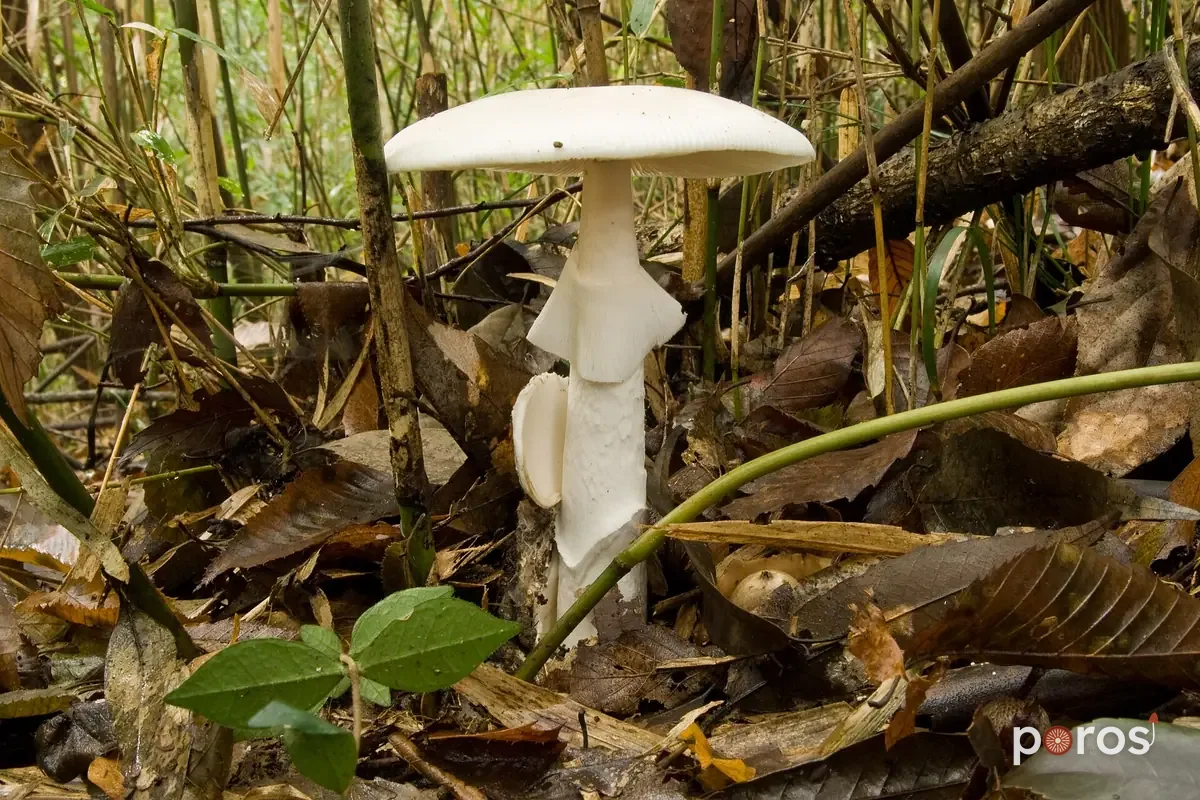
Destroying angel Amanita virosa
Pure white gills, a hanging ring and a sac at the base. Eaten in France by people who took it for a field mushroom.
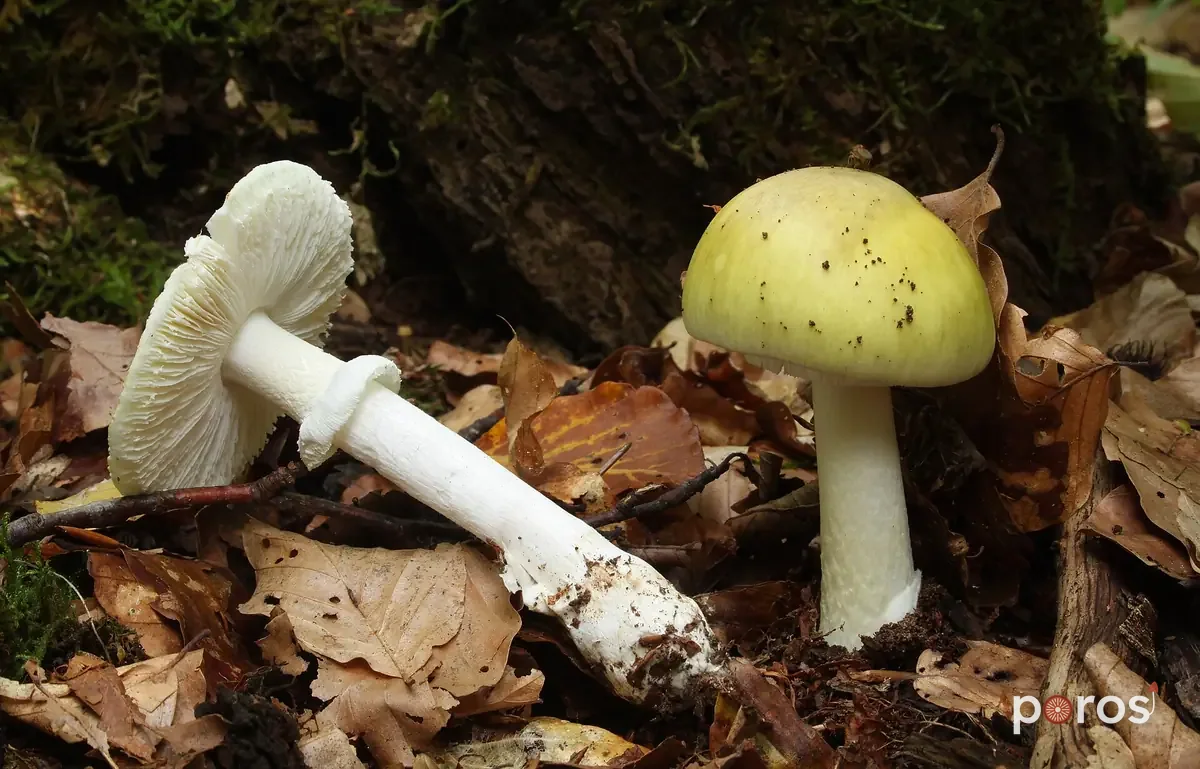
Death cap Amanita phalloides
The white form and unopened young ones are dangerous: white gills, a sac at the base.
Yellow stainer Agaricus xanthodermus
Stains yellow and smells of phenol; upsets many people's stomachs.
Horse mushroom Agaricus arvensis
Usually somewhat larger; very similar and an excellent edible.
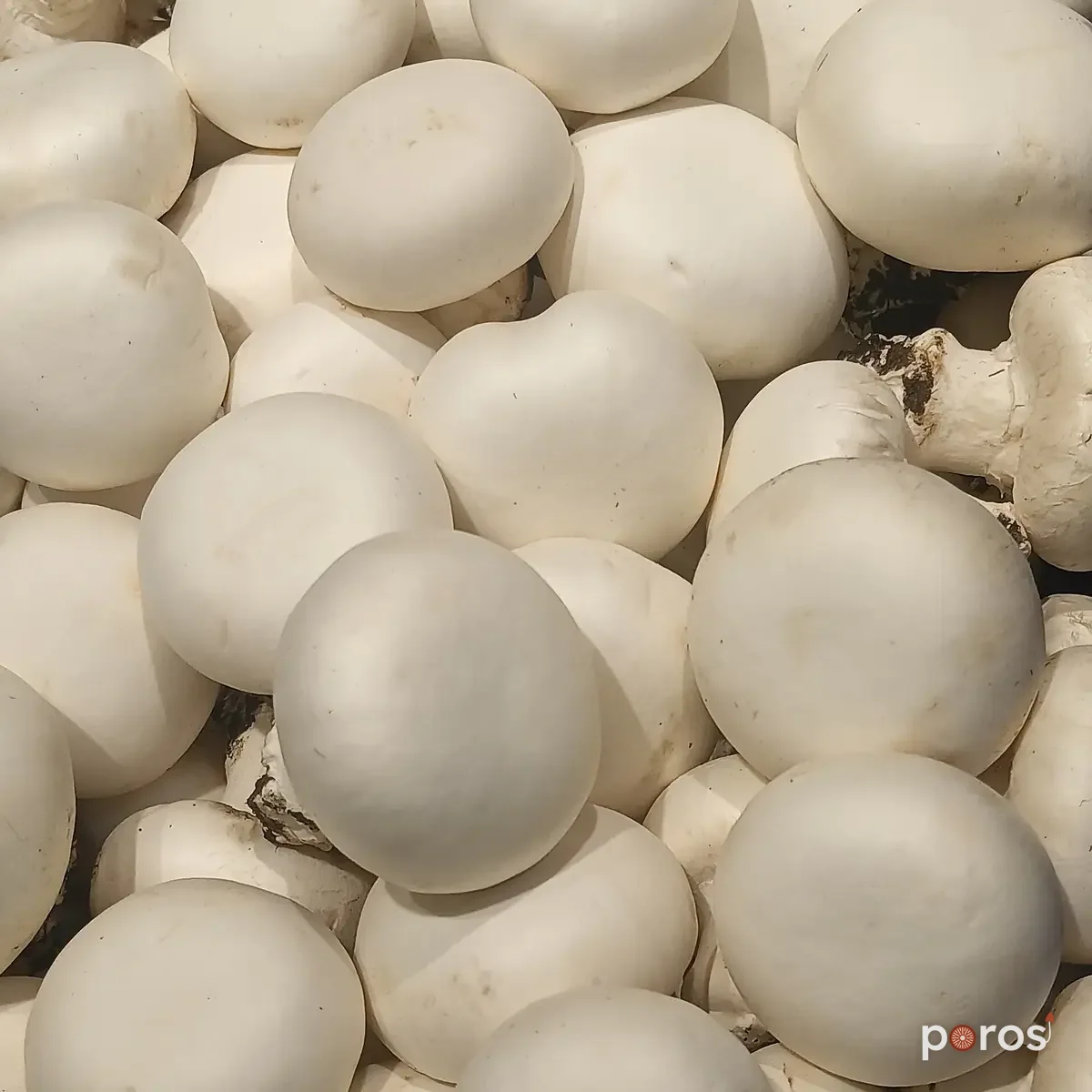
Button mushroom Agaricus bisporus
A close relative; the field mushroom has four-spored basidia, the button mushroom two.
In the kitchen
Cooking with field mushrooms
Storing field mushrooms
Grow it, buy it
Field mushroom price list
| Product | Us | Market (sourced, dated) |
|---|---|---|
| Fresh field mushrooms | In preparation · notify me | — |
| Dried field mushrooms | In preparation · notify me | — |
Our prices for field mushrooms are published when the product is ready; for now we take waiting-list sign-ups. The market column shows prices seen on other sellers' pages on the date given; they are not our prices and may have changed.
Frequently asked questions
Are field mushrooms edible?
Yes, the field mushroom is an edible species. Eat a wild one only after an expert has identified it with certainty: it can be confused with destroying angel (Amanita virosa), death cap (Amanita phalloides) and yellow stainer (Agaricus xanthodermus).
When is field mushroom season in Turkey?
In our calendar, field mushroom season runs Jun–Oct. The field mushroom fruits from June to October in Europe, after rain; in Turkey, GBIF records also extend into October–December.
Where do field mushrooms grow?
The field mushroom grows on soil among grass in meadows, pastures, playing fields and parks, and is rarely found in woodland. It appears singly, in small groups or in fairy rings.
Where are field mushrooms found in Turkey?
The field mushroom is common in Turkey, but specimens picked from lawns may carry pesticides or other pollutants.
What can the field mushroom be confused with?
The field mushroom can be confused with destroying angel (Amanita virosa, deadly), death cap (Amanita phalloides, deadly), yellow stainer (Agaricus xanthodermus, poisonous), horse mushroom (Agaricus arvensis, edible species) and button mushroom (Agaricus bisporus, edible species). Look-alikes are compared on this page.
What is the field mushroom called in Turkish?
In Turkish, the field mushroom (Agaricus campestris) is called Çayır mantarı; other local names include akmantar, çayıt mantarı, katran köpüğü, garikun and keçi mantarı.
Related species
-
Button mushroomAgaricus bisporusEdible species
-
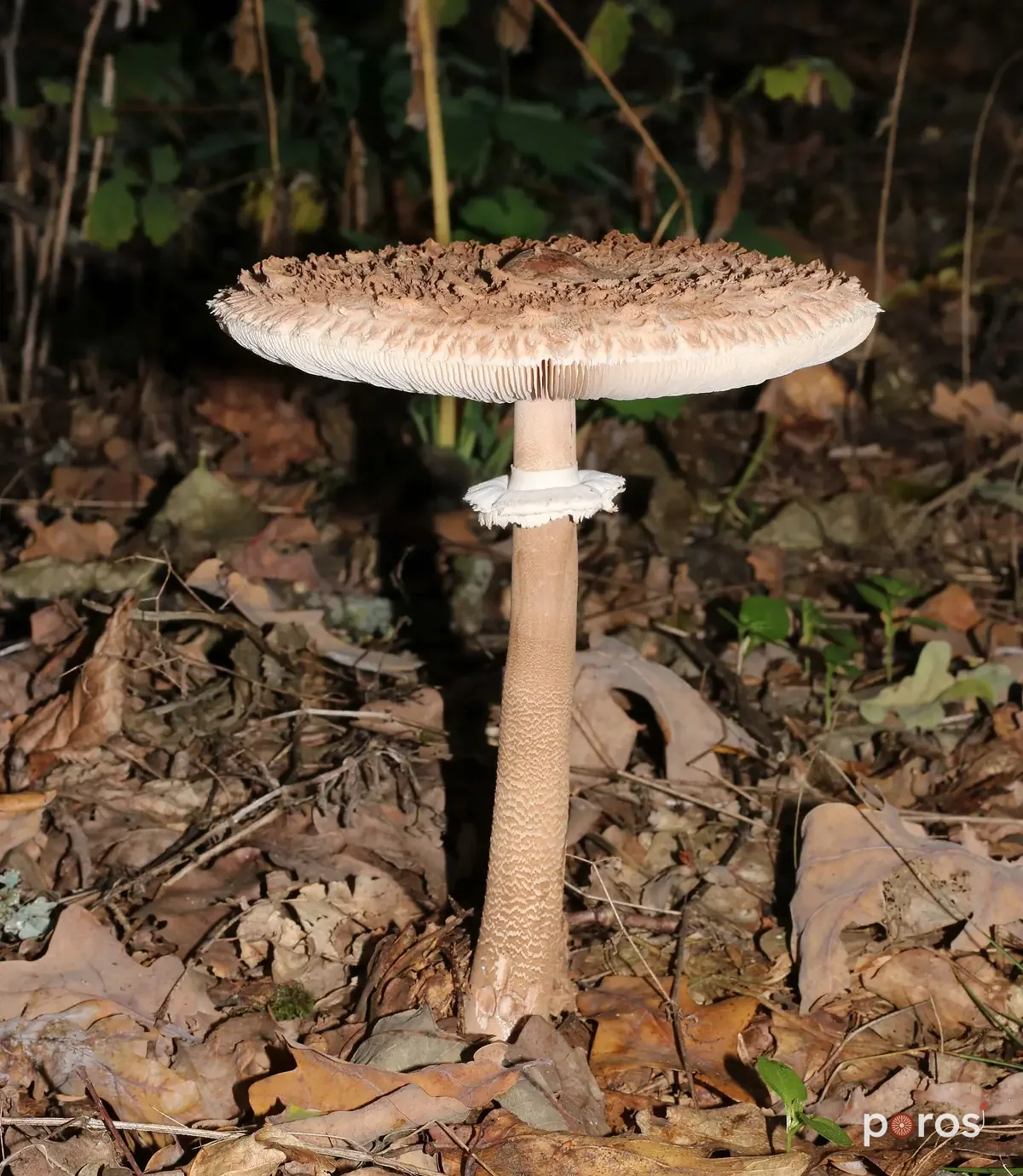 Parasol mushroomMacrolepiota proceraEdible species
-
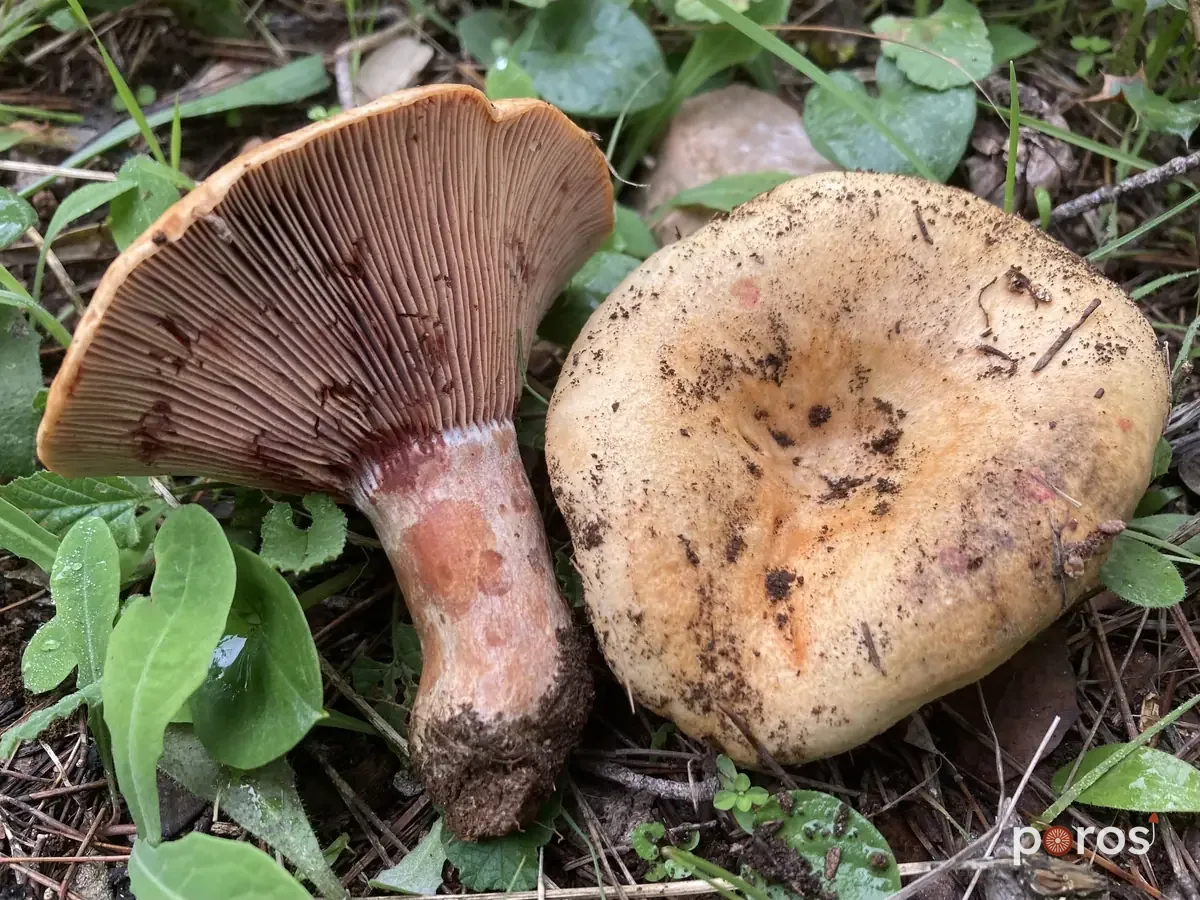 Bloody milk capLactarius sanguifluusEdible species
-
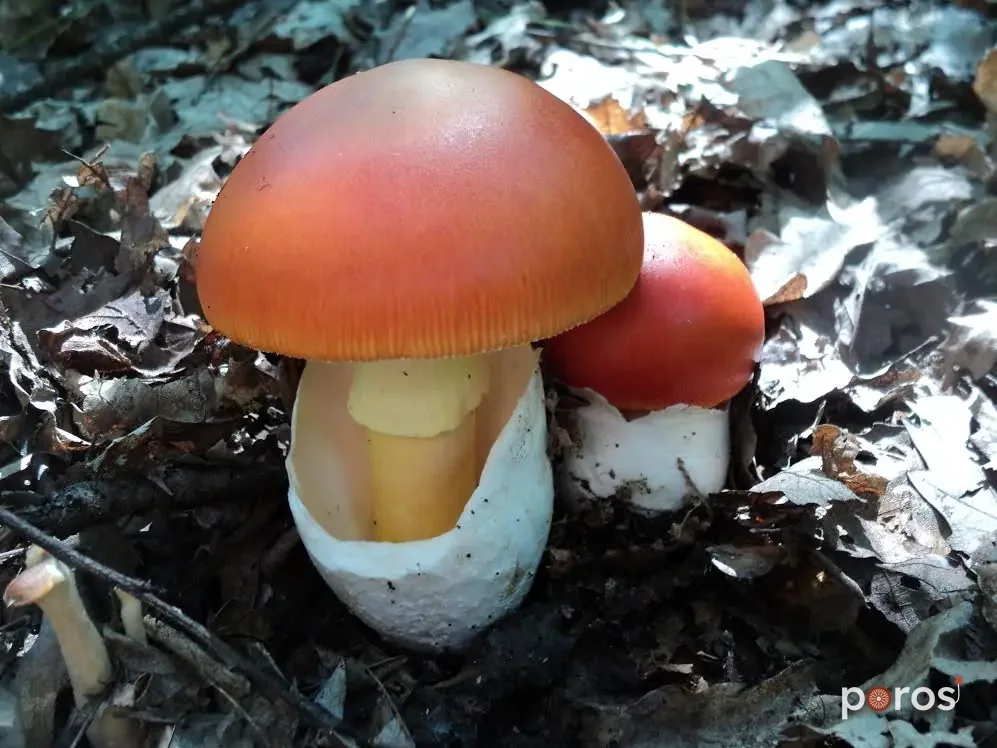 Caesar’s mushroomAmanita caesareaEdible species
-
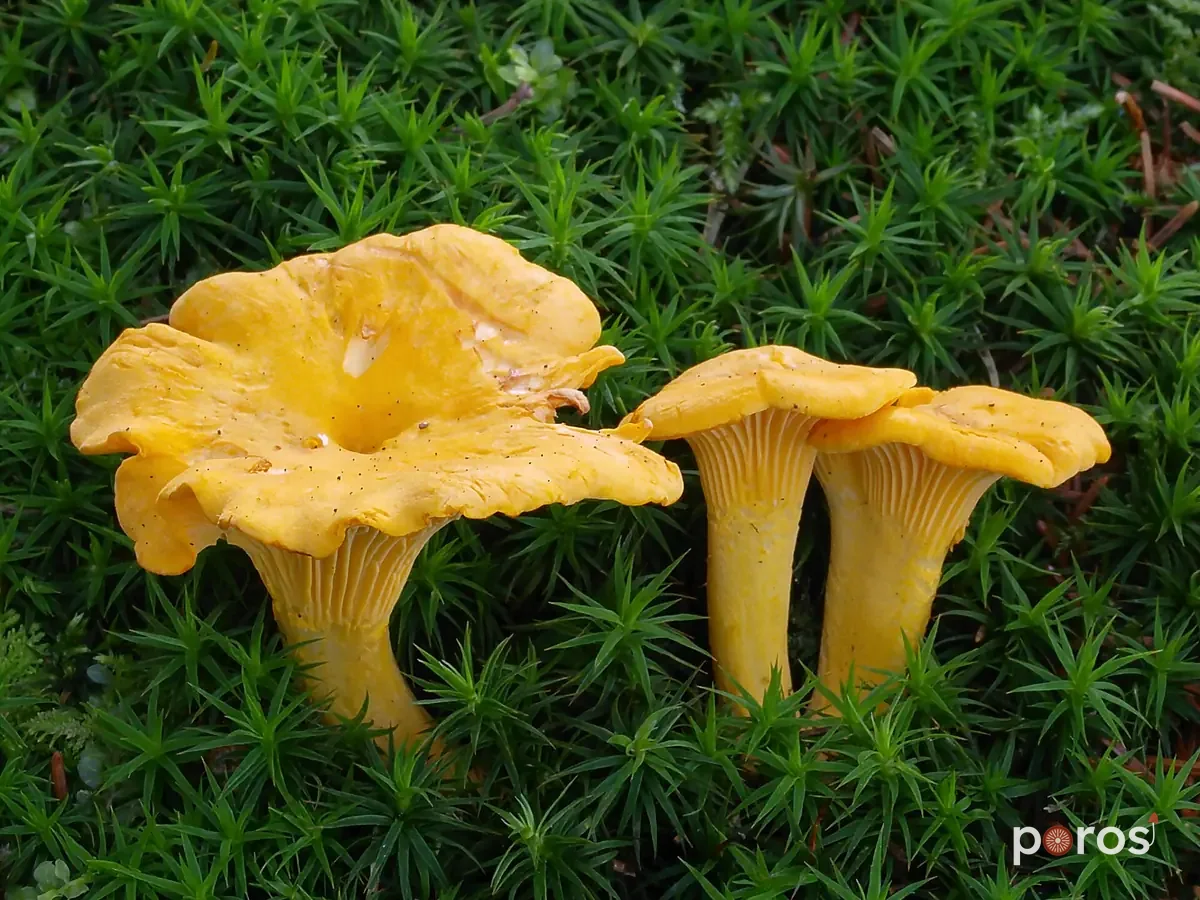 ChanterelleCantharellus cibariusEdible species
-
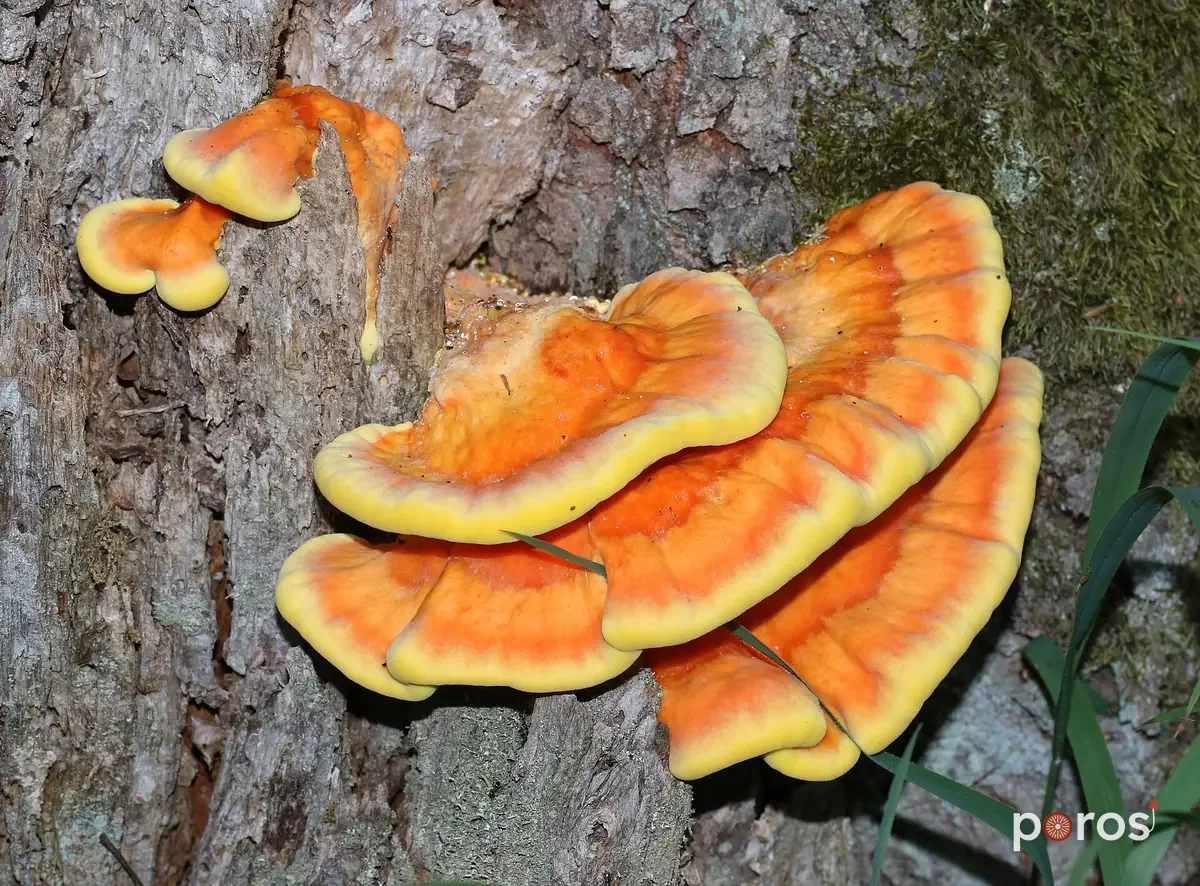 Chicken of the woodsLaetiporus sulphureusEdible species
-
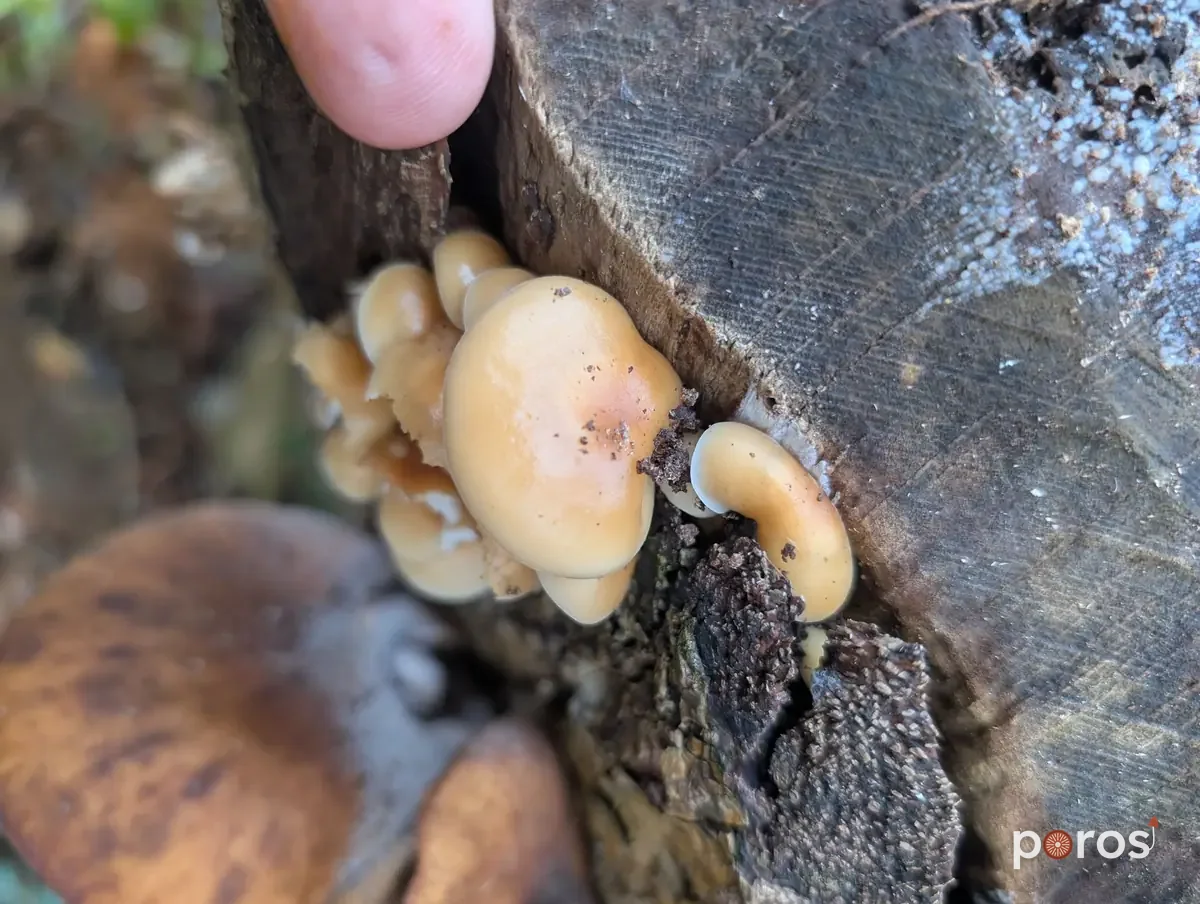 EnokiFlammulina filiformisEdible species
-
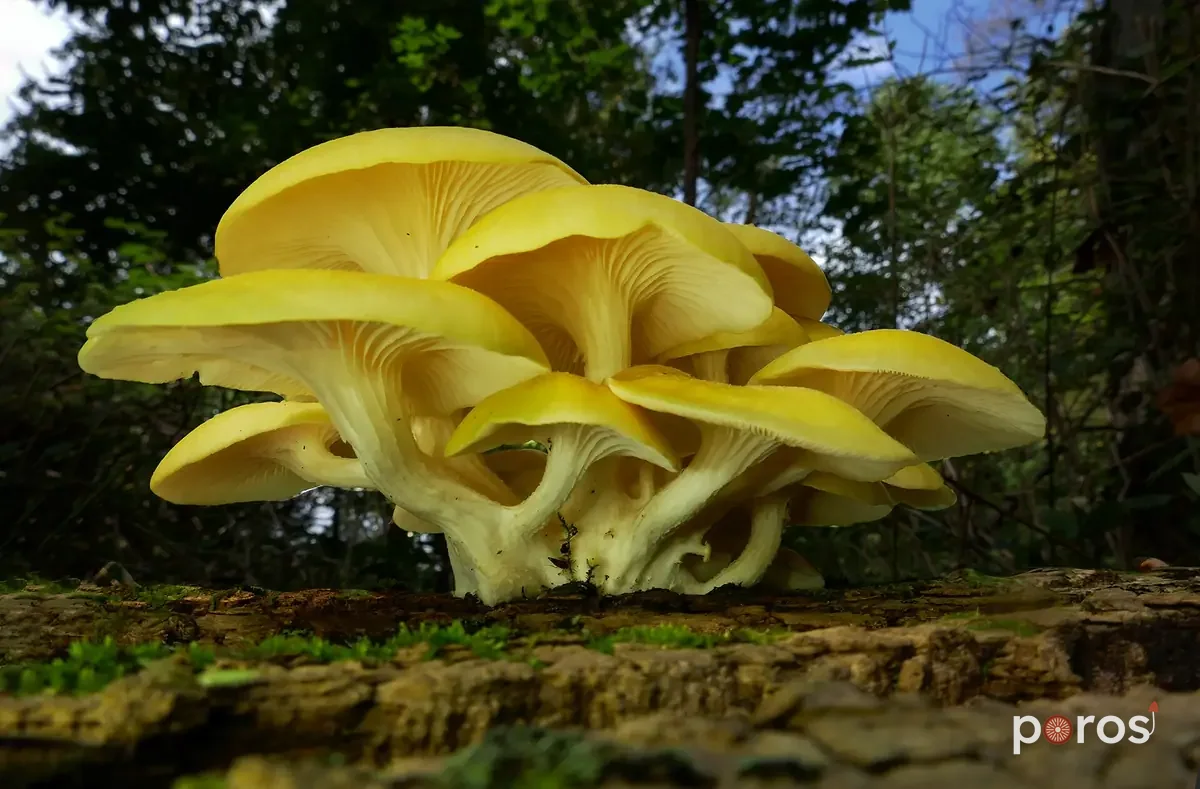 Golden oyster mushroomPleurotus citrinopileatusEdible species
Sources (4)
- Wikipedia (EN): Agaricus campestris · checked 26 Oct 2026
- Vikipedi (TR): Agaricus campestris · checked 26 Oct 2026
- First Nature: Agaricus campestris · checked 26 Oct 2026
- GBIF: Türkiye kayıtları · checked 26 Oct 2026
Photo credits (10)
- File:Agaricus campestris.jpg · · CC BY-SA 3.0
- Agaricus campestris · iNaturalist #72002631 · Thomas Mesaglio · CC BY 4.0
- Agaricus campestris · iNaturalist #72002631 · Thomas Mesaglio · CC BY 4.0
- Agaricus campestris · iNaturalist #9571565 · mycowalt · CC BY-SA 4.0
- Agaricus campestris · iNaturalist #152195884 · Julia Ariadna · CC0
- Agaricus campestris · iNaturalist #72002631 · Thomas Mesaglio · CC BY 4.0
- Agaricus campestris · iNaturalist #97625229 · Zeke Marshall · CC BY 4.0
- File:Agaricus campestris 1293054.jpg · Richard Daniel (RichardDaniel) at Mushroom Observer, a source for myc · CC BY-SA 3.0
- File:Agaricus campestris 051011A.JPG · Strobilomyces · CC BY-SA 3.0
- Agaricus campestris · iNaturalist #134546760 · Carminda Santos · CC BY 4.0


