
Cordyceps
Cordyceps militaris · Cordycipitaceae
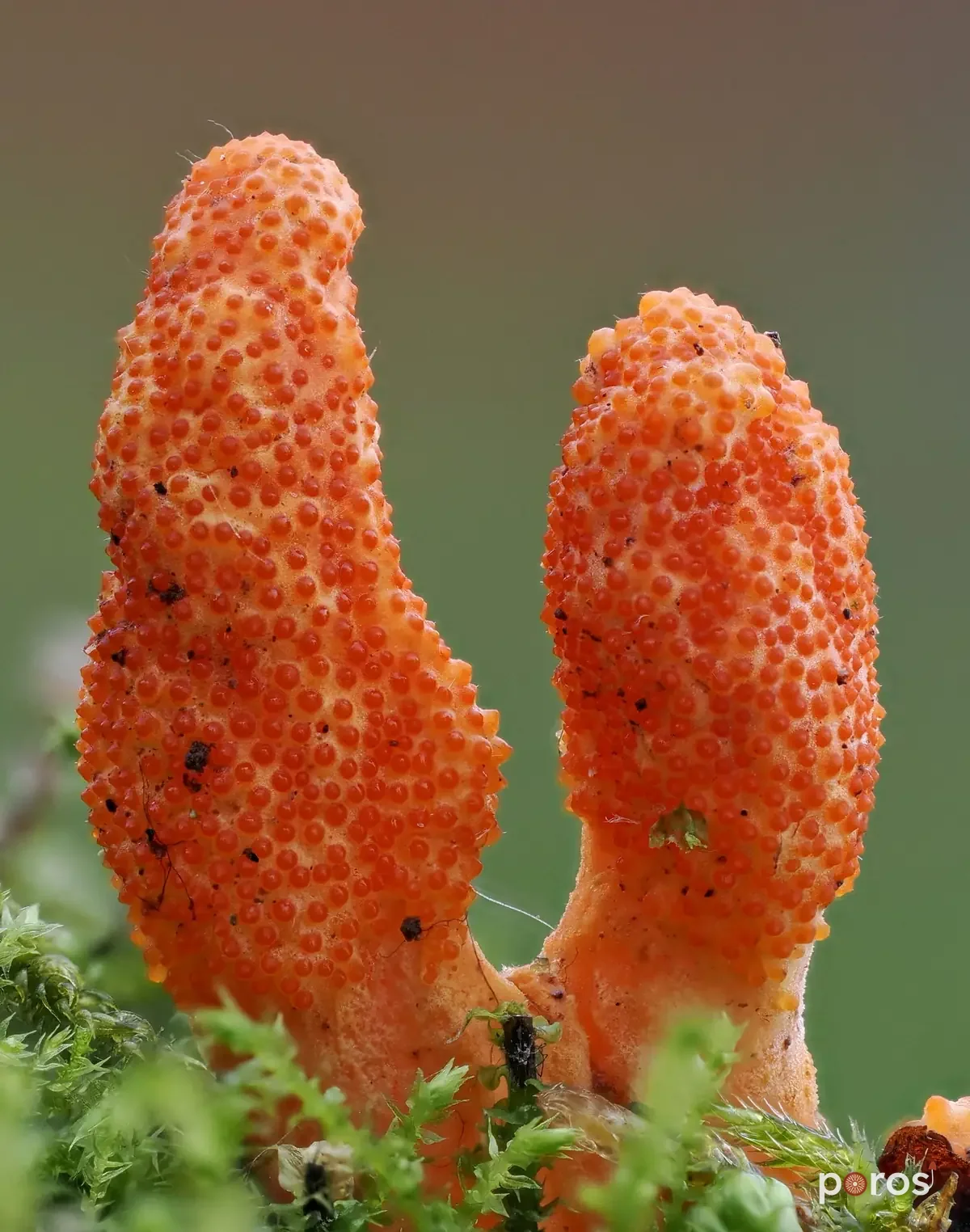
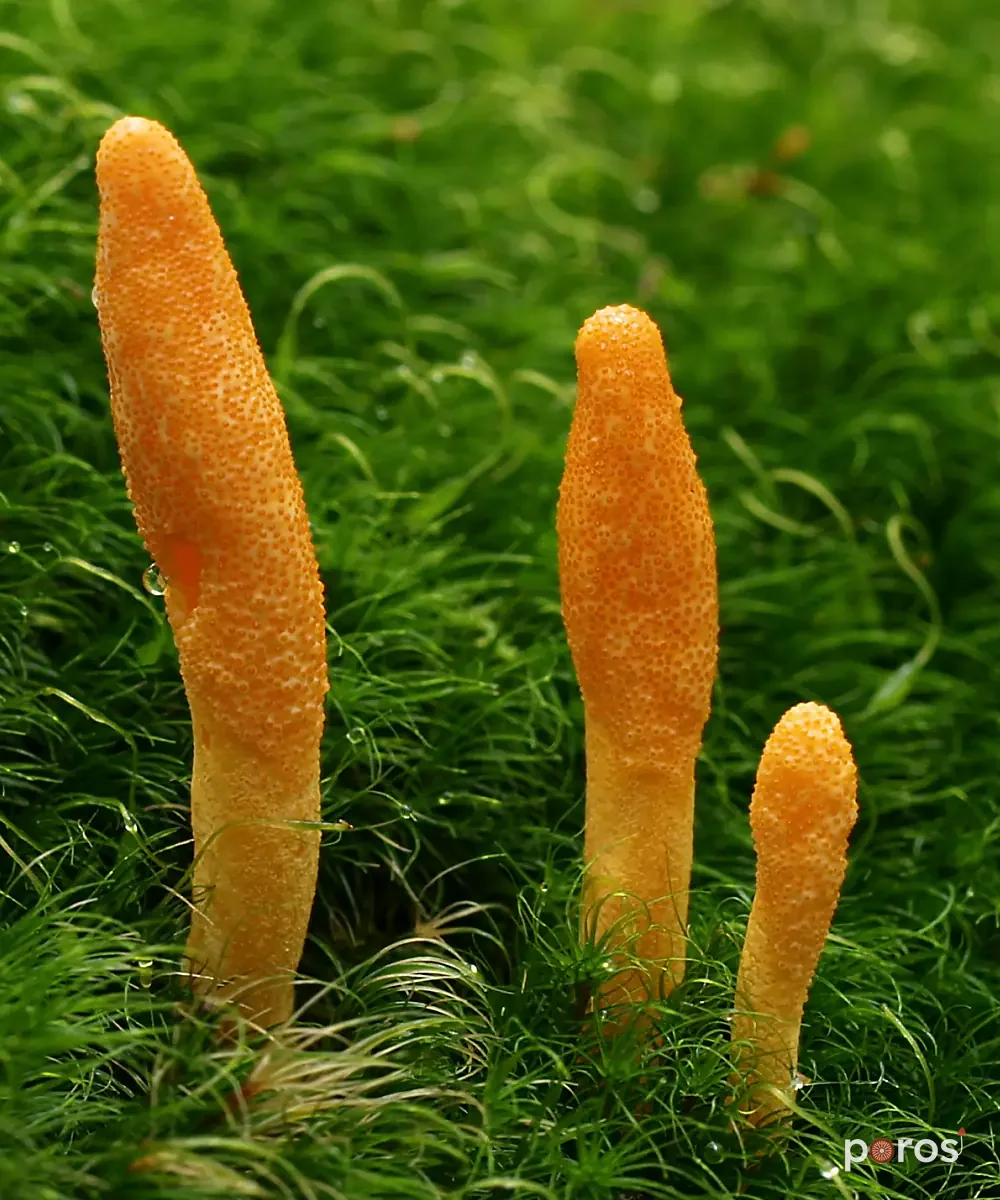
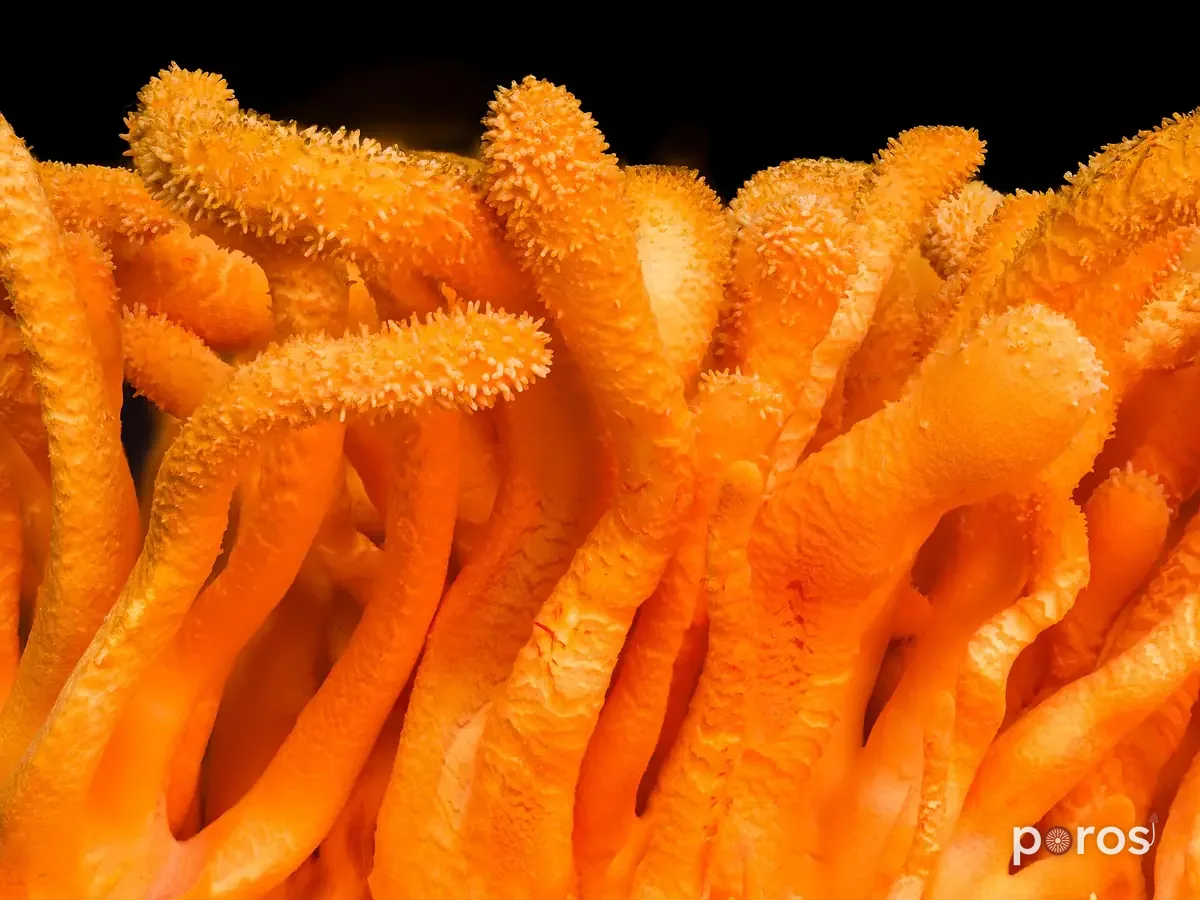
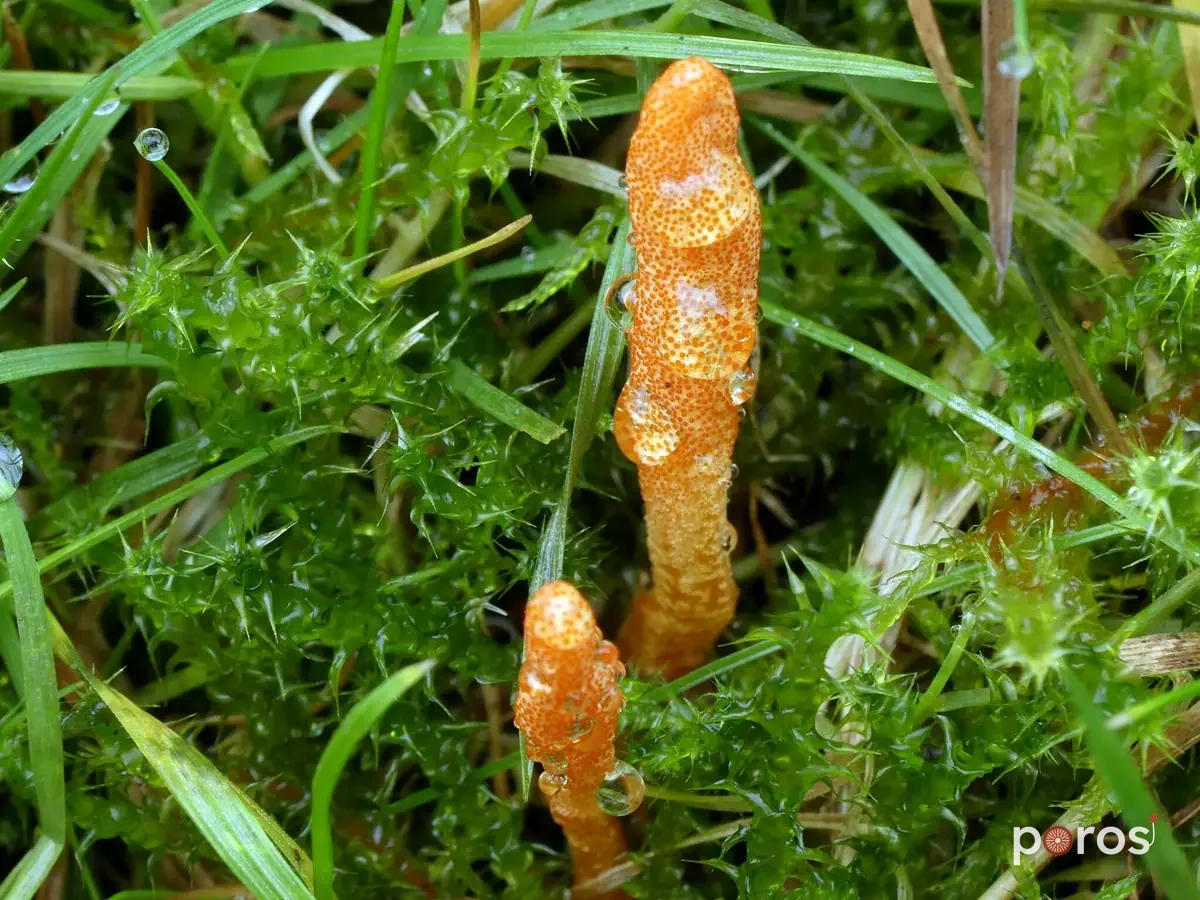
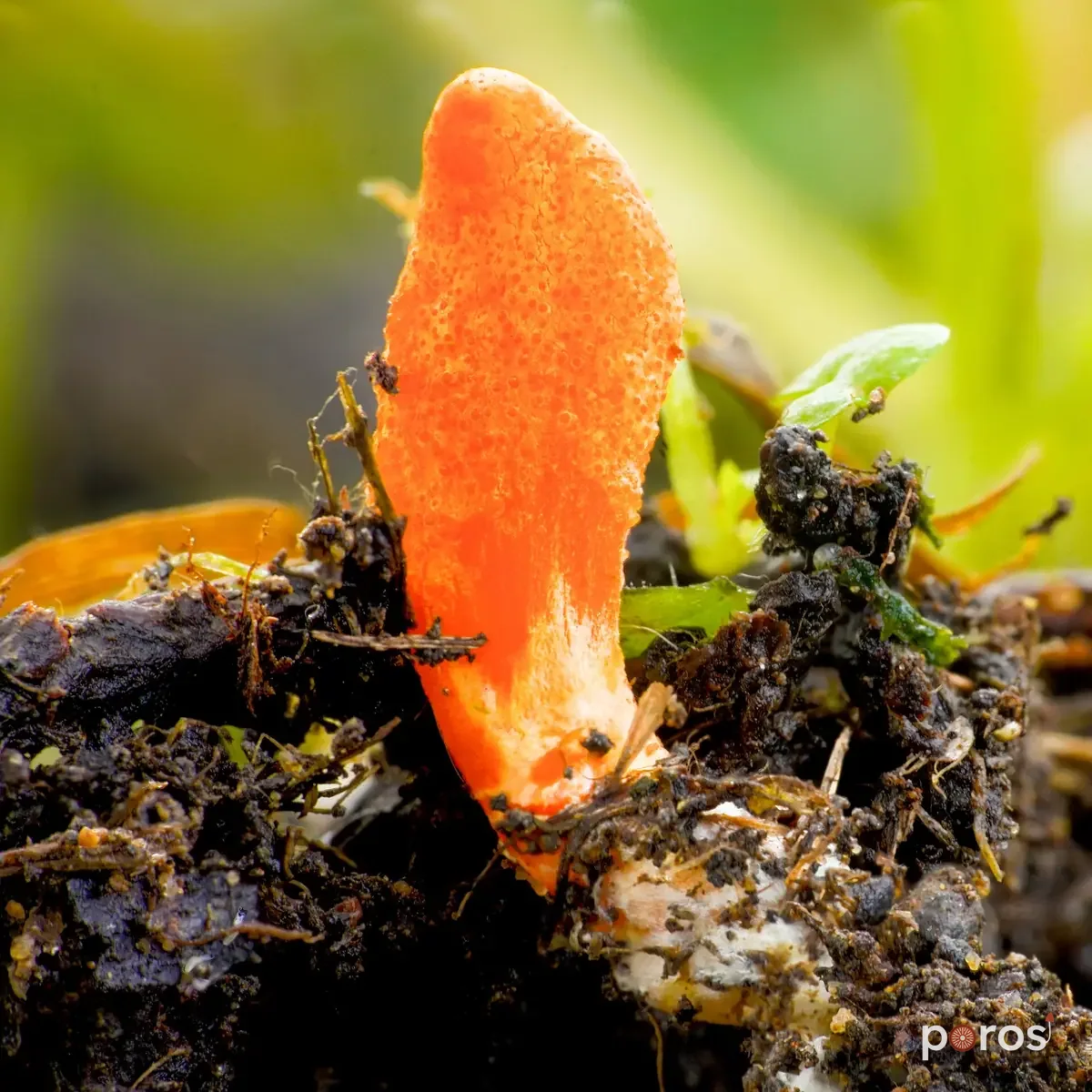
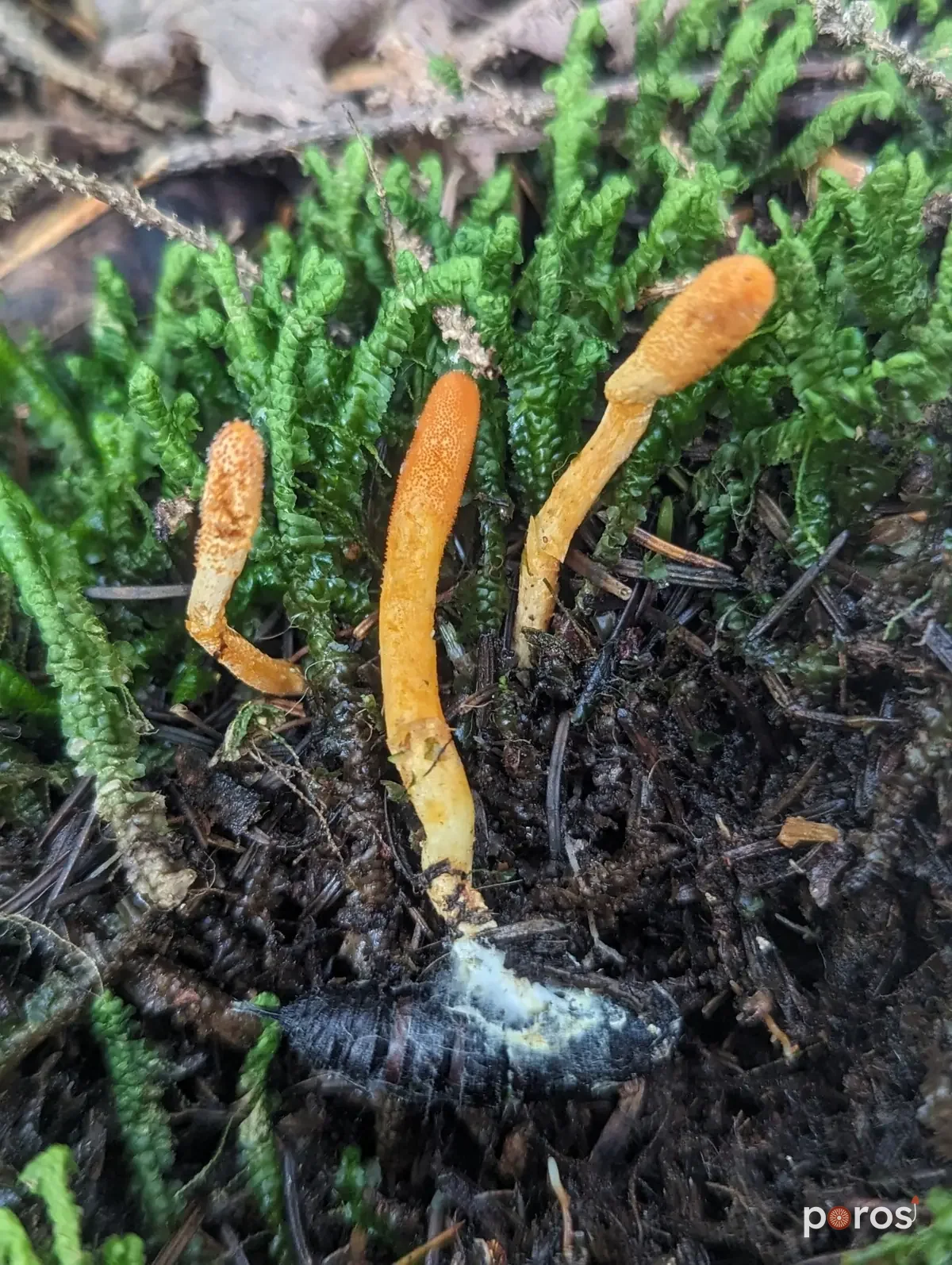
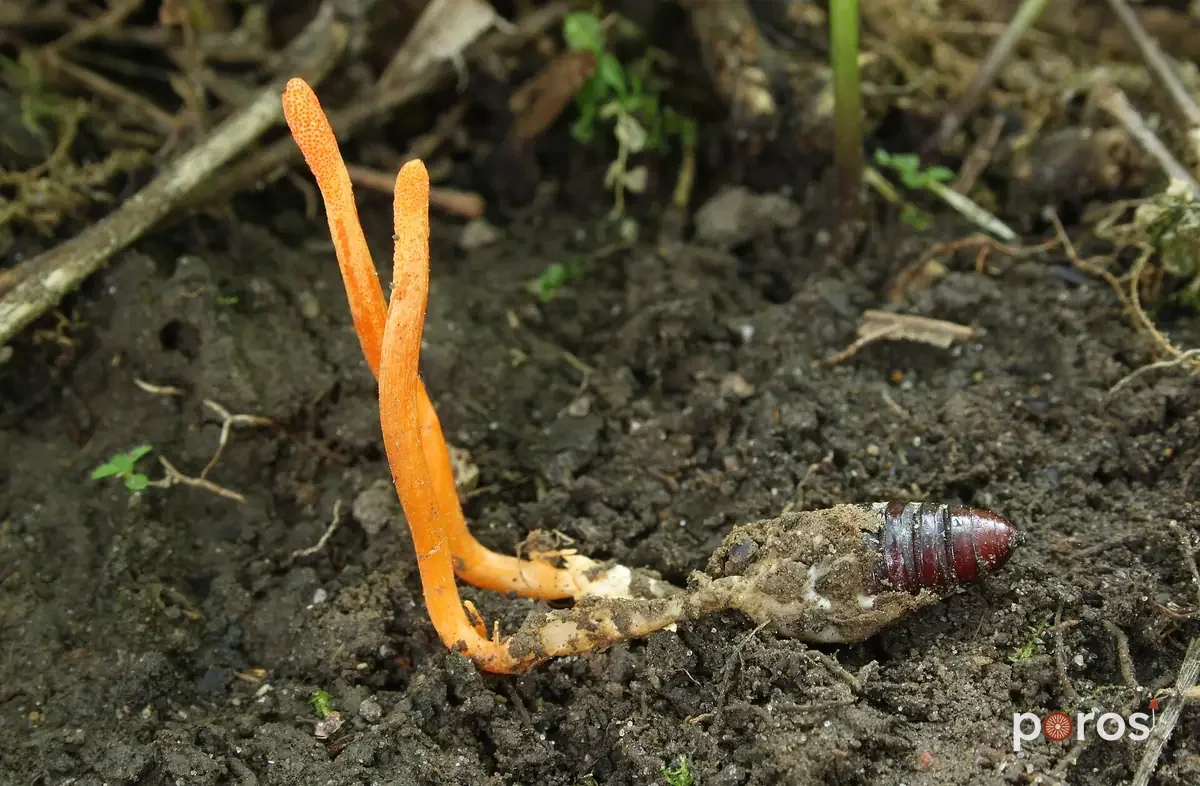
Cordyceps is a fungus that parasitises moth pupae underground and sends up orange-red clubs 1–8 cm tall.
Cordyceps is a fungus that parasitises moth pupae underground and sends up orange-red clubs 1–8 cm tall. It is used in traditional Chinese medicine and marketed as a supplement, but there is not enough scientific evidence for its safety or effectiveness, and product quality varies. In Asia it is cooked in soups; North American guides list it as inedible or "probably edible".
Also called: scarlet caterpillarclub, caterpillar fungus Turkish: Kordiseps
How to recognise it
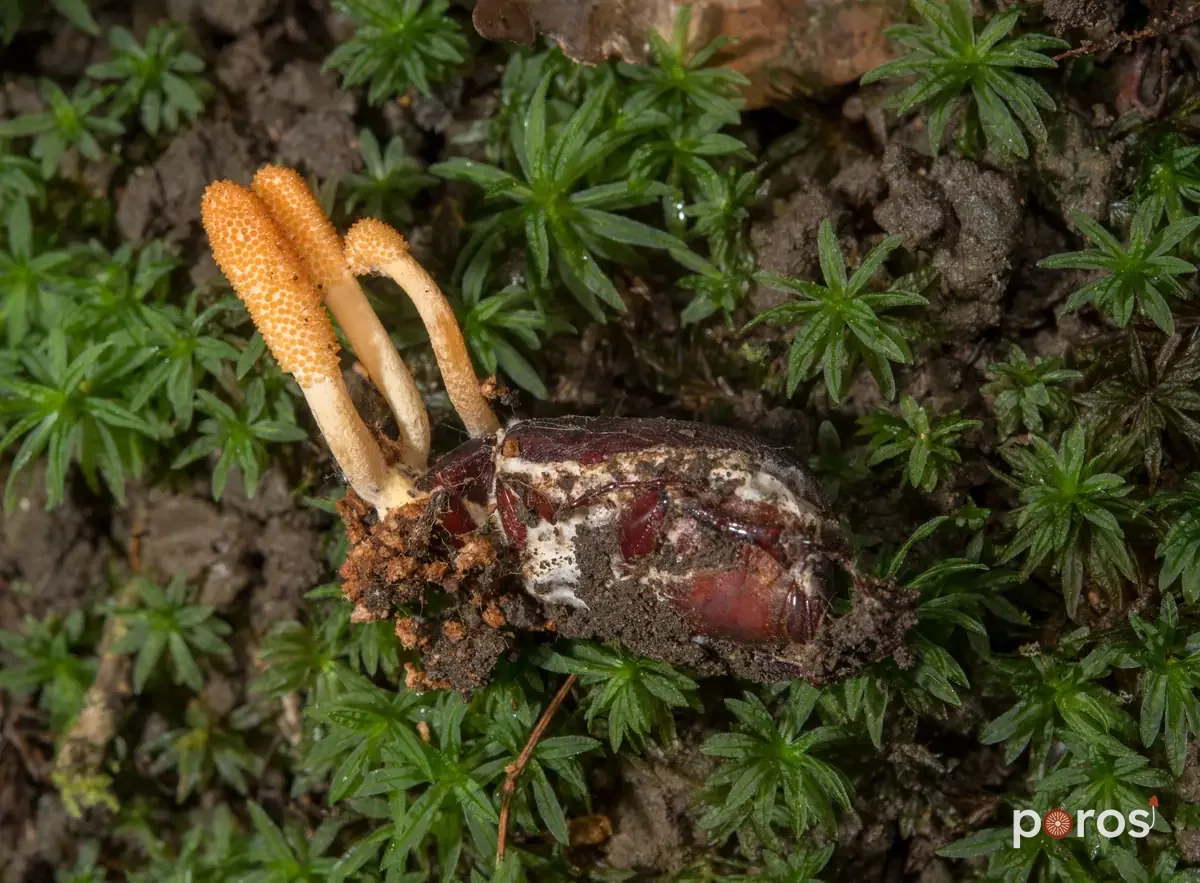
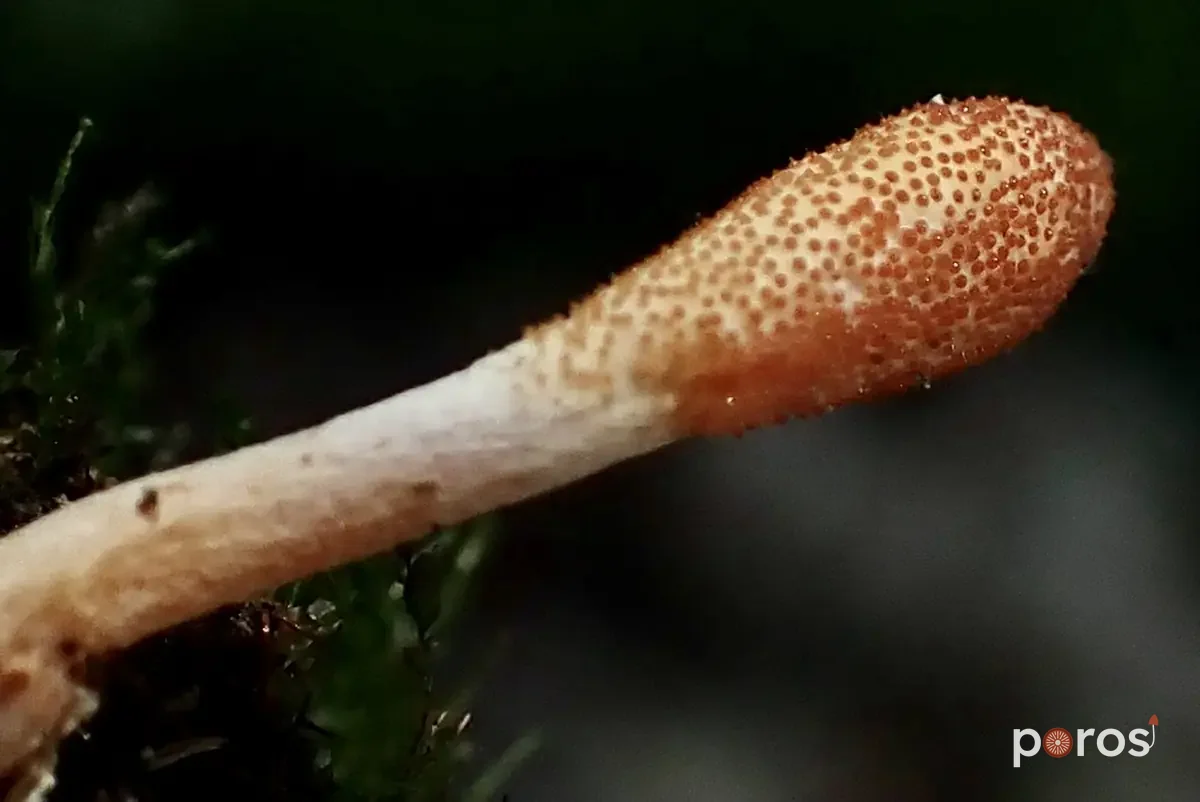
Cordyceps, part by part
No ring or volva Spore print: White Inner tissue whitish to pale orange.
When and where
Aug–Nov
- Jan
- Feb
- Mar
- Apr
- May
- Jun
- Jul
- Augin season
- Sepin season
- Octin season
- Novin season
- Dec
Cordyceps fruits from August to November in Europe; there is a single GBIF record from Turkey (Artvin, August). In cultivation it is grown on rice and silkworm pupae.
Where does cordyceps grow?
Cordyceps grows in grassland and on mossy woodland edges, always attached to a moth pupa below ground.
In Turkey
Cordyceps is rarely recorded in Turkey.
- Artvin
Our map has no observations of cordyceps from Turkey yet.
Look-alikes
What could it be confused with?
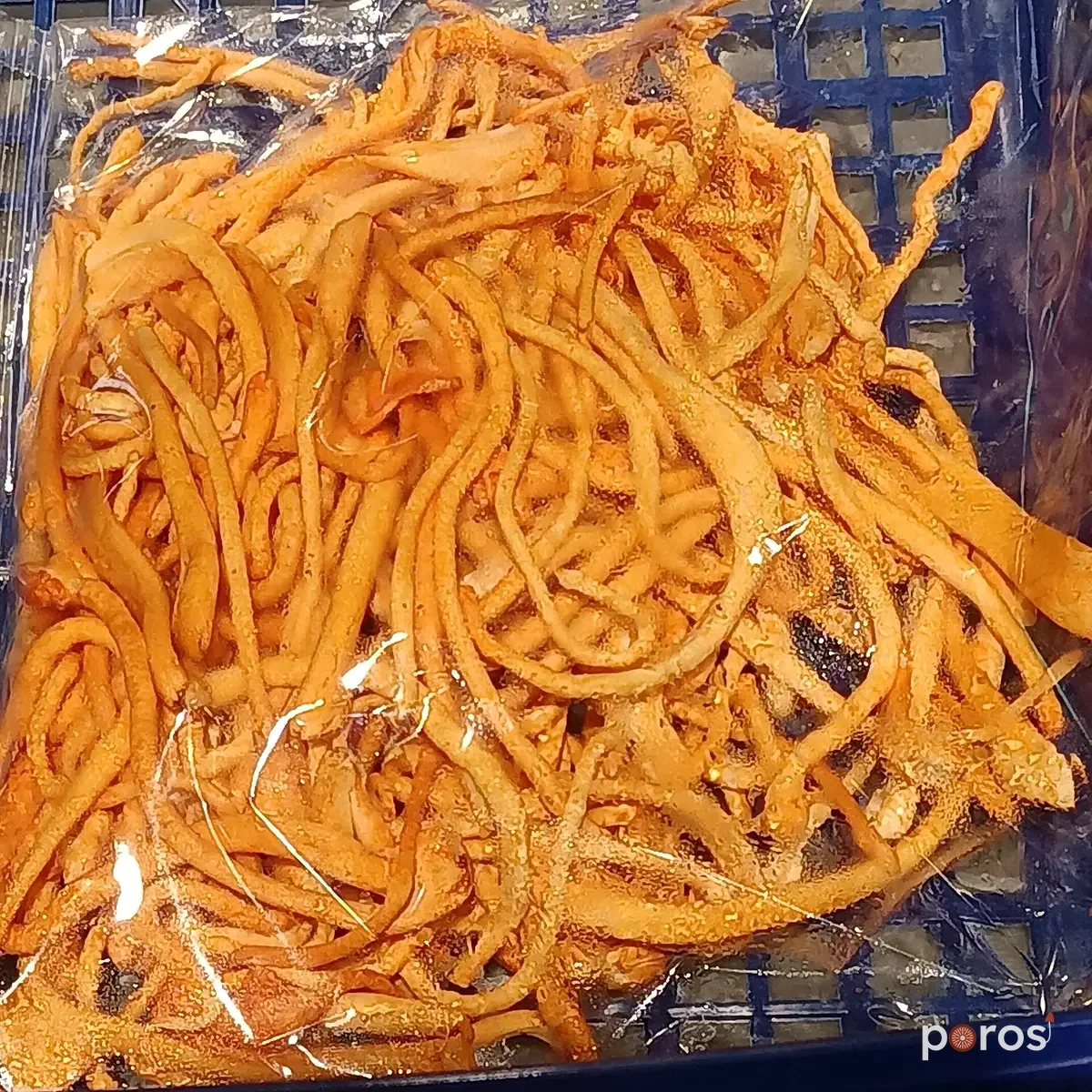
Caterpillar fungus (Tibet) Ophiocordyceps sinensis
Supplement health claims mostly borrow from this species, whose effects are also unproven.
Goldenthread cordyceps Tolypocladium ophioglossoides
Another club fungus listed by sources as a look-alike.
What it contains
Cordyceps produces cordycepin, a nucleoside similar to adenosine. These compounds are being researched; no health effect has been proven. Source
General information, not a health claim.
Grow it, buy it
Cordyceps price list

Waiting list
Cordyceps capsules
Cordyceps militaris
Cultivated orange Cordyceps militaris, once approval is through.
| Product | Us | Market (sourced, dated) |
|---|---|---|
| Cordyceps tea | In preparation · notify me | — |
| Cordyceps capsules (food supplement) | Coming soon · waiting list | — |
Our prices for cordyceps are published when the product is ready; for now we take waiting-list sign-ups. The market column shows prices seen on other sellers' pages on the date given; they are not our prices and may have changed.
Frequently asked questions
When is cordyceps season in Turkey?
In our calendar, cordyceps season runs Aug–Nov. Cordyceps fruits from August to November in Europe; there is a single GBIF record from Turkey (Artvin, August). In cultivation it is grown on rice and silkworm pupae.
Where does cordyceps grow?
Cordyceps grows in grassland and on mossy woodland edges, always attached to a moth pupa below ground.
Where is cordyceps found in Turkey?
Cordyceps is rarely recorded in Turkey.
What can cordyceps be confused with?
Cordyceps can be confused with caterpillar fungus (Tibet) (Ophiocordyceps sinensis, inedible) and goldenthread cordyceps (Tolypocladium ophioglossoides, inedible). Look-alikes are compared on this page.
What is cordyceps called in Turkish?
In Turkish, cordyceps (Cordyceps militaris) is called Kordiseps.
Related species
-
 ReishiGanoderma lucidumTraditional use
-
 Bloody milk capLactarius sanguifluusEdible species
-
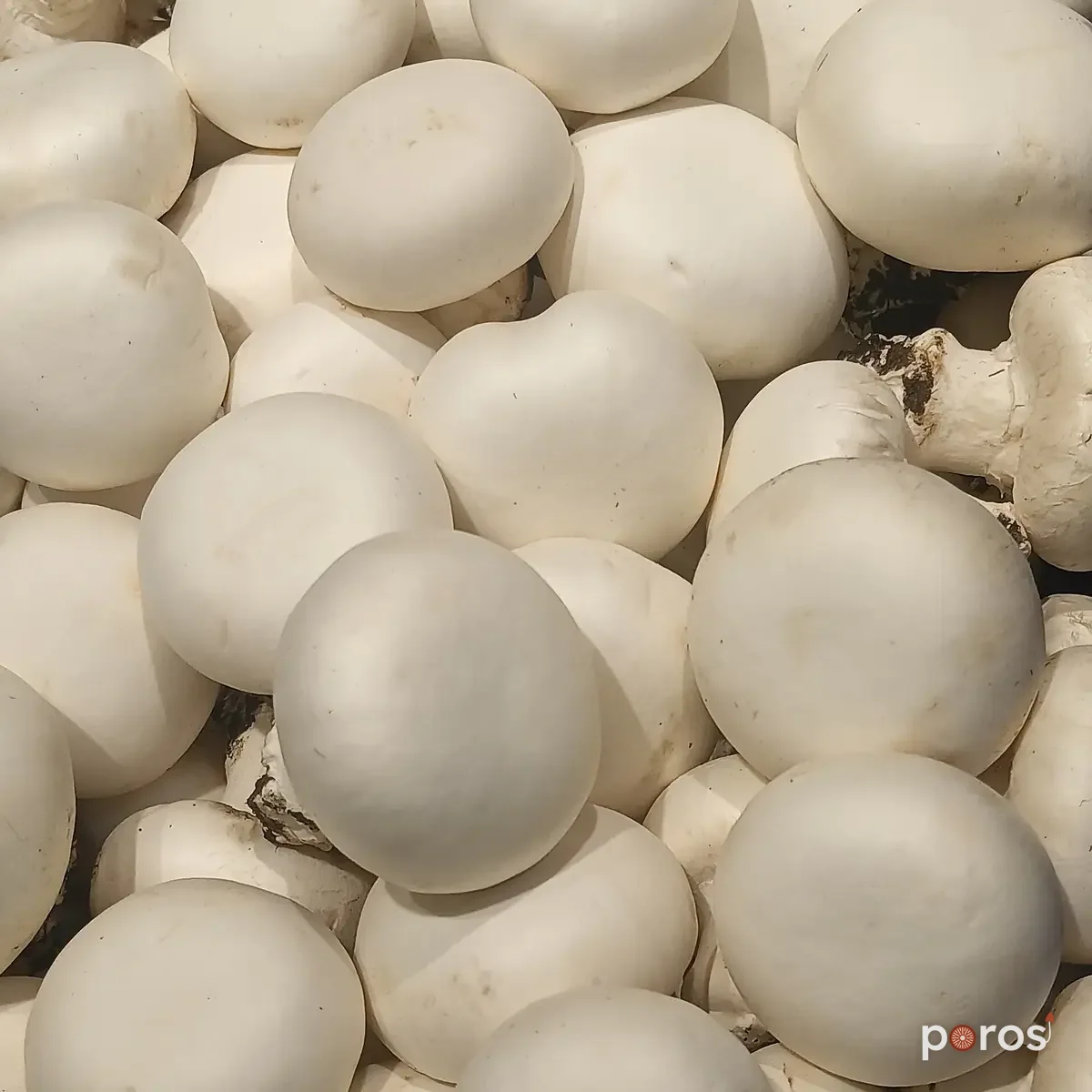 Button mushroomAgaricus bisporusEdible species
-
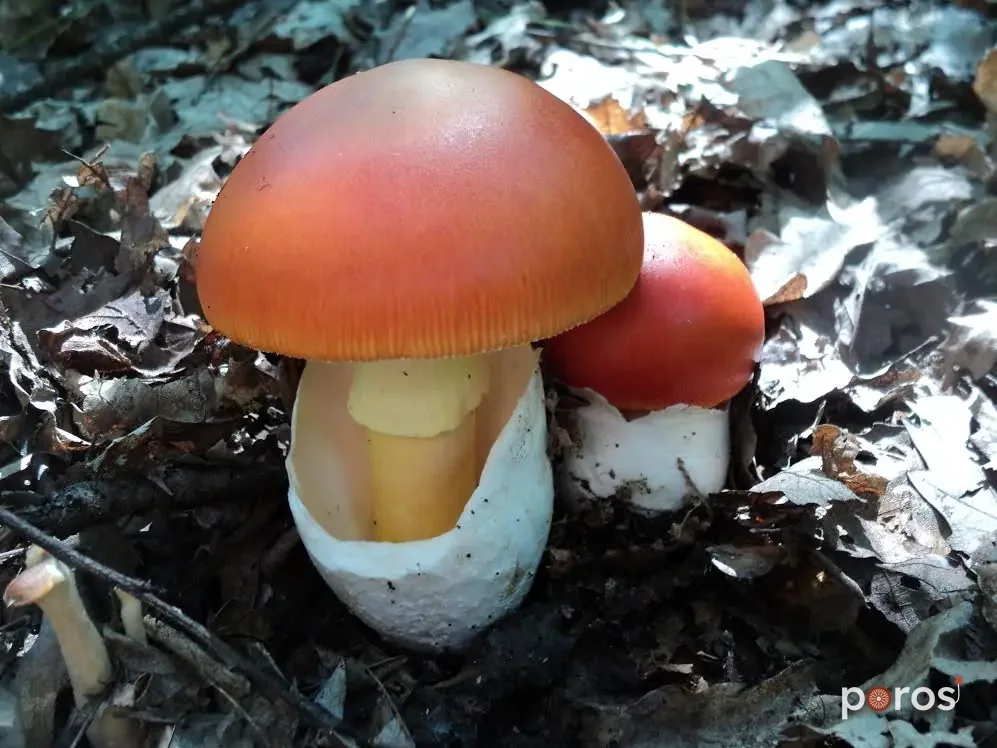 Caesar’s mushroomAmanita caesareaEdible species
-
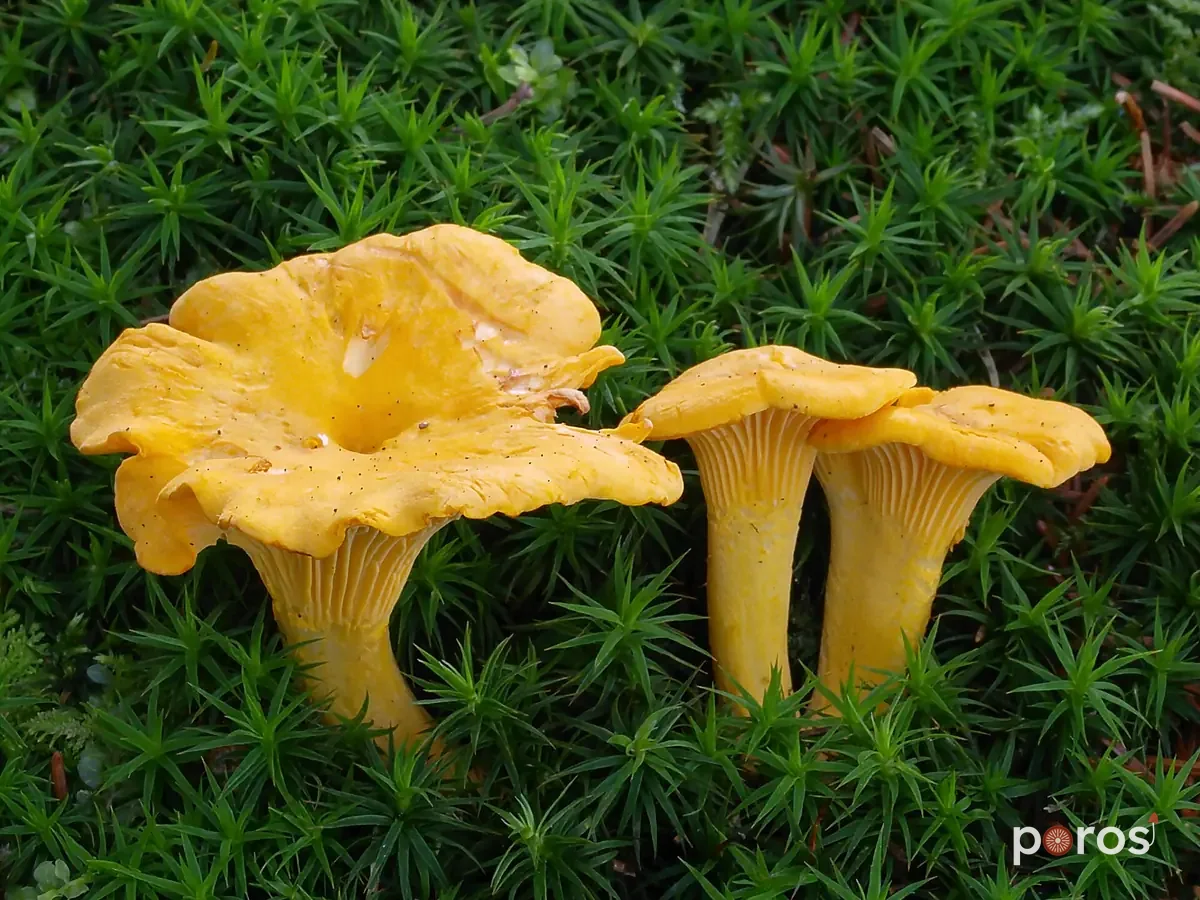 ChanterelleCantharellus cibariusEdible species
-
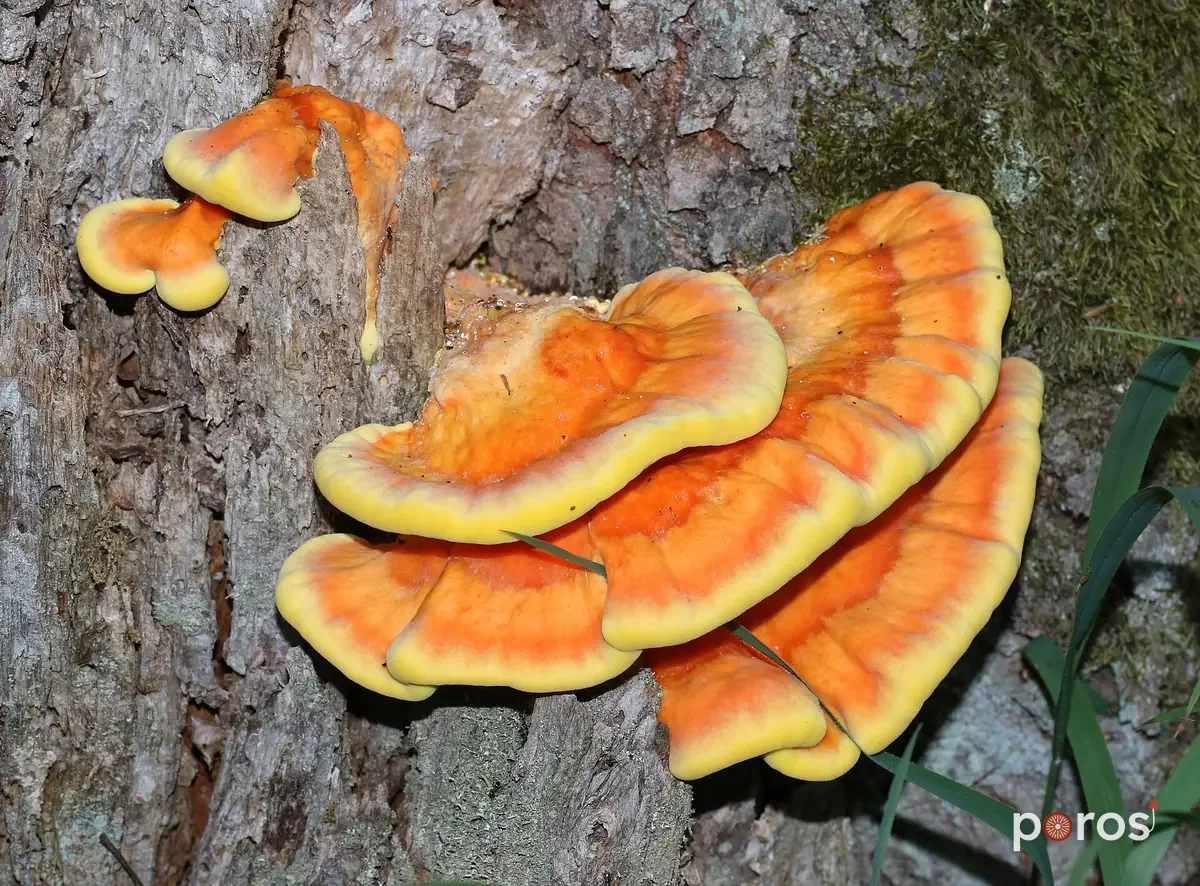 Chicken of the woodsLaetiporus sulphureusEdible species
-
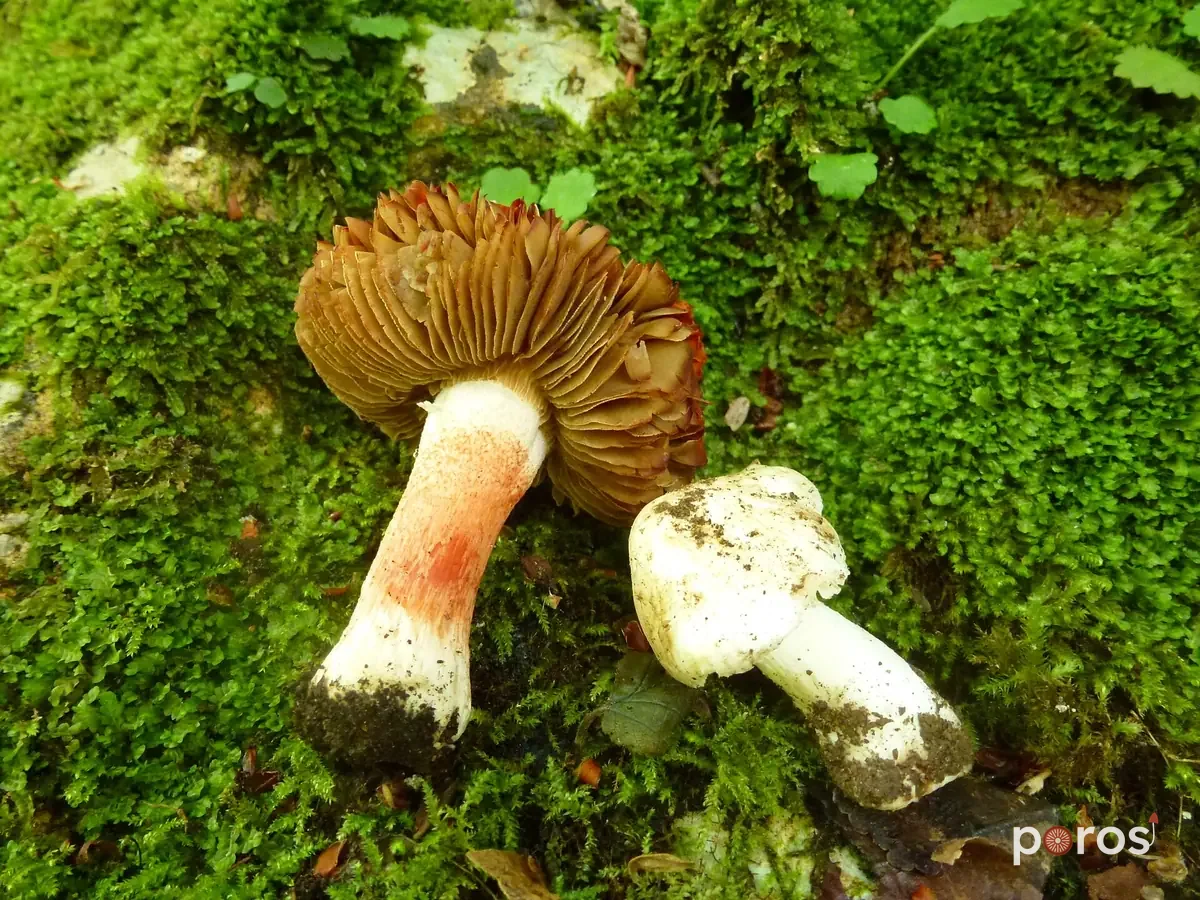 Deadly fibrecapInosperma erubescensDeadly poisonous
-
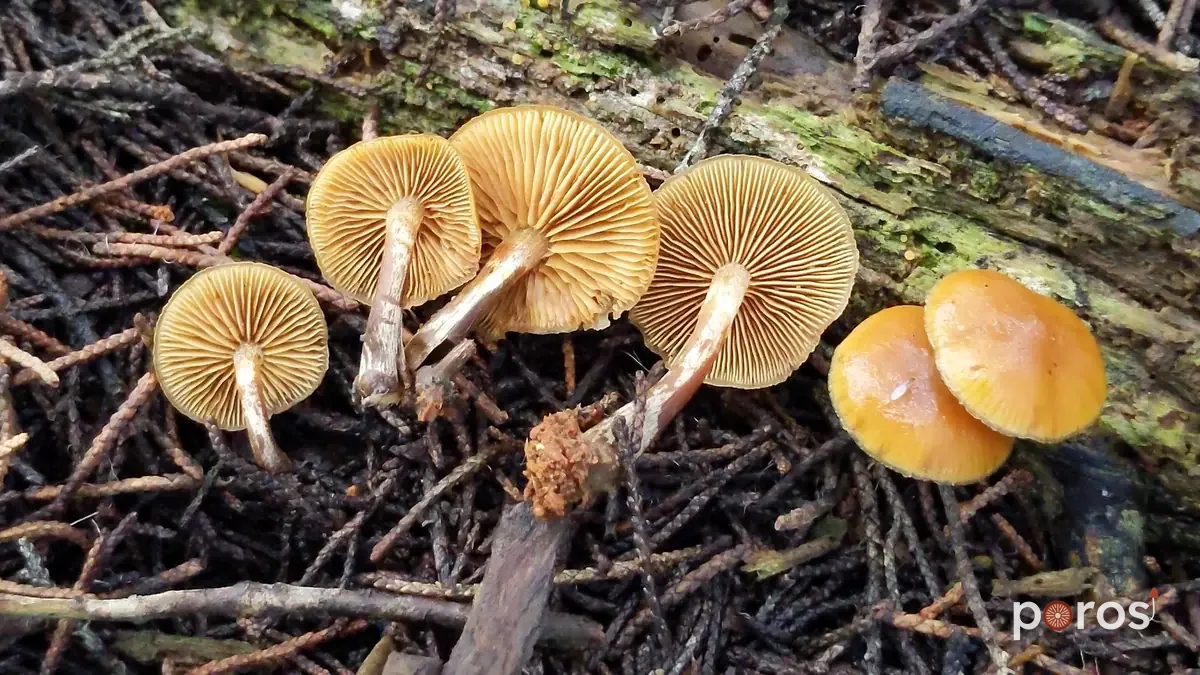 Deadly galerinaGalerina marginataDeadly poisonous
Sources (3)
- Wikipedia (EN): Cordyceps militaris · checked 26 Oct 2026
- First Nature: Cordyceps militaris · checked 26 Oct 2026
- GBIF: Türkiye kayıtları · checked 26 Oct 2026
Photo credits (10)
- Cordyceps militaris · iNaturalist #325104104 · Gilles San Martin · CC BY-SA 4.0
- File:Puppen-Kernkeule Cordyceps militaris.jpg · Holger Krisp · CC BY 3.0
- Cordyceps militaris · iNaturalist #17107384 · Alan Rockefeller · CC BY 4.0
- Cordyceps militaris · iNaturalist #128953497 · Sigrid Jakob · CC0
- File:2010-08-06 Cordyceps militaris 1.jpg · Andreas Kunze · CC BY-SA 3.0
- File:Fresh cordyceps militaris.jpg · Fumikas Sagisavas · CC0
- File:Cordyceps Militaris.jpg · mushroomclinicaltrials.com · CC BY 2.0
- Cordyceps militaris · iNaturalist #145132789 · Michael Hansen · CC BY 4.0
- File:Cordyceps militaris 452741546.jpg · Matej Frančeškin · CC BY 4.0
- Cordyceps militaris · iNaturalist #178765004 · Alan Rockefeller · CC BY 4.0


