
Bloody milk cap
Lactarius sanguifluus · Russulaceae
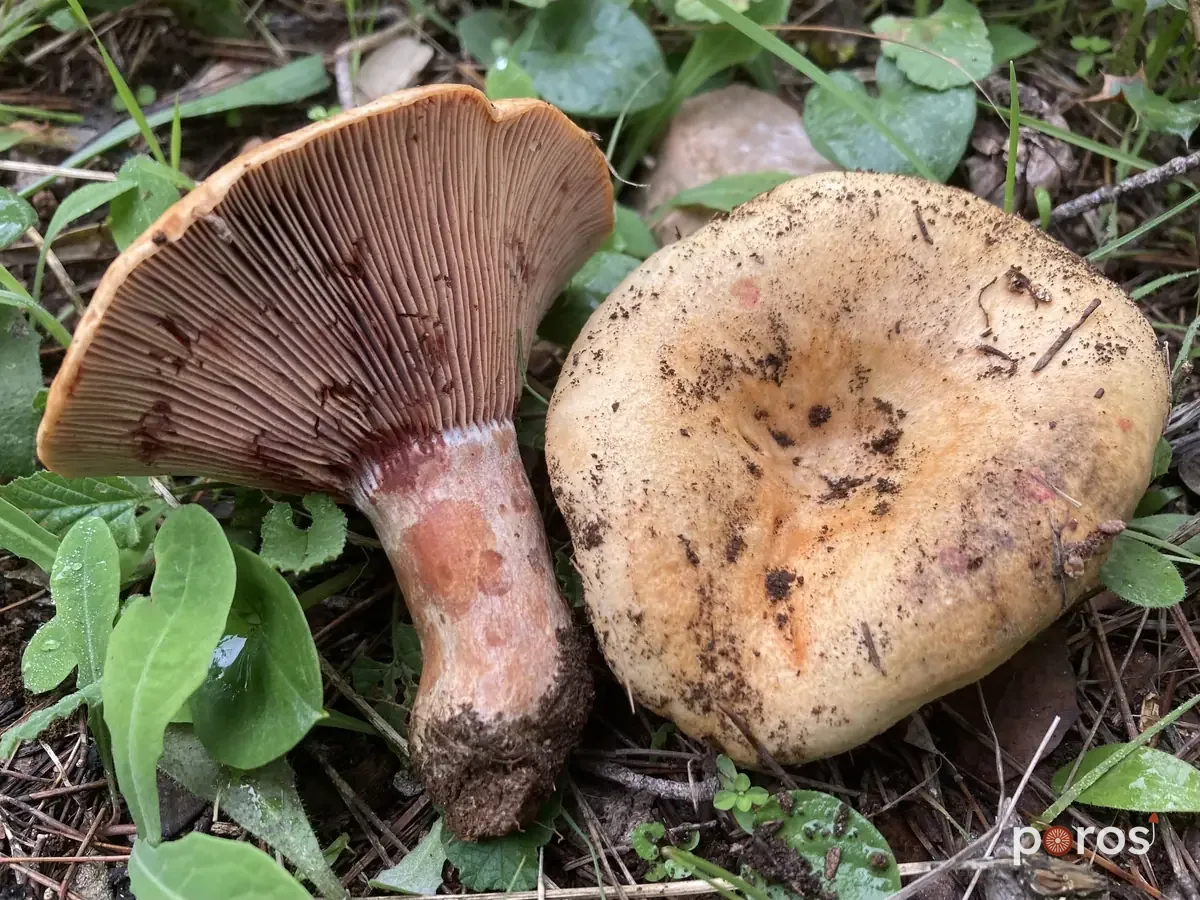
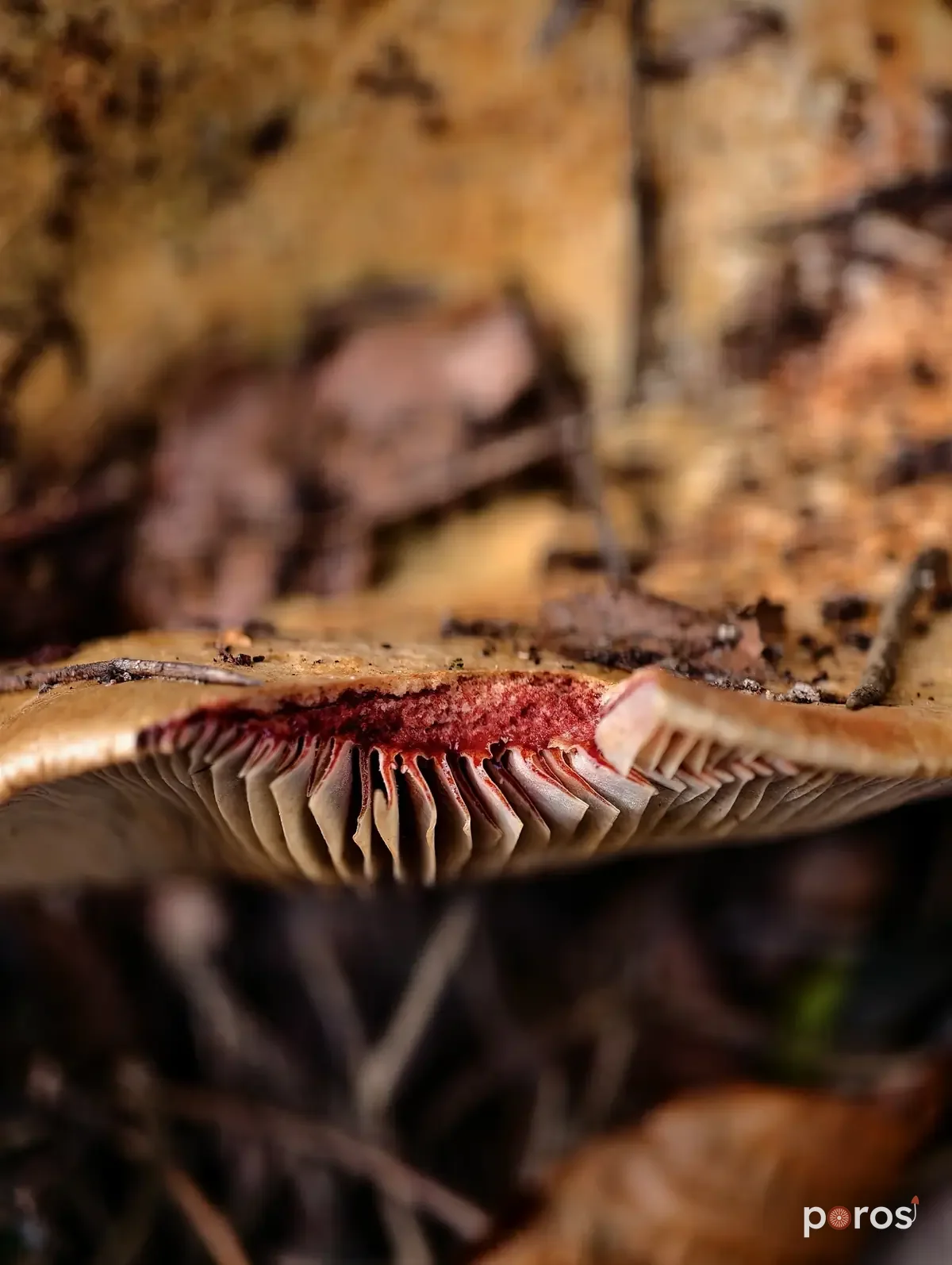
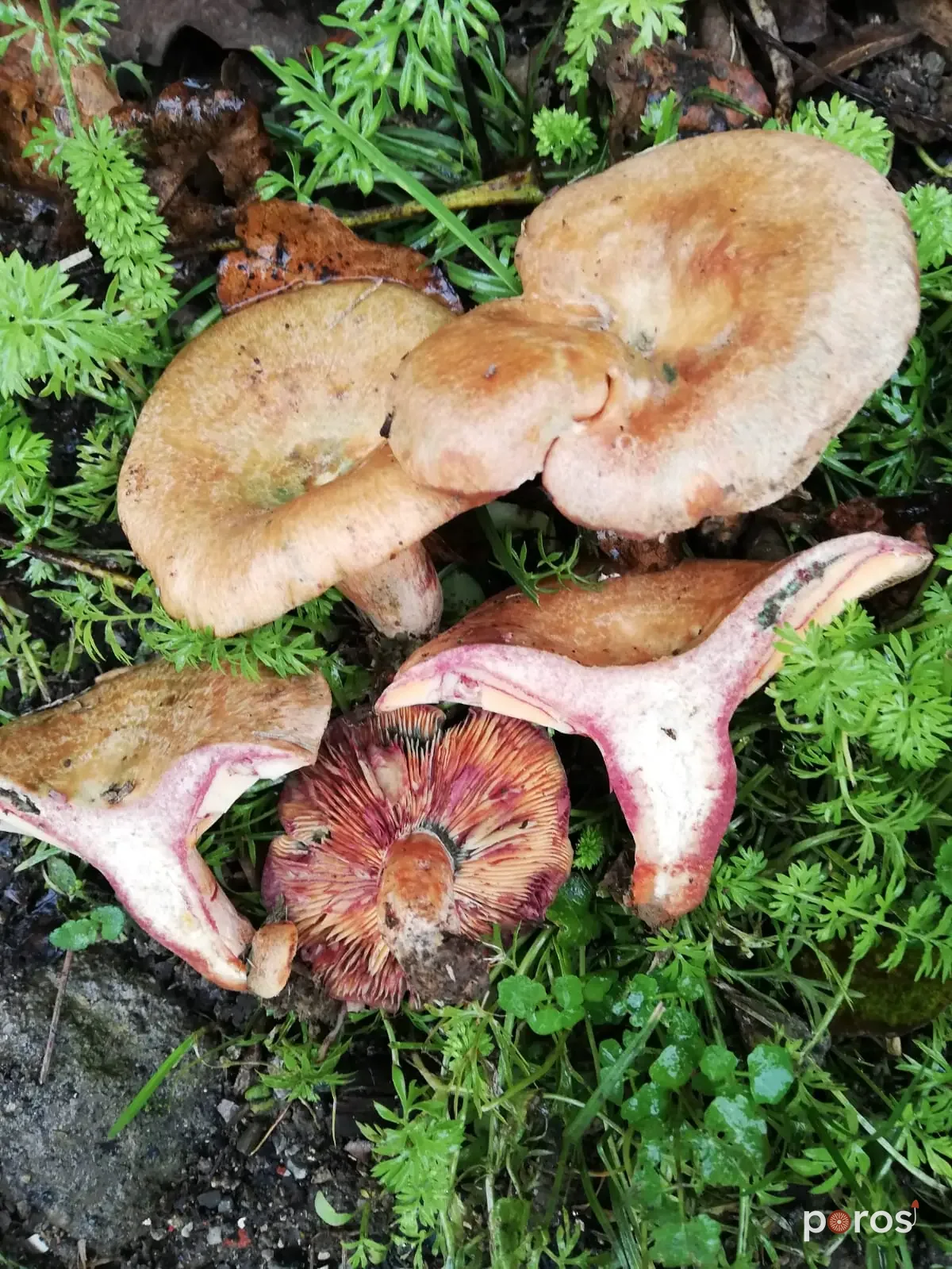
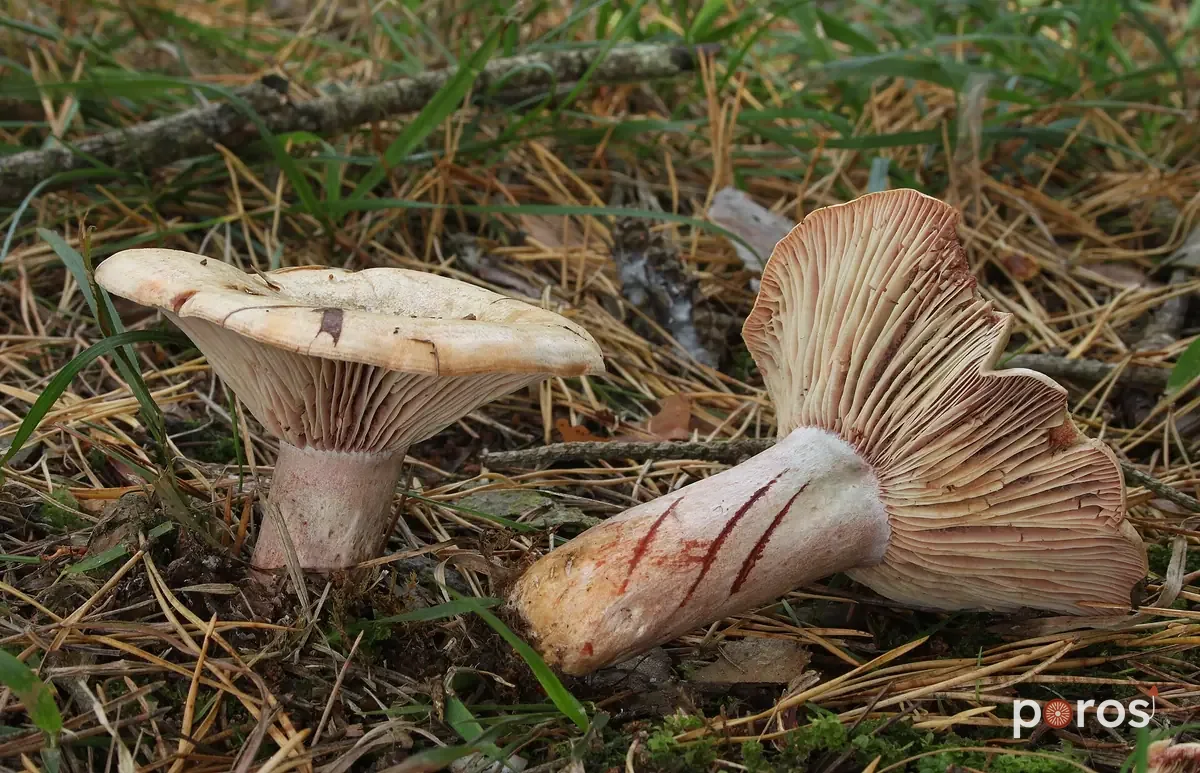
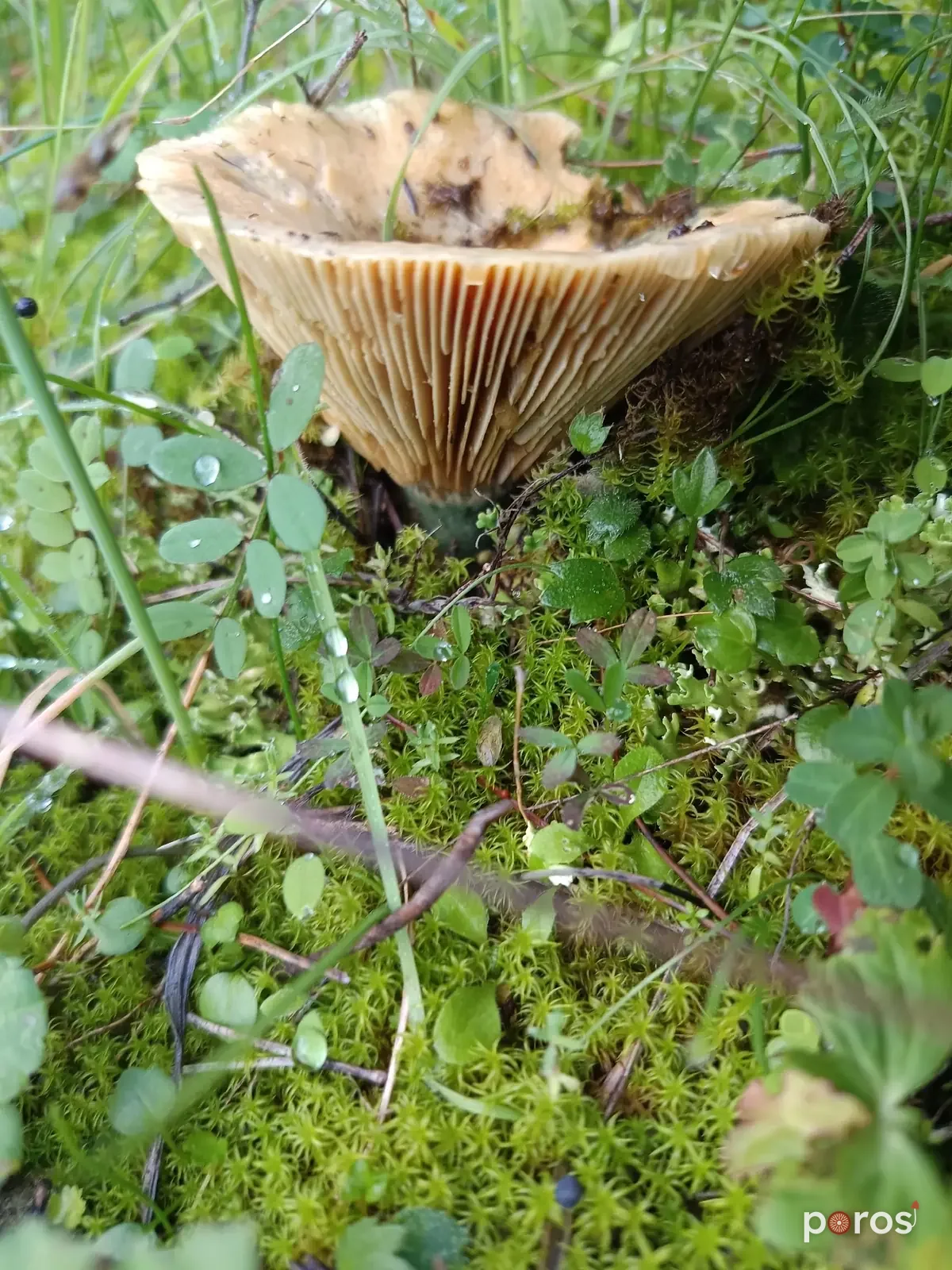
The bloody milk cap is a pine-wood Lactarius from the same section as the saffron milk cap, with a pinkish-orange cap and blood-red to purple milk that oozes when it is broken.
The bloody milk cap is a pine-wood Lactarius from the same section as the saffron milk cap, with a pinkish-orange cap and blood-red to purple milk that oozes when it is broken. It is a choice edible sold in rural markets, but specimens from roadsides can accumulate heavy metals.
Turkish: Kızıl sütlü çıntar
How to recognise it
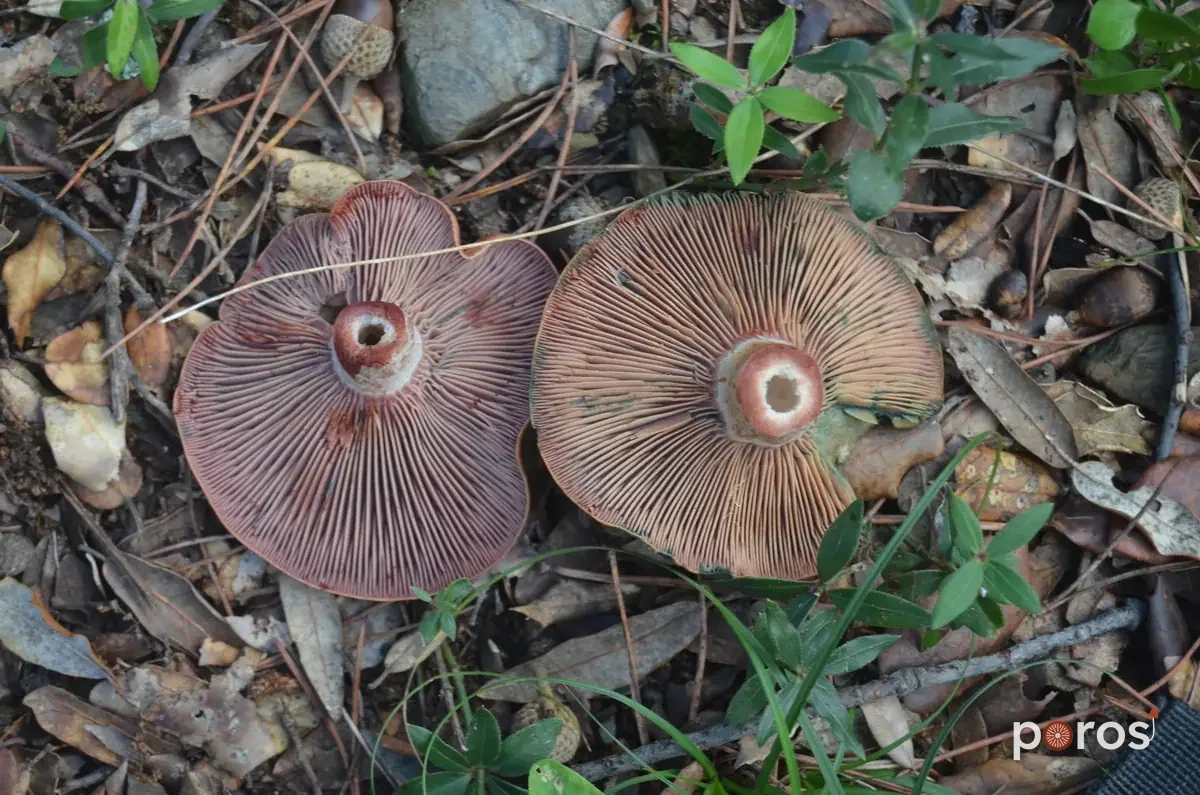
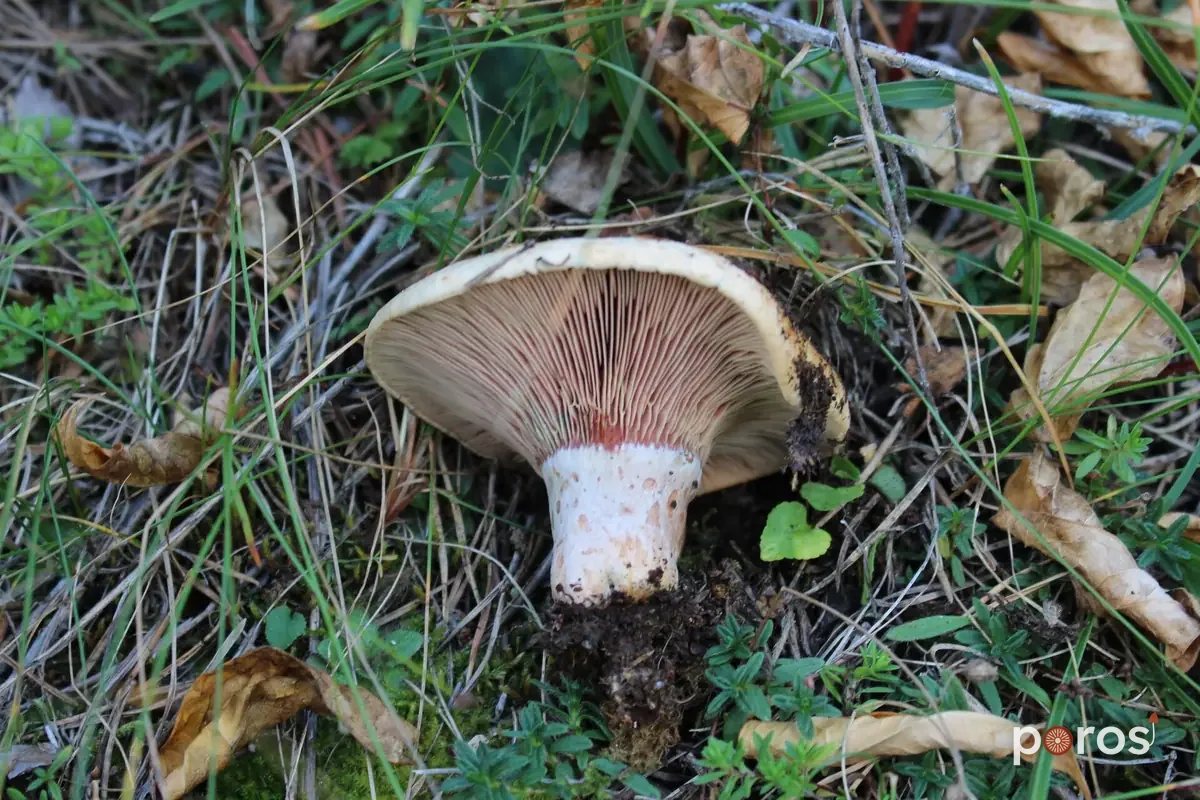
Bloody milk cap, part by part
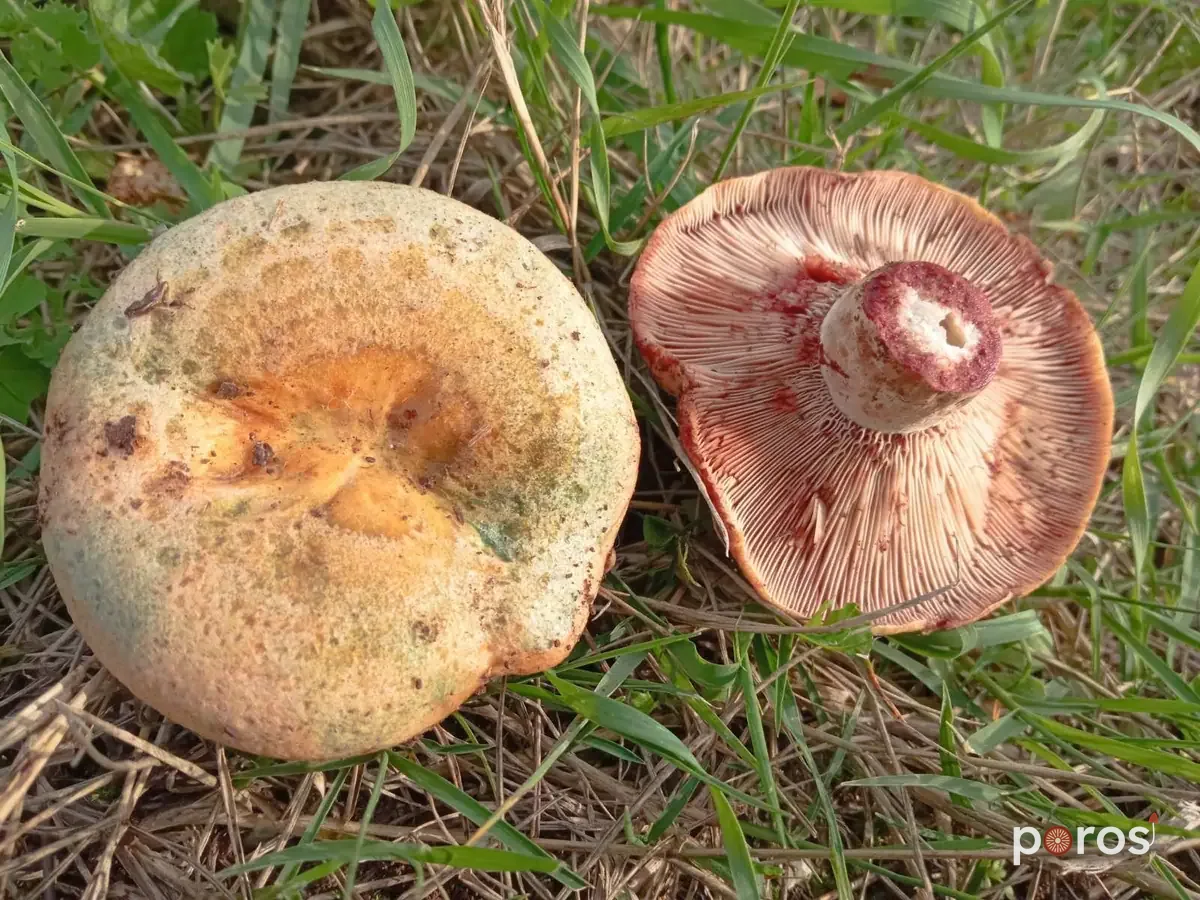
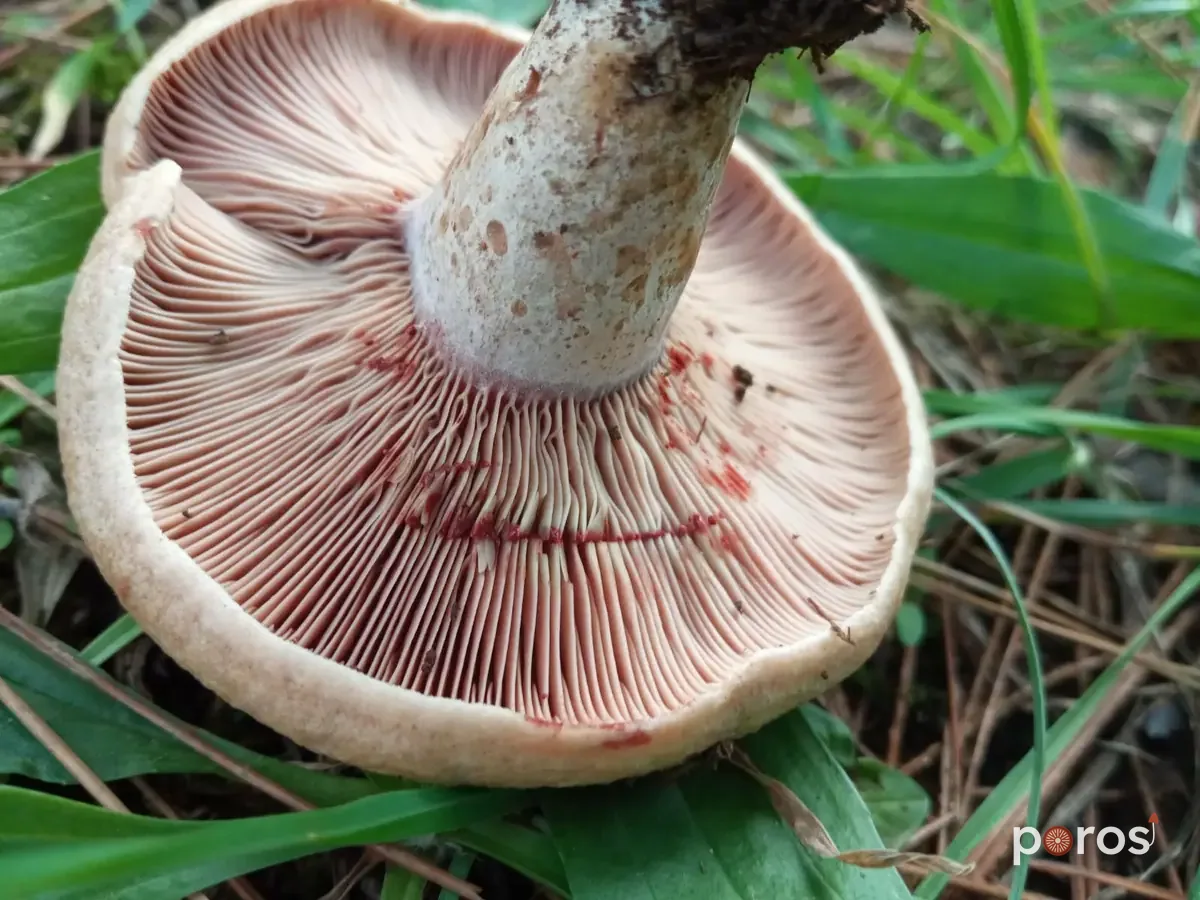
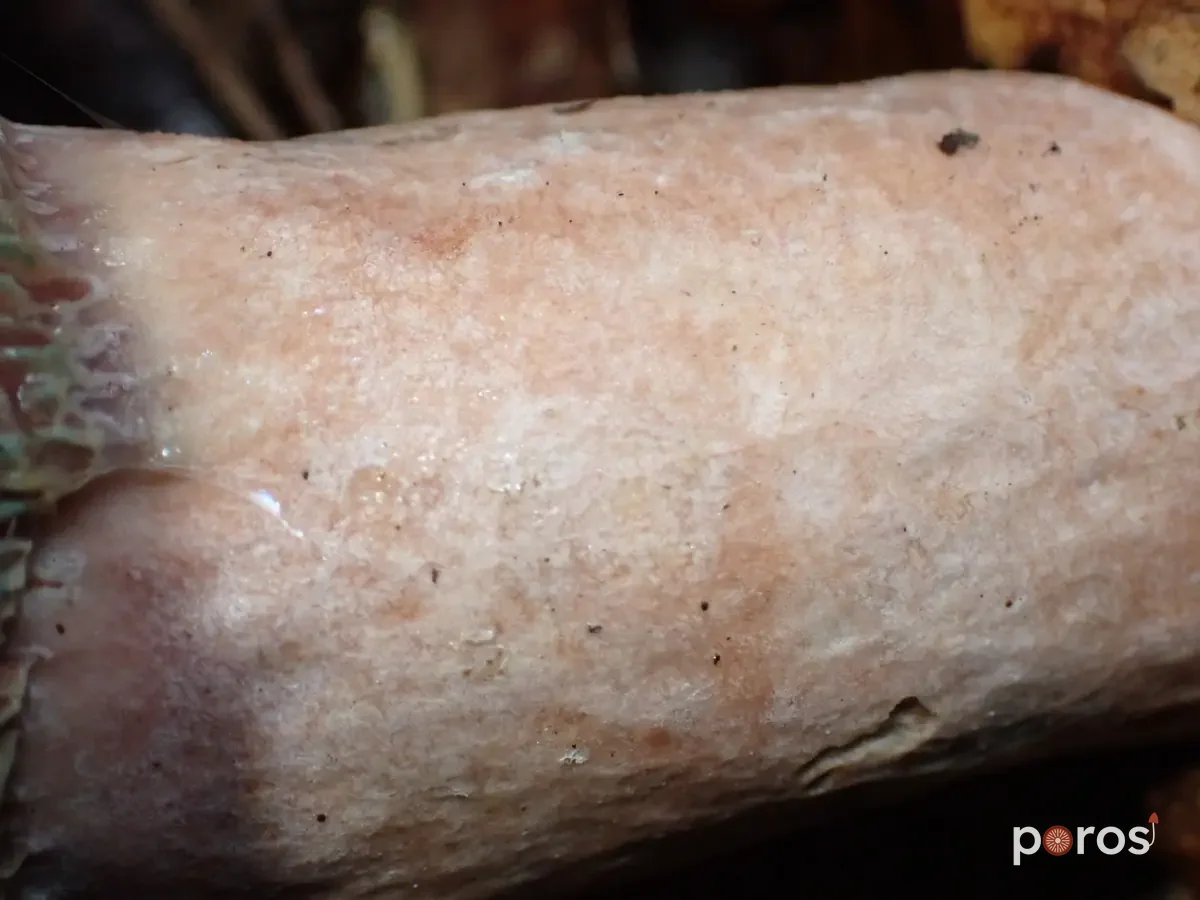
No ring or volva Spore print: Buff Blood-red to purple milk when broken.
When and where
Sep–Dec
- Jan
- Feb
- Mar
- Apr
- May
- Jun
- Jul
- Aug
- Sepin season
- Octin season
- Novin season
- Decin season
The bloody milk cap fruits from September to November in southern Europe, into December further south; in Turkey, GBIF records fall in November–December.
Where do bloody milk caps grow?
The bloody milk cap grows under pines on calcareous soil (ectomycorrhizal) and is found in Europe, Mediterranean North Africa and Asia.
In Turkey
In Turkey, records of the bloody milk cap come from Istanbul; a Turkish study measured heavy-metal levels in specimens collected from roadsides and lawns.
- İstanbul3
3 observations on our map (GBIF, iNaturalist). Record density also reflects where observers work.
Latest bloody milk cap observations

Look-alikes
What could it be confused with?
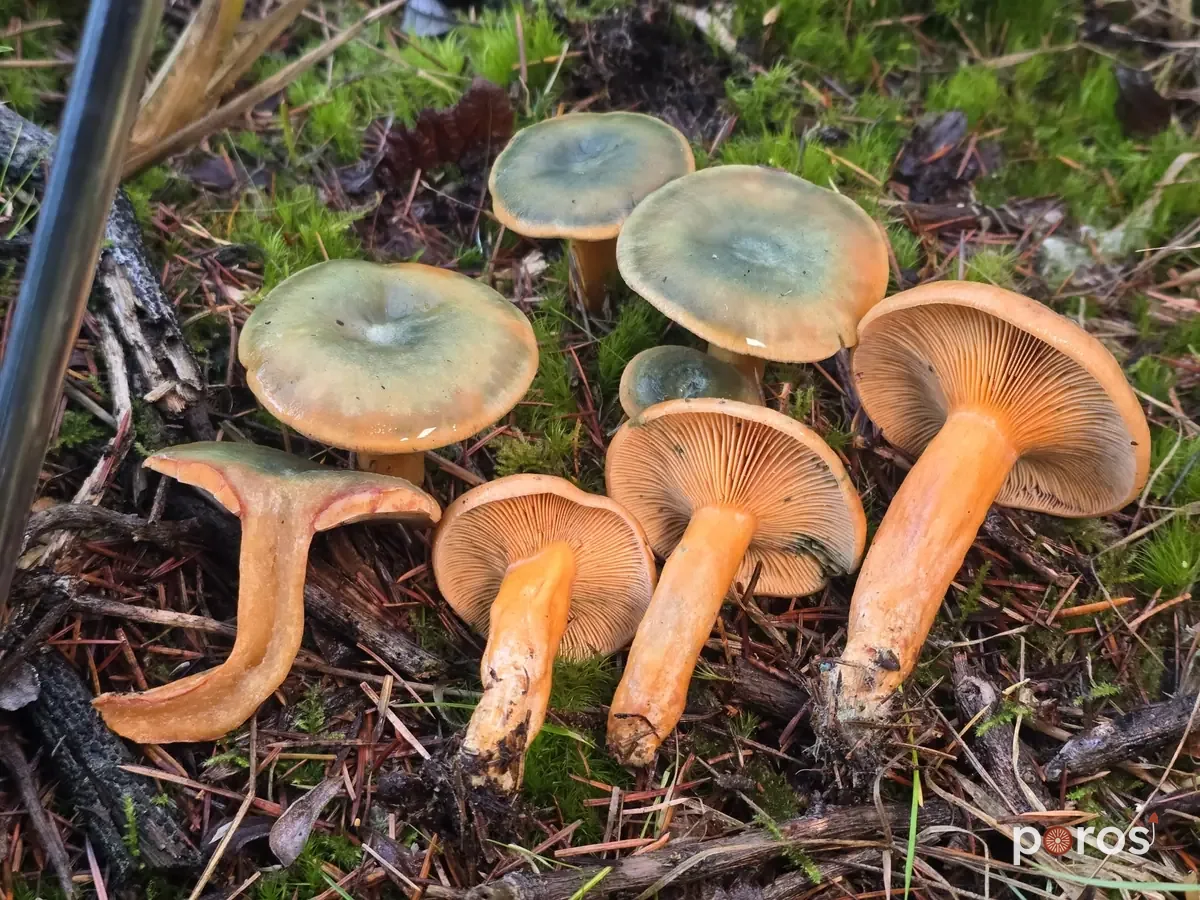
Woolly milkcap Lactarius torminosus
Woolly cap margin, white milk, under birch.
In the kitchen
Cooking with bloody milk caps
On the blog

Storing bloody milk caps
Do not pick it near busy roads or on polluted soil; it accumulates heavy metals.
Grow it, buy it
Bloody milk cap price list
| Product | Us | Market (sourced, dated) |
|---|---|---|
| Fresh bloody milk caps | In preparation · notify me | — |
| Dried bloody milk caps | In preparation · notify me | — |
Our prices for bloody milk caps are published when the product is ready; for now we take waiting-list sign-ups. The market column shows prices seen on other sellers' pages on the date given; they are not our prices and may have changed.
Frequently asked questions
Are bloody milk caps edible?
Yes, the bloody milk cap is an edible species. Eat a wild one only after an expert has identified it with certainty: it can be confused with woolly milkcap (Lactarius torminosus). Do not pick it near busy roads or on polluted soil; it accumulates heavy metals.
When is bloody milk cap season in Turkey?
In our calendar, bloody milk cap season runs Sep–Dec. The bloody milk cap fruits from September to November in southern Europe, into December further south; in Turkey, GBIF records fall in November–December.
Where do bloody milk caps grow?
The bloody milk cap grows under pines on calcareous soil (ectomycorrhizal) and is found in Europe, Mediterranean North Africa and Asia.
Where are bloody milk caps found in Turkey?
In Turkey, records of the bloody milk cap come from Istanbul; a Turkish study measured heavy-metal levels in specimens collected from roadsides and lawns.
What can the bloody milk cap be confused with?
The bloody milk cap can be confused with saffron milk cap (Lactarius deliciosus, edible species) and woolly milkcap (Lactarius torminosus, poisonous). Look-alikes are compared on this page.
What is the bloody milk cap called in Turkish?
In Turkish, the bloody milk cap (Lactarius sanguifluus) is called Kızıl sütlü çıntar.
Related species
-
Saffron milk capLactarius deliciosusEdible species
-
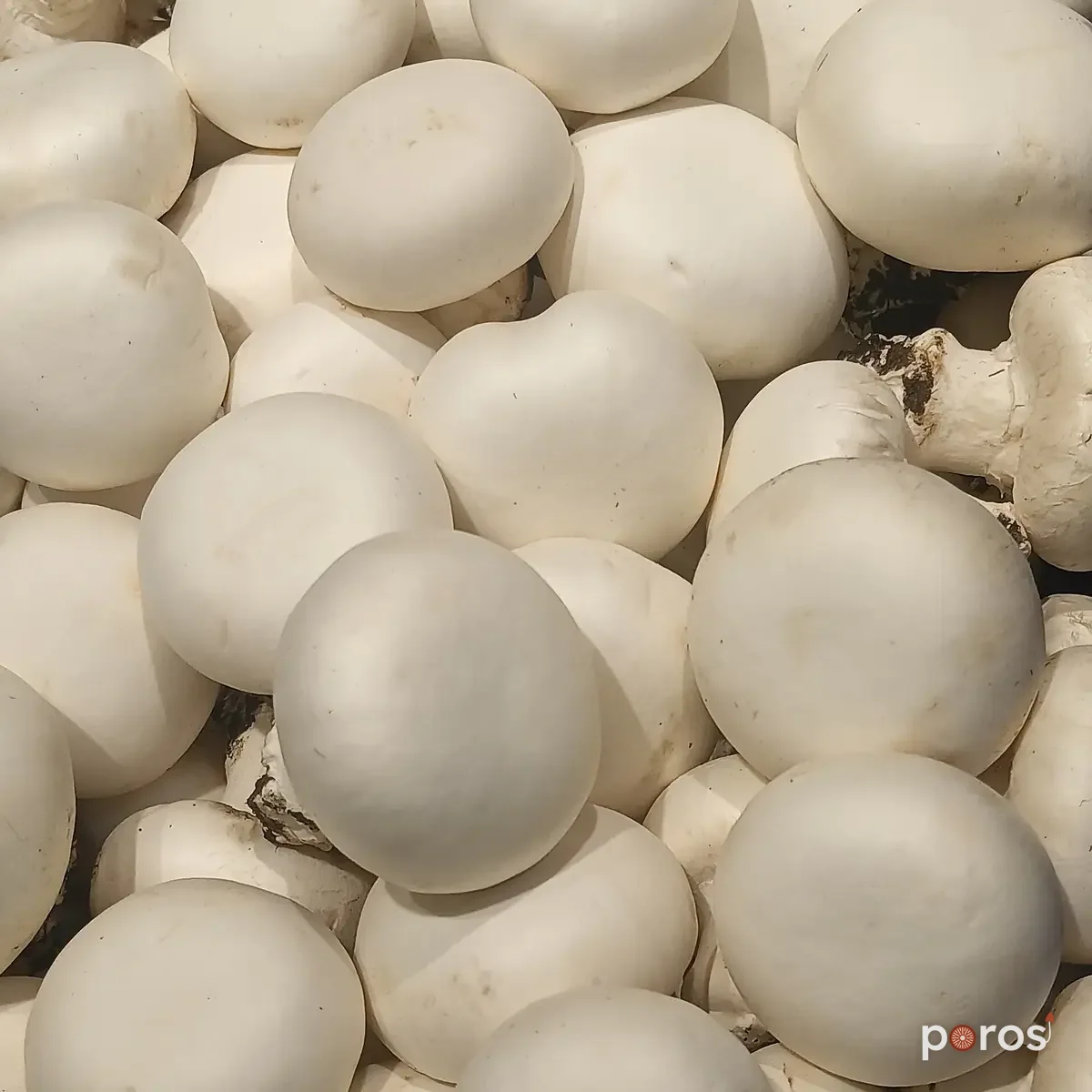 Button mushroomAgaricus bisporusEdible species
-
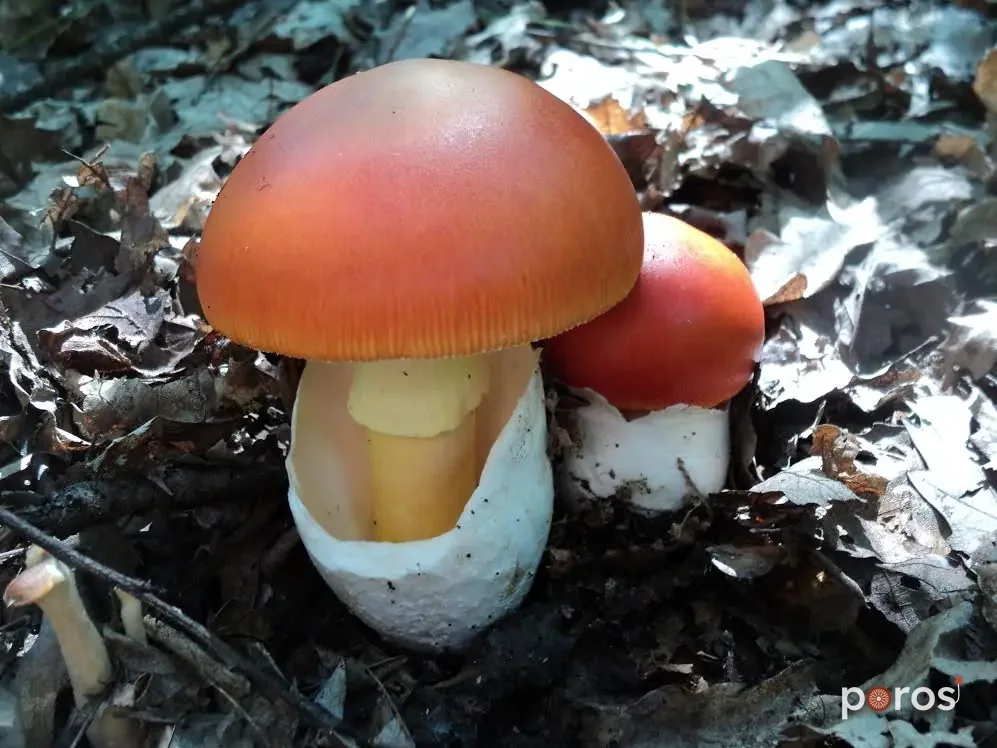 Caesar’s mushroomAmanita caesareaEdible species
-
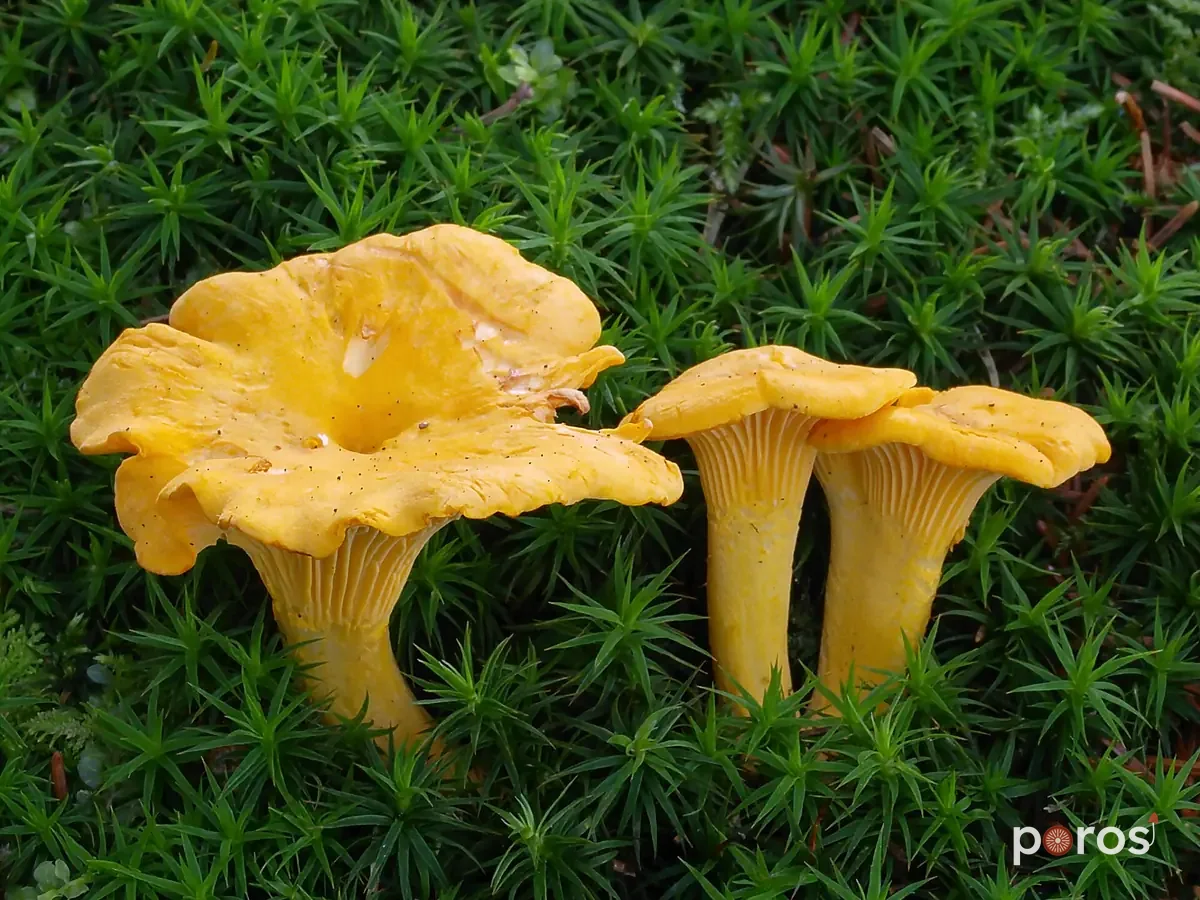 ChanterelleCantharellus cibariusEdible species
-
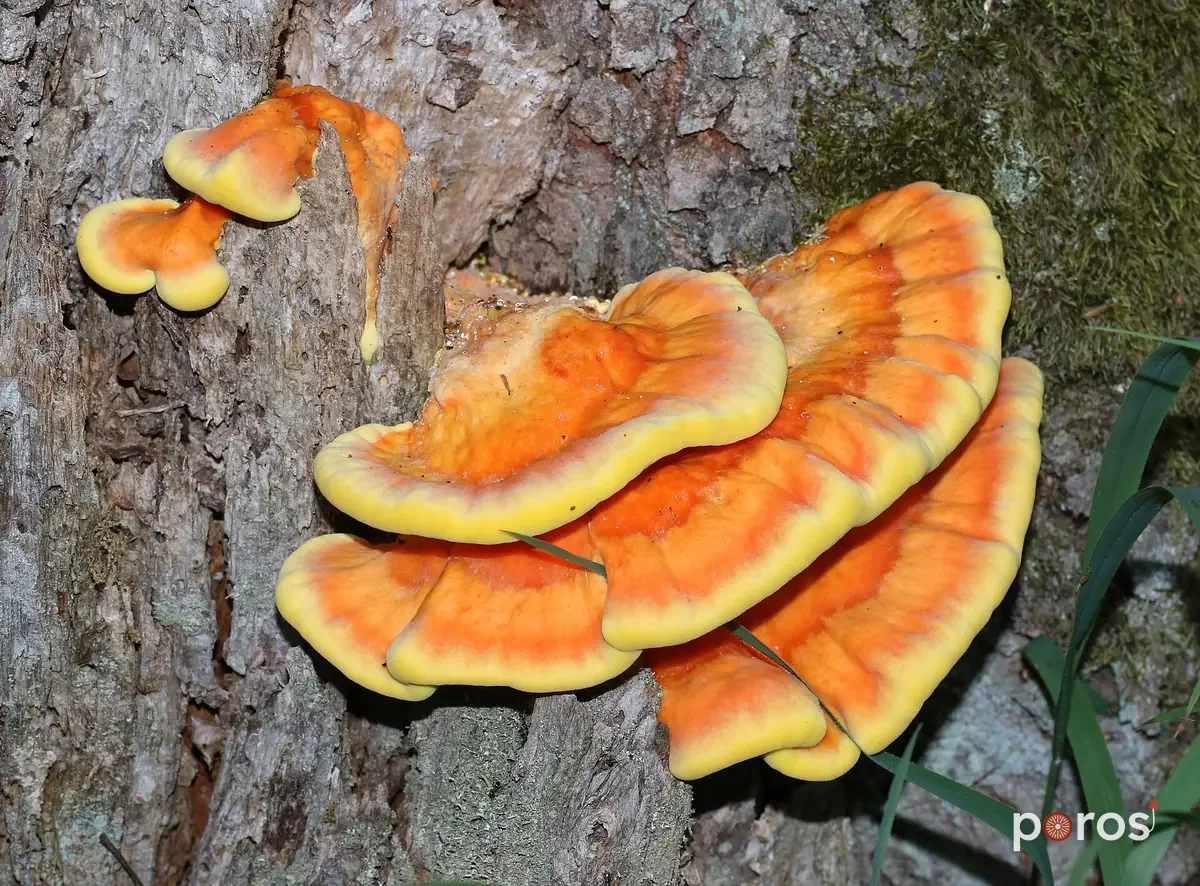 Chicken of the woodsLaetiporus sulphureusEdible species
-
 EnokiFlammulina filiformisEdible species
-
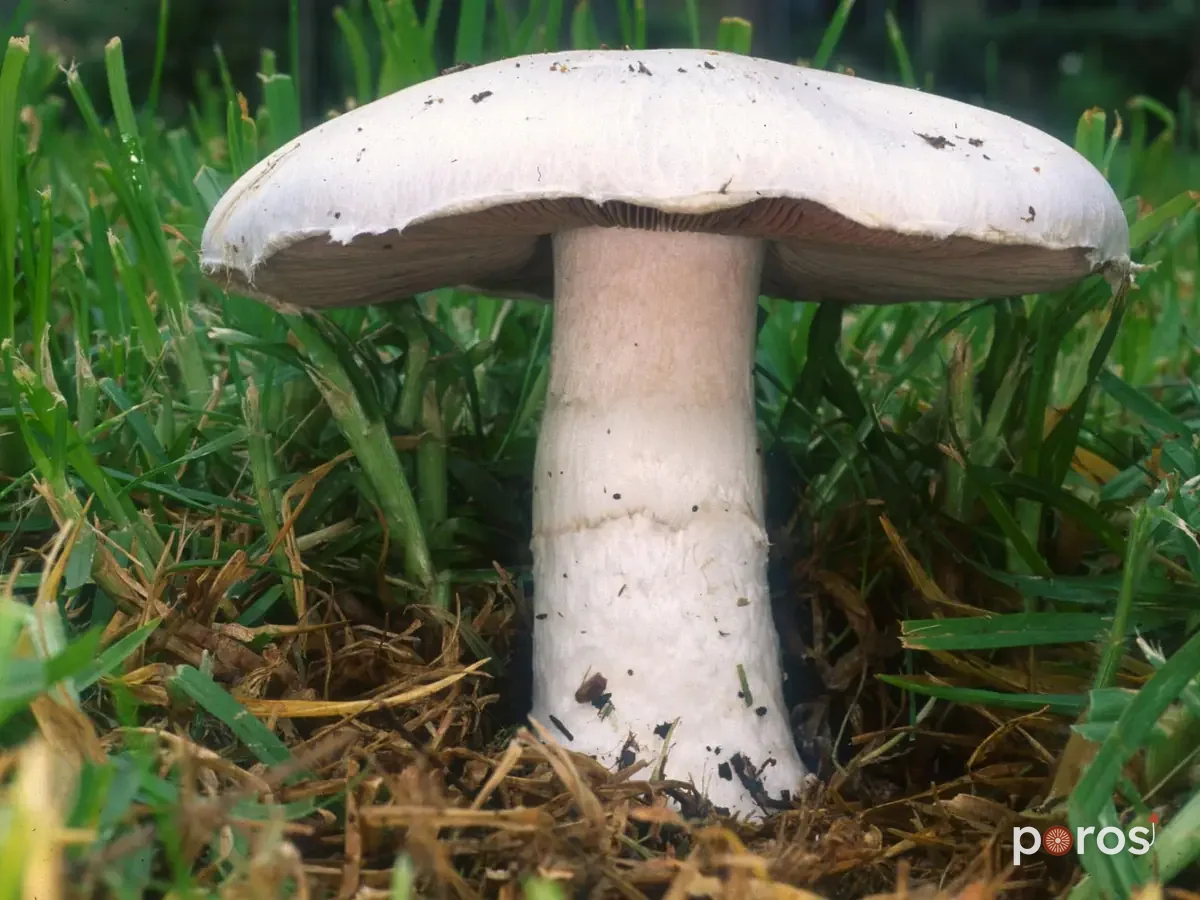 Field mushroomAgaricus campestrisEdible species
-
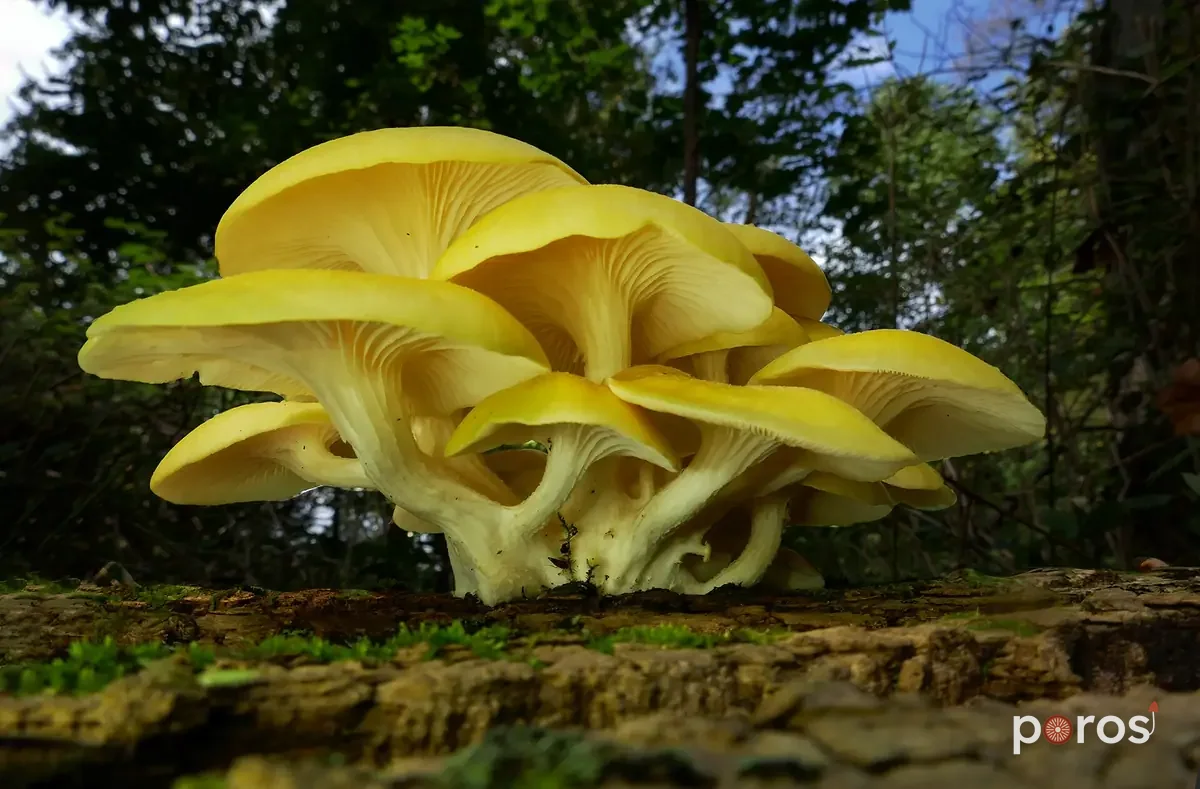 Golden oyster mushroomPleurotus citrinopileatusEdible species
Sources (2)
- Wikipedia (EN): Lactarius sanguifluus · checked 26 Oct 2026
- GBIF: Türkiye kayıtları · checked 26 Oct 2026
Photo credits (10)
- Lactarius sanguifluus · iNaturalist #330235209 · Lucian Clanet · CC BY 4.0
- Lactarius sanguifluus · iNaturalist #201272978 · Kristian Bosak · CC BY 4.0
- File:Lactarius sanguifluus 2.jpg · Jose Angel Urquia Goitia · CC BY-SA 4.0
- File:Weinroter Kiefern-Reizker Lactarius sanguifluus.jpg · Holger Krisp · CC BY 3.0
- Lactarius sanguifluus · iNaturalist #323997118 · Michael Pongratz · CC0
- Lactarius sanguifluus · iNaturalist #201272978 · Kristian Bosak · CC BY 4.0
- Lactarius sanguifluus · iNaturalist #188432697 · petitcrabe · CC BY 4.0
- Lactarius sanguifluus · iNaturalist #53048358 · Nico Hernandez · CC BY 4.0
- File:Lactarius sanguifluus 25907716.jpg · Fabien Piednoir · CC BY-SA 4.0
- Lactarius sanguifluus · iNaturalist #332334931 · Σταυρούλα Χρήστος · CC BY 4.0


