
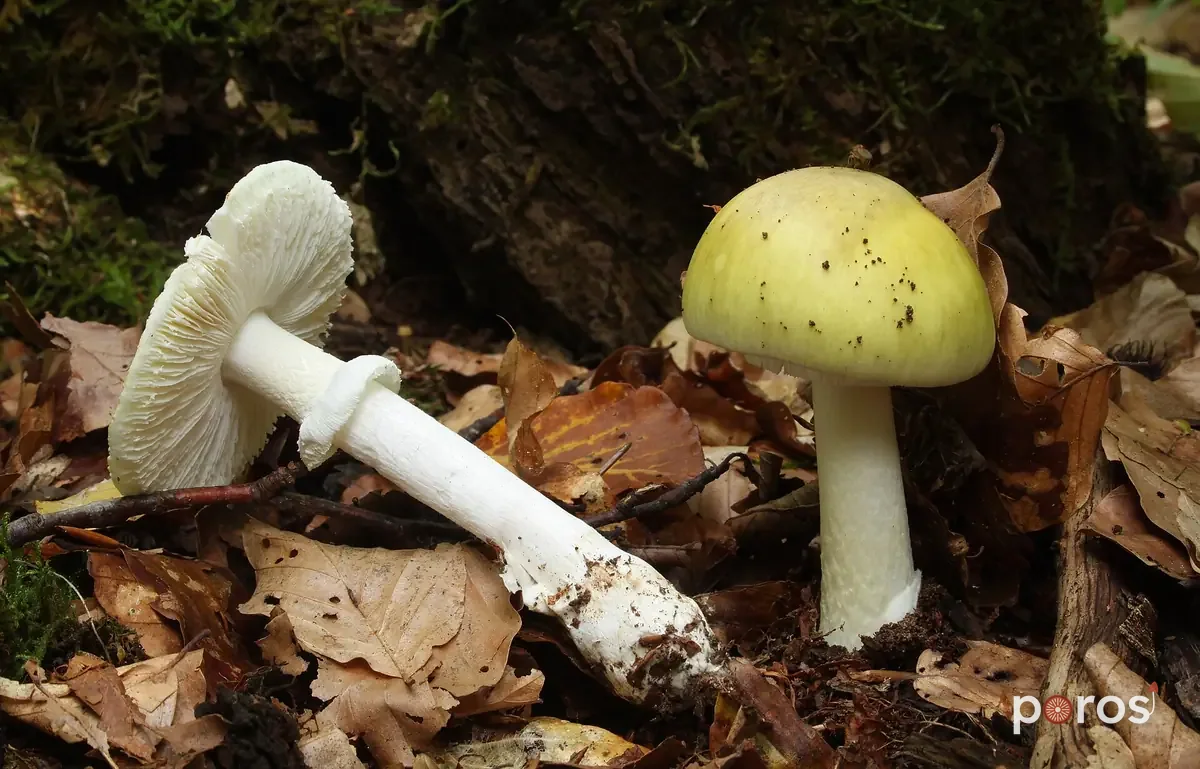
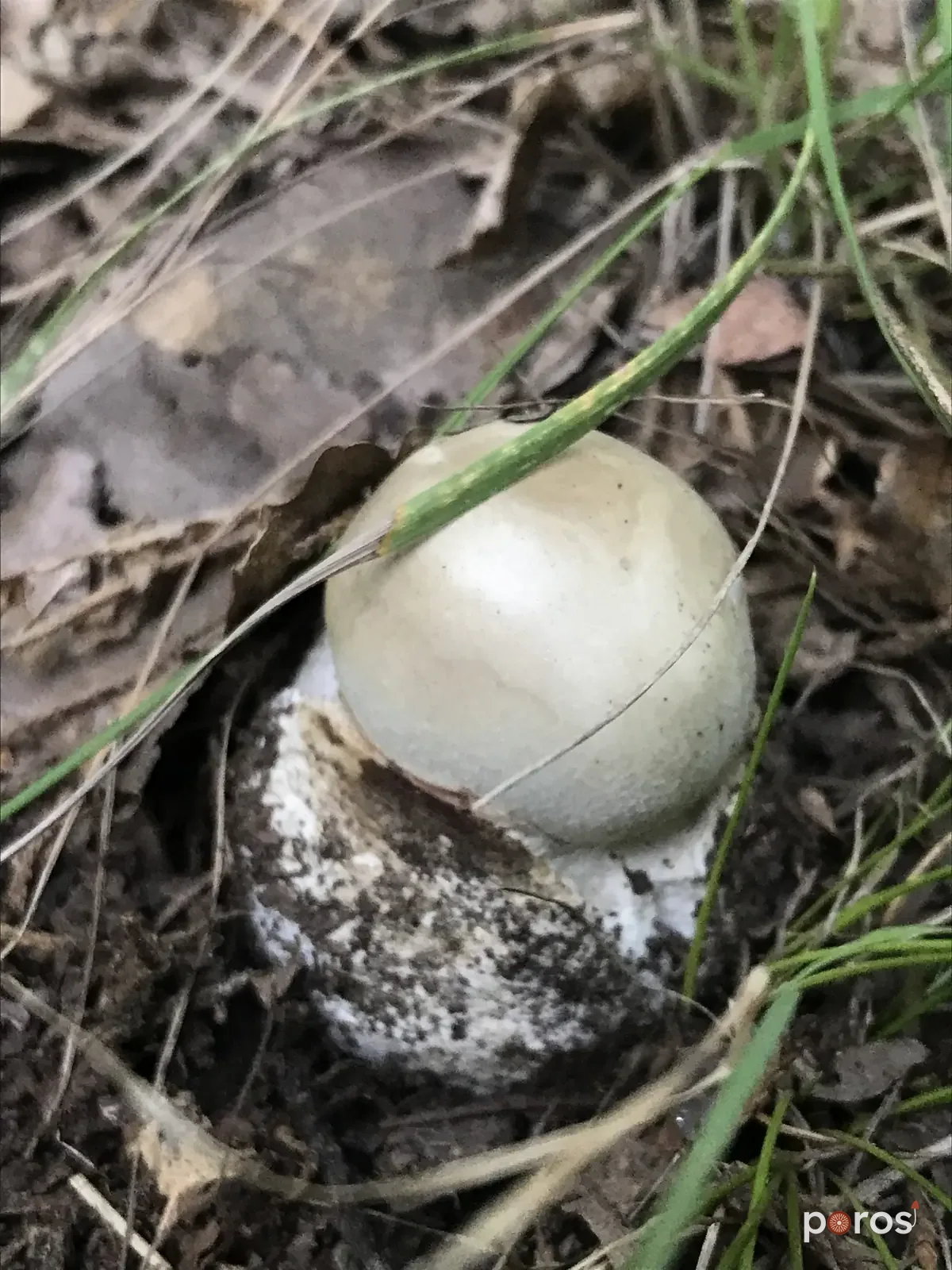
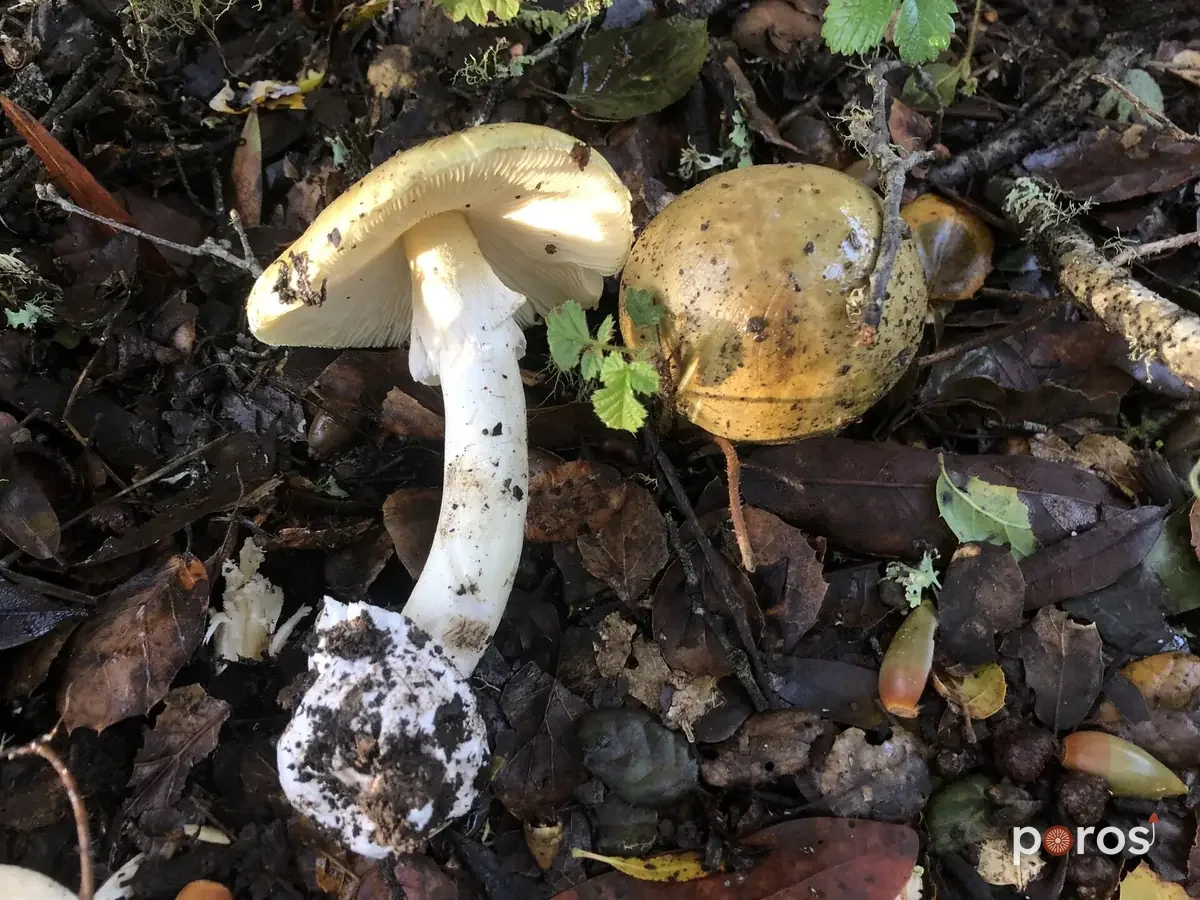
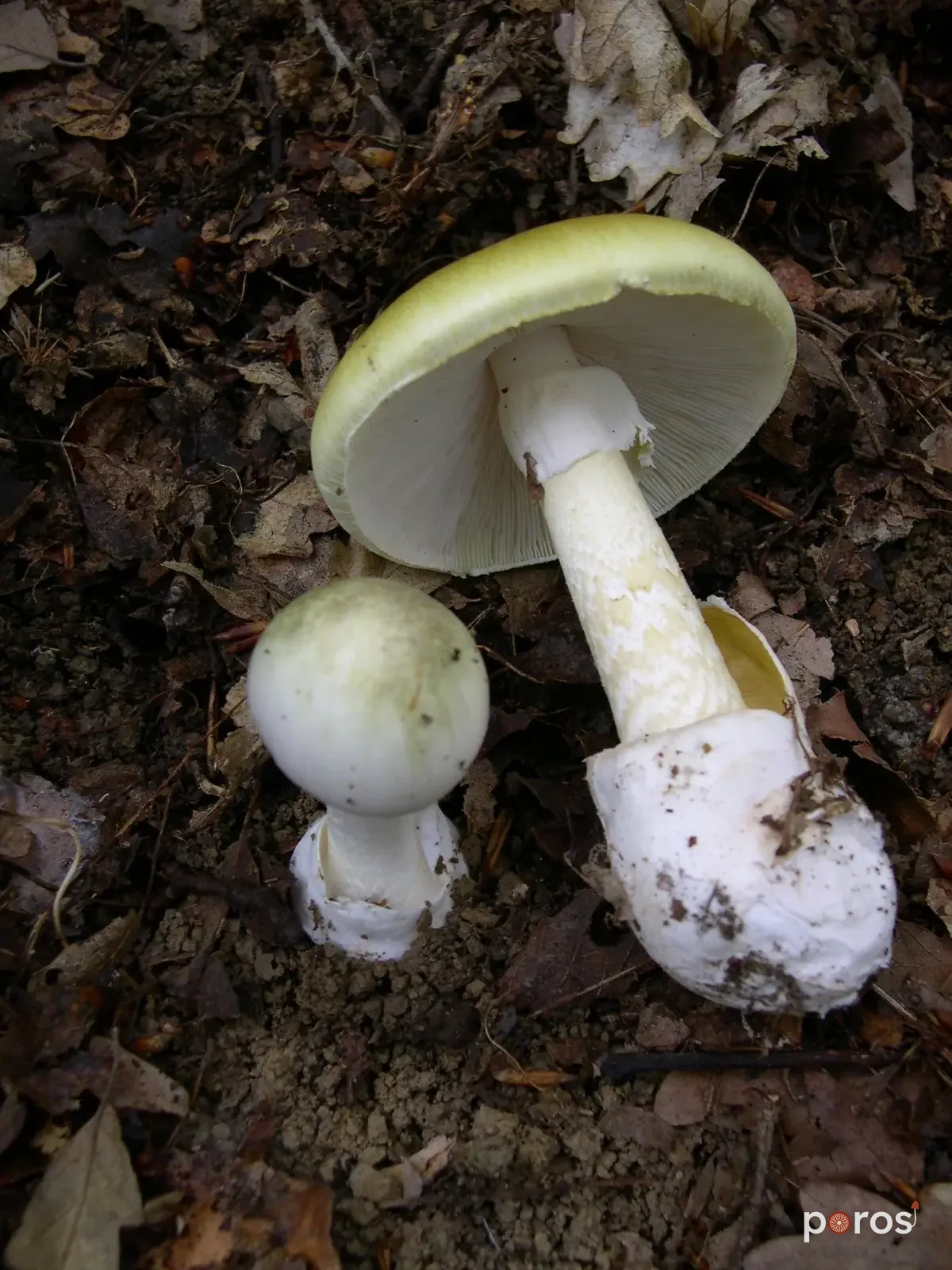
Death cap
Amanita phalloides · Amanitaceae
The death cap is the most poisonous mushroom known, responsible for most mushroom deaths worldwide and around 90% of fatal mushroom poisonings in Turkey.
DEADLY POISONOUS — keep it out of any basket of mushrooms to eat.
Symptoms start around 8–12 hours later with stomach pain, vomiting and watery diarrhoea, followed by a deceptive recovery of up to three days while the liver and kidneys keep failing. If you think someone has eaten it, call 112 at once (Turkish poison centre: 114) without waiting for symptoms, and bring any leftover mushroom.
The death cap is the most poisonous mushroom known, responsible for most mushroom deaths worldwide and around 90% of fatal mushroom poisonings in Turkey. Its toxins (amatoxins) survive cooking, drying and freezing. Half a cap can kill an adult. In November 1994 it killed more than 20 people in Istanbul.
Also called: deathcap, death cup Turkish: Ölüm mantarı, köygöçüren, evcikkıran, ölüm meleği
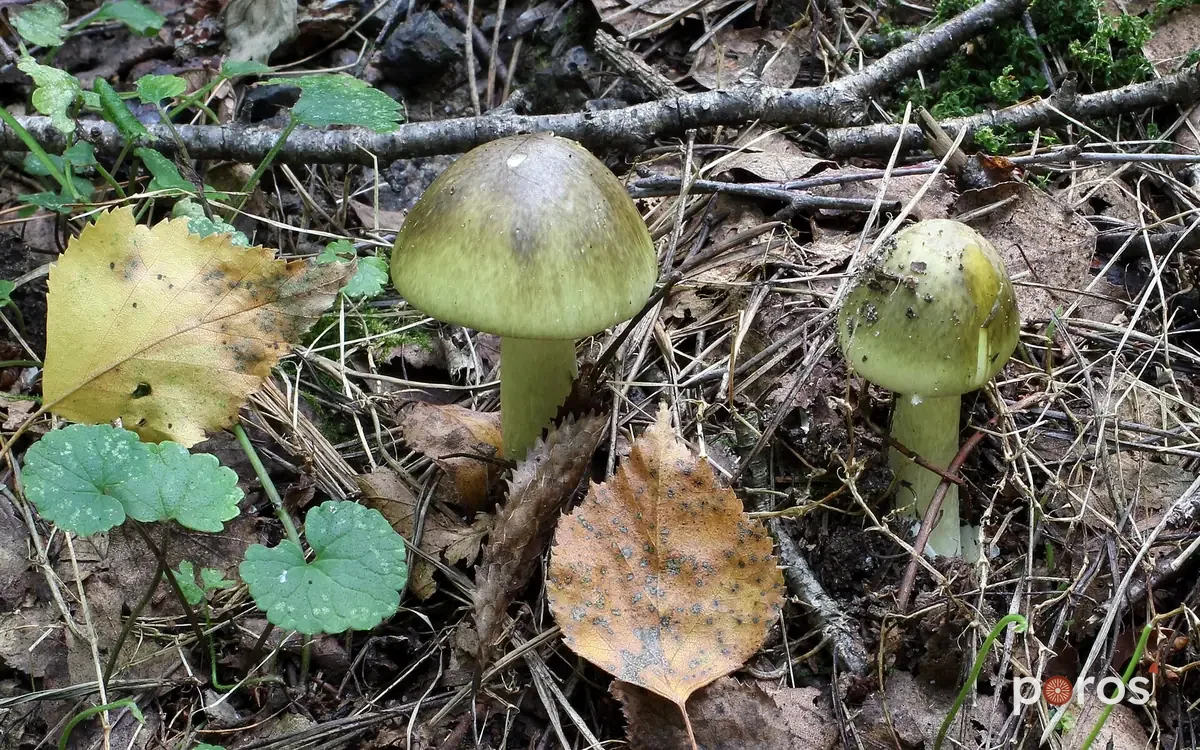
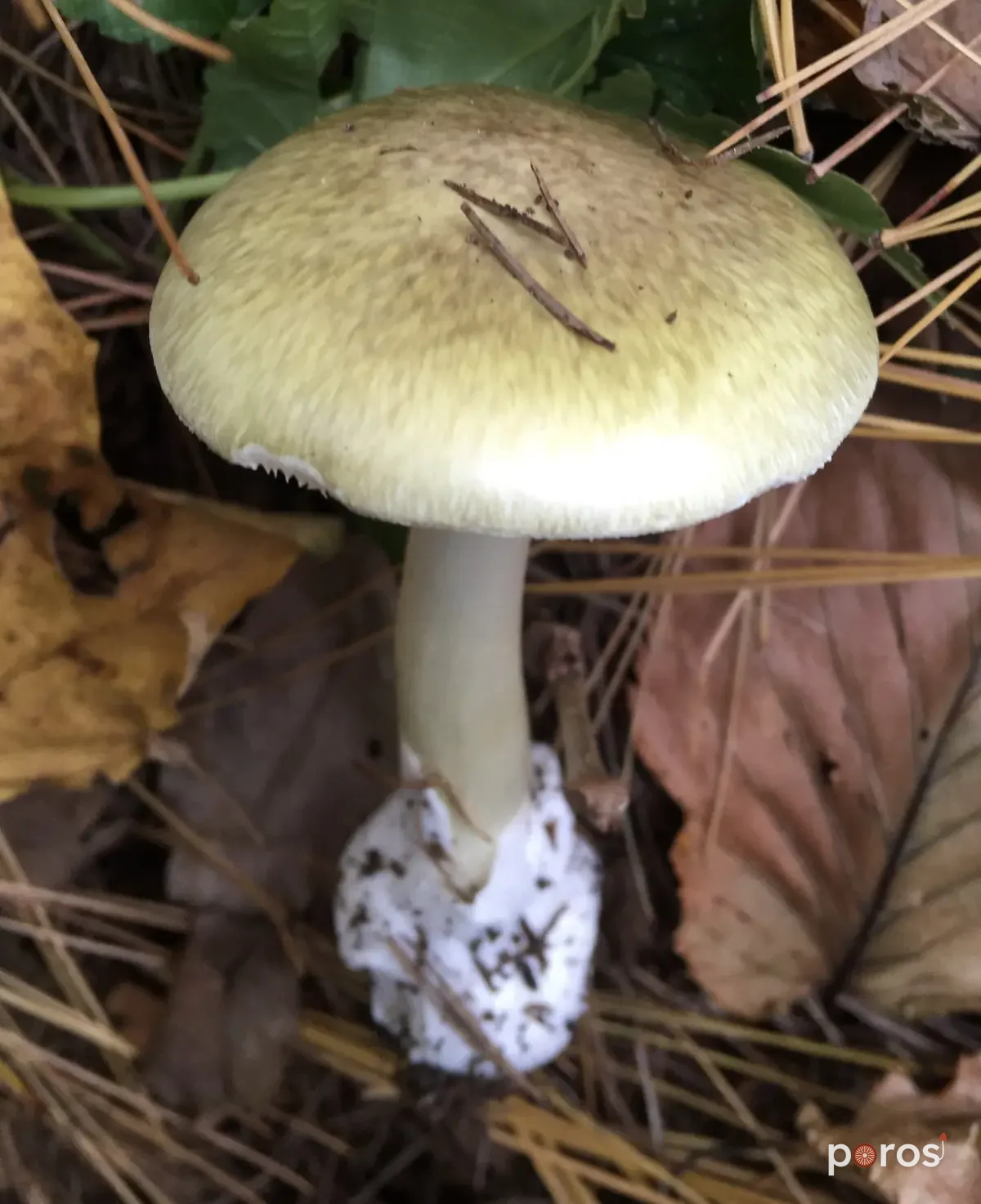
How to recognise it
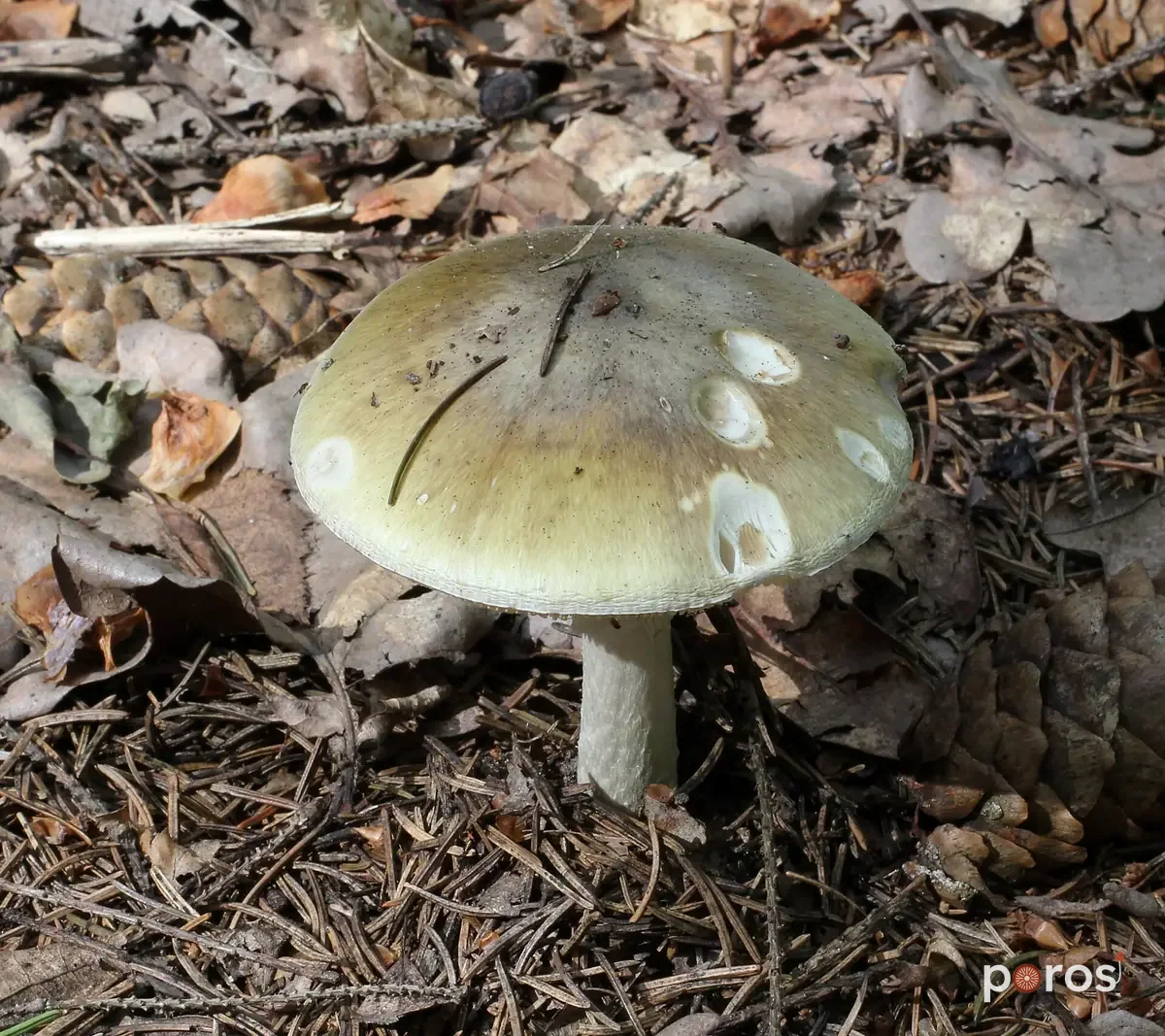
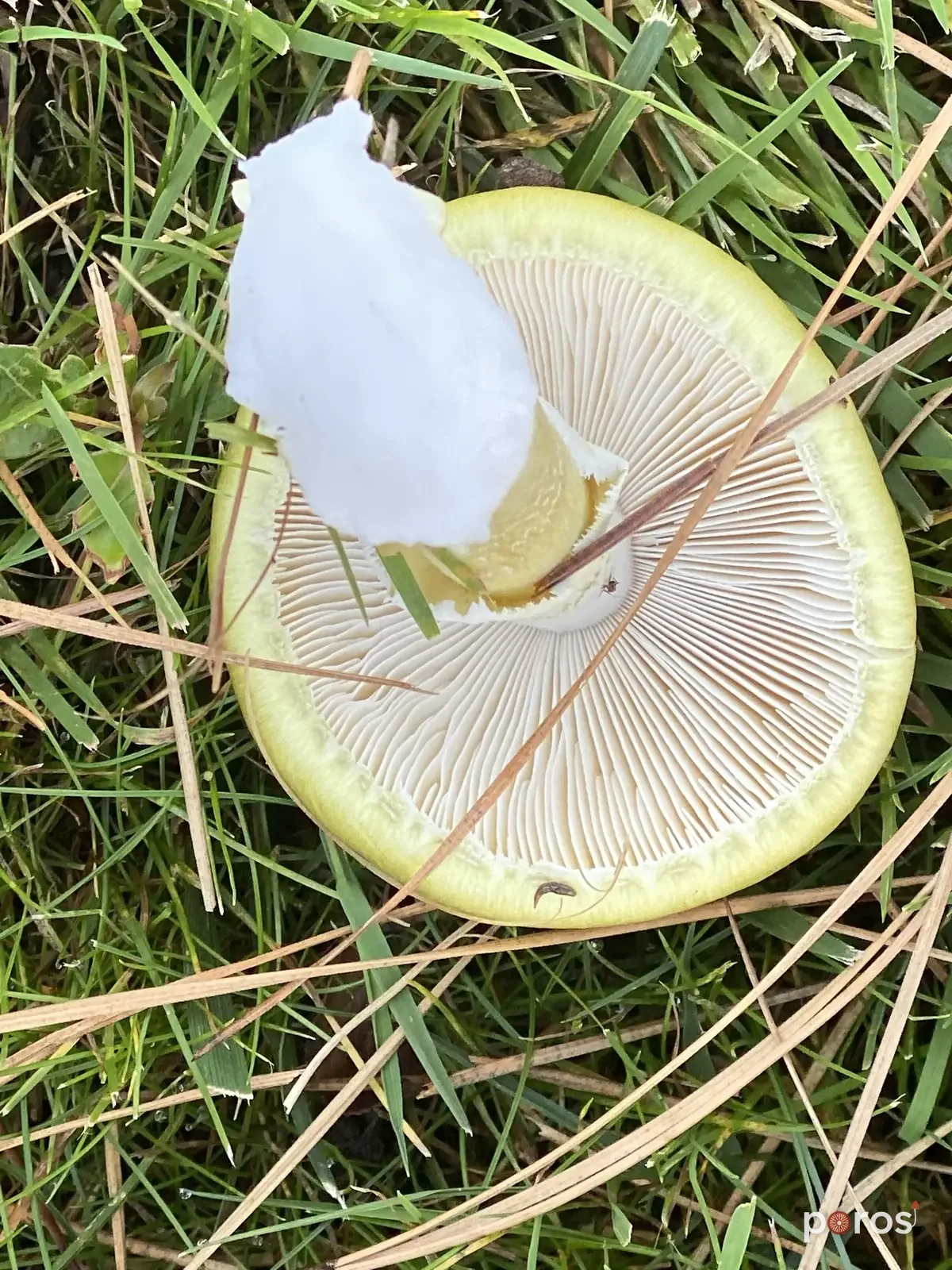
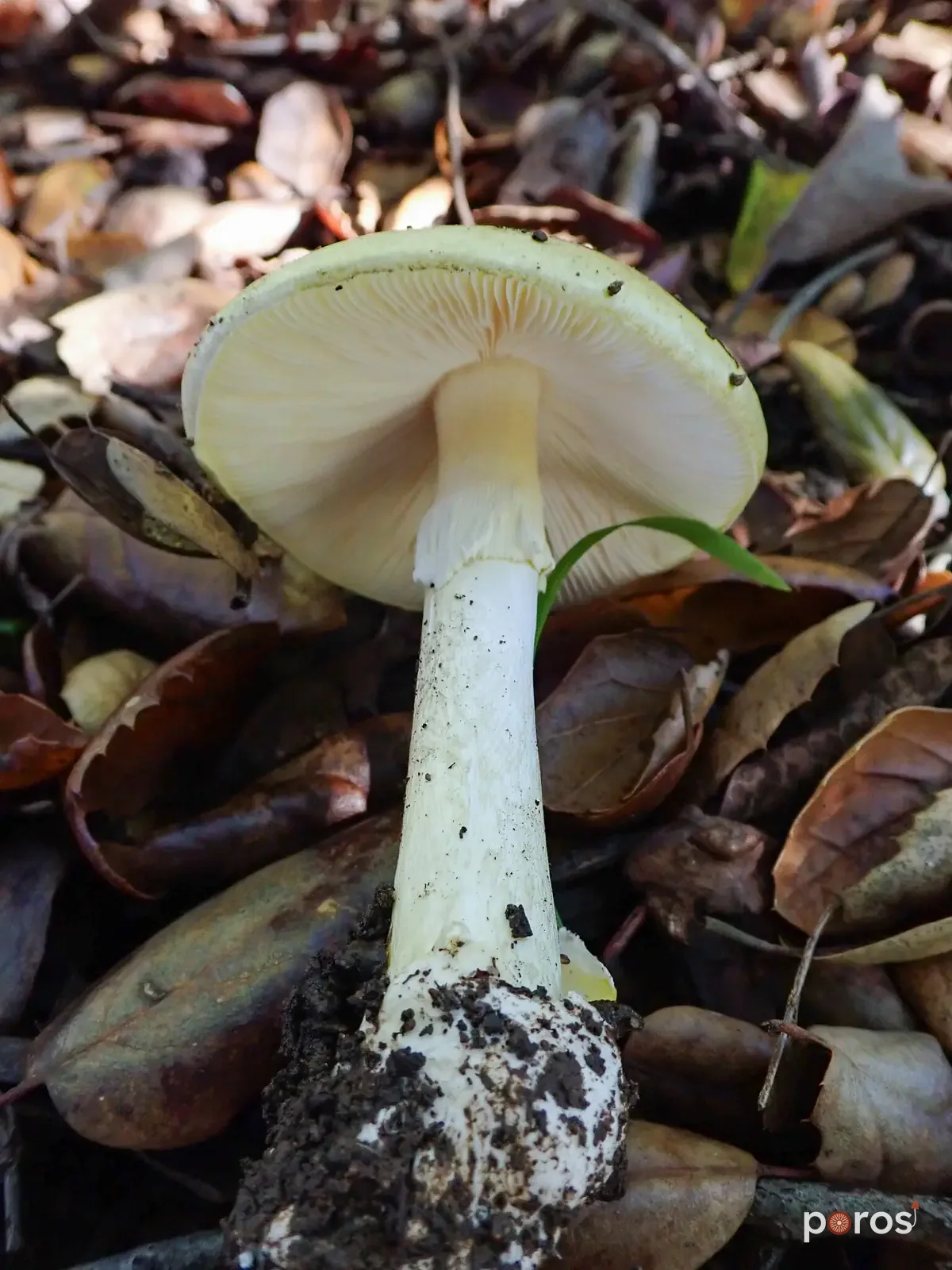
Death cap, part by part
Spore print: White Faint and honey-sweet at first, becoming sickly-sweet and foul with age. Never taste it.
When and where
Jul–Nov
- Jan
- Feb
- Mar
- Apr
- May
- Jun
- Julin season
- Augin season
- Sepin season
- Octin season
- Novin season
- Dec
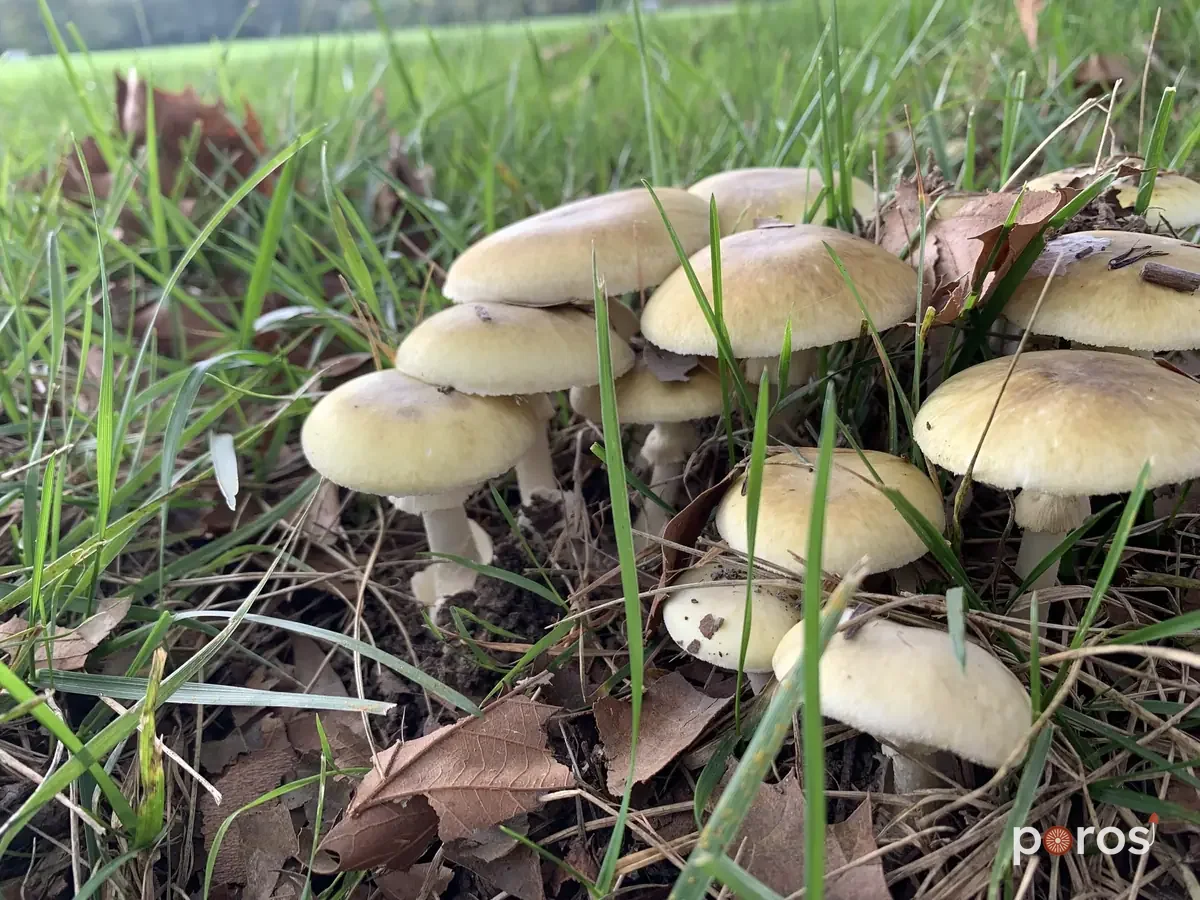
The death cap is common in woods in early summer and autumn, fruiting from July to November in Europe. In Turkey, GBIF records peak in August and October–November.
Where do death caps grow?
The death cap grows with broadleaf trees, most often under oak but also beech, chestnut, horse chestnut, birch, hazel and hornbeam, and sometimes pine and spruce. It is native to Europe and has spread to other continents with planted trees.
In Turkey
The death cap can turn up in woodland anywhere in Turkey; GBIF records are densest in Artvin, Istanbul and Yalova.
- İstanbul15
- Kocaeli3
- Kırklareli3
- Bolu2
- Trabzon2
- Osmaniye1
- İzmir1
- Kastamonu1
31 observations on our map (GBIF, iNaturalist). Record density also reflects where observers work.
Latest death cap observations

Look-alikes
What is it mistaken for?
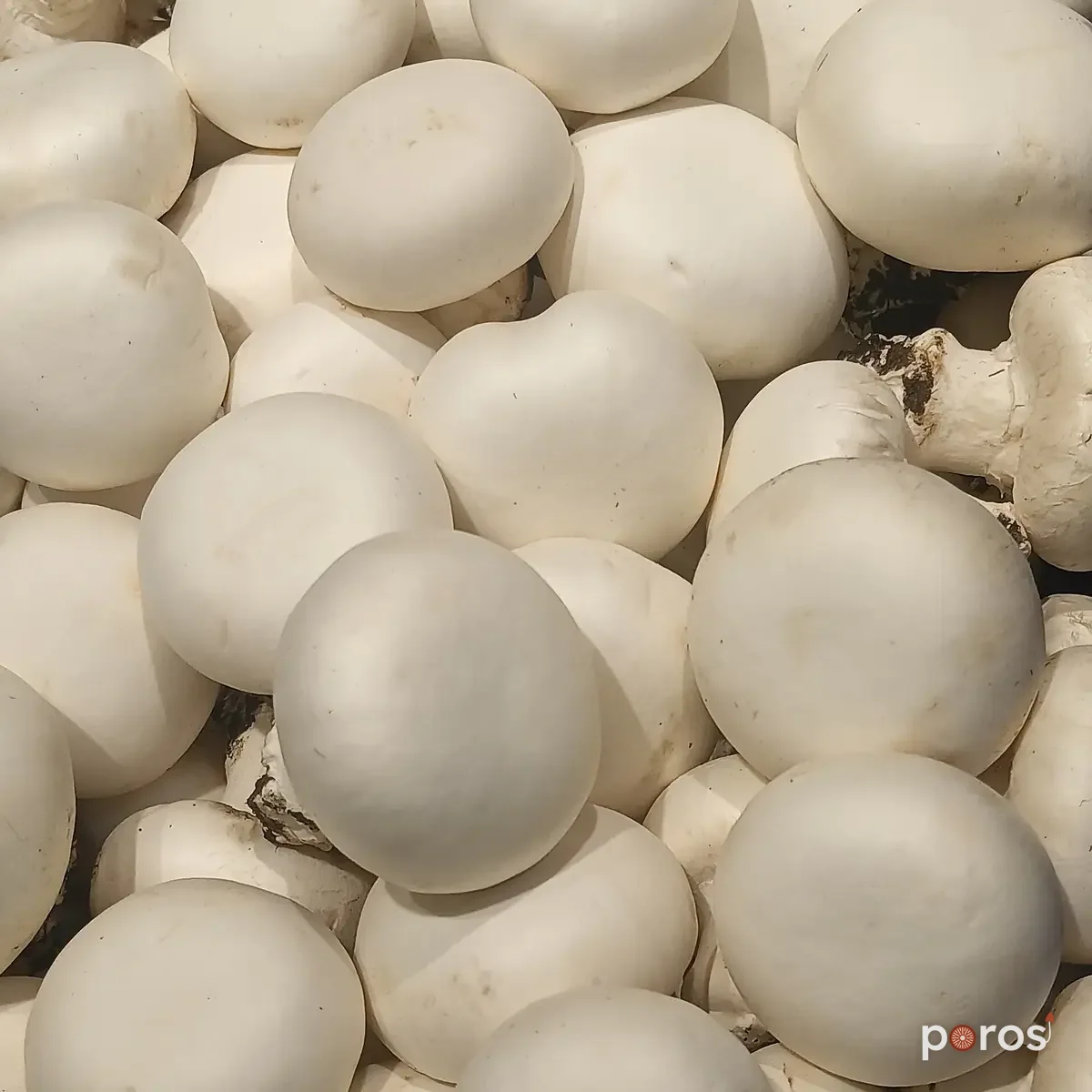
Button mushroom Agaricus bisporus
Agaricus gills turn pink then brown and there is no volva; death cap gills are always white. Unopened young caps hide the gills — that is where the danger lies.
Paddy straw mushroom Volvariella volvacea
Also has a volva, but no ring. This resemblance is one of the main causes of deaths.
Green brittlegill Russula virescens
Green Russulas have chalk-brittle flesh and neither ring nor volva.
Yellow knight Tricholoma equestre
Once thought edible, now known to be toxic (muscle damage after repeated meals). No ring or volva.
False deathcap Amanita citrina
Cream patches on the cap and a rimmed bulb instead of an open sack; smells of raw potato.
Toxins
The death cap's active toxins are amatoxins (chiefly α-amanitin, which blocks RNA polymerase II) and phallotoxins (phalloidin). These toxins are heat-stable. Source
Frequently asked questions
Are death caps poisonous?
Yes, the death cap is deadly poisonous and must never be eaten. Symptoms start around 8–12 hours later with stomach pain, vomiting and watery diarrhoea, followed by a deceptive recovery of up to three days while the liver and kidneys keep failing. If you think someone has eaten it, call 112 at once (Turkish poison centre: 114) without waiting for symptoms, and bring any leftover mushroom.
When is death cap season in Turkey?
In our calendar, death cap season runs Jul–Nov. The death cap is common in woods in early summer and autumn, fruiting from July to November in Europe. In Turkey, GBIF records peak in August and October–November.
Where do death caps grow?
The death cap grows with broadleaf trees, most often under oak but also beech, chestnut, horse chestnut, birch, hazel and hornbeam, and sometimes pine and spruce. It is native to Europe and has spread to other continents with planted trees.
Where are death caps found in Turkey?
The death cap can turn up in woodland anywhere in Turkey; GBIF records are densest in Artvin, Istanbul and Yalova.
What can the death cap be confused with?
The death cap can be confused with button and field mushrooms (Agaricus bisporus, edible species), paddy straw mushroom (Volvariella volvacea, edible species), green brittlegill (Russula virescens, edible species), yellow knight (Tricholoma equestre, poisonous) and false deathcap (Amanita citrina, inedible). Look-alikes are compared on this page.
What is the death cap called in Turkish?
In Turkish, the death cap (Amanita phalloides) is called Ölüm mantarı; other local names include köygöçüren, evcikkıran and ölüm meleği.
Related species
-
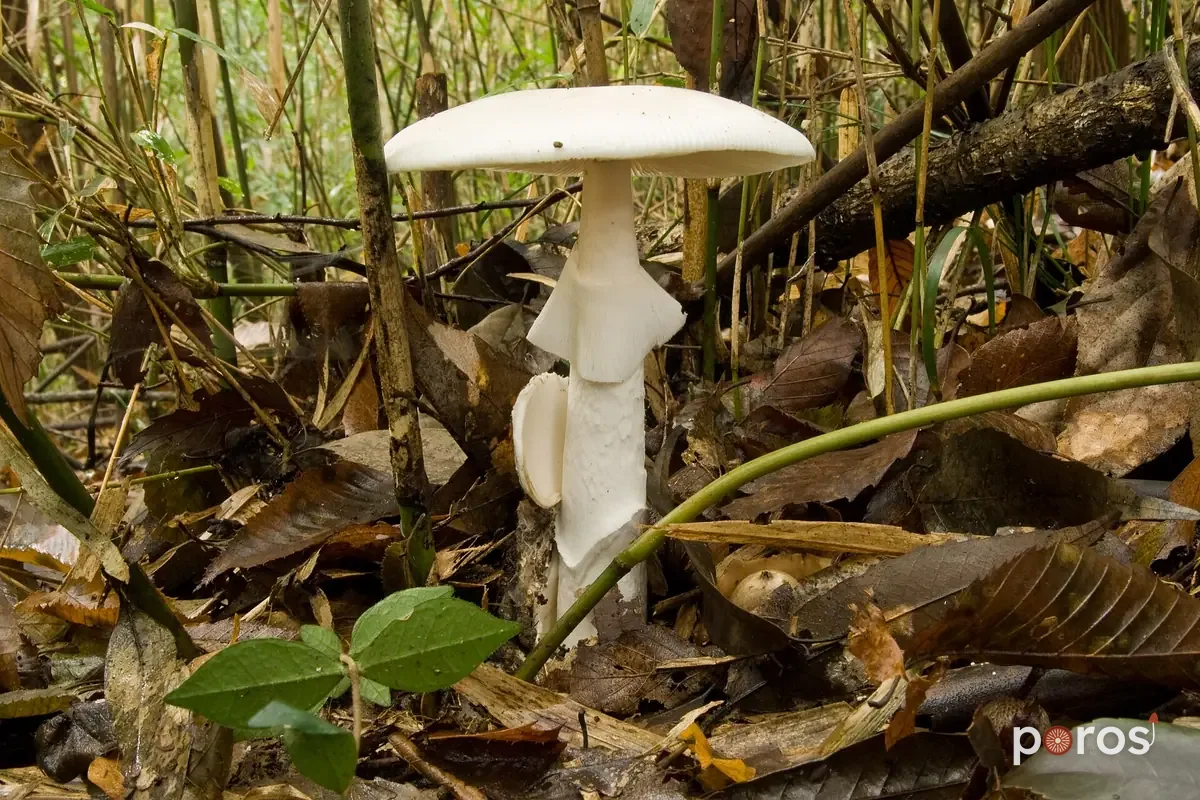 Destroying angelAmanita virosaDeadly poisonous
-
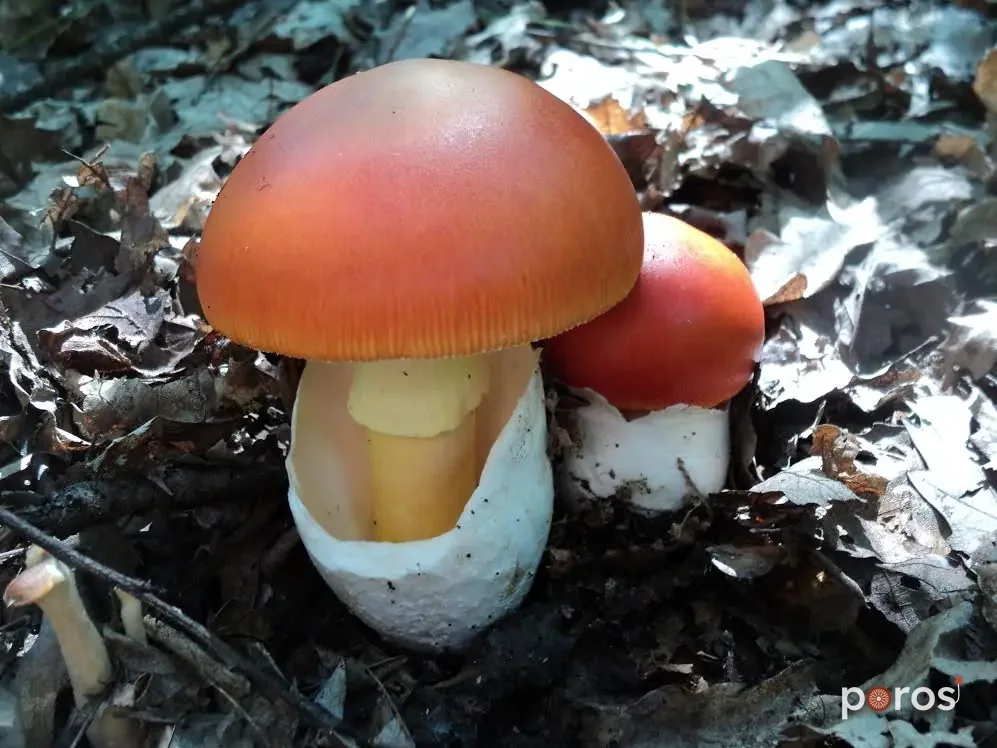 Caesar’s mushroomAmanita caesareaEdible species
-
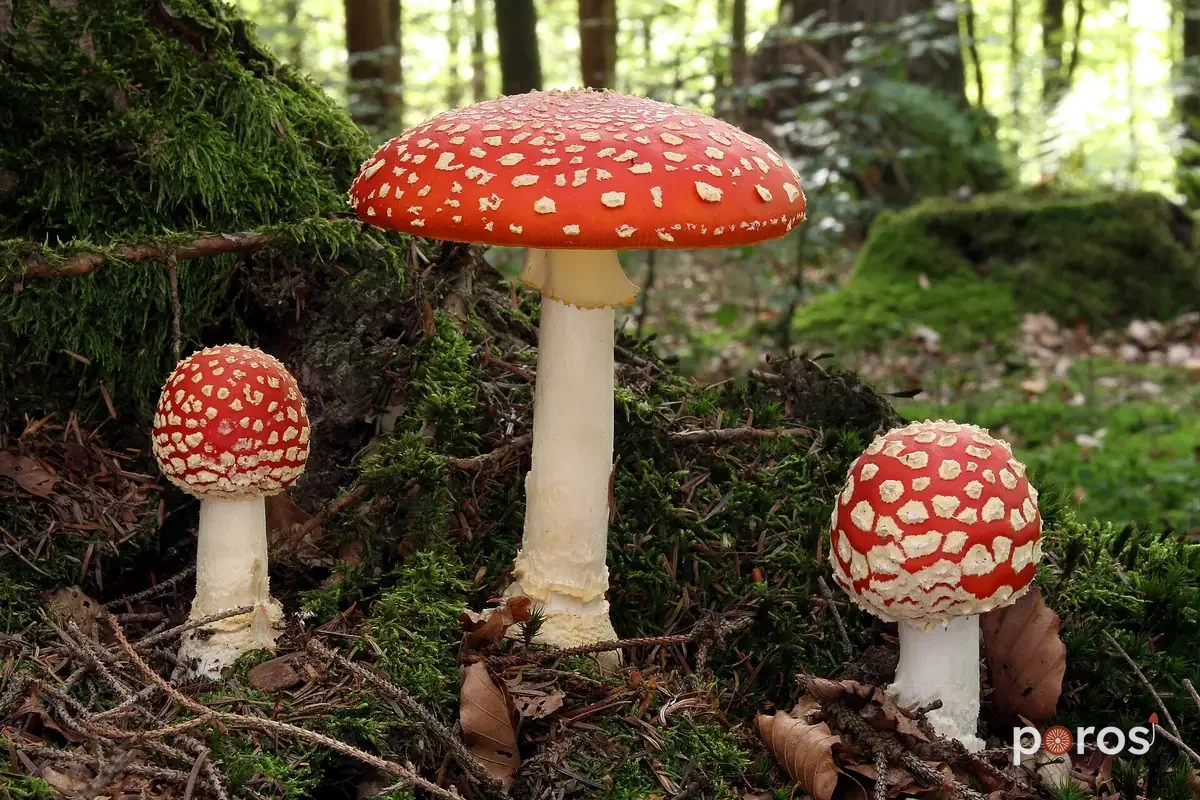 Fly agaricAmanita muscariaPoisonous
-
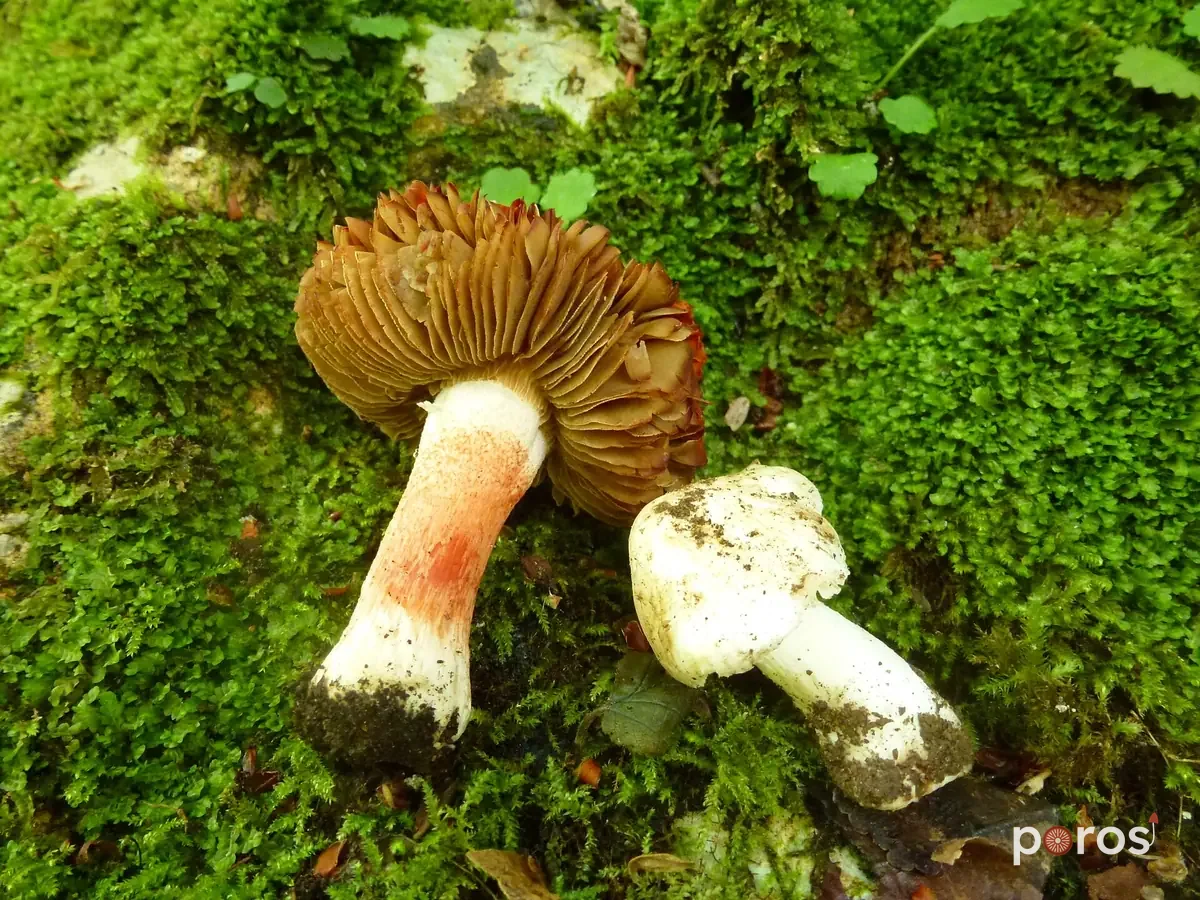 Deadly fibrecapInosperma erubescensDeadly poisonous
-
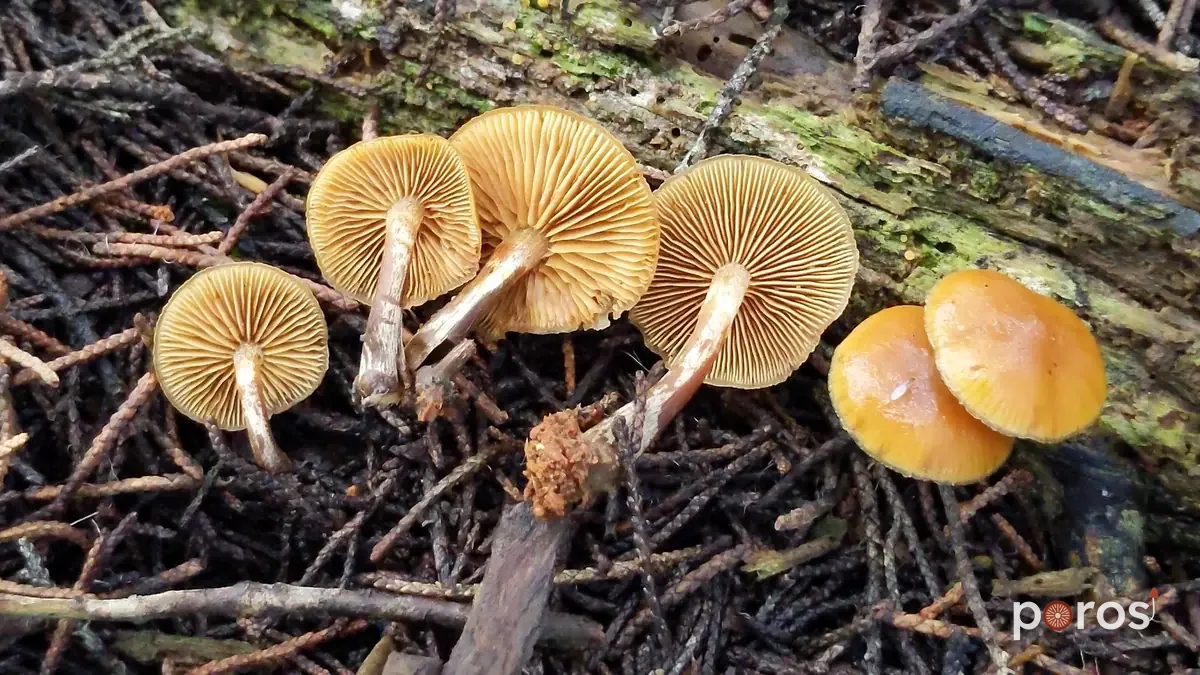 Deadly galerinaGalerina marginataDeadly poisonous
-
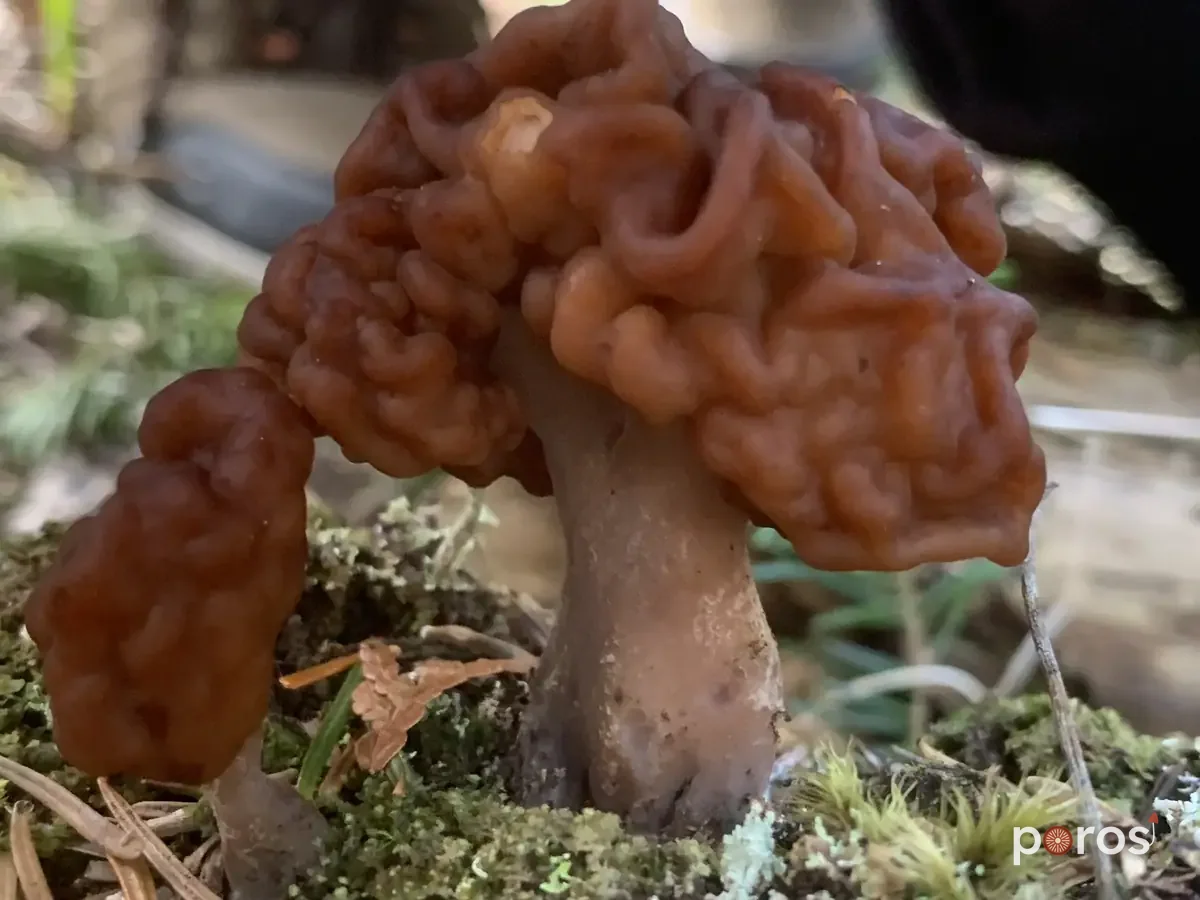 False morelGyromitra esculentaDeadly poisonous
-
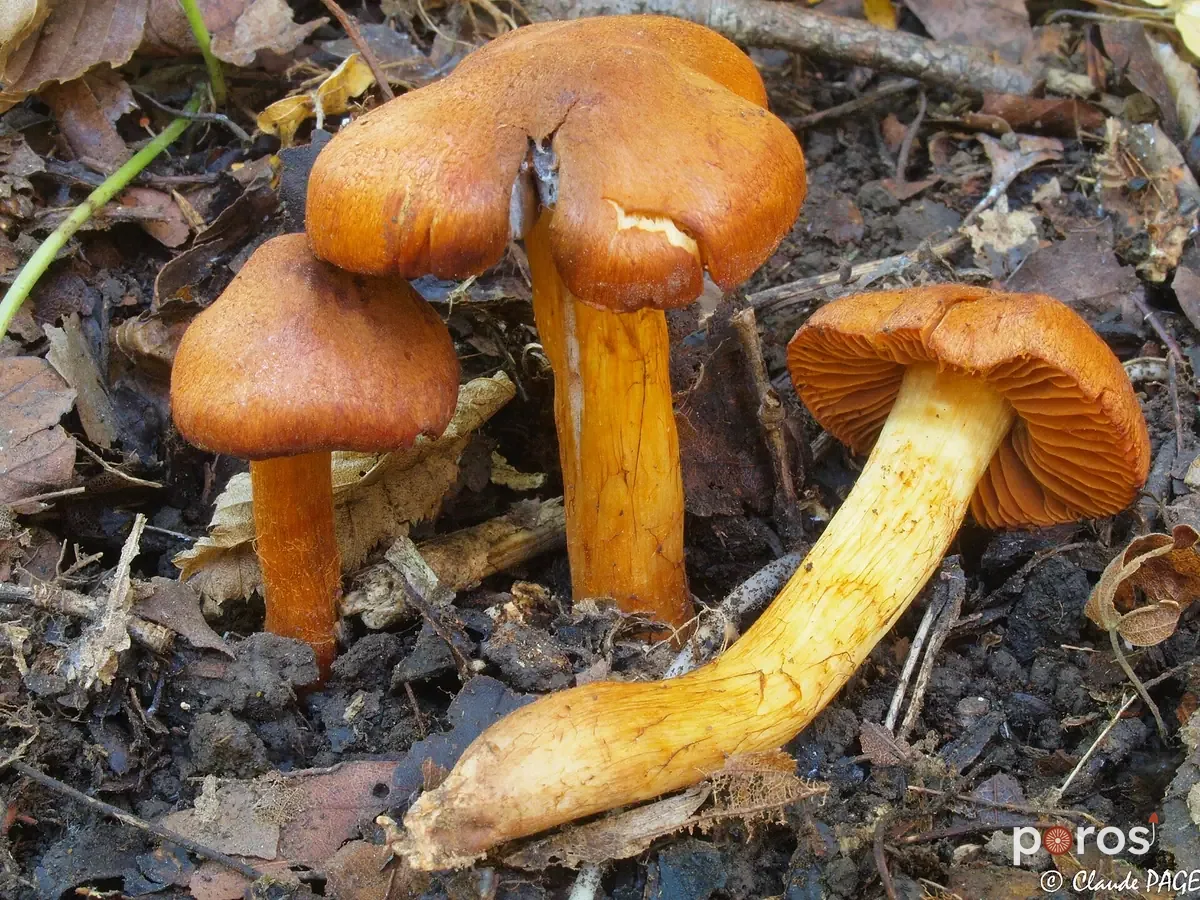 Fool’s webcapCortinarius orellanusDeadly poisonous
-
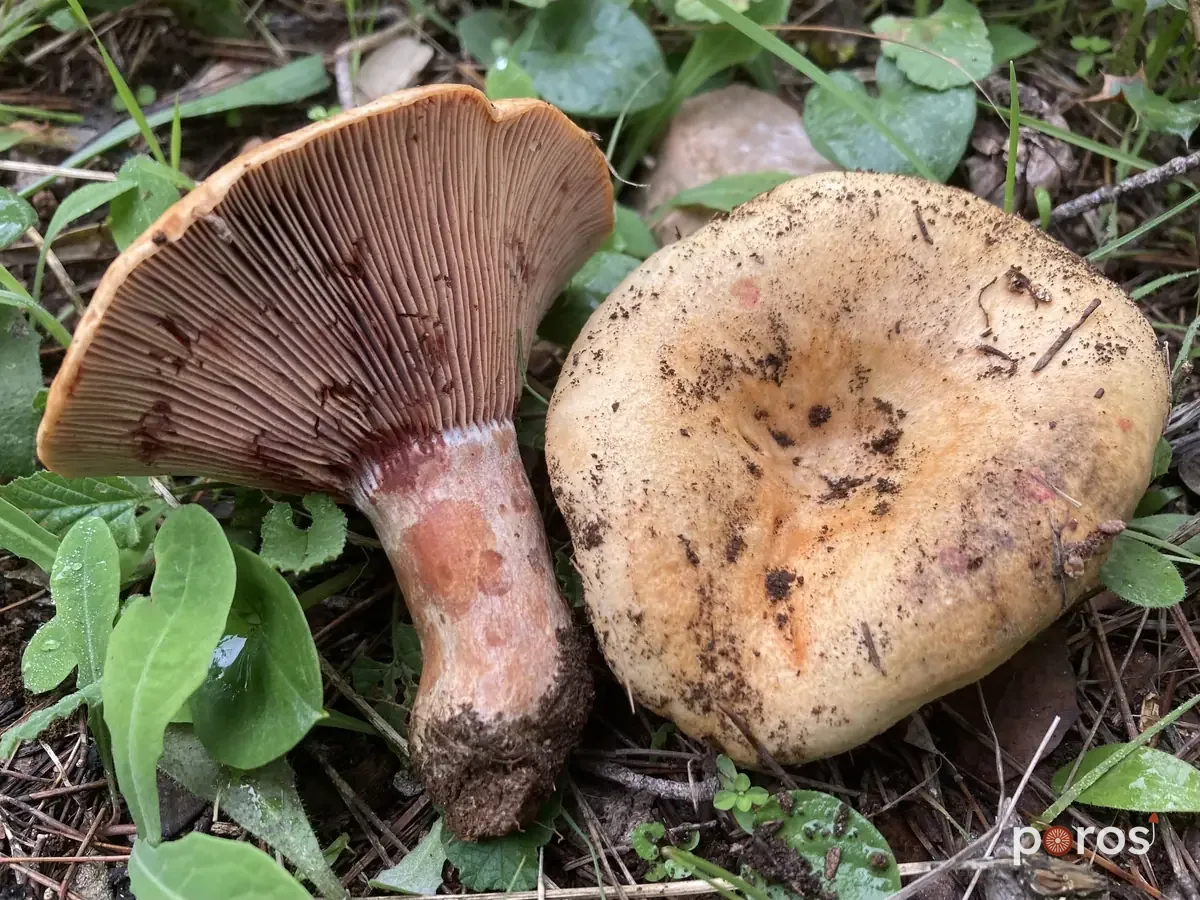 Bloody milk capLactarius sanguifluusEdible species
Sources (7)
- Wikipedia (EN): Amanita phalloides · checked 26 Oct 2026
- Vikipedi (TR): Köygöçüren mantarı · checked 26 Oct 2026
- First Nature: Amanita phalloides · checked 26 Oct 2026
- First Nature: Tricholoma equestre · checked 26 Oct 2026
- First Nature: Amanita citrina · checked 26 Oct 2026
- MushroomExpert: Amanita phalloides · checked 26 Oct 2026
- GBIF: Türkiye kayıtları · checked 26 Oct 2026
Photo credits (10)
- File:Grüner Knollenblätterpilz Amanita phalloides.jpg · Holger Krisp · CC BY 3.0
- File:Amanita phalloides 2011 G1.jpg · George Chernilevsky · Public domain
- File:Amanita phalloides 2011 G3.jpg · George Chernilevsky · Public domain
- Amanita phalloides · iNaturalist #56147136 · ahaislip · CC0
- Amanita phalloides · iNaturalist #197463930 · Andy Kleinhesselink · CC0
- Amanita phalloides · iNaturalist #63534337 · Sigrid Jakob · CC0
- Amanita phalloides · iNaturalist #149396503 · Julia Ariadna · CC0
- Amanita phalloides · iNaturalist #186551590 · SiphonophoreSlinger · CC BY 4.0
- File:Amanita phalloides 172730215.jpg · LJ Moore-McClelland · CC BY 4.0
- File:Amanita phalloides 1.JPG · Archenzo · CC BY-SA 3.0


