
Pleurotaceae family mushrooms
Our guide has 5 species from this family.
-
 Edible species
Golden oyster mushroom
Pleurotus citrinopileatus
Pleurotaceae
Cultivable
-
 Edible species
King oyster mushroom
Pleurotus eryngii
Pleurotaceae
Cultivable
-
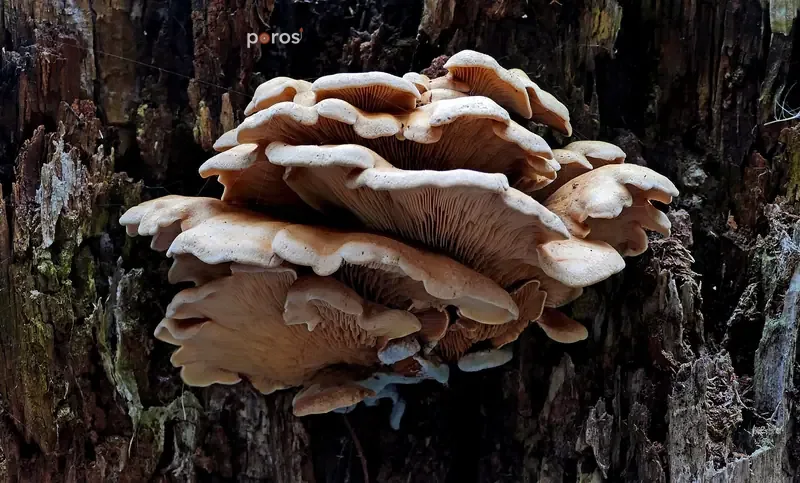 Edible species
Oyster mushroom
Pleurotus ostreatus
Pleurotaceae
Cultivable
-
 Edible species
Pale oyster
Pleurotus pulmonarius
Pleurotaceae
Cultivable
-
 Edible species
Pink oyster mushroom
Pleurotus djamor
Pleurotaceae
Cultivable
Pleurotaceae species: status and season
| Mushroom | Status | Season |
|---|---|---|
| Golden oyster mushroomPleurotus citrinopileatus | Edible species | – |
| King oyster mushroomPleurotus eryngii | Edible species | Mar–Jun |
| Oyster mushroomPleurotus ostreatus | Edible species | Oct–Mar |
| Pale oysterPleurotus pulmonarius | Edible species | May–Oct |
| Pink oyster mushroomPleurotus djamor | Edible species | – |
The status column is a guide and is not enough to decide to eat a mushroom. Do not eat a wild mushroom unless an expert has seen it in person. Edible mushrooms · Poisonous mushrooms
Where is Pleurotaceae recorded in Turkey?
Our map holds 53 observation records for these species (GBIF, iNaturalist). Provinces with most records:
- Bolu: 17
- İstanbul: 11
- Ankara: 10
- Karaman: 2
- Hakkari: 2
- Bursa: 1
- Kırklareli: 1
- Manisa: 1
Dangerous look-alikes
- Oyster mushroom · Lentinellus species Poisonous
Some species are toxic; gill edges are jagged and the cap finely hairy. - Oyster mushroom · Ivory funnel Poisonous
Contains muscarine; grows from soil in grass, not on wood. - Oyster mushroom · Ghost fungus Poisonous
Australia's ghost fungus (Omphalotus nidiformis) looks very like an oyster mushroom and is poisonous; it glows green in the dark. Its poisonous relative in Turkey is the jack-o'-lantern. - Oyster mushroom · Angel wings Poisonous
Pure white, with 4–9 cm fan-shaped caps and thinner, more fragile flesh than an oyster mushroom; it grows on conifer wood. In Japan in 2004, 59 people fell ill and 17 died after eating it; most had pre-existing kidney disease. - Oyster mushroom · Jack-o'-lantern mushroom Poisonous
It grows in clusters at the base of olive, oak and similar trees, but it is bright orange with true gills running down the stem; its toxin, illudin S, causes severe vomiting, diarrhoea and cramps. Oyster mushrooms are white, grey or brown: never pick an orange "oyster". - Pale oyster · Angel wing Poisonous
It is smaller, very thin and pure white, growing on conifer wood; it has been linked to deaths in people with kidney disease in Japan.
Frequently asked questions
Which mushrooms of the Pleurotaceae family are in this guide?
Our guide has 5 species: Golden oyster mushroom (Pleurotus citrinopileatus), King oyster mushroom (Pleurotus eryngii), Oyster mushroom (Pleurotus ostreatus), Pale oyster (Pleurotus pulmonarius) and Pink oyster mushroom (Pleurotus djamor). The list does not cover the whole family, only species with a published page.
Are there poisonous or deadly species in the Pleurotaceae family?
None of the 5 species in this guide is marked deadly or poisonous. This applies only to species in this guide, not to the whole family.
In which months are Pleurotaceae family mushrooms seen?
Combined seasons on our species pages: All year. In observation records from Turkey (GBIF, iNaturalist) most records fall in October, December and November. Each species has its own season on its page.
Where in Turkey is the Pleurotaceae family recorded most?
Among the 53 observation records on our map, the provinces with most records are Bolu, İstanbul and Ankara. Counts depend on how many people observe, so they do not prove where the mushrooms are most common.
Does belonging to the Pleurotaceae family tell you whether a mushroom is edible?
No. These pages never confirm edibility; each species has its own status on its badge and page. Do not eat a wild mushroom unless an expert has seen it in person.
Can any Pleurotaceae family species be grown at home?
Species marked cultivable in our guide: Golden oyster mushroom (Pleurotus citrinopileatus), King oyster mushroom (Pleurotus eryngii), Oyster mushroom (Pleurotus ostreatus), Pale oyster (Pleurotus pulmonarius) and Pink oyster mushroom (Pleurotus djamor). See the species pages and our growing guide for details.
Species list, status labels and months come from our species records; sources are listed on each species page. Observation data
Other mushroom families
Last updated: Prepared by the Poros Mantar editorial teamReport a correction