Is mushroom farming profitable? A small-scale starter guide
There is no single honest figure for mushroom farming profit: yield, selling price, energy, losses and a steady buyer decide it. Which species to start with, what a small grow room needs and how to work out the numbers.
 Cihat Murat Yüksel
Growing
6 min read
Mushroom farming can be profitable, but no single figure would be honest: yield, selling price, energy and labour costs, losses and whether you have a steady buyer decide it. The most practical small-scale start is the oyster mushroom, which needs no compost; you need a separate insulated room, control of temperature, humidity and fresh air, a way to pasteurise substrate and cold storage. Before investing, run a trial with a kit or a few bags, find your buyer first and, in Turkey, talk to the provincial Directorate of Agriculture and Forestry.
Mushroom production in Turkey is growing
According to Ministry of Agriculture and Forestry figures reported by Anadolu Agency, Turkey produced 39,495 tonnes of mushrooms in 2015 and 75,340 tonnes in 2024, roughly double in nine years. Antalya, Ankara and Isparta led button mushroom production in 2024.
A growing market is not the same as profit. As output rises, large farms set the price; for a small grower the real question is who will buy your mushrooms, regularly, and at what price.
What decides the profit?
Work it out like this: multiply the total harvest of one growing cycle by a realistic selling price, then subtract the costs below. Published ranges help with the harvest: Çukurova University's farmer brochure gives 200–250 kg of button mushrooms per tonne of compost, and studies on oyster mushrooms report biological efficiencies of 86–124% (fresh mushrooms relative to dry substrate weight), depending on the substrate.
Use the low end of the range: early cycles usually lose more to mould and unsold produce. Costs to include:
- Compost or substrate (straw, sawdust) and spawn
- Energy for heating, cooling and humidifying
- Labour, cleaning and disinfection
- Packaging, cold storage and transport
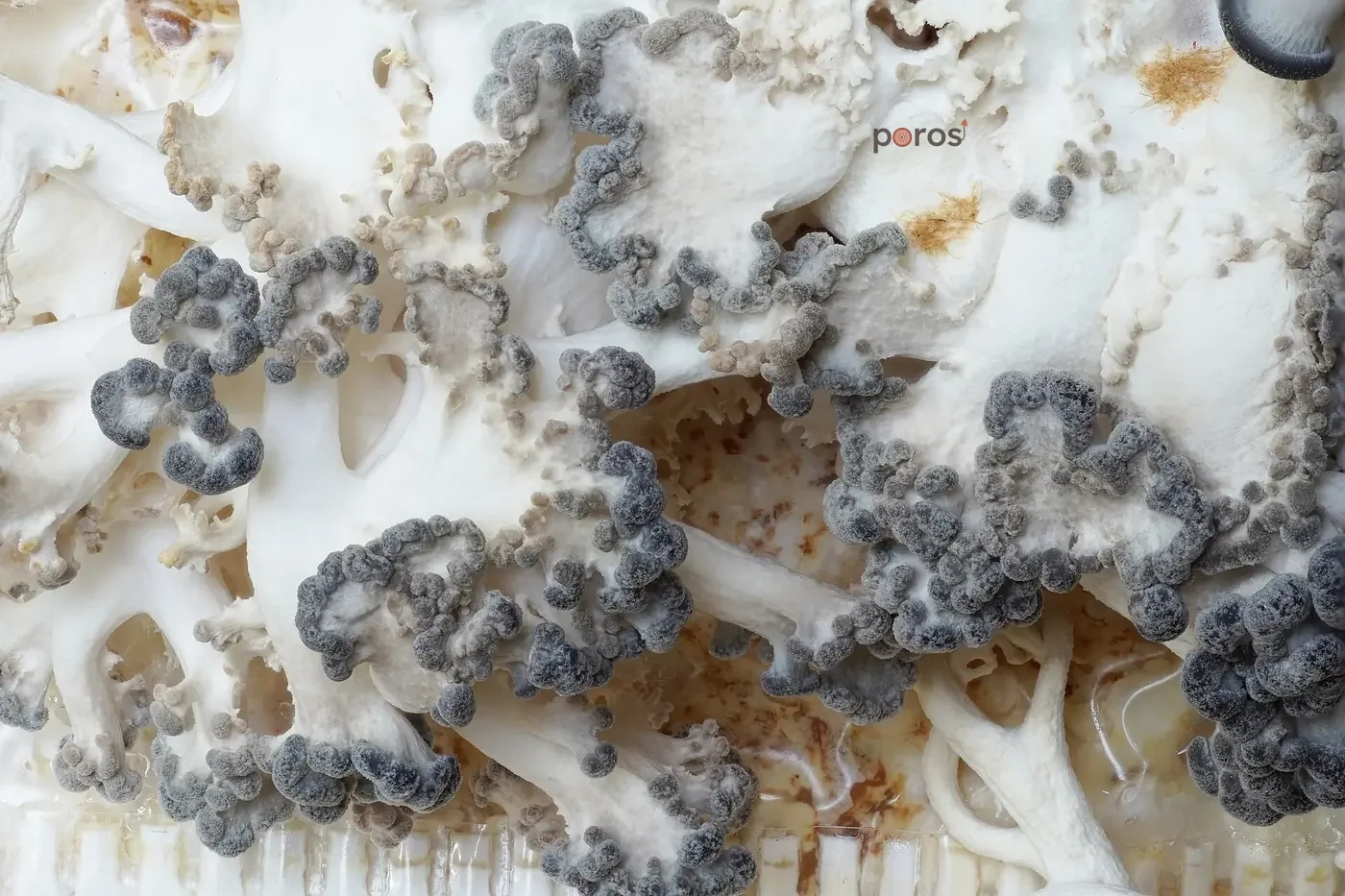
- Losses: mouldy bags and unsold mushrooms
- Each cycle's share of investment and rent
We don't give profit or price figures here: prices vary by region, season and buyer, and most 'earn this much a month' claims leave these variables out.
Which species should a small grower start with?
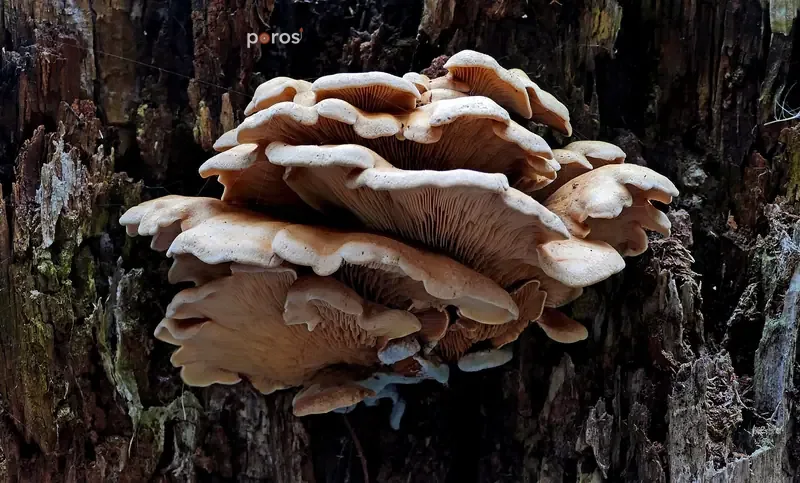
The oyster mushroom (Pleurotus) is the usual recommendation. It grows on plant waste such as straw, stalks or sawdust and needs no fermented compost or casing layer. A guide published by the Kayseri Directorate of Agriculture and Forestry pasteurises the substrate at 60 °C for 12 hours or in water at 70–72 °C for 45 minutes, mixes 2 kg of spawn into 100 kg of substrate and incubates for about 14 days.
The button mushroom (Agaricus bisporus) has a bigger market but is far harder to prepare: compost is made in two phases, steam-pasteurised and topped with casing soil. Penn State Extension puts 7–8 weeks between starting the compost and harvest, which is why most small growers buy ready-spawned compost.
What does a small mushroom farm need?
A grow room is not a greenhouse: it is an insulated space that manages temperature, humidity and fresh air rather than light. The basic rule is separation: substrate preparation and pasteurisation, clean spawning, incubation, fruiting and post-harvest cooling each get their own space.
- An insulated room with a washable floor, water and power
- Heating and cooling: incubation and fruiting need different temperatures
- Humidifier and fresh-air system; thermometer, hygrometer and CO₂ meter
- A pasteurisation setup or a supply of ready compost
- Shelving, bags and a cleaning routine
- Cold storage: fresh mushrooms spoil quickly
A step-by-step starting plan
- Start with a kit or a few bags to learn humidity, airflow and harvesting at low risk.
- Choose a species: oyster to avoid compost, or button mushrooms on ready compost for the bigger market.
- Talk to buyers first: greengrocers, restaurants, markets or wholesalers; find out how much, how often and at what price.
- Plan the space: separate preparation, incubation and fruiting, and set up temperature, humidity and CO₂ measurement.
- Ask about registration and support: in Turkey the Ministry of Agriculture and Forestry registers indoor mushroom growing areas, and Communiqué 2024/43 lists fixed investments for button mushroom production under rural development support. Check current terms with the provincial directorate.
- Do the sums with the low end of the yield range and accept first-cycle losses.
- Keep records, and only scale up after a few cycles of steady sales.
This is general information, not legal or financial advice. Grant rates and application windows change by year and province.
Can growing mushrooms at home make money?
A few kits or bags at home are for your own kitchen and for learning; we don't recommend treating them as income. Selling needs steady, consistent produce, which needs a separate space where temperature, humidity and air are controlled.
What it costs to start at home depends on the route: current kit prices are on our grow kits page, and what you need to make your own bags is in our home growing guide.
Where to learn more
Good Turkish starting points are the Ministry of National Education's button mushroom growing module and Çukurova University's farmer brochure. The Mushroom Research Centre in Yalova works on speciality species and runs hands-on training for growers.
For the stages, Turkish production data and facility needs in detail, see our mushroom farming guide.
FAQ
Is mushroom farming profitable?
It can be, but not as a single number. Yield, selling price, energy and labour, losses and a steady buyer decide it. Work it out with the low end of the yield range and run a small trial before investing.
What do I need to start a small mushroom farm?
A separate insulated room, control of temperature, humidity and fresh air, a pasteurisation setup or ready compost, shelves and bags, cold storage and a buyer you have already talked to.
Which mushroom is best for a small farm?
Oyster mushrooms are usually easier because they need no compost or casing. Button mushrooms have a bigger market; small growers mostly produce them on ready compost.
How many kilos of mushrooms does a tonne of compost give?
Çukurova University's farmer brochure gives 200–250 kg of button mushrooms per tonne of compost. The real figure depends on compost quality and room management.
Can growing mushrooms at home make money?
A few kits or bags at home are for your own use and for learning. Selling needs steady, consistent produce and a separate, controlled space.
Sources
- Anadolu Ajansı (24.06.2025): Türkiye'de mantar üretimi artmaya devam ediyor (Tarım ve Orman Bakanlığı verileri) aa.com.tr
- Büyükalaca, Taşkın, Baktemur: İstiridye Mantarı Yetiştiriciliği (Kayseri Tarım ve Orman İl Müdürlüğü duyurusu) kayseri.tarimorman.gov.tr
- Tarım ve Orman Bakanlığı Tebliği No 2024/43, Resmî Gazete 20.02.2025, Sayı 32819: Kırsal Kalkınma Destekleri Kapsamında Tarıma Dayalı Yatırımlar bingol.tarimorman.gov.tr
All sources (7)
- Yalova Atatürk Bahçe Kültürleri Merkez Araştırma Enstitüsü, Mantar Araştırma Merkezi arastirma.tarimorman.gov.tr
- MEB MEGEP: Kültür Mantarı Yetiştiriciliği modülü megep.meb.gov.tr
- Çukurova Üniversitesi Tarımsal Yayım Merkezi, Çiftçi Broşürü (2007): Mantar Yetiştiriciliği tyhm.cu.edu.tr
- Penn State Extension: Six Steps to Mushroom Farming extension.psu.edu