Growing mushrooms from liquid culture and agar: step by step
Agar plates and liquid culture are the lab stage for growers who want to make their own spawn. How to pour agar, inoculate grain, avoid contamination, and who this is not for.
 Cihat Murat Yüksel
Growing
5 min read
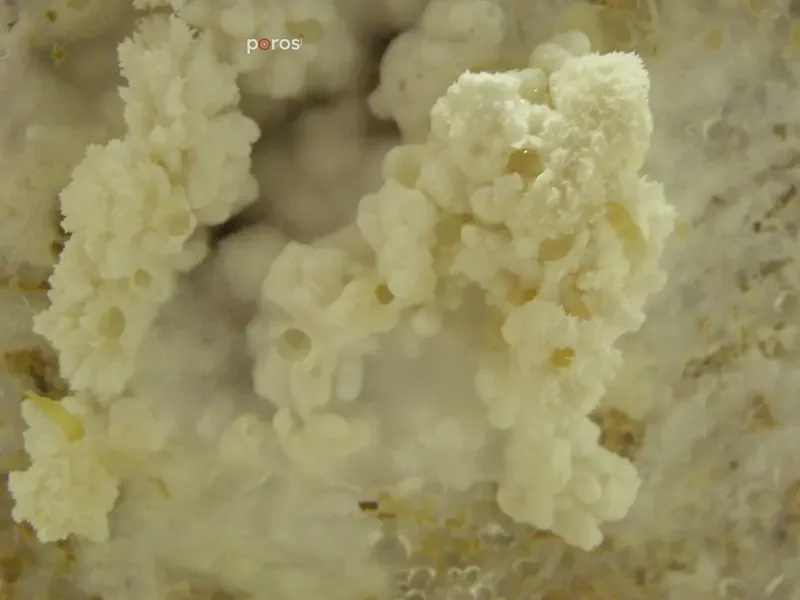
Agar plates and liquid culture are the lab stage of mushroom growing: the aim is a clean mycelium culture that you then inoculate into sterile grain to make your own spawn. Agar or grain is sterilised in a pressure cooker at 15 psi for 30 minutes, mycelium is transferred in a still-air box, the grain colonises in the dark at about 23 °C (73 °F) in 10–20 days, and is then mixed into straw or sawdust. Contamination is the main risk, so for a first try a ready-made kit or grain spawn is safer.
What agar and liquid culture are for
Mushroom growing goes in steps: a clean culture, grain spawn made from it, substrate inoculated with the spawn, and finally mushrooms. Agar plates and liquid culture are the first step.
Agar is a nutrient jelly. Cornell's Small Farms Program describes it as the medium for storing a strain or cloning tissue from a mushroom, and warns that it contaminates very easily and needs lab-like conditions. Liquid culture is mycelium grown in a sterile nutrient broth; it is injected into sterile grain with a syringe and is usually used to make your own grain spawn.
What you need
- A pressure cooker or autoclave
- Petri dishes, agar, potato and glucose or sucrose
- A still-air box or laminar flow hood
- 70% alcohol, a spirit lamp or lighter, gloves, parafilm or tape
- Grain (millet, wheat, sorghum or rye) and jars or filter-patch bags
- A clean source of mycelium: inner tissue from a fresh mushroom, or liquid culture
How to pour agar plates
The University of Florida (UF/IFAS) oyster mushroom guide gives this potato dextrose agar (PDA) recipe:
- Boil 200 g of sliced potato in 500 ml of water and strain.
- Dissolve 20 g of glucose or sucrose and 15 g of agar in another 500 ml of water; combine and make up to 1,000 ml.
- Sterilise in a pressure cooker at 15 psi for 30 minutes.
- Let it cool to about 50 °C (122 °F), then pour into Petri dishes in a still-air box and close the lids.
Getting mycelium onto agar
For tissue culture, tear a fresh mushroom open by hand and place small pieces of its inner tissue on the agar with flame-sterilised fine tweezers. If you use liquid culture, a drop on agar shows whether the culture is clean.
UF/IFAS advises moving clean growth to fresh agar, storing the mother culture at 4 °C (39 °F) and renewing it every 6–12 months. Throw away any plate with mould or bacteria.
Making grain spawn
- Soak the grain for about 12 hours; longer soaking starts fermentation. UF/IFAS rates millet as an excellent choice; wheat, sorghum and rye also work.
- Sterilise in jars or bags at 15 psi for 30 minutes, and shake them soon afterwards so the grain doesn't clump.
- Once cool, transfer small cubes of agar into the grain in a still-air box, or inject liquid culture with a syringe. UF/IFAS considers a culture that has just covered a 60 mm Petri dish enough for 400–450 g of grain.
- Keep it dark at about 23 °C (73 °F); the grain usually turns fully white in 10–20 days.
- Store finished spawn in the dark at 4 °C (UF/IFAS notes that tropical Pleurotus strains such as pink oyster should not be refrigerated) or mix it straight into pasteurised straw or sawdust.
Avoiding contamination
Success depends almost entirely on cleanliness. As Cornell notes, commercial labs use a separate room, HEPA filters and steam sterilisation; makeshift home setups succeed less often.
- Wipe surfaces with 70% alcohol, flame-sterilise tools right before each transfer and let them cool.
- Wear gloves, work quickly and seal plates with parafilm or tape.
- Use a still-air box or flow hood; never transfer in open air.
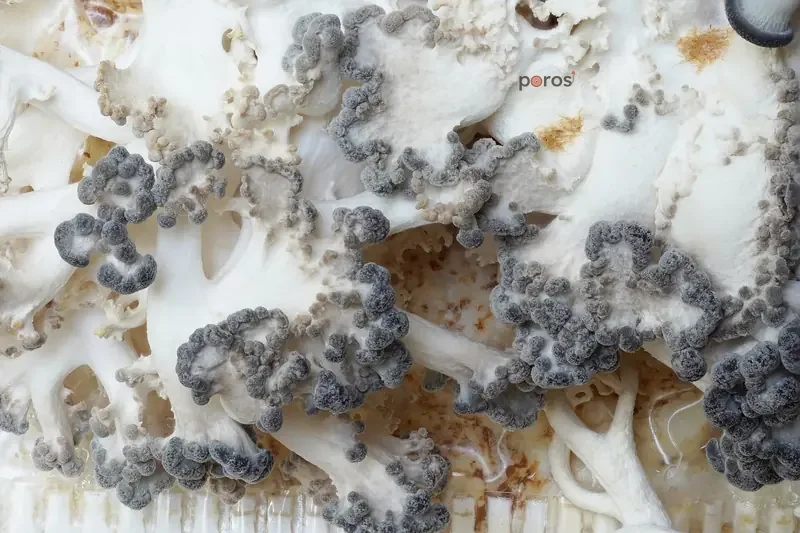
- Don't use any plate or grain with green, black or pink spots, a sour smell or a wet look.
Mouldy cultures are not food and should not be spread to other bags. Never eat a mushroom that turns up on its own and that you cannot identify.
Who this is for, and who it isn't
Agar and liquid culture suit growers who want to repeat the same strain or try new species, but they are not a good first project; Cornell also stresses that grain spawn contaminates easily and is not for beginners.
If you are new to growing, start with a ready-made kit or grain spawn; we explain the routes in our home growing guide and spawn types in our article on mushroom spawn.
FAQ
How do you use liquid culture?
Inject it with a sterile syringe, in clean conditions, into sterilised grain or onto agar. Once the grain is colonised it is used as spawn and mixed into substrate; liquid culture is not poured straight onto straw.
Do mushrooms grow in a Petri dish?
A Petri dish grows mycelium, not mushrooms. Agar is for getting and keeping a clean culture; for mushrooms the mycelium goes onto grain and then into substrate.
Do I need a pressure cooker for agar?
In practice, yes. UF/IFAS sterilises agar and grain at 15 psi for 30 minutes; boiling alone may not reduce microbes enough.
How long does grain spawn take to colonise?
For oyster mushrooms, usually 10–20 days in the dark at about 23 °C (73 °F), according to UF/IFAS.
Sources
- UF/IFAS (Liao, Hsu, Hameed, Cotter): Isolation of Mother Cultures and Preparation of Spawn for Oyster Mushroom Cultivation (SL449/SS663) ask.ifas.ufl.edu
- Cornell Small Farms Program: Seven Stages of Cultivation (Methods of Commercial Mushroom Cultivation in the Northeastern United States) smallfarms.cornell.edu