


Amethyst deceiver
Laccaria amethystina · Hydnangiaceae
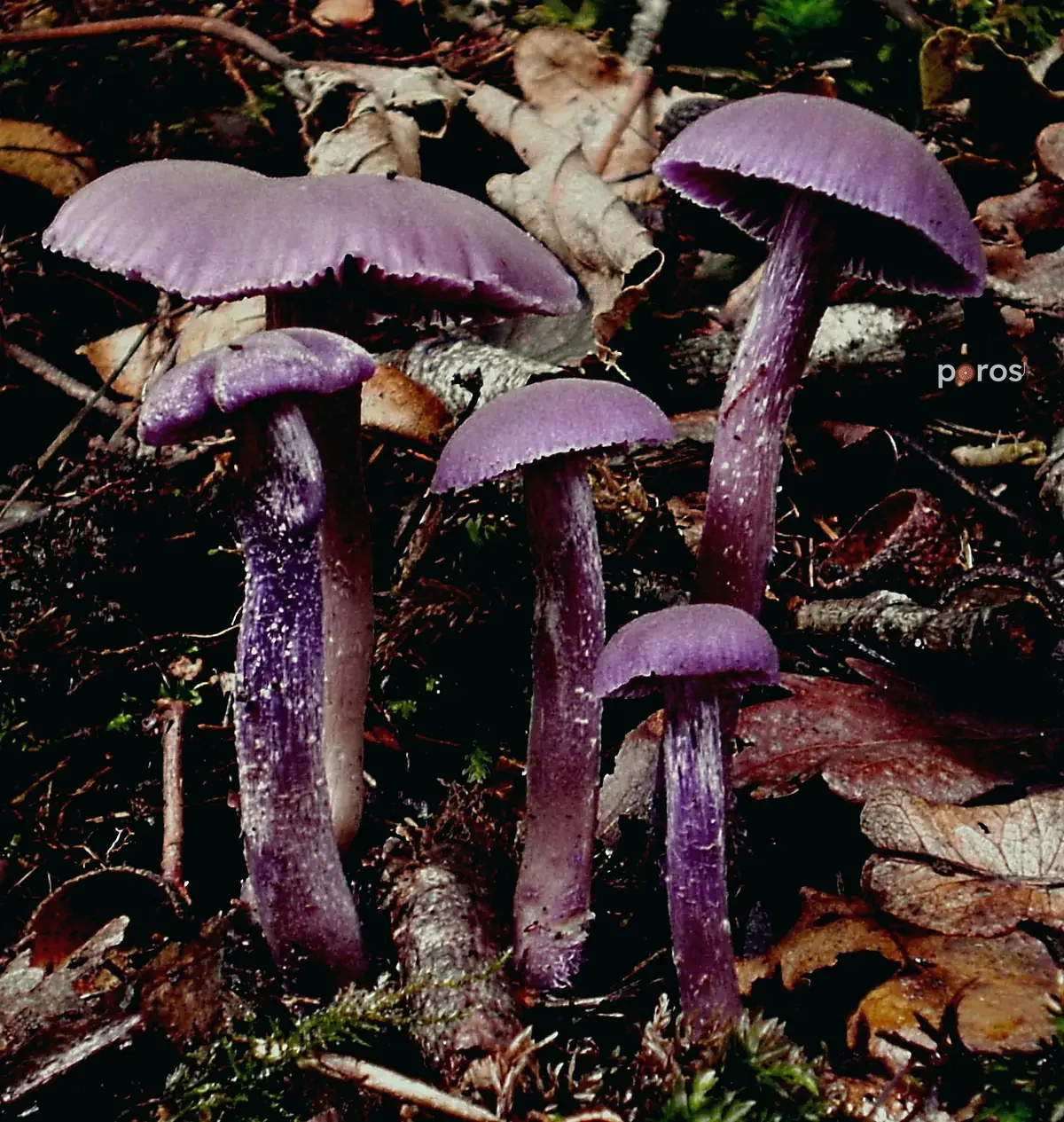
The amethyst deceiver (Laccaria amethystina) is a small, slender mushroom that is deep amethyst purple all over and grows on the forest floor, especially under beech.
Last updated: Prepared by the Poros Mantar editorial team5 sources checkedReport a correction
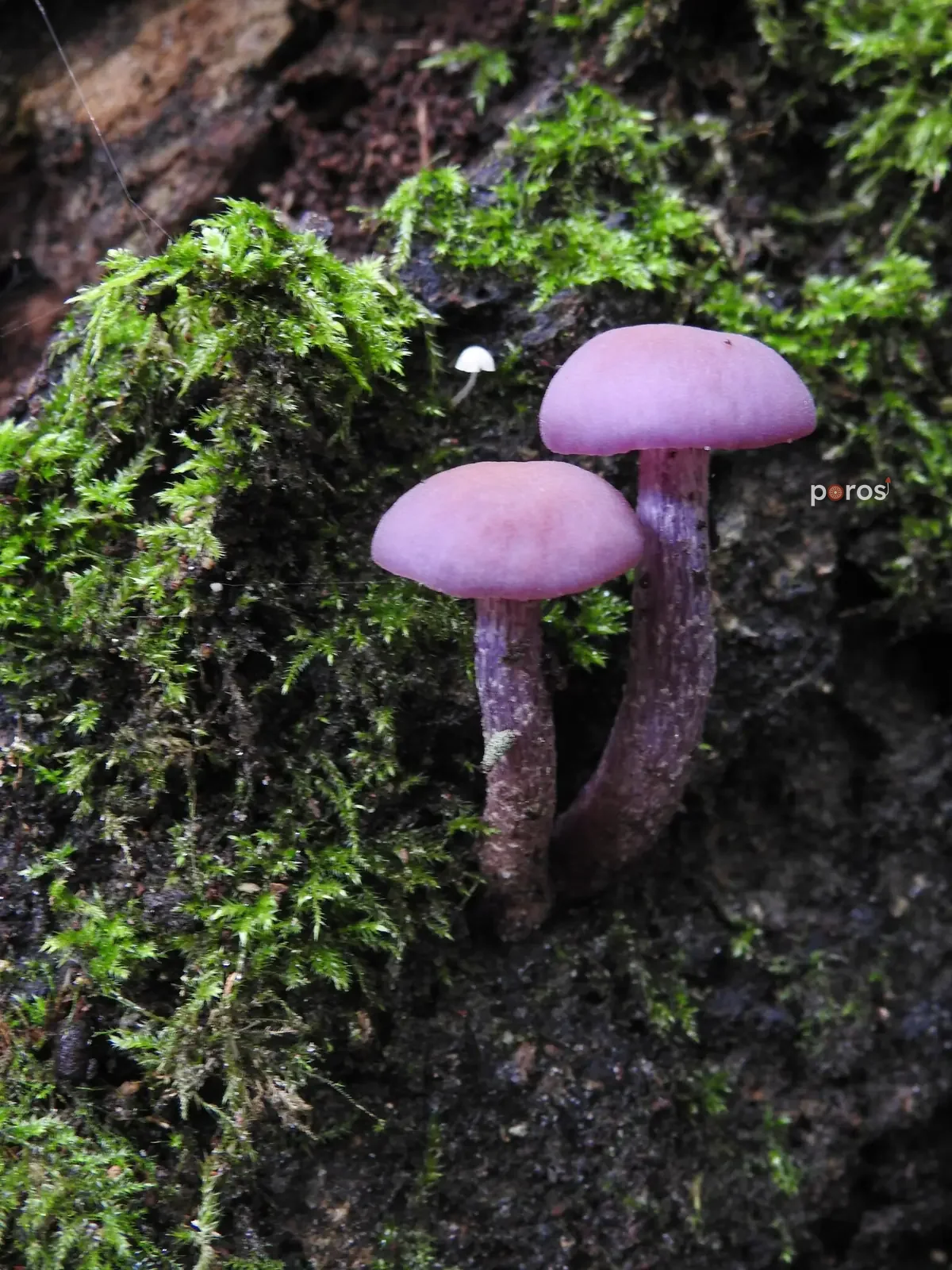
The amethyst deceiver (Laccaria amethystina) is a small, slender mushroom that is deep amethyst purple all over and grows on the forest floor, especially under beech. It has thick, widely spaced, waxy gills; when it dries it fades to pale lilac or buff and becomes hard to recognise, hence the name. It is not known to be poisonous, but because it can accumulate arsenic from the soil our advice is not to eat it.
Also called: amethyst laccaria Turkish: Mor mumsu mantar
How to recognise it
Amethyst deceiver, part by part
No ring or volva Spore print: White Not distinctive.


When and where
Jul–Nov, Jan
- Janin season
- Feb
- Mar
- Apr
- May
- Jun
- Julin season
- Augin season
- Sepin season
- Octin season
- Novin season
- Dec
The amethyst deceiver appears from late summer to early winter. Our Turkish records fall between July and November and in January, most in October.
Type Inedible
Months seen JanuaryJulyAugustSeptemberOctoberNovember
Colour Purple
Regions Black Sea RegionMarmara RegionRizeGiresunKocaeliBoluBursaIstanbulBalıkesir
Where does amethyst deceiver grow?
Deciduous and mixed woodland, most often under beech and oak, also with conifers; it forms mycorrhizal partnerships with tree roots. It grows singly or in scattered groups among leaf litter and moss.
Where is amethyst deceiver found in Turkey?
Our map data (GBIF and iNaturalist) holds 16 Turkish records: 4 each from Istanbul and Bolu, 3 from Kocaeli, 2 from Rize and one each from Balıkesir, Bursa and Giresun. It has also been recorded among leaf litter in Tonya, Trabzon (Uzun and Kaya, 2022).
Which months
- Jan1
- Feb0
- Mar0
- Apr0
- May0
- Jun0
- Jul2
- Aug2
- Sep1
- Oct7
- Nov3
- Dec0
amethyst deceiver map of Turkey: all provinces and months →
7 provinces, 16 observations (GBIF, iNaturalist); months from observation dates. Record density also reflects where observers work.
Latest amethyst deceiver observations
-
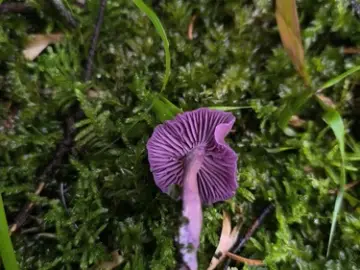 Bolu29 Oct 2026 · iNaturalist© Umut Nuri Erdoğan · CC BY
-
 Illustrative
Bolu29 Oct 2026 · iNaturalist
-
 Illustrative
Giresun15 Aug 2026 · iNaturalist
-
 Illustrative
Balıkesir14 Oct 2025 · iNaturalist
-
 Illustrative
Kocaeli5 Oct 2025 · iNaturalist
-
 Illustrative
İstanbul15 Jan 2023 · iNaturalist
-
 Illustrative
Kocaeli12 Nov 2022 · iNaturalist
-
 Illustrative
Bolu31 Aug 2022 · iNaturalist
- See on the map
On "illustrative" cards the image is a photo of the species; the observation photo cannot be shown here because of its licence, but can be seen at the source.
Look-alikes
What could it be confused with?
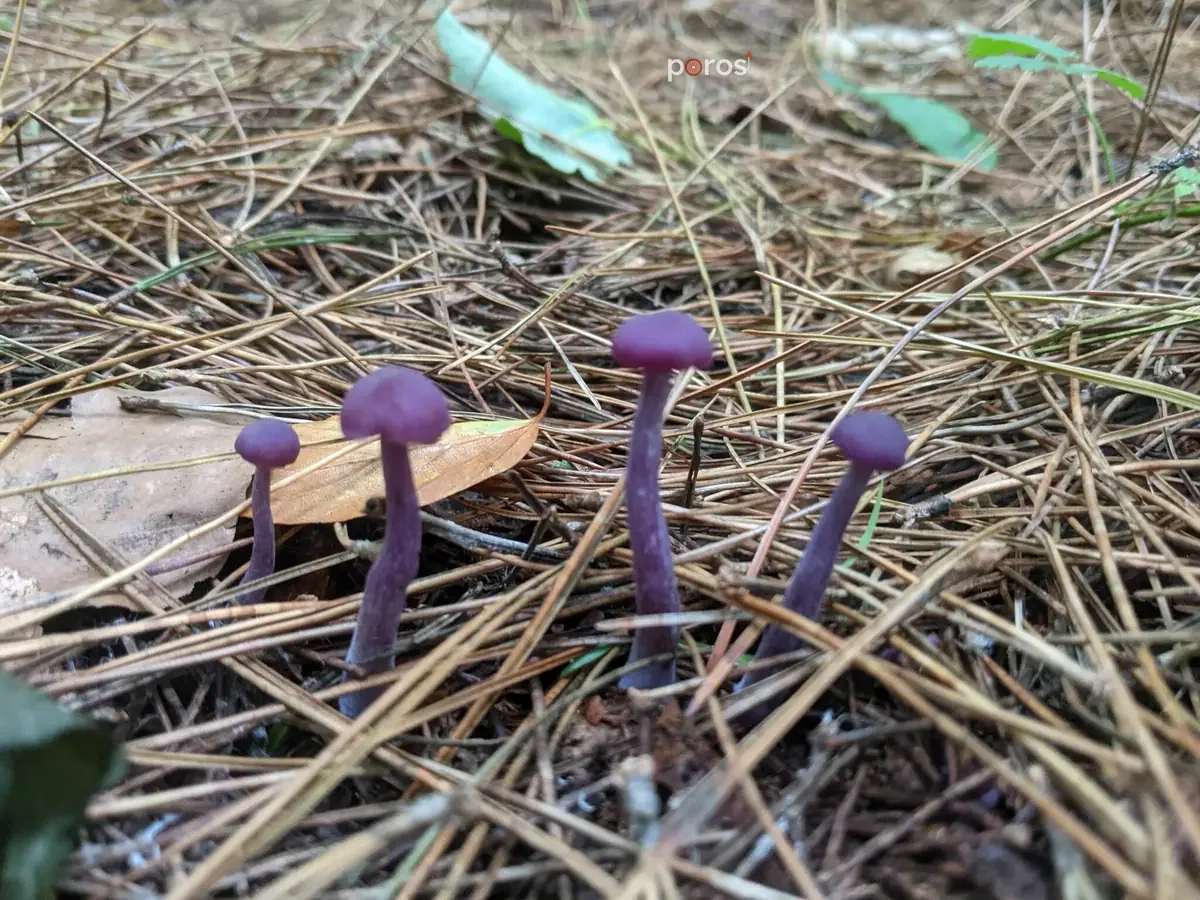
Amethyst deceiver can be mistaken for the species below. Each card shows the look-alike and how it differs from Amethyst deceiver.
 Edible species
not Amethyst deceiver
Wood blewit Lepista nuda
The wood blewit is much larger and fleshier, with a thick stem, crowded pale violet gills, a fruity smell and a pale pink spore print. The amethyst deceiver is small, slender-stemmed and has widely spaced gills.
 Poisonous
not Amethyst deceiver
Lilac bonnet Mycena pura
It has a lilac or pinkish cap and a thin stem, but its gills are pale and closer, and it smells strongly of radish when crushed. It contains muscarine.
 Poisonous
not Amethyst deceiver
Lilac fibrecap Inocybe geophylla var. lilacina
It has a silky lilac cap with a central bump; its gills are greyish brown and its spore print is brown. It contains muscarine.
 Poisonous
not Amethyst deceiver
Webcaps Cortinarius spp.
Some purple-toned webcaps are larger and fleshier; when young their gills are covered by a cobweb-like veil and their spore print is rusty brown.
What it contains
It is small and thin-fleshed, with little culinary value.
General information, not a health claim.
The amethyst deceiver is not known to be poisonous in itself, and some sources list it as edible. But it can accumulate arsenic from the soil; high levels have been measured in specimens from polluted ground, and a forager cannot tell what the soil contains. It can also be confused with small poisonous purple and lilac species. Our advice is not to eat it. If poisoning is suspected, call poison control and keep any leftover mushroom.
Frequently asked questions
Is the amethyst deceiver edible?
Our advice is not to eat it. Some sources list it as edible, but it can accumulate arsenic from the soil and can be confused with small poisonous purple species.
Is the amethyst deceiver poisonous?
It is not known to be poisonous in itself. The risks are the arsenic it can take up from the soil and its poisonous look-alikes.
Why does it accumulate arsenic?
Laccaria species can concentrate arsenic from the soil. High levels have been measured in specimens from polluted ground, and you cannot tell from looking what a woodland's soil contains.
Is it the same as the wood blewit?
No. The wood blewit (Turkish: mor mantar, Lepista nuda) is large, fleshy and thick-stemmed, with crowded gills and a fruity smell. The amethyst deceiver (Turkish: mor mumsu mantar) is small and slender, with thick, widely spaced gills.
Why is it called a deceiver?
As it dries or ages, its deep purple fades to pale lilac or buff and it becomes hard to recognise, which is where the name comes from.
Where and when does it grow?
From late summer to early winter, in deciduous and mixed woodland, mostly under beech and oak, among leaf litter and moss.
Which poisonous species can it be confused with?
The lilac bonnet (Mycena pura) and the lilac fibrecap (Inocybe geophylla var. lilacina) contain muscarine, and some purple webcaps (Cortinarius) are poisonous too. Spore print, gill spacing and smell help tell them apart.
Where is it found in Turkey?
Our map data holds 16 records from Istanbul, Bolu, Kocaeli, Rize, Balıkesir, Bursa and Giresun, with a published record from Trabzon too.
When is amethyst deceiver season in Turkey?
In our calendar, amethyst deceiver season runs Jul–Nov, Jan. The amethyst deceiver appears from late summer to early winter. Our Turkish records fall between July and November and in January, most in October.
Where does amethyst deceiver grow?
Deciduous and mixed woodland, most often under beech and oak, also with conifers; it forms mycorrhizal partnerships with tree roots. It grows singly or in scattered groups among leaf litter and moss.
Where is amethyst deceiver found in Turkey?
Our map data (GBIF and iNaturalist) holds 16 Turkish records: 4 each from Istanbul and Bolu, 3 from Kocaeli, 2 from Rize and one each from Balıkesir, Bursa and Giresun. It has also been recorded among leaf litter in Tonya, Trabzon (Uzun and Kaya, 2022).
What can amethyst deceiver be confused with?
Amethyst deceiver can be confused with wood blewit (Lepista nuda, edible species), lilac bonnet (Mycena pura, poisonous), lilac fibrecap (Inocybe geophylla var. lilacina, poisonous) and webcaps (Cortinarius spp., poisonous). Look-alikes are compared on this page.
What is amethyst deceiver called in Turkish?
In Turkish, amethyst deceiver (Laccaria amethystina) is called Mor mumsu mantar.
Related species
-
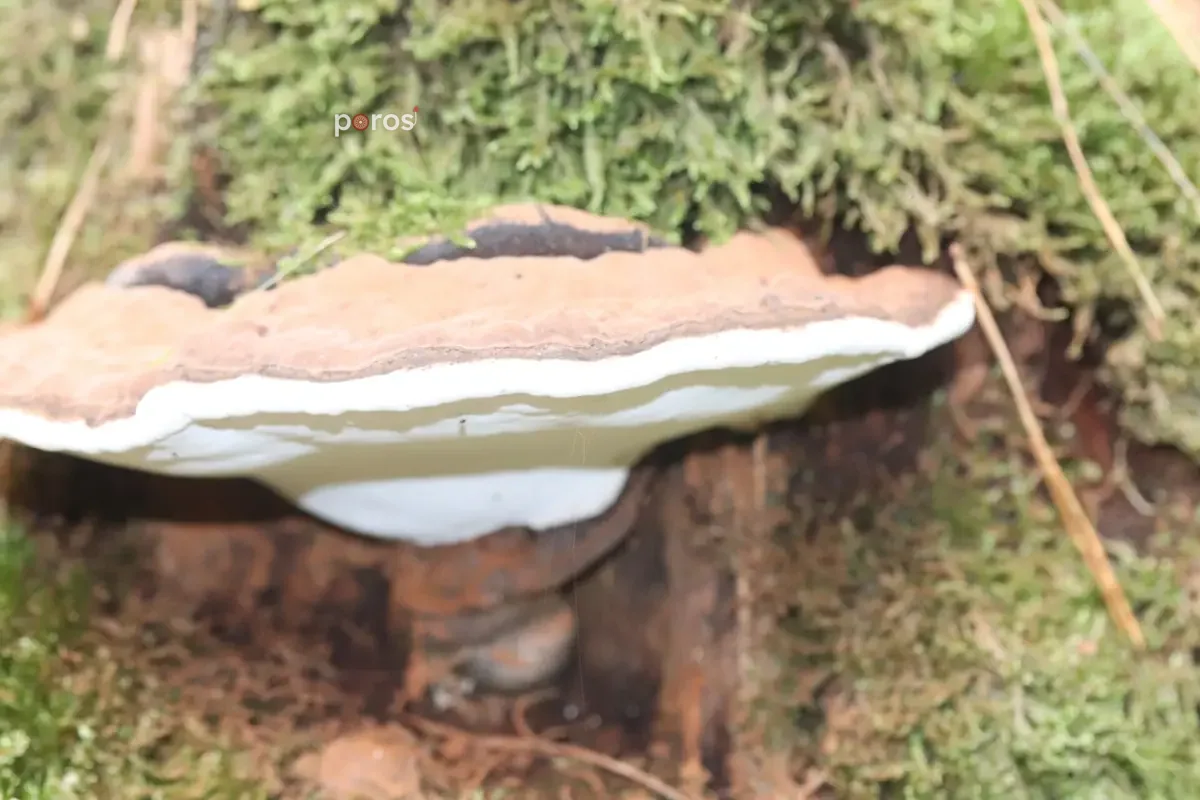 Artist’s bracketGanoderma applanatumInedible
-
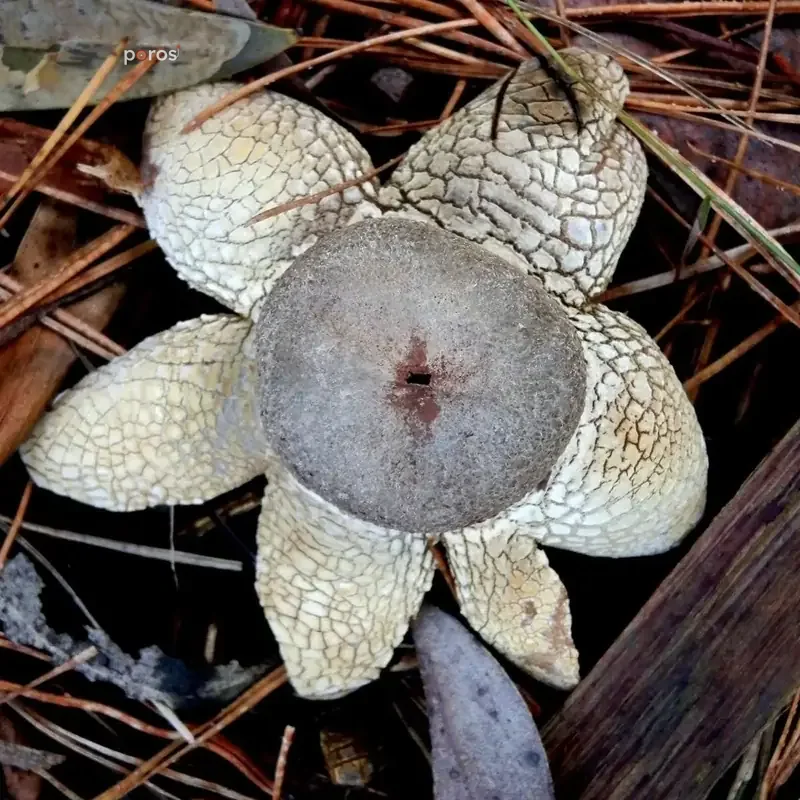 Barometer earthstarAstraeus hygrometricusInedible
-
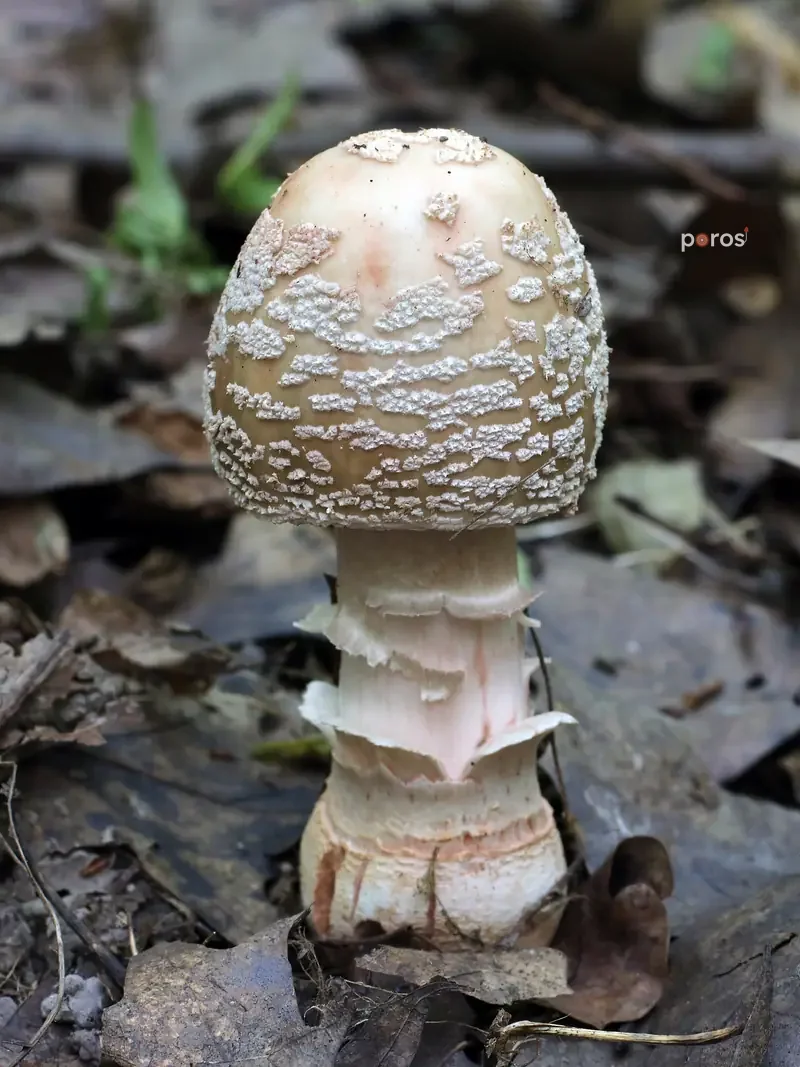 BlusherAmanita rubescensInedible
-
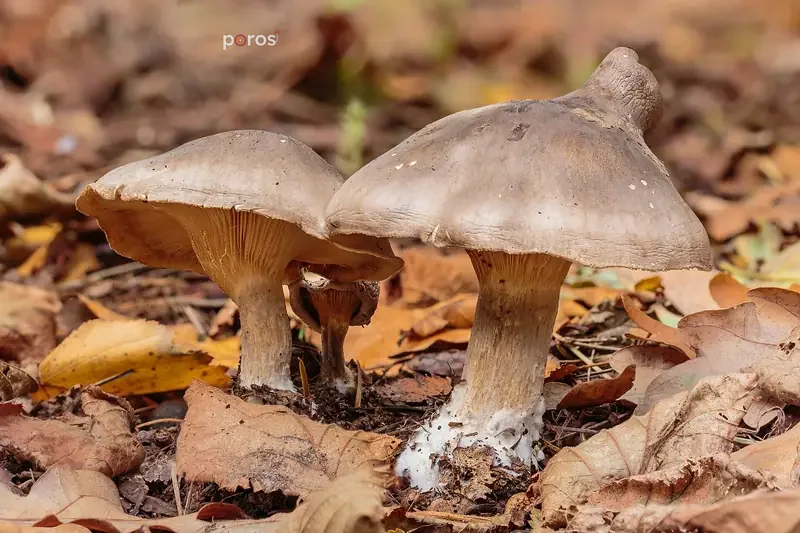 Clouded funnelClitocybe nebularisInedible
-
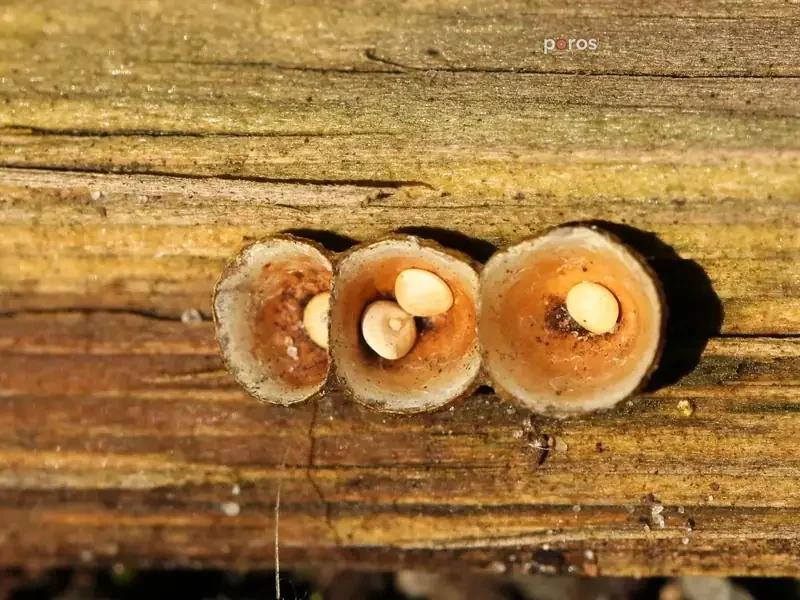 Common bird’s nest fungusCrucibulum laeveInedible
-
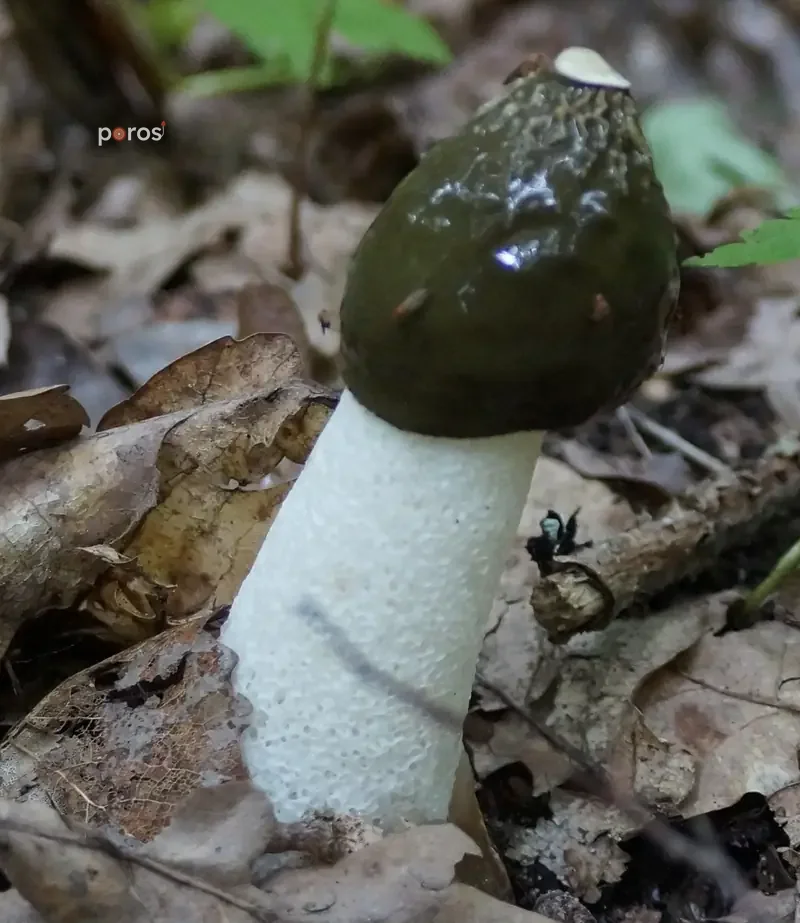 Common stinkhornPhallus impudicusInedible
-
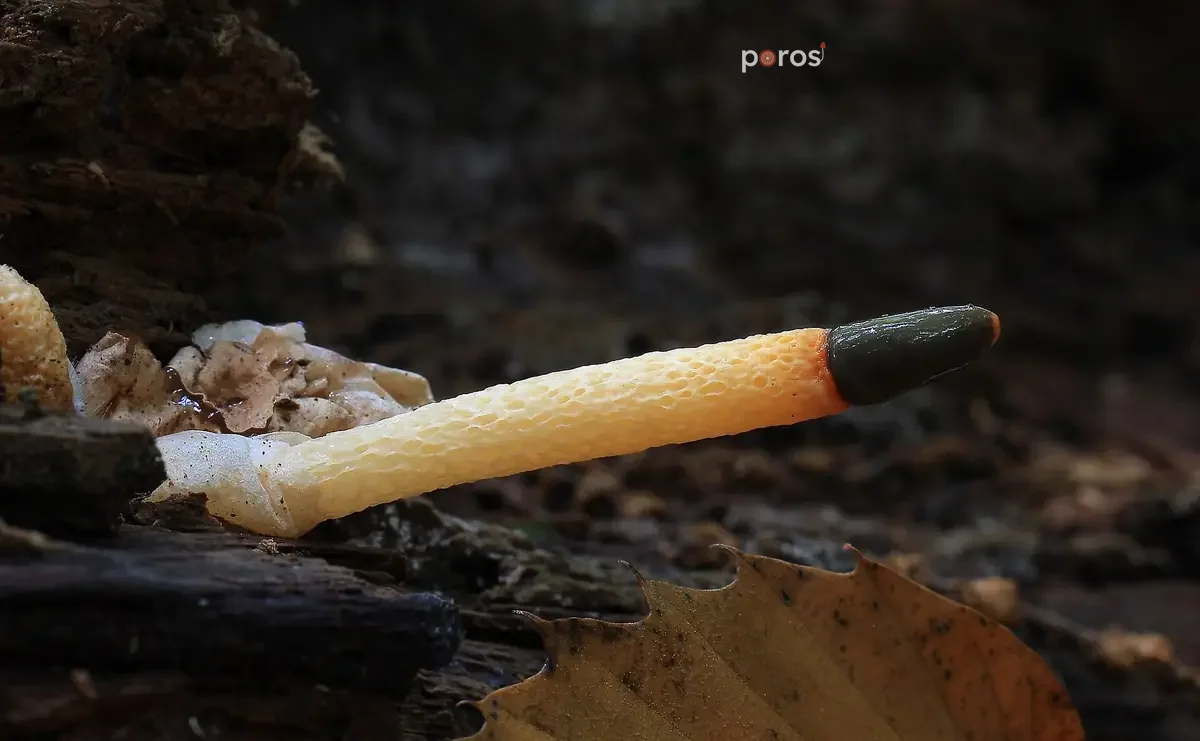 Dog stinkhornMutinus caninusInedible
-
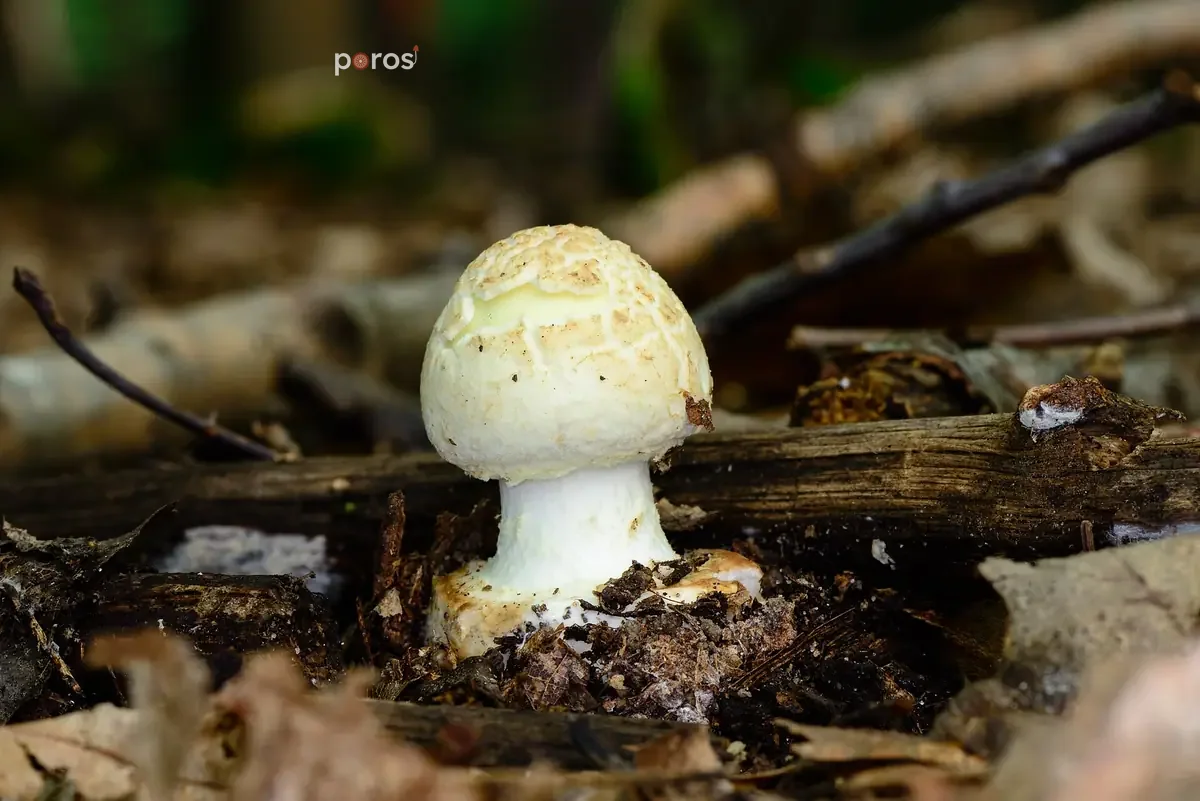 False death capAmanita citrinaInedible
Sources
- Uzun ve Kaya (2022), KSÜ Tarım ve Doğa Dergisi 25(1): Macromycetes Determined in Tonya (Trabzon) District dergipark.org.tr
- Wikipedia (EN): Laccaria amethystina en.wikipedia.org
- First Nature: Laccaria amethystina, Amethyst Deceiver first-nature.com
All sources (5)
- iNaturalist: Laccaria amethystina (Türkçe ad ve Türkiye gözlemleri) inaturalist.org
- GBIF: Türkiye kayıtları gbif.org
Photo credits (9)
- File:Laccaria amethystina 2.jpg · Luridiformis at en.wikipedia · CC BY 3.0
- Laccaria amethystina · iNaturalist #247076137 · Yves Bas · CC BY 4.0
- File:Amethyst Deceiver - Laccaria amethystea - Violetter Lacktrichterling - Laccaria amethystina - 02.jpg · Norbert Nagel · CC BY-SA 3.0
- File:Laccaria amethystina 99497656.jpg · Michel Langeveld · CC BY-SA 4.0
- Laccaria amethystina · iNaturalist #345632768 · Paula Nimigean · CC BY 4.0
- File:Amethyst Deceiver - Laccaria amethystea - Violetter Lacktrichterling - Laccaria amethystina - 01.jpg · Norbert Nagel · CC BY-SA 3.0
- Laccaria amethystina · iNaturalist #97983362 · Piermario Maculan · CC0
- Laccaria amethystina · iNaturalist #137394309 · Ellie B · CC BY 4.0
- iNaturalist: Bolu, 29 Oct 2026 · Umut Nuri Erdoğan · CC BY


