
Mushrooms by colour · 44 species
Brown mushrooms
Brown mushrooms include edible species such as porcini (Boletus edulis), shiitake and morels, and deadly ones such as the deadly galerina and the false morel. Brown on its own says nothing about safety.
-
 Inedible
Artist’s bracket
Ganoderma applanatum
Polyporaceae
-
 Inedible
Barometer earthstar
Astraeus hygrometricus
Diplocystidiaceae
-
 Edible species
Beefsteak fungus
Fistulina hepatica
Fistulinaceae
-
 Inedible
Blusher
Amanita rubescens
Amanitaceae
-
 Edible species
Button mushroom
Agaricus bisporus
Agaricaceae
Cultivable
-
 Inedible
Clouded funnel
Clitocybe nebularis
Clitocybaceae
-
 Inedible
Common bird’s nest fungus
Crucibulum laeve
Agaricaceae
-
 Poisonous
Common earthball
Scleroderma citrinum
Sclerodermataceae
-
 Poisonous
Common ink cap
Coprinopsis atramentaria
Psathyrellaceae
-
 Edible species
Dryad’s saddle
Cerioporus squamosus
Polyporaceae
-
 Edible species
Fairy ring champignon
Marasmius oreades
Marasmiaceae
-
 Inedible
Fiery milkcap
Lactarius pyrogalus
Russulaceae
-
 Inedible
Giant polypore
Meripilus giganteus
Meripilaceae
-
 Inedible
Glistening inkcap
Coprinellus micaceus
Psathyrellaceae
-
 Edible species
Honey fungus
Armillaria mellea
Physalacriaceae
-
 Edible species
King oyster mushroom
Pleurotus eryngii
Pleurotaceae
Cultivable
-
 Edible species
Maitake
Grifola frondosa
Grifolaceae
Cultivable
-
 Edible species
Morel
Morchella esculenta
Morchellaceae
-
 Edible species
Nameko
Pholiota microspora
Strophariaceae
Cultivable
-
 Edible species
Oyster mushroom
Pleurotus ostreatus
Pleurotaceae
Cultivable
-
 Inedible
Pale brittlestem
Candolleomyces candolleanus
Psathyrellaceae
-
 Poisonous
Panther cap
Amanita pantherina
Amanitaceae
-
 Edible species
Parasol mushroom
Macrolepiota procera
Agaricaceae
-
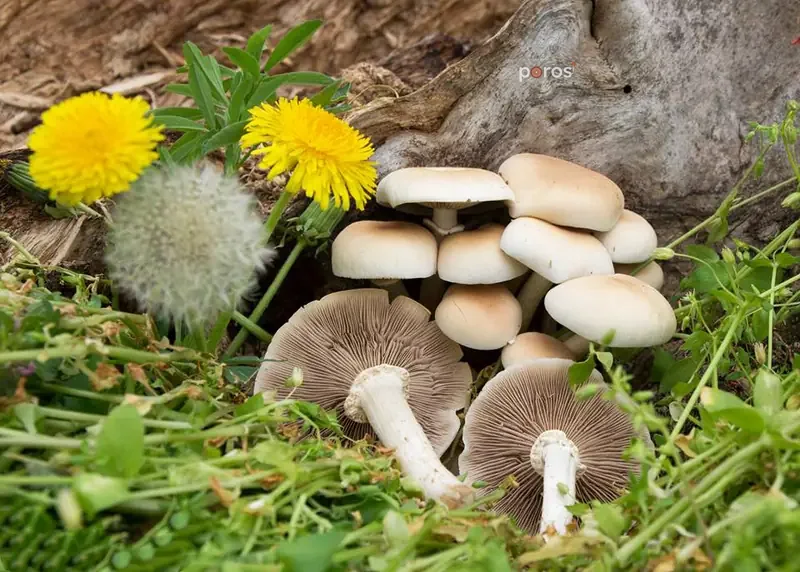 Edible species
Poplar mushroom
Cyclocybe cylindracea
Tubariaceae
Cultivable
-
 Edible species
Porcini
Boletus edulis
Boletaceae
-
 Traditional use
Reishi
Ganoderma lucidum
Polyporaceae
Cultivable
-
 Inedible
Scarletina bolete
Neoboletus erythropus
Boletaceae
-
 Inedible
Shaggy parasol
Chlorophyllum rhacodes
Agaricaceae
-
 Edible species
Shiitake
Lentinula edodes
Omphalotaceae
Cultivable
-
 Inedible
Suillus collinitus
Suillus collinitus
Suillaceae
-
 Inedible
Tawny funnel
Paralepista flaccida
Tricholomataceae
-
 Inedible
Tinder fungus
Fomes fomentarius
Polyporaceae
-
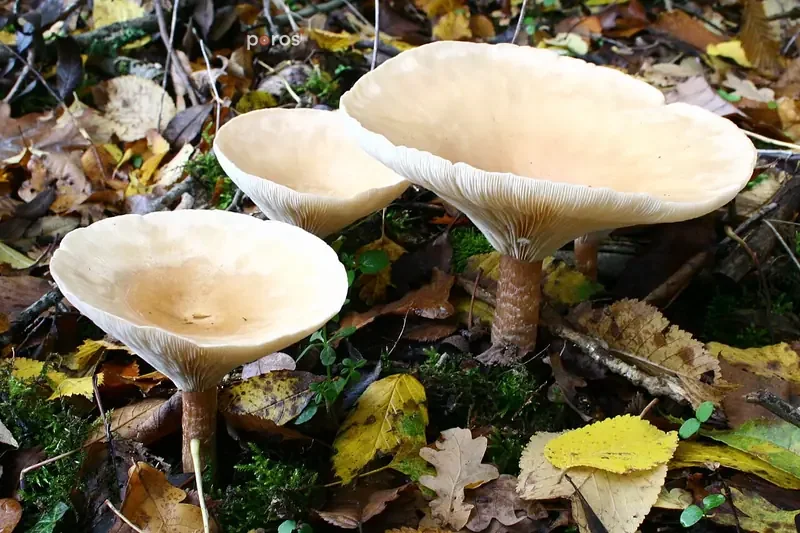 Edible species
Trooping funnel
Infundibulicybe geotropa
Tricholomataceae
-
 Inedible
Turkey tail
Trametes versicolor
Polyporaceae
-
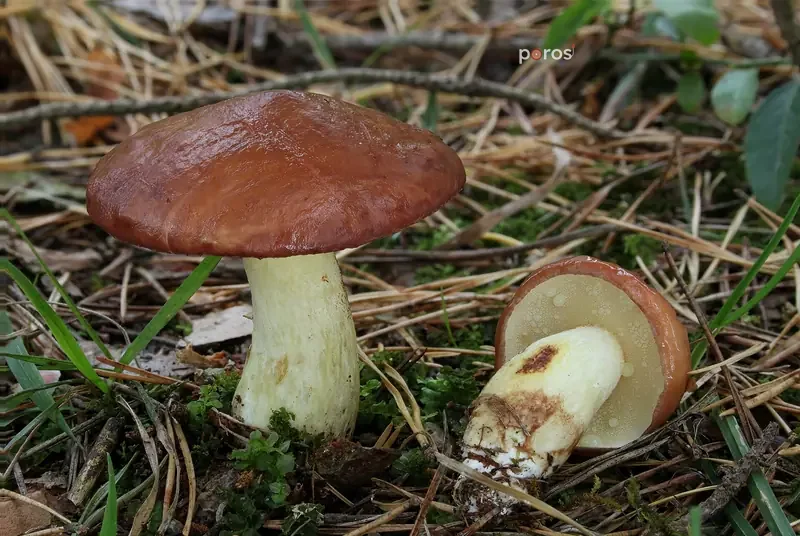 Edible species
Weeping bolete
Suillus granulatus
Suillaceae
-
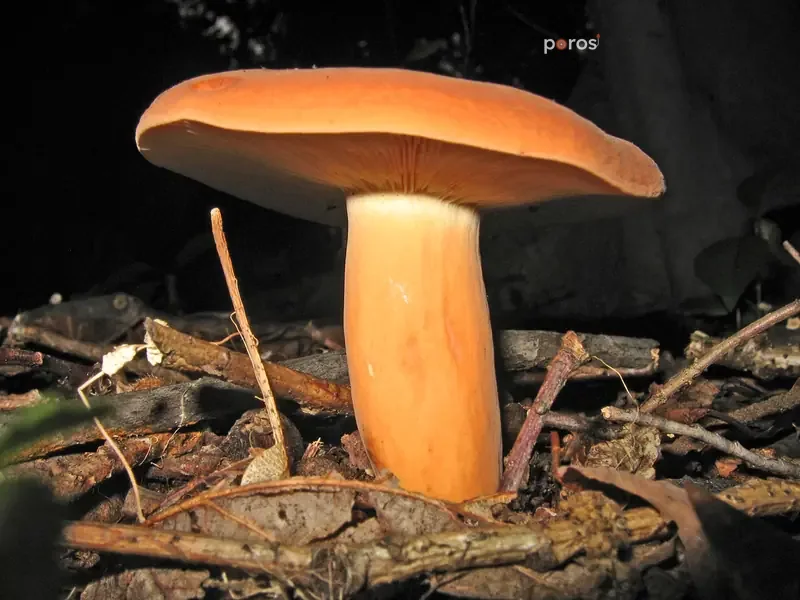 Edible species
Weeping milk cap
Lactifluus volemus
Russulaceae
-
 Edible species
Wood ear mushroom
Auricularia auricula-judae
Auriculariaceae
-
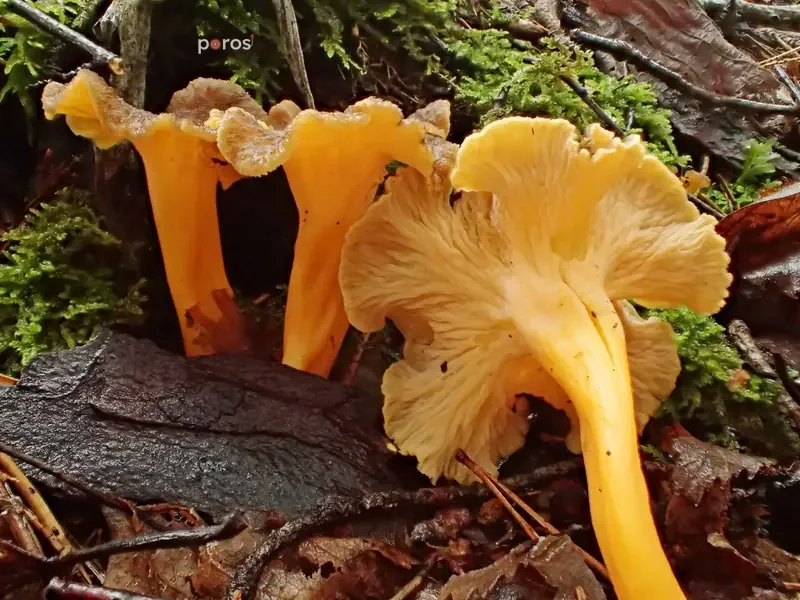 Edible species
Yellow foot chanterelle
Craterellus lutescens
Cantharellaceae
-
 Deadly poisonous
Brown roll-rim
Paxillus involutus
Paxillaceae
-
 Deadly poisonous
Deadly dapperling
Lepiota brunneoincarnata
Agaricaceae
-
 Deadly poisonous
Deadly fibrecap
Inosperma erubescens
Inocybaceae
-
 Deadly poisonous
Deadly galerina
Galerina marginata
Hymenogastraceae
-
 Deadly poisonous
False morel
Gyromitra esculenta
Discinaceae
-
 Deadly poisonous
Fool’s webcap
Cortinarius orellanus
Cortinariaceae
Brown is the most common cap colour in mushrooms. This page brings together the brown-toned species; it is the largest colour group in the encyclopedia.
The group foragers call "little brown mushrooms" is the most often confused: it includes the deadly galerina, which carries the same toxins as the death cap.
To identify a brown mushroom, the underside (gills, pores or honeycomb), spore print, stem, ring and habitat are judged together.
Brown mushrooms: edible or poisonous, and when?
| Mushroom | Status | Season |
|---|---|---|
| Artist’s bracketGanoderma applanatum | Inedible | Mar, May, Jul–Oct |
| Barometer earthstarAstraeus hygrometricus | Inedible | Dec–Jan, Mar–Apr |
| Beefsteak fungusFistulina hepatica | Edible species | Aug–Nov |
| BlusherAmanita rubescens | Inedible | Jun–Nov |
| Button mushroomAgaricus bisporus | Edible species | |
| Clouded funnelClitocybe nebularis | Inedible | Oct–Jan |
| Common bird’s nest fungusCrucibulum laeve | Inedible | Oct–Mar, May |
| Common earthballScleroderma citrinum | Poisonous | Mar, Aug–Nov |
| Common ink capCoprinopsis atramentaria | Poisonous | Oct–Jan, Mar–May |
| Dryad’s saddleCerioporus squamosus | Edible species | Apr–Jun, Sep–Oct |
| Fairy ring champignonMarasmius oreades | Edible species | Apr–May, Sep–Dec |
| Fiery milkcapLactarius pyrogalus | Inedible | Aug–Nov |
| Giant polyporeMeripilus giganteus | Inedible | Jan, Sep–Oct |
| Glistening inkcapCoprinellus micaceus | Inedible | Mar–Jun, Oct–Nov |
| Honey fungusArmillaria mellea | Edible species | Sep–Jan |
| King oyster mushroomPleurotus eryngii | Edible species | Mar–Jun |
| MaitakeGrifola frondosa | Edible species | Aug–Oct |
| MorelMorchella esculenta | Edible species | Mar–May |
| NamekoPholiota microspora | Edible species | |
| Oyster mushroomPleurotus ostreatus | Edible species | Oct–Mar |
| Pale brittlestemCandolleomyces candolleanus | Inedible | Sep–Jul |
| Panther capAmanita pantherina | Poisonous | Jul–Dec |
| Parasol mushroomMacrolepiota procera | Edible species | Jul–Nov |
| Poplar mushroomCyclocybe cylindracea | Edible species | Mar–May, Sep–Dec |
| PorciniBoletus edulis | Edible species | Jun–Nov |
| ReishiGanoderma lucidum | Traditional use | Jun–Nov |
| Scarletina boleteNeoboletus erythropus | Inedible | Jun–Oct |
| Shaggy parasolChlorophyllum rhacodes | Inedible | Sep–Dec |
| ShiitakeLentinula edodes | Edible species | |
| Suillus collinitusSuillus collinitus | Inedible | Aug–Jan, May |
| Tawny funnelParalepista flaccida | Inedible | Oct–Jan |
| Tinder fungusFomes fomentarius | Inedible | All year |
| Trooping funnelInfundibulicybe geotropa | Edible species | Sep–Jan |
| Turkey tailTrametes versicolor | Inedible | All year |
| Weeping boleteSuillus granulatus | Edible species | May–Jun, Sep–Dec |
| Weeping milk capLactifluus volemus | Edible species | Jun–Sep |
| Wood ear mushroomAuricularia auricula-judae | Edible species | Oct–May |
| Yellow foot chanterelleCraterellus lutescens | Edible species | Sep–Feb |
| Brown roll-rimPaxillus involutus | Deadly poisonous | Jun–Nov |
| Deadly dapperlingLepiota brunneoincarnata | Deadly poisonous | Sep–Nov |
| Deadly fibrecapInosperma erubescens | Deadly poisonous | Apr–Jul |
| Deadly galerinaGalerina marginata | Deadly poisonous | Aug–Nov |
| False morelGyromitra esculenta | Deadly poisonous | Mar–May |
| Fool’s webcapCortinarius orellanus | Deadly poisonous | Aug–Nov |
The status column is a guide and is not enough to decide to eat a mushroom. Do not eat a wild mushroom unless an expert has seen it in person. Edible mushrooms · Poisonous mushrooms
Deadly brown species
The deadly galerina (Galerina marginata) grows in clusters on wood and contains the same toxins as the death cap (amatoxins); it can be confused with honey fungus. The deadly dapperling and fool's webcap are also brown-toned.
The false morel (Gyromitra esculenta) resembles the morel and can be deadly. The brown roll-rim (Paxillus involutus) can trigger a potentially fatal immune reaction in people who eat it repeatedly.
If poisoning is suspected in Türkiye, call 112 or the National Poison Information Centre (114) straight away, and keep a piece of the mushroom if you can.
- Brown roll-rim Paxillus involutus Deadly poisonous
- Common earthball Scleroderma citrinum Poisonous
- Common ink cap Coprinopsis atramentaria Poisonous
- Deadly dapperling Lepiota brunneoincarnata Deadly poisonous
- Deadly fibrecap Inosperma erubescens Deadly poisonous
- Deadly galerina Galerina marginata Deadly poisonous
- False morel Gyromitra esculenta Deadly poisonous
- Fool’s webcap Cortinarius orellanus Deadly poisonous
- Panther cap Amanita pantherina Poisonous
Edible brown mushrooms
Brown-toned edible species in this encyclopedia include porcini, morel, shiitake, the brown form of the button mushroom, poplar mushroom, king oyster, parasol, maitake and honey fungus. Honey fungus must never be eaten raw or undercooked. Each has its own page.
Little brown mushrooms
Little brown mushrooms are hard to tell apart one by one. Do not pick or eat mushrooms from this group without expert identification.
Frequently asked questions
Are brown mushrooms edible?
Brown mushrooms vary by species: porcini, shiitake and morels are edible; the deadly galerina, deadly dapperling and false morel are deadly. Do not eat wild brown mushrooms without expert identification.
Are brown mushrooms poisonous?
Some brown mushrooms are poisonous and some deadly; the deadly galerina contains the same toxins as the death cap. Colour alone is neither a warning nor a sign of safety.
What types of brown mushrooms are there?
Brown mushrooms include porcini, morel, shiitake, poplar mushroom, king oyster, parasol and honey fungus, as well as the deadly galerina, panther cap and false morel.
What is the brown mushroom sold in shops?
The brown mushroom sold in shops is usually the brown form of the button mushroom (Agaricus bisporus), sold as chestnut mushroom or portobello.
Are little brown mushrooms poisonous?
Some little brown mushrooms are deadly; the deadly galerina looks like one. Do not eat mushrooms from this group without expert identification.
Should you peel brown mushrooms?
Brown cultivated mushrooms usually do not need peeling; wiping with a damp cloth or a quick rinse is enough.
How do you tell a morel from a false morel?
A morel and a false morel differ inside: a morel cut lengthwise is hollow from top to bottom, while a false morel is chambered or cottony inside. A firm identification needs an expert.
I ate a brown mushroom. What should I do?
If poisoning is suspected in Türkiye, call 112 or the National Poison Information Centre (114) straight away, and keep a piece of the mushroom if you can.
Sources
- Wikipedia (EN): Galerina marginata en.wikipedia.org
- Wikipedia (EN): Gyromitra esculenta en.wikipedia.org
- Wikipedia (EN): Boletus edulis en.wikipedia.org
All sources (5)
- Wikipedia (EN): Paxillus involutus en.wikipedia.org
- Wikipedia (EN): Agaricus bisporus en.wikipedia.org
Other colours
Last updated: Prepared by the Poros Mantar editorial teamReport a correction