

Look-alikes
Mushroom look-alikes compared, side by side
We put the most commonly confused mushroom pairs next to each other. Each page has photos of both species, the three signs that really separate them and a difference table from cap to spore print. The tables are built from the sourced data on our species pages.
Pairs with a deadly look-alike
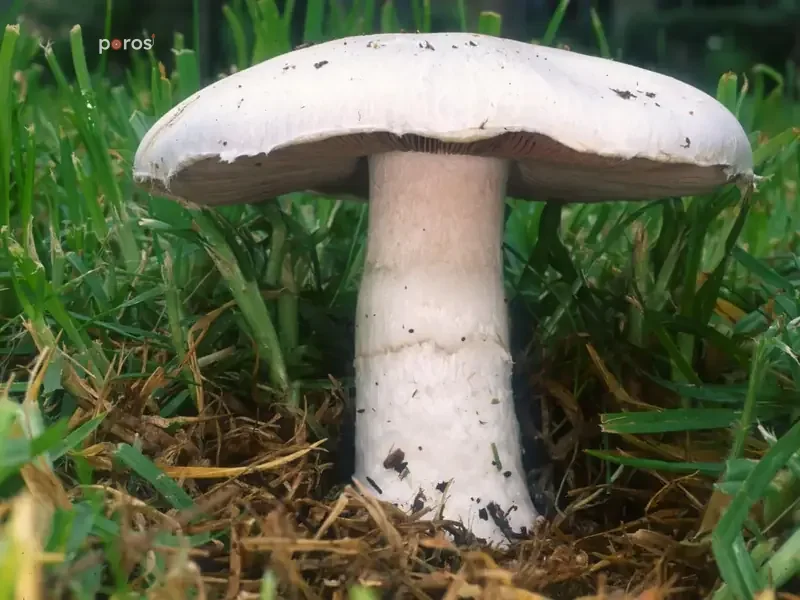
 ≠Field mushroom vs death capAgaricus campestris · Amanita phalloidesDeadly poisonous
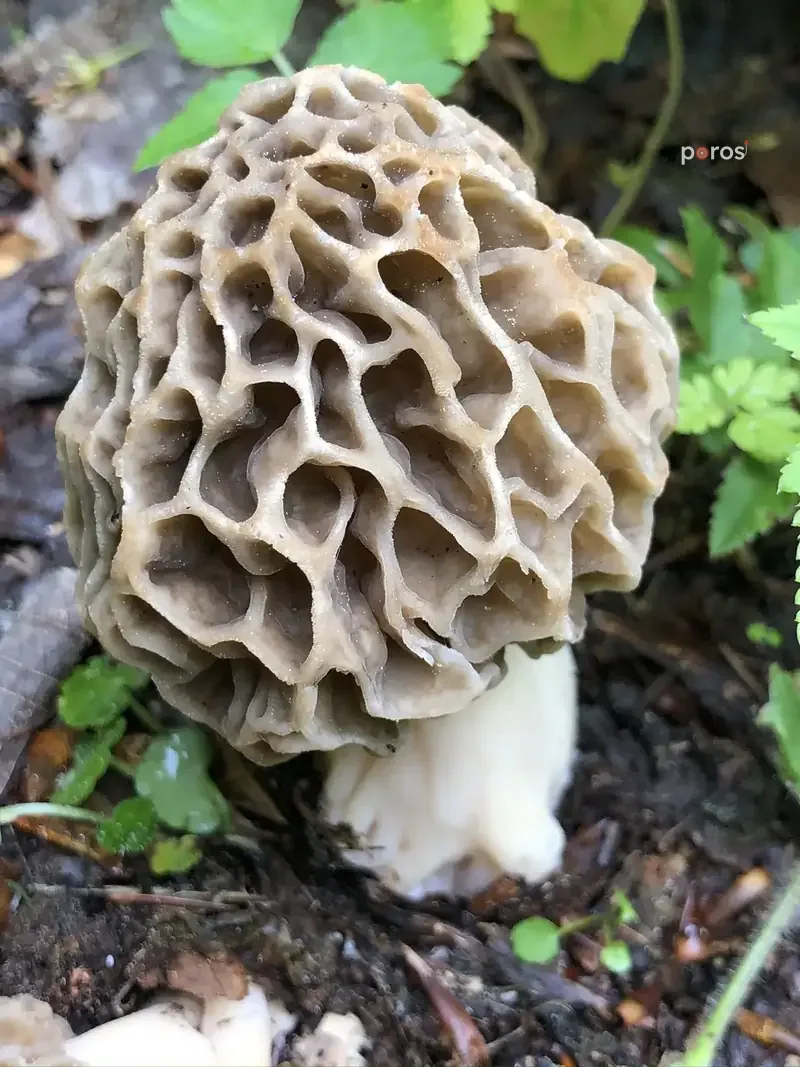
 ≠Morel vs false morelMorchella esculenta · Gyromitra esculentaDeadly poisonous
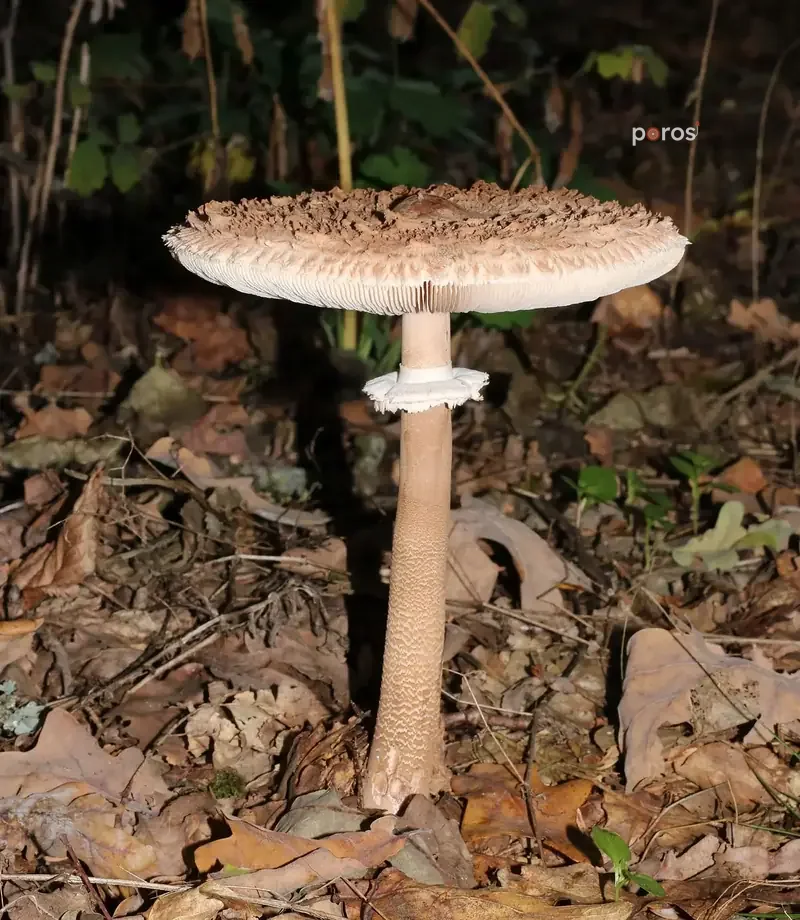
 ≠Parasol mushroom vs deadly dapperlingMacrolepiota procera · Lepiota brunneoincarnataDeadly poisonous
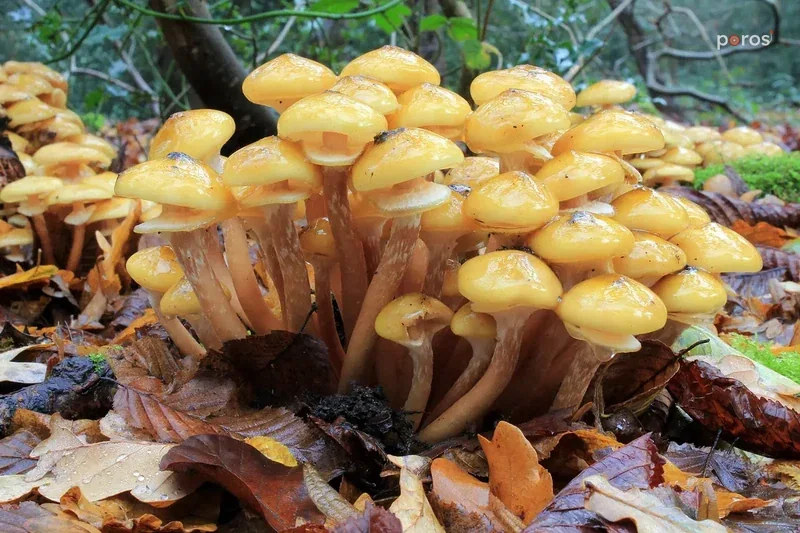
 ≠Honey fungus vs deadly galerinaArmillaria mellea · Galerina marginataDeadly poisonous
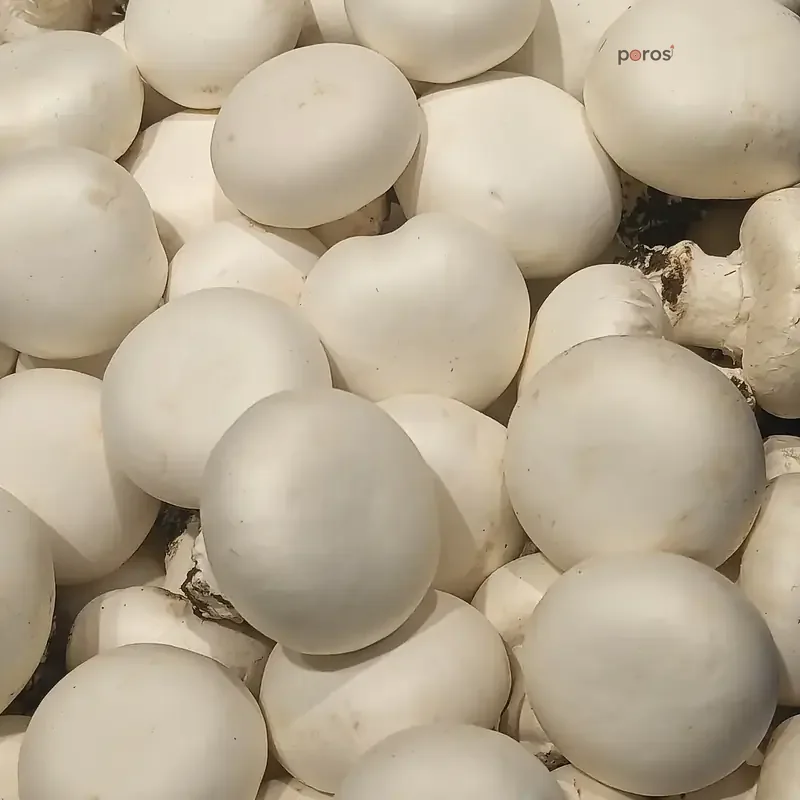 ≠Button mushroom vs death capAgaricus bisporus · Amanita phalloidesDeadly poisonous
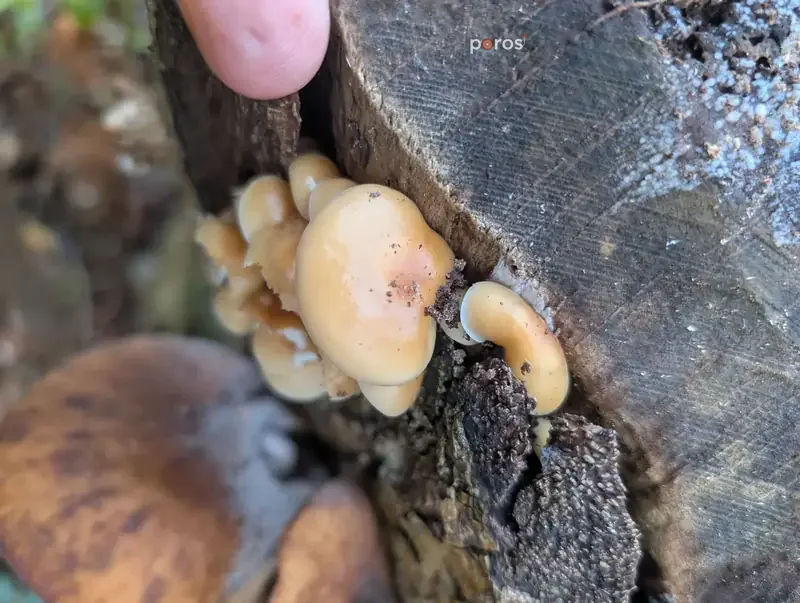 ≠Enoki vs deadly galerinaFlammulina filiformis · Galerina marginataDeadly poisonous
Pairs with a poisonous look-alike
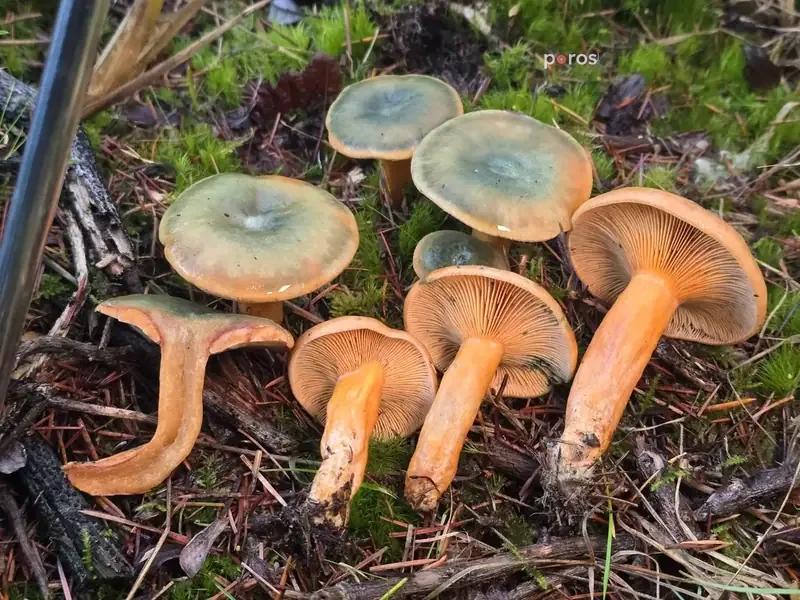
 ≠Saffron milk cap vs woolly milkcapLactarius deliciosus · Lactarius torminosusPoisonous
 ≠Field mushroom vs yellow stainerAgaricus campestris · Agaricus xanthodermusPoisonous
 ≠Parasol mushroom vs green-spored parasolMacrolepiota procera · Chlorophyllum molybditesPoisonous
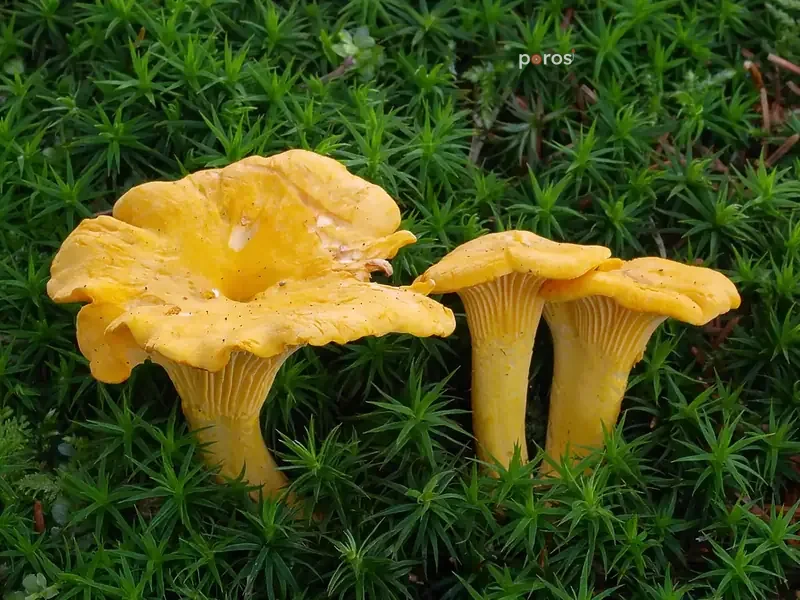
 ≠Chanterelle vs jack-o'-lantern mushroomCantharellus cibarius · Omphalotus oleariusPoisonous
 ≠Honey fungus vs sulphur tuftArmillaria mellea · Hypholoma fascicularePoisonous
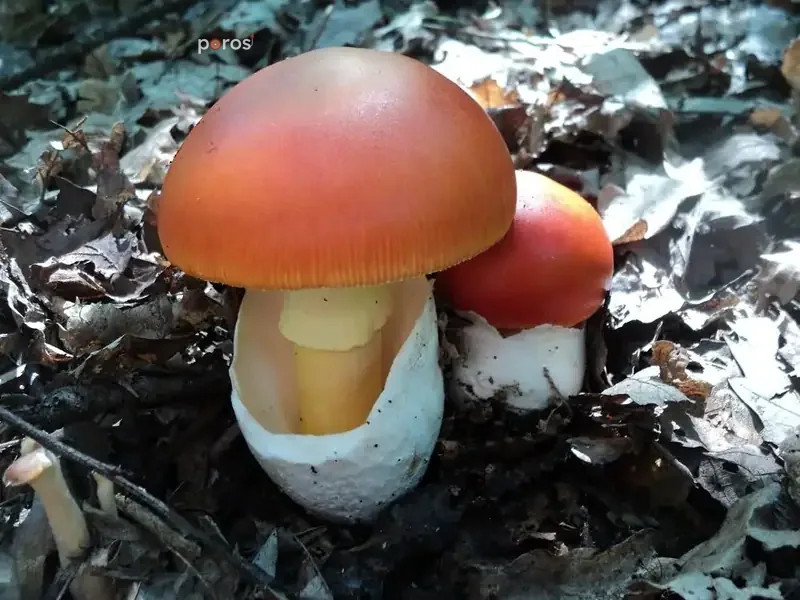
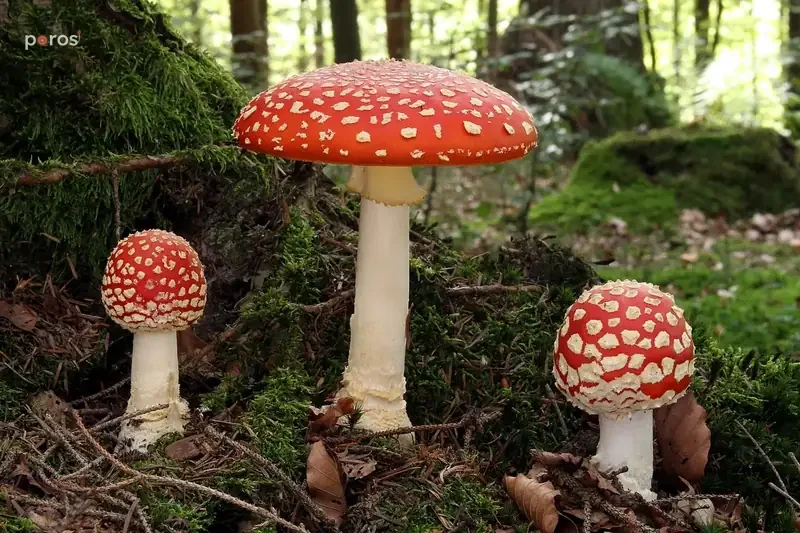 ≠Caesar's mushroom vs fly agaricAmanita caesarea · Amanita muscariaPoisonous
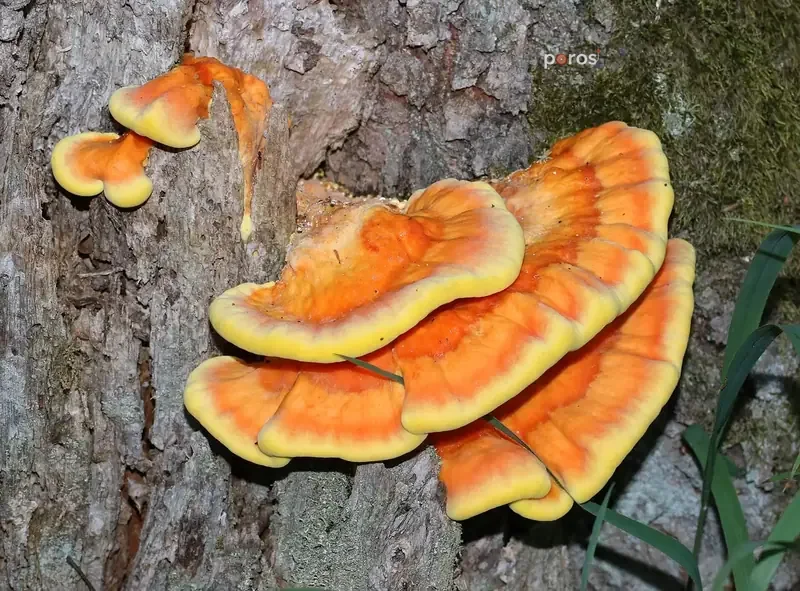 ≠Chicken of the woods vs jack-o'-lantern mushroomLaetiporus sulphureus · Omphalotus oleariusPoisonous
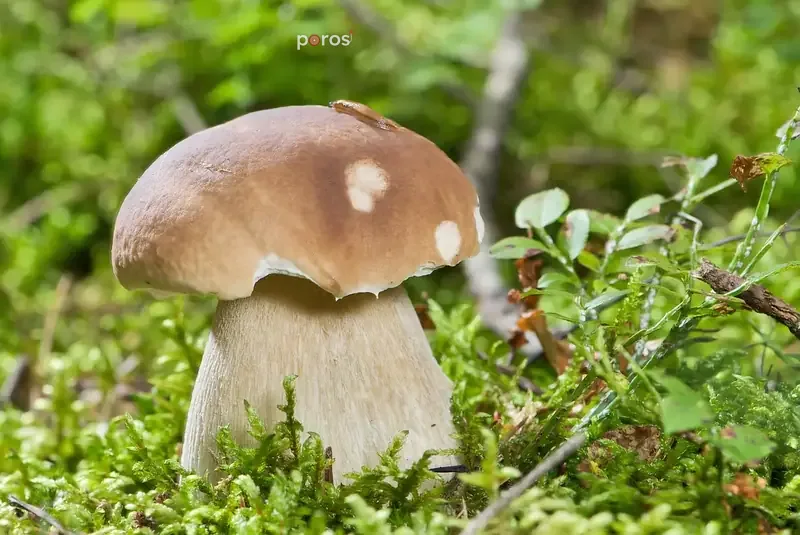
 ≠Porcini vs devil's boleteBoletus edulis · Rubroboletus satanasPoisonous
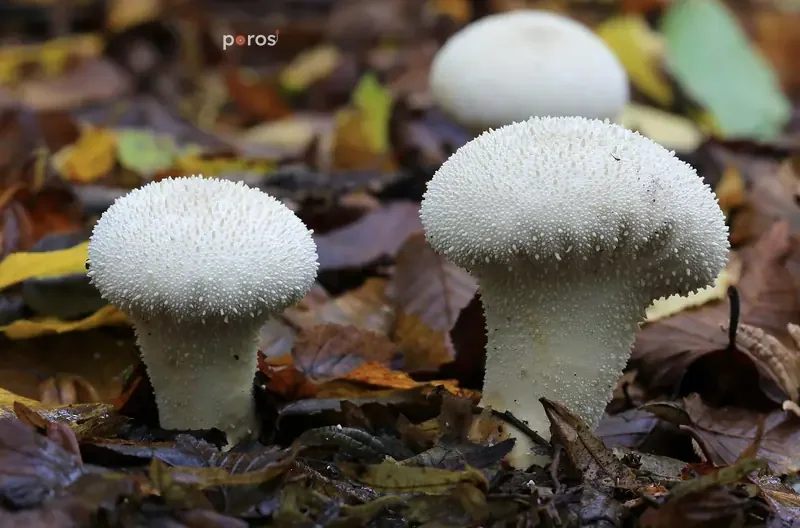
 ≠Common puffball vs common earthballLycoperdon perlatum · Scleroderma citrinumPoisonous
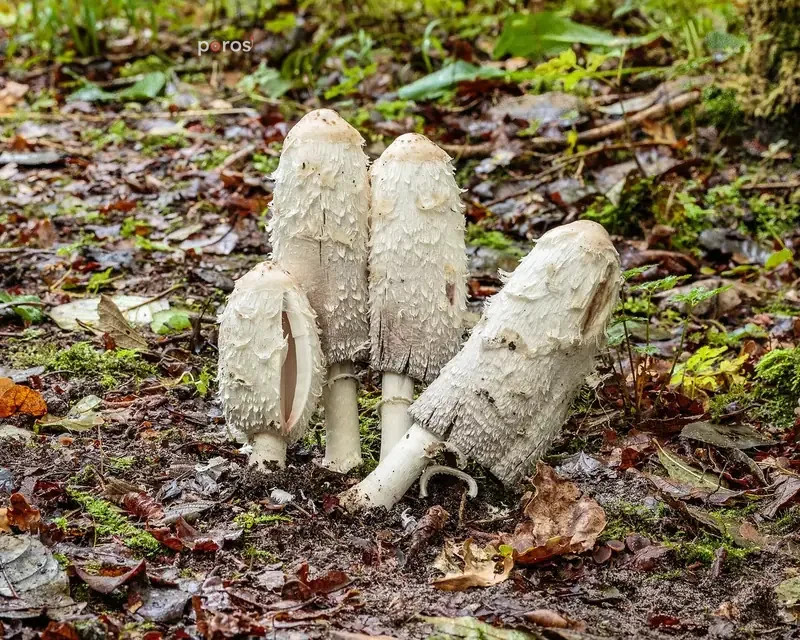
 ≠Shaggy ink cap vs common ink capCoprinus comatus · Coprinopsis atramentariaPoisonous
 ≠Fly agaric vs panther capAmanita muscaria · Amanita pantherinaPoisonous
Other pairs people mix up
 ≠Chanterelle vs false chanterelleCantharellus cibarius · Hygrophoropsis aurantiacaInedible
 ≠Chicken of the woods vs maitakeLaetiporus sulphureus · Grifola frondosaEdible species
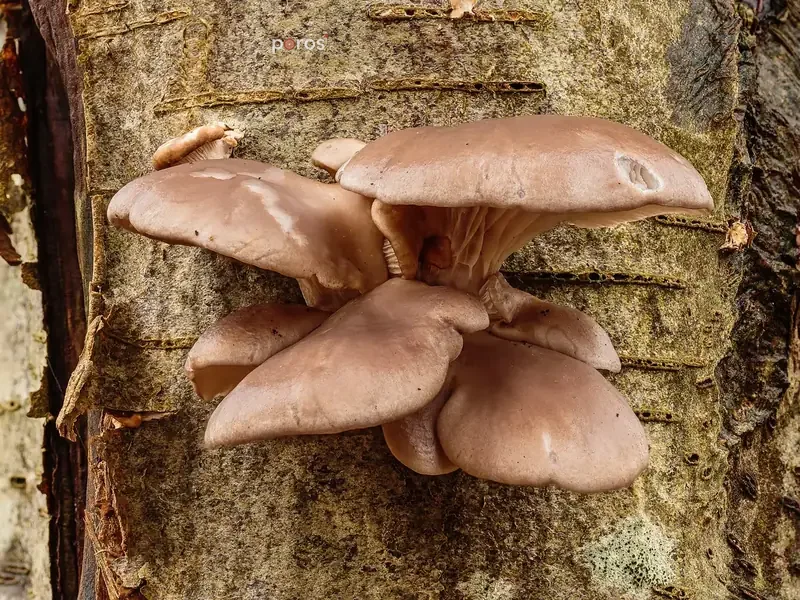
 ≠Oyster mushroom vs pale oysterPleurotus ostreatus · Pleurotus pulmonariusEdible species
 ≠Porcini vs bitter boleteBoletus edulis · Tylopilus felleusInedible
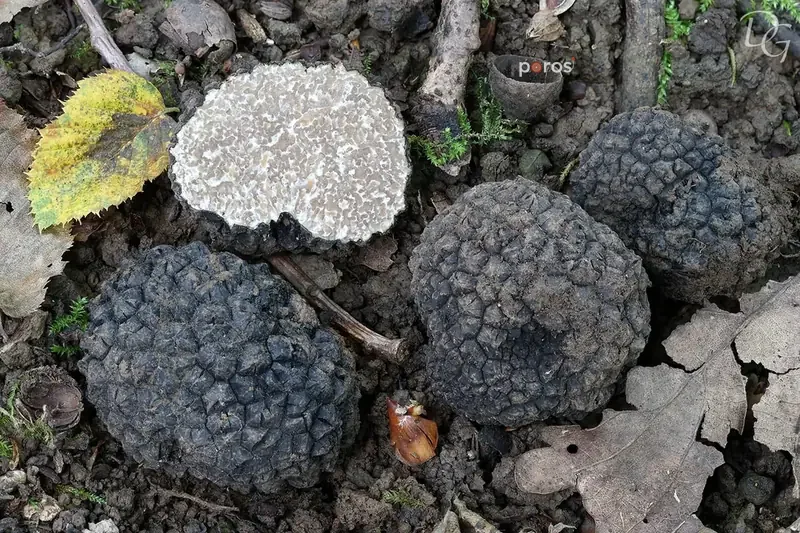
 ≠Truffle vs desert truffleTuber spp. · Terfezia spp.Edible species
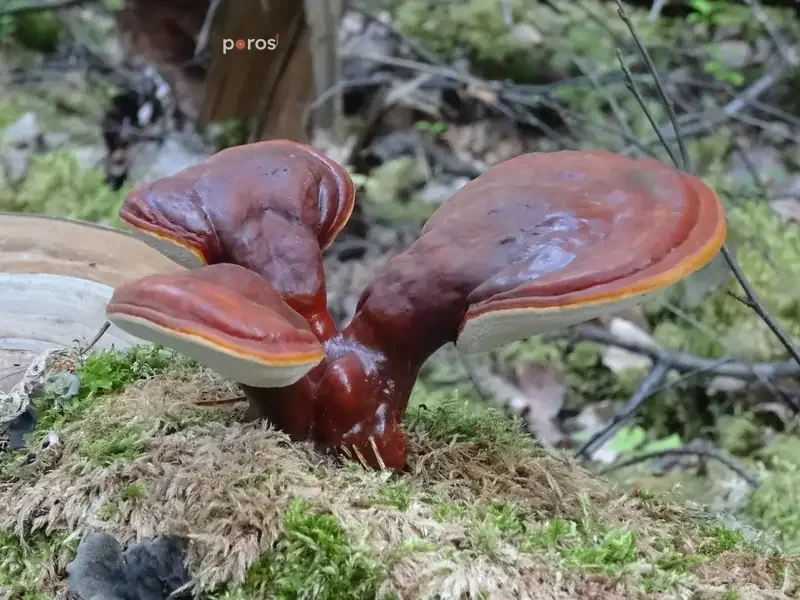
 ≠Reishi vs artist's bracketGanoderma lucidum · Ganoderma applanatumInedible
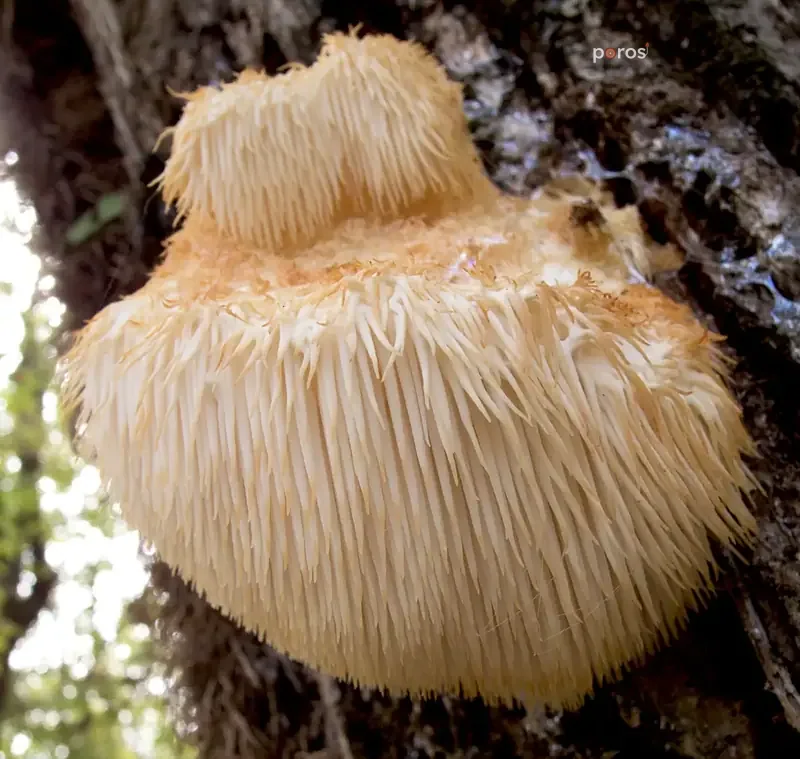
 ≠Lion's mane vs coral tooth fungusHericium erinaceus · Hericium coralloidesEdible species
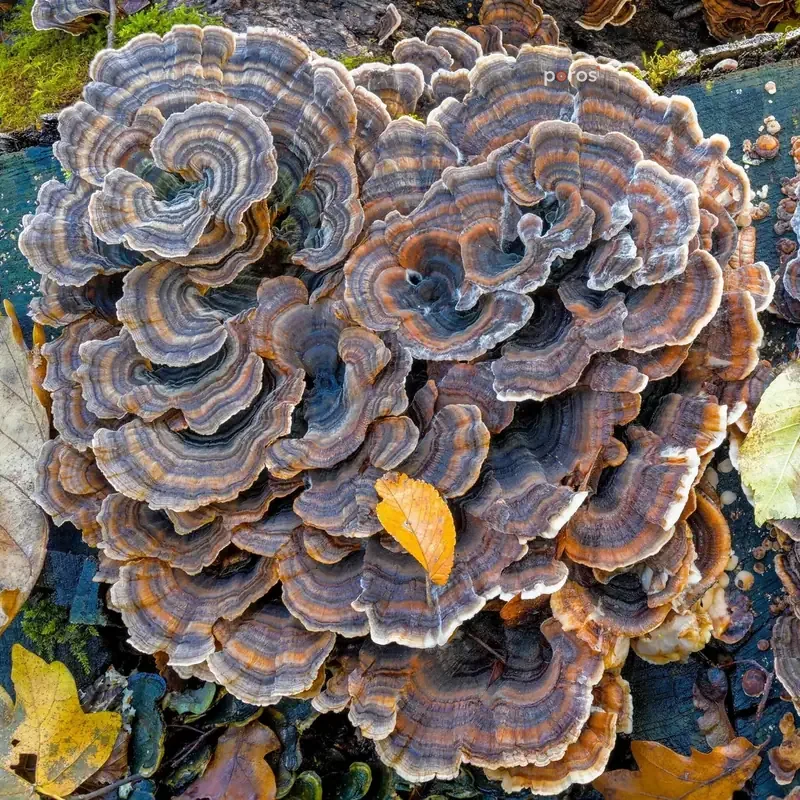
 ≠Turkey tail vs hairy curtain crustTrametes versicolor · Stereum hirsutumInedible
Most mushroom poisonings begin with a poisonous species picked in mistake for an edible one. So rather than describing species one at a time, we describe them alongside the mushroom they get confused with: which sign to check, which sign misleads, and whether the two grow in the same place.
These pages are not a definitive identification and never confirm edibility. The signs help you tell two species apart; they do not prove that your mushroom is not a third one.
Frequently asked questions
What are these comparisons based on?
Each comparison is built from the sourced descriptions on our two species pages: cap, underside, stem, ring, volva, spore print, smell, habitat and season. On top of that we write the three signs that matter most for that pair, plus answers to common questions. Sources are listed at the foot of every page.
Can I eat a mushroom after checking a comparison page?
No. These pages never decide whether a mushroom is safe to eat. The signs help separate two species, but they cannot show that what you have is not another poisonous one. We recommend having any wild mushroom checked by an expert before it is eaten.
Can two look-alike mushrooms be told apart from a photo?
A photo helps, but it is not a definitive identification. Many of the deciding features do not show in a single shot: the stem base, the underside, the spore print, the smell and colour changes when cut. Our photo identifier gives orientation only and never says edible.
What should I do if I think I have eaten a poisonous mushroom?
Do not wait for symptoms. In Turkey call 112 for emergency help or 114 for the National Poison Information Centre; elsewhere call your local emergency number or poison centre. Keep any leftover mushroom, trimmings or a photo, as they help identify the species. Do not try home remedies.
What if the pair I am looking for is not listed?
Every species page has a look-alikes section with a photo of the similar species and a short note on the difference. Where a full comparison exists, that card links straight to it. We are adding new pairs, starting with the ones most often confused.
Last updated: Prepared by the Poros Mantar editorial teamReport a correction