
Mushrooms by colour · 6 species
Pink mushrooms
A pink mushroom usually means the pink oyster mushroom (Pleurotus djamor), an edible cultivated species. Among wild pink-toned mushrooms, though, there are deadly species such as the deadly dapperling, so pink is not a sign of safety.
-
 Edible species
Bloody milk cap
Lactarius sanguifluus
Russulaceae
-
 Inedible
Blusher
Amanita rubescens
Amanitaceae
-
 Edible species
Pink oyster mushroom
Pleurotus djamor
Pleurotaceae
Cultivable
-
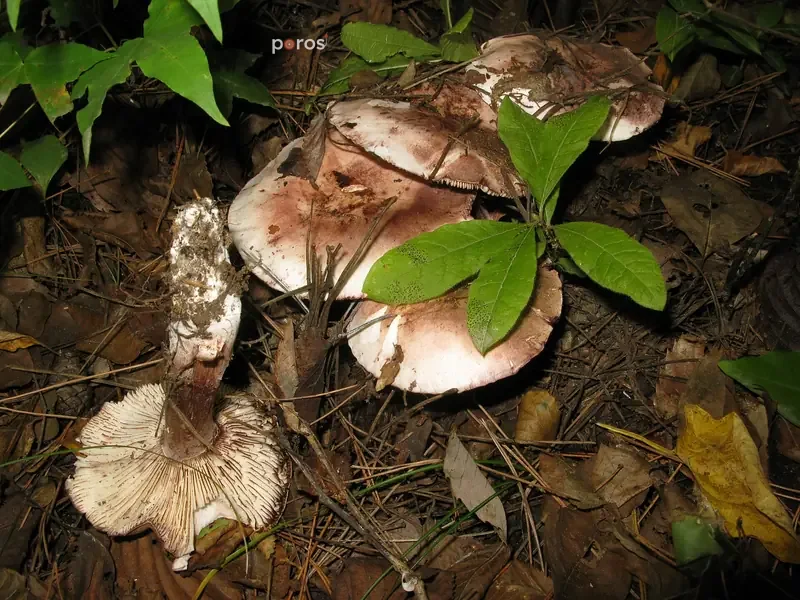 Edible species
Pinkmottle woodwax
Hygrophorus russula
Hygrophoraceae
-
 Inedible
Salmon milkcap
Lactarius salmonicolor
Russulaceae
-
 Deadly poisonous
Deadly dapperling
Lepiota brunneoincarnata
Agaricaceae
This page brings together mushrooms with pink tones on the cap, from the cultivated pink oyster to the deadly dapperling with its pinkish-brown scales.
The pink oyster does not grow wild in Turkey; pink mushrooms sold or grown at home are cultivated. A pink-toned mushroom found in nature is a different species altogether.
Colour alone does not show edibility: the same pink tone appears on edible and deadly species. Spore print, gill colour, stem and ring are judged together.
Pink mushrooms: edible or poisonous, and when?
| Mushroom | Status | Season |
|---|---|---|
| Bloody milk capLactarius sanguifluus | Edible species | Sep–Dec |
| BlusherAmanita rubescens | Inedible | Jun–Nov |
| Pink oyster mushroomPleurotus djamor | Edible species | |
| Pinkmottle woodwaxHygrophorus russula | Edible species | Aug–Dec |
| Salmon milkcapLactarius salmonicolor | Inedible | Jun, Aug–Nov |
| Deadly dapperlingLepiota brunneoincarnata | Deadly poisonous | Sep–Nov |
The status column is a guide and is not enough to decide to eat a mushroom. Do not eat a wild mushroom unless an expert has seen it in person. Edible mushrooms · Poisonous mushrooms
Pink-toned poisonous species
The deadly dapperling (Lepiota brunneoincarnata) has a cap covered in pinkish-brown scales and looks like a small parasol. It contains the same toxins as the death cap (amatoxins) and is deadly.
The blusher (Amanita rubescens) turns pinkish red where cut. It is poisonous raw and can be confused with the poisonous panther cap, so this site does not recommend it as edible.
If poisoning is suspected in Türkiye, call 112 or the National Poison Information Centre (114) straight away, and keep a piece of the mushroom if you can.
- Deadly dapperling Lepiota brunneoincarnata Deadly poisonous
Pink mushroom species
Pink-toned species in this encyclopedia: the edible pink oyster, the edible bloody milk cap (red milk when cut), the edible pinkmottle woodwax, the blusher (not recommended) and the deadly dapperling. Each species has its own page.
Why is the pink oyster pink?
The pink comes from the species' own pigment and fades with cooking. It is a tropical species, grown in cultivation in Turkey.
Frequently asked questions
Which mushroom is pink?
A pink mushroom is usually the pink oyster (Pleurotus djamor). In the wild, the bloody milk cap, the blusher and the deadly dapperling also show pink tones.
Are pink mushrooms edible?
Pink mushrooms such as the pink oyster are edible when cooked. Wild pink-toned mushrooms should not be eaten without expert identification; some are deadly.
Are pink mushrooms poisonous?
Pink mushrooms like the pink oyster are not poisonous. But the deadly dapperling, with its pinkish-brown scales, is deadly, and the blusher is poisonous raw.
Do pink oyster mushrooms grow wild in Turkey?
Pink oyster mushrooms do not grow wild in Turkey; the species is tropical and grown in cultivation. Pink-toned mushrooms found in nature are other species.
How do you cook pink oyster mushrooms?
Pink oyster mushrooms are always eaten cooked, sautéed or fried. The colour fades and the texture becomes meaty and chewy.
Is a mushroom that turns pink when cut poisonous?
A mushroom that turns pink when cut is neither safe nor poisonous on that sign alone. The blusher's flesh turns pinkish red; it is poisonous raw and resembles the panther cap.
Are mushrooms with pink gills edible?
Mushrooms with pink gills cannot be judged by gill colour alone. The livid pinkgill (Entoloma sinuatum), with a pink spore print, is poisonous; identification needs an expert.
I ate a pink mushroom. What should I do?
If poisoning is suspected in Türkiye, call 112 or the National Poison Information Centre (114) straight away, and keep a piece of the mushroom if you can.
Sources
- Wikipedia (EN): Pleurotus djamor en.wikipedia.org
- Wikipedia (EN): Lepiota brunneoincarnata en.wikipedia.org
- Wikipedia (EN): Amanita rubescens en.wikipedia.org
All sources (5)
- Wikipedia (EN): Lactarius sanguifluus en.wikipedia.org
- Wikipedia (EN): Entoloma sinuatum en.wikipedia.org
Other colours
Last updated: Prepared by the Poros Mantar editorial teamReport a correction