
Mushrooms by colour · 29 species
White mushrooms
In everyday use, the white mushroom is the cultivated button mushroom (Agaricus bisporus). In the wild, the pure white destroying angel (Amanita virosa) is deadly, so white does not mean safe.
-
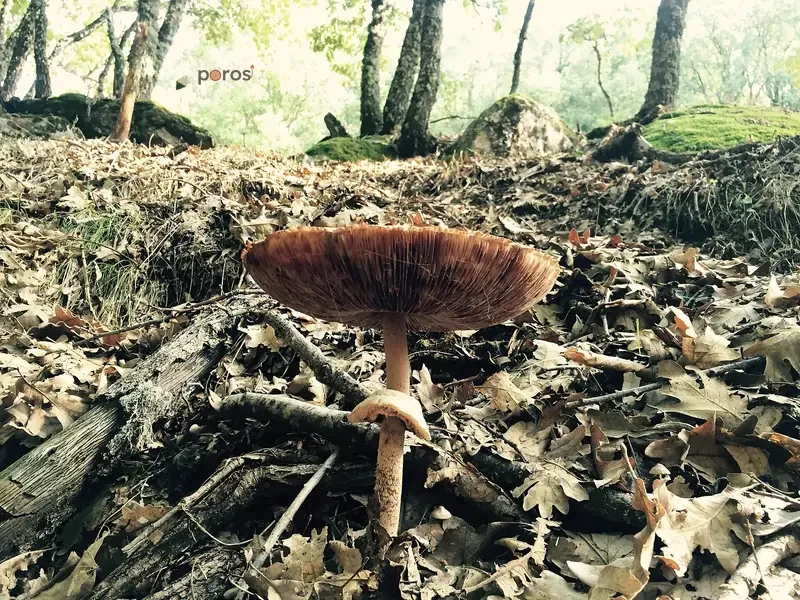 Edible species
Anatolian matsutake
Tricholoma anatolicum
Tricholomataceae
-
 Edible species
Button mushroom
Agaricus bisporus
Agaricaceae
Cultivable
-
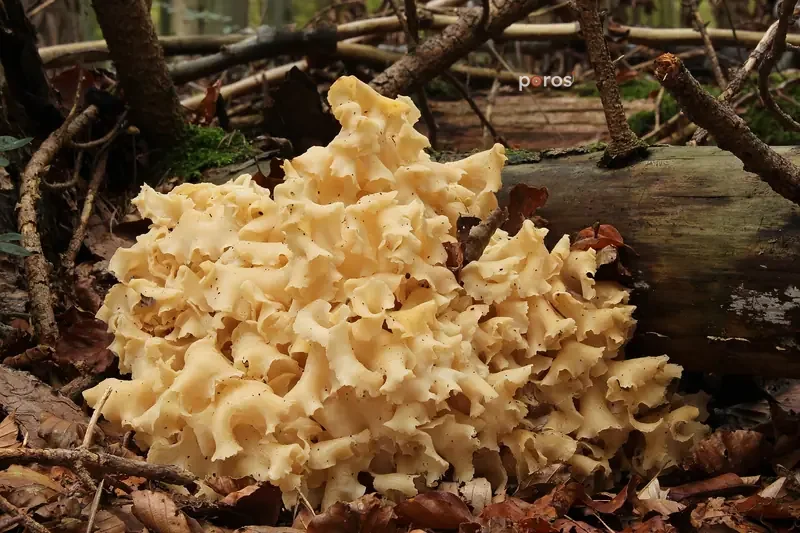 Edible species
Cauliflower mushroom
Sparassis crispa
Sparassidaceae
-
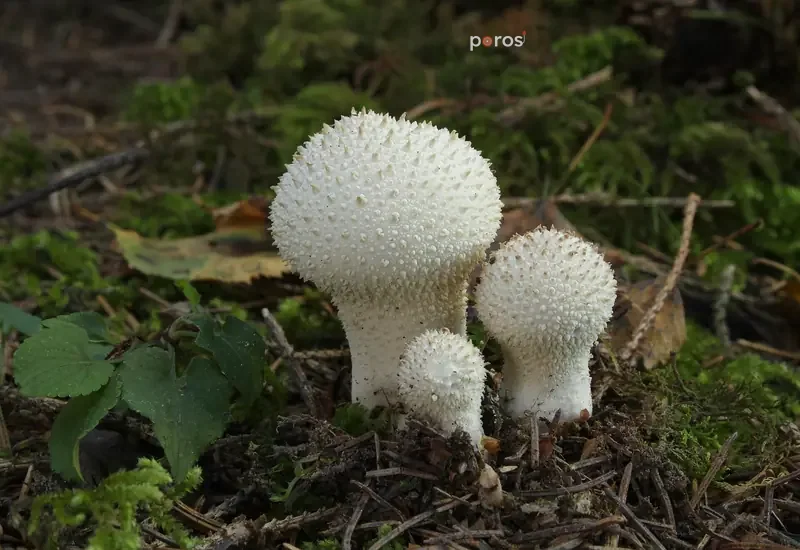 Edible species
Common puffball
Lycoperdon perlatum
Lycoperdaceae
-
 Inedible
Common stinkhorn
Phallus impudicus
Phallaceae
-
 Poisonous
Devil’s bolete
Rubroboletus satanas
Boletaceae
-
 Edible species
Enoki
Flammulina filiformis
Physalacriaceae
Cultivable
-
 Inedible
False death cap
Amanita citrina
Amanitaceae
-
 Edible species
Field mushroom
Agaricus campestris
Agaricaceae
-
 Edible species
Horse mushroom
Agaricus arvensis
Agaricaceae
-
 Edible species
Lion’s mane
Hericium erinaceus
Hericiaceae
Cultivable
-
 Poisonous
Livid pinkgill
Entoloma sinuatum
Entolomataceae
-
 Inedible
Magpie inkcap
Coprinopsis picacea
Psathyrellaceae
-
 Edible species
Oyster mushroom
Pleurotus ostreatus
Pleurotaceae
Cultivable
-
 Inedible
Pale brittlestem
Candolleomyces candolleanus
Psathyrellaceae
-
 Edible species
Parasol mushroom
Macrolepiota procera
Agaricaceae
-
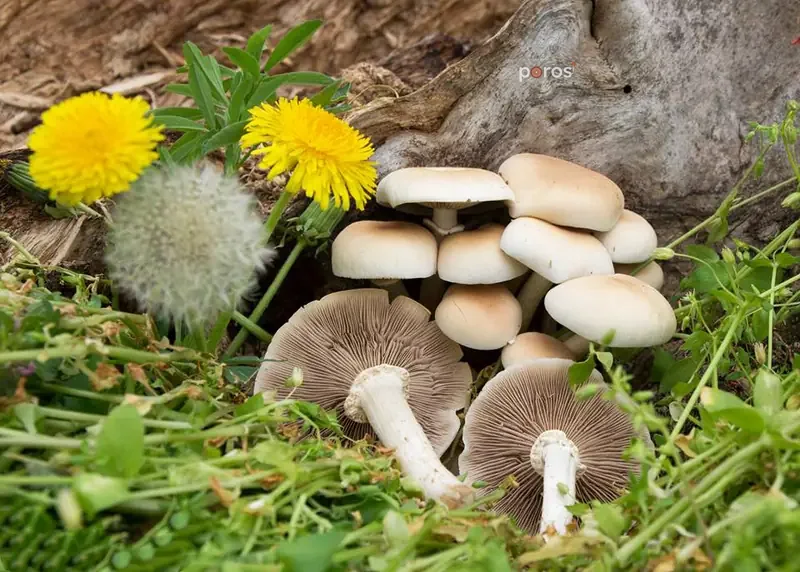 Edible species
Poplar mushroom
Cyclocybe cylindracea
Tubariaceae
Cultivable
-
 Inedible
Porcelain fungus
Oudemansiella mucida
Physalacriaceae
-
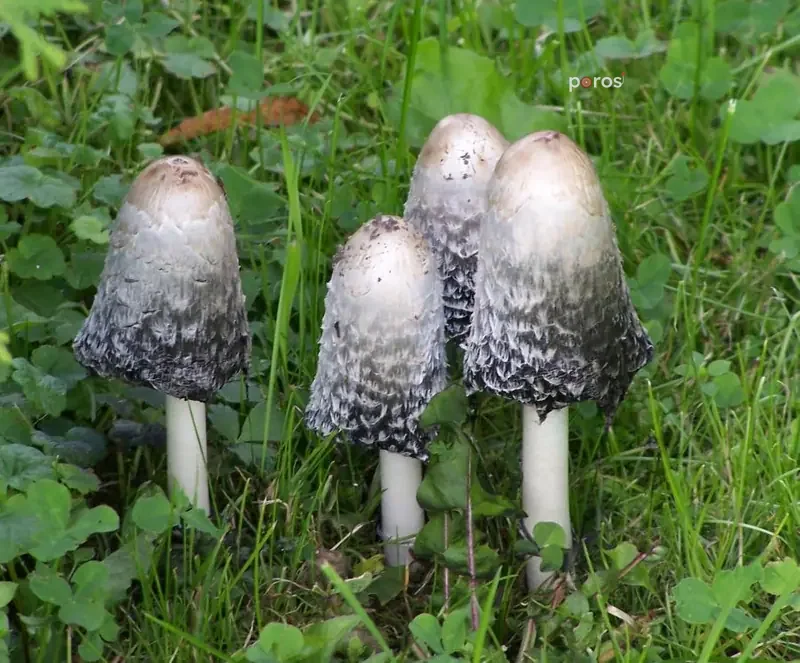 Edible species
Shaggy ink cap
Coprinus comatus
Agaricaceae
-
 Inedible
Shaggy parasol
Chlorophyllum rhacodes
Agaricaceae
-
 Inedible
Split gill
Schizophyllum commune
Schizophyllaceae
-
 Inedible
Stubble rosegill
Volvopluteus gloiocephalus
Pluteaceae
-
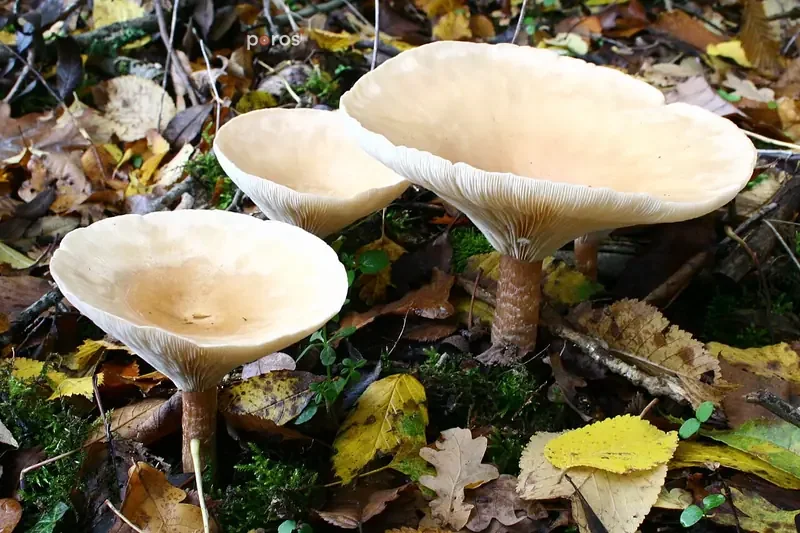 Edible species
Trooping funnel
Infundibulicybe geotropa
Tricholomataceae
-
 Poisonous
Violet crown cup
Sarcosphaera coronaria
Pezizaceae
-
 Inedible
White dapperling
Leucocoprinus leucothites
Agaricaceae
-
 Inedible
White saddle
Helvella crispa
Helvellaceae
-
 Poisonous
Yellow stainer
Agaricus xanthodermus
Agaricaceae
-
 Deadly poisonous
Deadly fibrecap
Inosperma erubescens
Inocybaceae
-
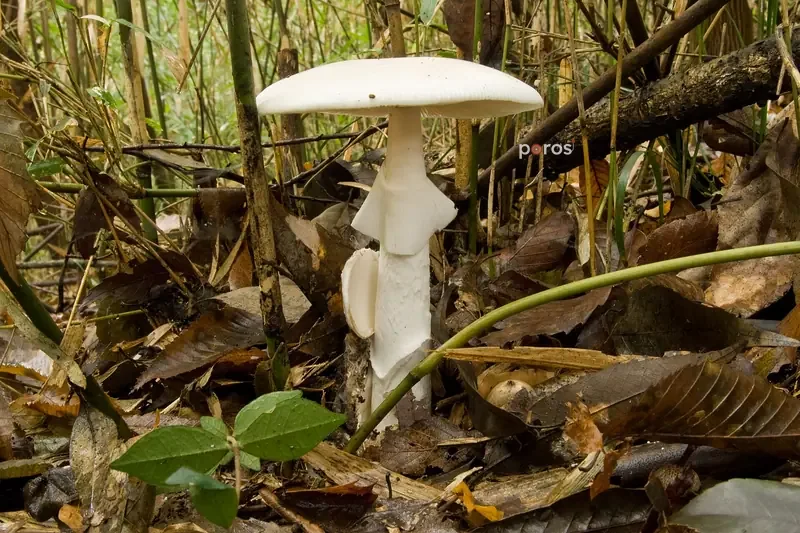 Deadly poisonous
Destroying angel
Amanita virosa
Amanitaceae
The button mushroom is the most widely grown and eaten mushroom; its white form is sold as the familiar white mushroom (beyaz mantar or kültür mantarı in Turkish). Its wild form is pale grey-brown with flat scales. A white-capped edible wild species is the field mushroom (Agaricus campestris): white, sometimes finely scaly, hemispherical then flat.
Lion's mane (Hericium erinaceus) has no cap; it is an irregular round white mass. The oyster mushroom is fan-shaped and ranges from white to grey and brown.
White is also the colour of some of the most dangerous mushrooms. The destroying angel is pure white, the livid pinkgill runs from ivory to pale grey-brown, and the deadly fibrecap can also be whitish. Colour alone never tells you whether a mushroom is edible: the same colour includes both edible and deadly species.
White mushrooms: edible or poisonous, and when?
| Mushroom | Status | Season |
|---|---|---|
| Anatolian matsutakeTricholoma anatolicum | Edible species | Sep–Nov |
| Button mushroomAgaricus bisporus | Edible species | |
| Cauliflower mushroomSparassis crispa | Edible species | Aug–Nov |
| Common puffballLycoperdon perlatum | Edible species | Aug–Jan |
| Common stinkhornPhallus impudicus | Inedible | May–Nov |
| Devil’s boleteRubroboletus satanas | Poisonous | Jul–Oct |
| EnokiFlammulina filiformis | Edible species | |
| False death capAmanita citrina | Inedible | Aug–Dec |
| Field mushroomAgaricus campestris | Edible species | Jun–Oct |
| Horse mushroomAgaricus arvensis | Edible species | May–Jun, Sep–Dec |
| Lion’s maneHericium erinaceus | Edible species | Aug–Nov |
| Livid pinkgillEntoloma sinuatum | Poisonous | Aug–Dec |
| Magpie inkcapCoprinopsis picacea | Inedible | Oct–Jan |
| Oyster mushroomPleurotus ostreatus | Edible species | Oct–Mar |
| Pale brittlestemCandolleomyces candolleanus | Inedible | Sep–Jul |
| Parasol mushroomMacrolepiota procera | Edible species | Jul–Nov |
| Poplar mushroomCyclocybe cylindracea | Edible species | Mar–May, Sep–Dec |
| Porcelain fungusOudemansiella mucida | Inedible | Jun, Sep–Nov |
| Shaggy ink capCoprinus comatus | Edible species | Apr–May, Sep–Dec |
| Shaggy parasolChlorophyllum rhacodes | Inedible | Sep–Dec |
| Split gillSchizophyllum commune | Inedible | Oct–May |
| Stubble rosegillVolvopluteus gloiocephalus | Inedible | Oct–Feb |
| Trooping funnelInfundibulicybe geotropa | Edible species | Sep–Jan |
| Violet crown cupSarcosphaera coronaria | Poisonous | Mar–Jun |
| White dapperlingLeucocoprinus leucothites | Inedible | Oct–Dec |
| White saddleHelvella crispa | Inedible | Oct–Jan |
| Yellow stainerAgaricus xanthodermus | Poisonous | May, Oct–Nov |
| Deadly fibrecapInosperma erubescens | Deadly poisonous | Apr–Jul |
| Destroying angelAmanita virosa | Deadly poisonous | Aug–Nov |
The status column is a guide and is not enough to decide to eat a mushroom. Do not eat a wild mushroom unless an expert has seen it in person. Edible mushrooms · Poisonous mushrooms
Poisonous lookalikes of the same colour
The destroying angel is deadly and is mistaken for button and field mushrooms, as is the rare white form of the death cap (Amanita phalloides). Amanita gills stay white, with a ring on the stem and a sac (volva) at the base; button and field mushroom gills darken with age.
The livid pinkgill (Entoloma sinuatum) is poisonous and is also confused with the button mushroom. Never assess a white wild mushroom without digging out and checking the stem base.
If poisoning is suspected in Türkiye, call 112 or the National Poison Information Centre (114) straight away, and keep a piece of the mushroom if you can.
- Deadly fibrecap Inosperma erubescens Deadly poisonous
- Destroying angel Amanita virosa Deadly poisonous
- Devil’s bolete Rubroboletus satanas Poisonous
- Livid pinkgill Entoloma sinuatum Poisonous
- Violet crown cup Sarcosphaera coronaria Poisonous
- Yellow stainer Agaricus xanthodermus Poisonous
Which mushroom is the white mushroom?
In everyday language, it is the white form of the button mushroom. In the wild, many species have white caps: edible field mushroom, lion's mane and oyster mushroom share the colour with the deadly destroying angel.
Features that tell them apart
Check three things on a white mushroom: gill colour, a ring on the stem and the stem base. White gills, a ring and a basal sac together point to a possibly deadly Amanita. This is a clue only; never eat a wild mushroom without expert identification.
Are shop-bought white mushrooms safe?
Button mushrooms from controlled cultivation are not in the same risk group as wild white mushrooms. The danger lies in wild white mushrooms picked because they look like button mushrooms.
Frequently asked questions
What is a white mushroom?
Usually the white form of the button mushroom (Agaricus bisporus). In the wild, field mushroom, lion's mane and oyster mushroom are also white, and so are deadly species such as the destroying angel.
Are white mushrooms safe to eat?
Shop-bought button mushrooms are. Wild white mushrooms must not be eaten without expert identification, because the deadly destroying angel is pure white too.
How do you tell a destroying angel from a button mushroom?
The destroying angel keeps white gills and has a ring on the stem and a sac at the base. Button mushroom gills darken with age. These are clues; a firm identification needs an expert.
What is the white ball-shaped mushroom?
A capless, irregular round white mass may be lion's mane (Hericium erinaceus). Other species can look similar, so a firm identification is needed.
Is the field mushroom the same as the button mushroom?
No. They are different species in the same genus (Agaricus). The field mushroom grows wild in meadows; the button mushroom is mostly cultivated.
I ate a wild white mushroom. What should I do?
If poisoning is suspected in Türkiye, call 112 or the National Poison Information Centre (114) straight away, and keep a piece of the mushroom if you can. With deadly species, symptoms can start hours later; do not wait.
What kinds of white mushrooms are there?
The white mushroom in shops is the cultivated button mushroom; pale oyster mushrooms and enoki also look white. White wild species include the edible field mushroom and young puffballs, while the pure white destroying angel is deadly. The list on this page gives each species' features.
What are large white mushrooms?
Large white mushrooms in the wild include the horse mushroom, the field mushroom, the giant puffball and the parasol mushroom, but also the deadly destroying angel. We check gill colour, ring and the base of the stem before eating any white mushroom.
What are white mushrooms with brown spots?
Brown spots on shop button mushrooms are usually bruises or signs of age. In the wild, white mushrooms with brown scales include the shaggy ink cap and the parasol; spots alone do not tell us whether a mushroom is edible.
What is the big round white mushroom in the grass?
A large, round white mushroom without a stem in grass or woodland edges is often a giant puffball (Calvatia gigantea), which can reach the size of a football. We cut it in half: an edible puffball is pure white and even inside, without any outline of a cap or gills, which would point to a deadly Amanita egg.
What are long white mushrooms?
Long, thin white mushrooms in shops are usually enoki, grown in the dark. In the wild, a tall white mushroom with a shaggy cap is the shaggy ink cap. We always check the base of any tall white wild mushroom for a sac, the mark of deadly Amanitas.
Sources
- Wikipedia (EN): Agaricus bisporus en.wikipedia.org
- Vikipedi (TR): Agaricus bisporus tr.wikipedia.org
- First Nature: Agaricus bisporus first-nature.com
All sources (17)
- First Nature: Agaricus xanthodermus first-nature.com
- First Nature: Entoloma sinuatum first-nature.com
- Wikipedia (EN): Agaricus campestris en.wikipedia.org
- Vikipedi (TR): Agaricus campestris tr.wikipedia.org
- First Nature: Agaricus campestris first-nature.com
- Wikipedia (EN): Hericium erinaceus en.wikipedia.org
- First Nature: Hericium erinaceus first-nature.com
- Wikipedia (EN): Pleurotus ostreatus en.wikipedia.org
- Vikipedi (TR): Kavak mantarı tr.wikipedia.org
- First Nature: Pleurotus ostreatus first-nature.com
- Wikipedia (EN): Amanita virosa en.wikipedia.org
- Vikipedi (TR): Amanita virosa tr.wikipedia.org
- First Nature: Amanita virosa first-nature.com
- Wikipedia (EN): Entoloma sinuatum en.wikipedia.org
Other colours
Last updated: Prepared by the Poros Mantar editorial teamReport a correction