
Almond mushroom (Agaricus blazei, himematsutake)
Agaricus subrufescens · Agaricaceae

The almond mushroom (Agaricus subrufescens) is a relative of the button mushroom with a pale brown, scaly cap and a distinct smell of almonds. It was cultivated in the USA in the 19th century and spread from Brazil to Japan from the 1960s under the name 'Agaricus blazei'. It is edible; although it is marketed with health claims, these claims are not proven.
Also called: almond mushroom, Agaricus blazei, himematsutake, cogumelo do sol Turkish: Badem mantarı, agaricus blazei (piyasa adı) Synonyms: Agaricus blazei (yanlış uygulanmış ad), Agaricus brasiliensis, Agaricus rufotegulis
Last updated: Prepared by the Poros Mantar editorial team3 sources checkedReport a correction
Almond mushroom photos
-
© Denis Zabin · CC BY 4.0
-

Cap© Denis Zabin · CC BY 4.0
-

Gills© Denis Zabin · CC BY 4.0
-

© Denis Zabin · CC BY 4.0
-

© Denis Zabin · CC BY 4.0
-

Gills© Denis Zabin · CC BY 4.0
-

© Wikimedia Commons · CC BY-SA 3.0
-

Stem© Wynand Uys · CC BY 4.0
-
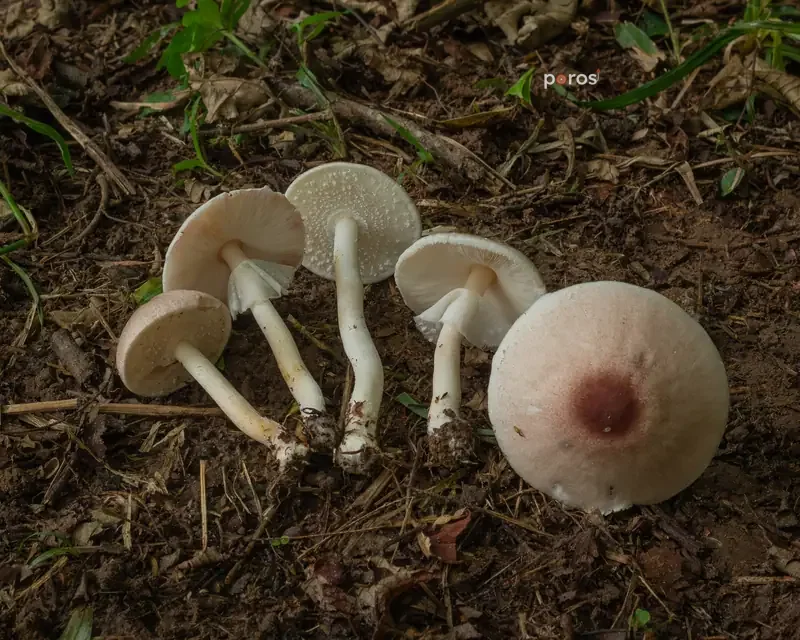
In habitat© Denis Zabin · CC BY 4.0
-

Gills© Denis Zabin · CC BY 4.0


These are licensed records of this species; photos alone are not enough to identify a mushroom.
Are almond mushrooms poisonous?
Almond mushrooms are not listed as poisonous in our sources. The almond mushroom is edible when well cooked. Agaricus species can accumulate heavy metals such as cadmium. The real risk is confusing them with yellow stainer (Agaricus xanthodermus) and destroying angel (Amanita virosa), so never eat wild ones without certain identification. If poisoning is suspected, call 112 at once (Turkish poison centre: 114) and keep any leftover mushroom.
Are almond mushrooms edible?
Almond mushrooms are listed as edible in our sources and are cultivated; even so, never eat wild ones without certain identification: they have poisonous look-alikes, such as yellow stainer (Agaricus xanthodermus) and destroying angel (Amanita virosa). Do not eat them without an expert's approval. The almond mushroom is edible when well cooked. It is sold as 'Agaricus blazei' capsules and extracts with health claims; these claims are not proven, and cases of liver injury associated with the extracts have been reported. Agaricus species can accumulate heavy metals such as cadmium. In the wild, do not confuse white Agaricus with deadly Amanitas.
How to recognise it
Appearance of almond mushrooms
No volva Spore print: Chocolate brown A distinct smell of almonds or marzipan.
Where do almond mushrooms grow?
In the wild it grows on leaf litter, compost and rich soil in warm, humid places; in cultivation it is grown on compost in warm greenhouses.
In Turkey
No record from Turkey: GBIF and iNaturalist hold no Turkish records. Its Turkish name comes from iNaturalist Turkey. Worldwide it occurs naturally in North and South America, Europe, Asia and Hawaii; it is cultivated in Brazil, Japan and China.
Our map has no observations of almond mushrooms from Turkey yet.
Look-alikes
What could it be confused with?
Almond mushroom can be mistaken for the species below. Each comparison shows Almond mushroom on the left, the look-alike on the right, and how to tell them apart.
Take care when foraging: Poisonous look-alikes of Almond mushroom come first. If in doubt, leave it.

Destroying angel Amanita virosa
How to tell It is pure white, its gills stay white when mature and it has a sac (volva) at the stem base; it is deadly.

Yellow stainer Agaricus xanthodermus
How to tell When the stem base is cut or scratched it turns chrome yellow instantly and smells of ink or phenol; it is poisonous.
Other look-alikes (1)
 Edible species
not Almond mushroom
Horse mushroom Agaricus arvensis
It also smells of aniseed and almonds and bruises yellowish, but its cap is white and smooth; it grows in grassland.
Almond mushroom and its look-alikes compared
| Species | Status | Underside | Spore print | Season |
|---|---|---|---|---|
| Almond mushroomAgaricus subrufescens | Edible species | Free gills, white when young, then pink, chocolate brown when mature | Chocolate brown | Jun–Oct |
| Yellow stainerAgaricus xanthodermus | Poisonous | Free, crowded gills | Dark brown | May, Oct–Nov |
| Horse mushroomAgaricus arvensis | Edible species | Gills free and crowded | Dark purplish brown | May–Jun, Sep–Dec |
| Destroying angelAmanita virosa | Deadly poisonous | Crowded, white, free gills | White | Aug–Nov |
The table is compiled from each species page. The status column is a guide only; do not eat a wild mushroom unless an expert has seen it in person. Compare look-alikes side by side
How to cook and eat almond mushrooms
Safety first. The almond mushroom is edible when well cooked. It is sold as 'Agaricus blazei' capsules and extracts with health claims; these claims are not proven, and cases of liver injury associated with the extracts have been reported. Agaricus species can accumulate heavy metals such as cadmium. In the wild, do not confuse white Agaricus with deadly Amanitas. If poisoning is suspected, call 112 or the poison centre on 114 and keep any leftover mushroom.
How to store almond mushrooms
Grow it, buy it
Almond mushroom price list
| Product | Poros Mantar | Market |
|---|---|---|
| Fresh almond mushrooms | Made to order · ask | — |
| Dried almond mushrooms | Made to order · ask | — |
We make our almond mushrooms products in small batches, to order; send a request and we email you the price and delivery date. The market column shows prices seen on other sellers' pages on the date given; they are not our prices and may have changed.
Frequently asked questions
Are almond mushrooms poisonous?
Almond mushrooms are not listed as poisonous in our sources. The almond mushroom is edible when well cooked. Agaricus species can accumulate heavy metals such as cadmium. The real risk is confusing them with yellow stainer (Agaricus xanthodermus) and destroying angel (Amanita virosa), so never eat wild ones without certain identification. If poisoning is suspected, call 112 at once (Turkish poison centre: 114) and keep any leftover mushroom.
Are almond mushrooms edible?
Almond mushrooms are listed as edible in our sources and are cultivated; even so, never eat wild ones without certain identification: they have poisonous look-alikes, such as yellow stainer (Agaricus xanthodermus) and destroying angel (Amanita virosa). Do not eat them without an expert's approval. The almond mushroom is edible when well cooked. It is sold as 'Agaricus blazei' capsules and extracts with health claims; these claims are not proven, and cases of liver injury associated with the extracts have been reported. Agaricus species can accumulate heavy metals such as cadmium. In the wild, do not confuse white Agaricus with deadly Amanitas.
Is it the same as Agaricus blazei?
The mushroom sold as 'Agaricus blazei' is largely Agaricus subrufescens; the true name Agaricus blazei belongs to a different North American species.
Is Agaricus blazei good for health?
It is sold as capsules and extracts with health claims, but these claims are not proven. Cases of liver injury linked to the extracts have been reported; ask your doctor if you take medicines.
Does the almond mushroom grow in Turkey?
There is no wild Turkish record; its Turkish name comes from iNaturalist Turkey. Dried mushrooms and products are imported.
How do you tell it from the yellow stainer?
The yellow stainer's stem base turns chrome yellow instantly when cut and smells of ink. The almond mushroom smells of almonds and its stem base does not yellow like that.
How is Agaricus blazei (almond mushroom) grown?
Like the button mushroom it is grown on compost, but at warmer temperatures (about 25–30 °C).
Why does it smell of almonds?
Its flesh contains compounds such as benzaldehyde that smell of almonds; the smell is an important identification clue.
When is almond mushroom season in Turkey?
In our calendar, almond mushroom season runs Jun–Oct. In the wild it fruits in summer and autumn in warm weather; it is cultivated in warm greenhouses and sold dried all year.
Where do almond mushrooms grow?
In the wild it grows on leaf litter, compost and rich soil in warm, humid places; in cultivation it is grown on compost in warm greenhouses.
Where are almond mushrooms found in Turkey?
No record from Turkey: GBIF and iNaturalist hold no Turkish records. Its Turkish name comes from iNaturalist Turkey. Worldwide it occurs naturally in North and South America, Europe, Asia and Hawaii; it is cultivated in Brazil, Japan and China.
What can the almond mushroom be confused with?
The almond mushroom can be confused with yellow stainer (Agaricus xanthodermus, poisonous), horse mushroom (Agaricus arvensis, edible species) and destroying angel (Amanita virosa, deadly). Look-alikes are compared on this page.
What is the almond mushroom called in Turkish?
In Turkish, the almond mushroom (Agaricus subrufescens) is called Badem mantarı; other local names include agaricus blazei (piyasa adı).
Related species
-
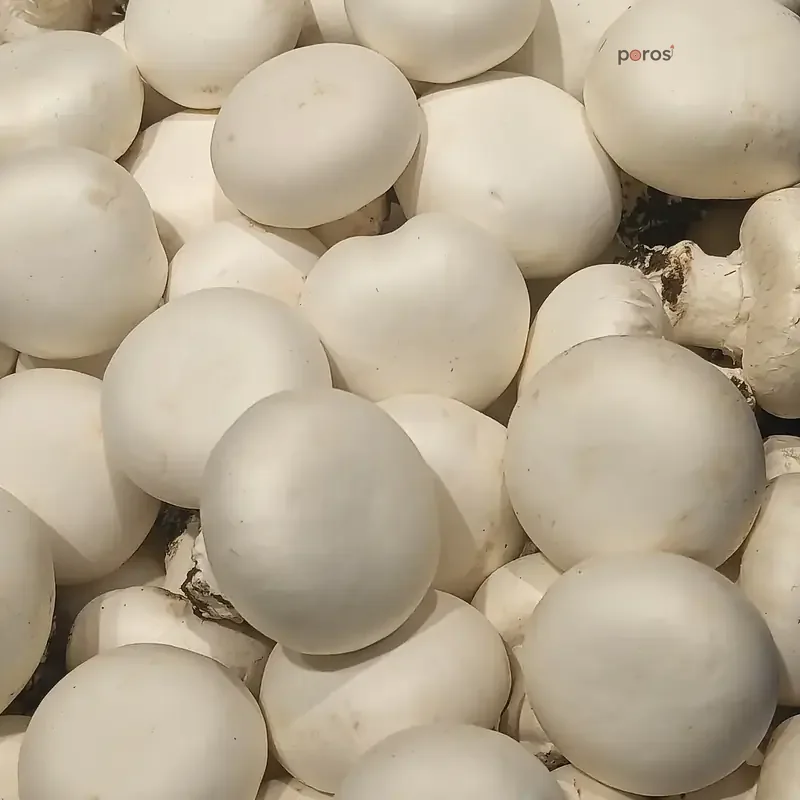 Button mushroomAgaricus bisporusEdible species
-
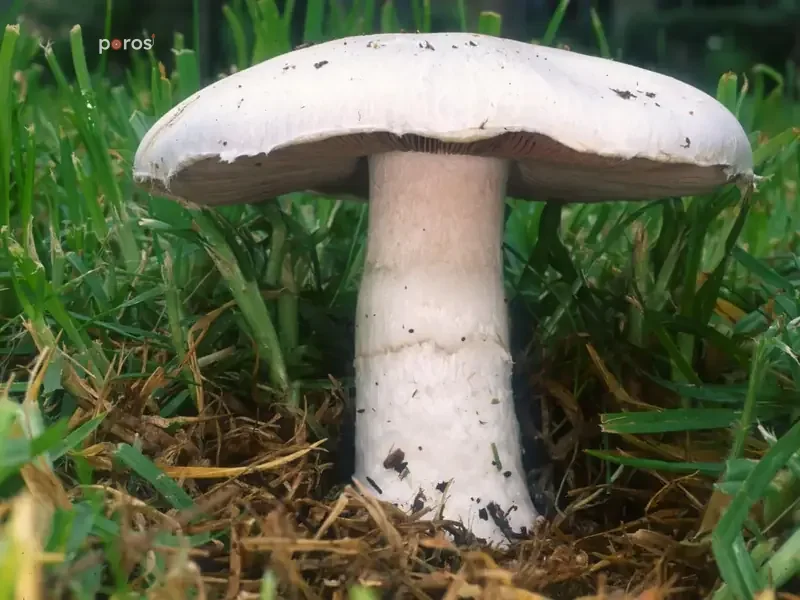 Field mushroomAgaricus campestrisEdible species
-
Horse mushroomAgaricus arvensisEdible species
-
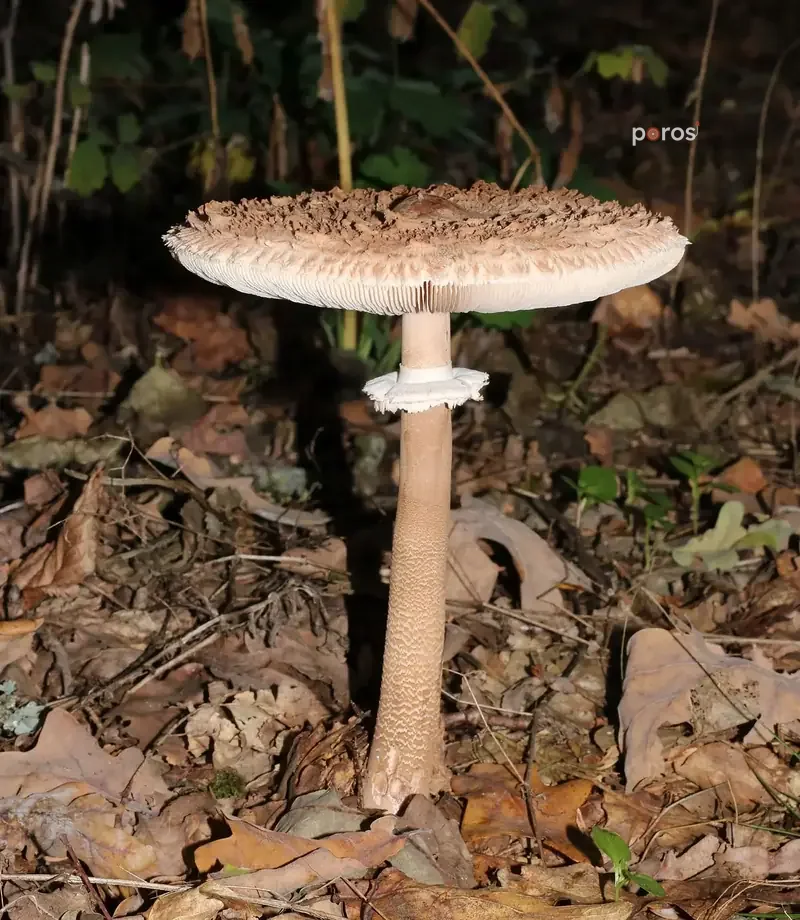 Parasol mushroomMacrolepiota proceraEdible species
-
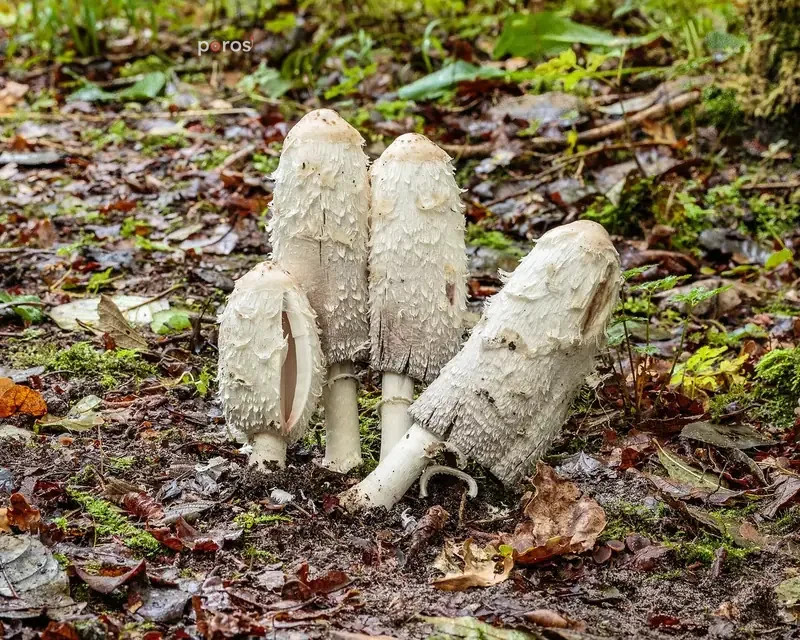 Shaggy ink capCoprinus comatusEdible species
-
 The princeAgaricus augustusEdible species
-
 Brown shaggy parasolChlorophyllum brunneumInedible
-
 Chestnut dapperlingLepiota castaneaDeadly poisonous
Sources
- Wikipedia (EN): Agaricus subrufescens en.wikipedia.org
- iNaturalist: Agaricus subrufescens (Türkçe ad ve Türkiye gözlemleri) inaturalist.org
- GBIF: Türkiye kayıtları gbif.org
Photo credits (10)
- Agaricus subrufescens · iNaturalist #335767029 · Denis Zabin · CC BY 4.0
- Agaricus subrufescens · iNaturalist #335767029 · Denis Zabin · CC BY 4.0
- Agaricus subrufescens · iNaturalist #250899342 · Denis Zabin · CC BY 4.0
- Agaricus subrufescens · iNaturalist #250899342 · Denis Zabin · CC BY 4.0
- Agaricus subrufescens · iNaturalist #250899342 · Denis Zabin · CC BY 4.0
- Agaricus subrufescens · iNaturalist #250899342 · Denis Zabin · CC BY 4.0
- File:Agaricus subrufescens.jpg · · CC BY-SA 3.0
- File:Agaricus subrufescens 111585490.jpg · Wynand Uys · CC BY 4.0
- Agaricus subrufescens · iNaturalist #197895173 · Denis Zabin · CC BY 4.0
- Agaricus subrufescens · iNaturalist #197894862 · Denis Zabin · CC BY 4.0

