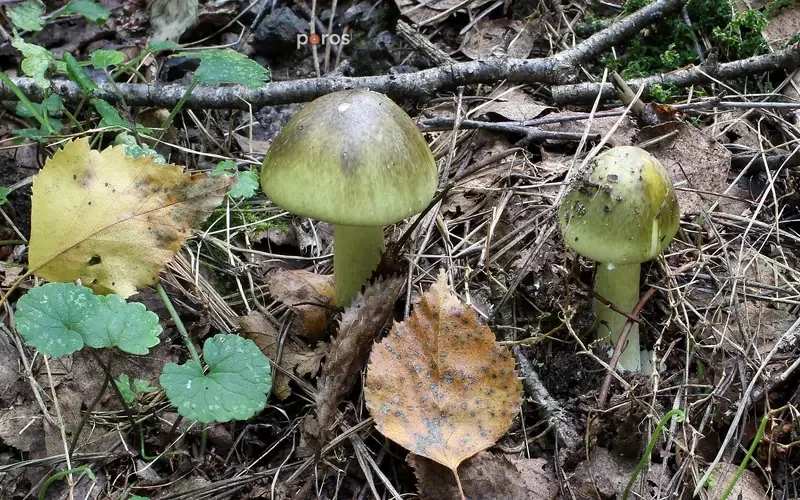
Yes, some mushroom poisonings can kill. Most deaths are caused by amatoxin-containing species such as the death cap (Amanita phalloides); the toxin is not destroyed by cooking and damages the liver. Symptoms often start hours after eating, sometimes followed by a misleading improvement. In Turkey call 112 or the National Poison Information Centre (114) at any symptom after eating a wild mushroom.
Short answer
Wikipedia attributes the majority of fatal mushroom poisonings worldwide to the death cap. See mushroom poisoning symptoms.
This article is information, not medical advice.
Deadly species
- Amatoxins: death cap, destroying angel, funeral bell; liver damage.
- Orellanine: some Cortinarius species; kidney damage, symptoms can start days later.
- Gyromitrin: false morel.
Why it is missed
According to Wikipedia, death cap symptoms usually begin 6–12 hours after eating, followed by a deceptive improvement before liver damage. The MMWR report on 2016 poisonings in Northern California notes some patients needed liver transplants.
Cooking doesn't help
Amatoxins are heat-stable and survive cooking, freezing and drying. Folk tests don't work; see how to tell if a mushroom is poisonous.
What to do
Call 112 or 114 at any symptom; everyone who shared the meal should seek care; keep leftovers for identification; don't induce vomiting at home. See poisonous mushrooms.
FAQ
Can mushroom poisoning kill you?
Yes, with some species. Amatoxin mushrooms like the death cap cause most deaths.
Does cooking make poisonous mushrooms safe?
No. Amatoxins survive cooking, freezing and drying.
How long after eating do symptoms start?
It depends on the species. In deadly amatoxin poisoning symptoms usually begin 6–12 hours after the meal; with orellanine-containing species they can take days.
Which mushrooms cause fatal poisoning?
Most deaths are caused by amatoxin species such as the death cap (Amanita phalloides). Some Cortinarius species contain orellanine, which damages the kidneys.
If symptoms ease, is the danger over?
No. Death cap poisoning often shows a misleading improvement after vomiting and diarrhoea while liver damage continues. Seek hospital care even if symptoms ease.
Who should I call for mushroom poisoning in Turkey?
Call 112 for emergencies or the National Poison Information Centre on 114, which answers 24/7.
Sources
- Vo KT ve ark. — Amanita phalloides Mushroom Poisonings, Northern California, December 2016. MMWR 2017;66(21):549–553 (PMC) pmc.ncbi.nlm.nih.gov
- Habertürk — Mantar zehirlenmelerine dikkat (Sağlık Bakanlığı açıklaması) haberturk.com
- Wikipedia (EN) — Amanita phalloides en.wikipedia.org
All sources (5)
- Wikipedia (EN) — Amatoxin en.wikipedia.org
- Wikipedia (EN) — Orellanine en.wikipedia.org
Last updated: 2 November 2026