
Psilocybe serbica
Psilocybe serbica · Hymenogastraceae

A small mushroom with an ochre-brown cap that bruises blue, described from Serbia and growing on decayed wood and twig debris in the forests of central Europe and the Balkans. It is one of the so-called magic mushrooms. DNA work has shown that mushrooms described as Psilocybe bohemica, P. arcana and P. moravica are the same species. This page is for identification and warning only.
Turkish: Psilocybe serbica
Last updated: Prepared by the Poros Mantar editorial team11 sources checkedReport a correction
Psilocybe serbica photos
-
© Karol Filo III · CC BY 4.0
-

Cap© Karol Filo III · CC BY 4.0
-

Gills© Michal Honskus · CC BY 4.0
-

Stem© Karol Filo III · CC BY 4.0
-

Spore print© Luca Pasquali (luca) at Mushroom Observer, a source for mycological i · CC BY-SA 3.0
-
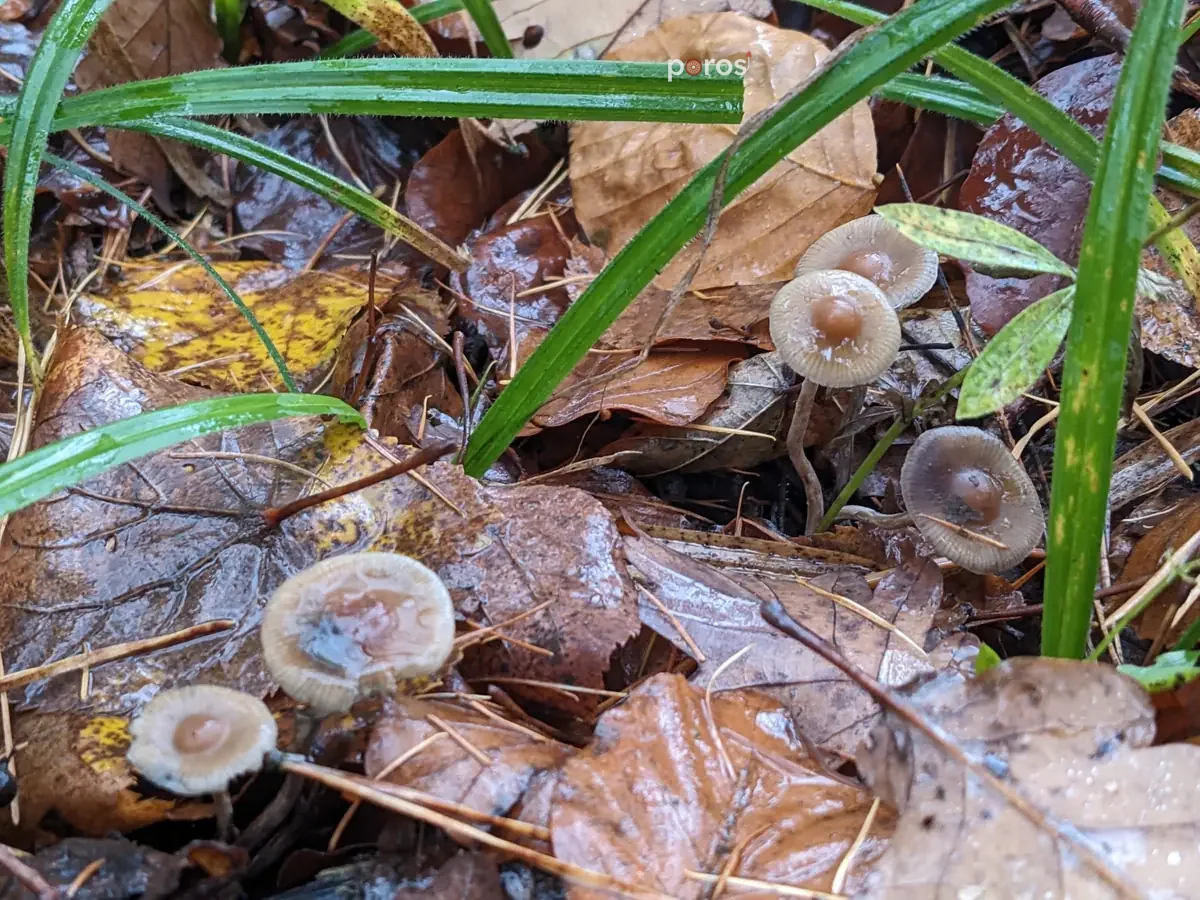
In habitat© Karol Filo III · CC BY 4.0
-
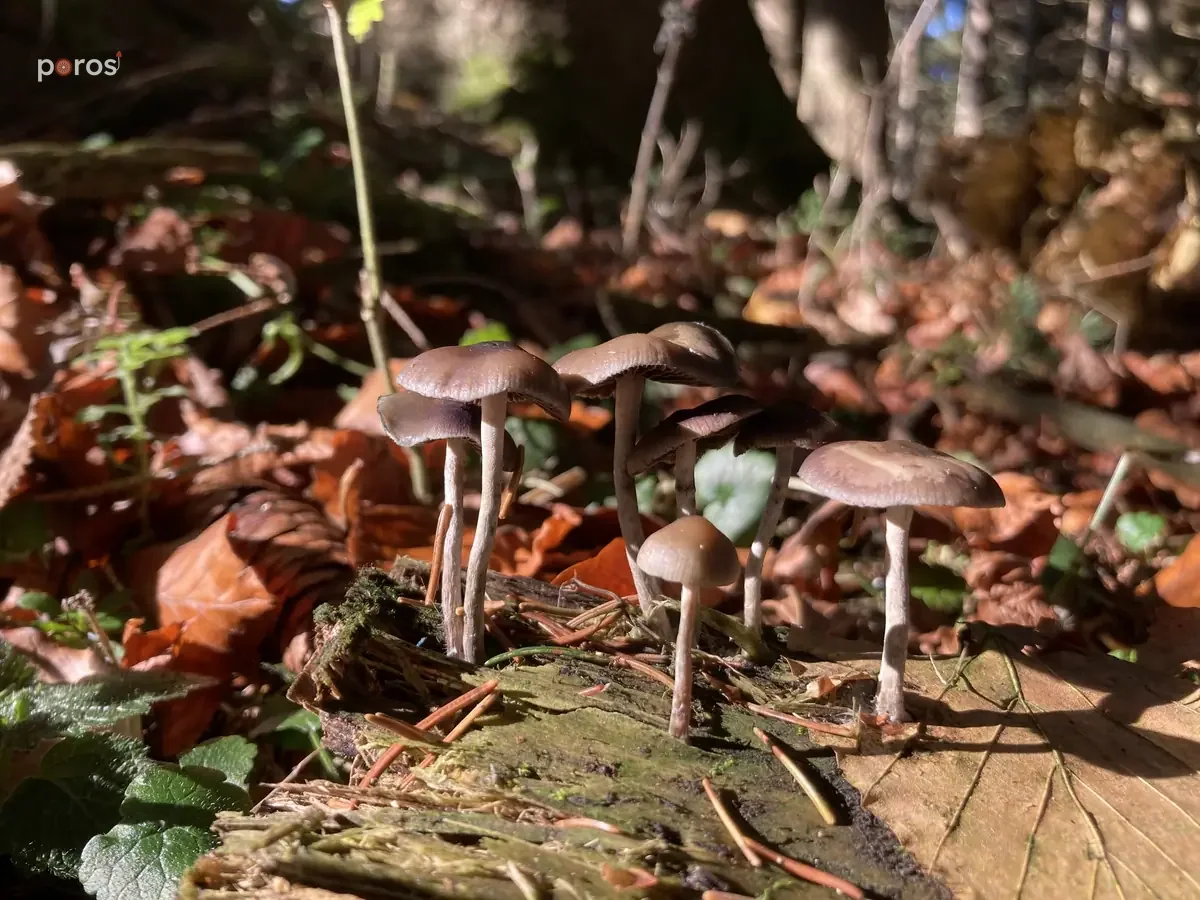
In habitat© serni bams · CC BY 4.0
-

Cap© Karol Filo III · CC BY 4.0
These are licensed records of this species; photos alone are not enough to identify a mushroom.
Is Psilocybe serbica poisonous?
Not safe: Psilocybe serbica contains psilocybin and psilocin and is legally controlled. The deadly risk is confusion with small brown look-alikes: deadly galerina (Galerina marginata) and deadly fibrecap (Inosperma erubescens). If poisoning is suspected, call 112 at once (Turkish poison centre: 114) and keep any leftover mushroom.
Is Psilocybe serbica edible?
No, Psilocybe serbica is not a food. Psilocybin and psilocin are Schedule I substances under the UN 1971 Convention; in Turkey, picking or possessing it may be a crime (Penal Code arts. 188 and 191). This page is for identification and warning only. If poisoning is suspected, call 112 at once (Turkish poison centre: 114) and keep any leftover mushroom.
How to recognise it
Appearance of psilocybe serbica
No ring or volva Spore print: Purple-brown Never taste it.
When and where
When to find psilocybe serbica
Sep–Nov
Autumn in central Europe; there are no GBIF records in Turkey.
Where does psilocybe serbica grow?
In groups on well-decayed hardwood and conifer wood, twigs and plant debris, in damp places along streams, forest paths and verges in central Europe and the Balkans.
In Turkey
There are no GBIF records in Turkey. Known from the Balkans (its type locality is in Serbia), it is one of the psilocybin species with the closest range to Turkey.
Our map has no observations of psilocybe serbica from Turkey yet.
Look-alikes
What is it mistaken for?
Psilocybe serbica can be mistaken for the species below. Each comparison shows Psilocybe serbica on the left, the look-alike on the right, and how to tell them apart.

Deadly galerina Galerina marginata
How to tell It grows on rotting wood in the same forests and is deadly. Galerina has a rusty brown spore print, a ring or ring zone on the stem, and does not bruise blue.

Deadly fibrecap Inosperma erubescens
How to tell This fibrecap of woodland edges contains muscarine and has caused deaths. Its gills are brown, it stains reddish when bruised and its spore print is tobacco-brown.
Psilocybe serbica and its look-alikes compared
| Species | Status | Underside | Spore print | Season |
|---|---|---|---|---|
| Psilocybe serbica | Inedible · legally controlled | Light brown, darkening to purplish dark brown | Purple-brown | Sep–Nov |
| Deadly galerinaGalerina marginata | Deadly poisonous | Crowded, pale brown when young, tawny when mature | Rusty (snuff) brown | Aug–Nov |
| Deadly fibrecapInosperma erubescens | Deadly poisonous | Reddish-pink, adnexed | Brown | Apr–Jul |
The table is compiled from each species page. The status column is a guide only; do not eat a wild mushroom unless an expert has seen it in person. Compare look-alikes side by side
Frequently asked questions
Is Psilocybe serbica poisonous?
Not safe: Psilocybe serbica contains psilocybin and psilocin and is legally controlled. The deadly risk is confusion with small brown look-alikes: deadly galerina (Galerina marginata) and deadly fibrecap (Inosperma erubescens). If poisoning is suspected, call 112 at once (Turkish poison centre: 114) and keep any leftover mushroom.
Is Psilocybe serbica edible?
No, Psilocybe serbica is not a food. Psilocybin and psilocin are Schedule I substances under the UN 1971 Convention; in Turkey, picking or possessing it may be a crime (Penal Code arts. 188 and 191). This page is for identification and warning only. If poisoning is suspected, call 112 at once (Turkish poison centre: 114) and keep any leftover mushroom.
Is Psilocybe serbica found in Turkey?
GBIF has no Turkish records. Because it is reported as common in central Europe and the Balkans, its range is among the closest to Turkey, but most small brown woodland mushrooms are other species.
Are Psilocybe bohemica and Psilocybe serbica the same mushroom?
Yes. Molecular studies published in 2010 showed that the mushrooms described as P. bohemica, P. arcana and P. moravica are the same species as P. serbica, an example of how misleading naming by appearance can be.
Why is Psilocybe serbica a health risk?
Psilocin alters perception and thinking; panic, anxiety, disorientation, accidents and, in susceptible people, prolonged psychotic states have been reported. Content varies greatly between specimens and is unpredictable. Clinical studies use purified, measured psilocybin under medical supervision, not mushrooms, and it is not an approved medicine in Turkey.
Is Psilocybe serbica legal in Turkey?
No. The psilocybin and psilocin it contains are in Schedule I of the UN 1971 Convention and count as narcotic substances in Turkey under Penal Code arts. 188 and 191. Picking, possessing, selling or using it may be a crime; this page is for identification and warning only.
What should you do if Psilocybe serbica is eaten by mistake?
Call 112 or the Turkish National Poison Information Centre (114) straight away, and keep a piece or a photo of the mushroom. Seek help even without symptoms: misidentified little brown mushrooms can cause deadly amatoxin poisoning whose symptoms start hours later.
Related species
-
Deadly galerinaGalerina marginataDeadly poisonous
-
 Almond mushroomAgaricus subrufescensEdible species
-
 Amanita proximaAmanita proximaDeadly poisonous
-
 Amethyst deceiverLaccaria amethystinaInedible
-
 Anatolian matsutakeTricholoma anatolicumEdible species
-
 Anemone stinkhornAseroe rubraInedible
-
 Aniseed funnelClitocybe odoraEdible species
-
 Artist’s bracketGanoderma applanatumInedible
Sources
- Mevzuat: 5237 sayılı Türk Ceza Kanunu (md. 188, 191) mevzuat.gov.tr
- T.C. Sağlık Bakanlığı: Mantar zehirlenmelerine dikkat saglik.gov.tr
- Ulusal Zehir Danışma Merkezi (UZEM), 114 uzem.saglik.gov.tr
All sources (11)
- Bradshaw ve ark. (2022), Applied and Environmental Microbiology: Psilocybe örneklerinde DNA ile tür doğrulama ve kimyasal analiz pubmed.ncbi.nlm.nih.gov
- Borovička, J. ve ark. (2015). Psilocybe atrobrunnea kompleksinde filogenetik ve kimyasal çalışmalar. Persoonia 34 doi.org
- Wikipedia (EN): Psilocybe serbica en.wikipedia.org
- GBIF: Psilocybe serbica gbif.org
- Wikipedia (EN): Galerina marginata en.wikipedia.org
- Wikipedia (EN): Inosperma erubescens en.wikipedia.org
- UNODC: 1971 Psikotrop Maddeler Sözleşmesi çizelgeleri (Çizelge I: psilosibin, psilosin) importlicensing.wto.org
- BM Antlaşmalar Derlemesi: 1971 Sözleşmesi tarafları (Türkiye, onay 1 Nisan 1981) treaties.un.org
Photo credits (8)
- Psilocybe serbica · iNaturalist #249605679 · Karol Filo III · CC BY 4.0
- Psilocybe serbica · iNaturalist #249605679 · Karol Filo III · CC BY 4.0
- Psilocybe serbica · iNaturalist #251210303 · Michal Honskus · CC BY 4.0
- Psilocybe serbica · iNaturalist #249605299 · Karol Filo III · CC BY 4.0
- File:2014-10-08 Psilocybe serbica M.M. Moser & E. Horak 520437.jpg · Luca Pasquali (luca) at Mushroom Observer, a source for mycological i · CC BY-SA 3.0
- Psilocybe serbica · iNaturalist #191180850 · Karol Filo III · CC BY 4.0
- Psilocybe serbica · iNaturalist #325064902 · serni bams · CC BY 4.0
- Psilocybe serbica · iNaturalist #249605679 · Karol Filo III · CC BY 4.0
