
Mushrooms month by month · 81 species
Mushrooms in October in Turkey
In October, 81 species in our guide are in season in Turkey: 33 edible or traditionally used and 15 poisonous or deadly. Edible highlights: Shaggy ink cap, Wood ear mushroom, Reishi and Parasol mushroom.
Mushrooms in season in October
-
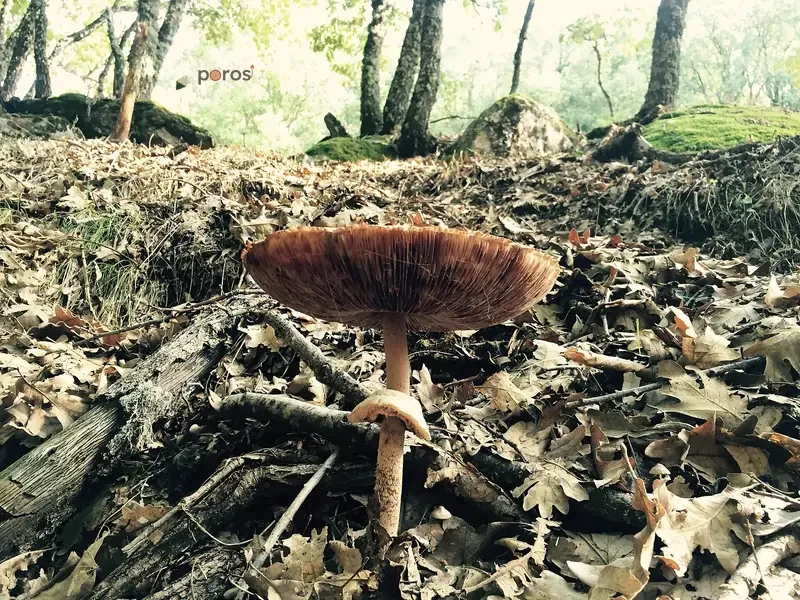 Edible species
Anatolian matsutake
Tricholoma anatolicum
Tricholomataceae
-
 Edible species
Beefsteak fungus
Fistulina hepatica
Fistulinaceae
-
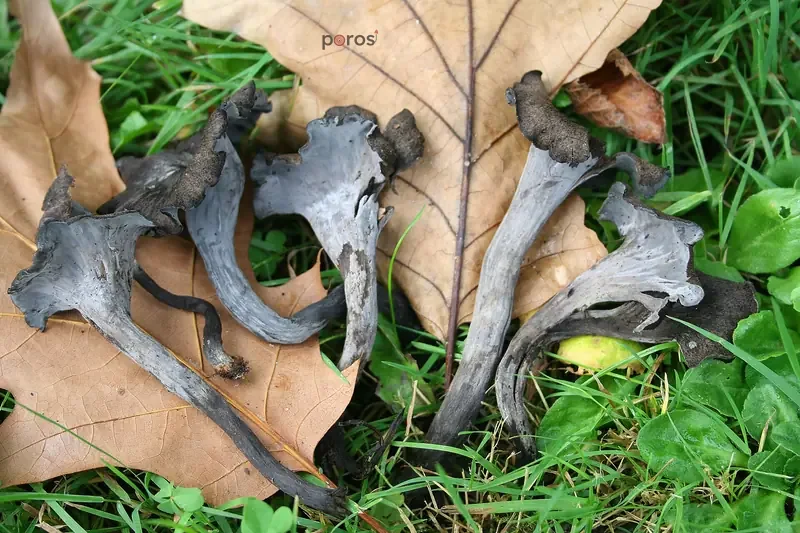 Edible species
Black trumpet
Craterellus cornucopioides
Cantharellaceae
-
 Edible species
Bloody milk cap
Lactarius sanguifluus
Russulaceae
-
 Edible species
Caesar’s mushroom
Amanita caesarea
Amanitaceae
-
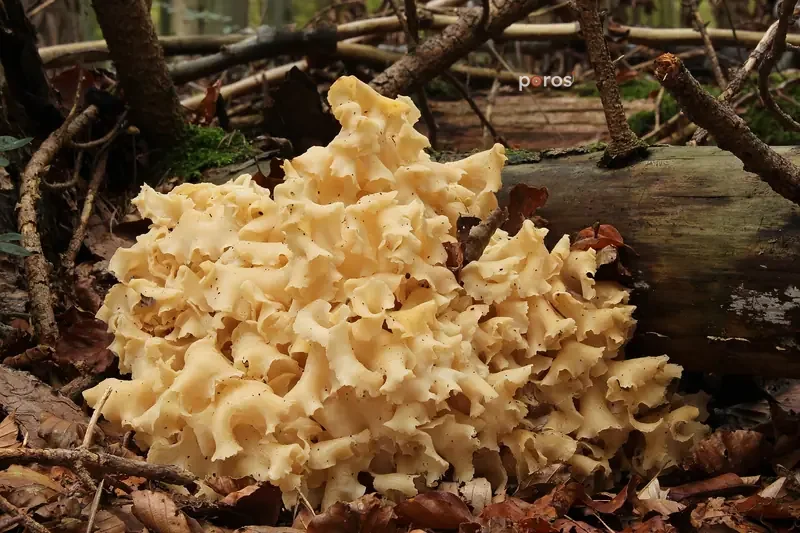 Edible species
Cauliflower mushroom
Sparassis crispa
Sparassidaceae
-
 Edible species
Chanterelle
Cantharellus cibarius
Hydnaceae
-
 Edible species
Chicken of the woods
Laetiporus sulphureus
Laetiporaceae
-
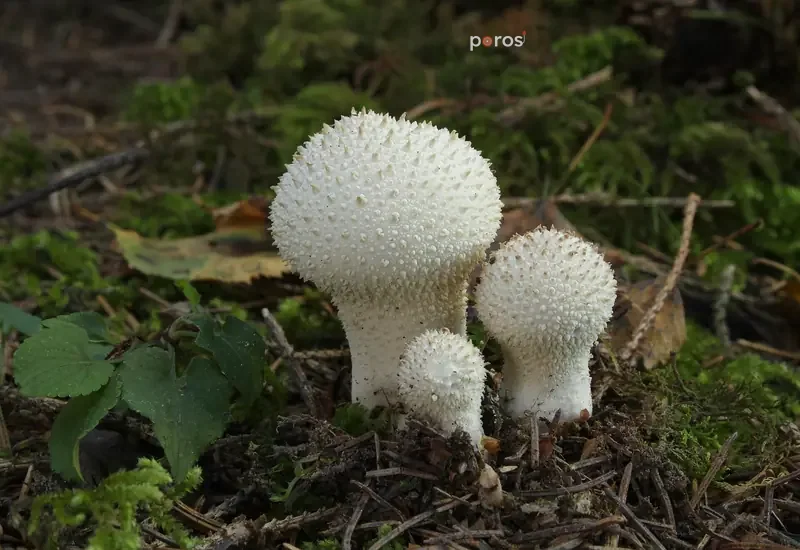 Edible species
Common puffball
Lycoperdon perlatum
Lycoperdaceae
-
 Edible species
Dryad’s saddle
Cerioporus squamosus
Polyporaceae
-
 Edible species
Fairy ring champignon
Marasmius oreades
Marasmiaceae
-
 Edible species
Field mushroom
Agaricus campestris
Agaricaceae
-
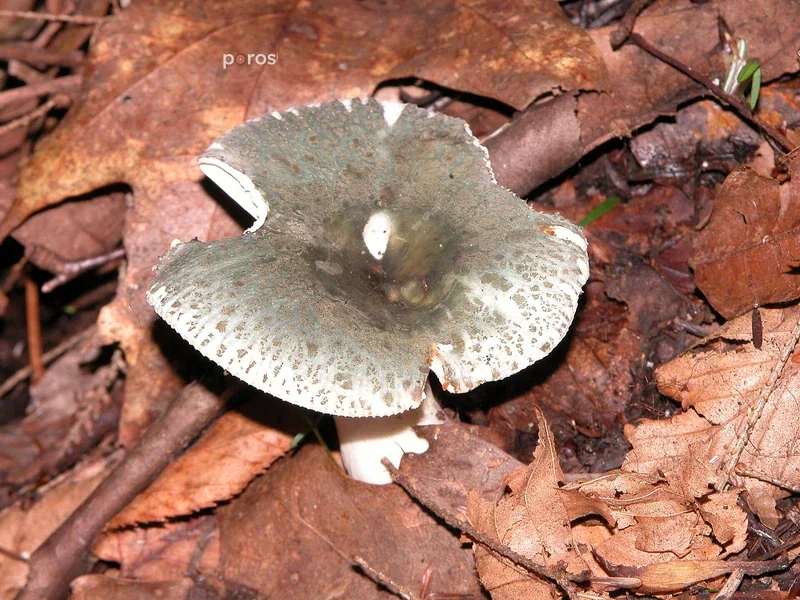 Edible species
Green-cracking brittlegill
Russula virescens
Russulaceae
-
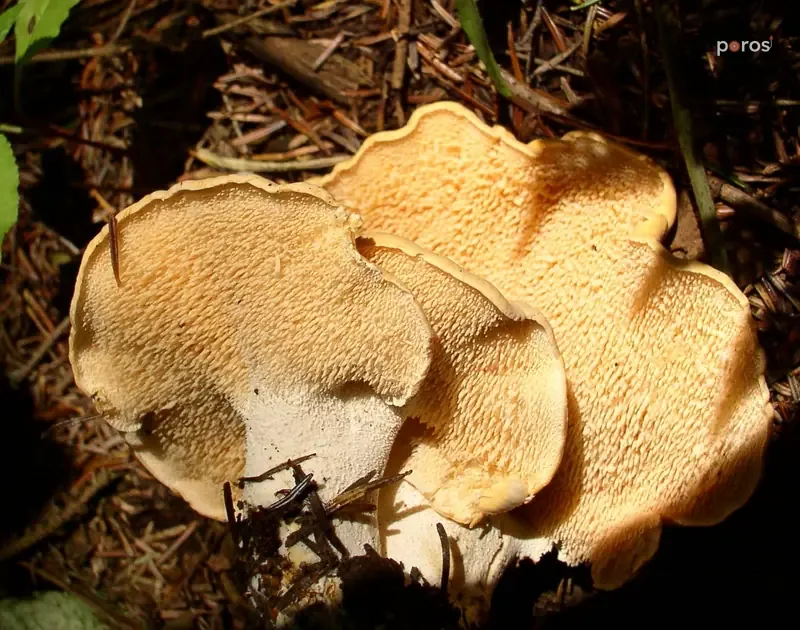 Edible species
Hedgehog mushroom
Hydnum repandum
Hydnaceae
-
 Edible species
Honey fungus
Armillaria mellea
Physalacriaceae
-
 Edible species
Horse mushroom
Agaricus arvensis
Agaricaceae
-
 Edible species
Lion’s mane
Hericium erinaceus
Hericiaceae
Cultivable
-
 Edible species
Maitake
Grifola frondosa
Grifolaceae
Cultivable
-
 Edible species
Oyster mushroom
Pleurotus ostreatus
Pleurotaceae
Cultivable
-
 Edible species
Parasol mushroom
Macrolepiota procera
Agaricaceae
-
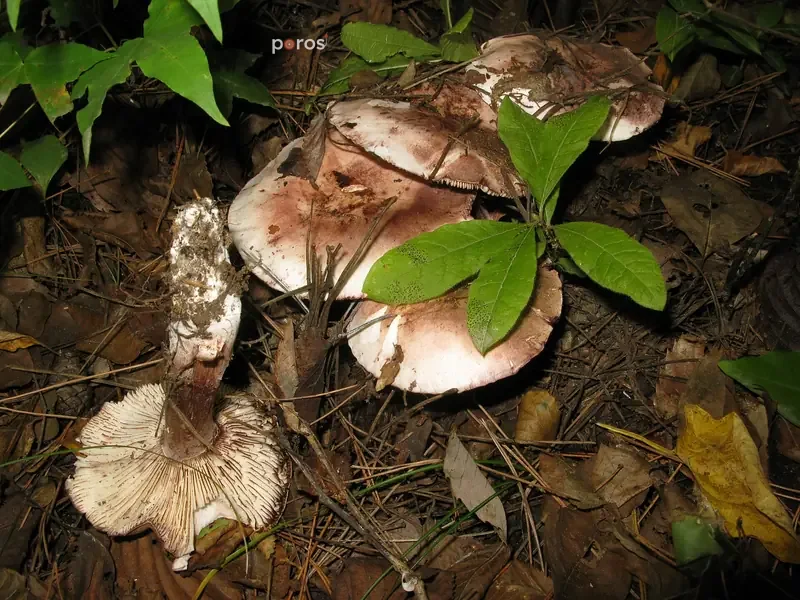 Edible species
Pinkmottle woodwax
Hygrophorus russula
Hygrophoraceae
-
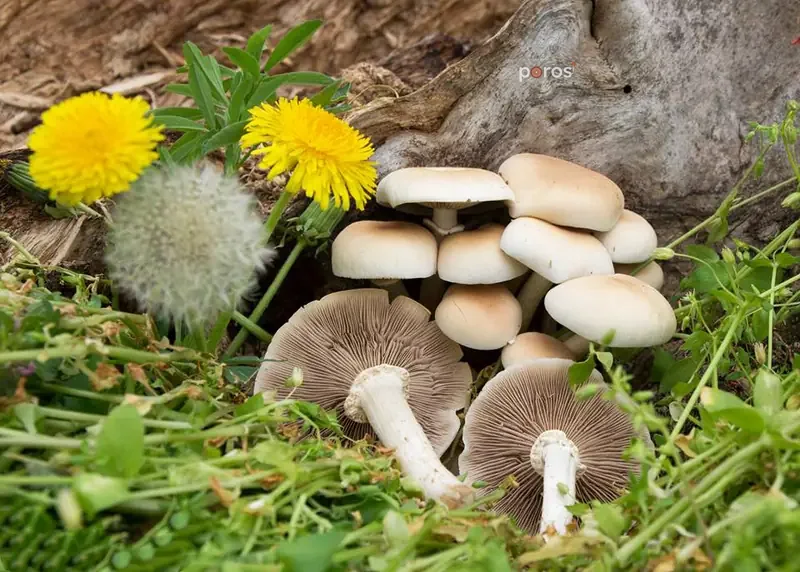 Edible species
Poplar mushroom
Cyclocybe cylindracea
Tubariaceae
Cultivable
-
 Edible species
Porcini
Boletus edulis
Boletaceae
-
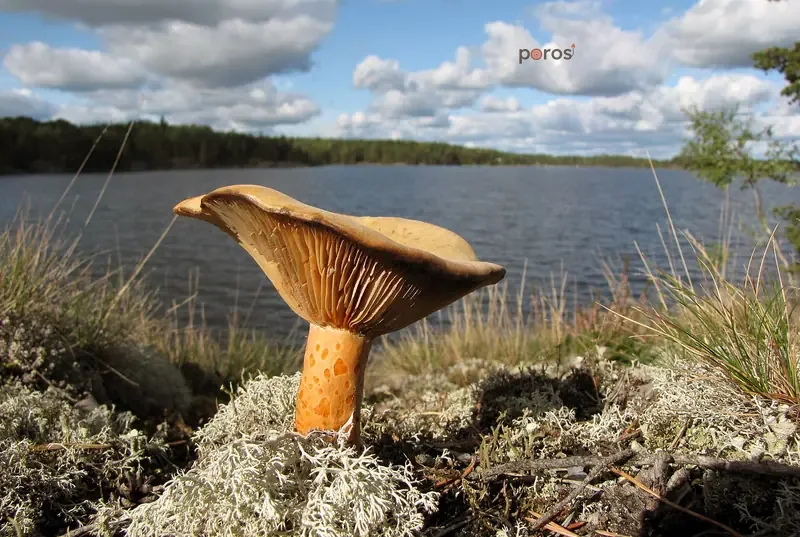 Edible species
Saffron milk cap
Lactarius deliciosus
Russulaceae
-
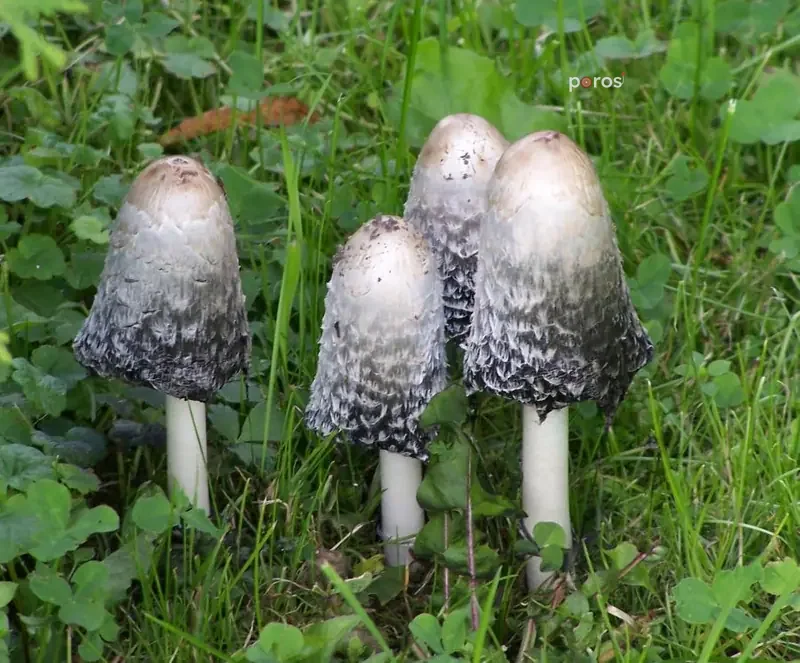 Edible species
Shaggy ink cap
Coprinus comatus
Agaricaceae
-
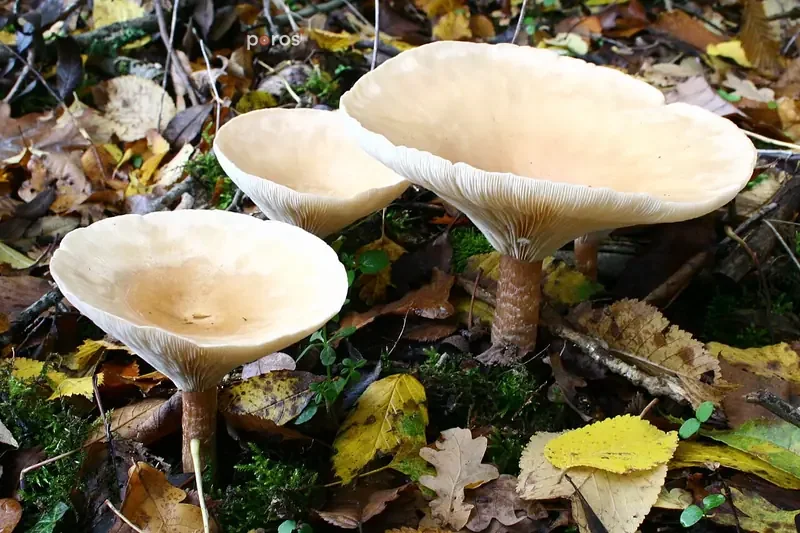 Edible species
Trooping funnel
Infundibulicybe geotropa
Tricholomataceae
-
 Edible species
Truffle
Tuber spp.
Tuberaceae
-
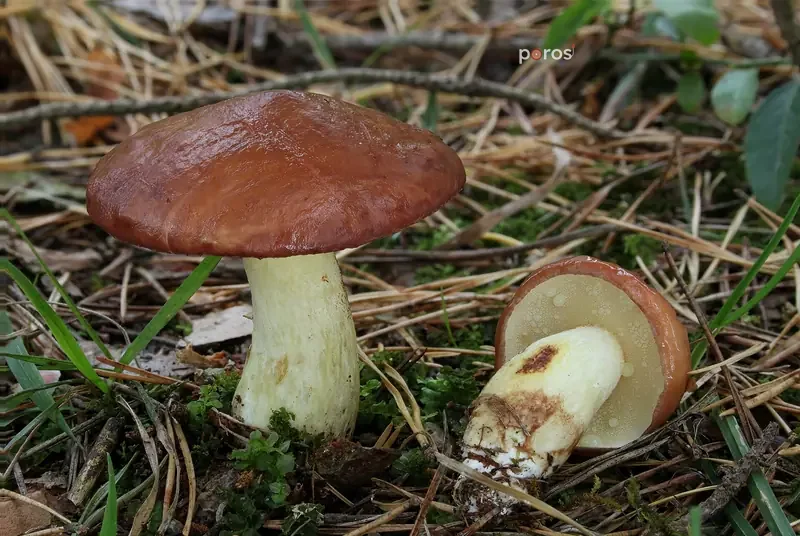 Edible species
Weeping bolete
Suillus granulatus
Suillaceae
-
 Edible species
Wood blewit
Lepista nuda
Tricholomataceae
-
 Edible species
Wood ear mushroom
Auricularia auricula-judae
Auriculariaceae
-
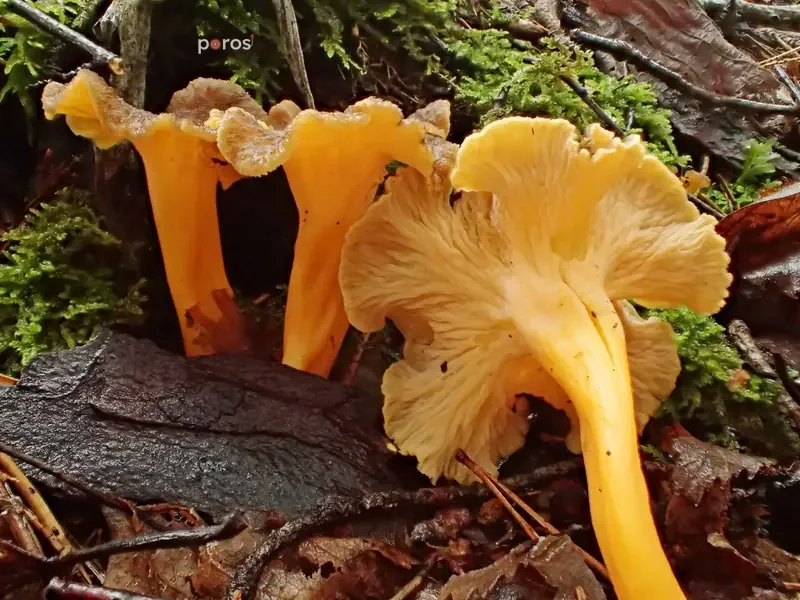 Edible species
Yellow foot chanterelle
Craterellus lutescens
Cantharellaceae
-
 Traditional use
Cordyceps
Cordyceps militaris
Cordycipitaceae
Cultivable
-
 Traditional use
Reishi
Ganoderma lucidum
Polyporaceae
Cultivable
-
 Inedible
Amethyst deceiver
Laccaria amethystina
Hydnangiaceae
-
 Inedible
Artist’s bracket
Ganoderma applanatum
Polyporaceae
-
 Inedible
Blusher
Amanita rubescens
Amanitaceae
-
 Inedible
Clouded funnel
Clitocybe nebularis
Clitocybaceae
-
 Inedible
Common bird’s nest fungus
Crucibulum laeve
Agaricaceae
-
 Inedible
Common stinkhorn
Phallus impudicus
Phallaceae
-
 Inedible
Dog stinkhorn
Mutinus caninus
Phallaceae
-
 Inedible
False death cap
Amanita citrina
Amanitaceae
-
 Inedible
False saffron milkcap
Lactarius deterrimus
Russulaceae
-
 Inedible
Fiery milkcap
Lactarius pyrogalus
Russulaceae
-
 Inedible
Giant polypore
Meripilus giganteus
Meripilaceae
-
 Inedible
Glistening inkcap
Coprinellus micaceus
Psathyrellaceae
-
 Inedible
Grey knight
Tricholoma terreum
Tricholomataceae
-
 Inedible
Hairy curtain crust
Stereum hirsutum
Stereaceae
-
 Inedible
Magpie inkcap
Coprinopsis picacea
Psathyrellaceae
-
 Inedible
Orange peel fungus
Aleuria aurantia
Pyronemataceae
-
 Inedible
Pale brittlestem
Candolleomyces candolleanus
Psathyrellaceae
-
 Inedible
Plums and custard
Tricholomopsis rutilans
Phyllotopsidaceae
-
 Inedible
Porcelain fungus
Oudemansiella mucida
Physalacriaceae
-
 Inedible
Red cage fungus
Clathrus ruber
Phallaceae
-
 Inedible
Salmon milkcap
Lactarius salmonicolor
Russulaceae
-
 Inedible
Scarletina bolete
Neoboletus erythropus
Boletaceae
-
 Inedible
Shaggy parasol
Chlorophyllum rhacodes
Agaricaceae
-
 Inedible
Split gill
Schizophyllum commune
Schizophyllaceae
-
 Inedible
Stubble rosegill
Volvopluteus gloiocephalus
Pluteaceae
-
 Inedible
Suillus collinitus
Suillus collinitus
Suillaceae
-
 Inedible
Tawny funnel
Paralepista flaccida
Tricholomataceae
-
 Inedible
Tinder fungus
Fomes fomentarius
Polyporaceae
-
 Inedible
Turkey tail
Trametes versicolor
Polyporaceae
-
 Inedible
White dapperling
Leucocoprinus leucothites
Agaricaceae
-
 Inedible
White saddle
Helvella crispa
Helvellaceae
-
 Inedible
Yellow brain
Tremella mesenterica
Tremellaceae
-
 Inedible
Yellow coral fungus
Ramaria flava
Gomphaceae
-
 Poisonous
Common earthball
Scleroderma citrinum
Sclerodermataceae
-
 Poisonous
Common ink cap
Coprinopsis atramentaria
Psathyrellaceae
-
 Poisonous
Devil’s bolete
Rubroboletus satanas
Boletaceae
-
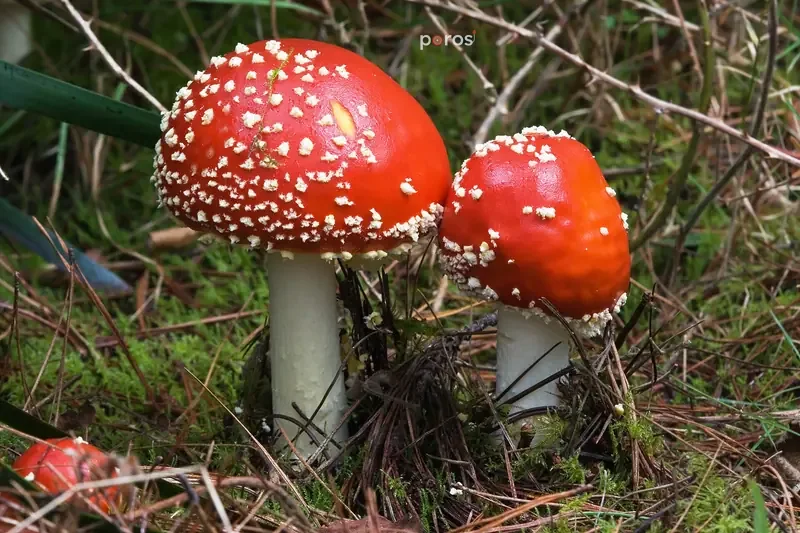 Poisonous
Fly agaric
Amanita muscaria
Amanitaceae
-
 Poisonous
Jack-o’-lantern mushroom
Omphalotus olearius
Omphalotaceae
-
 Poisonous
Livid pinkgill
Entoloma sinuatum
Entolomataceae
-
 Poisonous
Panther cap
Amanita pantherina
Amanitaceae
-
 Poisonous
Sulphur tuft
Hypholoma fasciculare
Strophariaceae
-
 Poisonous
Yellow stainer
Agaricus xanthodermus
Agaricaceae
-
 Deadly poisonous
Brown roll-rim
Paxillus involutus
Paxillaceae
-
 Deadly poisonous
Deadly dapperling
Lepiota brunneoincarnata
Agaricaceae
-
 Deadly poisonous
Deadly galerina
Galerina marginata
Hymenogastraceae
-
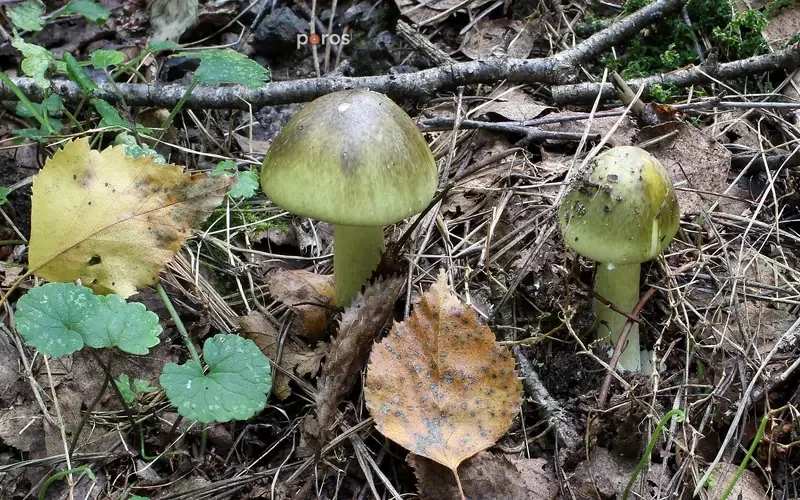 Deadly poisonous
Death cap
Amanita phalloides
Amanitaceae
-
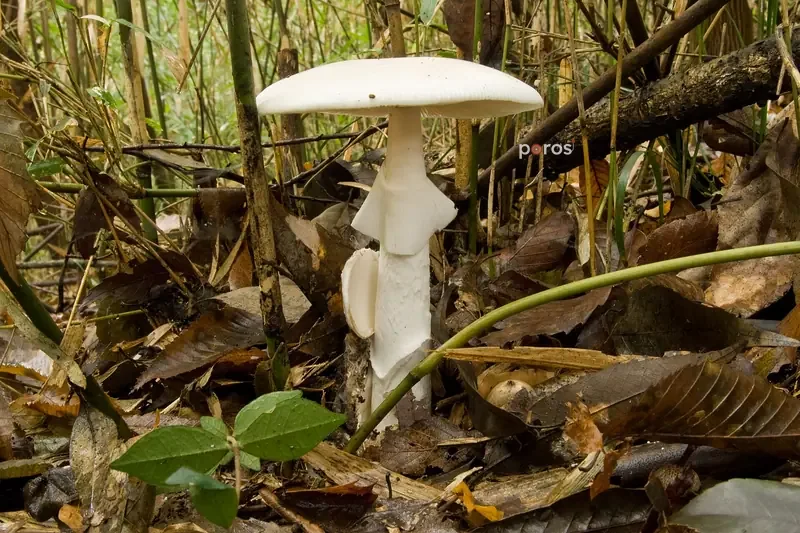 Deadly poisonous
Destroying angel
Amanita virosa
Amanitaceae
-
 Deadly poisonous
Fool’s webcap
Cortinarius orellanus
Cortinariaceae
October falls in the autumn months in Turkey. This page is built from the season data on our species pages; rain, temperature and altitude can shift seasons by a few weeks.
The most recorded mushrooms in October
| Mushroom | Status | October records |
|---|---|---|
| Shaggy ink capCoprinus comatus | Edible | 36 |
| Sulphur tuftHypholoma fasciculare | Poisonous | 27 |
| Magpie inkcapCoprinopsis picacea | Unknown | 25 |
| Death capAmanita phalloides | Deadly | 24 |
| Red cage fungusClathrus ruber | Unknown | 24 |
| Fly agaricAmanita muscaria | Poisonous | 23 |
| Caesar’s mushroomAmanita caesarea | Edible | 23 |
| Parasol mushroomMacrolepiota procera | Edible | 23 |
| Panther capAmanita pantherina | Poisonous | 22 |
| Oyster mushroomPleurotus ostreatus | Edible | 20 |
| Common puffballLycoperdon perlatum | Edible | 18 |
| Beefsteak fungusFistulina hepatica | Edible | 15 |
| Turkey tailTrametes versicolor | Unknown | 14 |
| ReishiGanoderma lucidum | Traditional use | 14 |
| Giant polyporeMeripilus giganteus | Unknown | 14 |
| Honey fungusArmillaria mellea | Edible | 11 |
| Poplar mushroomCyclocybe cylindracea | Edible | 11 |
| Chicken of the woodsLaetiporus sulphureus | Edible | 11 |
| False death capAmanita citrina | Unknown | 10 |
| Black trumpetCraterellus cornucopioides | Edible | 9 |
Source: GBIF and iNaturalist, all years combined. Status is a guide and is not enough to decide to eat a mushroom; do not eat a wild mushroom unless an expert has seen it in person. Full data and method
Poisonous look-alikes in October
Alongside the edible species, Death cap, Fly agaric, Panther cap, Sulphur tuft, Jack-o'-lantern mushroom, Common ink cap, Deadly galerina, Brown roll-rim, Common earthball, Yellow stainer, Livid pinkgill, Devil's bolete, Deadly dapperling, Destroying angel and Fool's webcap are also in season this month. Never eat a mushroom you cannot identify with certainty.
- Brown roll-rim Paxillus involutus Deadly poisonous
- Common earthball Scleroderma citrinum Poisonous
- Common ink cap Coprinopsis atramentaria Poisonous
- Deadly dapperling Lepiota brunneoincarnata Deadly poisonous
- Deadly galerina Galerina marginata Deadly poisonous
- Death cap Amanita phalloides Deadly poisonous
- Destroying angel Amanita virosa Deadly poisonous
- Devil’s bolete Rubroboletus satanas Poisonous
- Fly agaric Amanita muscaria Poisonous
- Fool’s webcap Cortinarius orellanus Deadly poisonous
- Jack-o’-lantern mushroom Omphalotus olearius Poisonous
- Livid pinkgill Entoloma sinuatum Poisonous
- Panther cap Amanita pantherina Poisonous
- Sulphur tuft Hypholoma fasciculare Poisonous
- Yellow stainer Agaricus xanthodermus Poisonous
Records by region in October
Verified GBIF and iNaturalist records made in October, with the five most recorded species per region (data as of 2026-11-02). Numbers are past records, not a promise for this year.
-
Marmara · 500 records
- Red cage fungus 22
- Parasol mushroom 21
- Caesar's mushroom 20
- Magpie inkcap 16
- Shaggy ink cap 15
-
Black Sea · 319 records
- Truncated club 18
- Oyster mushroom 14
- Sulphur tuft 14
- Common puffball 12
- Fly agaric 11
-
Central Anatolia · 40 records
- Shaggy ink cap 7
- Oyster mushroom 3
- Chicken of the woods 3
- Fried chicken mushroom 3
- Split gill 2
-
Aegean · 16 records
- Shaggy ink cap 3
- Jack-o'-lantern mushroom 2
- Conical brittlestem 1
- Oyster mushroom 1
- Tubaria dispersa 1
-
Mediterranean · 15 records
- Beautiful bonnet 1
- Marasmius siccus 1
- Charcoal burner 1
- Scarletina bolete 1
- Honey fungus 1
-
East and Southeast · 12 records
- Fly agaric 3
- Poplar mushroom 2
- Shaggy bracket 2
- Tiger sawgill 2
- Split gill 1
Mushroom recipes for October
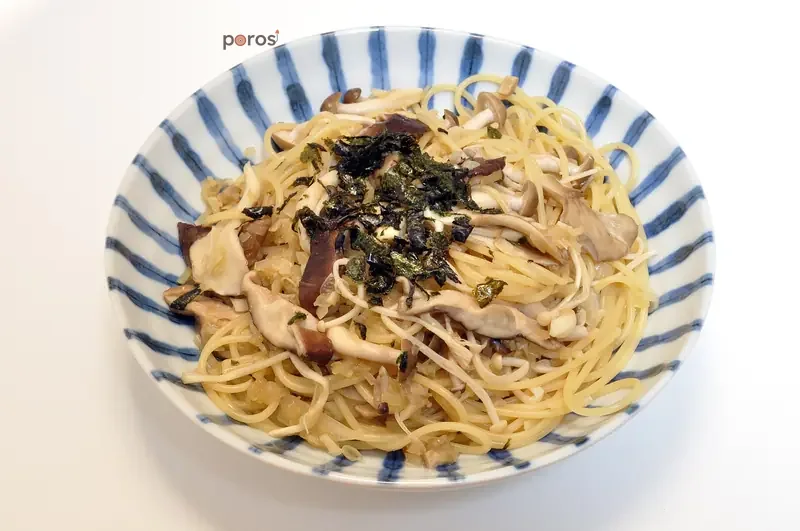 Pasta & risotto
Creamy mushroom pasta
Button and oyster mushrooms in a silky cream and parmesan sauce, brought together with starchy pasta water – on the table in 30 minutes.
30 min
Button mushroom
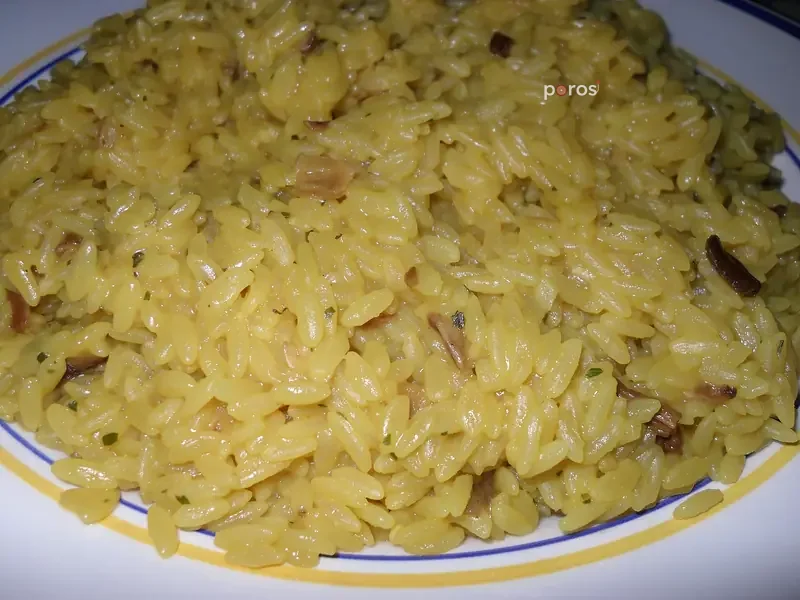 Pasta & risotto
Mushroom risotto
A creamy Italian risotto made with dried porcini and fresh button mushrooms, built up with hot stock one ladle at a time.
57 min
Dried porcini
Mains
Saffron milk caps fried in butter
Wild saffron milk caps fried with onion in butter, the way they're cooked around Turkey's Black Sea and Marmara coasts. Ready in 35 minutes.
35 min
Saffron milk cap
 Snacks & starters
Crispy fried oyster mushrooms
Oyster mushrooms soaked in garlicky yoghurt, dredged in spiced flour and deep-fried until crisp, served with a dill and garlic yoghurt dip.
37 min
Oyster mushroom
 Mains
Lion's mane mushroom steaks
Thick slabs of lion's mane, pressed dry under a weight, seared until crisp and basted with garlic and thyme butter. Ready in 30 minutes.
30 min
Lion's mane mushroom
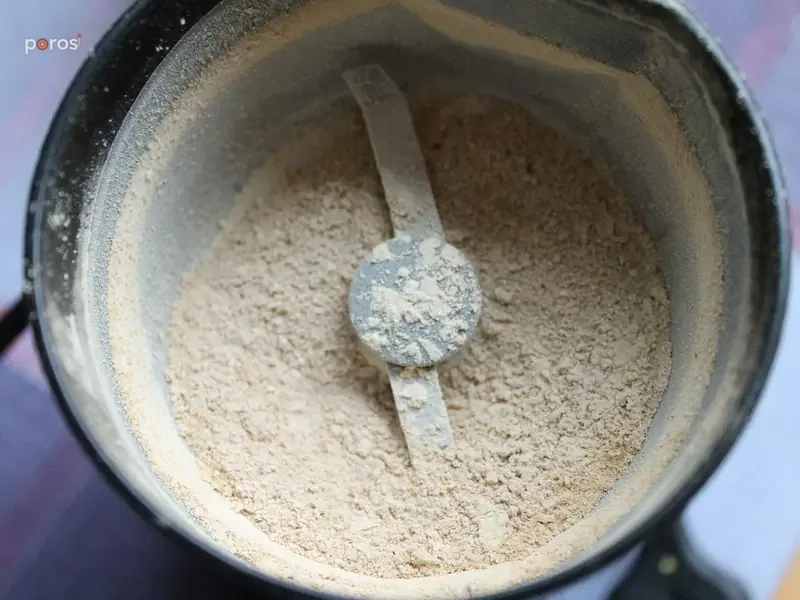 Pickles & preserves
Homemade mushroom powder
A deeply savoury powder made from dried shiitake and porcini that lifts soups, sauces and meat rubs. Makes about 75 g, one small jar.
1 hr
Shiitake
Articles for October
Edible mushrooms in October
Shaggy ink cap (Coprinus comatus): The shaggy ink cap fruits in spring and autumn after rain; Turkish GBIF records show two peaks, April–May and October–December.
Reishi (Ganoderma lucidum): Reishi is an annual bracket that releases its spores in summer and autumn, and its tough fruit body persists for months. In Turkey, GBIF records are spread across almost every month.
Parasol mushroom (Macrolepiota procera): The parasol mushroom fruits from July to November in Europe, later in the south. In Turkey it is reported to be gathered in spring and autumn, and GBIF records peak in October.
Caesar's mushroom (Amanita caesarea): Caesar's mushroom fruits from early summer to mid-autumn in Europe (August–December according to one British source); in Turkey, GBIF records peak in September–October.
Porcini (Boletus edulis): Porcini fruit from June to August and from September to November, flushing after rain in warm weather and again in autumn as the soil cools.
Oyster mushroom (Pleurotus ostreatus): Wild oyster mushrooms fruit in the cool months, into January–February in southern Europe, and in Turkey GBIF records also cluster between October and March. Cultivated oyster mushrooms are produced all year round.
Chicken of the woods (Laetiporus sulphureus): Chicken of the woods fruits from April to November in Europe; in Turkey, GBIF records peak in September–October.
Common puffball (Lycoperdon perlatum): The common puffball fruits from late summer into winter; Turkish GBIF records cluster in October and December–January. Dry fruit bodies persist for months.
Poplar mushroom (Cyclocybe cylindracea): In Turkey, poplar mushroom records fall in spring (March–May) and autumn (September–December); 11 of the 23 observations on our map are from October. In cultivation it is grown all year.
Poisonous and deadly mushrooms in October
Death cap (Amanita phalloides): The death cap is common in woods in early summer and autumn, fruiting from July to November in Europe. In Turkey, GBIF records peak in August and October–November.
Fly agaric (Amanita muscaria): The fly agaric fruits from August to November in Europe; in Turkey, GBIF records run from August to October, peaking in October.
Panther cap (Amanita pantherina): The panther cap fruits in summer and autumn; Turkish GBIF records cluster in August and in October–November.
Sulphur tuft (Hypholoma fasciculare): Sulphur tuft can be found for much of the year; Turkish GBIF records peak in October–November, with others in late winter and spring.
Jack-o'-lantern mushroom (Omphalotus olearius): The jack-o'-lantern mushroom fruits in autumn and early winter; Turkish GBIF records run from October to January.
Common ink cap (Coprinopsis atramentaria): The common ink cap appears in spring and autumn after rain. Most of our Turkish records fall in October and November, with further records in January, March and May.
Deadly galerina (Galerina marginata): The deadly galerina fruits in summer and autumn; in Turkey, GBIF records fall in August, October, November and January.
Brown roll-rim (Paxillus involutus): The brown roll-rim fruits from early summer to late autumn; Turkish GBIF records are mostly from October.
Frequently asked questions
Which mushrooms grow in October in Turkey?
According to our guide, 81 species are in season in October, including the edible Shaggy ink cap, Wood ear mushroom, Reishi, Parasol mushroom, Honey fungus, Caesar's mushroom, Porcini and Oyster mushroom.
Are there poisonous mushrooms in October?
Yes: Death cap, Fly agaric, Panther cap, Sulphur tuft, Jack-o'-lantern mushroom, Common ink cap, Deadly galerina, Brown roll-rim, Common earthball, Yellow stainer, Livid pinkgill, Devil's bolete, Deadly dapperling, Destroying angel and Fool's webcap.
Which mushrooms start their season in October?
Split gill, Red cage fungus, Wood ear mushroom, Magpie inkcap, Stubble rosegill, Sulphur tuft, Common bird's nest fungus, Oyster mushroom, Grey knight, Yellow brain, Glistening inkcap, White saddle, Clouded funnel, Tawny funnel, Jack-o'-lantern mushroom, Plums and custard, White dapperling, Common ink cap and Yellow stainer.
Which mushrooms end their season in October?
Hairy curtain crust, Dryad's saddle, Giant polypore, Field mushroom, Scarletina bolete, Artist's bracket, Devil's bolete and Maitake.
Where in Turkey are most mushrooms recorded in October?
Verified GBIF and iNaturalist records for this month come mostly from Marmara (500), Black Sea (319) and Central Anatolia (40).
Is it safe to forage in October?
Only pick species you can identify with certainty; 15 poisonous or deadly species in our guide are in season. In an emergency in Turkey call 112; the poison centre is 114.
Sources
- GBIF ve iNaturalist: Türkiye gözlem kayıtları (sitemizin haritası) gbif.org
- GBIF: Tüylü maymuncuk mantarı (Schizophyllum commune), Türkiye kayıtları gbif.org
- GBIF: Mürekkep mantarı (Coprinus comatus), Türkiye kayıtları gbif.org
All sources (20)
- GBIF: Kafes mantarı (Clathrus ruber), Türkiye kayıtları gbif.org
- GBIF: Ölüm mantarı (Amanita phalloides), Türkiye kayıtları gbif.org
- GBIF: Kulak mantarı (Auricularia auricula-judae), Türkiye kayıtları gbif.org
- GBIF: Hindi kuyruğu (Trametes versicolor), Türkiye kayıtları gbif.org
- GBIF: Sinek mantarı (Amanita muscaria), Türkiye kayıtları gbif.org
- GBIF: Reishi (Ganoderma lucidum), Türkiye kayıtları gbif.org
- GBIF: Panter mantarı (Amanita pantherina), Türkiye kayıtları gbif.org
- GBIF: Saksağan mantarı (Coprinopsis picacea), Türkiye kayıtları gbif.org
- GBIF: Danaburnu mantarı (Volvopluteus gloiocephalus), Türkiye kayıtları gbif.org
- GBIF: Şemsiye mantarı (Macrolepiota procera), Türkiye kayıtları gbif.org
- GBIF: Kıllı katmantarı (Stereum hirsutum), Türkiye kayıtları gbif.org
- GBIF: Bal mantarı (Armillaria mellea), Türkiye kayıtları gbif.org
- GBIF: İmparator mantarı (Amanita caesarea), Türkiye kayıtları gbif.org
- GBIF: Kükürt sarısı demet mantarı (Hypholoma fasciculare), Türkiye kayıtları gbif.org
- GBIF: Çörek mantarı (Boletus edulis), Türkiye kayıtları gbif.org
- GBIF: Kuş yuvası mantarı (Crucibulum laeve), Türkiye kayıtları gbif.org
- GBIF: İstiridye mantarı (Pleurotus ostreatus), Türkiye kayıtları gbif.org
Other months
Data sources and licences
Observations from GBIF.org (human observations and herbarium specimens; records flagged with geospatial issues excluded) and iNaturalist research-grade records, retrieved 2 November 2026. Macrofungi only (Agaricomycetes, Pezizomycetes), named to species. Every point links to its own record, with the recorder and licence (CC0, CC BY, CC BY-NC).
Map: © OpenStreetMap contributors. Province centres: Wikidata. Region comes from the record's GADM province, or the nearest province centre when missing. For protected species (iNaturalist "threatened" or IUCN VU/EN/CR) locations are rounded to ~10 km; locations obscured by iNaturalist are marked "approximate".
An observation shows that a mushroom was seen there on that day, not that it is there now or that it may be picked. Counts reflect how many people record fungi in an area more than how common a species is.
Last updated: Prepared by the Poros Mantar editorial teamReport a correction