


Artist’s bracket
Ganoderma applanatum · Polyporaceae
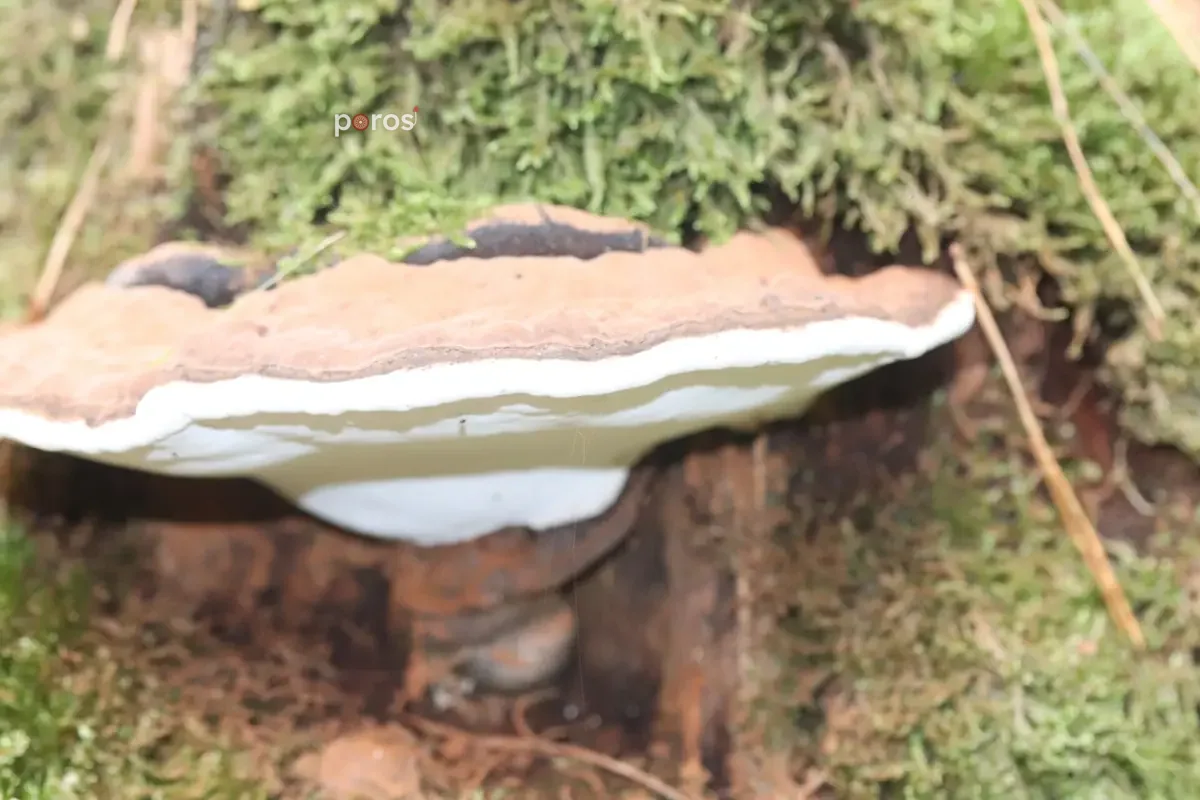
The artist's bracket (Ganoderma applanatum) is a stemless, flat, perennial bracket on the trunks and stumps of broadleaf trees.
Last updated: Prepared by the Poros Mantar editorial team9 sources checkedReport a correction
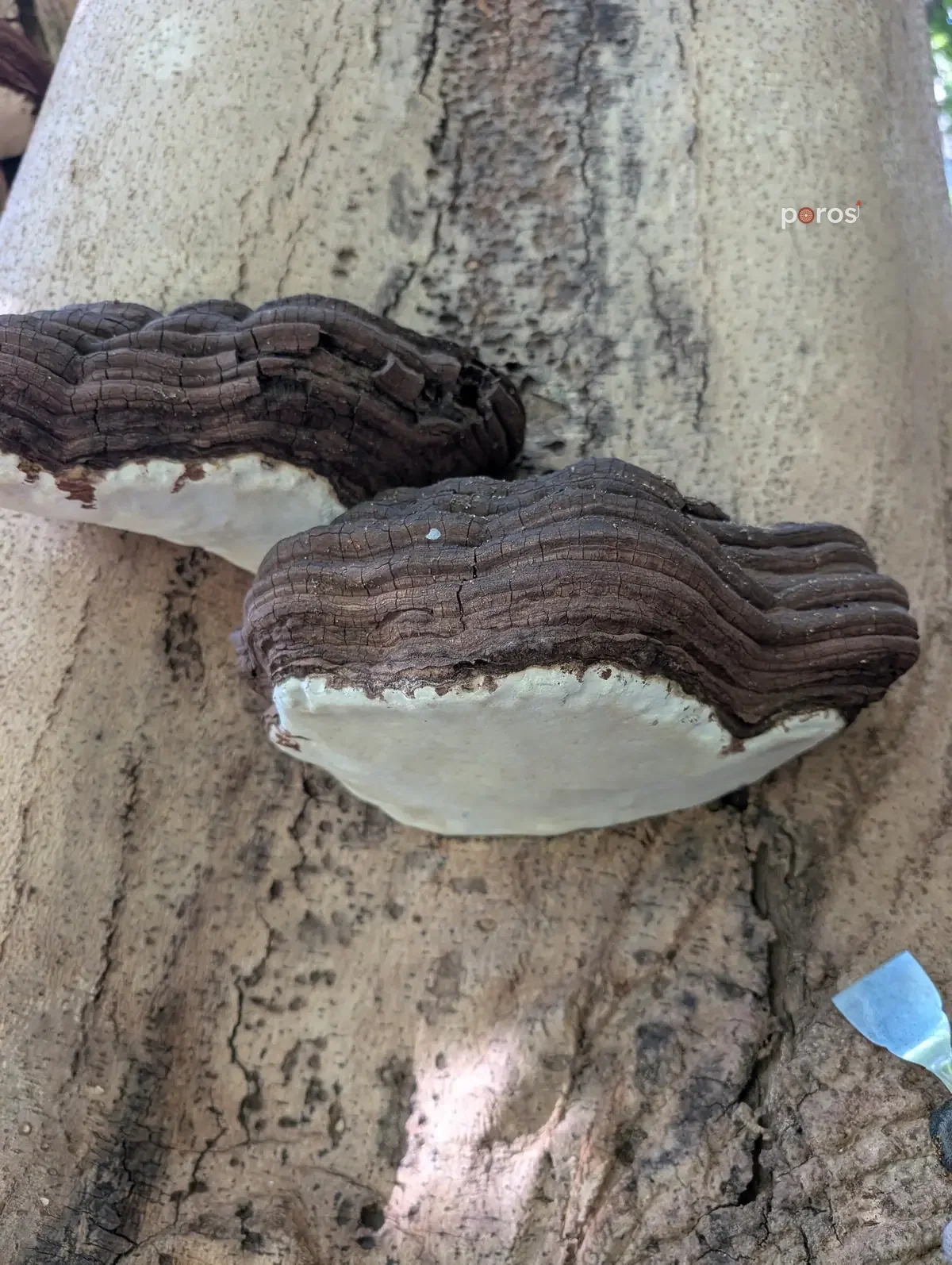
The artist's bracket (Ganoderma applanatum) is a stemless, flat, perennial bracket on the trunks and stumps of broadleaf trees. Its upper surface is dull grey-brown and often dusted with cocoa-brown spores; the underside is white and bruises brown when scratched, which is why people draw on it. It is woody and hard and not eaten. It shares a genus with reishi (Ganoderma lucidum) but lacks its lacquered shine.
Also called: artist's conk, flat-topped conk Turkish: Yassı reişi mantarı, terek reyşi
How to recognise it
Artist’s bracket, part by part
No ring or volva Spore print: Cocoa brown; it dusts the top of the bracket and nearby surfaces Mushroomy or indistinct.


When and where
Mar, May, Jul–Oct
- Jan
- Feb
- Marin season
- Apr
- Mayin season
- Jun
- Julin season
- Augin season
- Sepin season
- Octin season
- Nov
- Dec
The artist's bracket is perennial: the fruit body stays on the tree all year and adds a new pore layer underneath each year. Turkish observations spread from March to October, most in September.
Type InedibleMedicinal (traditional)Species used in traditional medicine; not a treatment. Source
Months seen MarchMayJulyAugustSeptemberOctober
Regions Black Sea RegionAegean RegionMarmara RegionManisaBoluIstanbul
Where do artist's brackets grow?
On old trunks, stumps and fallen trees of broadleaf species such as beech, poplar, willow, oak and sweetgum; rarely on conifers. It causes white rot, acting as a weak parasite on living trees and a decomposer on dead wood.
Where is artist's brackets found in Turkey?
Our map data (GBIF and iNaturalist) holds 8 Turkish records: Istanbul 4, Bolu 2, and one each from Manisa and Karabük. It is also recorded on sweetgum in Köyceğiz, Muğla (Mantar Dergisi, 2019), on willow in the Koramaz valley, Kayseri (Türler ve Habitatlar, 2021), at Aluçdağı in Ankara and at Yenice in Karabük; the Yenice survey gives the Turkish name "Terek reyşi".
Which months
- Jan0
- Feb0
- Mar1
- Apr0
- May2
- Jun0
- Jul0
- Aug3
- Sep2
- Oct0
- Nov0
- Dec0
4 provinces, 8 observations (GBIF, iNaturalist); months from observation dates. Record density also reflects where observers work.
Latest artist's bracket observations
-
 Illustrative
İstanbul27 Sep 2026 · iNaturalist
-
 Illustrative
Manisa13 Aug 2024 · GBIF
-
 Illustrative
İstanbul17 Mar 2024 · iNaturalist
-
 Illustrative
İstanbul4 Sep 2020 · iNaturalist
-
 Illustrative
Karabük26 May 2019 · iNaturalist
-
 Illustrative
İstanbul6 Aug 2016 · iNaturalist
-
 Illustrative
Bolu23 May 1990 · GBIF
-
 Illustrative
Bolu30 Aug 1972 · GBIF
- See on the map
On "illustrative" cards the image is a photo of the species; the observation photo cannot be shown here because of its licence, but can be seen at the source.
Look-alikes
What could it be confused with?
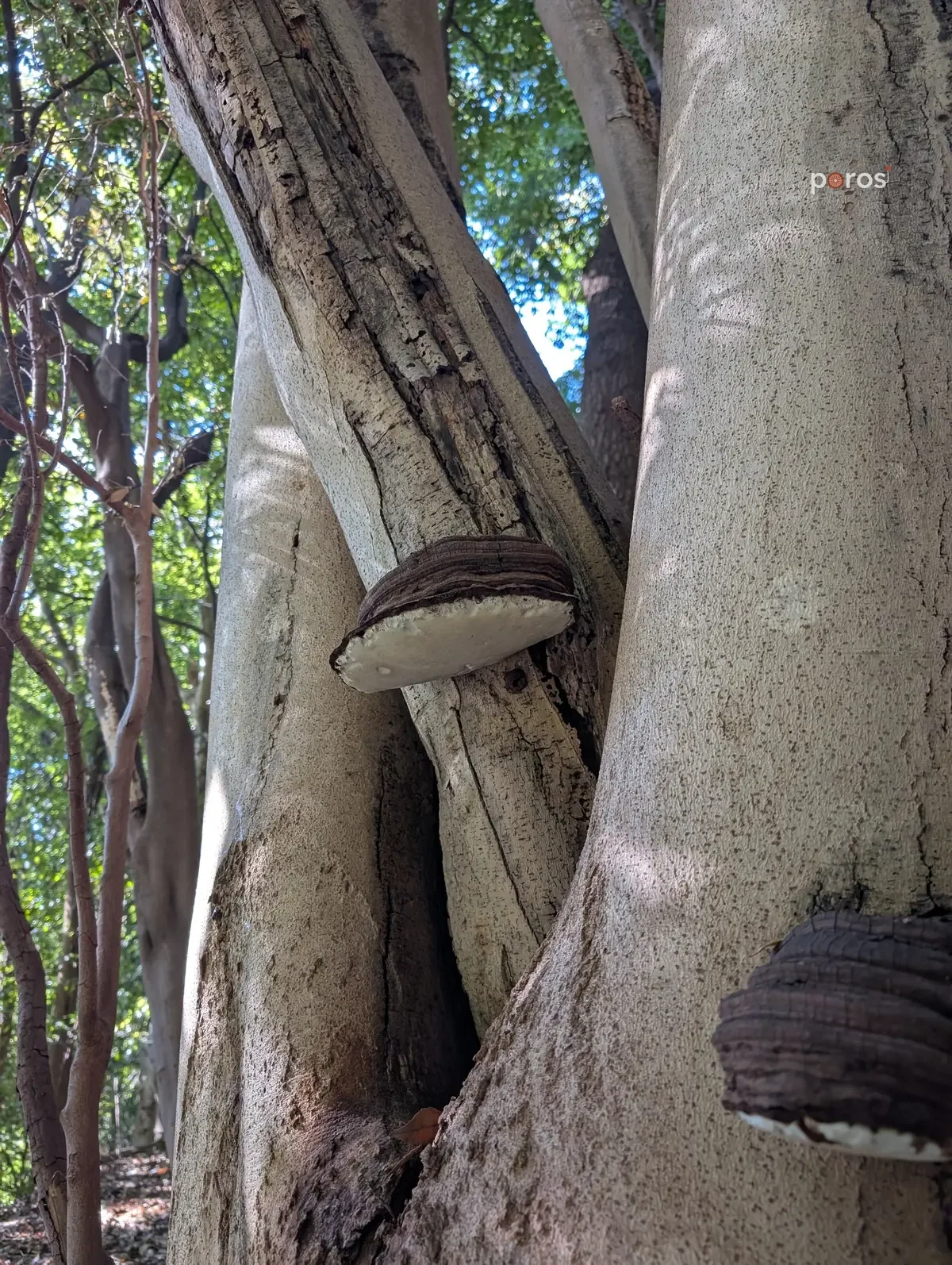
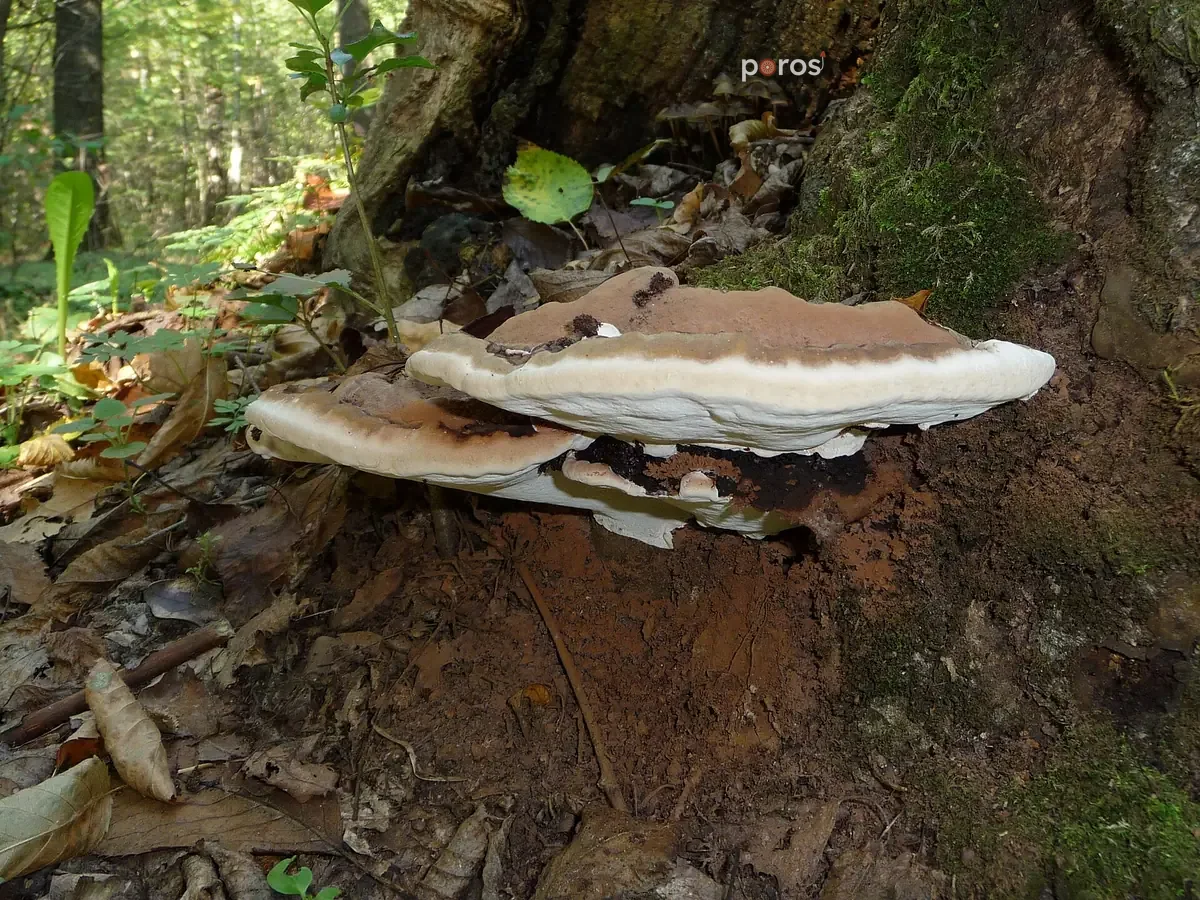
Artist’s bracket can be mistaken for the species below. Each card shows the look-alike and how it differs from Artist’s bracket.
 Inedible
not Artist’s bracket
Reishi Ganoderma lucidum
Reishi has a red-brown, lacquered-looking upper surface, often a side stem, and lasts a single year. The artist's bracket is dull grey-brown, stemless and perennial. Both are woody and are not eaten as food.
 Inedible
not Artist’s bracket
Southern bracket Ganoderma adspersum
Thicker, with a rounded margin; it lacks the fly galls on the underside. The two are not always easy to separate by eye.
 Inedible
not Artist’s bracket
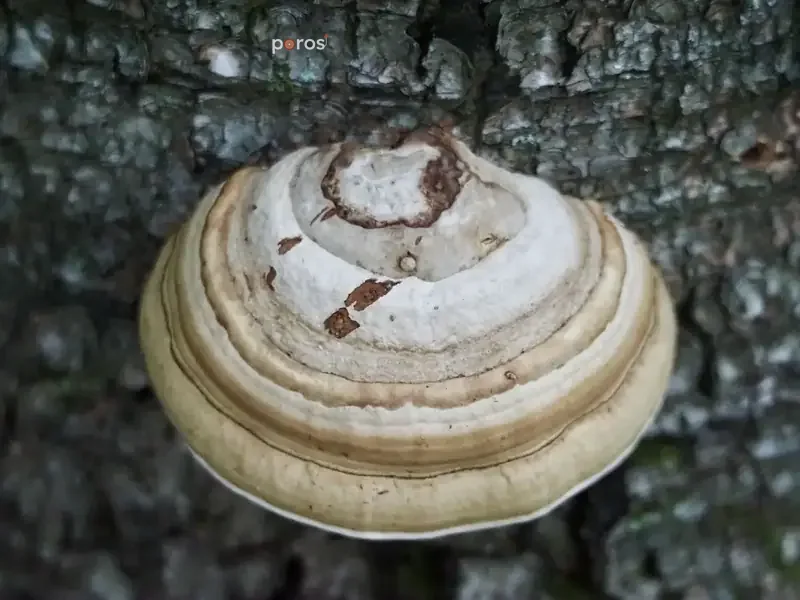
Tinder fungus Fomes fomentarius
The tinder fungus is hoof-shaped, thicker and greyer; it lacks the cocoa-coloured spore dust, and its underside does not show a sharp brown mark when scratched.
What it contains
No culinary value; it is woody and hard.
General information, not a health claim.
The artist's bracket is not known to be poisonous, but it is woody and hard and is not eaten. It is reported to be dried and used in traditional Asian practice; its compounds are being researched, but no effect on any disease has been proven. Finding it on a tree means the trunk is rotting; in parks and gardens, ask an arborist to check the tree's safety.
Grow it, buy it
Artist's bracket price list
| Product | Us | Market (sourced, dated) |
|---|---|---|
| Artist's bracket tea | Made to order · ask | — |
| Artist's bracket capsules (food supplement) | Made to order · ask | — |
We make our artist's brackets products in small batches, to order; send a request and we email you the price and delivery date. The market column shows prices seen on other sellers' pages on the date given; they are not our prices and may have changed.
Frequently asked questions
Is the artist's bracket edible?
No. It is not known to be poisonous, but it is woody and hard and is not eaten as food.
Is the artist's bracket a reishi?
It is in the same genus (Ganoderma) but a different species. Reishi (Ganoderma lucidum) is red-brown, lacquered and often stalked; the artist's bracket is dull grey-brown, stemless and perennial.
Does the artist's bracket have health benefits?
Traditional use in Asia is reported and its compounds are being researched, but no effect on any disease has been proven. We make no health claims for it.
Why is it called the artist's bracket?
Its white underside turns brown wherever it is scratched and the marks stay, so people draw and write on it.
What is the brown dust on top?
It is the fungus's own spores. Cocoa-brown spores released from the underside are carried up by air currents and settle on top and around it.
Does it harm the tree?
It causes white rot. On a living tree it can be a sign that the trunk is rotting inside; in parks and gardens an arborist should check the tree's safety.
Where is it found in Turkey?
Our map data has 8 records from Istanbul, Bolu, Manisa and Karabük, and it is also recorded in macrofungi surveys from Muğla, Kayseri and Ankara.
What is its Turkish name?
On iNaturalist its Turkish name is "yassı reişi mantarı"; the Yenice (Karabük) macrofungi survey calls it "terek reyşi".
When is artist's bracket season in Turkey?
In our calendar, artist's bracket season runs Mar, May, Jul–Oct. The artist's bracket is perennial: the fruit body stays on the tree all year and adds a new pore layer underneath each year. Turkish observations spread from March to October, most in September.
Where do artist's brackets grow?
On old trunks, stumps and fallen trees of broadleaf species such as beech, poplar, willow, oak and sweetgum; rarely on conifers. It causes white rot, acting as a weak parasite on living trees and a decomposer on dead wood.
Where are artist's brackets found in Turkey?
Our map data (GBIF and iNaturalist) holds 8 Turkish records: Istanbul 4, Bolu 2, and one each from Manisa and Karabük. It is also recorded on sweetgum in Köyceğiz, Muğla (Mantar Dergisi, 2019), on willow in the Koramaz valley, Kayseri (Türler ve Habitatlar, 2021), at Aluçdağı in Ankara and at Yenice in Karabük; the Yenice survey gives the Turkish name "Terek reyşi".
What can the artist's bracket be confused with?
The artist's bracket can be confused with reishi (Ganoderma lucidum, inedible), southern bracket (Ganoderma adspersum, inedible) and tinder fungus (Fomes fomentarius, inedible). Look-alikes are compared on this page.
What is the artist's bracket called in Turkish?
In Turkish, the artist's bracket (Ganoderma applanatum) is called Yassı reişi mantarı; other local names include terek reyşi.
Related species
-
Tinder fungusFomes fomentariusInedible
-
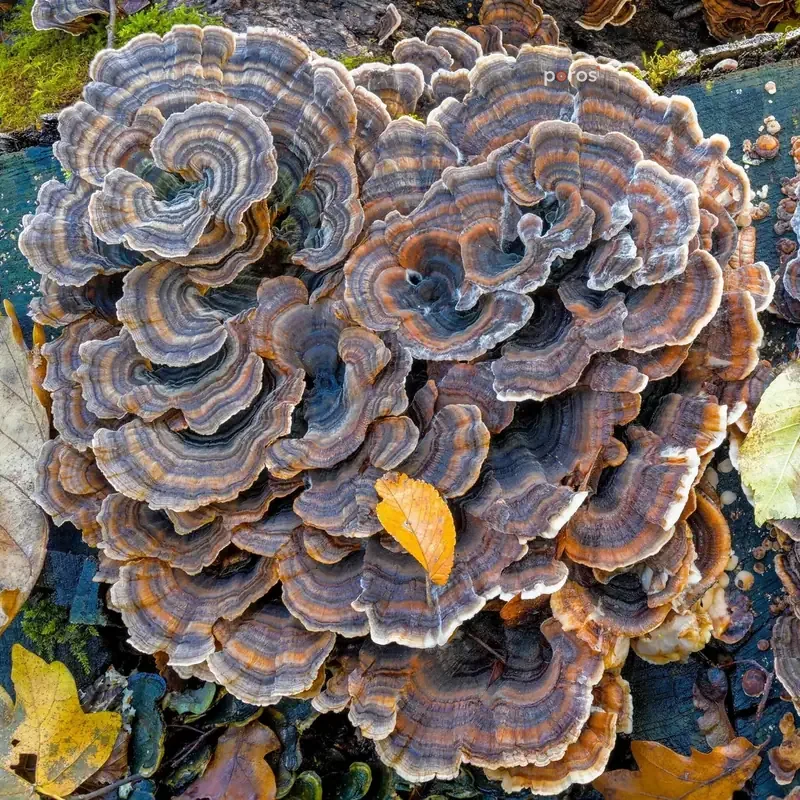 Turkey tailTrametes versicolorInedible
-
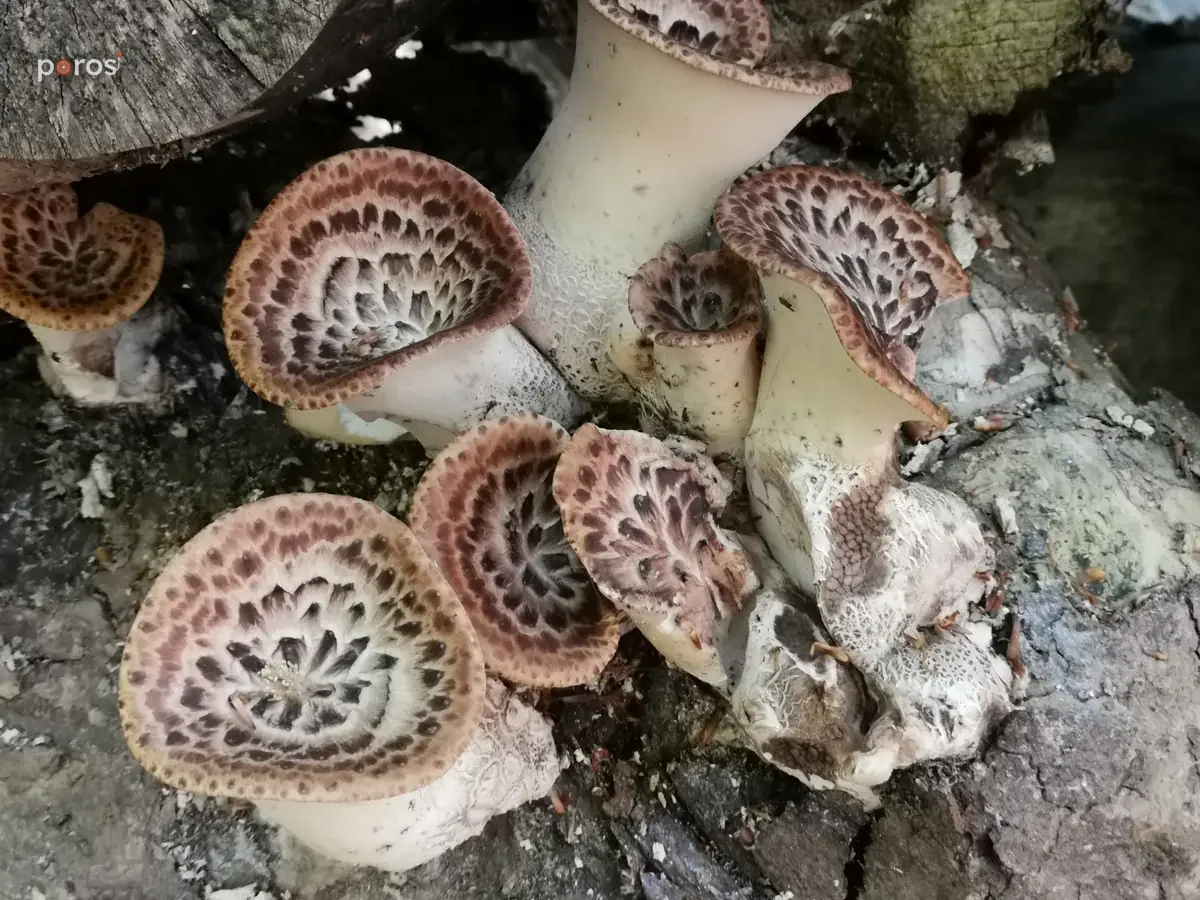 Dryad’s saddleCerioporus squamosusEdible species
-
ReishiGanoderma lucidumTraditional use
-
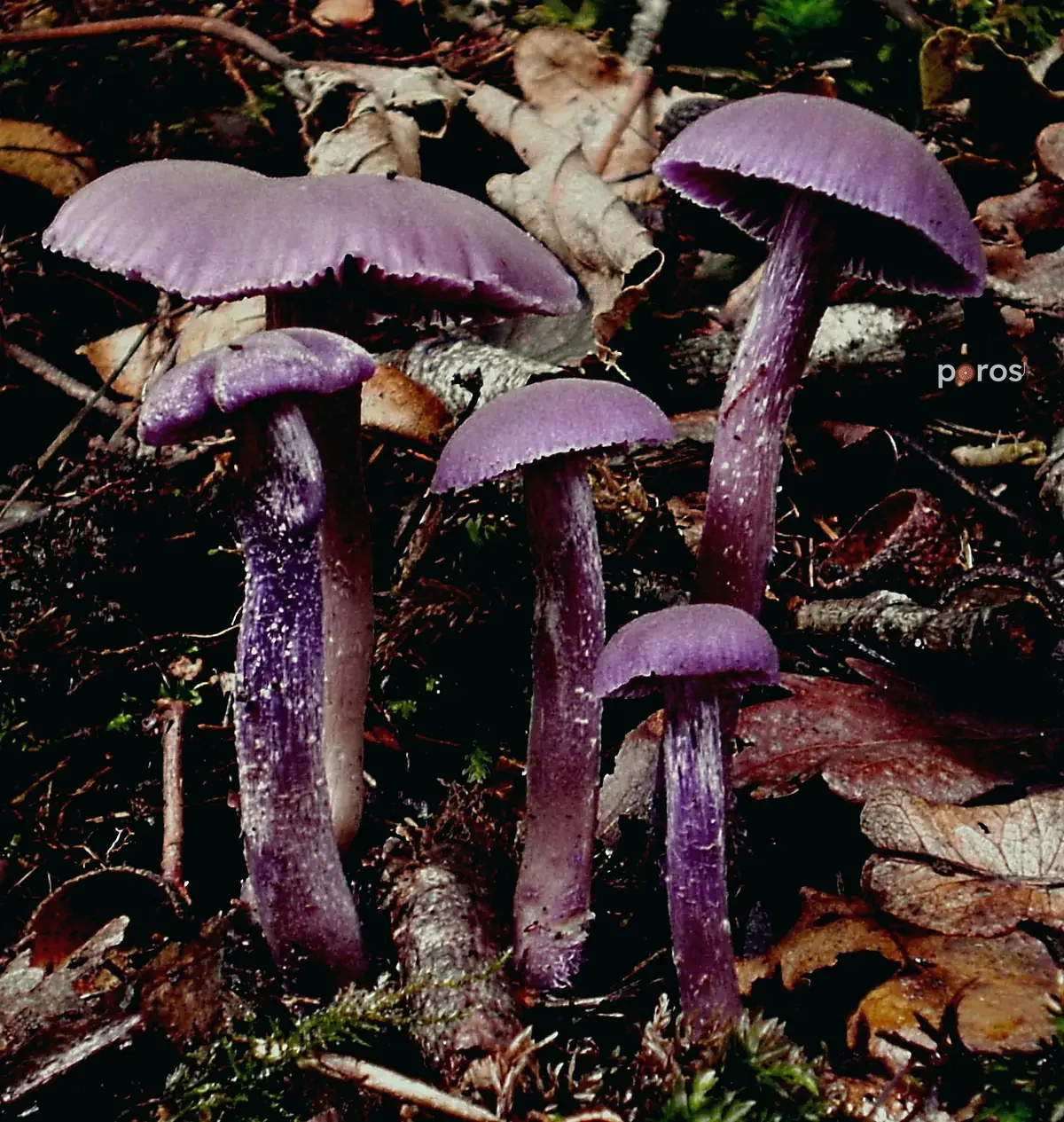 Amethyst deceiverLaccaria amethystinaInedible
-
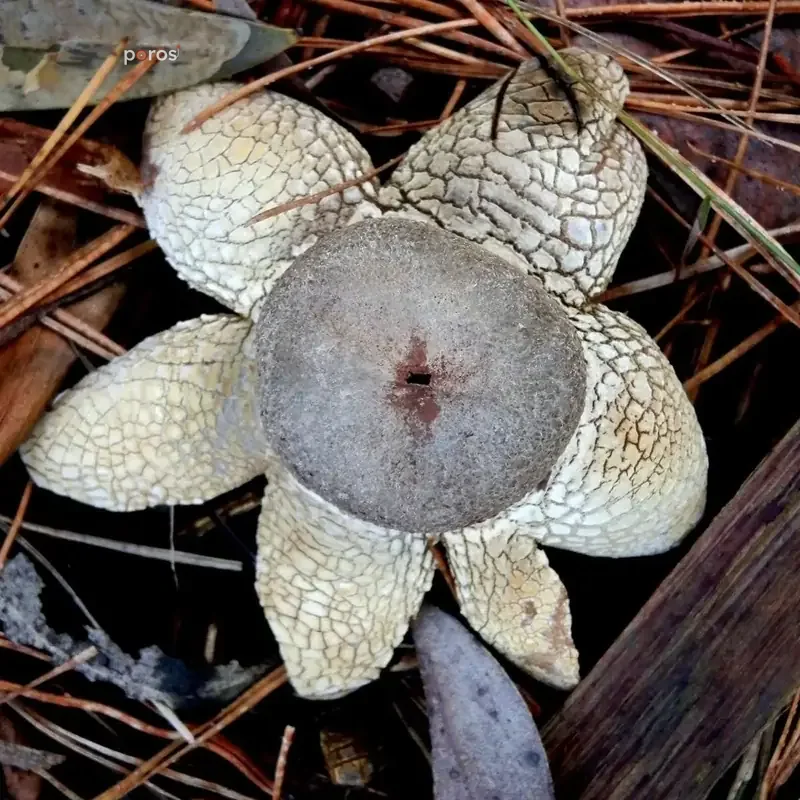 Barometer earthstarAstraeus hygrometricusInedible
-
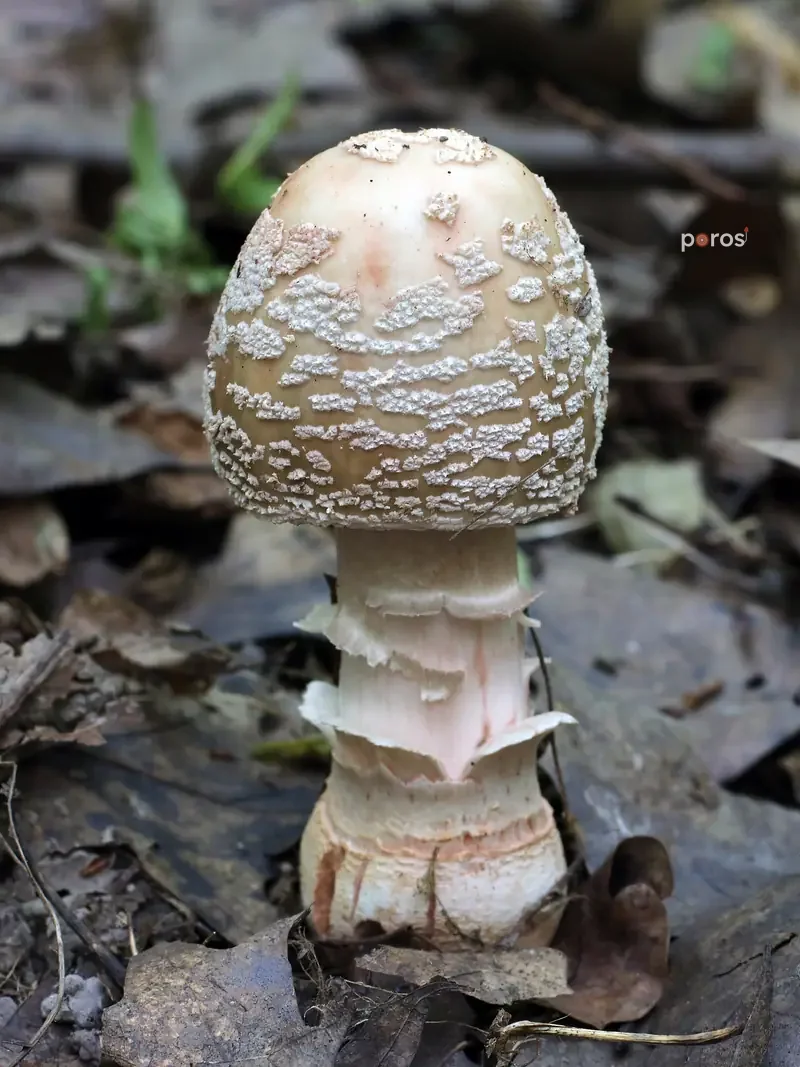 BlusherAmanita rubescensInedible
-
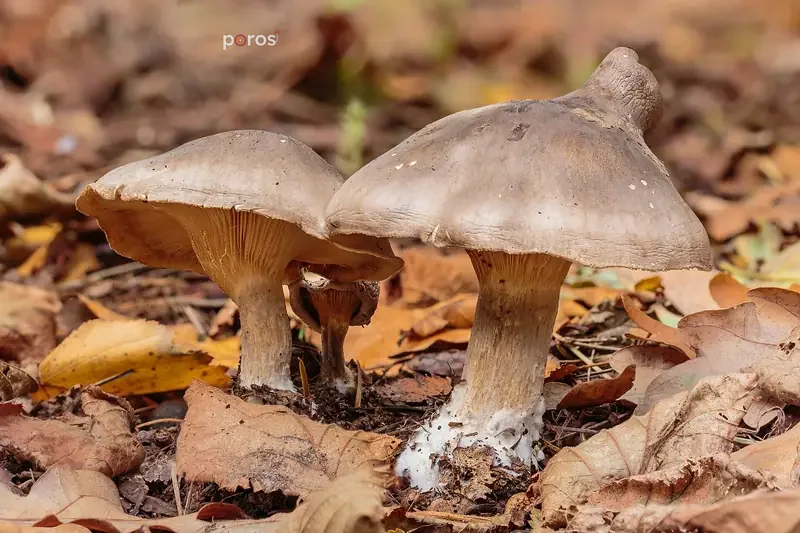 Clouded funnelClitocybe nebularisInedible
Sources
- Mantar Dergisi (2019) 10(2): Köyceğiz (Muğla) makromantarları dergipark.org.tr
- Türler ve Habitatlar (2021) 2(2): Koramaz Vadisi (Kayseri) ve Çevresinin Makrofungusları dergipark.org.tr
- Türler ve Habitatlar (2024) 5(2): Aluçdağı Tabiat Parkı (Çamlıdere, Ankara) makrofungusları dergipark.org.tr
All sources (9)
- Kaşık ve ark. (2022), KSÜ Tarım ve Doğa Dergisi 25(6): Yenice (Karabük) İlçesinin Makrofungusları ve Türkiye için Yeni Kayıtlar dergipark.org.tr
- Wikipedia (EN): Ganoderma applanatum en.wikipedia.org
- First Nature: Ganoderma applanatum, Artist's Fungus first-nature.com
- iNaturalist: Ganoderma applanatum (Türkiye gözlemleri) inaturalist.org
- GBIF: Türkiye kayıtları gbif.org
- MushroomExpert: Ganoderma applanatum mushroomexpert.com
Photo credits (8)
- File:Ganoderma applanatum 100912285.jpg · Michel Langeveld · CC BY-SA 4.0
- Ganoderma applanatum · iNaturalist #252312580 · eth · CC0
- Ganoderma applanatum · iNaturalist #259591802 · Teodoro Chivatá Bedoya · CC BY 4.0
- Ganoderma applanatum · iNaturalist #32037929 · Jason Youth · CC0
- Ganoderma applanatum · iNaturalist #259591802 · Teodoro Chivatá Bedoya · CC BY 4.0
- Ganoderma applanatum · iNaturalist #326762854 · Atsushi Nakajima · CC BY 4.0
- Ganoderma applanatum · iNaturalist #326762854 · Atsushi Nakajima · CC BY 4.0
- File:Ganoderma applanatum 2010 G1.jpg · George Chernilevsky · Public domain

