
Summer cep (summer bolete, summer porcini)
Boletus reticulatus · Boletaceae

The summer cep (Boletus reticulatus) is a cep recognised by its pale hazel-brown, dry, often finely cracked cap and a stem netted all the way down. It is the earliest of the ceps, fruiting in summer. Its flesh stays white and does not turn blue when cut; it is very prone to maggots.
Also called: summer bolete, summer porcini Turkish: Yaz çörek mantarı Synonyms: Boletus aestivalis
Last updated: Prepared by the Poros Mantar editorial team3 sources checkedReport a correction
Summer cep photos
-
© Yaroslav Andrianov · CC BY 4.0
-

© Mykola Borysenko · CC BY 4.0
-

© George Chernilevsky · CC BY 4.0
-

© czech_mushrooms · CC0
-

Pores© Carminda Santos · CC BY 4.0
-

Pores© Anatoliy Ananin · CC BY 4.0
-

Cross-section© Dimitǎr Boevski · CC BY 4.0
-

Cap© szegedigombasz · CC0
-

Stem© George Chernilevsky · Public domain
-

© Davide Puddu · CC BY 4.0
-

Pores© Sheelagh Halsey · CC BY 4.0


These are licensed records of this species; photos alone are not enough to identify a mushroom.
Is the summer cep poisonous?
The summer cep is not listed as poisonous in our sources. The summer cep is edible when well cooked. The real risk is confusing it with devil's bolete (Rubroboletus satanas), so never eat a wild one without certain identification. If poisoning is suspected, call 112 at once (Turkish poison centre: 114) and keep any leftover mushroom.
Is the summer cep edible?
The summer cep is listed as edible in our sources; even so, never eat a wild one without certain identification: it has poisonous look-alikes, such as devil's bolete (Rubroboletus satanas). Do not eat it without an expert's approval. The summer cep is edible when well cooked. It is very prone to maggots, so cut the stem and check inside when picking. Set aside boletes with red pores, bluing flesh or a bitter taste. Do not eat a wild one an expert has not checked.
How to recognise it
Appearance of summer cep
No ring or volva Spore print: Olive-brown Pleasant and mushroomy.
Where does summer cep grow?
It grows in broadleaf woods, especially under oak, beech, chestnut and lime, and in parks and woodland edges.
Where is summer cep found in Turkey?
Our map data holds 8 Turkish GBIF records (two from Istanbul and one each from Artvin and Bursa) and 7 research-grade iNaturalist observations. Worldwide it ranges through most of Europe, North Africa and western Asia.
Which months
- Jan0
- Feb0
- Mar0
- Apr0
- May1
- Jun1
- Jul1
- Aug1
- Sep0
- Oct0
- Nov0
- Dec0
3 provinces, 4 observations (GBIF, iNaturalist); months from observation dates. Record density also reflects where observers work.
Latest summer cep observations
-
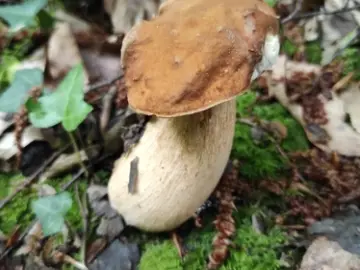 İstanbul5 May 2024 · iNaturalist© Umut Nuri Erdoğan · CC BY
-
 Illustrative
Artvin5 Aug 2024 · iNaturalist
-
 Illustrative
Bursa22 Jul 2023 · iNaturalist
-
 Illustrative
İstanbul8 Jun 2023 · iNaturalist
- See on the map
On "illustrative" cards the image is a photo of the species; the observation photo cannot be shown here because of its licence, but can be seen at the source.
Look-alikes
What could it be confused with?
Summer cep can be mistaken for the species below. Each comparison shows Summer cep on the left, the look-alike on the right, and how to tell them apart.
Take care when foraging: Poisonous look-alikes of Summer cep come first. If in doubt, leave it.

Devil's bolete Rubroboletus satanas
How to tell Its cap is chalky white to grey-olive, its pores and stem net red; its flesh turns blue. It is poisonous.
Other look-alikes (2)
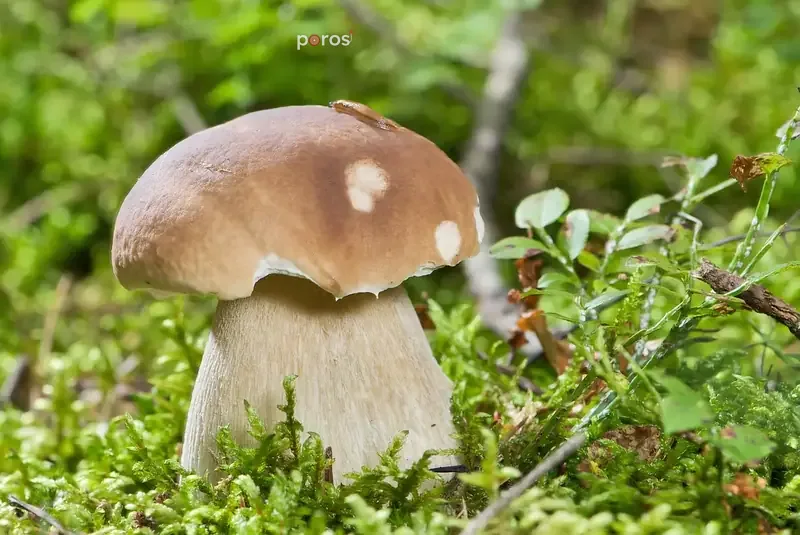 Edible species
not Summer cep
Porcini Boletus edulis
Its cap is often greasy-shiny with a white rim, the net on its stem covers only the upper part, and it fruits later in cooler weather.
 Inedible
not Summer cep
Bitter bolete Tylopilus felleus
Its pores turn pink with age, the net on its stem is dark brown and it tastes very bitter; it is not eaten.
Summer cep and its look-alikes compared
| Species | Status | Underside | Spore print | Season |
|---|---|---|---|---|
| Summer cepBoletus reticulatus | Edible species | Pores white when young, then yellow to olive-green | Olive-brown | May–Sep |
| PorciniBoletus edulis | Edible species | No gills: tubes with small round pores, white and "stuffed" when young, then yellow, finally olive-green | Olive brown | Jun–Nov |
| Bitter boleteTylopilus felleus | Inedible | Pores whitish when young, pink to pinkish brown with age | Pinkish brown | Jul–Oct |
| Devil’s boleteRubroboletus satanas | Poisonous | Pores yellow when young, then blood-red to orange-red | Olive-brown | Jul–Oct |
The table is compiled from each species page. The status column is a guide only; do not eat a wild mushroom unless an expert has seen it in person. Compare look-alikes side by side
How to cook and eat summer cep
Safety first. The summer cep is edible when well cooked. It is very prone to maggots, so cut the stem and check inside when picking. Set aside boletes with red pores, bluing flesh or a bitter taste. Do not eat a wild one an expert has not checked. If poisoning is suspected, call 112 (Turkey poison centre: 114) and keep any leftover mushroom.
How to store summer cep
Grow it, buy it
Summer cep price list
| Product | Poros Mantar | Market |
|---|---|---|
| Fresh summer cep | Made to order · ask | — |
| Dried summer cep | Made to order · ask | — |
We make our summer cep products in small batches, to order; send a request and we email you the price and delivery date. The market column shows prices seen on other sellers' pages on the date given; they are not our prices and may have changed.
Frequently asked questions
Is the summer cep poisonous?
The summer cep is not listed as poisonous in our sources. The summer cep is edible when well cooked. The real risk is confusing it with devil's bolete (Rubroboletus satanas), so never eat a wild one without certain identification. If poisoning is suspected, call 112 at once (Turkish poison centre: 114) and keep any leftover mushroom.
Is the summer cep edible?
The summer cep is listed as edible in our sources; even so, never eat a wild one without certain identification: it has poisonous look-alikes, such as devil's bolete (Rubroboletus satanas). Do not eat it without an expert's approval. The summer cep is edible when well cooked. It is very prone to maggots, so cut the stem and check inside when picking. Set aside boletes with red pores, bluing flesh or a bitter taste. Do not eat a wild one an expert has not checked.
How do you tell it from the porcini?
Its cap is matt, velvety and often cracked, and the net runs the full length of its stem. The porcini's cap is shinier and its net covers only the upper stem.
When does it fruit?
It is the earliest cep, from late May to September after summer rain.
Where has it been recorded in Turkey?
GBIF holds 8 records, including ones from Istanbul, Artvin and Bursa, and iNaturalist has 7 research-grade observations.
Why does it get maggoty so quickly?
Because it fruits in hot summer months, fly larvae move in quickly. Pick young, firm specimens and cut the stem to check inside.
How do you tell it from the bitter bolete?
The bitter bolete's pores turn pink with age and its stem net is dark brown; a tiny piece touched to the tongue and spat out tastes very bitter.
Can it be cultivated?
No. It lives in partnership with tree roots and cannot be cultivated.
When is summer cep season in Turkey?
In our calendar, summer cep season runs May–Sep. It is the earliest of the ceps, fruiting from late May to September after summer rain.
Where does summer cep grow?
It grows in broadleaf woods, especially under oak, beech, chestnut and lime, and in parks and woodland edges.
Where is summer cep found in Turkey?
Our map data holds 8 Turkish GBIF records (two from Istanbul and one each from Artvin and Bursa) and 7 research-grade iNaturalist observations. Worldwide it ranges through most of Europe, North Africa and western Asia.
What can summer cep be confused with?
Summer cep can be confused with porcini (Boletus edulis, edible species), bitter bolete (Tylopilus felleus, inedible) and Devil's bolete (Rubroboletus satanas, poisonous). Look-alikes are compared on this page.
What is summer cep called in Turkish?
In Turkish, summer cep (Boletus reticulatus) is called Yaz çörek mantarı.
Related species
-
 Bay boleteImleria badiaEdible species
-
 Bronze boleteBoletus aereusEdible species
-
 Brown birch boleteLeccinum scabrumEdible species
-
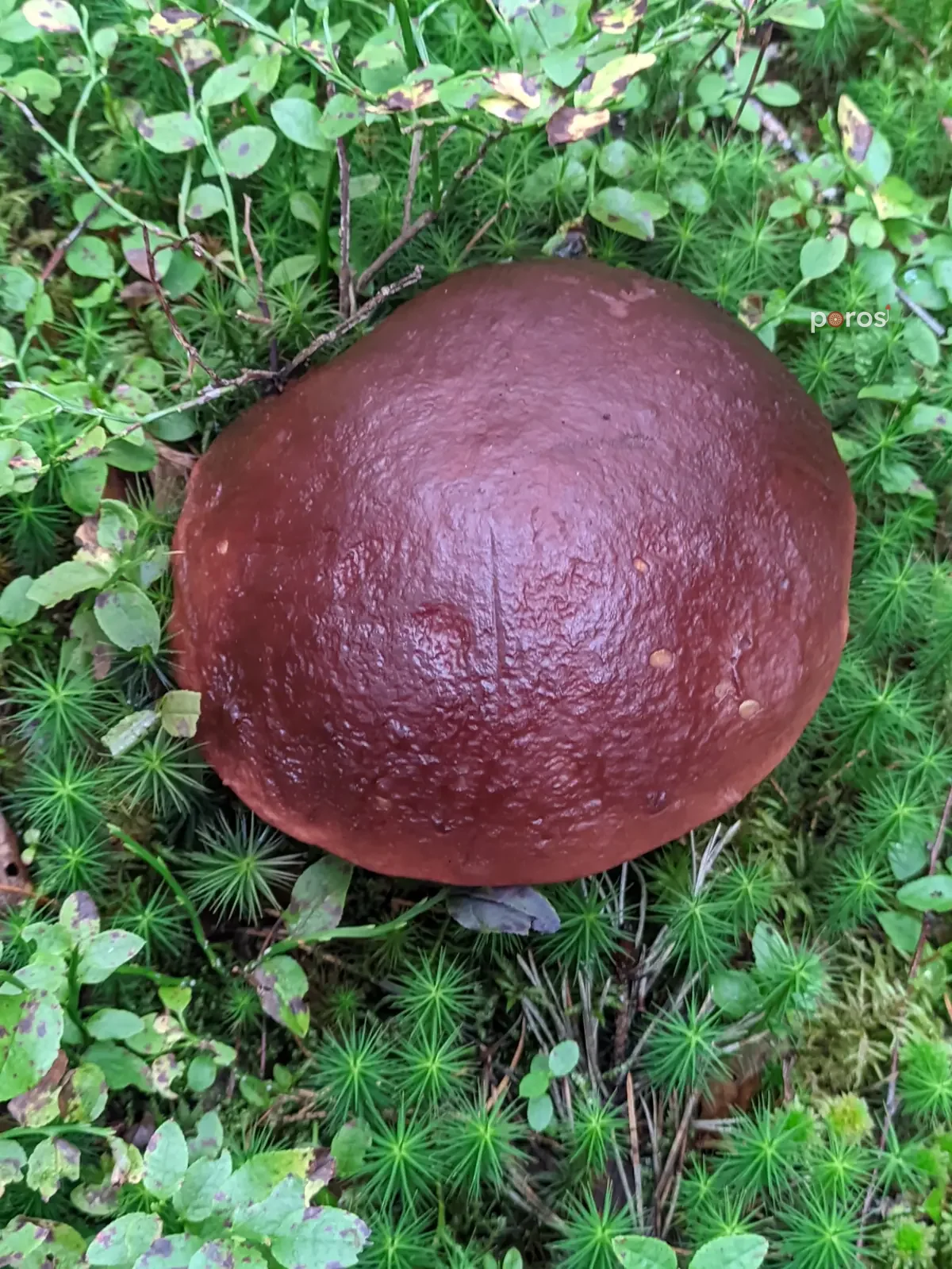 Pine boleteBoletus pinophilusEdible species
-
PorciniBoletus edulisEdible species
-
 Red-capped scaber stalkLeccinum aurantiacumEdible species
-
 Suede boleteXerocomus subtomentosusEdible species
-
Bitter boleteTylopilus felleusInedible
Sources
- Wikipedia (EN): Boletus reticulatus en.wikipedia.org
- iNaturalist: Boletus reticulatus (Türkçe ad ve Türkiye gözlemleri) inaturalist.org
- GBIF: Türkiye kayıtları gbif.org
Photo credits (12)
- Boletus reticulatus · iNaturalist #103109317 · Yaroslav Andrianov · CC BY 4.0
- Boletus reticulatus · iNaturalist #223729528 · Mykola Borysenko · CC BY 4.0
- File:Boletus reticulatus 2026 G02.jpg · George Chernilevsky · CC BY 4.0
- File:Boletus reticulatus modified.jpg · czech_mushrooms · CC0
- Boletus reticulatus · iNaturalist #186695349 · Carminda Santos · CC BY 4.0
- Boletus reticulatus · iNaturalist #227543739 · Anatoliy Ananin · CC BY 4.0
- Boletus reticulatus · iNaturalist #216337967 · Dimitǎr Boevski · CC BY 4.0
- Boletus reticulatus · iNaturalist #122501913 · szegedigombasz · CC0
- File:Boletus reticulatus 2016 G1.jpg · George Chernilevsky · Public domain
- Boletus reticulatus · iNaturalist #141307997 · Davide Puddu · CC BY 4.0
- Boletus reticulatus · iNaturalist #316797528 · Sheelagh Halsey · CC BY 4.0
- iNaturalist: İstanbul, 5 May 2024 · Umut Nuri Erdoğan · CC BY


