


Devil’s bolete
Rubroboletus satanas · Boletaceae
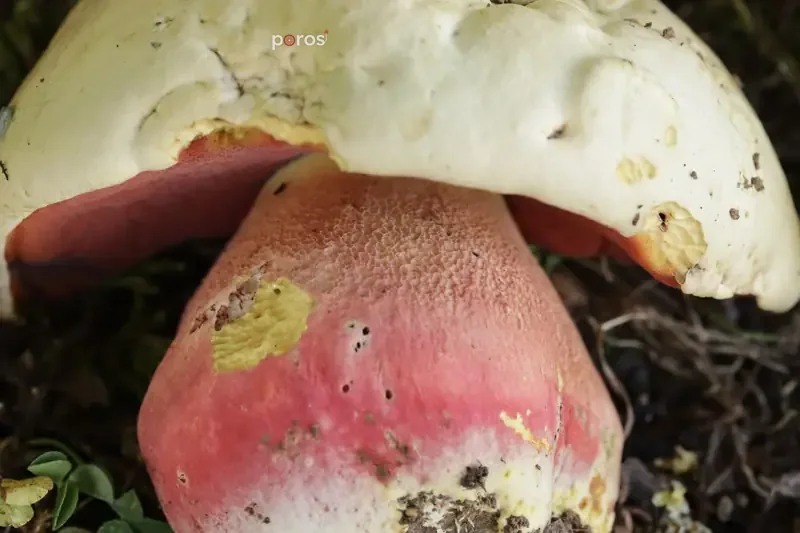
A large bolete with a chalky white to dirty grey cap, red pores underneath and a swollen stem covered in a red net.
Last updated: Prepared by the Poros Mantar editorial team5 sources checkedReport a correction
POISONOUS — do not eat.
Boletes with red pores that turn blue when cut are not picked. Symptoms of devil's bolete poisoning usually start within 1–6 hours with vomiting, stomach cramps and diarrhoea.
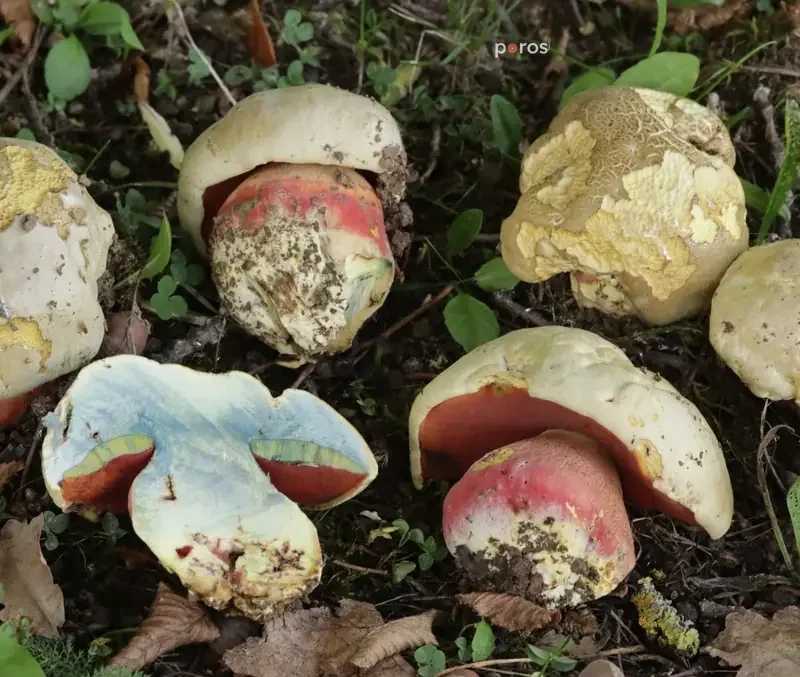
A large bolete with a chalky white to dirty grey cap, red pores underneath and a swollen stem covered in a red net. The flesh turns blue when cut. It is poisonous, causing violent vomiting and diarrhoea.
Also called: Satan's bolete, Satan's mushroom Turkish: Şeytan mantarı, şeytan çöreği, zehirli çörek mantarı Synonyms: Boletus satanas
How to recognise it
Devil’s bolete, part by part
No ring or volva Spore print: Olive-brown Mild when young, rank and unpleasant when old; the cut flesh turns pale blue.


When and where
Jul–Oct
- Jan
- Feb
- Mar
- Apr
- May
- Jun
- Julin season
- Augin season
- Sepin season
- Octin season
- Nov
- Dec
The devil's bolete fruits from late summer to mid-autumn; Turkish records date from September and October.
Where do devil's boletes grow?
The devil's bolete grows on warm, chalky soil under oak, sweet chestnut and beech, forming a mycorrhizal partnership with the trees.
Where is devil's boletes found in Turkey?
The devil's bolete has GBIF records in Turkey from İstanbul and Tunceli, plus research-grade observations on iNaturalist.
- Tunceli1
- İstanbul1
Which months
- Jan0
- Feb0
- Mar0
- Apr0
- May0
- Jun0
- Jul0
- Aug0
- Sep1
- Oct1
- Nov0
- Dec0
2 provinces, 2 observations (GBIF, iNaturalist); months from observation dates. Record density also reflects where observers work.
Latest devil's bolete observations
-
 Illustrative
Tunceli22 Sep 2019 · iNaturalist
-
 Illustrative
İstanbul30 Oct 2016 · iNaturalist
- See on the map
On "illustrative" cards the image is a photo of the species; the observation photo cannot be shown here because of its licence, but can be seen at the source.
Look-alikes
What is it mistaken for?
Devil’s bolete can be mistaken for the species below. Each card shows the look-alike and how it differs from Devil’s bolete.
 Edible species
not Devil’s bolete
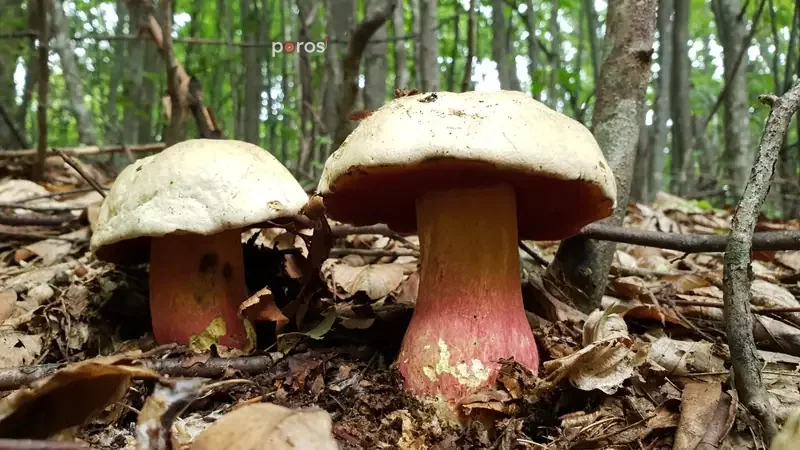
Porcini Boletus edulis
Its pores go from white to yellow-green and are never red; the net on its stem is white and the flesh does not turn blue.
 Poisonous
not Devil’s bolete
Lurid bolete Suillellus luridus
Olive-brown cap, red net on the stem and flesh that quickly turns dark blue; poisonous raw.
 Poisonous
not Devil’s bolete
Rhodoxanthus bolete Rubroboletus rhodoxanthus
Pinkish-tinged cap with red pores and a red net; also treated as poisonous.
 Inedible
not Devil’s bolete
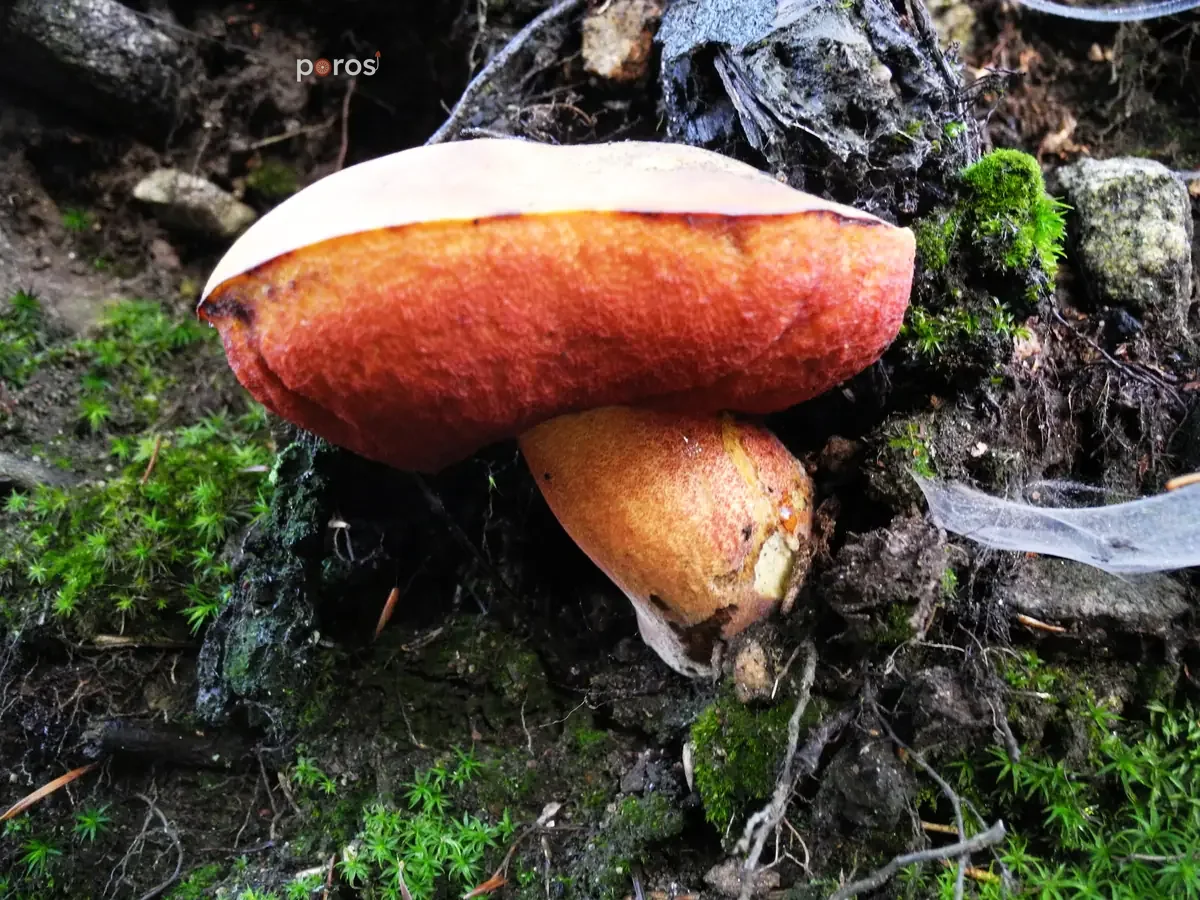
Scarletina bolete Neoboletus erythropus
The scarletina bolete has a dark brown, velvety cap and red dots rather than a net on its stem; it grows on acidic soil, often under conifers.
Toxins
The devil's bolete's toxin is a protein called bolesatine, which causes severe gastrointestinal poisoning. Source
Frequently asked questions
Is the devil's bolete poisonous?
Yes. The devil's bolete is poisonous, causing violent vomiting, stomach cramps and diarrhoea, and cooking does not remove the risk.
How do you tell it from porcini?
The devil's bolete has red pores, a red net on its stem and flesh that turns blue when cut. Porcini (Boletus edulis) has white to yellow-green pores, a white net and flesh that does not change colour.
Does the devil's bolete grow in Turkey?
Yes. GBIF has records from İstanbul and Tunceli, and there are research-grade observations from Turkey on iNaturalist.
Where does the devil's bolete grow?
On warm, chalky soil under oak, sweet chestnut and beech.
When does it appear?
From July to October; Turkish records date from September and October.
Is a mushroom that turns blue when cut poisonous?
Blueing alone does not mean a mushroom is poisonous, since some edible boletes also blue. But boletes with red pores that turn blue, including the devil's bolete, are not picked.
Is Satan's bolete the same as the devil's bolete?
Yes. Satan's bolete and devil's bolete both mean Rubroboletus satanas, a poisonous bolete with a pale cap, red pores and a red-netted stem.
Are devil's boletes poisonous?
Yes, the devil's bolete is poisonous and must not be eaten. Boletes with red pores that turn blue when cut are not picked. Symptoms of devil's bolete poisoning usually start within 1–6 hours with vomiting, stomach cramps and diarrhoea.
When is devil's bolete season in Turkey?
In our calendar, devil's bolete season runs Jul–Oct. The devil's bolete fruits from late summer to mid-autumn; Turkish records date from September and October.
Where do devil's boletes grow?
The devil's bolete grows on warm, chalky soil under oak, sweet chestnut and beech, forming a mycorrhizal partnership with the trees.
Where are devil's boletes found in Turkey?
The devil's bolete has GBIF records in Turkey from İstanbul and Tunceli, plus research-grade observations on iNaturalist.
What can the devil's bolete be confused with?
The devil's bolete can be confused with porcini (Boletus edulis, edible species), lurid bolete (Suillellus luridus, poisonous), rhodoxanthus bolete (Rubroboletus rhodoxanthus, poisonous) and scarletina bolete (Neoboletus erythropus, inedible). Look-alikes are compared on this page.
What is the devil's bolete called in Turkish?
In Turkish, the devil's bolete (Rubroboletus satanas) is called Şeytan mantarı; other local names include şeytan çöreği and zehirli çörek mantarı.
Related species
-
PorciniBoletus edulisEdible species
-
Scarletina boleteNeoboletus erythropusInedible
-
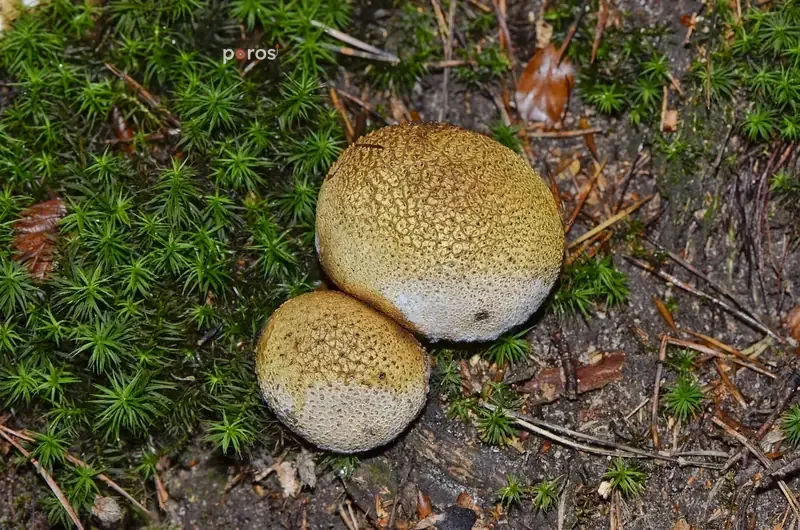 Common earthballScleroderma citrinumPoisonous
-
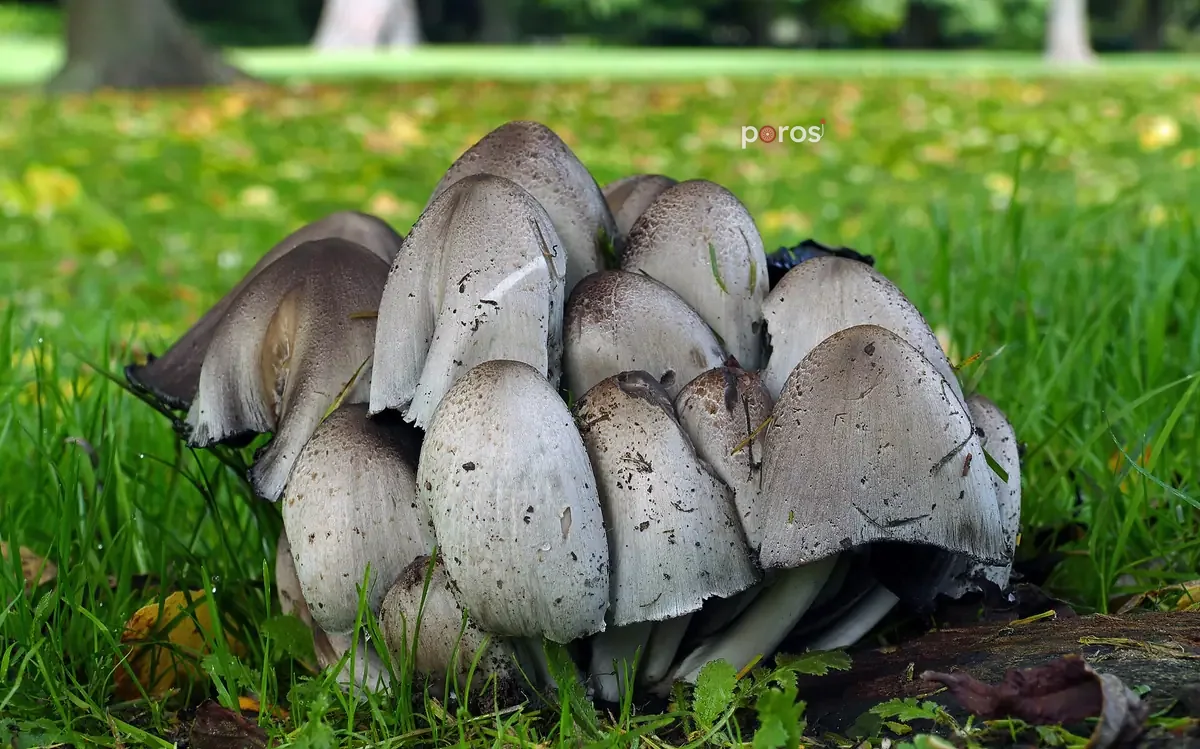 Common ink capCoprinopsis atramentariaPoisonous
-
 Fly agaricAmanita muscariaPoisonous
-
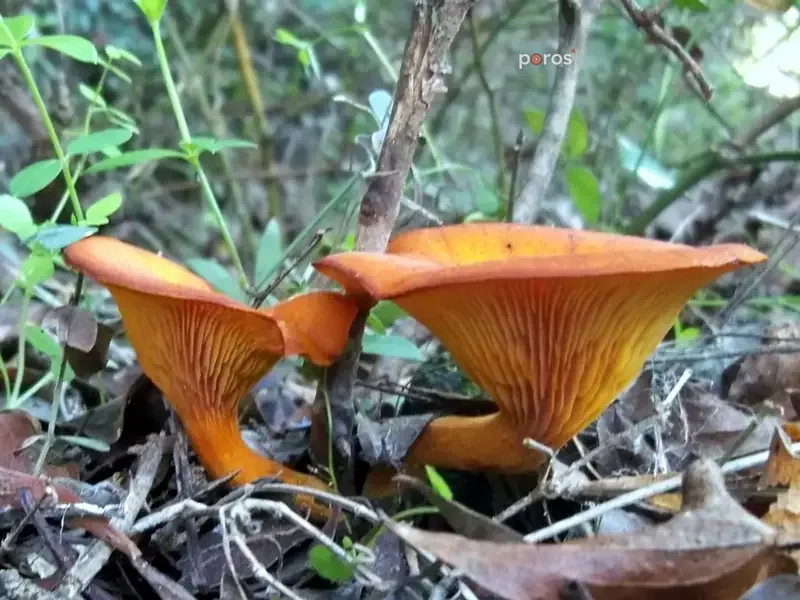 Jack-o’-lantern mushroomOmphalotus oleariusPoisonous
-
 Livid pinkgillEntoloma sinuatumPoisonous
-
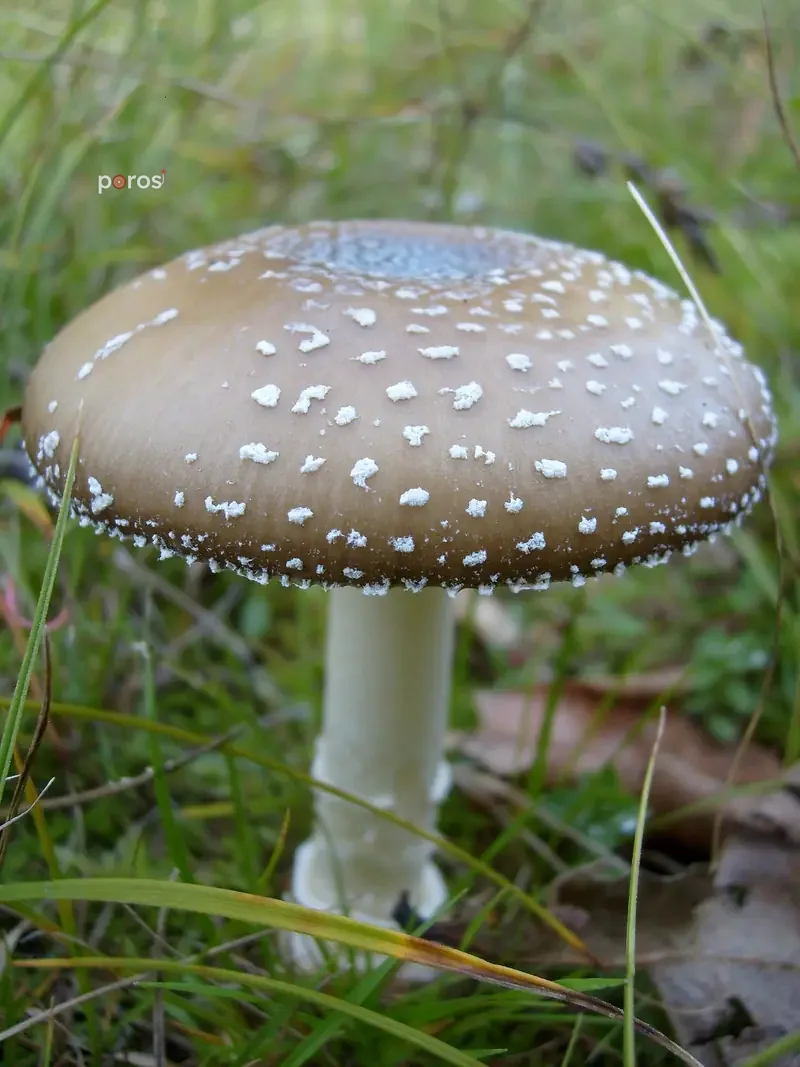 Panther capAmanita pantherinaPoisonous
Sources
- Kretz ve ark. (1991), Toxicology: Boletus satanas'tan bolesatin toksik proteini pubmed.ncbi.nlm.nih.gov
- Wikipedia (EN): Rubroboletus satanas en.wikipedia.org
- First Nature: Rubroboletus satanas first-nature.com
All sources (5)
- GBIF: Türkiye kayıtları gbif.org
- iNaturalist: Türkiye gözlemleri inaturalist.org
Photo credits (8)
- File:Rubroboletus satanas 24.jpg · bjoerns · CC BY-SA 4.0
- File:Rubroboletus satanas 26.jpg · bjoerns · CC BY-SA 4.0
- Rubroboletus satanas · iNaturalist #233503727 · Fyodor Pudovikov · CC BY 4.0
- File:Rubroboletus satanas 25.jpg · bjoerns · CC BY-SA 4.0
- Rubroboletus satanas · iNaturalist #233503727 · Fyodor Pudovikov · CC BY 4.0
- Rubroboletus satanas · iNaturalist #402133171 · Björn Sothmann · CC BY-SA 4.0
- Rubroboletus satanas · iNaturalist #191268109 · Алена Ручка · CC BY 4.0
- File:Rubroboletus satanas 23.jpg · salazar95 · CC BY 4.0


