
Pine bolete (pinewood king bolete, pine cep)
Boletus pinophilus · Boletaceae
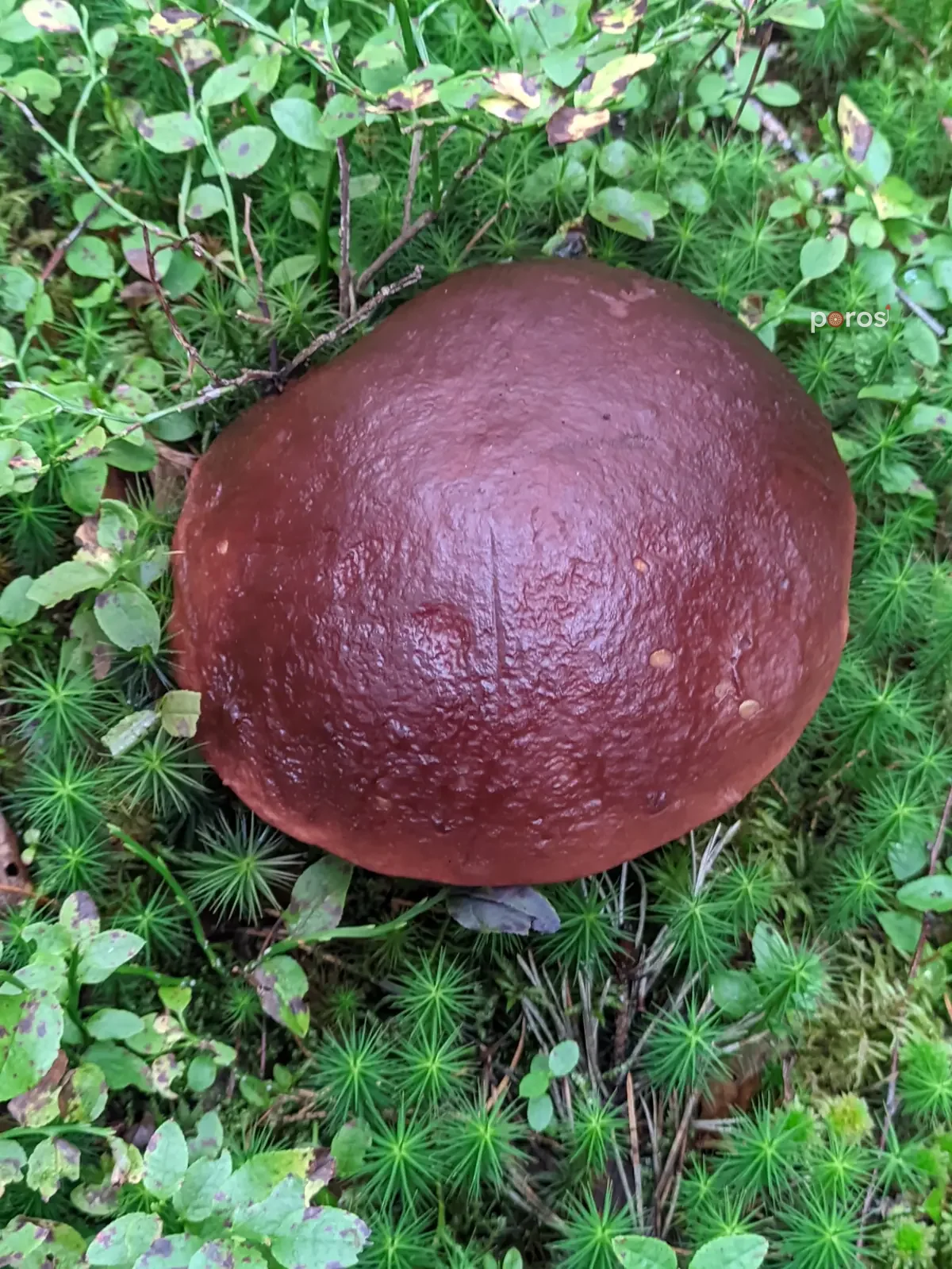
The pine bolete (Boletus pinophilus) is a cep with a wine-red to reddish-brown cap and a stout, brownish stem. As its name says, it grows mainly under pine, sometimes spruce and fir. Its flesh stays white and does not turn blue when cut, and it is as highly valued as the porcini.
Also called: pinewood king bolete, pine cep Turkish: Çam çörek mantarı Synonyms: Boletus pinicola
Last updated: Prepared by the Poros Mantar editorial team3 sources checkedReport a correction
Pine bolete photos
-
Cap© Марина Давлетшина · CC BY 4.0
-

Pores© Марина Давлетшина · CC BY 4.0
-

Stem© Марина Давлетшина · CC BY 4.0
-

© egor_dyukarev · CC BY 4.0
-
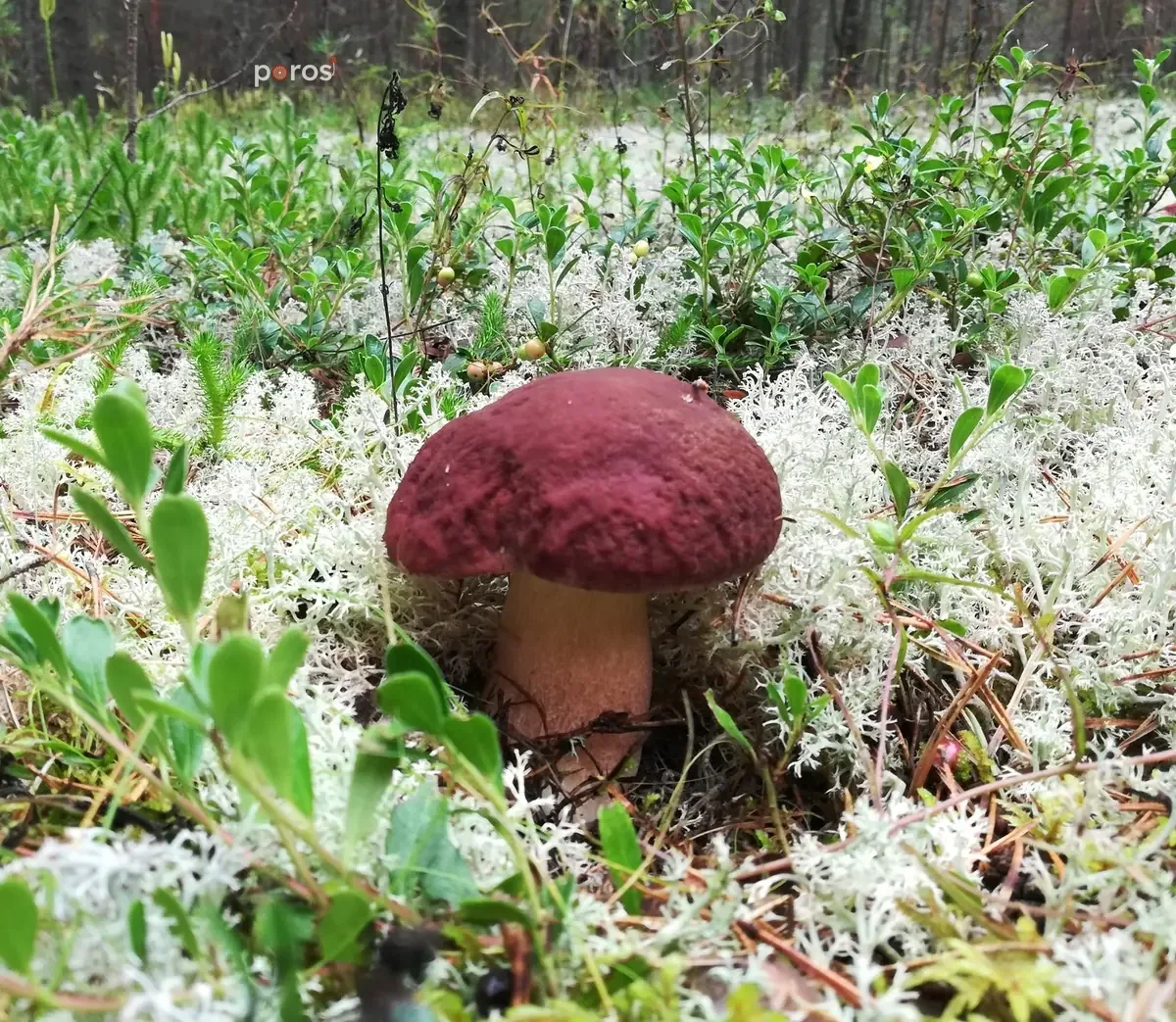
In habitat© nataliaaa68 · CC BY 4.0
-

© czech_mushrooms · CC0
-

© Paula Nimigean · CC BY 4.0
-

© dmitry_kulakov · CC BY 4.0
-

Stem© Aorg1961 · CC BY-SA 4.0
-

© Mariia Goncharskaia · CC BY-SA 4.0
-

Pores© zebedeugalinha · CC BY 4.0


These are licensed records of this species; photos alone are not enough to identify a mushroom.
Are pine boletes poisonous?
Pine boletes are not listed as poisonous in our sources. The pine bolete is edible when well cooked. Even so, never eat wild ones without certain identification.
Are pine boletes edible?
Pine boletes are listed as edible in our sources; even so, never eat wild ones without certain identification. Do not eat them without an expert's approval. The pine bolete is edible when well cooked. Set aside boletes with red pores, bluing flesh or a bitter taste. Do not eat a wild one an expert has not checked.
How to recognise it
Appearance of pine boletes
No ring or volva Spore print: Olive-brown Pleasant and mushroomy.
Where do pine boletes grow?
It grows in conifer forests, especially under Scots pine and other pines, on sandy, acidic soil, often in mountains.
Where is pine boletes found in Turkey?
It is rarely recorded in Turkey: GBIF holds one record from Bursa and iNaturalist has 3 research-grade observations. Worldwide it ranges through Europe and western Asia, including Anatolia; in North America and the southern hemisphere it turns up only in planted pine forests.
Which months
- Jan0
- Feb0
- Mar0
- Apr0
- May0
- Jun0
- Jul1
- Aug0
- Sep0
- Oct0
- Nov0
- Dec0
1 provinces, 1 observations (GBIF, iNaturalist); months from observation dates. Record density also reflects where observers work.
Latest pine bolete observations
 Illustrative
On "illustrative" cards the image is a photo of the species; the observation photo cannot be shown here because of its licence, but can be seen at the source.
Look-alikes
What could it be confused with?
Pine bolete can be mistaken for the species below. Each comparison shows Pine bolete on the left, the look-alike on the right, and how to tell them apart.
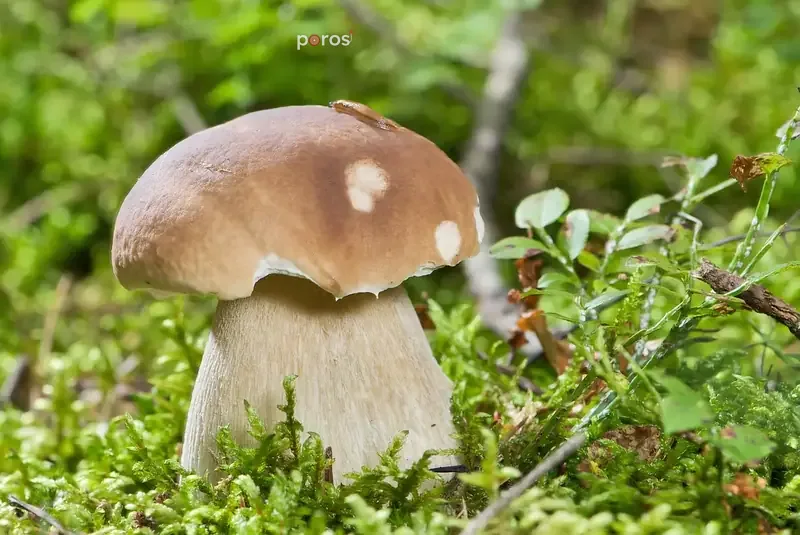
Porcini Boletus edulis
How to tell Its cap is paler, chestnut to bread-crust brown, without a red tone; it grows in both broadleaf and conifer forests.

Bitter bolete Tylopilus felleus
How to tell Its pores turn pink with age, its stem net is dark brown and it tastes very bitter; it is not eaten.
Other look-alikes (1)
 Inedible
not Pine bolete
Scarletina bolete Neoboletus erythropus
Its cap is dark brown, but its pores are red and its stem red-dotted; its flesh turns blue instantly when cut.
Pine bolete and its look-alikes compared
| Species | Status | Underside | Spore print | Season |
|---|---|---|---|---|
| Pine boleteBoletus pinophilus | Edible species | Pores white when young, then yellow to olive-green | Olive-brown | Jun–Oct |
| PorciniBoletus edulis | Edible species | No gills: tubes with small round pores, white and "stuffed" when young, then yellow, finally olive-green | Olive brown | Jun–Nov |
| Bitter boleteTylopilus felleus | Inedible | Pores whitish when young, pink to pinkish brown with age | Pinkish brown | Jul–Oct |
| Scarletina boleteNeoboletus erythropus | Inedible | Small, blood-red to orange-red pores that turn dark blue instantly when touched | Olive-brown | Jun–Oct |
The table is compiled from each species page. The status column is a guide only; do not eat a wild mushroom unless an expert has seen it in person. Compare look-alikes side by side
How to cook and eat pine boletes
Safety first. The pine bolete is edible when well cooked. Set aside boletes with red pores, bluing flesh or a bitter taste. Do not eat a wild one an expert has not checked. If poisoning is suspected, call 112 (Turkey poison centre: 114) and keep any leftover mushroom.
What goes with it?
- vegetable stock
- garlic
- flat-leaf parsley
- mint or calamint
- olive oil
- stale country bread
Recipe
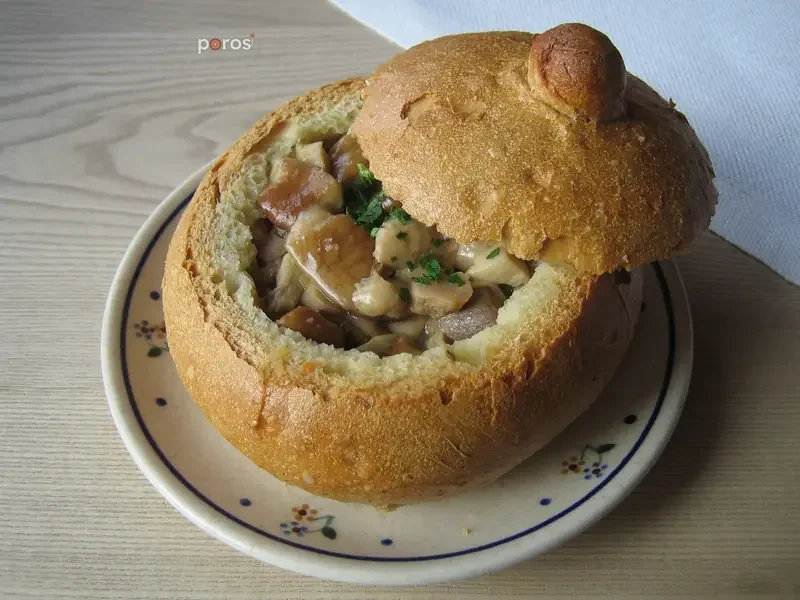
How to store pine boletes
Grow it, buy it
Pine bolete price list
| Product | Poros Mantar | Market |
|---|---|---|
| Fresh pine boletes | Made to order · ask | — |
| Dried pine boletes | Made to order · ask | — |
We make our pine boletes products in small batches, to order; send a request and we email you the price and delivery date. The market column shows prices seen on other sellers' pages on the date given; they are not our prices and may have changed.
Frequently asked questions
Are pine boletes poisonous?
Pine boletes are not listed as poisonous in our sources. The pine bolete is edible when well cooked. Even so, never eat wild ones without certain identification.
Are pine boletes edible?
Pine boletes are listed as edible in our sources; even so, never eat wild ones without certain identification. Do not eat them without an expert's approval. The pine bolete is edible when well cooked. Set aside boletes with red pores, bluing flesh or a bitter taste. Do not eat a wild one an expert has not checked.
How is it different from the porcini?
The pine bolete's cap is wine red to reddish brown and it grows mainly under pine; the porcini's cap is a paler brown.
Does it grow in Turkey?
Records are scarce: GBIF holds one record from Bursa and iNaturalist has 3 research-grade observations.
Which trees does it grow under?
Mainly Scots pine and other pines, sometimes spruce and fir, on sandy, acidic soil.
When does it fruit?
From early summer to autumn; in Italy it has been reported as early as April.
Does its flesh change colour when cut?
No, it stays white; only the layer just under the cap skin is reddish.
How is it stored?
Fresh, it keeps a day or two in the fridge in a paper bag; for longer storage, slice and dry it.
When is pine bolete season in Turkey?
In our calendar, pine bolete season runs Jun–Oct. It fruits from early summer to autumn in mountain pine forests; in Italy it has been reported as early as April.
Where do pine boletes grow?
It grows in conifer forests, especially under Scots pine and other pines, on sandy, acidic soil, often in mountains.
Where are pine boletes found in Turkey?
It is rarely recorded in Turkey: GBIF holds one record from Bursa and iNaturalist has 3 research-grade observations. Worldwide it ranges through Europe and western Asia, including Anatolia; in North America and the southern hemisphere it turns up only in planted pine forests.
What can the pine bolete be confused with?
The pine bolete can be confused with porcini (Boletus edulis, edible species), bitter bolete (Tylopilus felleus, inedible) and scarletina bolete (Neoboletus erythropus, inedible). Look-alikes are compared on this page.
What is the pine bolete called in Turkish?
In Turkish, the pine bolete (Boletus pinophilus) is called Çam çörek mantarı.
Related species
-
 Bay boleteImleria badiaEdible species
-
 Bronze boleteBoletus aereusEdible species
-
 Brown birch boleteLeccinum scabrumEdible species
-
PorciniBoletus edulisEdible species
-
 Red-capped scaber stalkLeccinum aurantiacumEdible species
-
 Suede boleteXerocomus subtomentosusEdible species
-
 Summer cepBoletus reticulatusEdible species
-
Bitter boleteTylopilus felleusInedible
Sources
- Wikipedia (EN): Boletus pinophilus en.wikipedia.org
- iNaturalist: Boletus pinophilus (Türkçe ad ve Türkiye gözlemleri) inaturalist.org
- GBIF: Türkiye kayıtları gbif.org
Photo credits (11)
- Boletus pinophilus · iNaturalist #308449131 · Марина Давлетшина · CC BY 4.0
- Boletus pinophilus · iNaturalist #308449131 · Марина Давлетшина · CC BY 4.0
- Boletus pinophilus · iNaturalist #308449131 · Марина Давлетшина · CC BY 4.0
- File:Boletus pinophilus 9.jpg · egor_dyukarev · CC BY 4.0
- File:Boletus pinophilus 6.jpg · nataliaaa68 · CC BY 4.0
- File:Boletus pinophilus 1.jpg · czech_mushrooms · CC0
- Boletus pinophilus · iNaturalist #317032986 · Paula Nimigean · CC BY 4.0
- File:Boletus pinophilus 5.jpg · dmitry_kulakov · CC BY 4.0
- File:Boletus pinophilus DSCF6372e.jpg · Aorg1961 · CC BY-SA 4.0
- File:Boletus pinophilus 15.jpg · Mariia Goncharskaia · CC BY-SA 4.0
- Boletus pinophilus · iNaturalist #252344278 · zebedeugalinha · CC BY 4.0


