
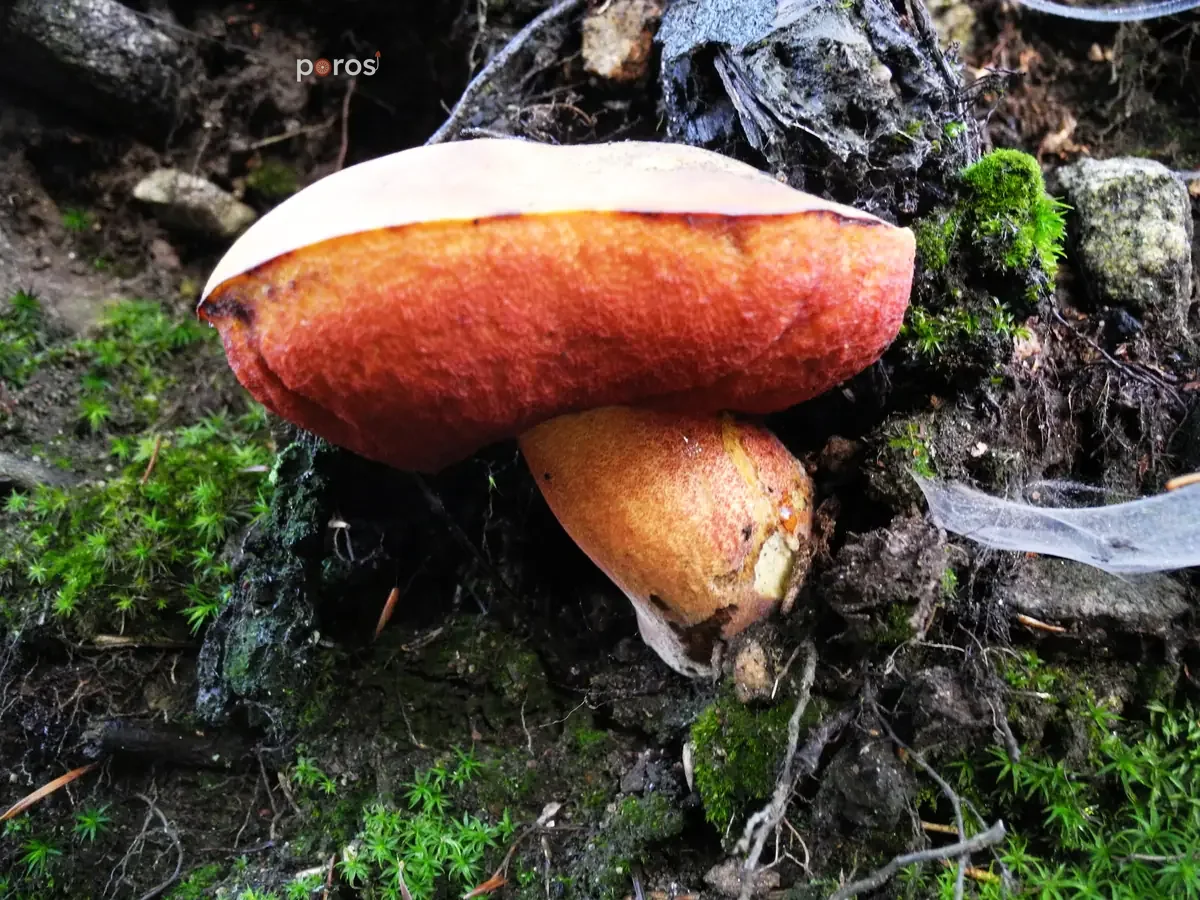


Scarletina bolete
Neoboletus erythropus · Boletaceae
The scarletina bolete (Neoboletus erythropus) is a large bolete with a dark brown, velvety cap, red pores and a yellow stem covered in red dots; its flesh turns dark blue instantly when cut.
Last updated: Prepared by the Poros Mantar editorial team5 sources checkedReport a correction
The scarletina bolete (Neoboletus erythropus) is a large bolete with a dark brown, velvety cap, red pores and a yellow stem covered in red dots; its flesh turns dark blue instantly when cut. It is poisonous raw; some sources say it is edible when well cooked, but it is easily confused with poisonous red-pored boletes, especially the devil's bolete. Our advice is not to eat it.
Also called: red-foot bolete, dotted-stem bolete Turkish: Kızıl bolet, kuzumantarı Synonyms: Boletus erythropus
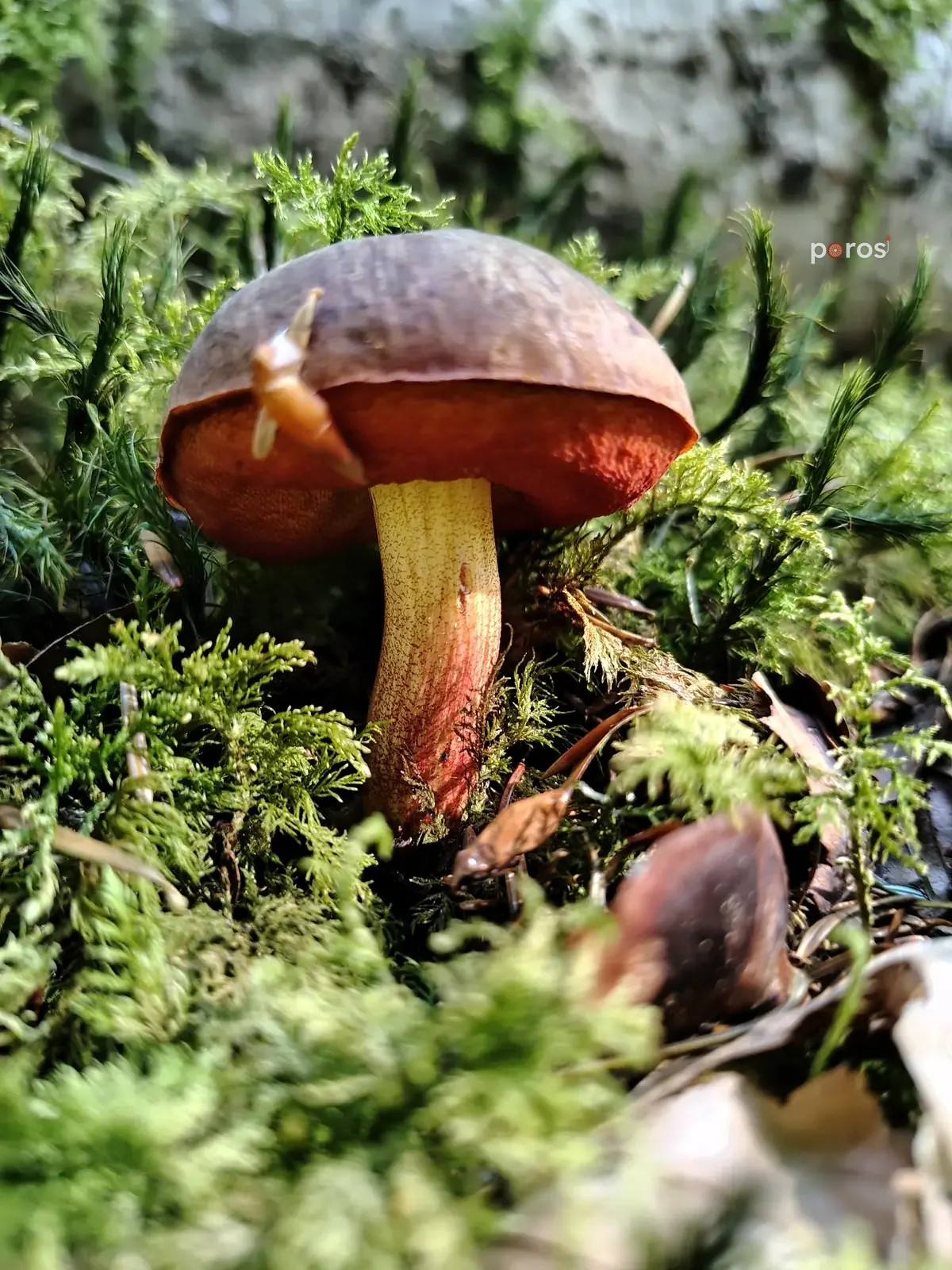
How to recognise it
Scarletina bolete, part by part
No ring or volva Spore print: Olive-brown Not distinctive.


When and where
Jun–Oct
- Jan
- Feb
- Mar
- Apr
- May
- Junin season
- Julin season
- Augin season
- Sepin season
- Octin season
- Nov
- Dec
It fruits from early summer to mid-autumn. Our Turkish records fall between June and October, most of them in June.
Type Inedible
Months seen JuneJulyAugustSeptemberOctober
Colour Brown
Regions Black Sea RegionMediterranean RegionMarmara RegionRizeTrabzonArtvinOsmaniyeSakaryaKastamonuBoluBursa
Where do scarletina boletes grow?
It grows from soil in conifer and mixed forests under spruce, fir, beech and oak, mostly on acidic soils; in Turkey it is seen more often in the Black Sea forests.
Where is scarletina boletes found in Turkey?
Our map data (GBIF and iNaturalist) holds 10 Turkish records: 2 each from Kastamonu and Artvin and one each from Trabzon, Osmaniye, Bolu, Bursa, Rize and Sakarya. Records have been published on DergiPark from Yenice in Karabük (Kaşık et al., 2022) and from the Ayder Plateau in Rize (Keleş and Gençcelep, 2023). Some sources treat the same species as Neoboletus luridiformis; the naming is disputed.
Which months
- Jan0
- Feb0
- Mar0
- Apr0
- May0
- Jun3
- Jul1
- Aug2
- Sep2
- Oct2
- Nov0
- Dec0
8 provinces, 10 observations (GBIF, iNaturalist); months from observation dates. Record density also reflects where observers work.
Latest scarletina bolete observations
-
 Kastamonu9 Jun 2024 · iNaturalist© Umut Nuri Erdoğan · CC BY
-
 Illustrative
Sakarya25 Oct 2026 · iNaturalist
-
 Illustrative
Osmaniye19 Oct 2024 · iNaturalist
-
 Illustrative
Trabzon19 Sep 2024 · iNaturalist
-
 Illustrative
Artvin5 Aug 2024 · iNaturalist
-
 Illustrative
Bolu7 Jun 2020 · iNaturalist
-
 Illustrative
Artvin4 Jul 2019 · iNaturalist
-
 Illustrative
Bursa21 Sep 2014 · iNaturalist
- See on the map
On "illustrative" cards the image is a photo of the species; the observation photo cannot be shown here because of its licence, but can be seen at the source.
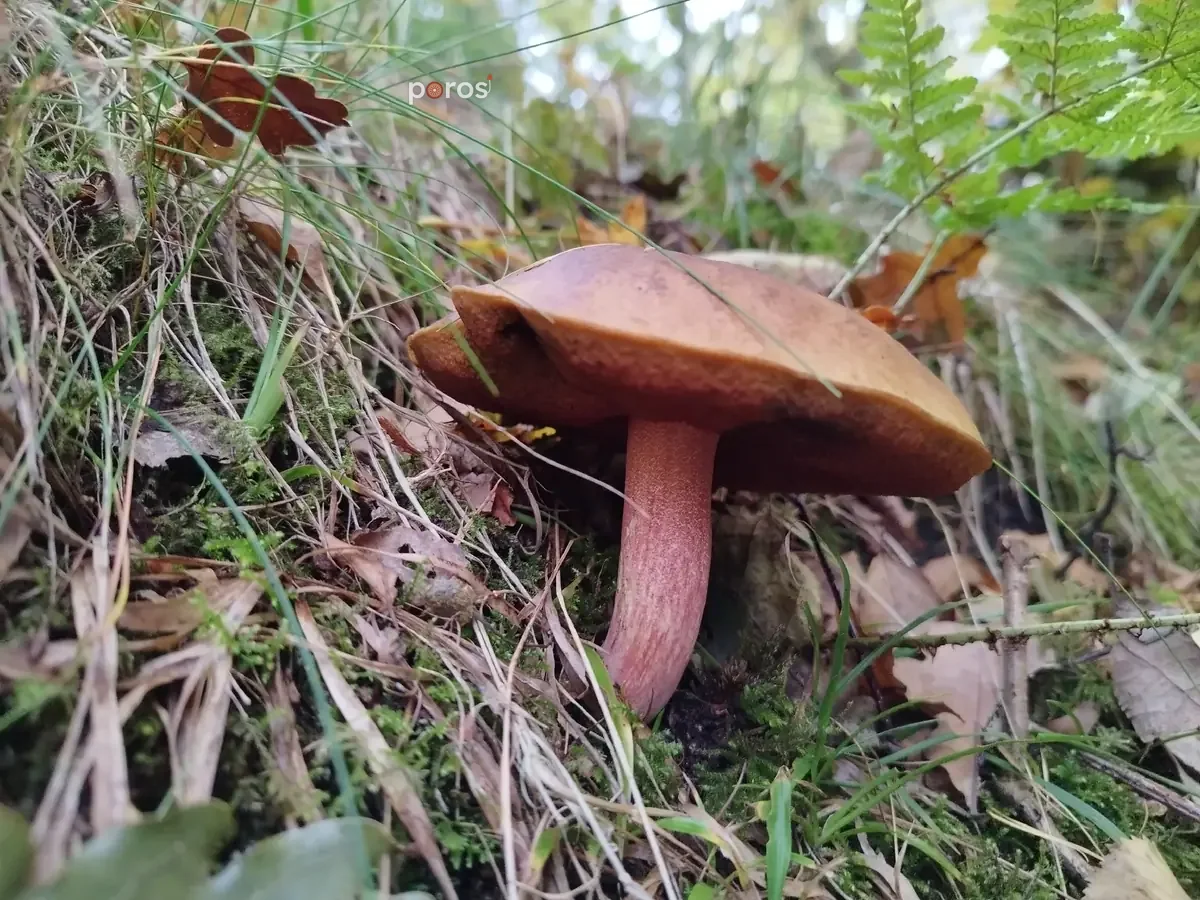
Look-alikes
What could it be confused with?
Scarletina bolete can be mistaken for the species below. Each card shows the look-alike and how it differs from Scarletina bolete.
 Poisonous
not Scarletina bolete
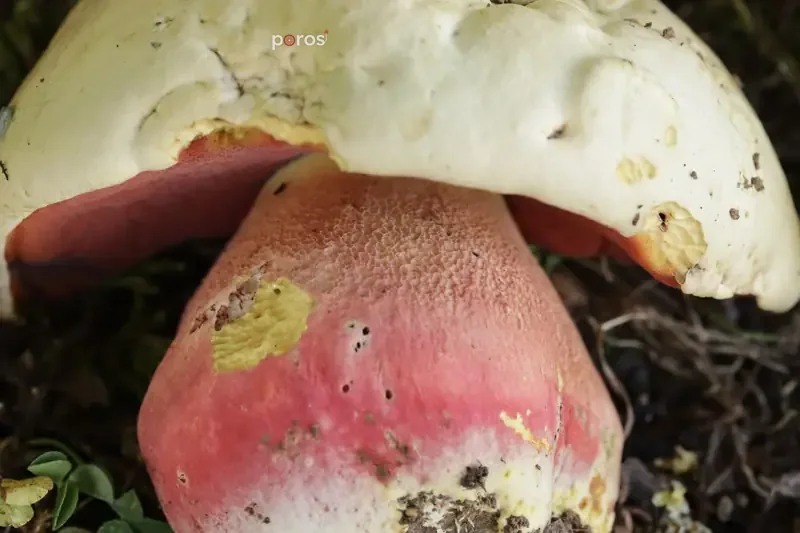
Devil’s bolete Rubroboletus satanas
Its cap is chalky white to grey-olive, the stem is bulbous and covered in a red net rather than dots; it smells foul when old and grows under broadleaf trees on calcareous soil.
 Edible species
not Scarletina bolete
Porcini Boletus edulis
Its cap is a similar brown, but its pores go from white to yellow-green and are never red; the stem has a white net and the flesh does not turn blue.
 Poisonous
not Scarletina bolete
Lurid bolete Suillellus luridus
It also has red pores and bluing flesh, but its stem carries a distinct red net instead of dots and its cap is more olive-toned.
What it contains
Element and metal levels have been measured in specimens from the Ayder Plateau in Rize (Keleş and Gençcelep, 2023). Wild mushrooms can accumulate heavy metals from the soil.
General information, not a health claim.
The scarletina bolete is poisonous raw. Some sources say it is edible when well cooked, but it is easily confused with poisonous boletes that also have red pores and bluing flesh, especially the devil's bolete. Our advice is not to eat it. If poisoning is suspected, call poison control and keep any leftover mushroom.
Frequently asked questions
Is the scarletina bolete edible?
Our advice is not to eat it. It is poisonous raw; some sources say it is edible when well cooked, but it is easily confused with poisonous red-pored boletes.
Is it poisonous?
Raw or undercooked, it can cause gastrointestinal poisoning. The bigger danger is mistaking poisonous look-alikes such as the devil's bolete for it.
Why does it turn blue when cut?
Compounds in the flesh oxidise on contact with air and turn dark blue. This colour change alone says nothing about whether a bolete is edible.
How do you tell it from the devil's bolete?
The scarletina bolete has a dark brown cap and a red-dotted stem. The devil's bolete has a whitish-grey cap and a red net on its stem.
Is it the same as Neoboletus luridiformis?
The naming is disputed: Boletus erythropus was applied to this species for two centuries, and some sources now call the same species Neoboletus luridiformis.
Which forests does it grow in?
In conifer and mixed forests, mostly on acidic soil; in Turkey it is seen especially in the Black Sea forests.
When does it appear?
From early summer to mid-autumn; our Turkish records fall between June and October.
Where is it found in Turkey?
Our map data holds 10 records from Kastamonu, Artvin, Trabzon, Osmaniye, Bolu, Bursa, Rize and Sakarya, with a published record from Karabük too.
When is scarletina bolete season in Turkey?
In our calendar, scarletina bolete season runs Jun–Oct. It fruits from early summer to mid-autumn. Our Turkish records fall between June and October, most of them in June.
Where do scarletina boletes grow?
It grows from soil in conifer and mixed forests under spruce, fir, beech and oak, mostly on acidic soils; in Turkey it is seen more often in the Black Sea forests.
Where are scarletina boletes found in Turkey?
Our map data (GBIF and iNaturalist) holds 10 Turkish records: 2 each from Kastamonu and Artvin and one each from Trabzon, Osmaniye, Bolu, Bursa, Rize and Sakarya. Records have been published on DergiPark from Yenice in Karabük (Kaşık et al., 2022) and from the Ayder Plateau in Rize (Keleş and Gençcelep, 2023). Some sources treat the same species as Neoboletus luridiformis; the naming is disputed.
What can the scarletina bolete be confused with?
The scarletina bolete can be confused with Devil's bolete (Rubroboletus satanas, poisonous), porcini (Boletus edulis, edible species) and lurid bolete (Suillellus luridus, poisonous). Look-alikes are compared on this page.
What is the scarletina bolete called in Turkish?
In Turkish, the scarletina bolete (Neoboletus erythropus) is called Kızıl bolet; other local names include kuzumantarı.
Related species
-
Devil’s boleteRubroboletus satanasPoisonous
-
PorciniBoletus edulisEdible species
-
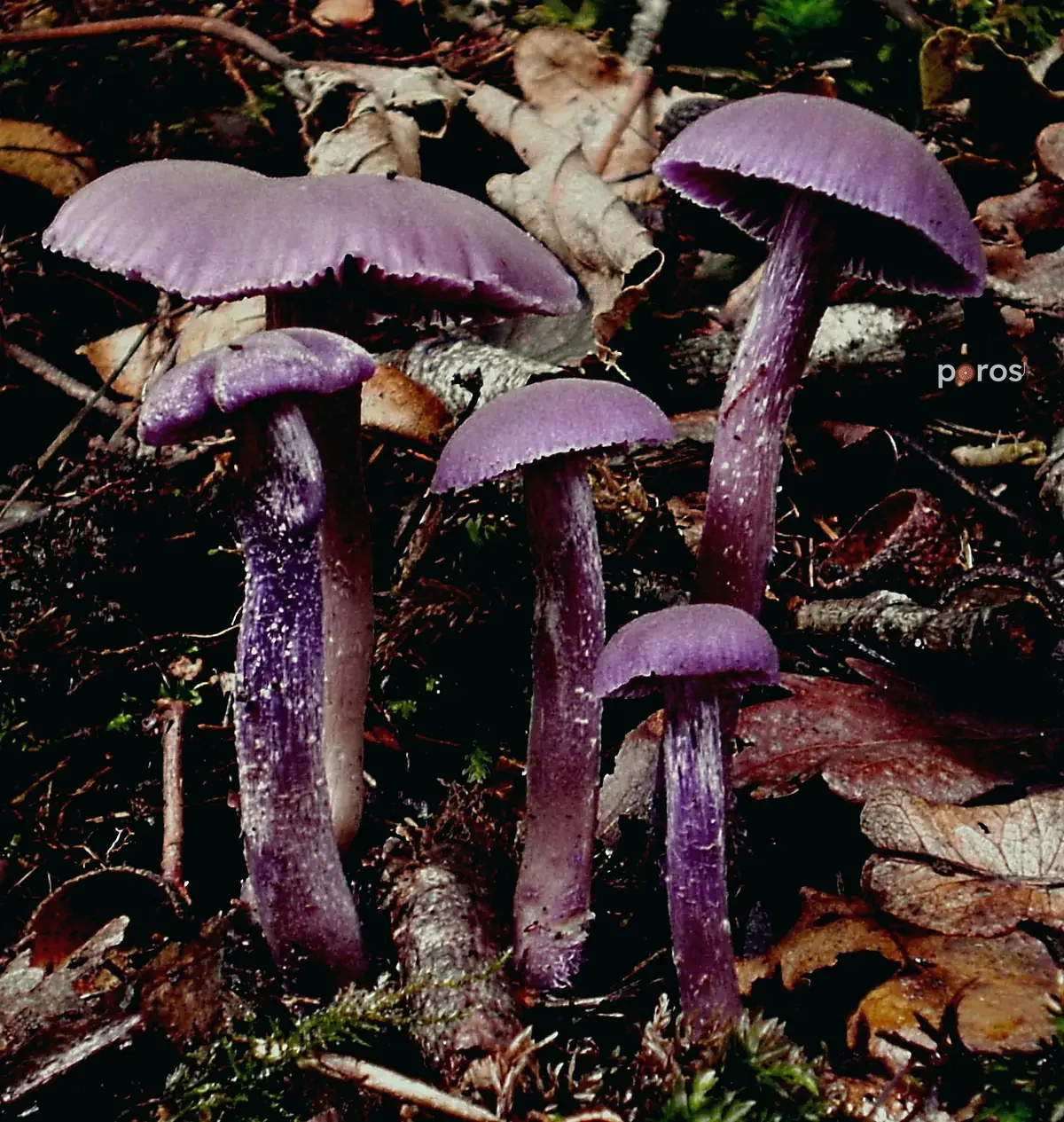 Amethyst deceiverLaccaria amethystinaInedible
-
 Artist’s bracketGanoderma applanatumInedible
-
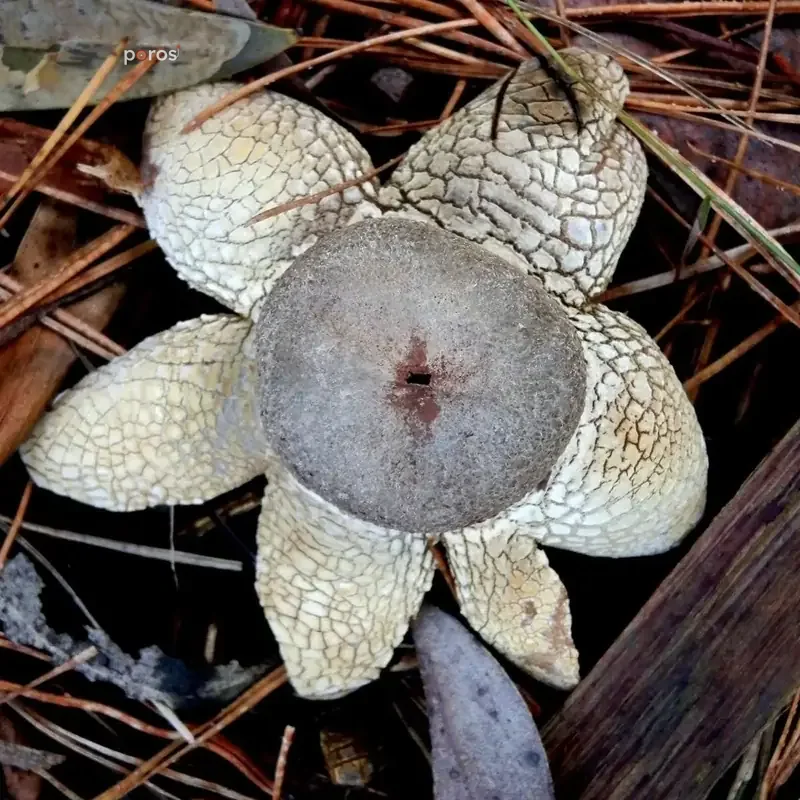 Barometer earthstarAstraeus hygrometricusInedible
-
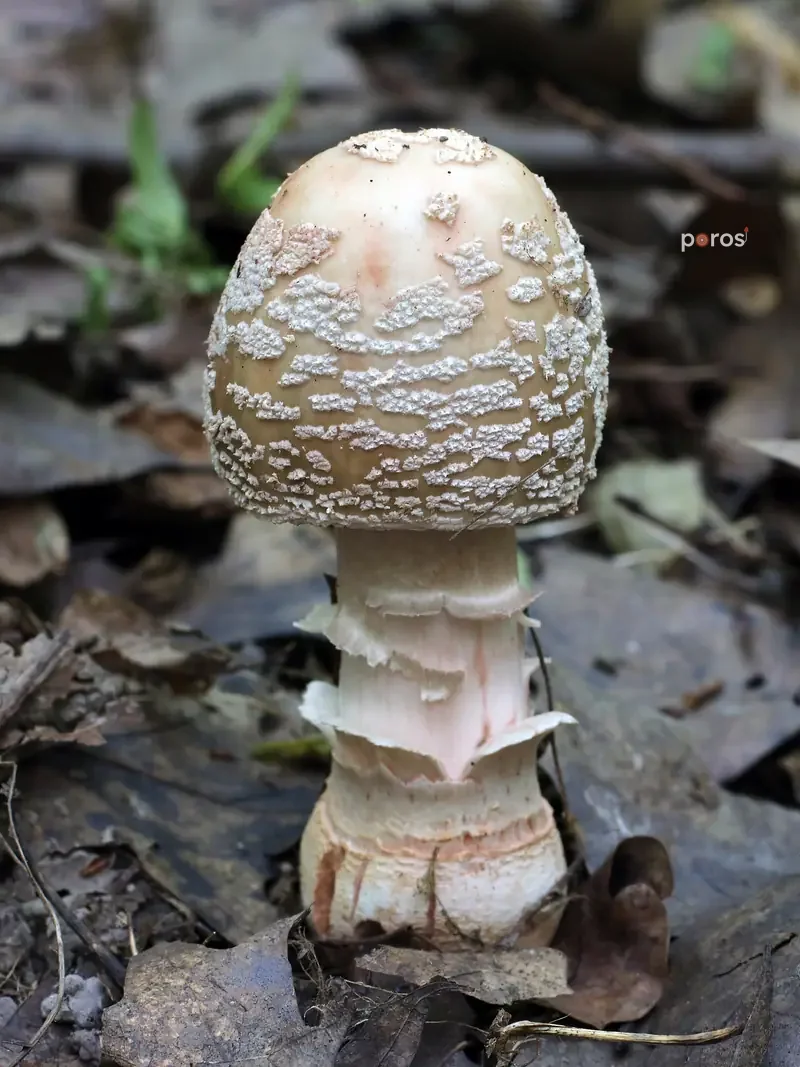 BlusherAmanita rubescensInedible
-
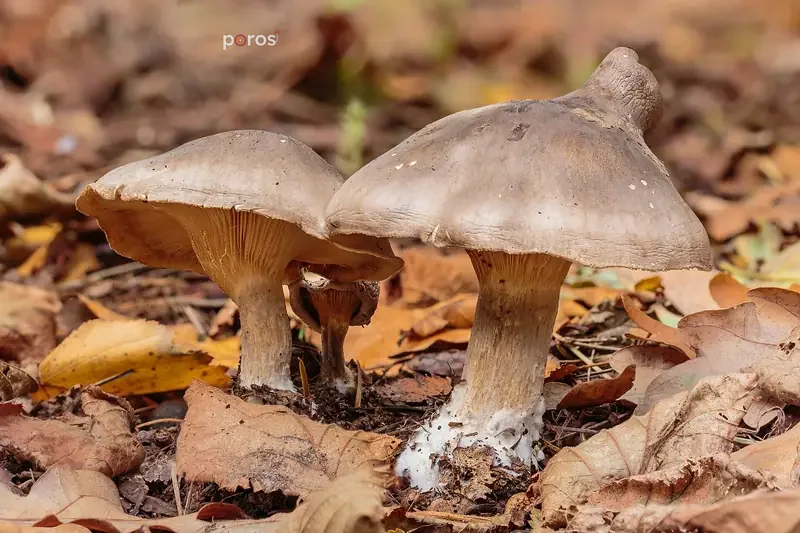 Clouded funnelClitocybe nebularisInedible
-
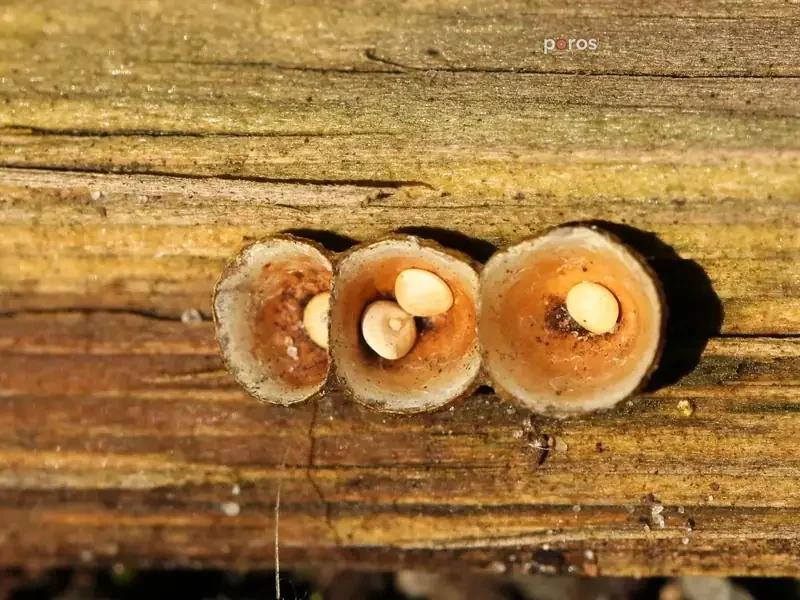 Common bird’s nest fungusCrucibulum laeveInedible
Sources
- Kaşık ve ark. (2022), KSÜ Tarım ve Doğa Dergisi 25(6): 1264-1278: Macrofungi of Yenice (Karabük) District and New Records for Turkey dergipark.org.tr
- Keleş ve Gençcelep (2023), Anatolian Journal of Botany 7(1): 50-59: Wild mushrooms from Eastern Black Sea Region (Türkiye): Element concentrations and their health risk assessment dergipark.org.tr
- Wikipedia (EN): Neoboletus luridiformis (Boletus erythropus adlandırma tartışmasıyla) en.wikipedia.org
All sources (5)
- iNaturalist: Neoboletus erythropus (Türkçe ad ve Türkiye gözlemleri) inaturalist.org
- GBIF: Türkiye kayıtları gbif.org
Photo credits (9)
- Neoboletus erythropus · iNaturalist #197298447 · Wolfgang Ahlmer · CC BY 4.0
- Neoboletus erythropus · iNaturalist #387553570 · vuikaan · CC BY 4.0
- Neoboletus erythropus · iNaturalist #314273811 · Denis A · CC0
- Neoboletus erythropus · iNaturalist #398518664 · considerthelilies · CC BY 4.0
- Neoboletus erythropus · iNaturalist #398518664 · considerthelilies · CC BY 4.0
- Neoboletus erythropus · iNaturalist #14010429 · Sigrid Jakob · CC0
- Neoboletus erythropus · iNaturalist #322761693 · Rodolfo Orlandi · CC BY 4.0
- Neoboletus erythropus · iNaturalist #322761693 · Rodolfo Orlandi · CC BY 4.0
- iNaturalist: Kastamonu, 9 Jun 2024 · Umut Nuri Erdoğan · CC BY