

Look-alikes · comparison
Parasol mushroom vs deadly dapperling: how to tell them apart
The parasol mushroom (Turkish: şemsiye mantarı) and the deadly dapperling (Turkish: ölümcül lepiota) differ most plainly in size: a parasol cap reaches 25 cm, a deadly dapperling cap only 2–5 cm. The parasol's tall stem has a snakeskin pattern and a thick ring that slides; the dapperling has only a faint ring zone, and it contains amatoxins.

Parasol mushroom vs deadly dapperling: the three signs that matter
-
Cap size: 25 cm or 5 cm?
A parasol cap grows up to 25 cm across; it is egg-shaped when young, then flattens, with dark, easily removed flakes on a pale background. The deadly dapperling's cap is only 2–5 cm, covered in pinkish-brown to wine-coloured scales on a cream background, darker in the centre. Because a small young parasol can pass for a dapperling, we suggest leaving any parasol-like mushroom with a cap under 10 cm.
-
Stem: snakeskin or brown bands?
The parasol's stem is slender and tall, 12–40 cm, with a snakeskin-like brown pattern below the ring. The deadly dapperling's stem is just 3–6 cm, cream, with pinkish-brown bands and scales on its lower half. Neither species has a sac (volva) at the base, so we look at the height and pattern of the stem instead.
-
Ring: sliding or barely there?
On the parasol the ring is thick and fleshy and slides up and down the stem. The deadly dapperling has no proper ring, only an indistinct ring zone that soon disappears. Smell offers a further hint: the parasol smells pleasant and nutty, the dapperling faintly fruity or indistinct. Gills and spore print are white in both, so they do not help here.
We never rely on a single sign: a small, scaly, parasol-like mushroom that does not show all three is left where it stands. If in doubt, do not eat it, and show any find to an expert first.
Side-by-side differences
This table is built from the sourced descriptions on the two species pages.
| Feature | Parasol mushroom | Deadly dapperling |
|---|---|---|
| Cap | Up to 25 cm; egg-shaped when young, then flat with a smooth dark central boss; dark, easily removed flakes on a pale background. | 2–5 cm, convex to flat; pinkish-brown to wine-coloured scales on a cream background, darker in the centre. |
| Gills | Crowded, free, white (pale pink with age). | Free, white to cream gills. |
| Stem | Slender and tall, 12–40 cm; snakeskin-like brown pattern below the ring. | 3–6 cm, cream; pinkish-brown bands and scales on the lower half. |
| Ring | A thick, fleshy ring that slides up and down the stem. | An indistinct ring zone that soon disappears. |
| Volva (cup at the base) | None; bulbous base but no sac. | None. |
| Smell and taste | Pleasant and nutty; sweetish taste. Flesh does not change colour when cut. | Faintly fruity or indistinct. |
| Spore print | White or very pale cream. | White. |
| Habitat | The parasol mushroom grows in woodland clearings, grassy places next to woods, pasture and dunes, appearing singly, in small groups or sometimes in fairy rings. | The deadly dapperling grows in grass, parks, gardens and woodland edges, in grassy, humus-rich soil. |
| Season | Jul–Nov | Sep–Nov |
| Edibility | Edible species | Deadly poisonous |
The same view of both species


This page is not a definitive identification. The signs we describe help separate these two species, but they do not prove what your mushroom is; other poisonous species can grow in the same place.
Frequently asked questions
Are the parasol mushroom and the deadly dapperling the same?
No. The parasol mushroom (Macrolepiota procera) is listed as edible in our sources, while the deadly dapperling (Lepiota brunneoincarnata) is a deadly species containing amatoxins. Their scaly caps make them look alike, but the dapperling is far smaller and lacks both the snakeskin stem and the thick, sliding ring.
Parasol or deadly dapperling: which one is poisonous?
The deadly dapperling is the poisonous one. It contains the same group of toxins as the death cap (amatoxins) and causes severe liver damage; cooking, drying or freezing does not destroy them. The parasol is not listed as poisonous in our sources; its risk lies in being confused with poisonous look-alikes.
How do you tell a parasol from a deadly dapperling?
We check three things together: size, stem and ring. A parasol cap reaches 25 cm and its stem 40 cm, with a snakeskin pattern and a thick ring that slides. A deadly dapperling has a 2–5 cm cap and a 3–6 cm stem with pinkish-brown bands on the lower half and only a faint ring zone.
What happens if you eat a deadly dapperling?
Vomiting and diarrhoea usually start 6–12 hours after eating, sometimes as late as 24 hours, followed by a false recovery, while the real liver damage develops over the next days (Şahin et al. 2023; CDC MMWR 2017). That is why nobody should wait for symptoms before going to hospital. Keeping any leftover mushroom helps with identification.
Do parasols and deadly dapperlings grow in the same places?
They can. Parasols grow in woodland clearings, grassy places next to woods, pasture and dunes. Deadly dapperlings grow in grass, parks, gardens and woodland edges, in grassy, humus-rich soil. Our map data holds records of both from Yalova in Turkey, so we judge the mushroom itself, never the spot.
What time of year do parasols and deadly dapperlings appear?
Parasols fruit from July to November, mostly from September to November. The deadly dapperling's months are September, October and November. In autumn the two can therefore be up in the same weeks, and the season is no reliable way of separating them.
Can you tell a parasol from a deadly dapperling in a photo?
A photo helps, but it is not a firm identification. Scale is lost in a picture, and size is the main difference in this pair; nor can a photo show whether the ring slides. Parasol-like mushrooms with a scaly cap under 10 cm, white gills and a ring should never be picked on the strength of a photo.
Sources
The facts in this comparison come from the sourced data on our parasol mushroom and deadly dapperling pages:
- Wikipedia (EN): Macrolepiota procera
- First Nature: Macrolepiota procera
- FAO AGROVOC: Macrolepiota procera (Türkçe: şemsiye mantarı)
- TR Dizin: Yabani yenebilir mantar M. procera'nın yetiştiriciliği
- Wikipedia (EN): Lepiota brunneoincarnata
- First Nature: Lepiota brunneoincarnata
- GBIF: Türkiye kayıtları
- iNaturalist: Türkiye gözlemleri
More comparisons
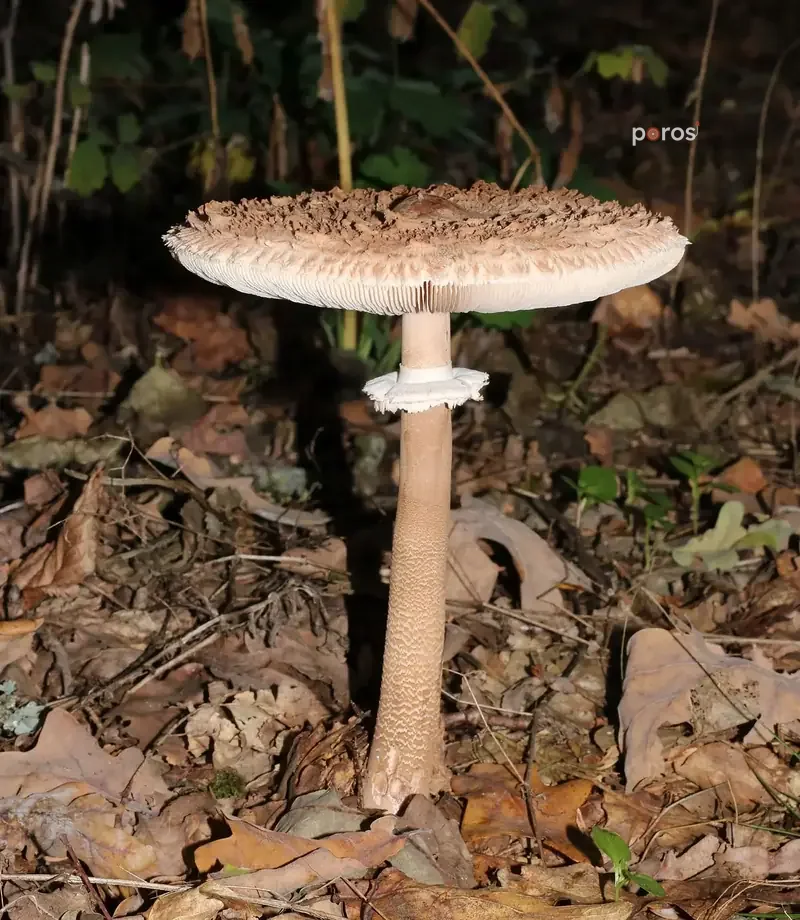
 ≠Parasol mushroom vs green-spored parasolMacrolepiota procera · Chlorophyllum molybditesPoisonous
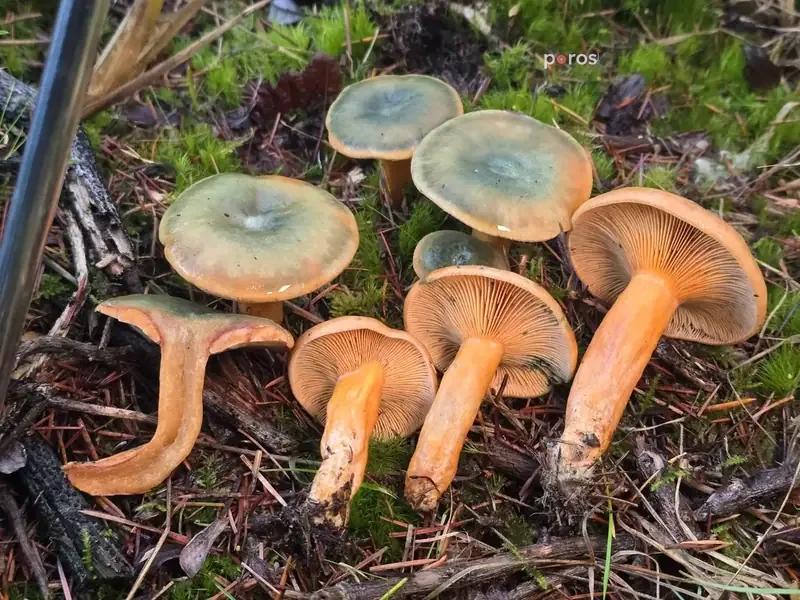
 ≠Saffron milk cap vs woolly milkcapLactarius deliciosus · Lactarius torminosusPoisonous
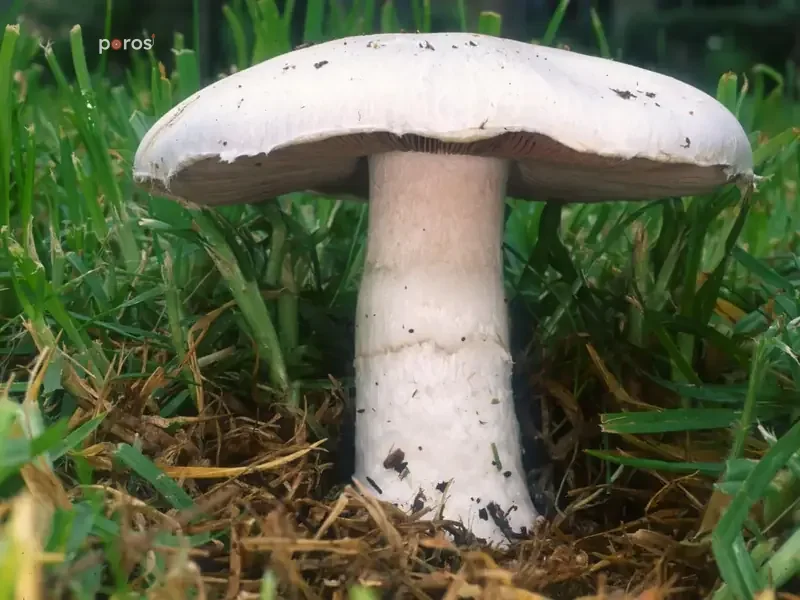
 ≠Field mushroom vs death capAgaricus campestris · Amanita phalloidesDeadly poisonous
 ≠Field mushroom vs yellow stainerAgaricus campestris · Agaricus xanthodermusPoisonous
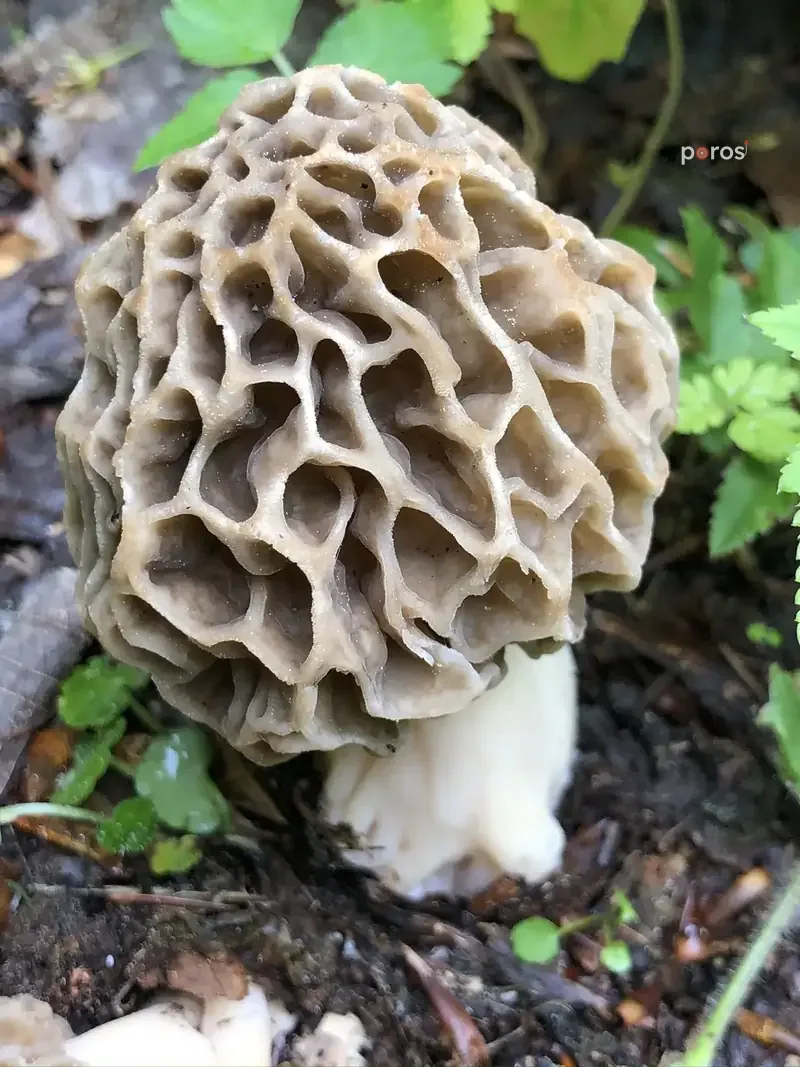
 ≠Morel vs false morelMorchella esculenta · Gyromitra esculentaDeadly poisonous
 ≠Chanterelle vs false chanterelleCantharellus cibarius · Hygrophoropsis aurantiacaInedible
Last updated: Prepared by the Poros Mantar editorial teamReport a correction