

Look-alikes · comparison
Saffron milk cap vs woolly milkcap: how to tell them apart
The saffron milk cap (Turkish: kanlıca, Lactarius deliciosus) and the woolly milkcap (Turkish: yünlü kanlıca, Lactarius torminosus) share a name in Turkish but are separate species. The saffron milk cap grows under pine, bleeds carrot-orange milk and stains green where handled. The woolly milkcap grows beside birch, has white milk and a woolly cap edge, and is poisonous.

Saffron milk cap vs woolly milkcap: the three signs that matter
-
Milk colour: orange or white?
We look first at the milk from a broken gill. In the saffron milk cap it is orange-red and keeps its colour, while handled or cut spots turn green. In the woolly milkcap the milk is white to pale cream, does not change in air, and no green stains appear. That milk is very bitter and burning, so we advise against tasting it.
-
Cap edge: smooth or woolly?
The saffron milk cap has a carrot-orange cap with darker orange rings and a smooth edge. The woolly milkcap is pink-salmon to pale flesh-coloured, and its inrolled edge is covered in long, wool-like hairs. Both species show ring patterns, so we look at the edge and the overall colour instead of the rings.
-
The tree beside it: pine or birch?
The saffron milk cap lives in partnership with pine and comes up on acidic soil covered in needle litter. The woolly milkcap is tied to birch and appears on damp, acidic ground at woodland edges and in clearings; its published Turkish record is from Ula in Muğla province. We do not treat a milk cap found under birch, with no pine nearby, as a saffron milk cap. The tree alone proves nothing, but it backs up the other two signs.
If even one of the three signs does not fit, we recommend leaving the mushroom where it is. No single sign is enough; when unsure, the mushroom is neither picked nor eaten, and every find goes to an expert first.
Side-by-side differences
This table is built from the sourced descriptions on the two species pages.
| Feature | Saffron milk cap | Woolly milkcap |
|---|---|---|
| Cap | 3–20 cm, convex to vase-shaped; carrot-orange with darker concentric rings; margin inrolled when young, sticky when wet. | 4–12 cm, convex becoming centrally depressed; pink-salmon to pale flesh-coloured with darker concentric zones; margin inrolled and strikingly woolly. |
| Gills | Crowded, decurrent orange gills that stain green when handled. | Crowded, pale pinkish cream gills, slightly decurrent. |
| Stem | 2–8 cm, short and squat, orange, often hollow. | 3–8 cm, pale pink, smooth and brittle; becoming hollow with age. |
| Ring | None. | None. |
| Volva (cup at the base) | None. | None. |
| Milk | — | White to pale cream; does not change colour on exposure. |
| Smell and taste | Fruity; the milk is mild, turning slightly bitter. The orange-red milk does not change colour. | Not distinctive; the milk is very acrid and hot (do not taste it). |
| Spore print | Cream to pale pinkish buff. | Cream to pale yellowish cream. |
| Habitat | The saffron milk cap grows under conifers, especially pines, on acidic soil, where it forms a mycorrhizal partnership with the trees. | Mycorrhizal with birch (Betula), usually on damp, acidic soil at woodland edges and in clearings, singly or in small groups. The Turkish record comes from deciduous and mixed woodland, with birch. |
| Season | Sep–Dec | Aug–Nov |
| Edibility | Edible species | Poisonous |
The same view of both species


This page is not a definitive identification. The signs we describe help separate these two species, but they do not prove what your mushroom is; other poisonous species can grow in the same place.
Frequently asked questions
Are the saffron milk cap and the woolly milkcap the same?
No. Although its Turkish name contains the word kanlıca, the woolly milkcap (Lactarius torminosus) is not the saffron milk cap (Lactarius deliciosus). The saffron milk cap is listed in our sources as an edible species; the woolly milkcap is poisonous. Orange milk and green stains belong to the former only.
Saffron milk cap or woolly milkcap: which one is poisonous?
The woolly milkcap is the poisonous one: eaten raw or undercooked it causes gastrointestinal poisoning with nausea, vomiting and severe diarrhoea. The saffron milk cap is described in our sources as an edible species, but several Lactarius species go by the same name in Turkey, so we advise against eating it without expert identification.
How do we tell a saffron milk cap from a woolly milkcap?
We check three things together: the milk, the cap edge and the tree. The saffron milk cap has orange milk, turns green where handled, has a smooth edge and grows under pine. The woolly milkcap has white, unchanging milk and a woolly, hairy edge, and grows beside birch.
What happens if a woolly milkcap is eaten?
According to our sources, nausea, vomiting and severe diarrhoea begin within about an hour; fluid loss can be serious, and symptoms usually pass in a few days. If poisoning is suspected in Turkey, call 112 and keep any leftover piece of the mushroom. It is reportedly boiled and salted in northern and eastern Europe; we do not recommend this.
Do the saffron milk cap and the woolly milkcap grow in the same place?
Usually not. The saffron milk cap is a partner of pine and the woolly milkcap of birch, so one turns up in pinewoods and the other beside birch trees. Both like acidic soil. In Turkey the saffron milk cap is widely recorded in the pinewoods of the Marmara, western Black Sea and Aegean regions.
In which season do they appear?
In Turkey the saffron milk cap mostly appears from October to December, peaking in November. The woolly milkcap fruits from August to October in Europe, and its published Turkish record dates from late November. Their seasons can overlap in autumn, so the calendar cannot separate them.
Can they be told apart from a photo?
A photo helps, but it is not a firm identification. Cap colour and the woolly edge may show, yet the colour of the milk, the green staining and the tree beside the mushroom are usually missing from the frame. We advise against deciding to eat anything from a photo; the mushroom itself should be shown to an expert.
Sources
The facts in this comparison come from the sourced data on our saffron milk cap and woolly milkcap pages:
- Wikipedia (EN): Lactarius deliciosus
- Vikipedi (TR): Lactarius deliciosus
- First Nature: Lactarius deliciosus
- First Nature: Lactarius torminosus, Woolly Milkcap
- Wikipedia (EN): Lactarius torminosus
- Çınar Yılmaz ve Işıloğlu (2016), Mugla Journal of Science and Technology, Özel Sayı, s. 19–20: Some Lactarius species from the Aegean region of Turkey (Ege Bölgesi'nde yetişen bazı Lactarius türleri)
- iNaturalist: Lactarius torminosus (Türkçe ad)
More comparisons
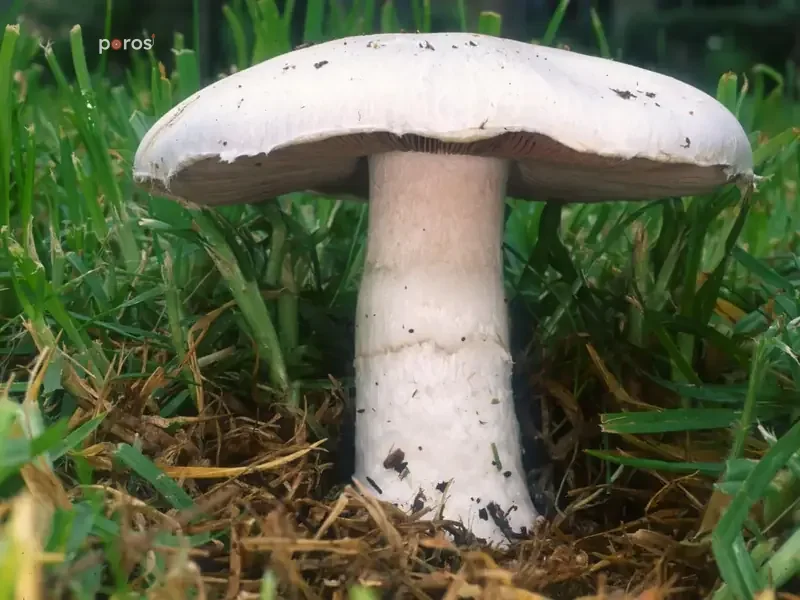
 ≠Field mushroom vs death capAgaricus campestris · Amanita phalloidesDeadly poisonous
 ≠Field mushroom vs yellow stainerAgaricus campestris · Agaricus xanthodermusPoisonous
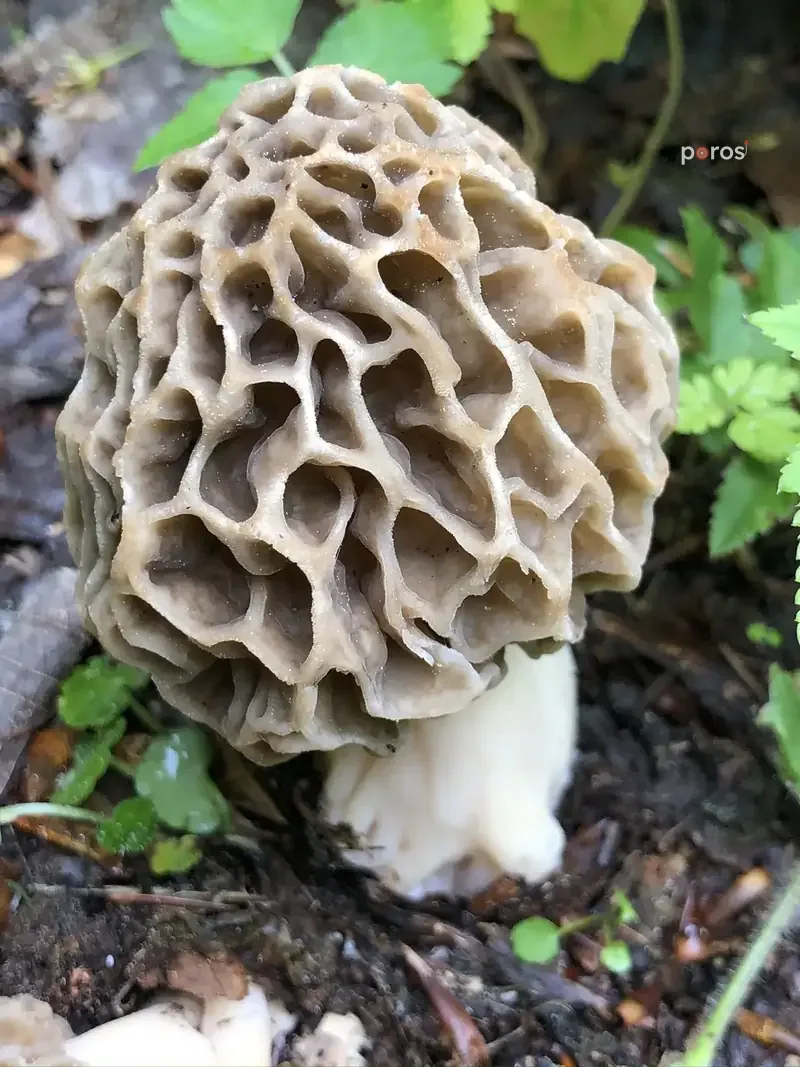
 ≠Morel vs false morelMorchella esculenta · Gyromitra esculentaDeadly poisonous
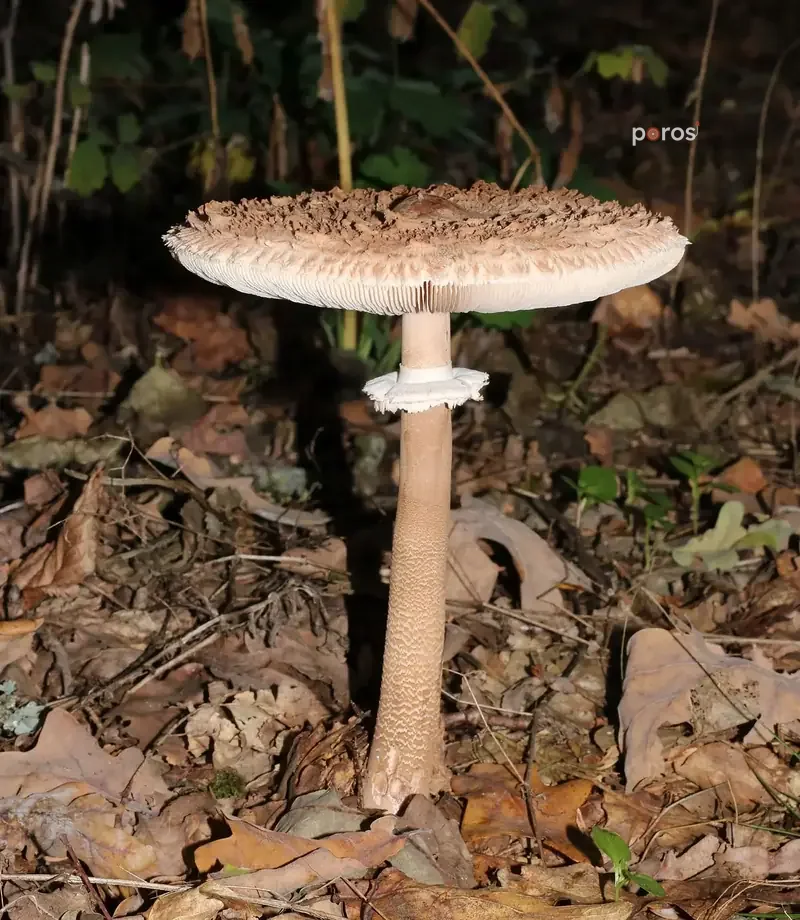
 ≠Parasol mushroom vs green-spored parasolMacrolepiota procera · Chlorophyllum molybditesPoisonous
 ≠Parasol mushroom vs deadly dapperlingMacrolepiota procera · Lepiota brunneoincarnataDeadly poisonous
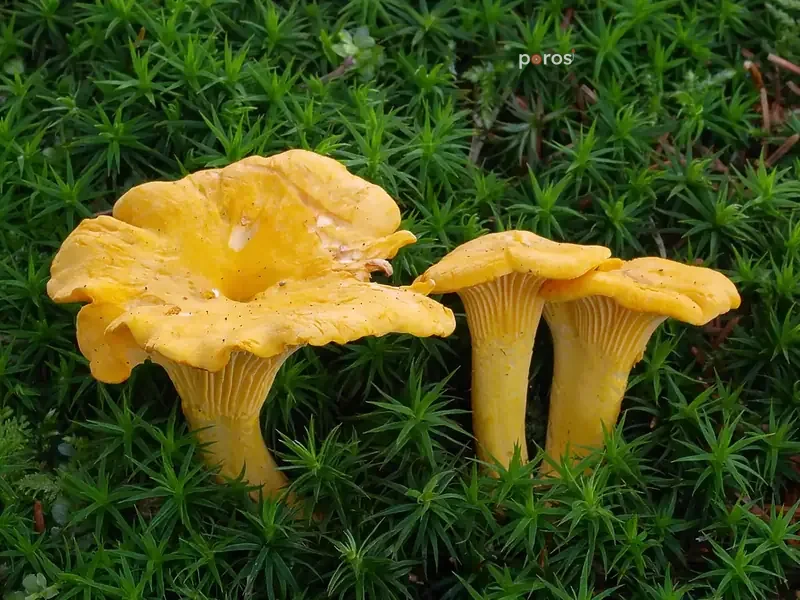
 ≠Chanterelle vs false chanterelleCantharellus cibarius · Hygrophoropsis aurantiacaInedible
Last updated: Prepared by the Poros Mantar editorial teamReport a correction