

Look-alikes · comparison
Reishi vs artist's bracket (artist's conk): how to tell them apart
Reishi (Ganoderma lucidum) and the artist's bracket (Ganoderma applanatum; Turkish: yassı reişi mantarı) are separate species in the same genus. Reishi has a red-brown upper surface that shines as if varnished, usually a side stem, and lives for one year. The artist's bracket is matt grey-brown, stemless and perennial. Both are woody and hard and are not eaten.

Reishi vs artist's bracket: the three signs that matter
-
Upper surface: varnished or matt?
We look at the upper surface first. The fan- or kidney-shaped cap of reishi grows to 35 cm across, is red-brown and shines as if varnished. The artist's bracket is a flat shelf 10–60 cm wide, with a matt, hard-crusted upper surface that is grey to brown and concentrically grooved, and it is often dusted with cocoa-coloured spore powder.
-
Is there a stem?
Reishi usually has a stem, glossy and reddish brown like the cap, attached at the side. The artist's bracket has no stem and sits directly on the tree. Their lifespans differ as well: reishi is an annual bracket, whereas the artist's bracket is perennial, stays on the tree all year round and adds a new layer of pores underneath every year.
-
Does the underside mark when scratched?
Neither species has gills; both have fine pores underneath. The white to cream underside of the artist's bracket turns brown at once when scratched or pressed, and the mark is permanent, which is how it got its English name. The underside of reishi is cream-brown. The spore print differs too: reddish brown in reishi, cocoa brown in the artist's bracket.
Neither species is eaten as food. Because similar Ganoderma species cannot always be separated by eye, we suggest leaving firm identification to an expert; a bracket we are unsure of is not collected or brewed as tea.
Side-by-side differences
This table is built from the sourced descriptions on the two species pages.
| Feature | Reishi | Artist's bracket |
|---|---|---|
| Cap | Up to 35 cm, fan- or kidney-shaped; red-brown with a varnished shine and concentric growth zones. | A flat, semicircular or fan-shaped shelf 10–60 cm across and 2–10 cm thick. The upper surface is dull, hard-crusted, grey to brown and concentrically ridged, often dusted with cocoa-brown spores. The growing margin is a white band. |
| Pores | No gills; cream to brown underside with 4–5 fine pores per millimetre. | The underside is white to cream with very fine pores (4–6 per mm). It turns brown at once when scratched or pressed. Small warts made by a gall fly (Agathomyia wankowiczii) sometimes appear on the underside. |
| Stem | Usually present; shiny like the cap, russet-brown, attached at the side. | No stem; it is attached directly to the wood. |
| Ring | None. | Absent. |
| Volva (cup at the base) | None. | Absent. |
| Smell and taste | Not distinctive; bitter taste and a tough, corky texture. | Mushroomy or indistinct. |
| Spore print | Reddish brown. | Cocoa brown; it dusts the top of the bracket and nearby surfaces. |
| Habitat | Reishi lives as a parasite at the base of old oaks and maples, or as a decomposer on their stumps. In cultivation it is grown on hardwood sawdust and logs. | On old trunks, stumps and fallen trees of broadleaf species such as beech, poplar, willow, oak and sweetgum; rarely on conifers. It causes white rot, acting as a weak parasite on living trees and a decomposer on dead wood. |
| Season | Jun–Nov | Mar, May, Jul–Oct |
| Edibility | Traditional use | Inedible |
The same view of both species


This page is not a definitive identification. The signs we describe help separate these two species, but they do not prove what your mushroom is; both have other look-alikes.
Frequently asked questions
Are reishi and the artist's bracket the same mushroom?
No. They belong to the same genus, Ganoderma, but are different species. Reishi (Ganoderma lucidum, also called lingzhi) is red-brown, glossy and usually stemmed. The artist's bracket (Ganoderma applanatum, also called artist's conk) is matt grey-brown, stemless and perennial.
How do we tell reishi from the artist's bracket?
We check the upper surface, the stem and the underside. Reishi is red-brown and shiny as if varnished, and usually has a stem at the side. The artist's bracket is matt grey-brown, often covered in cocoa-coloured spore powder, and has no stem; its white underside marks brown when scratched.
Reishi or artist's bracket: is either one poisonous?
Neither is classed as poisonous in our sources, but both are woody and hard and are not eaten as food. There is no good evidence for using reishi in any illness, and it may interact with some medicines. The real danger lies in other species, such as Trichoderma cornu-damae, mistaken for young reishi.
What is the most dangerous reishi lookalike?
In our data the most dangerous lookalike is Trichoderma cornu-damae. In Korea and Japan it has been mistaken for young reishi, prepared as tea or steeped in alcohol, and has caused deaths. It is red and finger-shaped and has no pores, whereas reishi has a fan-shaped cap with fine pores underneath.
Is the artist's bracket used traditionally, like reishi?
The artist's bracket is reported to be dried and used traditionally in Asia, and reishi is traditionally made into a bitter tea. The compounds of both are being researched, but no effect is proven in any illness. This is not advice to use them; reishi may interact with some medicines.
Do reishi and the artist's bracket grow in the same places?
They can; both occur on oak. Reishi lives at the base or on the stumps of old oaks and maples. The artist's bracket grows on the trunks and stumps of deciduous trees such as beech, poplar, willow, oak and sweetgum, rarely on conifers. In Turkey both have records from Istanbul, Bolu and Manisa.
When can reishi and the artist's bracket be seen?
Reishi is an annual bracket that sheds its spores in summer and autumn, and its hard body lasts for months. The artist's bracket is perennial and stays on the tree all year; Turkish observations run from March to October, with most in September. Both can therefore be seen for much of the year.
Can reishi and the artist's bracket be told apart from a photo?
A photo helps, but it is not a firm identification. A varnished red-brown surface and a matt grey-brown one show well in a picture. But Ganoderma resinaceum is varnished too, and Ganoderma sichuanense can only be separated from reishi by DNA, so we suggest leaving firm identification to an expert.
Sources
The facts in this comparison come from the sourced data on our reishi and artist's bracket pages:
- Wikipedia (EN): Ganoderma lucidum
- Vikipedi (TR): Ganoderma lucidum
- First Nature: Ganoderma lucidum
- GBIF: Türkiye kayıtları
- Wikipedia (EN): Ganoderma applanatum
- First Nature: Ganoderma applanatum, Artist's Fungus
- MushroomExpert: Ganoderma applanatum
- Mantar Dergisi (2019) 10(2): Köyceğiz (Muğla) makromantarları
More comparisons
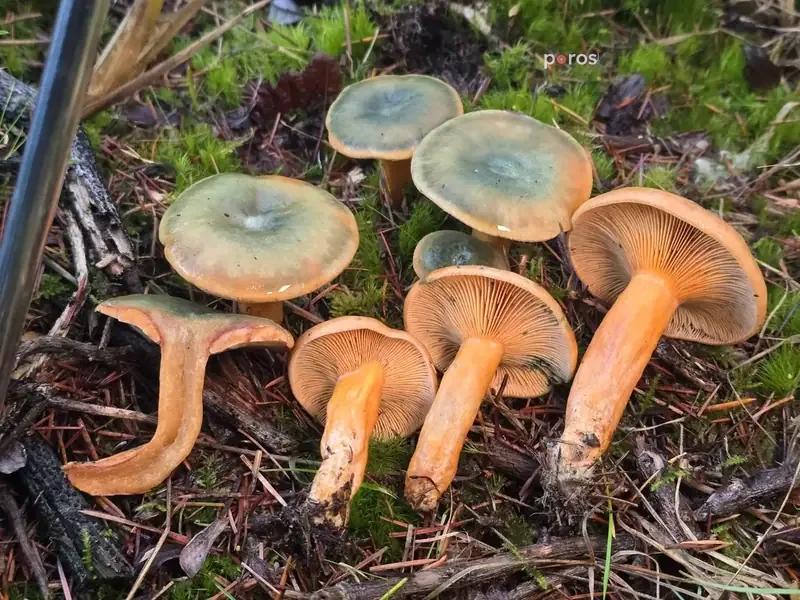
 ≠Saffron milk cap vs woolly milkcapLactarius deliciosus · Lactarius torminosusPoisonous
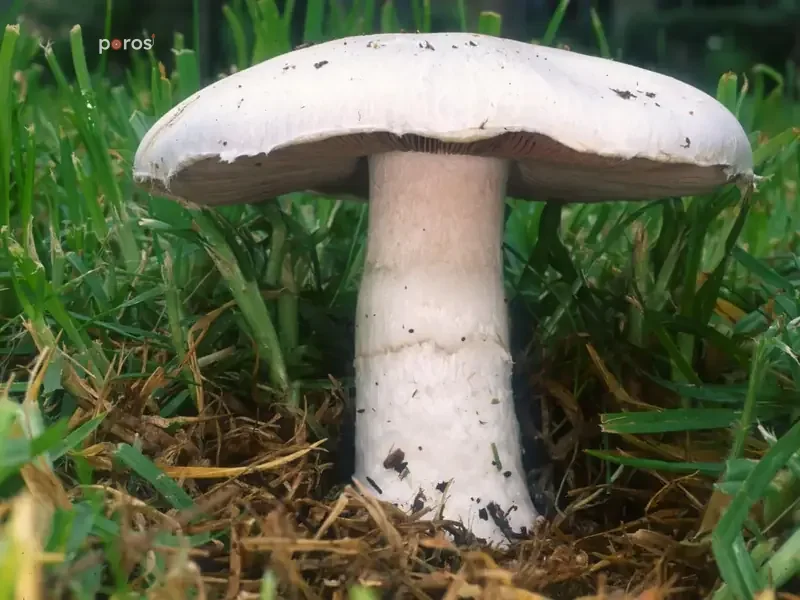
 ≠Field mushroom vs death capAgaricus campestris · Amanita phalloidesDeadly poisonous
 ≠Field mushroom vs yellow stainerAgaricus campestris · Agaricus xanthodermusPoisonous
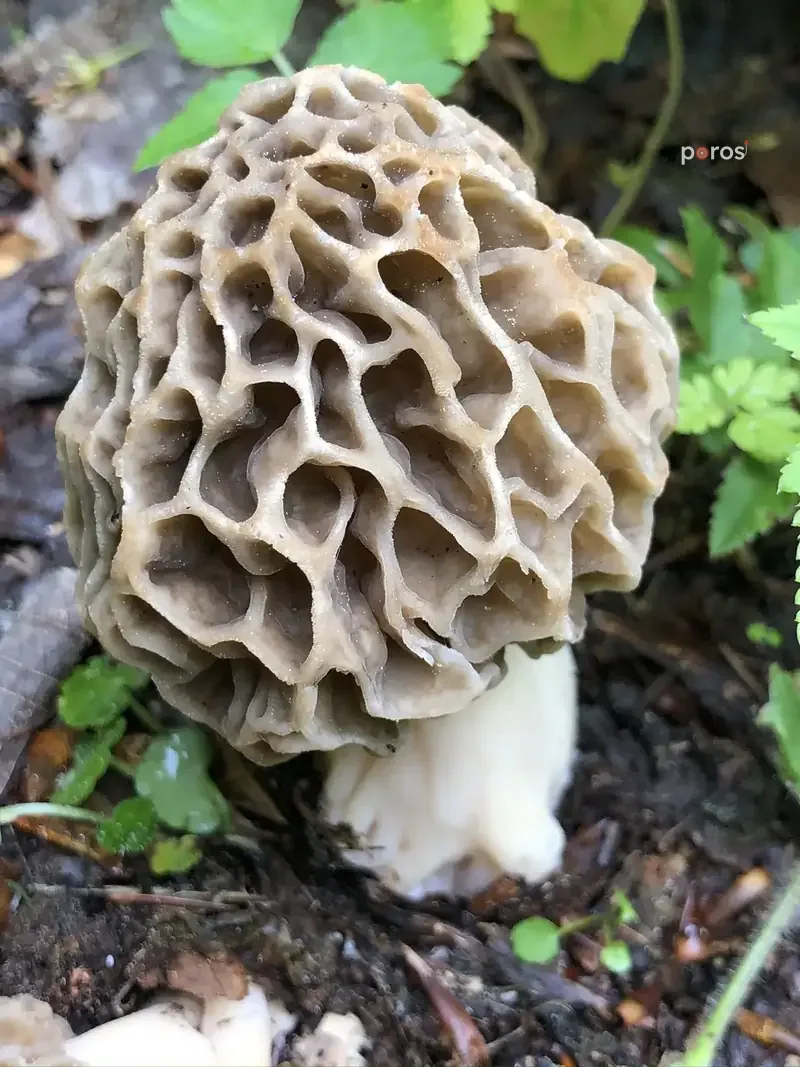
 ≠Morel vs false morelMorchella esculenta · Gyromitra esculentaDeadly poisonous
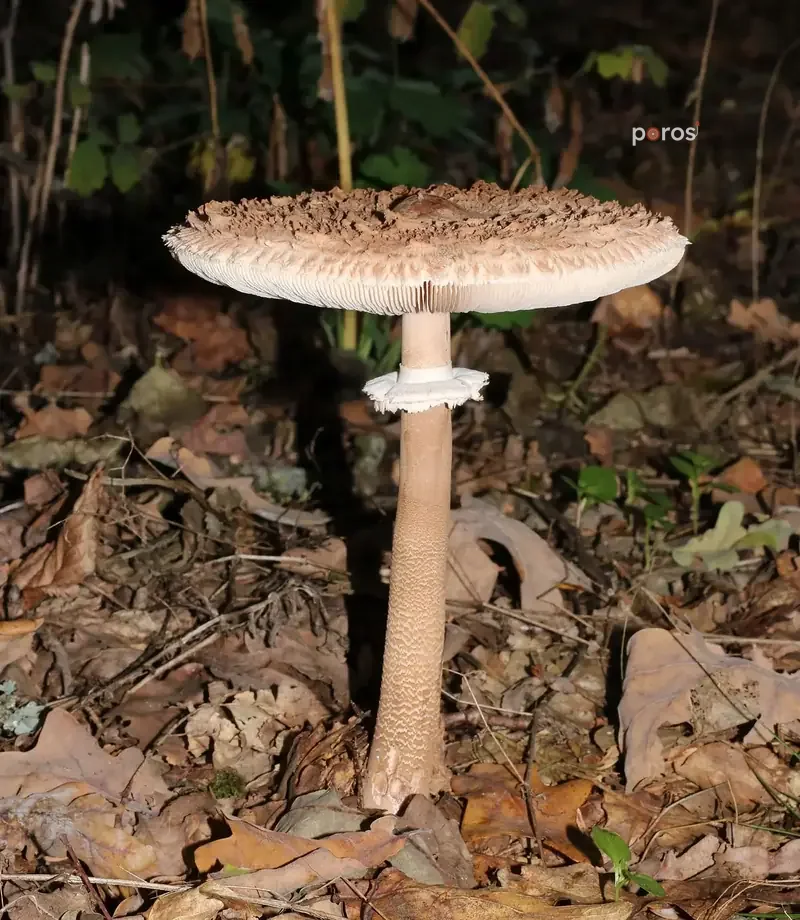
 ≠Parasol mushroom vs green-spored parasolMacrolepiota procera · Chlorophyllum molybditesPoisonous
 ≠Parasol mushroom vs deadly dapperlingMacrolepiota procera · Lepiota brunneoincarnataDeadly poisonous
Last updated: Prepared by the Poros Mantar editorial teamReport a correction