
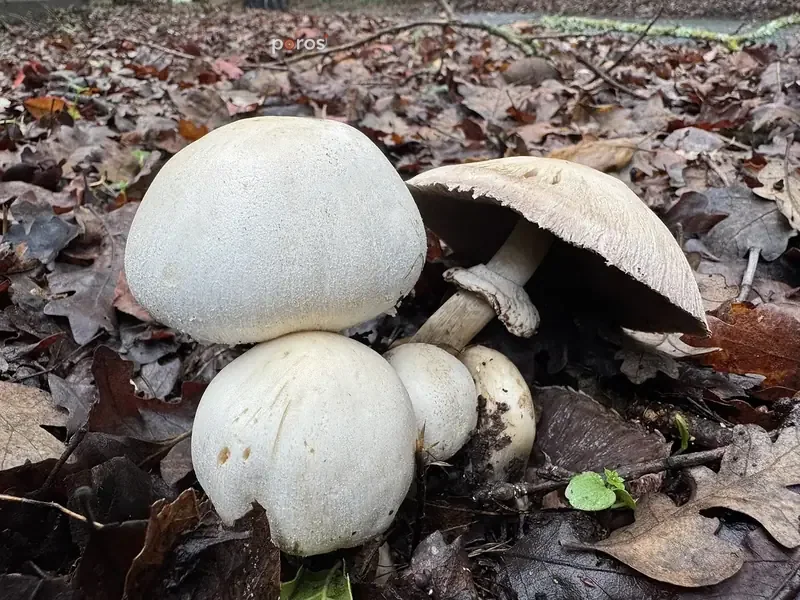


Horse mushroom
Agaricus arvensis · Agaricaceae
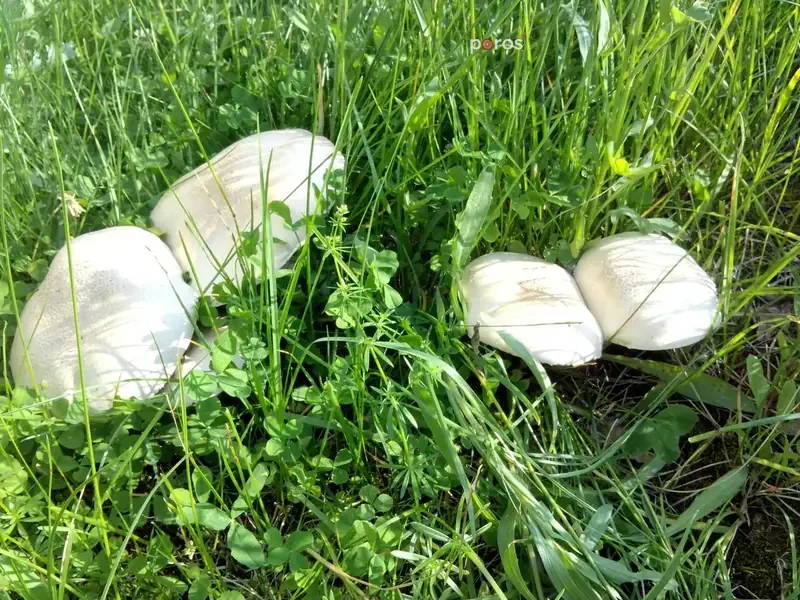
The horse mushroom (Agaricus arvensis) is the large cousin of the field mushroom: its white to cream cap reaches 8–20 cm, its gills go from pale greyish pink to dark brown, and its stem carries a large two-layered ring with a cogwheel pattern underneath.
Last updated: Prepared by the Poros Mantar editorial team7 sources checkedReport a correction
The horse mushroom (Agaricus arvensis) is the large cousin of the field mushroom: its white to cream cap reaches 8–20 cm, its gills go from pale greyish pink to dark brown, and its stem carries a large two-layered ring with a cogwheel pattern underneath. In Giresun it is called evelek mantarı. It is edible, but can be confused with the poisonous yellow stainer (Agaricus xanthodermus) and deadly white Amanitas.
Also called: horse mushroom Turkish: At mantarı, evelek mantarı, evlek mantarı Synonyms: Psalliota arvensis
How to recognise it
Horse mushroom, part by part
No volva Spore print: Dark purplish brown A pleasant smell of aniseed or almonds; never of ink or phenol.


When and where
May–Jun, Sep–Dec
- Jan
- Feb
- Mar
- Apr
- Mayin season
- Junin season
- Jul
- Aug
- Sepin season
- Octin season
- Novin season
- Decin season
The horse mushroom fruits in grassland after rain in summer and autumn; in Giresun locals also report it in spring. Turkish observations fall in May–June and September–December.
Where do horse mushrooms grow?
Meadows, pastures and grassy clearings at woodland edges, often in rings or arcs. It is not tied to trees and feeds on decaying plant matter in the soil.
In Turkey
A field study in Giresun (Karakayalı et al., 2022) recorded it as a species known and liked by all participants. iNaturalist holds observations from Istanbul, Ankara, Bursa, Aksaray, Niğde and Afyonkarahisar; GBIF has few Turkish records.
GBIF lists 2 records from Turkey; none yet has verified coordinates for our map.
Look-alikes
What could it be confused with?
Horse mushroom can be mistaken for the species below. Each card shows the look-alike and how it differs from Horse mushroom.
 Poisonous
not Horse mushroom
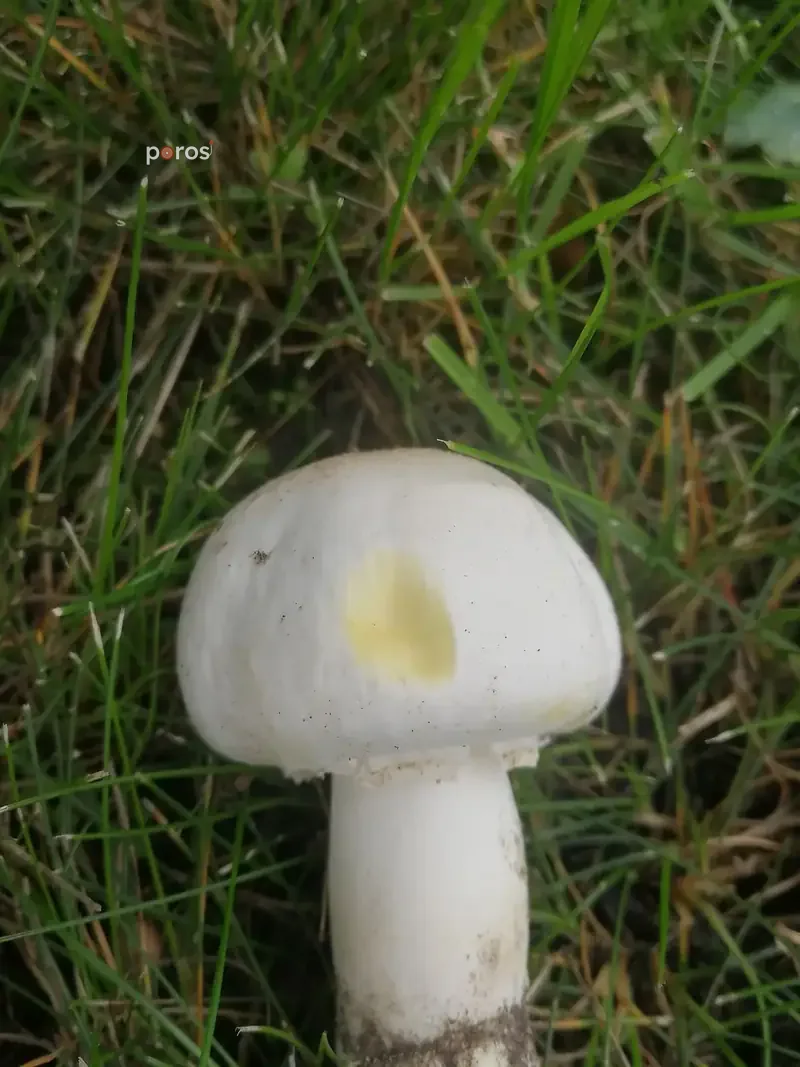
Yellow stainer Agaricus xanthodermus
The cap edge and especially the stem base turn bright chrome yellow within seconds when cut or scratched, and it smells of ink or phenol. The horse mushroom only slowly bruises pale yellowish and smells of aniseed. It causes gastrointestinal poisoning.
 Deadly
not Horse mushroom
Destroying angel Amanita virosa
Its gills never darken: they stay white and the spore print is white, and the stem base sits in a sac-like volva. Young horse mushrooms with unopened gills are therefore never picked without cutting them and checking the gill colour.
 Deadly
not Horse mushroom
Death cap Amanita phalloides
Its cap is usually olive green but white forms occur; its gills stay white, it has a volva at the stem base and it usually grows under trees.
 Edible species
not Horse mushroom
Field mushroom Agaricus campestris
Smaller (3–10 cm), with bright pink young gills, a thin single ring and no aniseed smell. It is also edible.
How to cook and eat horse mushrooms
Safety first. The horse mushroom is edible, but mix-ups between white mushrooms cause serious poisonings. Cut and check every specimen: darkening gills, no volva at the stem base, a base that does not turn chrome yellow and an aniseed smell must all be present. Do not eat anything you are unsure of; if poisoning is suspected, call poison control and keep any leftover mushroom.
How to prepare it
Cut and check every mushroom. Do not pick from roadsides or polluted ground: Agaricus species accumulate heavy metals.
Source: Wikipedia, First Nature.
How to store horse mushrooms
What it contains
In Giresun it is described as very tasty and well liked. The fleshy caps are fried, sautéed or baked; wild mushrooms are always eaten cooked. Specimens from polluted fields and roadsides can accumulate heavy metals.
General information, not a health claim.
Grow it, buy it
Horse mushroom price list
| Product | Us | Market (sourced, dated) |
|---|---|---|
| Fresh horse mushrooms | Made to order · ask | — |
| Dried horse mushrooms | Made to order · ask | — |
We make our horse mushrooms products in small batches, to order; send a request and we email you the price and delivery date. The market column shows prices seen on other sellers' pages on the date given; they are not our prices and may have changed.
Frequently asked questions
What is evelek mushroom?
According to an academic field study in Giresun, evelek is the local name of the horse mushroom (Agaricus arvensis), which is also called çayır mantarı there (Karakayalı et al., 2022). The same study records the parasol mushroom as kahverenkli evelek in coastal districts, so the name can refer to different grassland mushrooms by region.
Are evlek and evelek the same?
Evlek is used as a shortened form of evelek and appears for the horse mushroom in local sources. The form confirmed in the academic source is evelek (Giresun).
Is the horse mushroom edible?
Yes, it is a well-known edible and is eaten with relish in Giresun. The real risk is confusing it with the poisonous yellow stainer and deadly white Amanitas, so every specimen is cut and checked.
How do you tell it from the yellow stainer?
Cut the stem base: the yellow stainer turns bright chrome yellow within seconds and smells of ink. The horse mushroom smells of aniseed and only slowly bruises a pale yellow.
How does it differ from the field mushroom?
The horse mushroom is larger, with a big two-layered ring, pale greyish-pink young gills and an aniseed smell. The field mushroom has bright pink young gills and a thin ring. Both are edible.
When and where does it grow?
From summer to late autumn, after rain, in meadows, pastures and grassy woodland clearings; in Giresun it is also picked in spring. There are Turkish observations from Istanbul, Ankara, Bursa and Central Anatolia.
How is it cooked?
In Giresun it is fried and sautéed. The fleshy caps can be sliced and fried in butter or baked; wild mushrooms are always cooked through.
What is its Turkish name?
Its Turkish name on iNaturalist is at mantarı; in Giresun it is known as evelek mantarı.
Do horse mushrooms grow in horse manure?
Not directly. The horse mushroom grows in meadows and pastures, often where horses graze, which may explain its name. White mushrooms that come straight out of a manure heap are usually other species, and some small dung-loving mushrooms are not edible, so we identify them like any wild mushroom.
Are horse mushrooms edible?
Yes, the horse mushroom is an edible species. Eat a wild one only after an expert has identified it with certainty: it can be confused with yellow stainer (Agaricus xanthodermus), destroying angel (Amanita virosa) and death cap (Amanita phalloides). The horse mushroom is edible, but mix-ups between white mushrooms cause serious poisonings. Cut and check every specimen: darkening gills, no volva at the stem base, a base that does not turn chrome yellow and an aniseed smell must all be present. Do not eat anything you are unsure of; if poisoning is suspected, call poison control and keep any leftover mushroom.
When is horse mushroom season in Turkey?
In our calendar, horse mushroom season runs May–Jun, Sep–Dec. The horse mushroom fruits in grassland after rain in summer and autumn; in Giresun locals also report it in spring. Turkish observations fall in May–June and September–December.
Where do horse mushrooms grow?
Meadows, pastures and grassy clearings at woodland edges, often in rings or arcs. It is not tied to trees and feeds on decaying plant matter in the soil.
Where are horse mushrooms found in Turkey?
A field study in Giresun (Karakayalı et al., 2022) recorded it as a species known and liked by all participants. iNaturalist holds observations from Istanbul, Ankara, Bursa, Aksaray, Niğde and Afyonkarahisar; GBIF has few Turkish records.
What can the horse mushroom be confused with?
The horse mushroom can be confused with yellow stainer (Agaricus xanthodermus, poisonous), destroying angel (Amanita virosa, deadly), death cap (Amanita phalloides, deadly) and field mushroom (Agaricus campestris, edible species). Look-alikes are compared on this page.
What is the horse mushroom called in Turkish?
In Turkish, the horse mushroom (Agaricus arvensis) is called At mantarı; other local names include evelek mantarı and evlek mantarı.
Related species
-
 Button mushroomAgaricus bisporusEdible species
-
Field mushroomAgaricus campestrisEdible species
-
 Parasol mushroomMacrolepiota proceraEdible species
-
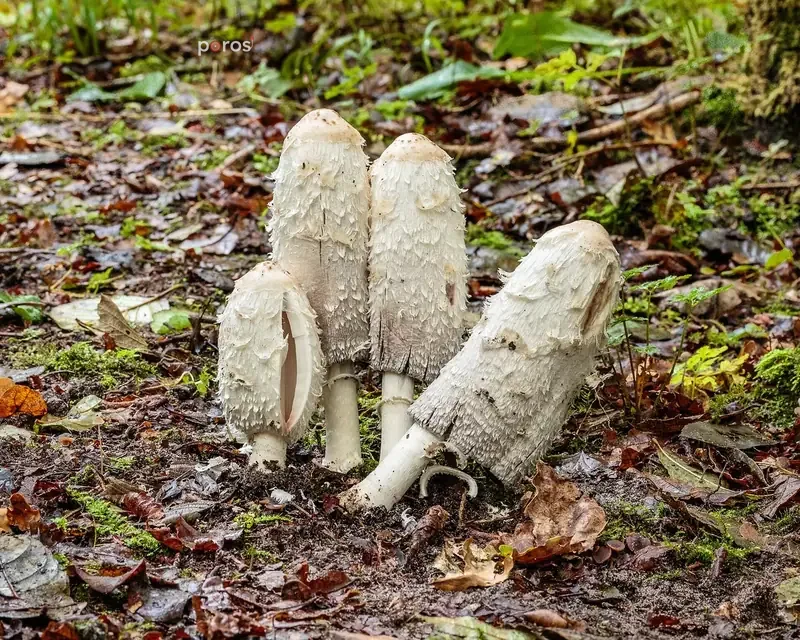 Shaggy ink capCoprinus comatusEdible species
-
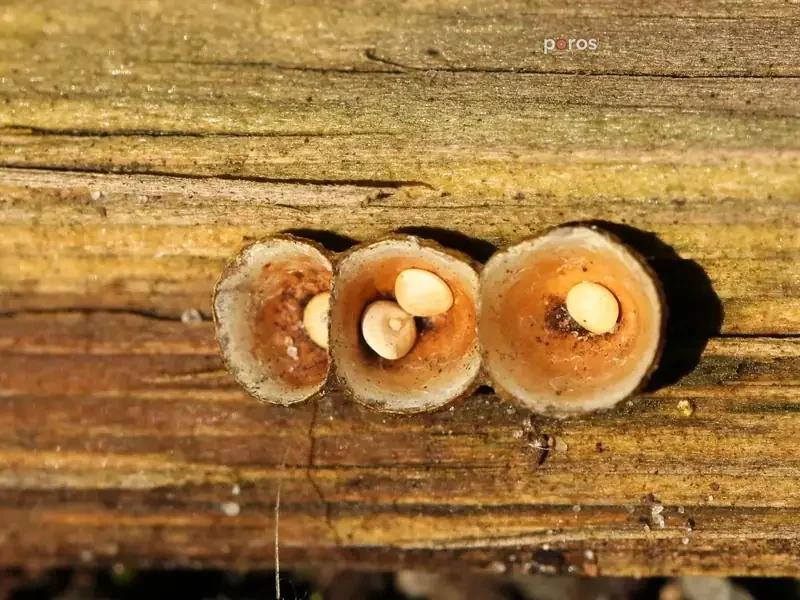 Common bird’s nest fungusCrucibulum laeveInedible
-
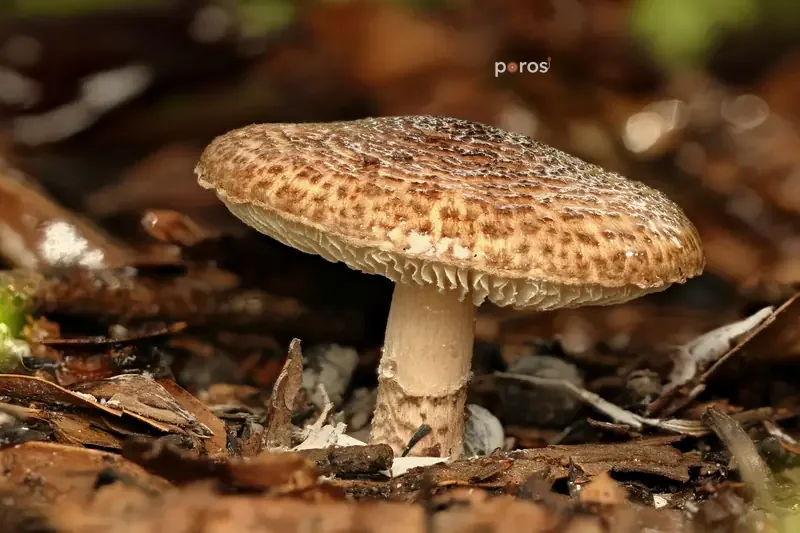 Deadly dapperlingLepiota brunneoincarnataDeadly poisonous
-
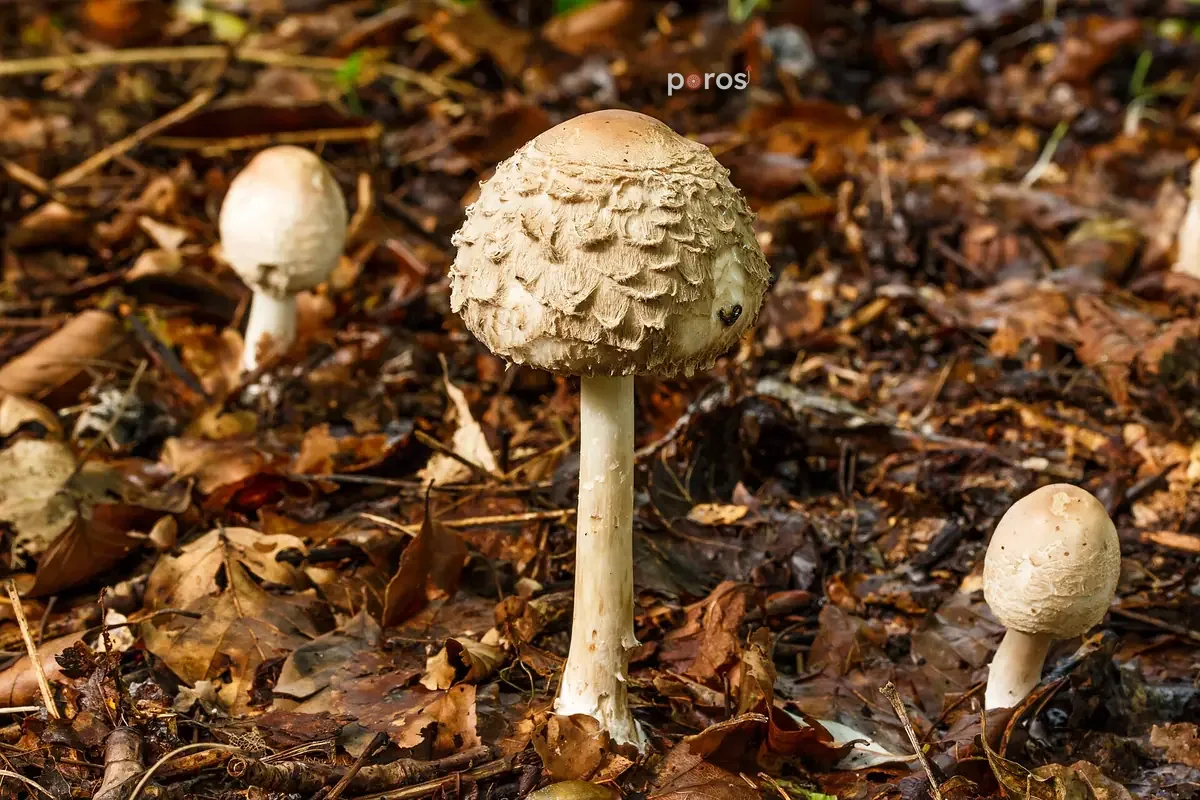 Shaggy parasolChlorophyllum rhacodesInedible
-
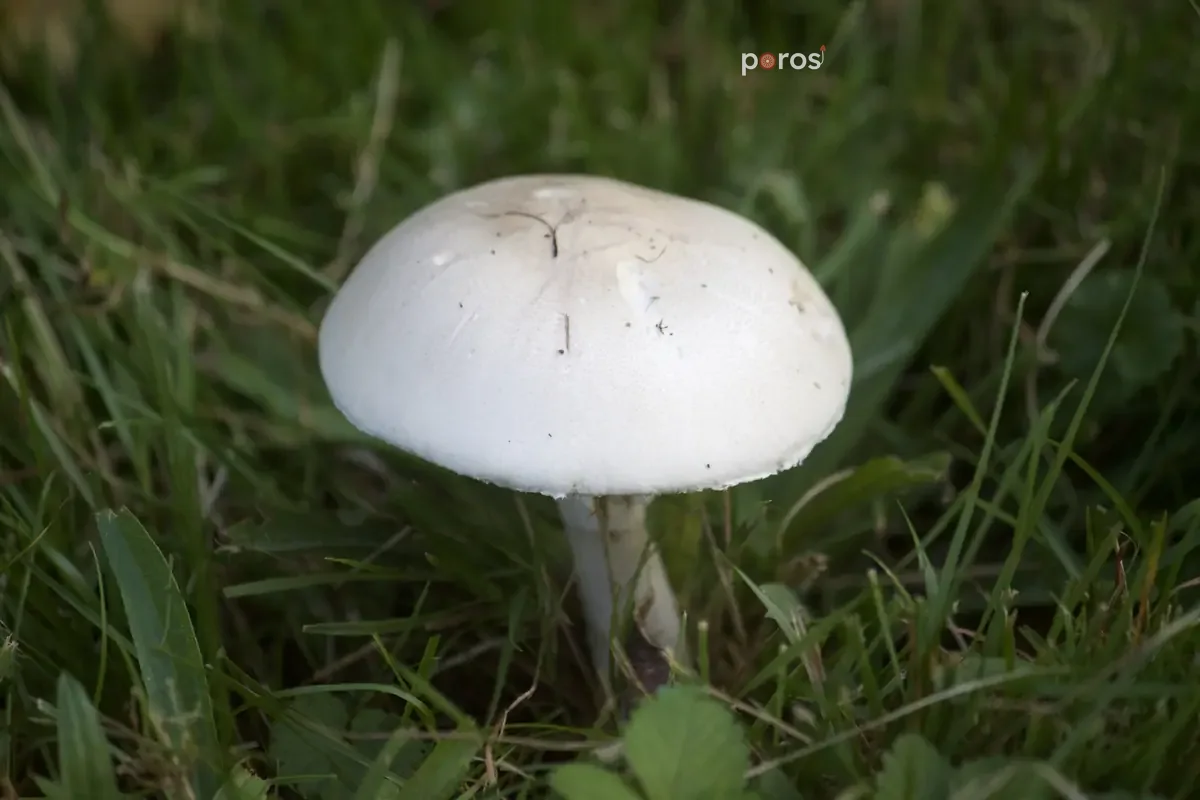 White dapperlingLeucocoprinus leucothitesInedible
Sources
- Karakayalı, Enes ve Kanca (2022), ODÜ Sosyal Bilimler Araştırmaları Dergisi: Giresun'da doğal olarak yetişen yenilebilir mantarların gastronomik değeri (Agaricus arvensis: Giresun'da evelek mantarı) dergipark.org.tr
- Wikipedia (EN): Agaricus arvensis en.wikipedia.org
- First Nature: Agaricus arvensis first-nature.com
All sources (7)
- Wikipedia (EN): Agaricus xanthodermus en.wikipedia.org
- iNaturalist: Agaricus arvensis (Türkçe adı At Mantarı, Türkiye gözlemleri) inaturalist.org
- GBIF: Agaricus arvensis gbif.org
- Mantarlı Yaşam: Agaricus arvensis (evlek, at evleği adları) mantarliyasam.com
Photo credits (8)
- File:Agaricus arvensis - December 2024 - Sarah Stierch 02.jpg · Missvain · CC0
- Agaricus arvensis · iNaturalist #12055020 · Kingman Bond-Graham · CC BY-SA 4.0
- File:Agaricus arvensis 7.jpg · Jon Sullivan · CC BY 4.0
- Agaricus arvensis · iNaturalist #161915853 · Angelique · CC0
- Agaricus arvensis · iNaturalist #2843777 · Jerry Cooper · CC BY 4.0
- Agaricus arvensis · iNaturalist #2843777 · Jerry Cooper · CC BY 4.0
- Agaricus arvensis · iNaturalist #49823876 · Виктория Билоус · CC BY 4.0
- File:Gewone anijschampignon (Agaricus arvensis). 14-10-2020 (d.j.b.).jpg · Dominicus Johannes Bergsma · CC BY-SA 4.0


