
Brown shaggy parasol
Chlorophyllum brunneum · Agaricaceae

The brown shaggy parasol (Chlorophyllum brunneum) is a large parasol, 8–20 cm across, with thick brown scales, growing in gardens, on compost heaps and manured ground. Its flesh turns orange-red then brown when cut, and its stem ends in a flat, sharply rimmed bulb. Some sources call it edible, but it is reported to cause stomach upsets and allergic reactions in many people and is confused with the green-spored parasol, so our advice is not to eat it. In Turkey there are GBIF records from Istanbul and seven iNaturalist observations.
Also called: shaggy parasol Turkish: Yünlü şemsiye mantarı Synonyms: Macrolepiota rachodes var. hortensis, Chlorophyllum rhacodes var. hortense
The name “shaggy parasol” is also used for: Shaggy parasol
Last updated: Prepared by the Poros Mantar editorial team3 sources checkedReport a correction
Brown shaggy parasol photos
-
© Sebastien Basso · CC BY-SA 4.0
-

© Tomasz Sobczak · CC BY-SA 4.0
-

Cap© Sigrid Jakob · CC0
-

Gills© Sigrid Jakob · CC0
-

Stem© Kat · CC0
-

Cross-section© Kat · CC0
-
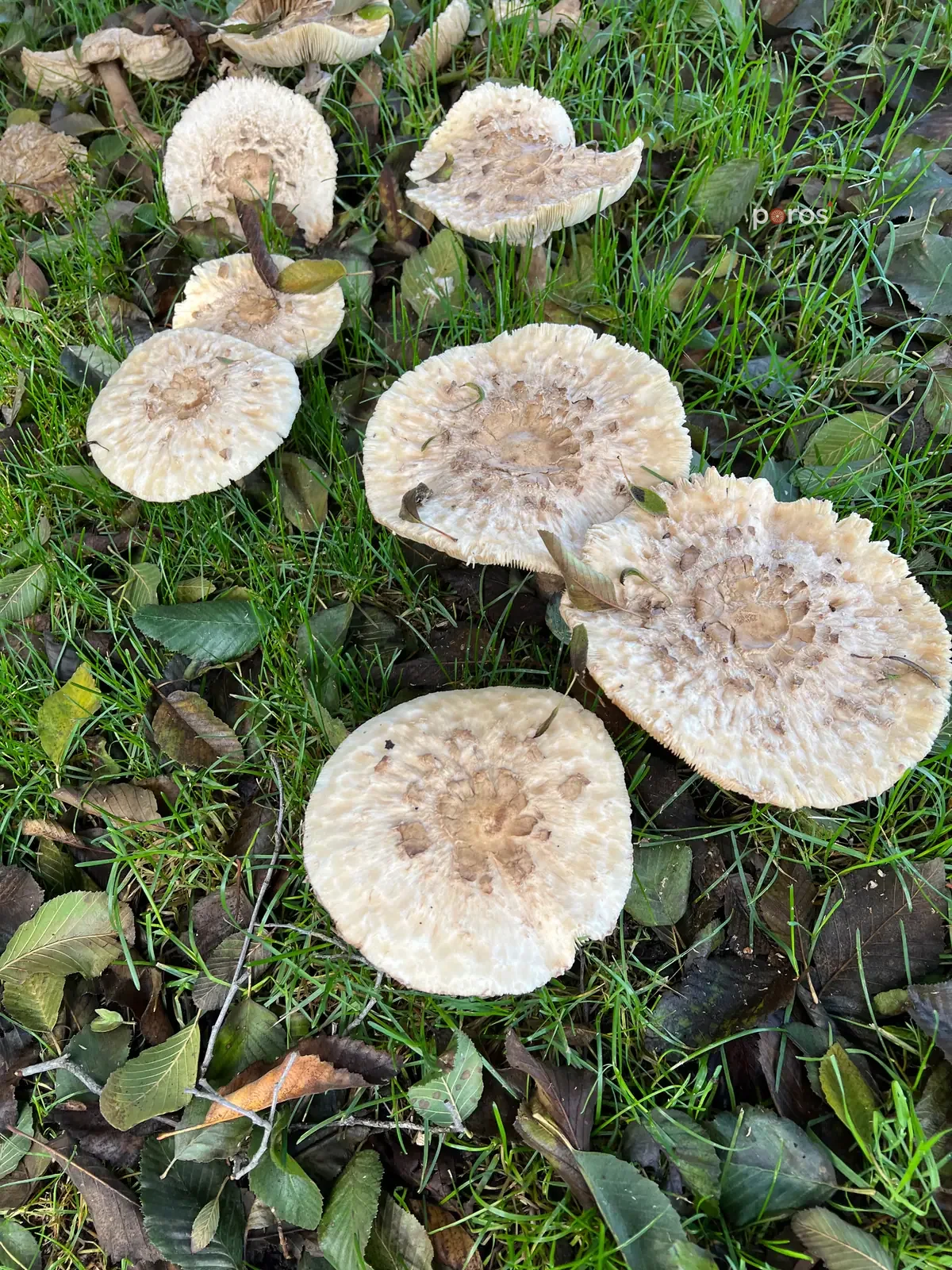
In habitat© Wendy St. John · CC BY-SA 4.0
-

© cooperj · CC BY 4.0
These are licensed records of this species; photos alone are not enough to identify a mushroom.
Are brown shaggy parasols poisonous?
According to Wikipedia it contains substances that can upset the stomach, some people react strongly to all Chlorophyllum species, and it is considered toxic in some European countries because it causes severe gastric upset. If poisoning is suspected, call 112 at once (Turkish poison centre: 114) and keep any leftover mushroom.
Are brown shaggy parasols edible?
Our advice is not to eat it. Some sources call it edible, but stomach upsets and allergic reactions are reported in many people, and it is considered toxic in some European countries.
How to recognise it
Appearance of brown shaggy parasols
No volva Spore print: White Mildly mushroomy.
Where do brown shaggy parasols grow?
A saprotroph of nutrient-rich, manured or composted soil in gardens, greenhouses, parks and around settlements, usually in groups.
Where is brown shaggy parasols found in Turkey?
Our map data holds 10 GBIF records from Turkey (Istanbul) and seven research-grade iNaturalist observations. It can turn up in town gardens and compost areas. Its Turkish name on iNaturalist is Yünlü Şemsiye Mantarı (woolly parasol).
Which months
- Jan0
- Feb0
- Mar0
- Apr3
- May0
- Jun1
- Jul0
- Aug0
- Sep0
- Oct1
- Nov1
- Dec2
1 provinces, 8 observations (GBIF, iNaturalist); months from observation dates. Record density also reflects where observers work.
Latest brown shaggy parasol observations
-
 İstanbul4 Jun 2026 · iNaturalist© Selim Türeli · CC BY
-
 İstanbul9 Nov 2025 · iNaturalist© Umut Nuri Erdoğan · CC BY
-
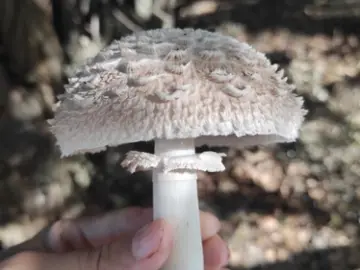 İstanbul6 Oct 2024 · iNaturalist© Umut Nuri Erdoğan · CC BY
-
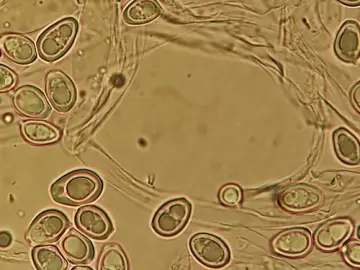 İstanbul21 Apr 2024 · iNaturalist© Umut Nuri Erdoğan · CC BY
-
 Illustrative
İstanbul25 Dec 2025 · Mushroom Observer
-
 Illustrative
İstanbul20 Dec 2024 · iNaturalist
-
 Illustrative
İstanbul21 Apr 2024 · iNaturalist
-
 Illustrative
İstanbul21 Apr 2024 · Mushroom Observer
- See on the map
On "illustrative" cards the image is a photo of the species; the observation photo cannot be shown here because of its licence, but can be seen at the source.
Look-alikes
What could it be confused with?
Brown shaggy parasol can be mistaken for the species below. Each comparison shows Brown shaggy parasol on the left, the look-alike on the right, and how to tell them apart.
Take care when foraging: Poisonous look-alikes of Brown shaggy parasol come first. If in doubt, leave it.

Green-spored parasol Chlorophyllum molybdites
How to tell The green-spored parasol's mature gills turn green and its spore print is green; it causes violent vomiting.
Other look-alikes (2)
 Inedible
not Brown shaggy parasol
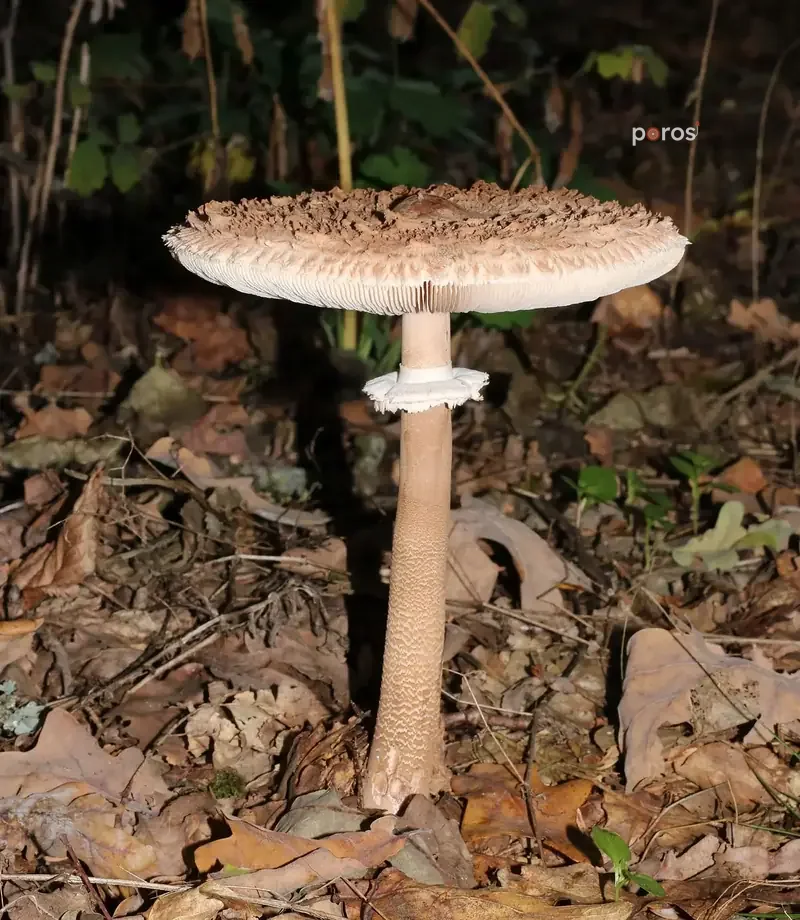
Shaggy parasol Chlorophyllum rhacodes
The shaggy parasol mostly grows in conifer litter, and its basal bulb is rounded rather than sharply rimmed.
 Edible species
not Brown shaggy parasol
Parasol mushroom Macrolepiota procera
The parasol has a tall, snakeskin-patterned stem and flesh that does not redden.
Brown shaggy parasol and its look-alikes compared
| Species | Status | Underside | Spore print | Season |
|---|---|---|---|---|
| Brown shaggy parasolChlorophyllum brunneum | Inedible | Free, crowded, white | White | Jul–Nov |
| Shaggy parasolChlorophyllum rhacodes | Inedible | Gills white, crowded and free | White. A greenish spore print points to the poisonous false parasol | Sep–Dec |
| Green-spored parasolChlorophyllum molybdites | Poisonous | Free, crowded | Green or greyish green (white in edible parasols) | Jun–Oct |
| Parasol mushroomMacrolepiota procera | Edible species | Crowded, free, white (pale pink with age) | White or very pale cream | Jul–Nov |
The table is compiled from each species page. The status column is a guide only; do not eat a wild mushroom unless an expert has seen it in person. Compare look-alikes side by side
We advise against eating the brown shaggy parasol. According to Wikipedia it contains substances that can upset the stomach, some people react strongly to all Chlorophyllum species, and it is considered toxic in some European countries because it causes severe gastric upset. It can also be confused with the green-spored parasol. If poisoning is suspected, call 112 (Turkish poison centre UZEM: 114) and keep any leftover mushroom.
Frequently asked questions
Are brown shaggy parasols poisonous?
According to Wikipedia it contains substances that can upset the stomach, some people react strongly to all Chlorophyllum species, and it is considered toxic in some European countries because it causes severe gastric upset. If poisoning is suspected, call 112 at once (Turkish poison centre: 114) and keep any leftover mushroom.
Are brown shaggy parasols edible?
Our advice is not to eat it. Some sources call it edible, but stomach upsets and allergic reactions are reported in many people, and it is considered toxic in some European countries.
How do you recognise it?
A large cap with thick brown scales, flesh that turns orange-red when cut, a thick movable ring and a flat, sharply rimmed bulb at the stem base.
Is it found in Turkey?
Yes. GBIF holds 10 records from Istanbul and iNaturalist seven observations.
How does it differ from the shaggy parasol?
Its bulb is flat and sharply rimmed and it grows in gardens and compost; the shaggy parasol has a rounded bulb and grows in woodland litter.
Can it be confused with the green-spored parasol?
Yes. The green-spored parasol has a green spore print; take a spore print from every large parasol-like mushroom.
Why is it called woolly?
Because of the thick, upturned scales and the woolly white ground between them; Yünlü Şemsiye Mantarı is its Turkish name on iNaturalist.
Where does it grow?
On manured and composted soil in gardens, greenhouses and park edges.
Which other mushroom is called “shaggy parasol”?
Besides the species on this page (Chlorophyllum brunneum), the name “shaggy parasol” is also used for Shaggy parasol (Chlorophyllum rhacodes, inedible). Common names overlap between species, so tell them apart by the Latin name and the identification features, not by the common name.
When is brown shaggy parasol season in Turkey?
In our calendar, brown shaggy parasol season runs Jul–Nov. Fruits from midsummer to late autumn on compost and manured soil.
Where do brown shaggy parasols grow?
A saprotroph of nutrient-rich, manured or composted soil in gardens, greenhouses, parks and around settlements, usually in groups.
Where are brown shaggy parasols found in Turkey?
Our map data holds 10 GBIF records from Turkey (Istanbul) and seven research-grade iNaturalist observations. It can turn up in town gardens and compost areas. Its Turkish name on iNaturalist is Yünlü Şemsiye Mantarı (woolly parasol).
What can the brown shaggy parasol be confused with?
The brown shaggy parasol can be confused with shaggy parasol (Chlorophyllum rhacodes, inedible), green-spored parasol (Chlorophyllum molybdites, poisonous) and parasol mushroom (Macrolepiota procera, edible species). Look-alikes are compared on this page.
What is the brown shaggy parasol called in Turkish?
In Turkish, the brown shaggy parasol (Chlorophyllum brunneum) is called Yünlü şemsiye mantarı.
Related species
-
 Common bird’s nest fungusCrucibulum laeveInedible
-
 Sandy stilt puffballBattarrea phalloidesInedible
-
Shaggy parasolChlorophyllum rhacodesInedible
-
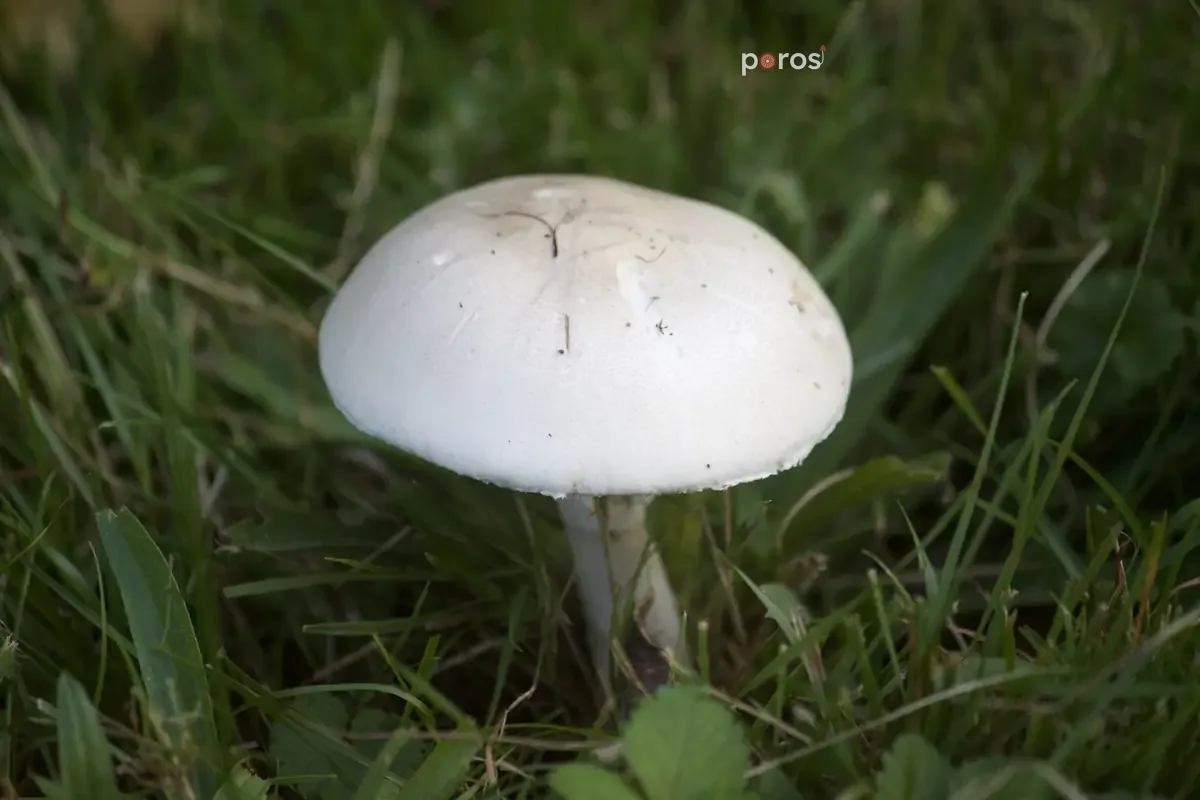 White dapperlingLeucocoprinus leucothitesInedible
-
 Almond mushroomAgaricus subrufescensEdible species
-
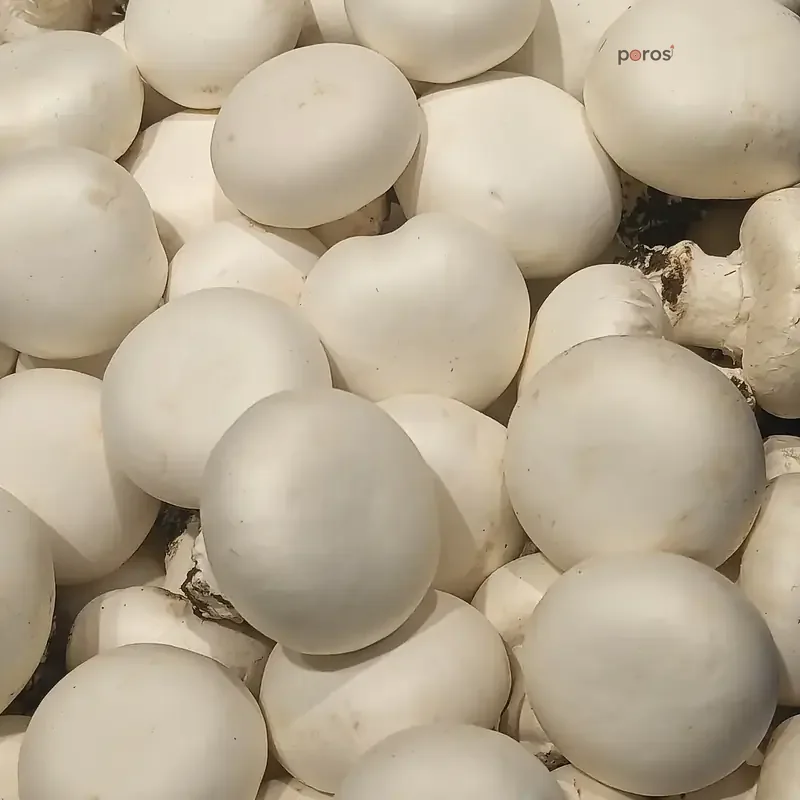 Button mushroomAgaricus bisporusEdible species
-
 Chestnut dapperlingLepiota castaneaDeadly poisonous
-
 Deadly dapperlingLepiota brunneoincarnataDeadly poisonous
Sources
- Wikipedia (EN): Chlorophyllum brunneum en.wikipedia.org
- iNaturalist: Chlorophyllum brunneum (Türkçe ad) inaturalist.org
- GBIF: Türkiye kayıtları gbif.org
Photo credits (12)
- File:Chlorophyllum brunneum 4.jpg · Sebastien Basso · CC BY-SA 4.0
- File:Chlorophyllum brunneum ts1.jpg · Tomasz Sobczak · CC BY-SA 4.0
- Chlorophyllum brunneum · iNaturalist #26855923 · Sigrid Jakob · CC0
- Chlorophyllum brunneum · iNaturalist #17810992 · Sigrid Jakob · CC0
- Chlorophyllum brunneum · iNaturalist #197628664 · Kat · CC0
- Chlorophyllum brunneum · iNaturalist #197628664 · Kat · CC0
- Chlorophyllum brunneum · iNaturalist #115844912 · Wendy St. John · CC BY-SA 4.0
- File:Chlorophyllum brunneum 2.jpg · cooperj · CC BY 4.0
- iNaturalist: İstanbul, 4 Jun 2026 · Selim Türeli · CC BY
- iNaturalist: İstanbul, 9 Nov 2025 · Umut Nuri Erdoğan · CC BY
- iNaturalist: İstanbul, 6 Oct 2024 · Umut Nuri Erdoğan · CC BY
- iNaturalist: İstanbul, 21 Apr 2024 · Umut Nuri Erdoğan · CC BY


