
Chestnut dapperling
Lepiota castanea · Agaricaceae

Lepiota castanea, the chestnut dapperling, is a tiny lepiota with a 1.5–4 cm chestnut to orange-brown cap covered in small scales. According to sources it carries amatoxins and can be deadly. Its orange-brown colour and small size make it easy to overlook; the danger for foragers is taking it for a small parasol or another edible species. GBIF holds a single Turkish record without a province.
Turkish: Lepiota castanea
Last updated: Prepared by the Poros Mantar editorial team5 sources checkedReport a correction
DEADLY POISONOUS — keep it out of any basket of mushrooms to eat.
Lepiota castanea can be deadly. According to sources it carries amatoxins; vomiting and diarrhoea, usually 6–12 hours after eating and sometimes as late as 24 hours, can be followed by liver damage (Şahin et al. 2023; CDC MMWR 2017). None of the small lepiotas can be safely told apart in the field. Never pick a parasol-like mushroom with a scaly cap under 10 cm and white gills. If poisoning is suspected, call 112 without waiting for symptoms (Turkish poison centre UZEM: 114) and keep any leftover mushroom.
Chestnut dapperling photos
-
© Claude PAGE · CC BY-SA 4.0
-

© Ryane Snow (snowman) at Mushroom Observer, a source for mycological i · CC BY-SA 3.0
-

Cap© Katerina Kalogerini · CC BY 4.0
-

Gills© Cricket Raspet · CC BY 4.0
-

© Daniel Ghyselinck · CC BY 4.0
-

Cap© Björn S... · CC BY-SA 2.0
-

Stem© Cara Ennis · CC BY 4.0
-

© Ewa Olchanowska · CC BY 4.0
-

Cap© Dominicus Johannes Bergsma · CC BY-SA 4.0
-

Stem© Jose Castro · CC BY 4.0
-

© jacilluch · CC BY-SA 2.0


These are licensed records of this species; photos alone are not enough to identify a mushroom.
Is the chestnut dapperling poisonous?
Yes, the chestnut dapperling is deadly poisonous and must never be eaten. According to sources it carries amatoxins and can be deadly. It can be mistaken for deadly dapperling (Lepiota brunneoincarnata), stinking dapperling (Lepiota cristata) and fatal dapperling (Lepiota subincarnata). If poisoning is suspected, call 112 at once (Turkish poison centre: 114) and keep any leftover mushroom.
Is the chestnut dapperling edible?
No, the chestnut dapperling must never be eaten; it is deadly poisonous. If poisoning is suspected, call 112 at once (Turkish poison centre: 114) and keep any leftover mushroom.
How to recognise it
Appearance of chestnut dapperling
No volva Spore print: White Faintly mushroomy or not distinctive.
Where does chestnut dapperling grow?
A saprotroph of deciduous and conifer woods, path edges and damp, rich soil among leaf and needle litter.
Where is chestnut dapperling found in Turkey?
Our map data holds a single Turkish GBIF record without a province and no iNaturalist observations from Turkey. Being widespread in Europe, it may well be overlooked in Turkish woodland.
- Bilecik1
Which months
- Jan0
- Feb0
- Mar0
- Apr0
- May0
- Jun0
- Jul0
- Aug0
- Sep0
- Oct1
- Nov0
- Dec0
1 provinces, 1 observations (GBIF, iNaturalist); months from observation dates. Record density also reflects where observers work.
Latest chestnut dapperling observations
 Illustrative
On "illustrative" cards the image is a photo of the species; the observation photo cannot be shown here because of its licence, but can be seen at the source.
Look-alikes
What is it mistaken for?
Chestnut dapperling can be mistaken for the species below. Each comparison shows Chestnut dapperling on the left, the look-alike on the right, and how to tell them apart.

Deadly dapperling Lepiota brunneoincarnata
How to tell The deadly dapperling is larger with pinkish-brown scales and mostly grows in grassland and gardens; both carry amatoxins.

Stinking dapperling Lepiota cristata
How to tell The stinking dapperling has a whiter ground with red-brown scales, a thin ring and a sharp rubbery smell.
Other look-alikes (1)
 Deadly
not Chestnut dapperling
Fatal dapperling Lepiota subincarnata
Lepiota subincarnata has pinkish-brown scales and mostly grows in grass; it is also deadly.
Chestnut dapperling and its look-alikes compared
| Species | Status | Underside | Spore print | Season |
|---|---|---|---|---|
| Chestnut dapperlingLepiota castanea | Deadly poisonous | Free, crowded, white to cream gills, spotting yellowish rust with age | White | Aug–Nov |
| Deadly dapperlingLepiota brunneoincarnata | Deadly poisonous | Free, white to cream gills | White | Sep–Nov |
| Stinking dapperlingLepiota cristata | Poisonous | Free, crowded, white gills | White | Jul–Nov |
| Fatal dapperlingLepiota subincarnata | Deadly poisonous | Free, crowded, white to creamy gills | White | Aug–Nov |
The table is compiled from each species page. The status column is a guide only; do not eat a wild mushroom unless an expert has seen it in person. Compare look-alikes side by side
Frequently asked questions
Is the chestnut dapperling poisonous?
Yes, the chestnut dapperling is deadly poisonous and must never be eaten. According to sources it carries amatoxins and can be deadly. It can be mistaken for deadly dapperling (Lepiota brunneoincarnata), stinking dapperling (Lepiota cristata) and fatal dapperling (Lepiota subincarnata). If poisoning is suspected, call 112 at once (Turkish poison centre: 114) and keep any leftover mushroom.
Is the chestnut dapperling edible?
No, the chestnut dapperling must never be eaten; it is deadly poisonous. If poisoning is suspected, call 112 at once (Turkish poison centre: 114) and keep any leftover mushroom.
How do you recognise it?
A 1.5–4 cm cream cap covered in chestnut-orange scales, crowded white gills, a slender stem scaly orange-brown below and no distinct ring.
Is it found in Turkey?
GBIF holds one Turkish record without a province; iNaturalist has no Turkish observations.
Why is it called castanea?
Latin castanea means chestnut; the name refers to the chestnut-coloured scales, not to the tree.
When do symptoms start?
In amatoxin poisoning symptoms usually start 6–12 hours after eating, sometimes as late as 24 hours. If in doubt, call 112 without waiting.
Can small parasol-like mushrooms be picked?
No. Several parasol-like mushrooms with scaly caps under 10 cm and white gills are deadly; none should be picked.
Where does it grow?
In deciduous and conifer woods and along paths, among litter on damp, rich soil.
When is chestnut dapperling season in Turkey?
In our calendar, chestnut dapperling season runs Aug–Nov. Fruits from August to November, mostly in September and October.
Where does chestnut dapperling grow?
A saprotroph of deciduous and conifer woods, path edges and damp, rich soil among leaf and needle litter.
Where is chestnut dapperling found in Turkey?
Our map data holds a single Turkish GBIF record without a province and no iNaturalist observations from Turkey. Being widespread in Europe, it may well be overlooked in Turkish woodland.
What can chestnut dapperling be confused with?
Chestnut dapperling can be confused with deadly dapperling (Lepiota brunneoincarnata, deadly), stinking dapperling (Lepiota cristata, poisonous) and fatal dapperling (Lepiota subincarnata, deadly). Look-alikes are compared on this page.
What is chestnut dapperling called in Turkish?
In Turkish, chestnut dapperling (Lepiota castanea) is called Lepiota castanea.
Related species
-
Deadly dapperlingLepiota brunneoincarnataDeadly poisonous
-
Fatal dapperlingLepiota subincarnataDeadly poisonous
-
 Almond mushroomAgaricus subrufescensEdible species
-
 Brown shaggy parasolChlorophyllum brunneumInedible
-
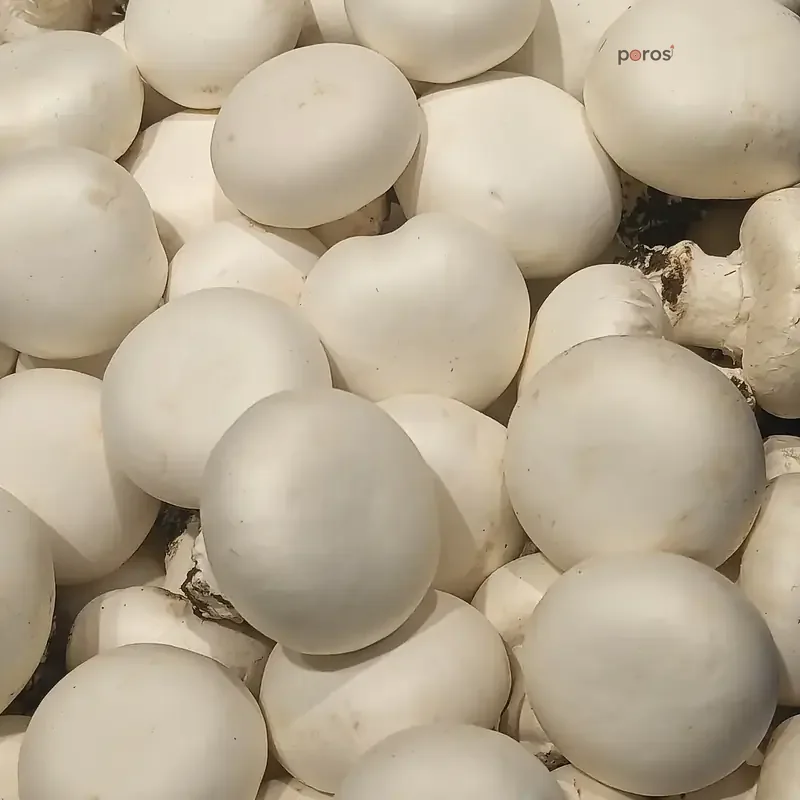 Button mushroomAgaricus bisporusEdible species
-
 Common bird’s nest fungusCrucibulum laeveInedible
-
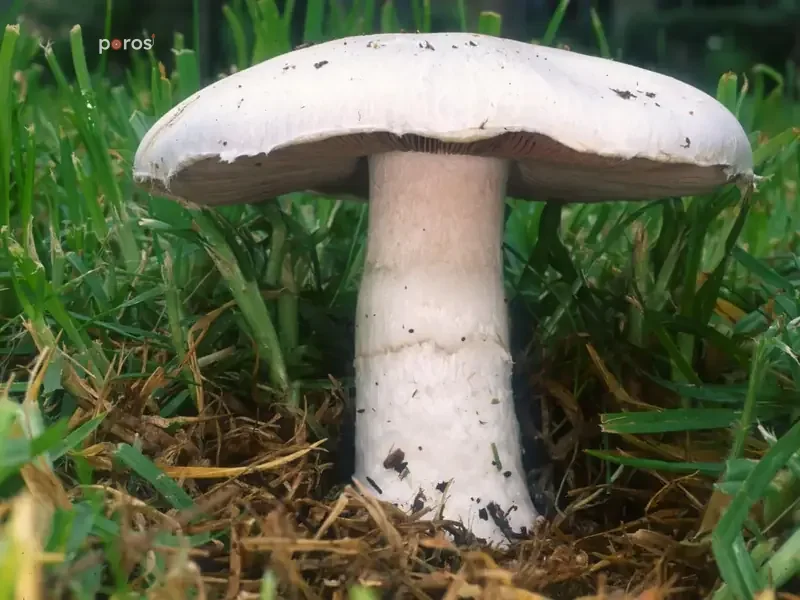 Field mushroomAgaricus campestrisEdible species
-
 Freckled dapperlingEchinoderma asperumPoisonous
Sources
- CDC MMWR (2017): Amanita phalloides mushroom poisonings, Northern California, December 2016 cdc.gov
- Şahin ve ark. (2023), Recent Trends in Pharmacology: Assessment and management of poisonous mushrooms in Türkiye dergipark.org.tr
- Wikipedia (EN): Lepiota castanea en.wikipedia.org
All sources (5)
- iNaturalist: Lepiota castanea inaturalist.org
- GBIF: Türkiye kayıtları gbif.org
Photo credits (11)
- File:Lepiota castanea.jpg · Claude PAGE · CC BY-SA 4.0
- File:Lepiota castanea 70848.jpg · Ryane Snow (snowman) at Mushroom Observer, a source for mycological i · CC BY-SA 3.0
- Lepiota castanea · iNaturalist #194519221 · Katerina Kalogerini · CC BY 4.0
- Lepiota castanea · iNaturalist #105350623 · Cricket Raspet · CC BY 4.0
- Lepiota castanea · iNaturalist #412672230 · Daniel Ghyselinck · CC BY 4.0
- File:Eichhof 06.08.2017 Chestnut Dapperling - Lepiota castanea (37225736221).jpg · Björn S... · CC BY-SA 2.0
- Lepiota castanea · iNaturalist #323434498 · Cara Ennis · CC BY 4.0
- Lepiota castanea · iNaturalist #141556206 · Ewa Olchanowska · CC BY 4.0
- File:Kastanjeparasolzwam (Lepiota castanea) (d.j.b.) 02.jpg · Dominicus Johannes Bergsma · CC BY-SA 4.0
- Lepiota castanea · iNaturalist #237295696 · Jose Castro · CC BY 4.0
- File:Lepiota castanea - Lepiota castaña (8288009737).jpg · jacilluch · CC BY-SA 2.0


