
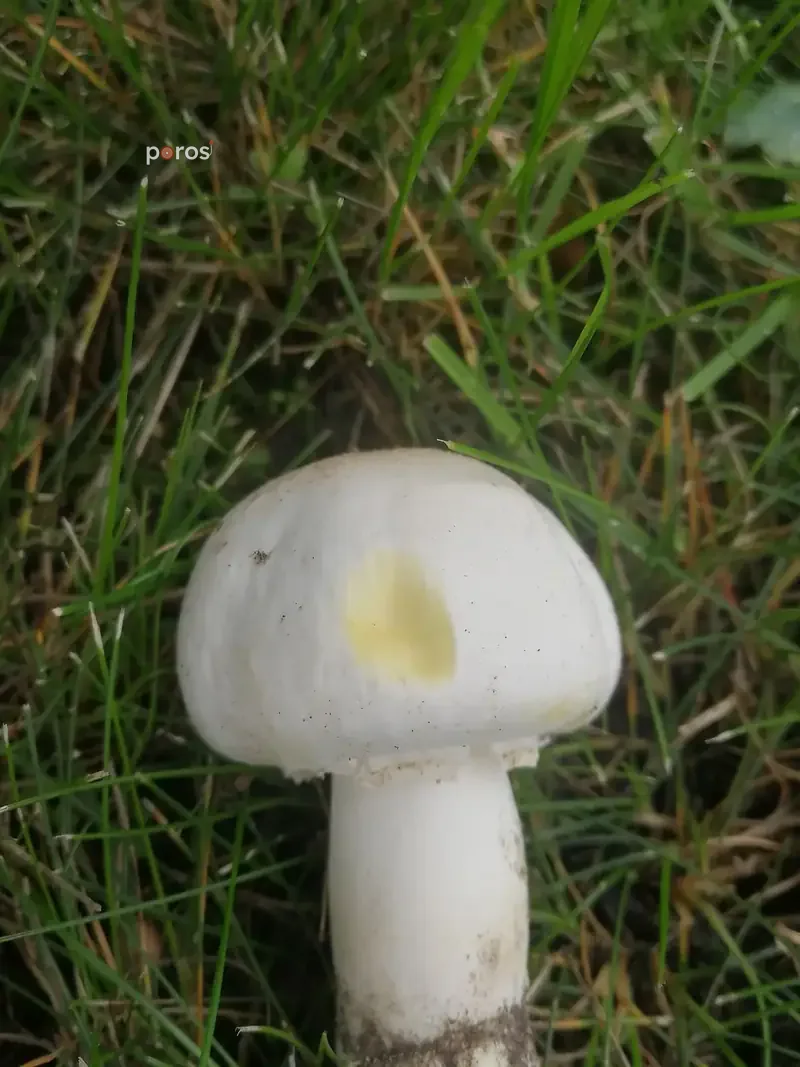


Yellow stainer
Agaricus xanthodermus · Agaricaceae
The yellow stainer is a poisonous Agaricus that looks very like the cultivated and field mushrooms, with a white cap and pinkish-brown gills.
Last updated: Prepared by the Poros Mantar editorial team5 sources checkedReport a correction
POISONOUS — do not eat.
If the yellow stainer is eaten, symptoms usually start within a few hours: nausea, vomiting, diarrhoea and abdominal cramps. Not everyone reacts the same way, but it is considered inedible and cooking does not make it safe. If poisoning is suspected, keep any leftover mushroom.
The yellow stainer is a poisonous Agaricus that looks very like the cultivated and field mushrooms, with a white cap and pinkish-brown gills. Scratch the cap or stem base and it instantly turns chrome yellow, with an unpleasant ink-like or phenol smell.
Also called: yellow-staining mushroom Turkish: Sararan çayır mantarı
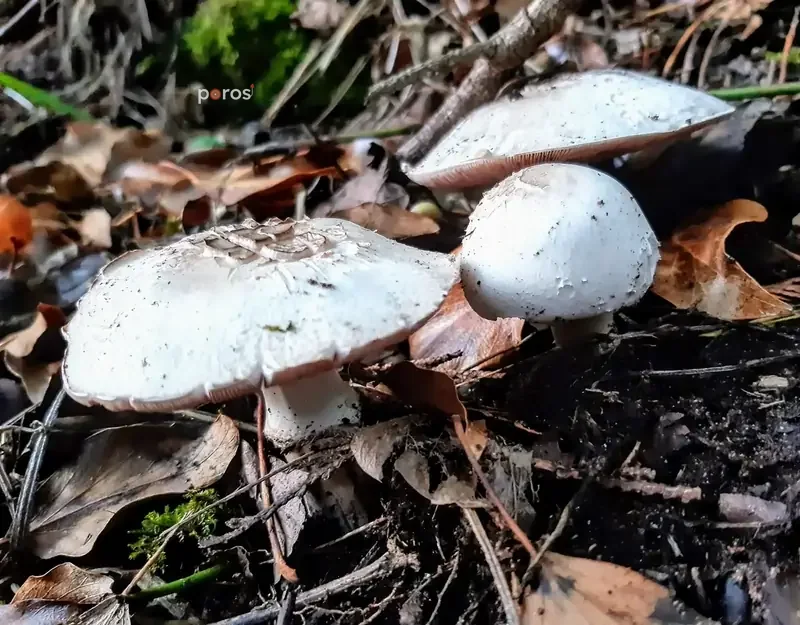
How to recognise it
Yellow stainer, part by part
No volva Spore print: Dark brown An unpleasant ink-like or phenol (hospital disinfectant) smell, stronger when cooked.


When and where
May, Oct–Nov
- Jan
- Feb
- Mar
- Apr
- Mayin season
- Jun
- Jul
- Aug
- Sep
- Octin season
- Novin season
- Dec
The yellow stainer fruits from late summer into autumn; the few Turkish GBIF records are from October–November and May.
Where does yellow stainer grow?
It grows on soil in parks, gardens, field edges, scrub and woodland, often in groups or rings.
Where is yellow stainer found in Turkey?
The yellow stainer has only a few GBIF records in Turkey; the province is stated only for Sakarya.
Which months
- Jan0
- Feb0
- Mar0
- Apr0
- May0
- Jun0
- Jul0
- Aug0
- Sep0
- Oct0
- Nov1
- Dec0
1 provinces, 1 observations (GBIF, iNaturalist); months from observation dates. Record density also reflects where observers work.
Latest yellow stainer observations
 Illustrative
On "illustrative" cards the image is a photo of the species; the observation photo cannot be shown here because of its licence, but can be seen at the source.
Look-alikes
What is it mistaken for?
Yellow stainer can be mistaken for the species below. Each card shows the look-alike and how it differs from Yellow stainer.
 Edible species
not Yellow stainer
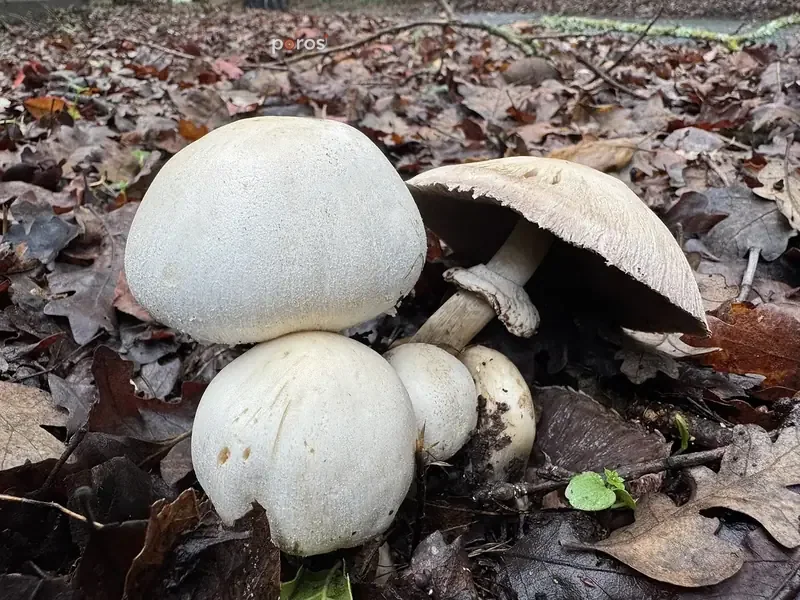
Field mushroom Agaricus campestris
The field mushroom does not stain yellow, smells pleasantly mushroomy and has a thin, single ring; its stem base stays white or slightly pink when cut.
 Edible species
not Yellow stainer
Horse mushroom Agaricus arvensis
The horse mushroom can also bruise yellowish slowly, but it smells of aniseed or almond and its stem base does not turn chrome yellow when cut. If the difference cannot be judged with certainty, do not pick it.
 Edible species
not Yellow stainer
Button mushroom Agaricus bisporus
The cultivated button mushroom does not stain yellow and smells pleasant; even wild specimens show no yellow staining at the stem base.
 Deadly
not Yellow stainer
Death cap Amanita phalloides
Its gills stay white throughout life and the stem base sits in a sac-like volva; young white Agaricus and Amanita can be confused, so always dig out the stem base.
 Inedible
not Yellow stainer
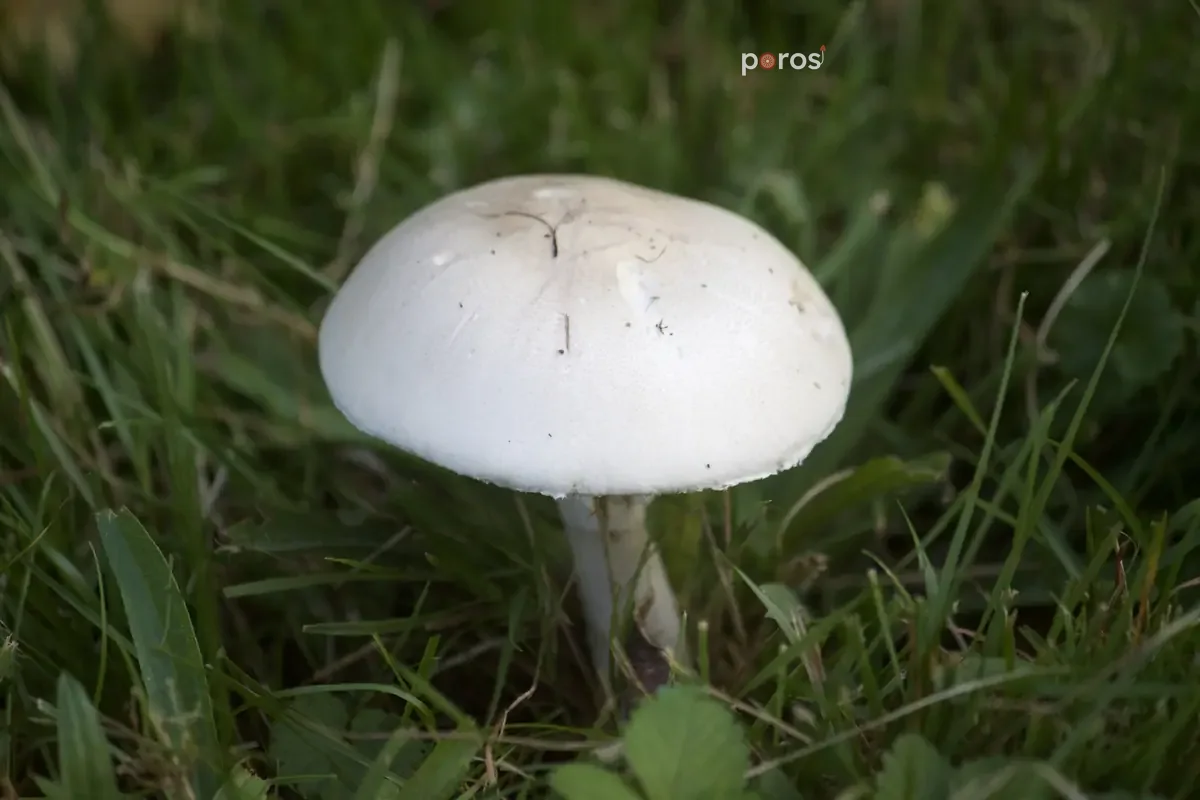
White dapperling Leucocoprinus leucothites
The white dapperling does not turn yellow when cut, has no inky smell and its gills stay white; its spore print is white.
Toxins
Phenol and related compounds are held responsible for the yellow stainer's digestive symptoms and also give it its characteristic smell. Source
Frequently asked questions
Is the yellow stainer poisonous?
Yes. In most people it causes nausea, vomiting, diarrhoea and abdominal cramps. Not everyone reacts, but it is considered inedible.
How do you identify the yellow stainer?
Scratch the white cap or stem base and it turns bright chrome yellow within seconds; it smells of ink or phenol, its gills go from pink to brown and it has a large double ring.
How is it told from the field mushroom?
The field mushroom does not stain yellow, smells pleasant and its stem base stays white when cut. Cutting the stem base and looking for chrome yellow is the most useful test.
Does cooking make it safe?
No. Cooking does not remove its toxic effect; the unpleasant smell actually gets stronger as it cooks.
Does the yellow stainer have a Turkish name?
We could not find an established Turkish common name in the sources, so this page uses a descriptive name.
Where is it found in Turkey?
In parks, gardens and field edges. GBIF holds only a few Turkish records, and the province is stated only for Sakarya.
Is yellow stainer poisonous?
Yes, yellow stainer is poisonous and must not be eaten. If the yellow stainer is eaten, symptoms usually start within a few hours: nausea, vomiting, diarrhoea and abdominal cramps. Not everyone reacts the same way, but it is considered inedible and cooking does not make it safe. If poisoning is suspected, keep any leftover mushroom.
When is yellow stainer season in Turkey?
In our calendar, yellow stainer season runs May, Oct–Nov. The yellow stainer fruits from late summer into autumn; the few Turkish GBIF records are from October–November and May.
Where does yellow stainer grow?
It grows on soil in parks, gardens, field edges, scrub and woodland, often in groups or rings.
Where is yellow stainer found in Turkey?
The yellow stainer has only a few GBIF records in Turkey; the province is stated only for Sakarya.
What can yellow stainer be confused with?
Yellow stainer can be confused with field mushroom (Agaricus campestris, edible species), horse mushroom (Agaricus arvensis, edible species), button mushroom (Agaricus bisporus, edible species), death cap (Amanita phalloides, deadly) and white dapperling (Leucocoprinus leucothites, inedible). Look-alikes are compared on this page.
What is yellow stainer called in Turkish?
In Turkish, yellow stainer (Agaricus xanthodermus) is called Sararan çayır mantarı.
Related species
-
Button mushroomAgaricus bisporusEdible species
-
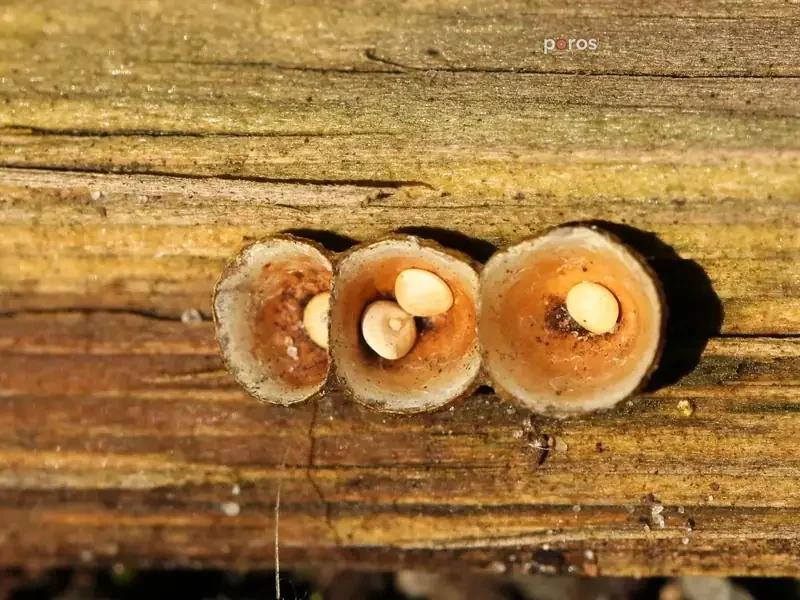 Common bird’s nest fungusCrucibulum laeveInedible
-
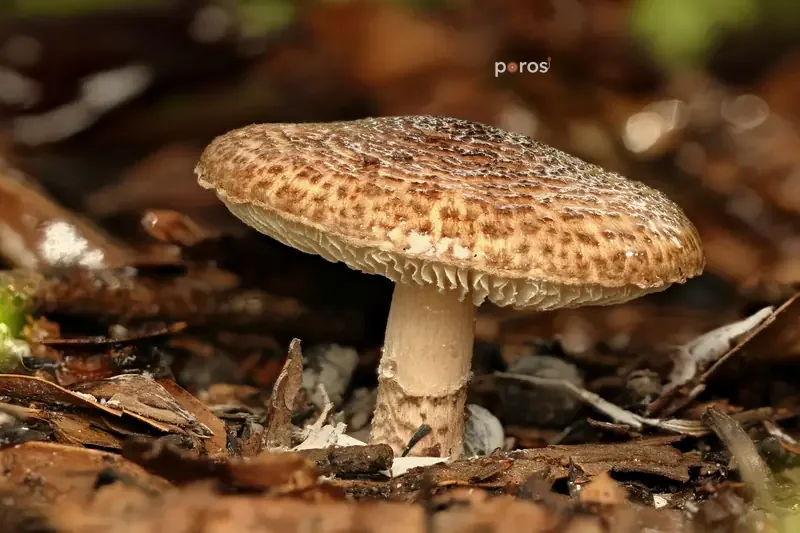 Deadly dapperlingLepiota brunneoincarnataDeadly poisonous
-
Field mushroomAgaricus campestrisEdible species
-
Horse mushroomAgaricus arvensisEdible species
-
 Parasol mushroomMacrolepiota proceraEdible species
-
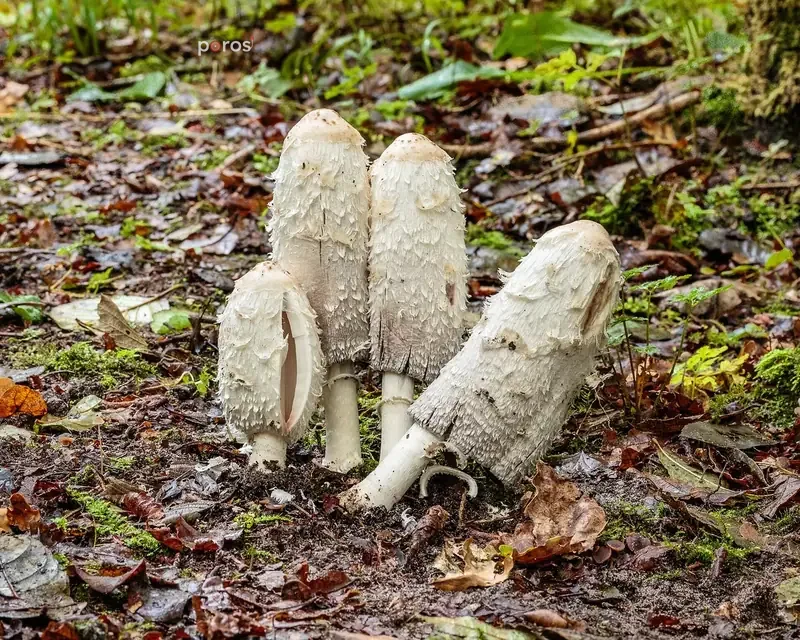 Shaggy ink capCoprinus comatusEdible species
-
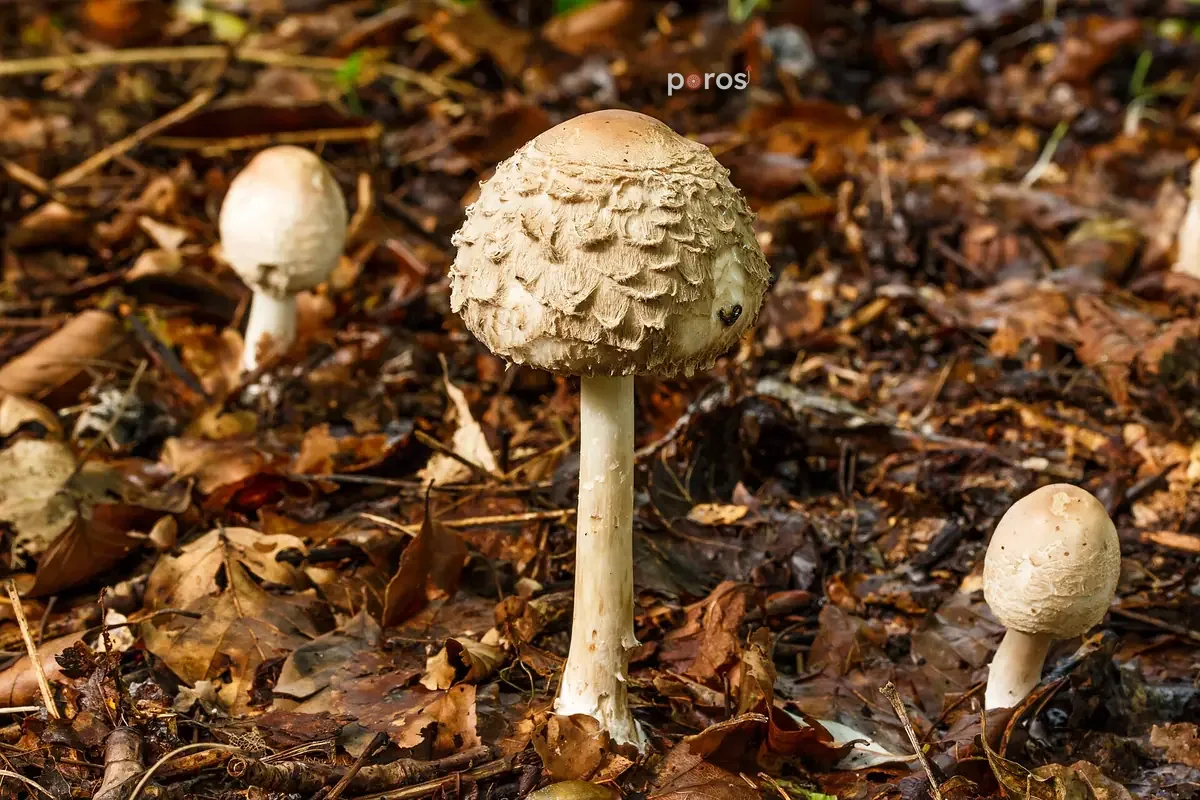 Shaggy parasolChlorophyllum rhacodesInedible
Sources
- Gill ve Strauch (1984), Zeitschrift für Naturforschung C: Agaricus xanthodermus bileşenleri ve toksik fenolik madde pubmed.ncbi.nlm.nih.gov
- Wikipedia (EN): Agaricus xanthodermus en.wikipedia.org
- First Nature: Agaricus xanthodermus first-nature.com
All sources (5)
- GBIF: Türkiye kayıtları gbif.org
- iNaturalist: Türkiye gözlemleri inaturalist.org
Photo credits (8)
- File:Agaricus xanthodermus ts4.jpg · Tomasz Sobczak · CC BY-SA 4.0
- Agaricus xanthodermus · iNaturalist #172408577 · Duncan Brooks · CC BY 4.0
- Agaricus xanthodermus · iNaturalist #19325942 · Cindy Trubovitz · CC BY-SA 4.0
- File:Agaricus xanthodermus ts5.jpg · Tomasz Sobczak · CC BY-SA 4.0
- File:Agaricus xanthodermus section.jpg · Velella · CC BY-SA 3.0
- File:Agaricus xanthodermus 6.jpg · andy71 · CC0
- File:Agaricus xanthodermus 170723wb.JPG · Strobilomyces · CC BY-SA 3.0
- Agaricus xanthodermus · iNaturalist #167651557 · szegedigombasz · CC0


