
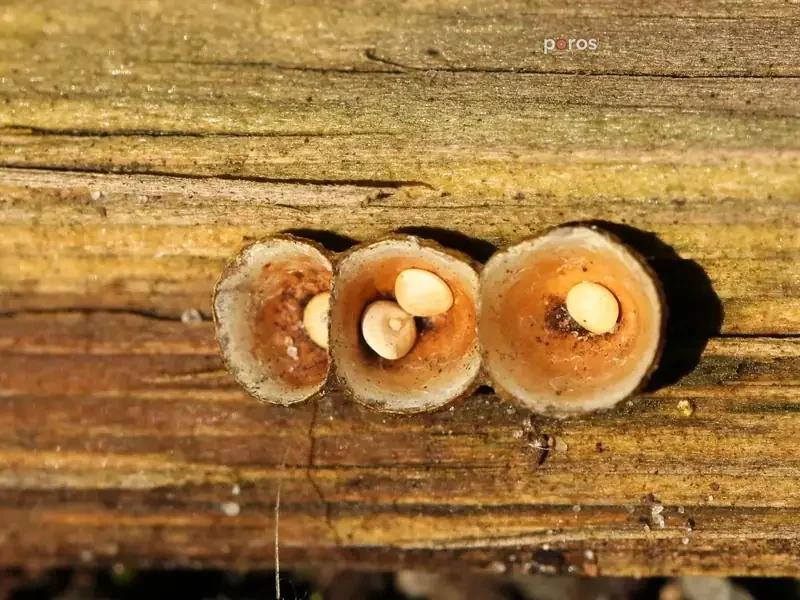


Common bird’s nest fungus
Crucibulum laeve · Agaricaceae
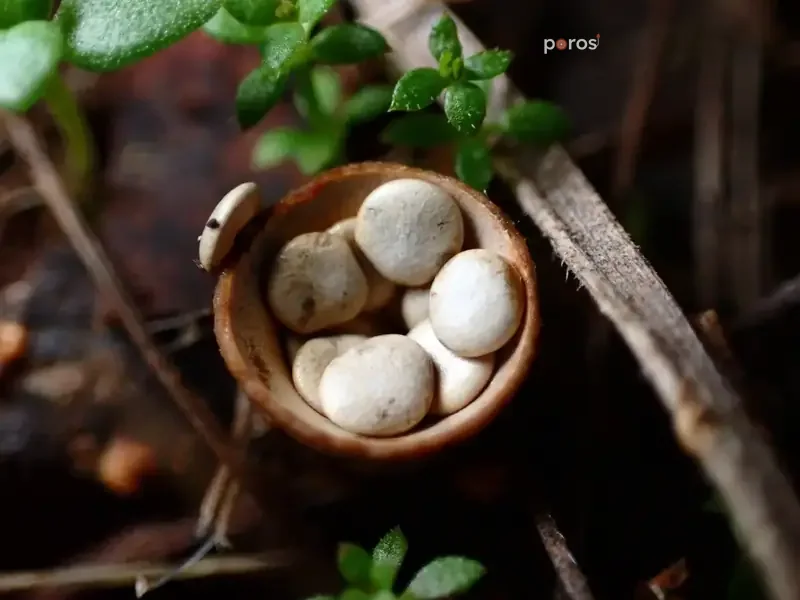
The common bird's nest fungus (Crucibulum laeve) is a tiny cup 5–10 mm across that holds white, lentil-like spore packets (peridioles) resembling eggs in a nest.
Last updated: Prepared by the Poros Mantar editorial team6 sources checkedReport a correction
The common bird's nest fungus (Crucibulum laeve) is a tiny cup 5–10 mm across that holds white, lentil-like spore packets (peridioles) resembling eggs in a nest. When a raindrop hits the cup, the eggs are splashed out. The field bird's nest (Cyathus olla) looks similar. It is far too small and tough to eat.
Also called: white-egg bird's nest Turkish: Kuş yuvası mantarı Synonyms: Crucibulum vulgare
How to recognise it
Common bird’s nest fungus, part by part
No ring or volva Spore print: The spores are held inside the peridioles; no spore print is taken No distinctive smell.

When and where
May, Oct–Mar
- Janin season
- Febin season
- Marin season
- Apr
- Mayin season
- Jun
- Jul
- Aug
- Sep
- Octin season
- Novin season
- Decin season
Bird's nest fungi appear in Turkey with the autumn and winter rains; our records run from October to March, with some in May.
Type Inedible
Months seen OctoberNovemberDecemberJanuaryFebruaryMarchMay
Regions Southeastern Anatolia RegionBlack Sea RegionCentral Anatolia RegionMediterranean RegionAegean RegionMarmara RegionManisaMuğlaAnkaraBursaIstanbulKırklareli
Where does common bird's nest fungus grow?
On rotting twigs, wood chips, sawdust, straw and plant debris, in garden mulch and along woodland edges, in crowded groups. Cyathus olla is more often found on plant debris in fields, gardens and open ground.
Where is common bird's nest fungus found in Turkey?
Our map data (GBIF and iNaturalist) holds 25 Turkish records of Crucibulum laeve, 21 of them from Istanbul, plus Tokat, Osmaniye and Bolu. The similar Cyathus olla adds 17 records from Muğla, Kırklareli, Istanbul, Manisa, Adıyaman, Bursa, Ankara, Hatay, İzmir and Samsun.
Other provinces: Samsun (1)
Which months
- Jan9
- Feb8
- Mar3
- Apr0
- May5
- Jun0
- Jul0
- Aug0
- Sep0
- Oct4
- Nov5
- Dec8
common bird's nest fungus map of Turkey: all provinces and months →
13 provinces, 42 observations (GBIF, iNaturalist); months from observation dates. Record density also reflects where observers work.
Latest common bird's nest fungus observations
-
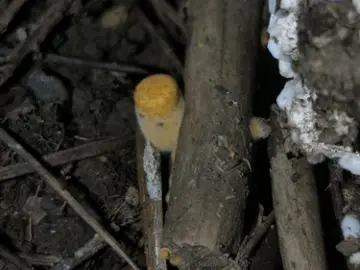 İstanbul7 Oct 2026 · iNaturalist© Umut Nuri Erdoğan · CC BY
-
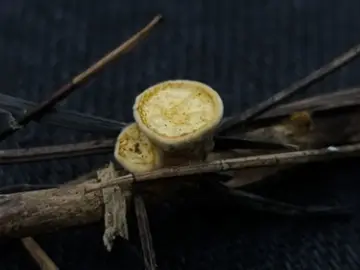 İstanbul7 Oct 2026 · iNaturalist© Umut Nuri Erdoğan · CC BY
-
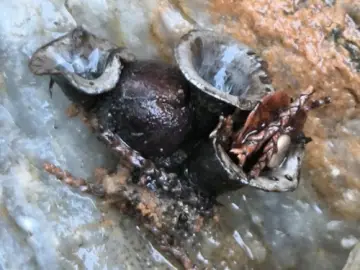 Bursa16 Feb 2026 · iNaturalist© Umut Nuri Erdoğan · CC BY
-
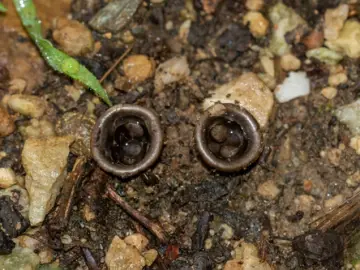 Kırklareli8 Nov 2025 · iNaturalist© Asrın Akıncıoğlu · CC BY
-
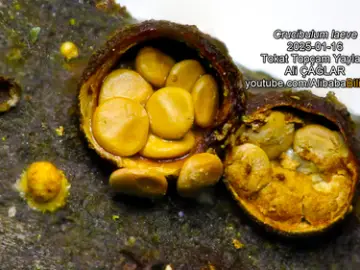 Tokat16 Jan 2025 · iNaturalist© Ali Çağlar · CC BY
-
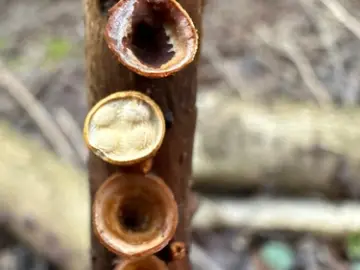 İstanbul1 Jan 2025 · iNaturalist© Umut Nuri Erdoğan · CC BY
-
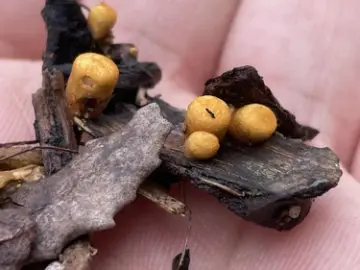 İstanbul22 Dec 2024 · iNaturalist© no rights reserved · CC0
-
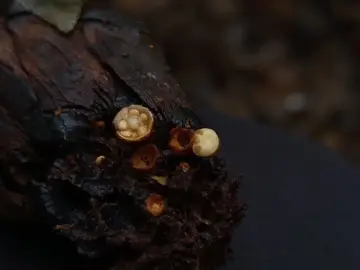 İstanbul5 Dec 2024 · iNaturalist© Umut Nuri Erdoğan · CC BY
- See on the map
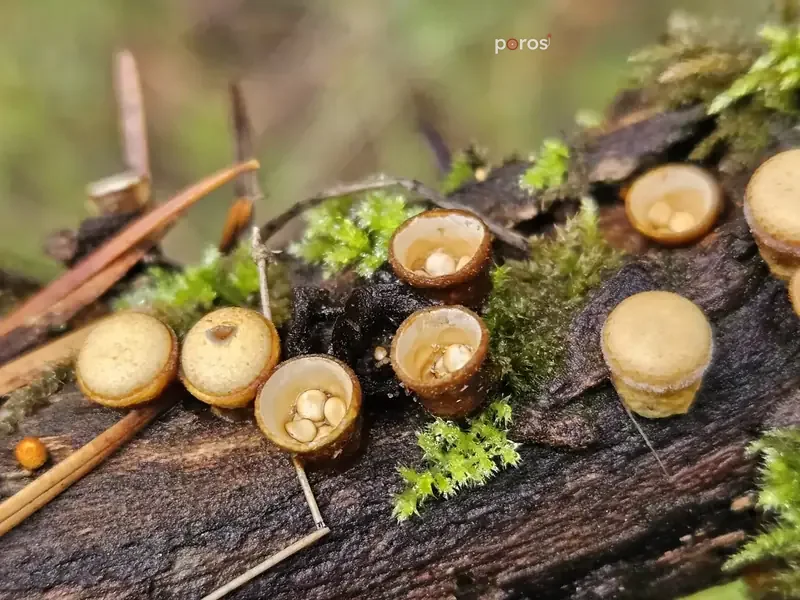
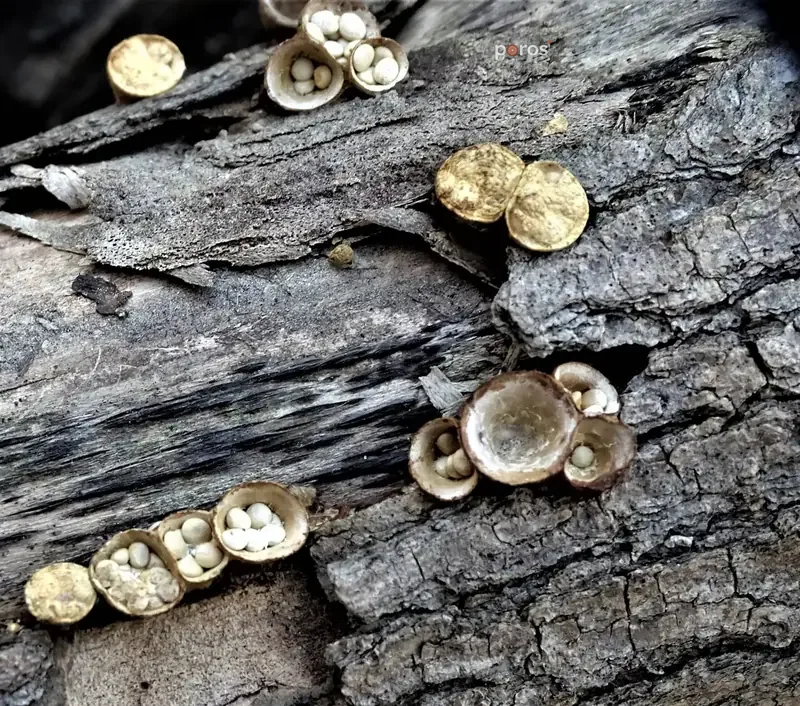
Look-alikes
What could it be confused with?
Common bird’s nest fungus can be mistaken for the species below. Each card shows the look-alike and how it differs from Common bird’s nest fungus.
 Inedible
not Common bird’s nest fungus
Field bird's nest Cyathus olla
Larger (1–1.5 cm), with a grey-brown cup and grey-silver spore packets; it is harmless and goes by the same Turkish name.
 Inedible
not Common bird’s nest fungus
Fluted bird's nest Cyathus striatus
The inside of the cup is clearly fluted, the outside dark brown and shaggy; its packets are grey.
What it contains
It has no culinary value.
General information, not a health claim.
Bird's nest fungi are not known to be poisonous, but at a few millimetres across and tough, they are not eaten. Make sure children do not put garden mushrooms in their mouths; if poisoning is suspected, call poison control.
Frequently asked questions
Is the bird's nest fungus edible?
No. It is not known to be poisonous, but it is only a few millimetres across and tough, so it is not eaten.
Is it poisonous?
It is not listed as poisonous. It is still not an edible mushroom; if a child has put one in their mouth, ask an expert.
What are the eggs inside the cup?
They are peridioles, small packets that hold the spores. When a raindrop hits the cup they are splashed up to a metre away and stick to nearby plants.
Where does it grow?
On rotting twigs, wood chips, mulch, straw and plant debris; it is common in gardens and along woodland edges.
When can you see it?
Our Turkish records run from October to March, with some in May; it is commonest in wet spells.
It appeared in my garden. Is it harmful?
It does not harm plants; it breaks down rotting mulch and wood. There is no need to remove it.
How does Crucibulum laeve differ from Cyathus olla?
Crucibulum laeve is smaller, with a yellow-brown cup and white packets. Cyathus olla is larger, with a grey-brown cup and grey-silver packets.
Where is it found in Turkey?
Our map data has 25 records of Crucibulum laeve (mostly Istanbul) and 17 of Cyathus olla (Muğla, Kırklareli, Istanbul, Manisa and other provinces).
Why does bird's nest fungus grow in mulch?
Bird's nest fungi feed on decaying wood and plant debris, so wood-chip mulch suits them well. They do not harm garden plants and disappear as the mulch breaks down.
What is the difference between bird's nest fungus and artillery fungus?
Both grow in mulch. Bird's nest fungus forms tiny cups holding egg-like spore packets that raindrops splash out. Artillery fungus (Sphaerobolus stellatus) is a tiny orange-cream ball that shoots a sticky black spore mass several metres, leaving hard-to-remove black dots on walls and cars.
When is common bird's nest fungus season in Turkey?
In our calendar, common bird's nest fungus season runs May, Oct–Mar. Bird's nest fungi appear in Turkey with the autumn and winter rains; our records run from October to March, with some in May.
Where does common bird's nest fungus grow?
On rotting twigs, wood chips, sawdust, straw and plant debris, in garden mulch and along woodland edges, in crowded groups. Cyathus olla is more often found on plant debris in fields, gardens and open ground.
Where is common bird's nest fungus found in Turkey?
Our map data (GBIF and iNaturalist) holds 25 Turkish records of Crucibulum laeve, 21 of them from Istanbul, plus Tokat, Osmaniye and Bolu. The similar Cyathus olla adds 17 records from Muğla, Kırklareli, Istanbul, Manisa, Adıyaman, Bursa, Ankara, Hatay, İzmir and Samsun.
What can common bird's nest fungus be confused with?
Common bird's nest fungus can be confused with field bird's nest (Cyathus olla, inedible) and fluted bird's nest (Cyathus striatus, inedible). Look-alikes are compared on this page.
What is common bird's nest fungus called in Turkish?
In Turkish, common bird's nest fungus (Crucibulum laeve) is called Kuş yuvası mantarı.
Related species
-
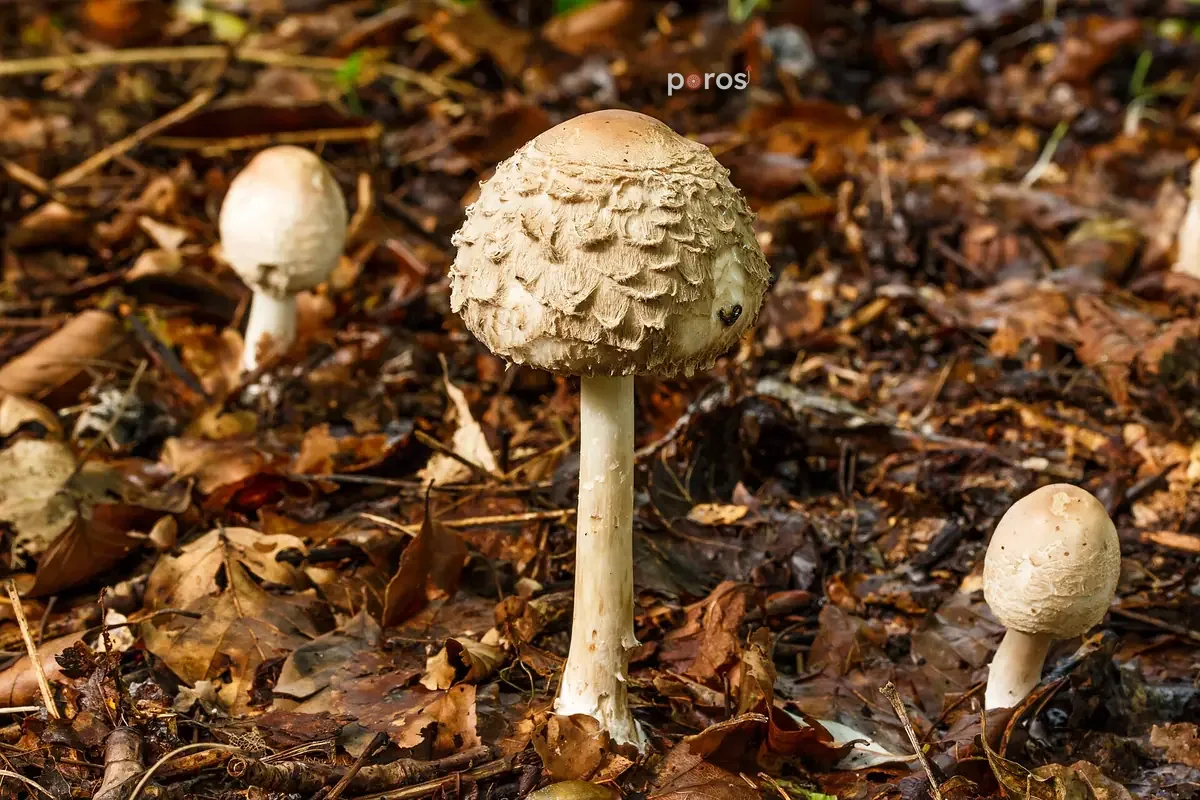 Shaggy parasolChlorophyllum rhacodesInedible
-
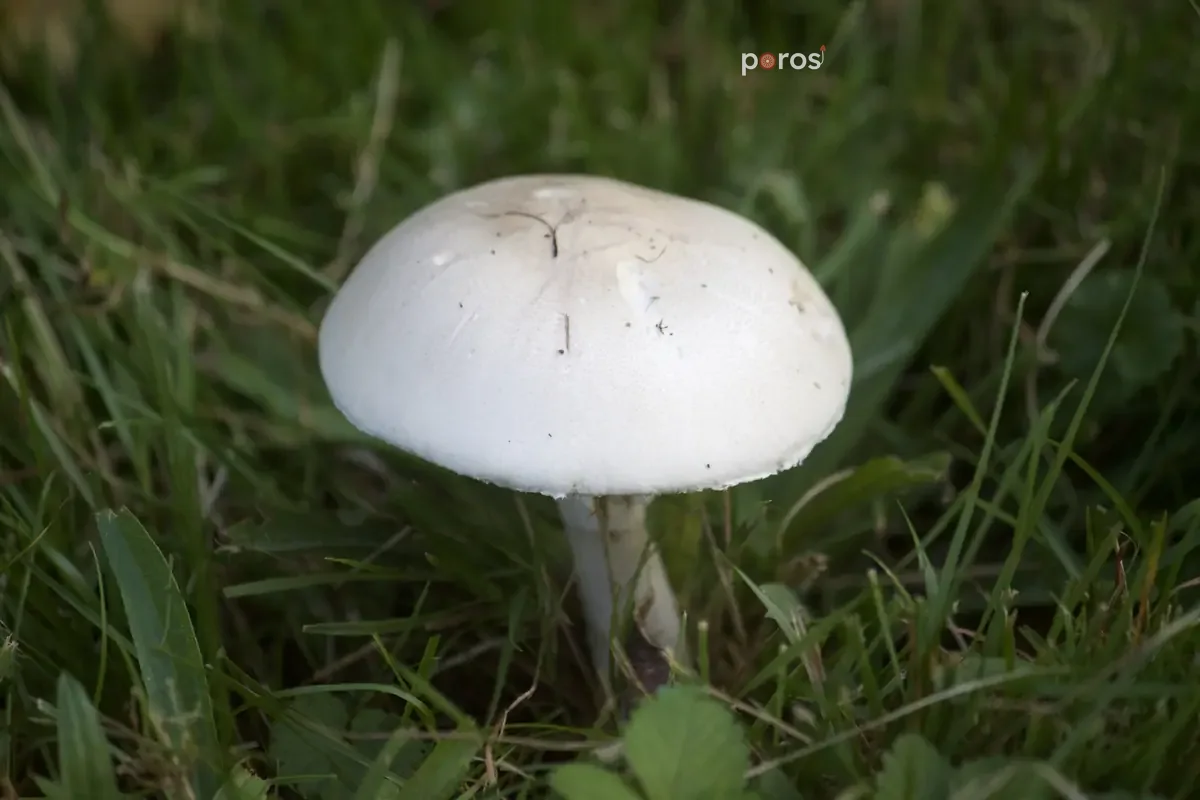 White dapperlingLeucocoprinus leucothitesInedible
-
 Button mushroomAgaricus bisporusEdible species
-
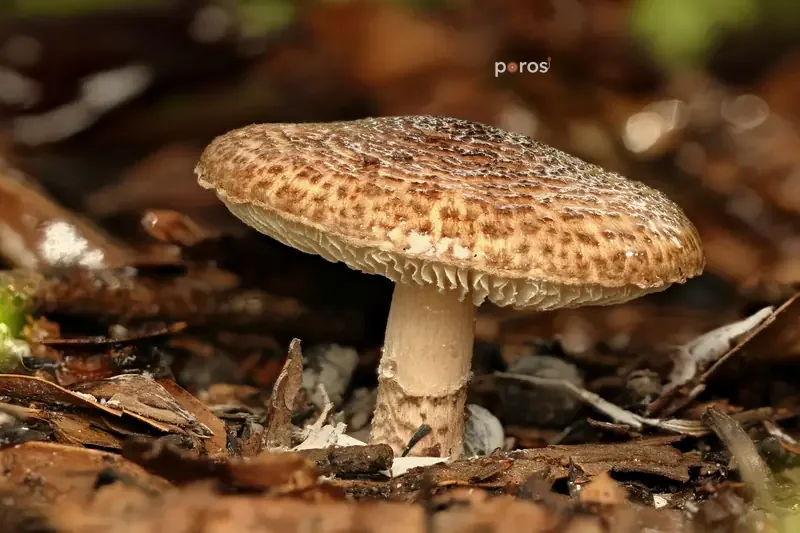 Deadly dapperlingLepiota brunneoincarnataDeadly poisonous
-
 Field mushroomAgaricus campestrisEdible species
-
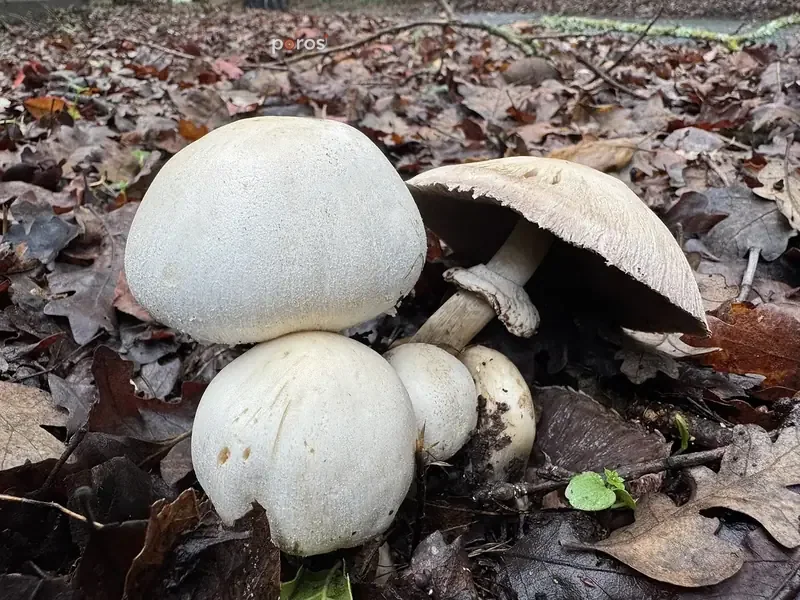 Horse mushroomAgaricus arvensisEdible species
-
 Parasol mushroomMacrolepiota proceraEdible species
-
 Shaggy ink capCoprinus comatusEdible species
Sources
- Shabaev ve ark. (2024), Journal of Fungi: Crucibulum laeve odun çürütme yeteneği pubmed.ncbi.nlm.nih.gov
- Wikipedia (EN): Crucibulum laeve en.wikipedia.org
- First Nature: Crucibulum laeve first-nature.com
All sources (6)
- Wikipedia (EN): Cyathus olla en.wikipedia.org
- iNaturalist: Crucibulum laeve (Türkçe ad ve Türkiye gözlemleri) inaturalist.org
- GBIF: Türkiye kayıtları gbif.org
Photo credits (16)
- File:Crucibulum laeve 61122619.jpg · Alexis · CC BY 4.0
- Crucibulum laeve · iNaturalist #146191347 · Cricket Raspet · CC BY 4.0
- Crucibulum laeve · iNaturalist #92964293 · Björn Sothmann · CC BY-SA 4.0
- Crucibulum laeve · iNaturalist #38416888 · Alexis Tinker-Tsavalas · CC BY 4.0
- Crucibulum laeve · iNaturalist #257298747 · Marilynne Box · CC BY 4.0
- Crucibulum laeve · iNaturalist #38416888 · Alexis Tinker-Tsavalas · CC BY 4.0
- Crucibulum laeve · iNaturalist #38428683 · Alexis Tinker-Tsavalas · CC BY 4.0
- Crucibulum laeve · iNaturalist #34994850 · Shirley Zundell · CC BY 4.0
- iNaturalist: İstanbul, 7 Oct 2026 · Umut Nuri Erdoğan · CC BY
- iNaturalist: İstanbul, 7 Oct 2026 · Umut Nuri Erdoğan · CC BY
- iNaturalist: Bursa, 16 Feb 2026 · Umut Nuri Erdoğan · CC BY
- iNaturalist: Kırklareli, 8 Nov 2025 · Asrın Akıncıoğlu · CC BY
- iNaturalist: Tokat, 16 Jan 2025 · Ali Çağlar · CC BY
- iNaturalist: İstanbul, 1 Jan 2025 · Umut Nuri Erdoğan · CC BY
- iNaturalist: İstanbul, 22 Dec 2024 · no rights reserved · CC0
- iNaturalist: İstanbul, 5 Dec 2024 · Umut Nuri Erdoğan · CC BY
